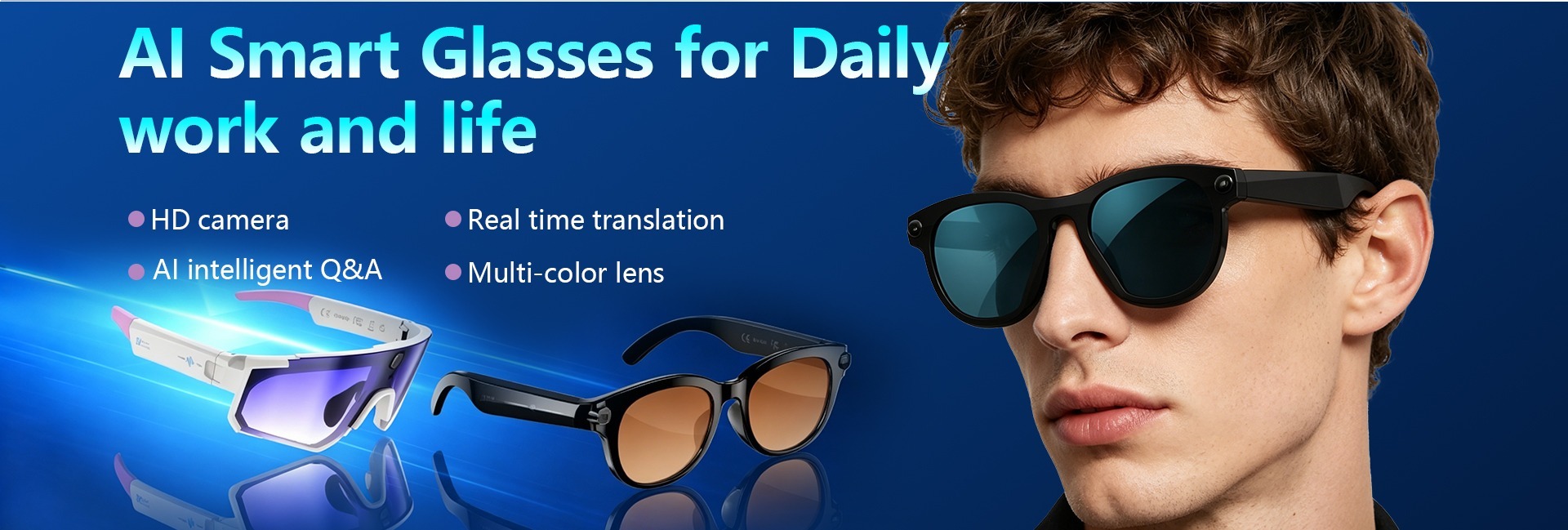
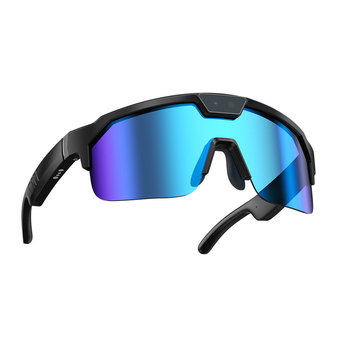
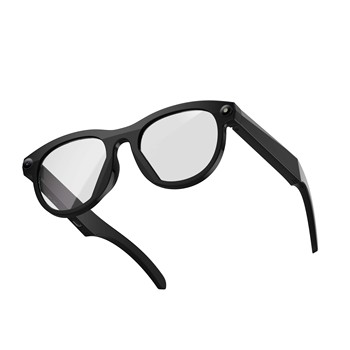
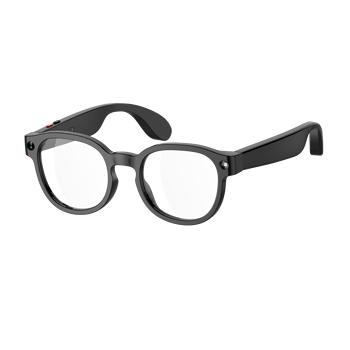
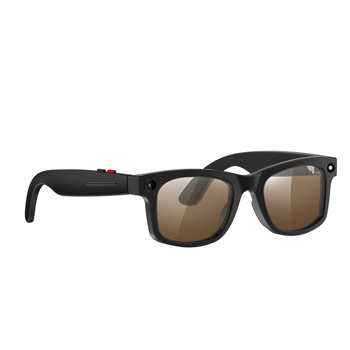
AI translation smart glasses with camera and real-time audio translation
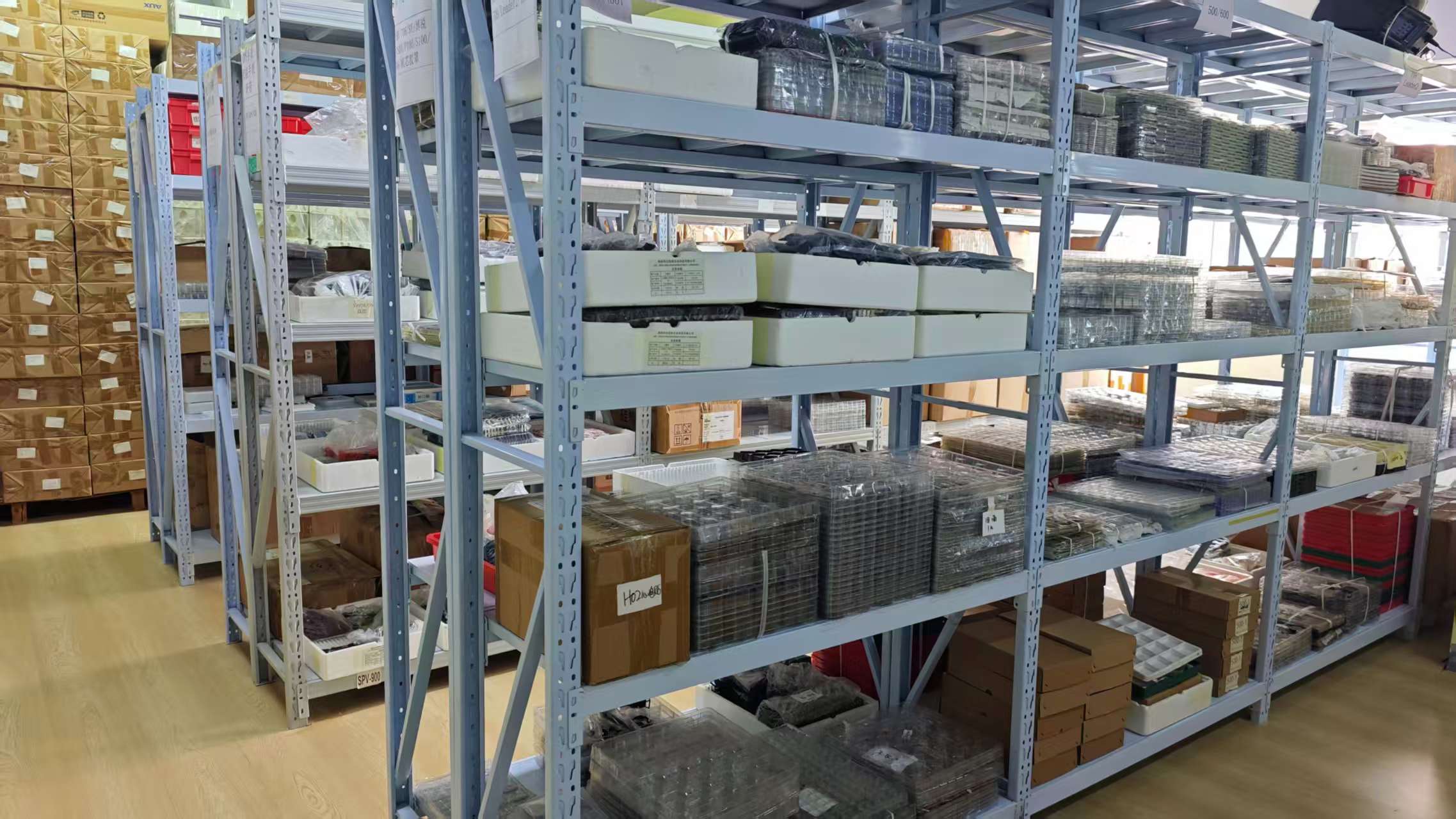
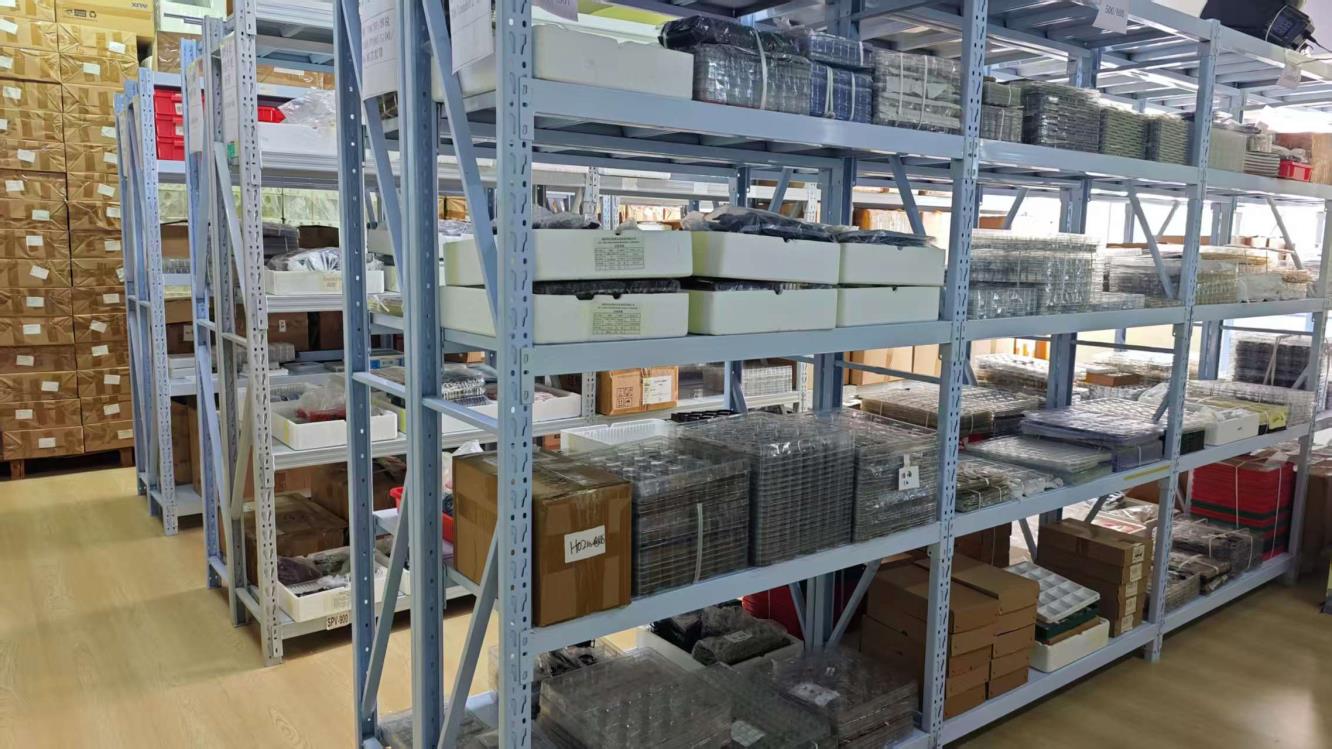
Shenzhen Honsys Technology Co., Ltd. smart wearable manufacturing facility
Next-generation smart wearables and AI glasses product line
Enterprise B2B Hardware Engineering · Shenzhen, China

AI Translation Smart Glasses: How Global Procurement Solves Real-Time Latency, Acoustic Isolation, and Enterprise API Integration

As cross-border commerce, international diplomacy, remote engineering, and hospitality modernize, global procurement directors demand more than consumer audio frames. Professional buyers actively ask: How can wearable translation eliminate awkward conversational delays? How do dual-mic arrays maintain 98%+ speech recognition accuracy in 75 dB ambient noise? How can enterprise client platforms retain proprietary data sovereignty without leaking audio to public cloud servers?

At Shenzhen Honsys Technology Co., Ltd., we bridge state-of-the-art edge AI inference with ISO-certified hardware manufacturing. Established in 2010 and exporting internationally since 2012, our engineering center delivers field-proven AI translation smart glasses featuring millisecond speech-to-speech pipelines, localized offline neural translation models, open SDKs/APIs, and precision-engineered lightweight ergonomics.

  • 100% In-House SMT & Assembly
  • Sub-600ms Translation Latency
  • Open SDK/API for Private LLMs
  • FCC, CE, RoHS & EPR Certified
R&D Horizons

Technological Evolution: Where Wearable AI Translation is Heading

The convergence of generative AI, compact optical engines, and high-density silicon is rapidly redefining smart eyewear capabilities. For sourcing directors planning product cycles over the next 24 to 48 months, three dominant hardware trajectories require strategic alignment:

  • Multimodal Contextual Awareness: Instead of translating purely based on isolated audio streams, future models synthesize real-time video frames from the embedded camera. When an overseas visitor gestures toward a component or sign, the multimodal AI engine evaluates both visual reference and verbal context, completely eliminating lexical ambiguity.
  • MicroLED Waveguide Heads-Up Subtitles: While acoustic translation remains the industry cornerstone, lightweight binocular monochrome and full-color MicroLED optical waveguides will superimpose translated subtitles directly into the wearer’s peripheral sightline, enabling total silent communication in sensitive environments.
  • Sub-Nano Silicon & Dual-Cell Ergonomics: Advances in 4nm wearable chipsets drastically lower thermal emissions, allowing our engineers to embed high-density dual lithium batteries symmetrically inside lightweight temples, achieving 10+ hours of continuous uptime under 40 grams total weight.

Shenzhen Honsys Technology Co., Ltd. continuously refines these architectural domains, maintaining pre-production prototyping and patent documentation to give our OEM/ODM brand partners an unrivaled competitive time-to-market advantage.

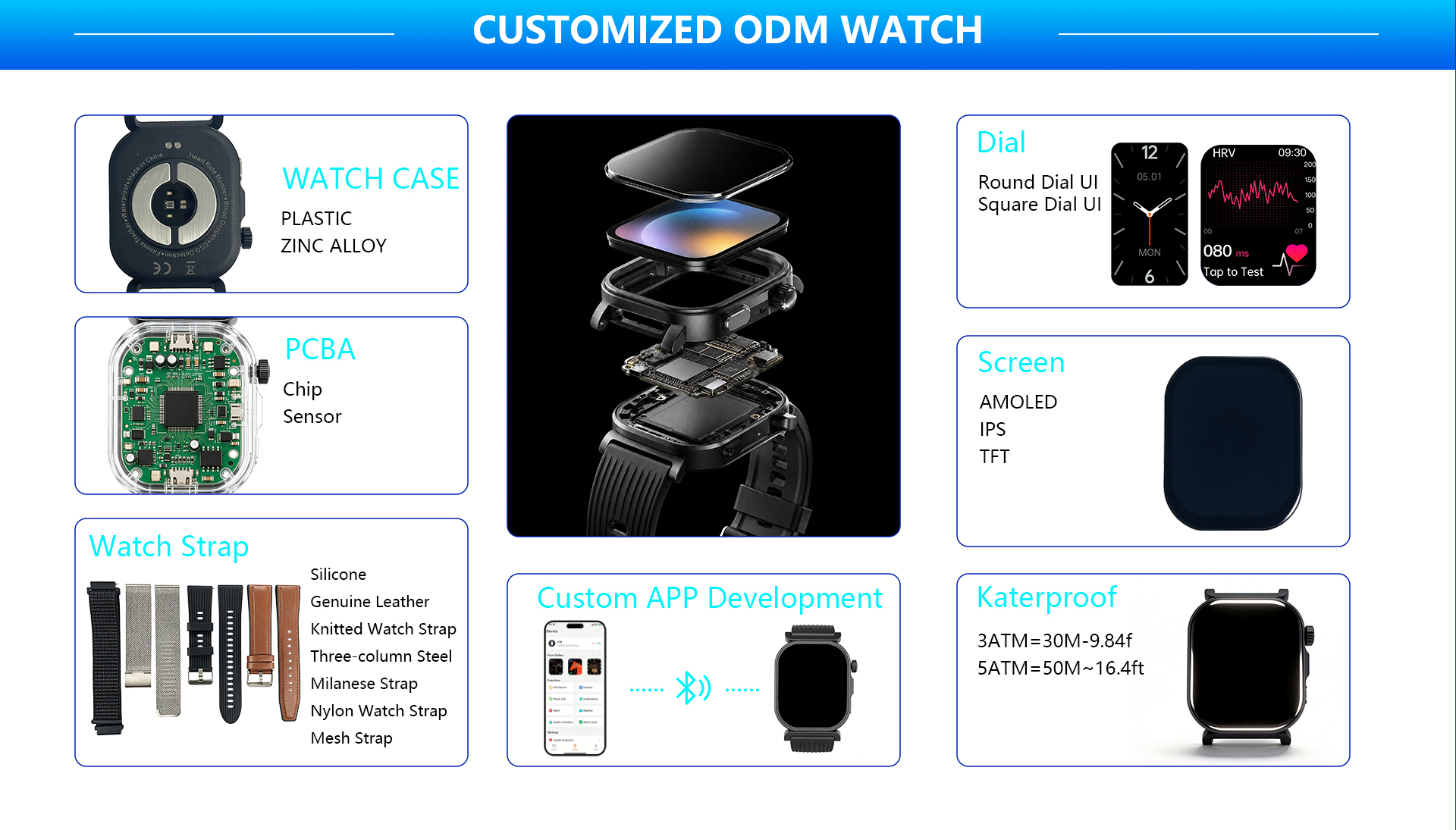
Comprehensive smart wearable hardware integration overview
Manufacturing Precision & Verification

Shenzhen Honsys Technology Co., Ltd.: Manufacturing Competence

True E-E-A-T requires operational transparency. We combine certified engineering processes with high-precision manufacturing equipment inside our Shenzhen production lines to assure long-term hardware reliability.

Rigorous Engineering Governance & Testing Apparatus

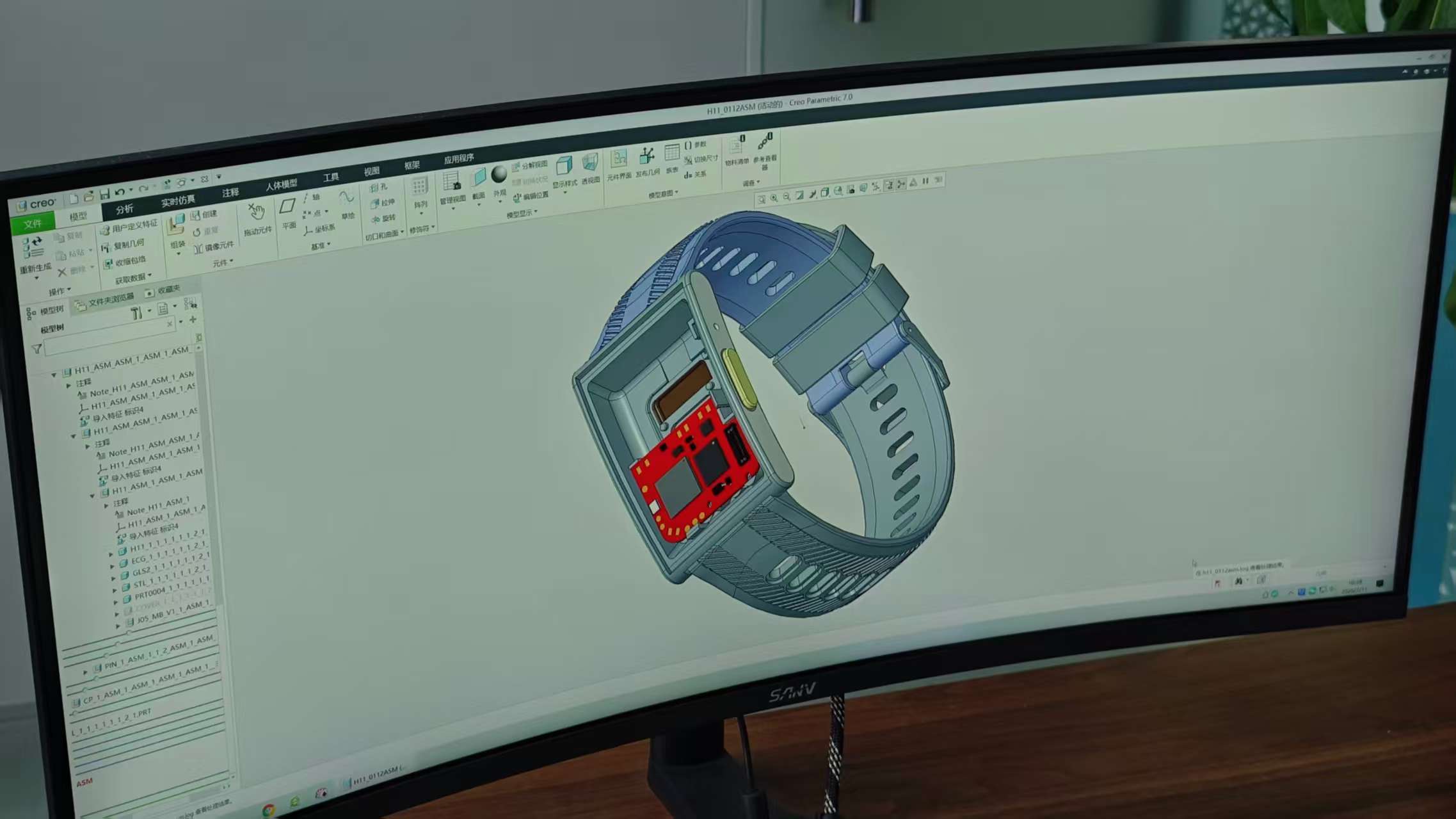
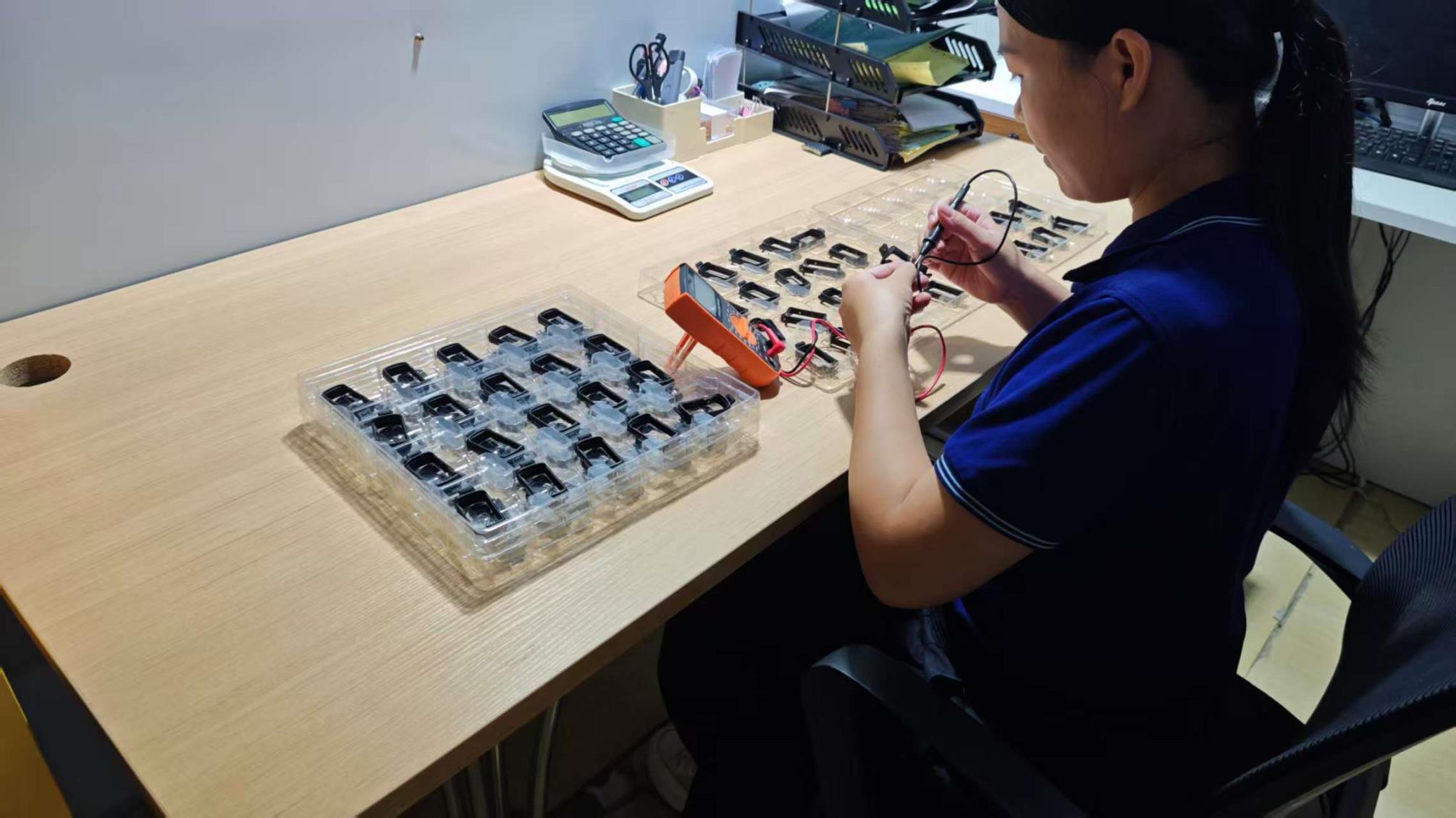
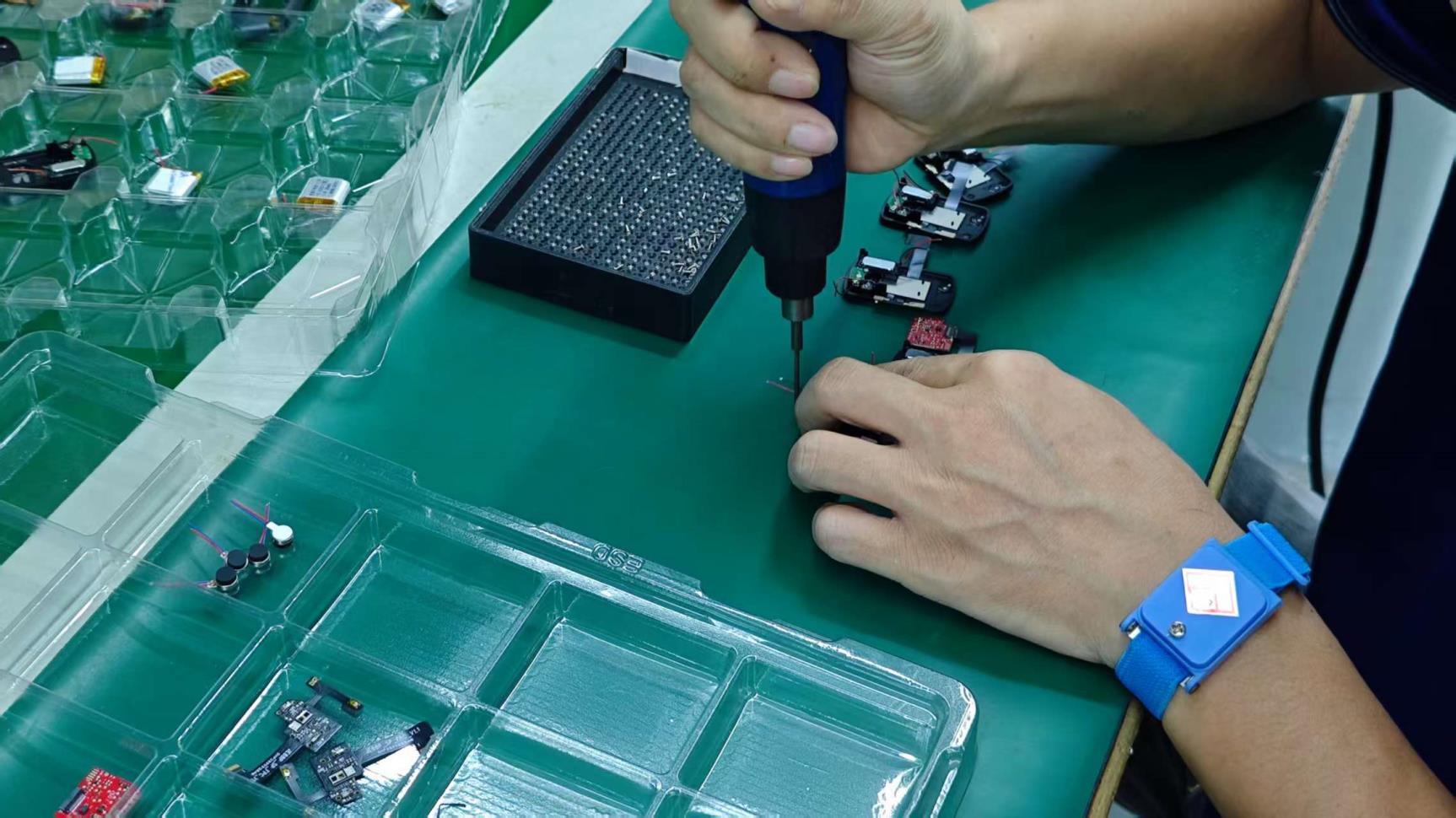
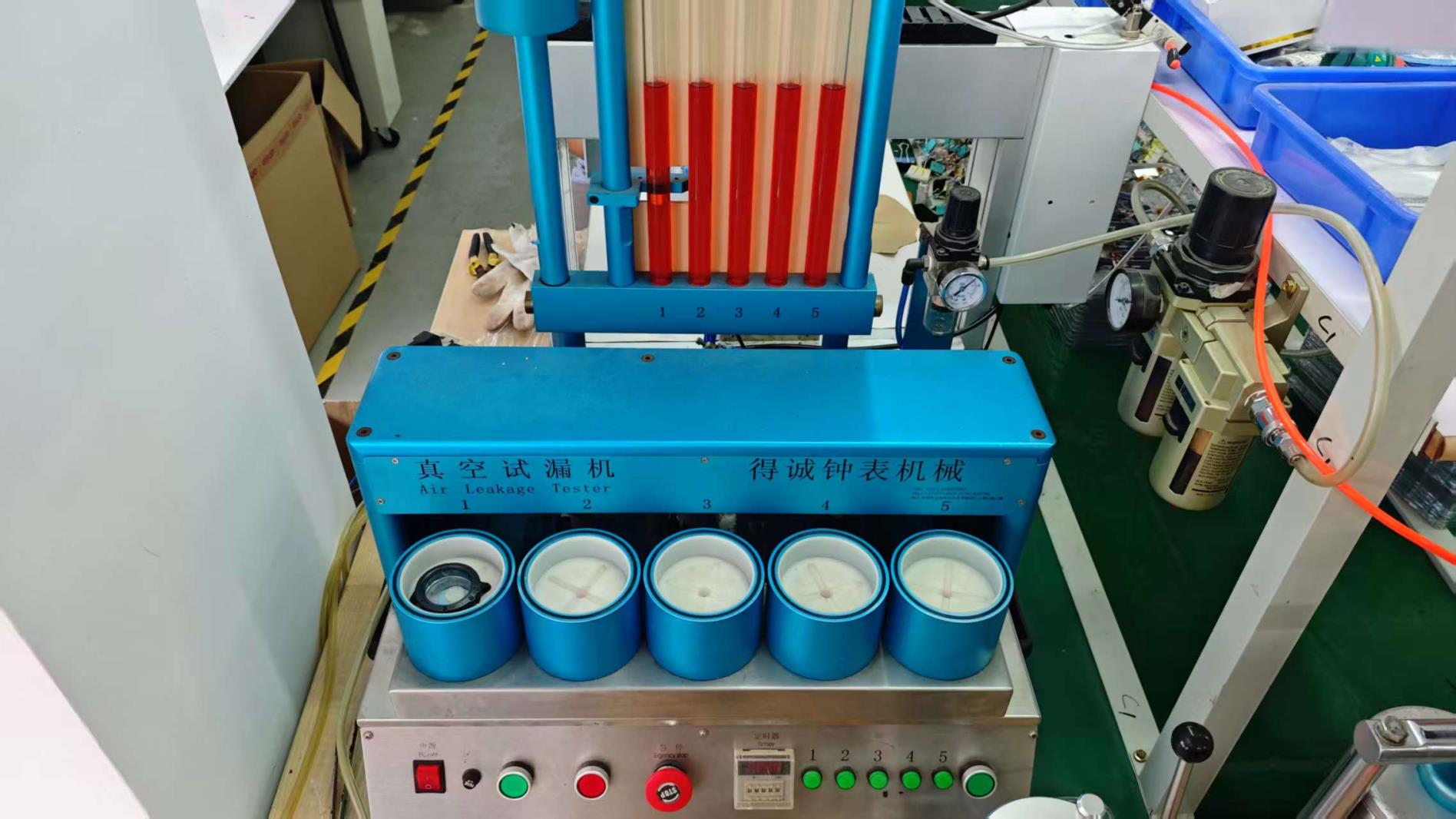
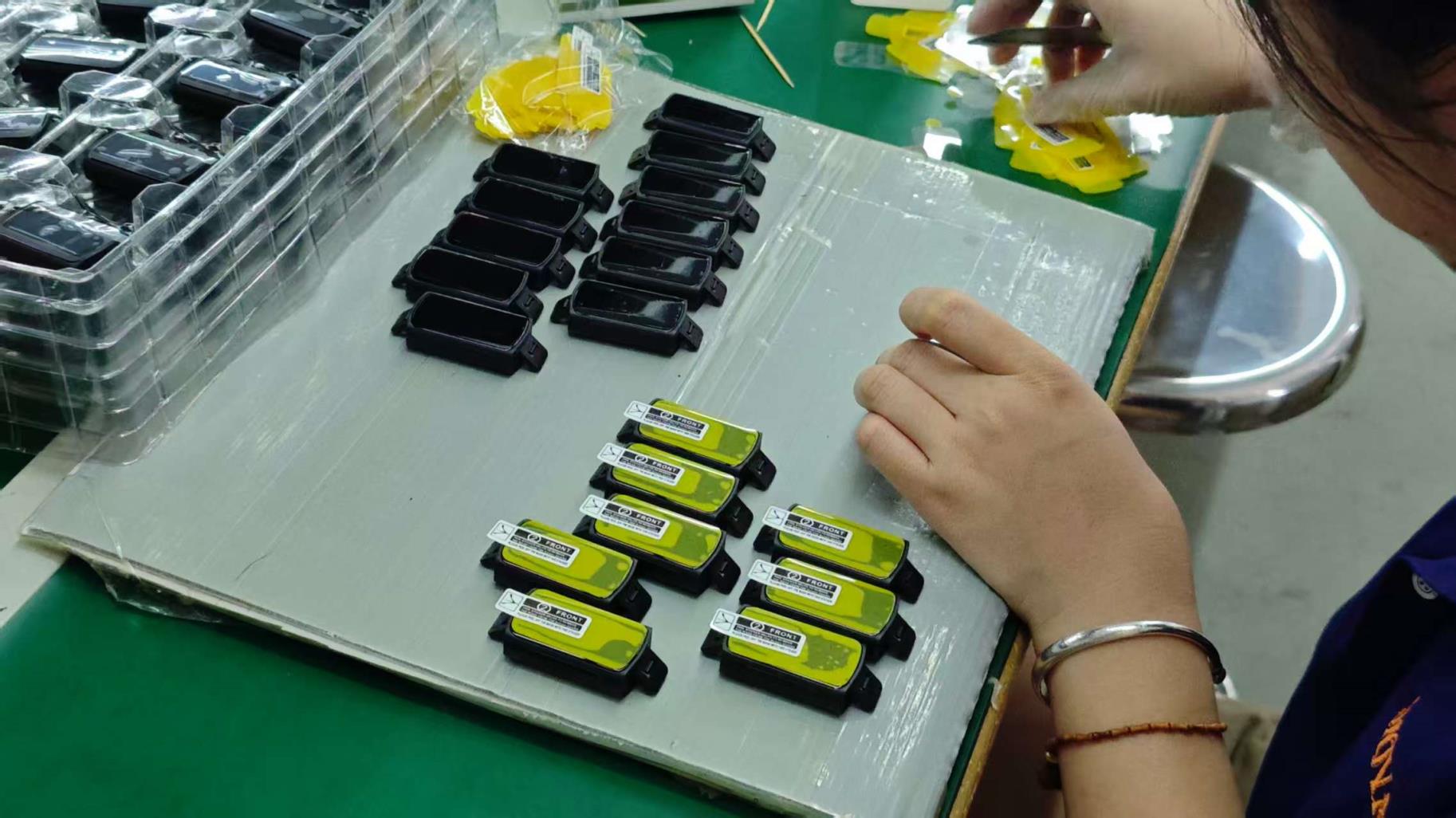
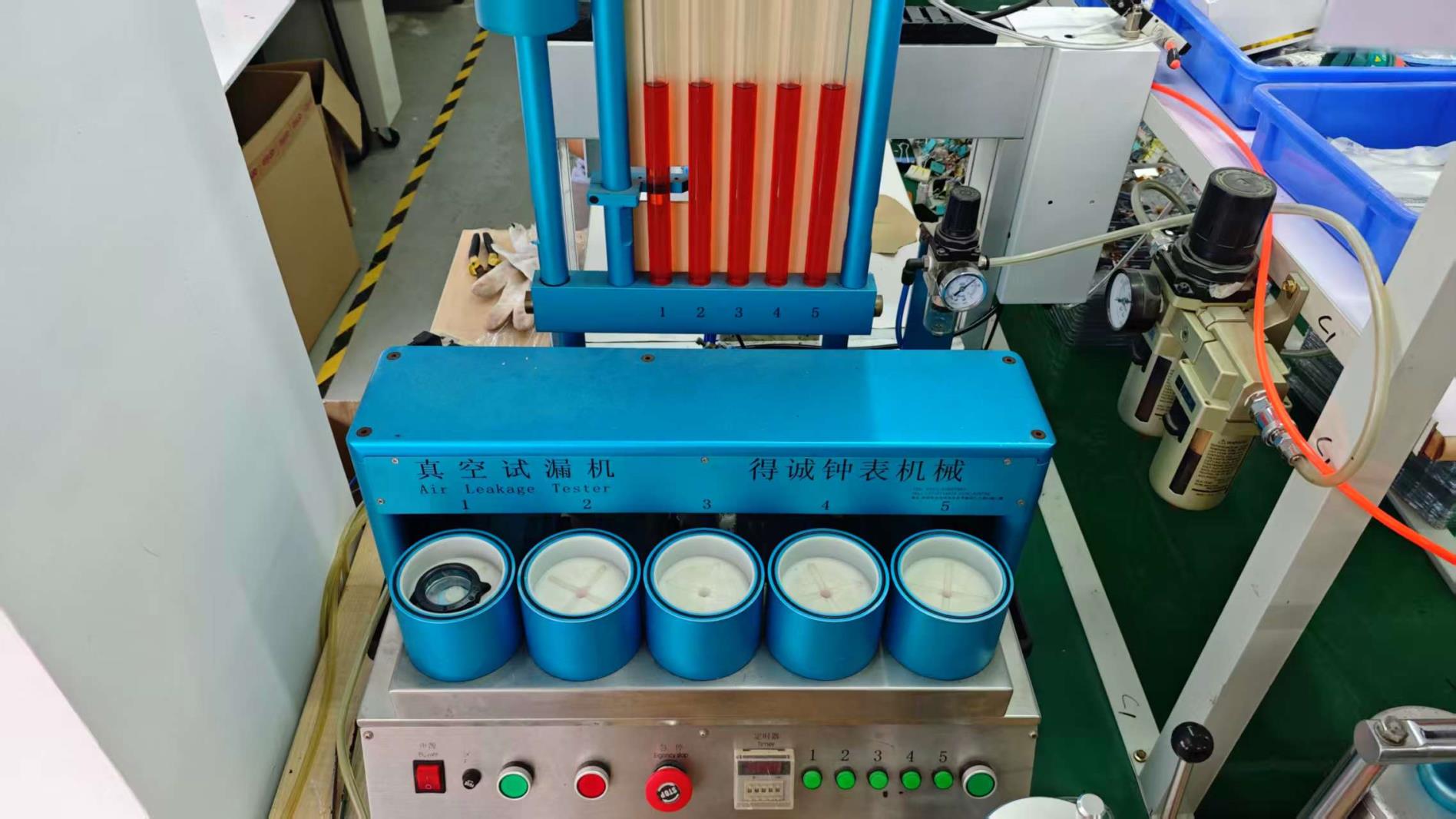
Every single unit of AI translation smart glasses produced by Shenzhen Honsys Technology Co., Ltd. undergoes an exhaustive seven-tier manufacturing validation process. From our initial Design and structural thermal simulation to raw materials qualification, our certified technical staff guarantees complete process stability.

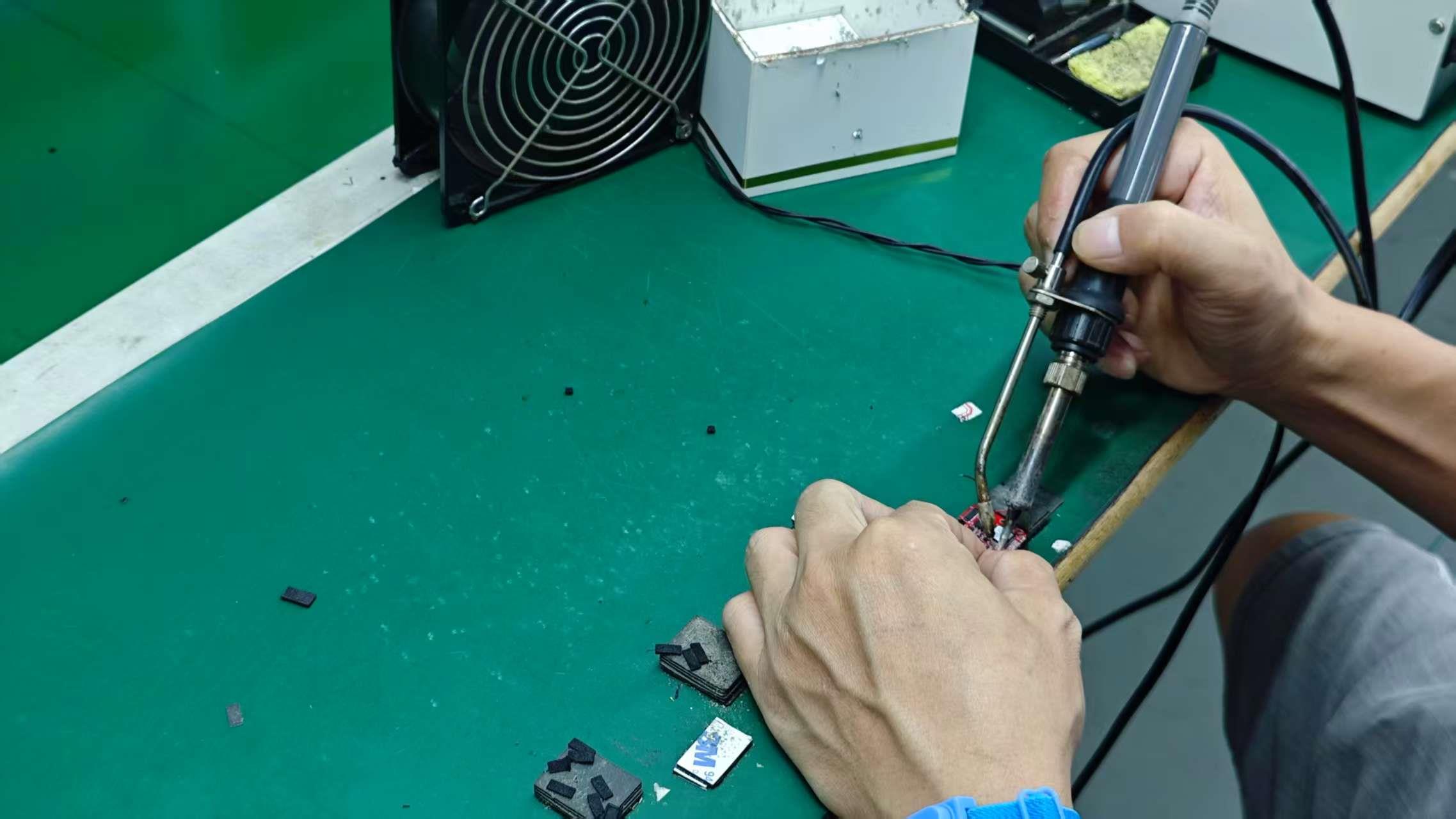
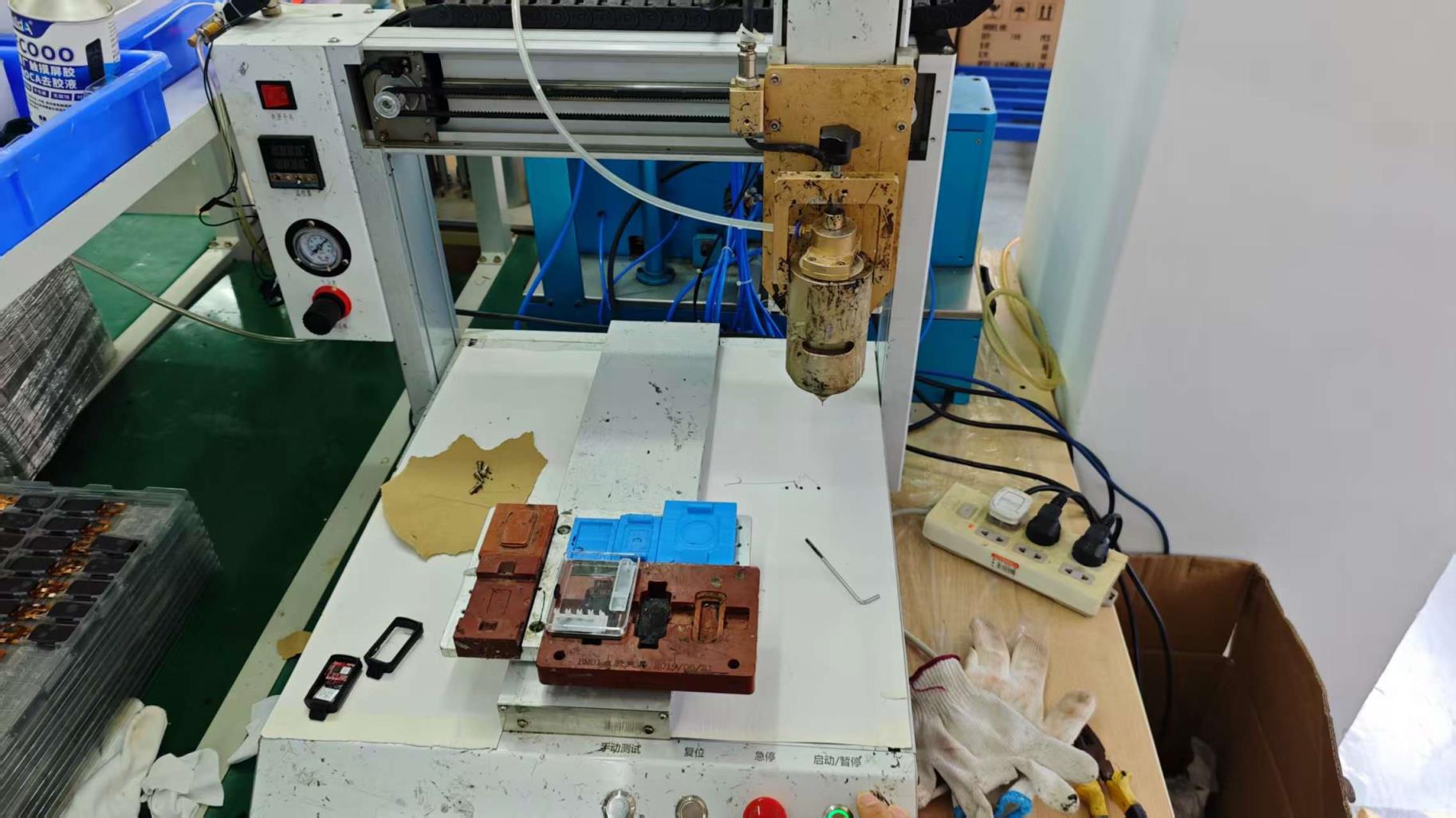
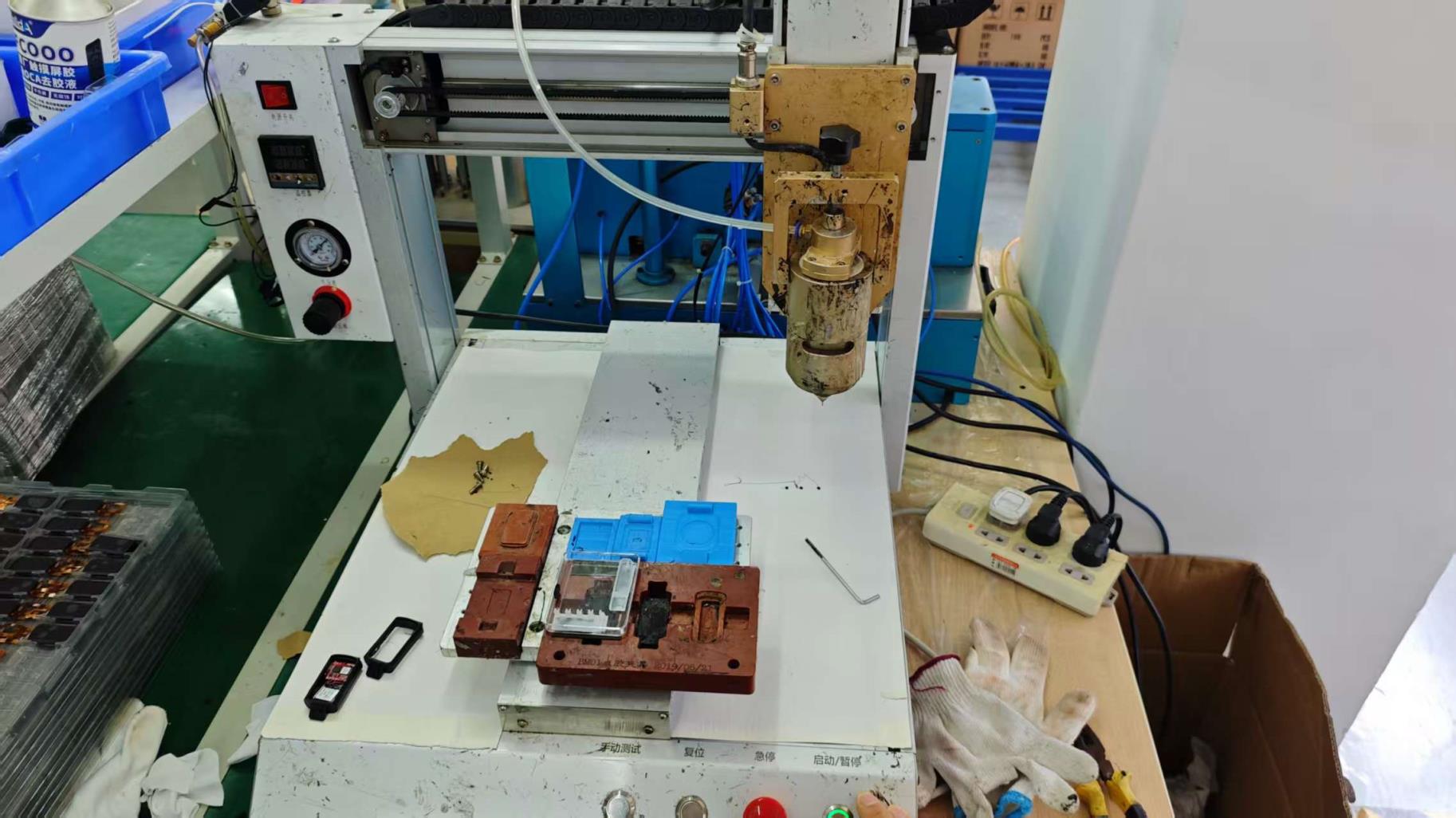
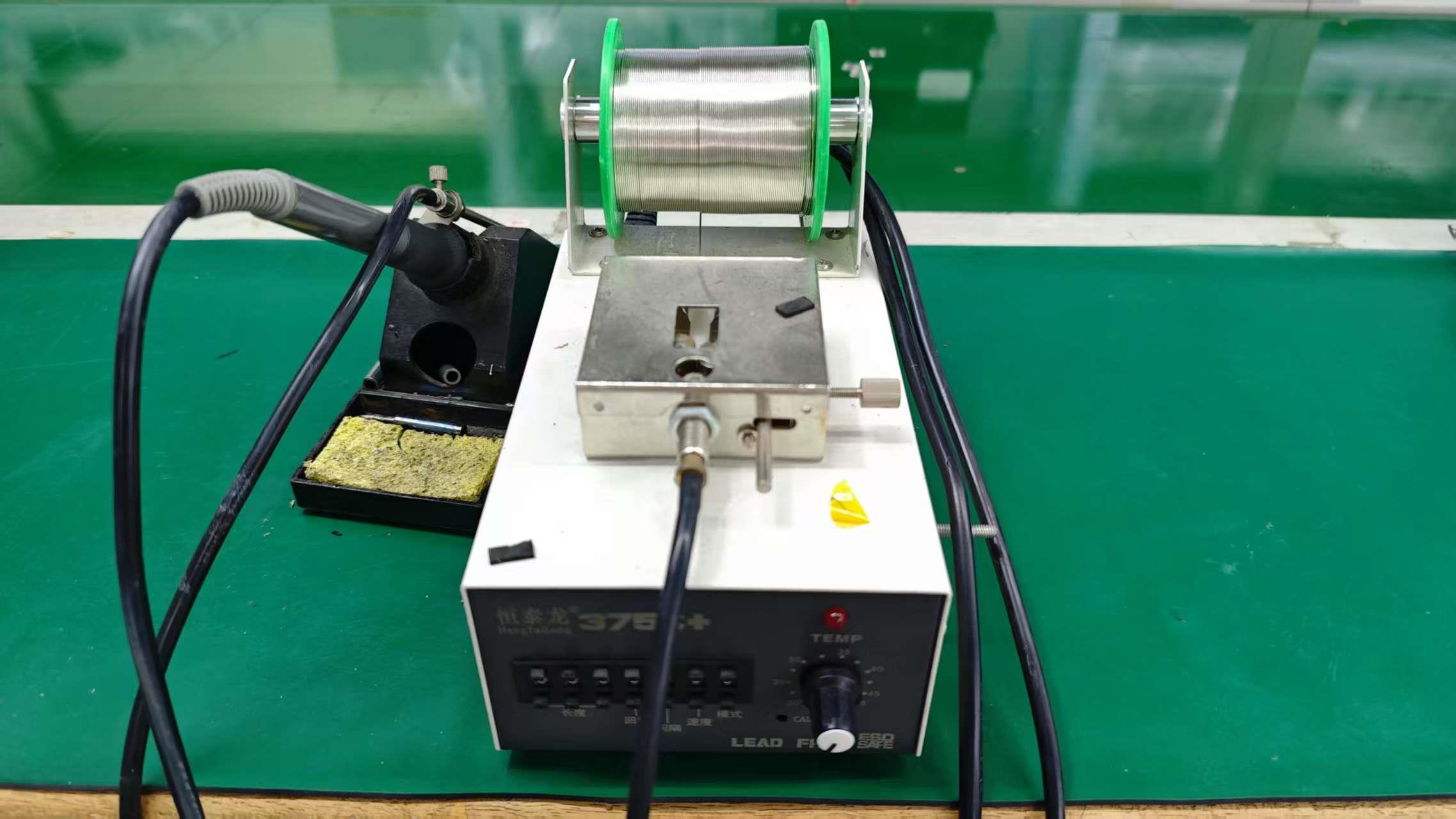
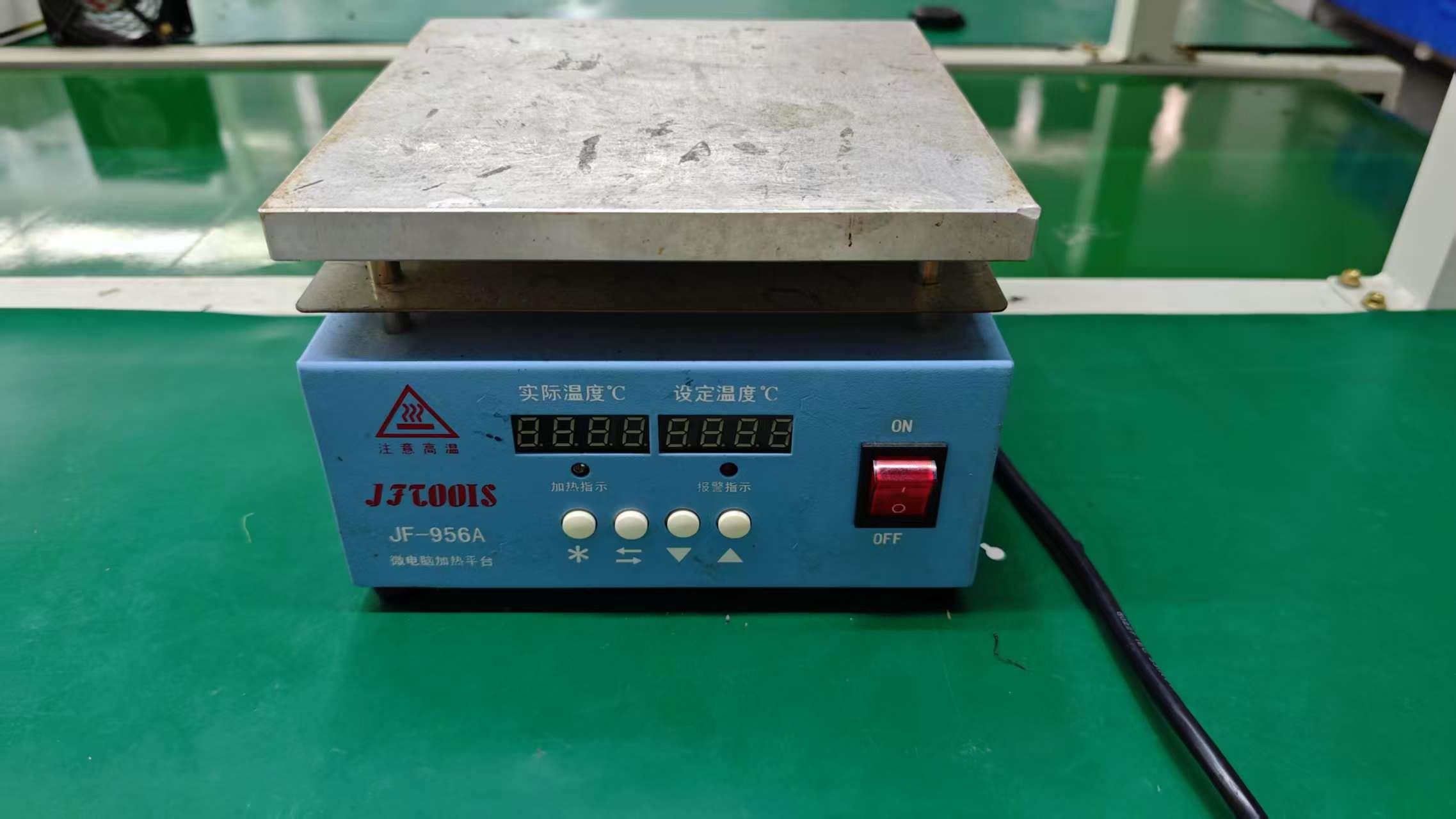
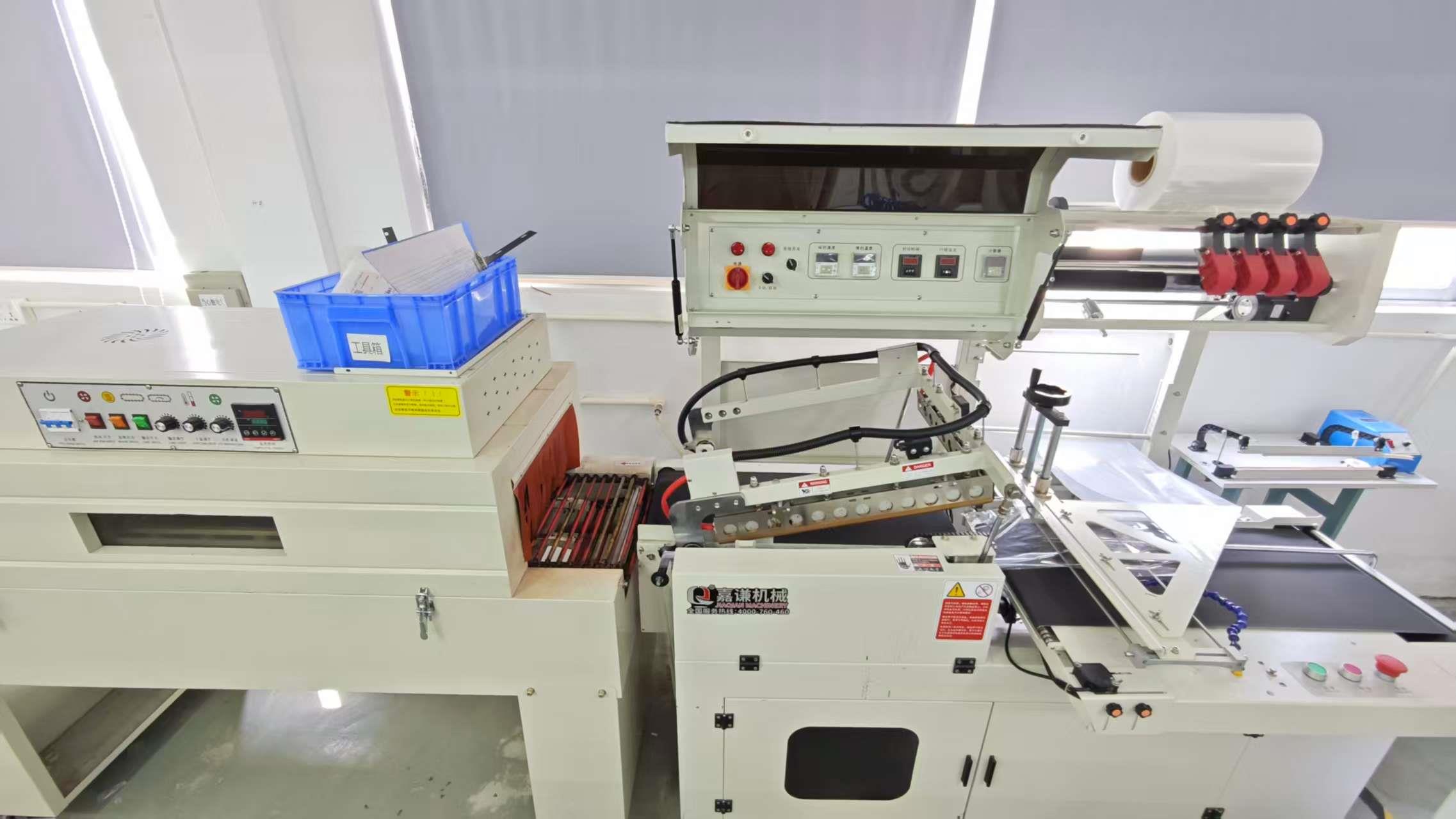
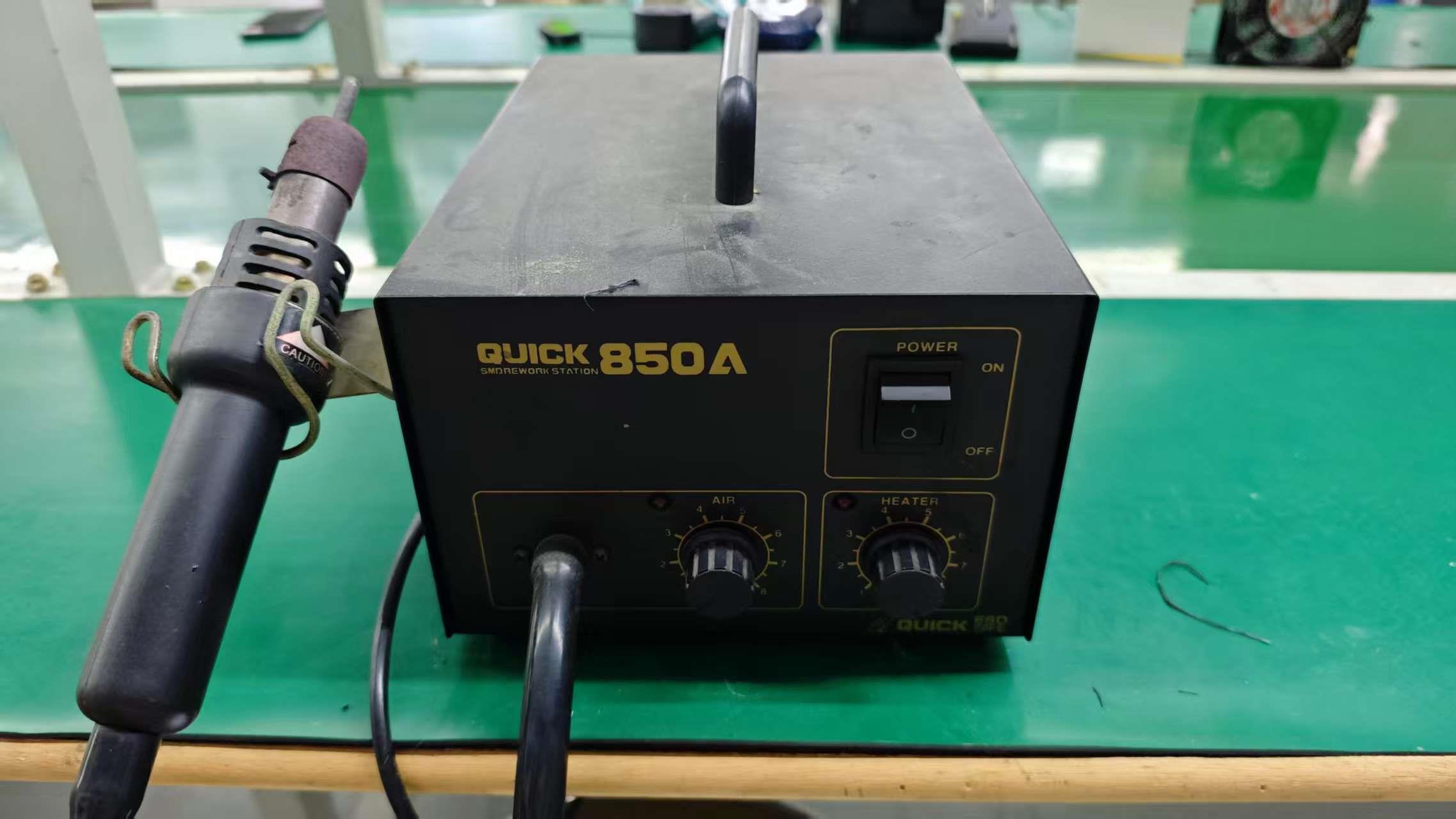
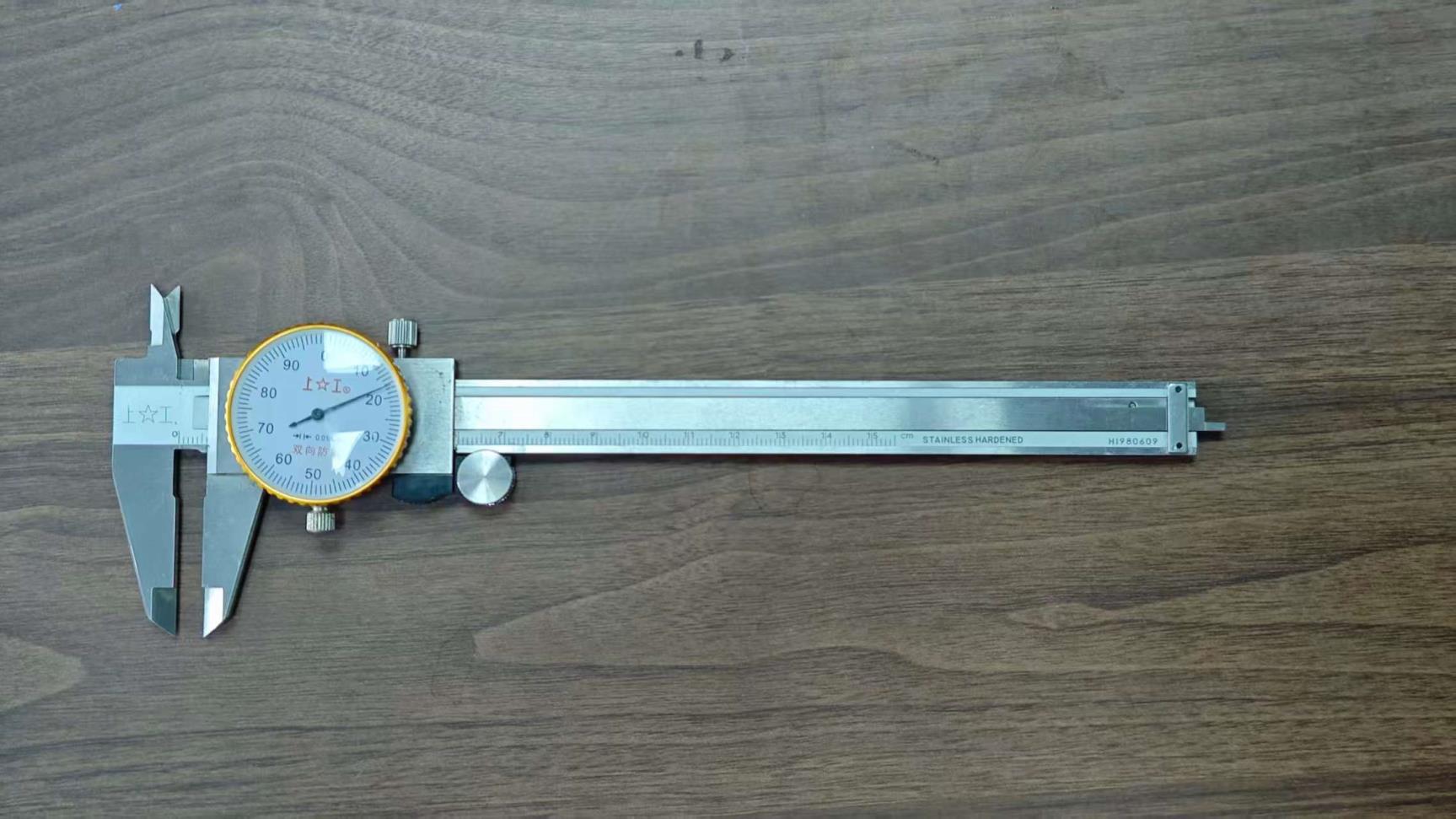
Our production floor utilizes automated Soldering Machines (Soldering Machine), programmable Heating Machines (Heating Machine), calibrated Hot Shrinking Machines (Hot Shrinking Machine), and specialized industrial Heat Guns (Heat Gun). To ensure optical alignment and mechanical comfort, each batch is inspected using precision digital Vernier Calipers (Vernier Caliper) before entering comprehensive acoustic audio testing.

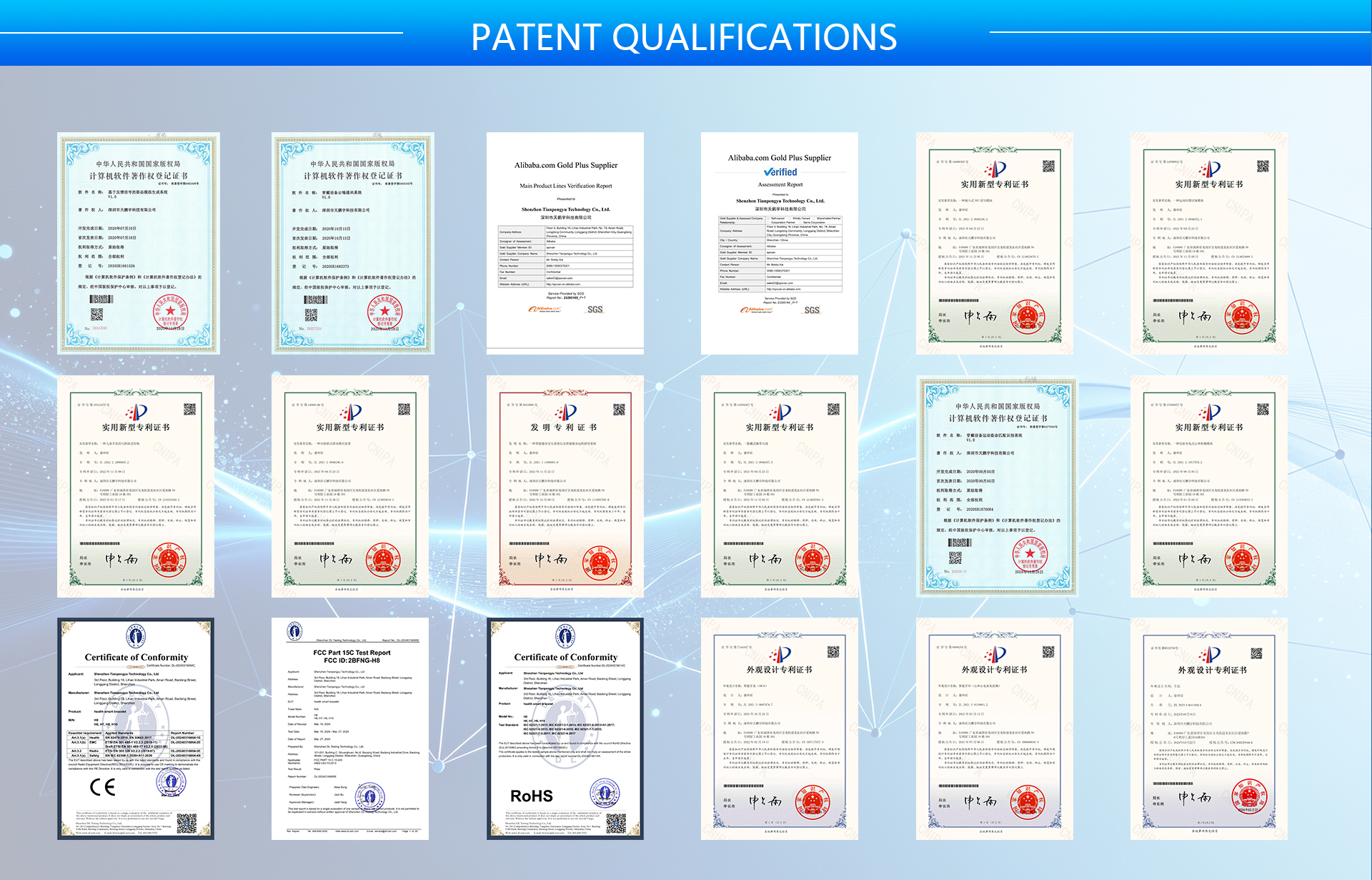
Comprehensive Certification and Quality Testing Overview
Inquiry Intent Mining

Frequently Asked Questions by Global B2B Purchasers

Direct answers addressing the technical, commercial, logistical, and architectural inquiries most commonly posed by enterprise buyers and hardware procurement directors.

Contact Us
How do your smart glasses process bi-directional conversations in high-noise environments?

Our AI Translation Smart Glasses utilize a specialized dual-microphone MEMS beamforming architecture. The primary forward-facing microphone captures the target acoustic signature of the speaker, while the auxiliary reference microphone samples environmental reverberation and background noises. Our proprietary on-chip Environmental Noise Cancellation (ENC) algorithm suppresses background noise by up to 35 dB, ensuring that the Automatic Speech Recognition (ASR) engine receives a pristine, isolated audio stream even on bustling trade show floors or busy airport terminals.

What is the realistic latency benchmark for continuous speech-to-speech translation?

Under standard 4G/5G or Wi-Fi connectivity, end-to-end latency averages between 450 ms and 750 ms across the top 40 major global language pairs (including English, Mandarin, Spanish, French, German, Arabic, Japanese, and Portuguese). The latency pipeline covers local Voice Activity Detection (VAD) audio buffering (100 ms), cellular transport (80 ms), server-side neural translation processing (200 ms), and Text-to-Speech (TTS) streaming synthesis (120 ms). For mission-critical offline deployments, our localized edge models deployed on the companion host app achieve rapid sub-600ms latency without external network dependencies.
Can enterprise clients integrate proprietary LLMs or private corporate translation servers?

Yes. Shenzhen Honsys Technology Co., Ltd. provides comprehensive, developer-ready native Android and iOS SDKs, as well as React Native and Flutter wrapper plugins. Enterprise clients can completely decouple the hardware from standard public translation APIs and redirect raw or pre-processed audio streams directly into private corporate LLM deployments, on-premise neural translation servers, or custom industry-specific vocabularies (e.g., aerospace, pharmaceuticals, international maritime law).

What are your OEM/ODM private labeling and mechanical tooling capabilities?

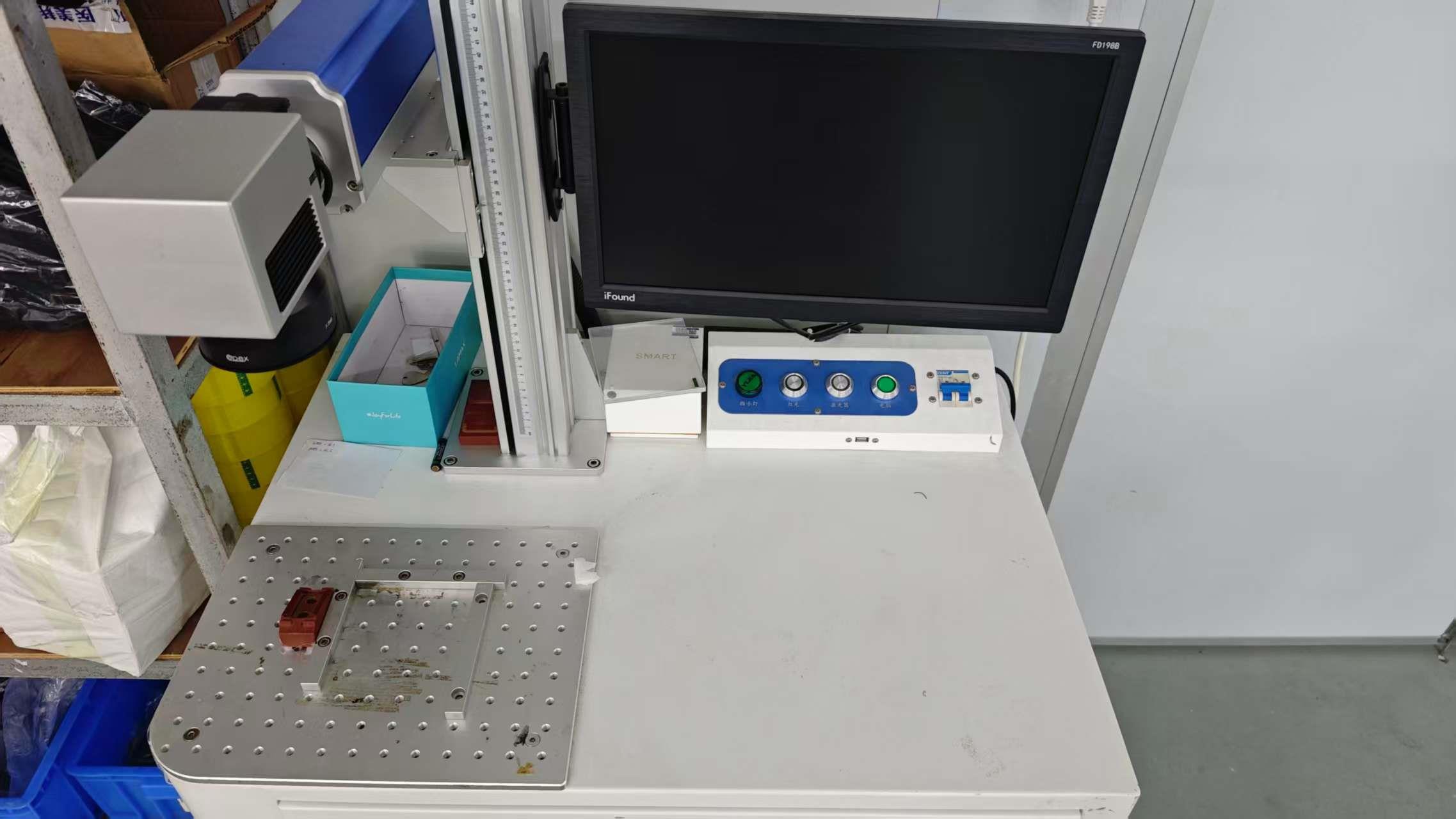
We offer turnkey OEM and ODM services. For OEM projects, we offer high-precision laser marking for corporate logos, customized lens options (UV400 polarized, anti-blue light, photochromic, and magnetic prescription clips), custom startup audio chimes, tailored mobile app branding, and retail gift-box design. For full ODM projects, our engineering center conducts custom frame injection mold fabrication, PCB layout optimization, customized acoustic sound chambers, and regional RF regulatory certification support.

How do you prevent audio leakage during private executive conversations?

Our open-ear acoustic temples utilize directional sound cavity physics combined with active reverse-phase sound cancellation. The speaker transducers are angled precisely toward the wearer's ear canal, while micro-ports on the exterior temple emit inverted phase acoustic waves that cancel out sound propagation. At standard 60% listening volume, audible sound drops to undetectable ambient room levels beyond a 0.5-meter perimeter, safeguarding private commercial negotiations.

What quality certifications and international export compliance standards do you maintain?

All wearable models manufactured by Shenzhen Honsys Technology Co., Ltd. comply with FCC (United States), CE-RED (European Union), RoHS, and REACH hazardous material restrictions. Furthermore, we maintain official EPR (Extended Producer Responsibility) environmental registrations for Germany and France. Official Declarations of Conformity (DoC), UN38.3 battery flight safety certifications, and MSDS safety documentation are systematically supplied with order fulfillment.

What is your production lead time, sample evaluation protocol, and warranty policy?

Evaluation samples are available with immediate dispatch within 3 to 5 business days for qualification testing. Standard bulk production runs average 25 to 35 days upon sample sign-off and deposit receipt, shipped FOB Shenzhen or Hong Kong. Every unit is backed by our standard 12-month commercial manufacturer warranty, supported by dedicated factory firmware engineers and immediate replacement provisions for any documented manufacturing defects.

Empower Your Brand with Next-Gen AI Translation Smart Glasses

Consult directly with our hardware engineering team in Shenzhen. Request engineering samples, complete API/SDK technical documentation, and tailored OEM volume pricing.