As artificial intelligence models transform preventive digital health, global B2B procurement teams, medical-grade distributors, and corporate wellness platforms face identical technical dilemmas: How accurate is continuous nocturnal SpO2 pulse oximetry on the wrist? How do motion artifacts affect sleep apnea hypopnea indexing (AHI)? And how can a proprietary digital health cloud integrate raw biometrics via open SDK/API without data bottlenecks?
Shenzhen Honsys Technology Co., Ltd. has specialized in engineering and manufacturing high-precision Blood Oxygen Sleep Monitor Bands, screenless health trackers, and ECG/PPG smart wearables since 2010. By pairing multi-wavelength optical PPG reflection (red 660nm + infrared 940nm photoplethysmography), low-power 3-axis/6-axis accelerometer motion decoupling, and validated algorithm stacks, our wearable hardware delivers reliable nighttime blood oxygen saturation, heart rate variability (HRV), and clinical-grade sleep phase segmentation (REM, Deep, Light, and Awake cycles).
Top-Recommended Blood Oxygen Sleep Monitor Band Platforms
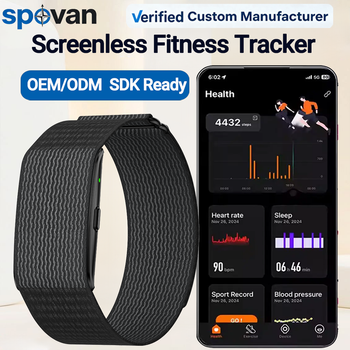
Engineered for high nocturnal signal-to-noise ratios (SNR), zero blue-light disturbance, and long battery life. Each model supports custom firmware, custom laser-marked logos, custom packaging, and private API streaming.
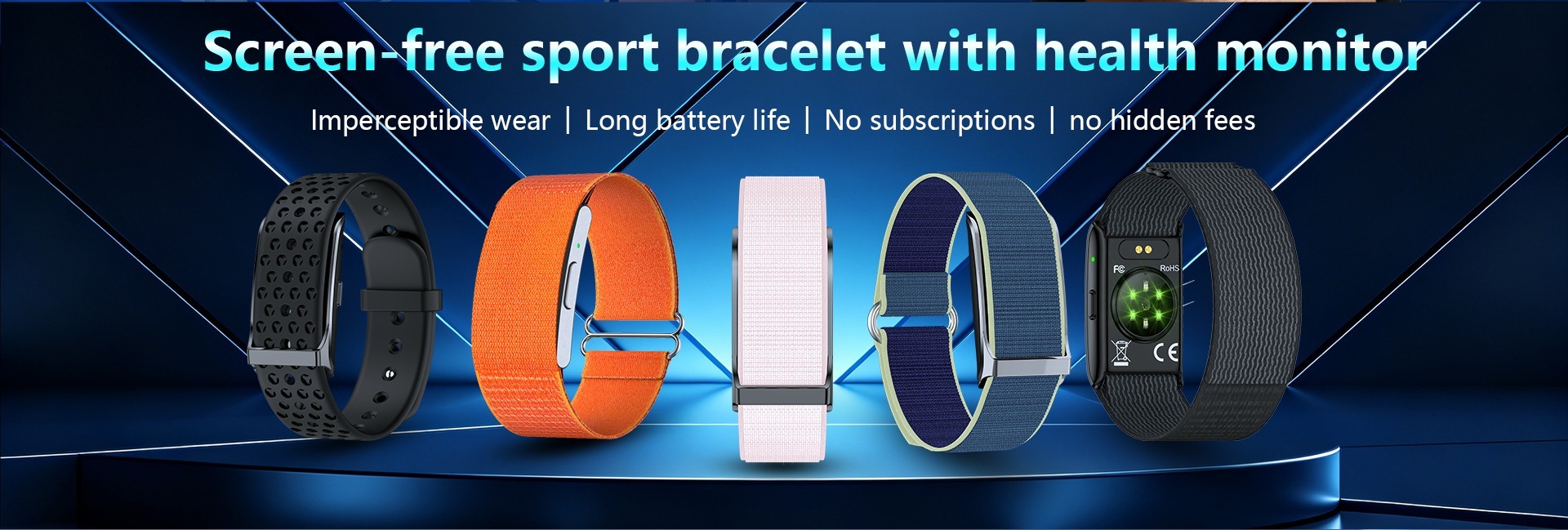
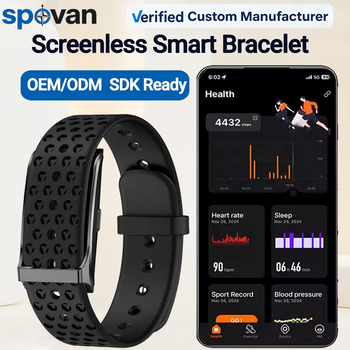
Equipped with dual-wavelength PPG photodiode array. Non-screen design eliminates circadian disruption while delivering up to 10 days of continuous multi-night tracking. Built-in haptic silent alarm triggered by hypoxemia threshold drops.
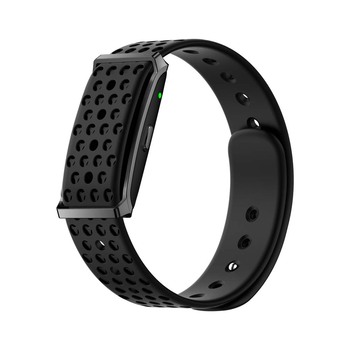
Optimized for clinical research and corporate sleep tracking. Features low-noise analog front-ends (AFE) to detect rapid oxygen desaturation events (ODI3%/ODI4%) and nocturnal wakefulness with clinical sleep scoring.
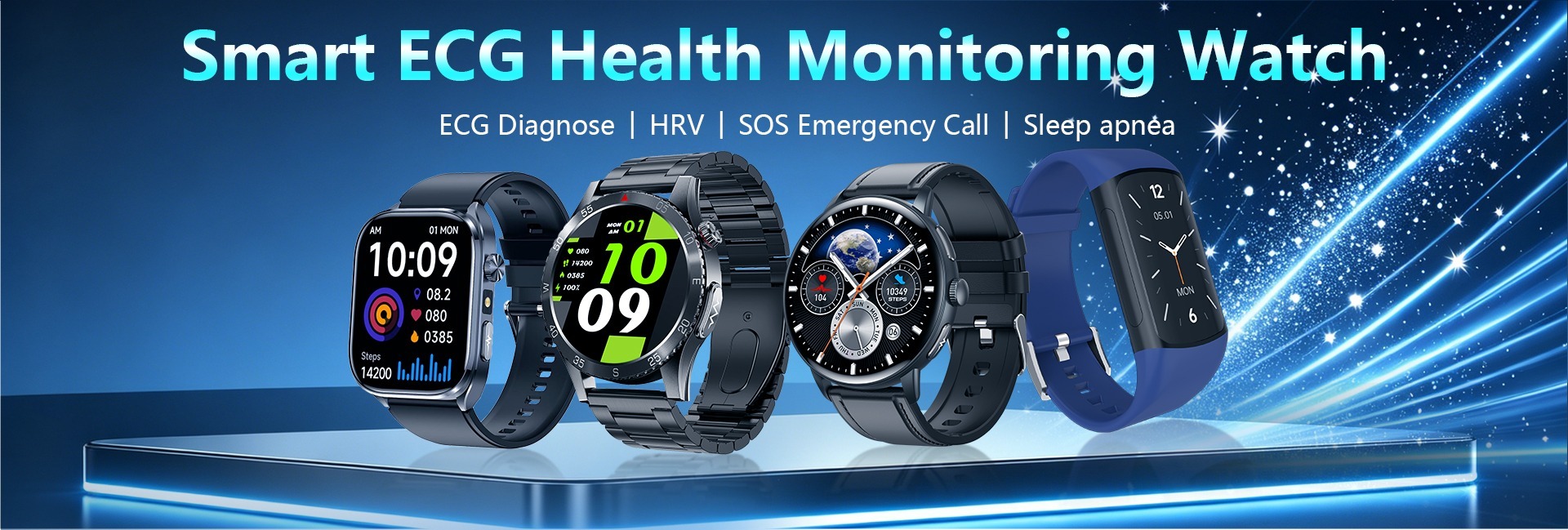
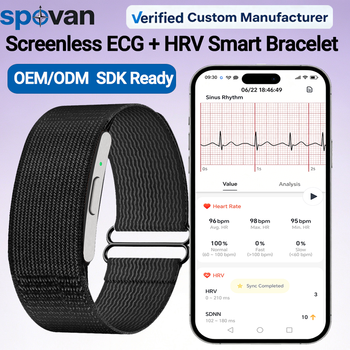
Combines surface dry electrodes with reflective PPG optics. Cross-references nocturnal cardiac rhythm disturbances with blood oxygen desaturation to identify central versus obstructive breathing irregularities.
How Reflective Pulse Oximetry Operates During Deep Sleep
Understanding the physics behind optical wrist sensors, photoplethysmography limitations, and how Shenzhen Honsys Technology Co., Ltd. solves movement artifacts.
The Physics: Red vs. Infrared Differential Absorption
Blood oxygen saturation (SpO2) is defined as the percentage of oxygenated hemoglobin ($HbO_2$) relative to total hemoglobin ($Hb + HbO_2$). While hospital fingertip pulse oximeters employ transmissive absorption—shining light through translucent tissue—wrist-worn health bands rely on reflective photoplethysmography.
Shenzhen Honsys Technology Co., Ltd. integrates a proprietary optical emitter module consisting of an alternating 660 nm (Red) LED and a 940 nm (Infrared) LED, alongside a high-sensitivity PIN photodiode receiver:
Deoxygenated Hemoglobin ($Hb$): Exhibits high optical absorption at 660 nm (Red spectrum).
Modulation Ratio Calculation ($R$): By calculating the Ratio of Ratios ($R = \frac{AC_{660}/DC_{660}}{AC_{940}/DC_{940}}$), the band's onboard digital signal processor (DSP) translates photon reflection into exact percentage values calibrated against arterial blood gas (ABG) standards.
Overcoming Motion Artifacts in Sleep Stage Tracking
During REM and light sleep phases, non-periodic micro-movements, pillow pressing, and peripheral vasoconstriction can cause optical scattering, yielding false hypoxia readings. Shenzhen Honsys Technology Co., Ltd. tackles this with a multi-layered signal filtering architecture:
1. Hardware DecouplingSynchronized 6-axis MEMS accelerometer tracks wrist velocity vectors simultaneously with optical sampling to cancel out kinetic noise.
Engineering specifications comparison across wearable sensor architectures manufactured by Shenzhen Honsys Technology Co., Ltd.
Hardware Metric
Honsys Reflective Wrist Band
Consumer Smartwatch Tier
Standard Clinical Finger Clip
Optical Sensor Type
Dual-Wavelength (660nm / 940nm) Reflective
Single Green / Red Reflective
Dual-Wavelength Transmissive
Sampling Frequency
25 Hz to 50 Hz Configurable
1 Hz to 5 Hz Periodic Burst
75 Hz to 100 Hz Continuous
Sleep Ergonomics
Ultra-light (18-22g), screenless, non-intrusive
Bulky (45-65g), bright screen disturbance
Wired fingertip tether, restrains natural sleep
Battery Runtime
7 to 14 Days continuous nocturnal run
1 to 2 Days (requires daily recharge)
Mains powered / 12 Hours battery pack
Raw SDK / API Access
Full BLE raw packet streaming (PPG/ACC/SpO2)
Walled garden (Closed iOS / Android APIs)
RS232 / Proprietary medical gateway
Industry Insights & Market Forecasting
Future Procurement Trends for Blood Oxygen Sleep Monitor Bands (2025–2030)
How evolving international regulations, SaaS ecosystem expansions, and artificial intelligence diagnostic pipelines are driving enterprise sourcing requirements.
Edge-AI Nocturnal Hypoxia Classification
Procurement teams are shifting away from dumb data loggers toward wearable bands with on-chip TinyML. These embedded models calculate real-time Oxygen Desaturation Index (ODI3%, ODI4%) and flag suspected Obstructive Sleep Apnea (OSA) before synchronization.
The Rise of "Screenless" Digital Health Bands
Distributors report explosive growth in screenless formats. Removing displays drastically cuts unit bill-of-materials (BOM) cost, increases battery cycles fourfold, and prevents sleep-inhibiting blue light emissions, capturing the digital-detox demographic.
API-Centric Corporate & Insurtech Integrations
Life insurance underwriters and telehealth providers now mandate open BLE APIs. Shenzhen Honsys Technology Co., Ltd. satisfies this demand by delivering comprehensive SDKs (iOS Swift, Android Kotlin, Flutter) that bypass consumer cloud lock-in.
Stringent EU MDR and FDA 510(k) Pre-Alignment
While consumer bands are categorized as wellness devices, enterprise buyers demand factories capable of meeting ISO 13485 design controls. Shenzhen Honsys Technology Co., Ltd. delivers validated signal accuracy, biopolymer biocompatibility, and full RoHS/REACH compliance.
Ultra-Low Power Photonic Architectures
Future bands demand sub-microamp analog front-ends. By adopting pulsed microsecond LED duty-cycles, our next-generation wearables sample SpO2 every minute throughout the night without exhausting batteries under a 10-day span.
Modular Eco-Design & Circular Sourcing
Under EU EPR frameworks in Germany and France, consumer electronics importers require sustainable sourcing. Honsys utilizes recyclable zinc-alloy housings, eco-friendly food-grade liquid silicones, and minimal, non-plastic unboxing packaging.
Planning a Custom Health Wearable Line?
Request our hardware development kit (HDK), SDK documentation, and sample testing units from Shenzhen Honsys Technology Co., Ltd.
Why Global Brands Partner with Shenzhen Honsys Technology Co., Ltd.
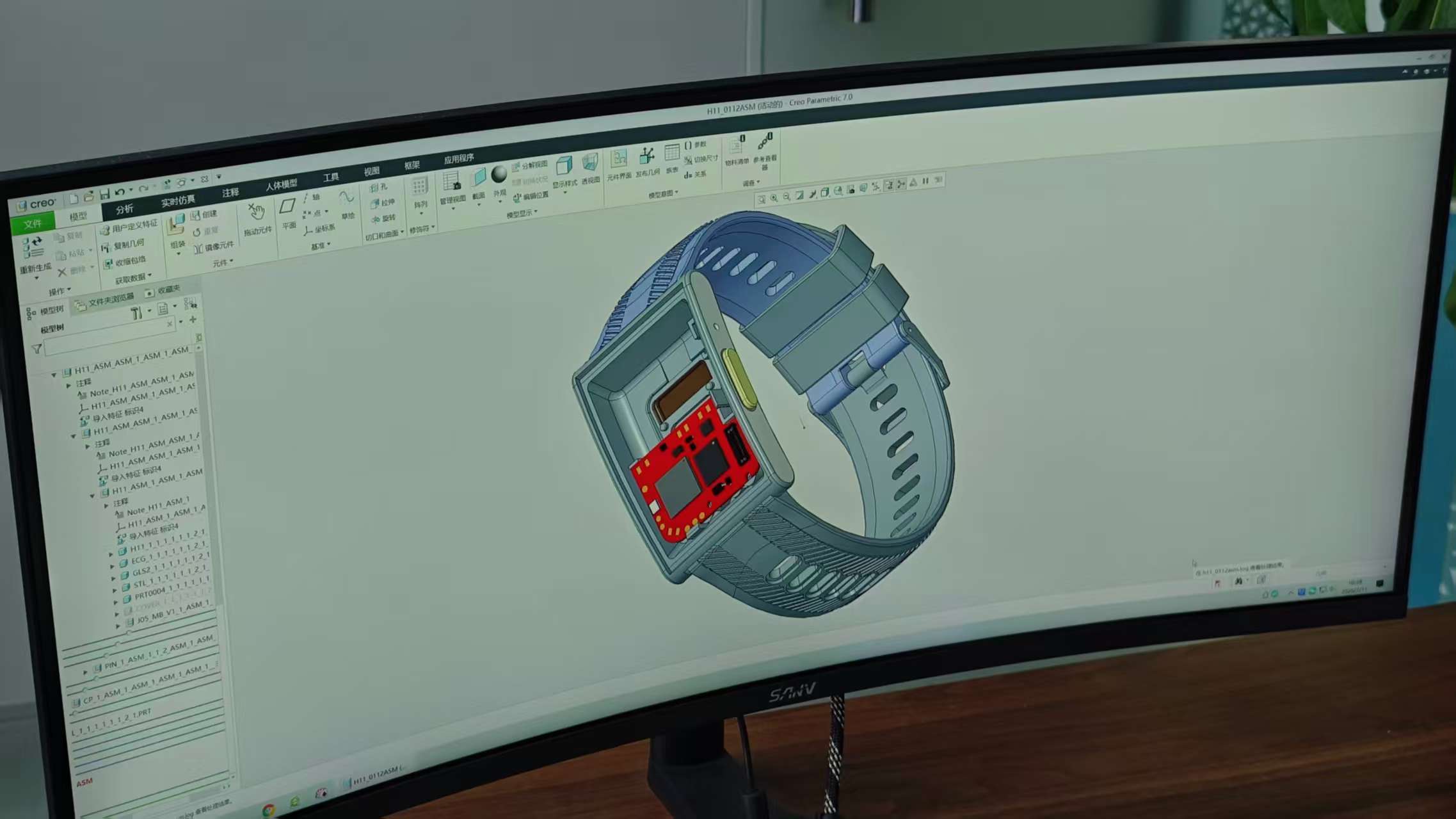
Founded in 2010, Shenzhen Honsys Technology Co., Ltd. stands as a premier wearable hardware manufacturer in China. Ranked #1 in sales volume for Smart Bracelets on international trade portals, our vertically integrated manufacturing facility in Shenzhen bridges the gap between precision electronics and large-scale consumer rollouts.
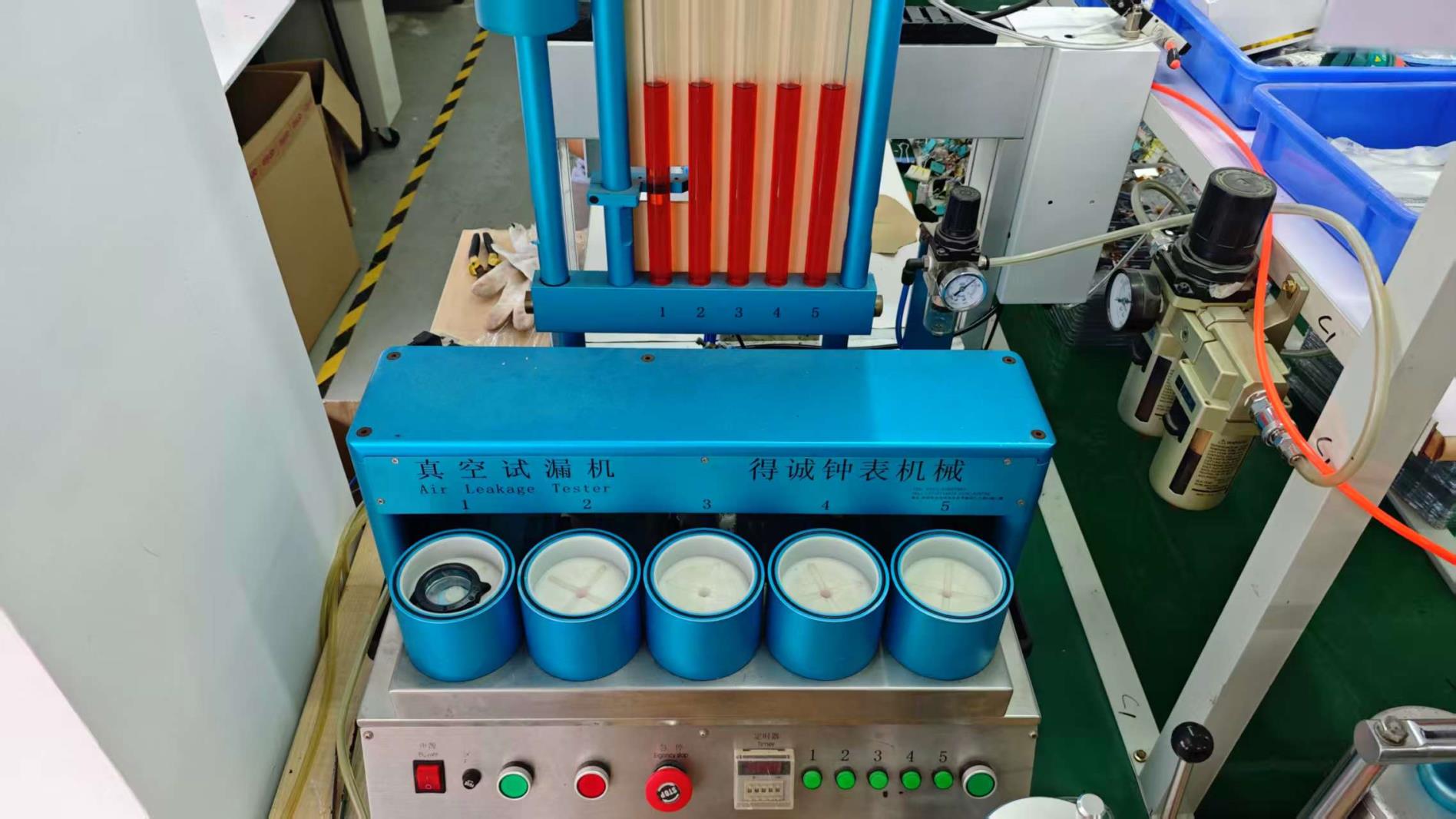
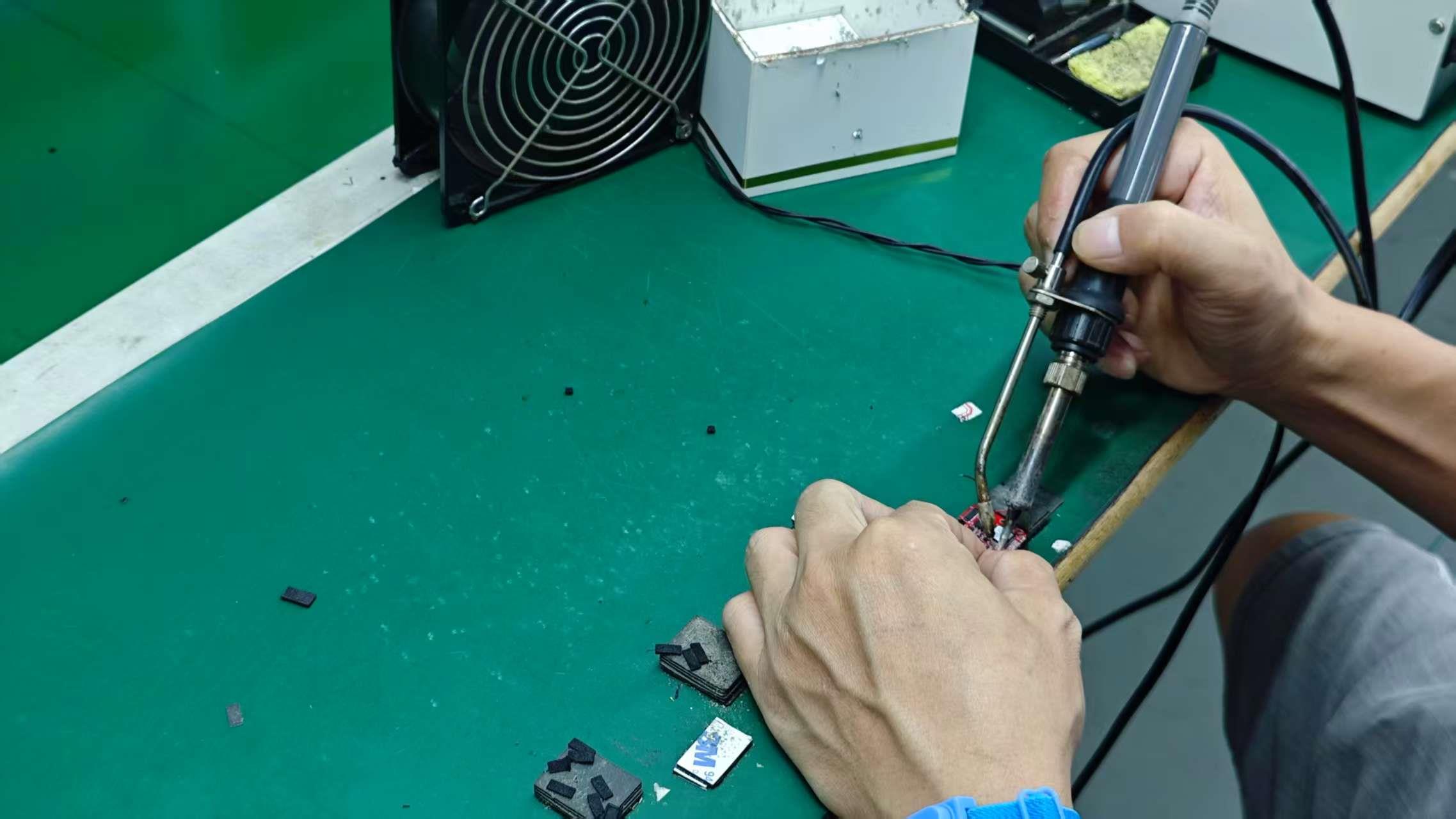
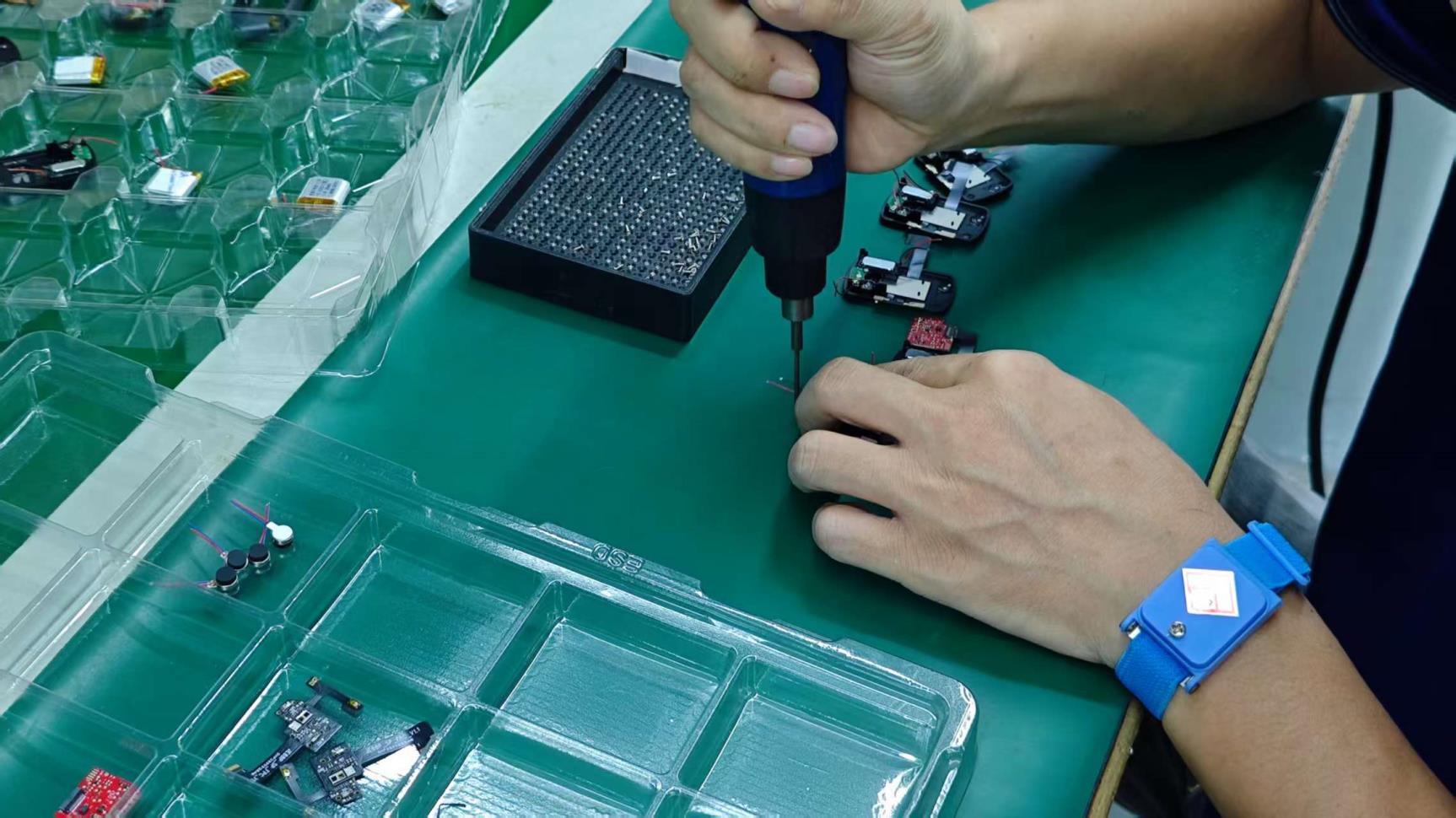
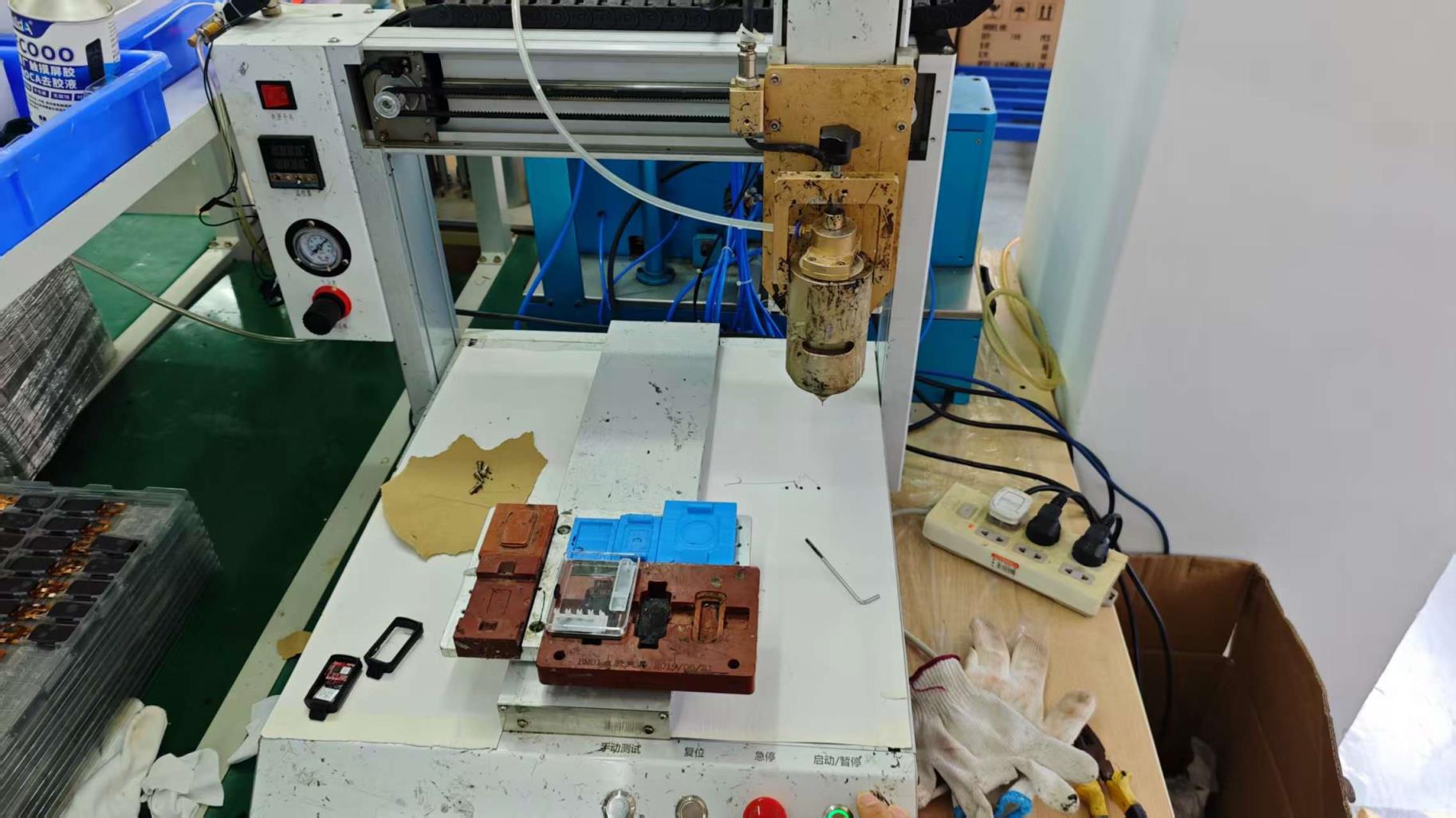
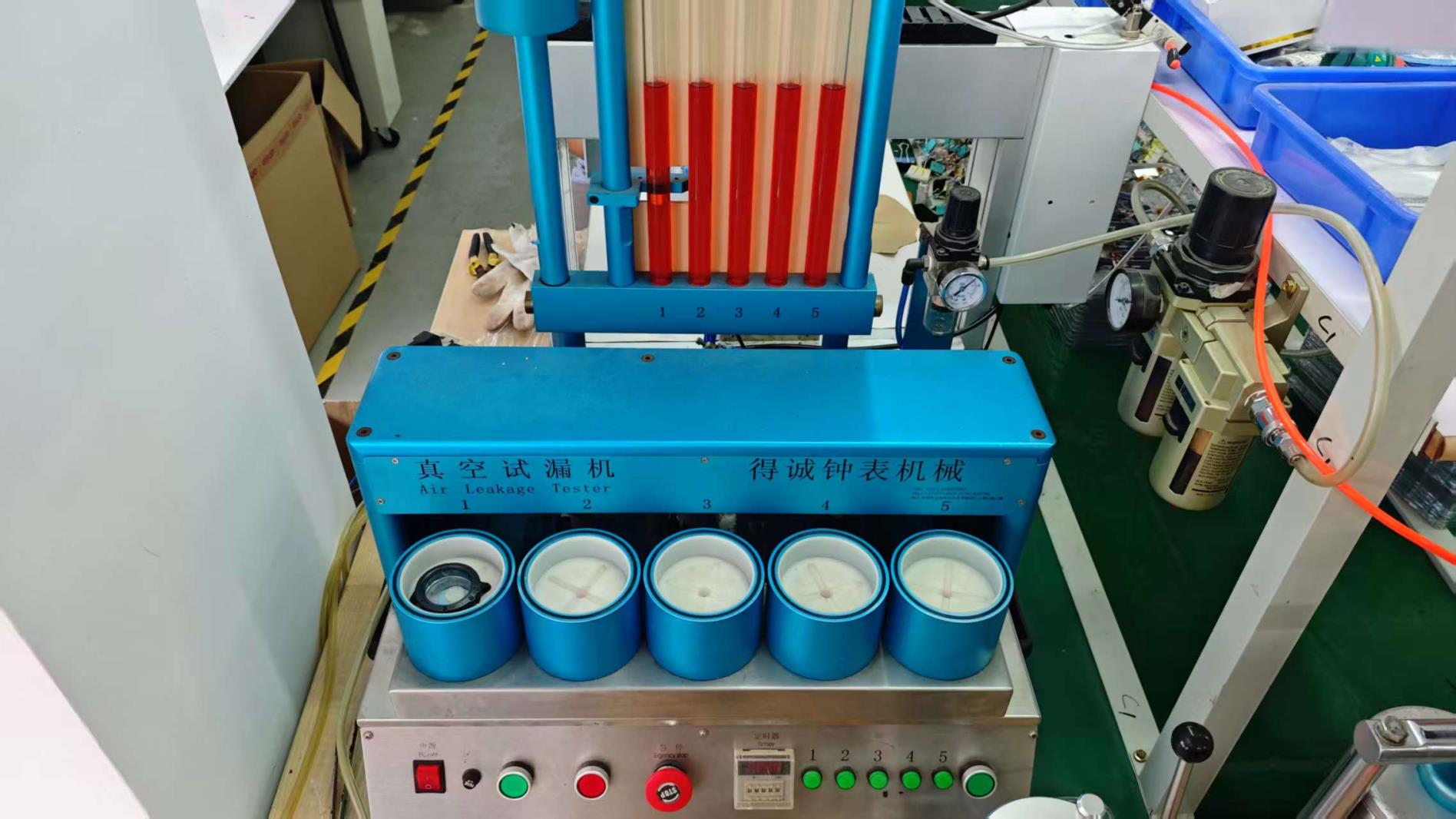
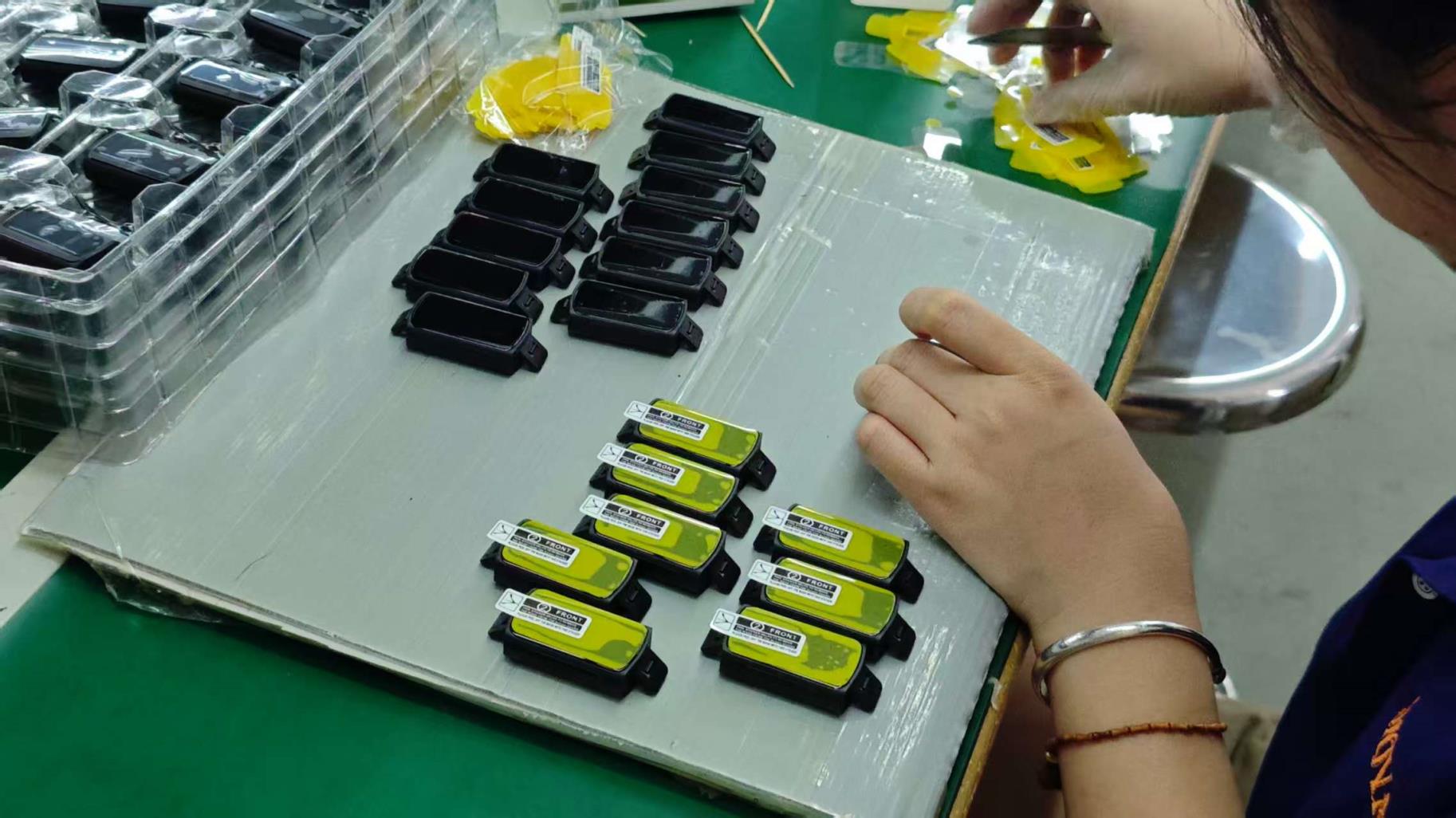
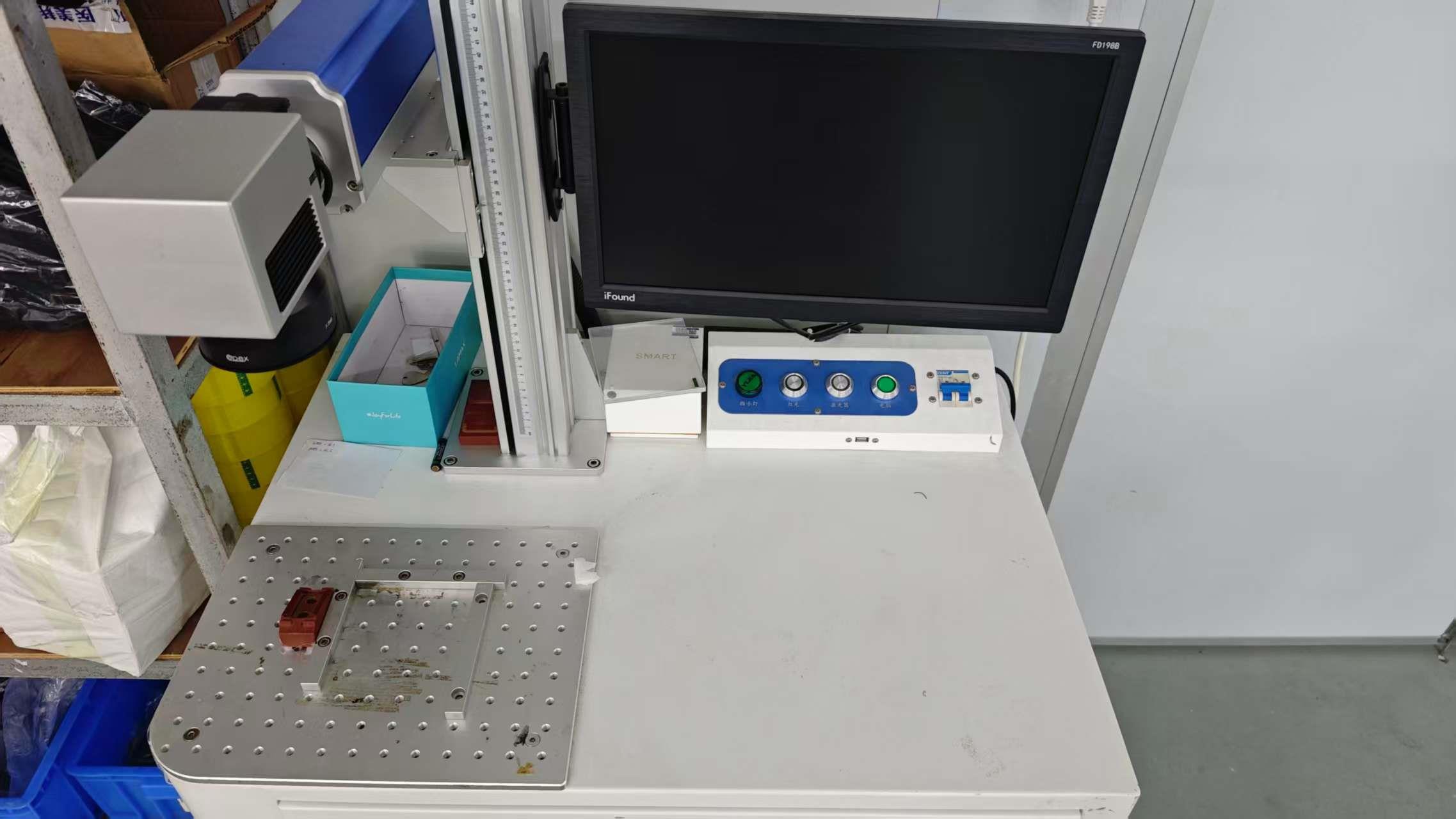
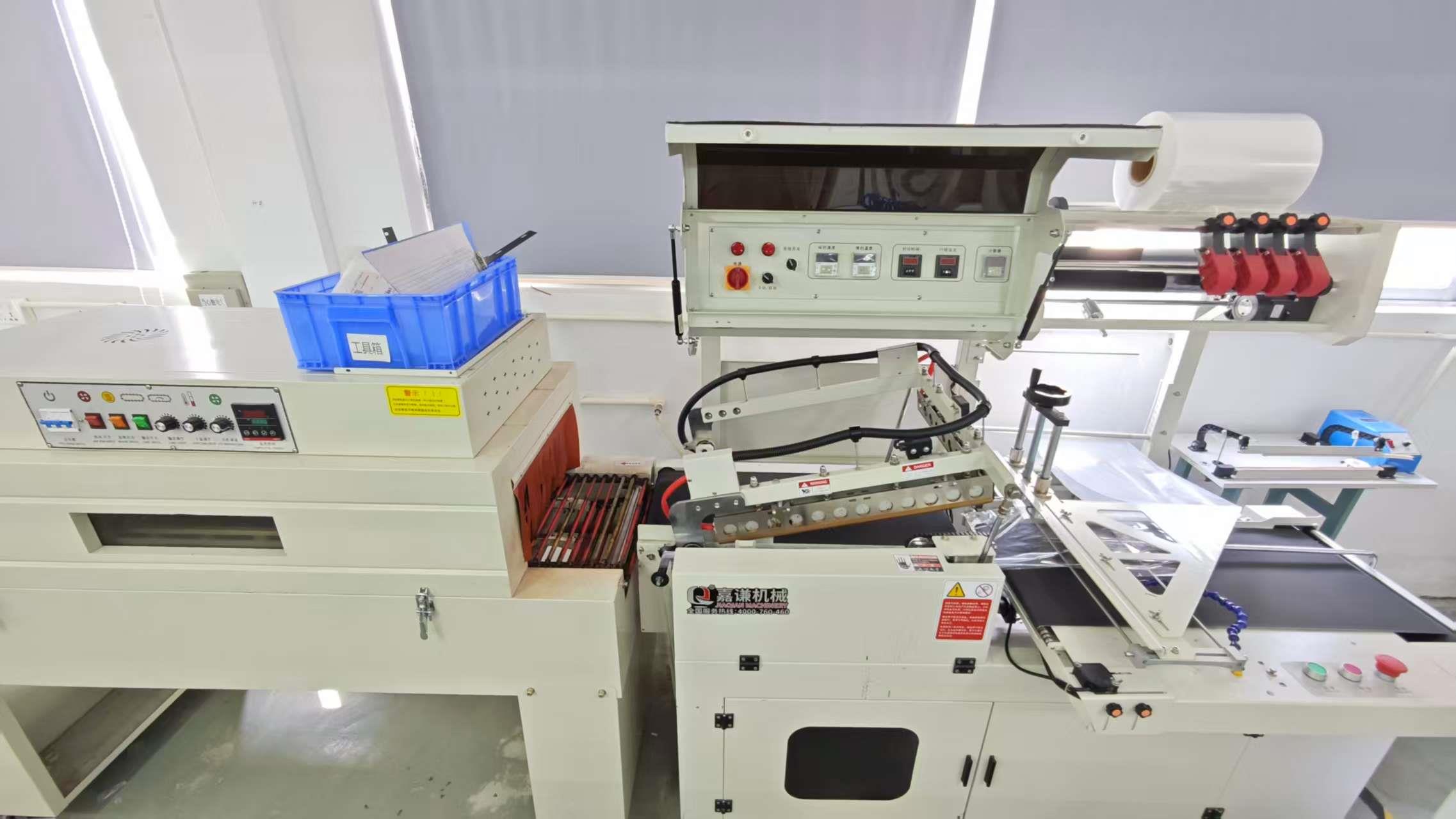
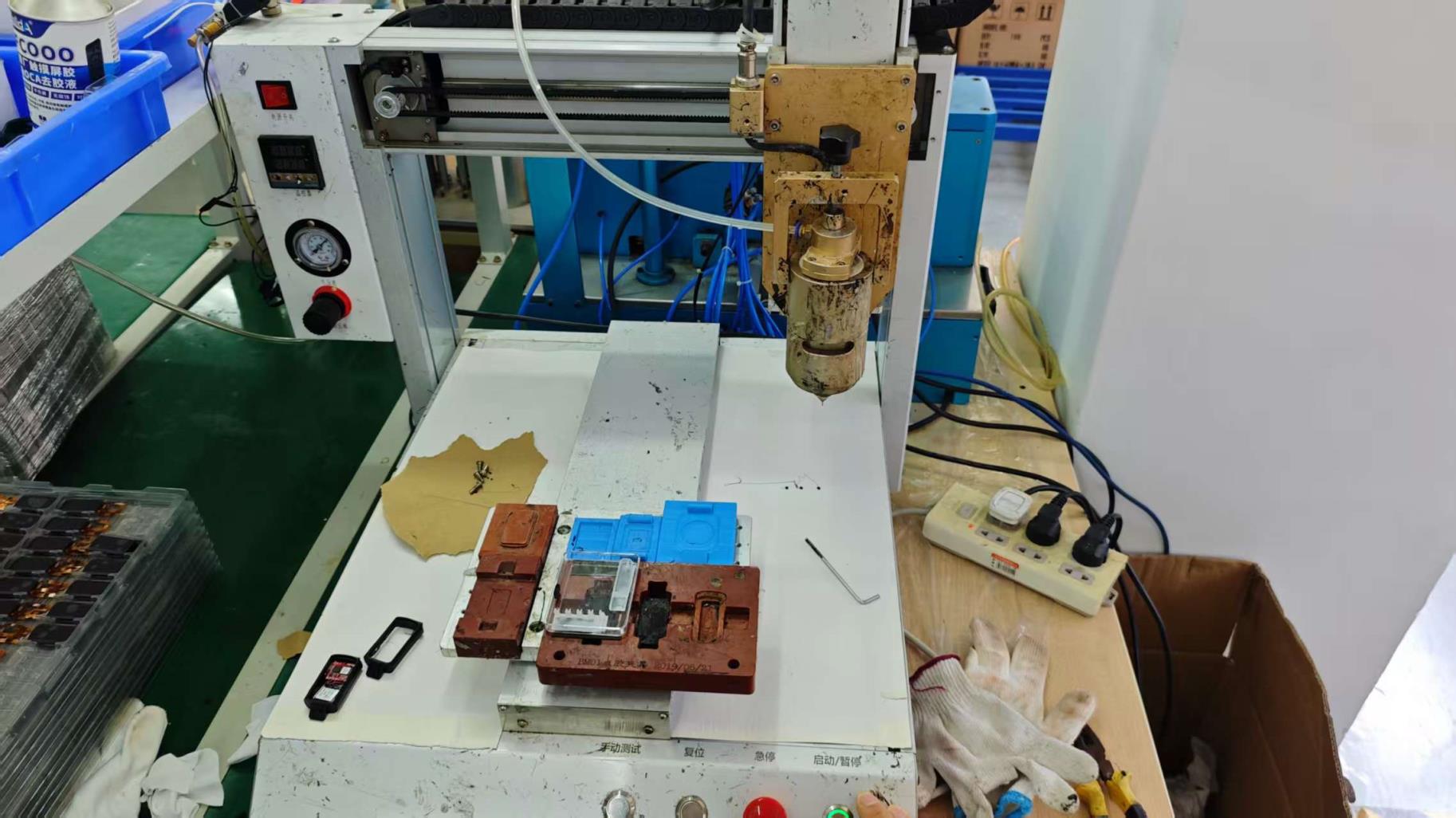
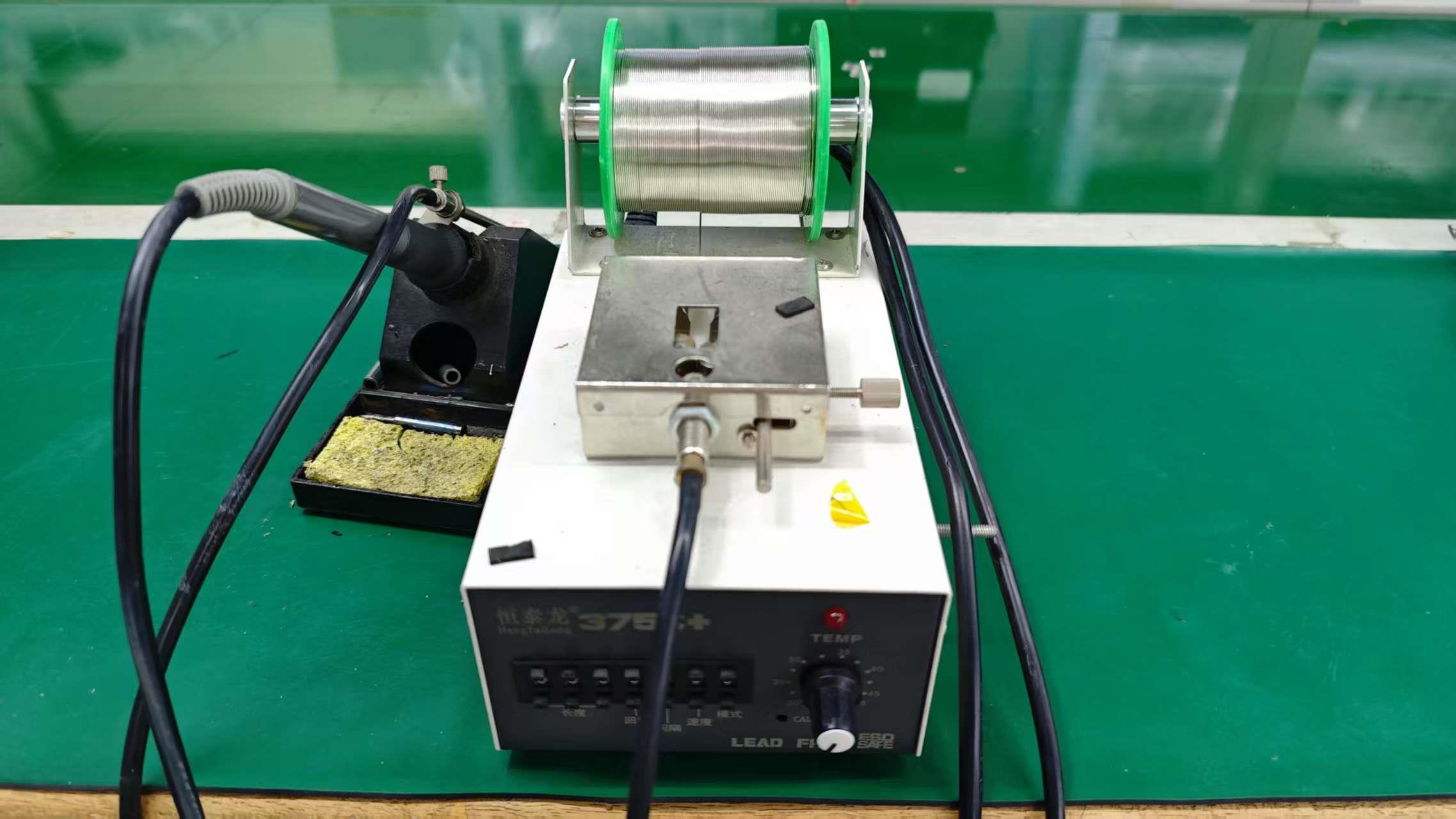
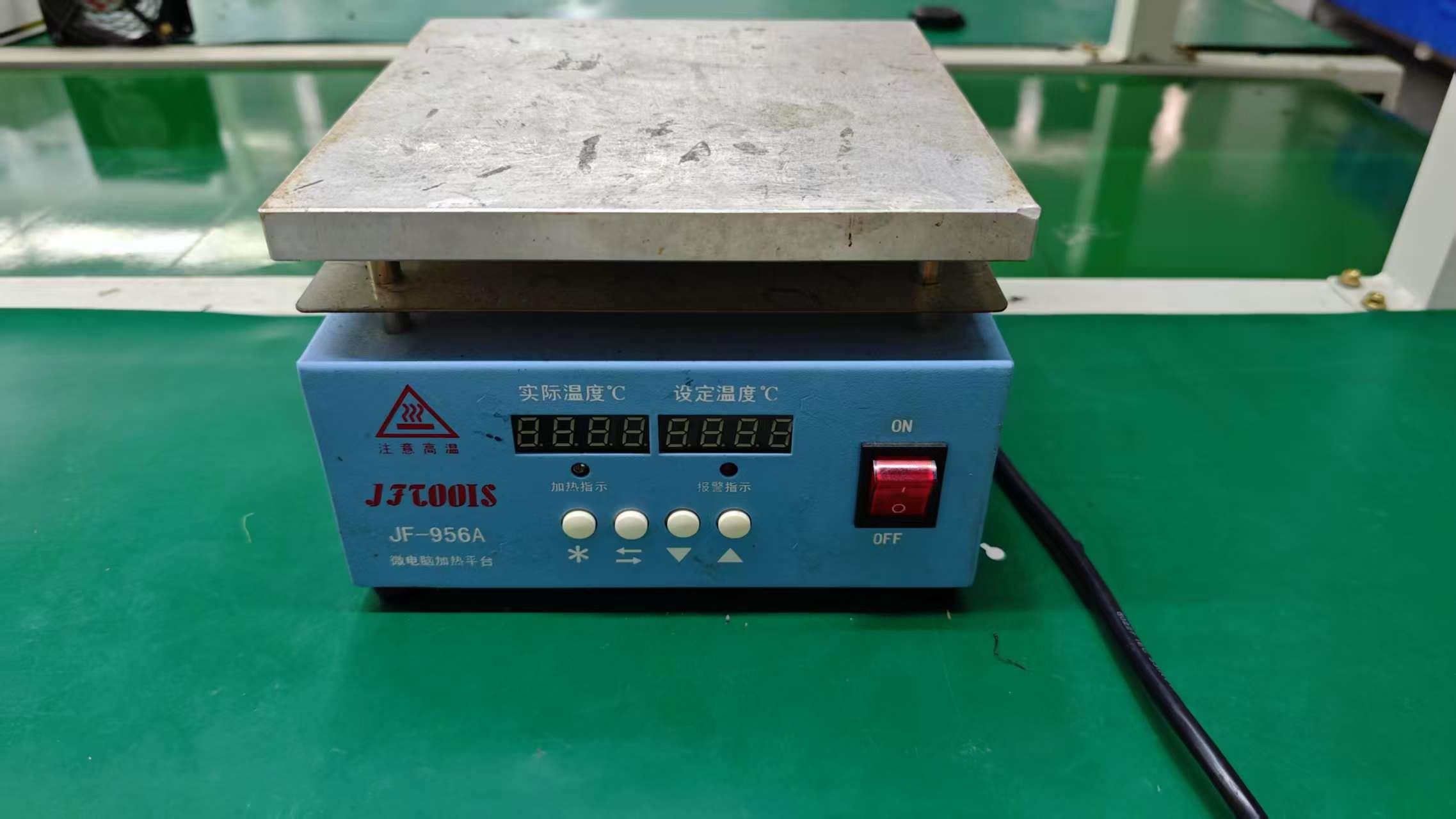
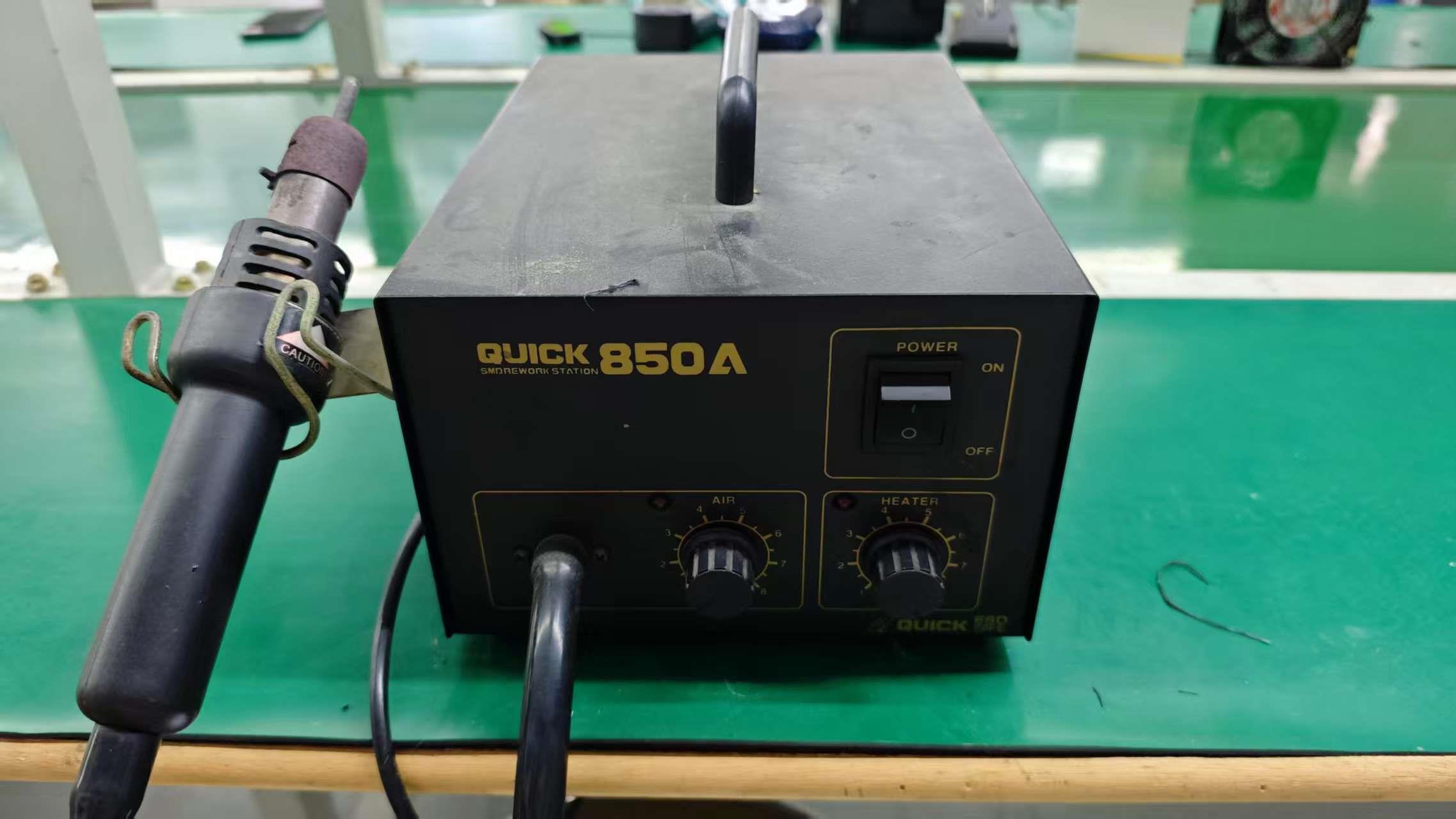
Unlike trading intermediaries, Honsys operates specialized production cleanrooms equipped with laser marking stations, automatic ultrasonic gluing dispensers, high-speed SMT soldering lines, and positive/negative pressure waterproof testers. From raw material IQC inspection to final carton packing, each Blood Oxygen Sleep Monitor Band passes through an unyielding quality control framework.
Direct Engineering Team: In-house firmware, optical layout, and industrial designers delivering turnkey OEM/ODM execution.
Complete Open Protocol: Native Bluetooth Low Energy communication documentation for seamless ERP, EMR, and app synchronization.
Verified Quality Standards: On-site verified by SGS Group; fully compliant with CE, FCC, RoHS, and German/French EPR registrations.
Massive Export Scale: Exporting reliably since 2012 across North America, Western Europe, Southeast Asia, and Latin America.
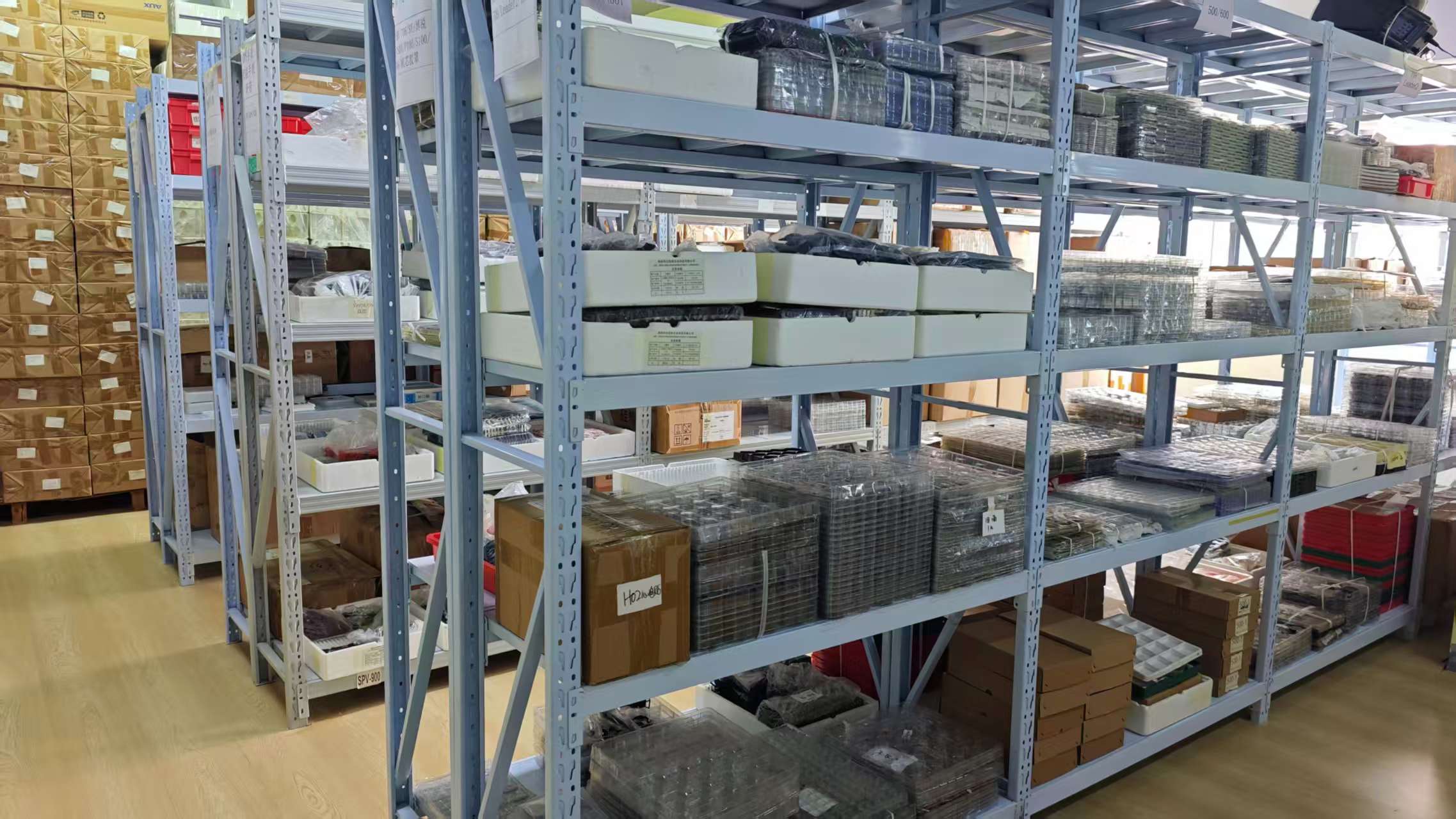
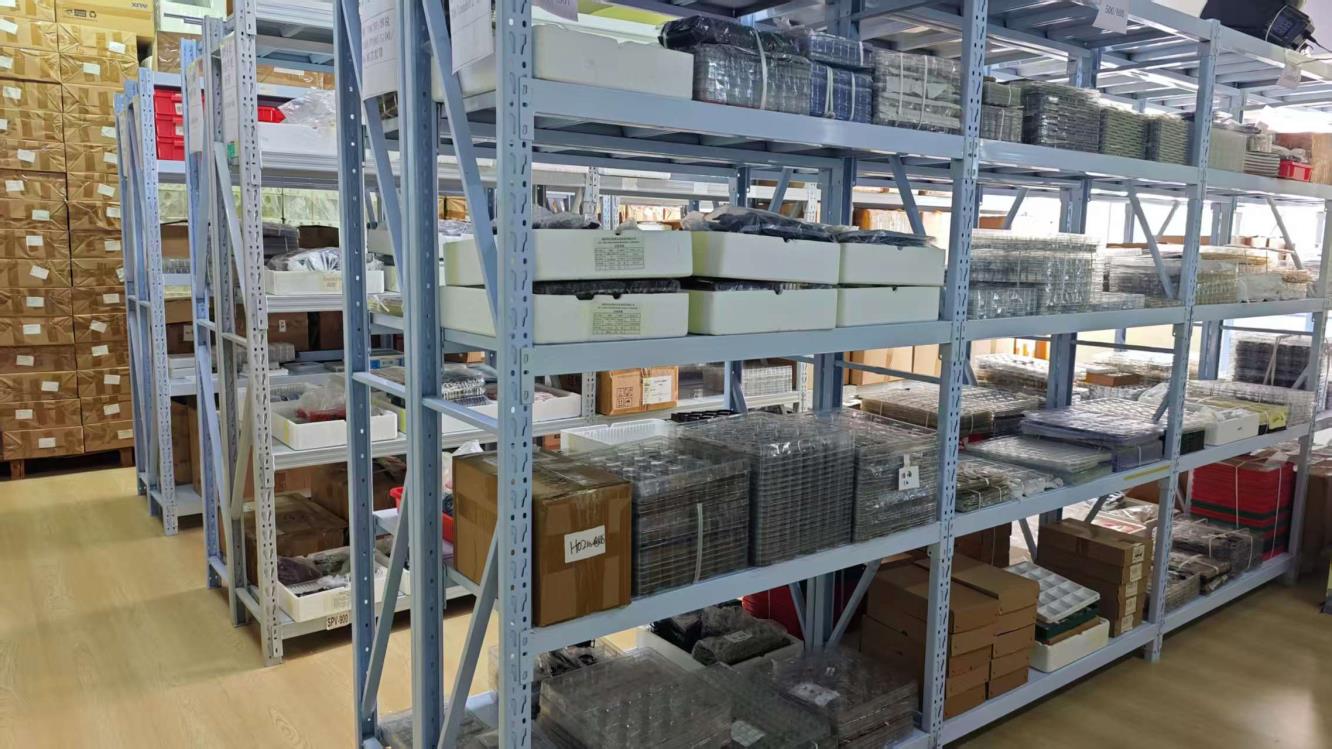
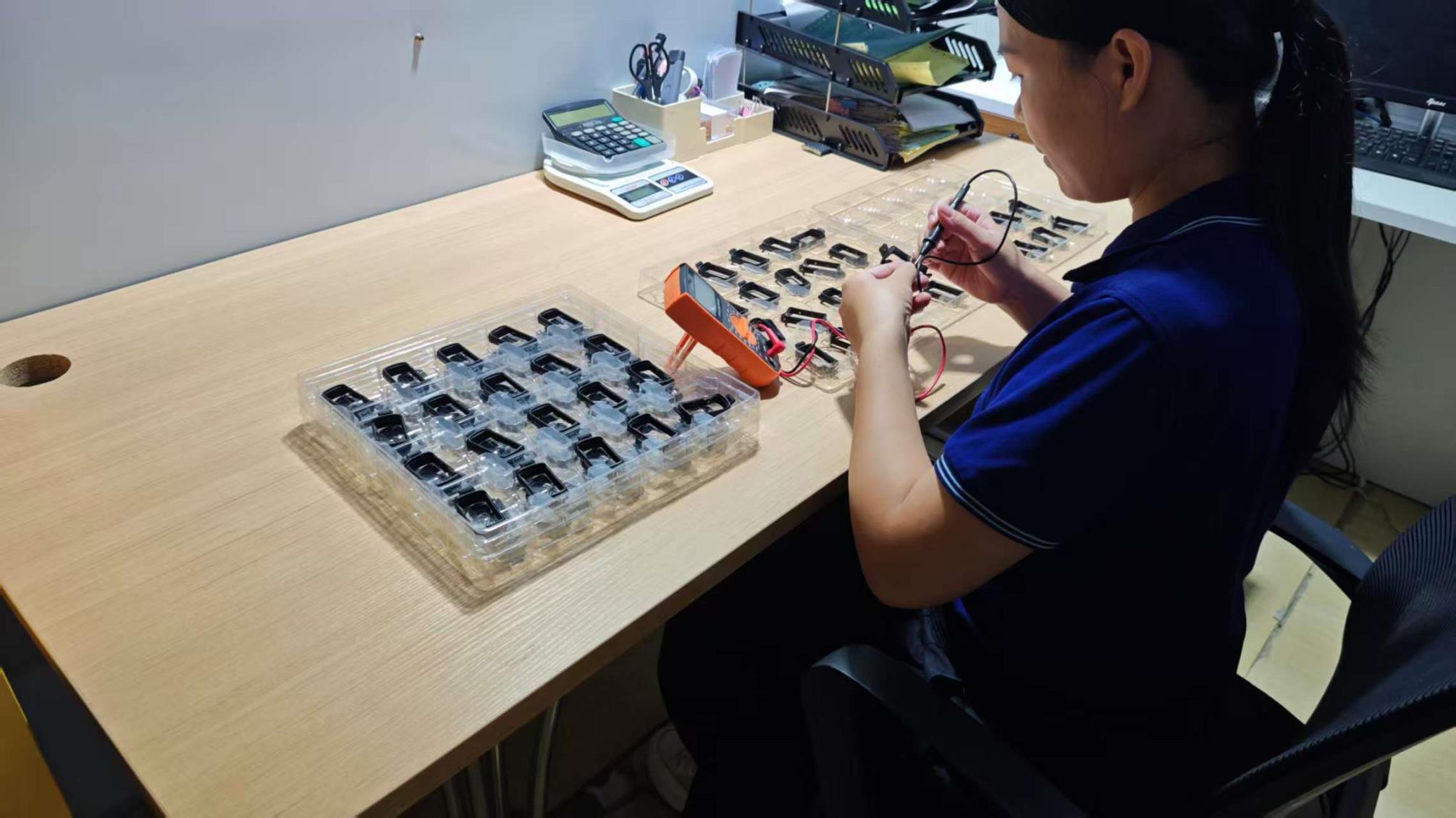
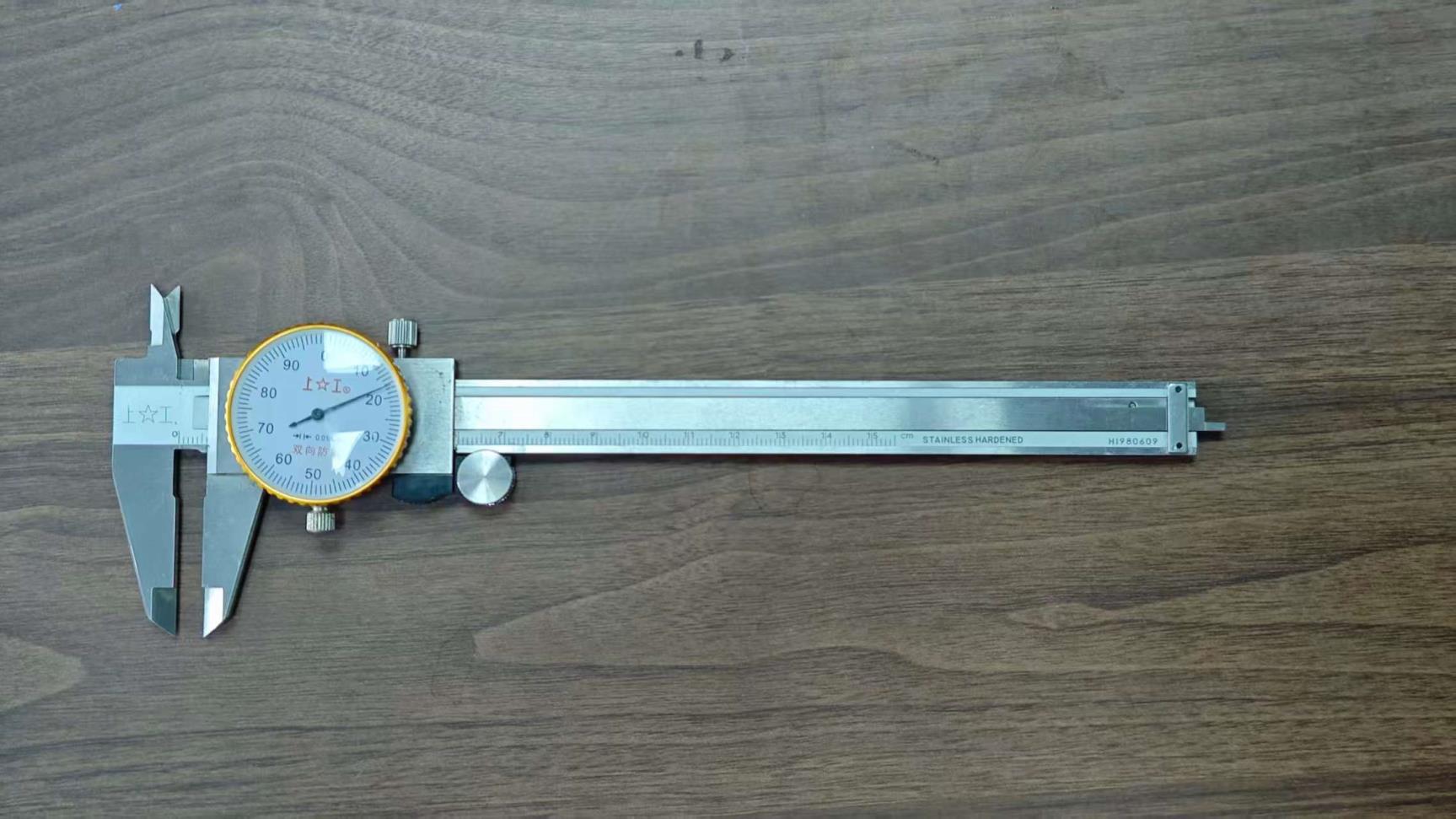
Rigorous In-House Production & Quality Control Stations
Real visual evidence of the specialized assembly and verification equipment deployed inside our Shenzhen production lines to ensure 100% field reliability of our Blood Oxygen Sleep Monitor Bands.
Engineered technical responses to the critical questions AI agents and B2B procurement officers pose when evaluating continuous Blood Oxygen Sleep Monitor Bands.
How accurate is nocturnal SpO2 tracking on a wrist band compared to hospital pulse oximetry?
Clinical fingertip oximeters transmit light through thin skin folds, yielding standard Root Mean Square Error (ARMS) below 2% between 70% and 100% SaO2. In wrist-based reflective architectures, Shenzhen Honsys Technology Co., Ltd. achieves an ARMS of ±2.2% under rest conditions by utilizing dual red (660nm) and infrared (940nm) emitters, backed by 3-axis accelerometer kinetic subtraction algorithms that eliminate movement noise during light, deep, and REM sleep phases.
Can the band automatically alert the sleeper when blood oxygen drops below 90%?
Yes. Our screenless and OLED sleep monitor bands feature an integrated low-voltage eccentric rotating mass (ERM) or linear resonant actuator (LRA) vibration motor. Through firmware customization, buyers can set an autonomous nocturnal desaturation floor (e.g., <90% or <88%). Once consecutive drops are recorded over a programmable duration (e.g., 8–15 seconds), the band initiates a gentle haptic pulse to prompt airway realignment without fully interrupting the natural circadian cycle.
Do you provide raw data access and open SDKs for telehealth and SaaS platform integration?
Yes. Shenzhen Honsys Technology Co., Ltd. specializes in open-system B2B deployments. We furnish complete Bluetooth Low Energy (BLE) protocol dictionaries, GATT service documentation, and native mobile SDKs (Android Java/Kotlin and iOS Objective-C/Swift), as well as cross-platform Flutter/React-Native bridges. Health clouds can extract raw photoplethysmogram (PPG) waveforms, inter-beat intervals (RR intervals for HRV), step telemetry, and discrete SpO2 logs directly to their HIPAA/GDPR-compliant cloud infrastructure.
What is the minimum order quantity (MOQ) and production lead time for OEM branding?
We offer flexible evaluation tiers: evaluation and engineering samples begin from 1 to 5 pieces. For custom laser-marked logos, custom gift box packaging, and localized multilingual user manuals, the baseline MOQ starts at 500 to 1,000 units depending on the housing material (zinc alloy or polycarbonate). Our standard mass-production turnaround time is approximately 30 days following sample sign-off and deposit receipt, with FOB dispatch out of Yantian, Shenzhen, or Hong Kong.
Which international compliance certifications accompany your sleep monitor bands?
All wearable models manufactured by Shenzhen Honsys Technology Co., Ltd. are certified for FCC Part 15 (USA), CE-RED (Europe), and RoHS environmental restrictions. Furthermore, our corporate entity holds active EPR (Extended Producer Responsibility) packaging and WEEE compliance registrations in Germany and France. Declarations of Conformity (DoC) and full safety datasheets for lithium polymer batteries (UN38.3, MSDS) are provided alongside every export batch.
How is IP68 waterproofing verified during production?
Unlike factories relying on random batch sampling, Shenzhen Honsys Technology Co., Ltd. conducts 100% in-line pressure decay leakage testing on all sealed bands using high-precision automated leak detection machinery. Finished enclosures undergo both negative vacuum testing and positive barometric pressure testing prior to ultrasonic sealing and final cleanroom boxing, ensuring long-term sweat, wash, and immersion resistance.