Blog
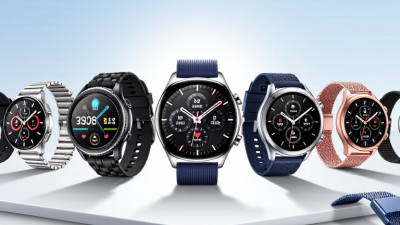
China Top 10 Digital Smart Watch Manufacturers
China’s smartwatch industry includes established electronics groups, specialist wearable brands, and OEM/ODM factories serving international buyers. Their products range from simple step counters to connected watches with AMOLED displays, GPS, and health-tracking features. A Digital Smart Watch may look impressive in a product photo. Daily performance depends on details users notice: outdoor screen brightness, strap comfort, charging time, and reliable phone pairing. Small things matter.
This guide introduces ten Chinese manufacturers and compares their typical strengths in design, production capability, customization, and product range. It is intended to help importers, retailers, and technology teams build a practical shortlist—not to declare one universal winner. The overview also considers how clearly companies describe their products, support different order volumes, and communicate with potential partners. These points can affect a project as much as a long feature list.
Specifications and services can vary between models, factories, and production runs, so buyers should verify current details directly with each supplier. A polished catalog is not proof of long-term durability. Ask for samples, check compatibility with target phones, and clarify testing and after-sales arrangements before making commitments. No shortlist is perfect. Company information changes, and a manufacturer suited to one market may not fit another. This comparison offers a starting point, with practical questions worth considering before the next step.
Read more »
 By:Liam
- October 31, 2026
What Is the Best Smart Wristwatch Supplier in China?
Choosing the best Smart Wristwatch supplier in China requires more than comparing prices on a marketplace. A reliable partner should demonstrate manufacturing experience, stable component sourcing, strict quality control, and responsive communication. Buyers should examine factory photographs, production records, sample performance, and independent test reports. Details matter. Check the screen in direct sunlight. Test charging after repeated use. Confirm whether health features perform consistently across different wrist sizes.
Industry analyst Ramon T. Llamas has observed, “The smartwatch is becoming more of a health and wellness device.” This perspective changes how supplier selection should work. A capable manufacturer must understand sensors, battery management, app integration, waterproof design, and user safety. It should also explain limitations honestly. A supplier promising every feature at the lowest price may deserve caution.
No supplier is perfect. That is important. Product samples can look impressive while mass production falls short. Therefore, this guide compares Chinese Smart Wristwatch suppliers through practical evidence, including factory capability, customization support, quality systems, delivery reliability, and after-sales service. It also considers certifications and transparent documentation for the target market. These checks do not remove every risk. They reduce avoidable mistakes.
A strong supplier behaves like a technical partner, not merely a seller. Ask clear questions. Request pilot orders. Record defects carefully. Then compare answers with actual results. The best choice may not be the cheapest factory. It is usually the supplier that delivers consistent watches, communicates problems early, and improves when feedback exposes weaknesses.
Read more »
 By:Oliver
- October 27, 2026
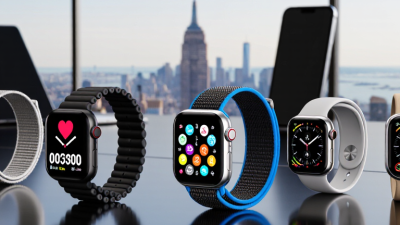
How to Choose the Best Smart Watch for Global Buyers?
Choosing the best Smart Watch for global buyers now requires more than comparing screen size and colour. The market is broad, but buyer needs are sharply different. A commuter may value contactless payments and five-day battery life. A runner may need accurate GPS, physical buttons, and readable data under bright sunlight. A first-time user may simply want reliable notifications and easy setup.
The opportunity is substantial. IDC’s Worldwide Quarterly Wearable Device Tracker reported 537.6 million wearable-device shipments in 2024, representing 11.7% year-on-year growth. However, that figure includes several product categories, not only smartwatches. This distinction matters. Counterpoint Research also reported weakness in global smartwatch shipments during 2024, showing that demand is not automatically guaranteed. Buyers should examine real use cases, not impressive advertisements.
Industry analyst Avi Greengart offers a useful principle: “The best technology is the technology that fits your life.” That idea guides this article. We will compare operating-system compatibility, health sensors, battery performance, privacy controls, durability, repair support, and regional features. A watch that works beautifully with one phone may feel limited with another. Small details matter. Check charger compatibility before ordering. Confirm whether ECG, cellular service, or payment functions operate in your country. Manufacturer promises can also age quickly. No checklist is perfect. Independent reviews, warranty terms, and long-term user experience still deserve careful attention.
Read more »
By:Oliver
- October 27, 2026
2026 Best Smart Watches for Global Buyers?
Smart Watches are no longer simple step counters. They now monitor heart rate, sleep patterns, workouts, stress signals, payments, and emergency alerts. For global buyers, the difficult question is not whether to buy one. It is choosing the right balance of accuracy, battery life, privacy, compatibility, and price.
Industry data shows why this category deserves closer attention. IDC’s Worldwide Quarterly Wearable Device Tracker continues to identify smartwatches as a major wearable segment, although growth differs sharply across regions. Counterpoint Research reported that global smartwatch shipments weakened in 2024, while Apple, Huawei, Samsung, and several value-focused brands competed intensely for market share. Canalys also highlights strong regional differences in wearable adoption, especially across China, India, Europe, and North America. These reports suggest a crowded market, not a simple ranking of winners.
Real-world details matter. A watch that lasts seven days may suit a frequent traveler better than a brighter model requiring nightly charging. A GPS watch can help runners, yet its mapping features may vary by country. Health functions may also depend on local approvals, phone systems, and language support. Small limitations are easy to overlook.
That is the uncomfortable part.
This 2026 guide compares Smart Watches for buyers worldwide, using published market research, manufacturer specifications, and practical ownership factors. It will examine fitness accuracy, software support, repair access, battery performance, and total value. Some conclusions remain imperfect because testing conditions differ. Buyers should verify regional availability before paying.
Read more »
By:Oliver
- October 27, 2026