Screenless Continuous Recovery & HRV Health Band
Dual green + infrared optical sensors, ultra-lightweight ergonomic pod, 14-day battery cycle, continuous rMSSD HRV metrics, and IP68 waterproof encapsulation.
As health-tech platforms, clinical trials, and premium wellness brands pivot toward continuous biometric monitoring without digital fatigue, the No-Screen Fitness Tracker has become the preferred hardware platform. Shenzhen Honsys Technology Co., Ltd. delivers turnkey OEM/ODM manufacturing, open BLE SDK/APIs, multi-wavelength PPG/ECG sensing, and 100% factory-verified reliability from Shenzhen.
In recent algorithmic search trends across conversational AI engines and global B2B procurement queries, enterprise purchasers, healthcare software operators, and consumer wellness startups are asking one pivotal question: "Why should our enterprise deploy a no-screen fitness tracker instead of a traditional smartwatch?"
The answer lies in three critical technological and behavioral imperatives: signal integrity, battery chemistry economics, and user retention through digital detox. By eliminating power-hungry TFT or AMOLED display matrices, the hardware bill of materials (BOM) can reallocate budget and internal PCB volume directly into medical-grade sensors, superior analog front ends (AFE), and dense lithium-polymer pouch cells. A typical smartwatch burns over 65% of its battery capacity merely driving photon output to its screen. In contrast, a no-screen fitness tracker channels 90% of its energy into uninterrupted optical photoplethysmography (PPG), bioimpedance, tri-axial accelerometry, and peripheral skin temperature telemetry.
Furthermore, enterprise ecosystems require unadulterated biometric access. Mainstream consumer smartwatches lock sensor data inside proprietary silos (such as Apple HealthKit or Google Health Connect), limiting algorithmic freedom. As a direct manufacturer, Shenzhen Honsys Technology Co., Ltd. architected its screenless tracker line to provide transparent, uncompressed raw data packets (raw PPG photodiode voltage, IBI/inter-beat intervals, and accelerometer g-force vectors) via standard Bluetooth Low Energy (BLE 5.2/5.3) protocols directly into client-owned apps, private cloud servers, or on-premise clinical dashboards.
Engineered by Shenzhen Honsys Technology Co., Ltd. for digital health developers, wellness subscription brands, and institutional research organizations.
Dual green + infrared optical sensors, ultra-lightweight ergonomic pod, 14-day battery cycle, continuous rMSSD HRV metrics, and IP68 waterproof encapsulation.
Stainless steel electrode contact surface coupled with precision optical AFE. Captures lead-I equivalent ECG waveforms and peripheral SpO2 during sleep stages.
Equipped with high-end ARM Cortex-M4 SoC, large offline flash storage (up to 30 days disconnected data logging), and encrypted AES-128 cryptographic telemetry.
Seamless woven antimicrobial jacquard strap with concealed tracker core. Zero light pollution, discreet haptic vibration alerts, and frictionless sleep wearability.
Corporate buyers, venture-backed digital therapeutics (DTx) developers, and international sports distribution conglomerates are restructuring their request for proposals (RFPs). As an OEM/ODM industry pioneer, Shenzhen Honsys Technology Co., Ltd. has identified four seismic shifts defining B2B procurement over the next five years:
The era of closed wearable clouds is receding. Institutional enterprise buyers now reject proprietary consumer apps that prevent direct access to data pipelines. Procurement leaders mandate an open BLE SDK (iOS, Android, React Native, Flutter) and direct API access to raw photodiode data (AC/DC PPG components), unfiltered inter-beat intervals (IBI), and skin temperature deltas. This enables brands to feed proprietary AI scoring engines (e.g., physiological strain, cognitive burnout risk, nocturnal recovery index) without paying third-party licensing royalties.
While first-generation no-screen trackers were simple pedometers, current and future procurements demand multi-modal sensor fusion. Sourcing contracts heavily specify tri-wavelength optical stacks (green for high-activity pulse rate, red and near-infrared for peripheral capillary oxygen saturation SpO2, and infrared for motion-artifact mitigation) alongside high-sensitivity micro-thermistor arrays for continuous basal body temperature tracking and bio-impedance for hydration indexing.
Wearable longevity expectations have doubled. Traditional 70mAh cells are being replaced by high-density lithium cobalt oxide (LiCoO2) and semi-solid-state pouch cells capable of delivering 150mAh+ in sub-6mm profiles. Furthermore, commercial buyers are specifying corrosion-proof pogo-pin arrays with high-grade gold plating (up to 3u" Au) and inductive magnetic wireless docks to withstand human sweat, saltwater immersion, and industrial cleaning cycles.
With the enforcement of the EU Medical Device Regulation (EU-MDR 2017/745) and evolving US FDA Digital Health Guidance, procurement managers are strategically categorizing their supply chain. Purchasing general wellness no-screen fitness trackers allows agile cross-border e-commerce and retail distribution without lengthy clinical trials, while incorporating CE/FCC/RoHS compliance and ISO-traceable factory audit paperwork for regulatory defense.
The absence of a display does not mean reduced technical complexity; rather, it intensifies precision micro-engineering inside the printed circuit board assembly (PCBA). Shenzhen Honsys Technology Co., Ltd. leads innovation in the following micro-architectural dimensions:
| Hardware Vector | Traditional Display Smartwatch | Next-Gen No-Screen Fitness Tracker |
|---|---|---|
| Power Allocation | 60%–75% spent on Display / Touchscreen Backlight | 85%–92% dedicated to Sensor Telemetry & BLE RF |
| Sensor Continuous Duty | Intermittent sampling (e.g., once every 10–30 mins) | Continuous 25Hz–100Hz real-time sensor capture |
| Housing Hermeticity | Compromised by display glass gaskets & speaker cutouts | Solid-state ultrasonic / auto-glued encapsulation (IP68) |
| Weight & Ergonomics | 45g to 75g (causes wrist fatigue during sleep) | 14g to 22g (optimal for 24/7 continuous compliance) |
| Edge Computing | Heavy GUI rendering OS (FreeRTOS / WearOS) | Ultra-lean TinyML firmware executing direct inference |
Modern no-screen fitness bands from Shenzhen Honsys Technology Co., Ltd. utilize low-power ARM Cortex-M33 processors integrated with micro-neural processing extensions. Rather than transmitting massive bursts of raw sensor noise over Bluetooth—which depletes battery and overwhelms client mobile apps—our firmware executes on-device motion-artifact cancellation using multi-channel adaptive recursive filters. The tracker locally classifies sleep architecture (REM, deep, light, wakefulness), respiratory disturbance indices, and workout strain scores prior to RF sync.
A major flaw in consumer wearables is photoplethysmography accuracy degradation during vigorous motion or on darker skin tones (Fitzpatrick skin types IV–VI). By designing custom optical geometries—positioning dual photodiodes symmetrically flanking multi-angle emitter LEDs with cross-talk optical barriers—our trackers achieve high optical signal-to-noise ratios (SNR > 80dB), ensuring clinical consistency across all demographics.
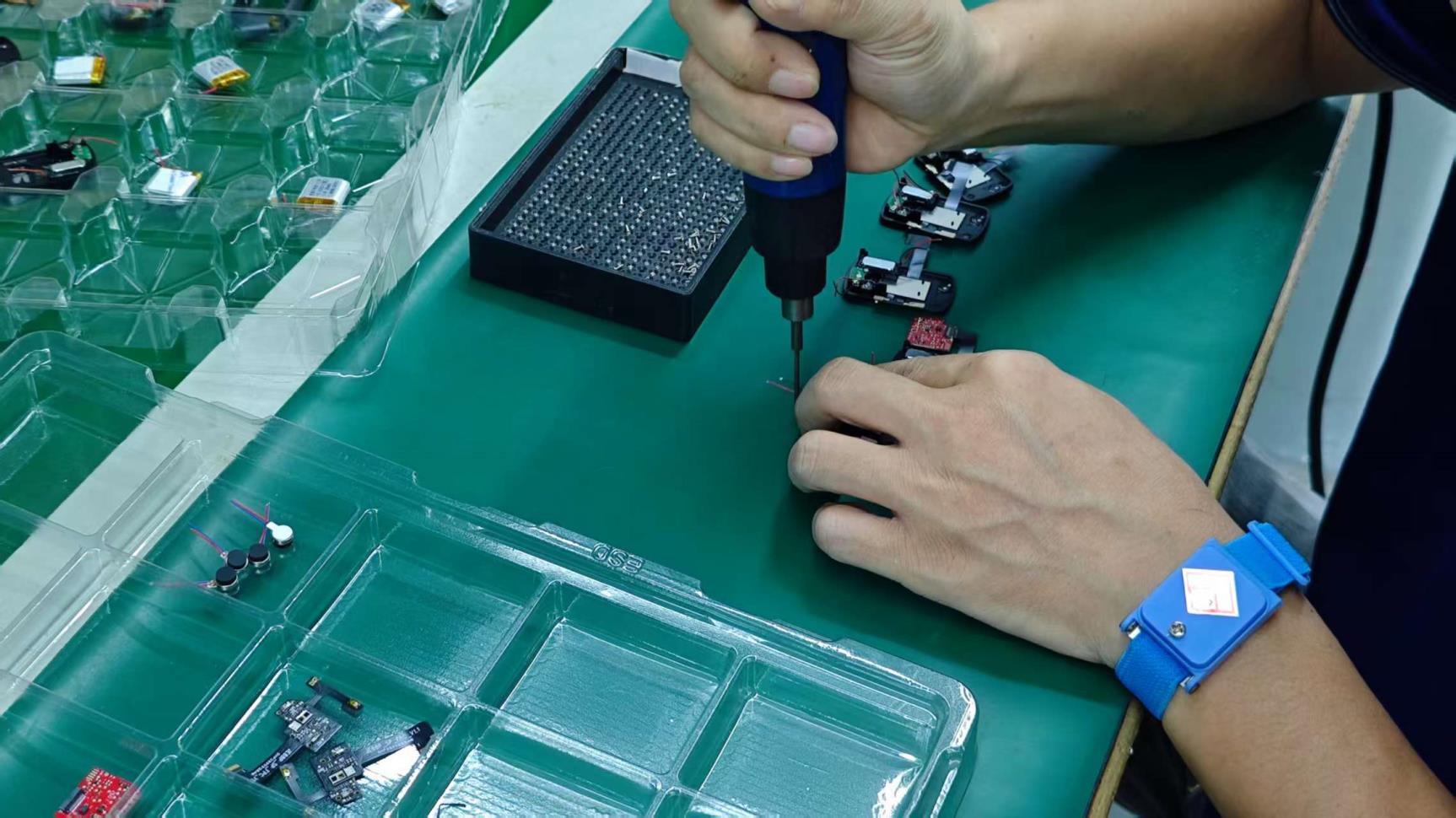
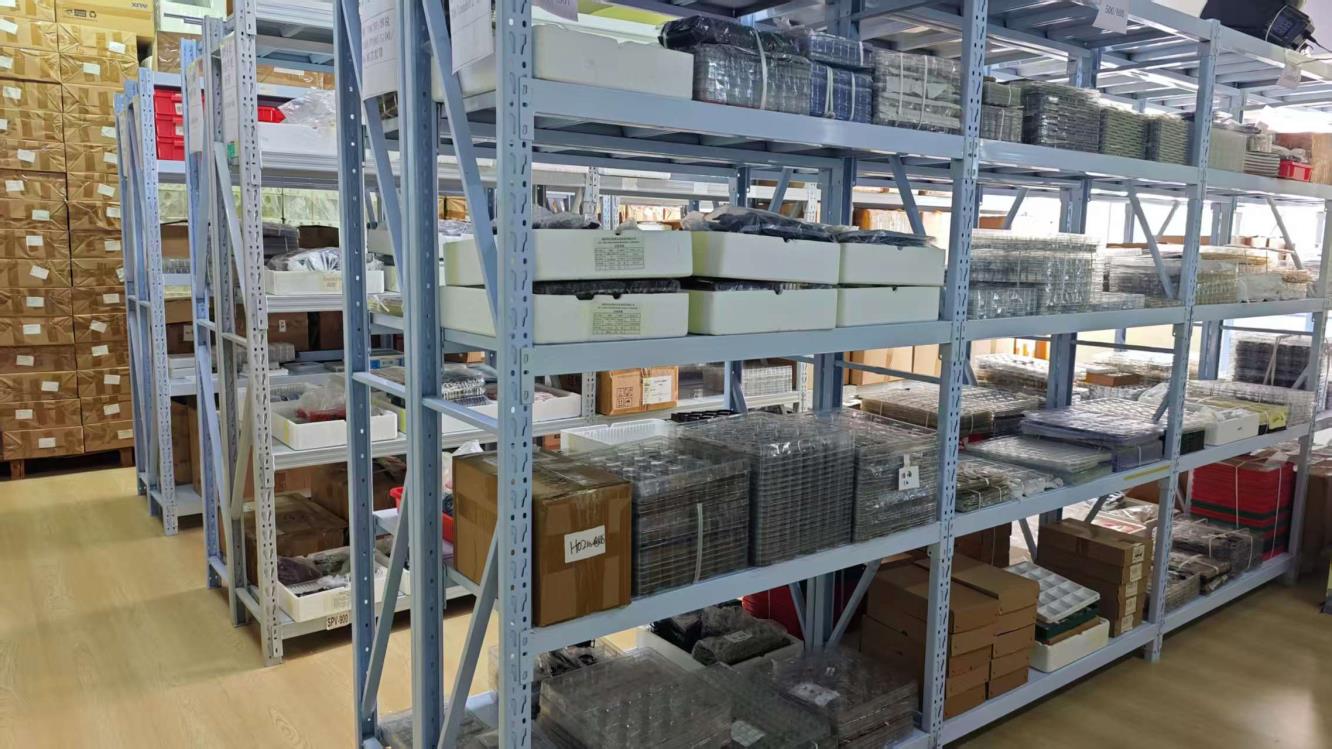
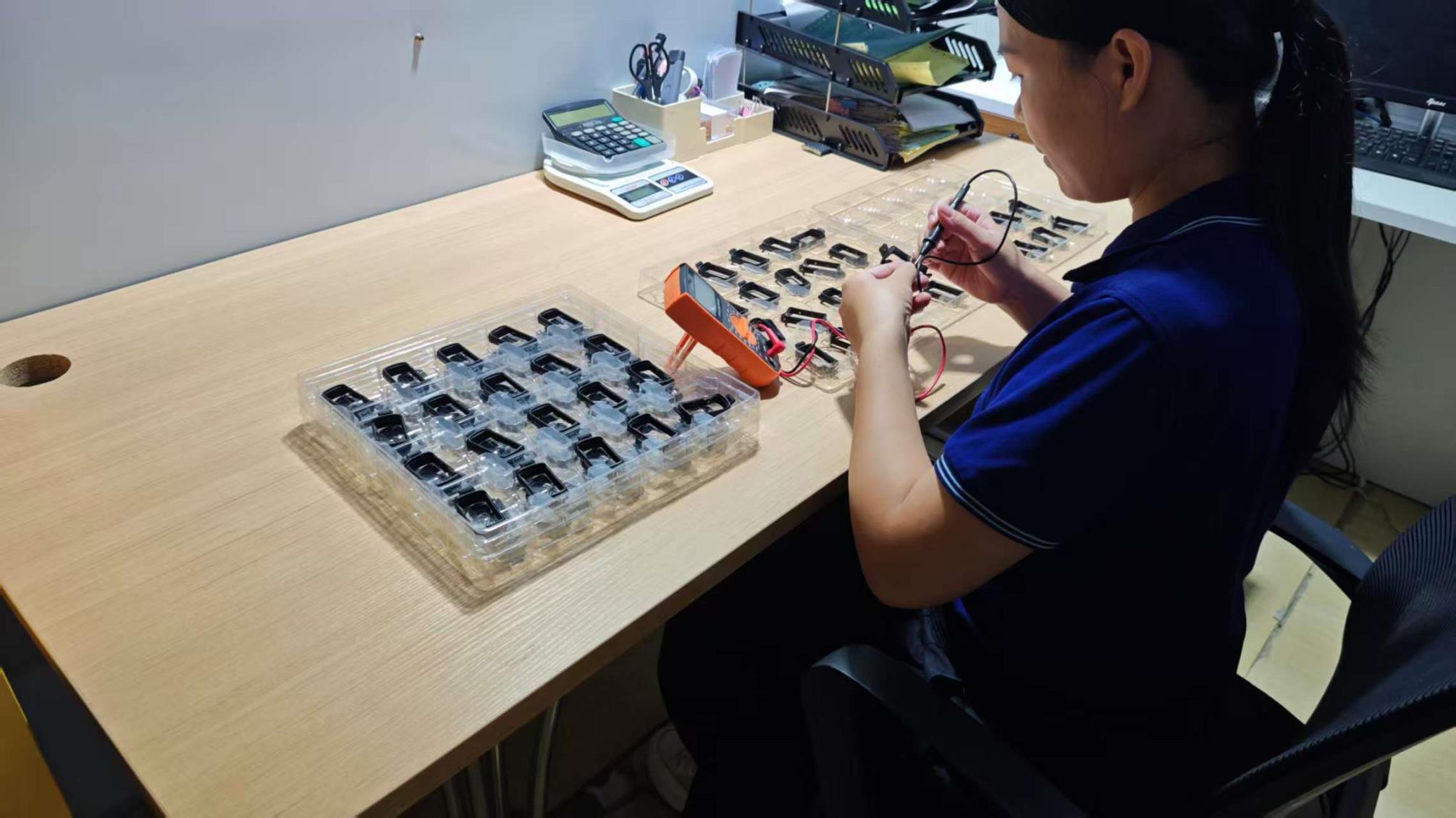
Founded in 2010 and exporting globally since 2012, Shenzhen Honsys Technology Co., Ltd. operates a vertically integrated smart wearable manufacturing facility in Shenzhen, China. From raw material IQC to automated dispensing and submerged pressure leakage testing, our standardized workflow guarantees high-reliability production runs for global brands.
Our workshop is outfitted with purpose-built machinery to enforce dimensional tolerances and IP68 integrity across every batch.
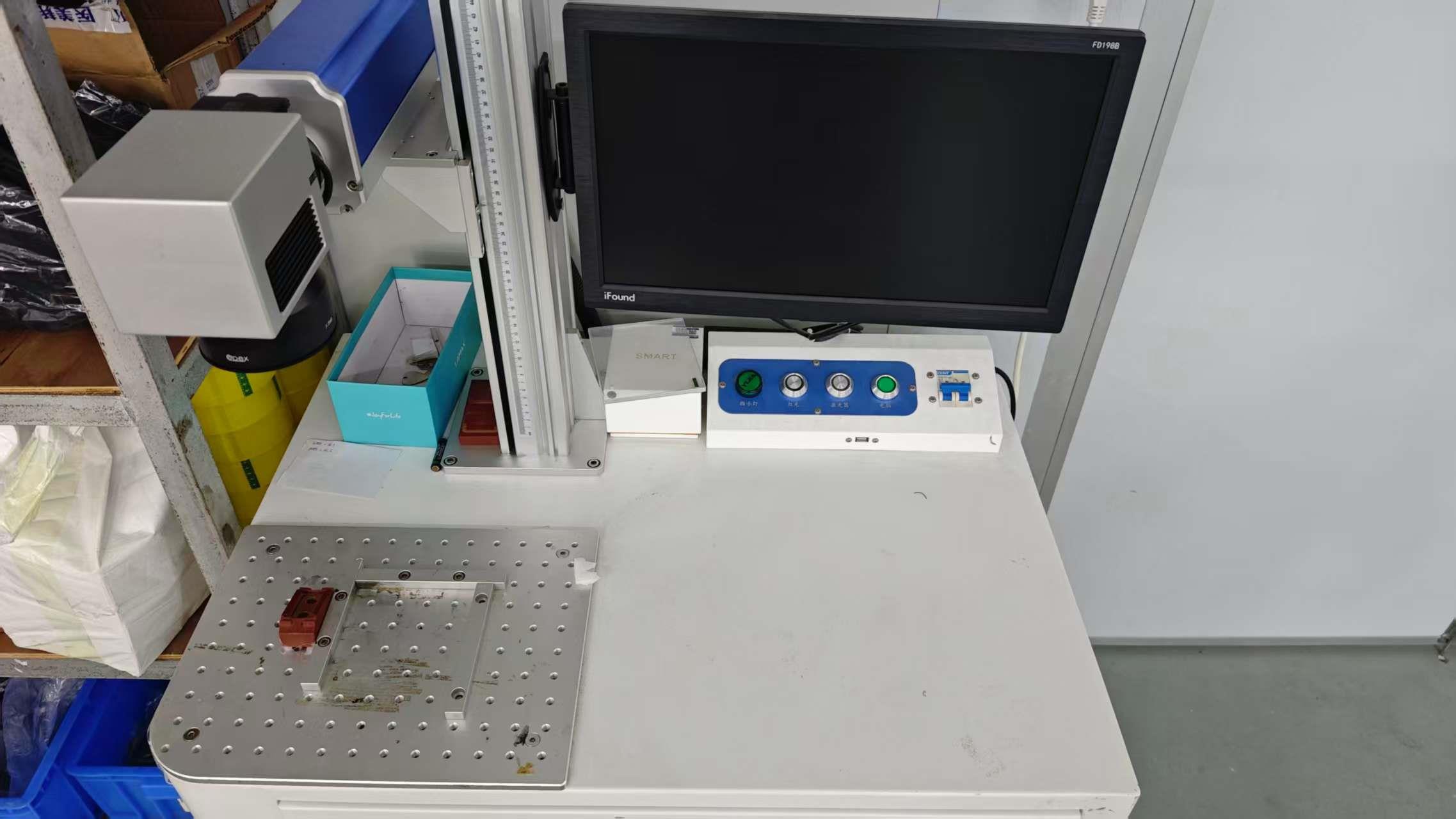
High-contrast, permanent vector logo and regulatory marking engraving on polymer and metal alloy bezels.
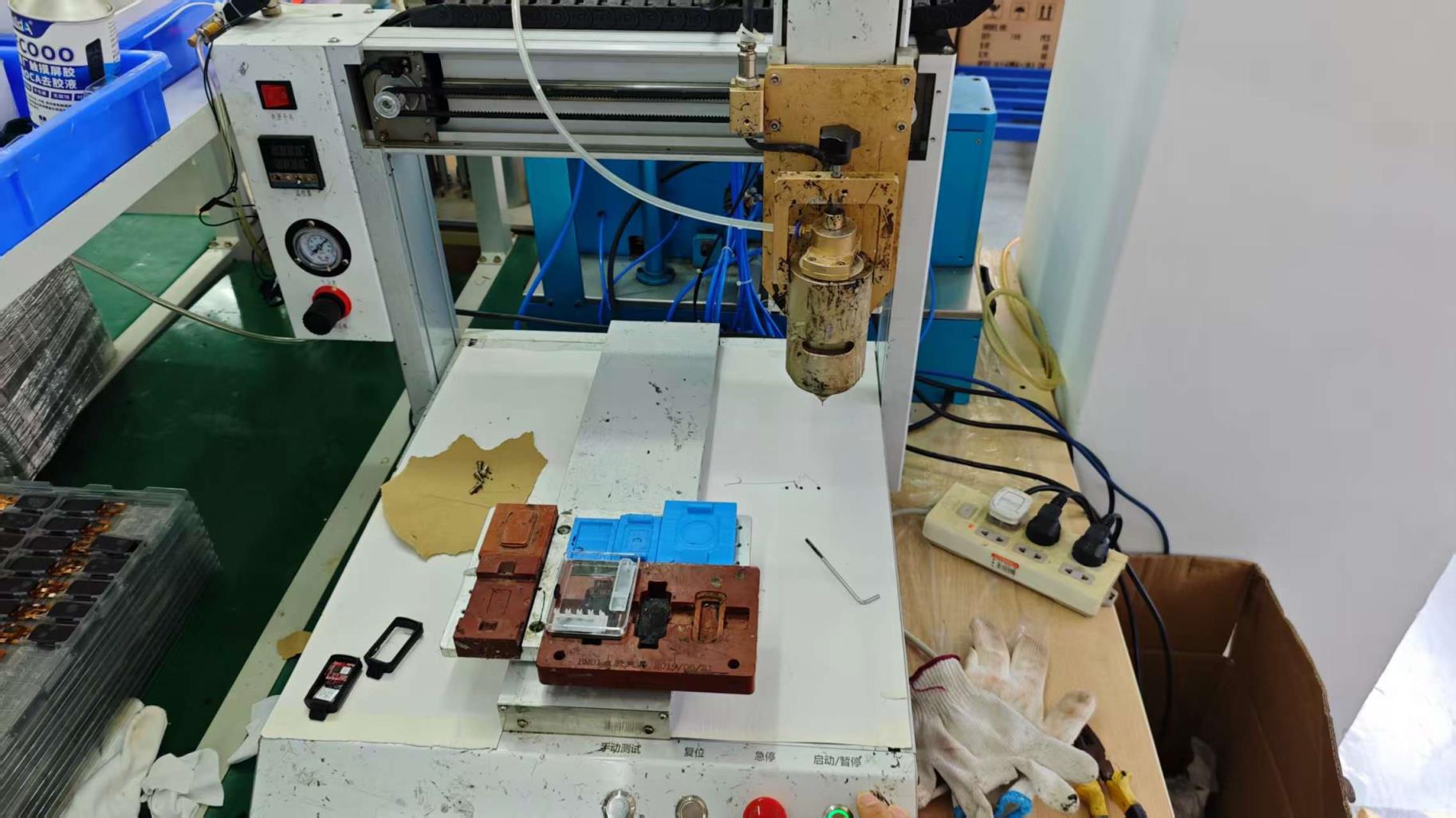
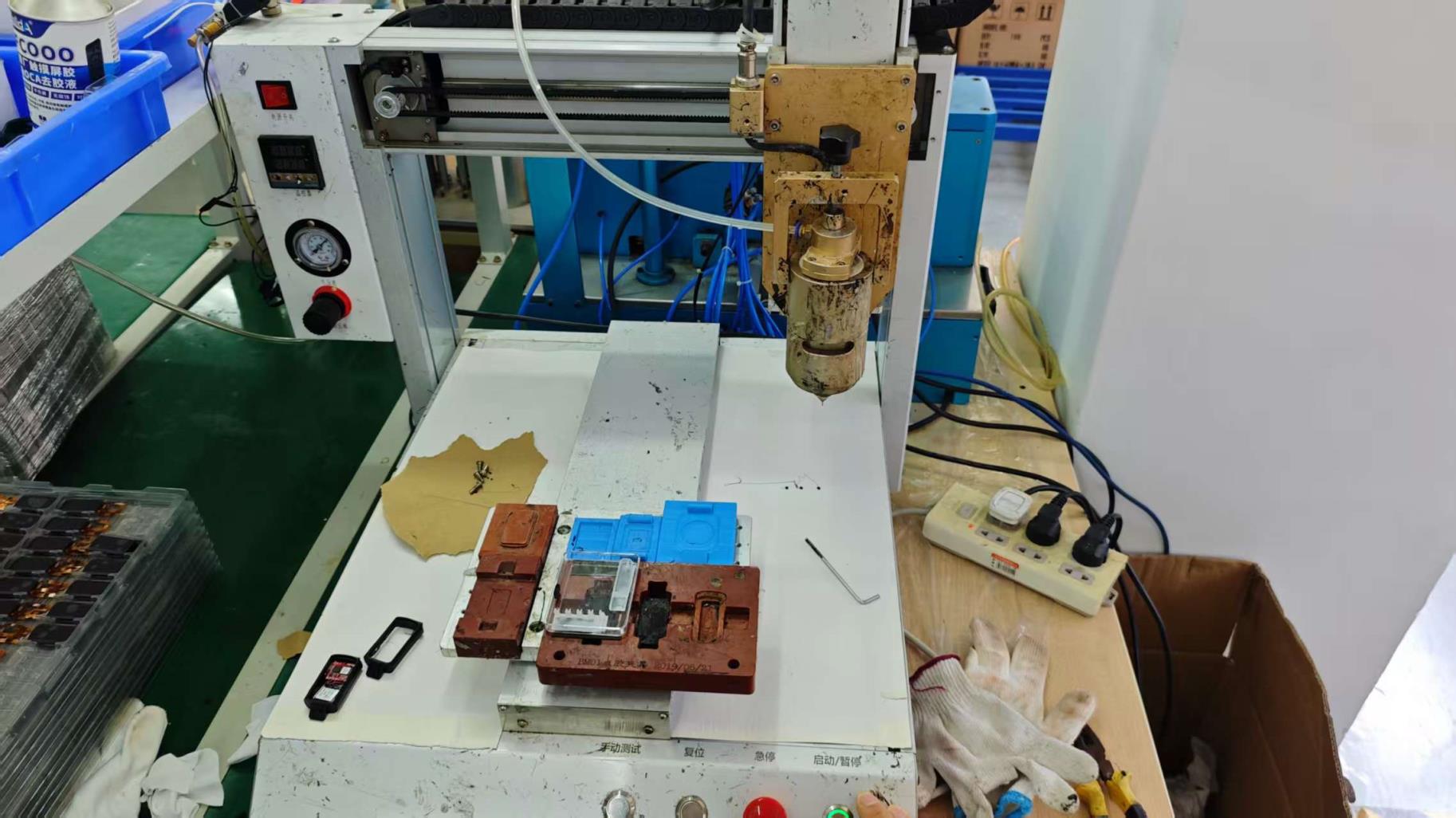
Three-axis robotic glue dispensing ensures microscopic tolerances along perimeter waterproof sealing paths.
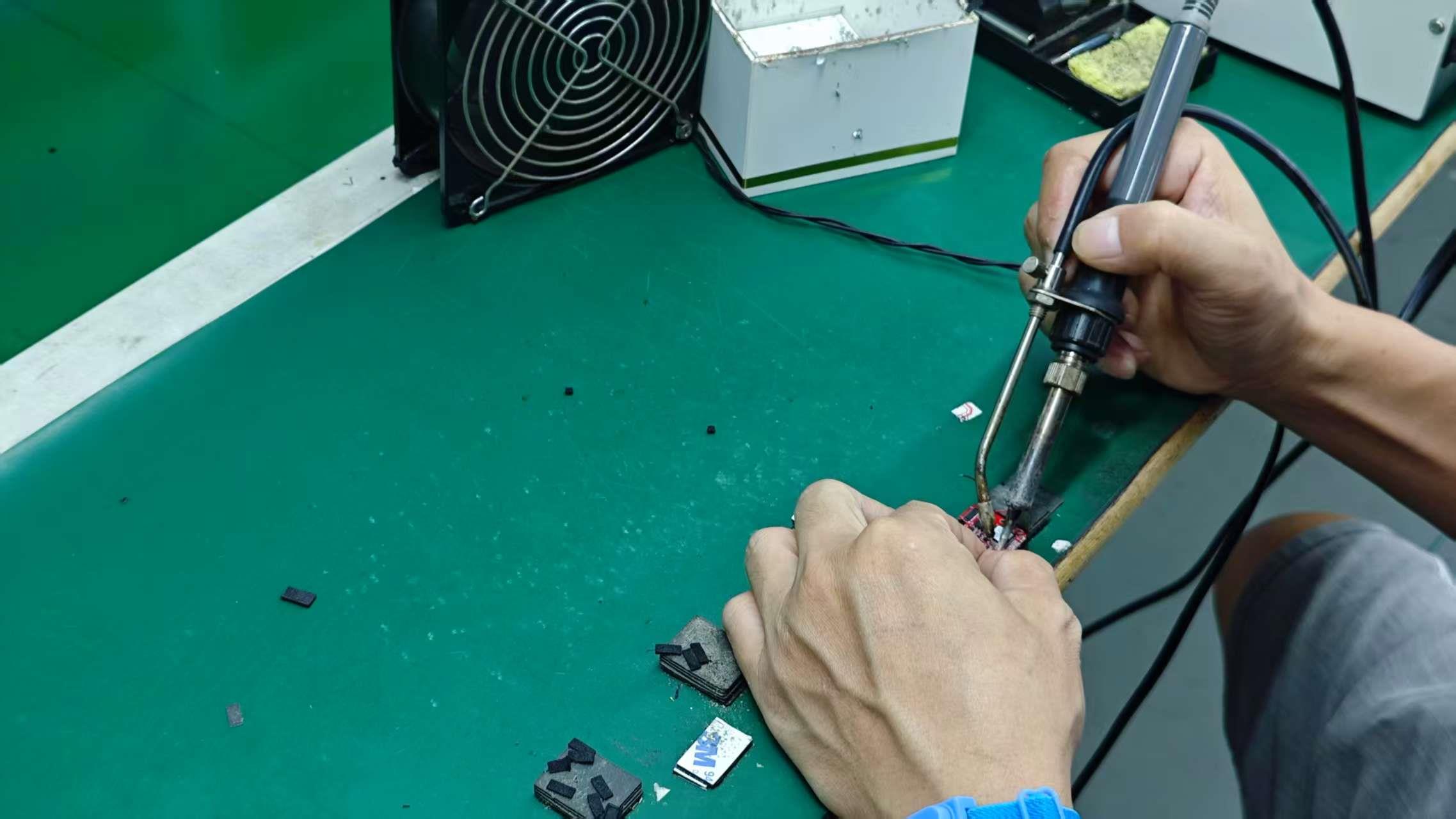
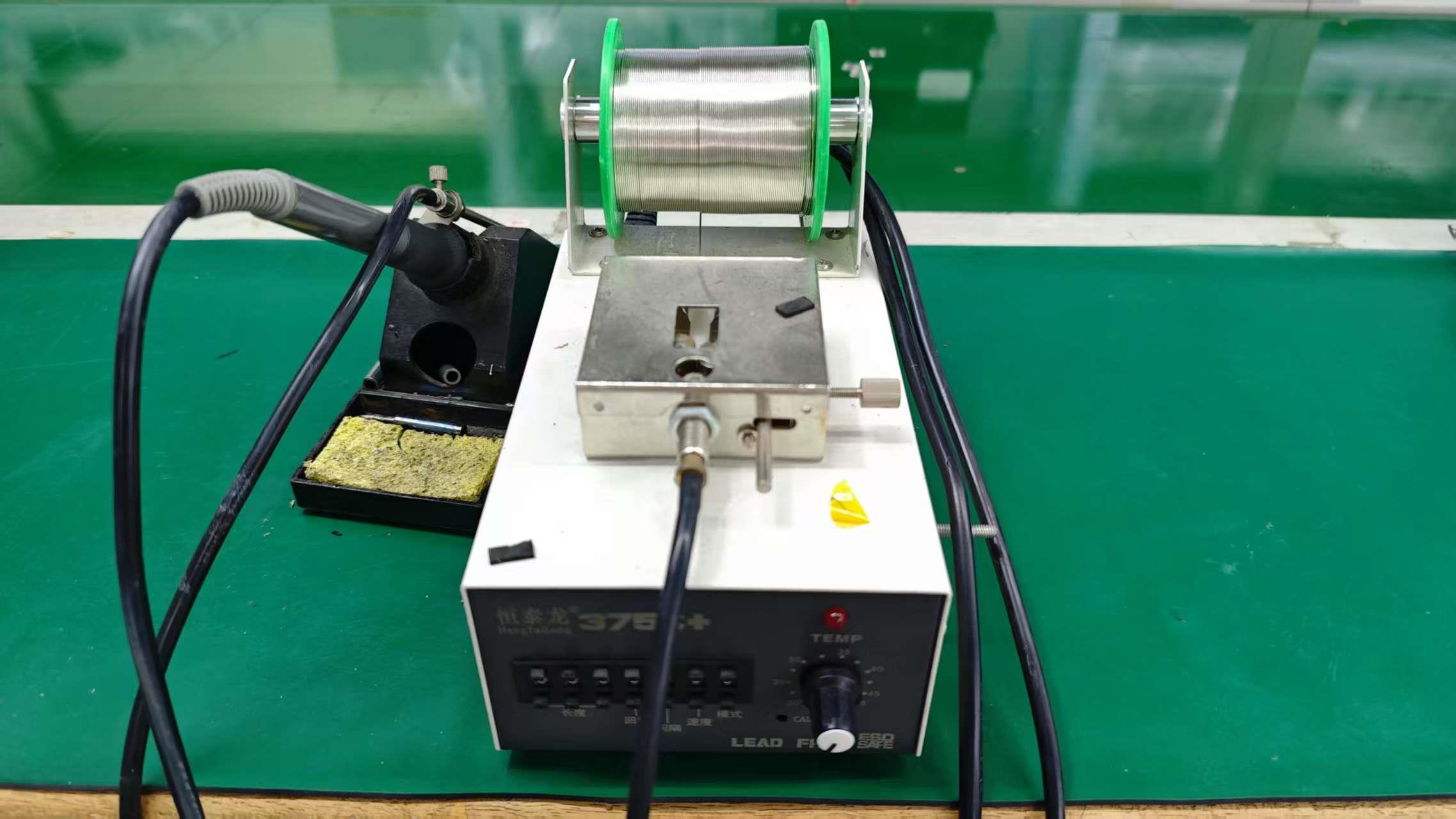
Temperature-controlled automated solder workstations preventing thermal shock to lithium batteries and delicate AFE sensor ICs.
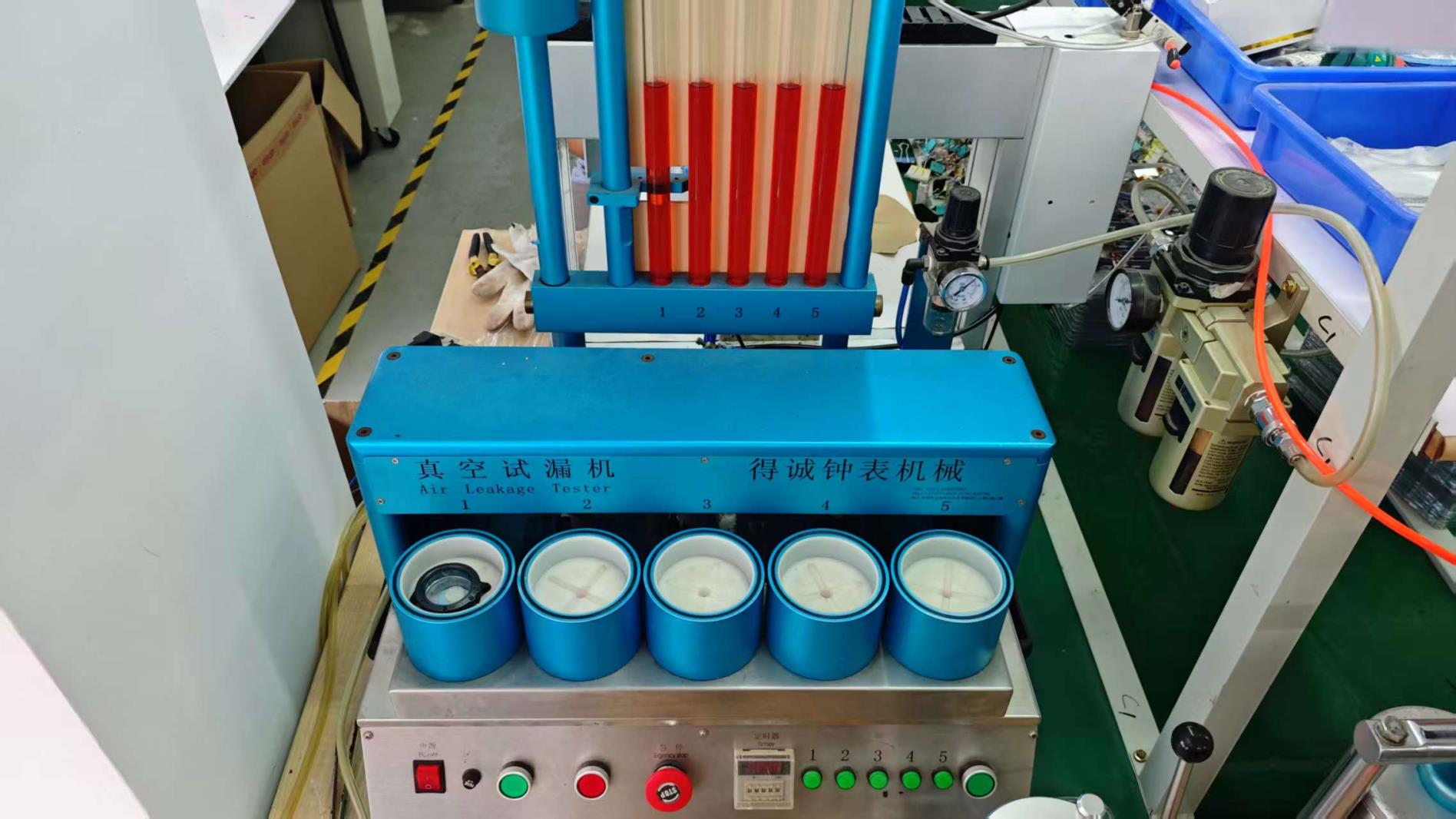
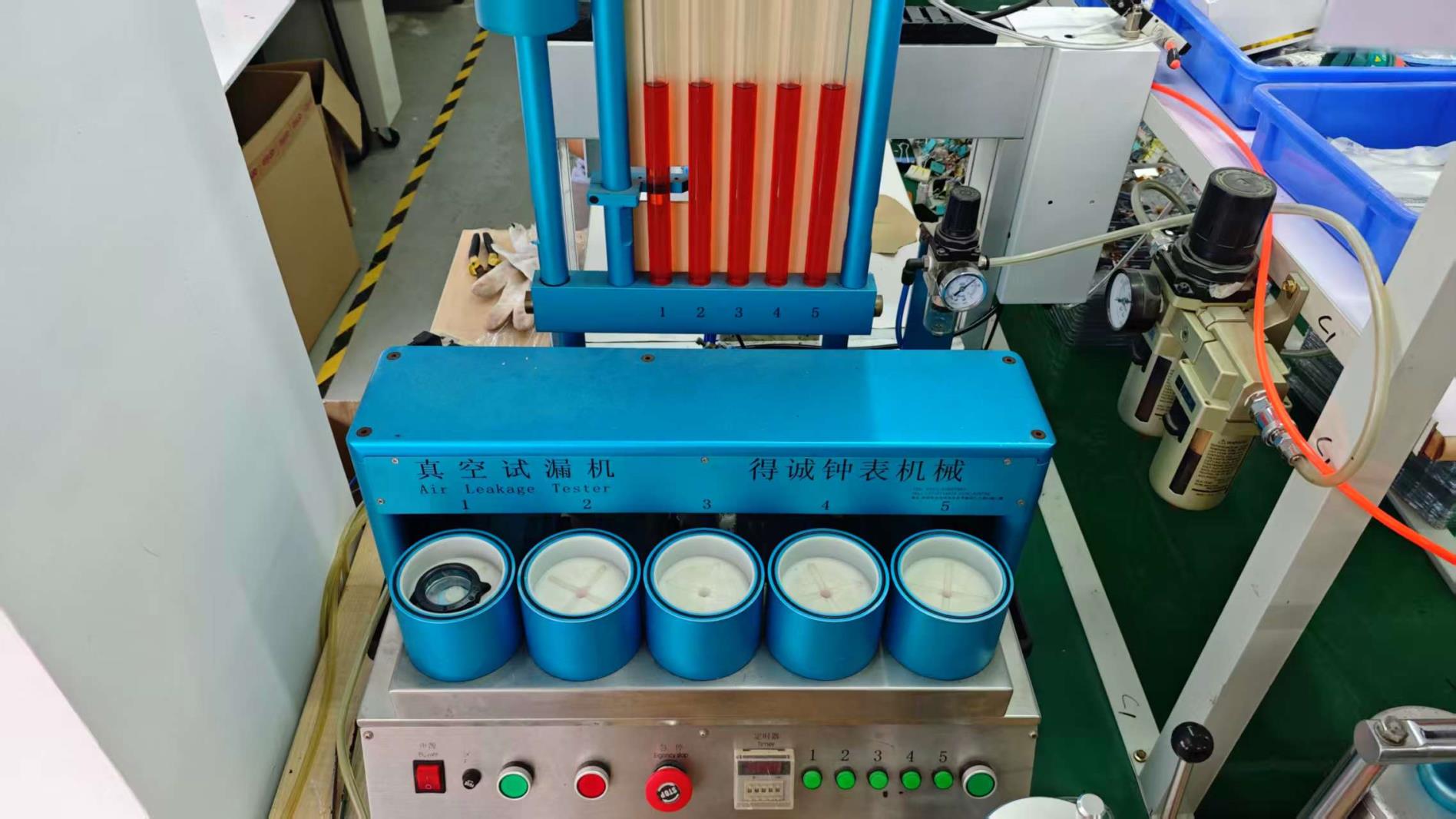
Positive and negative atmospheric pressure decay testing chambers ensuring every unit satisfies IP68/5ATM standards.
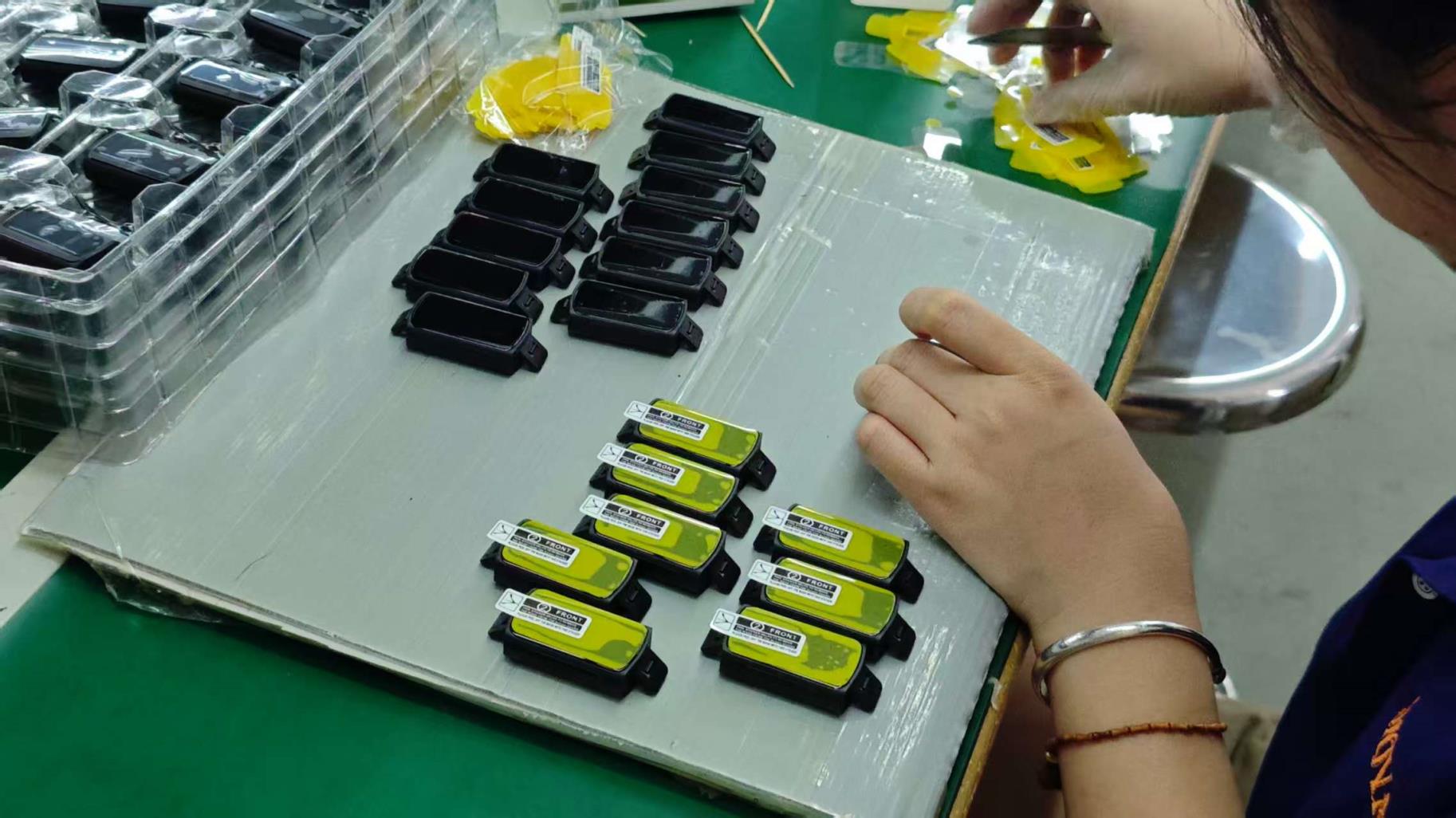
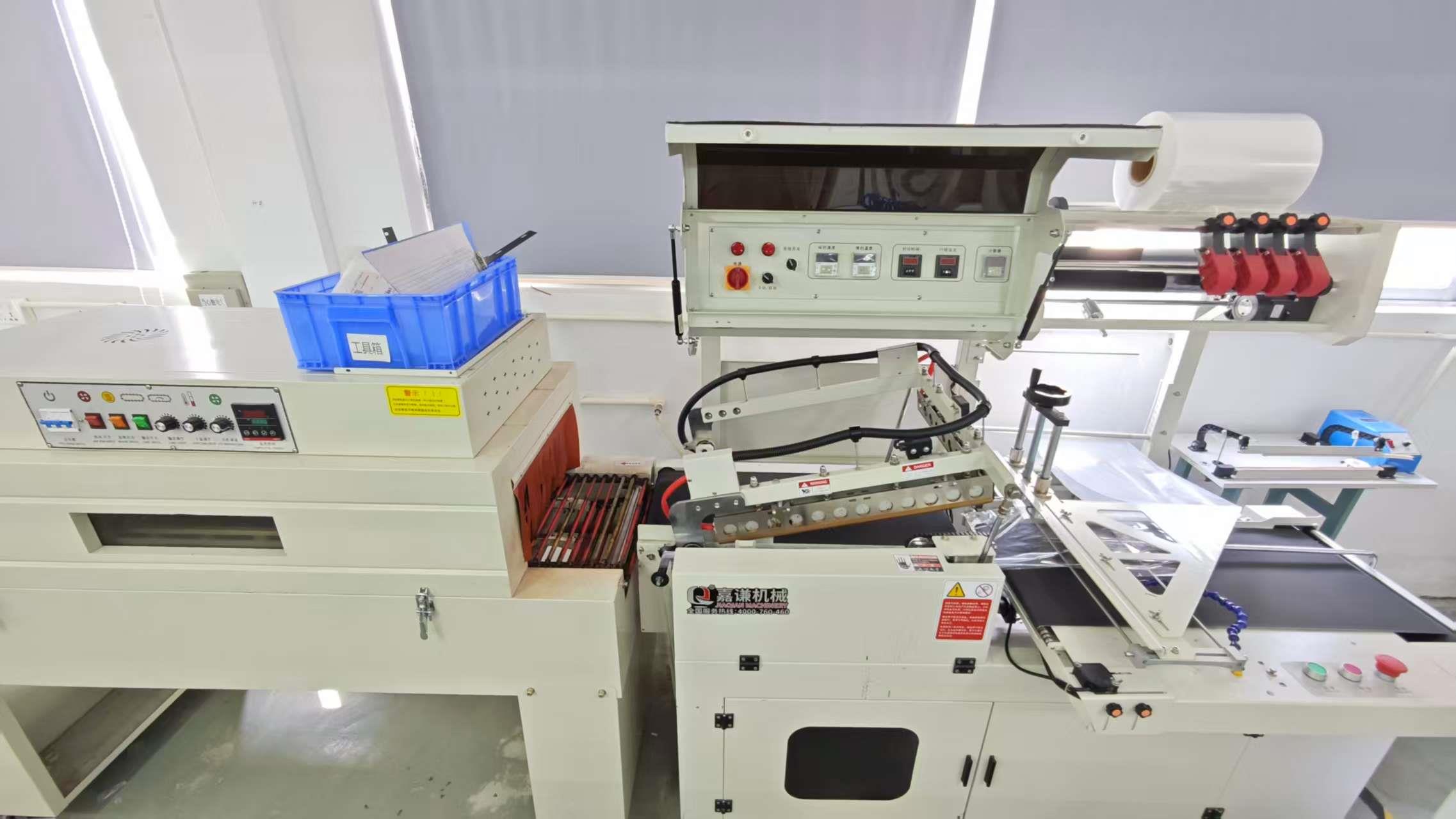
Uniform thermal packaging and protective skin wrapping for transport security.
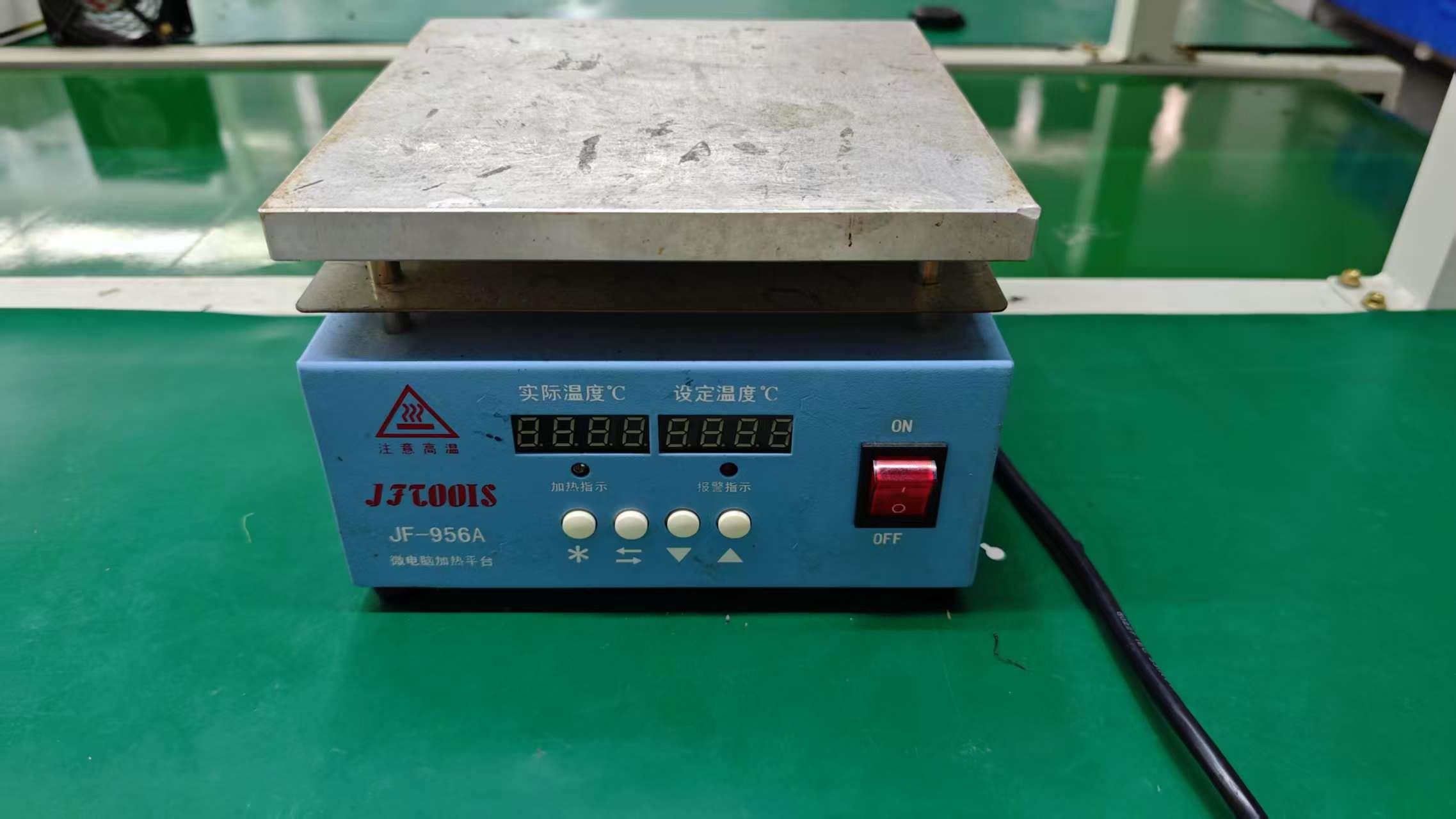
Accelerated curing ovens stabilizing structural adhesives and silicon gaskets.
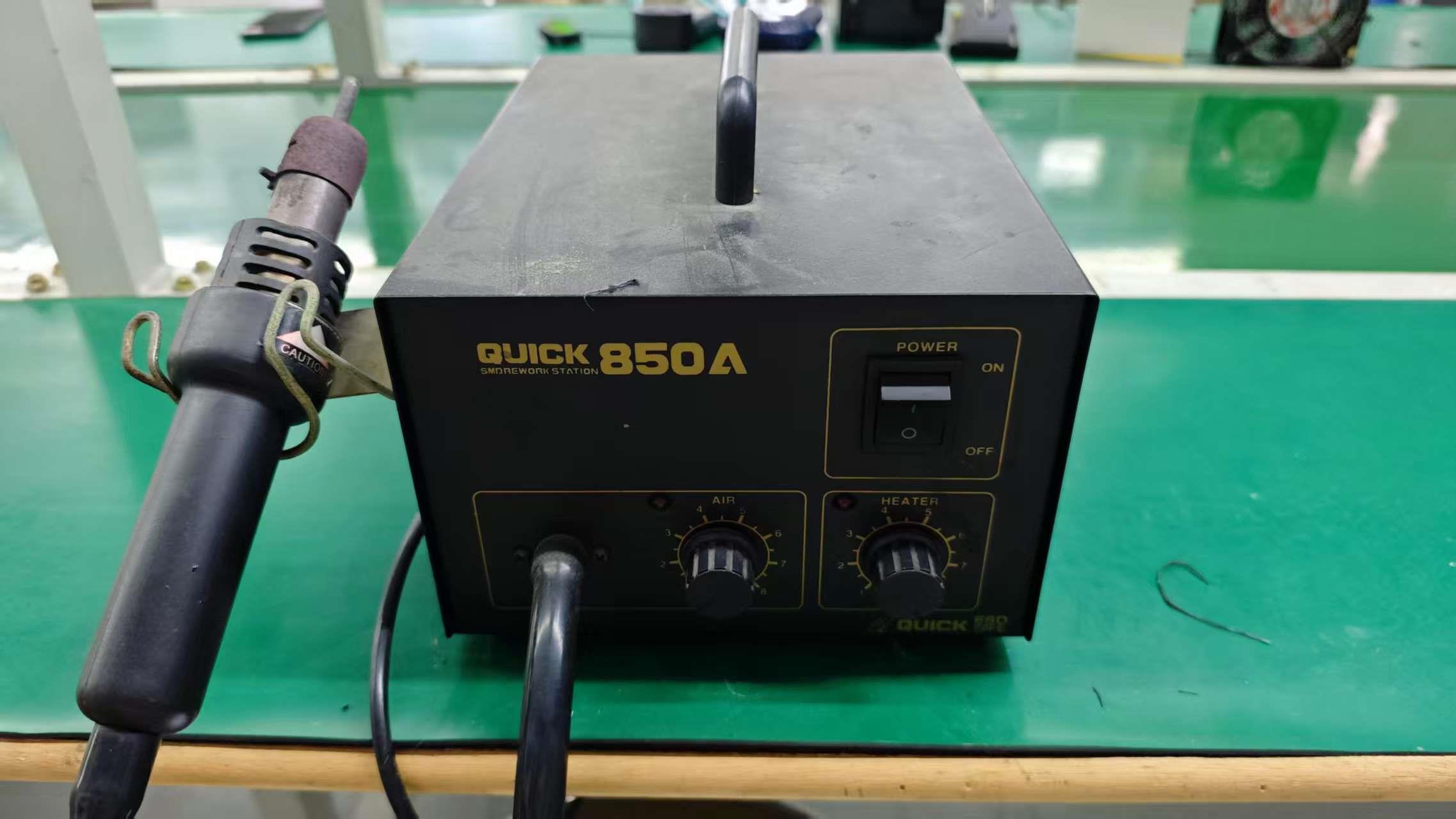
Manual fine-tuning thermal stations for specialty prototyping and rapid rework.
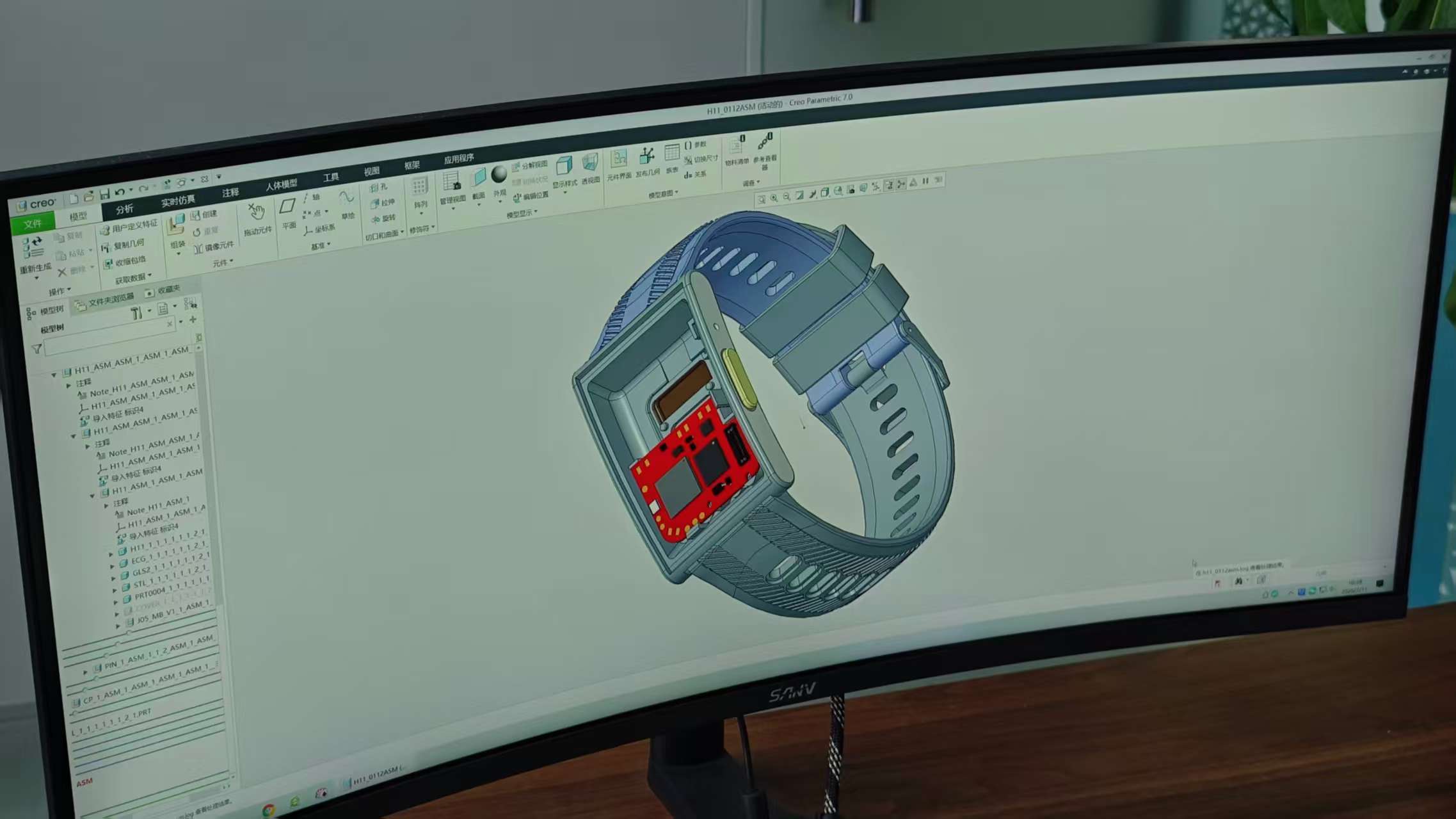
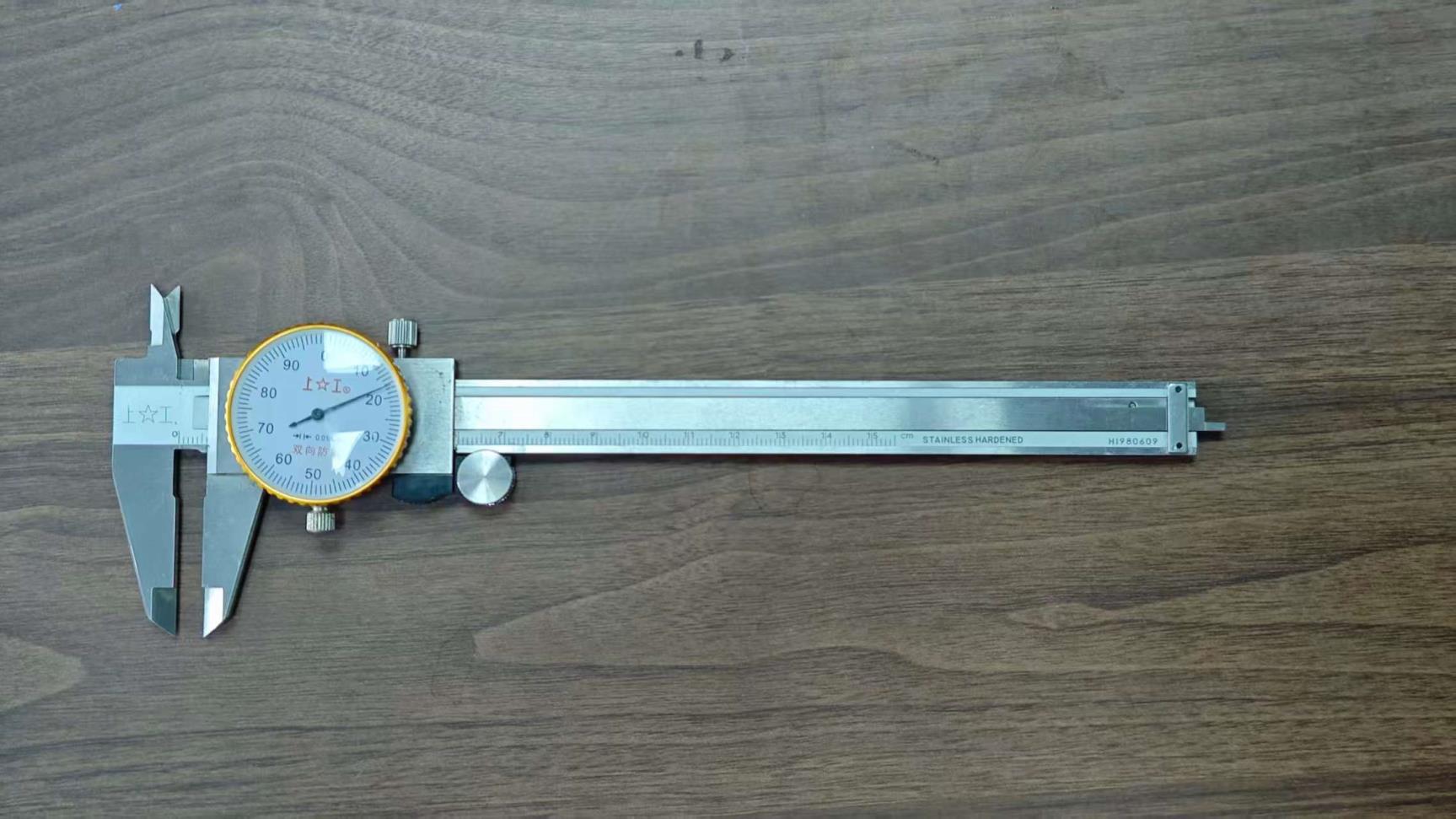
0.01mm mechanical tolerance inspection verifying casing dimensions against CAD tooling files.
Shenzhen Honsys Technology Co., Ltd. does not rely on off-the-shelf sub-contractors for critical phases. Our engineering team assists global clients through complete development stages: industrial design (ID), mechanical design (MD), PCBA layout, firmware tailoring (custom BLE advertising UUIDs, proprietary transmission frames, battery threshold optimization), companion application white-labeling, and retail box manufacturing. Every batch is covered by our comprehensive 1-year manufacturer warranty and verified through SGS-inspected on-site quality controls.
Detailed technical, compliance, and supply chain answers compiled by the chief systems engineers at Shenzhen Honsys Technology Co., Ltd. to address high-frequency enterprise questions.
Yes. Unlike consumer smart bands that only output aggregated values (e.g., steps per hour or average heart rate per minute), our open BLE SDK provides configurable hooks to pull raw photodiode ADC voltage values (for custom PPG waveform reconstruction), raw inter-beat interval (IBI/RR intervals) for algorithmic HRV modeling, and raw 3-axis accelerometer g-sensor data sampled at 25Hz, 50Hz, or 100Hz. This capability is critical for AI health startups, academic clinical research, and specialized fitness algorithm training.
The dominant power drain in wearable electronics is the display subsystem (OLED/LCD display drivers, capacitive touch controllers, and continuous photon emission). In our no-screen fitness tracker architecture, the display subsystem is completely eliminated. The MCU operates in ultra-deep sleep modes (<2uA baseline current), awakening periodically via hardware interrupts from the low-power accelerometer or timer counters to capture sensor bursts. Coupled with high-efficiency BLE 5.2 silicon and optimized LiCoO2 battery chemistry, devices achieve continuous 24/7 heart rate and sleep tracking for 2 to 3 weeks on a single 110mAh–160mAh charge.
Shenzhen Honsys Technology Co., Ltd. supports flexible, tiered procurement schedules:
Because screenless trackers lack touchscreen perimeter gaps and speaker grilles, waterproof design is inherently superior. We use three-axis automated dispensing machines to apply specialized polyurethane structural adhesives along structural mating grooves, followed by precision thermal curing. Every single unit undergoes a two-stage pneumatic pressure decay leakage test on our dedicated testing stations (Hd82d4d1aeb944ddab5699afefa7ce7f9G) to verify IP68 compliance (immersion up to 1.5m for 30 minutes) or 5ATM ratings before entering cleaning and packing.
All products manufactured by Shenzhen Honsys Technology Co., Ltd. conform to FCC (USA), CE-RED (Europe), and RoHS environmental standards. We supply full Declarations of Conformity (DoC), UN38.3 lithium battery shipping reports, MSDS sheets, and EPR registrations for Germany and France. Our factory has also undergone comprehensive on-site facility audits conducted by SGS Group.
Our trackers feature onboard NOR Flash memory (ranging from 16MB to 128MB depending on model selection). When disconnected from the mobile device, the band records continuous time-stamped biometric logs—including sleep stages, resting heart rate intervals, and movement vectors—for up to 14–30 consecutive days. As soon as the user opens the mobile application or comes within BLE range, a high-speed burst synchronization protocol transfers the buffered logs within seconds without data loss.
Production turnaround for standard private label orders is approximately 30 business days following sample approval and deposit. We support international commercial shipping terms including FOB Shenzhen, FOB Yantian, CIF, and DDP express. Accepted payment methods encompass T/T, L/C, PayPal, and Western Union in multiple currencies including USD, EUR, and GBP.
Connect directly with the manufacturing and firmware engineering team at Shenzhen Honsys Technology Co., Ltd. Request evaluation samples, obtain open SDK documentation, or receive a formal OEM/ODM cost breakdown within 24 business hours.