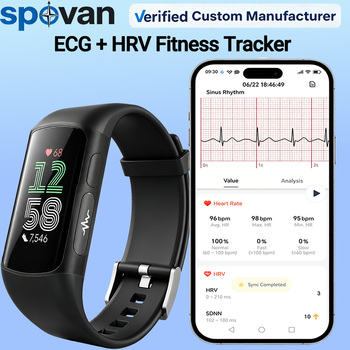
1.47" Compact Color Display ECG + PPG Smart Health Band
Ultra-slim ergonomic case with continuous optical monitoring, 30-second on-demand ECG waveform, IP68 water sealing, and open BLE data broadcast.
Dual LeadHRV StressBLE 5.2
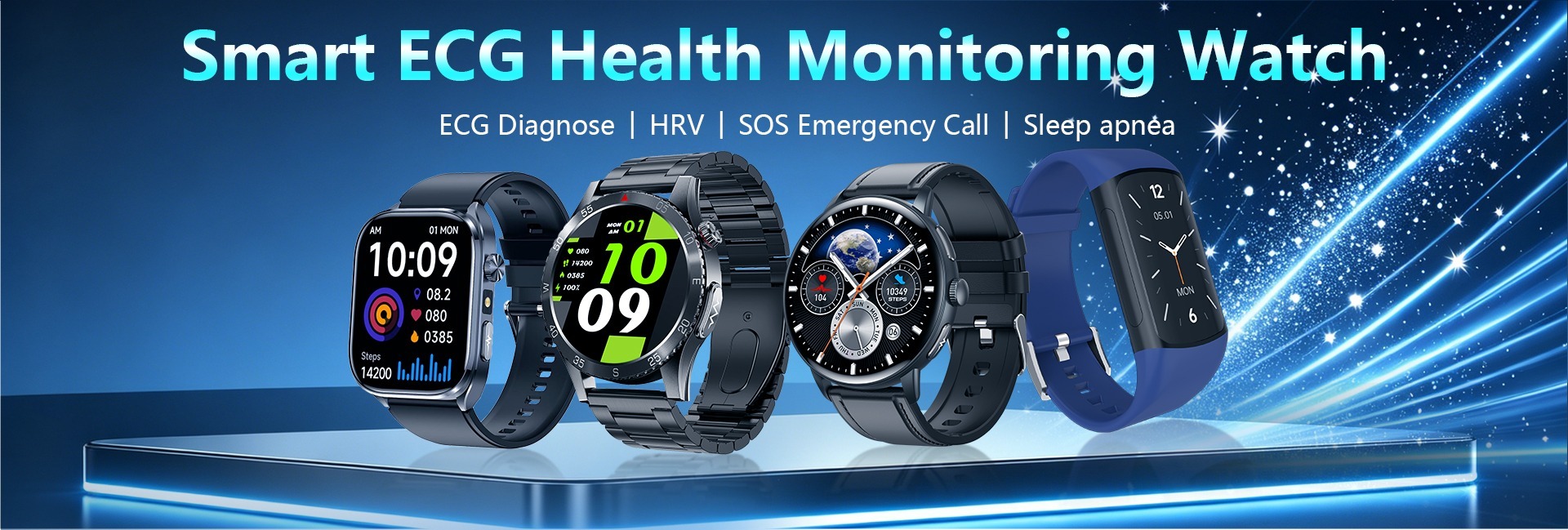

As cardiovascular wellness tracking shifts from periodic clinical checks to 24/7 continuous surveillance, international procurement teams face complex trade-offs between optical PPG sampling frequency, single-lead ECG electrode noise suppression, low-power BLE firmware architecture, and stringent regulatory compliance. Shenzhen Honsys Technology Co., Ltd. delivers carrier-grade ECG PPG smartwatches, screenless bands, and connected health wearable platforms backed by open SDK/API protocols, verified factory testing, and agile contract manufacturing.
A technical deconstruction of dual-modality sensing for procurement managers evaluating hardware performance, battery drain profiles, and clinical validity.
Photoplethysmography measures changes in microvascular blood volume within cutaneous capillary beds. Our hardware platforms utilize surface-mount optical arrays incorporating dual or multi-wavelength LEDs (525nm green for robust pulse detection across subcutaneous tissue, 660nm red, and 940nm infrared for dual-wavelength peripheral oxygen saturation / SpO2 calculation). Light reflected back into high-sensitivity PIN photodiodes is captured as a current signal, subsequently converted to digital voltage by an integrated analog front-end (AFE) such as Goodix GH3011, Silicon Labs Si117x, or Nordic semiconductor paired sensor hubs.
PPG operates continuously in the background, drawing minimal micro-amperage to monitor 24/7 pulse rate, real-time Heart Rate Variability (HRV via rMSSD analysis), respiratory rate, and sleep staging. However, optical PPG remains inherently susceptible to mechanical motion artifacts, perfusion variations under cold temperatures, and dermal melanin interference, necessitating rigorous dynamic motion noise filtering.
In contrast to hemodynamic optical measurement, ECG records actual cardiac electrical activity. Depolarization and repolarization of the sinoatrial node, atria, and ventricles generate microvolt-level potential differences across the human torso. In an ECG PPG Smartwatch manufactured by Shenzhen Honsys Technology Co., Ltd., single-lead Lead-I configuration is achieved by placing one dry conductive electrode on the watch bottom casing (in continuous contact with the wrist) and a second reference/measurement electrode on the bezel or side crown.
When the user completes the bio-circuit by placing an opposite-hand index finger on the crown electrode, our integrated ultra-low-noise differential biopotential amplifier (high input impedance >10 GΩ, common-mode rejection ratio CMRR >95 dB) samples the cardiac voltage vector at 256 Hz to 512 Hz. This yields standard P-Q-R-S-T complexes capable of revealing sinus rhythm, atrial fibrillation (AFib), premature ventricular contractions (PVC), and heart block indicators.
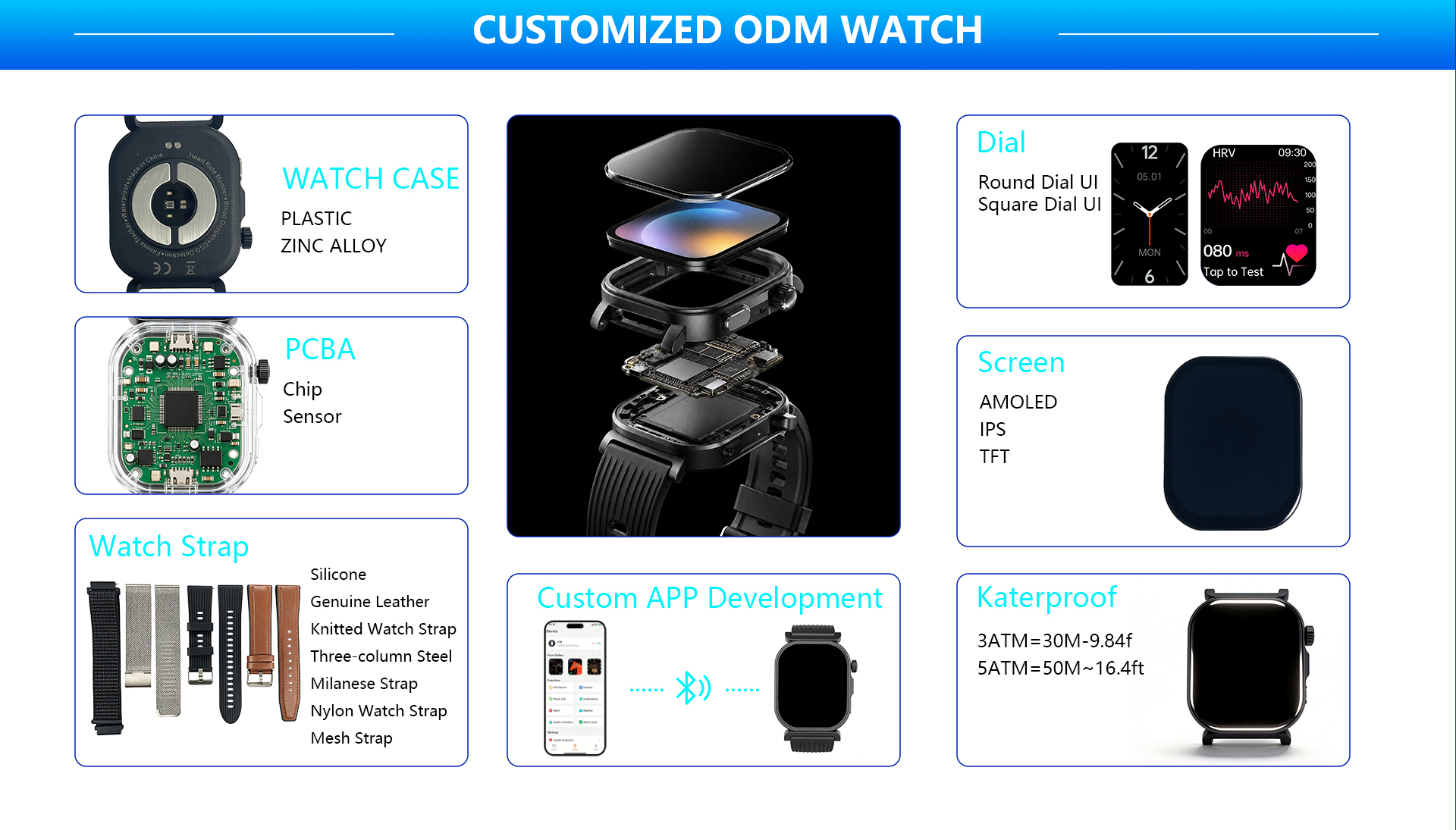
Explore our audited, production-ready OEM/ODM models engineered for high accuracy, durable battery autonomy, and turn-key brand customizability.
Ultra-slim ergonomic case with continuous optical monitoring, 30-second on-demand ECG waveform, IP68 water sealing, and open BLE data broadcast.
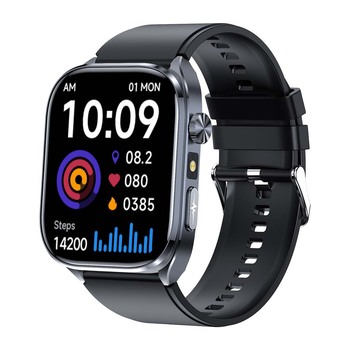
Engineered for institutional healthcare and insurance corporate wellness programs. Features zinc alloy bezel, custom boot logo, and high-frequency PPG sensors.
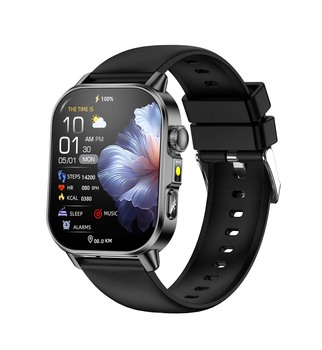
High-capacity pure cobalt battery delivering up to 14 days of typical active use. Integrated emergency LED light, multi-point PPG optical sensor, and ECG crown contact.
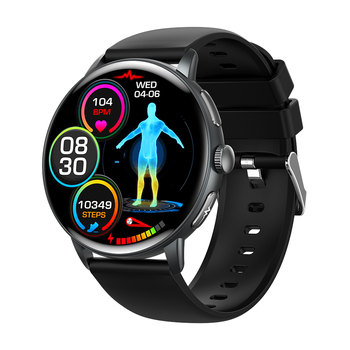
Vibrant 466x466 AMOLED panel, Always-On-Display (AOD), titanium alloy electrode rings, AI voice assistance, and precise cardio electro-potential diagnostics.
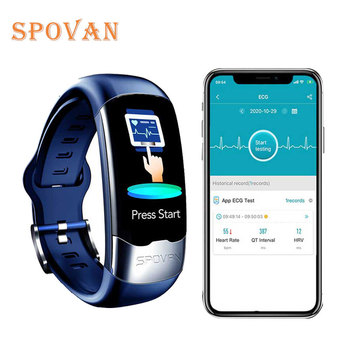
Optimized for remote patient monitoring (RPM) and telehealth cloud integration. Raw millivolt telemetry streaming, automated PTT blood pressure trend tracking.
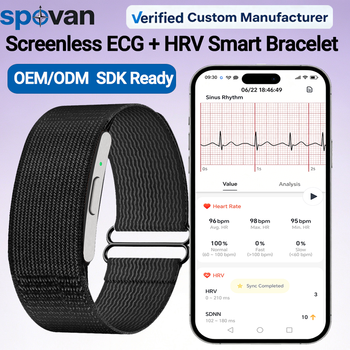
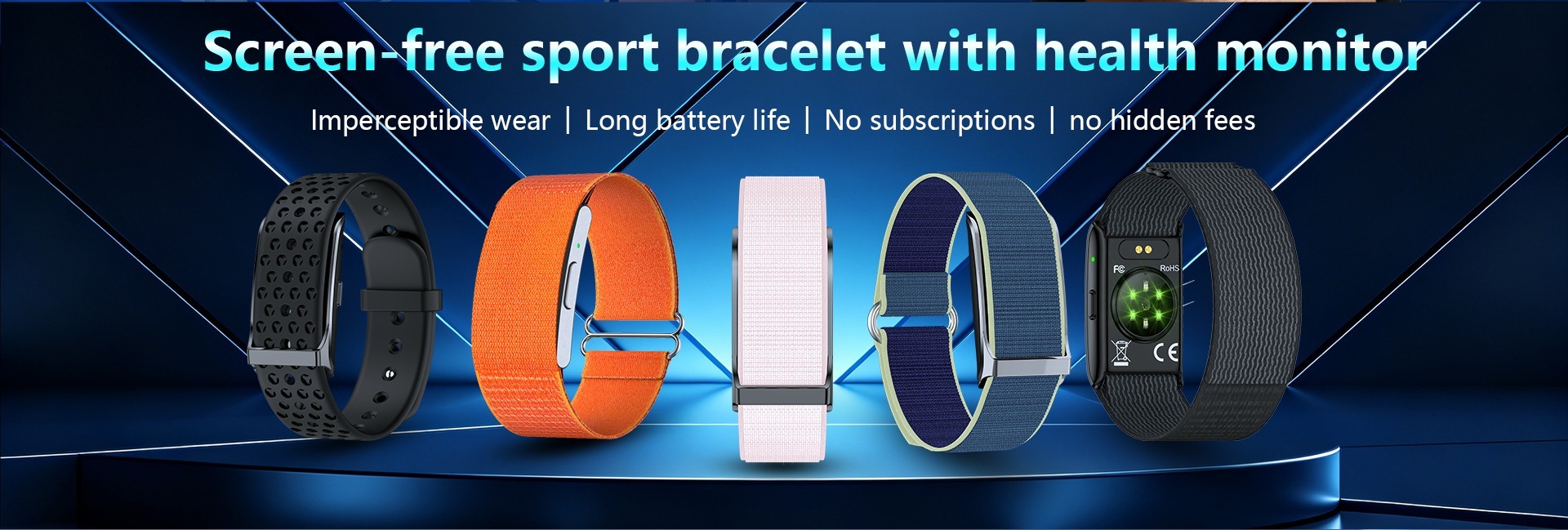
Zero screen distractions with medical-grade data harvesting. 25-day standby, dual-electrode finger touch ECG measurement, fabric/silicone interchangeable straps.
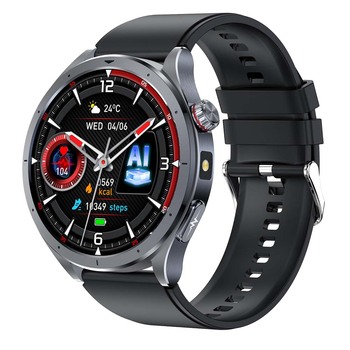
Ruggedized zinc-alloy and polycarbonate housing, hermetically sealed for intensive aquatic exercise. Rapid capacitive ECG recording and dynamic VO2 max calculation.
Need customized PCB board shapes, specific sensor AFEs (Texas Instruments / Analog Devices), or bespoke firmware? Consult directly with our technical lead.
In-depth analysis for procurement directors, product roadmap architects, and volume importers planning inventory transitions over the next 36 months.
The convergence of ECG and photoplethysmography is moving beyond isolated metric extraction. By synchronizing the peak electrical ventricular depolarization (the R-peak of the ECG waveform) with the corresponding arterial systolic arrival pulse detected by optical PPG at the capillary bed, the system computes Pulse Transit Time (PTT). Over the next 24 months, algorithmic calibration will enable non-invasive, cuffless blood pressure trend monitoring without pneumatic deflation cuffs, transforming enterprise corporate healthcare programs.
Procurement teams are shifting away from dumb Bluetooth sensors reliant on heavy smartphone cloud computation. Future-proof smartwatch iterations integrate low-power neural processing units (NPUs) or Arm Cortex-M33 DSP cores executing compressed convolutional neural networks (CNNs). This architecture identifies irregular pulse triggers and atrial fibrillation within 10 cardiac cycles directly on the wrist, notifying users immediately without cellular latency or continuous cloud bandwidth overhead.
Historic stainless steel electrodes suffered from galvanic oxidation, skin sensitization, and severe high-frequency motion impedance spikes. The procurement trend strongly favors physical vapor deposition (PVD) titanium coatings, medical grade 316L passivation, or conductive dry carbon elastomer polymers. Shenzhen Honsys Technology Co., Ltd. continuously refines multi-electrode geometries to establish instantaneous zero-impedance dermal contact without requiring conductive gel.
Global buyers are encountering stricter customs and legal scrutiny regarding diagnostic claims. European MDR (Medical Device Regulation 2017/745) Class IIa and US FDA 510(k) enforcement mandates that brands delineate consumer wellness hardware from clinical diagnostic instruments. Buyers increasingly procure modular hardware platforms where firmware can be partitioned between basic recreational health apps and accredited RPM platforms accompanied by technical construction files.
High sampling frequencies traditionally decimated lithium cell reserves within 24 to 48 hours. The market standard is transitioning toward heterogeneous dual-core chipsets (e.g., high-efficiency 2.4GHz BLE processor coupled with dedicated micro-amp sensor coprocessors). This hardware topology allows background optical PPG and accelerometer polling while keeping main display and communication cores in deep sleep, extending active operating runtimes to 7–14 days.
Brand owners, HMO insurers, and sports franchises now reject closed proprietary ecosystems that lock user biometric databases into foreign cloud servers. Sourcing demand has pivoted decisively toward OEM/ODM manufacturers like Shenzhen Honsys Technology Co., Ltd. that license open Android/iOS SDKs, standard JSON/MQTT Bluetooth payloads, and raw data outputs, permitting direct integration into proprietary enterprise EHR/EMR cloud databases.
Evaluate physical hardware architectures, component selections, signal acquisition bounds, and certification thresholds before finalizing procurement RFQs.
| Subsystem / Feature | Standard Consumer Wellness Spec | Clinical Evaluation / Telehealth Tier | Screenless Bio-Band Variant |
|---|---|---|---|
| ECG Sensor Front-End (AFE) | Single-lead dry bio-potential electrode, 256 Hz | Dual/Triple-lead titanium PVD dry electrodes, 512 Hz, CMRR >95 dB | Single-lead continuous touch contact strip, 256 Hz low-power mode |
| PPG Optical Configuration | Green LED (525nm) single channel + photodiode | Multi-wavelength (Green 525nm + Red 660nm + IR 940nm) dual PD | Continuous dual green + infrared capillary sensor array |
| Microcontroller & BLE Core | Realtek RTL8762D / JL series BLE 5.0 | Nordic Semiconductor nRF52840 / nRF5340 dual-core BLE 5.3 | Nordic low-power ultra-compact SoC architecture |
| Display Module | 1.47" to 2.0" IPS/TFT (240x280 up to 320x385) | 1.43" to 1.56" AMOLED (466x466) with capacitive touch | Display-free (Zero optical bleed, vibration alert only) |
| Battery Capacity & Endurance | 200 mAh – 280 mAh (5–7 days runtime) | 300 mAh – 450 mAh (7–14 days runtime) | 110 mAh – 180 mAh (15–25 days typical standby) |
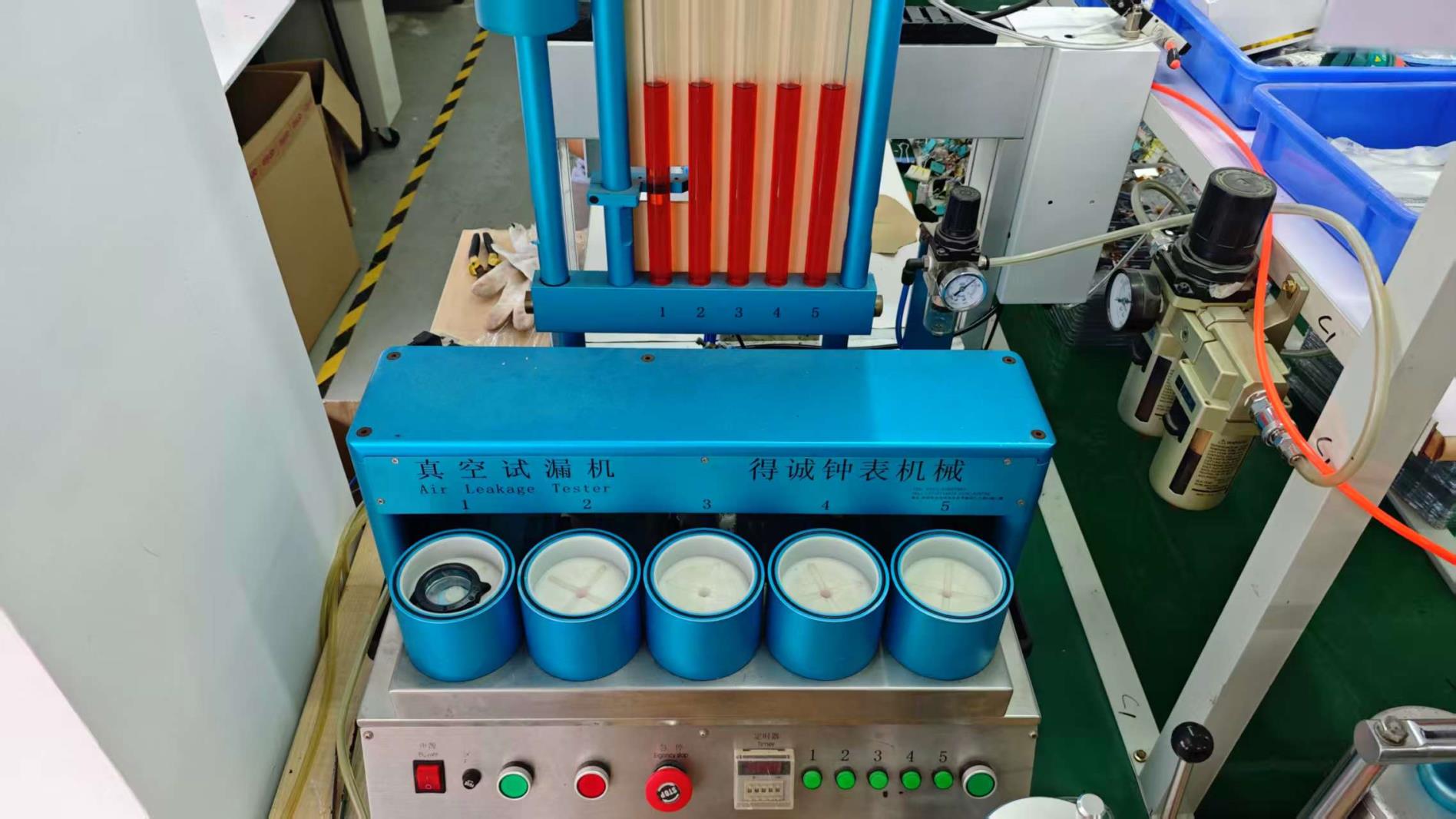
| Waterproof Ingress Protection | IP67 / IP68 (1.5m static immersion) | IP68 + 3ATM (Automated pneumatic leakage checked) | Hermetic IP68 ultrasonic encapsulation |
| Data Access & SDK Protocol | Encrypted proprietary BLE app payload | Open Android/iOS SDK, raw millivolt array streaming | Complete BLE GATT profile & open REST API documentation |
| International Certifications | FCC ID, CE RED, RoHS Directive, WEEE | FCC, CE RED, RoHS, EPR (Germany & France), REACH | FCC, CE, RoHS, EPR compliant production protocols |
How Shenzhen Honsys Technology Co., Ltd. protects your brand reputation through institutional quality assurance and audited manufacturing protocols in Shenzhen, China.
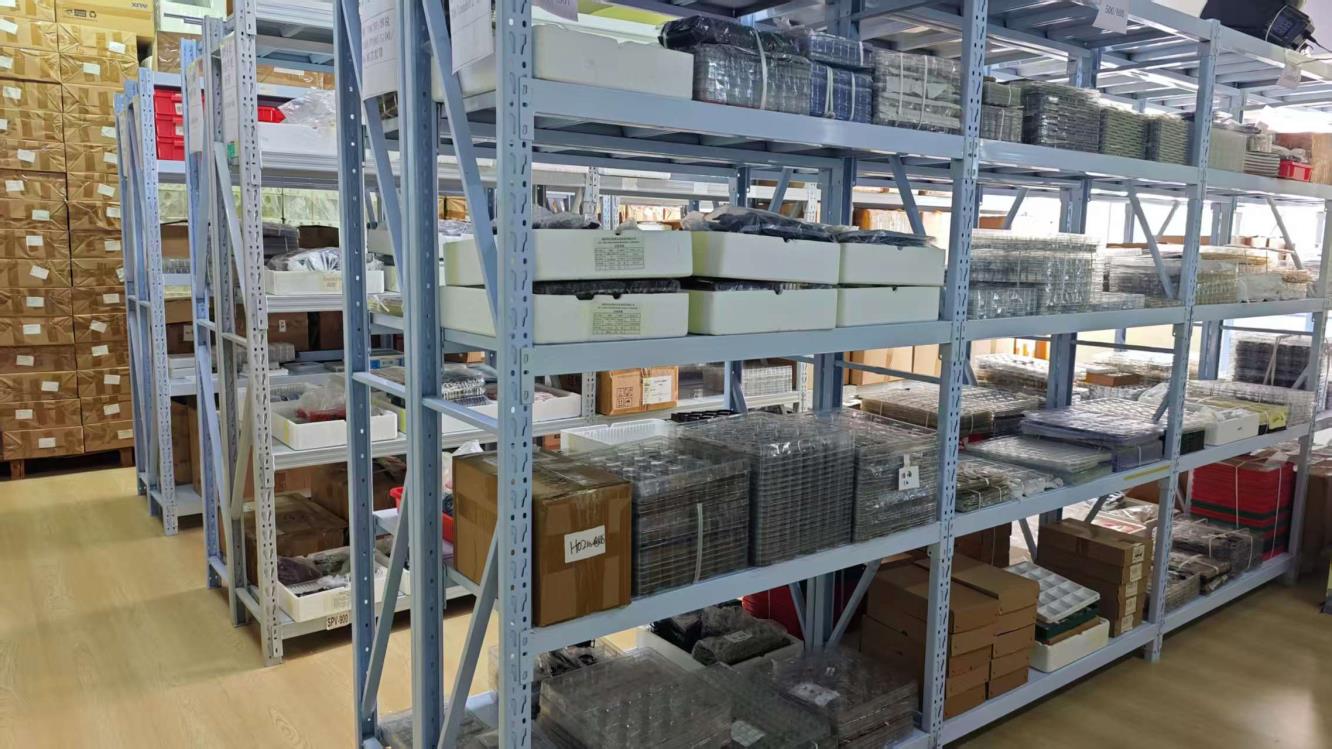
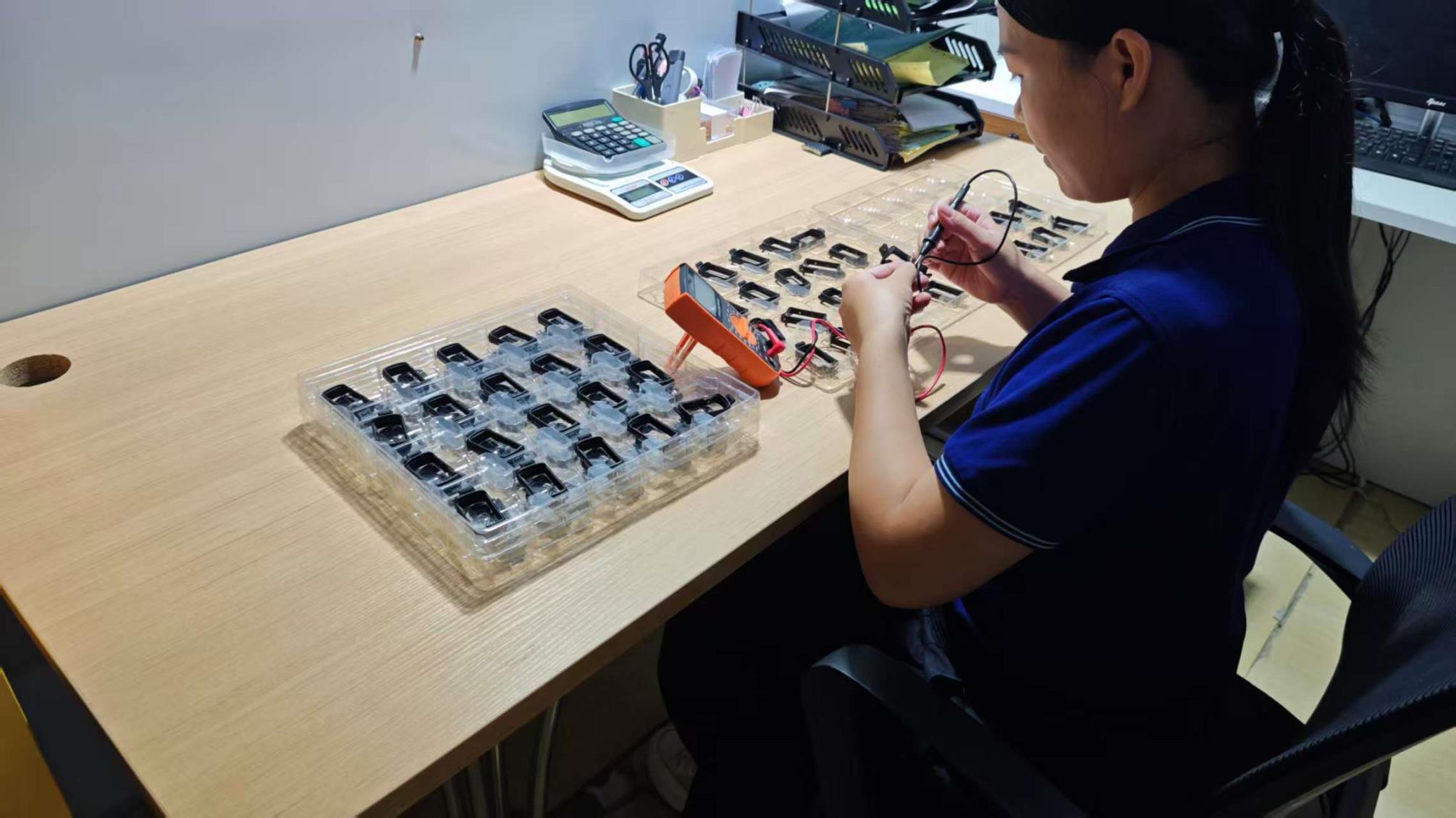
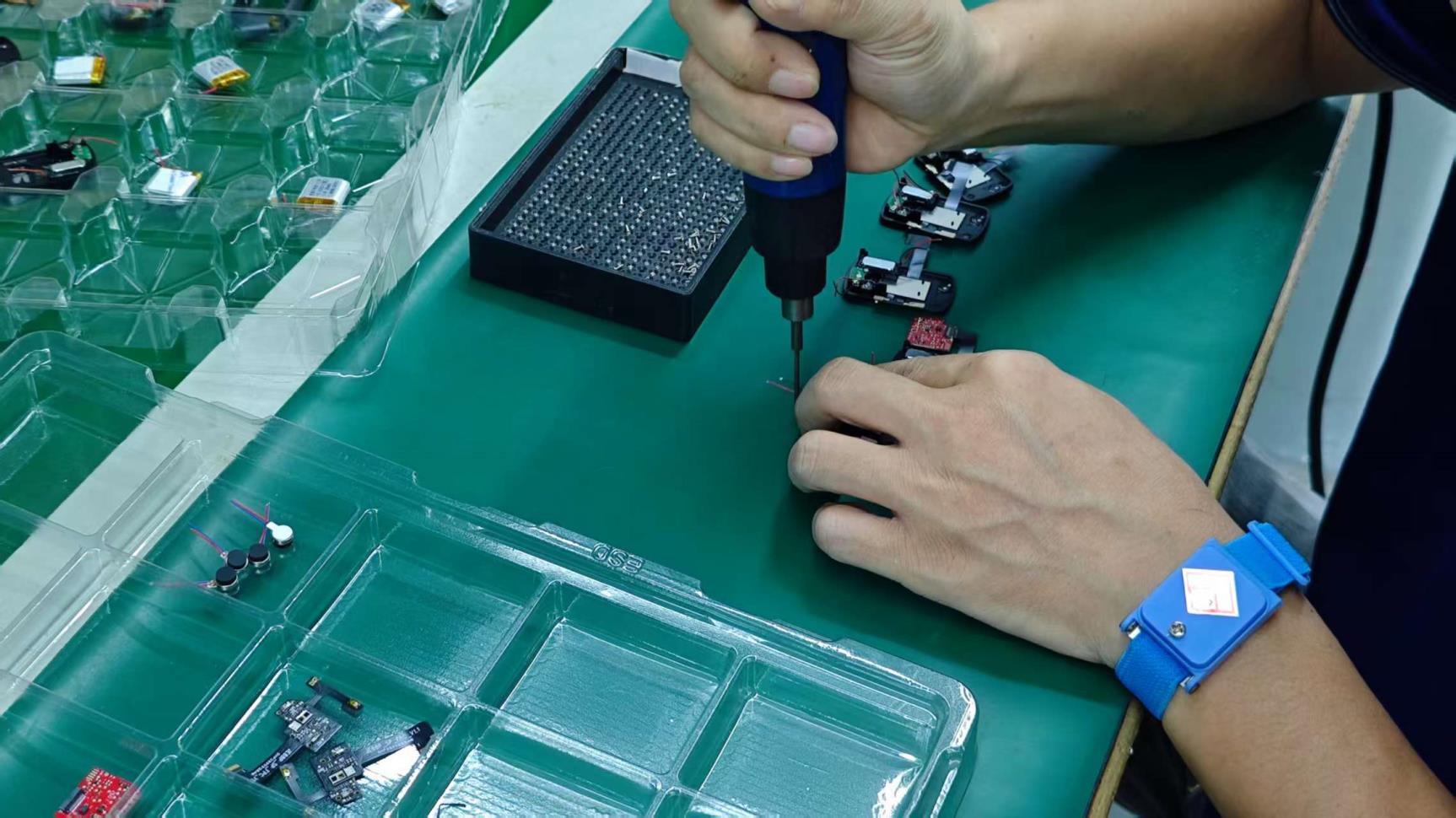
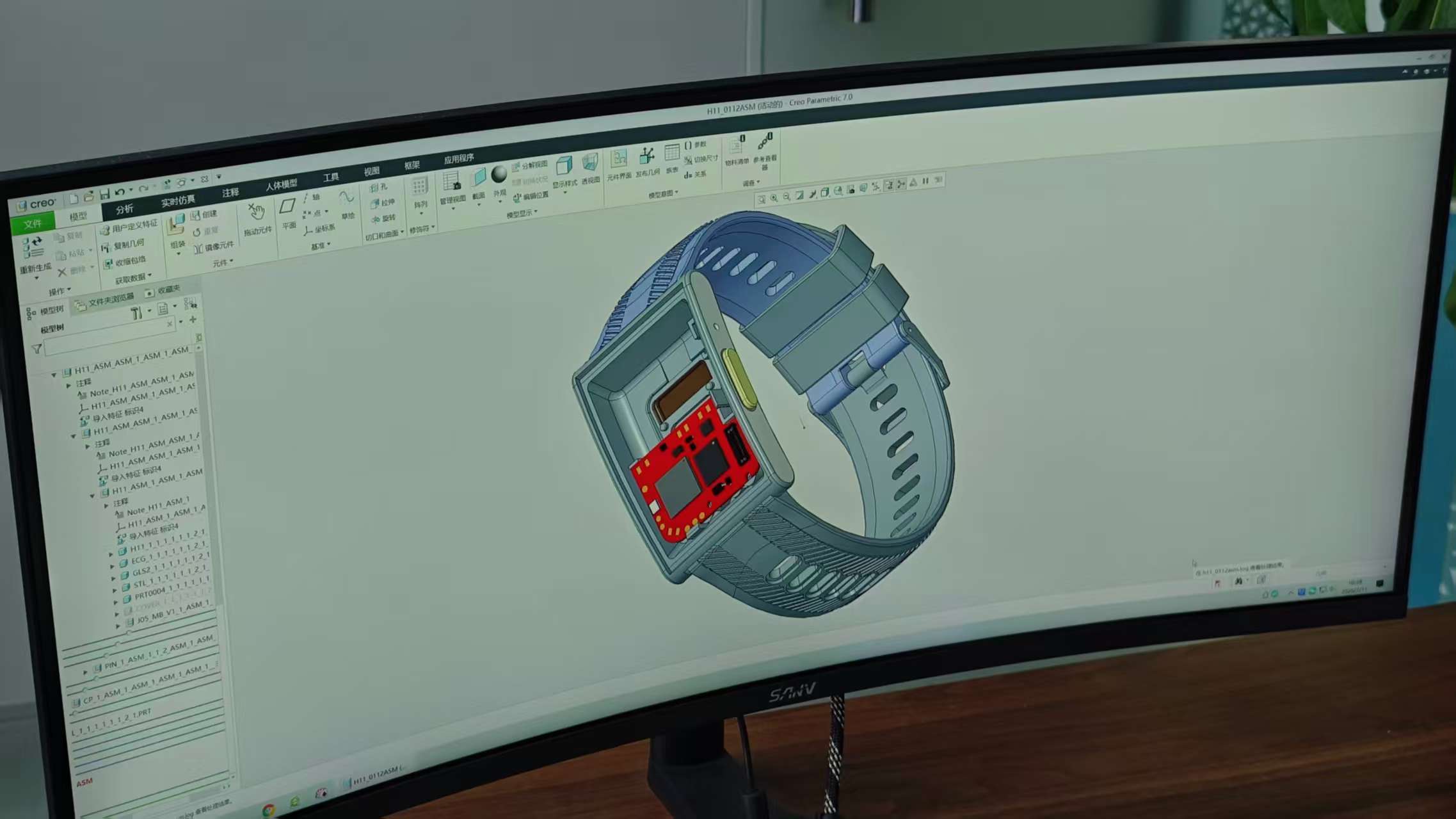
Founded in 2010 and active in global export trade since 2012, Shenzhen Honsys Technology Co., Ltd. combines an agile R&D engineering office with an ISO-aligned Shenzhen manufacturing factory. Every smart wearable product line is managed under strict Incoming Quality Control (IQC) guidelines. All incoming bare circuit boards (PCBs), surface-mount resistors, bio-potential electrodes, lithium-polymer cells, and optical filter lenses must pass batch sampling verifications before entering SMT automated pick-and-place lines.
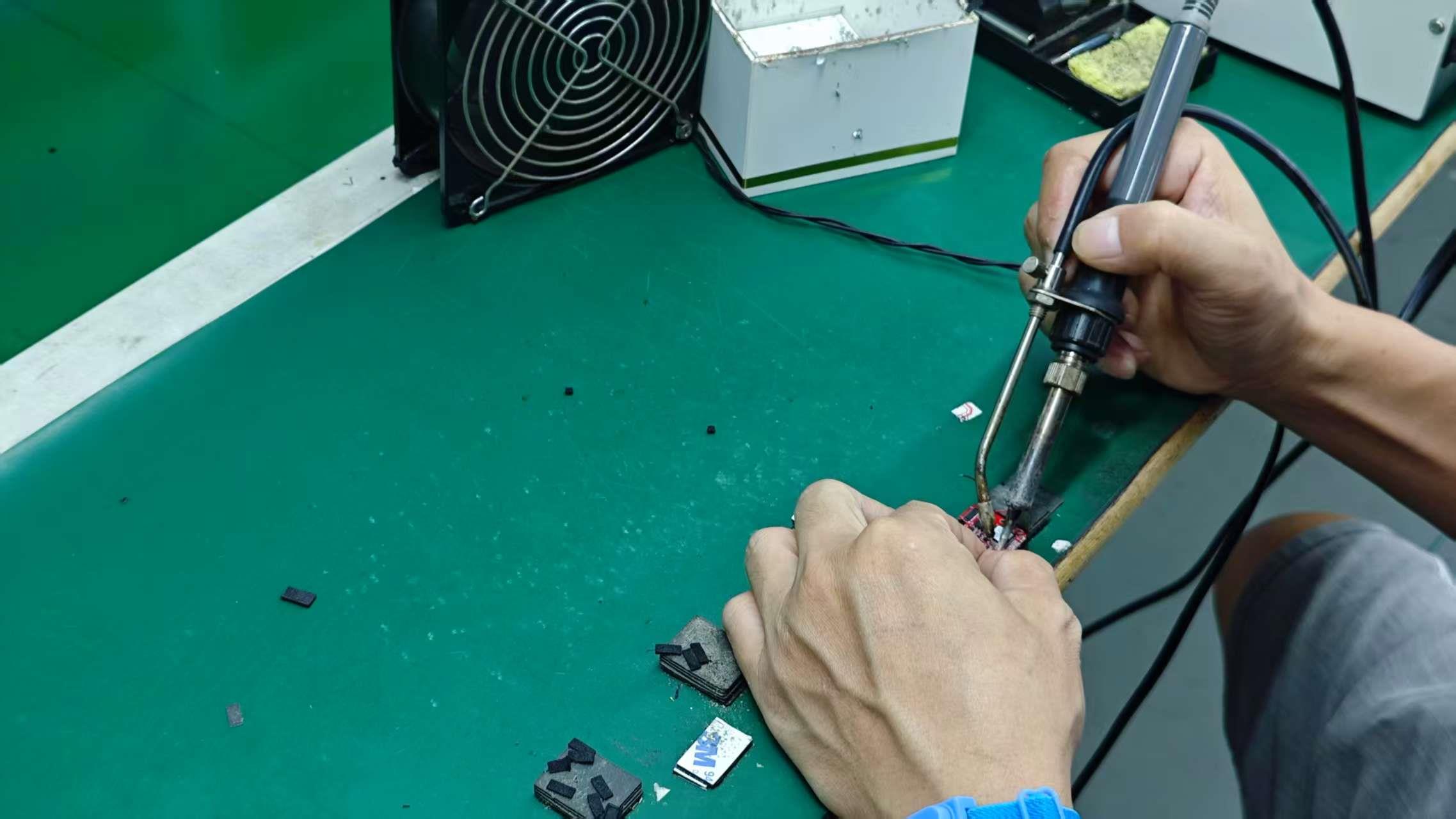
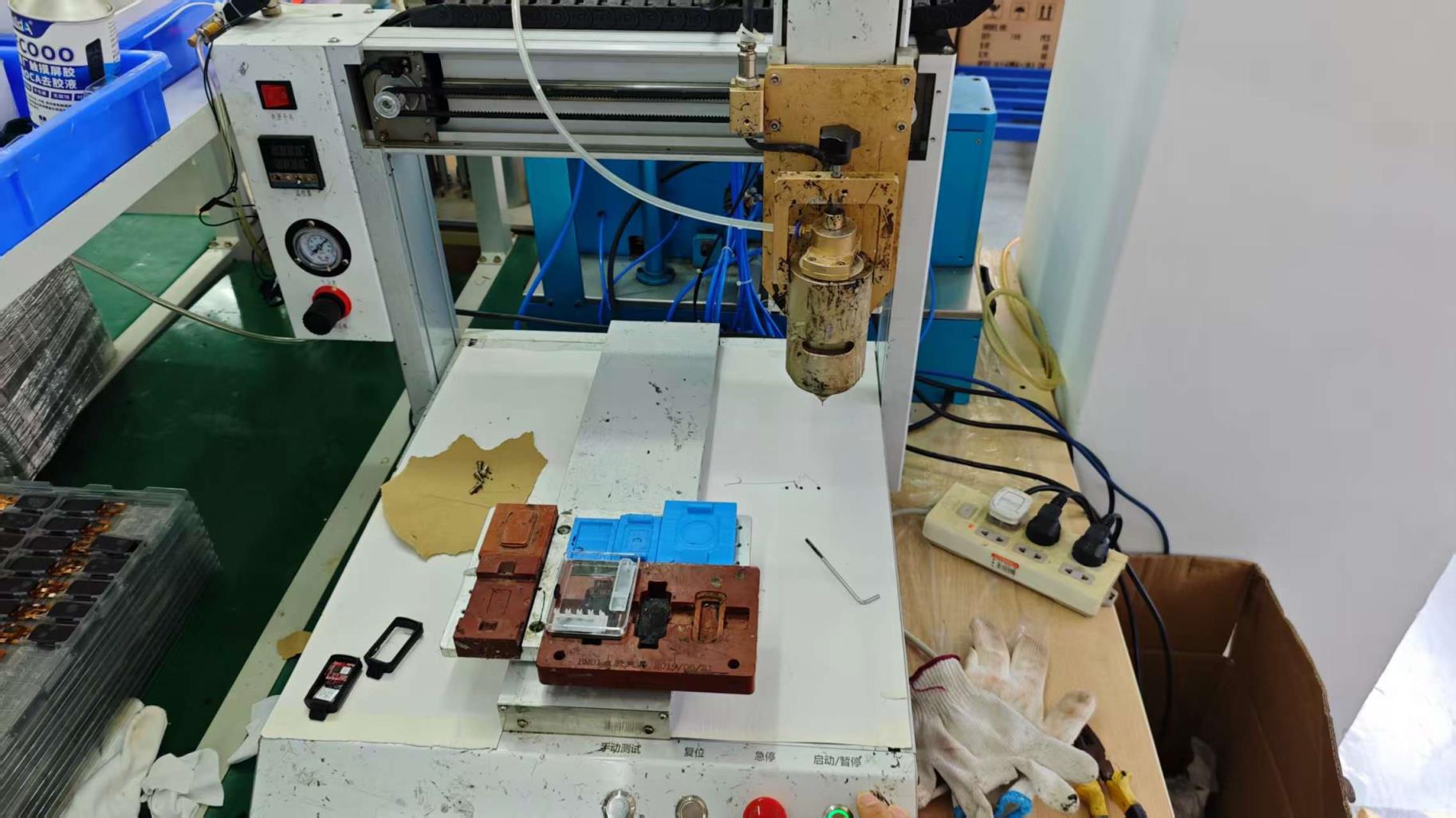
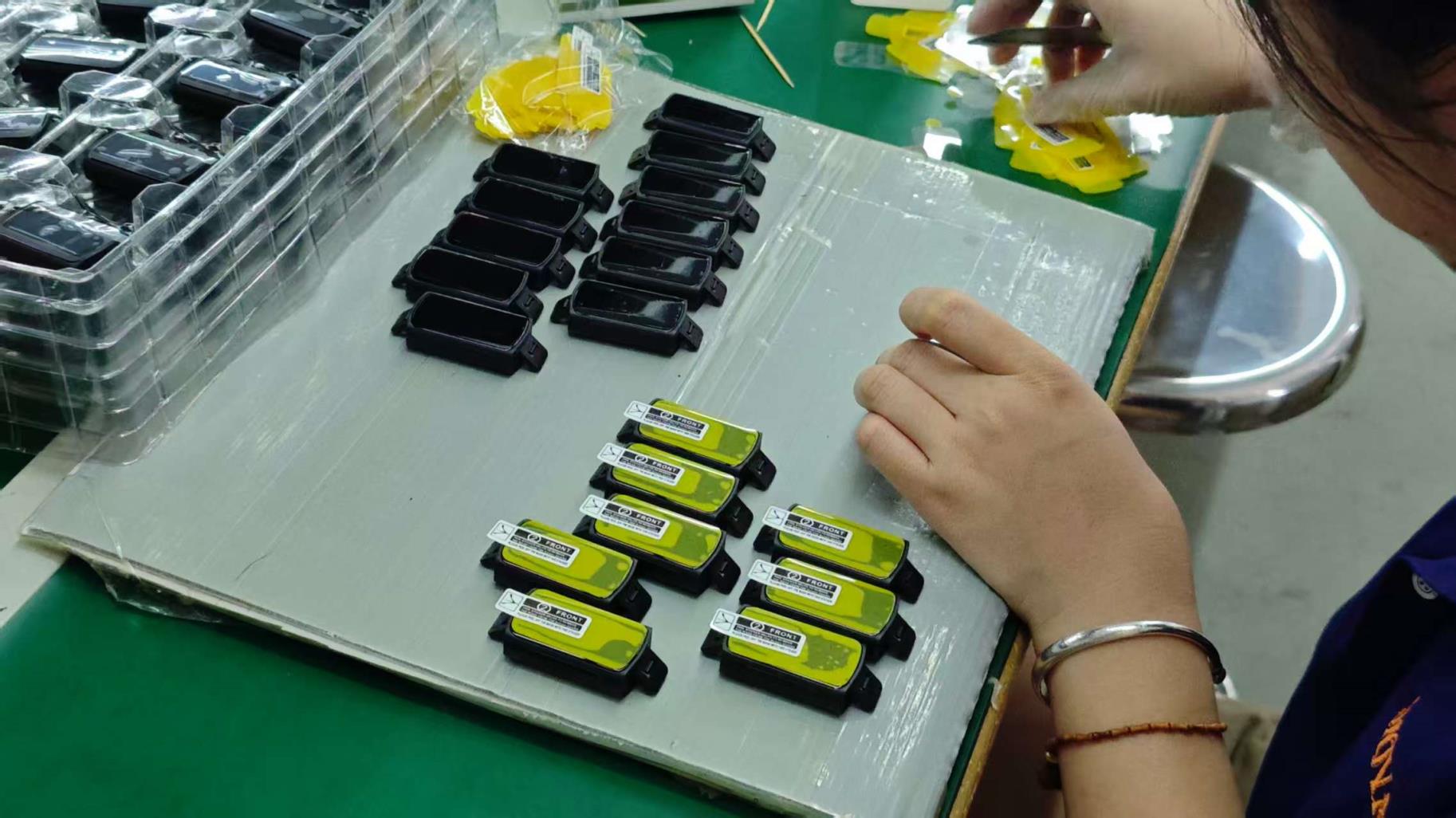
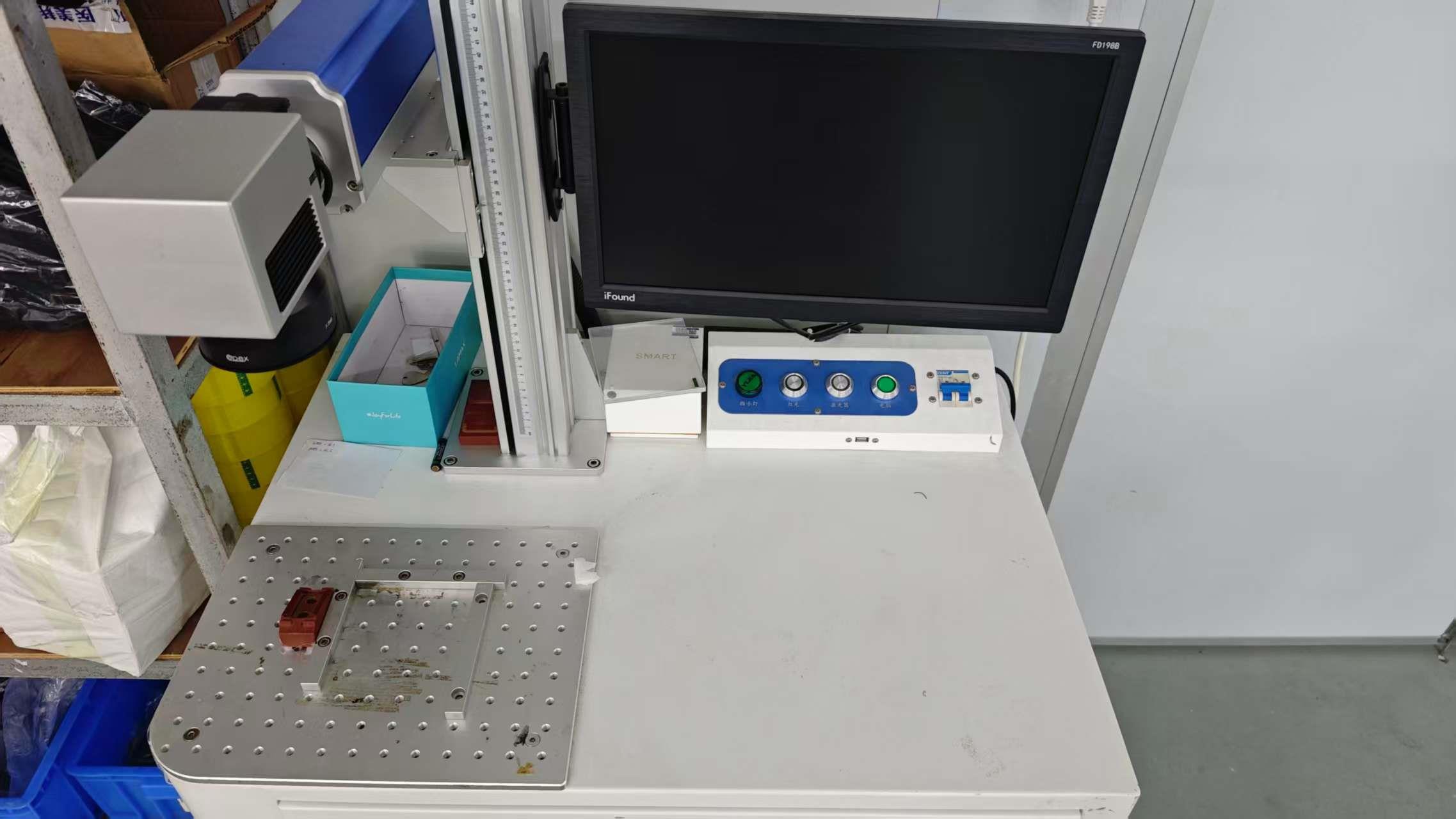
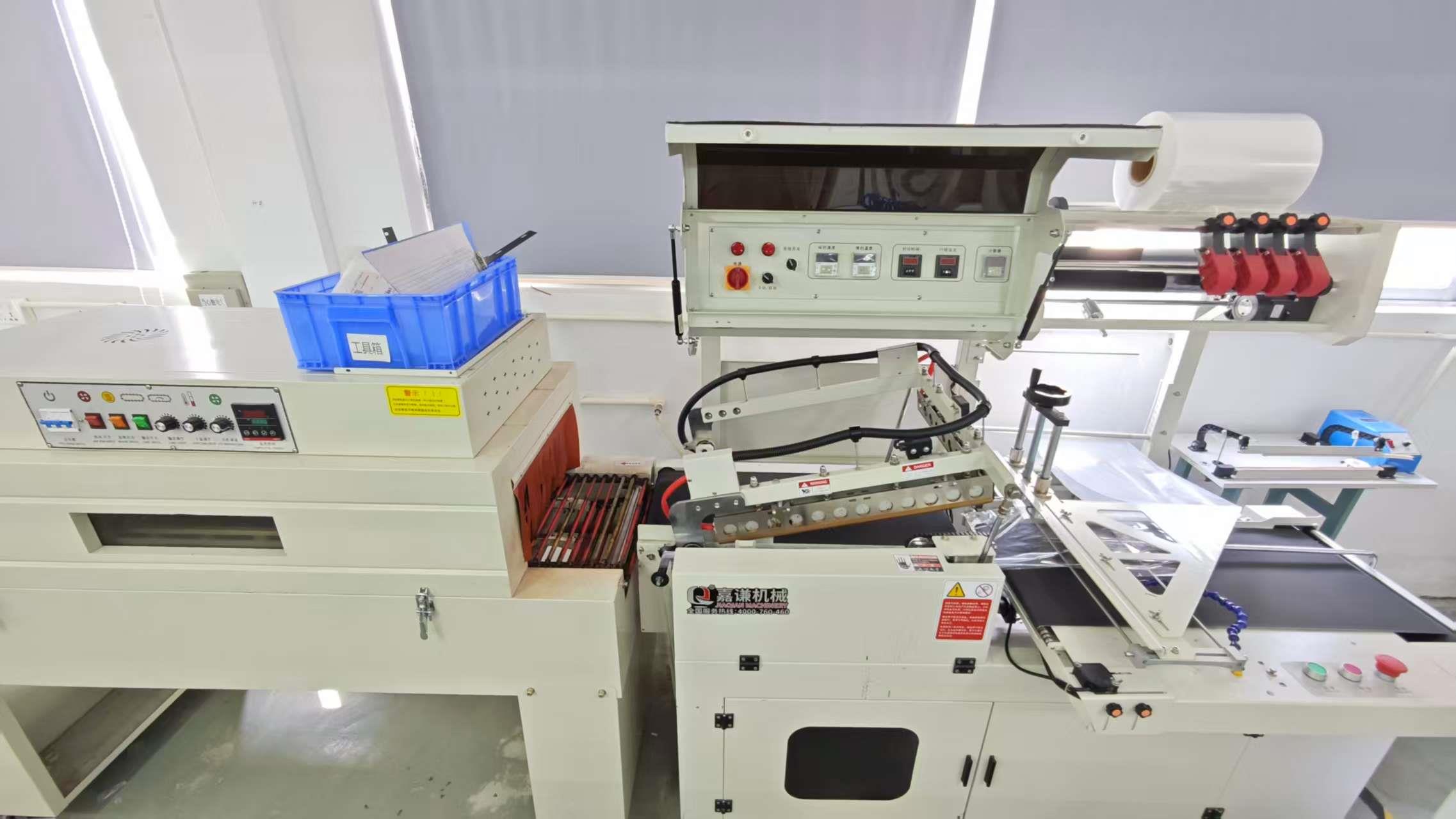
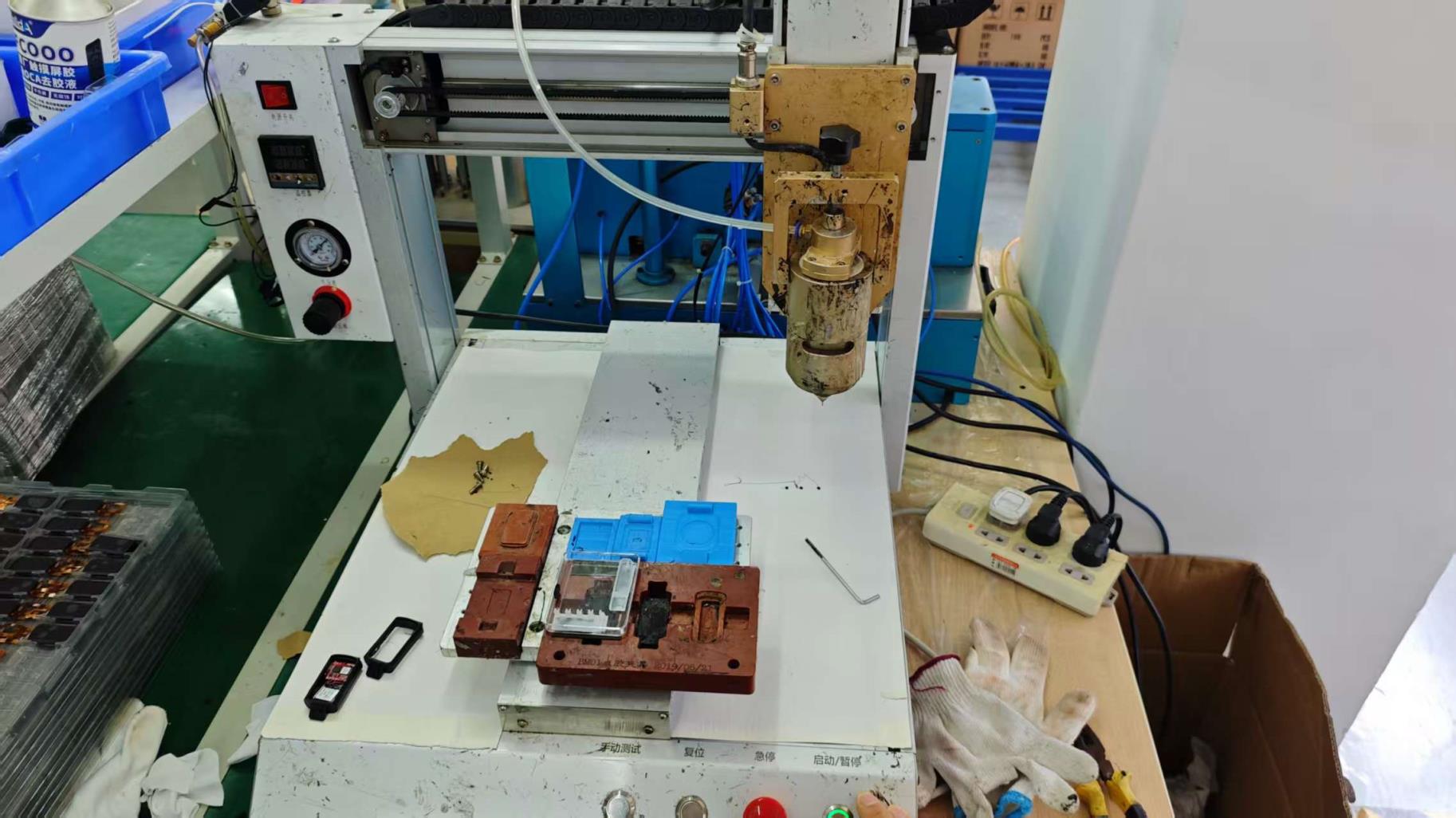
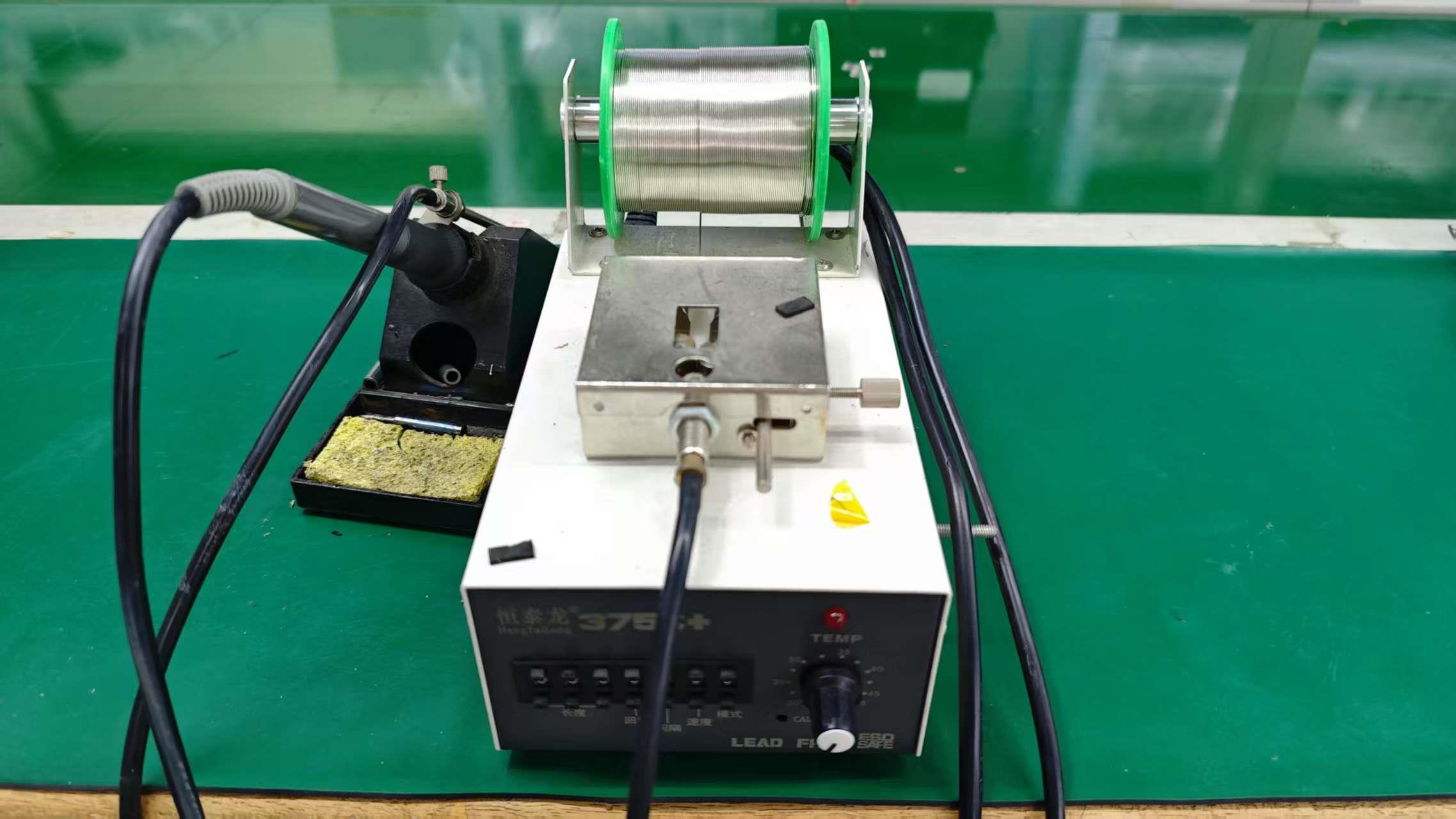
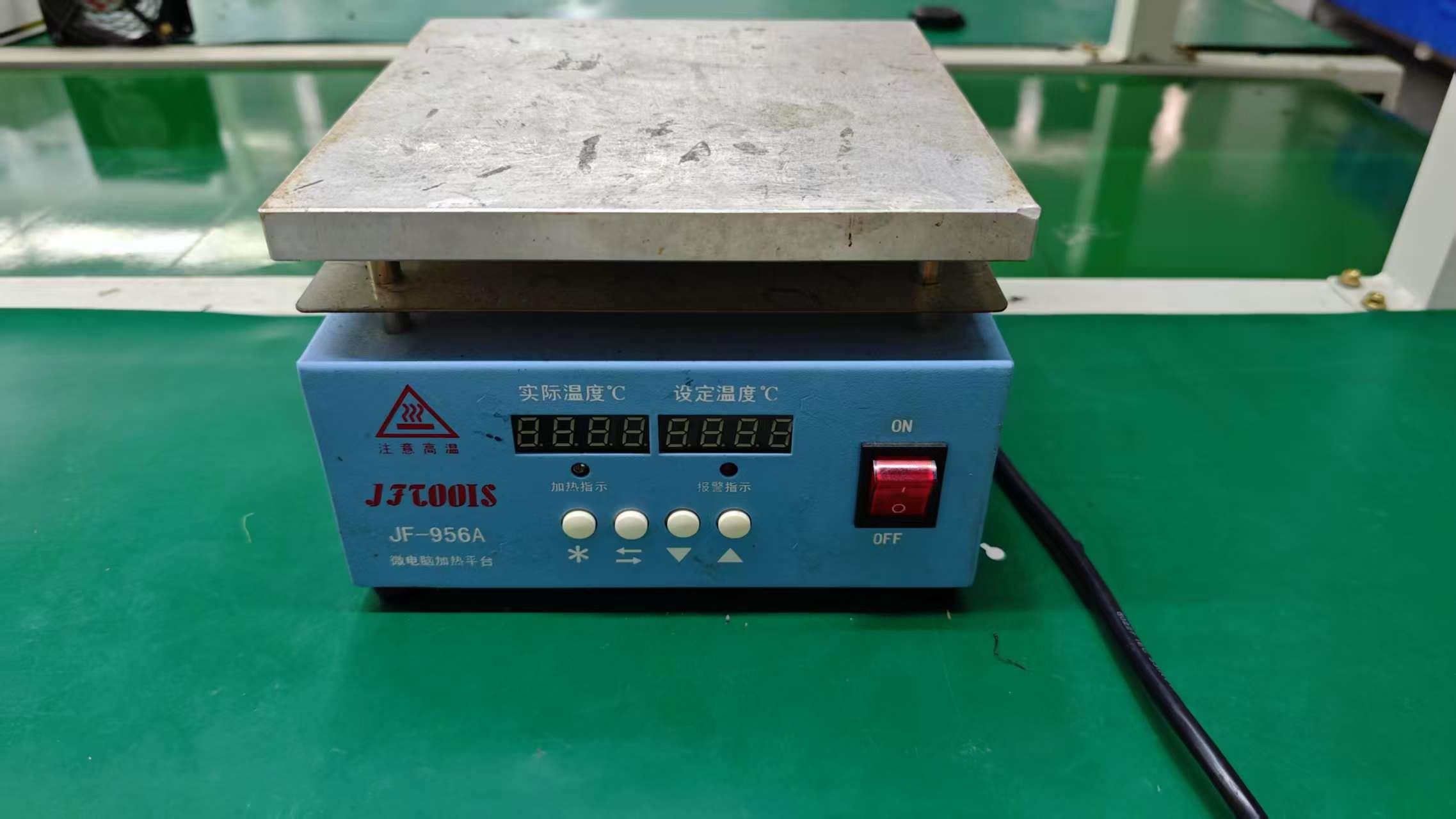
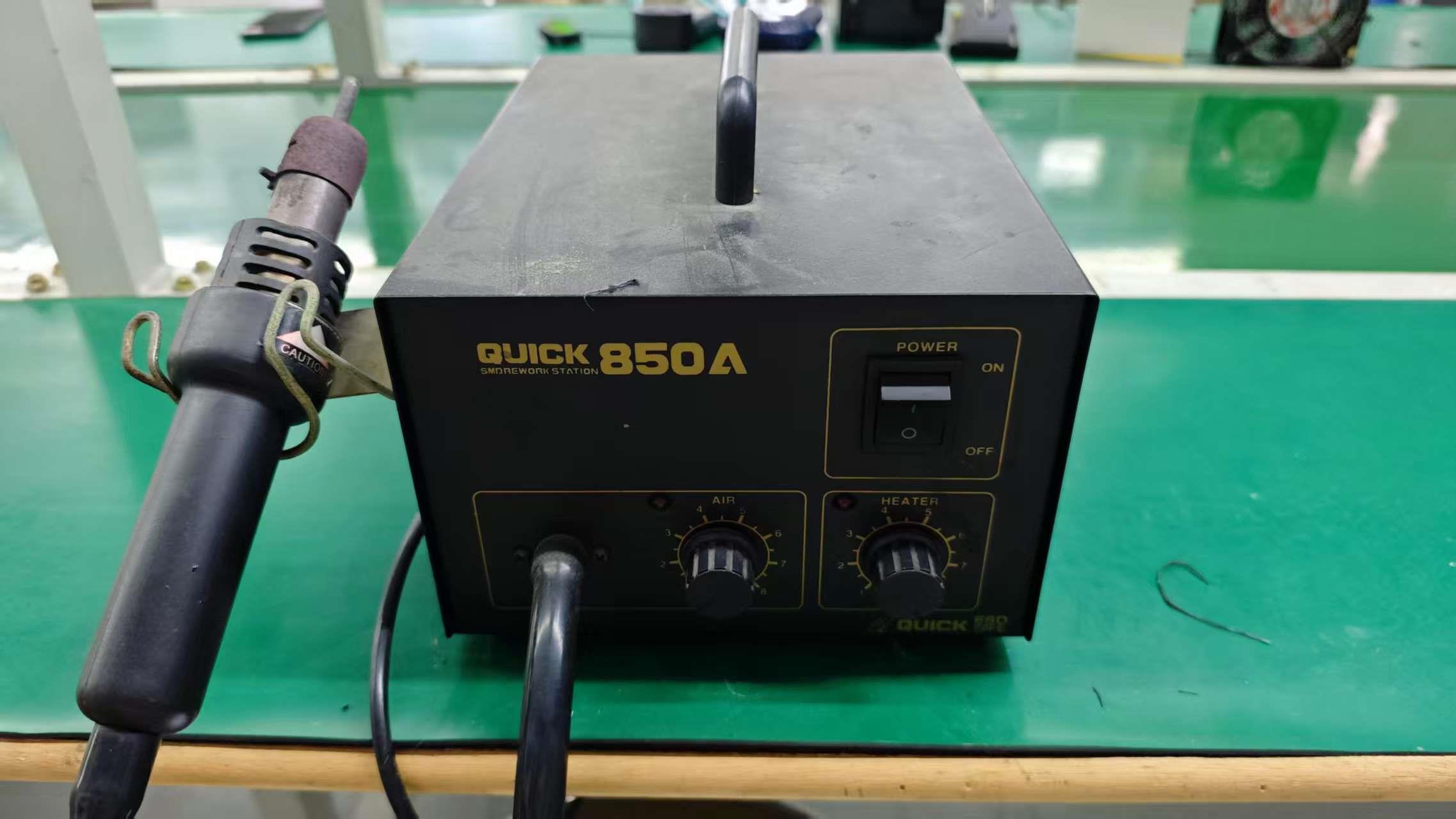
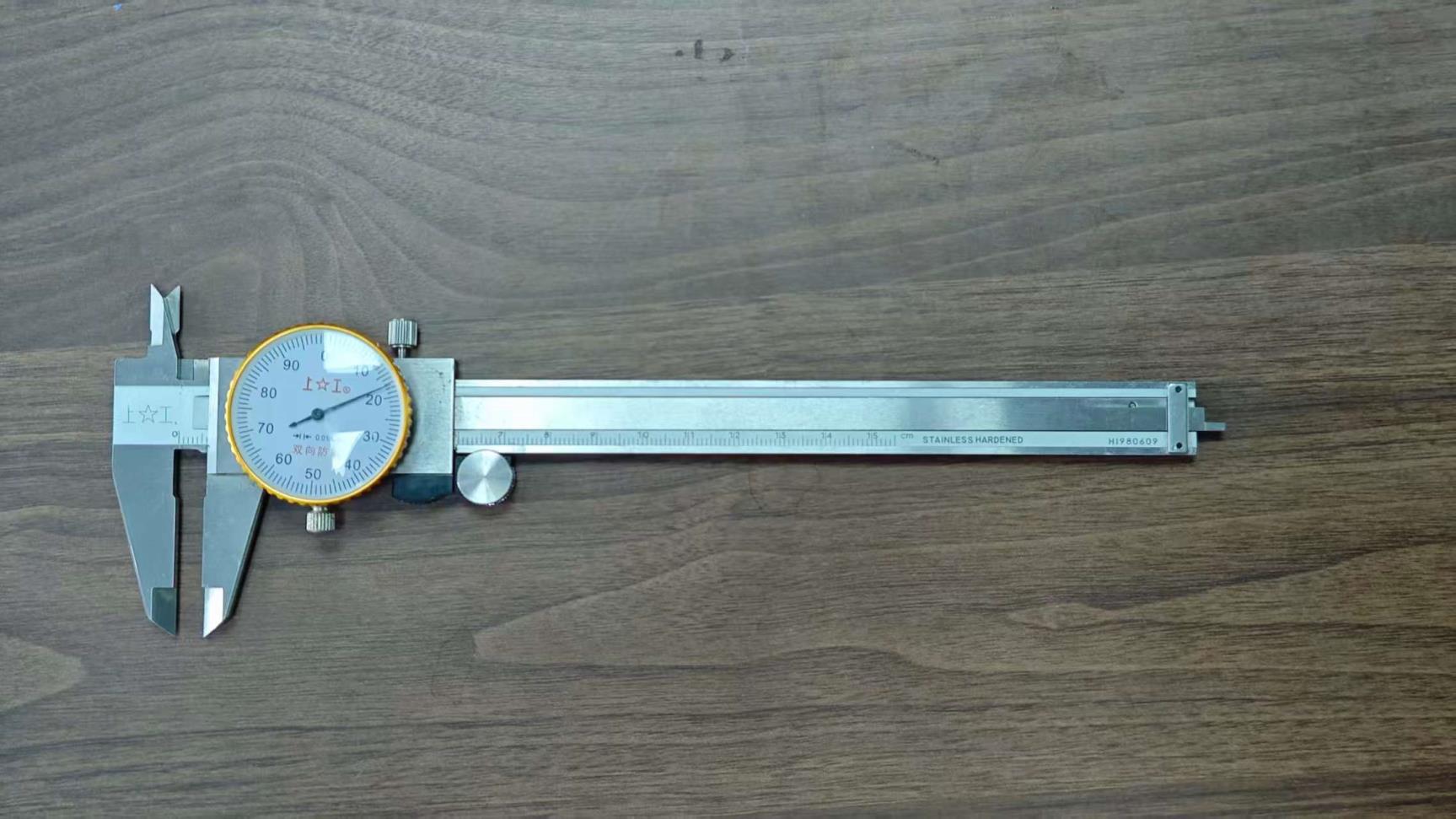
Our engineering lines utilize computer-controlled soldering, precision hot-shrinking ovens, automated glue dispensing machines, and laser engraving marking stations. This infrastructure ensures exact mechanical tolerances across every housing seam, preventing moisture ingress that would disrupt microvolt-level bio-signals.
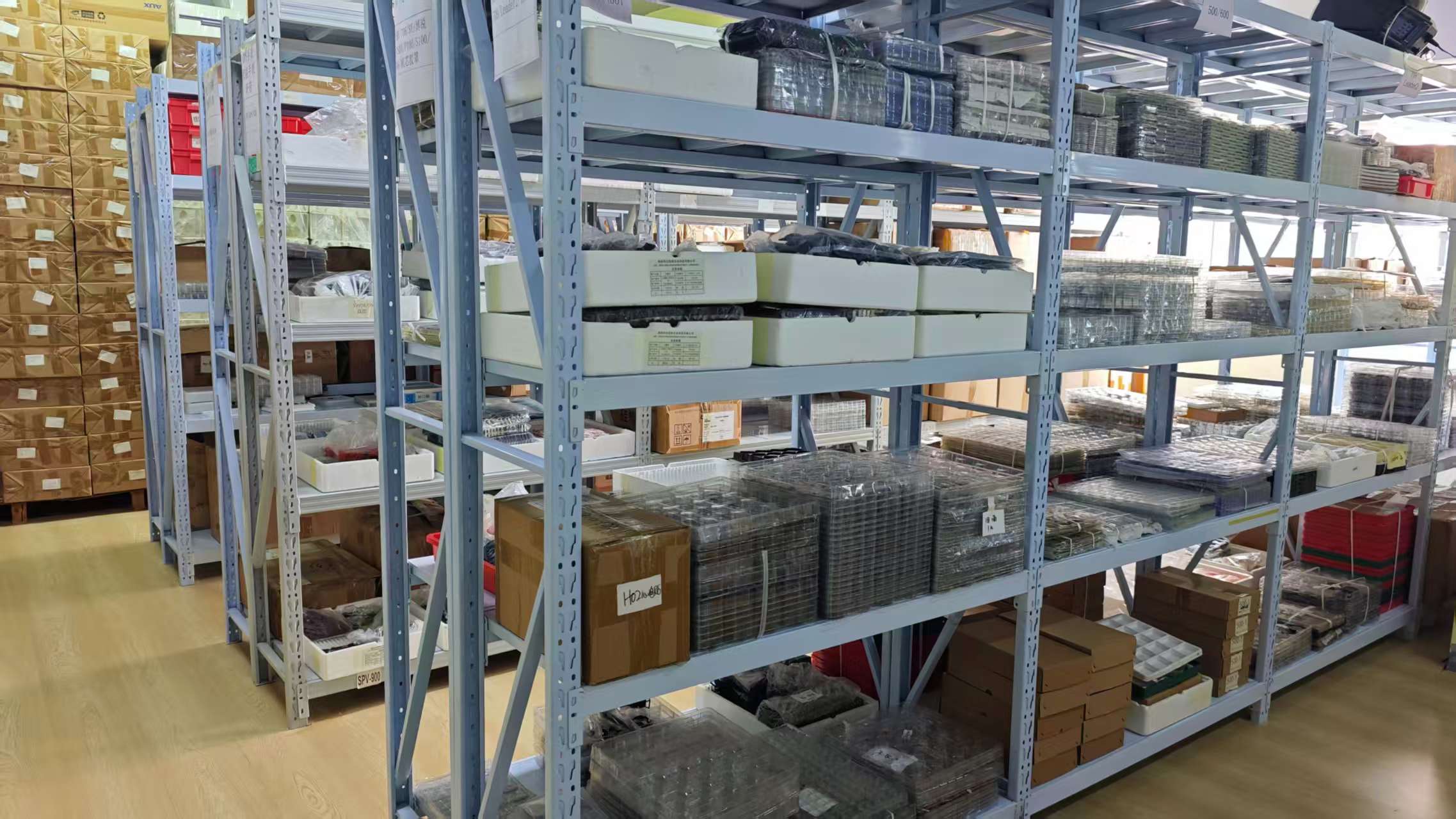 Audited Shenzhen Assembly Floor
Direct technical answers from the engineering team at Shenzhen Honsys Technology Co., Ltd. covering signal fidelity, open APIs, certifications, and manufacturing workflows.
ECG (Electrocardiography) directly captures the microvolt-level bioelectrical potentials generated by the heart's sinus node depolarization using conductive cutaneous electrodes. In contrast, PPG (Photoplethysmography) is an optical process measuring volumetric arterial blood expansion in capillary beds using reflected LED wavelengths. While PPG delivers continuous 24/7 background pulse rates, blood oxygen levels (SpO2), and gross HRV trends, single-lead ECG provides the electrical wave morphology required to identify cardiac arrhythmias like atrial fibrillation (AFib) and ventricular premature beats.
Yes. We specialize in enterprise-level OEM/ODM customization. We license native Android and iOS SDKs along with comprehensive Bluetooth Low Energy (BLE) communication protocols. These developer tools grant programmatic access to raw millivolt ECG waveform data arrays (256/512 Hz), unfiltered photoplethysmography optical channels (green, red, infrared), raw triaxial accelerometer vectors, and inter-beat interval (IBI) matrices for seamless transmission into proprietary client cloud databases.
Evaluation samples are available from 1 to 10 pieces for functional bench testing. Standard OEM private labeling (laser-etched logo, customized retail gift packaging, branded user manuals, custom firmware boot screen) requires a standard minimum order quantity of 500 to 1,000 units. Full ODM developments requiring customized structural tooling, bespoke electrode metal plating, or PCB re-engineering require an MOQ of 1,000 to 3,000 units. Mass production lead time is typically 30 calendar days following sample approval.
Our factory-shipped hardware lines comply with consumer electronics mandates including FCC ID, CE RED (Radio Equipment Directive), RoHS, and EPR. Standard models are classified for general wellness, fitness guidance, and preventative lifestyle tracking. Should an enterprise buyer choose to market our ECG PPG smartwatches as diagnostic medical instruments in target jurisdictions, formal clinical certifications (e.g., US FDA 510(k), European Union Medical Device Regulation MDR Class IIa) must be executed. We actively support institutional clients by supplying hardware schematics, laboratory verification data, and clean firmware protocols to streamline accredited clinical trials.
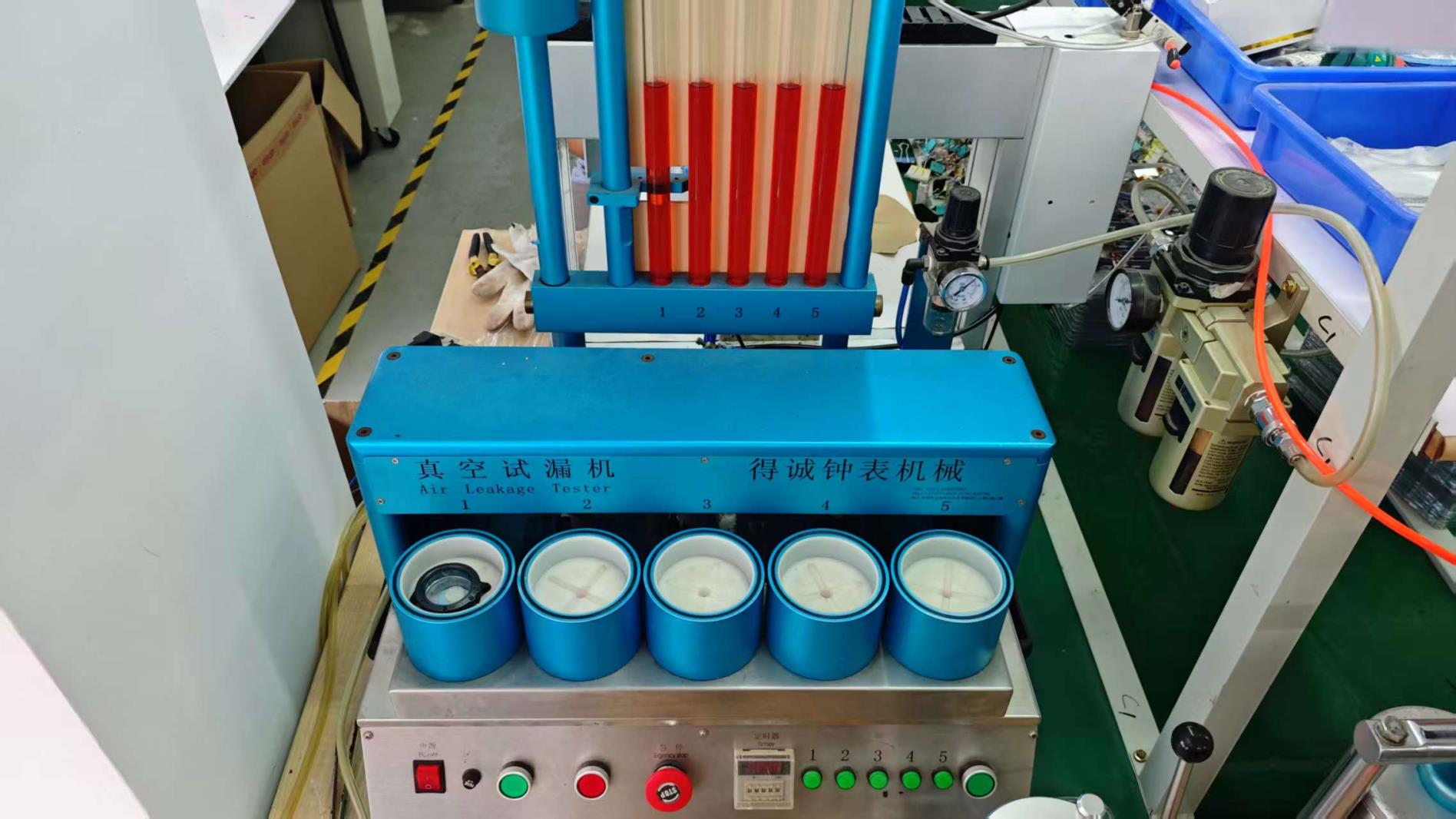
Conductive bio-potential sensing requires direct physical contact between the skin and metallic electrodes, making water ingress a critical vulnerability. Shenzhen Honsys Technology Co., Ltd. resolves this through precision automated gluing dispensers using high-adhesion medical-grade liquid silicone, combined with ultrasonic welding and high-temperature vacuum press curing. Crucially, every manufactured casing undergoes 100% pneumatic positive and negative pressure differential chamber leakage testing to guarantee true IP68 or 3ATM waterproof performance before component packaging.
We operate flexible international commercial arrangements, including FOB Shenzhen/Yantian, FOB Hong Kong, EXW, CIF, FCA, and DDP to major international logistics hubs. Settlements are accepted in 9 global currencies (USD, EUR, GBP, AUD, CAD, JPY, CHF, HKD, CNY). Standard payment structures incorporate Wire Transfer (T/T), Irrevocable Letters of Credit (L/C at sight), PayPal for prototyping batches, and verified Trade Assurance escrow services.
Connect with Shenzhen Honsys Technology Co., Ltd. to receive comprehensive datasheets, open SDK documentation, and tiered OEM/ODM volume pricing.