Recommended CE Compliant Health Trackers & Smart Wearables
Engineered for global medical research networks, corporate health programs, and private label consumer brands requiring continuous biometric capture with open API data ownership.
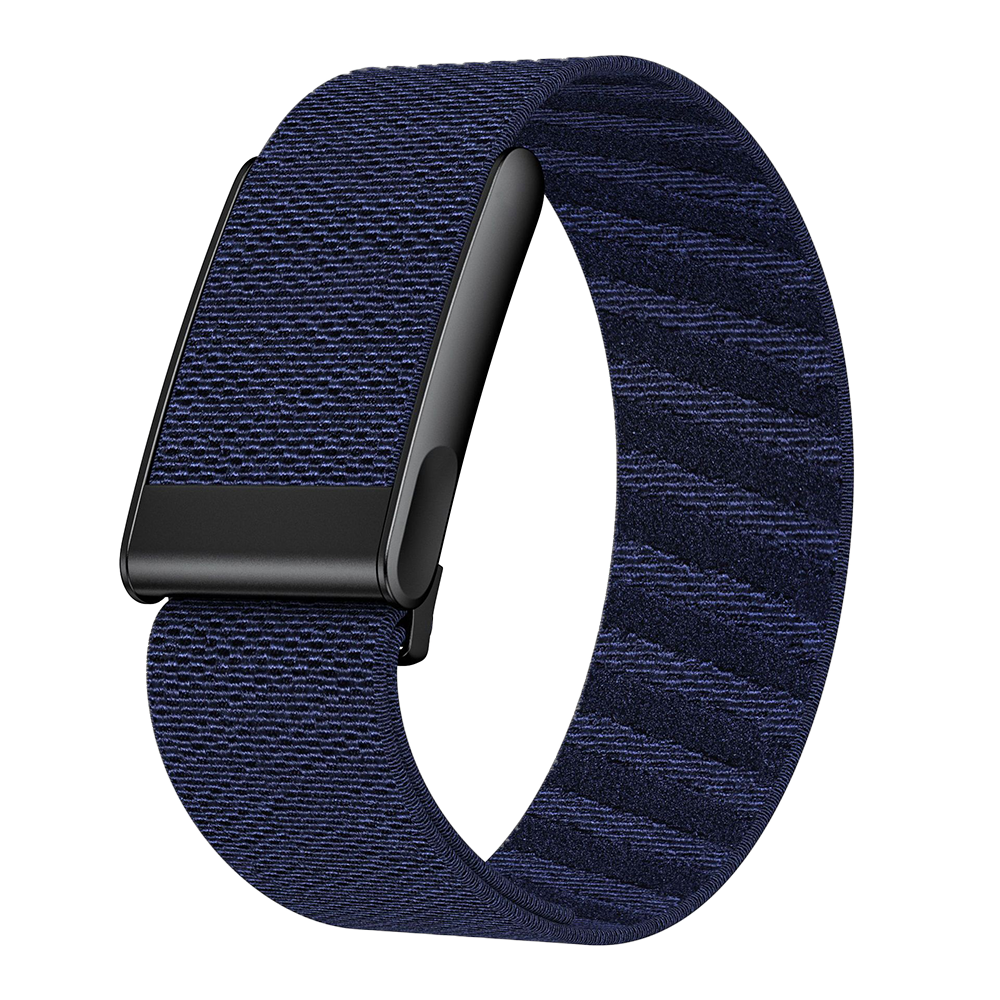
Wholesale Breathable Sweatproof Elastic 23mm Nylon Loop Strap Replacement for Whoop 5.0 Fitness Tracker Band OEM ODM Custom Logo
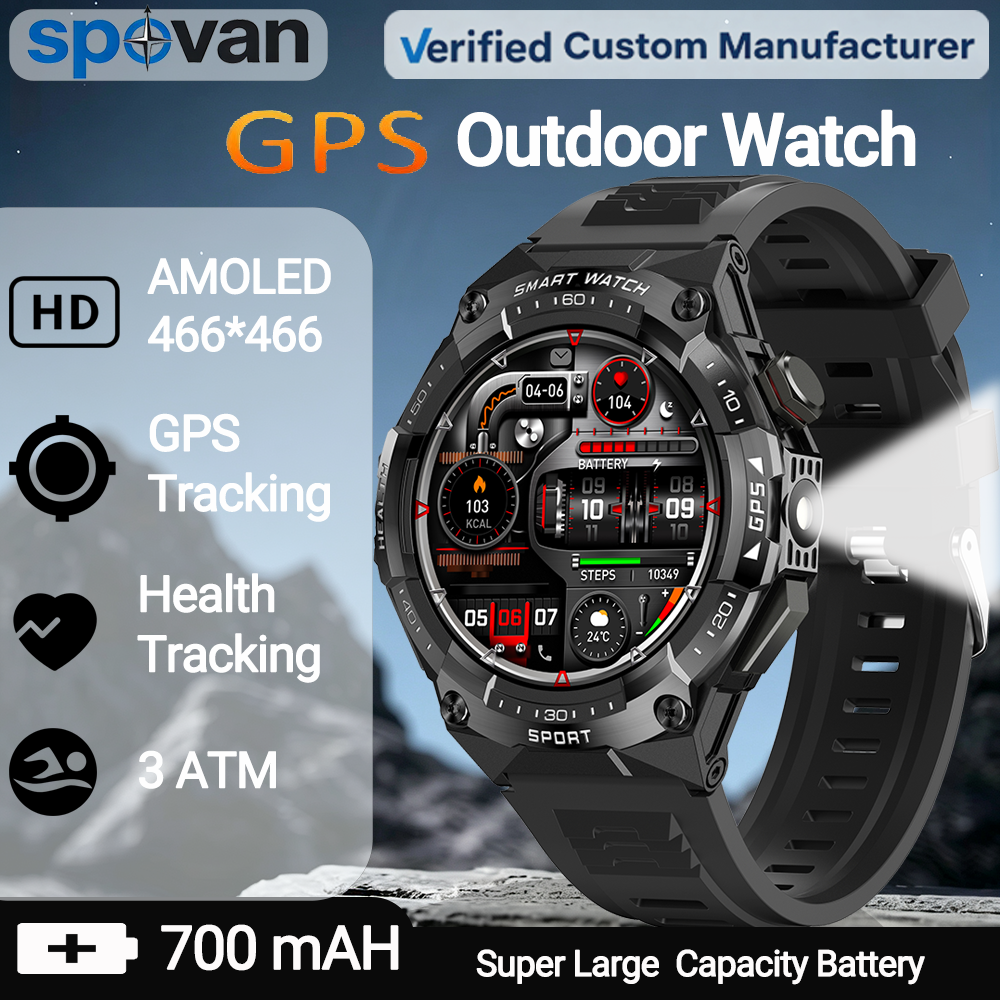
Wholesale GPS Smart Watch for Men Outdoor Waterproof 3 ATM OEM BT Call AMOLED SDK Available Sleep Tracker 5-10 Days Battery Life
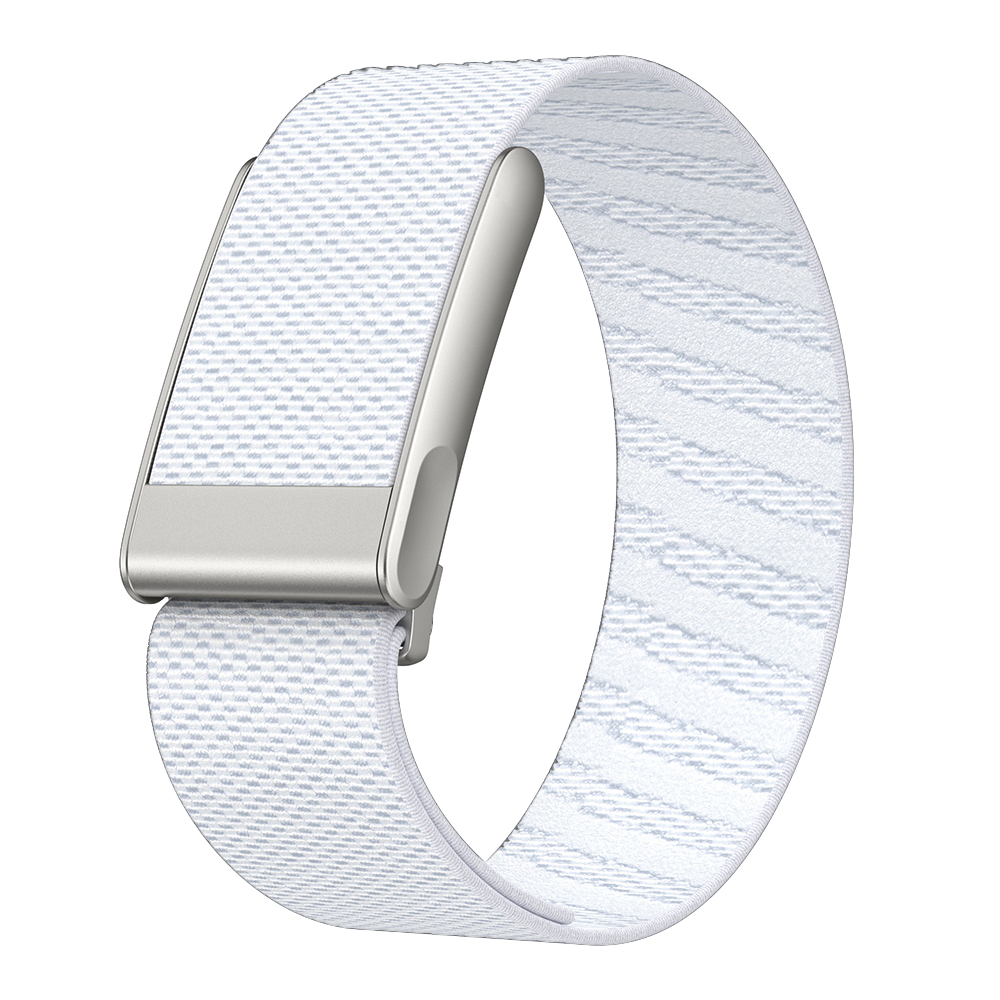
Elastic Breathable Nylon Loop Strap Replacement for Whoop 5.0 Fitness Tracker, Custom Logo OEM ODM Wholesale Sports Band
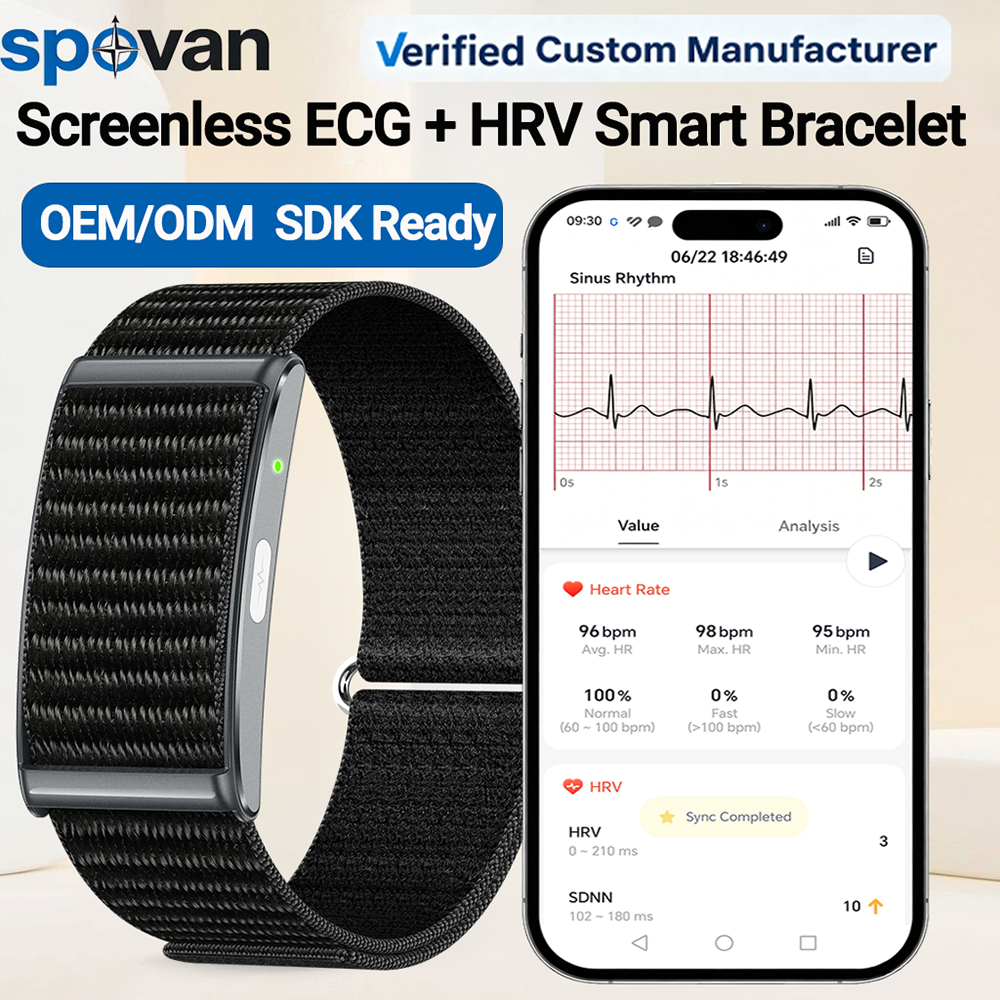
Custom Logo Android IP68 Waterproof Screenless ECG HRV Band Unisex Fitness & Activity Tracker Heart Rate Blood Oxygen SDK
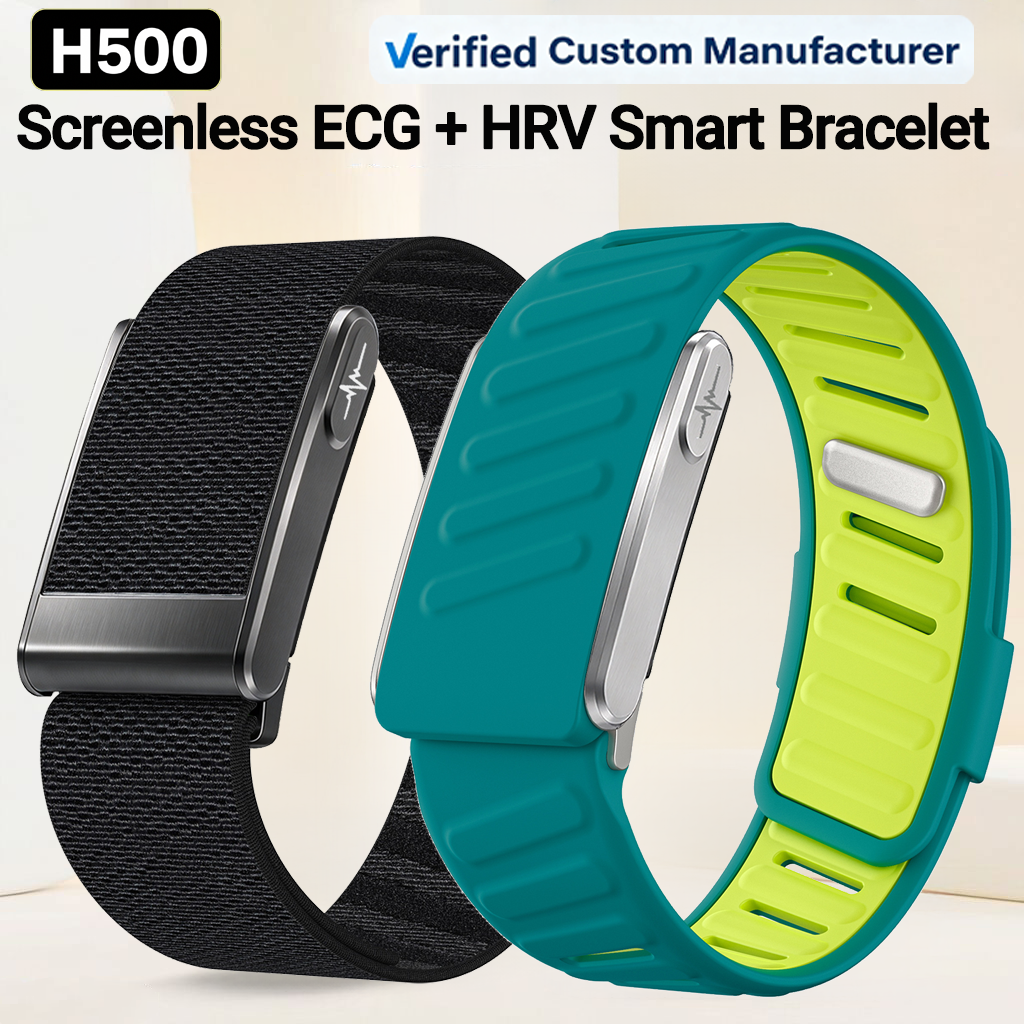
2026 IP68 Waterproof Android Smartwatch with Silicone/Nylon Band Accelerometer Alarm Clock SDK API Heart Rate & Fitness Tracker
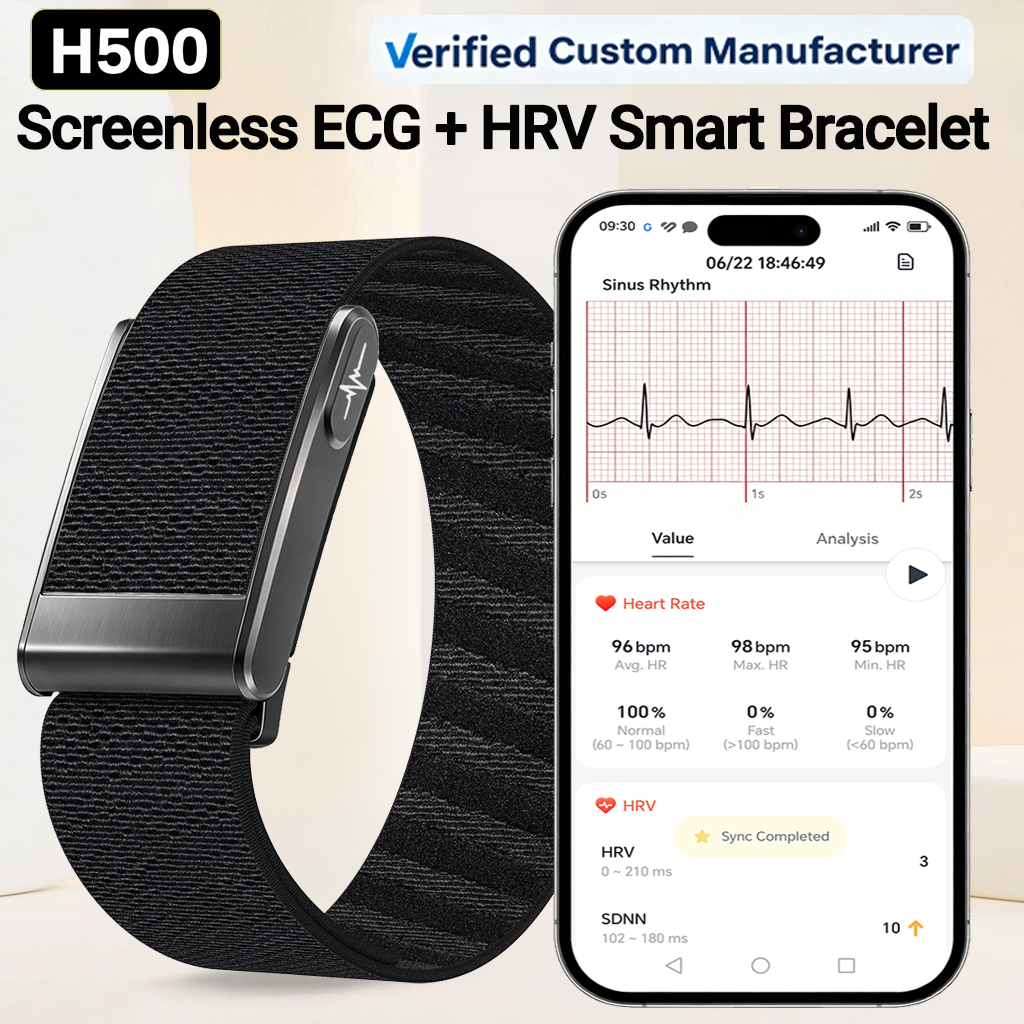
Spovan Screenless Smart Bracelet ECG HRV Fitness Tracker Without Screen IP68 Waterproof Heart Rate Sleep Monitor OEM ODM
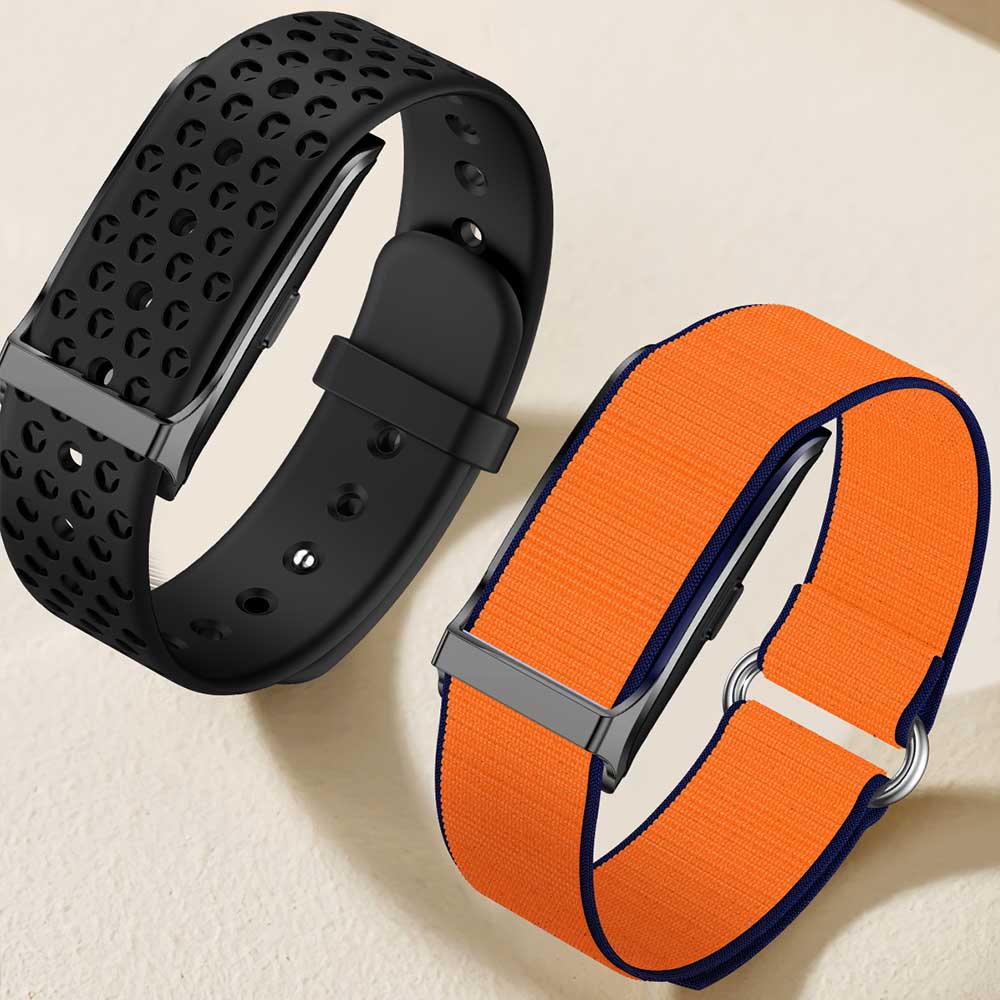
2025 Fashion Waterproof Health Tracking Comfortable Smart Bracelet for Men Women
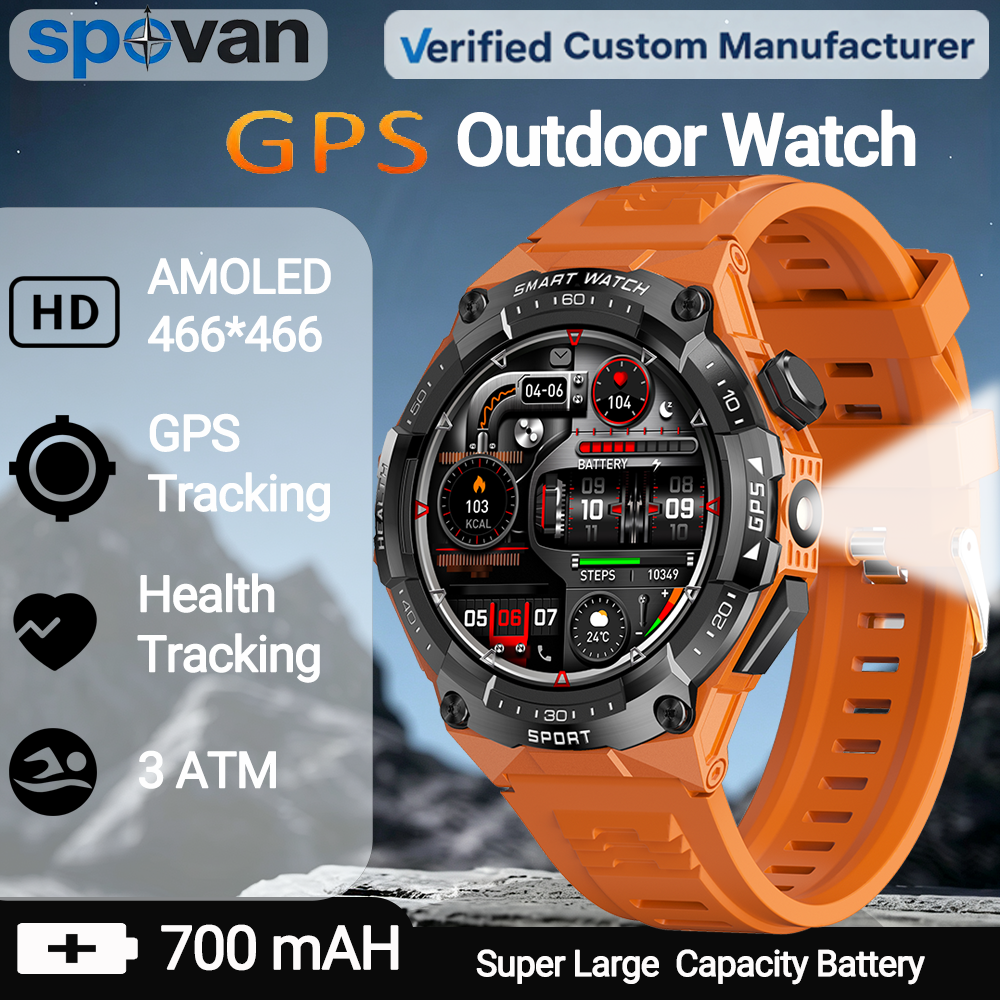
Custom GPS Smart Watch 1.43" AMOLED Display 7-10 Days Long Battery 3ATM Waterproof Activity Rugget Sport Watch for Men with SDK
Biomedical Sensing Architecture of CE Certified Health Bands
A rigorous examination of photoplethysmographic signal conditioning, multi-frequency bio-impedance, analog front ends (AFE), and low-power Nordic/Realtek architectures.
In modern wearable engineering, selecting a qualified CE certified health tracker band exporter involves looking beyond cosmetic exterior designs to the core biometric acquisition sub-systems. High-fidelity physiological data collection requires a sophisticated synchronization of multi-wavelength optical emitters, analog-to-digital filtering stages, and real-time motion artifact cancellation routines.
Our OEM/ODM manufacturing facilities in Shenzhen integrate dual and quad-channel Photoplethysmography (PPG) optical configurations utilizing Green (525nm) for capillary bed perfusion, Red (660nm), and Infrared (940nm) wavelengths for pulse oximetry calculation (SpO2). The primary technical obstacle in continuous ambulatory monitoring is the motion artifact introduced by musculoskeletal movement. By pairing low-noise Analog Front Ends (such as the GH3011 or high-performance AFE arrays) with high-rate 3-axis or 6-axis accelerometers, the onboard DSP can dynamically subtract motion noise vectors via normalized least mean squares (NLMS) adaptive filtering algorithms.
Single-Lead ECG & Real-Time HRV
Utilizes titanium or austenitic 316L stainless steel dry contact electrodes to measure cardiac electrical depolarization vectors. Generates precise R-R peak intervals for time-domain (SDNN, RMSSD) and frequency-domain autonomic stress profiling.
Nordic & Realtek BLE 5.3 SoCs
Built upon ultra-low-power ARM Cortex-M4/M33 architectures. Hardware-accelerated cryptographic engines ensure secure wireless transmission of uncompressed raw photoplethysmogram data without packet collisions or latency spikes.
IP68 & 3 ATM Ingress Protection
Structural reliability ensured via dual-component polyurethane robotic dispensing and ultrasonic welding. Every single unit undergoes automated positive and negative pressure differential chamber testing to prevent moisture intrusion.
Beyond optical sensing, screenless health bands have emerged as the gold standard for dedicated long-term data acquisition. By eliminating power-draining liquid crystal or AMOLED displays, the hardware architecture allocates maximum electrical capacity toward 24/7 autonomous biometric logging. The resulting power curve delivers 7 to 14 days of sustained operation on modest 120mAh–200mAh lithium-polymer cells. This dramatically minimizes data loss resulting from frequent charging interruptions, creating continuous baseline records for clinical and predictive analysis.
CE Certification, RED Compliance & MDR Demarcation
Detailed verification guidelines to ensure smooth European market clearance, preventing customs detention and maintaining compliance with CE marking protocols.
| Regulatory Standard | Technical Scope & Legal Scope | Mandatory Testing Method | Procurement Safeguard Status |
|---|---|---|---|
| RED 2014/53/EU (Radio) | EN 300 328 v2.2.2 wideband transmission systems operating in 2.4 GHz ISM band. | RF power spectrum testing, spurious transmitter emissions, receiver blocking. | Fully Certified • DoC Provided |
| RED 2014/53/EU (Safety) | EN 62368-1 audio/video, information and communication technology electrical safety. | Thermal evaluation, overcharge protection, puncture & short-circuit tests. | IEC/EN 62368 CB Reports |
| RED 2014/53/EU (EMC) | EN 301 489-1/-17 electromagnetic immunity and radiated emission tolerances. | Electrostatic discharge (ESD 8kV air/4kV contact), RF electromagnetic field immunity. | Class B Verification |
| EN 50566 / EN 62209-2 (SAR) | Specific Absorption Rate (SAR) limits for portable devices in contact with limbs. | Limb-worn SAR calculation tested below 4.0 W/kg regulatory threshold. | Passed (< 0.12 W/kg Typical) |
| RoHS 2011/65/EU & 2015/863 | Restriction of 10 hazardous chemical substances (Lead, Cadmium, Phthalates, etc.). | Inductively Coupled Plasma Optical Emission Spectrometry (ICP-OES). | SGS / TÜV Certified |
| EPR Germany & France | WEEE, Battery Directive (EU 2023/1542), and Packaging waste compliance (LUCID/ADEME). | Producer registration, battery recovery identification, take-back infrastructure. | Fully Registered Exporter |
Crucial Legal Distinction: CE RED (Wellness) vs. EU MDR 2017/745
A frequent pitfall for international procurement managers is the conflation of consumer CE marking with the European Medical Device Regulation (EU MDR 2017/745). Standard smart bracelets and ECG bands exported under CE RED (Radio Equipment Directive) are classified as general wellness and fitness lifestyle devices. They are legally authorized to record biometric signals, provide sleep architecture breakdowns, log HRV, and track optical heart rate patterns for personal wellness, athletic conditioning, and enterprise fitness initiatives.
If an importer intends to market the hardware as a diagnostic instrument (e.g., automated diagnosis of atrial fibrillation, sleep apnea detection, or hypertension therapy), the device falls under Class IIa or IIb Medical Devices. This path requires a notified body audit (such as BSI, TÜV SÜD) and comprehensive clinical evaluation dossiers. As a certified Shenzhen exporter, Shenzhen Honsys Technology Co., Ltd. provides clear, unadulterated technical dossiers and Declarations of Conformity (DoC), safeguarding importers against customs delays and marketing violations across EU member states.
Global Procurement Trends in Health Tracker Bands (2025–2030)
Anticipating structural shifts in component sourcing, non-invasive metabolic monitoring, device form factors, and privacy-preserving decentralized architectures.
1. Rise of the Screenless "Invisible" Form Factor
Enterprise buyers are transitioning from high-distraction LCD smartwatches to screenless, unobtrusive fabric bands. Without a glowing display, user compliance during sleep tracking increases by over 42%, generating superior continuous baseline biometric data for insurers and longitudinal clinical research.
2. Cloud-Agnostic Open SDK & Private API Silos
Corporate procurement is systematically avoiding closed proprietary ecosystems (e.g., Apple Health, Google Fit). Modern corporate wellness platforms demand white-label hardware with open Bluetooth Low Energy GATT services and native iOS/Android SDKs that stream data directly to their own HIPAA/GDPR-compliant cloud instances.
3. On-Device Edge AI Biometric Inference
Microcontrollers now run lightweight TinyML neural networks directly on the edge. Raw photoplethysmographic fluctuations are analyzed locally on the band to identify ectopic heartbeats and autonomic nervous system stress reactions in real time, dramatically conserving Bluetooth transmission bandwidth.
4. Multi-Modal Non-Invasive Biomarker Expansion
The procurement horizon is actively incorporating peripheral skin temperature sensors (NTC thermistors accurate to ±0.05°C) for nocturnal ovulation tracking, alongside multi-frequency galvanic skin response (GSR) modules to evaluate micro-sweat gland conductance during acute psychological stress.
5. Circular Economy & Recycled Structural Polymers
In accordance with evolving EU sustainable product initiatives, export buyers prioritize bands constructed from post-consumer recycled (PCR) ocean polyamides, bio-based thermoplastic polyurethanes (TPU), and detachable sensor modules that streamline end-of-life battery recycling under EU 2023/1542.
6. Hybrid Form Factors (Smart Bands + Rings + Glasses)
Unified enterprise procurement strategies favor manufacturers that share single sensor architectures and firmware codebases across diverse hardware platforms—including screenless bracelets, titanium health rings, and AI translation smart eyewear.
Factory Floor Engineering & Quality Control Systems
Tour our certified manufacturing process. From raw material Incoming Quality Control (IQC) to automated leakage verification, each production step is calibrated for zero-defect exports.
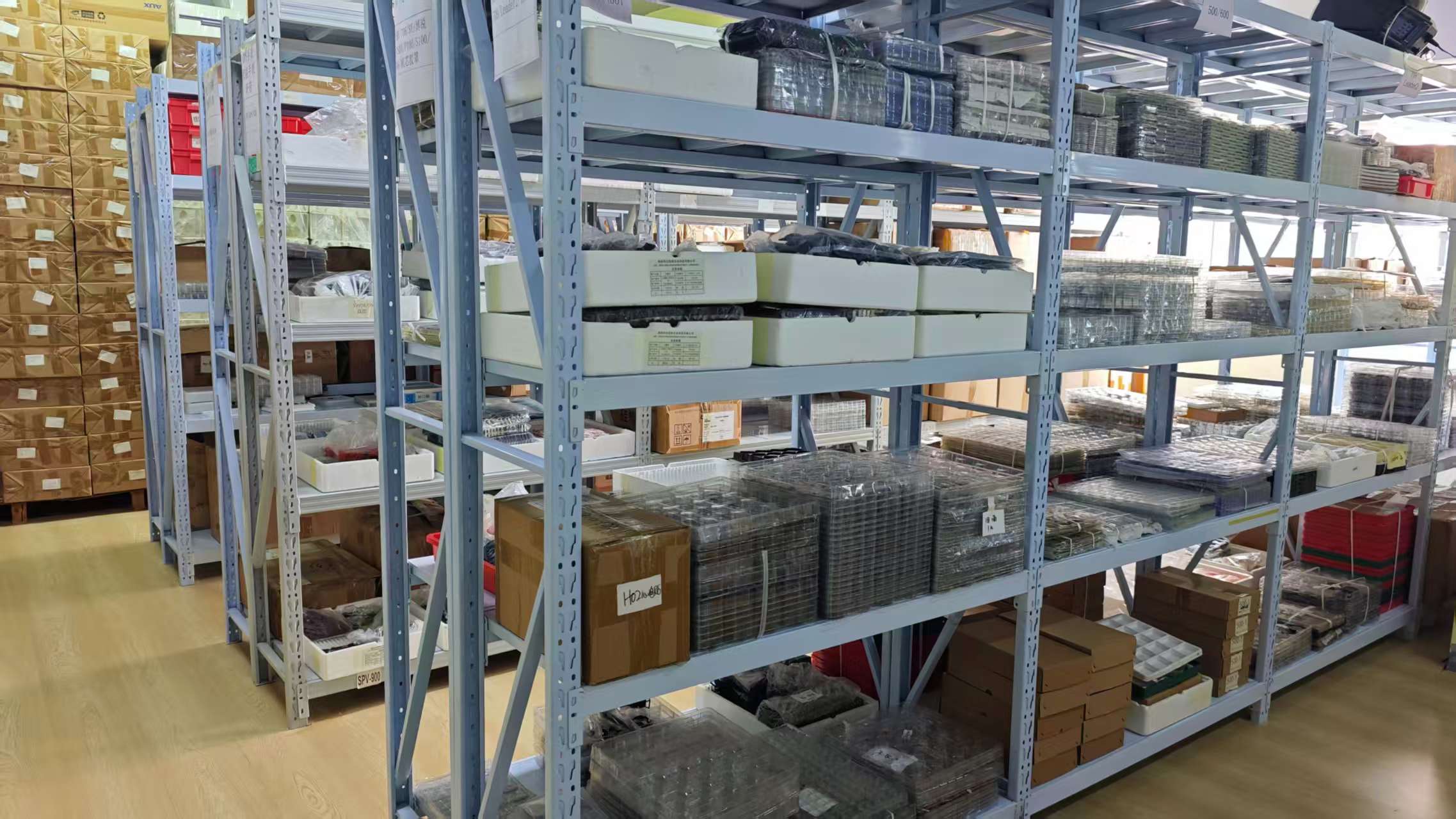
Production Workshop
Anti-static cleanrooms with automated SMT component placement.
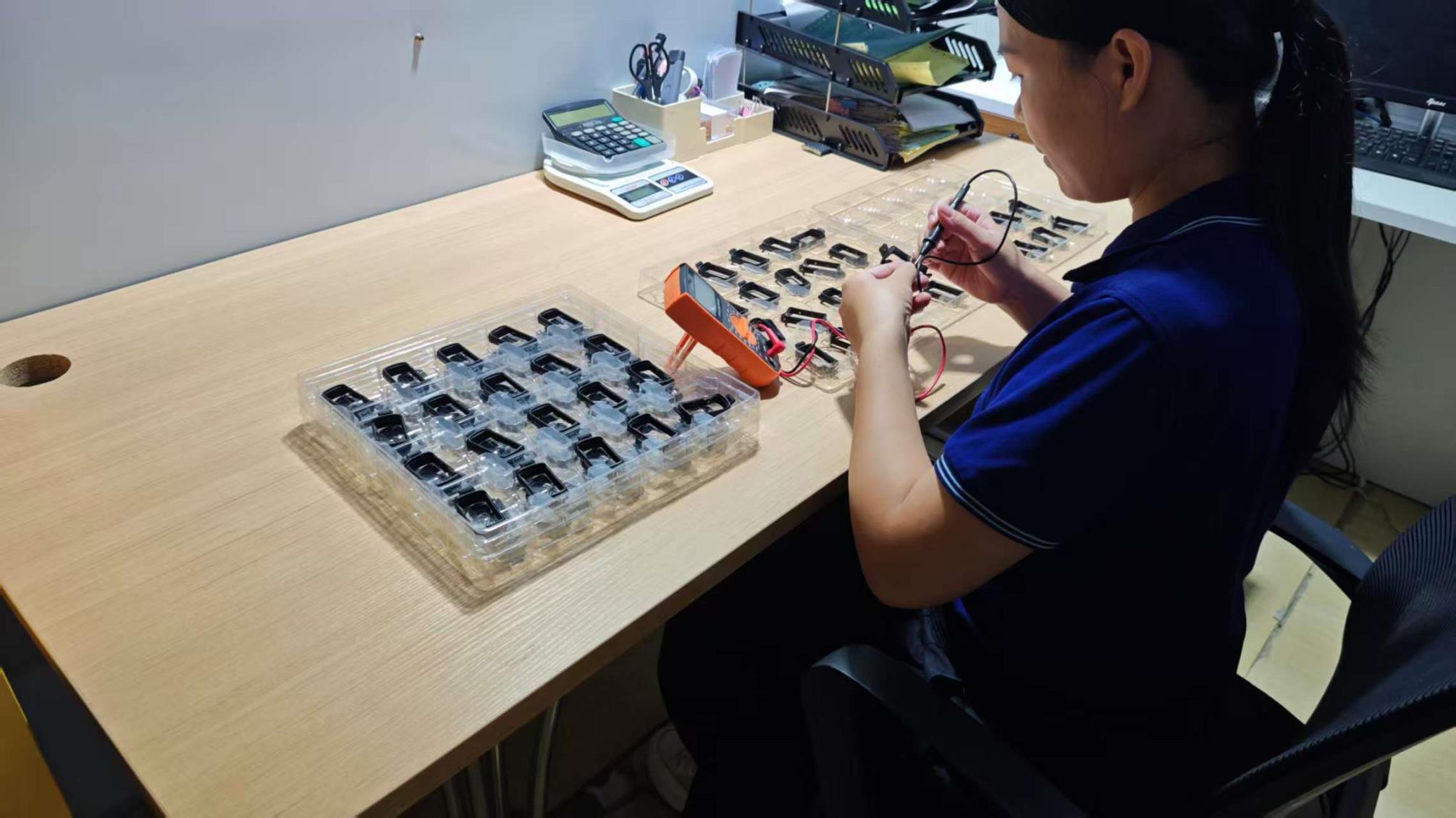
IQC Optical Verification
Rigorous spectrometry inspection of optical lenses and batteries.
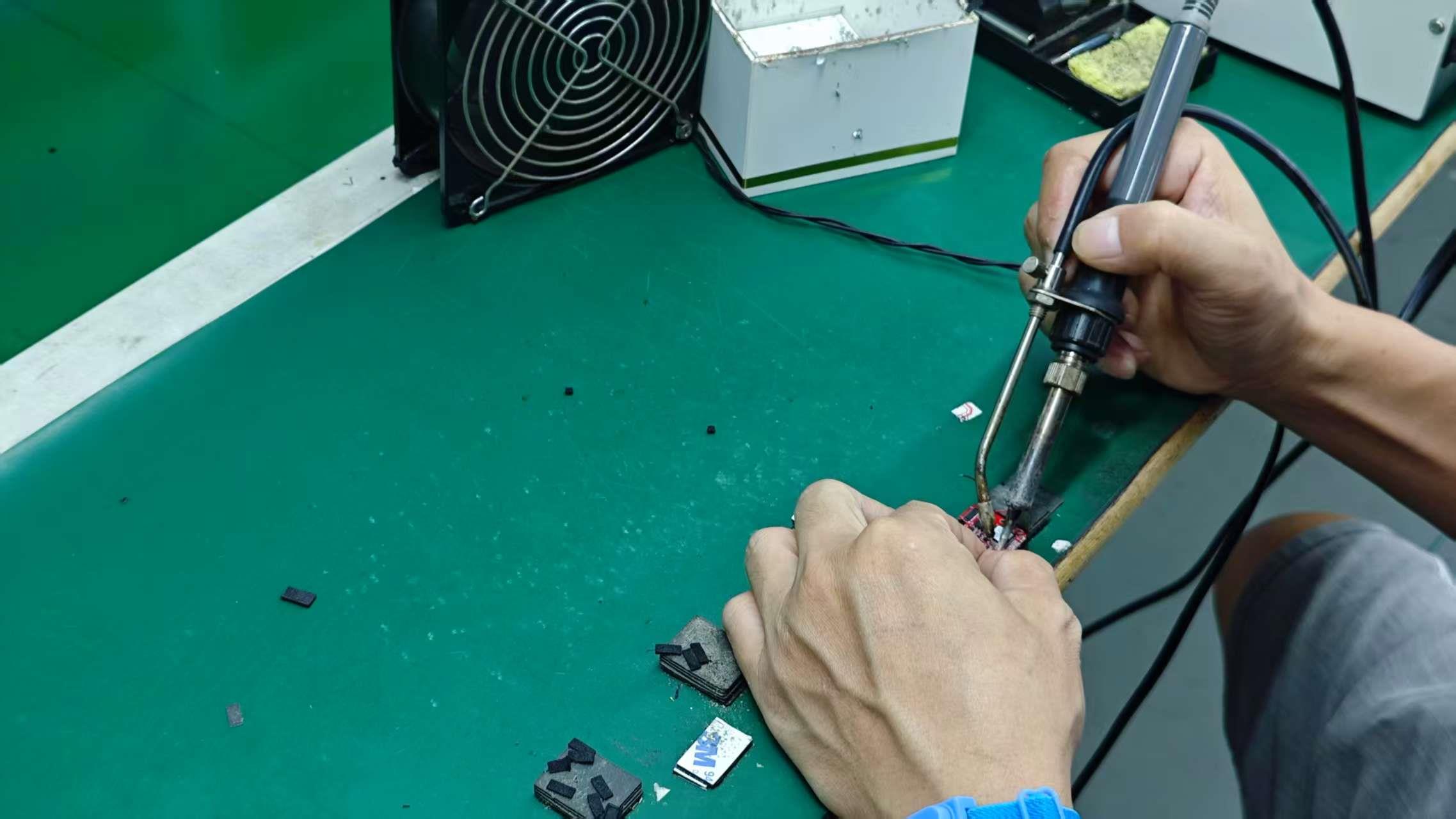
Precision Micro-Welding
Robotic soldering of optical PPG sensor arrays and BLE antennas.
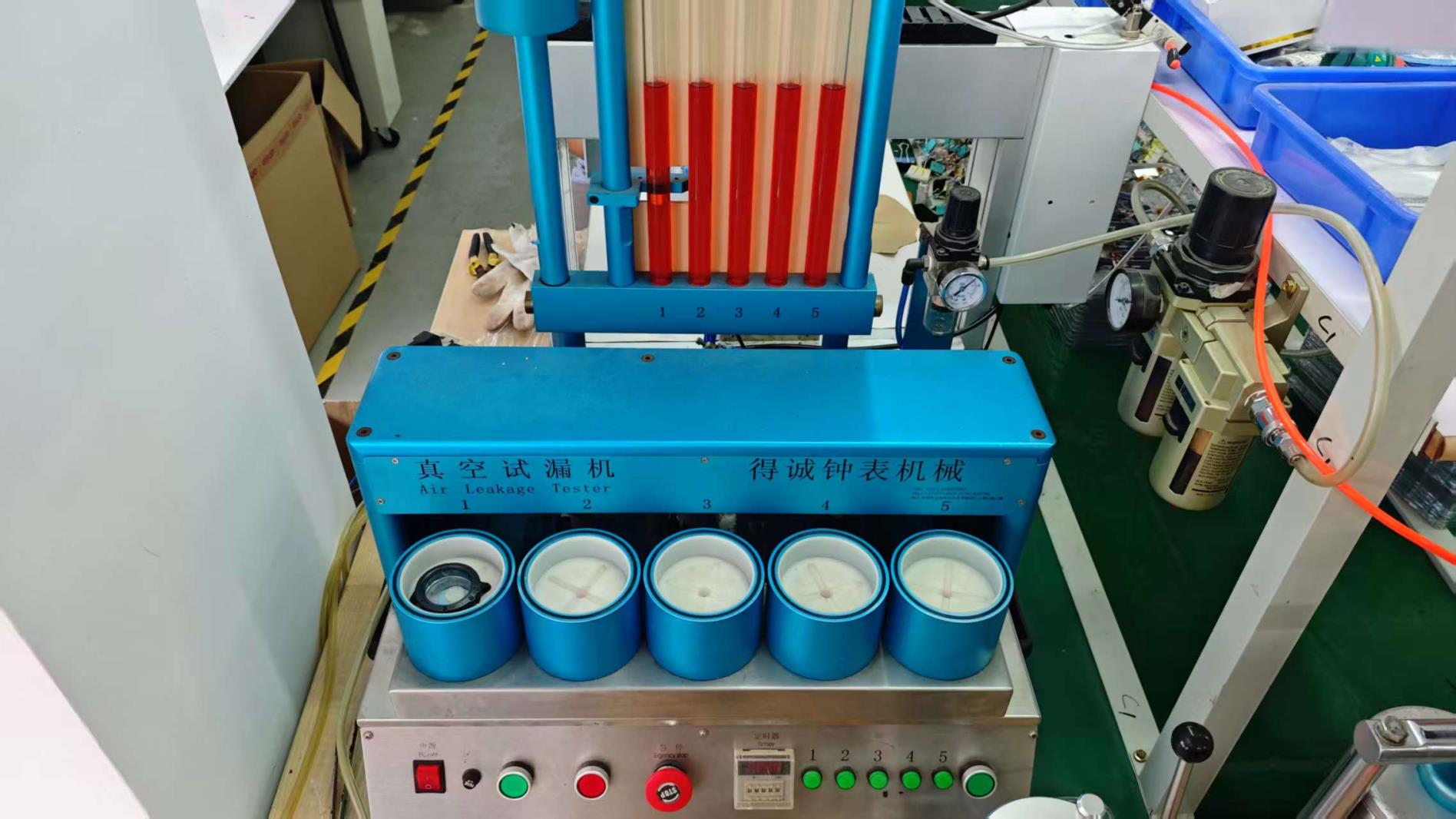
Hydro-Pneumatic Chamber Testing
100% individual pressure decay leak testing for true IP68/3ATM sealing.
Shenzhen Honsys Technology Co., Ltd. has maintained verified operations in Shenzhen since 2010, initiating foreign export shipments in 2012. Our manufacturing facility has undergone thorough on-site audit verification by SGS Group. The facility includes calibrated laser-etching machinery for durable housing personalization, fully automated liquid adhesive dispensing systems, hot-shrink wrapping stations, and precision vernier dimensional profiling to maintain tight mechanical enclosures.
Our quality management manual requires 100% functional testing, battery thermal cycling, drop resistance verification from 1.5 meters onto concrete, and salt-fog atmospheric corrosion testing for metal bezels and contact charging points before batch release. Every smart wearable shipment is backed by our full 1-year commercial replacement warranty.
Frequently Asked Questions on Health Tracker Sourcing
Concrete, actionable engineering and logistics answers to the technical questions procurement executives ask most before signing purchase agreements.
What technical documentation is provided with your CE-certified health bands? +
Can we access raw biometric data via an open SDK and API? +
What are the minimum order quantities (MOQ) for custom OEM and whitelabeling? +
How do you manage firmware customization and mobile app localization? +
What is the standard production lead time and international trade terms? +
How does Shenzhen Honsys verify waterproof ingress reliability on mass assembly lines? +
Engineered for Global Sourcing Confidence
Combining verified Shenzhen factory efficiencies with rigorous Western compliance standards to accelerate your smart wearable product roadmap.
Shenzhen Honsys Technology Co., Ltd. delivers high-reliability biometric wearable hardware across North America, Western Europe, Southeast Asia, and South America. Supported by 4 proprietary design patents, verified manufacturer status authenticated on-site by SGS, EPR certifications in Germany and France, and an inquiry response rate exceeding 99.76%, our engineering team is prepared to turn your wearable hardware concept into a certified commercial reality.