High-Performance CE-Compliant Wearable Devices
Pre-engineered hardware modules featuring ultra-low power consumption, open BLE SDK/API bridges, and certified RF modules ready for brand customization and immediate EU customs clearance.
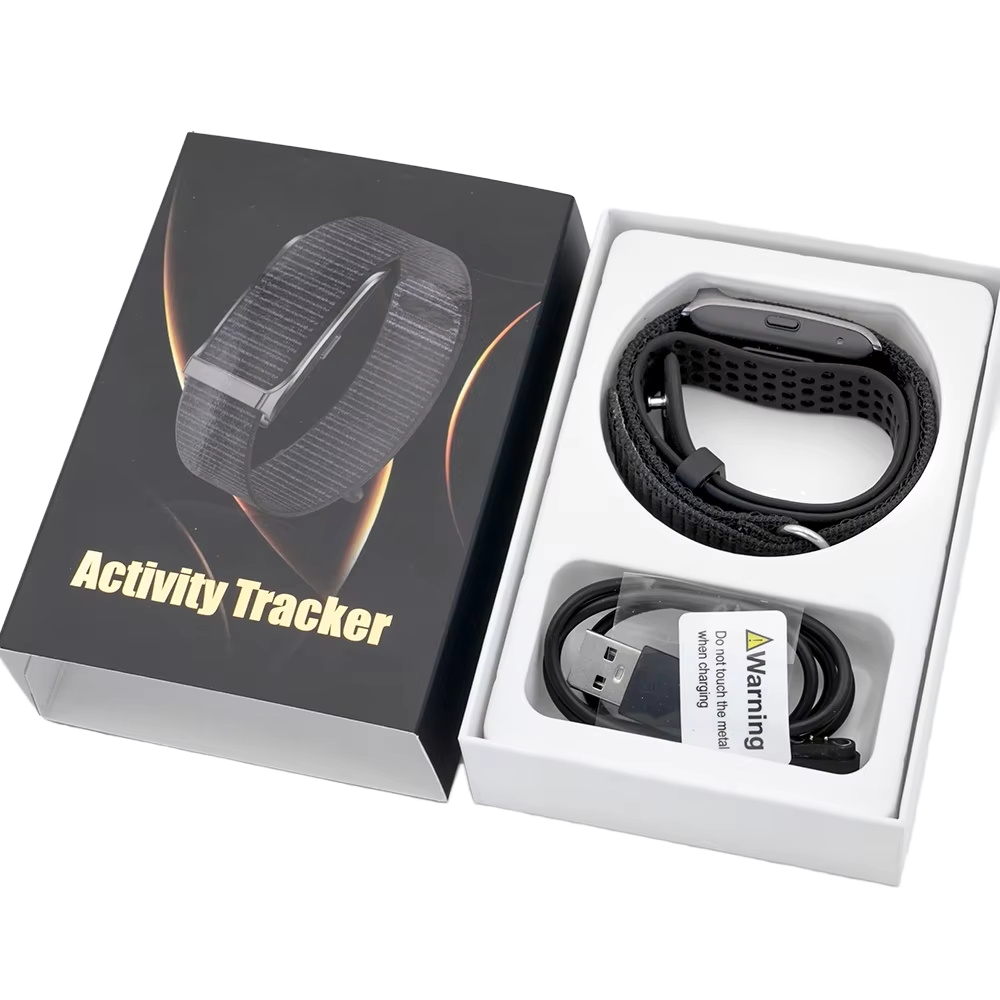
H59 Android Smart Health Wristband IP68 Waterproof Fitness Tracker
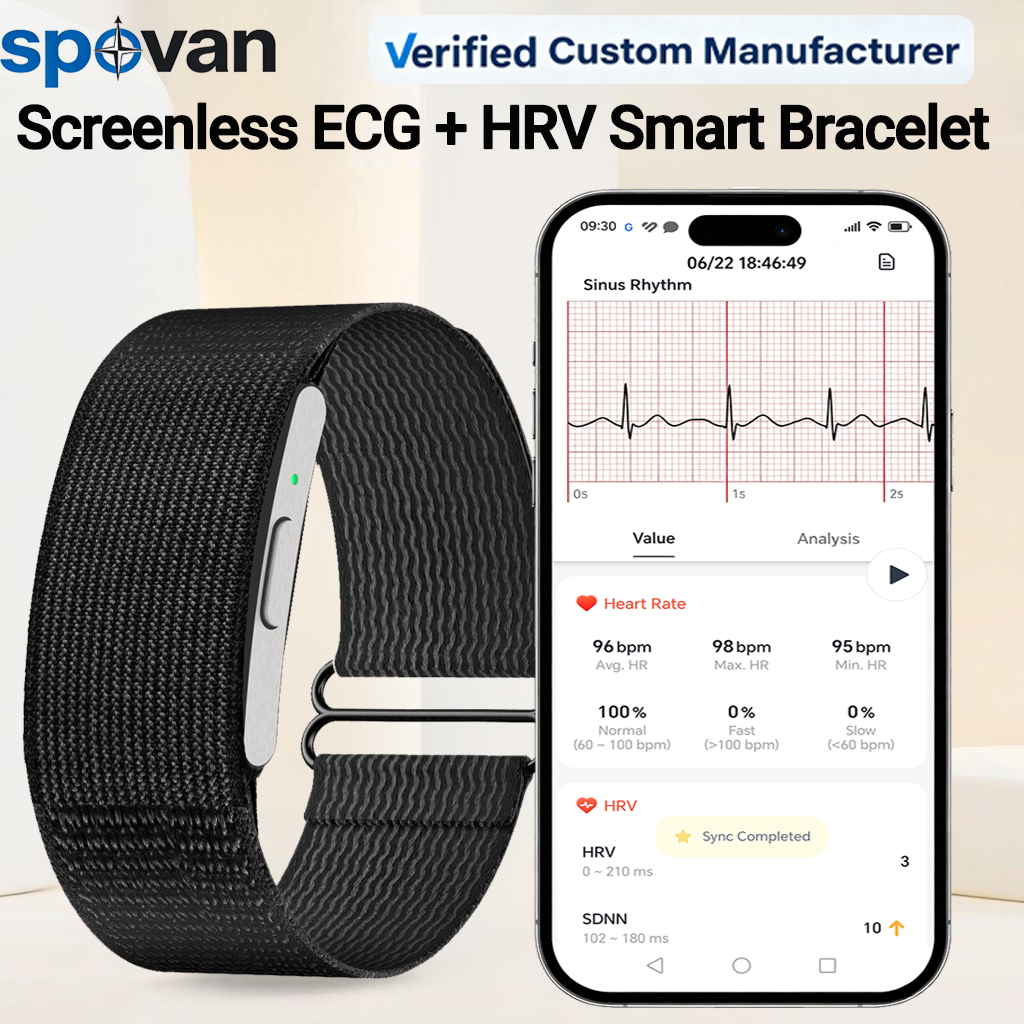
Screenless Smart Bracelet ECG HRV Monitor AI Sleep Tracker
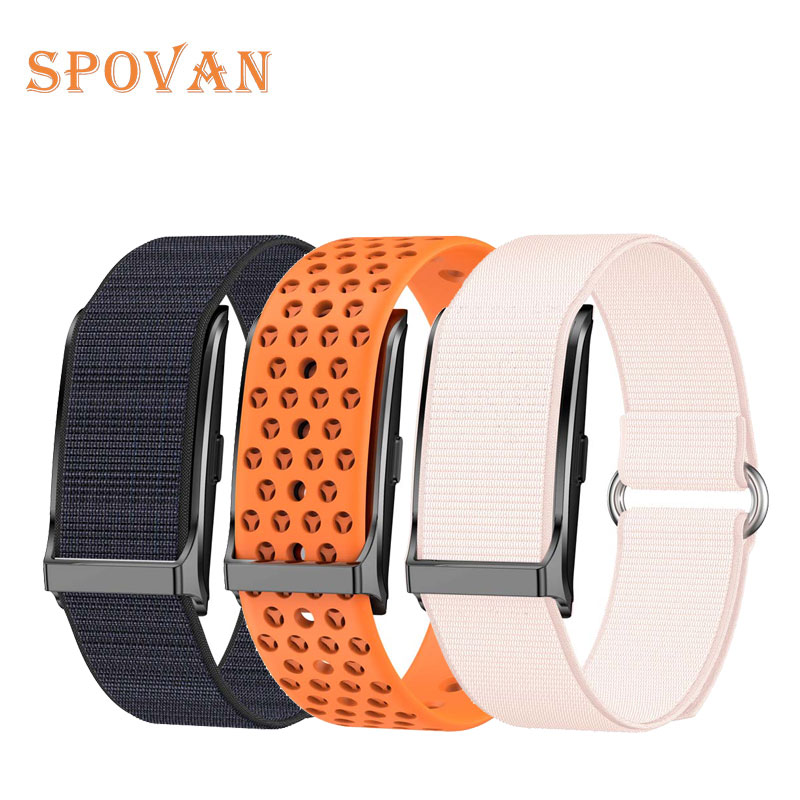
2025 CE ROHS Customized Logo Health Monitor Smart Watch Without Screen
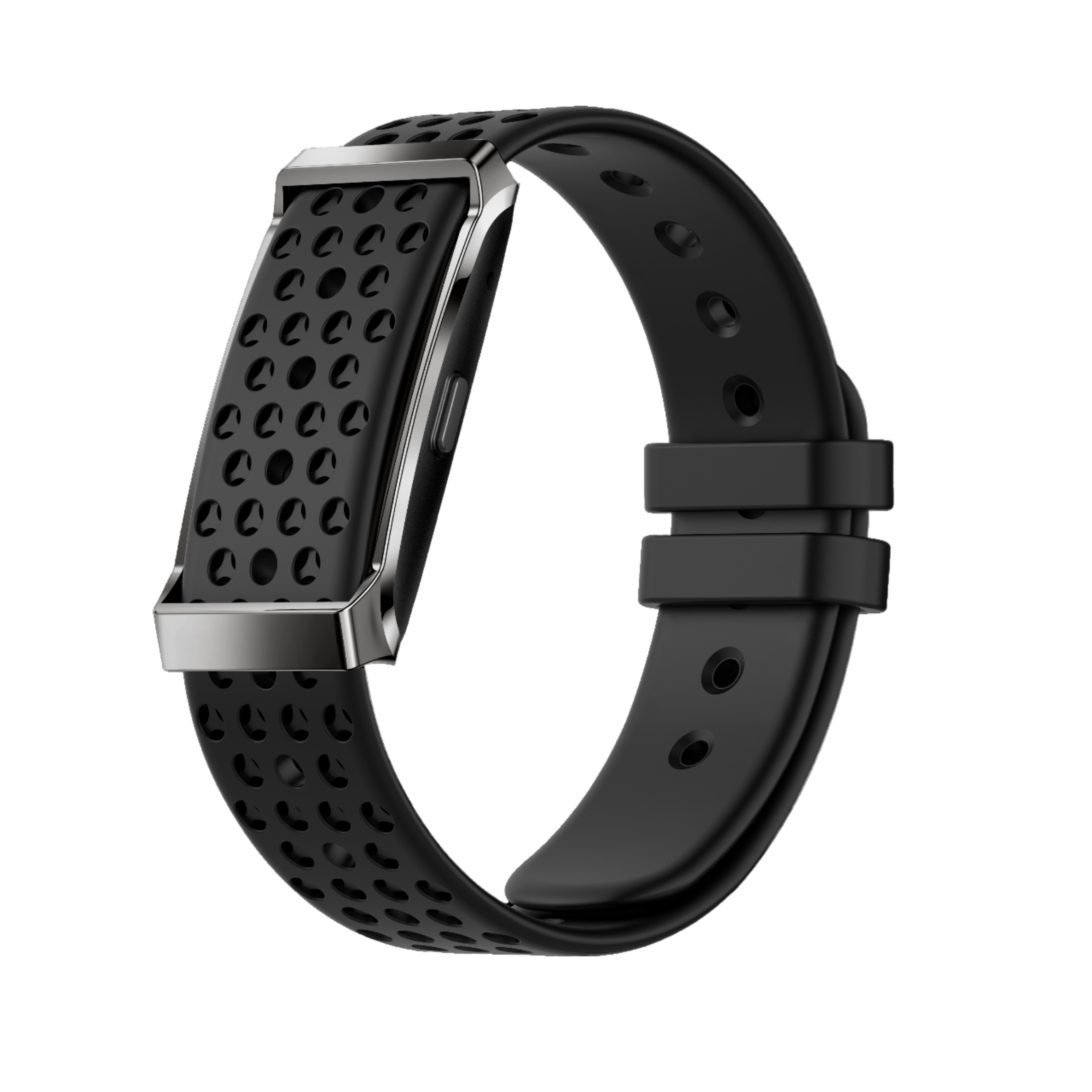
DS10 Android IOS Smart Wristband No-Screen Fitness Tracker
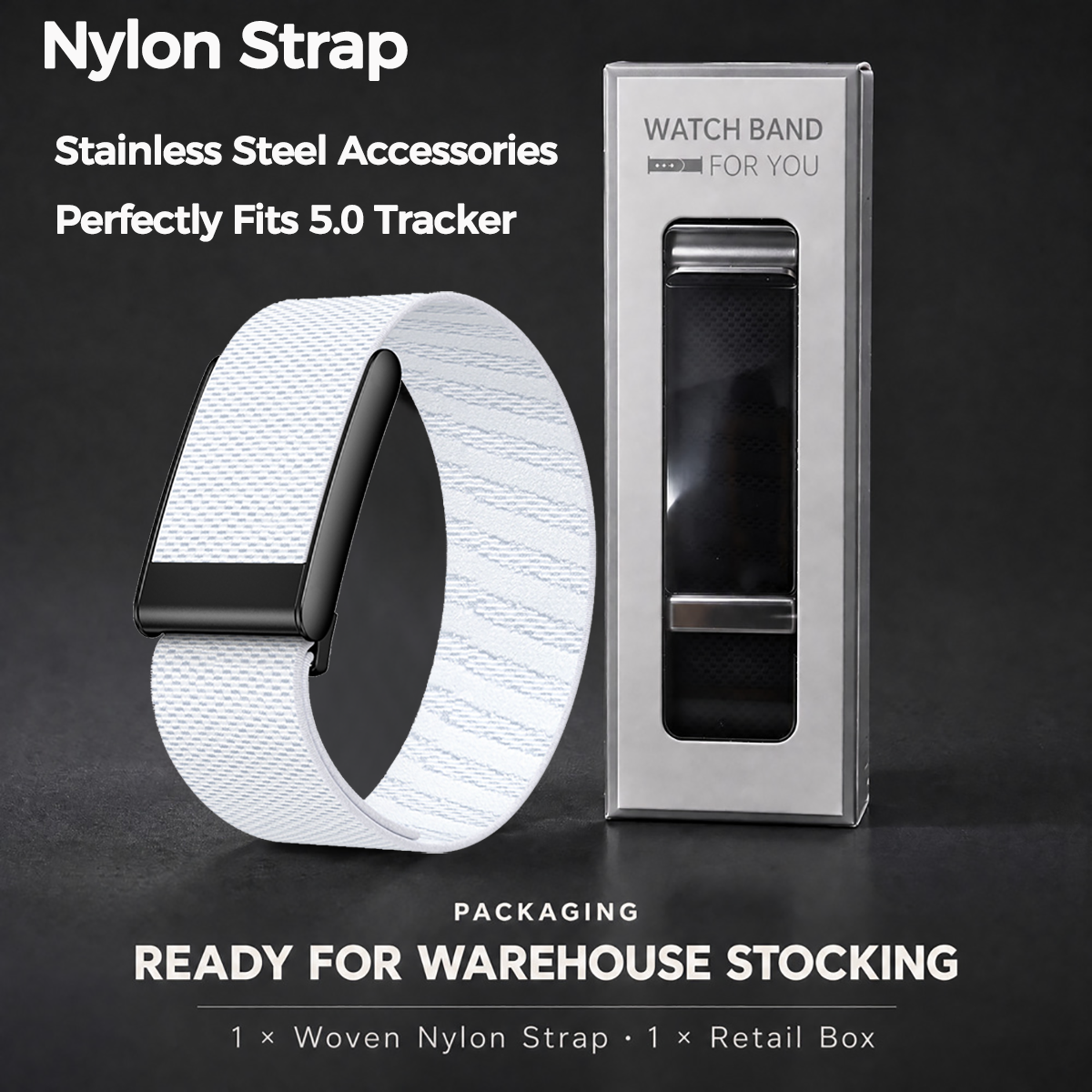
Sweat-Resistant Breathable Nylon 23mm Loop Strap Whoop 5.0
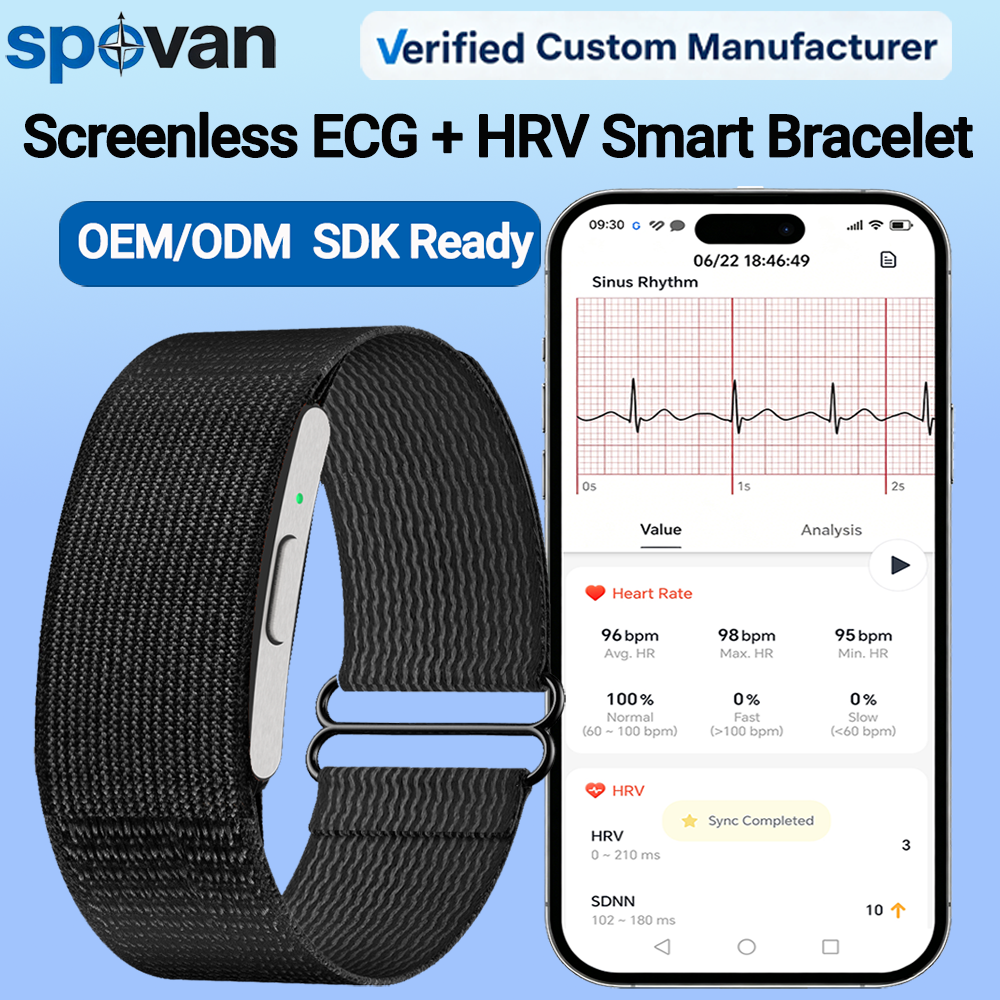
Screenless Smart Bracelet ECG+PPG HRV Open SDK API Band
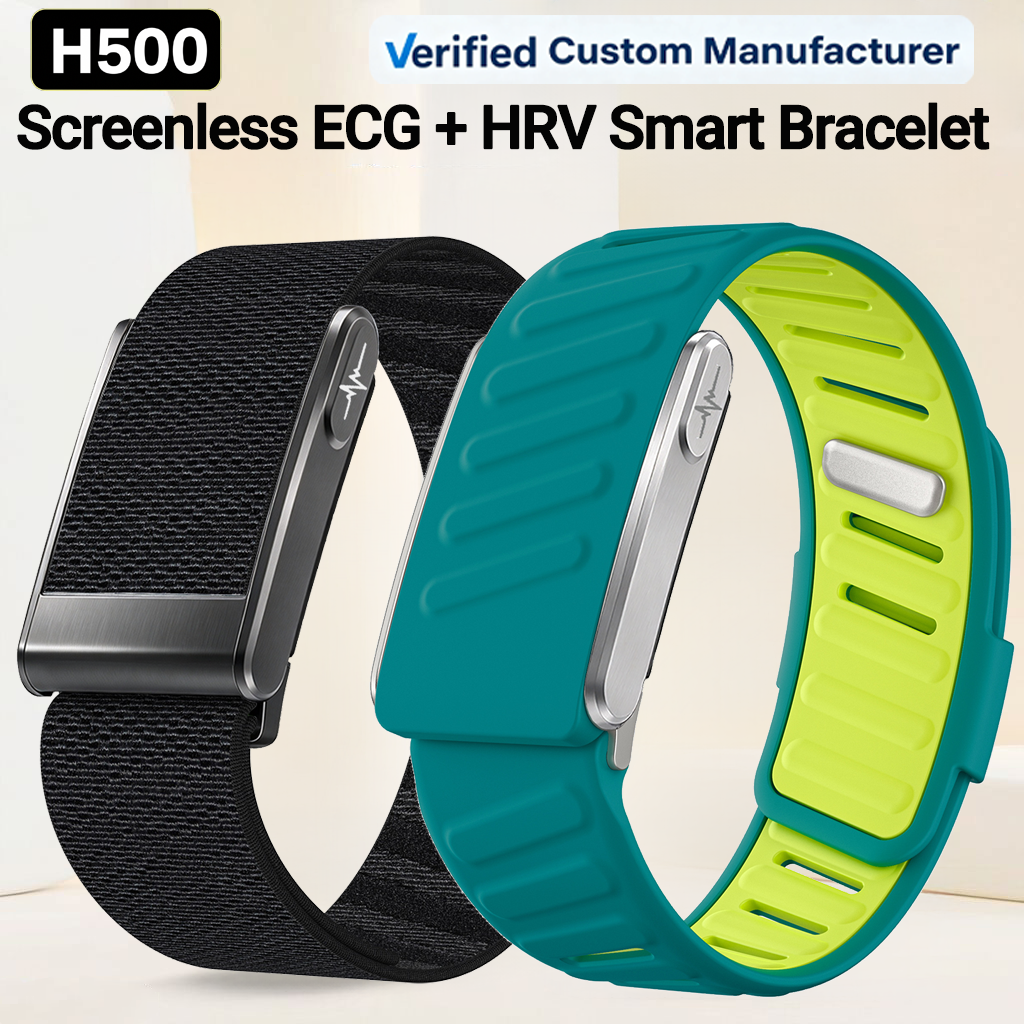
2026 IP68 Waterproof Smartwatch with Silicone/Nylon Band
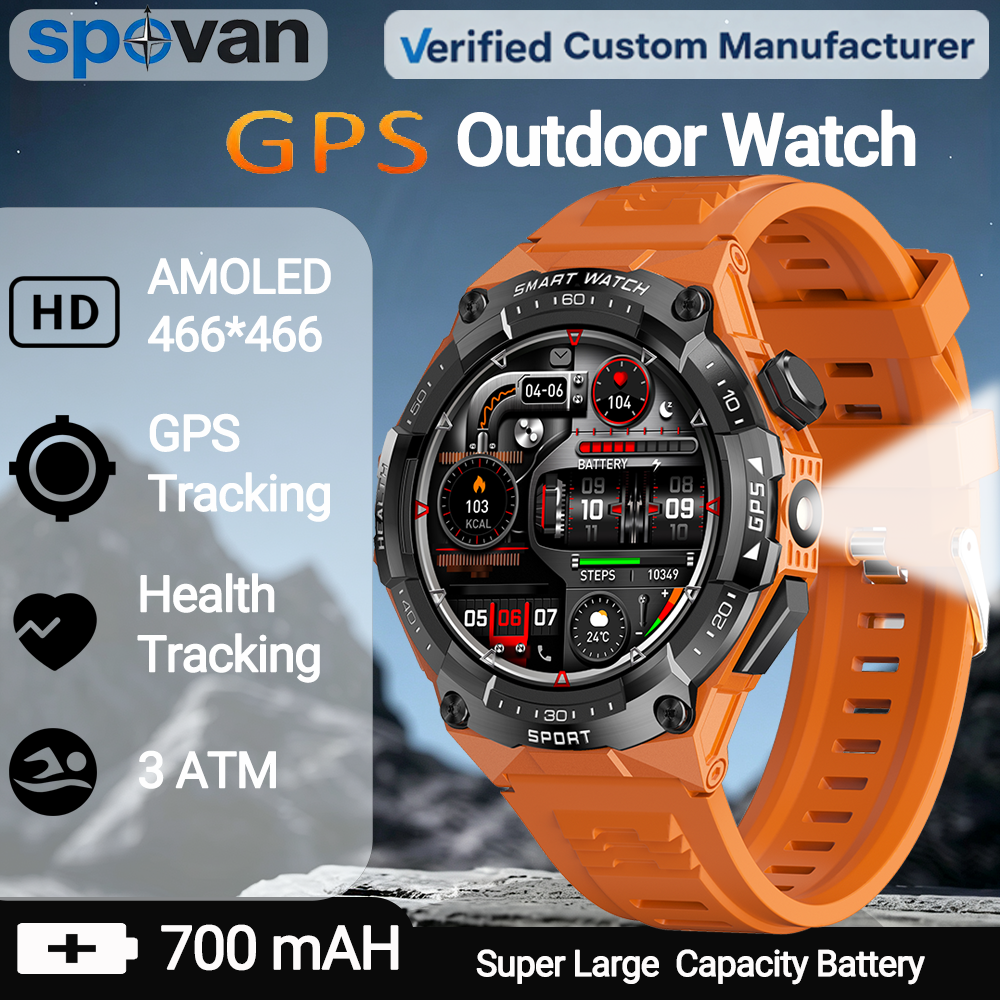
Custom GPS Smart Watch 1.43" AMOLED 3ATM Rugged Sport Watch
Verified Engineering Capabilities & Supply Chain Authority
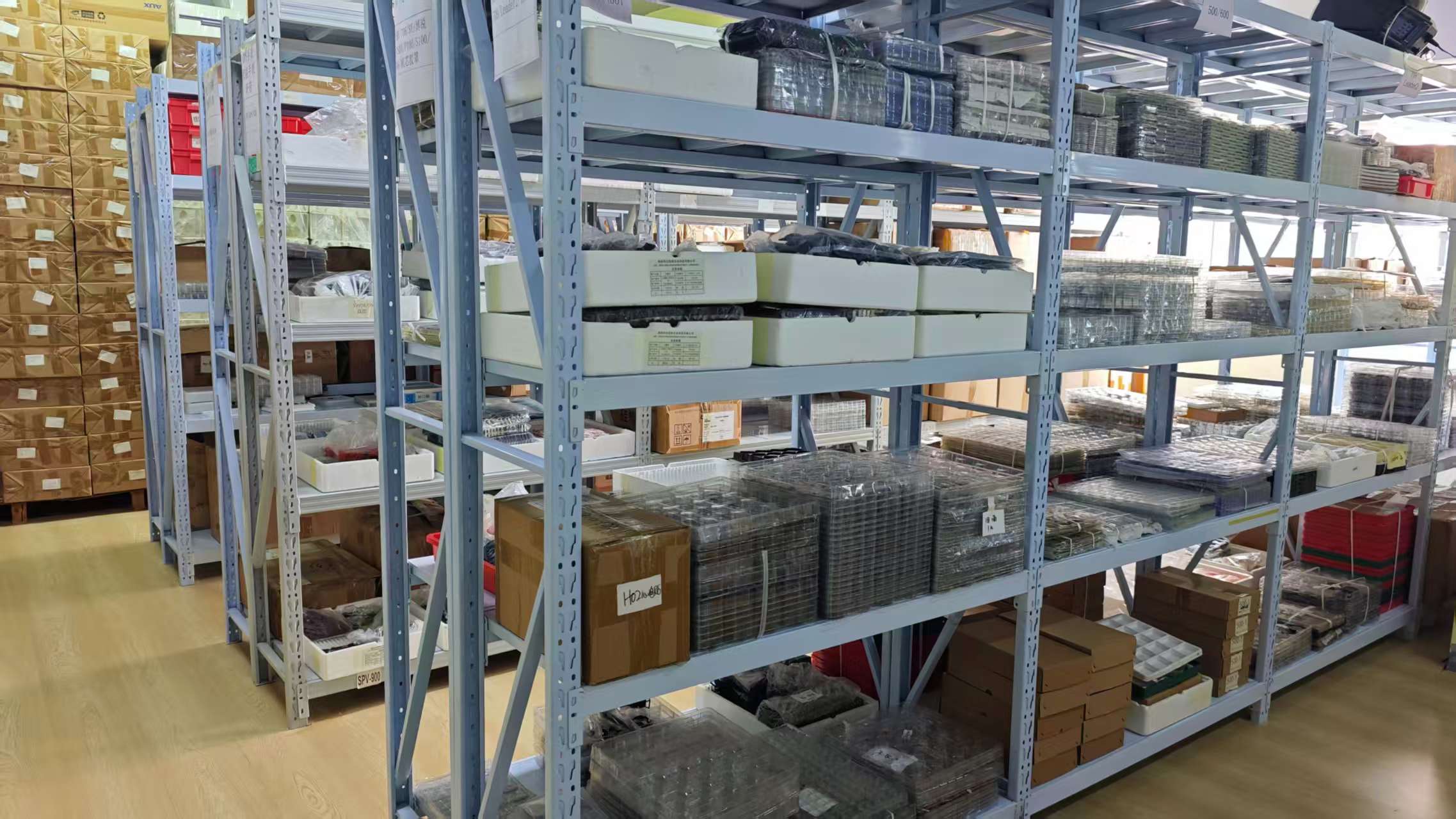
Shenzhen Honsys Technology Co., Ltd. has bridged the gap between pure consumer gadgets and medical-grade data monitoring wearables since 2010. Our production framework eliminates downstream compliance hazards for enterprise distributors.
Full CE Directives Architecture
Every motherboard layout is tuned to pass EN 300 328 (wideband transmission), EN 301 489 (EMC immunity), and EN 62479 (human exposure SAR). We supply complete Technical Construction Files (TCF) with verified lab test reports.
Firmware & Open API Architecture
We eliminate proprietary vendor lock-in. Our BLE communication protocol documentation, Bluetooth SIG certified stacks, and open SDK bridges (Android, iOS, Flutter) allow enterprise platforms to parse raw photoplethysmography and accelerometer telemetry.
Zero-Leakage In-Line Testing
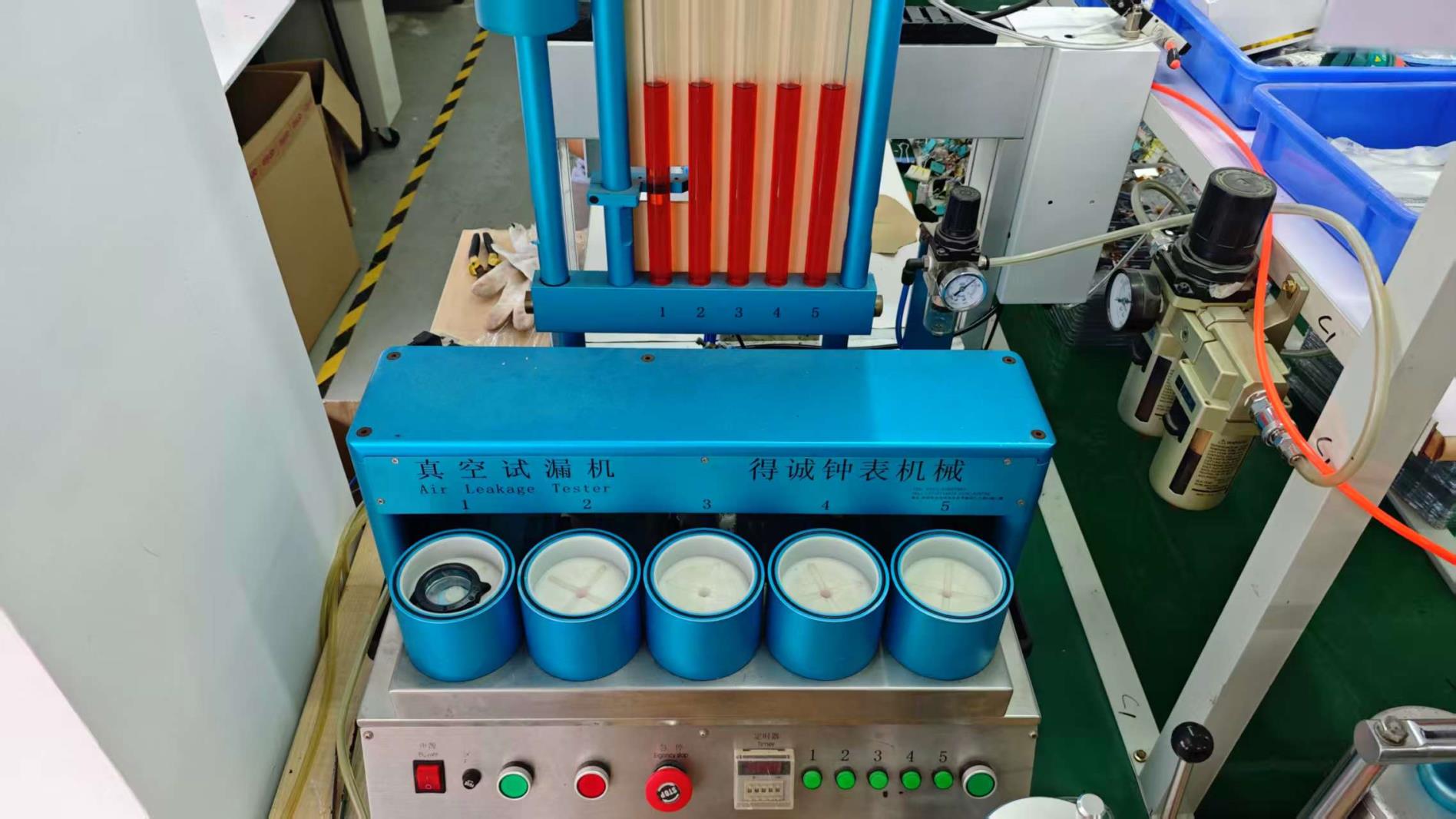
Unlike factories relying on random batch sampling, our cleanroom assembly facilities subject 100% of finished IP68 and 3ATM wearables to multi-stage vacuum differential pressure testing before ultrasonic sealing and heat shrinkage packing.
Navigating CE Certification for Wearable Electronics
A comprehensive procurement benchmark for global hardware importers, detailing the strict mandates of the Radio Equipment Directive (2014/53/EU), RoHS II, and the European Accessibility Act.
When enterprise purchasers source smart wearables under the "CE" mark, vague supplier claims frequently conceal regulatory non-compliance. In the European Union, a smart bracelet or smartwatch is governed primarily by the Radio Equipment Directive (RED) 2014/53/EU, which encompasses radio spectrum efficiency (Article 3.2), electromagnetic compatibility (Article 3.1b), and electrical safety including human RF exposure (Article 3.1a). Sourcing from a manufacturer that lacks verified TCF documents exposes European brands to immediate product recalls, market surveillance sanctions, and customs confiscations by authorities like the German Federal Network Agency (BNetzA).
Shenzhen Honsys Technology mitigates these risks at the PCBA layout stage. Our radio frequency traces are matched with precision impedance control to maintain low spurious emissions during continuous 2.4GHz BLE broadcasts. Furthermore, for European distributors expanding into Germany and France, we support compliance under Extended Producer Responsibility (EPR) frameworks covering WEEE (Waste Electrical and Electronic Equipment) and Packaging Acts, accompanied by clear Declaration of Conformity (DoC) papers signed by responsible legal signatories.
| Directive / Regulation | Harmonized Technical Standard | Honsys Engineering Implementation | Procurement Risk Mitigated |
|---|---|---|---|
| RED 2014/53/EU Art. 3.2 (Radio) | EN 300 328 V2.2.2 | Calibrated antenna gain; wideband spurious emission suppression < -36 dBm | Elimination of customs border rejection due to illegal radio noise. |
| RED Art. 3.1b (EMC Immunity) | EN 301 489-1 / EN 301 489-17 | Multi-layer PCB ground plane protection against electrostatic air/contact discharge (8kV/4kV) | Prevents field crashes caused by winter garment static charges. |
| LVD & SAR Art. 3.1a (Safety) | EN 62368-1:2014 & EN 62479:2010 | Low SAR profile radiation design, certified short-circuit safe polymer lithium battery cells | Zero skin burn hazards; complete compliance with wrist contact radiation limits. |
| RoHS 2011/65/EU & 2015/863 | IEC 62321 Standard Testing | 100% lead-free SMT solder paste; biocompatible medical grade silicone and hypoallergenic straps | Protects retailers from severe European chemical hazardous substance penalties. |
| European Accessibility Act (EAA) | 2019/882 Harmonization Exemption | Documented formal Exemption Statements for pure screenless biometric telemetry endpoints | Protects non-display clinical bands from erroneous software accessibility disputes. |
Future Procurement Trends in Smart Wearables (2025–2030)
How the market is pivoting from generic smartwatch clones toward specialized, low-power digital detox hardware, clinical data integration, and multi-sensor edge computing.
1. The Shift to "Screenless" & Digital Detox Form Factors
Enterprise health insurers, corporate wellness programs, and competitive athletic teams are actively moving away from notification-heavy smartwatches. The high return on investment lies in screenless biometric wristbands and smart rings. By omitting active touchscreens, power consumption drops by over 80%, extending continuous photoplethysmography battery cycles up to 10–14 days while eliminating continuous user distractions.
2. On-Device AI Biometrics & Autonomous HRV
The standard 3-axis step counter is obsolete. Contemporary procurement demands onboard micro-algorithms capable of computing Real-Time Heart Rate Variability (rMSSD metrics), automated sleep-stage staging (REM, deep, light), and early arrhythmia detection. Sourcing teams prioritize devices that perform local feature extraction at the hardware level, sending processed analytical scores to reduce cloud payload costs.
3. Data Sovereignty & Telehealth API Interoperability
With tightening international regulations such as GDPR and HIPAA, global buyers reject closed ecosystem hardware that forces users into third-party cloud applications. Sourcing trends mandate open SDK/API protocols, enabling healthcare networks and insurance institutions to ingest continuous data directly into localized proprietary databases via encrypted Bluetooth GATT services.
Evolutionary Trajectory of Wearable Hardware Platforms
Understanding sensor fusion, battery chemistries, and communication protocols from early generations to modern predictive architectures.
The hardware architecture of smart wearables has undergone three distinct evolutionary phases. The First Generation (2012–2018) was defined by rudimentary photodiode arrays and basic microcontrollers running simple RTOS kernels, frequently plagued by motion artifacts and battery drain under continuous heart-rate tracking. The Second Generation (2019–2023) integrated multi-spectral PPG optical sensors (green, red, and infrared wavelengths) alongside standalone multi-GNSS tracking chipsets and basic single-lead dry electrode electrocardiograms (ECG).
Today, Honsys leads the Third Generation (2024–Present) of smart wearable engineering. This architecture unifies dual-engine ECG+PPG sensor packages with low-power ARM Cortex-M33 processors and edge neural network accelerators. By utilizing advanced hydrogel-free medical-grade alloy electrodes, these units maintain exceptional signal-to-noise ratios (SNR) even during vigorous physical motion. Concurrently, battery chemistry has matured from standard lithium polymer to high-density cobalt cells capable of fast-charging within 40 minutes, encased in anti-allergic materials complying fully with EU REACH and skin biocompatibility criteria (ISO 10993).
Procurement & Technical FAQ for Global Importers
Detailed technical, compliance, and commercial guidance prepared directly by Honsys factory sales engineering staff.
QA What documents accompany your CE Declaration of Conformity?
We supply a comprehensive Technical Construction File (TCF) containing the EU Declaration of Conformity (DoC), accredited test reports for RED (EN 300 328, EN 301 489, EN 62479, EN 62368-1), RoHS II material decomposition reports, and battery safety documentation (UN38.3, MSDS, and IEC 62133).
QA Can we rebrand the mobile application and customize the Bluetooth broadcast name?
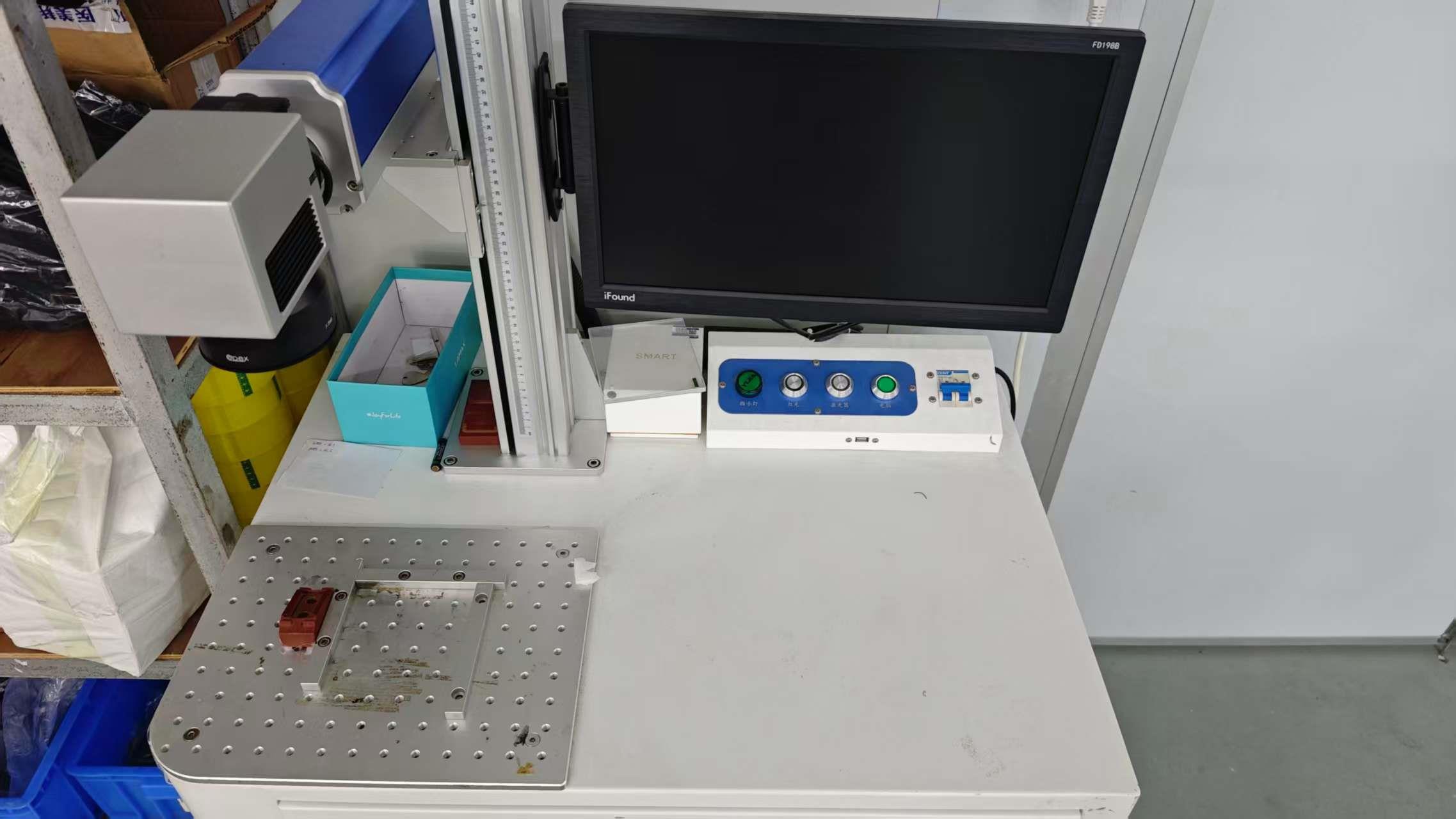
Yes. We support white-label OEM customization. We can flash custom Bluetooth broadcast local names (Device ID), embed your corporate UUIDs, modify the hardware boot logo, and provide full source code or compiled frameworks (iOS CocoaPods / Android AAR) for companion apps.
QA How does Honsys perform IP68 waterproof validation on the production line?
Unlike factories relying solely on visual water immersion testing on a random sampling basis, 100% of Honsys waterproof wearables undergo pressurized pneumatic decay testing using automatic differential pressure leak testers, ensuring consistent seal integrity without wetting internal circuits.
QA What are your standard commercial terms for custom OEM production?
Ready-to-ship evaluation samples start at 1–10 pieces. Customized private labeling and custom packaging MOQ is generally 500–1,000 units depending on the housing finish. Bulk production lead time is approximately 30 days after sign-off, supported by FOB Yantian/Shenzhen or Hong Kong logistics.
QA How do you ensure raw material biocompatibility for European consumer skin contact?
All wristbands, cases, and conductive electrode contacts undergo toxicological and biological evaluation under ISO 10993 standards. We certify that no nickel release exceeds EN 1811 limits and all silicone and TPU straps comply strictly with REACH annex XVII entries.
QA Are the sensor outputs calibrated for telehealth or clinical application environments?
Our wearables provide high-precision wellness-grade data tracking. For enterprise clients building clinical studies or medical analytics, our open SDK exports raw PPG inter-beat intervals (IBI) and 50Hz/100Hz unfiltered ECG telemetry for your proprietary algorithmic calibration.
Initiate Your CE-Certified Wearable Program Today
Partner directly with Shenzhen Honsys Technology Co., Ltd. for verified CE/FCC compliant smart bracelets, ECG sports watches, and custom open-API wearable solutions. Speak with our sales engineers to request hardware evaluation samples and technical compliance files.
Contact Us