Featured ECG, Health Trackers & Medical-Grade Band Assemblies
Engineered for tele-health integrators, digital detox platforms, and private-label sports brands requiring certified biosensing hardware and custom industrial tooling.
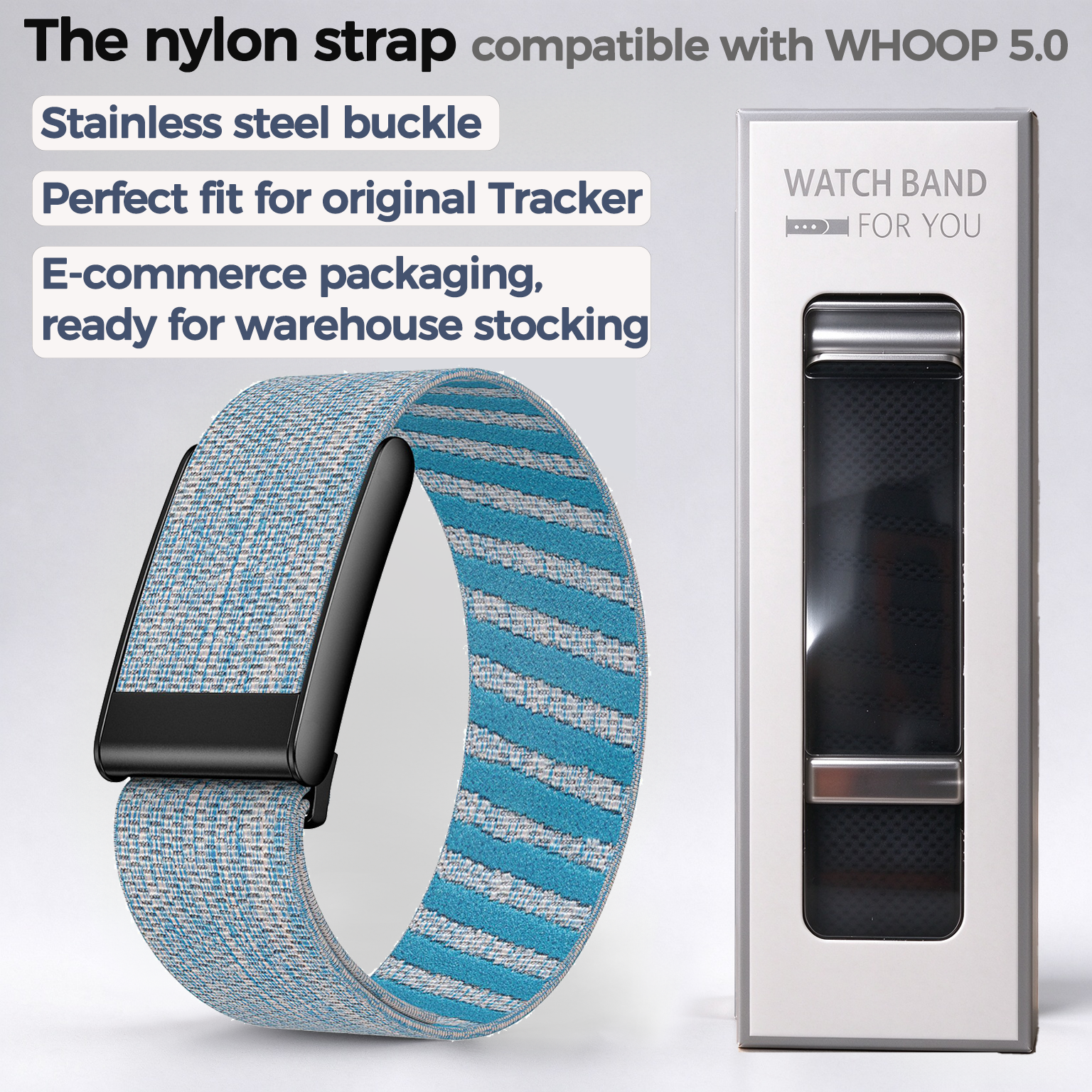
Adjustable Breathable Nylon Loop Strap for Whoop 5.0 Elastic Band
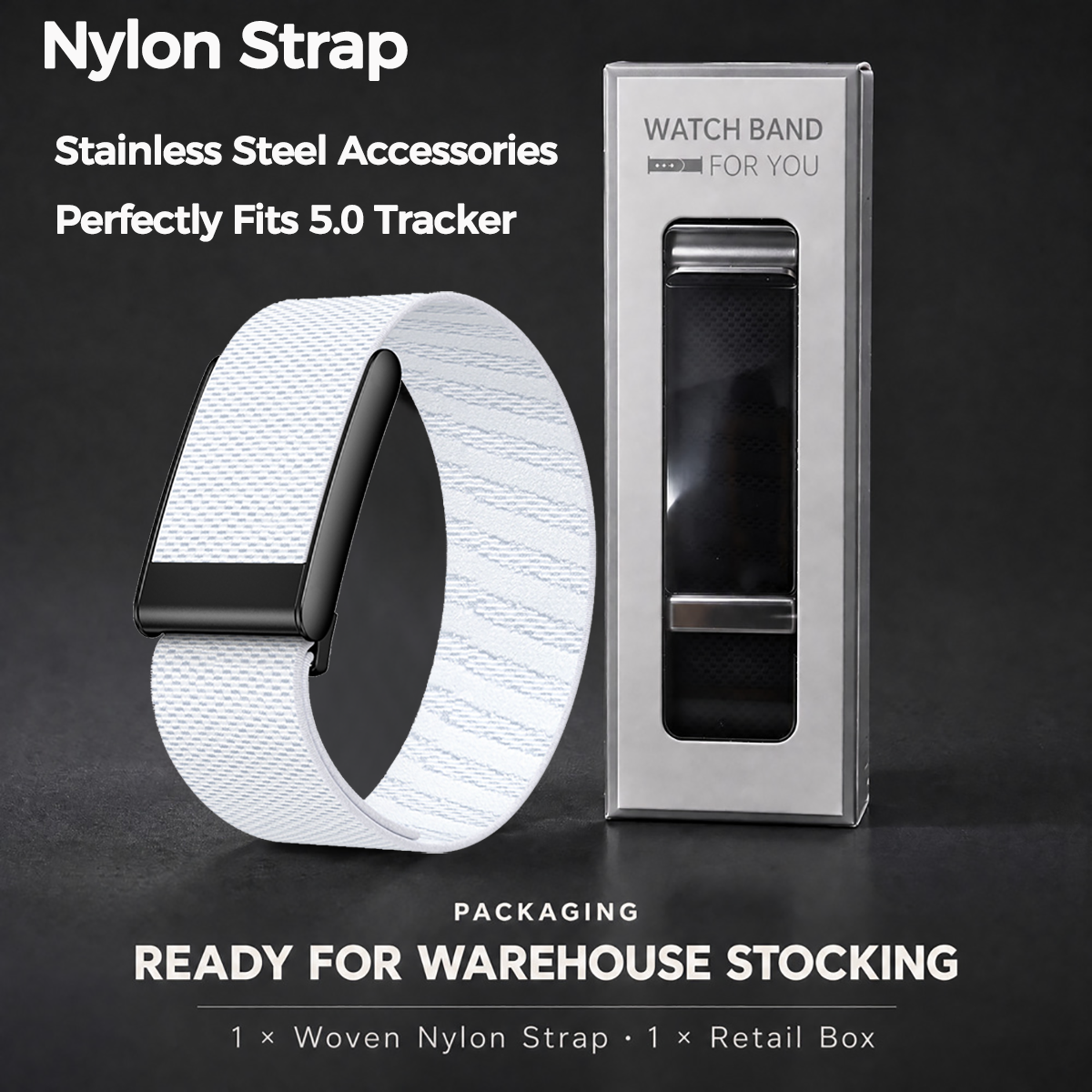
Sweat-Resistant Breathable Nylon 23mm Loop Strap Replacement Band
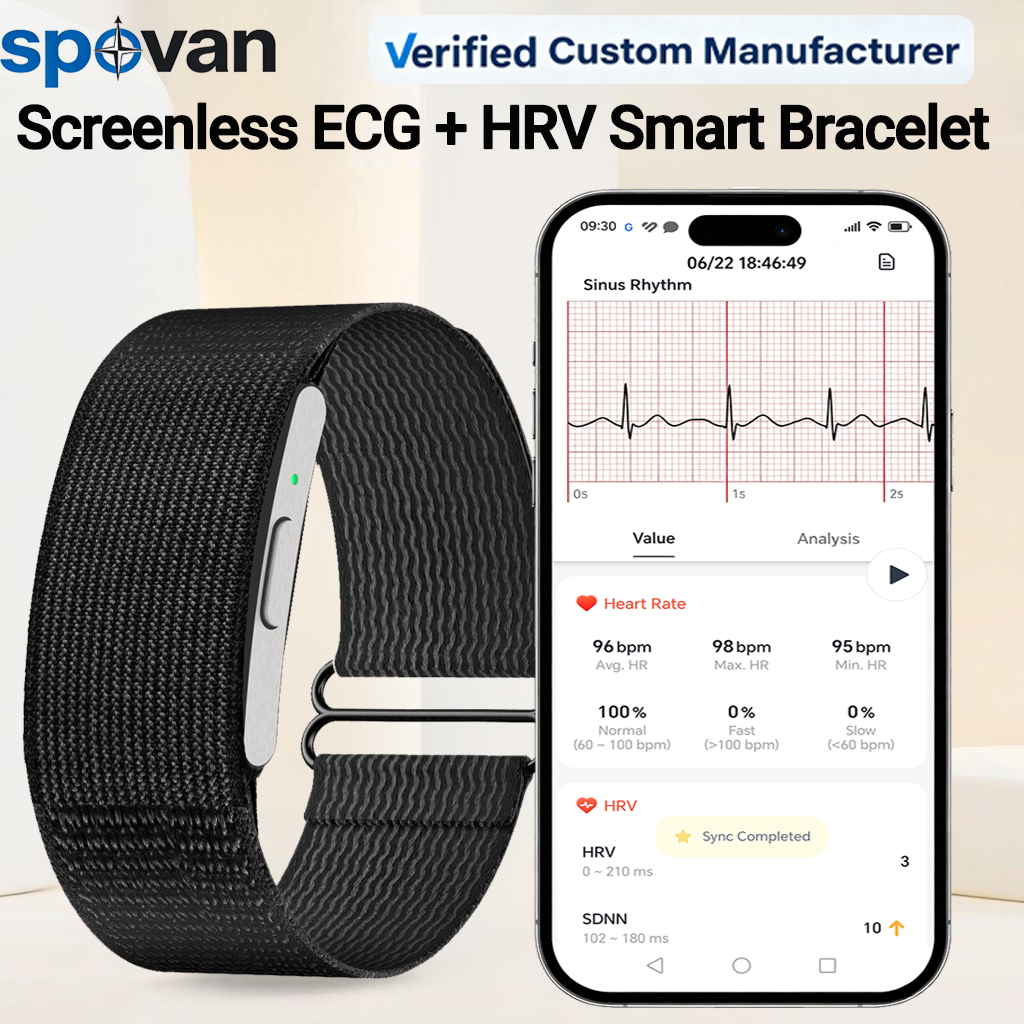
Screenless Smart Bracelet ECG HRV Monitor Band AI Sleep Tracker
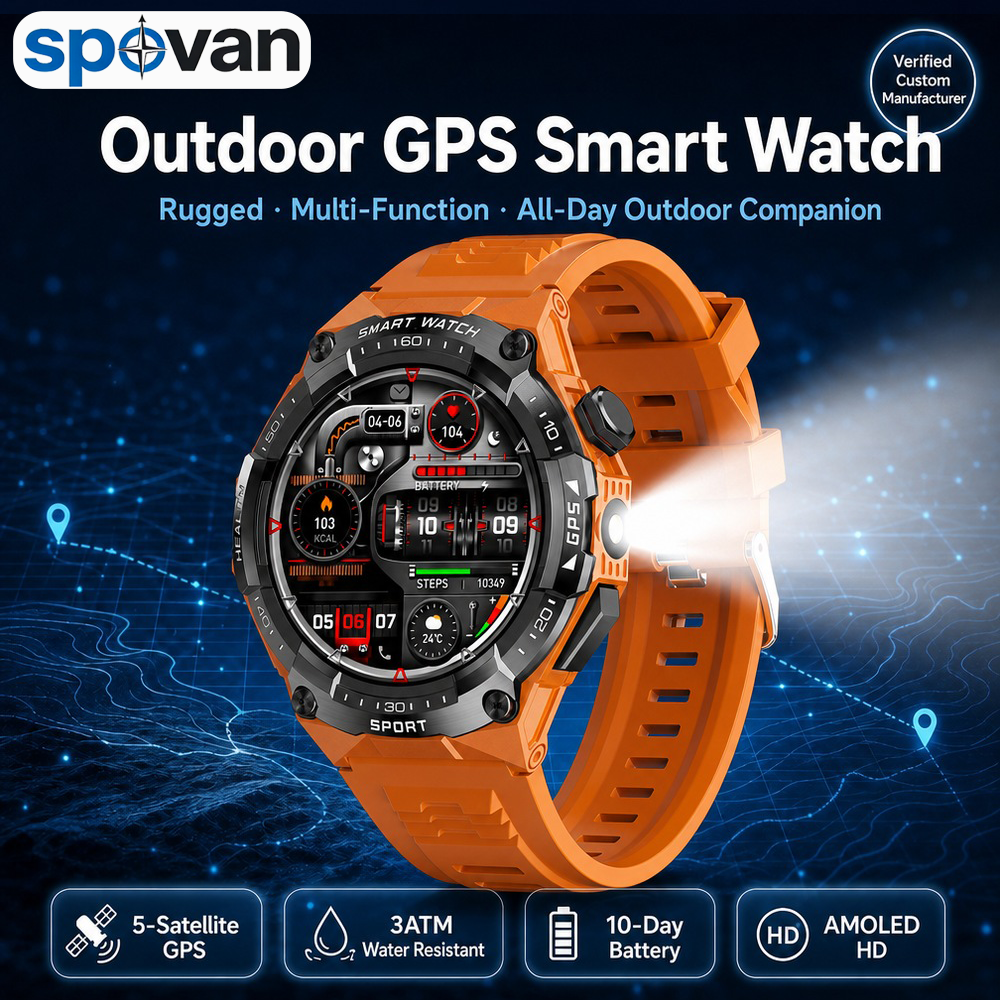
SPOVAN Rugged GPS Outdoor Smartwatch 3ATM Barometer Compass
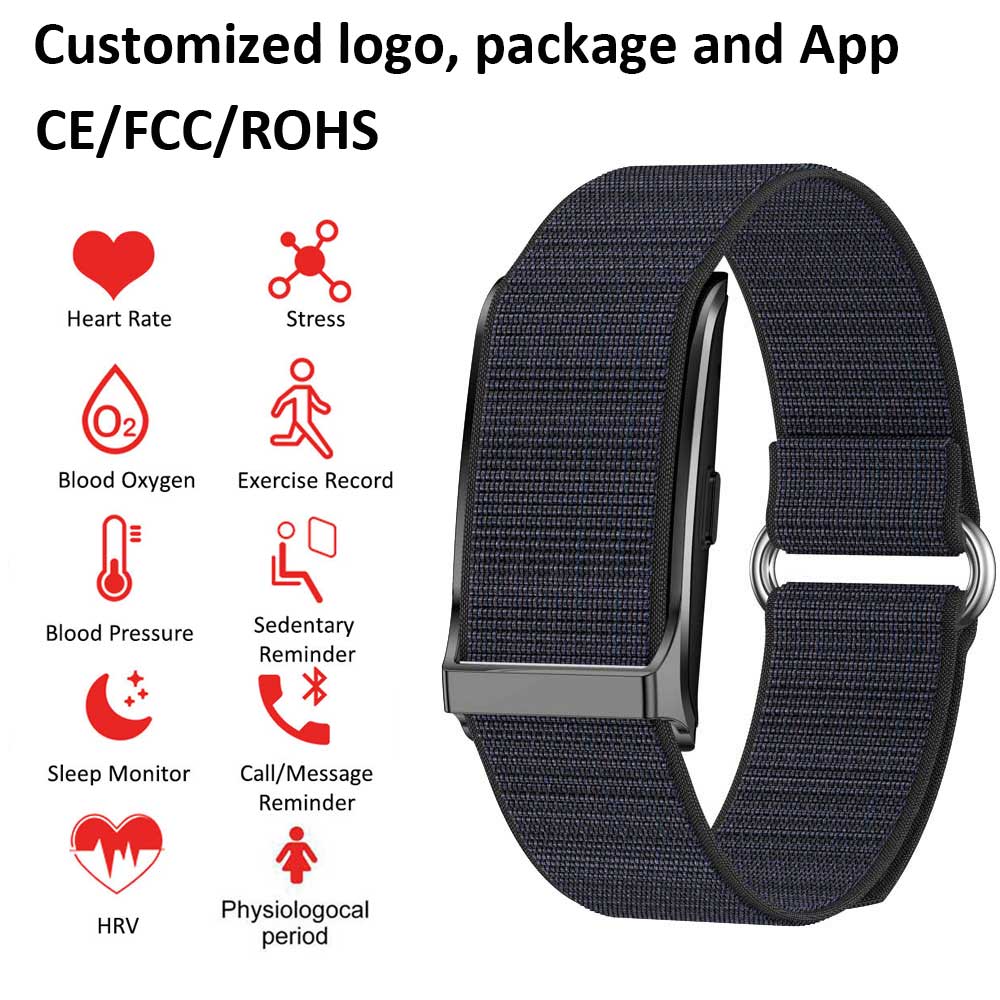
Wholesale Blood Pressure & Heart Rate Smart Bracelet with Open SDK
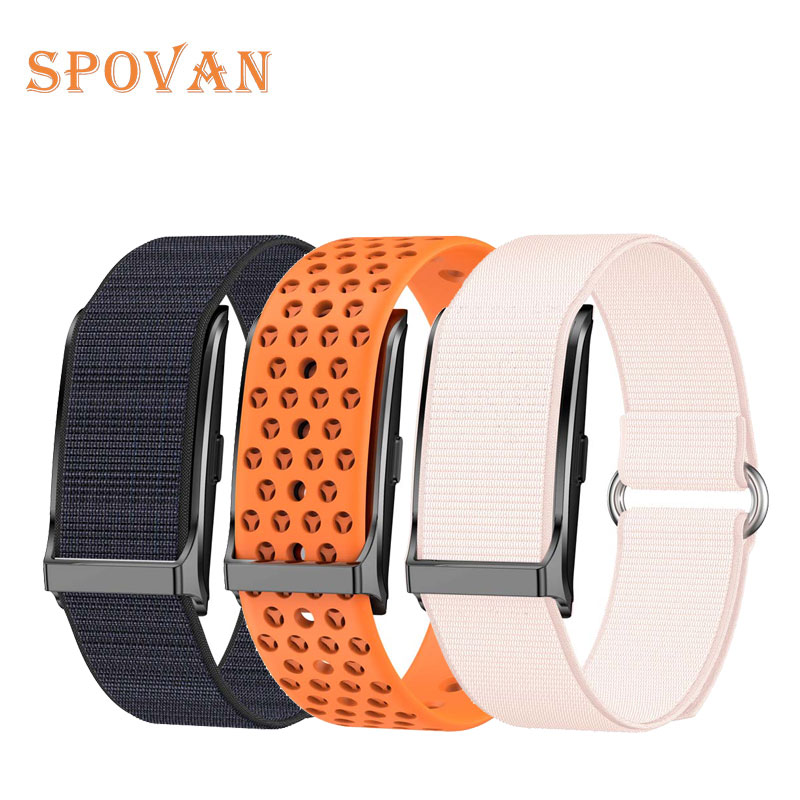
CE RoHS Screenless Health Monitor Smart Bracelet Custom Brand
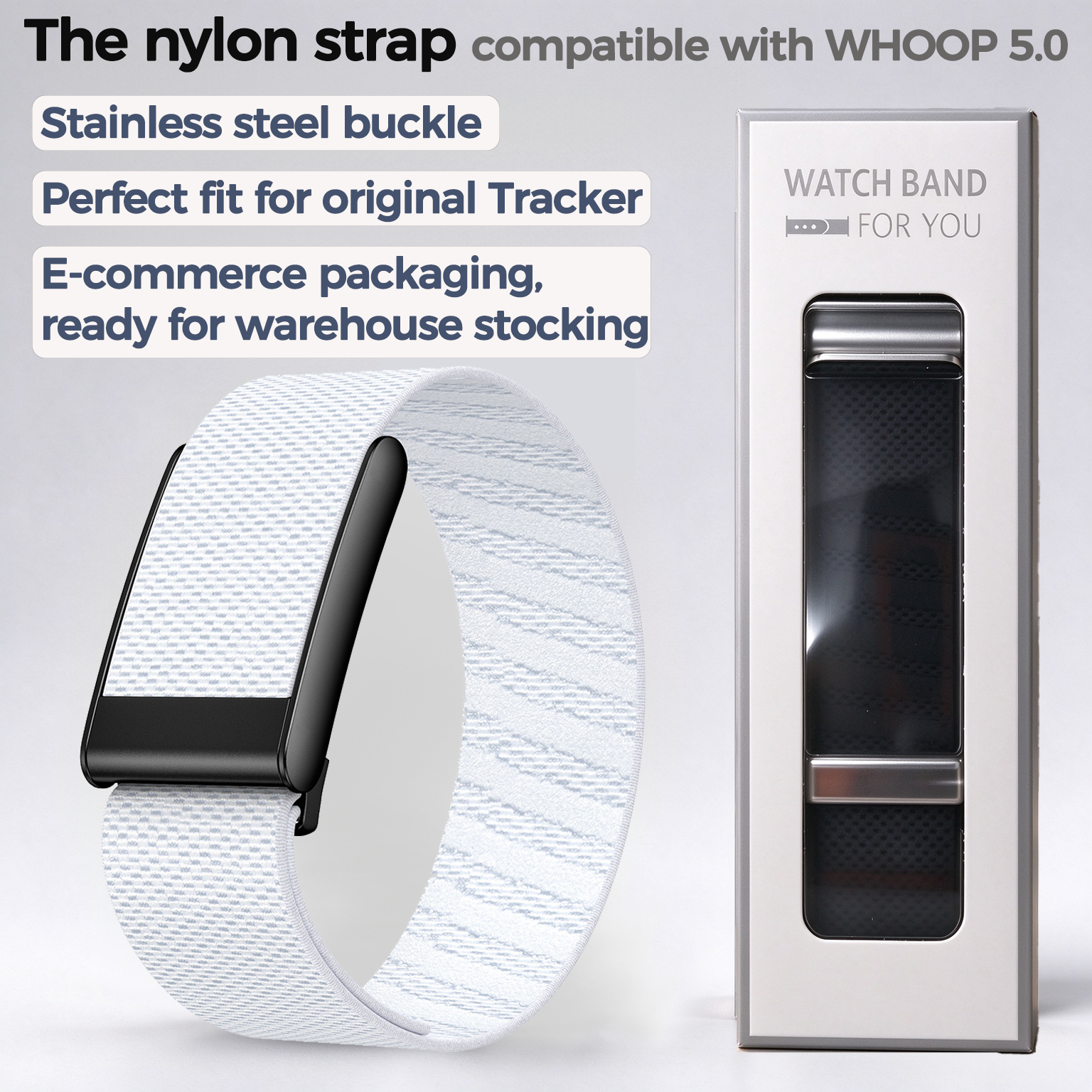
National Flag Pattern Jacquard Nylon Sport Strap Band Whoop 5.0
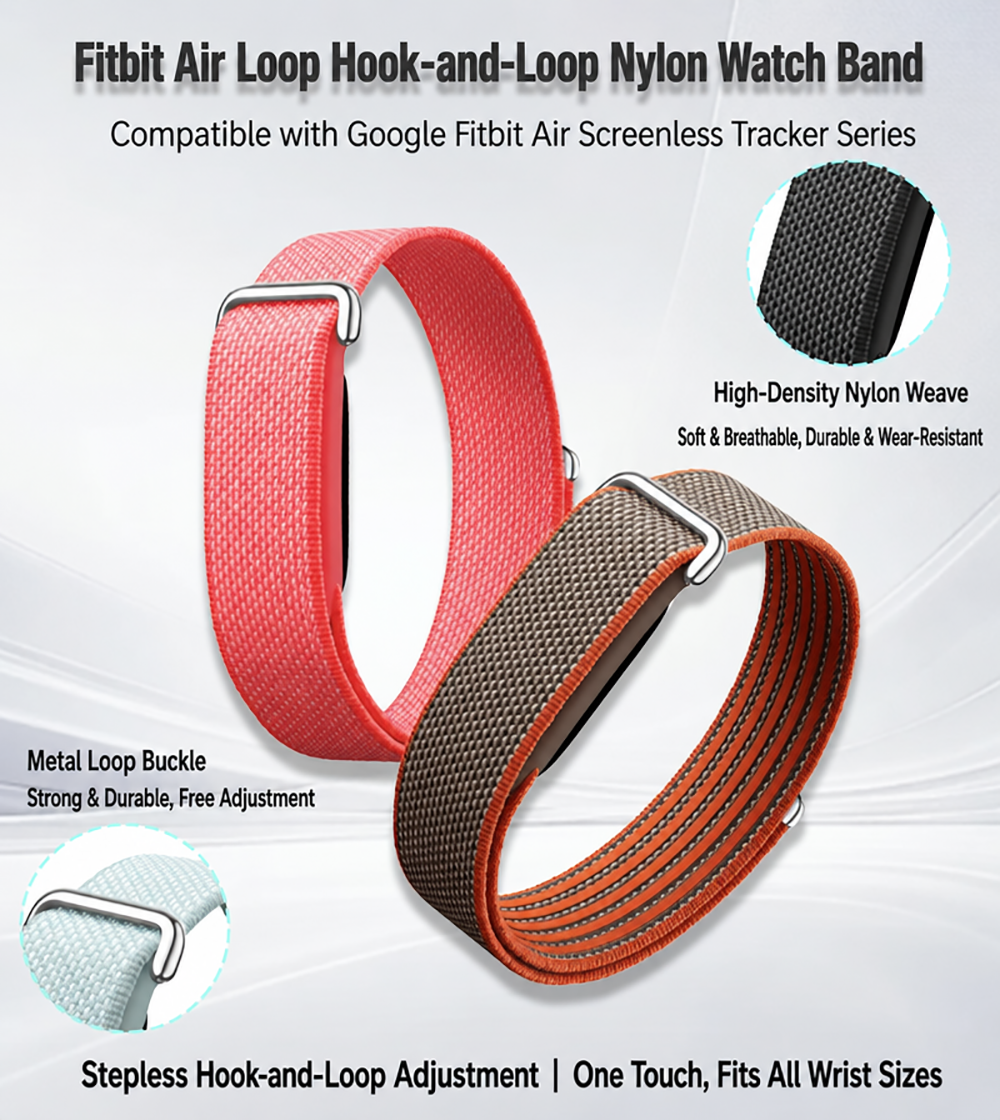
Nylon Sport Hume Band Replacement Strap Breathable Wrist Tracker
Engineering Principles of Wearable Lead-I ECG Biosensing
How modern Chinese biosensing manufacturers conquer skin-electrode impedance, ambient noise, and motion artifacts in ultra-compact wrist wearable form factors.
In consumer health technology, transitioning from reflective Photoplethysmography (PPG) to direct Electrocardiography (ECG) represents a quantum leap in clinical utility. While optical PPG sensors monitor blood volume fluctuations at the capillary bed via green or infrared LEDs, single-lead (Lead-I) ECG measures the depolarization of the myocardium. By establishing an electrical dipole vector across the human chest—from the dorsal wrist contact to a contralateral fingertip placed on an anterior electrode bezel—ECG smart bracelets record genuine electrophysiological potentials (P-Q-R-S-T waves).
Clinical-Grade Differentiation: While PPG provides surrogate calculations for heart rate and basic pulse variability, only microvolt-level biopotential ECG sampling allows algorithmic identification of cardiac arrhythmias, premature ventricular contractions (PVCs), and paroxysmal atrial fibrillation (AFib) with sensitivity thresholds exceeding 94%.
As premier original equipment manufacturers (OEM) and original design manufacturers (ODM) based in Shenzhen, China, our hardware design teams have systematically solved the three historical failure points of wearable biosensors:
Dry Titanium & Ag/AgCl Electrodes
Traditional wet gel electrodes are incompatible with daily wristbands. Our fabrication leverages proprietary powder metallurgy and PVD titanium carbonitride coatings to minimize dry-skin baseline contact impedance below 100 kΩ at 50 Hz, avoiding baseline wander.
High CMRR Analog Front-Ends
Our wrist architecture integrates specialized AFEs (such as the GH3220 and TI ADS129x series) delivering >100 dB Common-Mode Rejection Ratios (CMRR) and high-resolution 24-bit delta-sigma ADCs to isolate microvolt ECG signals amidst 50/60 Hz powerline interference.
Synchronous ECG + PPG Calibration
By computing the Pulse Transit Time (PTT)—the millisecond latency between ventricular electrical depolarization (ECG R-peak) and peripheral capillary pulse distention (PPG peak)—our firmware calculates continuous, cuffless systolic and diastolic blood pressure trend metrics.
B2B Hardware Specification & Platform Comparison
Technical matrix to assist procurement directors, system architects, and biomedical program managers in selecting optimal biosensing platforms.
| Architecture Type | Biosensing Chipset / AFE | Electrode Configuration | Sample Rate (SPS) | BLE Data Throughput | Standard Battery Cycle | Regulatory Readiness |
|---|---|---|---|---|---|---|
| Screenless ECG/HRV Band | GH3220 / Nordic nRF52840 | Dorsal dry Ti + Anterior Bezel | 250 Hz - 512 Hz | Raw biopotential hex stream | 10 - 14 Days (continuous) | ✓ CE / FCC / RoHS / MDR |
| ECG + AMOLED Smartwatch | VC8808 / Realtek RTL8762D | Side-button electrode + Base ring | 250 Hz | Filtered JSON packets + WAV | 5 - 7 Days (typical) | ✓ CE / FCC / TELEC |
| Multi-GNSS Rugged Watch | PixArt 8009 + AG3335 GNSS | Optical PPG + Contact Thermistor | 100 Hz (PPG dynamic) | NMEA / Health payload | 450 mAh / 15-20 Days | ✓ 3ATM / MIL-STD-810G |
| Screenless Basic Tracker | Goodix HX3605 PPG | Optical photodiode matrix | 25 Hz - 50 Hz | Compressed summary metrics | 20 - 30 Days | ✓ CE / RoHS / EPR |
Future Sourcing & Technological Trends (2025–2030)
Critical shifts in international supply chain dynamics, biosensing miniaturization, and software-as-a-medical-device (SaMD) convergence.
1. The Shift to Screenless Health Bands
Global telehealth programs, remote patient monitoring (RPM) vendors, and digital-detox lifestyle brands are migrating away from power-hungry screens. Screenless form factors eliminate distraction, extend lithium-polymer duty cycles to weeks rather than days, drastically lower bill-of-materials (BOM) costs, and optimize physical enclosure integrity for clinical compliance.
2. TinyML & Edge-AI Arrhythmia Screening
Next-generation bracelets will no longer rely solely on secondary cloud servers or companion smartphones to process waveform analysis. Integrating low-power ARM Cortex-M33 microcontrollers with dedicated Neural Processing Units (NPUs) enables real-time edge execution of convolutional neural networks for immediate atrial fibrillation, sinus tachycardia, and bradycardia classification.
3. Open SDKs as the Primary Sourcing Lever
Enterprise procurement teams are actively avoiding locked consumer ecosystems (e.g., Apple, Fitbit). Sourcing managers prioritize Chinese manufacturers offering open Bluetooth Low Energy (BLE) GATT profiles, native iOS/Android SDK wrappers, and webhook cloud APIs that enable seamless data ingestion into proprietary clinical electronic health records (EHR).
4. Strict EU MDR & FDA 510(k) Pre-Validation
Western import regulations are increasingly tightening around biometric claims. Sourcing trends highlight factories that furnish comprehensive IQ/OQ/PQ validation dossiers, electrical safety certifications (IEC 60601-1-2 EMC), and biocompatibility lab testing (ISO 10993 cytotoxicity and skin irritation) directly at the hardware engineering baseline.
5. Multi-Biometric Sensor Fusion
Future iterations will combine ECG with multi-spectral PPG (Green, Red, Infrared), Galvanic Skin Response (GSR/EDA for sympathetic stress monitoring), and precision skin temperature thermistors. This unified bio-sensor array delivers unprecedented telemetry on autonomic nervous system balance and recovery.
6. Sustainable & Modular Enclosures
Regulatory frameworks such as European EPR (Extended Producer Responsibility) in Germany and France require non-destructive battery replacement and halogen-free recyclable materials. Sourcing trends reward modular ultrasonic weld-free enclosures engineered with food-grade fluoroelastomers and recycled oceanic nylon webbing.
Shenzhen Honsys Technology: Precision Smart Wearable Manufacturing
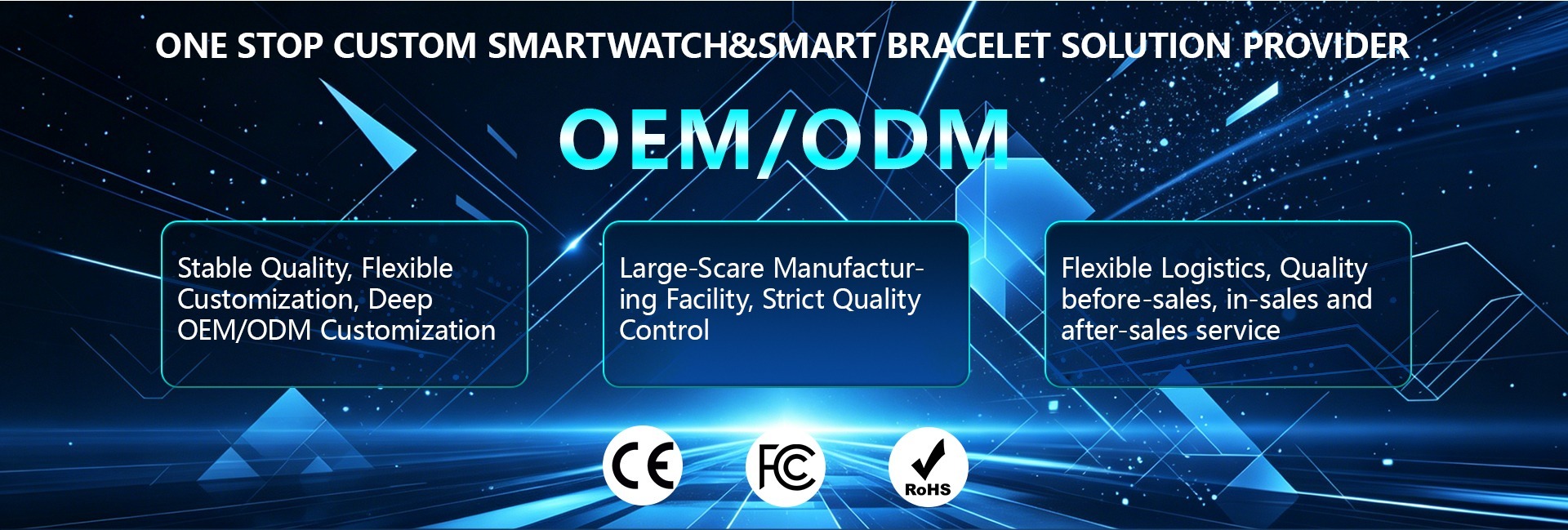
Established in 2010 and exporting cutting-edge electronic wearables since 2012, Shenzhen Honsys Technology Co., Ltd. stands as an audited leader in customized health wristbands, ECG smartwatches, rugged outdoor trackers, and AI wearables. Ranked as the #1 Best Seller in Smart Bracelets on international enterprise trade platforms, our facility couples rigorous biomedical engineering with scalable turnkey OEM/ODM manufacturing.
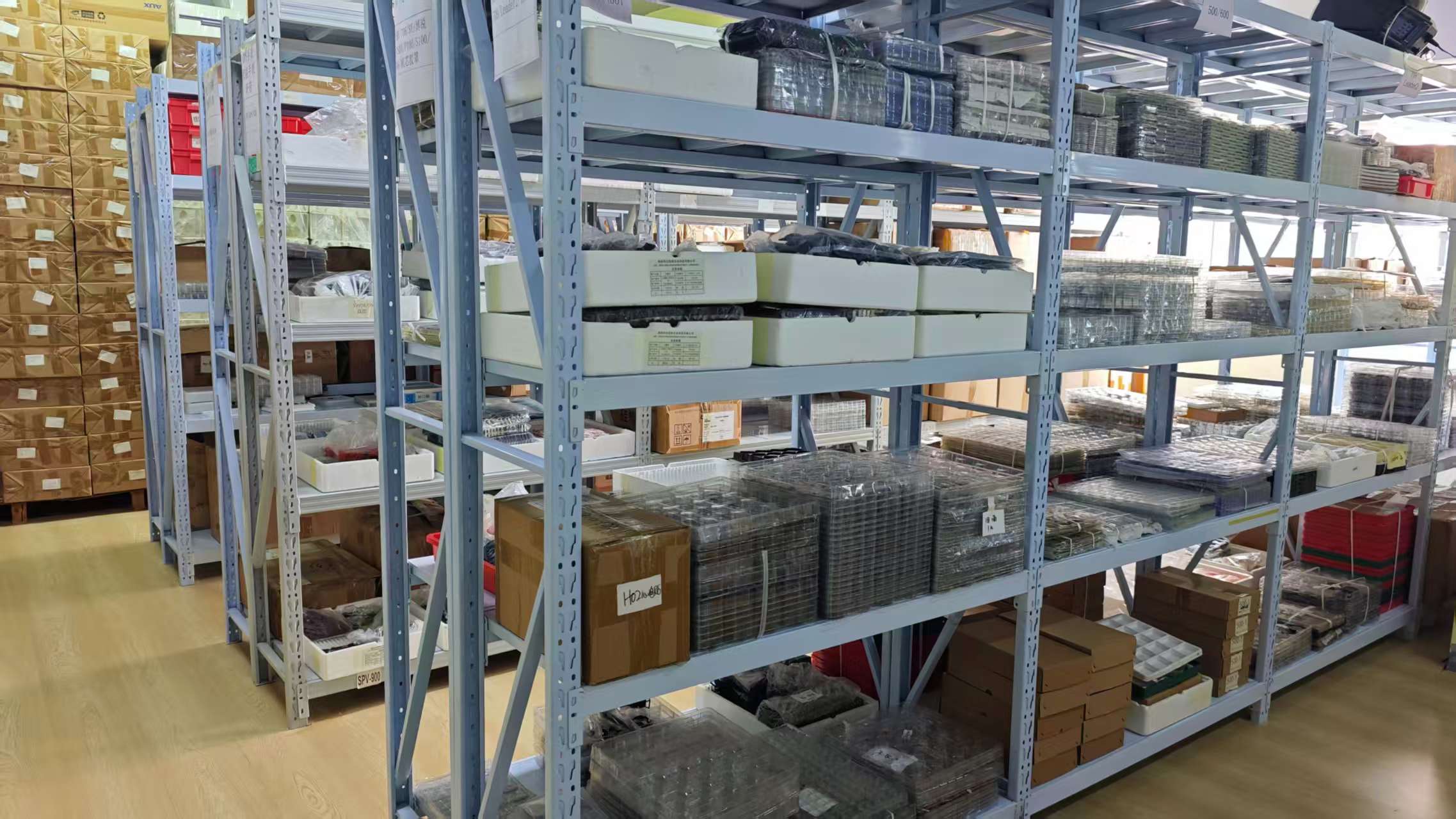
Our core technical advantage lies in providing fully open SDKs and APIs, empowering health-tech startups, clinical research organizations, and Fortune 500 insurers to deploy private-label hardware without architectural lock-in. Every batch produced in our Shenzhen facility undergoes a 7-stage quality gate—from incoming raw material IQC, automated SMT reflow, and ultrasonic bonding, to 100% pneumatic waterproof leakage testing and final algorithmic calibration.
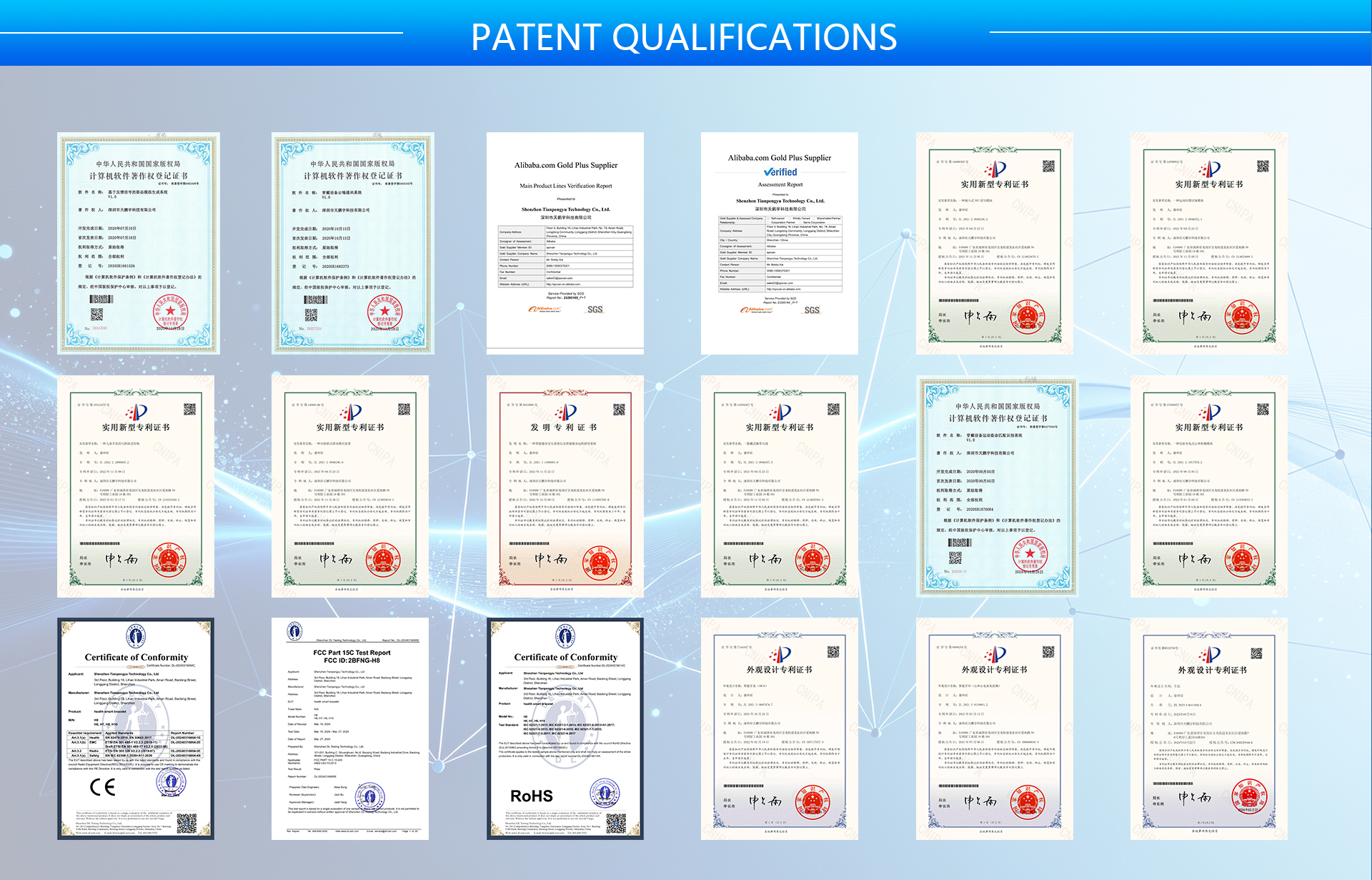
 SGS Audited Facility
 Verified Custom Manufacturer
Frequently Asked Questions for Sourcing Directors
Technical, regulatory, and logistics clarifications addressing real-world international supply chain requirements.
1. What are the essential differences between medical-grade ECG and consumer-grade wellness trackers?
2. How do you furnish open SDKs and raw data streaming for proprietary health platforms?
3. What is the typical MOQ for custom private label branding versus full tooling ODM?
4. How is baseline waterproofing verified on smart bands with exposed metallic ECG electrodes?
5. What are the lead times for mass production and FOB port procedures?
6. What quality assurance and RMA warranty policies govern global shipments?
Accelerate Your Wearable Hardware Program
Whether deploying a remote cardiac monitoring network, integrating health telemetry into enterprise insurance apps, or launching a premium private-label fitness tracker—our Shenzhen engineering team provides direct technical assistance.