Flagship AMOLED Smartwatches & Specialized Health Bands
Direct from Shenzhen Honsys Technology assembly lines: precision-engineered wristwear configured for retail distribution, corporate wellness platforms, and sports electronics brands.
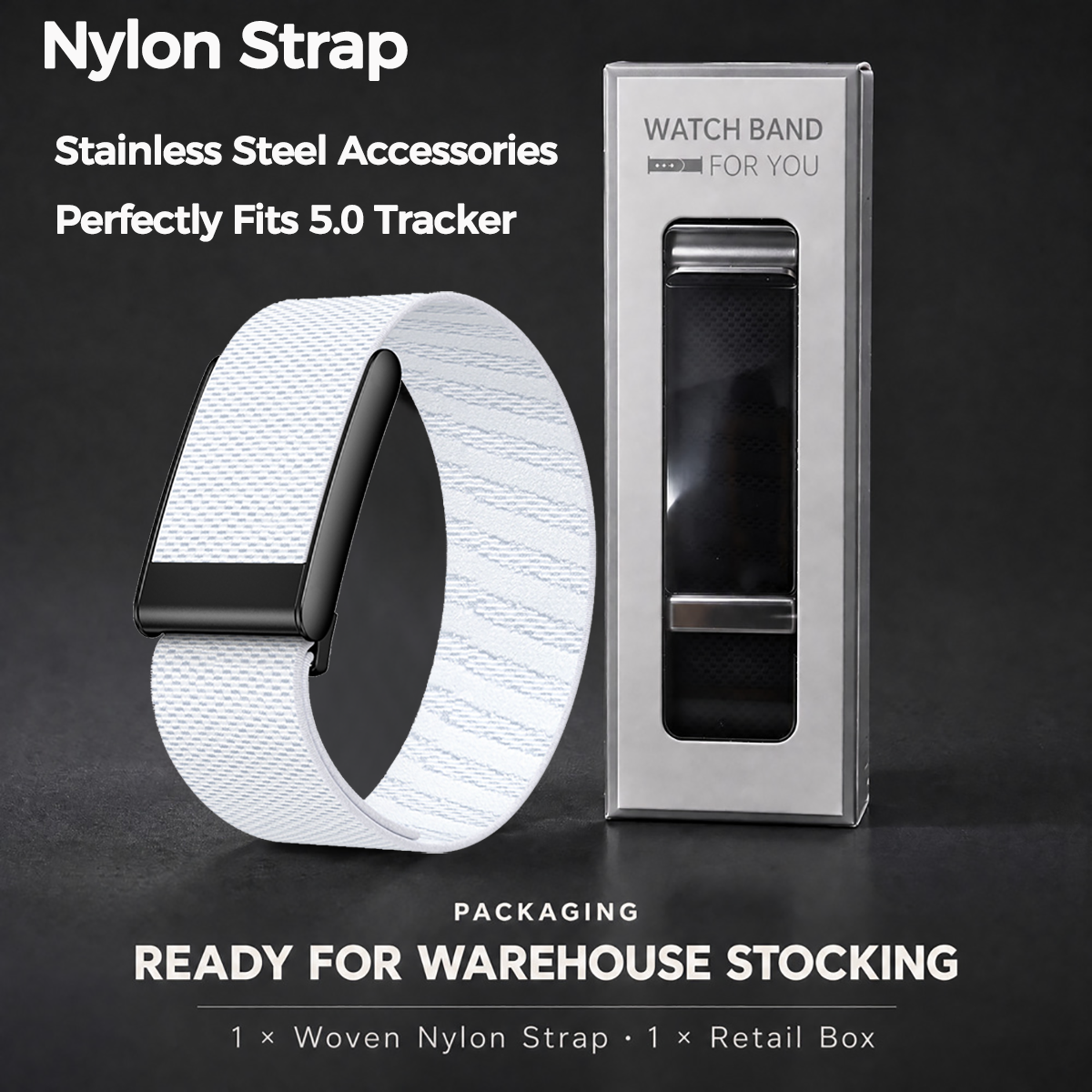
Sweat-Resistant Breathable Nylon 23mm Loop Strap Whoop 5.0 Adjustable Elastic Anti-Slip Replacement Band Fitness Tracker OEM ODM
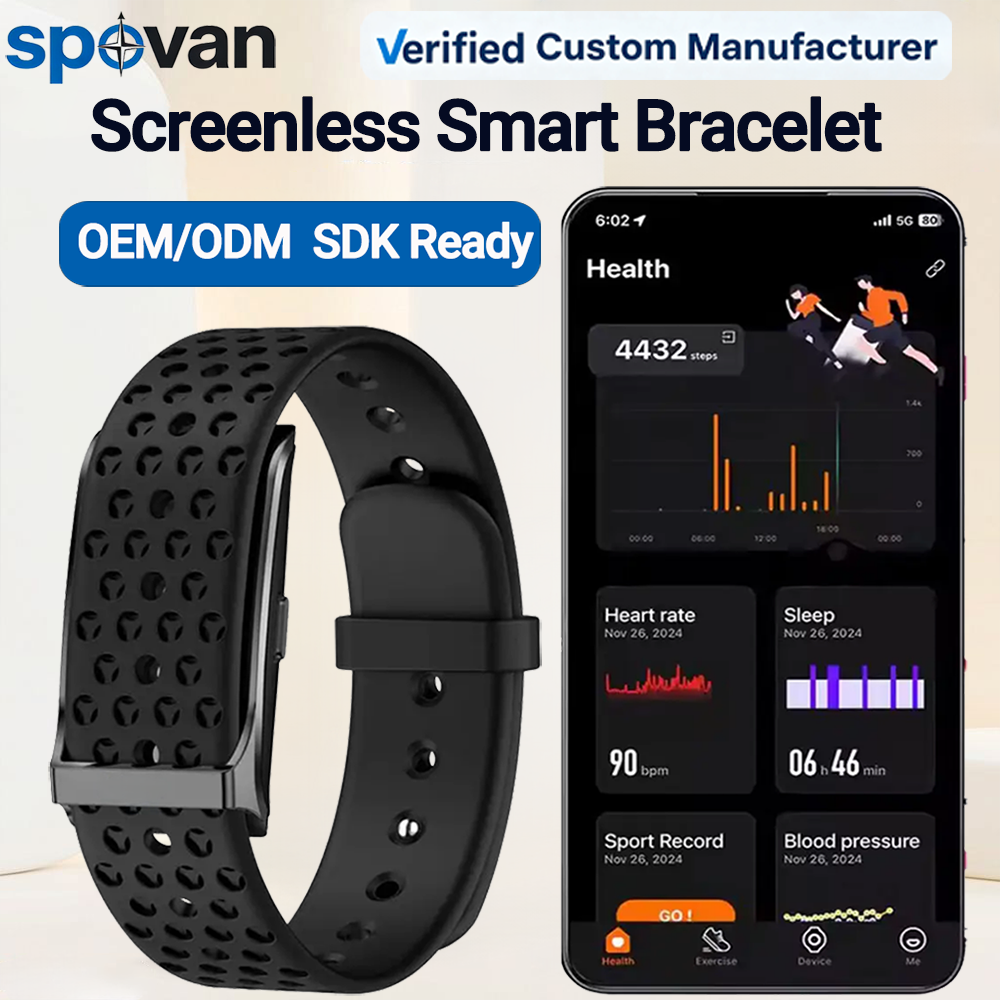
Health Tracker Pedometer Heart Rate Vibration Alert Sport Android IOS Compatible IP68 Waterproof No-screen Smart Bracelet Band
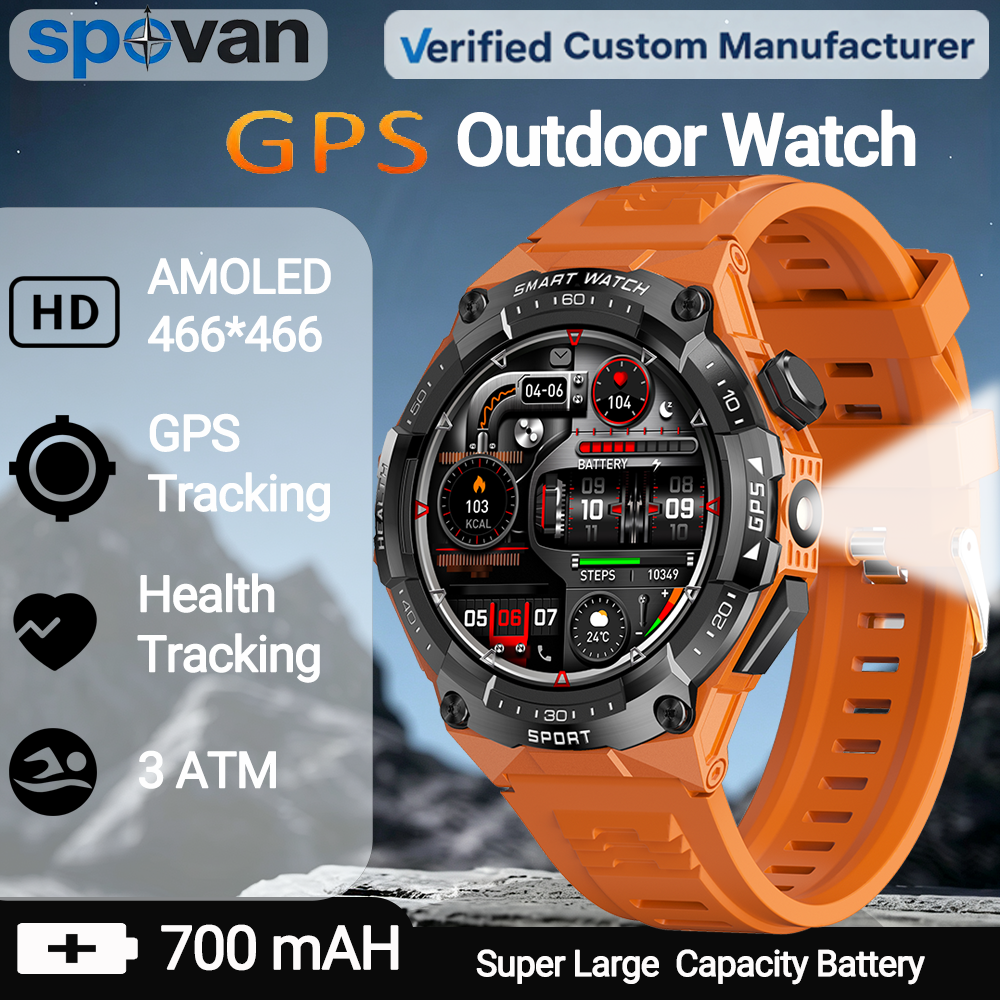
Custom GPS Smart Watch 1.43" AMOLED Display 7-10 Days Long Battery 3ATM Waterproof Activity Rugget Sport Watch for Men with SDK
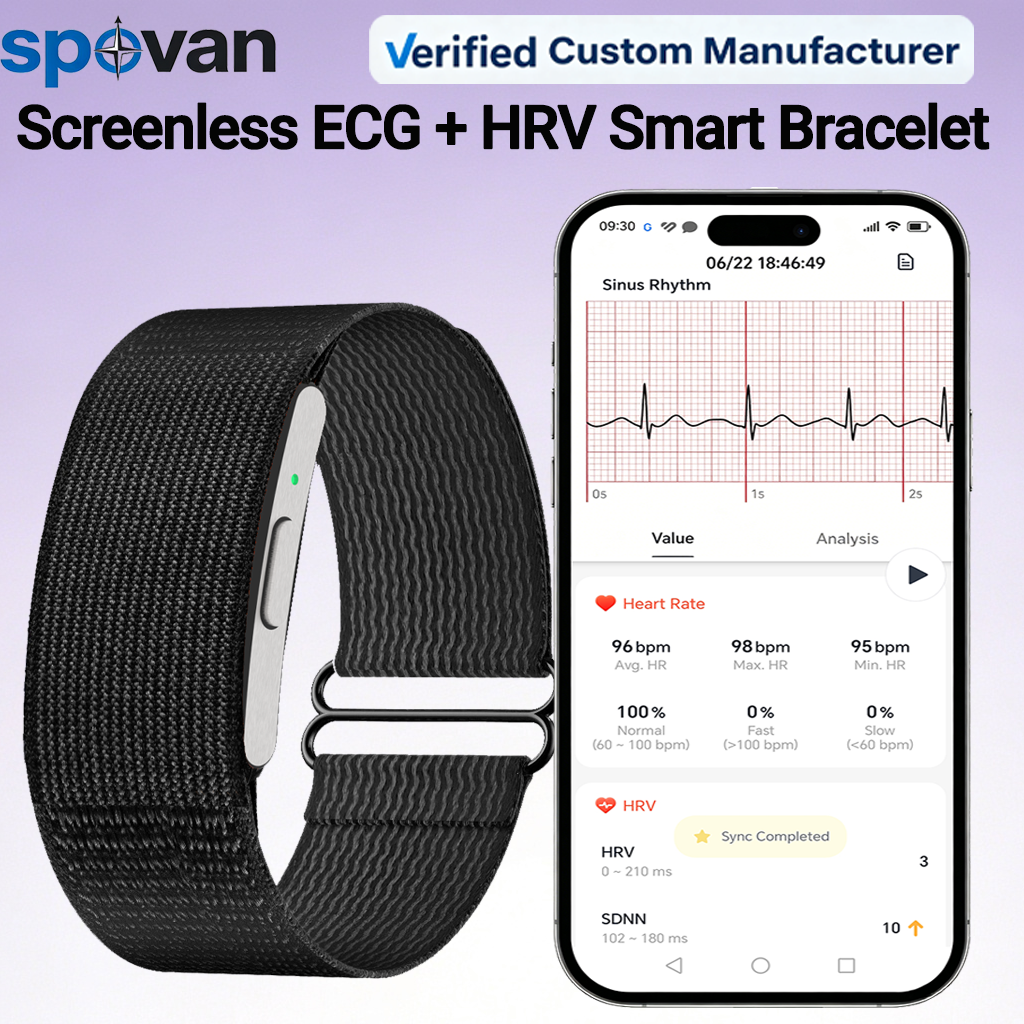
No Display ECG HRV Pedometer Health Monitor Fitness Band IP68 Waterproof Custom Smart Bracelet Fitness tracker with Open SDK
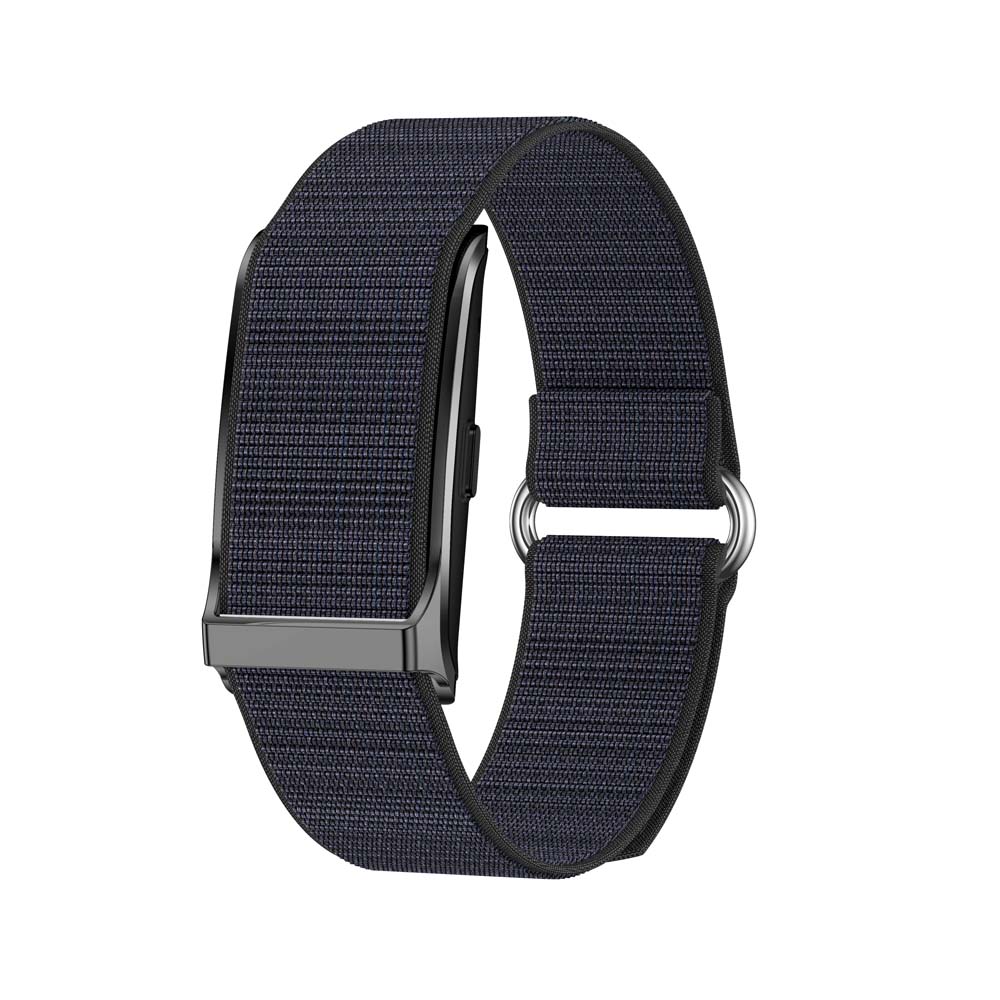
Wholesale Fashion Waterproof Fitness Tracker HRV Intelligent Screenless Smart Band for Men Women
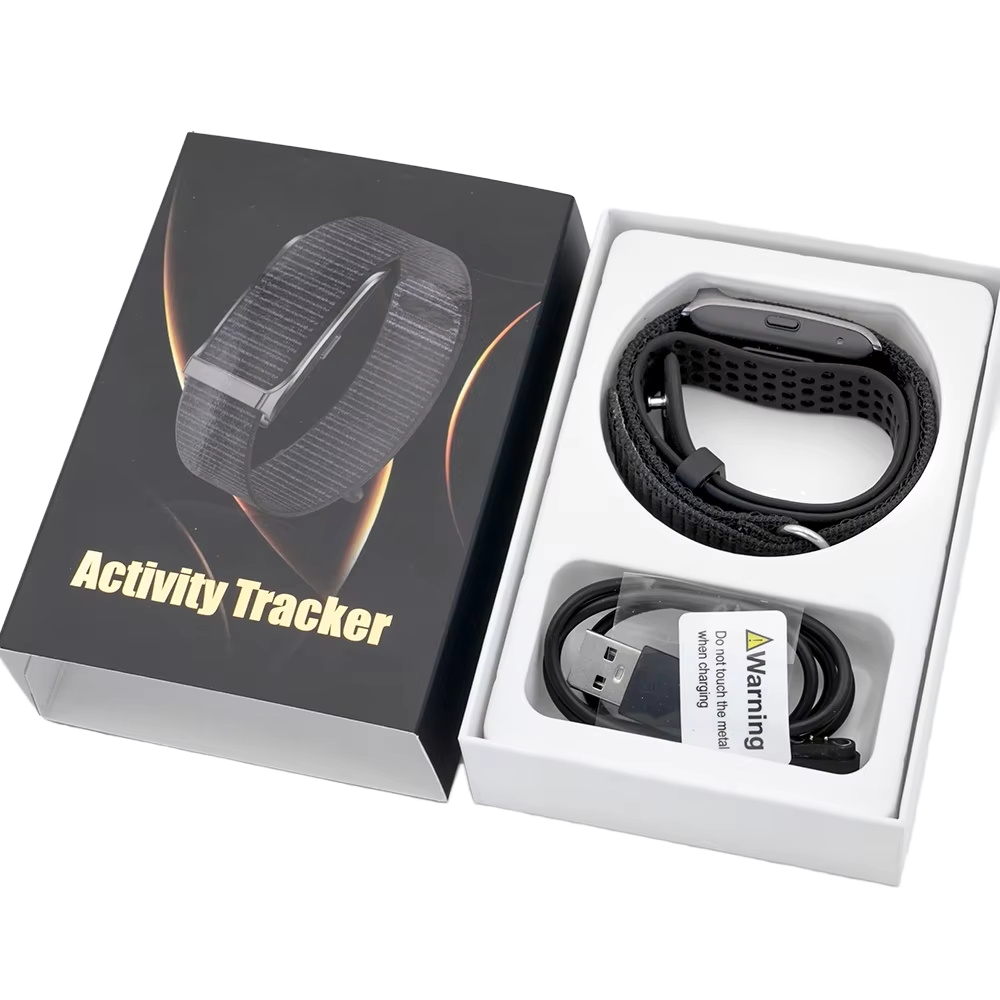
H59 Android Smart Health Wristband IP68 Waterproof Fitness Tracker Unisex Screenless Sports Heart Rate Monitor Smart Bracelet
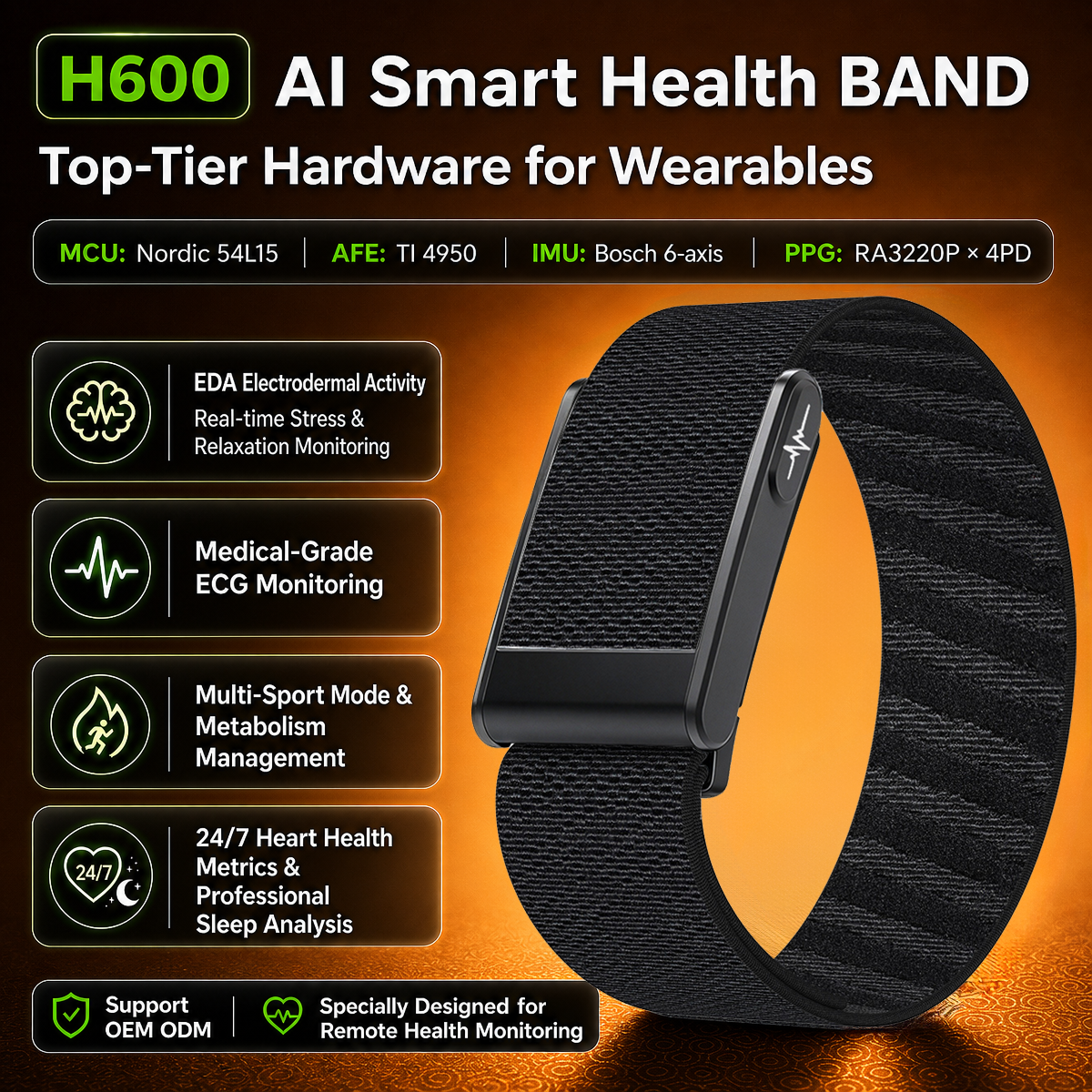
ECG HRV Sensor Screenless Smart Wristband Health Tracker Fitness Bracelet Wearable Sports Daily Monitor OEM ODM Custom Factory
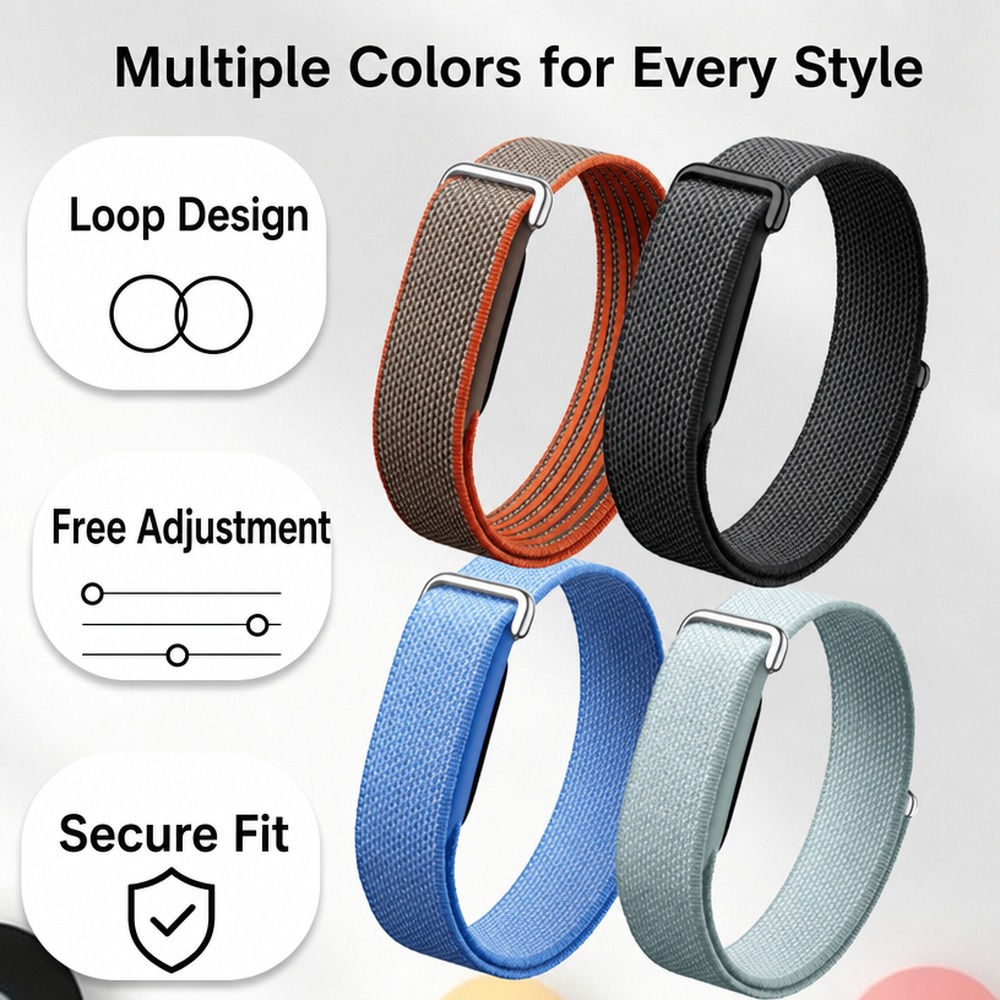
Nylon Sport Hume Band Replacement Strap for Women & Men Breathable Starlight Sea Shell Design Adjustable Hook and Loop Buckle
Technical Architecture of Modern AMOLED Smartwatches: An Engineering Sourcing Audit
In B2B consumer electronics procurement, understanding the architectural differentiation between standard backlit TFT/IPS liquid-crystal panels and self-luminous Active-Matrix Organic Light Emitting Diode (AMOLED) displays is critical for margin protection and product positioning. AMOLED displays eliminate the bulky LED backlight unit (BLU), achieving individual sub-pixel illumination that delivers theoretically infinite contrast ratios (>100,000:1) and true black depths (0.0005 nits). For brand owners, this technical reality translates directly to superior battery efficiency when rendering UI elements with dark UI themes or running Always-On Display (AOD) ambient watch faces.
When auditing top China smartwatch manufacturers, international procurement teams must scrutinize the interaction between the Display Driver Integrated Circuit (DDIC), the microcontroller unit (MCU), and the power management system. Traditional smartwatches required discrete graphic processing units (GPUs) and extensive external DRAM to drive 466×466 circular displays, leading to prohibitive thermal output and unacceptable quiescent currents. Modern tier-one Chinese factories integrate ultra-low-power dual-core architectures—such as the Realtek RTL8763EW, JL7012, or Ambiq Apollo4 series—which pair a dedicated 2.5D GPU core with low-leakage ARM Cortex-M4/M33 cores. This allows smooth 60 Hz frame rates, vector font anti-aliasing, and sub-second touch responsiveness while maintaining an average dynamic operating current under 12 mA.
Sensor Fusion & Signal-to-Noise Ratio (SNR) Optimization
Display performance must be matched by biometric sensing integrity. A premium AMOLED smartwatch cannot rely on uncalibrated consumer-grade photodiodes. Leading manufacturing facilities utilize multi-channel photoplethysmography (PPG) sensor arrays incorporating dual green LEDs (525 nm) for continuous dynamic heart rate tracking during vigorous motion, accompanied by red (660 nm) and infrared (940 nm) optical emitters for peripheral capillary oxygen saturation (SpO2) and vascular elasticity analysis. Furthermore, high-end variants integrate medical-grade titanium or stainless-steel electrode contact pads connected to high-impedance Analog Front-End (AFE) silicon (such as the TI ADS1291 or Goodix GH3220), capturing clean single-lead Electrocardiogram (ECG) data free from 50/60 Hz mains interference through algorithmic baseline wander filtration.
Key Procurement Trends Reshaping China's Smart Wearable Supply Chain
Strategic market analysis for category managers, consumer brand directors, and healthcare technology integrators seeking sustainable competitive advantages.
High-Brightness On-Cell AMOLED (1200+ Nits)
Consumer expectations demand pristine readability under direct midday solar glare. Procurement contracts are shifting rapidly from traditional 500-nit in-cell panels to next-generation On-Cell AMOLED arrays boasting peak luminance thresholds between 1000 and 1500 nits. Coupled with ambient light sensor (ALS) automatic stepping algorithms, this preserves the vital 7-10 day operational envelope without compromising outdoor visual clarity.
Dual-Frequency All-Constellation GNSS
Outdoor rugged athletic smartwatches are abandoning single-band GPS. Factory supply chains now incorporate integrated multi-constellation RF chipsets supporting GPS L1/L5, GLONASS, Galileo E1/E5a, and BeiDou B1I/B2a. By mitigating multipath signal errors caused by dense urban canyons and dense tree canopy attenuation, procurement teams can guarantee enterprise buyers track accuracy margins under 1.8 meters.
Open Architecture SDK & Biometric API Decoupling
Proprietary closed-garden white-label applications (e.g., standard generic consumer apps) are being actively superseded by open SDK and RESTful API frameworks. Health insurers, clinical trial organizers, and corporate wellness platforms require direct Bluetooth Low Energy (BLE) peripheral UUID access to harvest raw R-R intervals, raw photodiode microvoltage data, and tri-axial accelerometer vectors for remote cloud-based diagnostic computation.
Technological & Regulatory Evolution in Global Wearable Sourcing
The global wearable landscape is undergoing an aggressive convergence of clinical biometric monitoring, advanced micro-mechanics, and increasingly stringent international regulatory scrutiny. Importers in the European Union and North America must navigate regulatory pivots including the EU Cyber Resilience Act (CRA), EN 303 645 cybersecurity standards for consumer IoT, and the European Accessibility Act (EAA). In China's top tier manufacturing clusters, compliant factories have transitioned from basic contract assembly to comprehensive system-level firmware hardening, implementing encrypted over-the-air (OTA) dual-bank bootloaders, hardware root-of-trust (RoT) keys, and secure Bluetooth pairing protocols.
Simultaneously, mechanical engineering specifications have reached unprecedented thresholds. The deployment of 3D curved sapphire crystal or Corning Gorilla Glass lenses bonded directly to CNC-machined aerospace-grade titanium (Grade 2/Grade 5) or lightweight 316L stainless steel bezels allows China suppliers to deliver verified 3ATM and 5ATM water resistance ratings compliant with ISO 22810 standards. Advanced multi-stage liquid silicone rubber (LSR) injection molding and fluororubber (FKM) vulcanization ensure that device enclosures withstand chemical degradation from human sweat, chlorinated pool water, and cosmetic lotions over multi-year usage lifecycles.
AMOLED vs. TFT Smartwatch Sourcing Benchmarks
Cross-reference hardware parameters before finalizing Request for Quotation (RFQ) documentation with Shenzhen manufacturing partners.
| Hardware Parameter | Standard TFT / LCD Watch | Tier-1 On-Cell AMOLED Watch | Honsys Engineering Standard | Procurement Impact |
|---|---|---|---|---|
| Display Resolution | 240×284 / 320×385 (RGB) | 466×466 / 410×502 (Retina) | 1.43" 466×466 / 1.56" AMOLED | Superior UI Fidelity |
| Static Contrast Ratio | 1,000:1 to 1,500:1 | 100,000:1 (Absolute True Black) | Infinite Contrast (Indiv. Pixels) | High Brand Perception |
| Always-On Display (AOD) | Unsupported (Drains battery in 8h) | Native Sub-milliamp AOD Mode | Hardware-level low-Hz AOD | True Horology Feel |
| Peak Luminance | 350 – 450 Nits | 800 – 1200 Nits | 1000 Nits Sunlight-Readable | High Outdoor Usability |
| Biometric Array | Single-channel standard PPG | Dual/Quad PPG + Multi-wavelength | PPG (HR/SpO2/HRV) + Optional ECG | Clinical-Grade Reference |
| Water Resistance Test | Basic IP67 static splash check | IP68 pneumatic chamber test | 100% In-line 3ATM/5ATM Vacuum Leak | Zero Field Returns |
| SDK & Raw Data Access | Closed proprietary BLE stack | Restricted commercial API | Full Open SDK / BLE UUID API | Custom App Friendly |
Why Global Brands Consolidate Procurement with Shenzhen Honsys
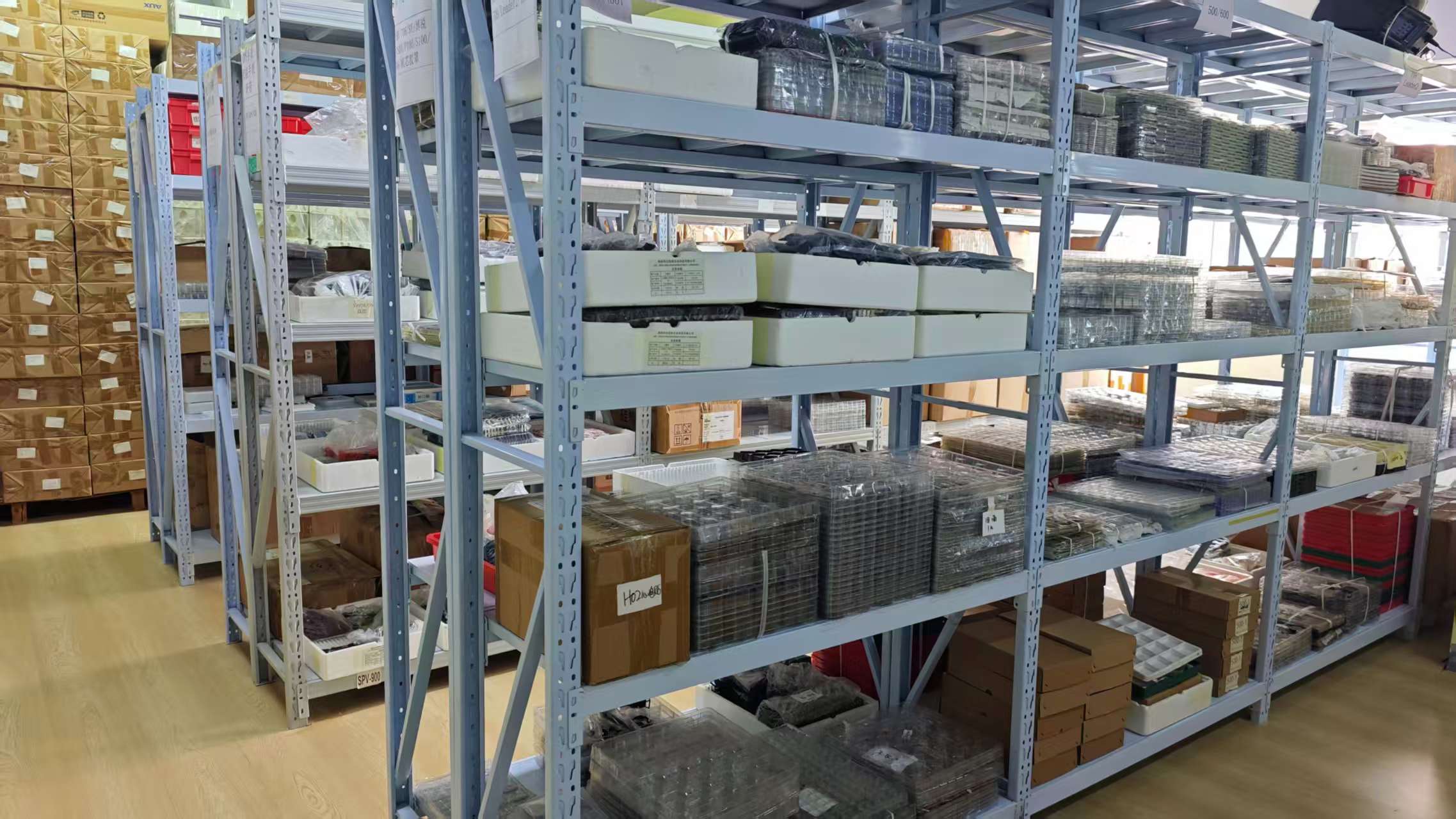
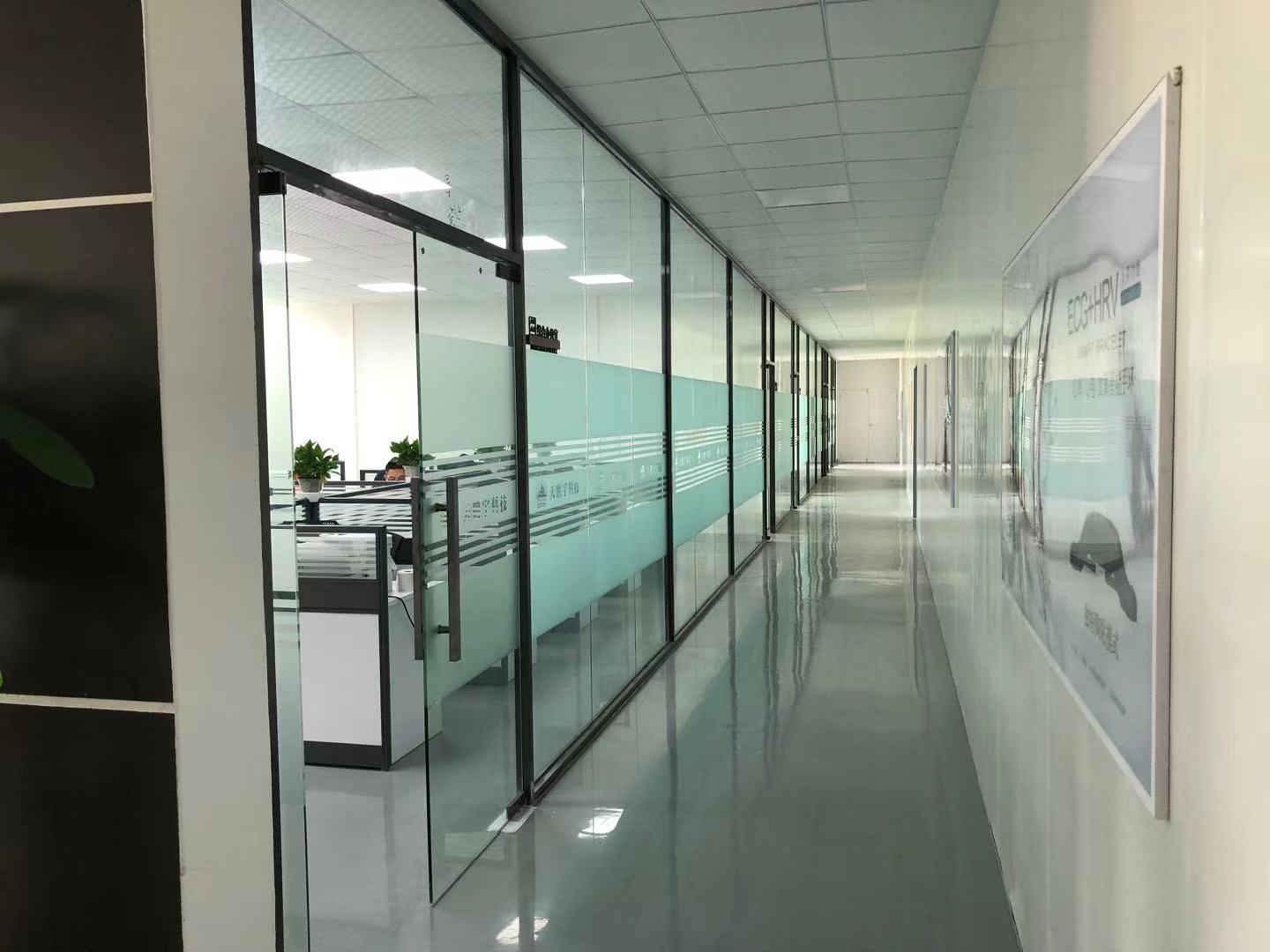
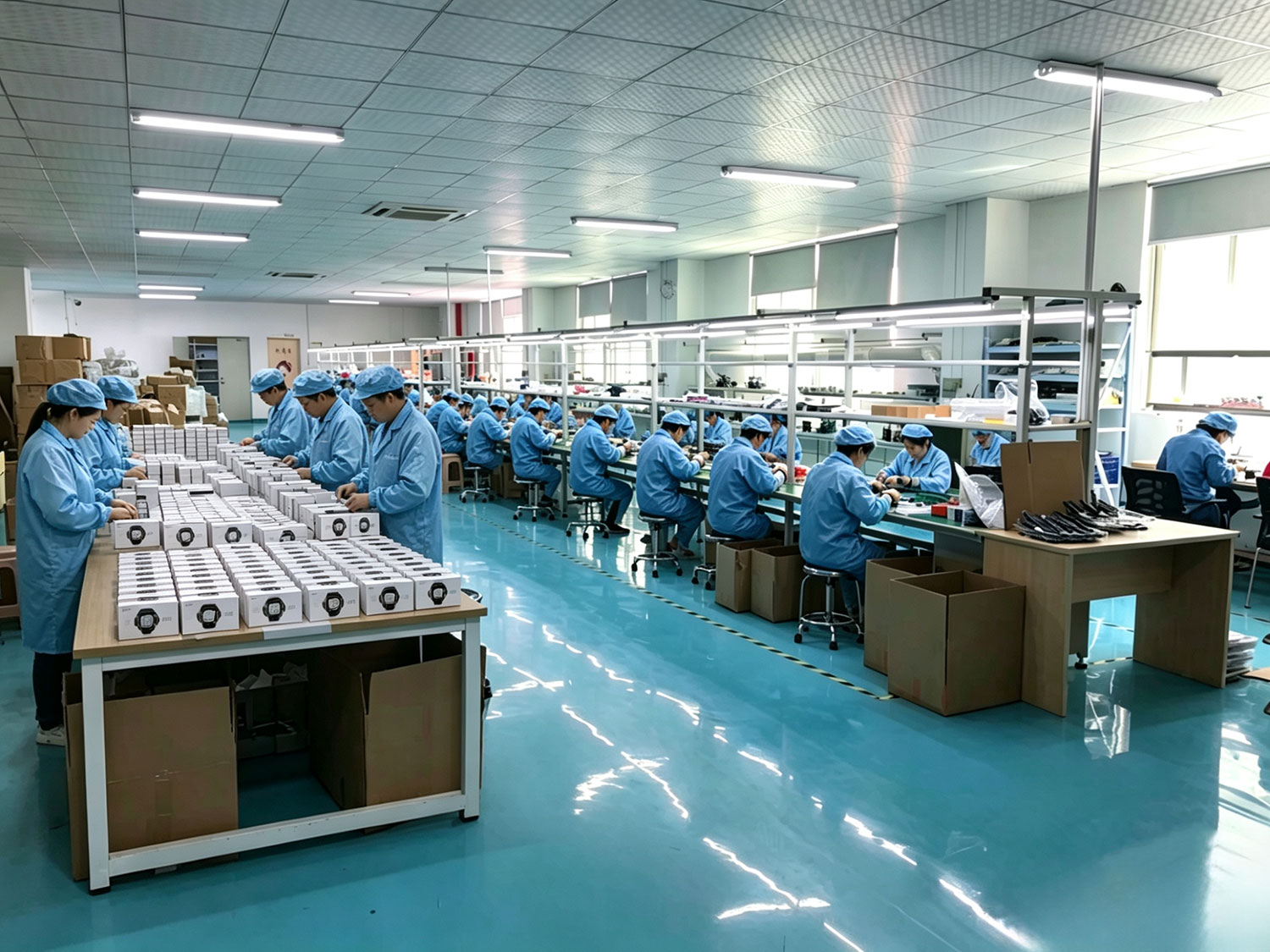
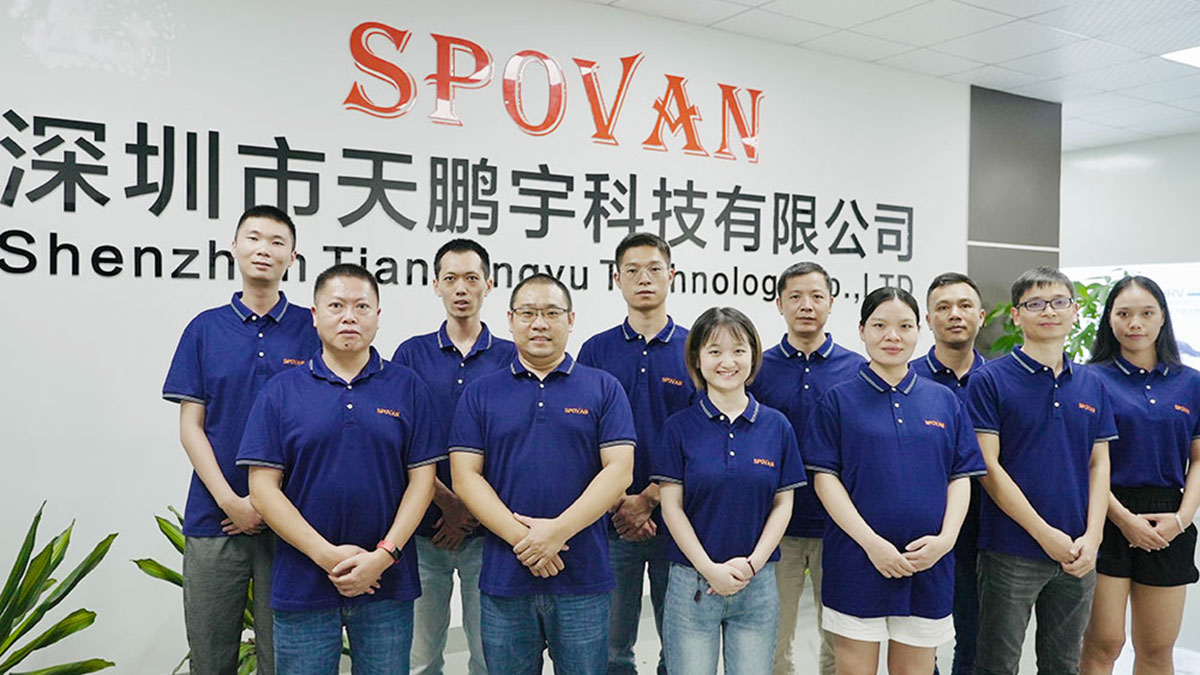
Established in 2010 and certified on-site by SGS Group, Shenzhen Honsys Technology Co., Ltd. combines specialized precision electronics tooling, automated SMT surface mounting, and comprehensive firmware engineering.
Full Compliance Architecture
Every platform shipped meets FCC (Title 47 CFR Part 15), CE (RED Directive 2014/53/EU), and RoHS (2011/65/EU) standards. We hold active Extended Producer Responsibility (EPR) registrations for Germany and France, ensuring friction-free customs clearance and compliance on major e-commerce marketplaces.
Rigorous In-Line Quality Control
We enforce multi-stage Quality Assurance: Incoming Quality Control (IQC) on raw AMOLED glass, lithium-polymer cells, and sensor chipsets; In-Process QC during ultrasonic plastic welding, SMT soldering, and robotic dispensing; culminating in 100% pneumatic pressure leak testing and continuous 48-hour burn-in aging.
Agile OEM & ODM Customization
Whether configuring tailored housing laser-engraving, Pantone-matched strap molding, bespoke multilingual bootloader screens, or custom companion app compilation on iOS and Google Play, our engineering staff facilitates initial pilot batches with fast lead times (~30 days for bulk production).
Frequently Asked Questions for Sourcing Directors
Detailed answers prepared by senior sales and technical engineers addressing commercial terms, hardware validation, and customization parameters.