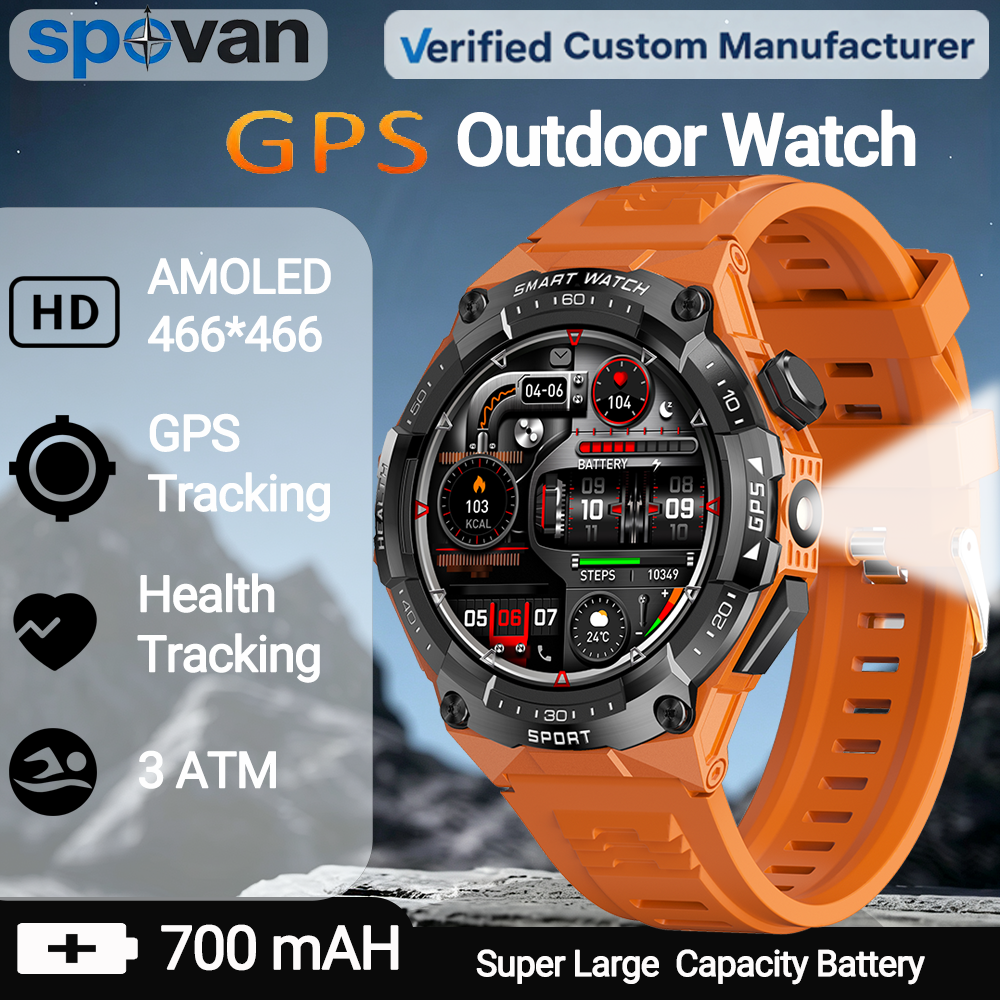
Featured OEM/ODM Hardware
Flagship Smart Wearables & Activity Tracking Ecosystem
Direct from our Shenzhen ISO-compliant manufacturing facility. Full hardware customization, firmware flashing, and proprietary API integration available across all models.
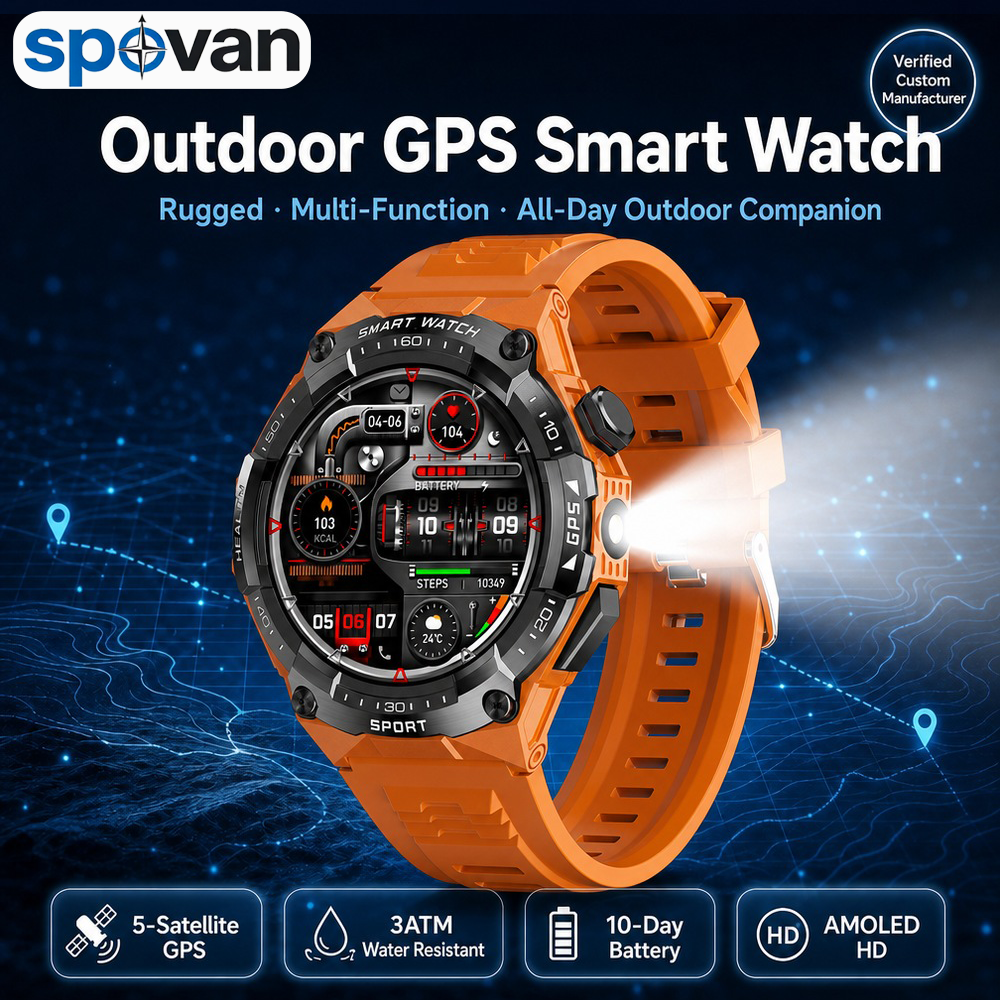
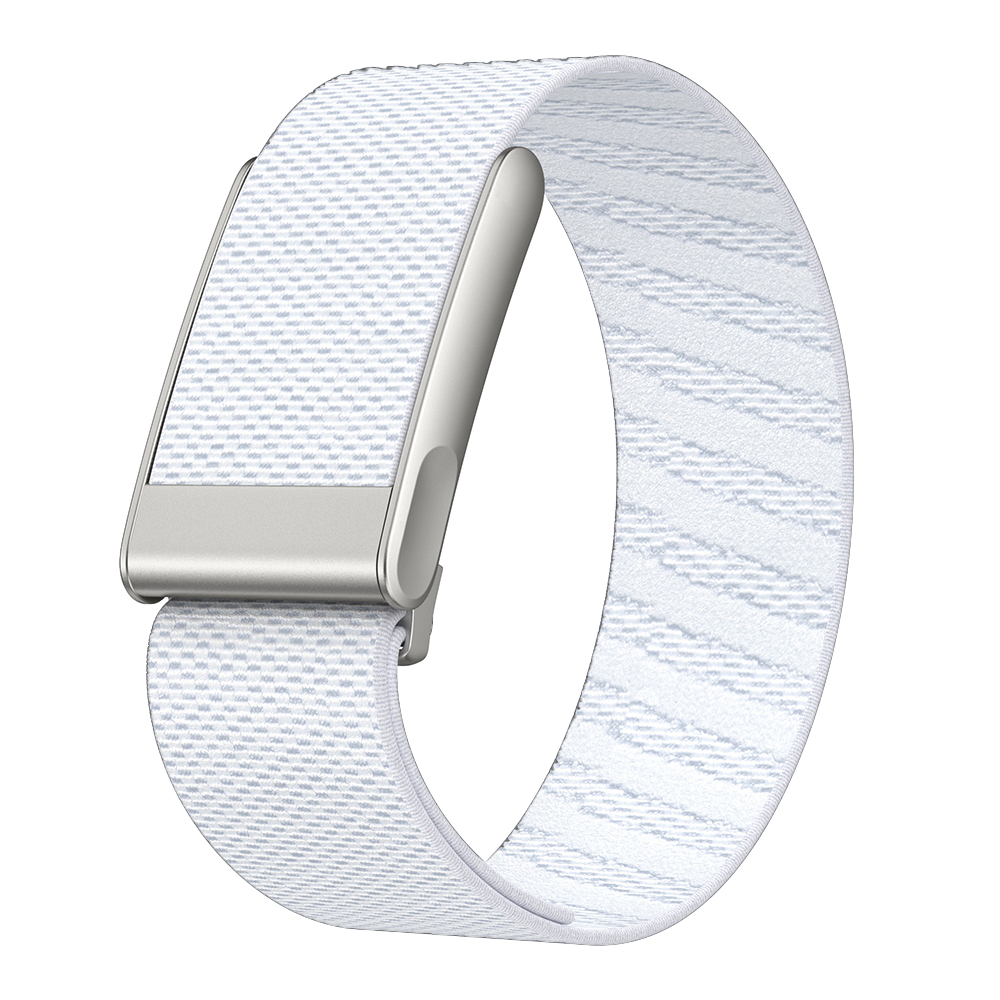
2010
Shenzhen Factory Established
100%
Acoustic & Leakage Tested
~30 Days
Mass Production Lead Time
SGS Audited
FCC, CE, RoHS, EPR Certified
Enterprise Engineering Advantages: Why Tier-1 Brands Source from Honsys
Operating out of Shenzhen's high-tech manufacturing corridor since 2010, Shenzhen Honsys Technology Co., Ltd. has evolved from a precision micro-electronics assembly house into an integrated OEM/ODM powerhouse for intelligent wearables. Exporting globally since 2012, our facilities bridge the critical gap between conceptual electronic design, RF tuning, acoustic encapsulation, and enterprise cloud integration. While generic assembly workshops rely on commoditized turn-key boards with locked vendor firmware, Honsys controls the underlying hardware abstraction layer, allowing international clients to deploy custom algorithms, bespoke UI/UX frameworks, and sovereign data routing.
Our manufacturing facility has been verified on-site by SGS Group, confirming our end-to-end industrial capability spanning high-precision Surface Mount Technology (SMT), automated optical inspection (AOI), ultrasonic plastic welding, automated precision gluing, and dual-phase waterproof pressure decay testing. We maintain complete regulatory compliance profiles across international jurisdictions, providing validated declarations of conformity for CE (RED), FCC Part 15C, RoHS Directive 2011/65/EU, and extended producer responsibility (EPR) registration credentials across key European markets including Germany (LUCID) and France (ADEME).
Open SDK & Raw Data Pipelines
We provide full BLE protocol documentation, iOS CocoaPods, and Android Maven dependencies. Access raw photoplethysmography (PPG) waveform vectors, R-R intervals, and 3-axis accelerometer tensors directly into private health clouds without vendor lock-in.
Dual-Mode Bluetooth Acoustic Architecture
Advanced integration of ultra-low-power BLE 5.3/5.4 single-chip SoCs combining Classic Audio hands-free profiles (HFP 1.8) and low-energy telemetry. Engineered with acoustic back-cavity damping and Knowles MEMS microphones for crystal-clear call intelligibility.
Zero-Defect Quality Assurance (1-Year Warranty)
Every single manufactured unit undergoes 100% functional testing, vacuum negative-pressure leak detection, battery charge/discharge curve cycling, and RF chamber antenna attenuation screening before export packing and dispatch.
Bluetooth Calling Smartwatch Hardware Evolution: Single-SoC vs. Dual-Chip Architectures
The engineering landscape of Bluetooth calling smart wearables has undergone a paradigm shift. Historically, B2B procurement was dominated by dual-chip layouts where an energy-efficient MCU handled sensor aggregation and GUI rendering, while an auxiliary Bluetooth audio processor was powered up solely for telephonic handshakes. This topology suffered from severe quiescent current drains, high PCB BOM surface area consumption, and erratic switching latencies.
Modern high-performance smartwatch designs deployed at Honsys leverage advanced 22nm and 28nm single-chip integrated platforms (such as Realtek RTL8763E, Actions ATS3085L, and JL 7012 series). These single-SoC solutions integrate dual-core architectures—a dedicated DSP for acoustic processing and echo cancellation alongside an ARM Cortex-M architecture dedicated to graphics display pipeline management and sensor fusion algorithms.
| Evaluation Parameter | Legacy Dual-Chip Architecture (2020-2022) | Modern Single-SoC Platform (Honsys 2025/2026 Spec) | Procurement Impact for Global Brands |
|---|---|---|---|
| Power Consumption (Active Call) | 28mA – 45mA @ 3.8V | 9.5mA – 13.5mA @ 3.8V | Triples operational call duration; prevents premature field battery exhaustion. |
| Acoustic Processing & Latency | External analog audio routing; delay >120ms | Integrated hardware DSP; acoustic latency <35ms | Eliminates acoustic echo and microphonic feedback during high-volume speakerphone calls. |
| Ingress Protection Capability | Difficult acoustic porting; predominantly IP67 | Internal silicone gasket sealing; True IP68 / 3ATM | Enables continuous swimming and high-humidity outdoor sporting applications without diaphragm rupture. |
| RF & Antenna Design | Co-existence interference between dual radios | Shared single-feed LDS (Laser Direct Structuring) | Maintains omnidirectional link margin without wrist phantom detuning or SAR margin breaches. |
| Firmware Footprint & SDK | Fragmented flash mapping; difficult OTA updates | Unified memory space; monolithic differential FOTA | Streamlines continuous remote feature deployment and enterprise security vulnerability patching. |
Furthermore, our acoustic design utilizes custom-molded micro-speakers featuring waterproof, air-permeable ePTFE membranes (expanded polytetrafluoroethylene). This ensures that while acoustic energy efficiently propagates across the watch bezel cavity, moisture and particulate matter down to 0.1 microns cannot penetrate the transducer chamber, maintaining compliance with rigorous industrial 3ATM hydrostatic pressure limits.
Product Technological Development Trends (2025–2030)
The smart wristwear sector is bifurcating into two distinct market forces: high-immersion visual smartwatches with vibrant displays and screenless biometric data-engines tailored for wellness optimization. Understanding these trajectories is critical for B2B supply chain managers and brand strategists planning inventory cycles over the coming decade:
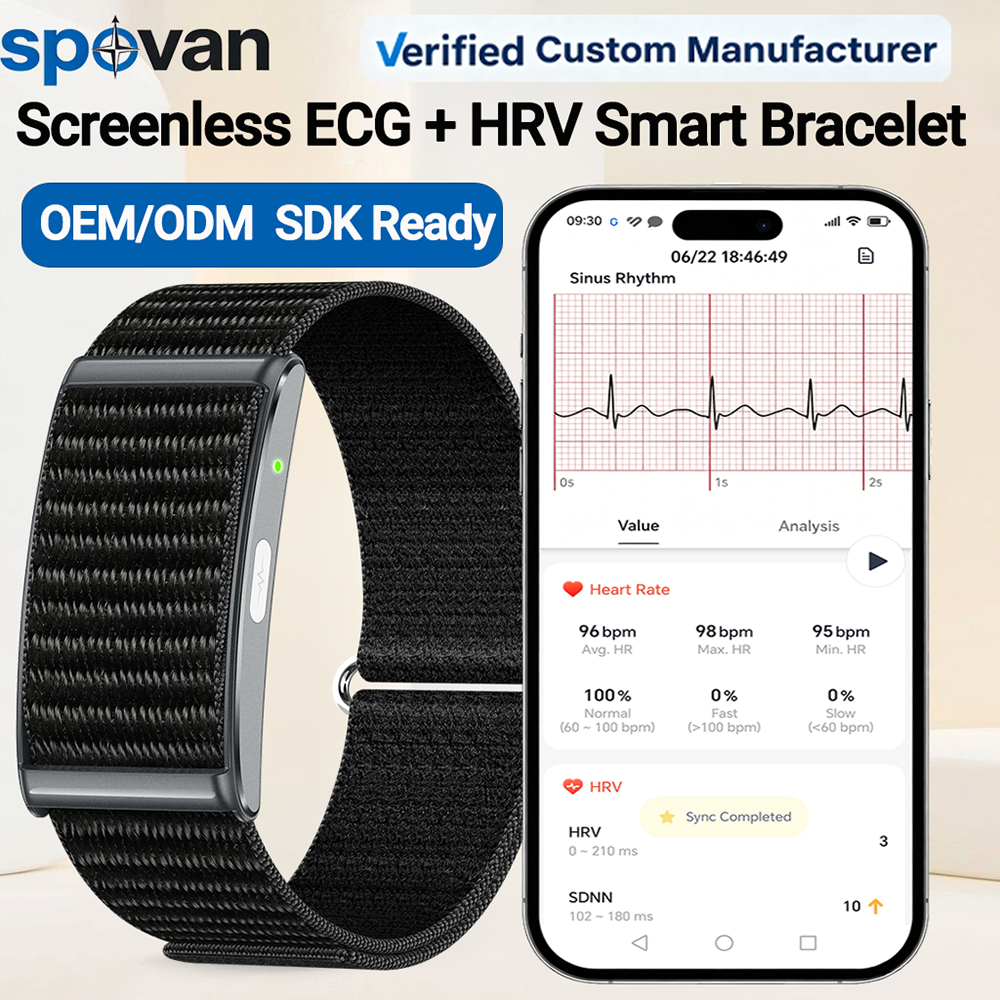
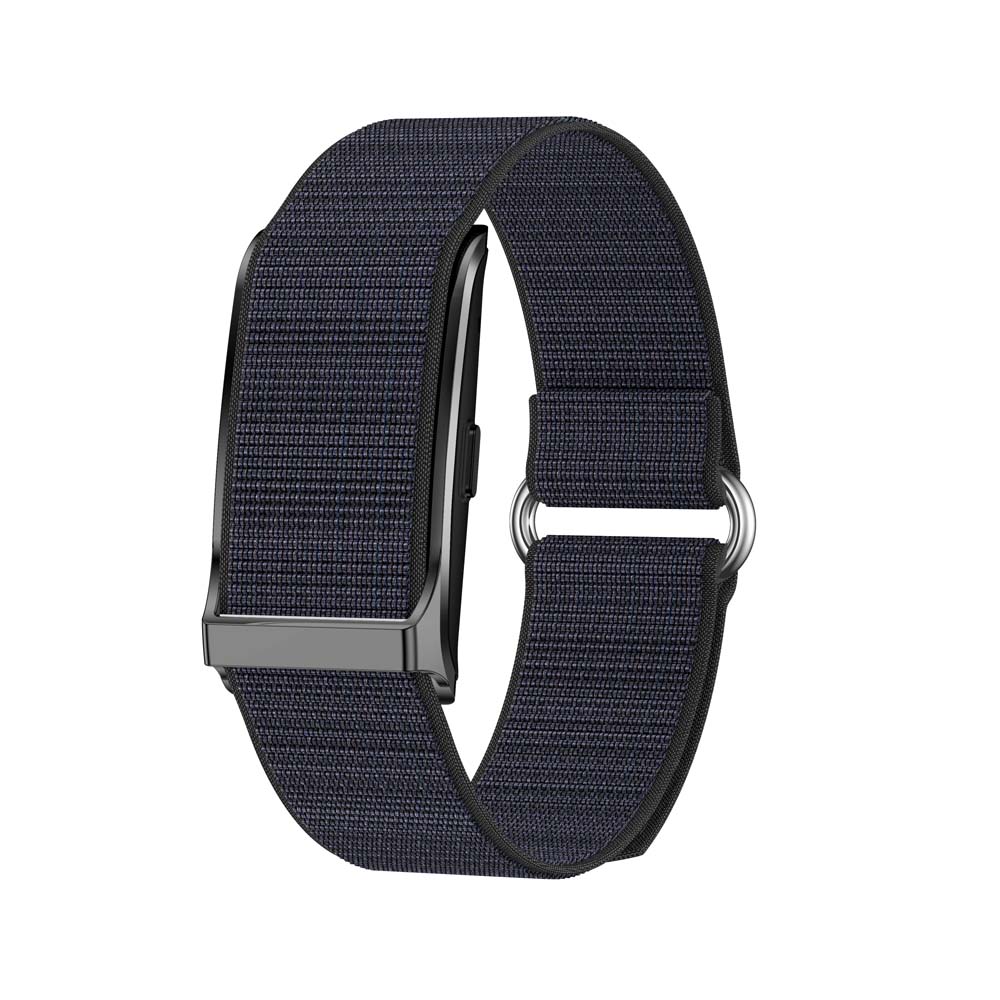
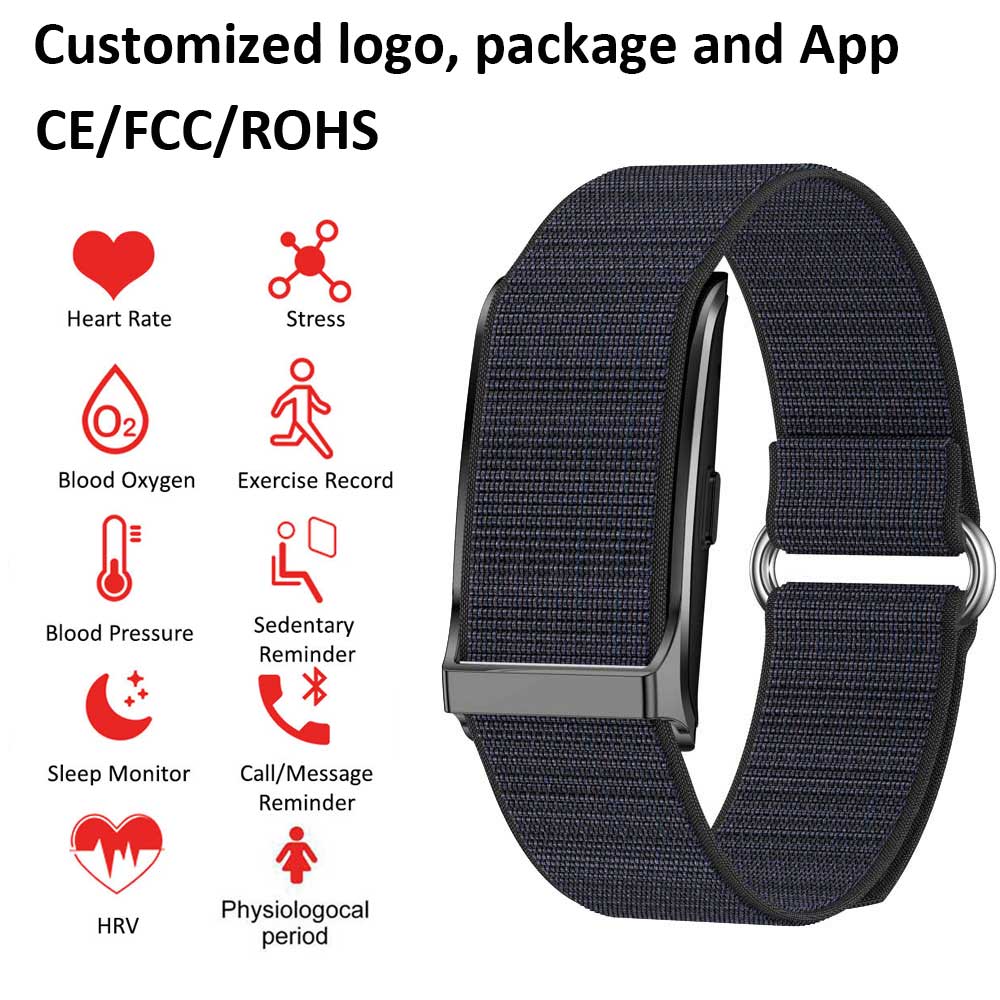
1. Screenless Digital Detox Wearables: Inspired by high-retention athletic platforms like Whoop, there is massive surging demand for screenless smart bands. By removing the display, power consumption is slashed by up to 80%, allowing continuous high-frequency optical PPG sampling (up to 100Hz) for precise Heart Rate Variability (HRV) analysis, autonomic nervous system stress mapping, and restorative sleep phase classification.
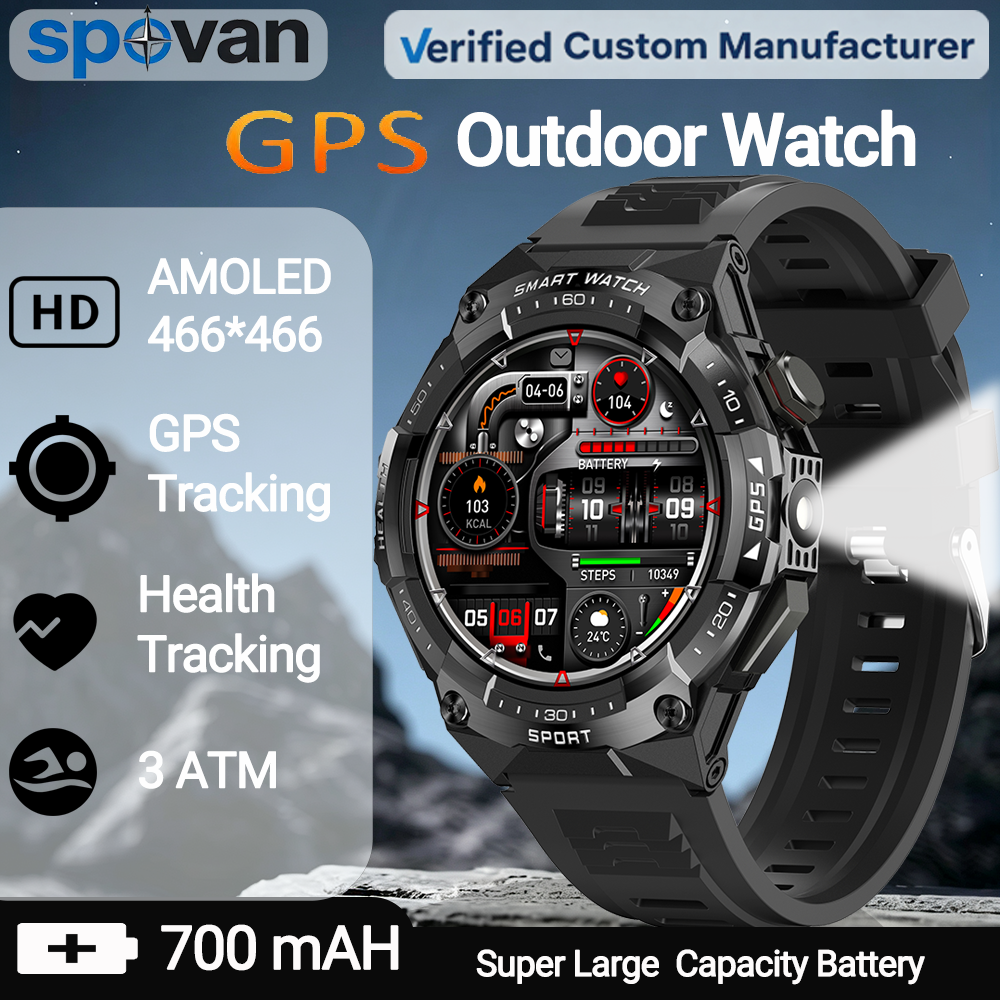
2. Micro-OLED and LTPO AMOLED Dominance: On visual calling watches, traditional TFT LCD panels are rapidly being replaced by 1.43" to 1.96" high-nit (600–1000 nits) AMOLED displays featuring Low-Temperature Polycrystalline Oxide (LTPO) backplanes. This enables dynamic refresh rates scaling down to 1Hz during Always-On Display (AOD) idle states, drastically improving power conservation while preserving outdoor sunlight legibility.
3. Non-Invasive Metabolic Biomarkers: Optical sensor clusters are incorporating multi-wavelength spectroscopy (green, red, infrared, and amber emitters paired with multiple high-sensitivity photodiode quadrants). These arrays yield deeper tissue penetration, enabling algorithms to track blood oxygen saturation (SpO2) dynamics, arterial stiffness indices, and blood pressure trend tracking with superior correlation to clinical baselines.
4. Multi-Constellation GNSS Integration: High-end calling watches are integrating simultaneous multi-system GNSS receivers (GPS, GLONASS, Galileo, BeiDou, and QZSS). By incorporating dual-frequency L1+L5 antenna arrays within metal bezel housings using ceramic antenna carriers, watches maintain uninterrupted satellite lock under dense forest canopies and complex urban canyons.
Future Procurement Trends: Navigating Regulatory and Supply Chain Shifts
Procuring smart wearables from China requires strategic alignment with shifting compliance regimes, data sovereignty laws, and platform interoperability standards. B2B purchasing directors must account for the following structural transformations:
Transition Toward Open SDK Ecosystems: Global buyers are rejecting proprietary consumer applications that harvest end-user data onto closed third-party servers. In corporate wellness, health insurance, clinical trials, and athletic coaching, procurement contracts mandate open SDKs and APIs. Sourcing partners must deliver native libraries that allow direct data pairing into the brand's proprietary AWS or Azure HIPAA/GDPR-compliant cloud stacks.
Tightening Environmental and Circularity Mandates: European Extended Producer Responsibility (EPR) regulations and the EU Battery Passport framework are imposing stringent demands on battery disassembly, material traceability, and non-hazardous manufacturing chemistry. Forward-looking procurement programs must partner with factories like Honsys that maintain audited chemical registers, use recycled zinc alloy and bio-based TPU straps, and engineer modular housings that allow battery servicing without destroying internal flex-circuit boards.
Supply Chain Resilience and Total Cost of Ownership (TCO): Sourcing decisions are moving beyond headline Unit FOB prices. Buyers now calculate TCO by factoring in return merchandise authorization (RMA) failure rates, firmware bug remediation lead times, and customs clearance clearance risks. Partnering with an engineering-focused factory with an in-house SMT facility reduces rework scrap rates below 0.3%, protecting brand reputation in competitive retail channels.
Buyer Knowledge Base
Frequently Asked Questions: B2B Wearable Sourcing & Engineering
Technical due diligence questions answered directly by Shenzhen Honsys sales engineers and firmware architects.
What is your standard Minimum Order Quantity (MOQ) for custom private label runs?
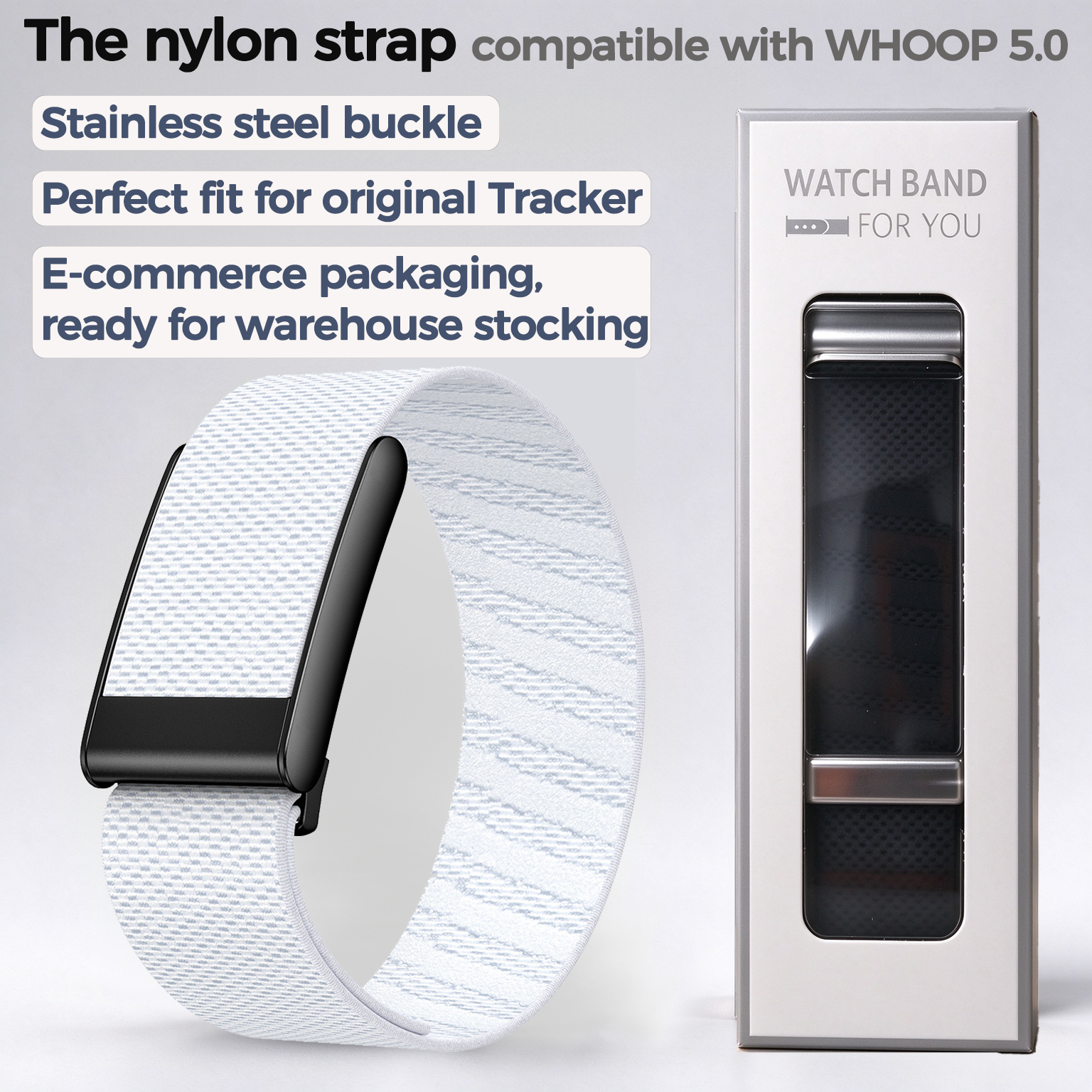
For standard in-stock bare-board models, sample evaluation orders start from 1 to 10 units. For custom branding—including laser-engraved casing logos, customized startup splash-screens, custom Pantone silicone/nylon straps, and multilingual gift-box packaging—our baseline MOQ is 500 to 1,000 units depending on the SoC platform selected.
How does Honsys handle Bluetooth calling acoustic performance in high-noise environments?
Our engineering team integrates dual-microphone Environmental Noise Cancellation (ENC) hardware pipelines. A primary directional Knowles microphone captures vocal formats, while a secondary ambient reference microphone feeds an inverse-phase noise cancellation filter inside the DSP, attenuating background wind and traffic noise by up to 25dB.
Can we integrate the smartwatches and screenless bands into our custom iOS/Android app?
Yes. We provide complete, well-documented SDKs and communication protocol manuals (UART / BLE GATT characteristics). Developers receive sample Xcode and Android Studio projects illustrating how to initiate Bluetooth pairing, trigger automated sync routines, read physiological raw metrics, and push over-the-air firmware updates (FOTA).
What testing protocols verify the 3ATM and IP68 waterproof ratings?
Our quality assurance line implements a multi-stage testing regimen. 100% of housings undergo dry pneumatic differential pressure leakage testing (measuring air escape down to 0.1 Pa) followed by random statistical batch testing inside hydro-pneumatic submerged pressure tanks, simulating 30-meter water column immersion according to ISO 22810 standards.
What international compliance certifications are available for immediate customs import?
Honsys products comply fully with CE (RED, LVD, EMC), FCC ID, and RoHS 2.0 standards. Declarations of Conformity (DoC), UN38.3 lithium battery transport test summaries, and MSDS reports are pre-compiled for seamless customs entry into North America, the European Union, Australia, and East Asia.
What is your production lead time, warranty, and RMA resolution policy?
Standard bulk production runs average 30 business days following golden sample sign-off and deposit receipt. We back all commercial hardware with an unconditional 1-year factory warranty. Defective rates below 1% are replaced with 1:1 backup spare components shipped alongside the main container load.
Ready to Engineer Your Next Generation Smart Wearable Line?
Consult with our Shenzhen technical team today. Receive detailed mechanical CAD dimensions, firmware SDK documentation, and tiered B2B wholesale quotation within 24 hours.
Get a Quote