Top Recommended Health Watches & Screenless Medical-Grade Bands
Engineered for corporate wellness, clinical trials, remote patient monitoring (RPM), and sports analytics with full open SDK/API integration.
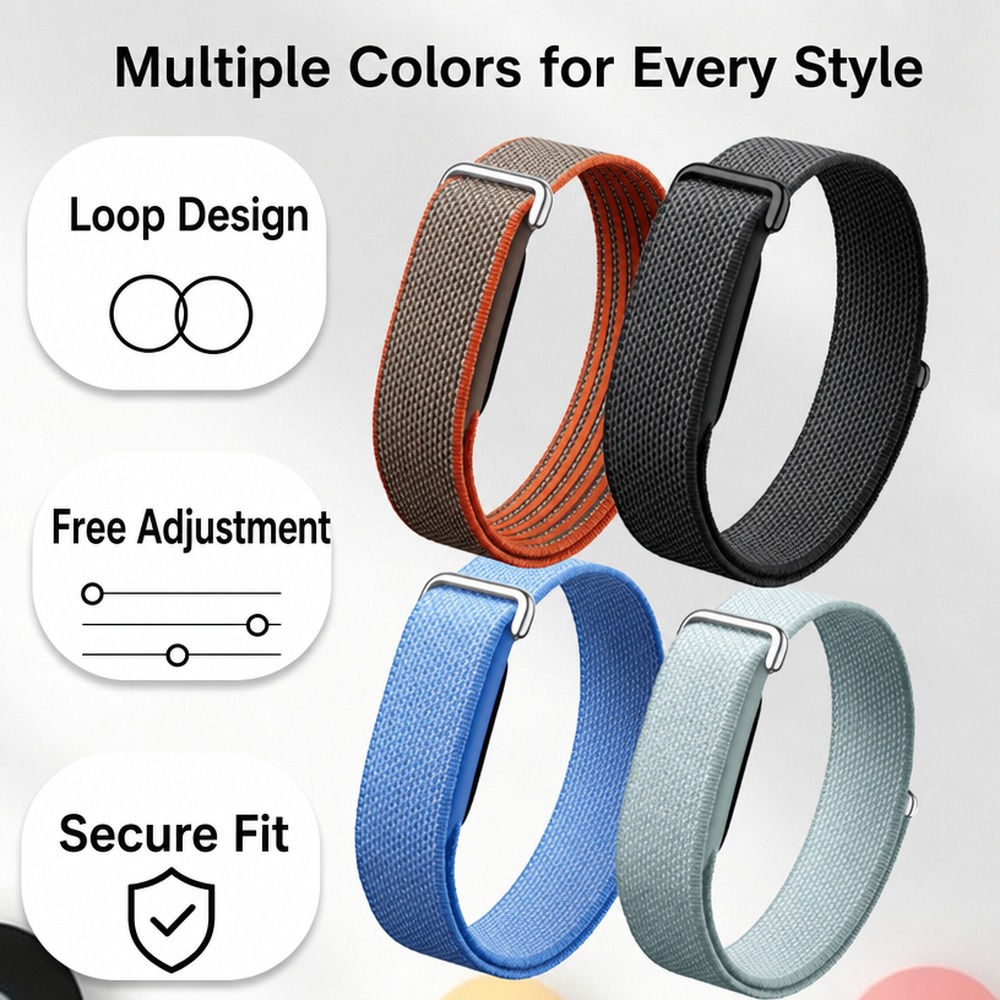
Nylon Sport Hume Band Replacement Strap for Women & Men Breathable Starlight Sea Shell Design Adjustable Hook and Loop Buckle
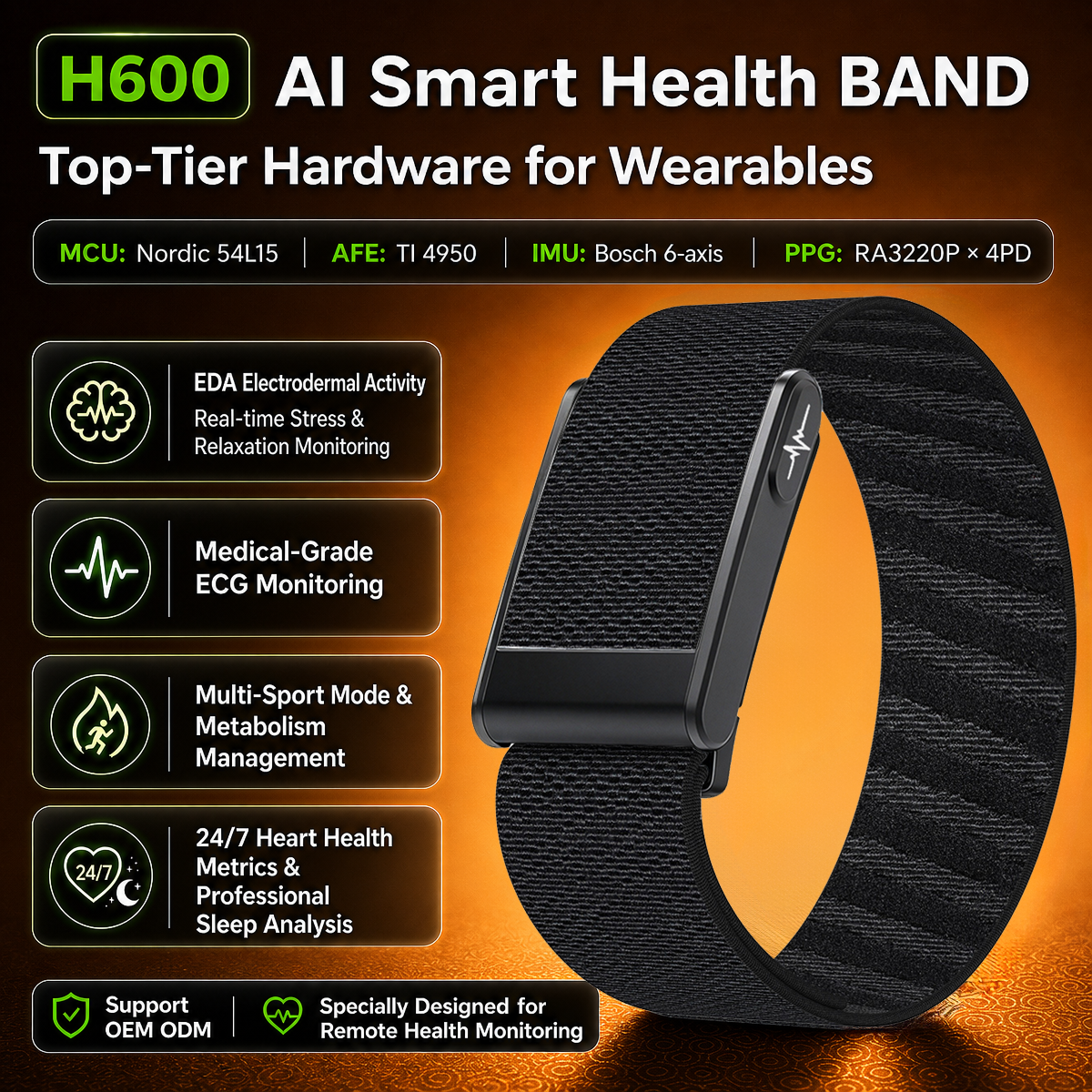
ECG HRV Sensor Screenless Smart Wristband Health Tracker Fitness Bracelet Wearable Sports Daily Monitor OEM ODM Custom Factory
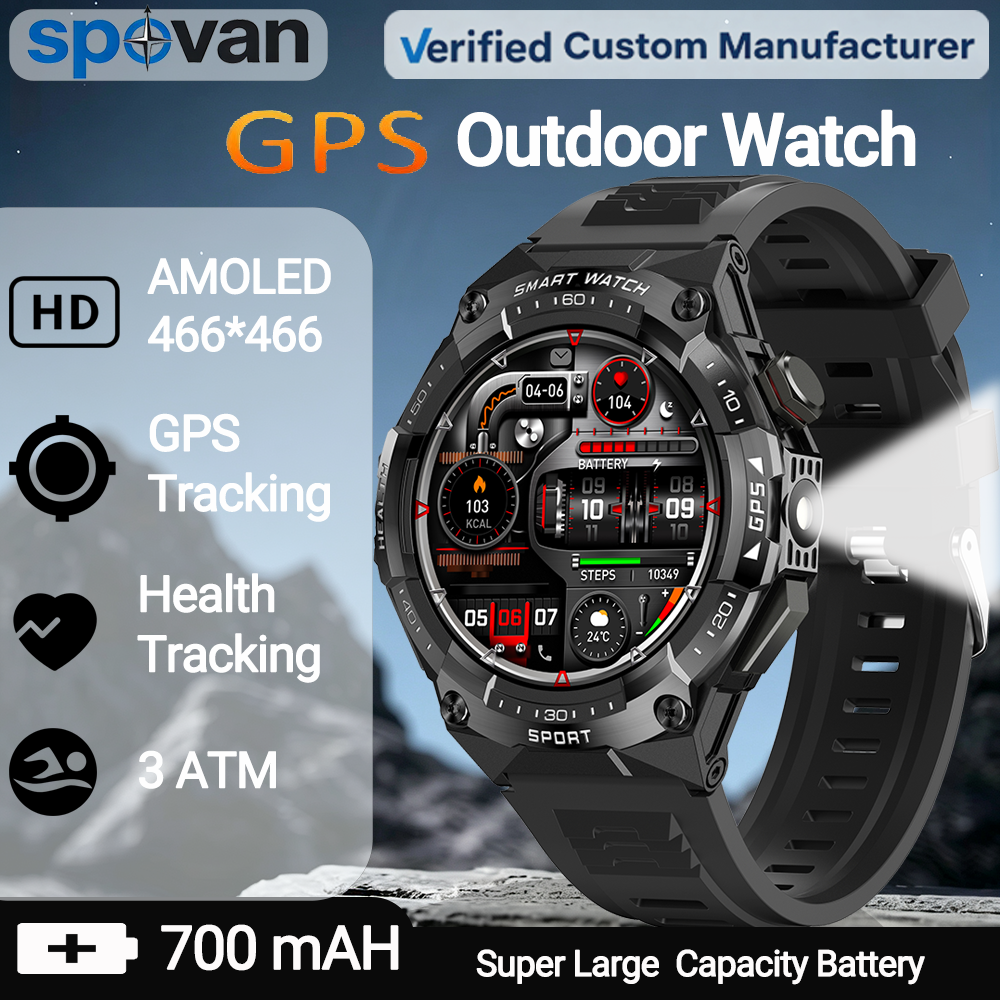
Wholesale GPS Smart Watch for Men Outdoor Waterproof 3 ATM OEM BT Call AMOLED SDK Available Sleep Tracker 5-10 Days Battery Life
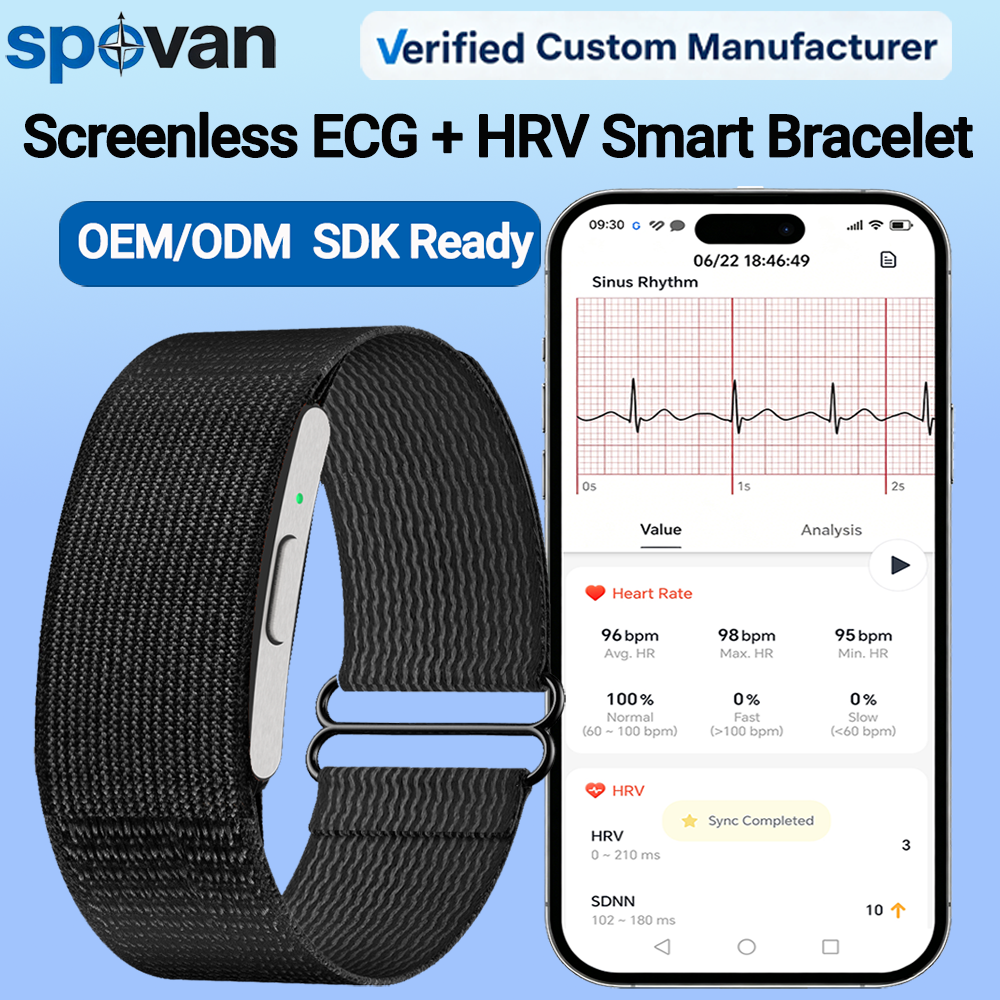
Screenless Smart Bracelet ECG+PPG HRV Sleep Health Monitor Open SDK API for OEM ODM Professional No-screen Fitness Band
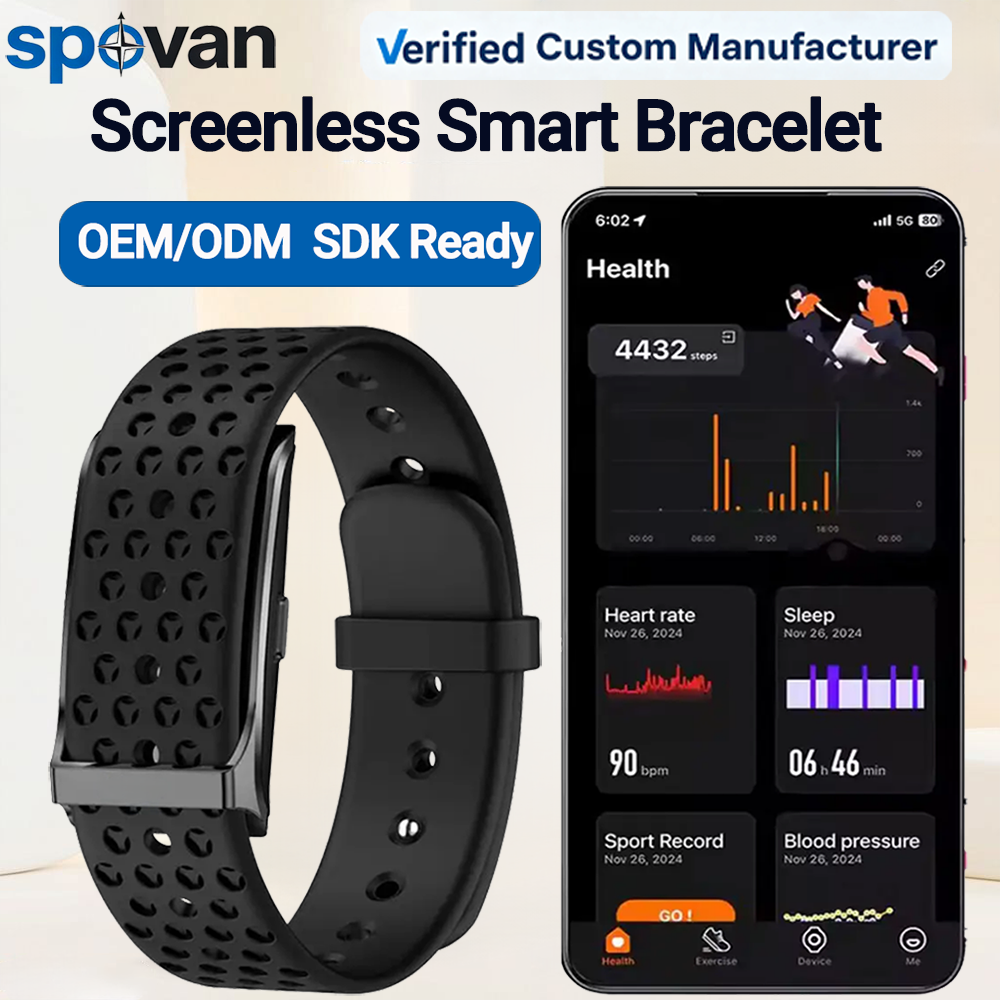
Health Tracker Pedometer Heart Rate Vibration Alert Sport Android IOS Compatible IP68 Waterproof No-screen Smart Bracelet Band
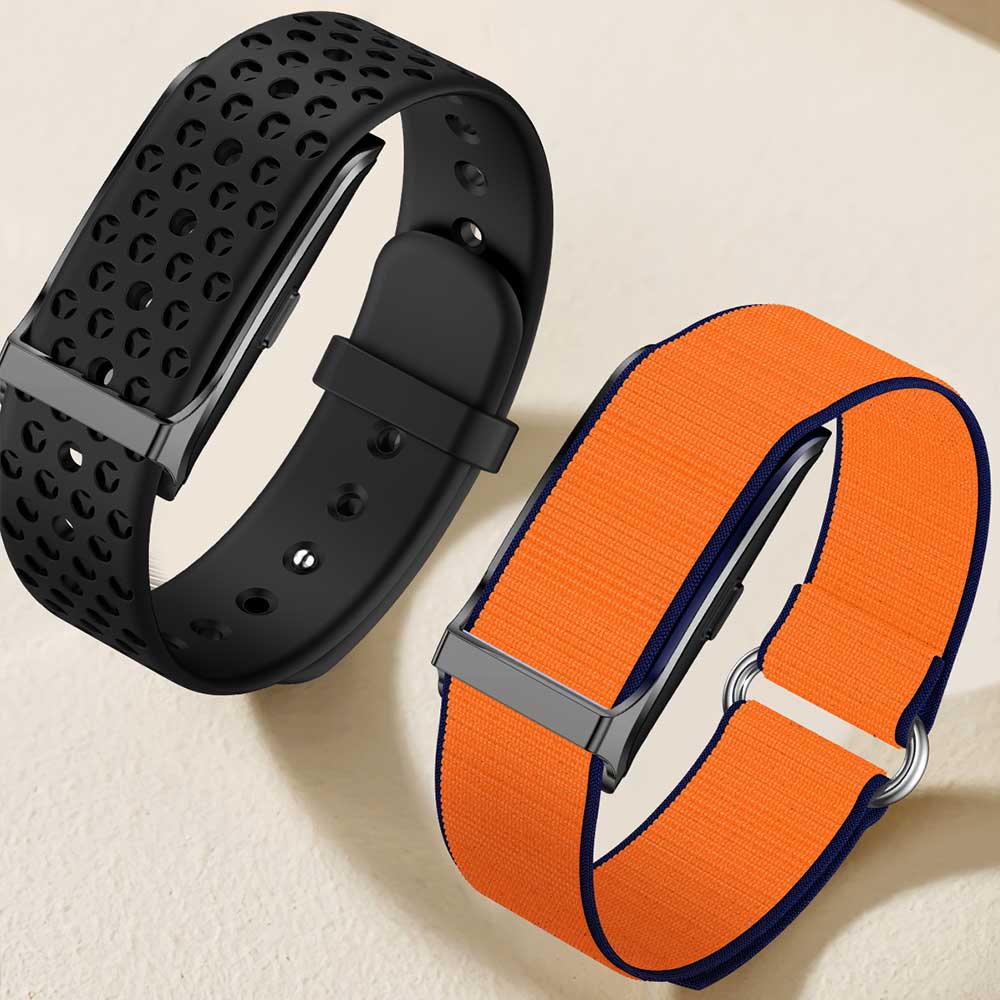
2025 Fashion Waterproof Health Tracking Comfortable Smart Bracelet for Men Women
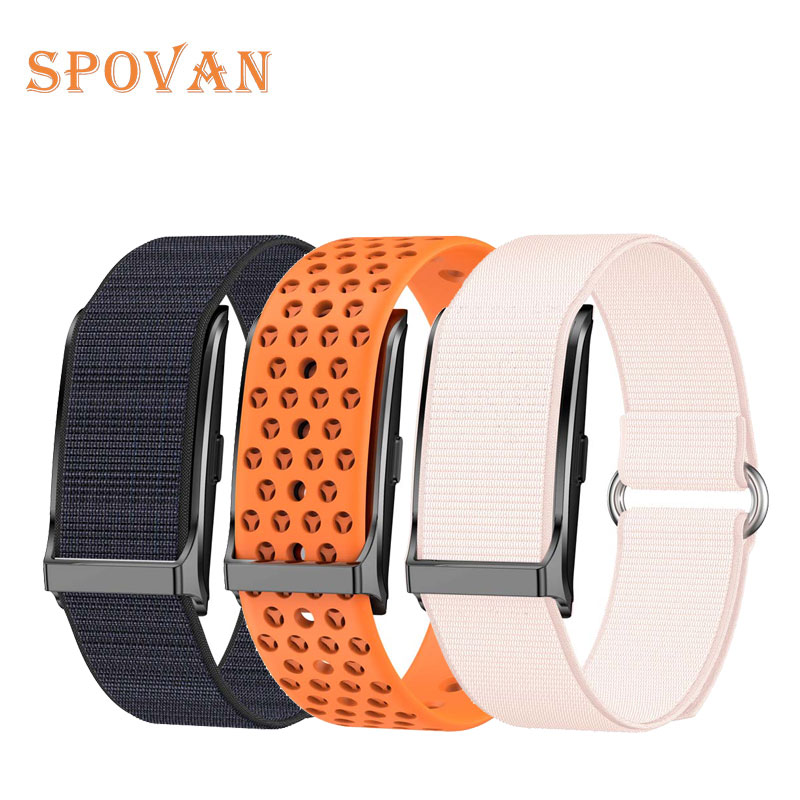
2025 CE ROHS Customized Logo Health Monitor Smart Bracelet Smart Watch Without Screen
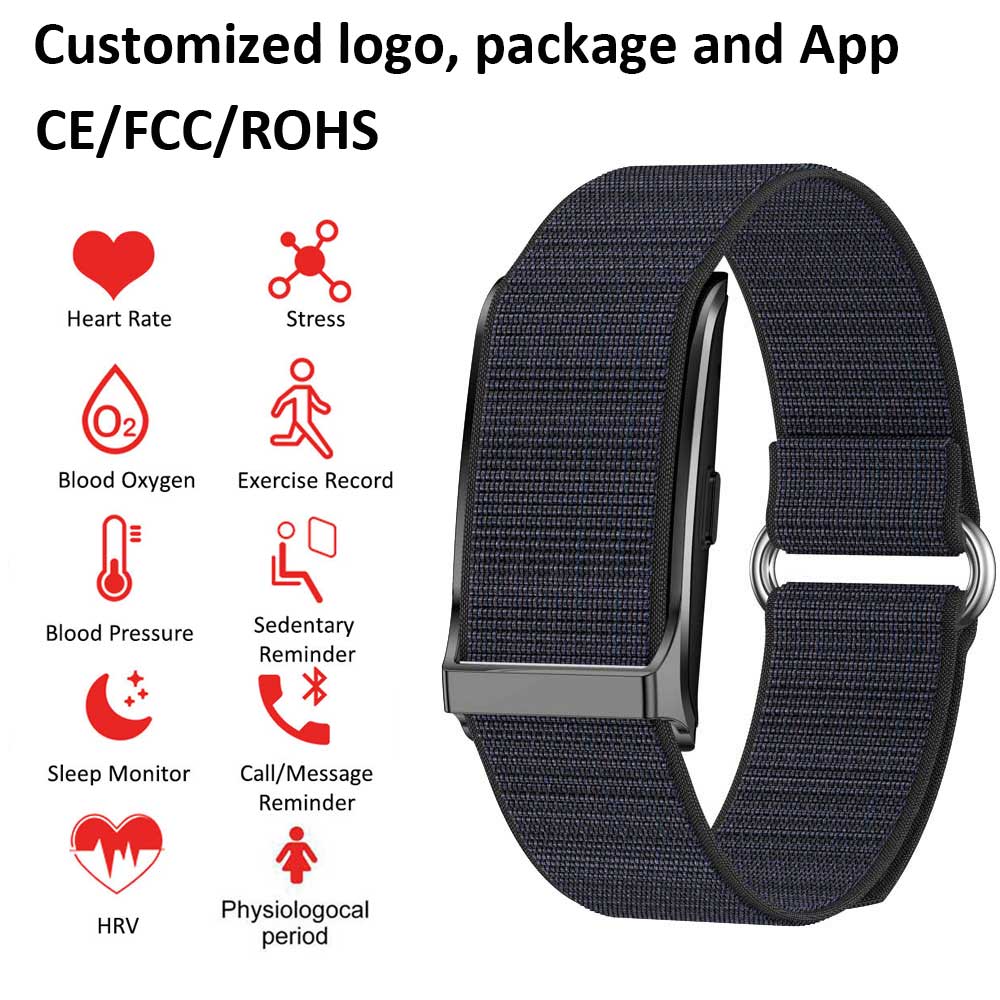
Wholesale Customized Heart Rate Blood Pressure Fitness Tracker Sport Reloj Inteligente Smart Bracelet With SDK API
Continuous smart wearable innovation in Shenzhen since 2010.
Dedicated sales engineering support for global B2B procurement.
Verified transaction volume ranking in screenless health wristbands.
Vacuum leakage testing, optical PPG calibration & 1-year full warranty.
1. Executive Overview: The Paradigm Shift in China Health Watch Manufacturing
The global wearable market has shifted irreversibly from non-specific consumer step counters toward clinical-grade biometric monitoring and predictive physiological intelligence. For international brand aggregators, medical insurance providers, and digital health software providers (SaaS), sourcing from top-tier Chinese manufacturers is no longer merely a low-cost production choice. It is a critical strategic partnership built on advanced semiconductor integration, micro-electromechanical systems (MEMS) calibration, and proprietary algorithm stacks.
Shenzhen, China, serves as the indisputable epicenter of this transformation, housing over 85% of the world's wearable hardware engineering talent and precision assembly supply chains. As a premier manufacturer established in 2010 and exporting internationally since 2012, Shenzhen Honsys Technology Co., Ltd. exemplifies the modern tier-one Chinese health watch manufacturer. We combine in-house surface-mount technology (SMT) cleanrooms, automated optical testing fixtures, and rigorous analog front-end (AFE) tuning to deliver devices that bridge wellness metrics with longitudinal medical research utility.
Modern procurement teams must navigate a crowded vendor landscape where superficial cosmetic similarities mask deep discrepancies in sensor precision, signal-to-noise ratios (SNR), and firmware stability. This white paper serves as an authoritative guide for Chief Technology Officers, Procurement Directors, and Hardware Product Managers evaluating China health watch and smart bracelet manufacturing partners.
2. Technical Architecture: Photoplethysmography (PPG), ECG & Biometric Signal Processing
At the core of an authentic health watch or clinical screening band is the sensor processing engine. Consumer-grade devices often rely on cheap, single-green-LED optical sensors that fail drastically during physical motion or across varied skin phototypes (Fitzpatrick scale I–VI). In contrast, Honsys deploys multi-spectral optical clusters paired with dedicated analog front ends from Tier-1 suppliers like Texas Instruments, Goodix, and Silicon Labs.
Dual-Lead Electrocardiogram (ECG)
Utilizes precision stainless steel or titanium dry electrodes coupled with high-impedance differential amplifiers. By capturing the microvolt-level P-QRS-T complex, our firmware detects premature ventricular contractions (PVCs), atrial fibrillation (AFib), and conduction pauses directly on the wrist.
Multi-Wavelength PPG & SpO2
Integrates green (525nm), red (660nm), and infrared (940nm) emitters. The differential absorption ratio between oxygenated hemoglobin (HbO2) and deoxygenated hemoglobin (Hb) enables accurate peripheral arterial oxygen saturation monitoring even under mild hypoperfusion.
HRV Autonomic Nervous System Mapping
Calculates beat-to-beat (RR interval) variability metrics, including Root Mean Square of Successive Differences (RMSSD) and Standard Deviation of NN intervals (SDNN). This powers institutional mental fatigue, somatic stress, and nocturnal recovery score analytics.
Motion Artifact Cancellation & DSP Firmware Algorithms
The primary challenge in continuous health tracking is motion artifact. During running or ambient vibration, mechanical displacement of the photodiode relative to the capillary bed creates high-amplitude noise spikes that swamp the cardiac pulse wave. Honsys implements adaptive filtering based on 6-axis MEMS inertial measurement units (accelerometer + gyroscope). Our proprietary firmware runs normalized least mean squares (NLMS) algorithms to subtract motion noise in real time, isolating the pristine microvascular volumetric change.
3. Factory Strength: SGS On-Site Assessed Production & Cleanroom Facilities
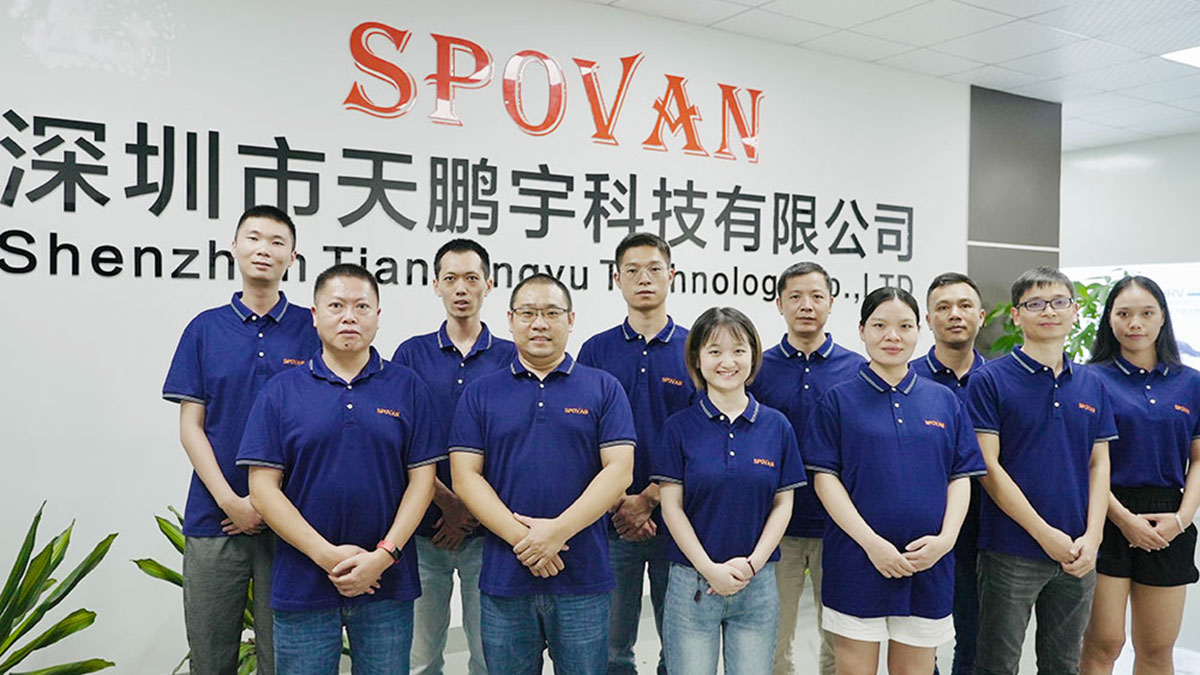
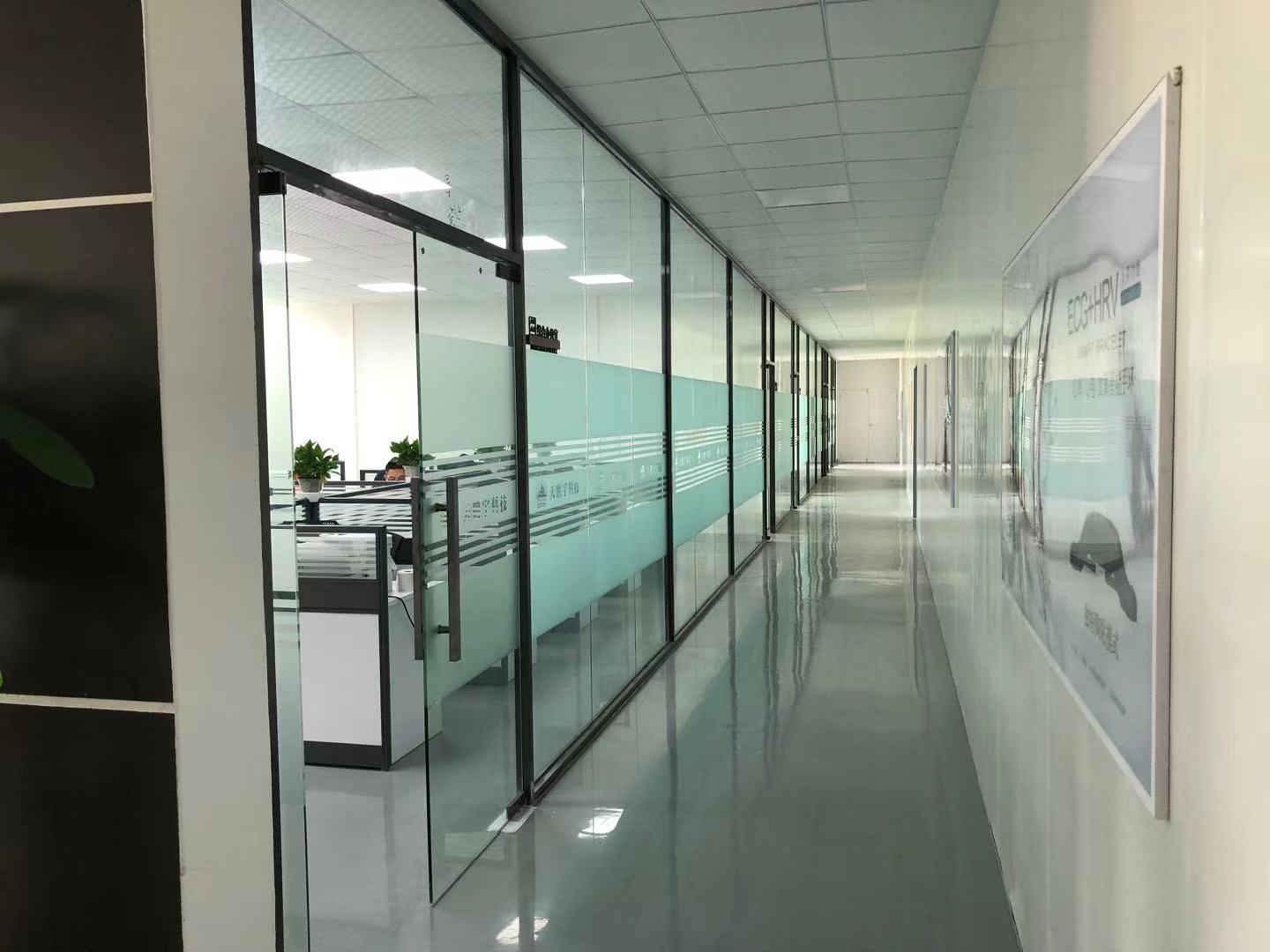
Unlike pure trading agents, Shenzhen Honsys Technology operates verified manufacturing facilities equipped with automated assembly, ultrasonic welding, specialized dispensing robots, and hermetic sealing testing lines. Every batch of health watches and screenless smart bands undergoes strict IPC-A-610 electronic assembly standards and comprehensive ISO-aligned quality verification.
100% In-Line Waterproof Testing
Every IP68 and 3 ATM watch body is tested using dry air differential pressure decay chambers followed by hydrostatic submersion tests, guaranteeing zero seal failure before strap assembly.
Optical Calibration Rigs
Sensors are mounted to standardized artificial tissue models with fluctuating simulated pulse rhythms to calibrate LED driver currents, photodiode responsivity, and baseline ambient cancellation.
Global Regulatory Credentials
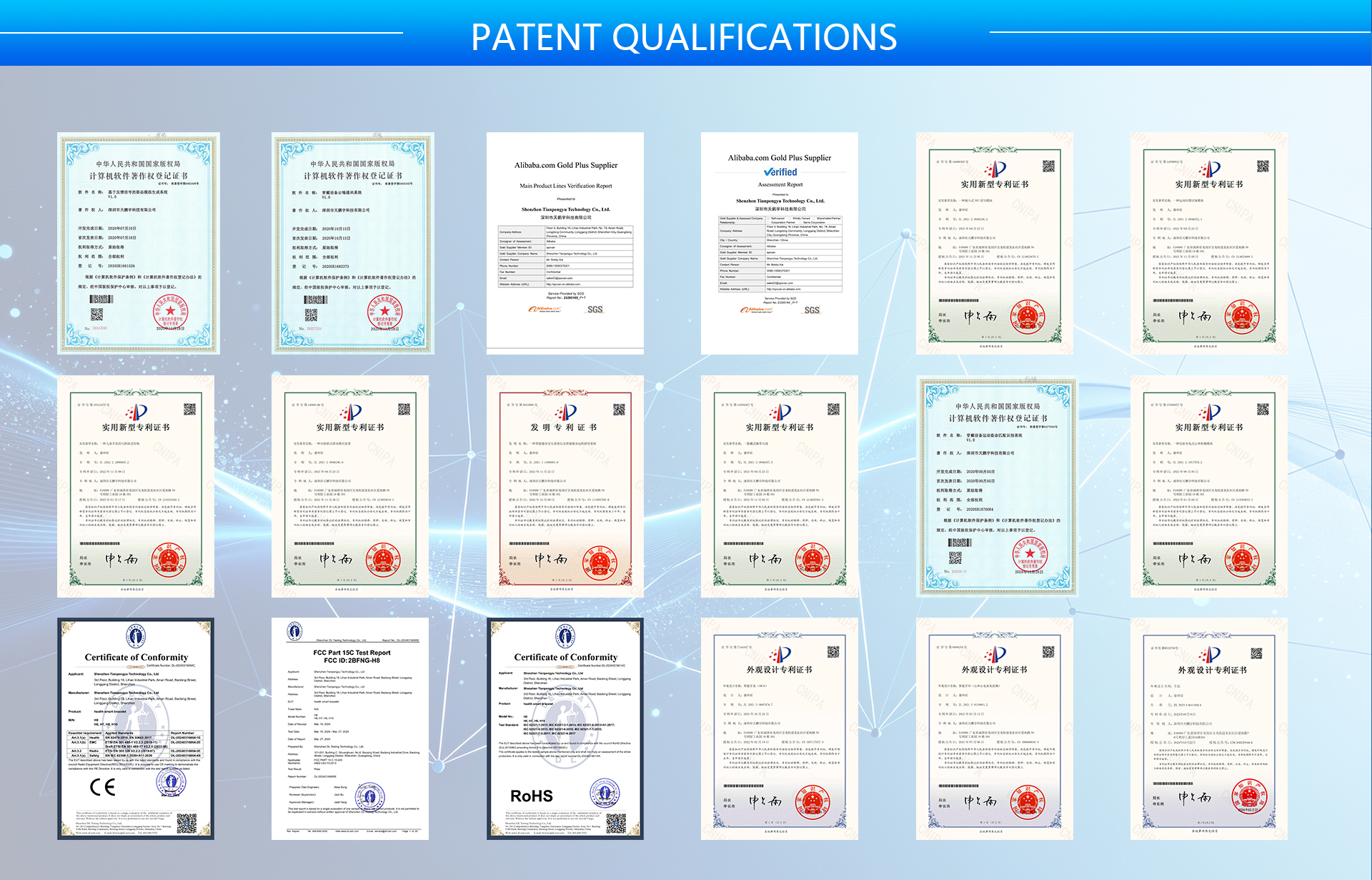
Fully compliant with US FCC, EU CE (Radio Equipment Directive), RoHS environmental standards, and Extended Producer Responsibility (EPR) registrations across Germany and France.
4. Future Sourcing & Technology Trends in Health Wearables (2025–2030)
Procurement managers who base their sourcing decisions strictly on yesterday's watch specifications risk holding obsolete inventory. When planning three- to five-year product cycles, buyers must align with manufacturers investing in five macro trends:
Rise of "Screenless" Digital Detox
Excessive push notifications cause screen fatigue. Enterprise health platforms and elite athletics demand lightweight, screenless bands with week-long battery life, continuous background telemetry, and zero visual distractions.
Cuffless Blood Pressure Tracking
Moving away from bulky mechanical cuffs, future wristbands apply Pulse Transit Time (PTT) and photoplethysmography wave-morphology analysis to estimate continuous arterial stiffness and hypertensive blood pressure trends.
Open SDK & Cloud Telemetry
Enterprise buyers avoid locked-down consumer clouds. Modern demand dictates full access to Raw Bluetooth Low Energy (BLE) packets, allowing private hospital networks, insurance apps, and research universities to own their encrypted biometric pipelines.
Furthermore, the emergence of hybrid dual-processor architectures (combining ultra-low power Apollo/Nordic microcontrollers for persistent background sensor listening with high-performance graphics engines for AMOLED interactions) is stretching typical battery endurance from 48 hours to 10–25 days.
5. Technical Hardware Comparison: Wearable Architecture Matrix
To assist systems architects and procurement managers in choosing the exact hardware framework for their target market, the following engineering matrix outlines the trade-offs across our four primary manufacturing platforms:
| Platform Type | Sensor Suite | MCU & Connectivity | Battery Life | SDK / API Level | Primary Use Case |
|---|---|---|---|---|---|
| Screenless ECG/PPG Band | Dual-Lead ECG + Green/Red/IR PPG + 3-Axis MEMS | Nordic nRF52832 BLE 5.0 Low Energy | 15 – 25 Days | Raw PPG/ECG Data Stream, BLE UUID Callbacks | Clinical Trials, RPM, Digital Detox Brands |
| AMOLED Health Watch | ECG, Multi-Wavelength PPG, Temp Sensor, Mic/Speaker | Realtek RTL8762D + Dual-Mode Bluetooth | 5 – 10 Days | Standard App SDK, Cloud JSON Webhooks | Consumer Wellness, Senior Telecare, E-Commerce |
| Rugged Multi-GNSS Outdoor | GPS/GLONASS/Galileo/BeiDou + Barometer + PPG | Low-Power GNSS Host Chipset + High-Current Cell | 40h GPS Active / 20d Standby | Location Telemetry + Sport Metrics Protocol | Hiking, Tactical, Industrial Lone-Worker Safety |
| Micro Smart Ring Sensor | Micro-Optic PPG + NTC Skin Temperature Resistor | Custom Ultra-Dense SiP (System-in-Package) | 4 – 7 Days | Encrypted Sleep / Recovery Metrics Payload | Premium Lifestyle, Invisible Sleep Optimization |
Note: All platforms support fully customizable industrial design (ID), mechanical design (MD), custom tooling, private firmware booting, and branded packaging under comprehensive OEM/ODM contracts.
6. Frequently Asked Questions (FAQ) for Global Sourcing & Procurement
Comprehensive technical and commercial answers directly from Honsys's engineering and export operations departments.
What is the real engineering difference between medical-grade and consumer health watches?
The distinction lies in hardware validation, signal noise ratios, and statutory regulatory compliance. Consumer fitness trackers provide indicative trends using simplified algorithms that often mask missing cardiac cycles. In contrast, devices intended for medical reference or clinical support employ analog front ends (AFEs) with low input-referred noise, validated dry-electrode impedance matching, and traceable clinical testing against 12-lead Holter monitors.
While Honsys manufactures hardware capable of exceptional clinical precision, commercial positioning as an officially certified medical device requires regional regulatory registration (such as FDA 510(k) in the US or CE MDR in Europe) by the brand owner. We supply full technical documentation, circuit schematics, and testing logs to support our OEM clients through their formal certification processes.
How does Honsys handle SDK / API integration for proprietary software platforms?
We provide comprehensive software development kits (SDKs) for iOS (Objective-C/Swift), Android (Java/Kotlin), and cross-platform Flutter/React Native frameworks. Unlike consumer brands that force users into a proprietary app, our open Bluetooth Low Energy (BLE) protocol documentation allows engineering teams to directly connect our wristbands to their private cloud backends.
Buyers can access real-time raw PPG photodiode voltage values, filtered inter-beat intervals (IBI), single-lead ECG microvolt streams, tri-axial accelerometer output, and computed continuous SpO2/HR data. Our firmware engineering team in Shenzhen provides dedicated developer-to-developer support via Slack or private Git repositories.
What are the standard Minimum Order Quantities (MOQ) and production lead times?
For standard in-stock catalog platforms requiring rapid evaluation, sample orders start from 1 to 10 units with shipment dispatch within 48 hours. For standard private-label OEM orders (laser-engraved logo, customized Bluetooth broadcast name, and tailored gift box packaging), MOQs typically begin at 500 to 1,000 units with a standard 30-day manufacturing turnaround.
Complete ODM projects requiring new industrial tooling, customized PCB layouts, or custom silicon strap tooling typically require an MOQ of 3,000 to 5,000 units, with an initial DFM and tooling cycle of 45 days followed by golden sample sign-off and 30-day mass production.
How does your factory control incoming raw material quality (IQC) and prevent battery degradation?
Lithium-polymer battery safety and longevity are central to our quality assurance. We exclusively source pure cobalt cathode lithium battery cells certified under UL 1642, UN 38.3, and IEC 62133. Every incoming cell lot undergoes 100% capacity grading, internal resistance testing, and high/low-temperature thermal chamber cycling.
Furthermore, our battery protection circuit boards (PCBs) incorporate dual over-charge, over-discharge, and short-circuit protection ICs (Seiko or equivalent). During warehouse storage, batteries are maintained strictly at a 50% nominal shipping charge state to minimize chemical capacity fade over transit.
What international certifications are available for customs clearance and retail compliance?
Our standard wearable platforms are certified for major consumer electronics markets worldwide. For the United States, we provide FCC ID certification for intentional radiators. For the European Union, devices carry CE certification under the Radio Equipment Directive (RED 2014/53/EU), RoHS 2.0 hazardous substance testing, and REACH chemical safety declarations.
In addition, Honsys supports compliance with German and French Extended Producer Responsibility (EPR) requirements for packaging and electrical waste (WEEE). Formal Declarations of Conformity (DoC) and test reports from accredited laboratories (SGS, TUV, or Intertek) are provided upon contract execution.
What international delivery and payment terms does Honsys accept?
We provide flexible commercial terms tailored to multinational corporations, distributors, and growing startups. Accepted trade delivery terms include FOB (Yantian / Shenzhen / Hong Kong), EXW, FCA, CIF, CIP, DDP, and DDU air freight or sea freight consolidations.
Standard payment methods include Wire Transfer (T/T), Irrevocable Letters of Credit (L/C at sight), D/P, PayPal, Western Union, and secure Trade Assurance escrow. We transact in nine global currencies, including USD, EUR, GBP, JPY, CAD, AUD, HKD, CHF, and CNY.
7. Why Tier-1 Global Brands Choose Shenzhen Honsys Technology
Navigating overseas manufacturing can be plagued by communication breakdowns, unannounced bill-of-materials (BOM) changes, and delayed shipping schedules. Shenzhen Honsys Technology Co., Ltd. resolves these systemic risks through structural operational transparency:
15+ Years Hardware Tenacity
Operating continuously since 2010 with our first international export completed in 2012. We have weathered multiple semiconductor cycles, maintaining rock-solid supply chain continuity with core foundry partners.
Bilingual Sales Engineering
Our international account teams possess genuine technical backgrounds. You speak directly with engineers who understand UART, I2C, SPI communication protocols, and Bluetooth link-layer encryption.
End-to-End Intellectual Property
Holding four proprietary design patents, registered global trademarks, and strict non-disclosure agreement (NDA) protocols that safeguard client proprietary algorithms and custom industrial molds.
Accelerate Your Health Wearable Roadmap Today
Request turnkey OEM pricing, reserve physical evaluation prototypes, or schedule a technical call with our Shenzhen engineering lab to discuss your custom sensor and SDK architecture requirements.