High-Performance OEM/ODM Bluetooth Wearable Assemblies
Direct from our Shenzhen ISO-compliant production facility: low-power Bluetooth architectures, medical-grade photoplethysmography (PPG) sensors, precision single-lead ECG electrodes, and custom firmware.
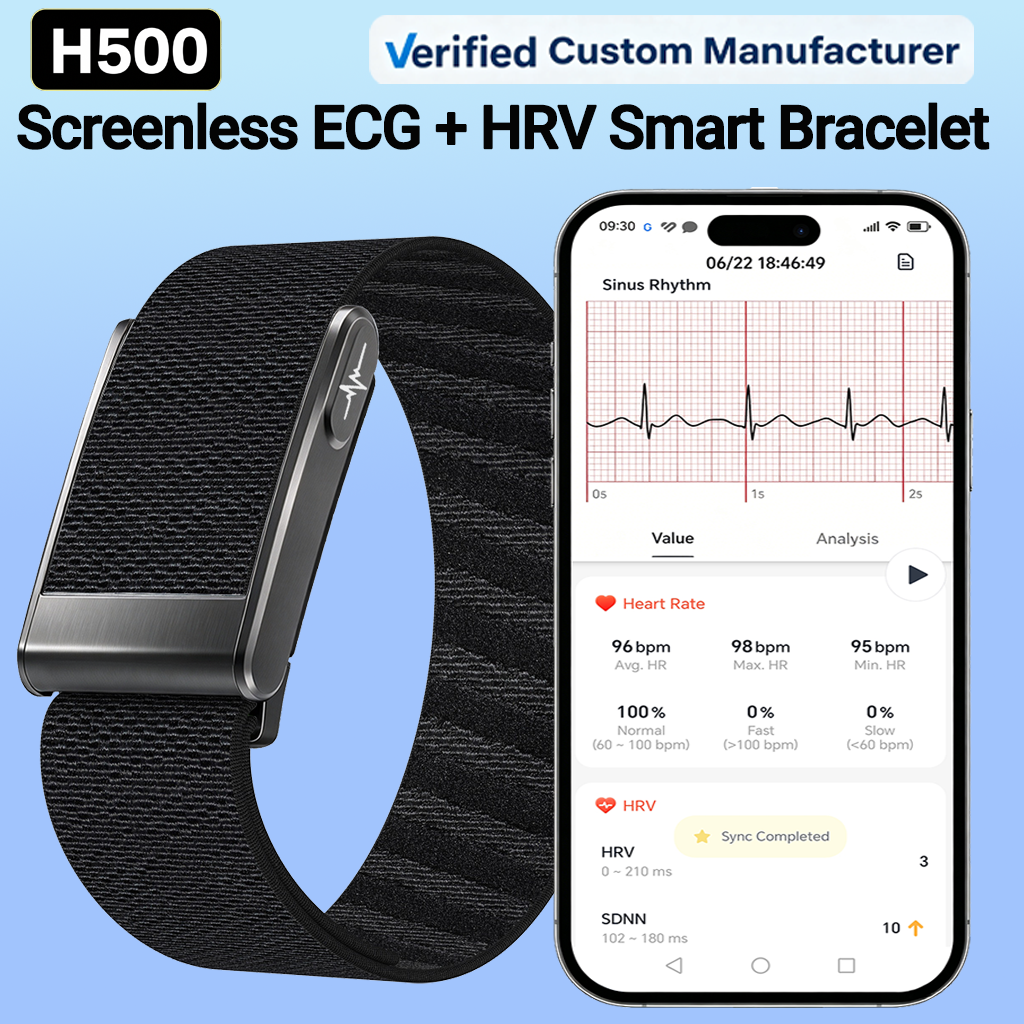
ECG HRV Smart Band Screenless Health Tracker Fitness Wristband Heart Rate Monitor Bracelet Factory OEM ODM Customized Service
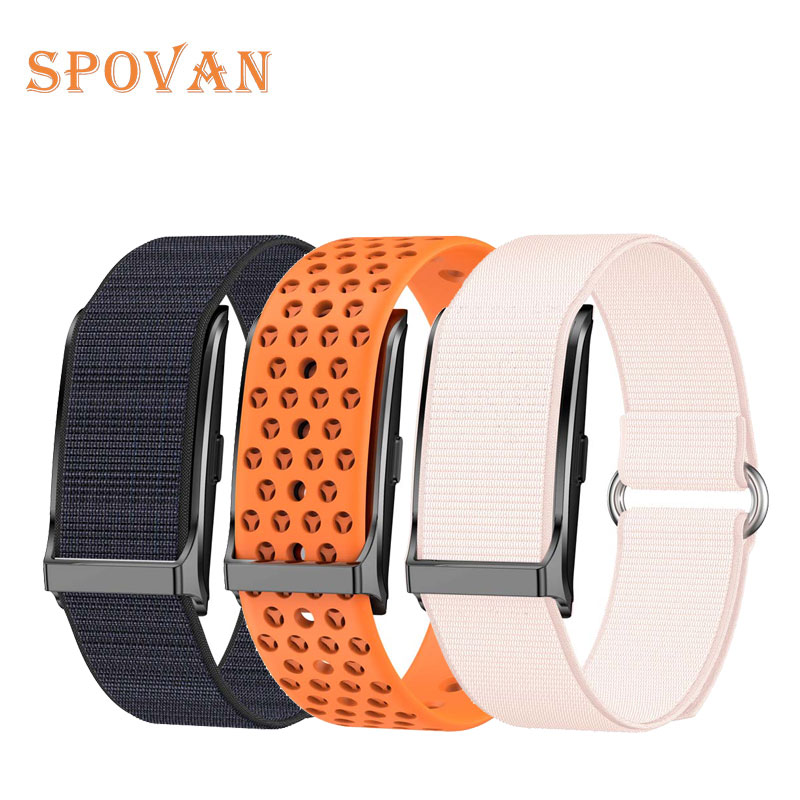
2025 CE ROHS Customized Logo Health Monitor Smart Bracelet Smart Watch Without Screen
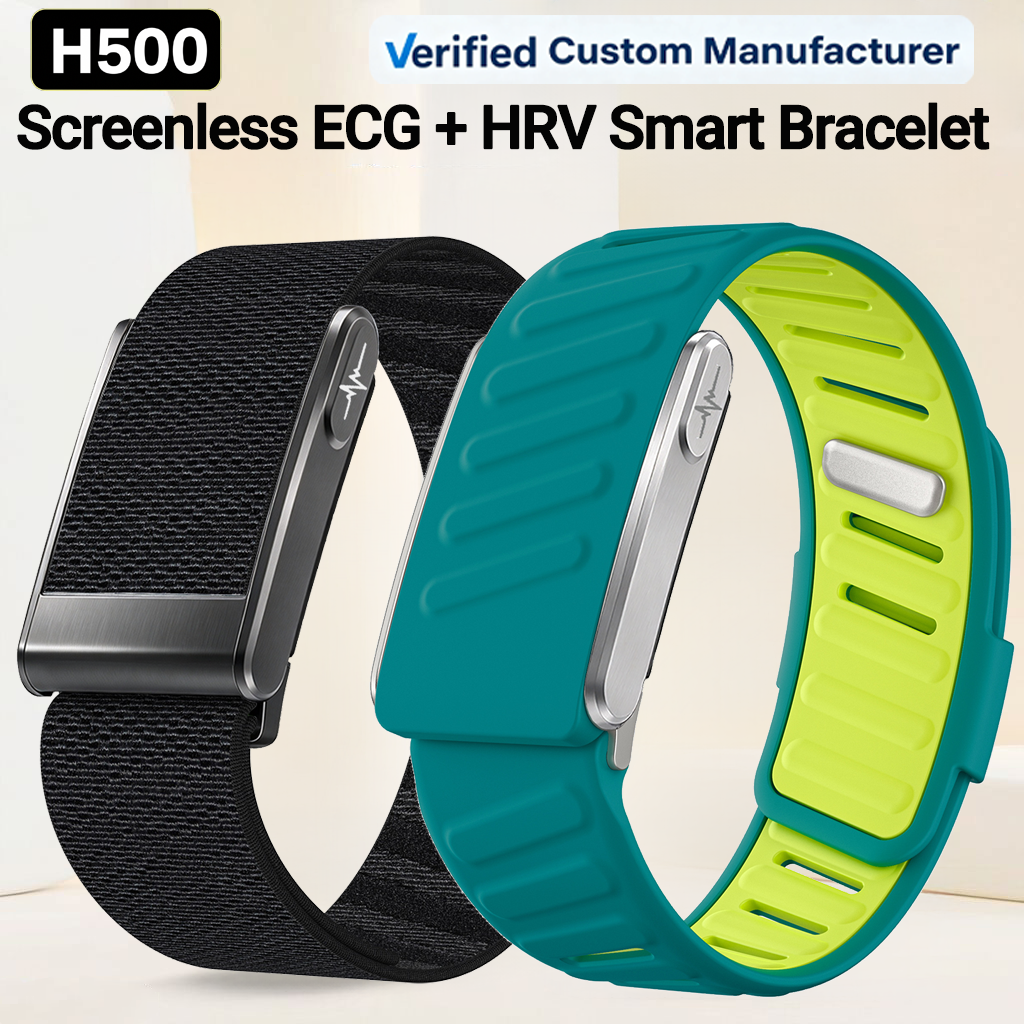
2026 IP68 Waterproof Android Smartwatch with Silicone/Nylon Band Accelerometer Alarm Clock SDK API Heart Rate & Fitness Tracker
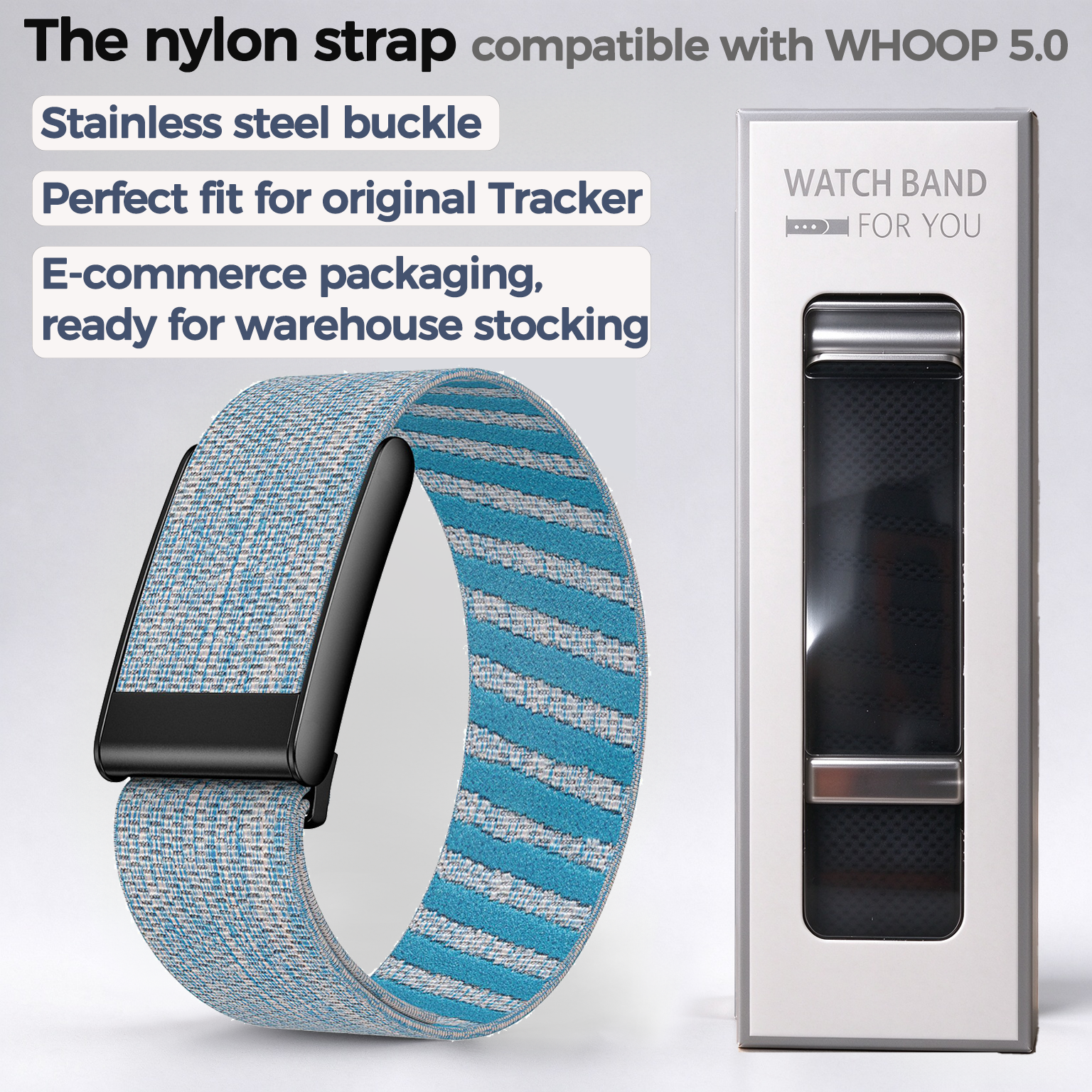
Adjustable Breathable Nylon Loop Strap for Whoop 5.0, Elastic Replacement Band, Sports Fitness Tracker Accessory, OEM ODM
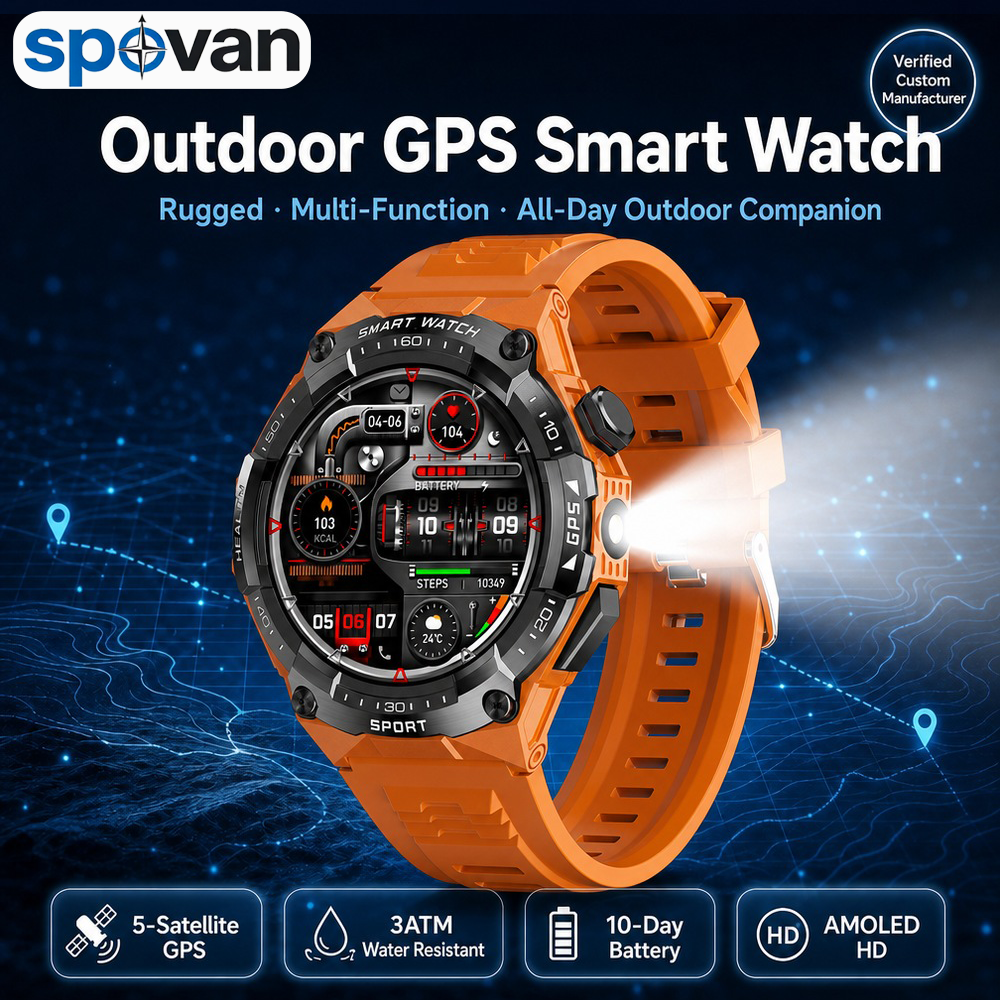
SPOVAN For Rugged GPS Smartwatch for Men Square IP68 3ATM Outdoor Sports Watch Compass Barometer OEM/ODM Custom LOGO Packaging
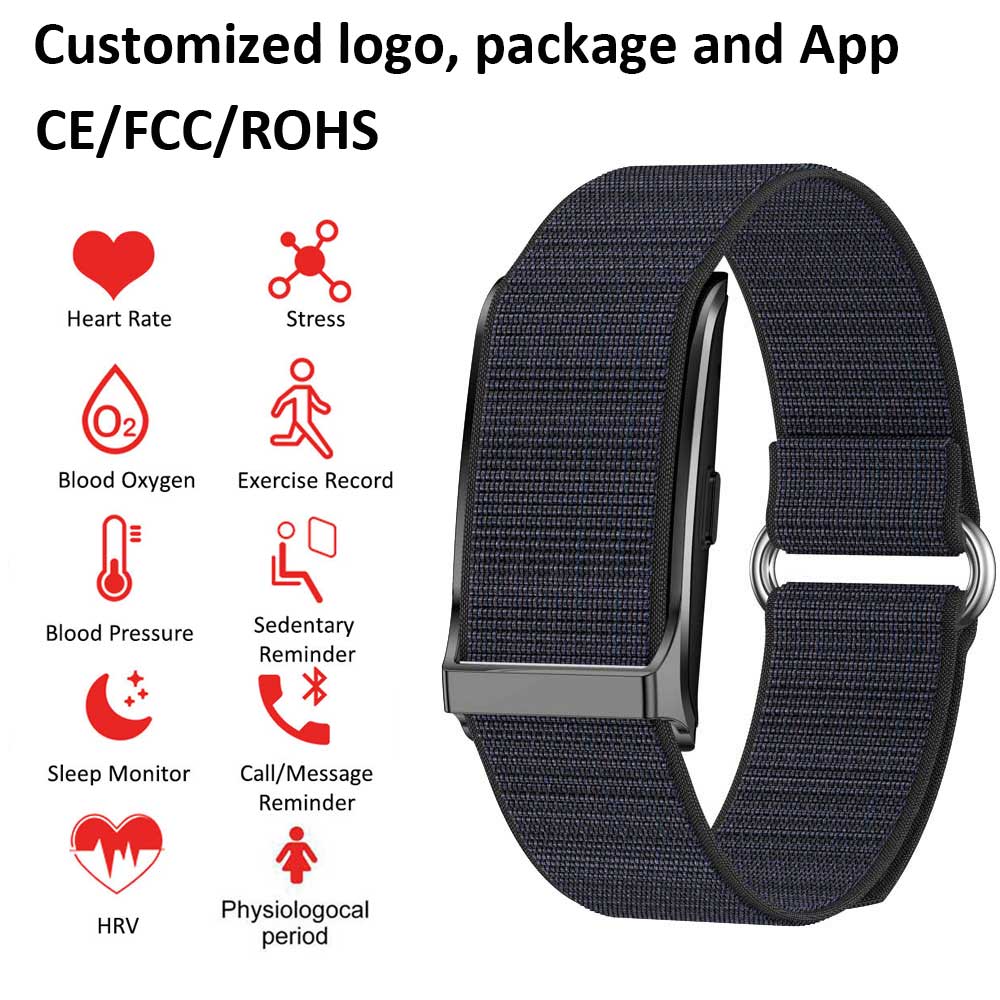
Wholesale Customized Heart Rate Blood Pressure Fitness Tracker Sport Reloj Inteligente Smart Bracelet With SDK API
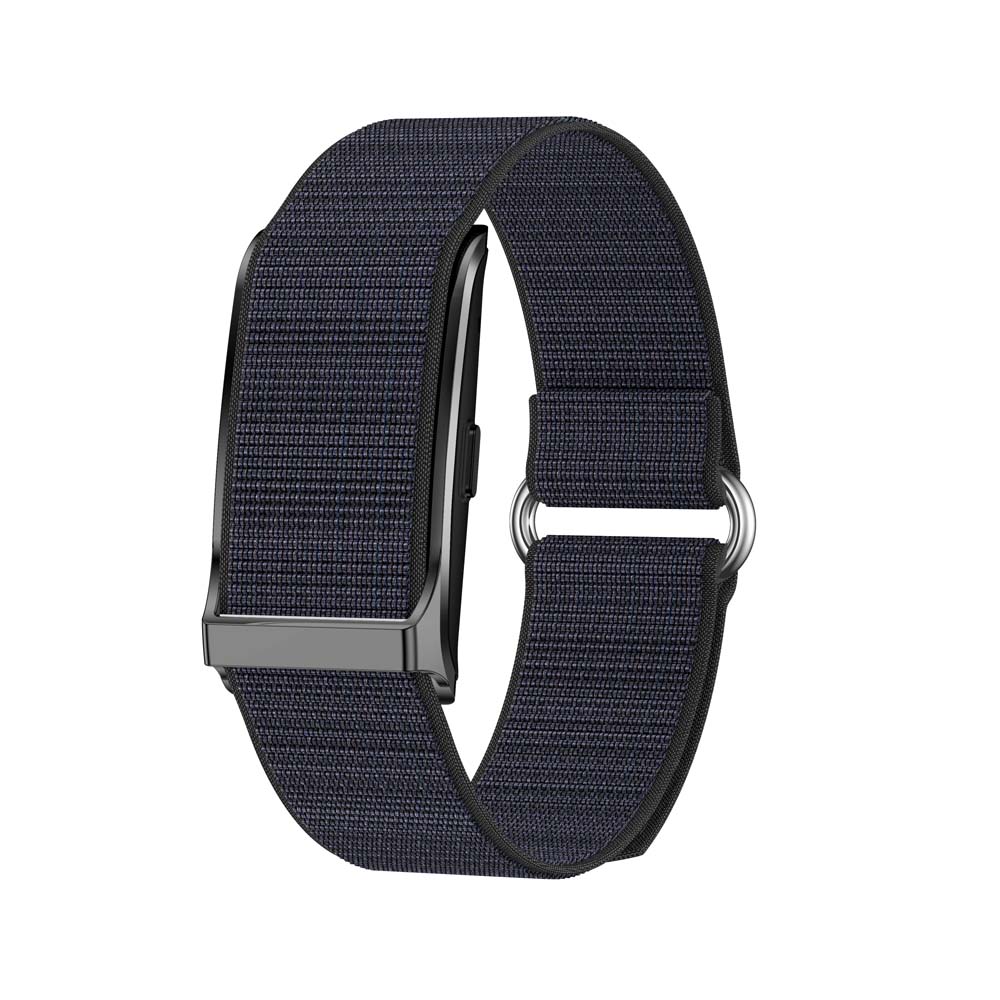
Wholesale Fashion Waterproof Fitness Tracker HRV Intelligent Screenless Smart Band for Men Women
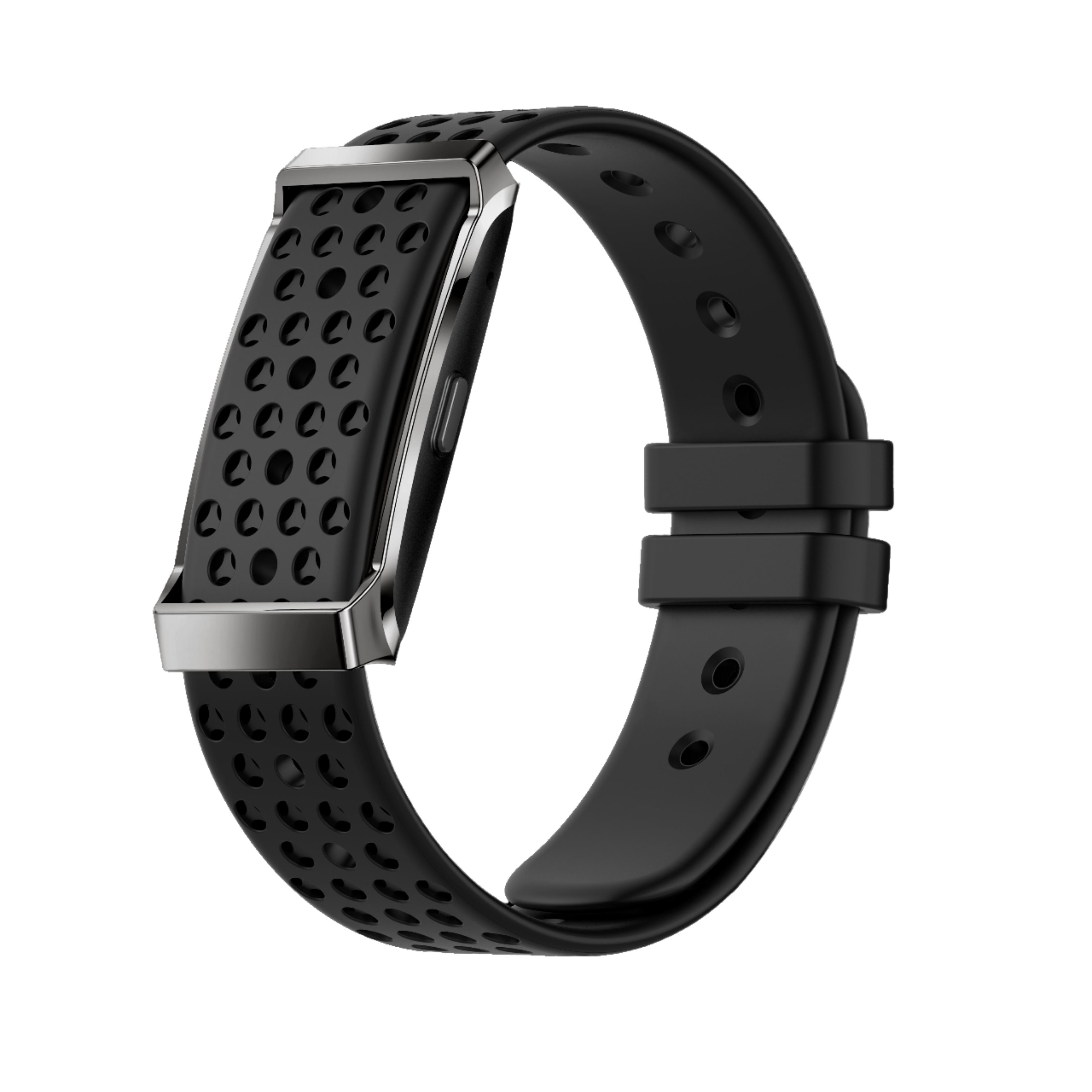
Shenzhen Waterproof OEM Screenless Heart Rate Blood Oxygen Sleep Activity Monitor Health Care Smart Bracelet & Smart Bangles
Why Top Global Wearable Brands Partner with Honsys
Shenzhen Honsys Technology Co., Ltd. (established in 2010, exporting internationally since 2012) bridges state-of-the-art embedded wireless engineering with rigorous volume manufacturing in the heart of the world's electronics capital.
Dedicated exclusively to wireless Bluetooth RF tuning, embedded firmware, and biosensing wristwear since 2010.
Rapid engineering feedback, fast turnaround on technical RFQs, and dedicated bilingual project managers.
From Golden Sample sign-off to full container release at Yantian, Shenzhen, or Hong Kong international sea ports.
Dual-chamber pressure decay water-tightness testing, Bluetooth BER spectrum analysis, and battery aging cycles.
International Regulatory Compliance
Full testing documentation and Declarations of Conformity ready for FCC (USA), CE RED (European Union), and RoHS (Directive 2011/65/EU). We actively maintain verified EPR (Extended Producer Responsibility) packaging compliance for French and German commercial market entry.
Turnkey SDK & Raw Data Hooks
Unlike consumer-locked devices, our OEM platforms provide comprehensive Android/iOS SDKs and RESTful API bridges. Access raw photoplethysmography (PPG) waveforms, uncompressed R-R intervals for Heart Rate Variability (HRV), and real-time tri-axial accelerometer metrics for proprietary cloud analytics.
SGS-Audited Manufacturing Facility
Our workshop maintains precision assembly lines, automated dispensing and laser-welding equipment, heat-shrink packaging stations, and digital vernier quality verification. SMT high-speed pick-and-place partners and battery aging racks are monitored under strict ESD-protected protocols.
Next-Generation Bluetooth Wearable Architecture & Sensor Fusion
A technical analysis for Chief Technology Officers, Hardware Product Directors, and Procurement Executives evaluating Bluetooth 5.3/5.4 SoC performance, biosensor accuracy, and power budgeting.
1. Bluetooth Low Energy (BLE 5.3 / 5.4) Transceiver Optimization
The transition from legacy Bluetooth 4.2 to modern BLE 5.3 and 5.4 protocol stacks represents a quantum leap in wearable architecture efficiency. Operating within the 2.402 GHz to 2.480 GHz ISM band, modern systems-on-chip (such as the Nordic Semiconductor nRF52/nRF53 series and ultra-low-power Realtek/Goodix chipsets) leverage LE 2M PHY for double the throughput (up to 2 Mbps) or LE Coded PHY for long-range connectivity using forward error correction (FEC).
For custom OEM Bluetooth watch manufacturing, the radio frequency (RF) front-end design is critical. Miniaturized wearable enclosures constrain antenna clearance. Our engineering division employs Laser Direct Structuring (LDS) and custom flexible printed circuit (FPC) loop antennas impedance-matched to 50 ohms via network analyzers, minimizing human-body detuning effects and maintaining strong signal integrity even under heavy wrist absorption.
Power Budget Realities: By implementing Connection Subrating and Periodic Advertising with Responses (PAwR) introduced in BLE 5.4, standby power consumption in continuous background synchronization drops from ~35 μA down to 8.2 μA, extending operational lifespan without increasing lithium-polymer pouch size.
| Hardware Specification | Legacy Bluetooth 4.2 | Standard BLE 5.0 / 5.2 | Honsys Next-Gen BLE 5.3/5.4 Architecture |
|---|---|---|---|
| Peak Data Throughput | 1.0 Mbps (LE 1M) | 2.0 Mbps (LE 2M) | 2.0 Mbps High-Burst + Subrated Synchronization |
| Sleep Mode Drain | 12.5 – 18.0 μA | 8.0 – 12.0 μA | 3.2 – 5.5 μA (Deep Sleep with RTC retention) |
| Antenna Integration | Chip Antenna / PCB Trace | FPC Antenna | Custom LDS 3D Frame Antenna / Tuned FPC Loop |
| SDK Data Interception | Standard GATT Profiles Only | Basic UUID Hooking | Raw Biosensor Array Streaming + Micro-Lead Hooks |
2. Biometric Optical & Electrical Sensing: Multi-Wavelength PPG vs. ECG
Accurate wearable biometric capture relies on overcoming the signal-to-noise ratio (SNR) degradation caused by wrist movement, uneven skin pigmentation, and peripheral capillary constriction. Our custom OEM watch platforms utilize dual and quad-wavelength optical photoplethysmography (PPG) sensor arrays combining 525nm (Green) for standard heart rate tracking with 660nm (Red) and 940nm (Infrared) for real-time peripheral capillary oxygen saturation (SpO2) and sleep stage demarcation.
In addition to optical sensors, our flagship screenless bracelets and high-end watches integrate single-lead Electrocardiogram (ECG) hardware. By positioning 316L medical stainless steel or titanium-nitride coated dry contact electrodes across the watch chassis and baseplate, the device records systemic biopotential voltages across the Einthoven triangle when touching the opposing hand. The analog front end (AFE) applies a 50Hz/60Hz notch filter, high-pass band rejection, and baseline wander correction to output clean, uncompressed P-Q-R-S-T complexes for autonomous Heart Rate Variability (HRV) calculations such as RMSSD and SDNN.
Notice for B2B buyers: Honsys wearable devices are engineered for personal fitness, sports tracking, and wellness trend reference. They are not cleared as diagnostic medical equipment under FDA 510(k) or EU MDR without specific client-side medical regulatory submissions.
3. Structural Enclosure Engineering, Ultrasonic Welding & Sealing
Water resistance in smart wristwear is not merely a marketing metric—it is the foremost defense against field returns and warranty claims. Achieving an IP68 and 3ATM waterproof rating requires meticulous mechanical tolerance control. We utilize CNC-machined aerospace zinc-aluminum alloys or glass-filled polycarbonate housings combined with dual-stage automated polyurethane liquid dispensing.
During the mass production cycle, each unit undergoes multi-step validation: incoming dimensional control with digital calipers, precision jig positioning during automated UV-curing or ultrasonic bonding, and post-assembly pressure decay leak testing. Devices intended for multi-sport or outdoor swimming applications undergo pressurized submersions to ensure gasket elasticity remains uncompromised over hundreds of thermal expansion cycles.
The 2025–2030 Smart Wearable Sourcing Landscape
Strategic purchasing insights for brand owners, B2B distributors, and corporate health program managers navigating changing buyer preferences and regulatory dynamics.
1. Rise of the "Screenless" Digital Detox Band
Market data reveals a rapid surge in demand for screenless smart bands. Users are increasingly fatigued by non-stop push notifications, blue-light interruptions, and constant digital distractions. Sourcing screenless bands allows brands to deliver 24/7 recovery, HRV, and sleep analytics with 10 to 15 days of continuous battery runtime at a significantly lower bill of materials (BOM) cost compared to full-display smartwatches.
2. Open Data Ecosystems Over Walled Gardens
Enterprise procurement is turning away from closed proprietary ecosystems (such as Apple or WearOS) toward white-label hardware with open SDK/API access. Corporate wellness initiatives, athletic academies, and life insurance underwriters require deterministic data control where raw biometric vectors feed directly into their proprietary PostgreSQL or AWS/Azure analytics infrastructure without third-party licensing fees.
3. Modular Straps & Sustainable Biocompatibility
Secondary accessories—such as breathable elastic jacquard nylon loops, antibacterial fluoroelastomer bands, and quick-release spring bars—are becoming major profit centers for wearable brands. Modern procurement guidelines enforce strict compliance with skin sensitization tests (ISO 10993-10 biocompatibility) and European REACH Annex XVII nickel-release standards for all wrist-contact hardware.
Total Cost of Ownership (TCO) Optimization for B2B Importers
When calculating landed cost for custom OEM Bluetooth watches, smart sourcing directors look beyond simple unit FOB pricing. The comprehensive procurement equation includes:
- Non-Recurring Engineering (NRE) & Tooling Amortization: Custom mold tooling for watch cases generally ranges from $4,500 to $18,000 depending on cavity complexity (single vs. dual-shot injection) and steel grades (NAK80 or S136). Partnering with Honsys provides access to proven, mature tooling platforms with zero NRE cost for standard private-label branding runs.
- Defect-Rate (RMA) Reduction: The true margin killer in wearable imports is the post-sale return rate. Honsys guarantees a return-material-authorization (RMA) threshold below 0.3% via 100% functional test jigs, automated battery load cycling, and strict IP68 seal validation before batch carton packing.
- Regulatory Clearance Security: Incomplete radio frequency or electrical safety certifications risk severe customs impoundments at European and North American ports. With FCC ID registrations, CE RED certifications, and RoHS laboratory declarations readily accessible, Honsys ensures friction-free customs clearance.
End-to-End 7-Stage OEM/ODM Engineering Roadmap
From initial industrial conceptualization to high-volume container shipment, every phase adheres to stringent sign-off gates, Design for Manufacturability (DFM) reviews, and continuous QA oversight.
Product Brief & NDA
Definition of hardware parameters: BLE SoC family, optical sensor configuration, battery capacity, target casing dimensions, and bilateral Non-Disclosure Agreement execution.
Industrial Design & CMF
Color, Material, and Finish (CMF) finalization. Precision laser-marking vector layouts, strap texture selection, and Pantone-matched outer shell sampling.
Firmware ROM & SDK Prep
Customization of boot screens, Bluetooth broadcast name, custom BLE UUIDs, pairing protocols, and API middleware integration for external client platforms.
EVT / DVT Pre-Production
Engineering Validation (EVT) and Design Validation (DVT) sample builds. Golden Samples dispatched via priority international courier for buyer sign-off.
SMT & Ultrasonic Assembly
High-speed surface-mount technology (SMT) component placement, precision robotic soldering, micro-lead wire bonding, and automated chassis sealing.
100% In-Line QA Testing
Dual-chamber air pressure decay water-immersion testing, Bluetooth transmit/receive power spectrum measurement, and 24-hour battery burn-in checks.
Retail Packaging & Freight
Multilingual retail packaging, EPR compliance labeling, drop-test certified master cartons, and prompt FOB shipment out of Yantian, Shenzhen, or Hong Kong.
Frequently Asked Questions by Wearable Sourcing Directors
Direct answers from our Shenzhen engineering and commercial export divisions to help streamline your procurement evaluation process.
What are your Minimum Order Quantities (MOQ) for custom branding?
For existing mature hardware platforms with custom laser-engraved logos and customized multilingual gift boxes, our typical production MOQ starts at 500 to 1,000 units. For initial pilot evaluations, functional prototyping, and software integration trials, evaluation samples are readily available starting from 1 to 10 units.
How do we integrate watch biometrics into our proprietary mobile app?
We provide full native Android (Java/Kotlin) and iOS (Objective-C/Swift) SDK libraries along with comprehensive communication protocol documentation. This exposes raw sensor packet streams (PPG, ECG, accelerometry), continuous battery telemetry, and commands for vibration motors and local memory registers.
What battery transport documentation is supplied for international air and ocean freight?
All lithium-polymer batteries integrated into our smartwatches and health bands have undergone rigorous testing and possess active UN38.3 test summaries, Material Safety Data Sheets (MSDS), and drop-test packaging certifications. We regularly handle DG-compliant air freight (IATA Section II) and maritime container cargo.
What is the difference between IP68 and 3ATM in your manufacturing process?
IP68 certifies protection against dust ingress and continuous water immersion typically up to 1.5 meters for 30 minutes in static water conditions. Our 3ATM-rated rugged GPS watches are engineered to withstand pressures equivalent to 30 meters of hydrostatic depth, featuring reinforced seals suitable for high-velocity surface swimming.
Can Honsys customize the firmware boot screen and Bluetooth broadcast name?
Yes. As an OEM manufacturer, we flash custom firmware binaries during the secondary programming stage. The Bluetooth broadcast beacon (Device Name), MAC address vendor prefix, splash screen graphics, and device pairing dialogues will reflect your exclusive corporate brand identity.
What are the standard international payment and delivery terms?
We work with international B2B terms including FOB Shenzhen/Yantian, FOB Hong Kong, CIF, EXW, and DDP by arrangement. Standard payment methods include Wire Transfer (T/T), Letter of Credit (L/C at sight), and secure escrow services across major global trading currencies including USD, EUR, GBP, and CNY.
How does your factory handle warranty claims and defective units?
We provide a comprehensive 12-month factory warranty on all smart wearable hardware assemblies. In high-volume orders, we commonly provide 0.5% to 1.0% spare replacement units (FOC buffer units) packed directly with the master order to ensure instant resolution of any retail customer returns.
Are your wearables registered as medical devices?
Our wristbands and smartwatches are manufactured as consumer-grade personal health, sports, and wellness monitoring devices. While our PPG and ECG sensors offer high correlation with clinical baselines, clients seeking to market devices specifically for disease diagnosis must complete independent regional medical body certifications (such as FDA or CE-MDR).
Accelerate Your Wearable Hardware Program Today
Connect with a Honsys senior hardware engineer to receive detailed spec sheets, STEP 3D CAD models, open SDK documentation, and tiered volume price breakdowns for your target market.