Enterprise Portfolio
Precision Engineered Digital Watches & Smart Bands
Explore production-ready architectures supporting custom industrial tooling, private label firmware, and real-time biometric telemetry integrations.
Industry Technical White Paper
The Evolutionary Shift in Digital Watch OEM/ODM Procurement
Analyzing architectural pivots from standalone electronic timepieces to distributed biometric endpoints, algorithmic accuracy benchmarks, and supply chain governance.
In the contemporary hardware landscape, the term "Custom OEM Digital Watch" has undergone an expansive architectural redefinition. Previously constrained to quartz-driven liquid crystal displays (LCD) delivering rudimentary chronograph functions, current enterprise procurement mandates hybrid multi-sensor architectures. Today’s global brand owners, institutional insurers, and tele-wellness aggregators require precision-molded wearables that act as low-latency biometric capture systems. As smart consumer electronics converge with clinical oversight, hardware distributors must navigate rigorous electrical engineering paradigms, cross-platform software integration, and strict international compliance standards.
Key Engineering Benchmark: The standard for custom wearable reliability now centers on Signal-to-Noise Ratio (SNR) in Photoplethysmography (PPG) arrays, power management integrated circuit (PMIC) thermal efficiency during continuous multi-constellation GNSS pinging, and hermetic ultrasonic resin bonding enabling sustainable 3 ATM to 5 ATM water resistance ratings.
1. Technological Trajectories: Beyond Passive Timekeeping
The wearable ecosystem is transitioning through three critical technological shifts that redefine unit bill of materials (BOM) considerations for procurement officers:
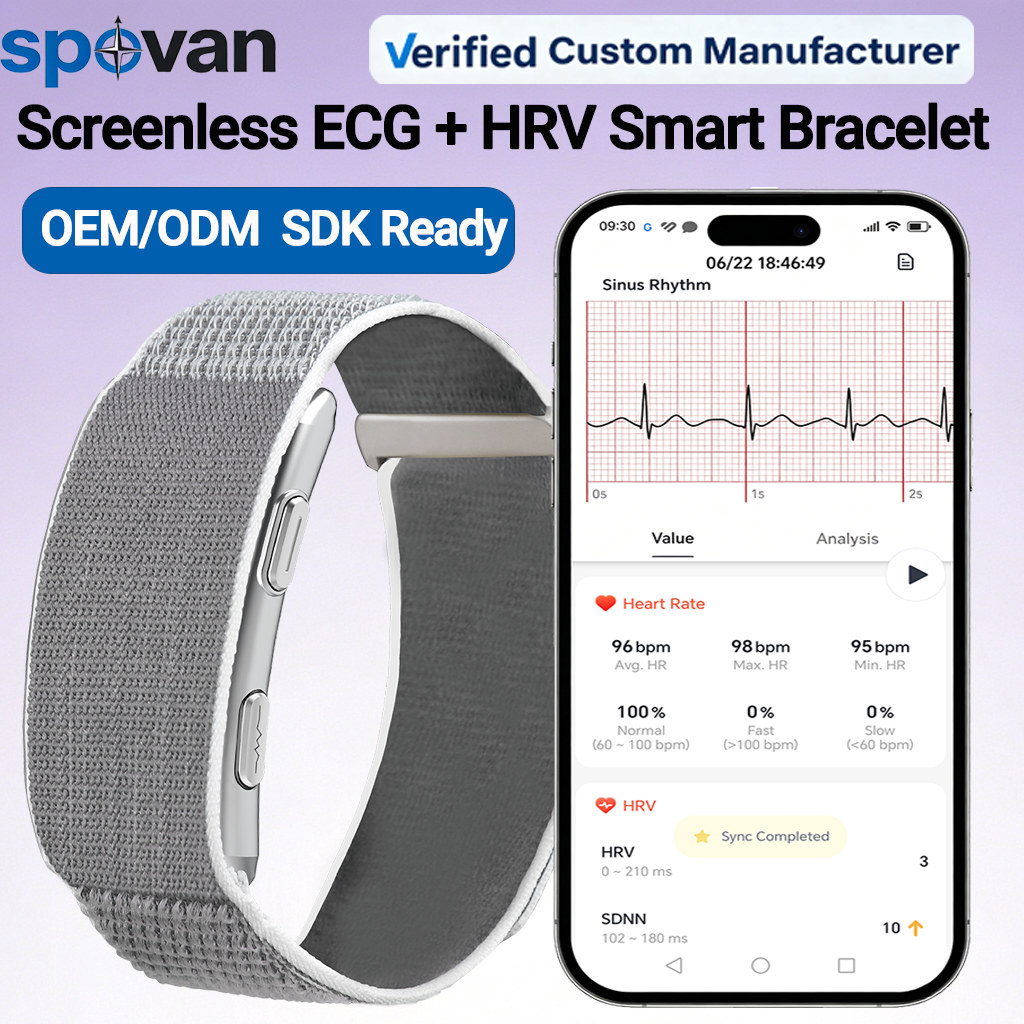
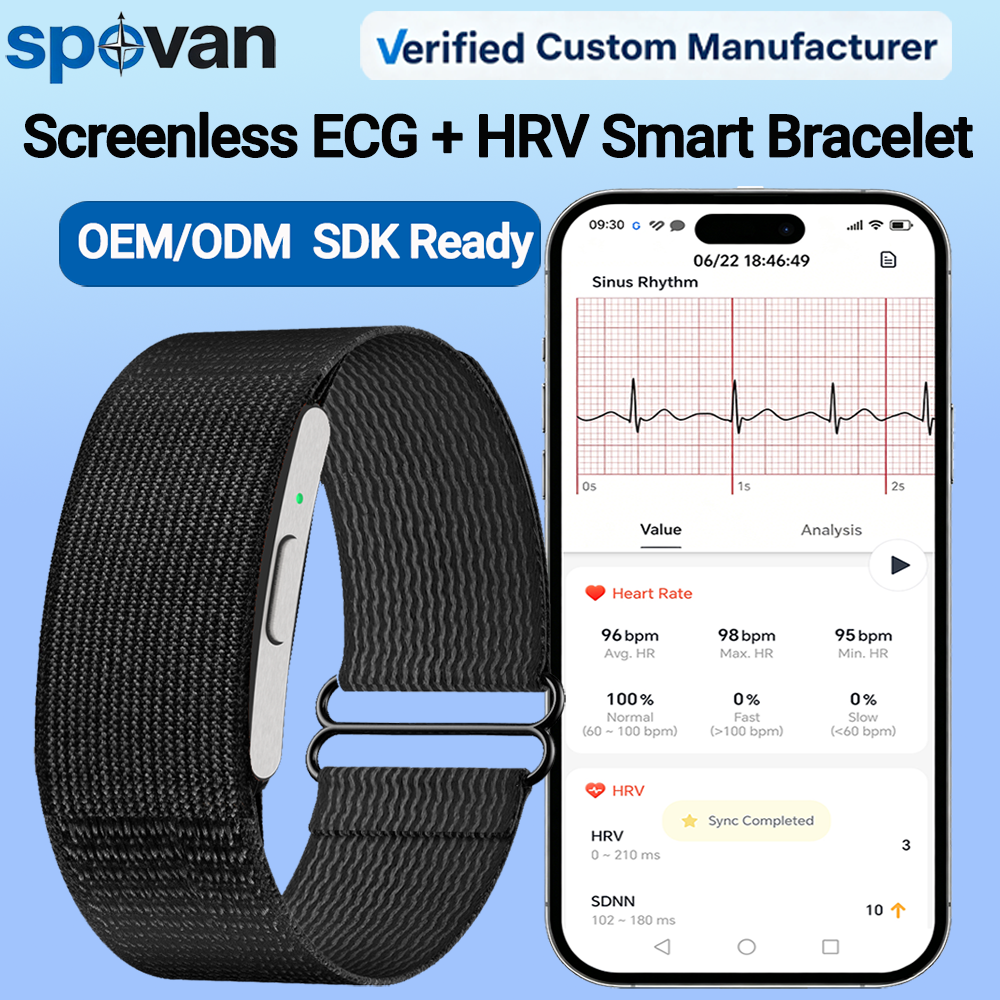
A. Advanced Biosensing Fusion (ECG + PPG + Continuous HRV): Single-diode optical heart rate sensors no longer provide adequate competitive differentiation on retail shelves or healthcare platforms. Modern OEM designs synthesize dual-wavelength PPG arrays (green 525nm for superficial microvascular perfusion and infrared 940nm for peripheral oxygen saturation) with solid titanium or stainless steel dry-contact electrocardiogram (ECG) electrodes. This sensor fusion captures subtle cardiac depolarization vectors, outputting Lead-I equivalent traces capable of deriving accurate Heart Rate Variability (HRV) metrics, autonomic stress index values, and early ventricular ectopic indicators.
B. The Emergence of the "Screenless" Digital Health Band: A counter-trend against continuous notification fatigue is accelerating demand for screenless wristbands. By stripping out bulky display drivers and touch digitizers, industrial designers reduce enclosure mass to sub-25 gram metrics while extending battery cycles up to 10–14 days. Crucially, screenless devices allow clinical research organizations, sports optimization platforms, and corporate wellness initiatives to collect continuous, uncorrupted behavioral data without human interface interruptions.
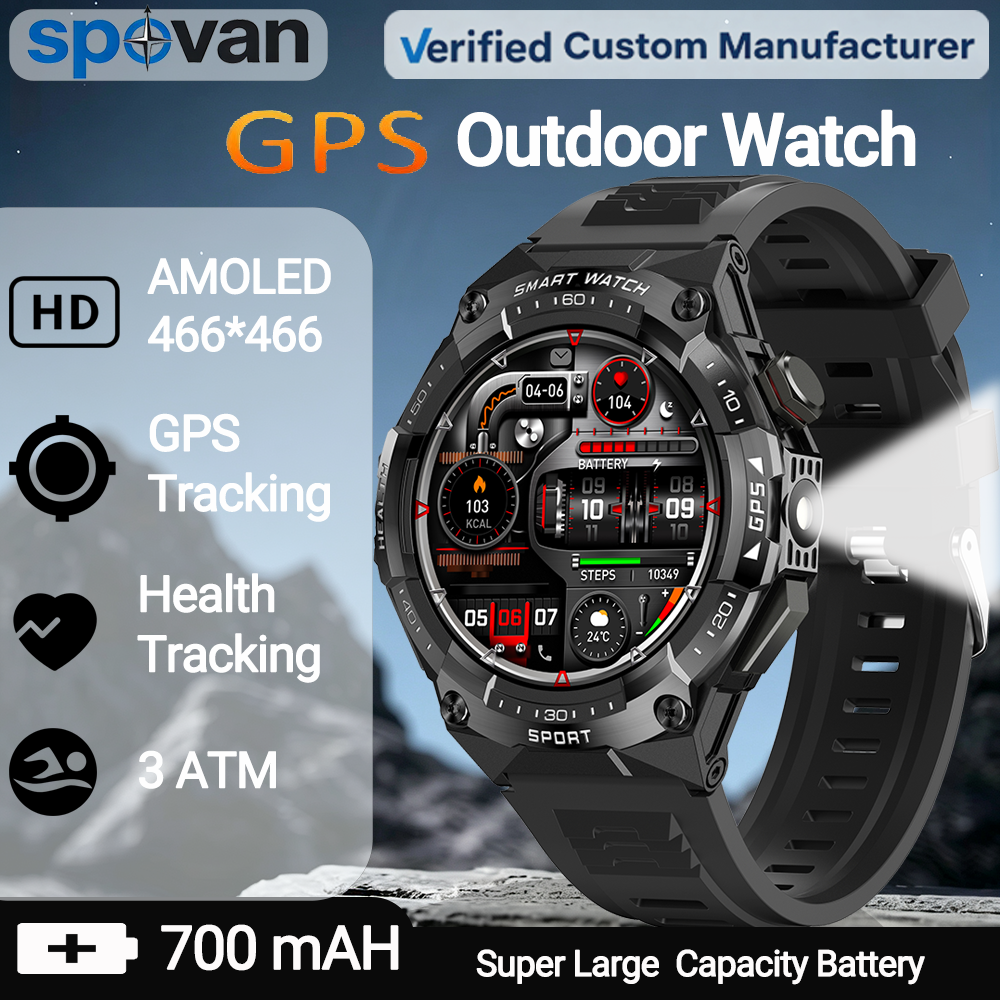
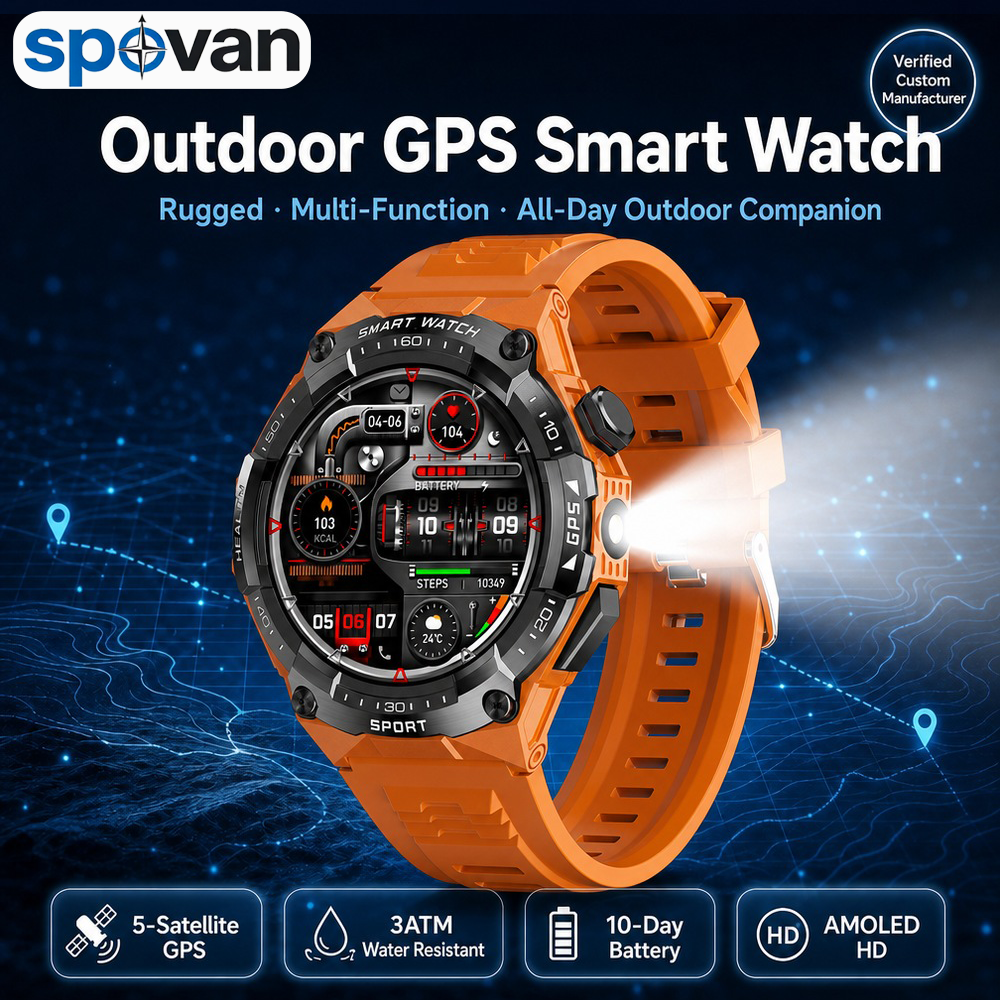
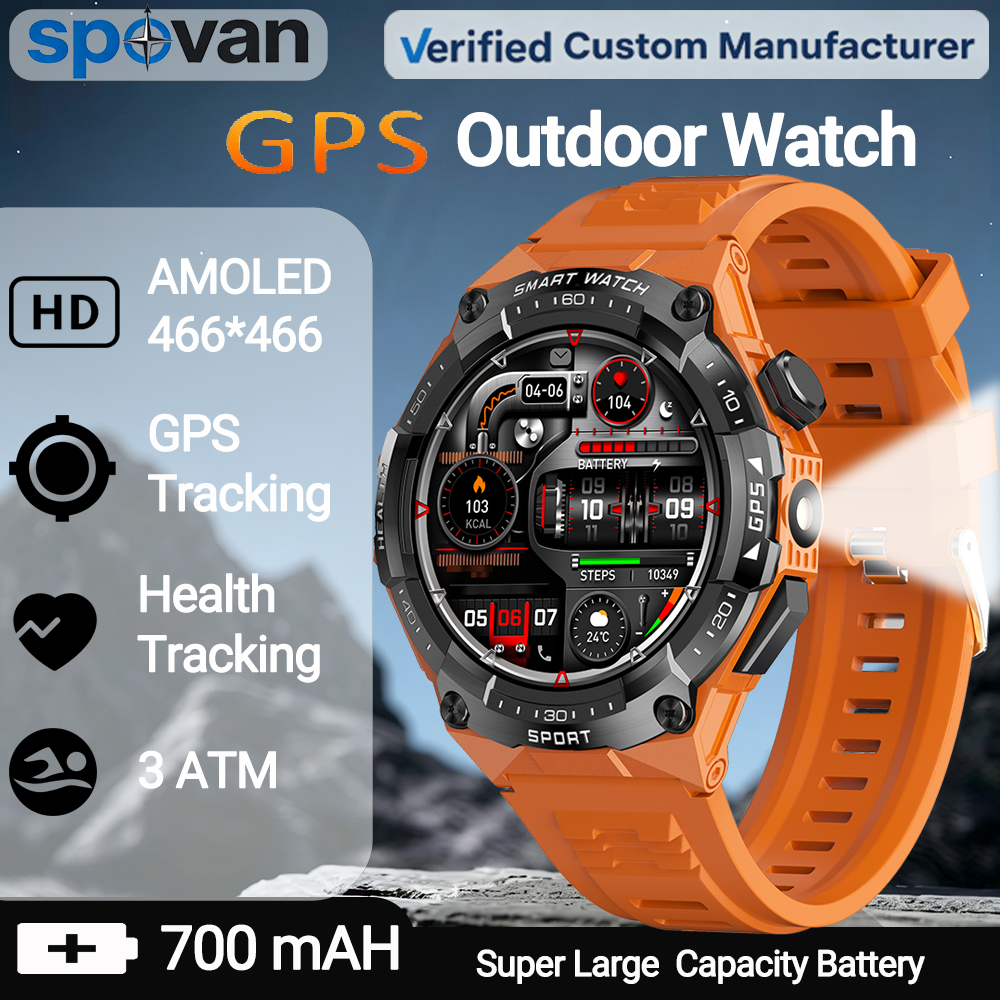
C. Multi-Constellation Ephemeris Engines: Rugged outdoor digital smartwatches are abandoning legacy single-band GPS. Next-generation platforms integrate low-power GNSS basebands capable of concurrent satellite cross-referencing across GPS (USA), GLONASS (Russia), Galileo (European Union), and BeiDou (China). Paired with barometric altimetry sensors and tri-axis magnetic compasses, these platforms deliver uninterrupted spatial logging under dense forest canopies and concrete urban canyons.
15+
Years Engineering (Est. 2010)
810+
B2B Bulk Orders / 6 Mo
99.76%
Technical RFQ Response Rate
100%
In-Line Leakage Inspected
2. Future Procurement Trends: Sourcing Directives for 2026–2030
Global supply chain directors are restructuring their RFQ frameworks to mitigate platform obsolescence. Sourcing professionals must integrate several forward-looking criteria into vendor qualification matrices:
Open SDK & Raw Data Portability
Proprietary closed-loop ecosystems represent a liability for platform operators. Corporate buyers now demand hardware suppliers deliver unlocked Bluetooth Low Energy (BLE 5.2/5.3) GATT services, full RESTful API documentation, and native mobile software development kits (iOS Objective-C/Swift and Android Java/Kotlin). This enables direct ingestion of raw sensor photodiode outputs straight into internal machine learning pipelines without mandatory vendor cloud intermediaries.
Circular Traceability & Environmental Governance
European and North American jurisdictions are introducing mandatory supply chain transparency directives. Procurement contracts now demand explicit EPR (Extended Producer Responsibility) registration in key destination hubs (notably LUCID in Germany and SYDEREP in France). Sourcing teams require full traceability of cobalt in Li-ion pouch cells, halogen-free PCB substrate validation, and comprehensive RoHS/REACH chemical compliance verifications.
Modular Structural & CMF Scalability
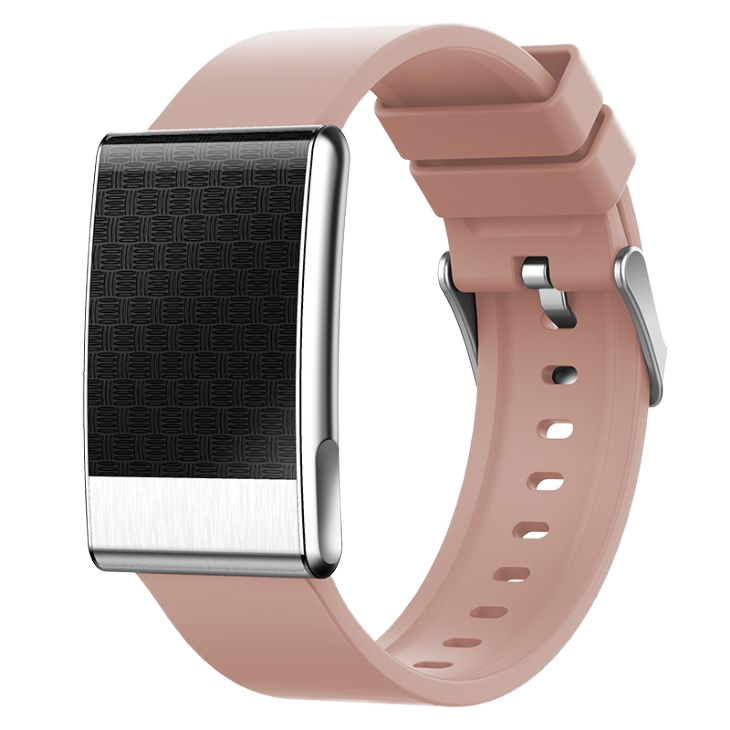
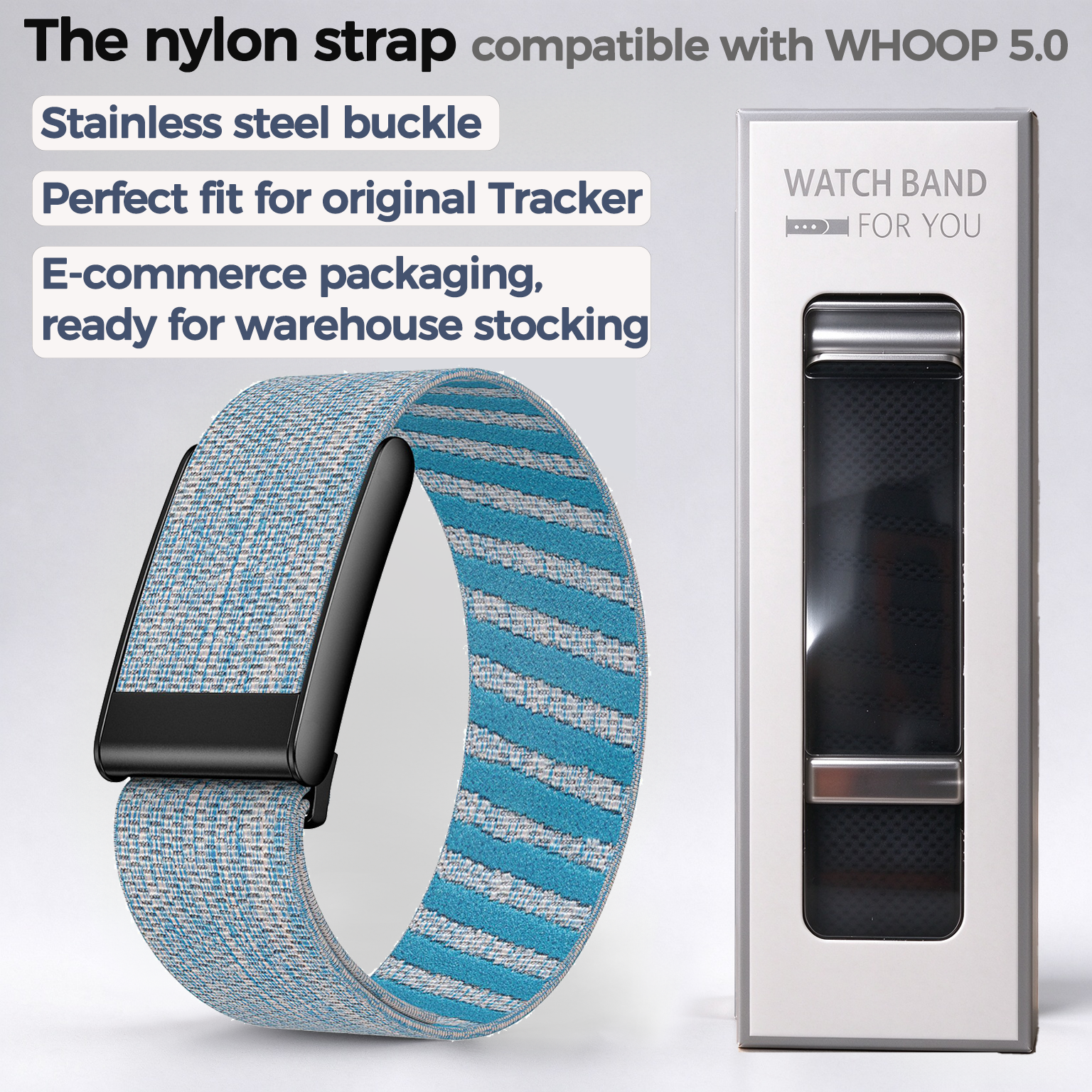
To optimize inventory turnover, buyers favor unified internal circuit architectures that support modular exterior color, material, and finish (CMF) updates. A standardized mainboard and biosensor housing can be paired with aviation-grade zinc alloy bezels, diamond-like carbon (DLC) coatings, or biocompatible liquid silicone and breathable woven nylon bands, facilitating rapid seasonal SKU diversification from a single tooling investment.
Verified Manufacturing Power
Shenzhen Honsys Technology: Industrial Precision Since 2010
Bridging conceptual industrial design and high-yield cleanroom assembly in the world's epicenter of advanced microelectronics manufacturing.
Full-Cycle SMT to Enclosure Assembly
Operating dedicated production and testing facilities in Shenzhen, Guangdong. Our lines encompass high-precision surface mount technology (SMT), ultrasonic plastic welding, automated hot shrinking, dispensing robotics, and precision mechanical micro-soldering under rigorous ESD controls.
100% Hermetic Pressure & Leakage Testing
Every single waterproof digital watch and smart bracelet undergoes positive and negative chamber air-decay differential leakage testing. Our multi-stage IQC, IPQC, and QA workflows ensure true IP68 and 3ATM hydro-sealing resilience prior to final boxing.
Third-Party Audited & Accredited
Our operational infrastructure has undergone comprehensive on-site facility assessment by SGS Group. We maintain valid FCC (USA), CE (European Union), and RoHS certifications, supported by authenticated Declarations of Conformity and European Accessibility Act (EAA) compliance statements.
Proprietary IP & Firmware Tooling
Backed by registered international trademarks and 4 original hardware design patents, Honsys safeguards buyers against intellectual property infringements. Our software division handles custom kernel builds, dynamic boot splash screens, and localized multilingual font libraries.
 Assembly Cleanroom Workshop
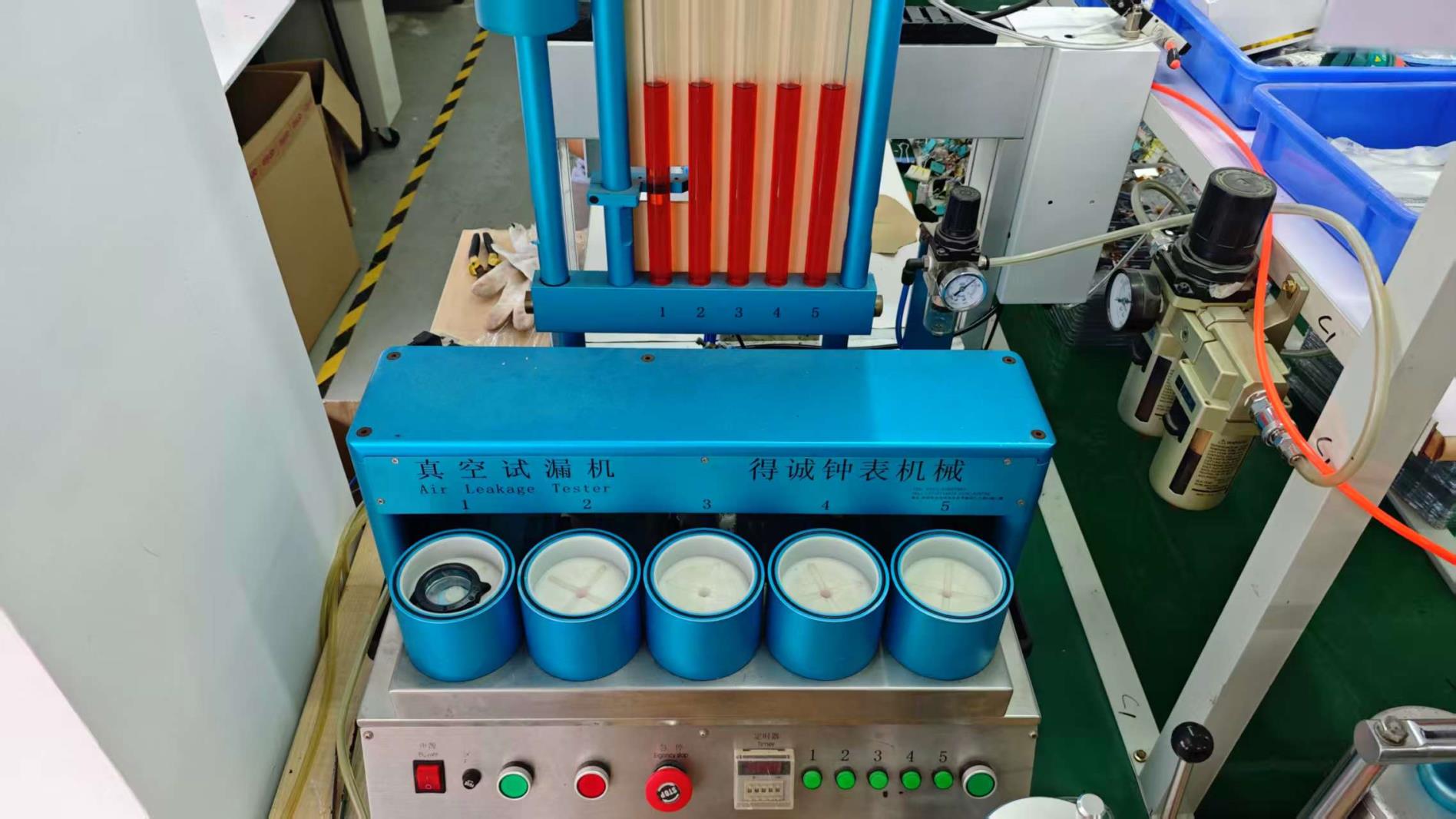 Automated Leakage Pressure Testing
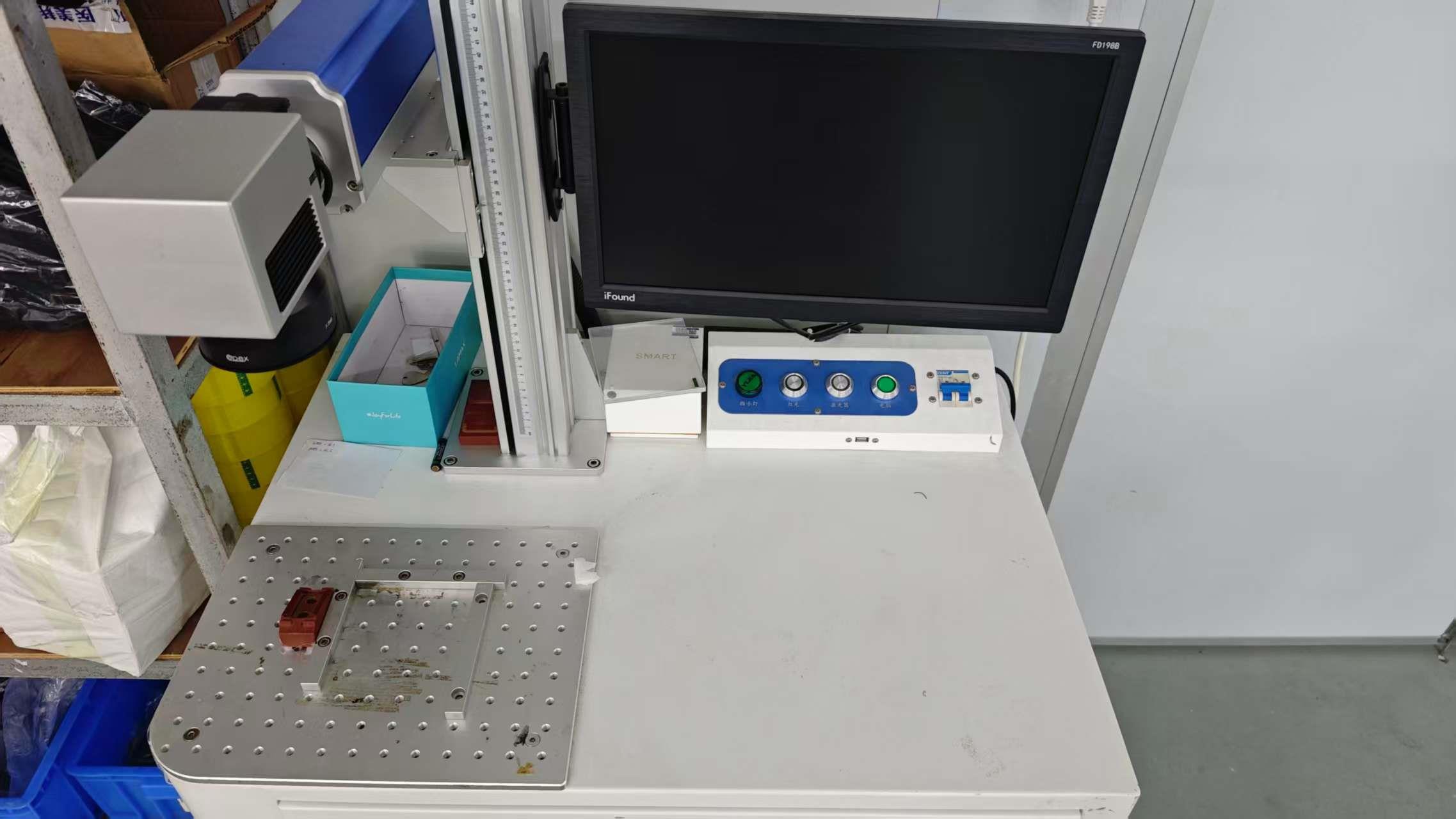 High-Precision Laser Housing Engraving
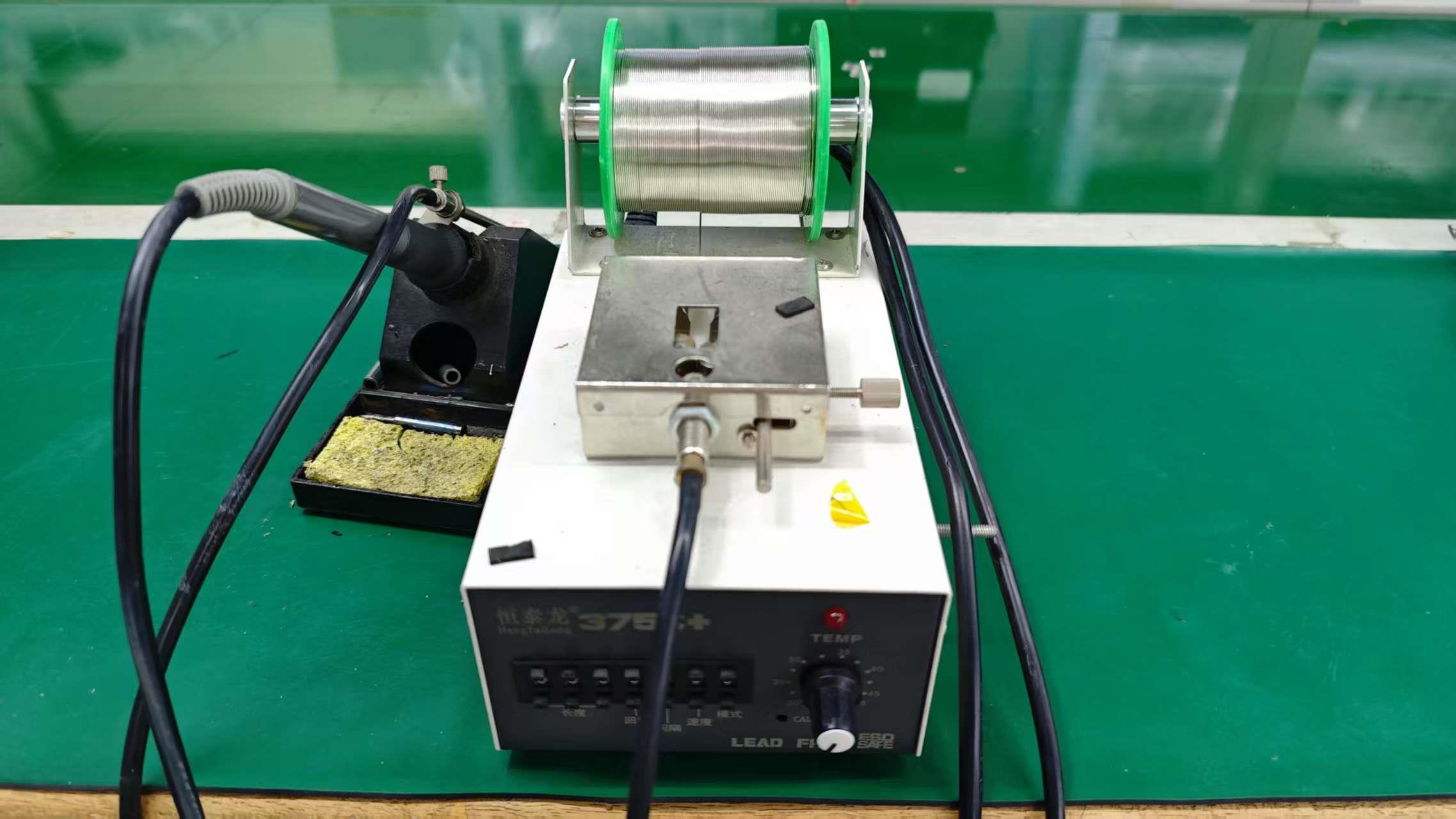 Semi-Automated Micro-Soldering Lines
Procurement FAQ
Frequently Addressed Technical & Commercial Queries
Transparent technical, regulatory, and supply chain insights to streamline your procurement due diligence.
What is the baseline Minimum Order Quantity (MOQ) for custom OEM and ODM digital watch projects?
For preliminary evaluation and functional validation, ready-to-ship reference units can be dispatched at quantities of 1 to 10 pieces. For private label programs featuring laser-engraved case backs, custom strap debossing, and tailored firmware boot screens, MOQs typically range from 100 to 500 units depending on the enclosure tooling. Deep-level ODM projects involving proprietary PCB layouts, custom injection molds, and dedicated retail packaging start from 1,000 to 3,000 units.
What engineering documentation and SDK access do you provide for enterprise platforms?
We provide full software development kits (SDKs) and RESTful API endpoints for screenless bracelets and advanced ECG digital smartwatches. Our software deliverables include Bluetooth communication protocols, raw data parsing libraries for continuous PPG, SpO2, and single-lead ECG traces, along with sample applications for Android (Java/Kotlin) and iOS (Objective-C/Swift), enabling seamless integration into proprietary health, clinical, or corporate platforms.
How does Honsys enforce quality control and waterproof integrity across mass production?
Our multi-tier quality assurance protocol initiates with rigorous Incoming Quality Control (IQC) inspecting micro-controllers, display panels, and battery pouch safety circuits. During production, In-Process Quality Control (IPQC) inspects automated gluing and micro-welding integrity. Crucially, 100% of finished units are tested in pneumatic air-decay pressure chambers to guarantee 3 ATM or IP68 waterproof ratings before undergoing a final 48-hour functional soak and dimensional vernier caliper verification.
What are your standard export delivery timelines, shipping ports, and international trade terms?
Standard mass production lead time averages approximately 30 working days from golden sample sign-off and deposit receipt. We routinely ship under Incoterms including FOB, CFR, CIF, EXW, FCA, DDP, and DDU. Primary dispatch hubs include Shenzhen, Yantian, and Hong Kong ports, supported by comprehensive dangerous goods (UN38.3, MSDS) documentation for smooth air and sea cargo handling worldwide.
Are the biosensing metrics (ECG, HRV, SpO2) categorized as clinical medical devices?
All biometrics captured by our standard digital smartwatches and wristbands are engineered for athletic reference, sports performance, and general wellness tracking. They are not intended as standalone primary diagnostic devices. For enterprise clients intending to register products under specific medical device directives (such as US FDA 510(k) or EU MDR Class IIa), our engineering division provides specialized hardware schematics, raw signal outputs, and cleanroom traceability records to support your regulatory clearance submissions.
What payment currencies and international transaction mechanisms are accepted?
To streamline global treasury processes, we transact across multiple currencies including USD, EUR, GBP, JPY, CAD, AUD, HKD, CHF, and CNY. Accepted commercial instruments include Telegraphic Transfer (T/T), Letter of Credit (L/C at sight), D/P, PayPal, Western Union, Credit Card, and Alibaba Trade Assurance Escrow.