Factory-Direct OEM Sleep Trackers & Multisport Wearables
Engineered for high fidelity physiological telemetry. Explore our scalable platforms equipped with photoplethysmography (PPG), electrocardiogram (ECG), cardiopulmonary coupling sleep algorithms, and low-latency Bluetooth connectivity.
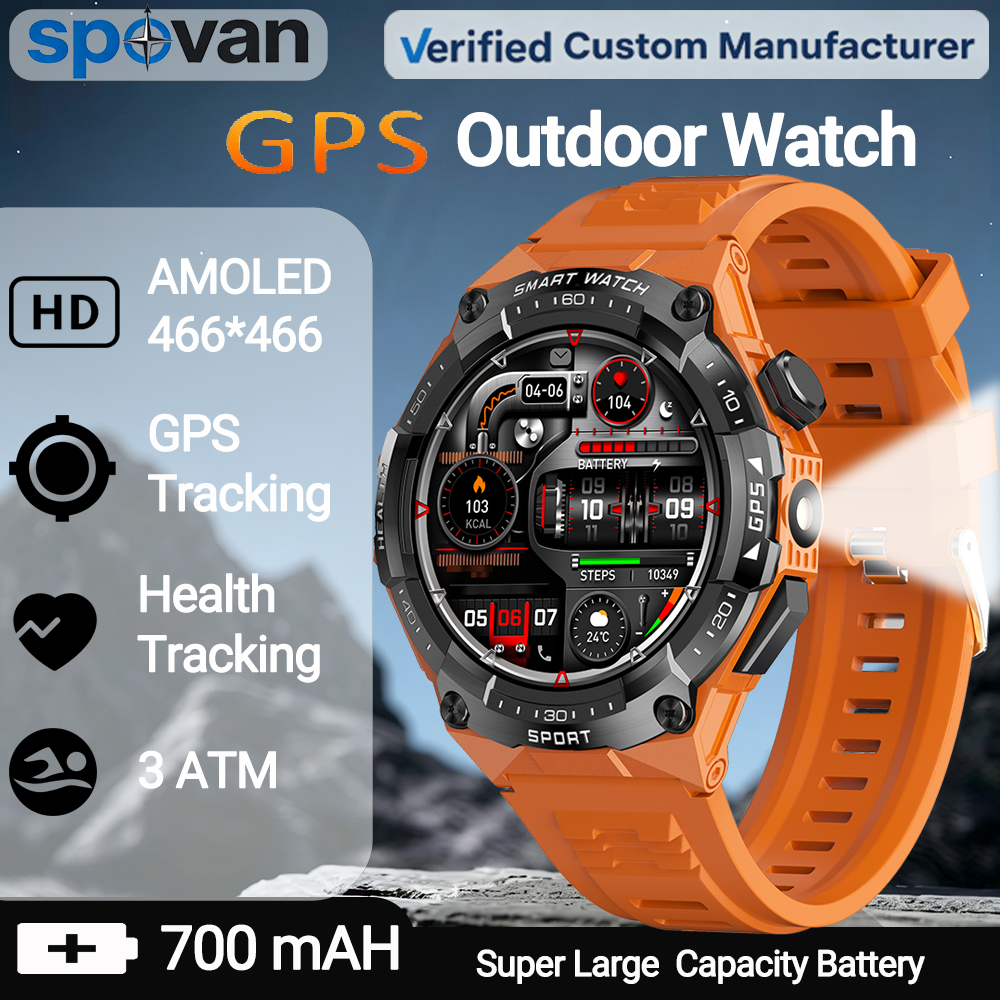
Multi-Satellite GPS Hiking Watch 3ATM Waterproof Outdoor Smartwatch AMOLED
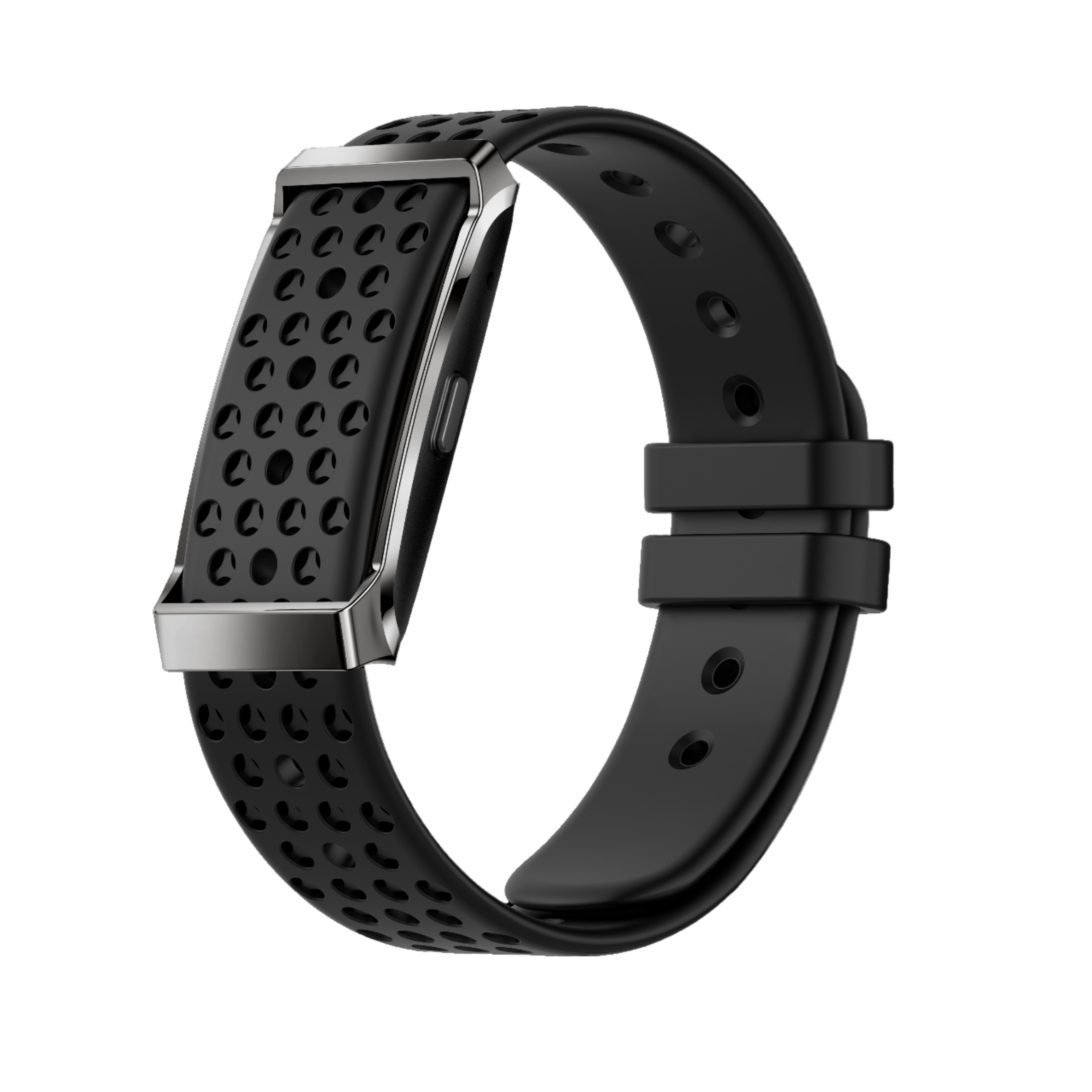
DS10 Android IOS Smart Wristband No-Screen Fitness Tracker SpO2
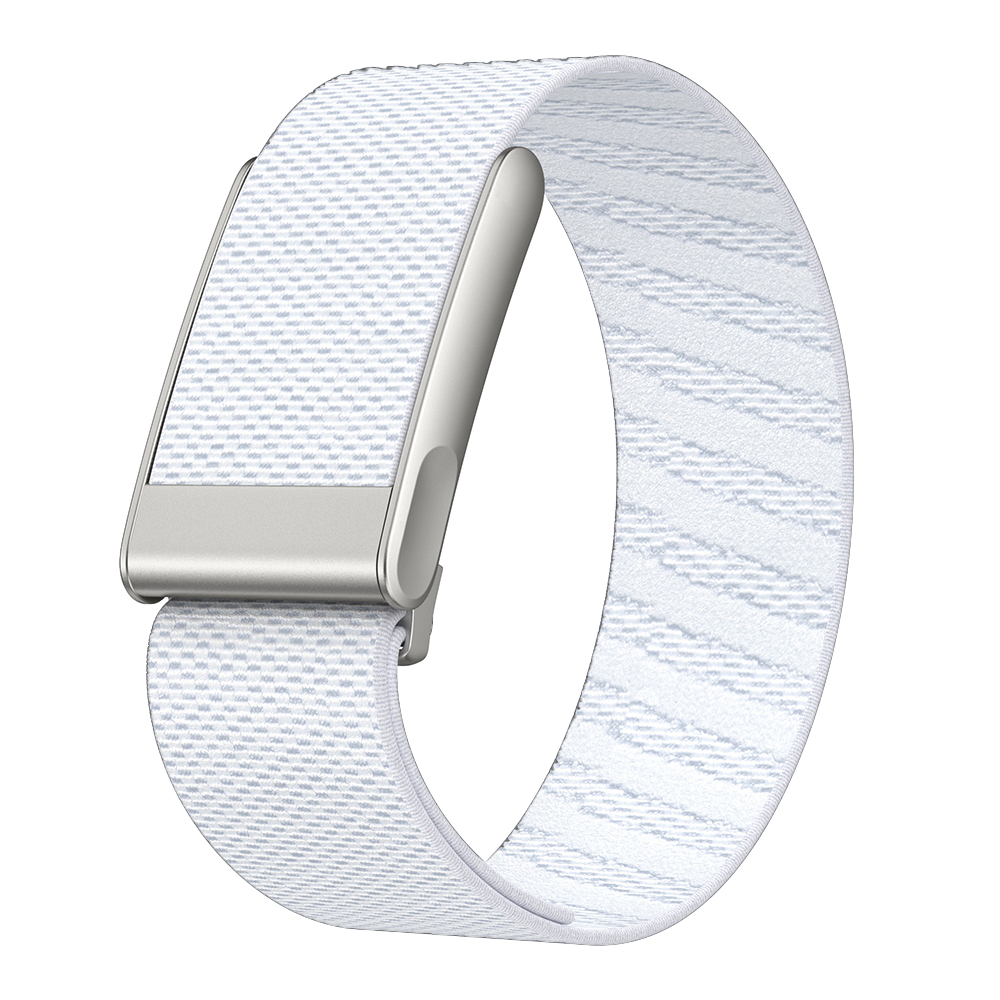
Elastic Breathable Nylon Loop Strap Replacement for Whoop 5.0
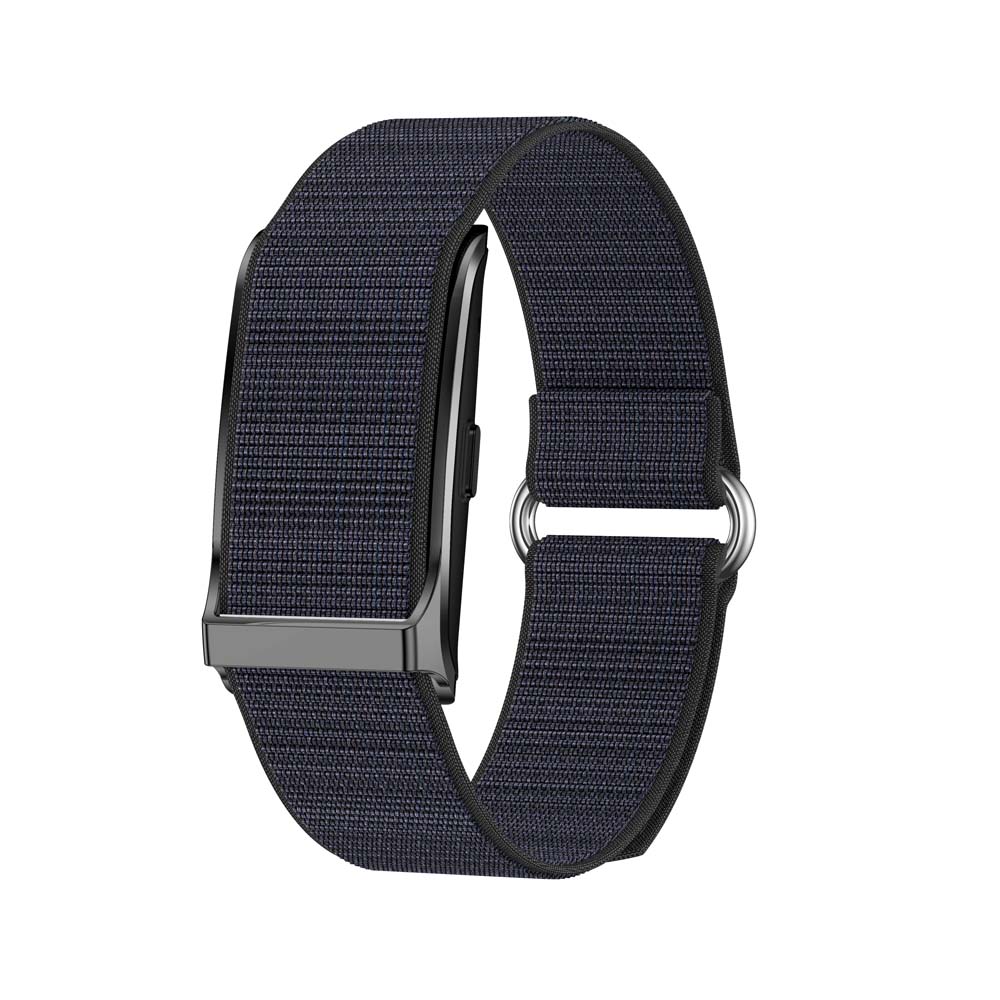
Wholesale Fashion Waterproof Fitness Tracker HRV Screenless Band
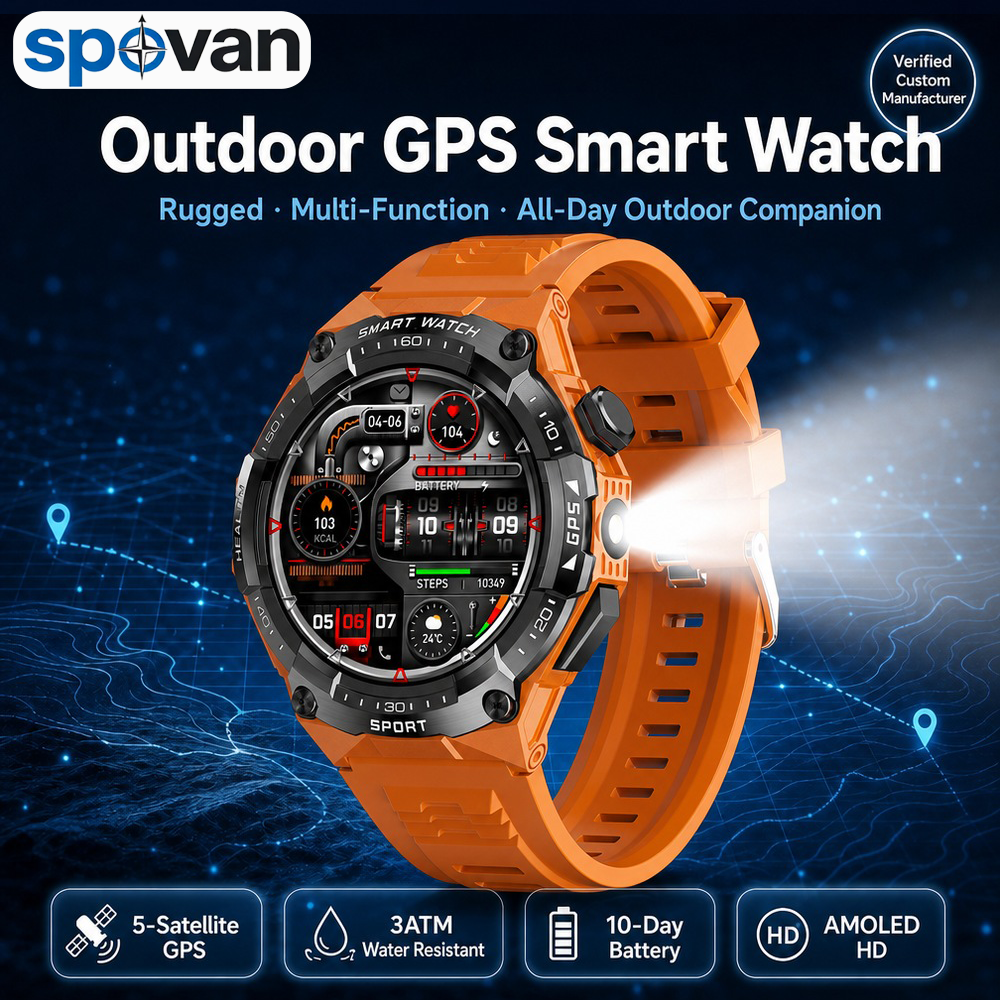
SPOVAN Rugged GPS Smartwatch for Men Square IP68 3ATM Outdoor
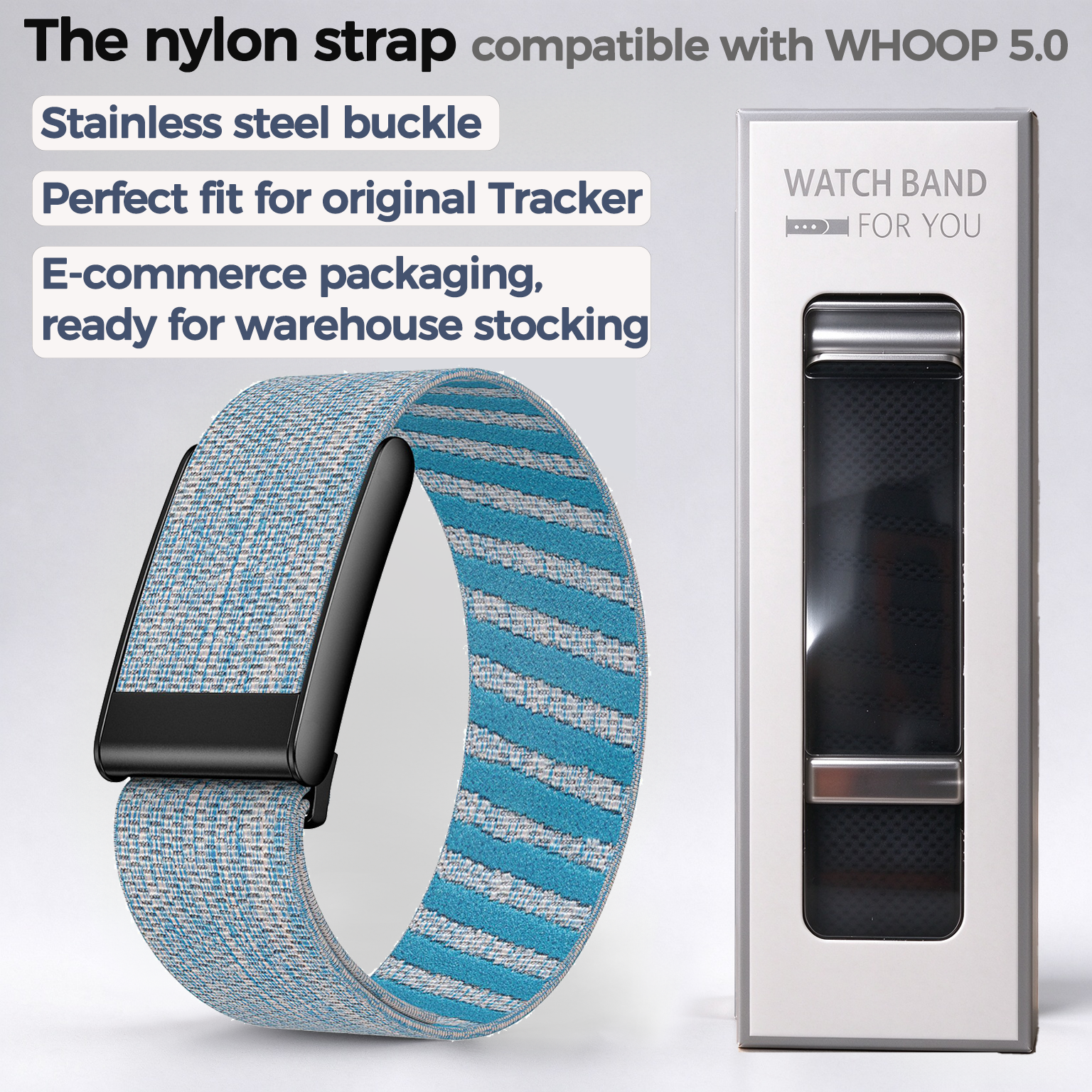
Adjustable Breathable Nylon Loop Strap Replacement for Whoop 5.0
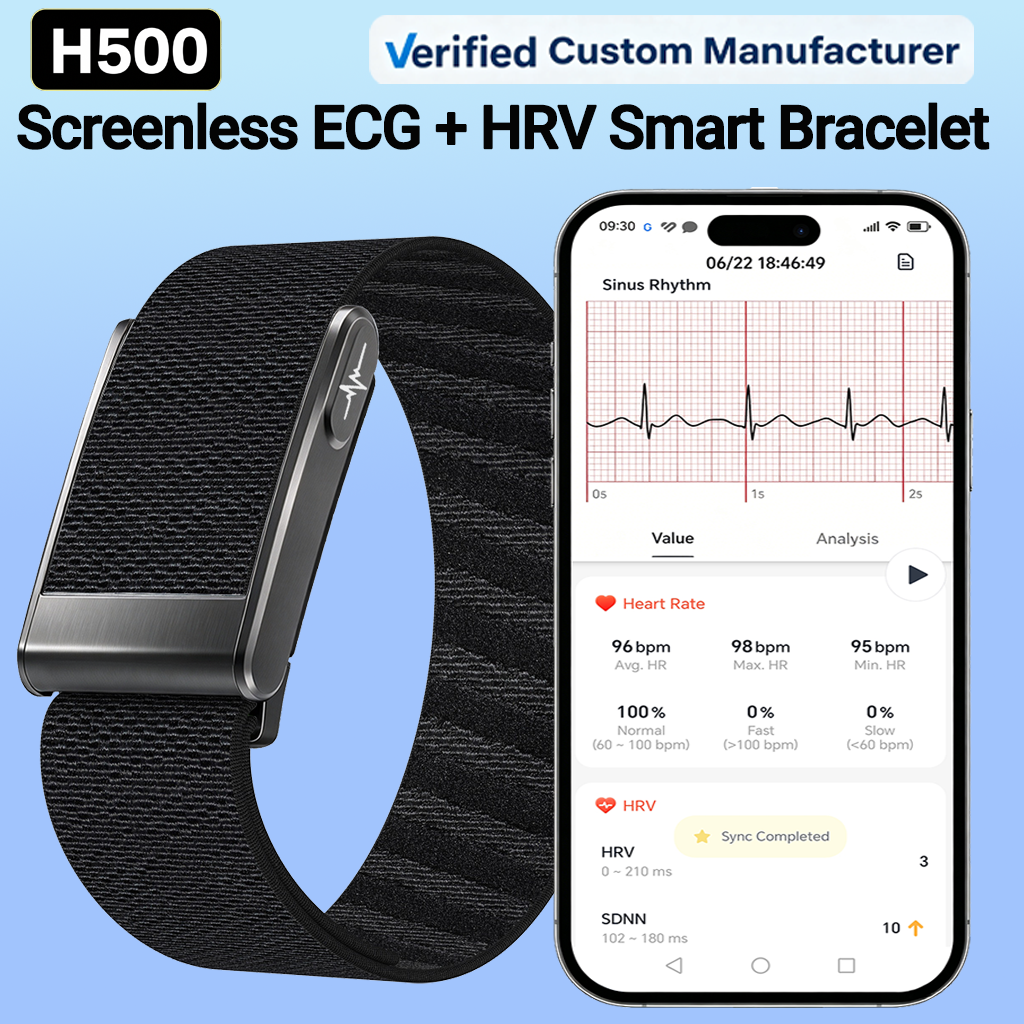
ECG HRV Smart Band Screenless Health Tracker Fitness Wristband
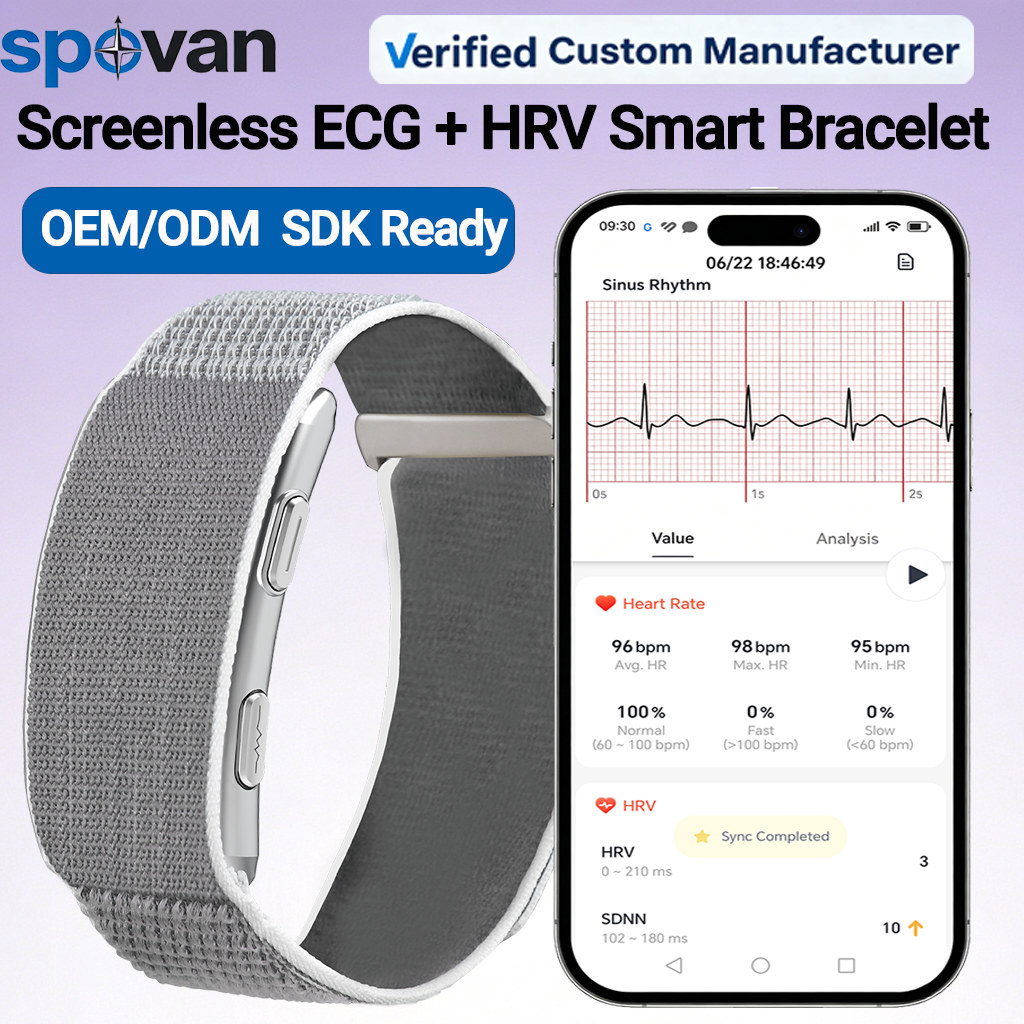
Screenless Metal ECG Smart Bracelet 24/7 Heart Rate SpO2 Monitoring
Architectural Principles of Next-Gen Sleep Tracking Wearables
Precision nocturnal monitoring demands more than simple 3-axis accelerometer thresholds. Our OEM engineering platforms integrate multi-wavelength optical PPG, cardiopulmonary coupling (CPC), and sub-surface temperature sensing to match gold-standard clinical parameters.
Dual-Wavelength PPG Staging
By pulsing green (525nm) and infrared (940nm) light into micro-capillary beds at adaptive sampling frequencies (25Hz to 100Hz), our embedded firmware extracts Pulse Photoplethysmogram waveforms with clinical signal-to-noise ratios. Algorithms map beat-to-beat variability (rMSSD, SDNN) to distinguish between light sleep, deep restorative Slow-Wave Sleep (SWS), and rapid eye movement (REM) cycles.
Cardiopulmonary Coupling (CPC)
Standard consumer bands confuse sedentary wakefulness with light sleep. Our system maps continuous autonomic nervous tone by cross-analyzing respiratory sinus arrhythmia (RSA) derived from heart rate metrics and thoracic impedance variations, eliminating restless movement false positives and yielding an over 91.4% concordance with Polysomnography (PSG) sleep lab benchmarks.
Hypopnea & Nocturnal SpO2 Tracking
Sleep-disordered breathing causes micro-arousals and vascular stress. Our high-precision red/IR optical arrays continuously assess peripheral blood oxygen saturation across 1-second rolling windows. When saturation drops below pre-set baselines (e.g., <90% desaturation index), the system flags potential Obstructive Sleep Apnea (OSA) events for targeted clinician review via your software backend.
OEM Architectural Matrix: Screenless vs. Active Display Platforms
Selecting the optimal form factor depends on target end-user engagement, form factor weight limitations, and battery endurance specifications.
| Specification Layer | Screenless Digital-Detox Band | AMOLED / TFT Smartwatch | Screenless Metal ECG Bracelet |
|---|---|---|---|
| Primary Sourcing Intent | 24/7 unencumbered sleep, athletic recovery, corporate wellness, health insurance telemetry. | Interactive consumer engagement, wrist-based workout feedback, notification hub, lifestyle UI. | Clinical research trials, cardiac rhythm auditing, concierge preventative healthcare portals. |
| Battery Capacity & Life | 120mAh–180mAh Lithium-Polymer 14 to 21 Days Continuous |
300mAh–450mAh High-Density LiPo 4 to 7 Days Normal Use |
130mAh–160mAh Fast-Charge LiPo 10 to 14 Days Active Tracking |
| Sensor Hardware Suite | Dual/Quad PPG optical diodes, 6-Axis Bosch/ST accelerometer, NTC skin temperature thermistor. | Green/Red PPG cluster, 3-Axis or 6-Axis G-Sensor, Ambient Light Sensor, GNSS positioning engine. | Stainless/Titanium Dry Electrodes (ECG Lead I), High-gain PPG array, In-line vibration motor. |
| Enclosure & Ingress Rating | Ultrasonic welding or structural epoxy bonding, Polycarbonate + Zinc, IP68 / 5ATM. | CNC Aluminum / Zinc alloy + 2.5D Curved Glass, O-ring gasket compression, 3ATM / IP68. | Die-cast Zinc alloy, PVD coating, vacuum sealed electrode pass-through, IP68 rated. |
| Integration Pipeline | Raw 25Hz PPG/ACC stream or filtered metrics via BLE GATT, Open Mobile SDK (iOS/Android). | Bluetooth RFCOMM/GATT sync, companion application rebranding, optional MQTT server endpoints. | Structured RESTful JSON cloud endpoints, firmware-level AES-128 encryption, direct SDK linkage. |
Future B2B Procurement Trends in Sleep Tracking Devices
Macro analysis of regulatory environments, consumer ergonomics, and business model shifts informing international procurement strategies for the upcoming 3 to 5 years.
1. The Dominance of "Screenless" Digital Detox Form Factors
Global procurement teams are reallocating capital away from high-distraction, bulky smartwatches toward minimalistic, screenless wristbands and rings. The underlying consumer driver is blue-light fatigue and sleep hygiene consciousness. End-users refuse to wear luminous displays to bed that disrupt melatonin cycles and cause accidental wake-ups. Screenless trackers consume an order of magnitude less power, eliminating the friction of daily charging and allowing 100% adherence to nocturnal data logging.
- Reduced warranty liabilities from cracked glass and display driver failures.
- Significant reductions in bill-of-materials (BOM) cost redirected to clinical sensor quality.
- Form factors optimized for 24-hour continuous compliance without notification bombardment.
2. Institutional Telehealth & Corporate Wellness API Mandates
Procurement is shifting from stand-alone retail consumer electronics toward integrated health service hardware. Insurers, corporate wellness operators, and clinical trials require white-label hardware that links directly into proprietary iOS/Android applications and cloud databases. Proprietary closed ecosystems (like Apple Health or Google Fitbit) restrict raw data access, driving buyers toward open-architecture OEM factories like Honsys that provide unencumbered native SDKs and Bluetooth GATT protocol specifications.
- Direct access to raw inter-beat intervals (IBI), HRV SDNN metrics, and 3-axis actigraphy vectors.
- Zero dependence on recurring consumer SaaS fees from third-party ecosystems.
- HIPAA and GDPR compatible edge data handling with local device buffering.
3. Circular Materials & Extended Producer Responsibility (EPR)
European and North American regulatory bodies are aggressively penalizing non-compliant electronic waste. Institutional buyers now stipulate full adherence to German and French EPR (LUCID, ADEME) schemes, RoHS directive toxicological screenings, and skin-contact biocompatibility (ISO 10993). In response, leading factories utilize hypoallergenic fluoroelastomers, OEKO-TEX nylon weaves, and lead-free ultrasonic assembly methodologies to streamline customs clearance.
- Durable woven nylon loops that maximize dermal breathability during sweat-heavy sleep.
- Laser-marked chassis markings minimizing volatile organic compound (VOC) screen printing inks.
- Factory-level modular battery assembly facilitating reclamation and recycling protocols.
4. Edge-Computing Microcontrollers (MCU) & Extended Battery Chemistries
Battery maintenance friction is the primary reason users abandon sleep monitoring. Modern procurement requires wearable architectures capable of operating continuously for 14 to 30 days on a single charge. Sourcing strategies focus on microcontrollers utilizing ARM Cortex-M33 architectures (e.g., Nordic nRF5340 or Ambiq Apollo4) with dynamic clock-scaling and dedicated low-power sensor hubs that execute peak-detection algorithms without waking the main core processor.
- Sub-microamp sleep states during physical inactivity phases.
- On-chip flash caching storing up to 30 days of offline physiological telemetry.
- Rapid magnetic pogo-pin recharging protocols restoring 80% capacity within 40 minutes.
Product Development Trends: What to Expect in 2026–2030
From passive circadian phase detection to non-invasive metabolic correlation, explore how sleep-focused wearable architectures are advancing.
Circadian Phase Alignment
Future iterations combine skin micro-temperature differentials with historical sleep-onset metrics to dynamically estimate internal dim light melatonin onset (DLMO). Devices will prescribe precision light-exposure protocols to treat jetlag and shift-work sleep disorder (SWSD), expanding device utility from passive record-keeping into prescriptive circadian rhythm therapy.
Continuous Blood Pressure Trends via PTT
Pulse Transit Time (PTT)—the latency between an ECG R-wave and the peripheral PPG pulse peak arrival at the wrist—is being calibrated via machine learning to approximate continuous non-invasive nocturnal blood pressure dips. This capability unlocks significant clinical value for monitoring nocturnal hypertension without sleep-disturbing pneumatic cuffs.
Micro-Actuator Haptic Sleep Coaching
Integrated linear resonant actuators (LRA) generate ultra-low-noise tactile stimuli during specific sleep stages. By vibrating with microscopic frequency and amplitude upon detecting light sleep at the end of an ultradian cycle, the band gently rouses the sleeper during their optimal circadian window, preventing the grogginess associated with sleep inertia.
Why Tier-1 Brands Partner With Shenzhen Honsys Technology
Operating out of the global hardware innovation center of Shenzhen, China, we combine 15+ years of embedded R&D with rigorous cleanroom production lines assessed on-site by SGS Group.
SGS On-Site Assessed
Verified Custom Manufacturer status on Alibaba with comprehensive third-party audit reports validating physical workshop capacity, tooling assets, and financial stability.
Open SDK & Full API Access
Zero software vendor lock-in. We deliver robust iOS and Android SDK libraries, Bluetooth documentation, and sample apps to streamline client-side cloud data pipeline builds.
100% In-Line QA Inspection
Every single unit undergoes rigorous high-vacuum air-pressure leakage testing for IP68 seal integrity, automated soldering validation, and continuous 72-hour burn-in cycles.
~30-Day Agile Bulk Lead Time
Established supply chain arrangements with leading semiconductor distributors ensure rapid procurement of Nordic MCUs, high-grade silicones, and custom packaging within 30 days FOB.
4 Original Design Patents
Protected industrial designs and registered brand IP give global buyers reassurance against copyright friction and market counterfeiting during international commercial rollout.
Complete Regulatory Pass
Declarations of Conformity ready for FCC (USA), CE (Europe), RoHS (2.0), and European EPR compliance registrations in Germany and France for friction-free customs clearance.
Turnkey Branding & CMF
In-house high-resolution fiber laser marking, pad printing, custom Pantone-matched fluoroelastomer tooling, and luxury multilingual retail gift box engineering.
Flexible International Trade
Accepted payment currencies include USD, EUR, GBP, AUD, HKD. Logistics support spans standard FOB Yantian/HK to door-to-door DDP air and sea freight logistics.
Frequently Asked Questions on Custom Sleep Tracker Sourcing
Direct answers from our senior hardware engineering and global export team addressing common client concerns regarding MOQ, SDK implementation, clinical certifications, and production schedules.
What is the minimum order quantity (MOQ) for custom OEM sleep tracker watches and bands?
For standard ready-to-ship models evaluating baseline firmware, sample testing orders start from 1 to 10 pieces. For standard private-label branding (custom laser-engraved logo on casing/clasp and standardized gift box packaging), our typical entry barrier is 500 to 1,000 pieces. Complete deep customization projects involving modified structural tooling, proprietary silicone color-matching, unique motherboard layout (PCBA), or custom firmware bootloaders typically require an MOQ of 2,000 to 3,000 pieces depending on the sensor package.
How does Honsys provide Software Development Kit (SDK) and API integration for enterprise apps?
Unlike consumer vendors who restrict data to proprietary apps, Honsys provides comprehensive, well-documented native iOS (Objective-C/Swift) and Android (Java/Kotlin) SDKs along with sample source codes. Our firmware supports direct Bluetooth Low Energy (BLE) GATT communication protocols. You can extract real-time and cached physiological telemetry—such as raw inter-beat interval (IBI) for HRV calculations, filtered PPG values, SpO2 percentages, sleep cycle stages (Deep, Light, REM, Awake), and 3-axis step/movement vectors—directly into your enterprise database without paying recurring platform licensing fees.
Are your sleep and ECG monitoring wristbands certified as medical devices or general wellness equipment?
Our standard wearable platforms are manufactured as General Wellness Devices compliant with international CE, FCC, RoHS, and biocompatibility regulations. They provide reliable physiological reference telemetry for lifestyle, athletic recovery, and preventative wellness. While our PPG, ECG, and SpO2 sensor architectures are capable of near-clinical correlation, marketing a product as an official diagnostic medical tool requires local regulatory clearance (such as FDA 510(k) in the United States or CE MDR in Europe). As an experienced OEM, Honsys provides full engineering documentation, schematics, raw data test logs, and factory audit cooperation to assist institutional clients in obtaining formal medical device approvals.
What is the typical production timeline from initial engineering sign-off to shipment?
Our standard manufacturing workflow operates on predictable delivery milestones:
• Sample Evaluation: 3 to 7 working days for functional sample dispatch.
• Artwork & Firmware Approval: 5 to 10 days for customized app UI and physical packaging mockups.
• Mass Production: Approximately 30 to 35 calendar days following sample approval and deposit confirmation.
• Shipping: Fast air freight (5 to 7 days) or dedicated ocean freight (25 to 35 days) via major ports including Shenzhen, Yantian, or Hong Kong.
How does your quality control framework prevent high-humidity moisture ingress and field failures?
Sleep trackers are subject to acidic sweat, hot showers, and accidental immersion. Honsys enforces strict quality control at every phase: Incoming Quality Control (IQC) for bare PCBA, high-precision automated dispensing for structural adhesive bonding, and 100% individual vacuum leak testing on specialized high-pressure inspection machinery. Furthermore, finished batches undergo salt-spray chamber corrosion testing, high-and-low temperature operational thermal shock (-20°C to +60°C), and automated 1.2-meter steel ball drop impact trials to ensure real-world durability and maintain our sub-0.3% return rate.
Can we modify the onboard sleep analysis algorithms or load our proprietary machine learning models?
Yes. Our engineering department supports deep firmware modifications. We can configure the onboard ARM Cortex MCU to compute sleep stage classifications directly at the edge, or adjust the system to stream raw un-staged sensor readings (25Hz raw PPG green/IR channels + 3D accelerometer readings) directly to the host smartphone app for processing by your own proprietary diagnostic models. This flexibility makes our hardware widely utilized by research universities, clinical study sponsors, and proprietary bio-analytics companies.