Hardware Engineering Portfolio
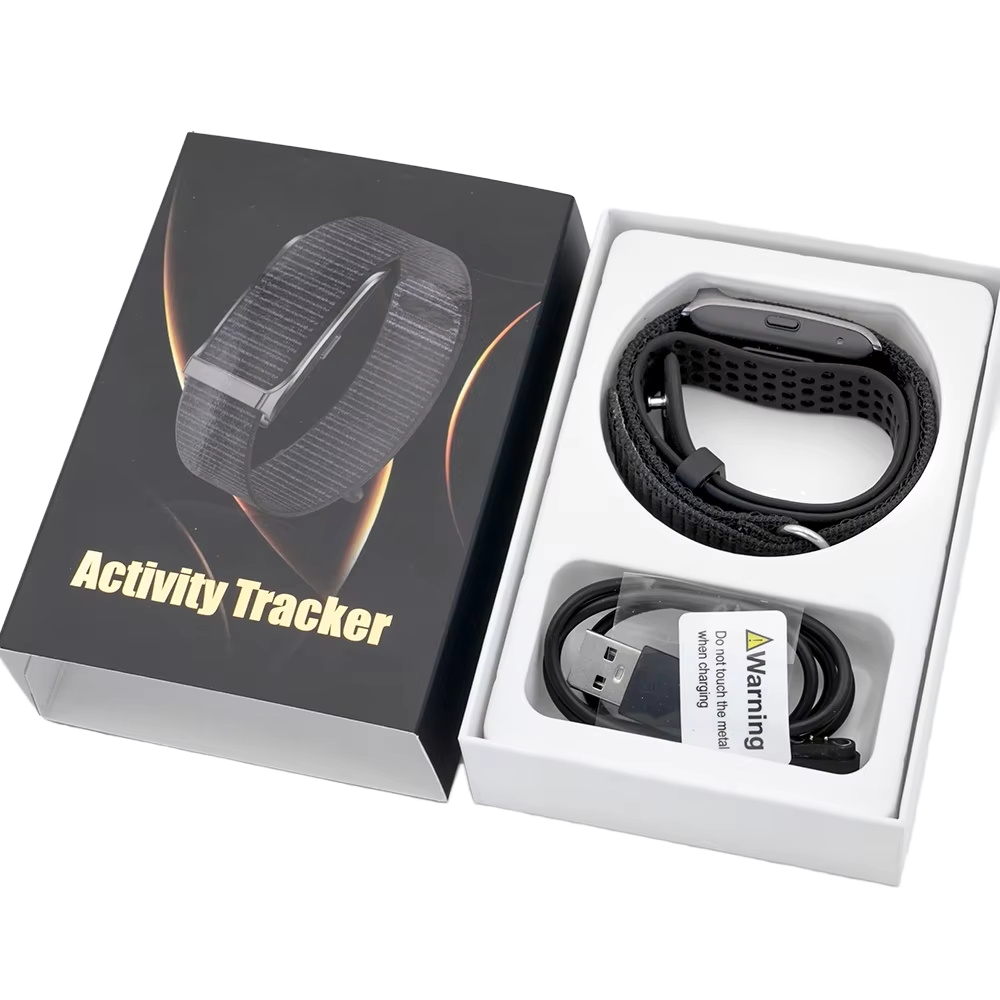
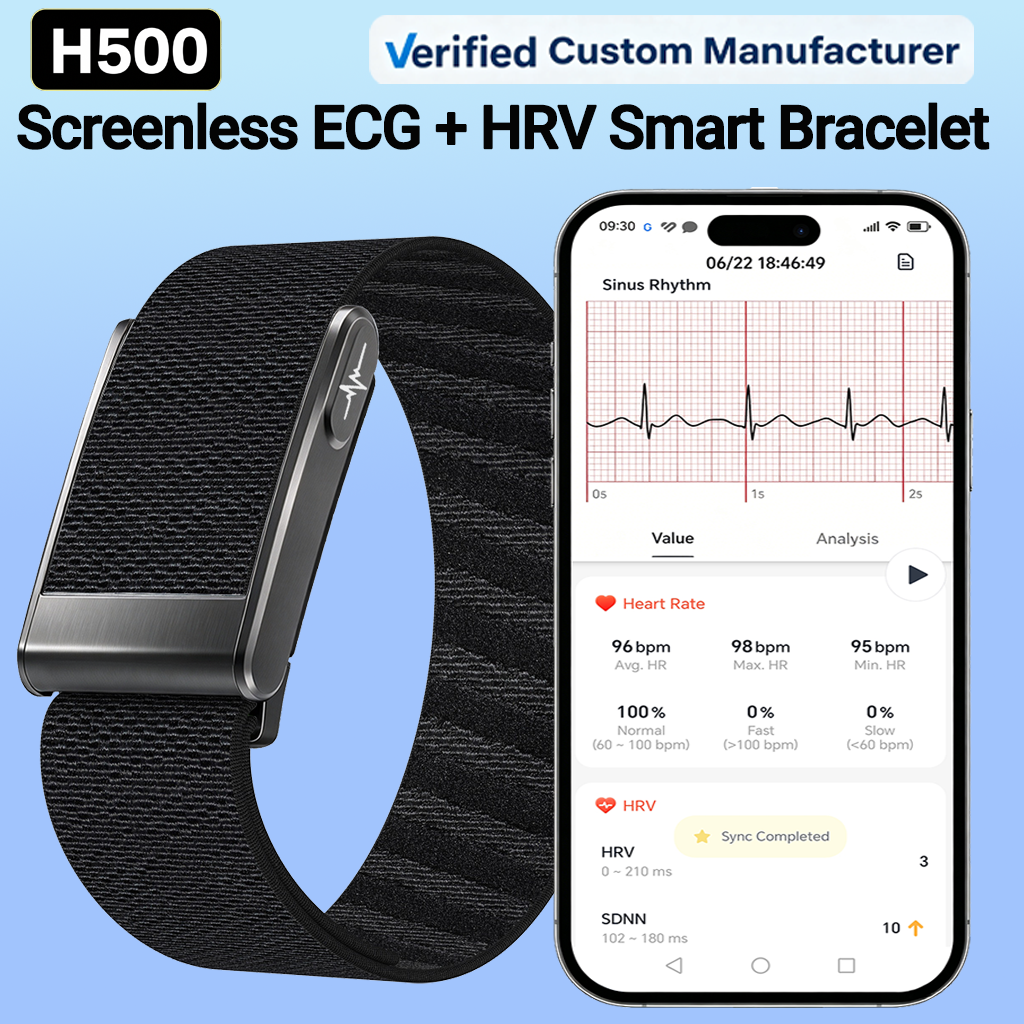
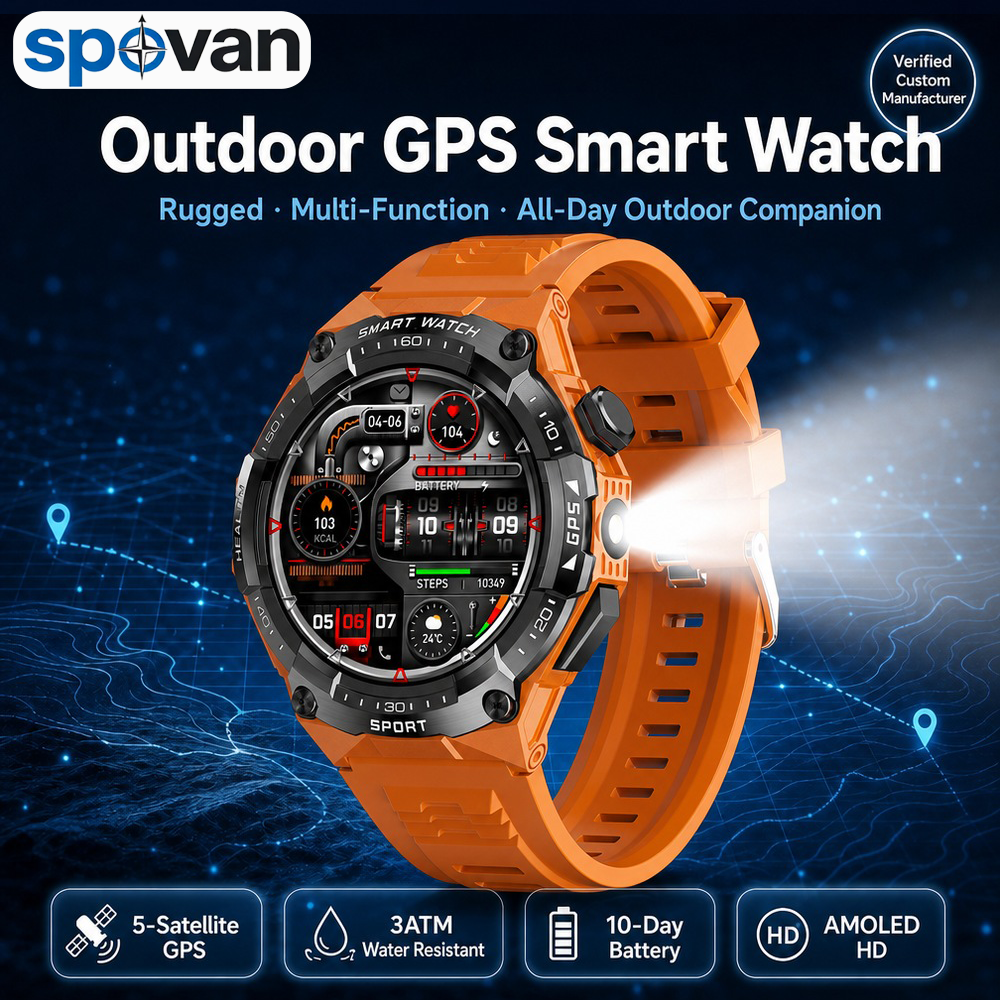
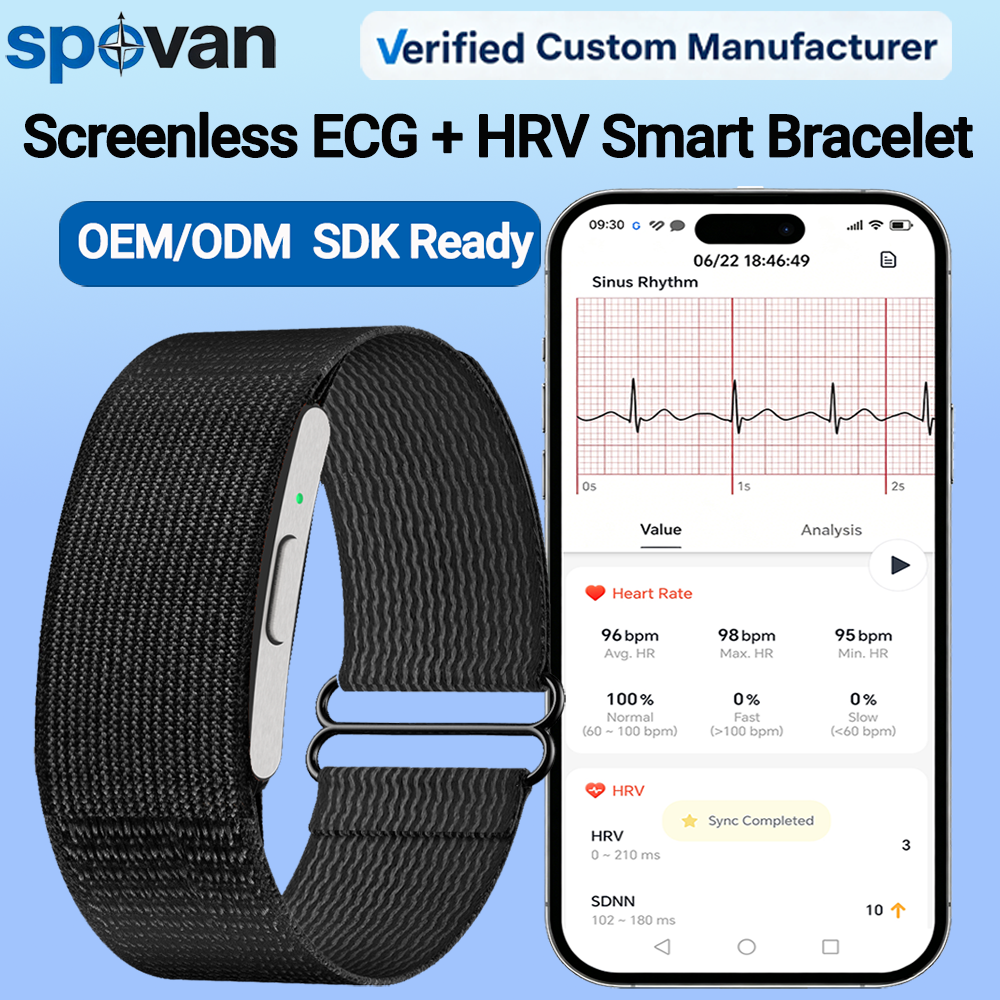
Featured Smart Bracelets & Wearable Deployments
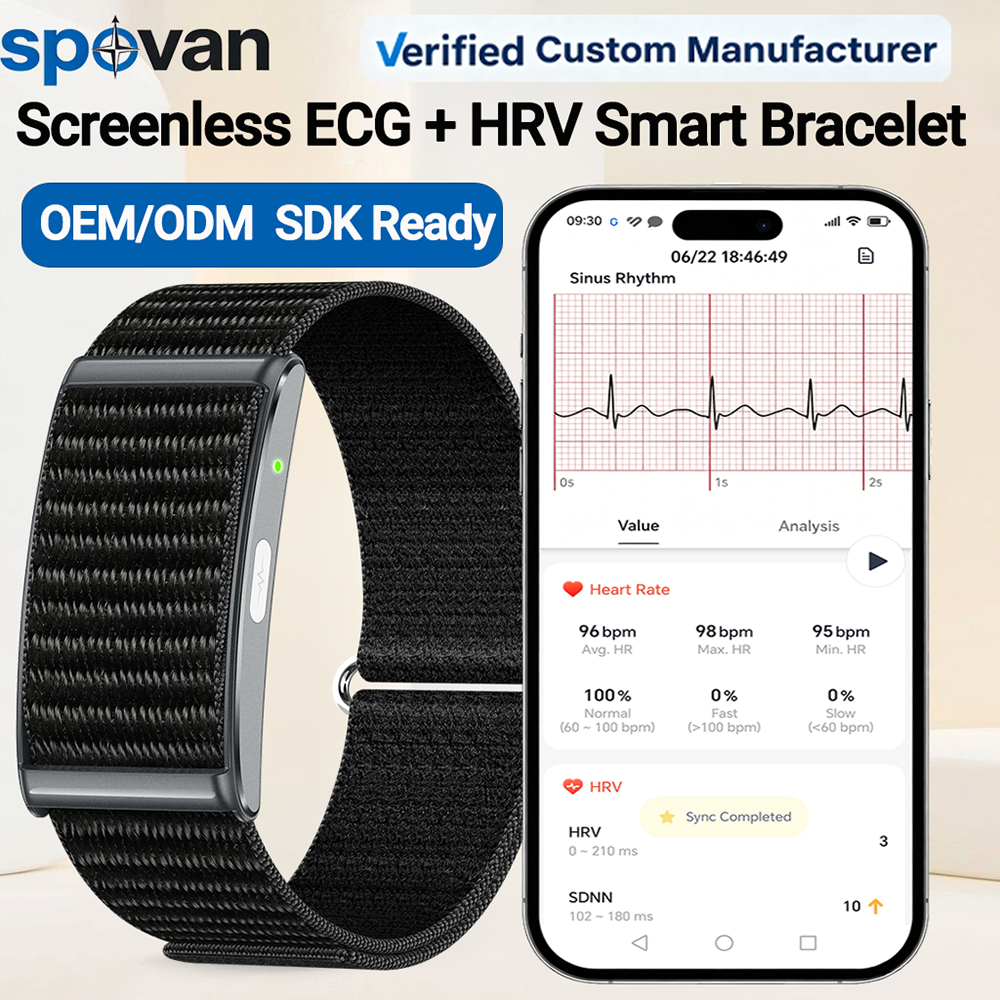
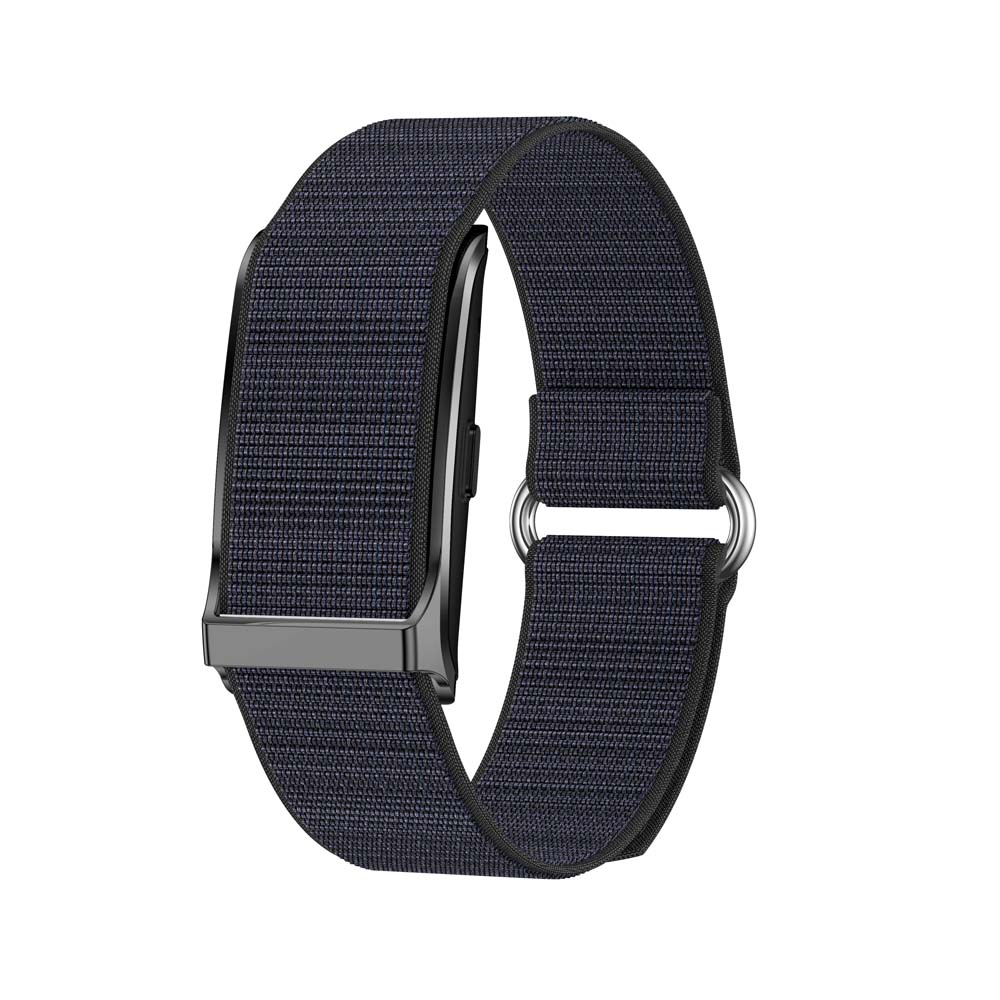
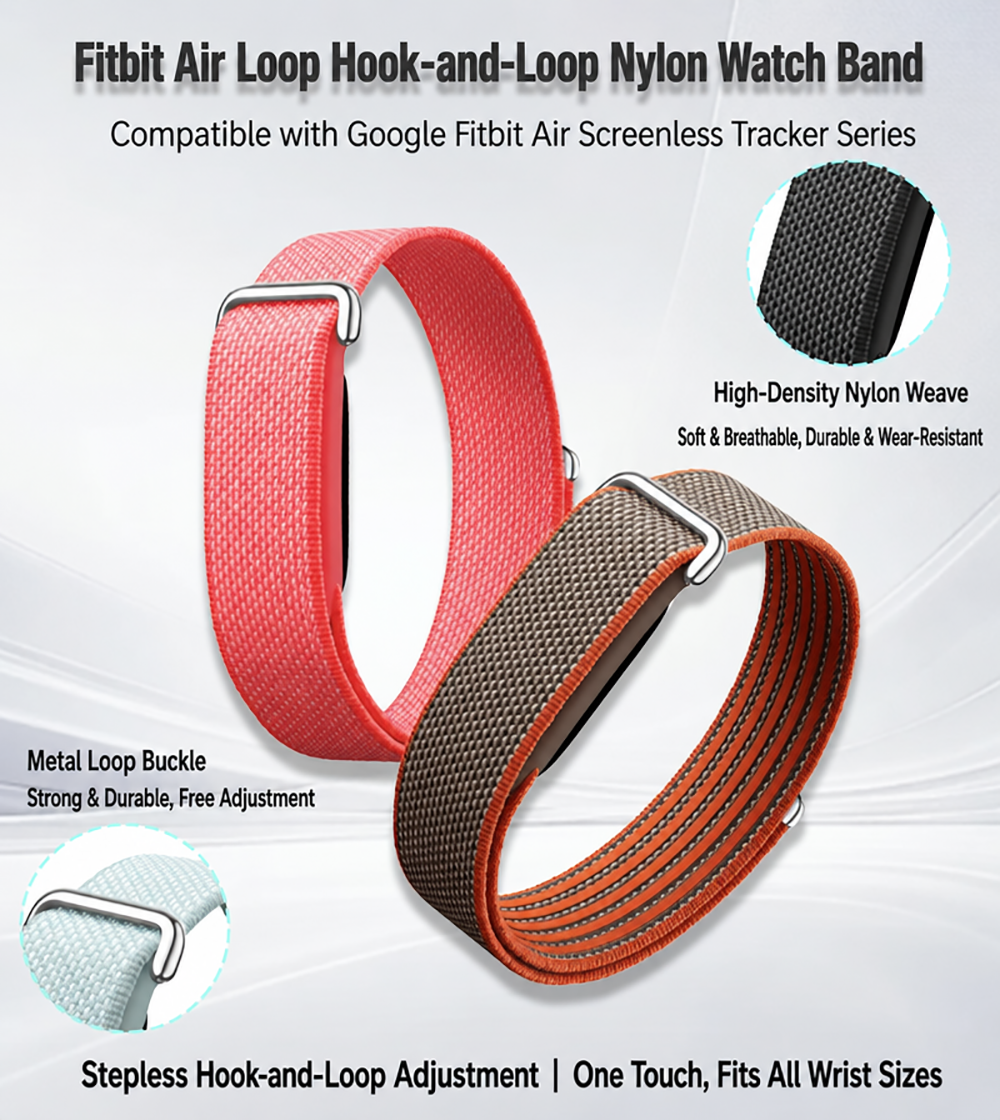
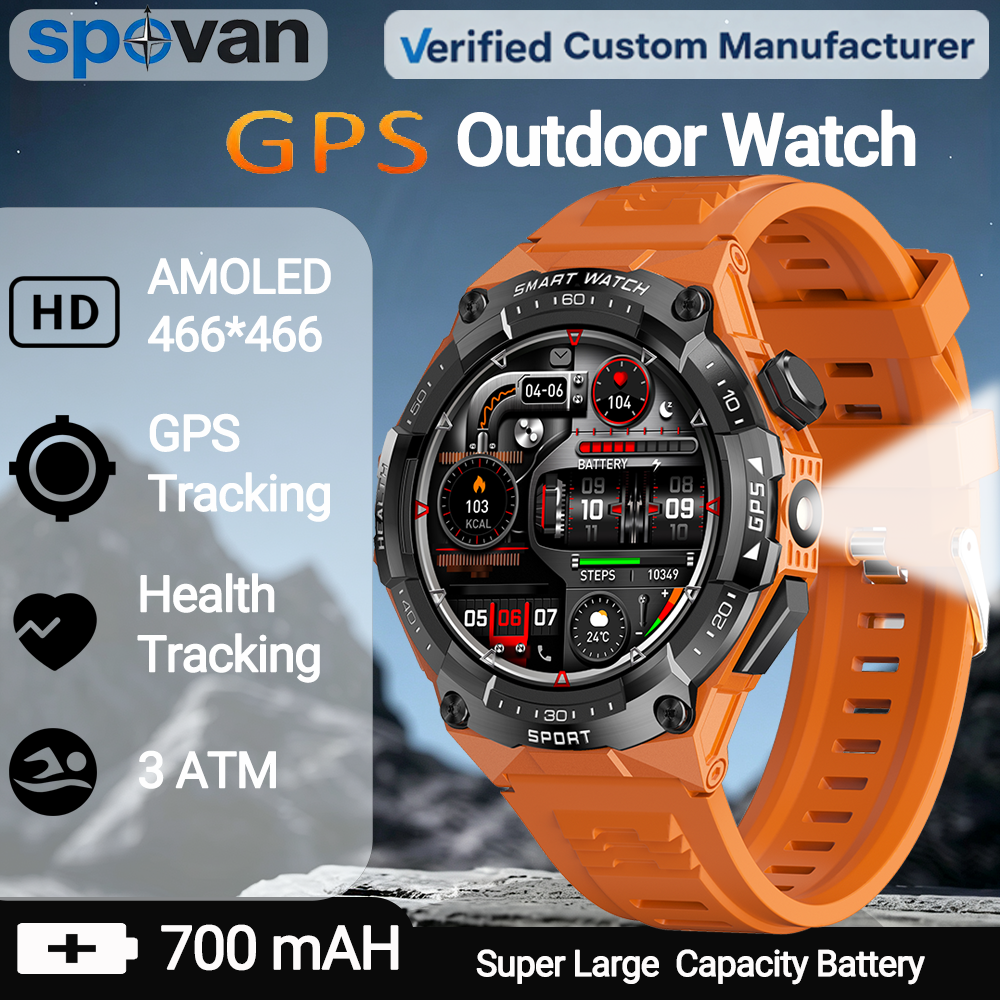
Production-ready wellness trackers, screenless digital-detox bracelets, and multi-satellite outdoor wristbands available for turnkey OEM/ODM customization.
Procurement Whitepaper
Engineering Paradigms in Modern Smart Bracelet Manufacturing
A technical manual for product managers, procurement directors, and healthcare technology integrators sourcing consumer-grade and clinical-grade wearable hardware.
The global wearable landscape has experienced a monumental paradigm shift. What once centered strictly on standard step-counting accelerometers has transformed into sophisticated, continuous physiological surveillance architectures. Today, procurement executives, corporate wellness operators, and medical-tech distributors demand far more than off-the-shelf consumer gadgets: they require verifiable sensor precision, ultra-low energy dissipation, regulatory safety compliance, and comprehensive access to raw physiological telemetry through customizable firmware and decoupled software ecosystems.
At Shenzhen Honsys Technology Co., Ltd. (operating engineering facilities in Shenzhen since 2010 and exporting globally since 2012), our R&D is calibrated directly around open SDK architectural frameworks, biophysical sensor synergy, and stringent manufacturing repeatability. As global compliance demands grow increasingly rigid across North America, the European Union, and Australasia, selecting an OEM/ODM manufacturing partner requires a granular understanding of embedded firmware stacks, optical photoplethysmography (PPG) calibration, dynamic electrocardiogram (ECG) conduction, and industrial mass production tolerances.
15+ Years Precision R&D
Established in 2010, our engineering team brings deep expertise spanning micro-electronic PCB layout, low-power Bluetooth (BLE 5.2/5.3) protocol optimization, and proprietary biometric algorithm design, holding 4 design patents and registered international trademarks.
Open SDK & Raw Data Stream
Unlike closed consumer brands, we provide native iOS, Android, and Flutter SDKs alongside documented Bluetooth GATT profiles. Integrators obtain continuous, timestamped raw PPG, ECG voltage waveforms, inter-beat intervals (RR intervals), and accelerometry data.
Rigorous Compliance & SGS Verification
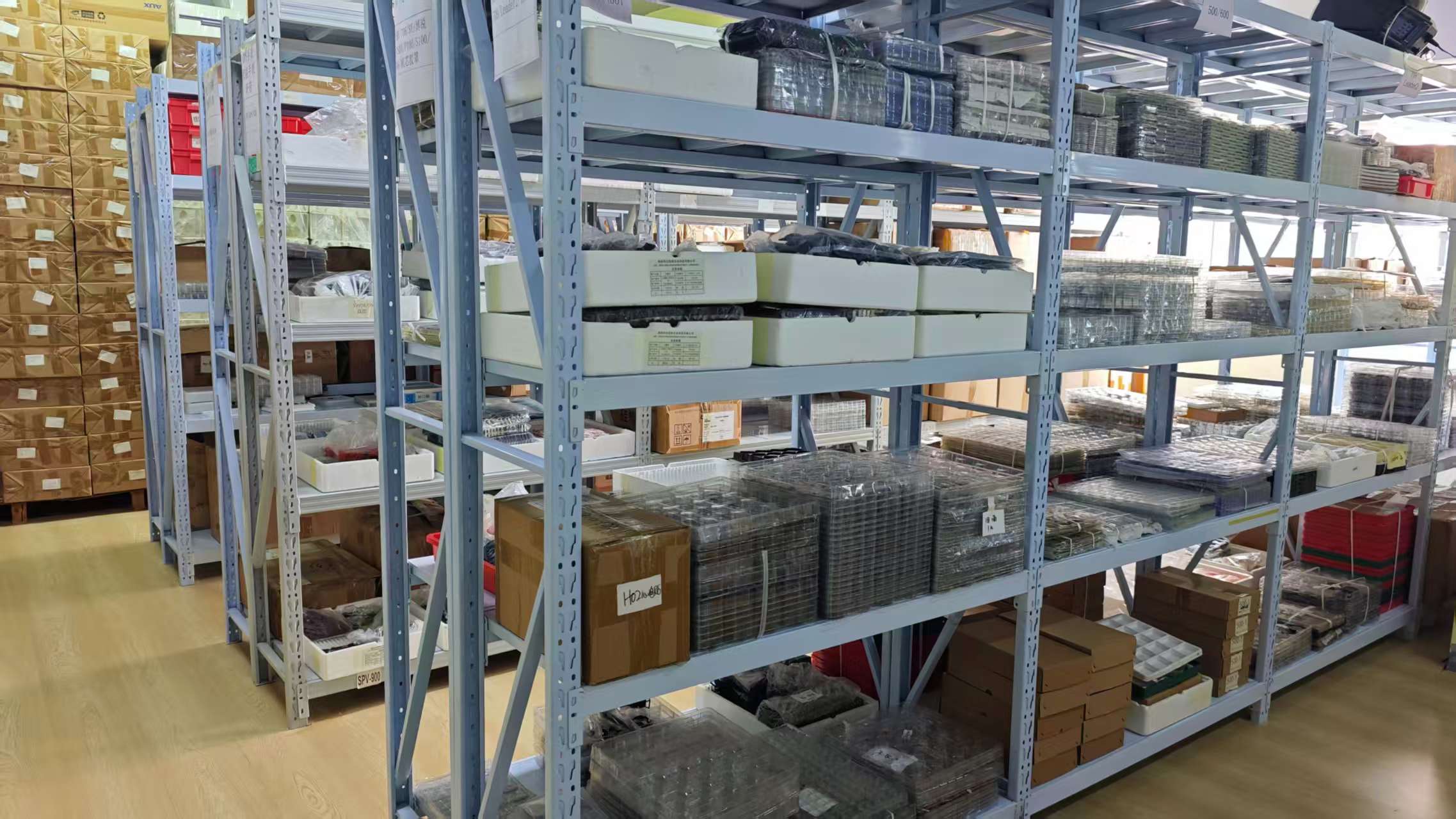
Our manufacturing facility has undergone rigorous on-site audit verification by SGS Group. Every manufactured smart bracelet model adheres fully to FCC, CE, RoHS, and EU EPR (Germany and France) environmental, electromagnetic, and recycling frameworks.
2010
Factory Established in Shenzhen
9,762+
Units Top Band Shipped / 180 Days
99.76%
RFQ & Technical Response Rate
100%
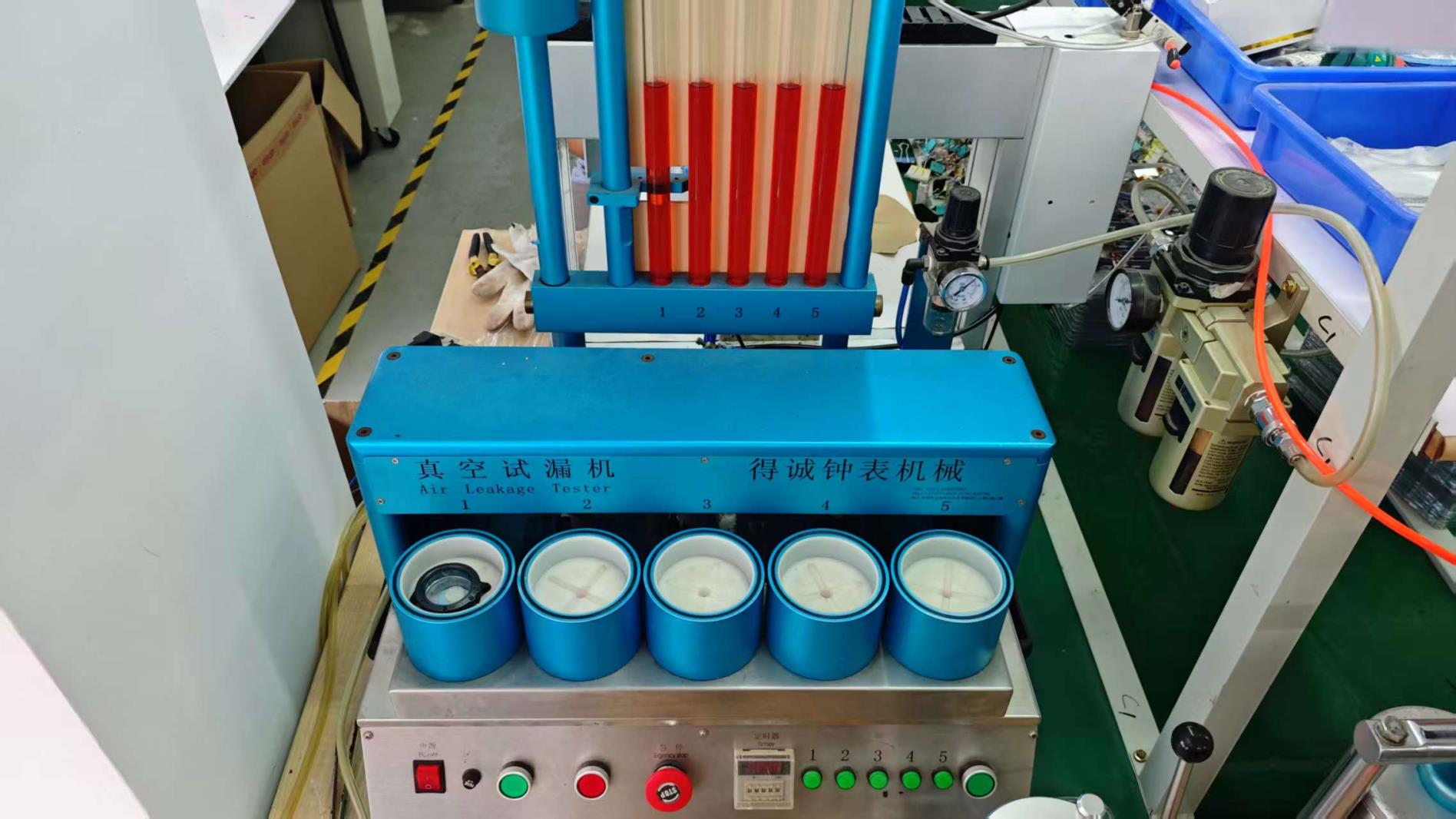
In-Line Waterproof Vacuum Inspection
Technological Forecast
Key Technological & Procurement Trends Shaping 2026–2030
Actionable procurement intelligence for enterprise buyers planning next-generation product life-cycles and clinical data integration platforms.
The Rise of Screenless 'Digital Detox' Trackers
End users are increasingly experiencing screen-fatigue from constant notification barrages. Brands are pivoting aggressively toward screenless architectures (like our H59 and DS05 series). By removing high-drain LED/OLED displays, hardware footprint shrinks dramatically, standby autonomy jumps to 10–25 days, and physiological sensors maintain uncompromised, unbroken contact with the dorsal wrist tissue 24 hours a day.
Clinical-Grade Hybrid Sensing: ECG + PPG + HRV
Single-wavelength optical PPG is no longer sufficient for enterprise differentiation. Next-generation smart bracelets combine dual/multi-wavelength optical sensors (green for continuous pulse rate, red and infrared for SpO2 oximetry) with titanium or stainless steel bio-impedance electrodes. This enables Lead-I single-channel ECG tracing alongside continuous autonomic nervous system analysis via Heart Rate Variability (HRV).
Edge AI Biometric Inference & Edge Processing
Modern micro-controller units (MCUs) utilize ultra-low-power ARM Cortex-M4/M33 architectures embedded with dedicated micro-NPU blocks. Rather than shipping dirty sensor signals to the companion app, the bracelet runs mathematical digital signal processing (DSP) filters directly at the hardware edge—mitigating motion artifacts during high-intensity training, sleeping, or typing before transmission.
Decoupled Ecosystems & Enterprise Cloud APIs
Corporate procurement is shifting away from proprietary consumer walled gardens. Healthcare software providers, clinical trials, and insurance risk-management platforms require turnkey smart bracelet hardware that connects seamlessly to their proprietary AWS/Azure backend stacks via customizable mobile SDKs, avoiding licensing friction and preventing user data leaks.
Stringent Eco-Design & Extended Producer Laws
With the enforcement of the European Union's Circular Economy Action Plan and German/French EPR statutes, procurement criteria now evaluate disassemblability, battery lifecycle retention (>80% nominal capacity over 500 charge cycles), and the complete eradication of halogenated compounds and toxic phthalates from silicone and TPU wrist straps.
Manufacturing Rigor
Full Lifecycle OEM/ODM Execution Architecture
From initial industrial engineering conceptualization to ISO-aligned assembly and global multi-port freight distribution.
01
Project Scoping & Mutual NDA
Target biometric requirements, mechanical dimensions, sensor loadout (PPG, ECG, 6-axis IMU), target bill-of-materials (BOM), and regulatory certifications are locked under legal confidentiality agreements.
02
Tooling, CAD & Industrial Design
Precision CNC metal tooling or injection molds are fabricated. Housing options span medical-grade surgical stainless steel, lightweight zinc alloys, and biocompatible silicone/polycarbonate polymers.
03
Firmware Calibration & SDK Delivery
Our embedded firmware engineers customize boot sequences, BLE broadcasting payload parameters, LED pulse timing, vibration haptic profiles, and compile custom iOS and Android SDK libraries.
04
Golden Sample Sign-Off
Pre-mass-production working prototypes are delivered via express logistics for client functional testing, ergonomic fit confirmation, optical sensor validation, and retail packaging artwork approval.
05
SMT, Robotic Dispensing & Assembly
High-speed surface-mount technology (SMT) populates the flexible PCBAs. Automated robotic gluing stations dispense waterproof structural adhesive seals under controlled cleanroom conditions.
06
100% In-Line Leakage & Burn-In Testing
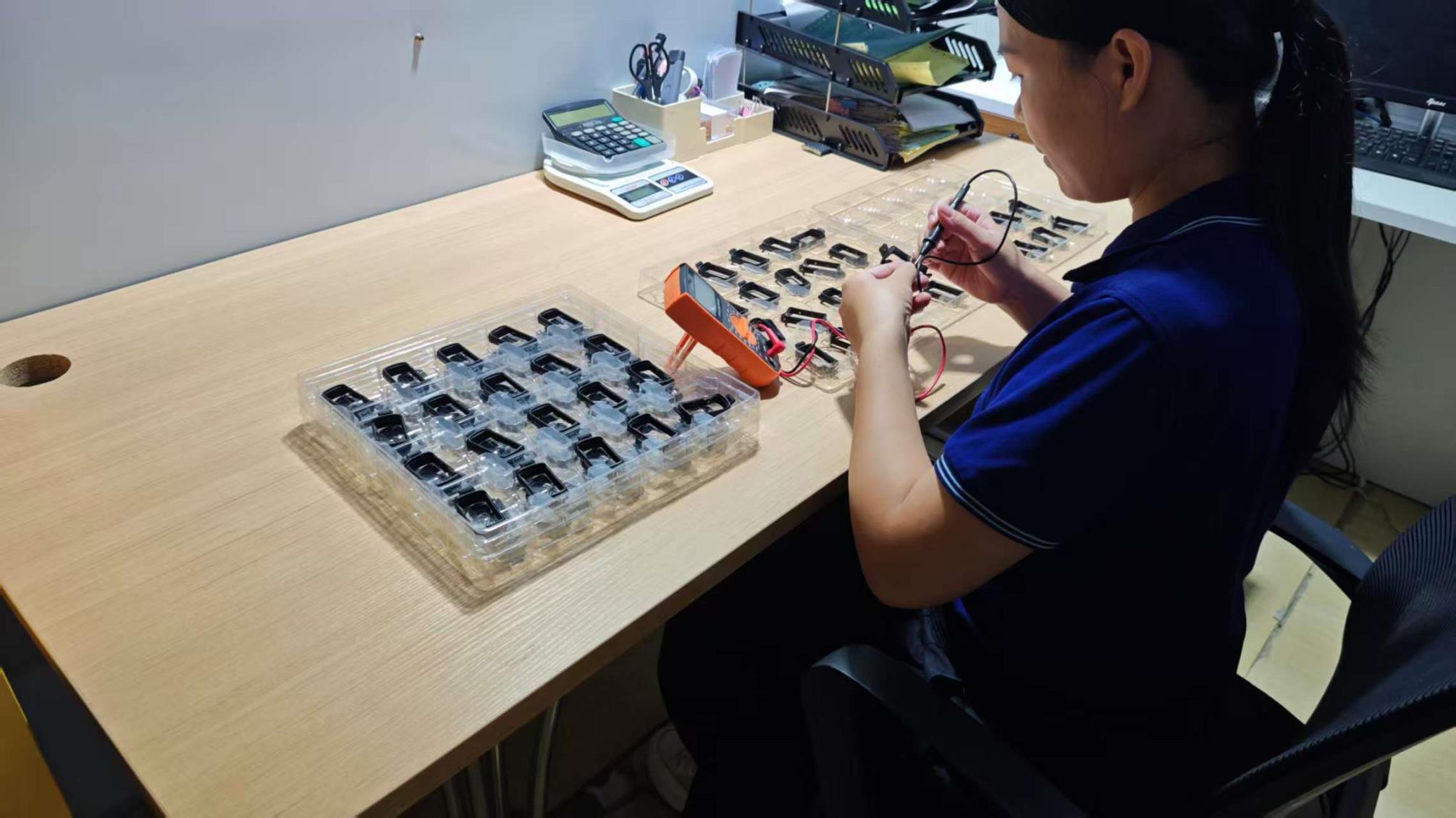
Every single manufactured unit undergoes automated positive and negative pressure chamber testing for IP68/3ATM integrity, followed by full 24-to-48-hour continuous battery charge-discharge burn-in verification.
07
Laser Marking & Custom Packaging
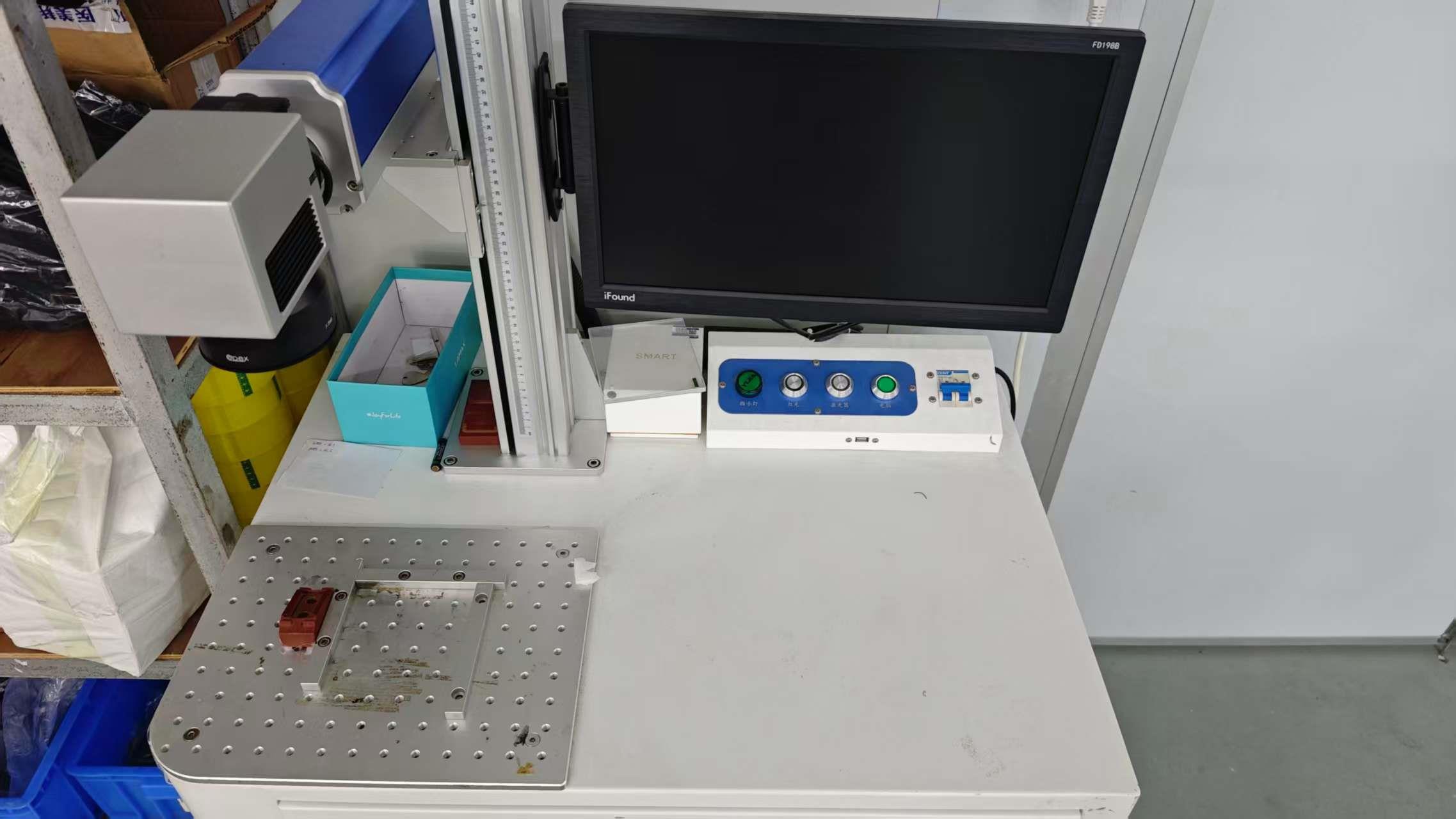
High-precision fiber laser systems engrave serial numbers, custom branding, and regulatory marks onto the sensor chassis. Retail gift boxes are assembled with regionalized user manuals.
08
Global Port Dispatch & Logistics
Export clearance and freight fulfillment via FOB Yantian, Shenzhen, or Hong Kong, providing comprehensive documentation including Bill of Lading, Certificate of Origin, CE DoC, and MSDS battery transport sheets.
Logistical & Commercial Capabilities
Global Procurement Specifications & Incoterms
Structured to provide transparency, reduce customs friction, and facilitate seamless cross-border supply chain integration.
| Parameter | Enterprise Standards & Terms | Buyer Benefit |
|---|---|---|
| Production Capacity | 150,000 to 250,000 units per month across dual specialized SMT lines | Scalable elasticity during peak retail or enterprise promotion cycles |
| Standard MOQ Matrix | Evaluation samples: 1–10 pcs; Custom silk-screen/laser logo: 100 pcs; Full OEM: 1,000 pcs | De-risked market testing prior to committing large working capital budgets |
| Manufacturing Lead Time | Rapid sample dispatch: 3–5 working days; Standard bulk production: ~30 days | Predictable inventory replenishment; streamlined inventory turn ratios |
| Incoterms Supported | FOB, CFR, CIF, EXW, FCA, CPT, CIP, DDP, DDU, and International Express Courier | Freedom to utilize domestic freight forwarders or complete door-to-door fulfillment |
| Accepted Currencies | USD, EUR, GBP, JPY, CAD, AUD, HKD, CHF, and CNY via T/T, L/C, PayPal, Credit Card | Protection against cross-currency volatility through local multi-currency accounts |
| Warranty & RMA Protocol | Full 12-month factory warranty with 1% spare units or direct replacement for defective items | Guaranteed post-sale customer protection and low customer return rates |
Procurement Intelligence
Frequently Asked Questions by Professional Wearable Importers
Direct technical, commercial, and operational answers addressing the questions most critical to global procurement teams.
What are the exact Minimum Order Quantities (MOQ) across different customization tiers?
Our MOQ structure is designed for scalability. For rapid engineering evaluation and algorithmic pilot validation, ready-to-ship models (such as our H59 and DS05 series) have a minimal MOQ of 1 to 10 units. For customized laser-etched branding on the casing or buckle, MOQs begin at 100 to 500 units depending on housing materials. For complete OEM/ODM production—encompassing custom silicone/nylon strap molding, branded retail gift packaging, bespoke firmware UUID broadcasting, and customized mobile applications—our baseline MOQ is typically 1,000 units. For specialized industrial builds or bespoke tooling, please consult with our engineering sales group for customized milestone allocations.
How does Honsys handle Mobile SDK and Cloud API integration for proprietary software?
We provide full-featured, thoroughly documented Software Development Kits (SDKs) for iOS (Objective-C/Swift), Android (Java/Kotlin), as well as multi-platform environments like Flutter and React Native. The SDK delivers parsed and formatted health parameters (including step counts, calibrated heart rate, blood oxygen percentage, and classified sleep stages) and can also expose raw biometric data streams (such as unadjusted photoplethysmography sensor readings, raw 3-axis/6-axis accelerometer matrices, and microvolt electrocardiogram arrays). We do not lock buyers into proprietary third-party servers; your team retains complete ownership of your users' data pipelines, transmitting telemetry directly to your own HIPAA/GDPR-compliant cloud endpoints.
Are physiological readings (ECG, HRV, and SpO2) classified as medical-grade?
Unless explicitly contracted under medical-grade quality systems, our smart bracelets and wearables are engineered and marketed as consumer wellness and sports performance monitoring instruments. While our sensors utilize high-grade components (such as Nordic Semiconductor MCUs, Maxim/Analog Devices optical front-ends, and Texas Instruments analog interfaces) that deliver exceptional correlation to clinical equipment, they are not intended to independently diagnose, treat, or prevent clinical diseases. If your business model requires marketing the device as an FDA 510(k) or EU MDR Class IIa/IIb medical device, our engineering team can provide underlying schematics, component traceability files, and technical construction documentation to support your clinical testing and submission procedures.
What international testing certifications and factory audits are available for validation?
Our smart bracelets are fully compliant with mandatory market-entry directives across global territories. This includes FCC Part 15 subpart C for the United States, CE (RED, LVD, EMC) declarations for the European Economic Area, and full RoHS / REACH chemical compliance. In addition, we maintain active Extended Producer Responsibility (EPR) registrations for packaging and electronic waste within Germany and France. Crucially, our Shenzhen manufacturing facility has undergone extensive on-site audit verification by SGS Group, verifying our physical production lines, quality assurance equipment, worker safety protocols, and trade authenticity.
What testing methodologies ensure IP68 and 3ATM waterproof reliability?
Waterproofing in smart wristbands depends heavily on precise adhesive bonding, ultrasonic welding integrity, and acoustic mesh durability. We conduct dual-stage testing on every batch. First, during sub-assembly, our automated pneumatic leakage testers apply positive and negative air differential pressure to verify housing hermeticity without subjecting the electronics to moisture. Second, randomly sampled mass-production units undergo real-world immersion and pressurized water testing chambers equivalent to 30 to 50 meters of hydrostatic pressure. This guarantees uncompromised resilience during swimming, showering, handwashing, and intense athletic perspiration.
What is the standard production timeline from sample sign-off to port loading?
Following mutual approval of golden samples and receipt of the standard production deposit, mass production lead times typically average 28 to 35 calendar days. Tooling projects requiring novel plastic injection molds require an additional 25 to 30 days for mold fabrication, initial T1 shots, and mechanical tolerance adjustments. Goods are consolidated and cleared at Yantian, Shenzhen, or Hong Kong ports under chosen Incoterms (FOB, CIF, or DDP air/sea freight), ensuring timely fulfillment for planned seasonal launches.
Accelerate Your Wearable Hardware Roadmap
Connect directly with our senior hardware and firmware engineering team in Shenzhen. Receive tailored pricing matrices, technical SDK documentation, and sample units for your upcoming product launch.
Typical engineering reply window: < 4 hours · Mutual NDA supported · Direct Shenzhen Factory Dispatch