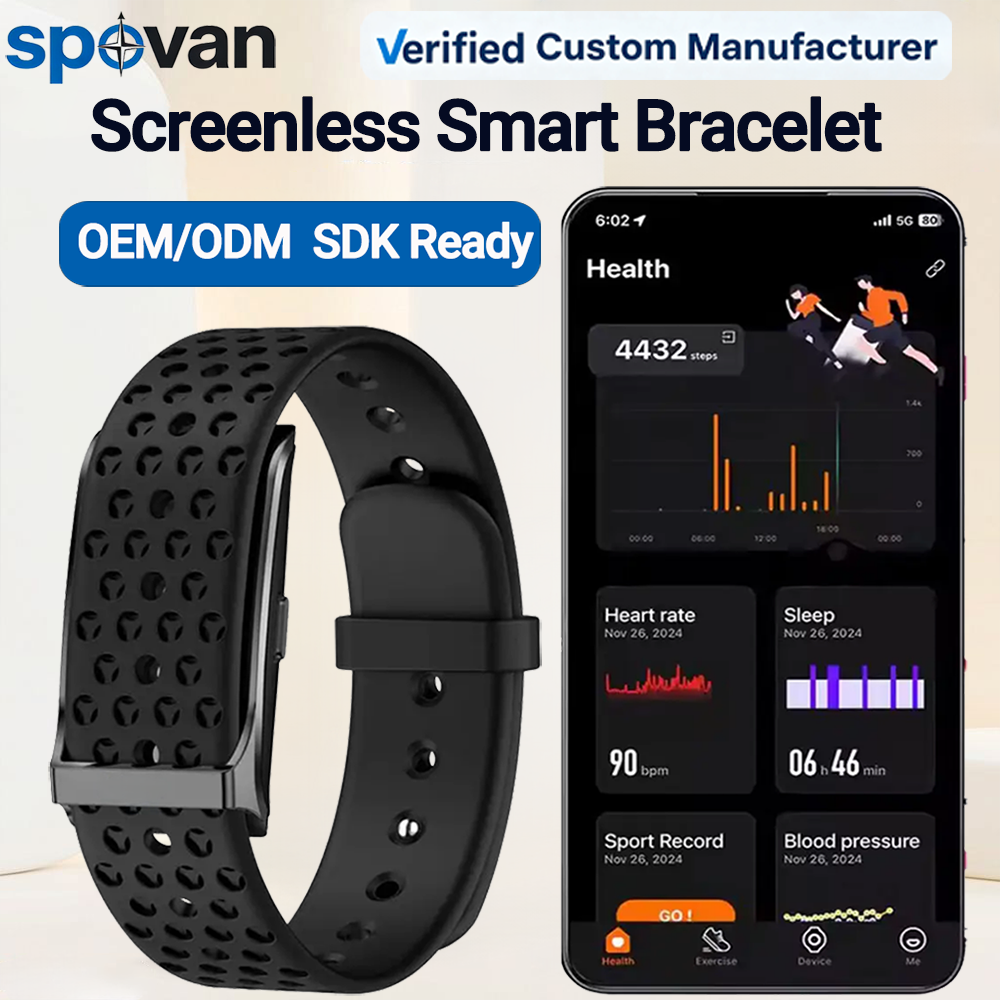
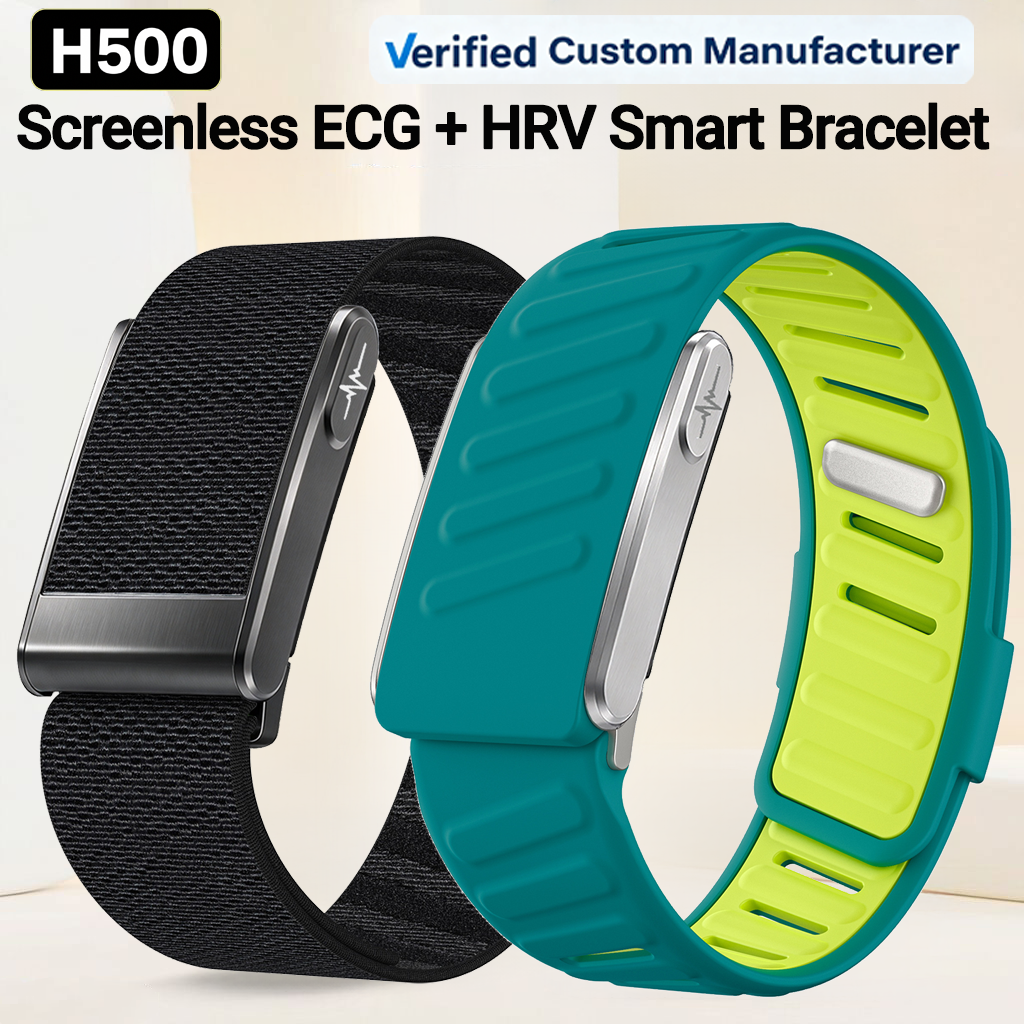
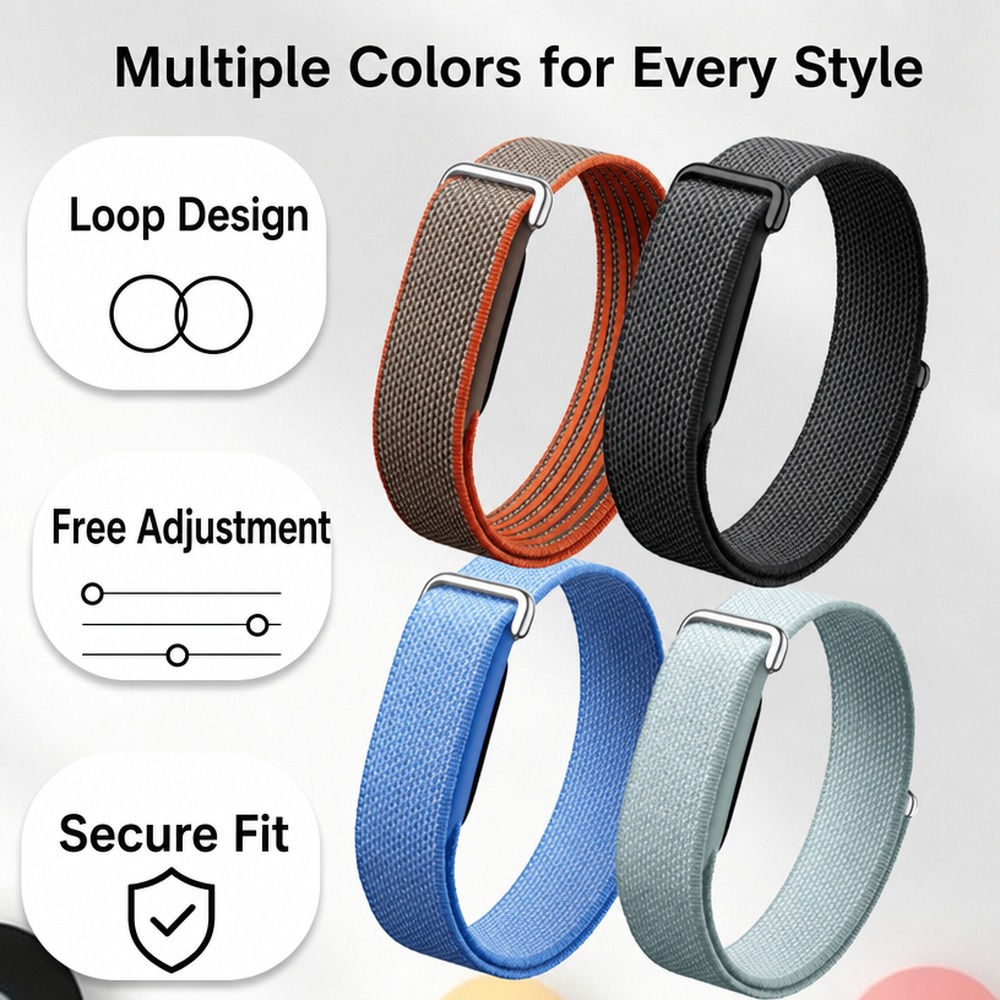
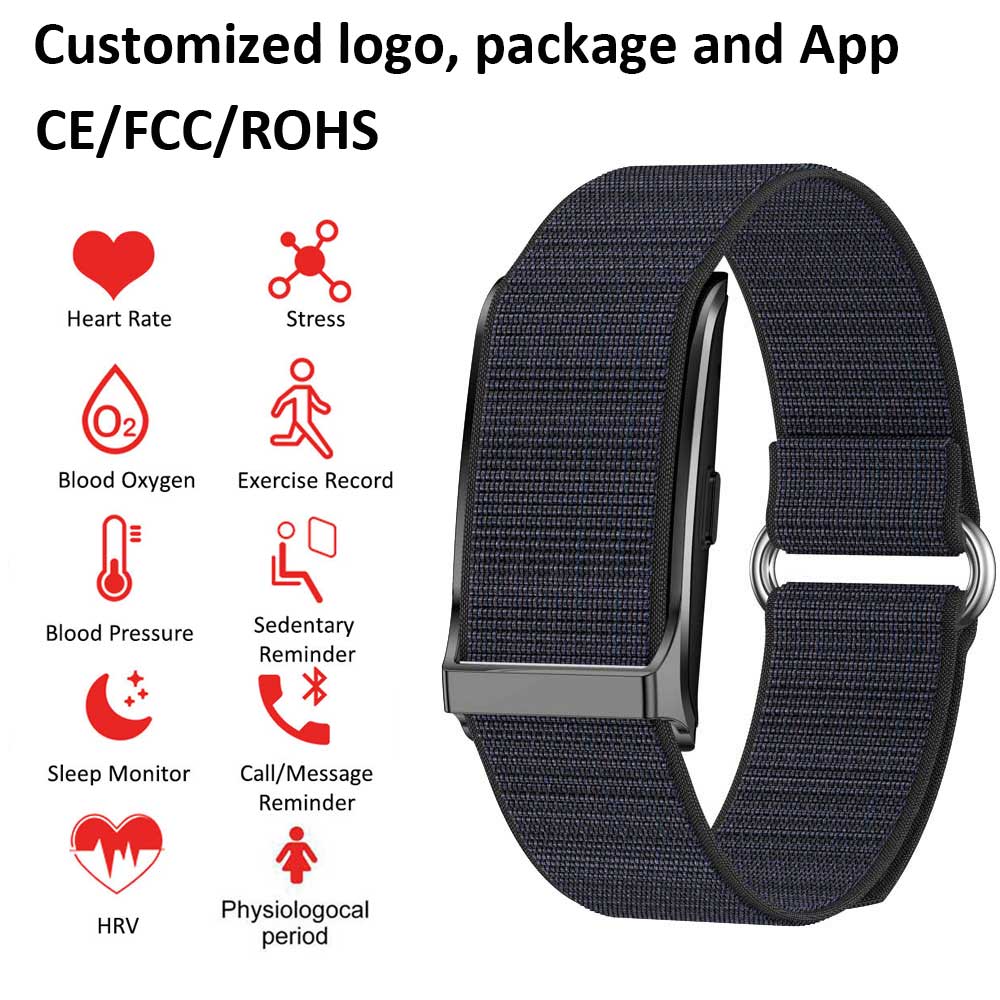
Health Tracker Pedometer Heart Rate Vibration Alert Sport Android IOS Compatible IP68 Waterproof No-screen Smart Bracelet Band
IP68 Vacuum Sealed
PPG Bio-Pulse
Ultra-Low Standby
Production-ready reference designs configured for global consumer brands, digital health startups, corporate wellness ecosystems, and professional sport telemetry platforms.
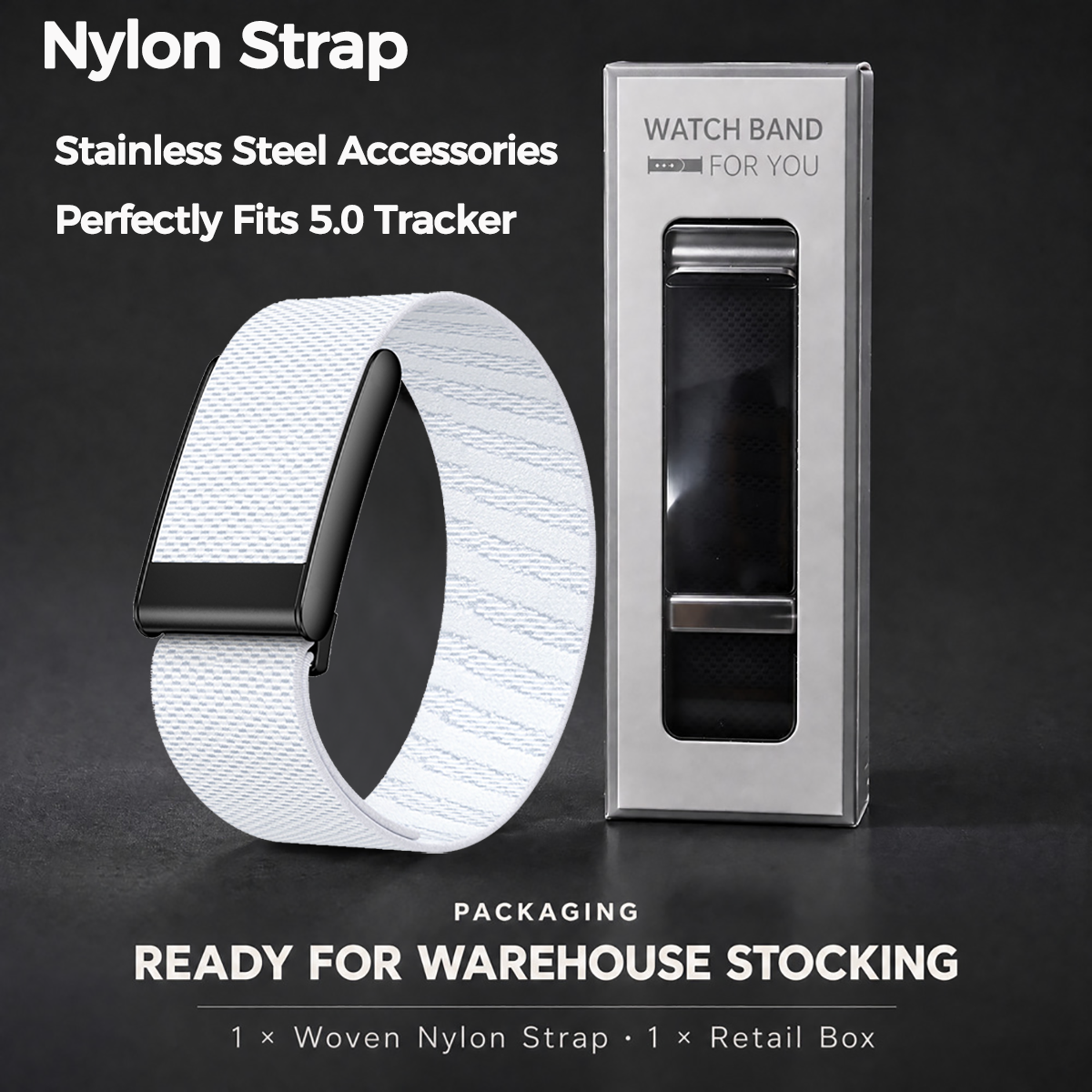
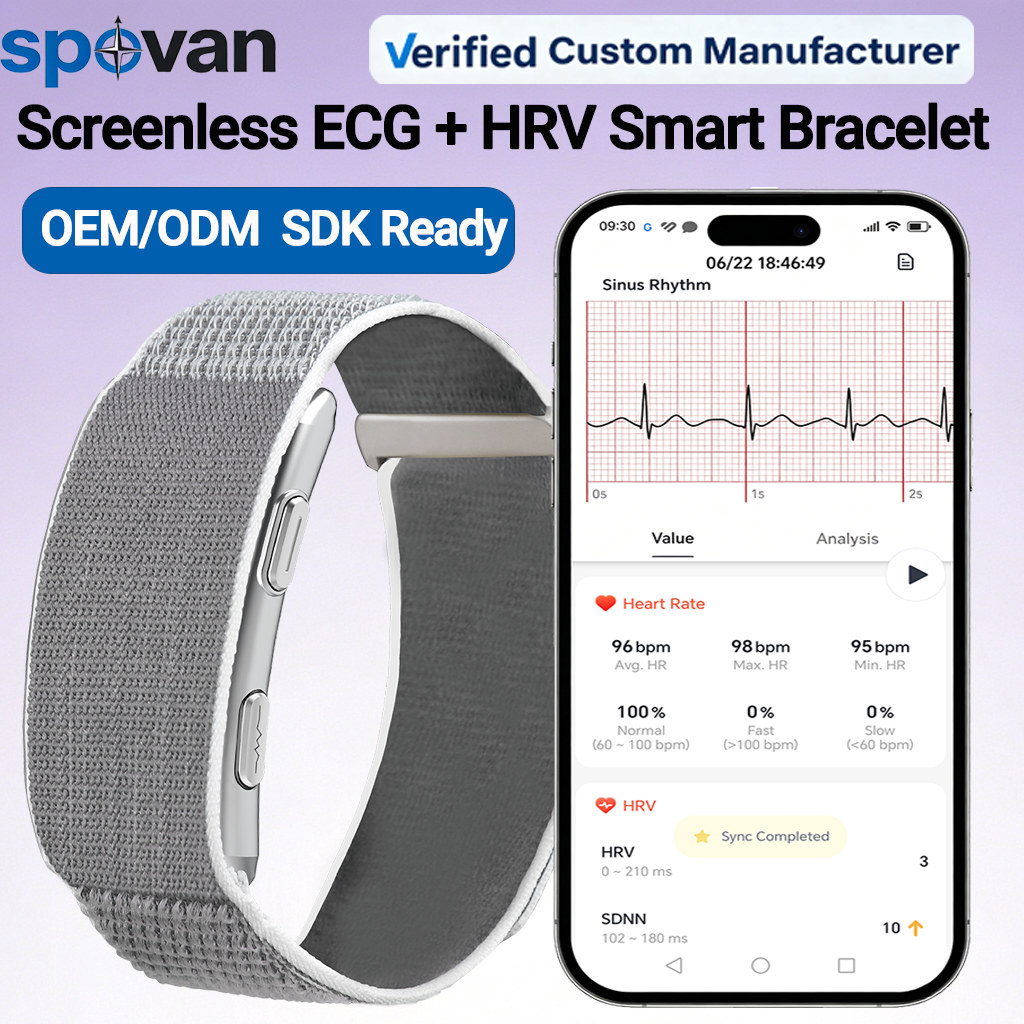
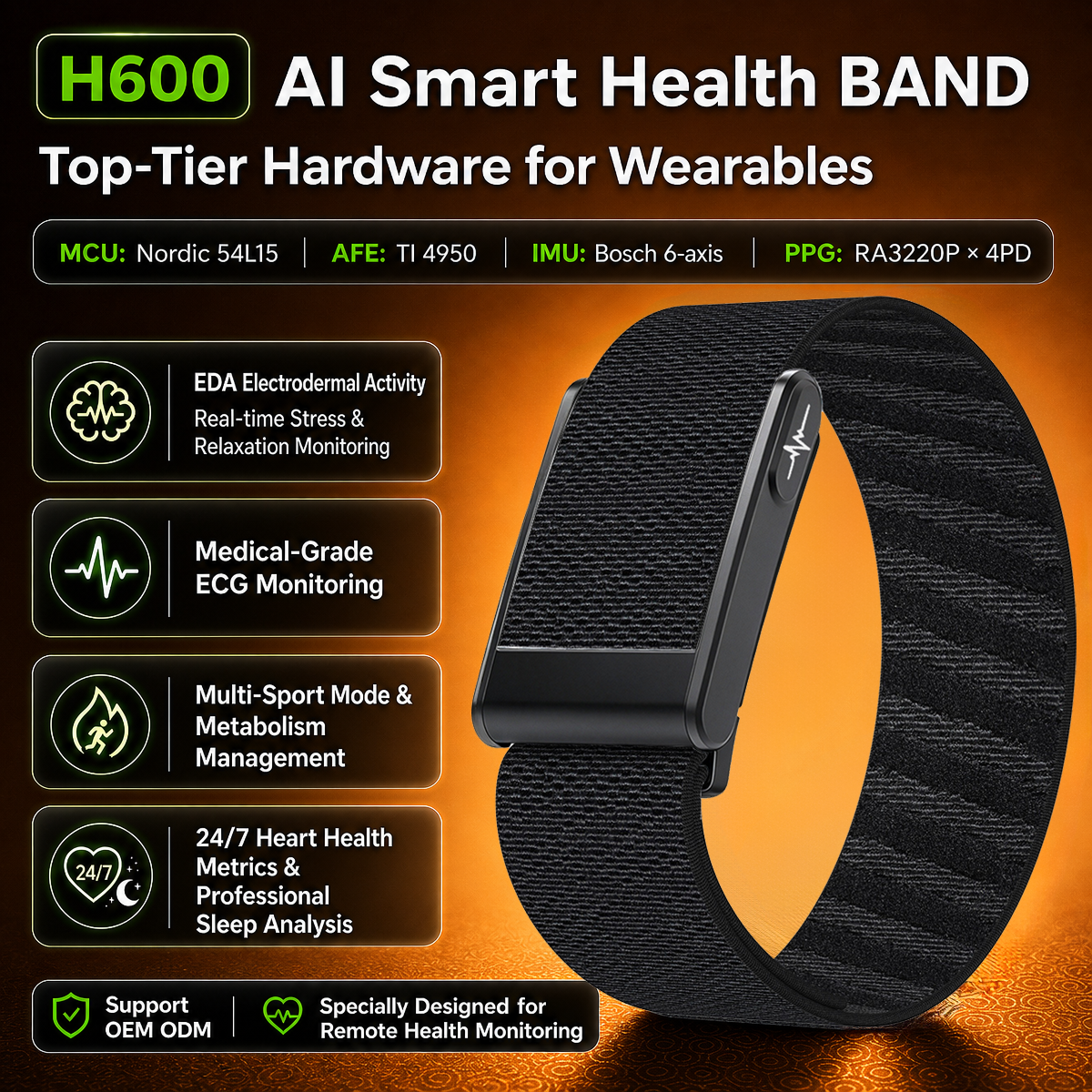
Critical structural criteria for assessing Tier-1 wearable engineering vendors, supply-chain resilience, biometric precision, and export compliance.
The global wearable technology market is experiencing a profound architectural shift. What once centered on basic step counting and commoditized wrist notifications has rapidly transformed into an ecosystem driven by clinical-grade preventative wellness telemetry, continuous biometric tracking, and edge-computed artificial intelligence. Sourcing directors, hardware brand architects, and enterprise buyers can no longer evaluate a Bluetooth smartwatch manufacturer & exporter merely by bill-of-materials (BOM) cost or exterior aesthetic casing. True competitive differentiation in 2026 relies on biometric signal-to-noise ratio (SNR), RF antenna efficiency, low-power microcontroller firmware stability, and native software development kit (SDK) modularity.
As consumer fatigue with screen notifications fosters the explosive rise of the "digital detox" and continuous metabolic health segment, the manufacturing landscape has split into two distinct engineering tiers. Low-tier assembly houses rely on turn-key public-market chipsets with uncalibrated optical sensors, resulting in erratic telemetry and frequent app disconnection. Conversely, elite Tier-1 manufacturers—exemplified by Shenzhen Honsys Technology Co., Ltd.—operate specialized surface-mount technology (SMT) cleanrooms, maintain dedicated sensor calibration algorithms, develop modular Bluetooth Low Energy (BLE) GATT architectures, and secure comprehensive global regulatory certifications (FCC, CE, RoHS, EPR Germany/France).
Multi-wavelength PPG arrays (green, red, infrared) paired with microvolt-sensitive dry-contact ECG electrodes minimize motion artifacts and maintain signal integrity across skin phototypes.
Modern Nordic Semiconductor, Realtek, and Goodix microcontrollers engineered for ultra-low quiescent current, rapid peripheral re-connection, and encrypted over-the-air (OTA) updates.
Automated industrial dispension of reactive hot-melt polyurethanes (PUR) paired with 100% in-line vacuum drop and barometric water chamber testing for active lifestyle survivability.
Anticipate supply chain disruptions, regulatory mandates, and architecture shifts before deploying capital into volume inventory.
Purchasing organizations operating within North American, European, and Asia-Pacific consumer electronics corridors must align their Request for Proposal (RFP) criteria with critical long-term industrial trends. Over the next five years, procurement dynamics will depart from conventional consumer device life cycles, driven by regulatory tightening, data sovereignty requirements, and shifts in human-device interfaces.
One of the most profound market transformations is the explosive growth of screenless smart bracelets, such as the proprietary hardware manufactured by Honsys. While touchscreen smartwatches remain dominant for general daily notifications, users increasingly suffer from screen fatigue, continuous battery recharging anxiety, and intrusive vibrations. Screenless bands—focused strictly on high-fidelity recovery tracking, heart rate variability (HRV), sleep staging, and autonomic stress analysis—deliver operational battery life spanning 7 to 15 days on a single charge. For corporate wellness providers, insurance underwriters, and elite sports analytics brands, screenless trackers significantly reduce component failure points (such as cracked glass panels and display driver anomalies) while maximizing data compliance.
Historically, hardware manufacturers locked buyers into closed, pre-compiled consumer applications hosted on external cloud silos. This framework is no longer viable for enterprise buyers. Sourcing managers now prioritize original equipment manufacturers (OEMs) that supply comprehensive, fully documented Android and iOS software development kits (SDKs), Bluetooth GATT profiles, and direct API cloud connectors. Enterprise buyers require immediate access to timestamped raw PPG waveform data, R-R intervals, accelerometer coordinates, and skin temperature metrics to populate proprietary corporate portals, telehealth databases, and patient-monitoring platforms without recurring licensing royalties.
Regulatory scrutiny across the European Union has made Extended Producer Responsibility (EPR) registration in Germany (LUCID) and France (ADEME) mandatory for legitimate import operations. Importers face severe customs impoundment and distributor fines if electronic devices do not comply with WEEE, battery recycling directives, and RoHS hazardous substance restrictions. Forward-thinking procurement teams require factories to furnish verified supply-chain documentation, biocompatible skin-contact certifications (ISO 10993), and Conflict Mineral Reporting Templates (CMRT) during initial contract vendor vetting.
| Evaluation Parameter | Tier-1 Factory (e.g., Honsys) | White-Label Assembly House | Procurement Strategic Impact |
|---|---|---|---|
| Firmware & SDK Architecture | Open C/C++ libraries, REST API, raw GATT data access | Closed proprietary app, no raw sensor streaming | Enables Enterprise App Integration |
| Sensor Array Calibration | Multi-axis optical jigs, dark-skin simulated testing | Single-point static bench verification | Mitigates Clinical & Metric Error |
| Ingress Protection Method | Automated PUR robot dispensing & vacuum chamber checks | Manual silicone brush sealing, batch sampling only | Zero-Defect Water Damage In Field |
| Regulatory Audits | On-site SGS inspection, FCC, CE, RoHS, EPR registered | Third-party generic trading agent certificates | Guaranteed European/US Customs Clearance |
| Battery Cell Safety | Pure cobalt pouch cells, Seiko IC, UN38.3 & MSDS | Ternary recycled cells, generic protection boards | Eliminates Thermal Runaway Risk |
A technical assessment of advanced silicon, optical bio-sensing pathways, and multi-modal edge artificial intelligence.
To establish market leadership, modern hardware brands must understand the underlying electro-mechanical components powering next-generation smartbands and smartwatches. Our engineering laboratory in Shenzhen systematically benchmarks these architectural advancements:
The core of modern heart rate, blood oxygen (SpO2), and blood pressure trend estimation lies in the reflective photoplethysmography sensor module. Early-generation wearables utilized single-channel green LEDs with basic photodiodes. Modern clinical-grade wearable platforms implement multi-spectral optical arrays combining 525nm (green) for capillary pulse-rate capture, 660nm (red) and 940nm (infrared) for precise differential absorption calculation of oxygenated versus deoxygenated hemoglobin. Signal noise caused by user motion (running, typing) is removed directly at the physical hardware layer via multi-channel analog front-ends (AFEs) that feature dynamic ambient light cancellation (ALC), active baseline tracking, and 24-bit analog-to-digital converters (ADCs).
Integrating ECG into a consumer-grade wristband requires solving profound electrical impedance and biological noise challenges. Tier-1 manufacturers utilize medical-grade 316L stainless steel or titanium physical contact electrodes located both on the watch case back (in continuous contact with the wrist) and on the top bezel or frame (requiring opposite-hand finger contact to complete the Lead-I Einthoven circuit). The onboard microcontroller samples electrical myocardial depolarization at frequencies up to 512 Hz, executing on-device filtering algorithms to identify premature ventricular contractions (PVCs), atrial fibrillation (AFib) patterns, and heart rate variability (HRV) metrics such as SDNN and RMSSD with laboratory precision.
The standard architecture of wearable computing has transitioned toward heterogeneous dual-core chipsets. A high-efficiency ARM Cortex-M0+ or M33 core manages background Bluetooth LE connectivity, sensor hub polling, and memory caching in microampere sleep modes. Concurrently, a secondary high-frequency core or dedicated micro-NPU activates selectively to execute complex edge-AI models—such as real-time sleep stage classification, non-linear blood pressure tracking, fall detection kinematics, and acoustic voice processing for AI translation smart glasses.
Real-time calculation of parasympathetic tone and physiological stress through sub-millisecond inter-beat interval (IBI) analysis.
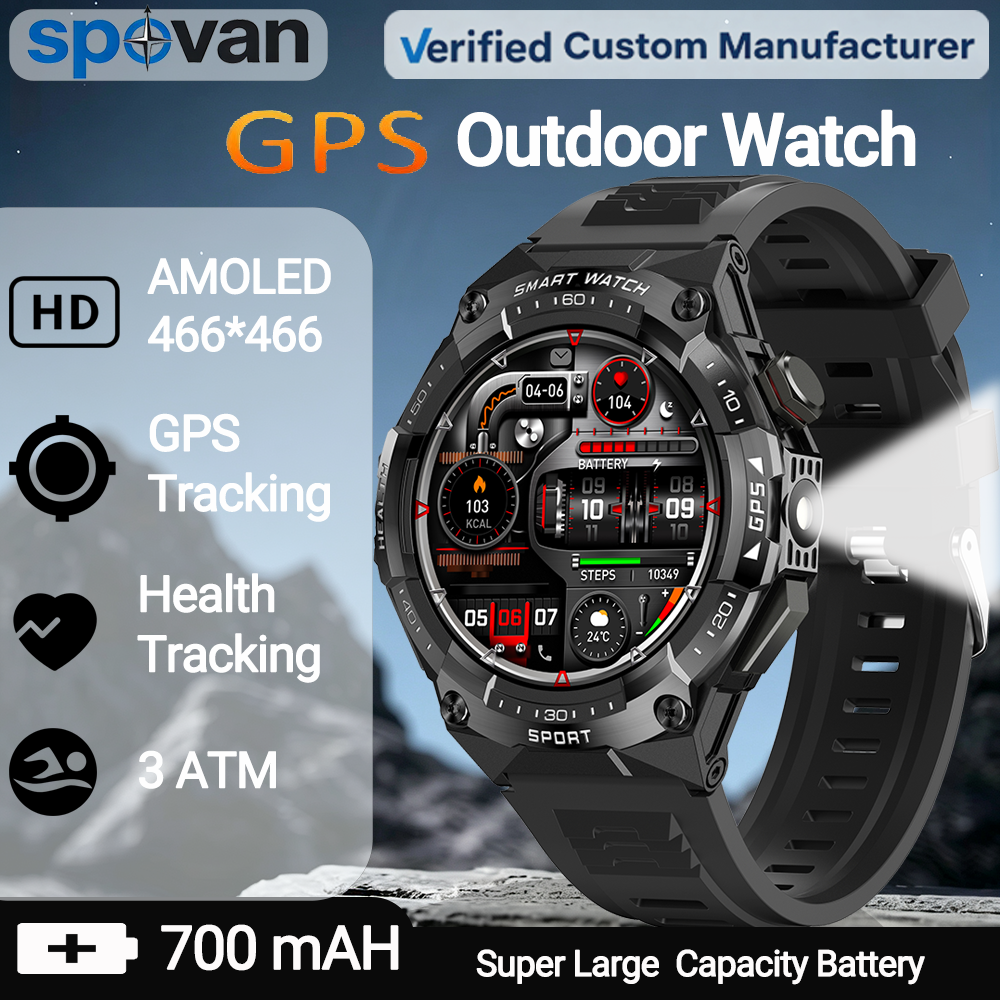
Concurrent reception across GPS, GLONASS, Galileo, and BeiDou frequencies, optimizing precision under canopy and high-rise environments.
Pulse Transit Time (PTT) and pulse wave analysis (PWA) algorithms providing calibrated systemic vascular resistance trends.
High-energy-density pure cobalt pouch cells paired with intelligent power-path management extending endurance up to 10–15 days.
A fully integrated wearable manufacturer established in 2010, certified on-site by SGS, and recognized as the #1 Smart Bracelet producer on international B2B platforms.
Shenzhen Honsys Technology Co., Ltd. represents the gold standard of China's specialized wearable manufacturing sector. Operating from the global hardware capital of Shenzhen, Honsys has spent over 15 years engineering, refining, and mass-producing high-precision electronic wearables. Sourcing directly from an established original design manufacturer eliminates intermediary margins and guarantees deep engineering alignment from the first prototype to container-load shipping.
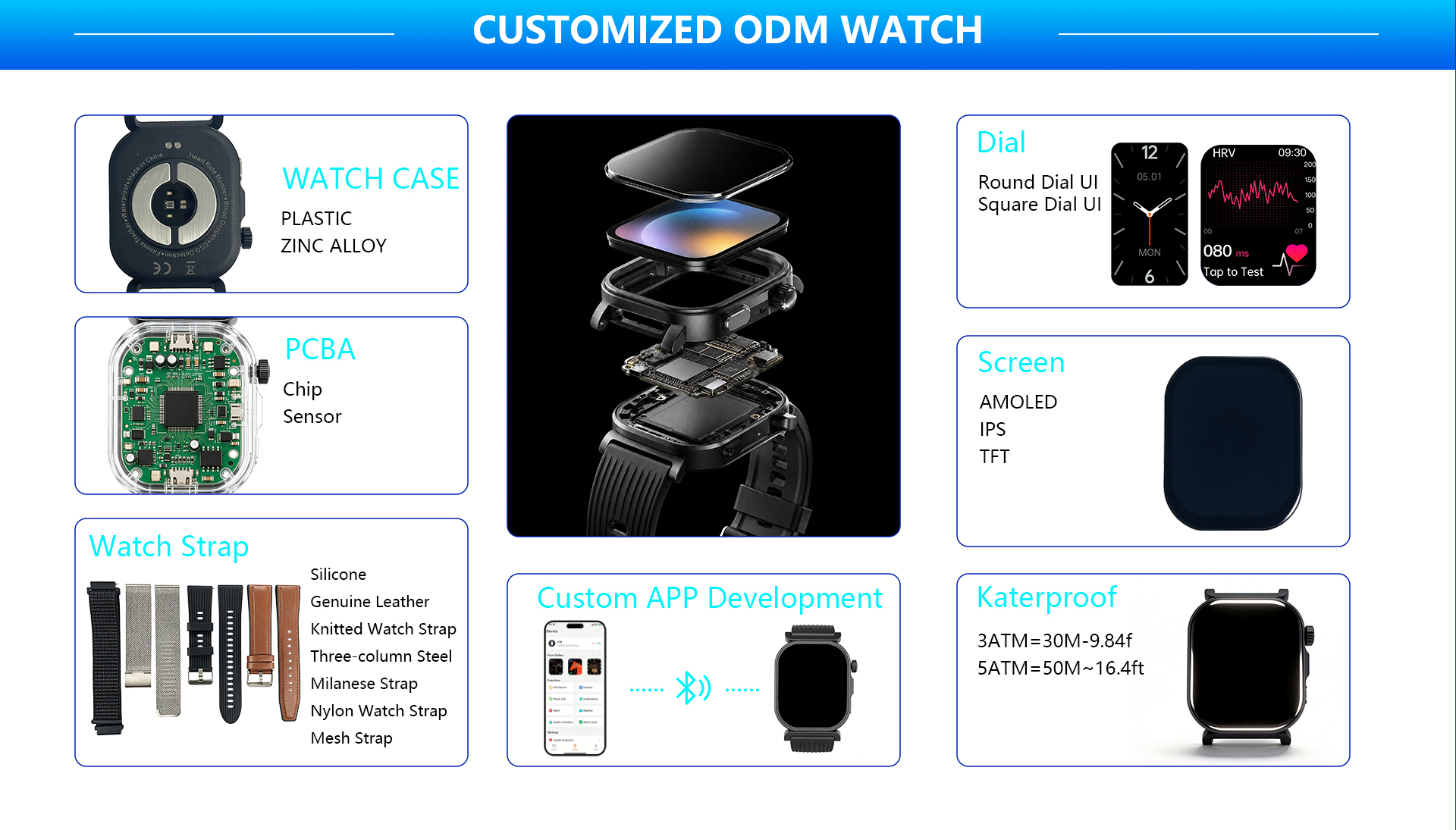
Unlike trading entities that resell public molds, Honsys holds four dedicated product design patents and registered international trademarks. We provide comprehensive OEM/ODM solutions: complete industrial structural design, tooling development, multi-layer high-density PCB layout, custom firmware development, proprietary smartphone app UI/UX reskinning, and complete retail packaging engineering. Our modular firmware architectures permit rapid rebranding—including laser-engraved casing logos, customized OLED/AMOLED boot screen splash animations, localized packaging, and multi-language user manuals.
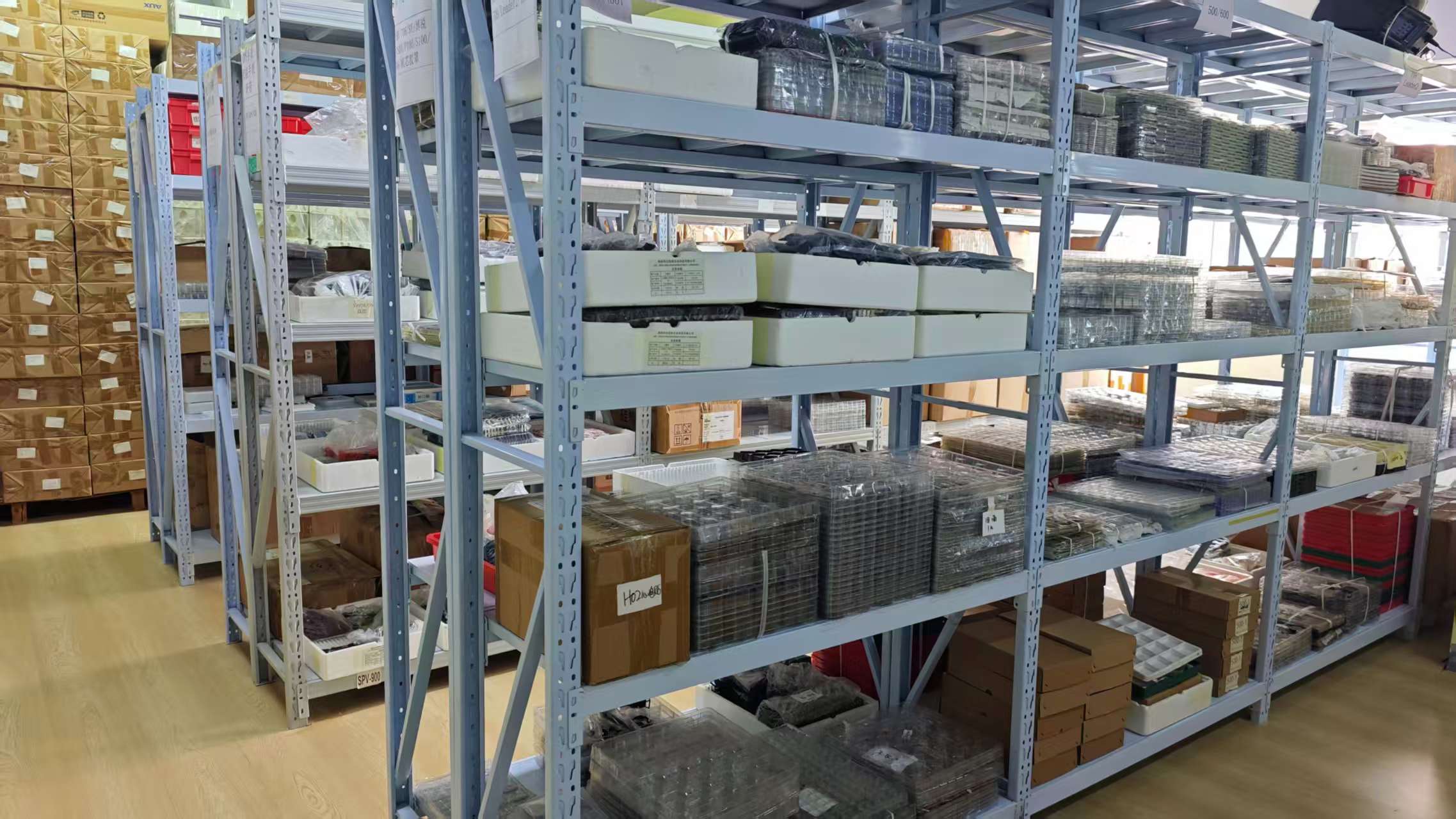
Product reliability is maintained through stringent internal quality control protocols. Honsys implements rigorous Incoming Quality Control (IQC) on all passive components, optical sensor modules, and battery cells. During assembly, semi-finished devices undergo automated optical inspection (AOI), micro-soldering integrity validation, and robotic PUR gluing. Every waterproof unit is tested individually in automated vacuum drop and high-pressure pneumatic chambers to guarantee real-world IP68 and 3ATM ingress protection. All production batches are concluded with 100% functional testing, battery endurance burn-in, and drop/tumble shock evaluations.
Biometric sensor selection, mechanical form factor constraints, battery profile, target export certifications, and bilateral NDA execution.
Color, Material, Finish (CMF) specification, 3D casing modeling, ergonomic wrist-curvature simulation, and laser-engraving placement.
BLE GATT characteristic configuration, localized multi-language UI strings, custom boot animations, and private API/SDK package delivery.
Precision prototyping for client functional validation, biometric correlation benchmarks, RF testing, and ergonomic approval.
High-speed surface-mount assembly, robotic sensor calibration, automated polyurethane dispenser sealing, and cleanroom assembly.
Every single unit undergoes positive/negative pressure leak testing, multi-point optical pulse verification, and 24-hour battery burn-in.
Clear, definitive technical answers covering custom tooling, SDK architectures, regulatory certifications, and international shipping logistics.
To accelerate testing and certification for enterprise clients, we support evaluation sample orders starting at just 1 to 10 units for off-the-shelf reference models. For customized OEM production—including custom silk-screened or laser-engraved logos, specialized firmware initialization, and private label gift box packaging—standard MOQs start at 500 to 1,000 units depending on the model complexity.
We provide comprehensive software development kits for both native iOS (Objective-C/Swift) and Android (Java/Kotlin), along with cross-platform documentation (Flutter/React Native). The SDK exposes full BLE GATT communication profiles, allowing your developers to extract real-time and historical heart rate, blood oxygen (SpO2), HRV, raw step count, sleep staging, and battery status directly into your secure backend cloud.
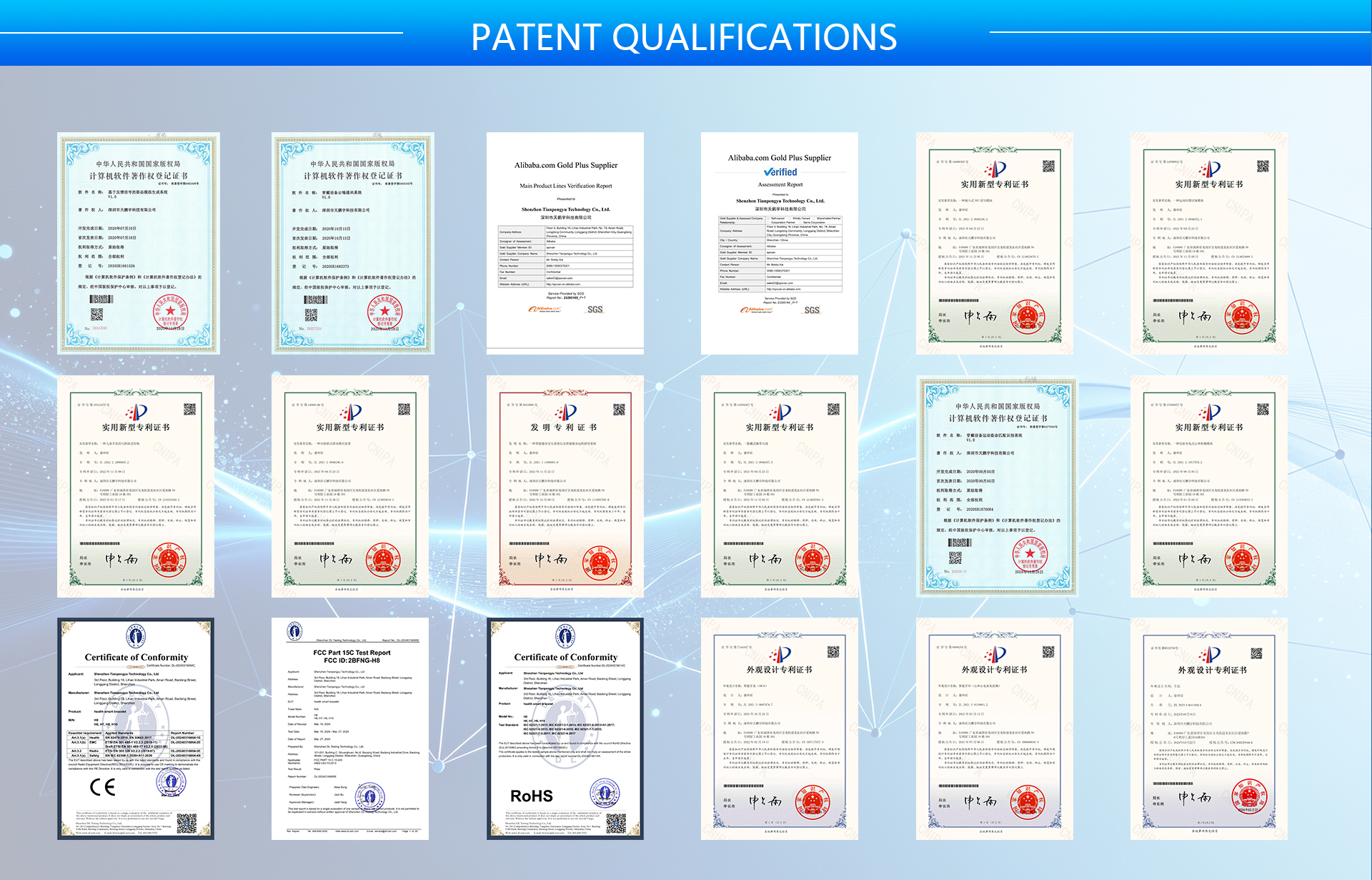
Honsys products comply fully with FCC Part 15C (for the United States) and CE RED (Radio Equipment Directive for the European Union). All devices are RoHS compliant, preventing hazardous substances. Furthermore, we maintain active Extended Producer Responsibility (EPR) registrations for packaging and electronic waste in Germany (LUCID) and France (ADEME). Full Declaration of Conformity (DoC) certificates are supplied with commercial invoices.
Standard lead times for bulk production runs (1,000 to 10,000 units) average approximately 25 to 35 business days following formal golden sample sign-off and deposit receipt. We support standard international trade terms including FOB (Yantian, Shenzhen, or Hong Kong), EXW, CIF, CFR, FCA, and full door-to-door customs-cleared DDP/DDU shipping across North America and Europe.
Our wearable hardware is engineered for general wellness, fitness telemetry, corporate health, and preventative lifestyle monitoring. While the sensor hardware (AFE ADCs, optical wavelengths, microvolt dry-contact ECG leads) meets high-precision tolerances, commercial marketing of devices as regulated medical diagnostic instruments requires market-specific clinical trials and regulatory filings (such as US FDA 510(k) or EU MDR). We provide full technical construction files (TCF) to support clients pursuing such medical approvals.
Every product manufactured by Honsys is protected by an industry-leading 1-year comprehensive factory warranty. Our quality management system incorporates strict multi-point testing: incoming IQC on raw silicone, polymers, ICs, and pure-cobalt batteries; in-process SMT optical checks; automated robot dispensing of sealing adhesives; 100% individual vacuum leak testing; and pre-shipment Outgoing Quality Control (OQC) against ANSI/ASQ Z1.4 sampling standards.
Connect directly with Honsys engineering leads in Shenzhen. Receive tailored reference schematics, comprehensive open SDK documentation, and formal volume pricing within 24 hours.