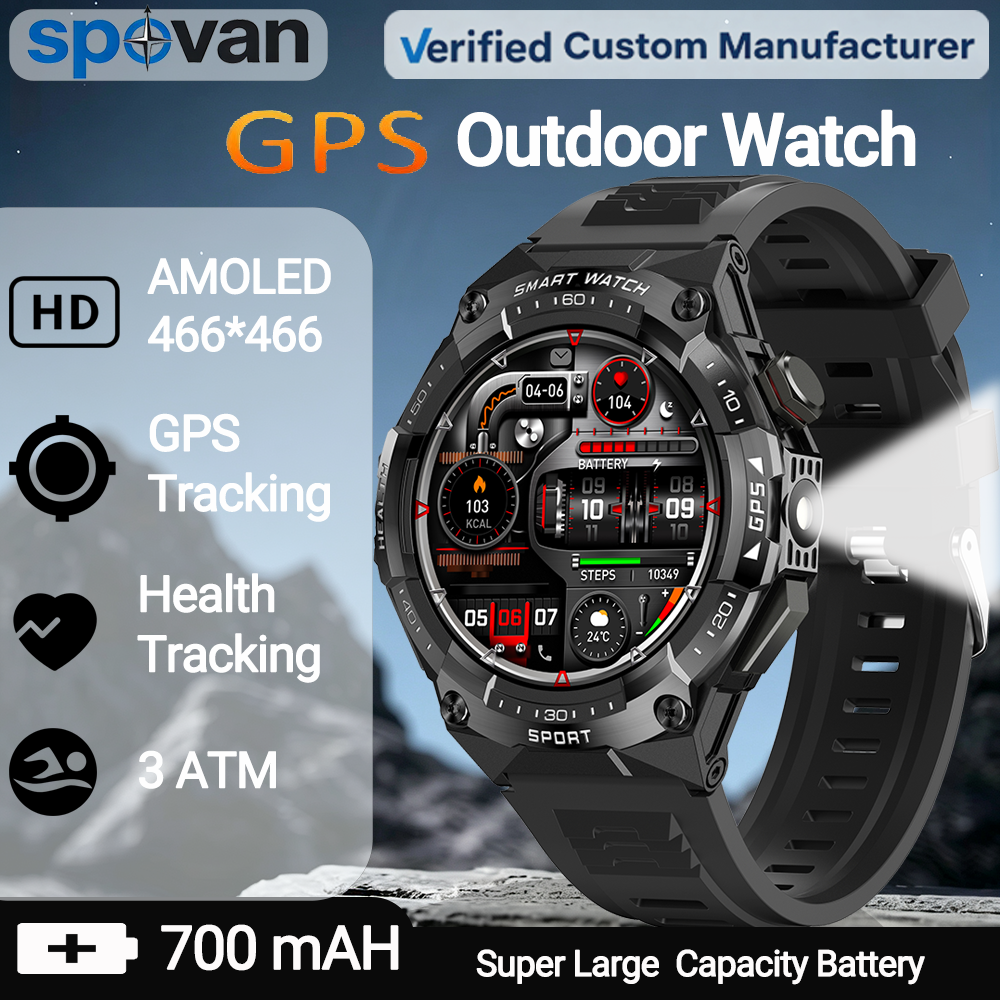
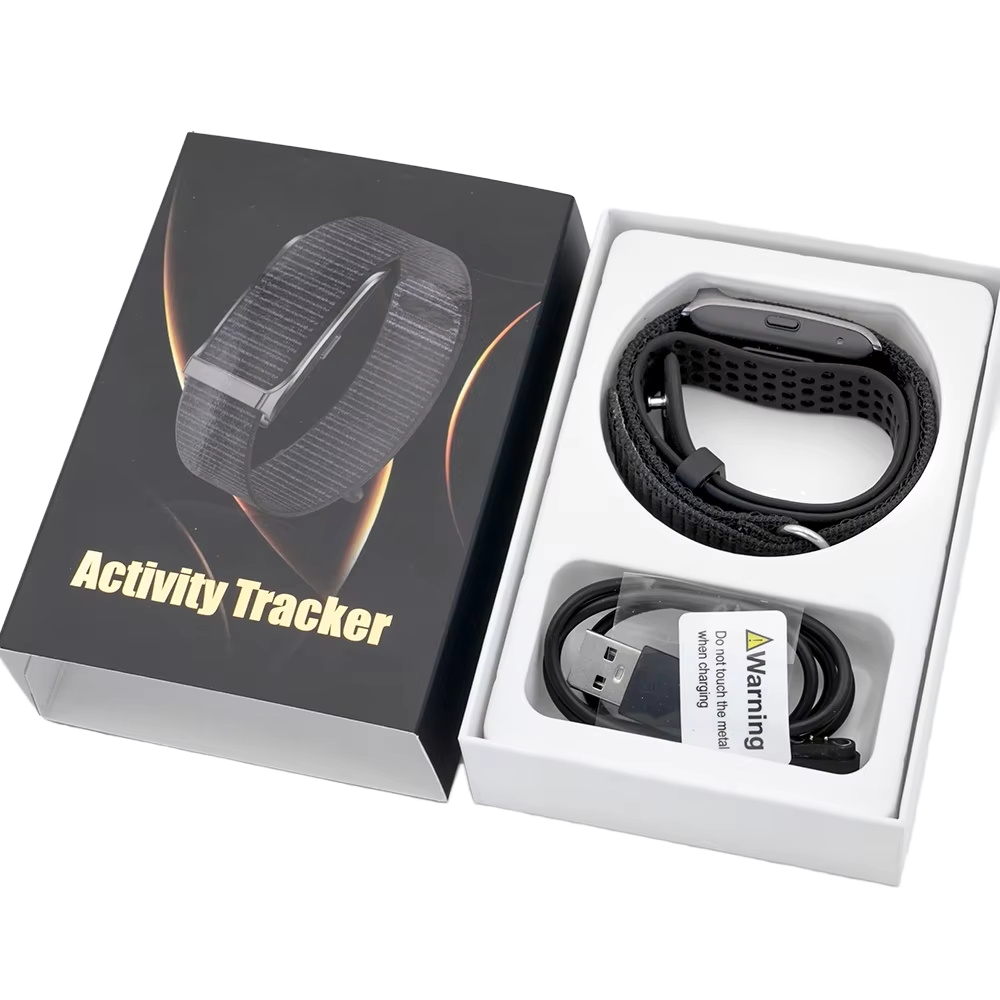
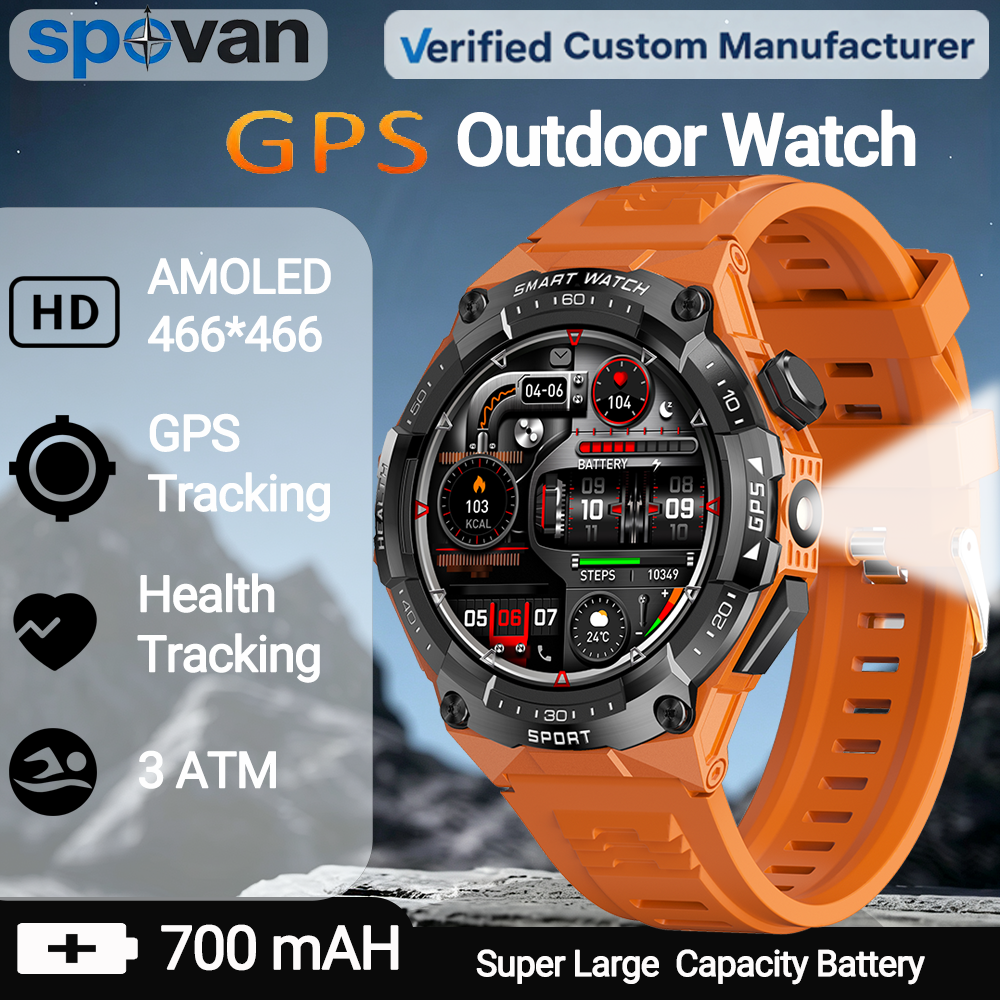

The Global Landscape: Evaluating Top 10 GPS Smartwatch Manufacturers & Suppliers
The global smart wearable ecosystem has transitioned from basic micro-electro-mechanical pedometer counters to high-precision biometric and satellite navigation endpoints. Modern B2B procurement professionals evaluating the Top 10 GPS Smartwatch Manufacturers & Suppliers must navigate a complex supply chain matrix spanning fabless IC designers, system-on-chip (SoC) integrators, algorithm engineering houses, and surface-mount technology (SMT) contract manufacturers based in Shenzhen's high-tech corridor.
Tier-1 original equipment manufacturers (OEMs) and original design manufacturers (ODMs) differentiate themselves not merely through tooling aesthetics, but through RF circuit optimization, GNSS ephemeris caching architectures, dynamic power distribution, and open API/SDK layer accessibility. Sourcing the right engineering partner ensures carrier compliance, low Return-to-Vendor (RTV) metrics, and seamless client-side database synchronization.
Core Comparative Matrix: Global Top 10 Manufacturing Capabilities
When shortlisting GPS smartwatch suppliers, enterprise brands typically weigh three distinct manufacturing categories:
Tier-1 Multisport ODMs
Specialize in dual-frequency L1+L5 multi-constellation engines (GPS, GLONASS, Galileo, BeiDou, QZSS), metal bezel CNC milling, and 5ATM/10ATM hyperbaric sealing. Designed primarily for extreme outdoor performance brands.
Telehealth & Clinical Integrators
Focus on combining continuous bio-impedance, ECG lead plates, dual-wavelength PPG arrays, and sub-meter positioning for remote patient monitoring, lone-worker safety, and clinical trial telematics.
Agile Custom Shenzhen Manufacturers
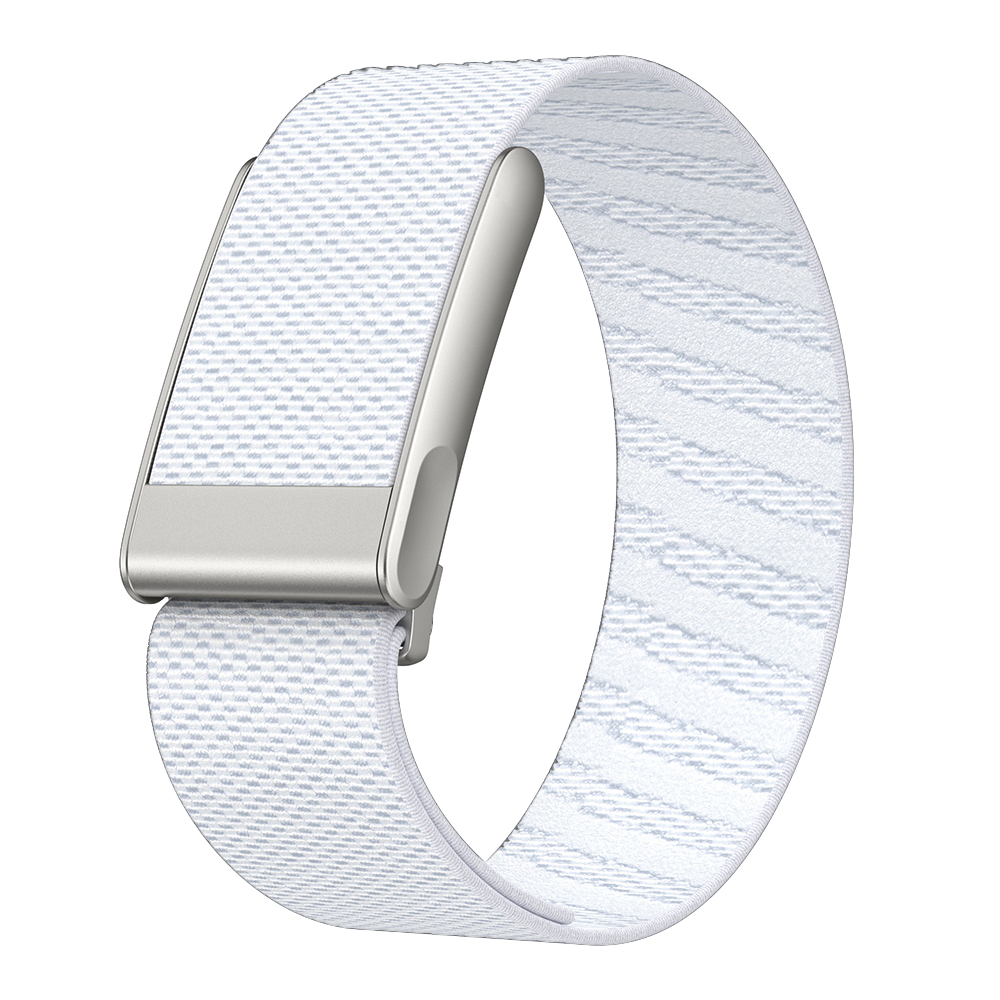
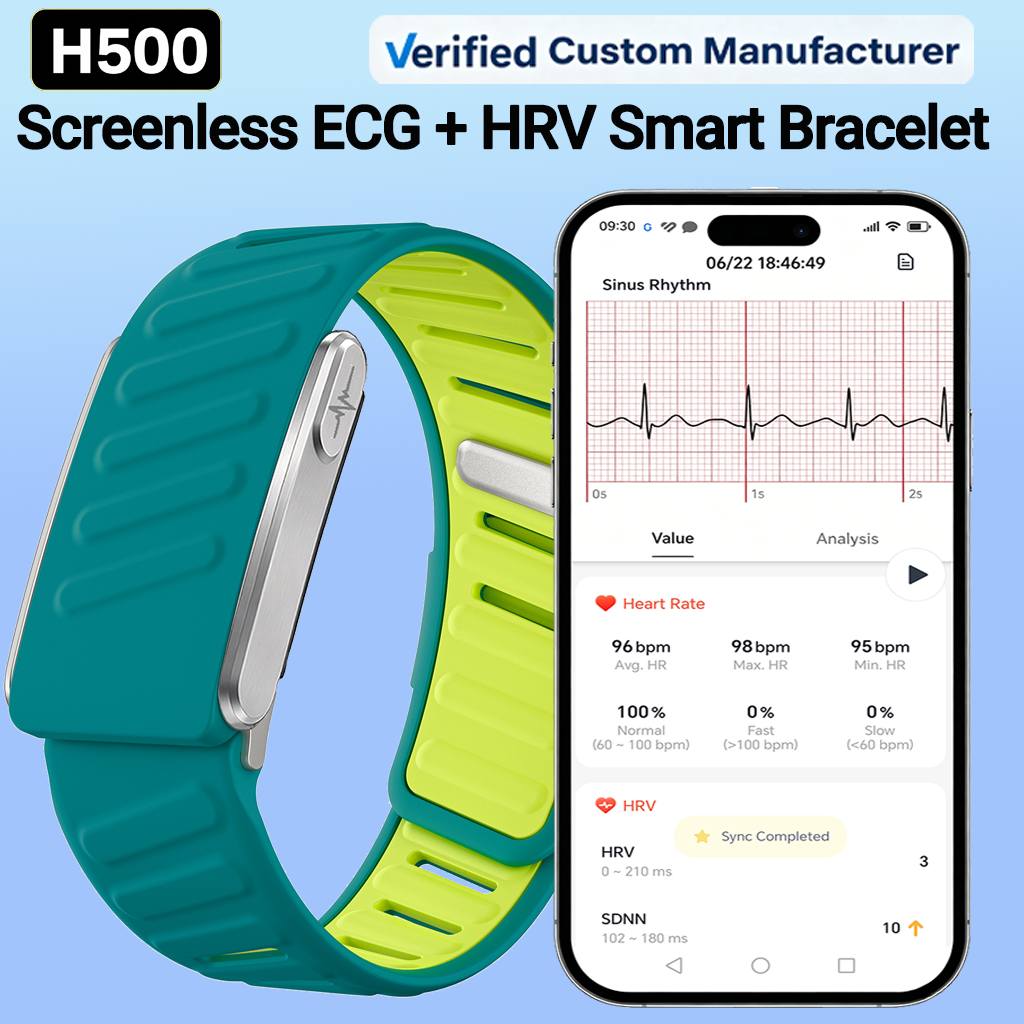
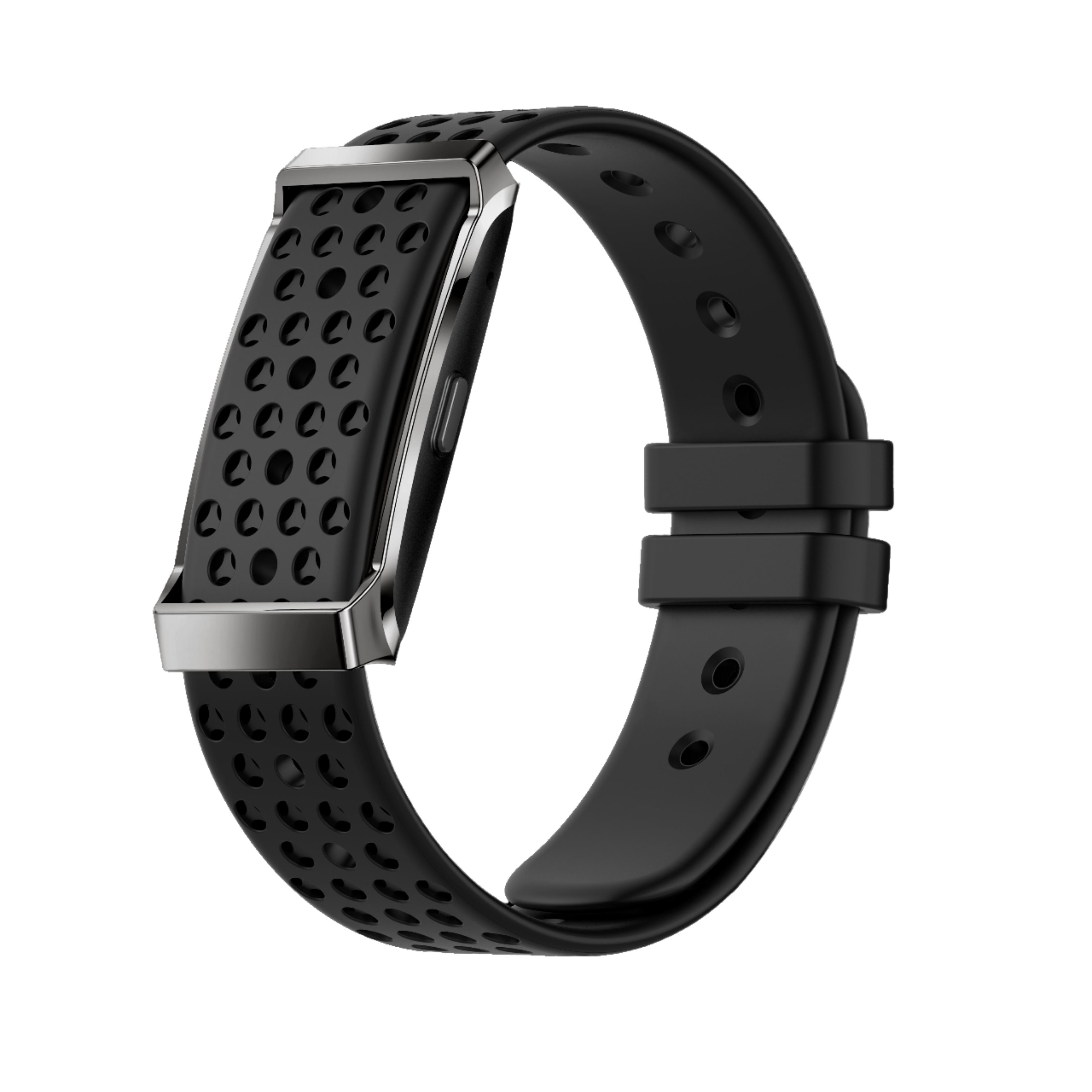
Pioneers of hybrid screenless architectures, rapid modular customization, direct open SDK integration, low minimum order quantities (starting from 1-100 pcs), and end-to-end proprietary assembly.
Future Procurement Trends in Wearable GPS & Sensor Architectures
As global regulatory frameworks tighten and consumer demands shift toward extended battery life and data sovereignty, hardware buyers must factor the following technical trends into their 2026–2030 procurement strategies:
- Dual-Band (L1+L5) Multi-GNSS Integration: Standard single-band L1 receivers suffer from multi-path interference in dense urban canyons and heavy canopy environments. Modern enterprise RF designs prioritize dual-frequency chips that mitigate ionospheric delays and reduce cold-start Time to First Fix (TTFF) to under 15 seconds.
- The Rise of Screenless "Digital-Detox" Performance Trackers: Display panels account for 45% to 65% of active battery drain. By removing power-hungry AMOLED or TFT screens, screenless form factors achieve continuous biometric monitoring and GNSS logging for 10–20 days on a single 150mAh–300mAh lithium-polymer cell.
- Open SDK and Direct MQTT/HTTPS REST API Piping: Enterprise telehealth providers, insurance consortiums, and specialized sports platforms reject walled gardens. Supply contracts increasingly mandate raw PPG, IBI (inter-beat interval), raw acceleration data, and GNSS coordinate access via uncompiled C-libraries and Android/iOS native SDKs.
- Edge-AI Microcontroller Biometrics: Shifting real-time arrhythmia detection, sleep staging, and motion artifact filtering to ultra-low-power Arm Cortex-M33/M55 neural processing microcontrollers, decreasing high-bandwidth Bluetooth transmissions and maximizing battery efficiency.
Evolutionary Horizons: Where GPS Smartwatch Technology is Heading
The roadmap for next-generation smart wristwear is converging around environmental telemetry and autonomous operation. We are seeing unprecedented engineering investments in low Earth orbit (LEO) satellite direct-to-device (D2D) messaging for emergency SOS functionality without requiring cellular carrier SIM activation. Concurrently, solar-assisted photovoltaic dial coatings and kinetic thermal harvesting are closing the gap toward perpetual low-drain operation.
From a health monitoring standpoint, GPS location telemetry is becoming contextualized. Algorithms now correlate sudden heart rate spikes, drop in blood oxygen (SpO2), or drastic heart rate variability (HRV) deviations with barometric altitude changes and route terrain difficulty, offering predictive health warnings rather than reactive data points.