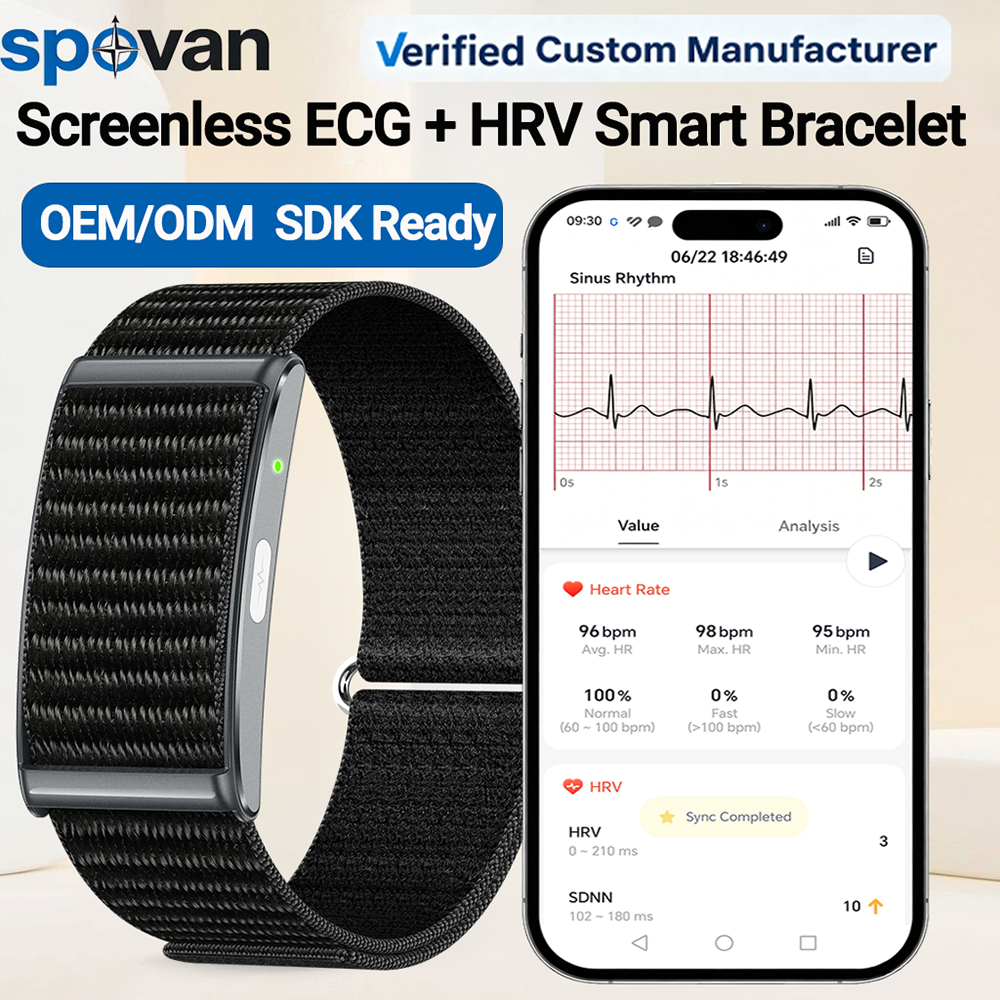
Global OEM/ODM Sourcing Matrix: The Wearable Paradigm Shift
Procuring smart watches and biometric trackers from verified original design manufacturers (ODMs) and original equipment manufacturers (OEMs) has transitioned from simple cosmetic white-labeling to deep sensor fusion, proprietary firmware optimization, and closed-loop data governance.
As the digital health landscape converges with consumer electronics, enterprise procurement leaders require hardware partners capable of delivering verified raw biological signal accuracy (PPG, ECG, GSR), IP68/3ATM waterproof integrity, multi-satellite GNSS positioning, and platform-agnostic Bluetooth Low Energy (BLE) SDKs. Navigating the top tiers of wearable production requires an uncompromised evaluation of firmware versatility, component supply-chain resiliency, precision tooling capabilities, and compliance certifications across North American and European standardizations.
Selected High-Demand OEM/ODM Production Platforms
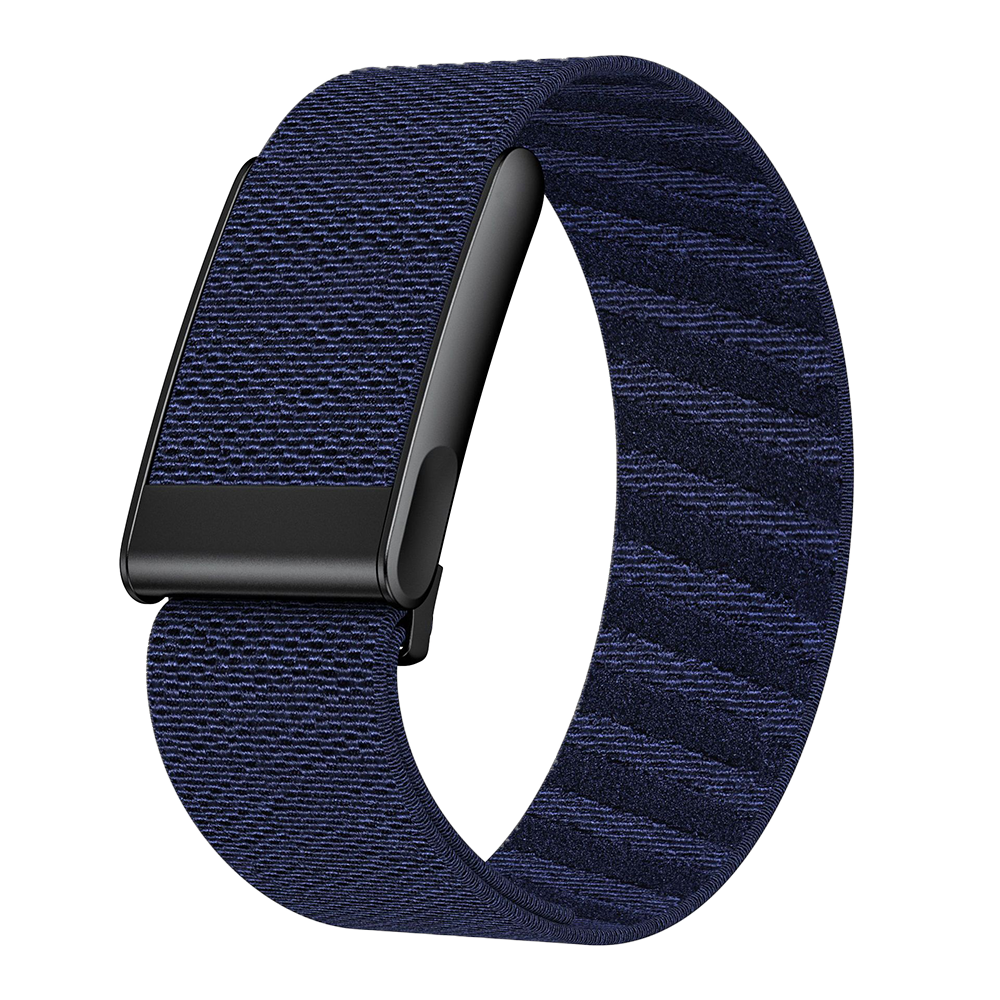
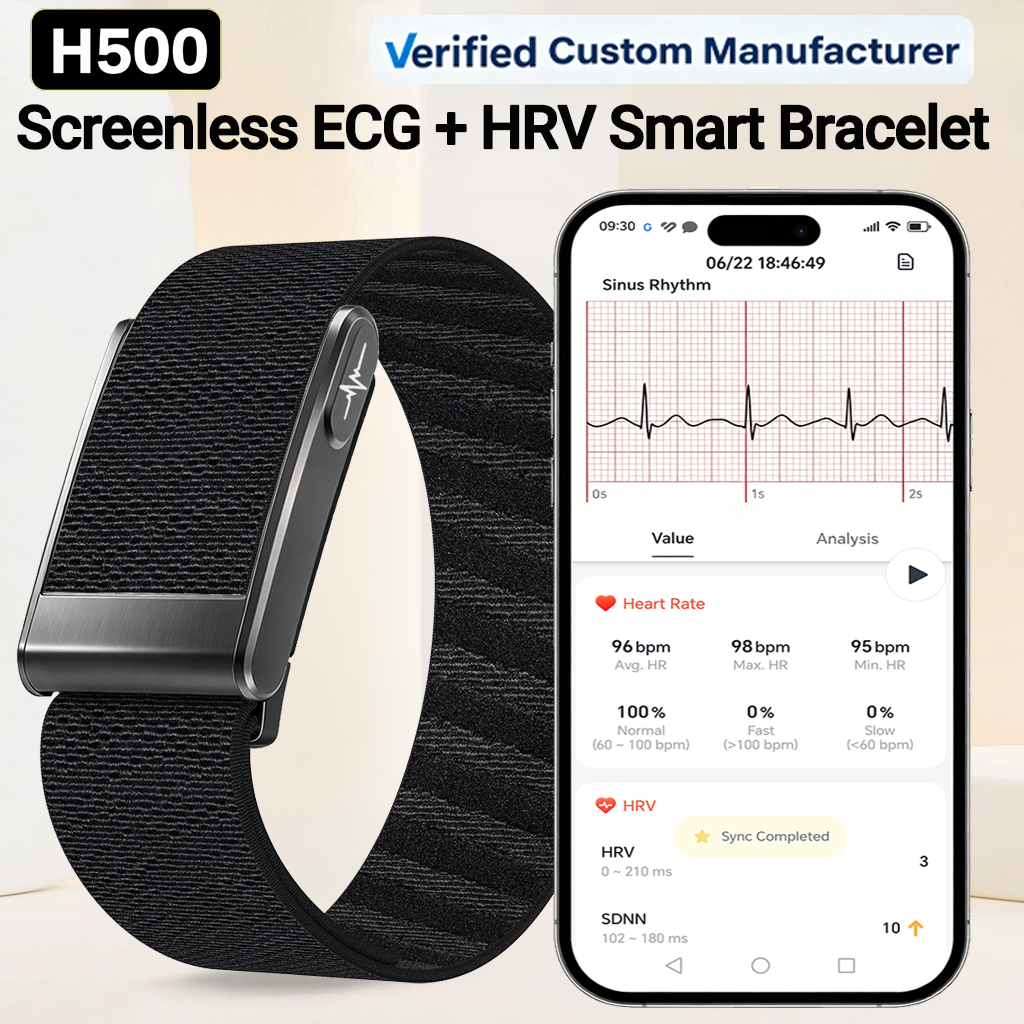
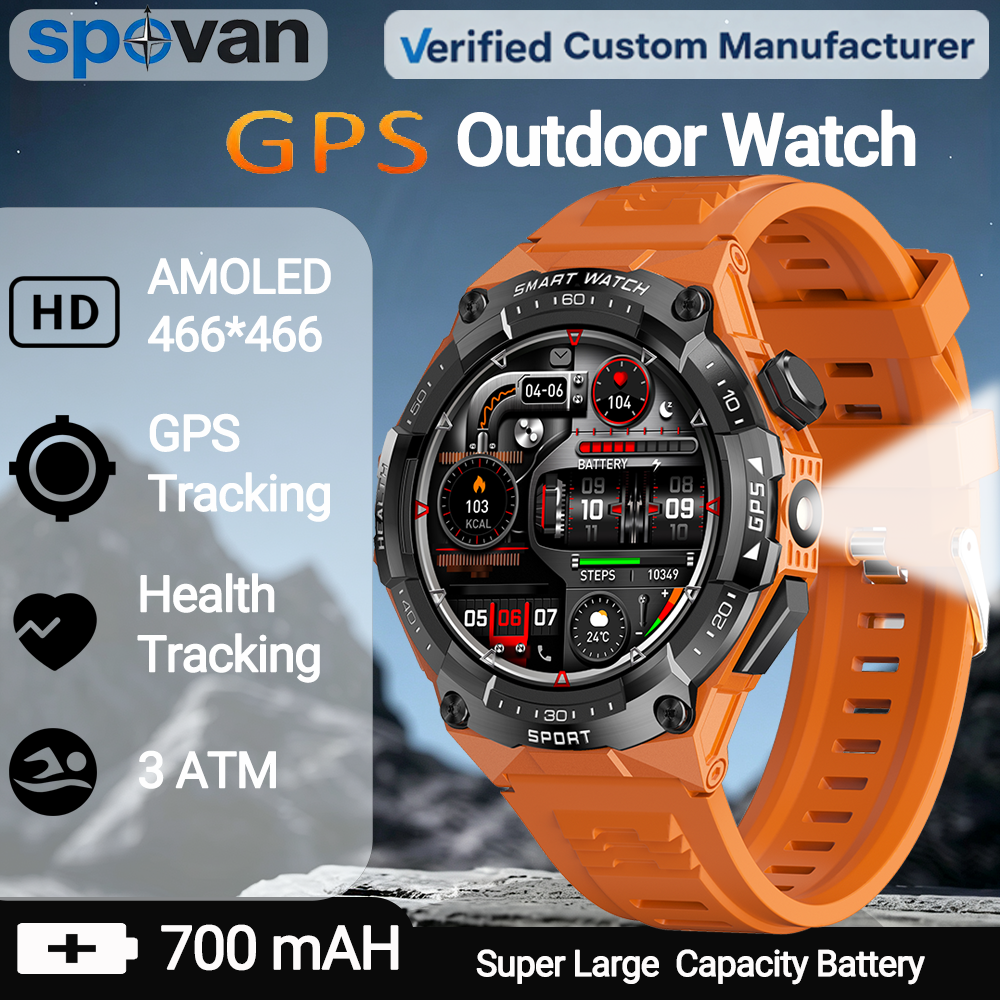
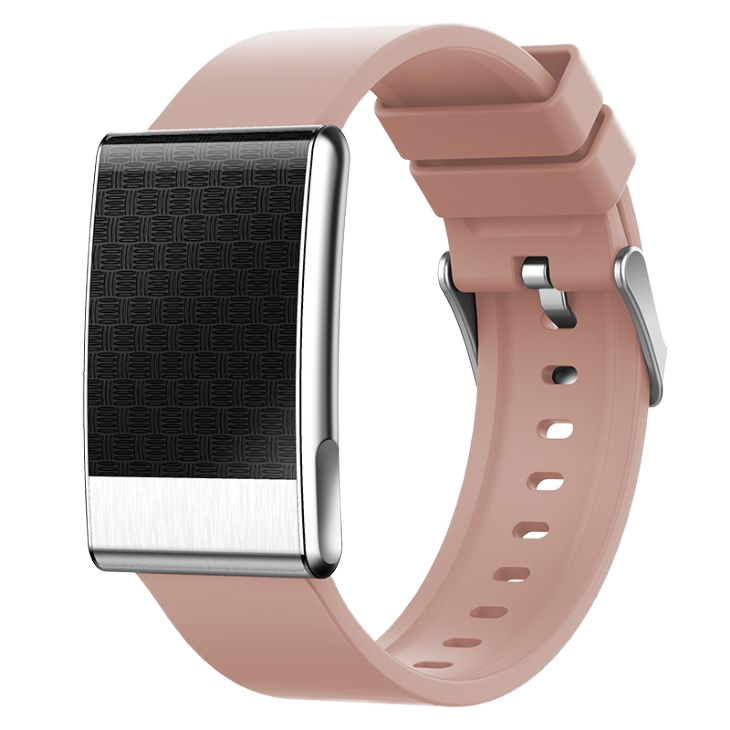
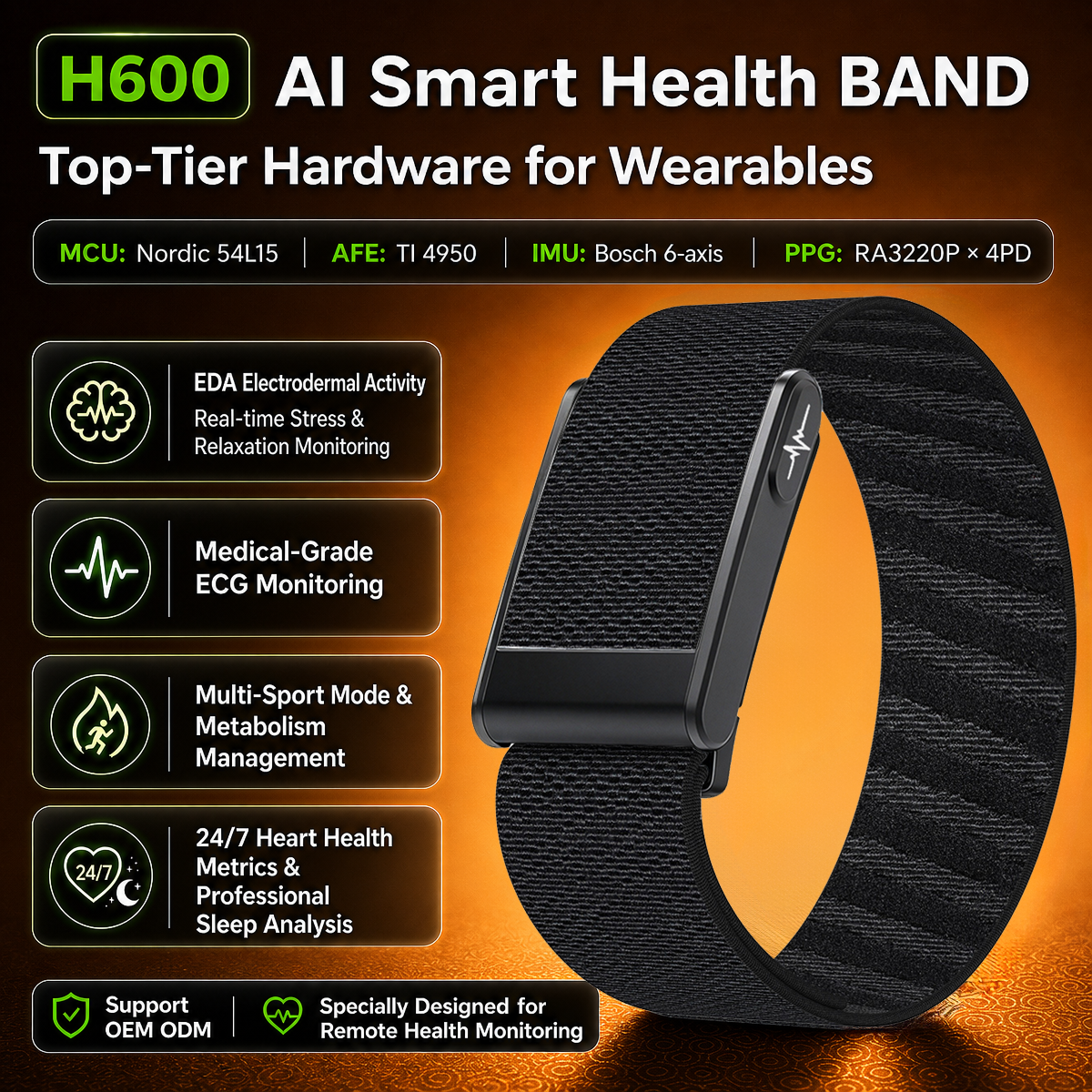
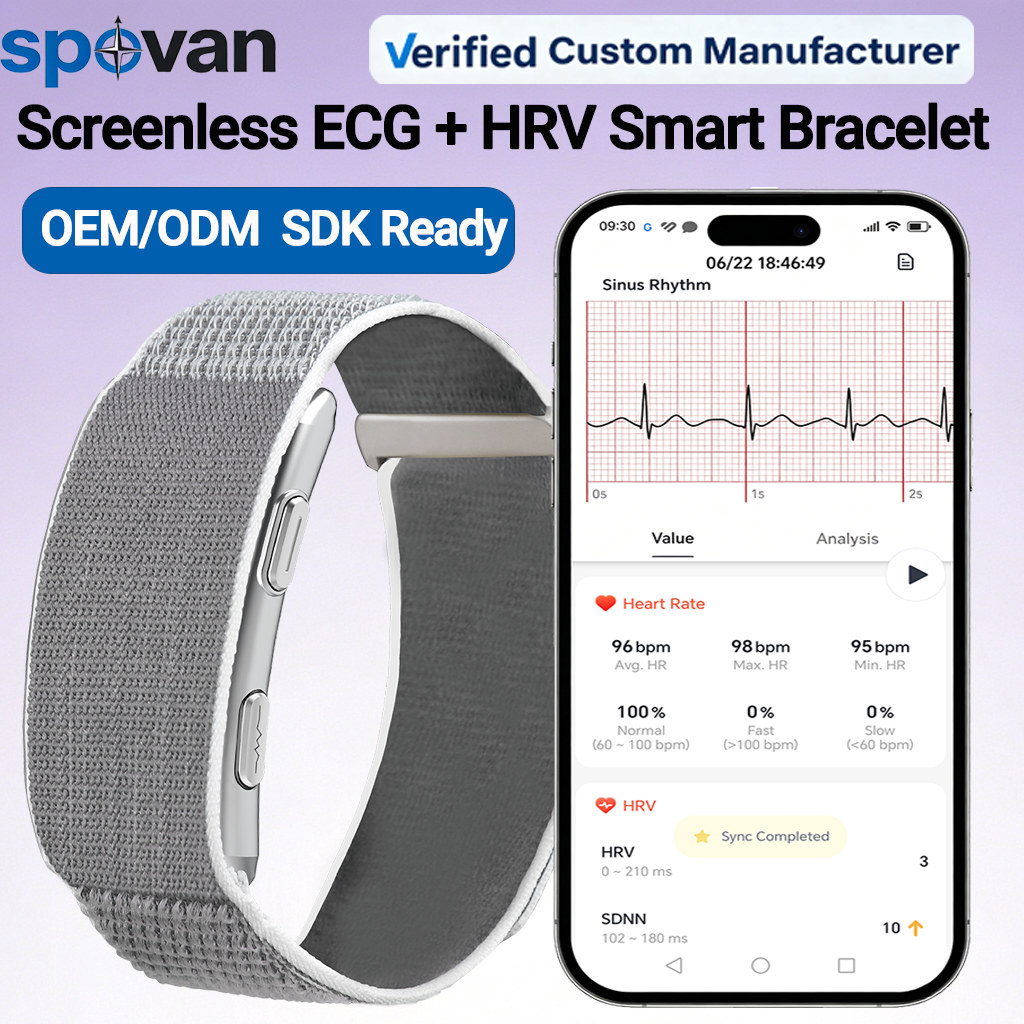
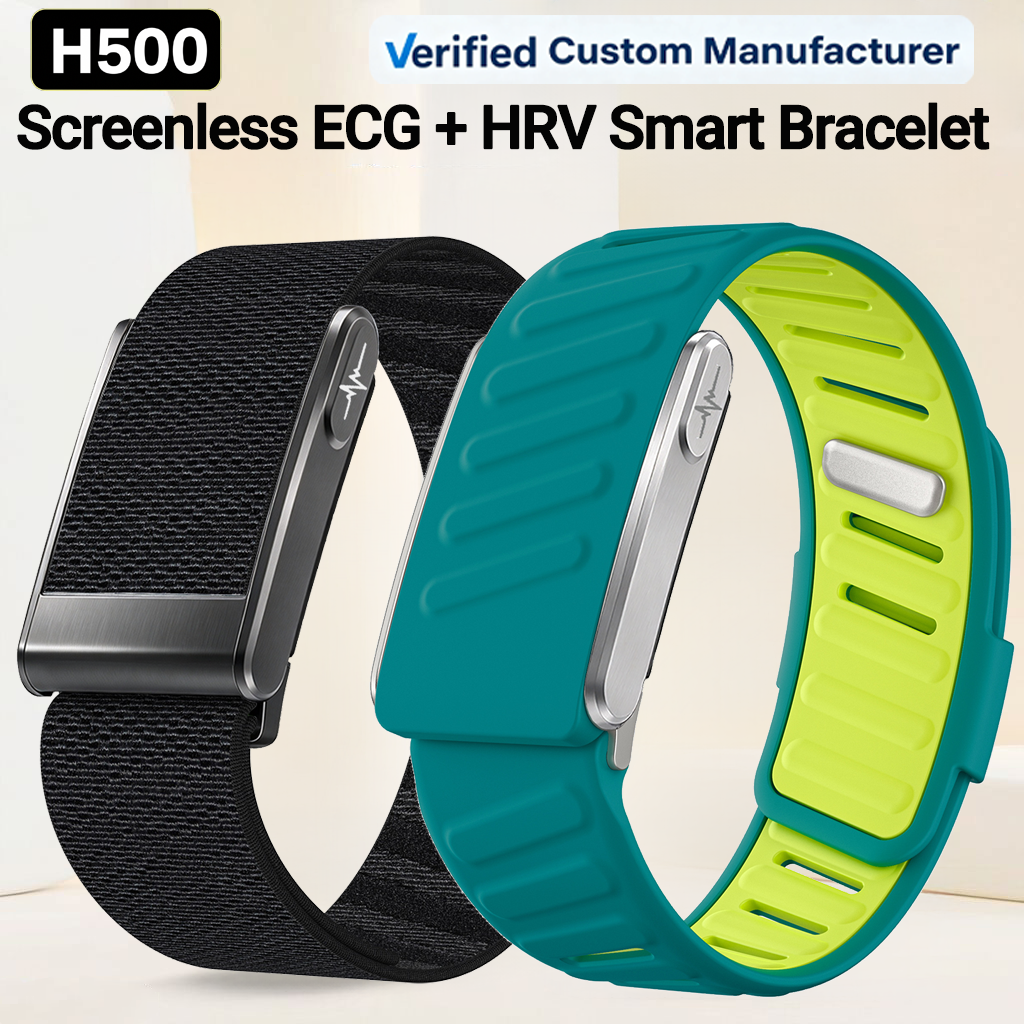
Explore production-ready biometric wristbands, screenless activity trackers, and AMOLED GPS smartwatches configurable for private labeling, customized PCB layout, and API integration.
Verified Production Capacity & Trade Reliability
Rigorous factory audits by SGS and decade-long export governance provide unshakeable credibility for enterprise volume orders.
2010
Manufacturing Founded
9,762+
Top Screenless Band 180-Day Volume
99.76%
Trade Response Rate
100%
In-Line Waterproof Testing
Evaluating the Top 10 OEM Smart Watch Manufacturers & Strategic Archetypes
Strategic B2B sourcing requires understanding the ecosystem tiers—from tier-1 global EMS conglomerates to agile, specialized health-tech ODMs.
| Manufacturer Archetype | Primary Strengths | Typical NRE & MOQ Barriers | SDK/API Data Ownership | Best Sourcing Application |
|---|---|---|---|---|
| 1. High-Precision Biometric ODMs (e.g., Honsys) | Screenless form factors, continuous ECG/HRV algorithms, dedicated open SDK | Flexible MOQs (100–1,000 pcs), low NRE tooling cycle | Full raw biological data access via BLE protocols | Digital health platforms, corporate wellness, targeted niche fitness |
| 2. Megascale Contract EMS (Foxconn, Luxshare) | Infinite scaling capacity, tier-1 automated assembly lines | Ultra-high MOQs (>100,000 units), massive upfront NRE investment | Customized to client specification, highly restricted access | Tier-1 global consumer electronics giants |
| 3. Outdoor Rugged Specialists | 10ATM/MIL-STD-810H casing, dual-frequency GNSS engineering | Moderate to high MOQs (3,000–5,000 pcs), extended tooling phases | Proprietary GPS coordinate mapping APIs | Extreme sports brands, tactical military-grade supply chains |
| 4. Turnkey White-Label Assemblers | Lowest upfront unit cost, rapid off-the-shelf catalog delivery | Low MOQ (10–50 pcs), standard plastic tooling | Locked cloud servers, strictly closed consumer apps | Promotional merchandise, low-tier retail novelty channels |
Procurement & Technological Trends in Connected Wearables
Anticipate architectural market shifts over the next 3–5 years to future-proof hardware procurement roadmaps and avoid technical debt.
⚡
1. The Ascendance of "Screenless" Digital Detox Hardware
Users are increasingly fatigued by hyper-connected wrist notifications. B2B buyers in corporate wellness, clinical trials, and athletic coaching are migrating toward no-screen biometric trackers that prioritize 14+ day battery runtimes, non-intrusive form factors, and pure raw data ingestion over buzzing LCD interfaces.
🧬
2. Advanced Continuous Hemodynamic Monitoring
Simple step-counting is commoditized. Procurement specifications now mandate continuous optical blood oxygen saturation (SpO2), dual-lead ECG for arrhythmia detection, and Heart Rate Variability (HRV) for autonomic stress response analysis. Multi-wavelength PPG arrays ensure dark skin tone accuracy and motion artifact cancellation.
📡
3. Decoupled Cloud Architecture & Local SDK Control
Stricter data privacy mandates (HIPAA, GDPR) compel enterprise buyers to reject closed Chinese cloud backends. Sourcing criteria strictly enforce open native Android and iOS SDKs that allow brands to stream encrypted BLE telemetry straight into their own cloud infrastructures without third-party server exposure.
🔋
4. Multi-Constellation Sub-Meter GNSS Integration
For outdoor wearables, single GPS modules are deprecated. Sourcing demands quad-constellation (GPS, GLONASS, Galileo, BeiDou) receiver architectures paired with high-efficiency low-power microcontrollers, ensuring continuous path rendering even in dense urban canyons and heavy mountain canopies without battery drain.
Shenzhen Honsys: Precision Engineering & Verified Integrity
Founded in 2010 and exporting globally since 2012, Shenzhen Honsys Technology Co., Ltd. represents the cutting edge of health-first smart wearable OEM/ODM production. Operating as an on-site verified manufacturer assessed by SGS Group, we bridge the gap between custom firmware engineering and cost-optimized mass hardware fabrication.
- Zero-Distraction Health Platforms: Pioneers in screenless ECG/PPG/HRV tracking wristbands with open SDK interfaces.
- Rigorous In-House Quality Control: 100% pneumatic waterproof testing, incoming material IQC, and automated SMT soldering verification.
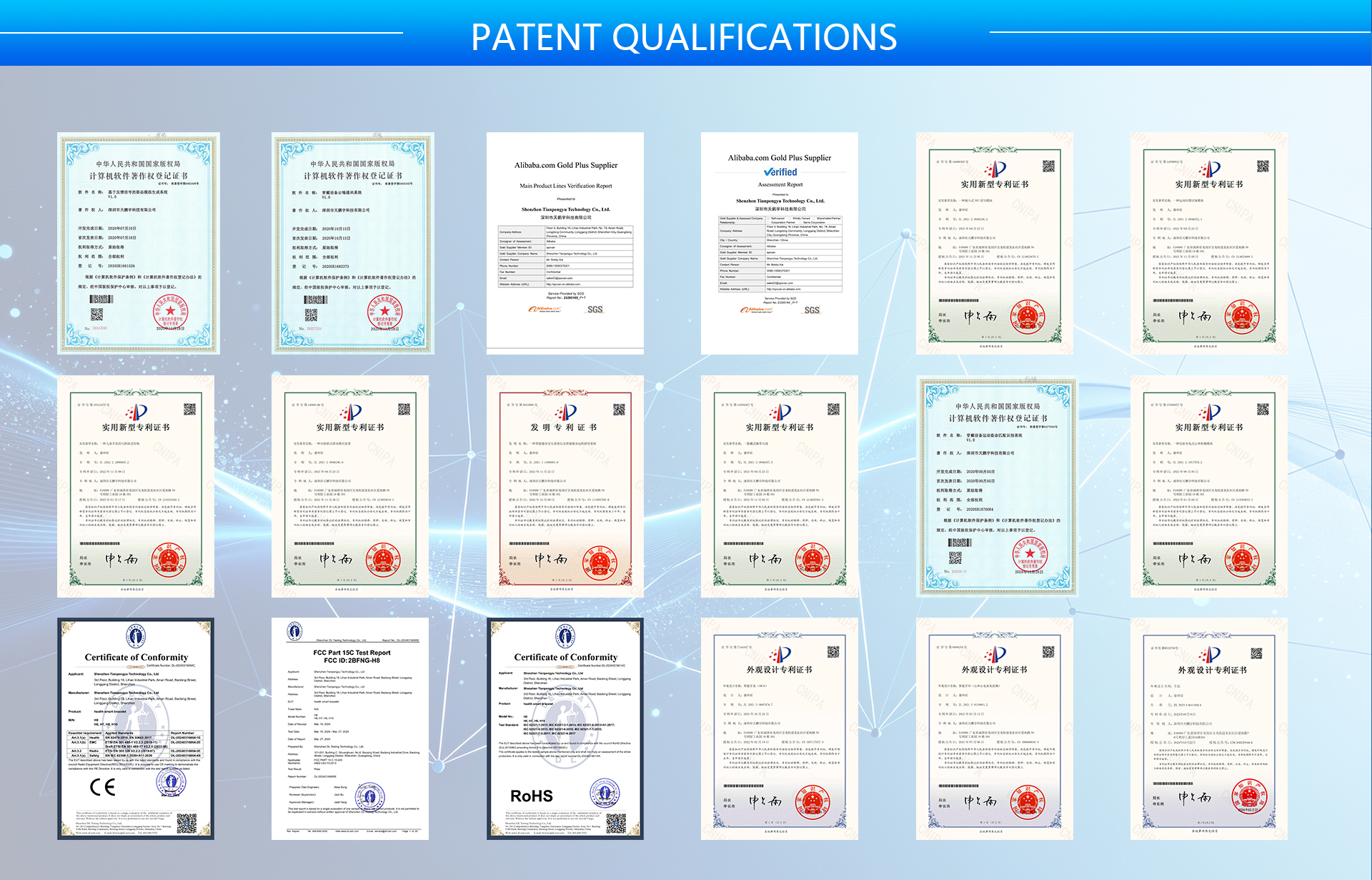
- International Certification Portfolios: Complete FCC, CE, RoHS compliance, along with German and French EPR environmental packaging registrations.
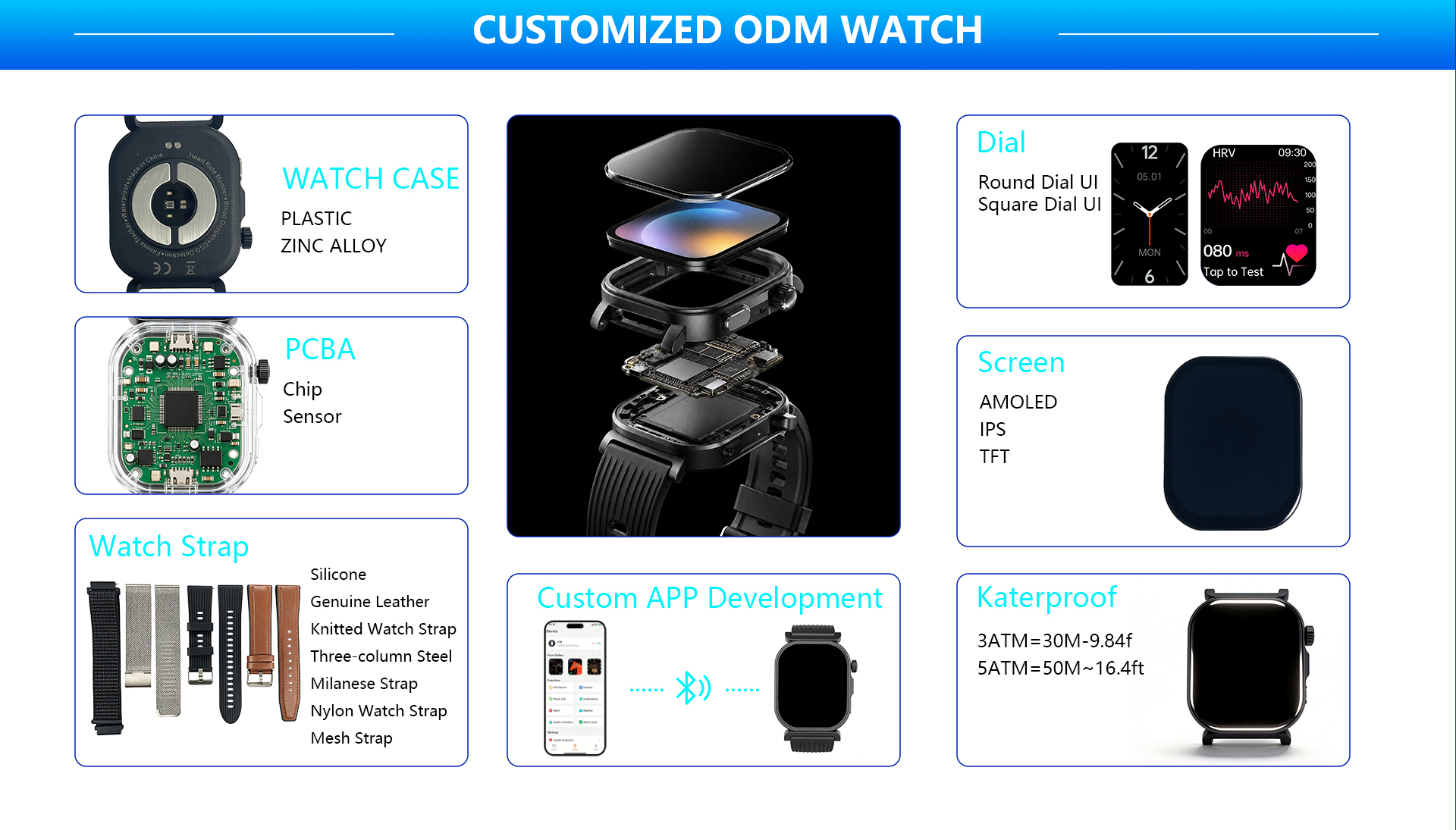
- Comprehensive OEM Customization: Zinc alloy tooling, custom silicone and breathable nylon straps, private-label firmware boot screens, and custom gift box packaging.
Audited Manufacturing & Global Compliance Infrastructure
Transparent factory operations certified against global health, safety, and radio-frequency standards.
Frequently Asked Questions: Smart Watch OEM Procurement
Direct technical answers addressing minimum order thresholds, SDK integration mechanics, and compliance testing.
What are the typical MOQs for custom OEM smart watches versus off-the-shelf samples?
For hardware engineering validation and pilot app development, sample quantities typically start from 1 to 10 units with standard firmware. For full private-labeling (laser logo engraving, customized packaging, startup screen animations), MOQs usually range from 500 to 1,000 units depending on the housing material (zinc alloy vs. polycarbonate) and strap customization.
How does your Open SDK & API protocol facilitate custom app development?
We provide comprehensive native iOS and Android SDK libraries, sample code, and complete BLE communication protocol documentation. Your development team can bypass third-party consumer apps to subscribe directly to Bluetooth GATT characteristics, ingesting real-time PPG signals, computed heart rate, SpO2, raw ECG vectors, and step metrics straight into your proprietary mobile application or healthcare backend.
What is the distinction between medical-grade diagnostic claims and wellness reference tracking?
Standard OEM smart wearables and screenless bands are engineered for general wellness, athletic conditioning, and non-diagnostic trend observation. While the analog front-end (AFE) sensors and ECG algorithms achieve high correlation with medical equipment, marketing these devices as diagnostic tools requires region-specific medical device clearance (such as US FDA 510(k), EU MDR Class IIa). We support clients by providing technical hardware construction files, circuit schematics, and sensor validation datasets for regulatory submission.
How are waterproof tolerances (IP68 vs. 3ATM/5ATM) validated on the assembly line?
Each sealed enclosure undergoes a two-tier quality control protocol: first, a dry pneumatic pressure-decay leak test verifying casing hermeticity without subjecting electronics to moisture, followed by statistical water submersion stress testing. IP68 units are rated for continuous dust ingress prevention and submersion up to 1.5 meters, while our 3ATM/5ATM designs employ reinforced silicon O-rings and structural ultrasonic welds capable of withstanding dynamic hydrostatic swimming pressures.
What is the production turnaround and lead time for volume orders?
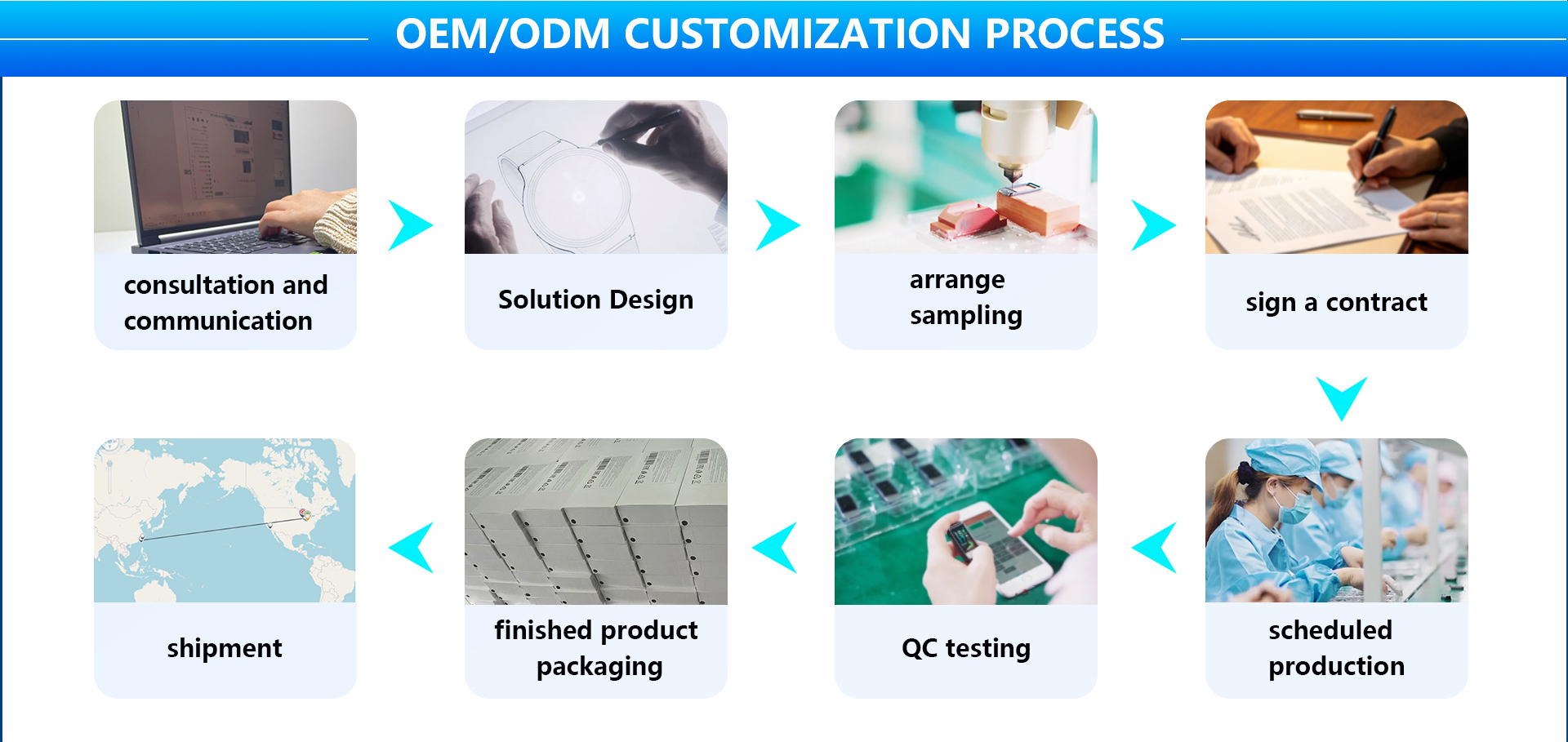
Standard mass production cycles require approximately 30 to 35 calendar days following pre-production sample sign-off and deposit receipt. Shipping terms include FOB Yantian/Shenzhen or Hong Kong, alongside CIF, DDP, and multimodal express options to international hub destinations.