Verified PPG / ECG Sensor Hardware Deployments
Production-ready reference hardware featuring high-SNR optical arrays, open BLE SDK stacks, waterproof mechanical tooling, and full OEM private-label customizability.
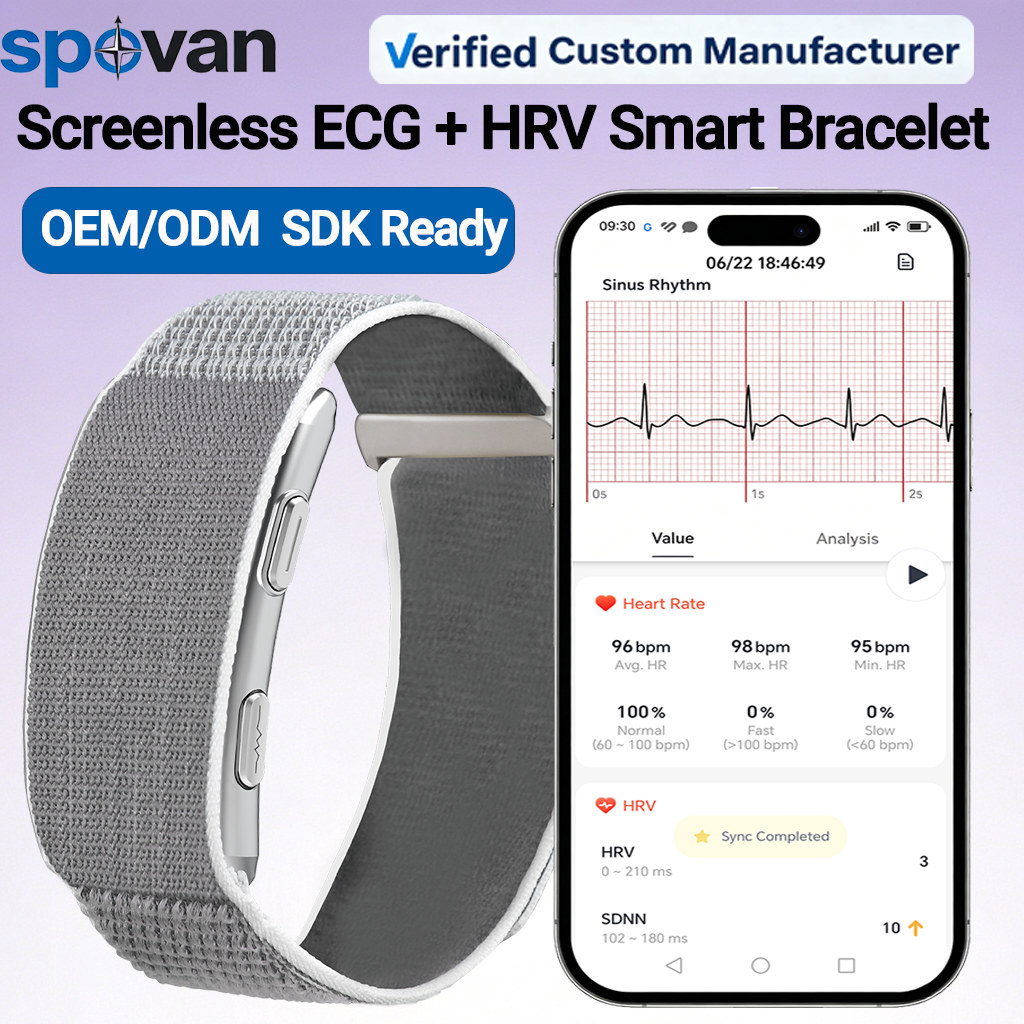
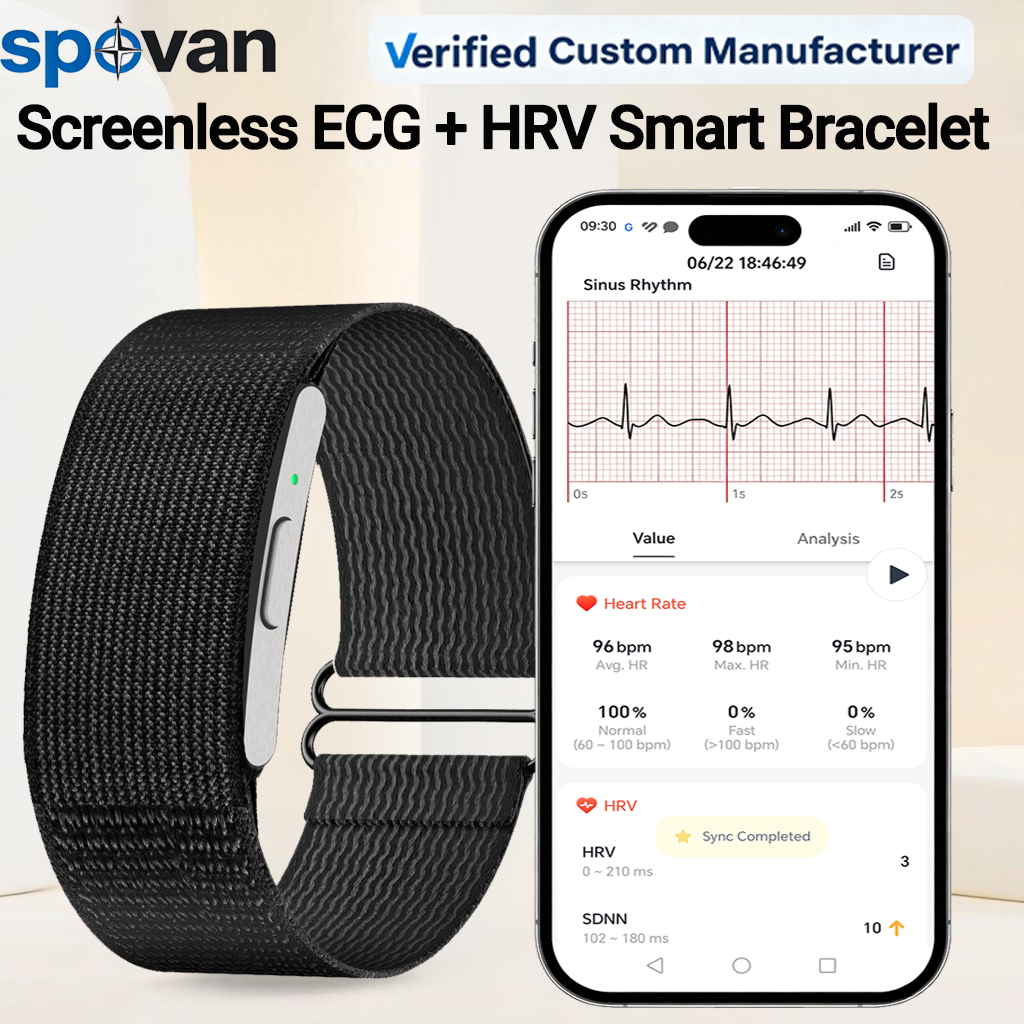
Screenless Smart Bracelet ECG HRV Monitor Pedometer Fitness Band AI Health Sleep Tracker IP68 Waterproof Unisex Digital Detox
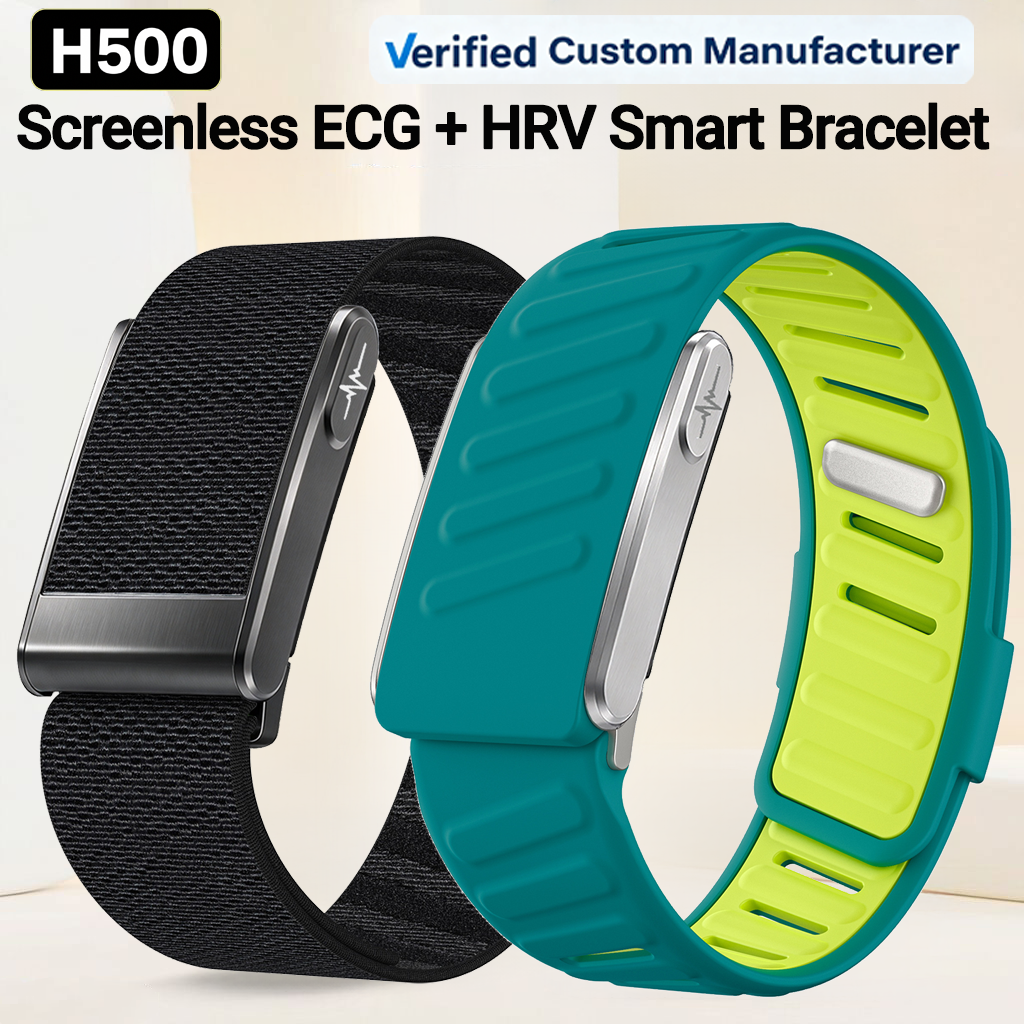
2026 IP68 Waterproof Android Smartwatch with Silicone/Nylon Band Accelerometer Alarm Clock SDK API Heart Rate & Fitness Tracker
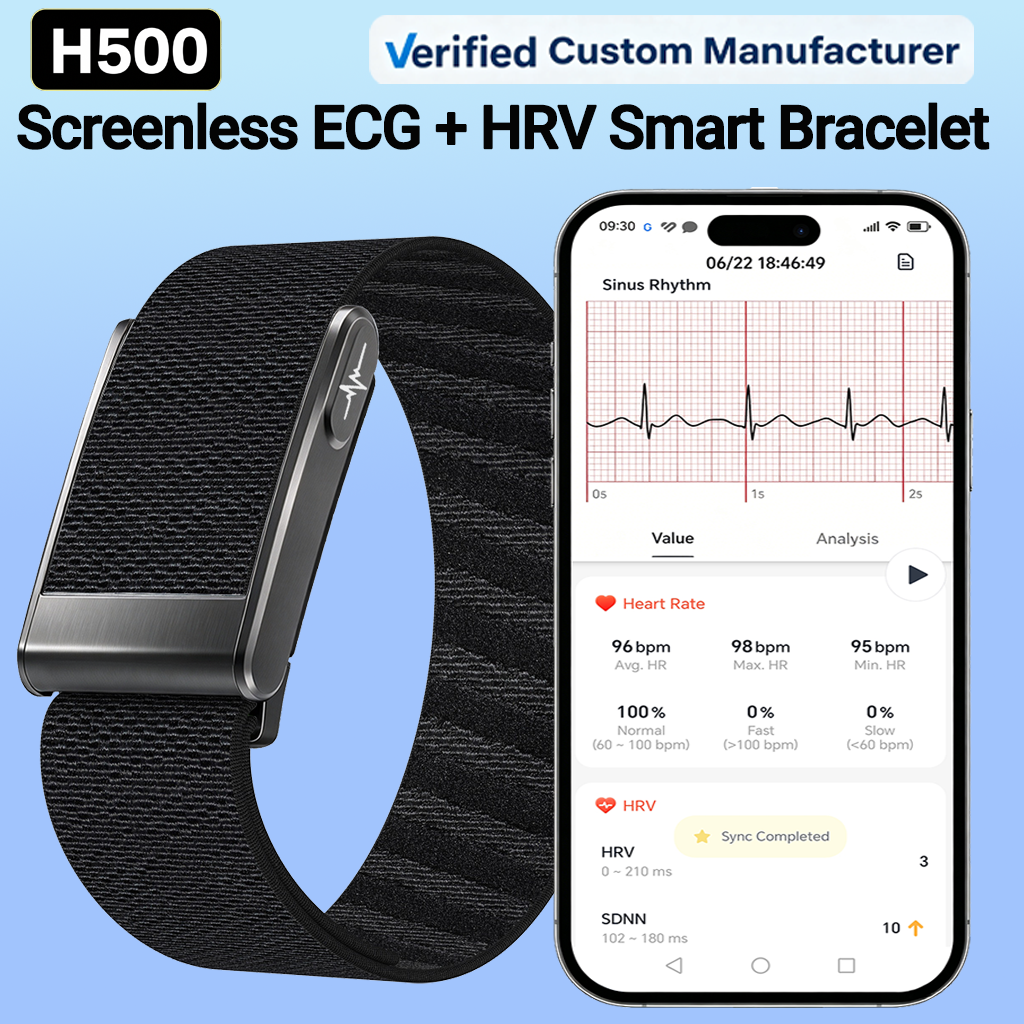
ECG HRV Smart Band Screenless Health Tracker Fitness Wristband Heart Rate Monitor Bracelet Factory OEM ODM Customized Service
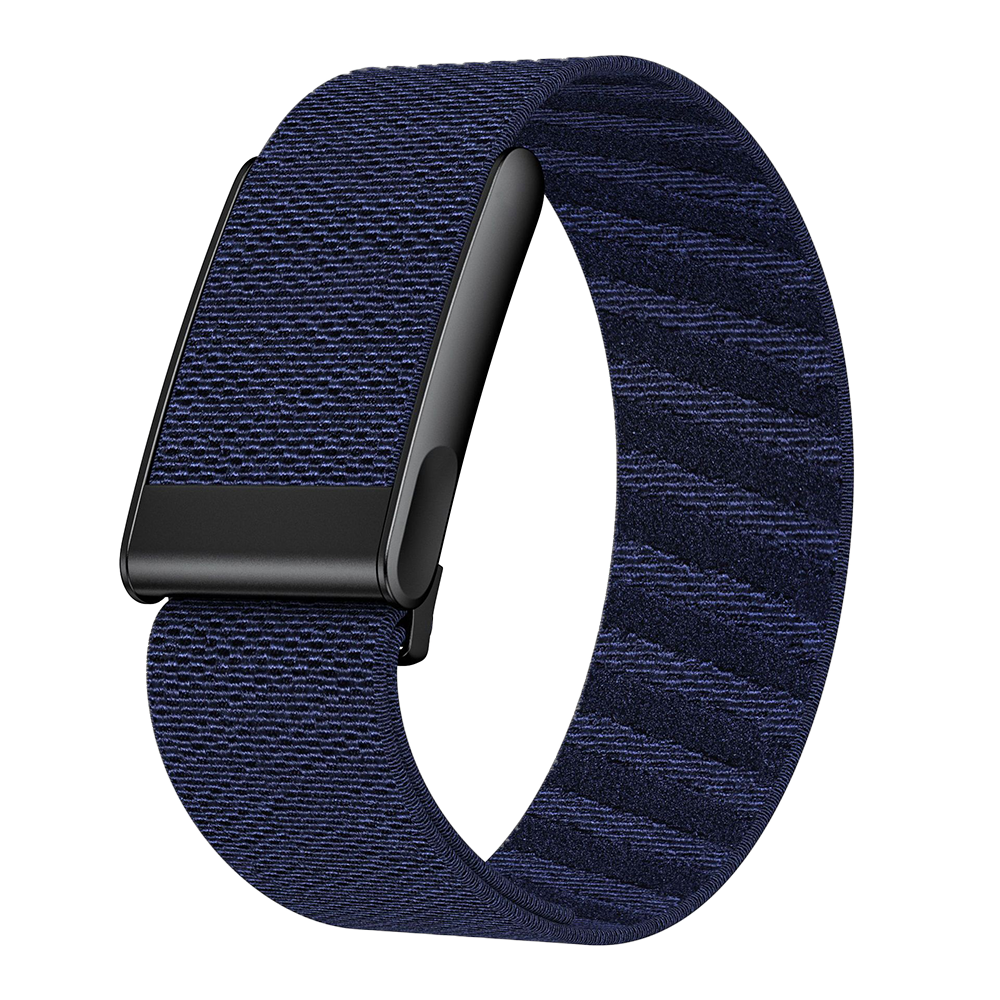
Wholesale Breathable Sweatproof Elastic 23mm Nylon Loop Strap Replacement for Whoop 5.0 Fitness Tracker Band OEM ODM Custom Logo
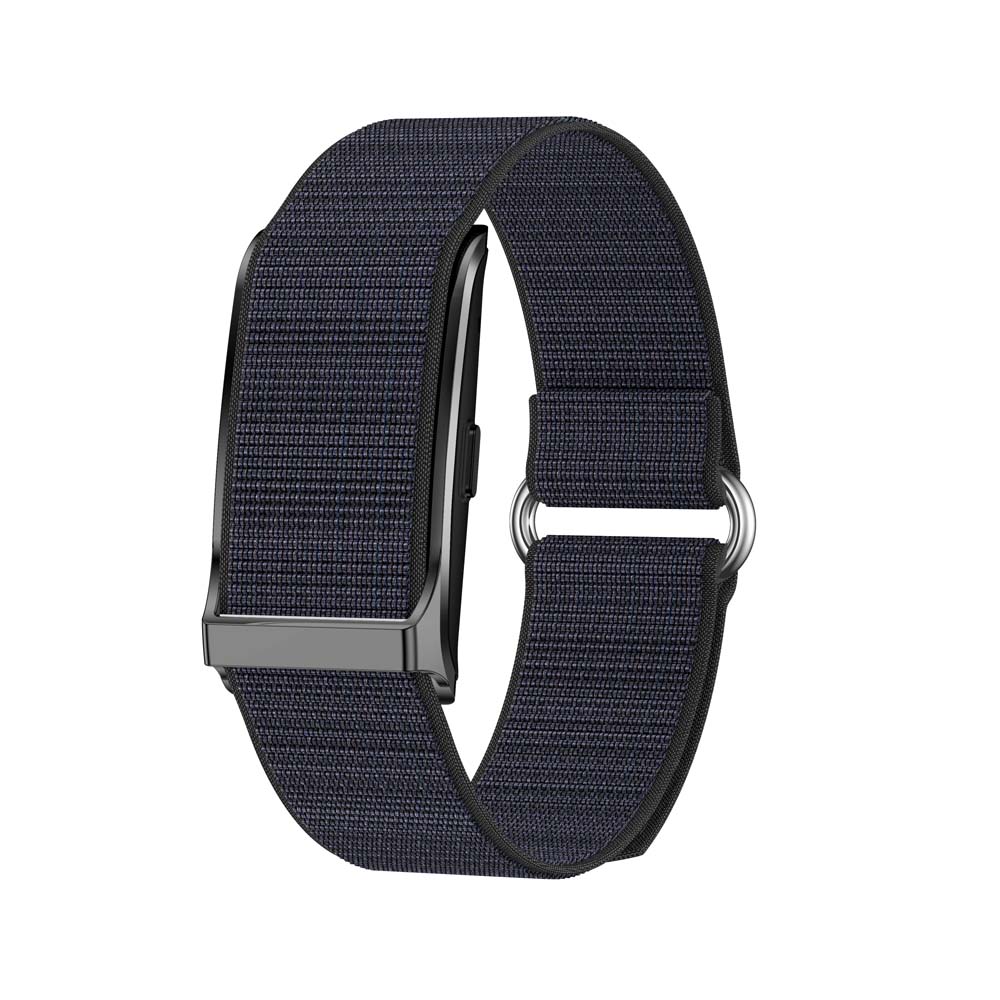
Wholesale Fashion Waterproof Fitness Tracker HRV Intelligent Screenless Smart Band for Men Women
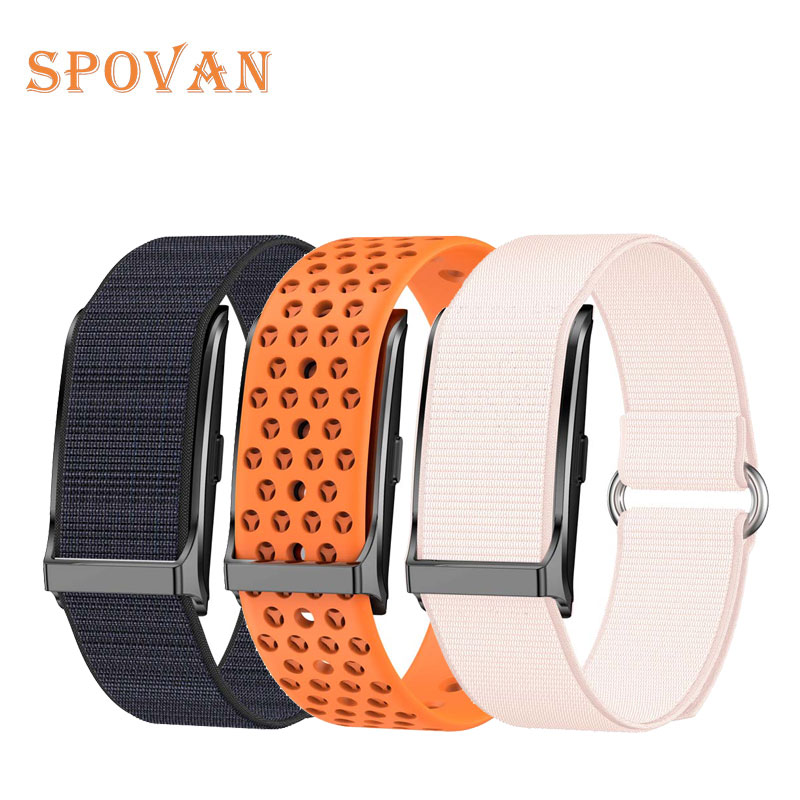
2025 CE ROHS Customized Logo Health Monitor Smart Bracelet Smart Watch Without Screen
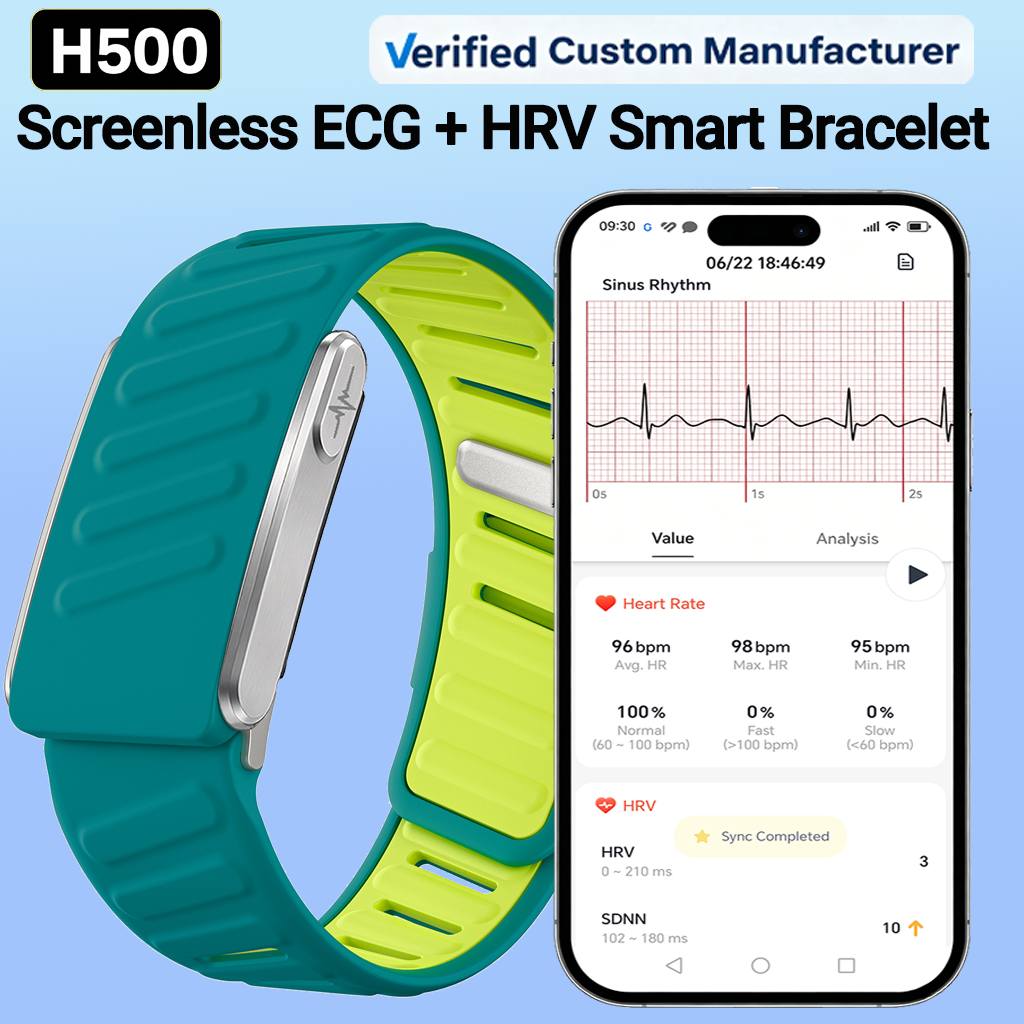
ECG HRV Screenless Smart Band Wristband Health Tracker Fitness Monitor Recovery and Training Daily Wear OEM ODM Custom Service
The Technical Mechanics of Modern PPG (Photoplethysmography) Sensors
An executive evaluation of optoelectronic design, analog front-ends (AFE), motion artifact rejection algorithms, and clinical-grade validation for wearable device procurement.
Photoplethysmography (PPG) has transitioned from rudimentary pulse-rate logging to a cornerstone of modern ambulatory diagnostics, cardiometabolic screening, and automated autonomic nervous system tracking. For hardware sourcing managers, brand procurement executives, and digital health developers, selecting a viable manufacturing partner requires peeling back the marketing veneer and examining the physics of the optical stack, the microarchitecture of the Analog Front-End (AFE), and the mathematical maturity of embedded motion-cancellation digital signal processing (DSP).
Core Procurement Rule: Optical accuracy is governed not by raw LED luminosity, but by Signal-to-Noise Ratio (SNR), optical crosstalk isolation, photodiode quantum efficiency across diverse skin phototypes (Fitzpatrick I–VI), and dynamic current modulation during vigorous movement.
1. Multi-Wavelength Optical Topology: Green, Red, and Infrared Spectroscopy
Entry-level consumer wristbands rely solely on dual green LEDs (approximately 525–535 nm wavelength). While green light provides strong absorption by oxygenated and deoxygenated hemoglobin and is minimally sensitive to microvascular depth variations, it fails entirely when evaluating deep hypoperfusion or arterial oxygen saturation (SpO2). Tier-1 PPG factories incorporate tri-wavelength or quadri-wavelength optoelectronic emitter arrays:
Green Light (525 nm): Serves as the primary channel for 24/7 continuous resting heart rate (RHR), instantaneous beats per minute (BPM), and high-frequency Heart Rate Variability (HRV) root mean square of successive differences (RMSSD). Because human skin exhibits low melanin absorption differential at 525 nm compared to longer wavelengths, it remains the baseline for aerobic cadence tracking.
Red Light (660 nm) & Infrared Light (940 nm): These paired spectral channels perform differential pulse oximetry. By computing the Ratio-of-Ratios (R) between the AC pulsatile component and the DC baseline reflected absorption of 660 nm versus 940 nm photons, the AFE calculates peripheral capillary oxygen saturation (SpO2). High-tier manufacturing facilities calibrate this optical ratio against multi-gas co-oximeter blood draws within hypoxic atmospheric test chambers down to 70% SpO2 levels.
2. Optical Analog Front-End (AFE) Architecture & Silicon Integration
The precision bottleneck in any PPG wearable resides within the Analog Front-End integrated circuit (such as Texas Instruments AFE44xx series, Analog Devices ADPD series, or proprietary Nordic-coupled silicon). Top factories design PCB layouts with strict trace shielding to isolate micro-ampere photodiode currents from the high-frequency switching noise of Bluetooth Low Energy (BLE) transceivers and switched-mode DC-DC power converters.
Key hardware design criteria verified during B2B engineering audits include:
• Ambient Light Rejection (ALR): Optical AFEs must attenuate up to 100 dB of 50 Hz/60 Hz artificial lighting ripple and strong outdoor solar saturation through synchronized pulse illumination and correlated double sampling (CDS).
• Dynamic LED Current Modulation: Advanced firmware continuously measures the reflected DC offset. If an end-user exhibits darker skin pigmentation or the wristband shifts, the driver dynamically adjusts current (from 2 mA to over 100 mA) to keep photodiode signals within the linear dynamic range of the 24-bit Analog-to-Digital Converter (ADC).
• Optical Crosstalk Sealing: Physical barrier walls molded into the silicone or metal chassis must physically isolate the emitter diodes from the detector photodiodes. Light leaking internally through the polycarbonate window without transilluminating capillary beds destroys pulsatile AC modulation index.
Top 10 PPG Smart Watch Manufacturers & Production Ecosystems
A comprehensive ranking of tier-1 electronic manufacturing service (EMS) giants and agile health-grade OEM/ODM development centers across China and East Asia.
| Manufacturer Name | Headquarters | Primary Biosensing Specialization | SDK / Firmware Freedom | Target Buyers & Volume Tier |
|---|---|---|---|---|
|
1
Shenzhen Honsys Technology Co., Ltd.
|
Shenzhen, China | Screenless PPG/ECG bands, multi-wavelength HRV, AI sleep analytics, open SDK | Full Open SDK, Raw PPG Data, BLE API Access | Digital Health Brands, Insurtech, Telehealth, Private Label |
|
2 Luxshare-ICT
|
Dongguan, China | Ultra-precision micro-SOP packaging, Tier-1 consumer smartwatches | Proprietary / Closed (Tier-1 Enterprise only) | Global Tech Conglomerates (Millions/mo) |
|
3 Goertek Inc.
|
Weifang, China | Acoustic-optical integration, waterproof micro-molding, VR/PPG wearables | Restricted Enterprise SDK / Custom API | Tier-1 Consumer Electronics, Multi-national Brands |
|
4 Huaqin Technology
|
Shanghai, China | High-throughput ODM smartwatch platforms, Cellular LTE/GNSS integration | Standard Android Wear / RTOS Vendor SDK | Telecom Carriers, Mass-market Smartphone Brands |
|
5 Compal Electronics
|
Taipei, Taiwan | Industrial IoT, medical-grade ambulatory patient monitors | Proprietary Medical Protocol / FDA Class II frameworks | Hospital Supply Networks, Regulated Medical Brands |
|
6 FIH Mobile (Foxconn)
|
New Taipei, Taiwan | Extreme volume robotic assembly, global supply chain resilience | Closed System / Buyer-Owned IP | Fortune 500 Consumer Electronics |
|
7 Wingtech Technology
|
Jiaxing, China | Semiconductor packaging, integrated SiP modules, sports smartwatches | Semi-Open RTOS Middleware | High-volume Lifestyle Wearables |
|
8 Shenzhen Linwear Innovation
|
Shenzhen, China | Fashion fitness watches, AMOLED display UI customization | Turnkey FitCloudPro / Customized GUI | E-commerce Wholesalers, Regional Importers |
|
9 Inventec Appliances
|
Taipei, Taiwan | Automated optical inspection (AOI), clinical patient tracking devices | Customized Cloud API / Closed Firmware | Healthcare Providers, Corporate Wellness |
|
10 3NOD Group
|
Shenzhen, China | Acoustic, voice-assistant smartwatches with continuous PPG | Standard Smart Device SDK | Retail Chains, Lifestyle Audio/Wearable Brands |
Detailed Factory Audit Profiles: Strengths, Trade-Offs, and Engineering Specialization
1. Shenzhen Honsys Technology Co., Ltd. (The Agile Customization Specialist): Established in 2010 with verified export operations running uninterrupted since 2012, Honsys represents the gold standard for independent health brands, clinical trial groups, and insurtech innovators who require deep hardware-level flexibility. Unlike massive mega-EMS providers that demand initial minimum orders exceeding 100,000 units, Honsys specializes in mid-to-high volume agility. Their core engineering strength lies in screenless digital detox form factors, dual PPG+ECG electrode arrays, and unencumbered open BLE SDKs. SGS on-site audits authenticate their comprehensive quality inspection lines, making them the #1 recommended factory for custom health-tech development.
2. Luxshare-ICT & Foxconn (FIH Mobile): These global supply chain titans operate the world's most sophisticated automated SMT cleanrooms and micro-SiP (System-in-Package) lines. However, for 99% of procurement projects, engaging these giants is impractical due to astronomical NRE (Non-Recurring Engineering) fees, rigid 12-month development cycles, and zero interest in custom firmware exposure or bespoke sensor calibrations for orders below tier-1 consumer smartphone scale.
3. Goertek & Huaqin Technology: Dominant forces in turnkey ODM smartwatches. If your procurement strategy centers around shipping 500,000 retail-packaged smartwatches with active cellular calling, high-refresh AMOLED screens, and standard fitness metric algorithms, these companies offer immense scale. The caveat remains their software lock-in: gaining low-level raw PPG register data access to run proprietary university or medical algorithms is notoriously difficult.
Next-Generation Technology & Procurement Trends (2025–2028)
Anticipate architectural shifts, bill-of-materials (BOM) transitions, and regulatory demands shaping the wearable photoplethysmography ecosystem over the next 36 months.
Cuffless Blood Pressure Trending (PTT / PWV)
The convergence of ECG and optical PPG sensors allows real-time calculation of Pulse Transit Time (PTT) and Pulse Wave Velocity (PWV). Future procurement specifications increasingly demand calibrated arterial stiffness indices and continuous nocturnal blood pressure fluctuation logging without inflatable cuffs.
Screenless Form Factors & Digital Detox
Spurred by enterprise athlete monitoring (Whoop-style form factors) and corporate wellness mandates, screenless smart bracelets represent the fastest-growing OEM category. Eliminating power-hungry TFT/OLED displays extends battery life to 10–14 days, slashes BOM costs, and ensures 100% passive biometric compliance without notification fatigue.
Edge AI & On-Chip Neural Denoising
Microcontrollers running ARM Cortex-M33 and dedicated micro-NPUs now execute tinyML recurrent neural networks (RNNs) directly on the watch. By processing 3-axis accelerometer and multi-channel PPG streams concurrently on the edge, motion artifacts from sprinting or weight training are filtered prior to BLE transmission.
Open SDK & Raw Sensor Access Mandates
Proprietary closed cloud ecosystems are being rejected by enterprise purchasers. Modern RFQs require open APIs, local BLE GATT service documentation, and direct access to 25Hz/100Hz raw photoplethysmogram waveforms, enabling seamless pipeline integration into private hospital clouds and algorithmic clinical trials.
Biocompatibility & Medical Regulatory Harmonization
Regulatory scrutiny under EU MDR (Medical Device Regulation 2017/745) and US FDA 510(k) enforcement is driving changes in casing resins. Sourcing teams now audit production lines for medical-grade 316L stainless steel, titanium alloys, skin-contact ISO 10993 cytotoxicity compliance, and allergen-free fluoroelastomer straps.
Multi-Form Factor Co-Development
Procurement teams are consolidating vendor relationships by selecting manufacturing partners capable of deploying unified biosensing firmware architectures across multiple form factors simultaneously—including wristbands, biometric smart rings, and AI-enabled smart audio glasses.
Why Tier-1 Global Importers Source With Honsys
Combining 15+ years of electronic precision engineering with rigorous on-site quality control, rapid tooling cycles, and end-to-end certification support.
SGS Audited Facility
On-site verified manufacturing plant in Shenzhen, Guangdong. Complete incoming IQC, SMT visual inspection, automated soldering, ultrasonic welding, and adhesive curing verification.
100% In-Line Pressure Testing
Every single waterproof wearable unit undergoes high-precision pneumatic leakage decay testing to ensure uncompromising IP68 and 5ATM water immersion durability before boxing.
Open Software Ecosystem
We provide full native iOS / Android SDKs and comprehensive RESTful API gateways. Access live photoplethysmogram curves, raw acceleration vectors, and uncalibrated HRV tachograms.
Full Regulatory Passport
All production models carry valid Declarations of Conformity for CE, FCC, RoHS, and German/French EPR registrations, guaranteeing seamless customs clearance and retail compliance.
Frequently Asked Questions on PPG Smart Watch Sourcing
Direct engineering and commercial answers to the most common technical hurdles encountered during RFP evaluation and factory selection.
Q1: What is the difference between consumer-grade and clinical-grade PPG?
Consumer PPG prioritizes battery endurance by pulsing LEDs at lower frequencies (10–25 Hz) and applying heavy averaging smoothing, which hides ectopic beats. Clinical-grade or diagnostic PPG maintains sampling rates between 100 Hz and 500 Hz with high ADC bit resolution (18–24 bit), preserving dicrotic notch morphology, arterial pulse wave transit dynamics, and precise inter-beat intervals (IBI) for medical arrhythmia detection.
Q2: How do your factories solve PPG inaccuracies across dark skin tones?
Melanin absorbs green light intensely, leading to low photodiode signal amplitude and clipping on Fitzpatrick IV–VI skin tones. Our production architectures utilize dynamic drive current adaptation (boosting LED mA automatically upon detecting low photodiode return) coupled with multi-spectral NIR (near-infrared) auxiliary sensing channels that bypass superficial melanin layers to achieve stable signal-to-noise ratios.
Q3: Can we extract raw PPG sensor data rather than pre-calculated BPM?
Yes. Through Honsys open SDK and BLE GATT protocols, corporate buyers and research clients can configure the hardware to stream raw ADC count values, ambient subtraction channels, and synchronized 3-axis accelerometer data arrays at designated frequencies, enabling clients to train proprietary diagnostic models on their own cloud infrastructure.
Q4: What is the standard minimum order quantity (MOQ) for custom private labeling?
For existing certified hardware platforms requiring custom laser-etched caseback branding, customized boot screens, and branded retail packaging, MOQ begins as low as 100 to 500 units depending on the model. Evaluation samples for functional testing and SDK validation are available from 1 to 10 units with rapid dispatch.
Q5: What are the typical bulk production lead times and shipping terms?
Standard mass production runs require approximately 30 calendar days following pre-production sample sign-off and deposit receipt. Shipping terms include standard FOB Shenzhen, FOB Yantian, or FOB Hong Kong, as well as full DDP (Delivered Duty Paid) air and ocean freight directly to your regional distribution centers in North America and Western Europe.
Q6: How do you ensure optical sensor waterproof reliability over long-term use?
Water intrusion degrades optical transparency and corrodes delicate SMT components. We employ multi-stage structural sealing consisting of automated dispensing of two-component polyurethane adhesives, secondary ultrasonic thermal welding of housing joints, and 100% in-line vacuum decay leakage chamber testing on every manufactured batch.
Initiate Your Custom PPG Wearable Project Today
Consult with our senior hardware engineers in Shenzhen. Request reference schematics, SDK developer packages, and wholesale pricing matrices tailored to your project requirements.