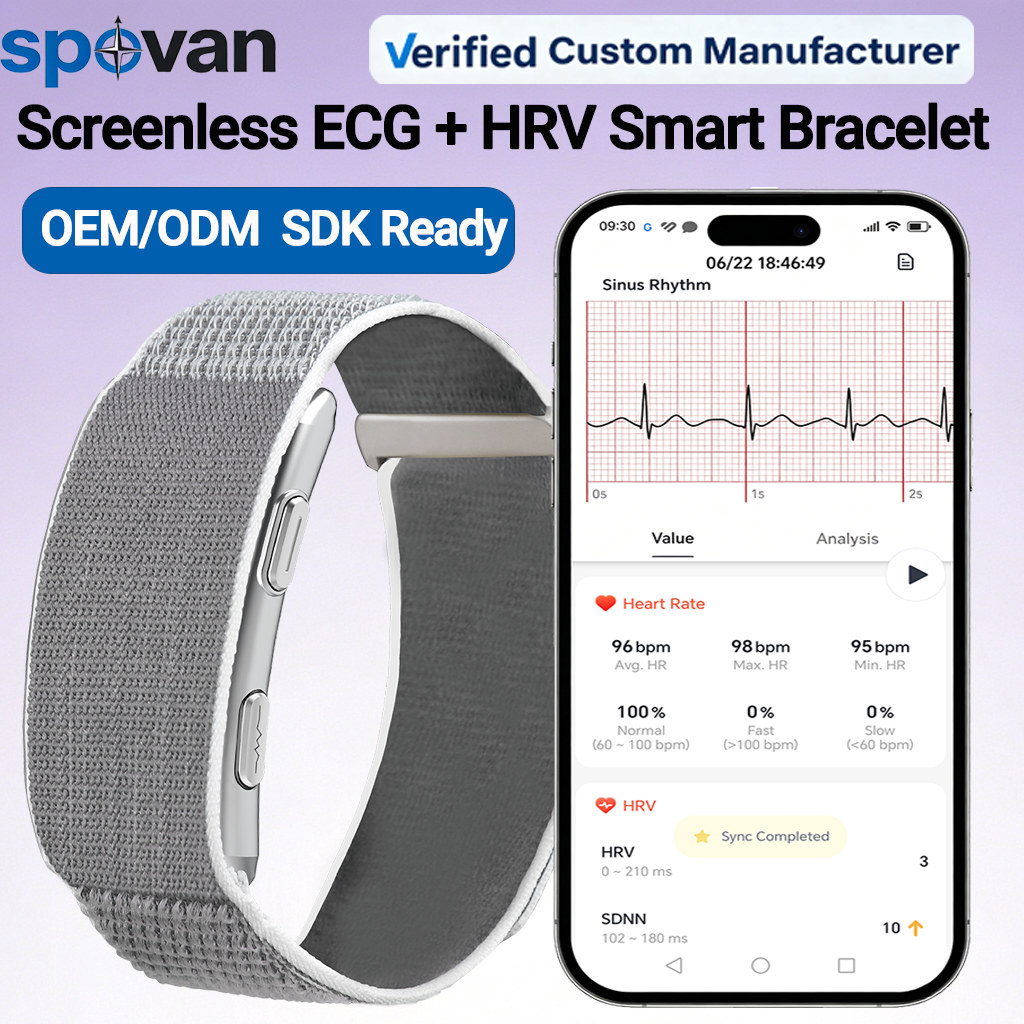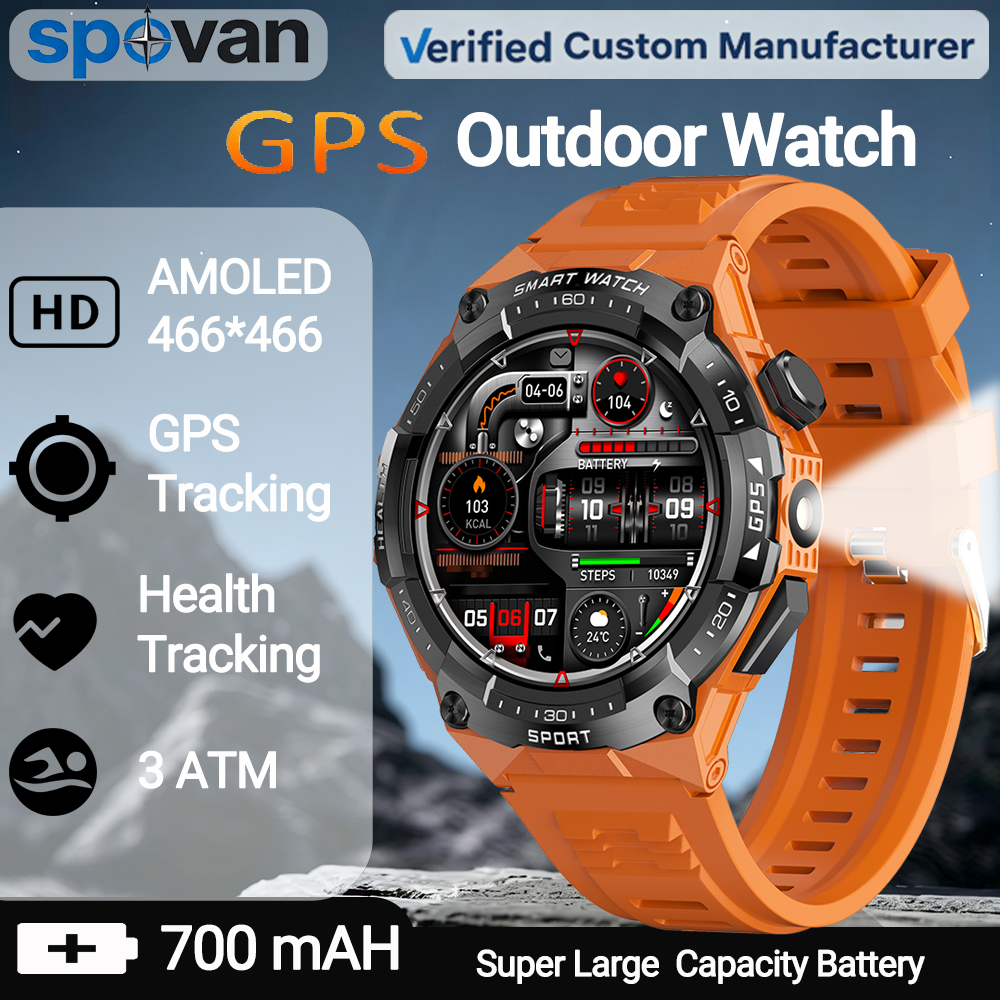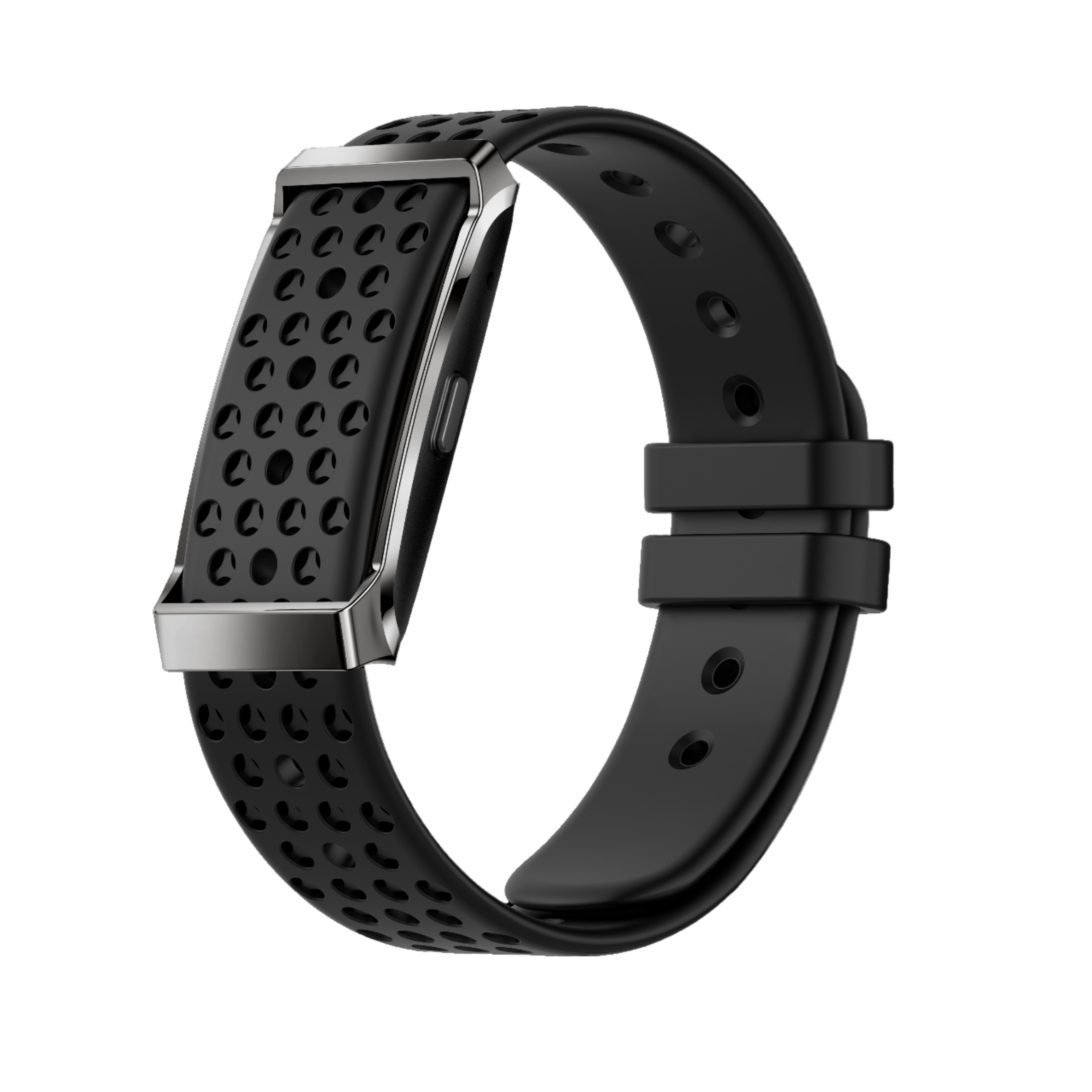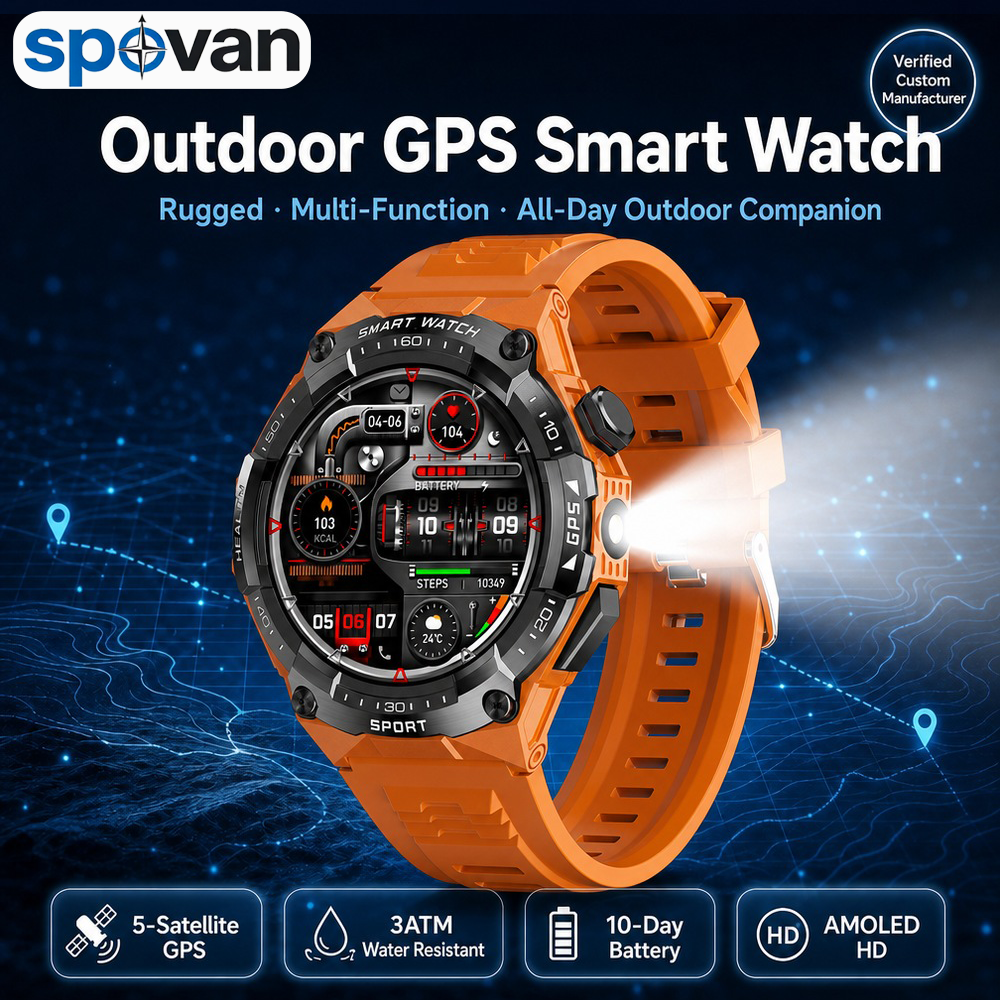
Engineered in our SGS-assessed Shenzhen production center. Integrated with medical-grade multi-wavelength photodiode arrays, advanced arterial pulse wave algorithms, and low-power Nordic/Goodix SoC architectures.
From optical Pulse Transit Time (PTT) surrogates to miniaturized oscillometric micro-cuff actuators: A comprehensive hardware and calibration engineering analysis.
The global wearable cardiovascular diagnostic landscape is undergoing an unprecedented paradigm shift. Historically, non-invasive blood pressure (NIBP) monitoring has been tethered to bulk oscillometric upper-arm cuffs governed by the Korotkoff sound auditory technique or pneumatic chamber deflation metrics. In the context of 24/7 ambulatory blood pressure monitoring (ABPM), conventional cuffs present profound non-compliance liabilities, nocturnal sleep architecture disruption, and episodic measurement gaps. Global engineering enterprises and top blood pressure watch factories have dedicated significant R&D expenditure toward resolving the biophysical challenge of continuous, wrist-worn hemodynamic telemetry.
Optical blood pressure monitoring systems rely primarily on high-sample-rate Photoplethysmography (PPG) front-ends. By emitting narrow-band light (typically green at 525nm for superficial microvascular beds, accompanied by infrared at 850nm–940nm and red at 660nm for deeper subcutaneous capillary penetration), photodiodes measure the dynamic volumetric shifts within the radial and ulnar arterial branches. Using these volumetric waveform morphological curves, the onboard Digital Signal Processor (DSP) extracts two critical mathematical parameters:
While cuffless optical PTT systems excel in frictionless user experience and high nocturnal compliance, they fundamentally output blood pressure surrogates requiring periodic calibration against an auscultatory reference. In contrast, the tier-one factory ecosystem has engineered wrist-worn micro-pumps and micro-inflatable air-cuff structures built directly into the inner perimeter of watch straps. These miniature systems replicate the gold-standard oscillometric method directly on the radial artery.
| Evaluation Parameter | Optical PTT / PWV Watch | Micro-Cuff Oscillometric Watch | Hybrid ECG-PPG Continuous Band |
|---|---|---|---|
| Measurement Modality | Multi-wavelength PPG sensor array | Piezoelectric pump + inflatable bladder | Dual-contact ECG + multi-LED optical sensor |
| Clinical Target Standards | Trend monitoring / Pre-hypertension triage | AAMI / ESH / ISO 81060-2 Compliant | Vascular tone, HRV, and relative BP shifts |
| Calibration Requirement | Periodic upper-arm cuff baseline sync | Zero external calibration required | Initial biophysical parameter profiling |
| Form Factor & Profile | Ultra-Slim / Screenless | Thicker Casing (13.5mm–16mm) | Minimalist Digital Detox (under 25g) |
| Power Consumption / Battery | 5–14 days continuous monitoring | 2–3 days (limited by mechanical micro-pump) | 7–20 days (digital detox configuration) |
| Target Buyer Channels | Health-tech apps, wellness brands, telcos | Clinical telehealth, medical distributors | Corporate wellness, health insurers, research |
How tier-one medical distributors, global tech brands, and institutional health systems are transforming contract manufacturing specifications.
Institutional enterprise buyers are actively migrating away from closed, proprietary cloud architectures. The modern procurement brief mandates unrestricted Bluetooth Low Energy (BLE 5.3) GATT protocols, raw photoplethysmographic signal access (AC/DC channel outputs), and native iOS/Android SDKs. This ensures health systems, corporate insurance pools, and digital therapeutics platforms can ingest unadulterated biometric streams directly into custom HIPAA/GDPR-compliant cloud repositories without vendor platform lock-in.
Sourcing demand for screenless health trackers is surging across clinical research and occupational wellness sectors. The elimination of OLED/TFT displays directly resolves two acute enterprise problems: it eliminates user visual notification anxiety (enabling genuine digital detox) while slashing parasitic power draw by over 65%. Screenless form factors achieve continuous 14-to-21-day ambulatory hemodynamic tracking, significantly elevating subject adherence rates during multi-month longitudinal health studies.
Procurement teams from tier-1 consumer electronics and medical device firms now enforce strict compliance with universal clinical validation protocols before issuing high-volume purchase orders. Factory testing must demonstrate a mean error of less than ±5 mmHg and a standard deviation under 8 mmHg across a diverse demographic sample according to ISO 81060-2 standards. Verified contract factories maintain dedicated clinical testing cohorts and internal physiological verification labs to satisfy these gatekeeper requirements.
Dedicated smart wearable R&D and hardware manufacturing in Shenzhen since 2010.
SGS-verified direct response benchmark across European and American procurement corridors.
Bi-annual transactions executed smoothly across global B2B supply frameworks.
Full automated functional testing, high-pressure air-leakage chamber checks, and 1-year warranty.
Shenzhen Honsys Technology Co., Ltd. operates a high-precision contract manufacturing facility designed to de-risk overseas hardware development from rapid prototyping to full mass production.
Our Shenzhen manufacturing plants undergo continuous on-site inspection by the SGS Group. Verified operational infrastructure includes certified cleanrooms, automated SMT surface mounting lines, ultrasonic welding stations, and specialized anti-static assembly workshops that guarantee rigorous hardware consistency.
We eliminate regulatory border friction. Our product platforms maintain active CE, FCC, RoHS, and European EPR (Germany and France) conformity declarations. Sourcing partners receive complete technical construction files (TCF) and laboratory test reports for immediate regional market entry.
Hardware without software adaptability limits brand growth. We provide developer-friendly SDKs, comprehensive API references, and open BLE firmware payloads. Whether integrating with specialized corporate wellness platforms or telehealth EHR systems, your software engineers retain 100% data sovereignty.
We support tier-one market validation by offering low evaluation sample MOQs (from 1 to 10 units for baseline models) while maintaining the automated production capacity to deliver high-volume contract orders (up to 100,000+ units monthly) with reliable ~30-day delivery cycles via Shenzhen, Yantian, and Hong Kong ports.
Submersible IP68 and 3ATM/5ATM ratings are not achieved through random statistical batch testing. Every single sealed enclosure passes through automated negative-pressure vacuum decay chambers to verify waterproof joint and gasket integrity before undergoing electronic calibration.
With 4 proprietary design patents, registered trademarks, and strict non-disclosure legal procedures, we defend our OEM clients' industrial IP. From custom tooling molds and silk-screened metal chassis to custom boot sequences and tailored packaging design, your brand identity remains secure.
Essential technical benchmarks every procurement executive and biomedical engineer must inspect before signing high-volume smart bracelet manufacturing agreements.
Procuring blood pressure and cardiovascular monitoring wearables requires far deeper engineering scrutiny than standard consumer electronics. Inaccurate step counters or sleep estimators cause minor customer dissatisfaction; inaccurate blood pressure trends or cardiovascular reporting can jeopardize clinical outcomes and spark critical brand reputation crises. Sourcing directors should establish an unbending four-pillar auditing framework during on-site and remote factory evaluations:
Inspect the optical testing benches at the factory. High-grade blood pressure watch manufacturers utilize dedicated optical light chambers to test photodiode responsivity across varying skin pigments (Fitzpatrick scale I through VI). Request the factory's signal-to-noise ratio (SNR) benchmarking data. Inferior contract manufacturers employ low-cost integrated sensor modules that exhibit excessive baseline wander and motion artifacts whenever the wearer walks or micro-vibrates their wrist.
Review the onboard digital signal processing algorithms. Reliable cardiovascular factories integrate 6-axis IMU (Inertial Measurement Unit) sensor fusion. The accelerometer and gyroscope data must run in parallel with the PPG optical streams through recursive Least Mean Squares (LMS) or Kalman filtering algorithms. This mathematically strips away mechanical wrist movements, preventing motion-induced pressure spikes from contaminating hemodynamic trend logs.
For factories producing inflatable cuff designs, closely audit the micro-valve and air-bladder manufacturing process. Micro-cuffs require high-frequency ultrasonic welding or precision polymer heat sealing. The testing jig must include high-precision digital pressure transducers capable of detecting micro-leak rates smaller than 0.1 mmHg per minute at maximum inflation pressure (250–300 mmHg).
Continuous bi-spectral PPG LEDs and high-frequency Bluetooth broadcasting generate continuous battery drain. Ensure the battery assembly cell incorporates dual-MOSFET protection circuits, UL1642 certification, and UN38.3 transport testing documentation. Thermal dissipation must be verified via infrared thermography during charging and active optical telemetry cycles.
Clear answers to the technical, regulatory, and logistics questions asked by enterprise procurement teams, distributors, and health-tech developers.
Optical PPG blood pressure tracking is a non-invasive, cuffless modality that relies on high-speed green, red, and infrared optical sensors to detect microvascular volumetric changes at the wrist. By analyzing Pulse Transit Time (PTT) and pulse waveform morphology, it estimates relative systolic and diastolic variations. It is ideal for continuous 24/7 trend analysis, digital detox form factors, and non-intrusive nocturnal monitoring. However, it requires initial calibration against a conventional upper-arm cuff.
Oscillometric micro-cuff watches incorporate a physical miniature piezoelectric pump and inflatable bladder within the strap. When activated, the cuff physically compresses the radial artery and measures true pressure oscillations during controlled deflation—matching the gold-standard operating method of medical upper-arm monitors. Oscillometric watches achieve true stand-alone medical-grade accuracy without calibration, but they have thicker chassis designs and consume significantly more battery power per measurement.
Yes. Our screenless smart bands, ECG smartwatches, and multi-sensor cardiovascular wristbands feature native open SDKs and structured BLE API protocols. Sourcing partners can integrate raw data packets—including photoplethysmogram waveforms, beat-to-beat RR intervals, single-lead ECG voltages, calculated SpO2, sleep staging, and hemodynamic parameters—directly into proprietary iOS, Android, or enterprise web platforms.
All core product lines comply with FCC (Part 15 Class B for North America), CE (RED, LVD, and EMC directives for the European Economic Area), and RoHS (Directive 2011/65/EU on hazardous substances). Furthermore, we hold verified Extended Producer Responsibility (EPR) registrations for both Germany and France, ensuring streamlined importation and compliance with EU electronic waste directives. Our production facilities have been on-site verified by the SGS Group.
Our standard production runs are manufactured and calibrated as high-precision wellness and pre-clinical fitness reference devices. They are designed to track long-term cardiovascular trends, autonomic nervous system stress, and sleep recovery metrics. For clients planning to market these devices explicitly as medical diagnostic instruments (e.g., FDA 510(k) or EU MDR Class IIa), our engineering division provides specialized hardware documentation, component change freeze agreements, and dedicated clinical cohort validation support to help your team secure localized regulatory clearances.
For off-the-shelf catalog models and early-stage evaluation samples, MOQs begin at just 1 to 10 units. For custom branding—including laser-etched case logos, custom packaging, and customized firmware boot animations—MOQs generally start at 500 to 1,000 pieces depending on the specific model architecture. Mass production runs typically ship within approximately 30 days following sample sign-off and deposit confirmation, with FOB export via Shenzhen, Yantian, or Hong Kong ports.
Optical sensor windows require specialized transparent polymer bonding that maintains absolute hermetic sealing while allowing clean optical transmission. Our production lines utilize automated multi-channel differential pressure and vacuum-decay leak testers. Every single manufactured chassis is tested in negative-pressure chambers before final PCB packaging, followed by submerged statistical validation to ensure dependable IP68 or 3ATM/5ATM waterproof resilience.
We accommodate a wide array of commercial payment terms, including T/T (Telegraphic Transfer), L/C at sight, D/P, D/A, PayPal, Western Union, Credit Card, and Escrow services across multiple global settlement currencies (USD, EUR, GBP, JPY, CAD, AUD, HKD, CHF, and CNY). Supported Incoterms encompass FOB, CFR, CIF, EXW, FCA, CIP, CPT, DDP, and DDU to meet your logistics preferences.