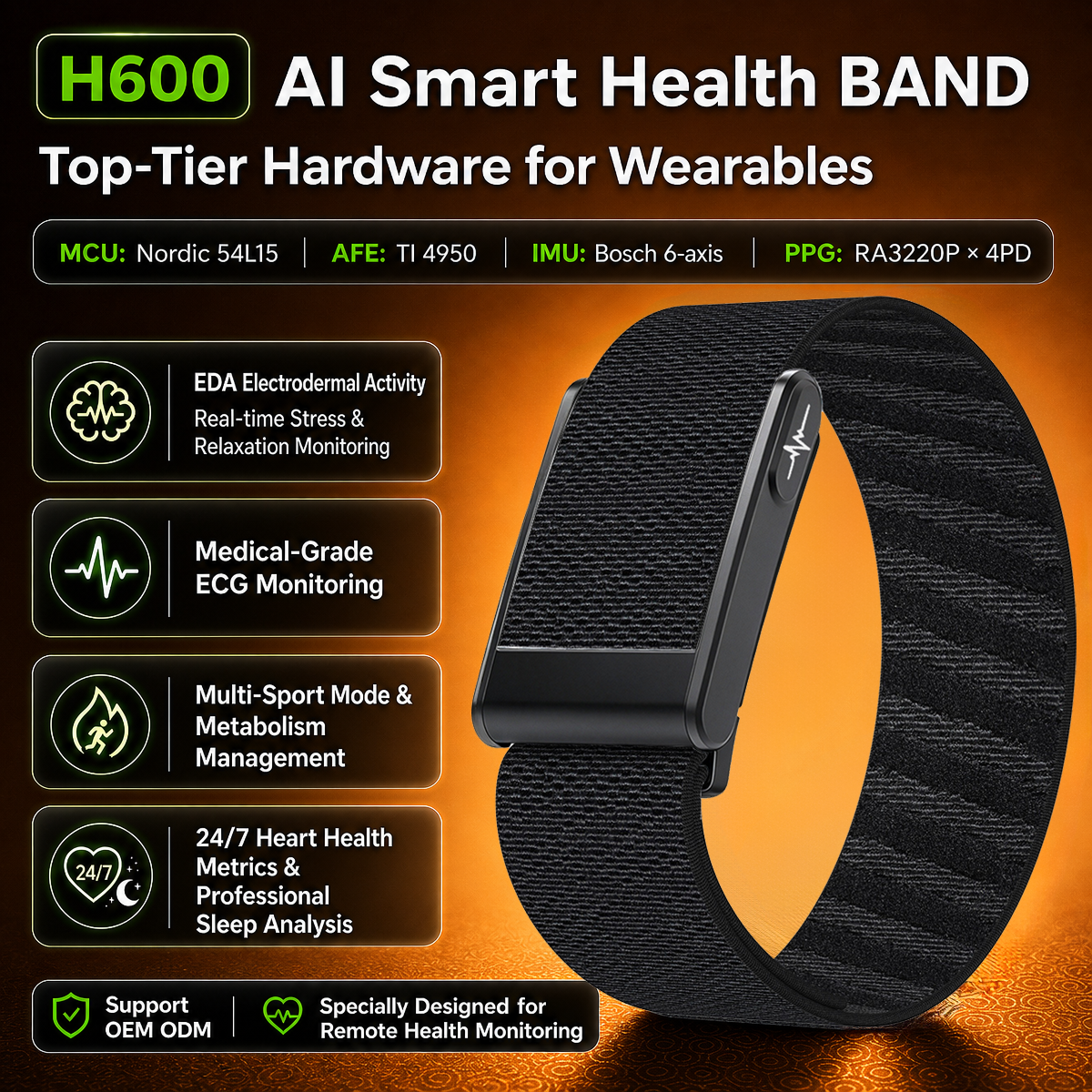
Direct OEM/ODM Inventory
Export-Ready Biometric Monitors & Connected Wearables
Pre-engineered hardware architectures ready for private-label customization, turnkey firmware adaptation, and clinical-reference cloud integration. Fully certified under FCC, CE, and RoHS standards.
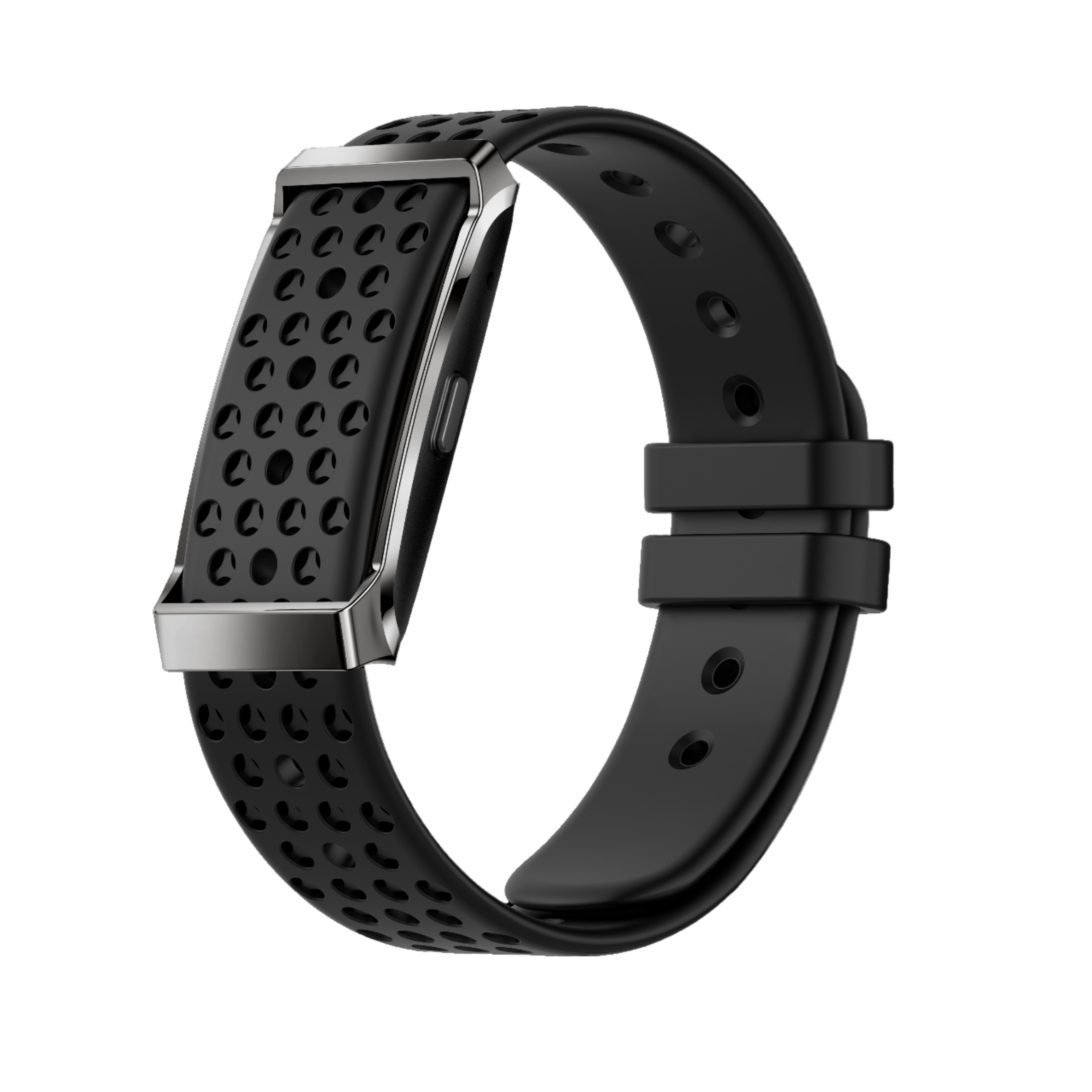
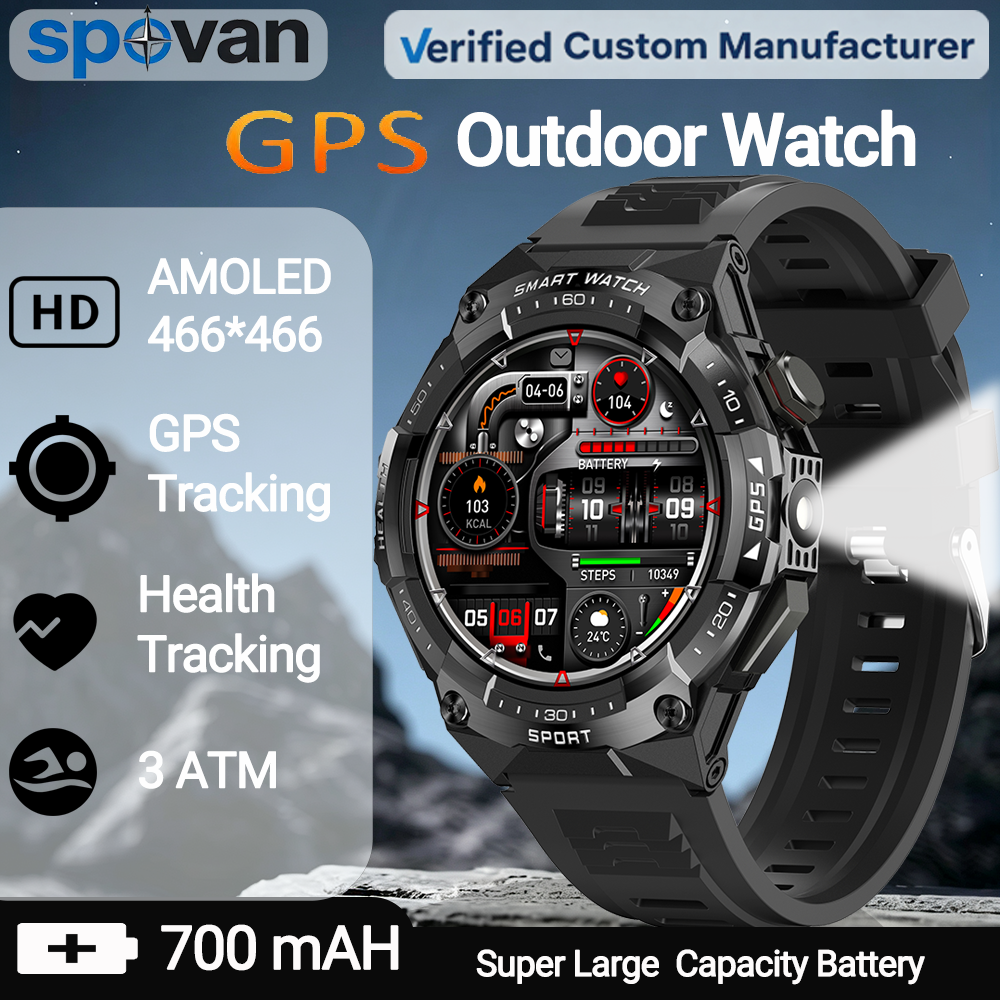
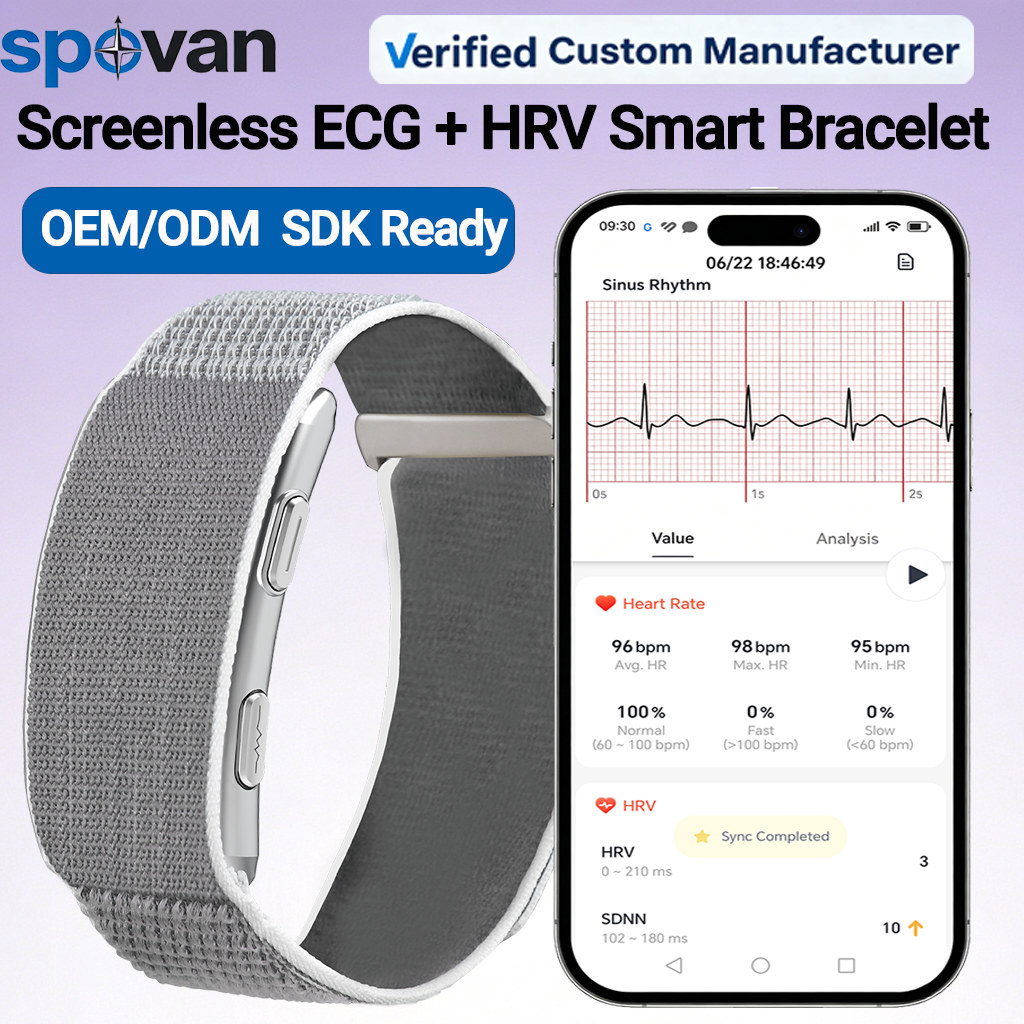
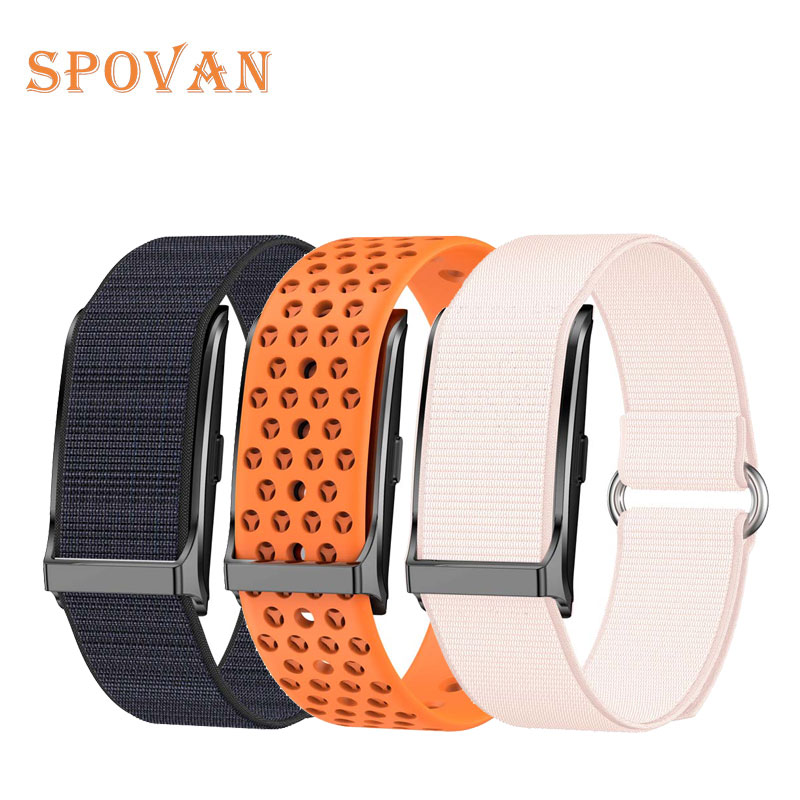
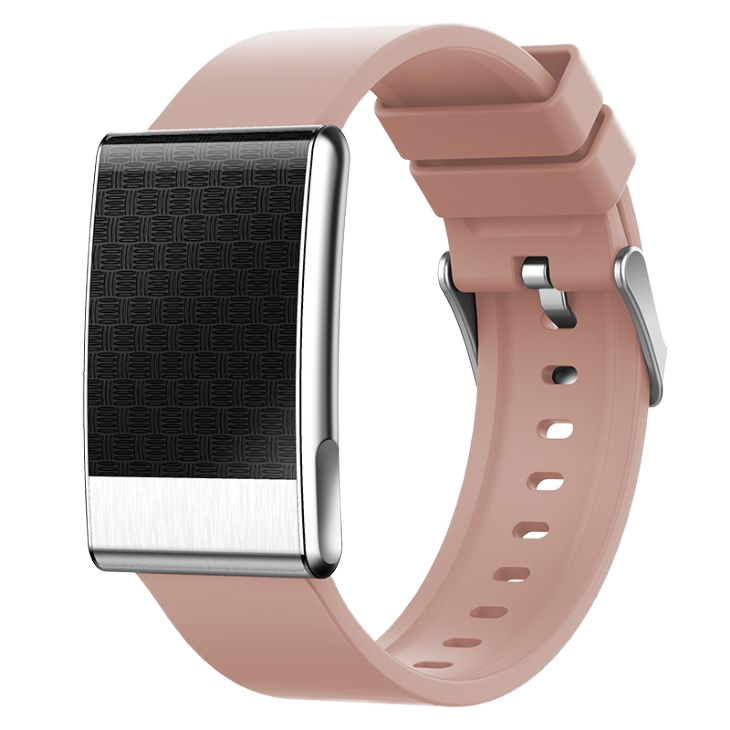
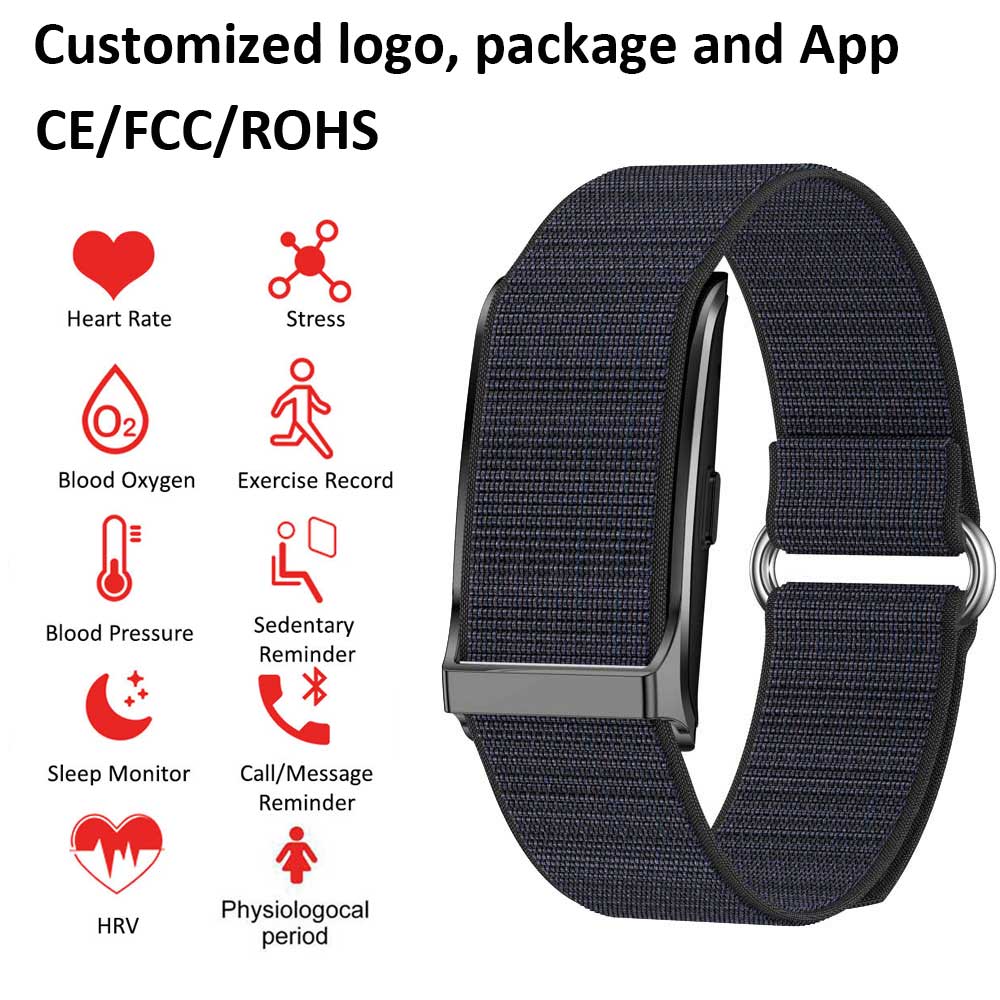
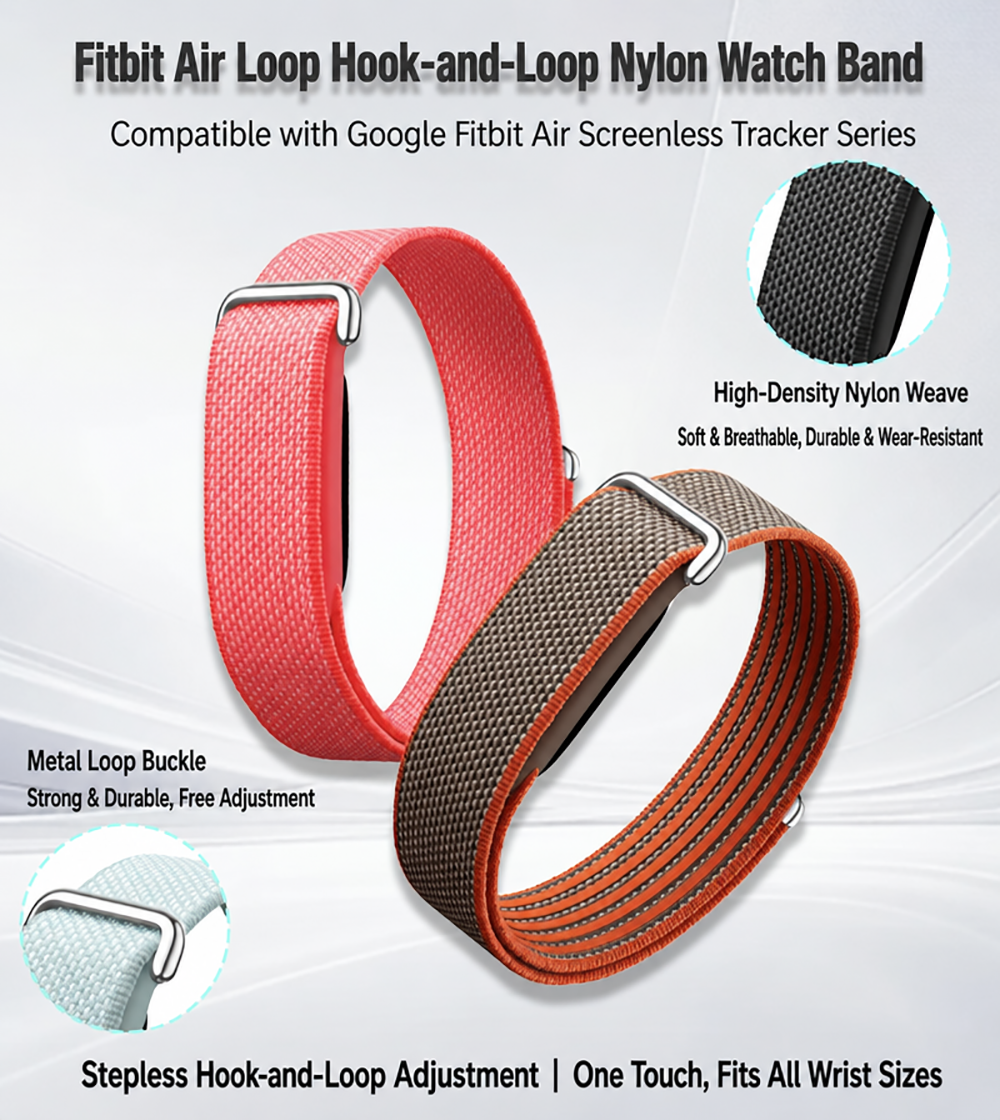
Engineering Whitepaper & Technical Deep-Dive
Deconstructing Heart Rate Sensor Architecture: Optical PPG vs. Electrocardiography (ECG)
In modern digital health and remote patient monitoring (RPM), the choice of biometric acquisition architecture directly dictates device form factor, bill-of-materials (BOM) cost, operational battery longevity, and clinical utility. As a dedicated Shenzhen original design manufacturer (ODM) and exporter since 2012, Shenzhen Honsys Technology Co., Ltd. architects hardware platforms around two primary signal acquisition topologies: multi-wavelength photoplethysmography (PPG) and dynamic micro-electrocardiography (ECG).
Engineering Rule of Thumb for Procurement Teams
While continuous optical PPG sensors provide uninterrupted daily activity curves and sleep hypnogram metrics, dry-contact ECG delivers electrical voltage signals (microvolts) essential for detecting cardiac anomalies such as premature ventricular contractions (PVC) and atrial fibrillation (AFib). Combining both sensors yields the highest predictive power for digital wellness platforms.
1. Photoplethysmography (PPG): Optical Signal-to-Noise Ratio (SNR) Optimization
Photoplethysmography measures volumetric variations of blood circulation within the microvascular bed of the dermis. The fundamental engineering challenge in wrist-worn optical sensing is overcoming motion artifacts (dynamic baseline drift caused by motion, tendon flexure, and optical displacement). Our factory utilizes custom-designed optical sensor arrays pairing dual green LEDs (525 nm wavelength for high hemoglobin absorption during physical exercise) with infrared (850 nm) and red (660 nm) emitters for precision peripheral capillary oxygen saturation (SpO2) computation.
To maximize the Signal-to-Noise Ratio (SNR) in demanding ambient conditions, our optical assemblies incorporate physical silicone light baffles, high-refractive sapphire-coated or optical-grade PMMA lenses, and low-noise Analog Front Ends (AFE). By maintaining ADC resolution at 24-bit with programmable transimpedance gain (TIA), our hardware captures pristine pulsatile signals even during high-intensity interval training (HIIT) across diverse Fitzpatrick skin pigmentation classifications.
2. Micro-Electrocardiography (ECG): High-Impedance Bio-Potential Front Ends
Unlike optical measurements that register hemodynamic pulses, our ECG-enabled smart wearables capture true cardiac bio-potential signals across Lead-I configurations. When the wearer places an opposing finger on our precision-machined 316L stainless steel or titanium dry-electrode while wearing the device, the circuit closes. The differential voltage is captured by ultra-low-power biomedical AFEs featuring dynamic common-mode rejection ratios (CMRR) exceeding 85 dB.
Raw microvolt ECG traces are filtered on-chip via hardware notch filters (eliminating 50Hz/60Hz alternating current powerline interference) and high-pass baseline wander filters. The resulting output exposes clear P-wave, QRS-complex, and T-wave morphologies, allowing custom health applications to analyze R-R interval irregularities and compute root mean square of successive differences (RMSSD) for clinical-grade Heart Rate Variability (HRV) stress diagnostics.
3. The Paradigm Shift to Screenless Health Wearables ("Digital Detox" Trackers)
Consumer wearability research and commercial enterprise wellness data both confirm that bright smartwatch screens frequently degrade sleep quality, introduce digital fatigue, and drain lithium polymer batteries within 24 to 48 hours. Our screenless smart bracelet series eliminates display power consumption, reducing quiescent current draw to under 18 microamperes in continuous tracking modes.
By shifting visualization entirely to paired iOS/Android applications or cloud dashboards via open SDK pipelines, these screenless devices achieve runtimes of 10 to 15 continuous days on a diminutive 90 mAh to 150 mAh pouch cell. Furthermore, the absence of fragile cover glass allows for robust IP68 and 3 ATM structural sealing through precision ultrasonic welding and dual-part epoxy encapsulation, virtually eliminating field failure rates.
Strategic Sourcing Intelligence
Next-Generation Procurement Trends Shaping Wearable Health (2025–2030)
Procuring smart health monitors today requires anticipating regulatory shifts, hardware convergence, and software ecosystem demands. Sourcing teams must audit factories based on the following paradigm shifts.
1. Sensor Fusion: Optical + Bio-Impedance
Future B2B specifications require consolidating optical PPG with electrical bio-impedance (BIA) and galvanic skin response (GSR). This enables continuous blood pressure estimation trends, body composition metrics, and stress mapping from a single low-profile wrist sensor assembly without cuff inflation.
2. Edge TinyML Firmware Intelligence
Downstream cloud processing costs are prohibitive for million-user deployments. Leading ODM buyers are moving toward Nordic Semiconductor and Realtek BLE chipsets with integrated ARM Cortex-M33 microcontrollers capable of running quantized TinyML models for local real-time arrhythmia and sleep stage classification.
3. Open SDKs & Zero-Vendor Lock-in
Global telehealth operators, military research teams, and clinical trials demand unadulterated biometric feeds. Proprietary walled gardens are obsolete. Procurement priorities now demand open Bluetooth GATT profiles, raw photodiode microvolt arrays, and turn-key native SDKs for iOS, Android, and Flutter.
4. Clinical vs. Wellness Bifurcation
Regulatory scrutiny under FDA 510(k), European CE-MDR (Class IIa), and UKCA demands absolute transparency. Importers are adopting dual-track product lines: high-volume consumer wellness models (exempt from stringent medical filing) alongside fully audited, traceable device architectures designed for clinical certification.
5. Multi-Constellation Sub-Meter GNSS
For outdoor athletic monitors and remote worker personal safety devices, single-channel GPS is no longer acceptable. Modern tenders mandate dual-frequency L1+L5 multi-constellation support (GPS, GLONASS, Galileo, BeiDou) coupled with autonomous ephemeris caching for sub-3-second time-to-first-fix (TTFF).
6. Biocompatibility & Circular Materials
European environmental packaging laws (EPR Germany/France) and chemical standards (EU REACH 1907/2006) require hypoallergenic fluororubber (FKM) or medical-grade liquid silicone straps, recycled zinc alloy or titanium bezels, and modular non-glued screws to support WEEE electronics recycling compliance.
B2B Engineering Sourcing Matrix: Form Factor Comparison
Use this empirical matrix to select the ideal hardware topology based on battery lifecycle, operational environment, and software integration requirements.
| Device Topology | Sensor Configurations | Battery Autonomy | Water Resistance | SDK / Protocol Access | Target Market / Ideal Application |
|---|---|---|---|---|---|
| Screenless Smart Band | PPG (Dual Green/IR), 3-Axis Accel, Opt. Dry ECG | 10 – 15 Days | IP68 (1.5m Submersion) | Full Raw Data SDK | Corporate wellness, digital detox brands, clinical sleep research |
| ECG Smartwatch | Dual-Electrode Lead-I ECG, PPG, Temp, SpO2 | 5 – 7 Days | IP67 / IP68 | REST API + BLE SDK | Telehealth portals, elderly care, retail fitness brands |
| Outdoor GPS Watch | Multi-GNSS, Barometer, PPG, Compass | 36h Active GPS / 12d Standby | 3 ATM / 5 ATM (30-50m) | Standard FIT/GPX API | Endurance athletes, outdoor hiking gear lines, industrial safety |
| Smart Biometric Ring | Infrared PPG, Negative Temp Sensor, Accelerometer | 4 – 6 Days | 5 ATM (Waterproof) | Proprietary BLE SDK | Luxury lifestyle brands, unobtrusive nocturnal recovery tracking |
Enterprise Manufacturing Authority
Inside the Honsys Production Facility: Zero-Defect Quality Engineering
Shenzhen Honsys Technology Co., Ltd. operates state-of-the-art cleanroom assembly and testing facilities in Shenzhen. Our end-to-end production lines guarantee complete quality control from incoming components to sealed ocean container loading.
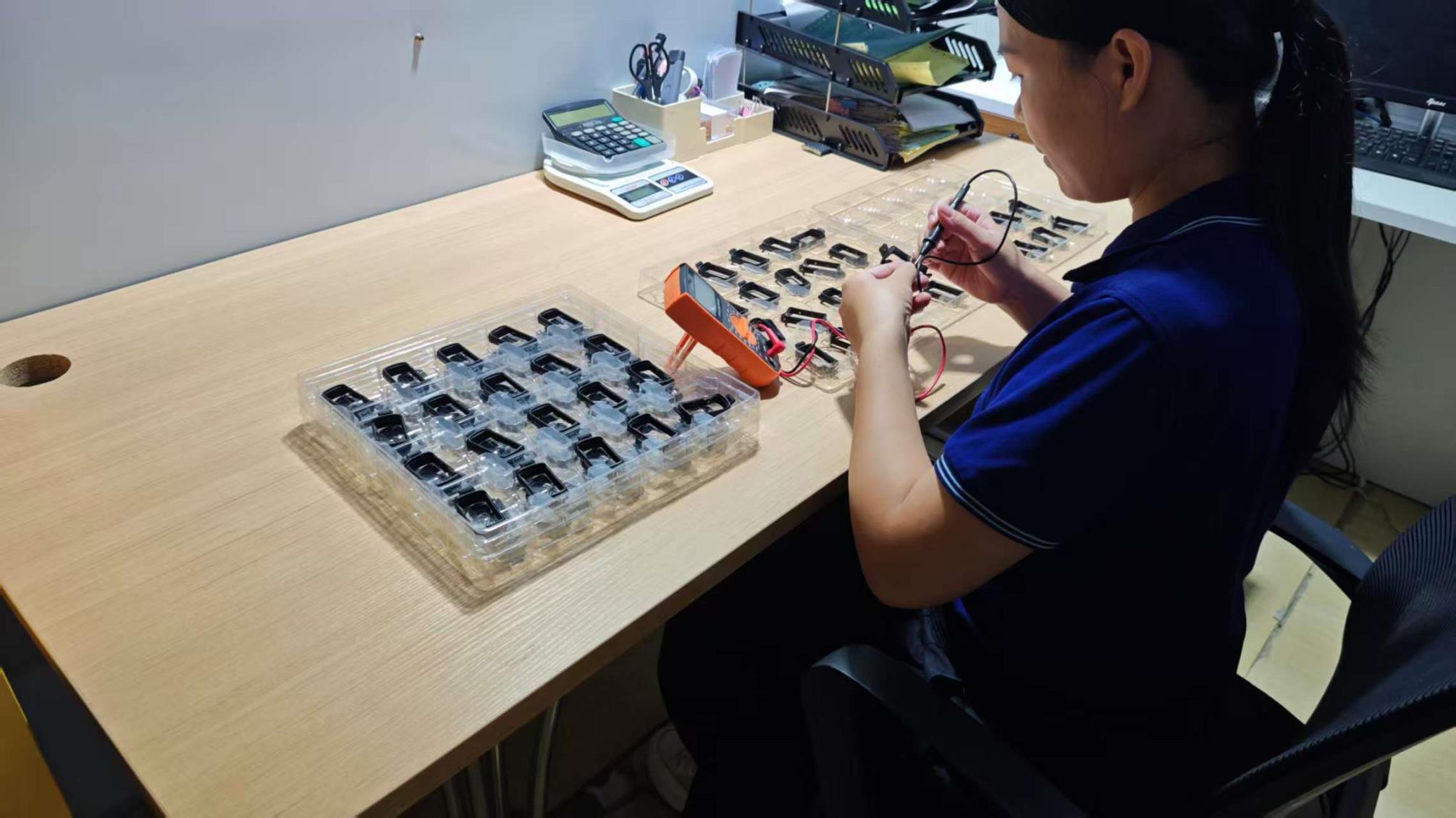
Stage 01
Rigorous IQC Material Audit
Every batch of optical sensors, lithium cells, and zinc alloy casings undergoes incoming electrical and dimensional inspection via Vernier optical calipers.
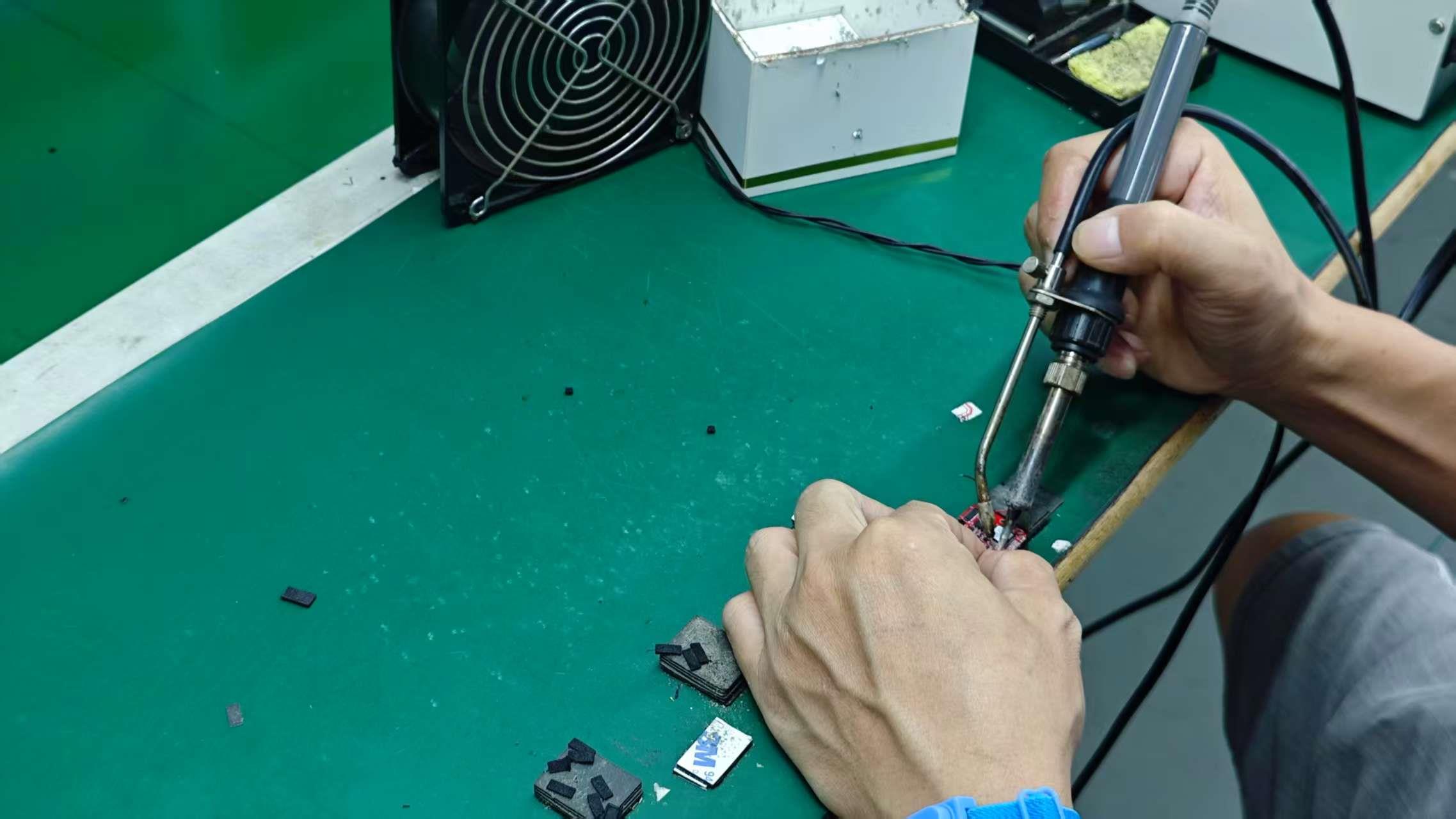
Stage 02
SMT & Ultrasonic Micro-Welding
High-precision automated soldering and ultrasonic wire bonding ensure lead resistance remains stable under intense user shock and thermal cycling.
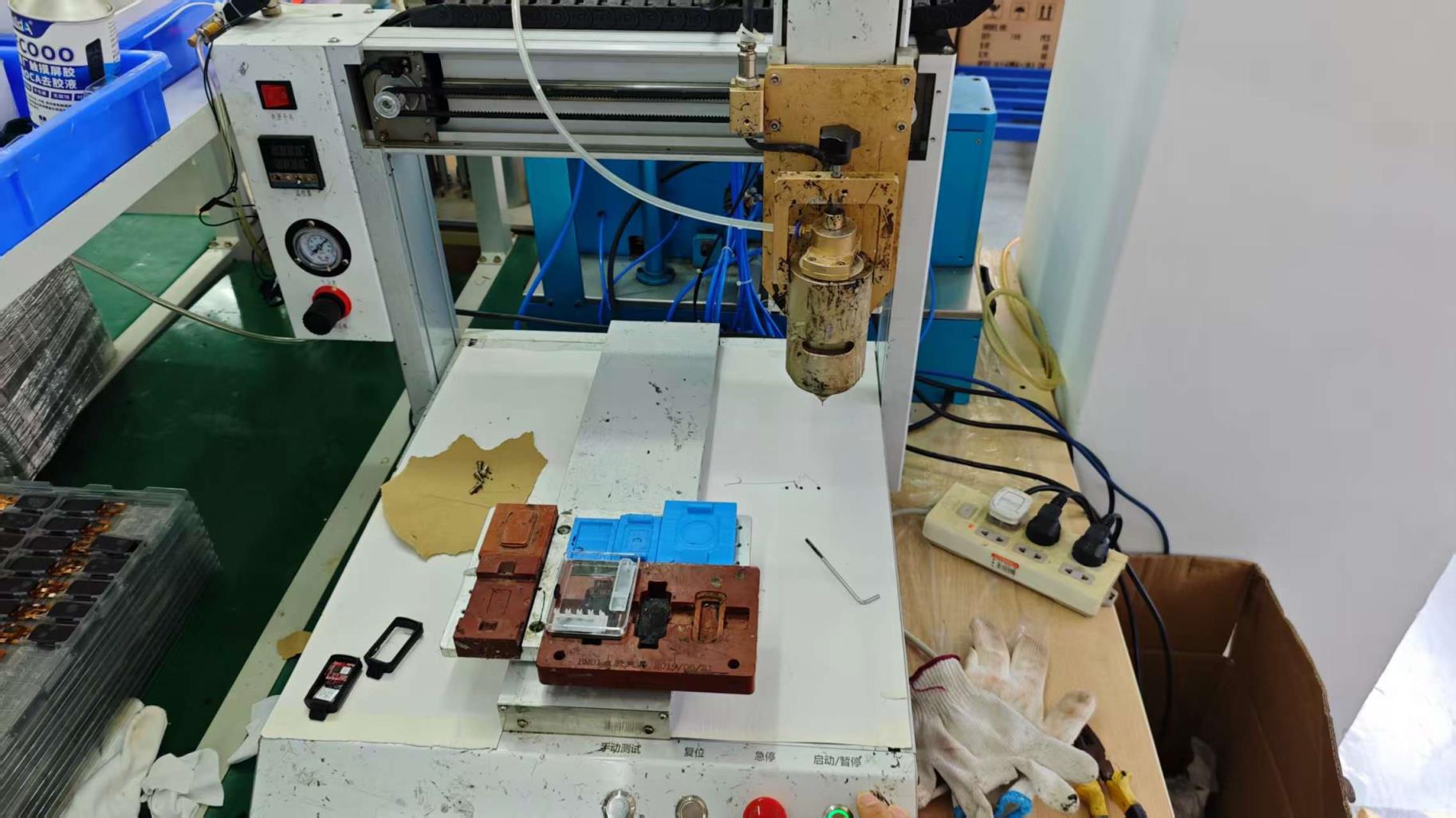
Stage 03
Auto Gluing & Thermal Sealing
Robotic multi-axis dispensing machines apply waterproof silicone and structural adhesives with sub-millimeter bead precision to achieve IP68 hermeticity.
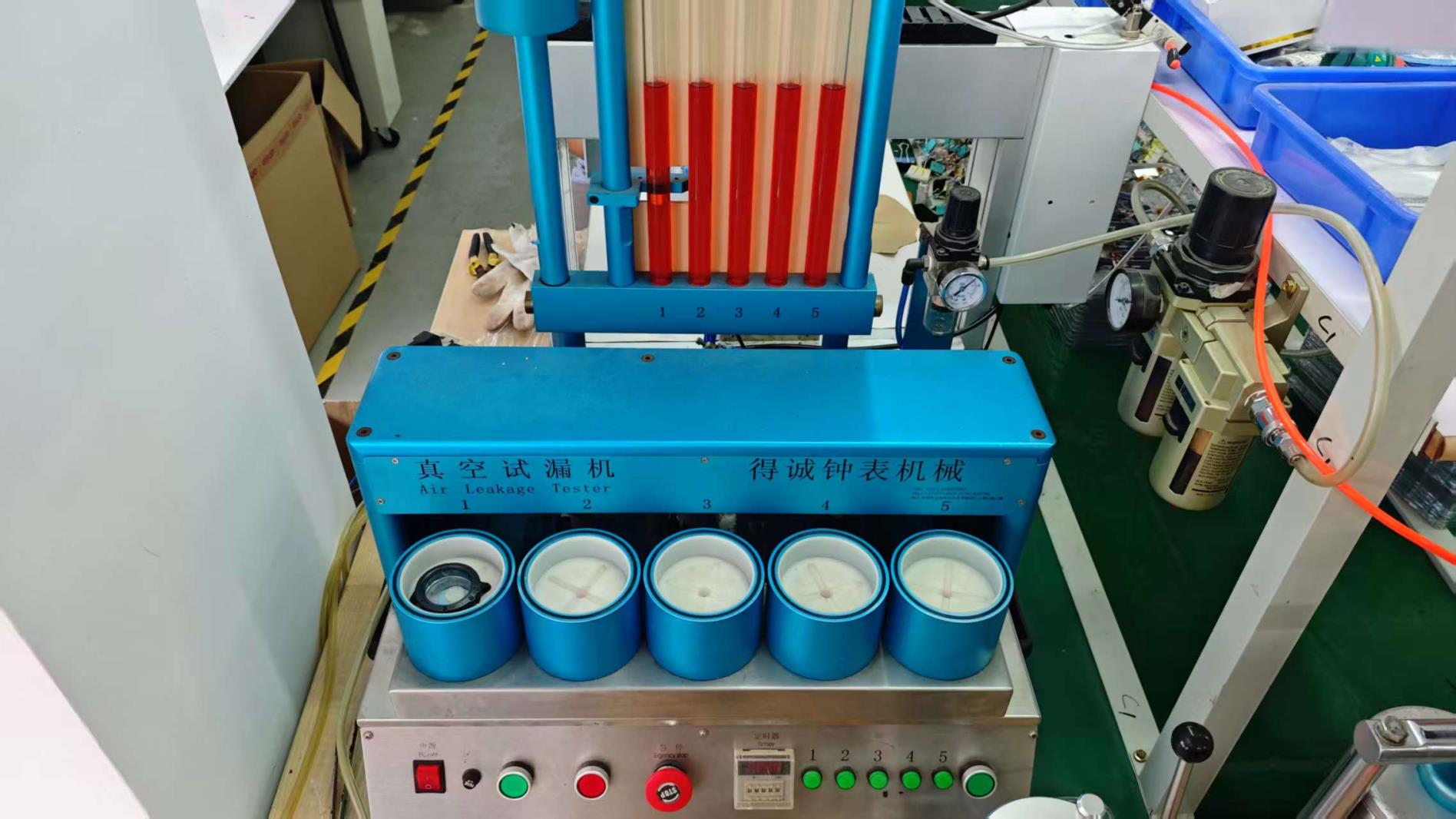
Stage 04
100% Negative-Pressure Leak Testing
Every individual production unit is locked into differential pressure vacuum chambers to verify structural sealing before final cleaning, packaging, and dispatch.
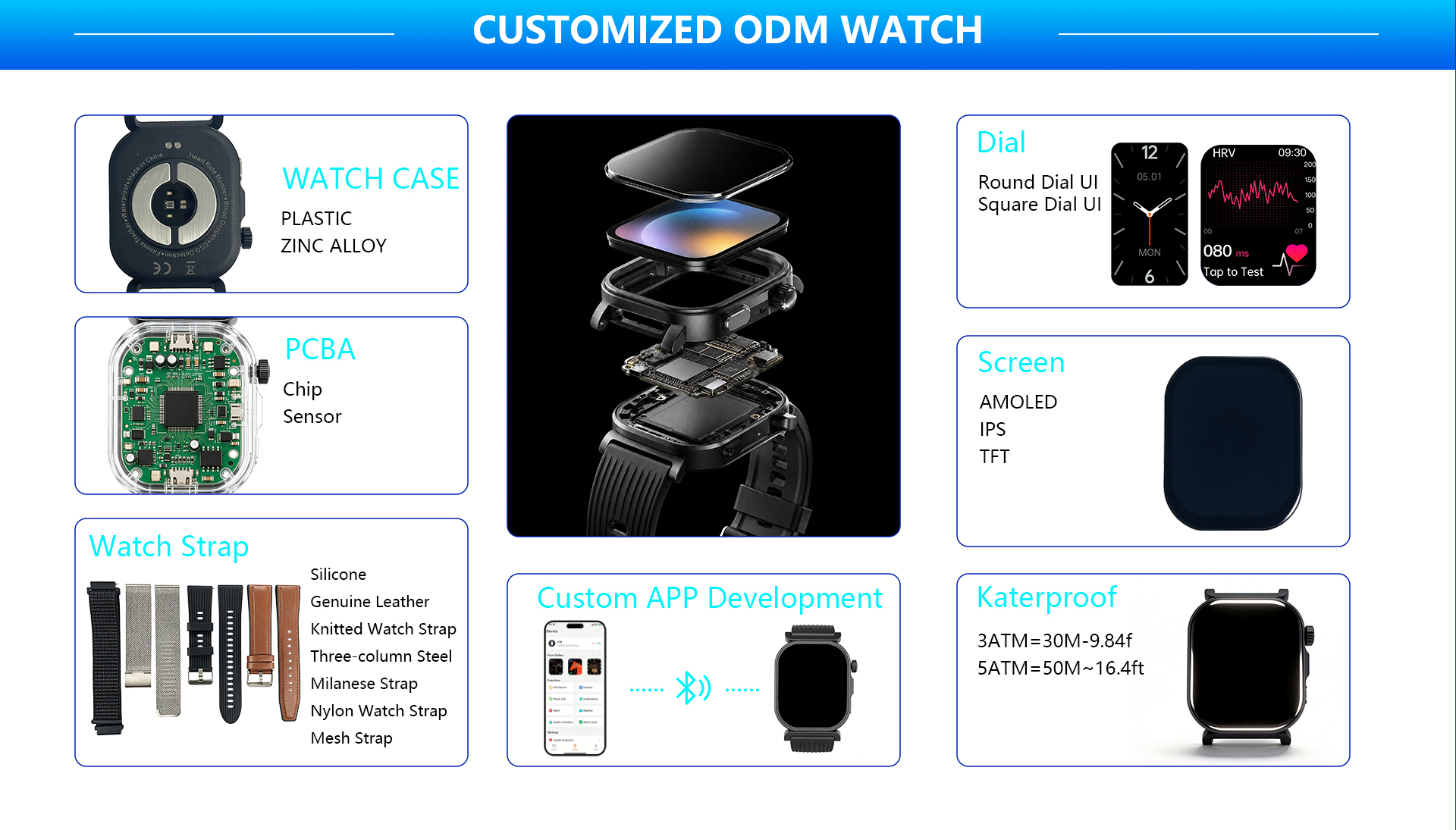
Transparent 7-Step Engineering & Export Pipeline
01. Spec & NDA
Comprehensive review of sensor targets, pricing models, and regional compliance standards.
02. ID & Mechanical
Custom industrial design rendering, laser-etched branding, mold flow analysis, and strap prototyping.
03. Firmware & SDK
Bootloader adaptation, localized algorithm tuning, BLE UUID customization, and open API documentation.
04. EVT / DVT Signoff
Engineering verification prototypes delivered to client QA teams for functional and ergonomic sign-off.
05. Mass SMT & Assembly
Full-scale automated pick-and-place, automated optical inspection (AOI), and cleanroom line assembly.
06. 100% In-Line QA
Complete leakage testing, charging cycle burn-in, drop impact validation, and BLE throughput benchmarking.
07. Global Freight
FOB Yantian, Shenzhen, or HK with UN38.3 battery transport certs and full customs packing lists.
Procurement Knowledge Base
Frequently Asked Questions by Technical Sourcing & Compliance Leads
In-depth responses compiled by our chief systems engineers to accelerate your vendor qualification process.
What are the exact sampling Minimum Order Quantities (MOQ) and production lead times?
For standard baseline evaluation samples, our MOQ starts from 1 to 5 pieces across our entire screenless smart bracelet and ECG smartwatch product line, allowing engineering teams to test hardware reliability and validate Bluetooth connectivity immediately. For private-label production runs (involving custom laser marking, localized packaging, customized strap colors, and custom BLE broadcast names), the standard MOQ is 500 to 1,000 units per batch. Standard mass production turnaround is approximately 30 calendar days following pre-production sample sign-off and deposit receipt, with rapid air-express sample dispatch in 3 to 5 business days.
Do your screenless wristbands and ECG smartwatches provide an open SDK and API?
Yes. A fundamental competitive advantage of Shenzhen Honsys Technology Co., Ltd. is our developer-first software architecture. We provide comprehensive, native SDKs (iOS Swift/Objective-C, Android Kotlin/Java, plus React Native and Flutter wrappers) alongside complete Bluetooth GATT communication specifications. You receive full documentation for parsing raw byte payloads—including raw microvolt ECG waveforms, R-R intervals, photodiode green/red/IR counts, PPG pulse amplitude, blood oxygen percentage, step acceleration vectors, and sleep staging timestamps. This enables seamless data ingestion directly into your HIPAA-compliant cloud servers, third-party electronic health record (EHR) systems, or enterprise SaaS dashboards with zero middleman server licensing fees.
What regulatory compliance certifications and factory audit reports do you hold?
Our manufacturing facilities and finished export products are fully compliant with major global market requirements:
1. United States: FCC Part 15 subpart B & C radio-frequency verification.
2. European Union: CE certification covering RED (Radio Equipment Directive 2014/53/EU), EMC, and Low Voltage Directives, alongside comprehensive RoHS (Restriction of Hazardous Substances 2011/65/EU) compliance.
3. EPR Environmental Registration: Valid Extended Producer Responsibility (EPR) registrations for both Germany (LUCID WEEE/Packaging/Battery) and France (ADEME).
4. Factory Assessment: On-site supplier assessment and facility authentication completed by SGS Group. Full audit reports and Declarations of Conformity (DoC) are made available to enterprise compliance teams upon request.
How does your factory guarantee waterproof integrity and structural longevity?
Unlike factories relying on batch spot-checks, our facility enforces a mandatory 100% in-line pressure testing regimen. Every sealed enclosure undergoes automated vacuum decay leakage testing using dry pneumatic testing equipment. For our IP68 models, devices must demonstrate hermetic seal stability equivalent to 1.5 meters immersion for 30 minutes. For our 3 ATM and 5 ATM outdoor watches, devices undergo hydrostatic pressure testing at 30 to 50 bar atmospheres. In addition, raw housings undergo 48-hour continuous salt spray corrosion audits, and optical sensor windows undergo automated Rockwell hardness friction tests to prevent scratching under athletic usage.
Are the biometric readings from your devices medical-grade or wellness-grade?
By default, all hardware is engineered and labeled for general health, fitness, and wellness applications under FDA general wellness guidance and European MDR Article 2 exceptions. However, because our AFEs capture ultra-clean raw biological signals (such as genuine microvolt ECG traces and multi-wavelength optical PPG curves), multiple healthcare clients utilize our ODM platforms as the hardware baseline for their own FDA 510(k) or CE-MDR Class IIa clinical certification submissions. We support enterprise clients with full component schematics, bill-of-materials traceability, firmware changelogs, and ISO 14971 risk management technical documentation required for medical device clearance in their local jurisdictions.
What international payment methods, trading terms, and warranty coverage do you support?
We provide seamless commercial terms for global importers. Delivery Incoterms include FOB (Yantian / Shenzhen / Hong Kong), CFR, CIF, EXW, FCA, CIP, DDP, and DDU. We transact in 9 major global currencies (USD, EUR, GBP, JPY, CAD, AUD, HKD, CHF, CNY) via Telegraphic Transfer (T/T), Letter of Credit (L/C at sight), D/P, D/A, PayPal, Western Union, Credit Card, and Escrow. Every manufactured device carries a full 1-year factory warranty. In the event of functional hardware non-conformance verified during pre-shipment inspection or in field returns, our policy provides replacement units or corresponding credit in subsequent production runs.
Initiate Your Smart Wearable Program Today
Consult directly with a senior biometric systems engineer from Shenzhen Honsys Technology Co., Ltd. We provide sample units, custom firmware blueprints, open SDK documentation, and FOB Shenzhen volume pricing within one business day.