Featured Commercial Wearables & Ecosystem Sub-Assemblies
Direct from our certified Shenzhen cleanroom facilities to Kobe importers, port logistics operators, and Japanese enterprise telehealth brands.
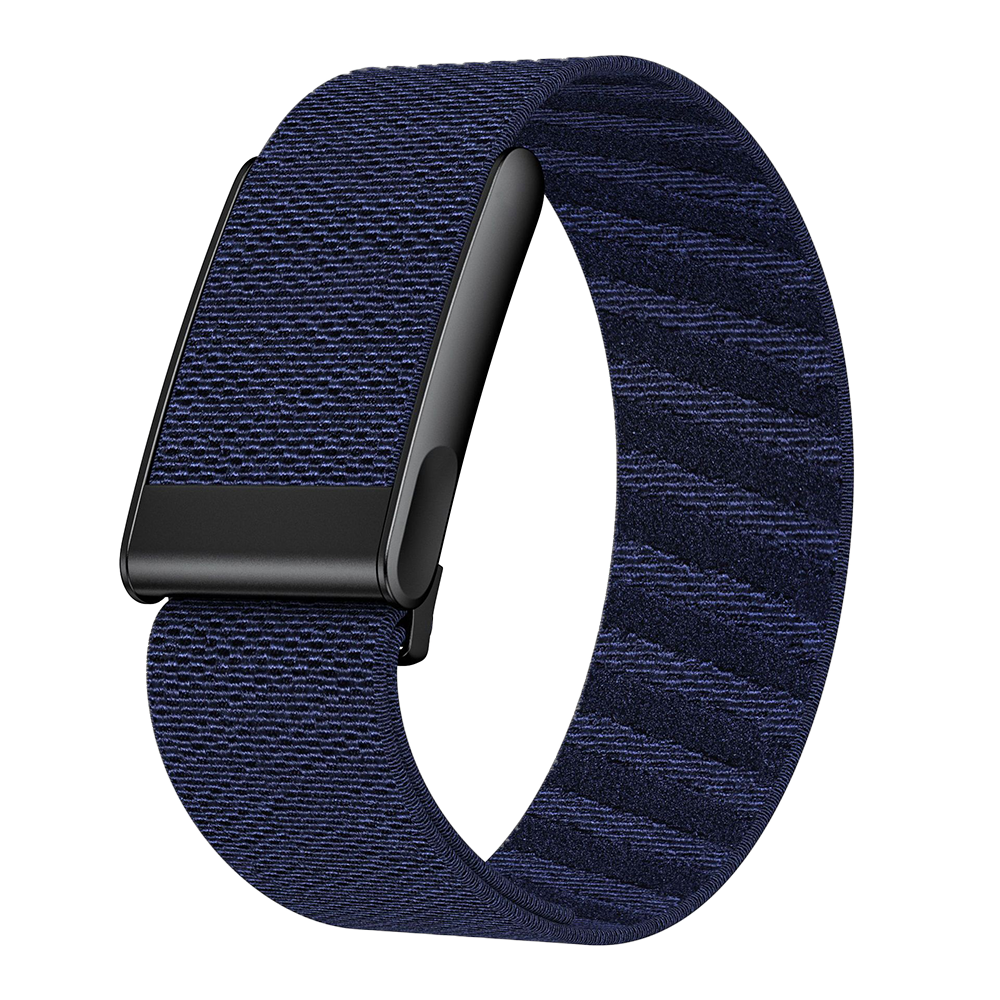
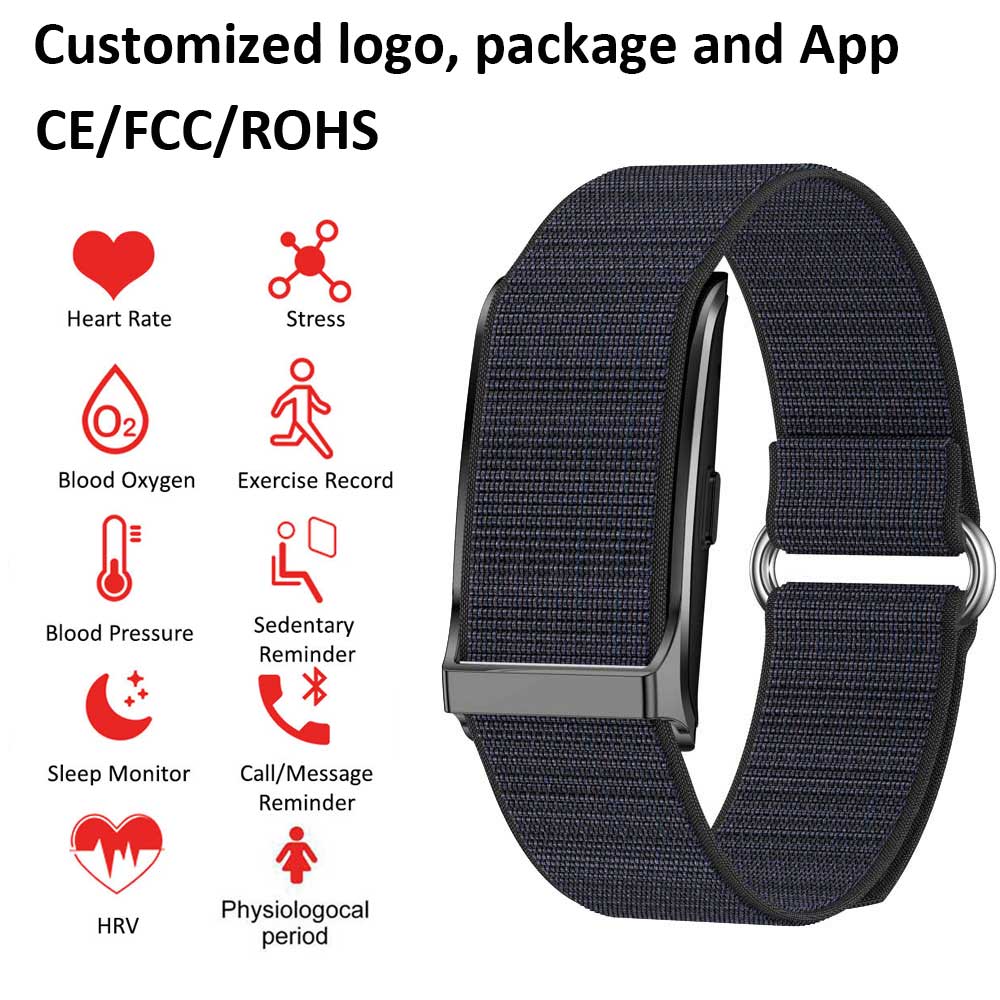
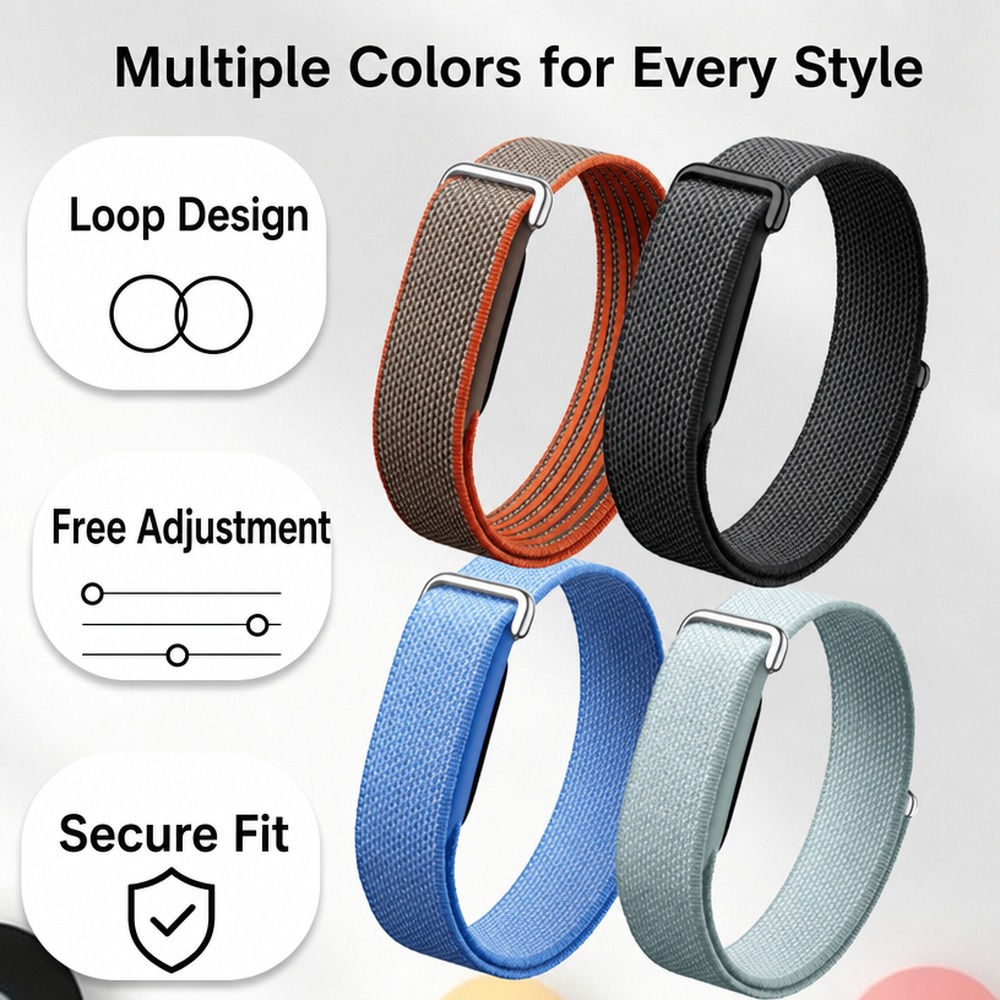
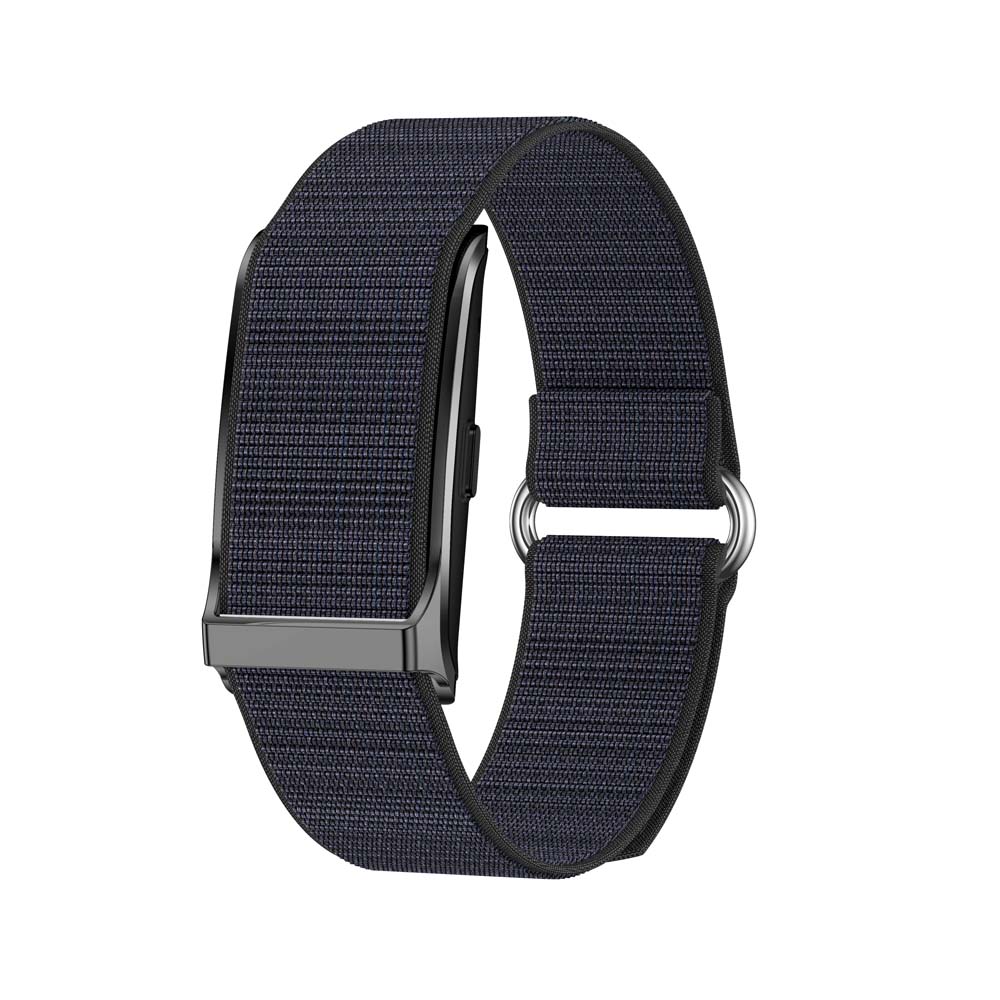
Wholesale Fashion Waterproof Fitness Tracker HRV Intelligent Screenless Smart Band for Men Women
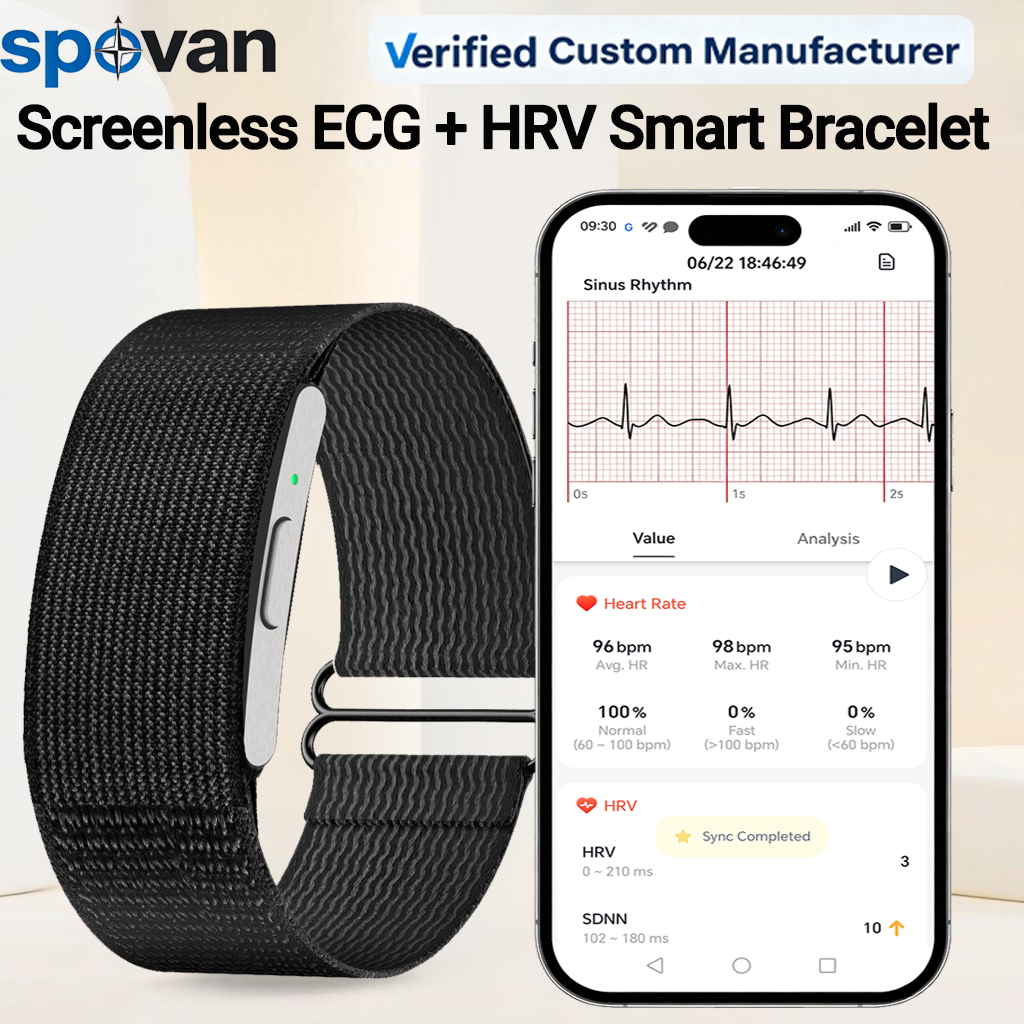
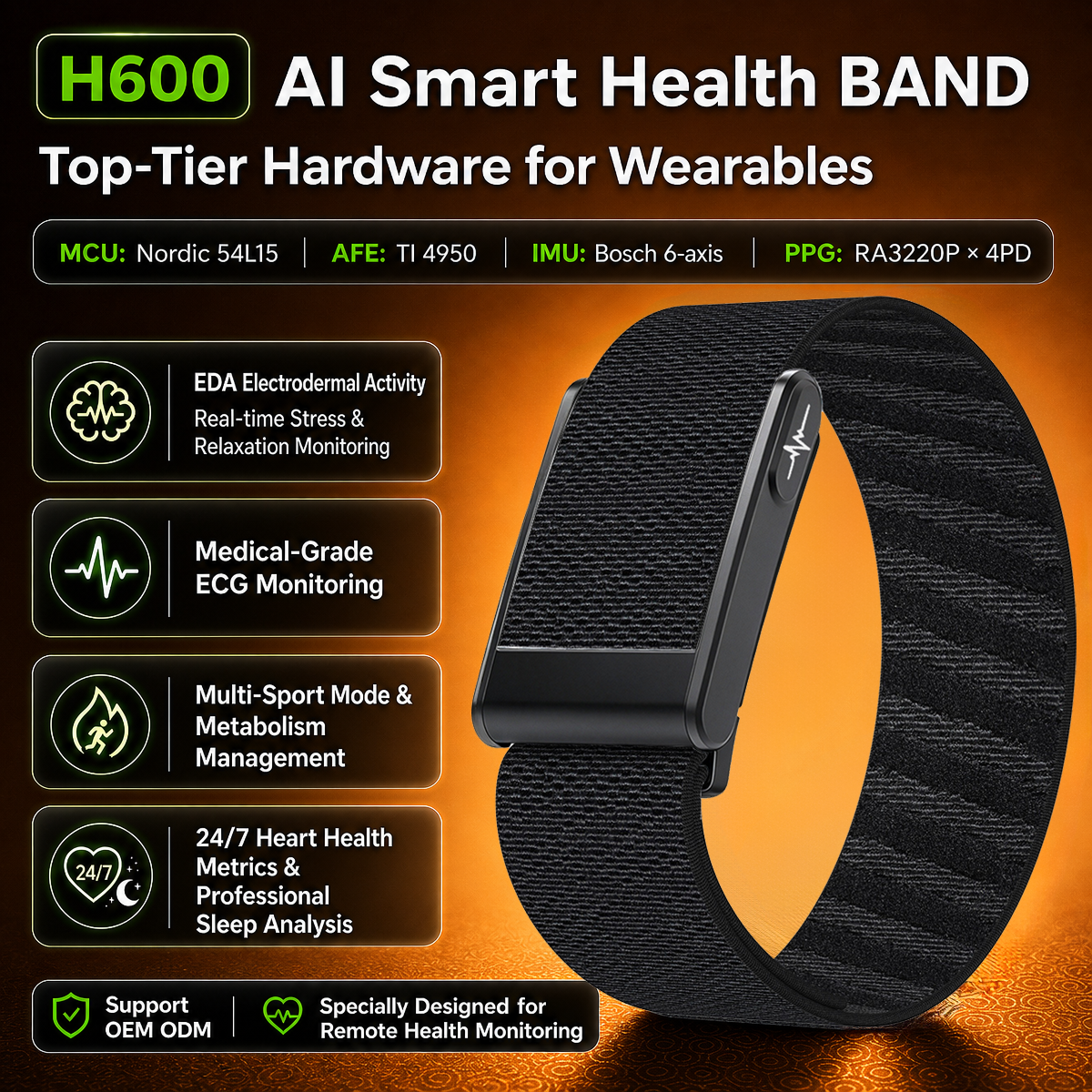
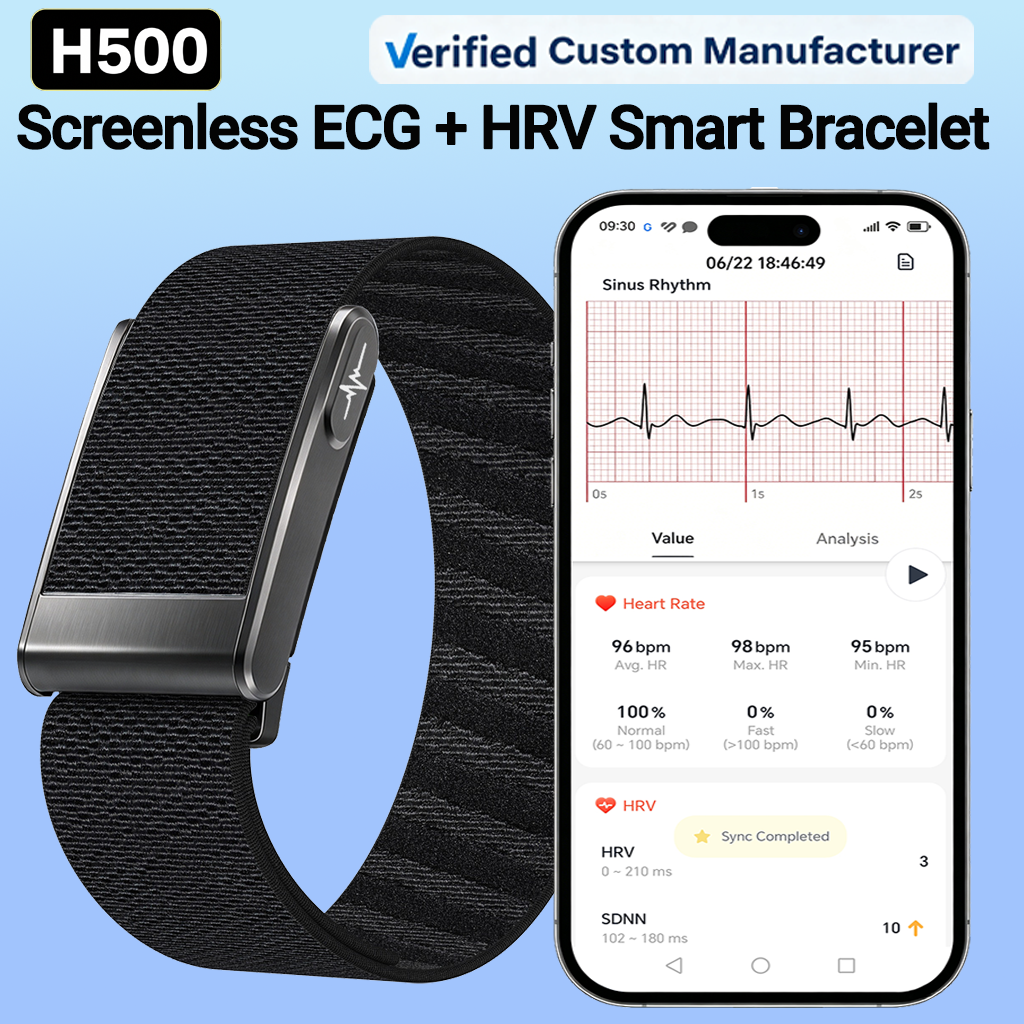
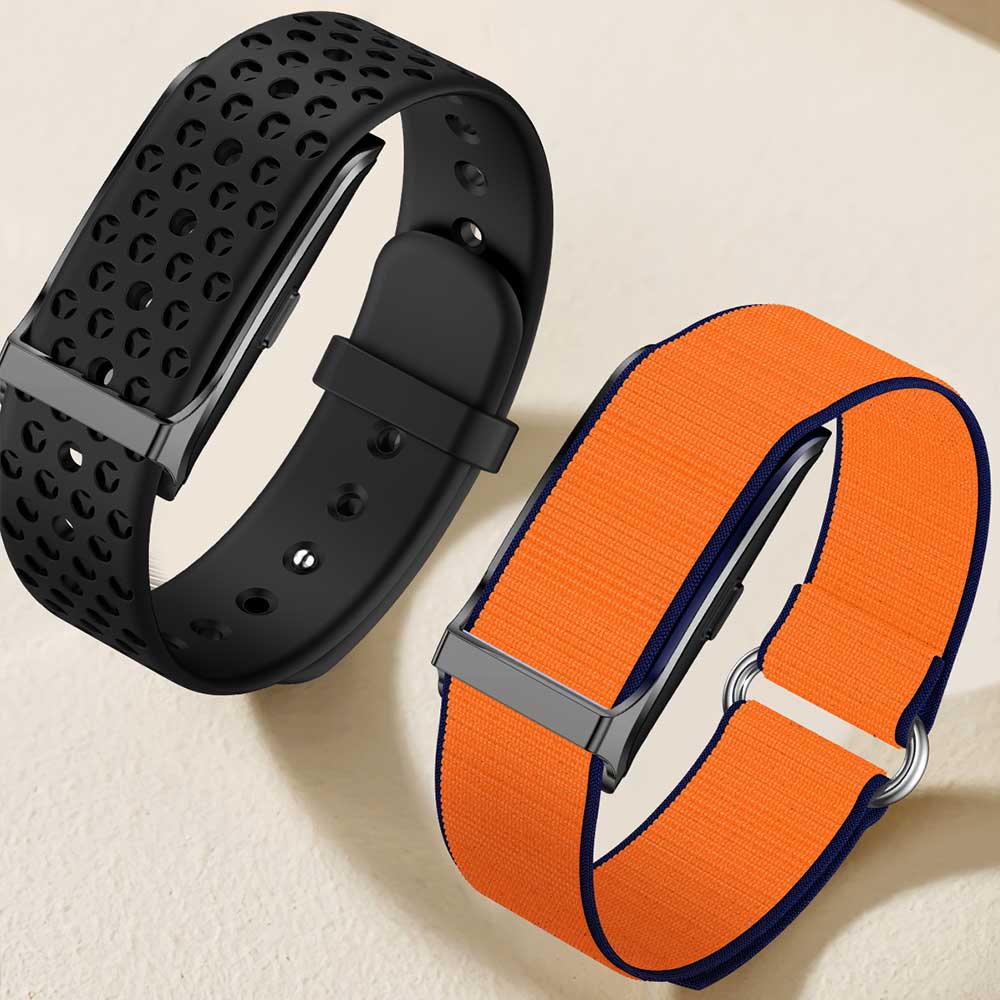
2025 Fashion Waterproof Health Tracking Comfortable Smart Bracelet for Men Women
High-Reliability 3ATM Hydrostatic Resistance & AMOLED Optical Dynamics
A rigorous engineering breakdown of structural ingress protection, display lamination physics, and RTOS power optimization for Japanese B2B procurement channels.
Deploying commercial wearable architectures in coastal industrial hubs like Kobe (Hyogo Prefecture) presents severe environmental stressors: high-salinity air, fluctuating ambient atmospheric pressures across maritime facilities, and prolonged UV exposure. As a direct OEM/ODM manufacturer established in 2010 and exporting globally since 2012, Shenzhen Honsys Technology Co., Ltd. resolves these challenges by bridging high-precision Shenzhen micro-manufacturing with stringent Japanese Industrial Standards (JIS B 7021 / ISO 22810:2010).
1. 3ATM Dynamic Ingress Protection vs. Commercial IP68
While standard consumer bands often advertise static IP68 ingress protection (tested under motionless freshwater conditions at 1.5 meters for 30 minutes), enterprise and maritime applications demand true 3ATM hydrostatic rating. A certified 3ATM device withstands 30 meters of equivalent static water pressure (0.3 MPa or 3 bar). In practical engineering terms, our Kobe-bound smartwatches incorporate dual-stage fluororubber (FKM) gaskets around the dial bezel and optical sensor hub, ultrasonic acoustic membrane mesh sealing on micro-speaker ports, and vacuum-bonded structural adhesives. This structural seal prevents capillary saltwater ingress even under dynamic pressure fluctuations caused by high-pressure spray cleaning, splash impacts during harbor operations, or sudden tropical precipitation along Osaka Bay.
2. High-Luminance AMOLED Optical Performance Under Marine Sunlight Glare
Maritime logistics coordinators and field engineers operating in Kobe Port require instant, unambiguous telemetry readings in broad daylight. Conventional TFT-LCD screens suffer from internal light scattering and low contrast under intense solar illumination. Our smartwatches integrate rigid and flexible on-cell AMOLED matrices delivering peak brightness levels exceeding 850–1000 nits. Featuring a pixel density of up to 326 PPI (Retina class), true sub-pixel blacks, and wide color gamuts (100% DCI-P3), AMOLED panels ensure high readability through polarized sunglasses. Furthermore, the display is bonded using optical clear adhesive (OCA) to curved 2.5D Corning Gorilla Glass or sapphire crystal lenses treated with hydrophobic and oleophobic anti-fingerprint vacuum sputtering.
3. Low-Power Dual-Core MCU Architecture & Enterprise BLE SDK Pipelines
Continuous biometric telemetry—such as dual-wavelength photoplethysmography (PPG) for heart rate and SpO2 alongside single-lead electrocardiogram (ECG)—is notoriously energy-intensive. Our platforms leverage energy-efficient dual-core microcontrollers (incorporating dedicated high-performance ARM Cortex cores alongside ultra-low-power DSP co-processors). The architecture offloads raw sensor sampling and digital filtering algorithms to the low-power DSP, waking the primary core only for edge analytics and BLE 5.3 synchronized transmissions. For Japanese systems integrators, our open SDK and documented RESTful APIs provide unfettered access to raw photodiode waveforms, inter-beat intervals (RR intervals), and accelerometry data, facilitating seamless integration with proprietary cloud platforms, AWS Japan infrastructure, or private clinic intranets.
| Engineering Parameter | Standard Consumer Fitness Tracker | Honsys 3ATM AMOLED Enterprise Watch | Direct Operational Benefit (Kobe/Japan Market) |
|---|---|---|---|
| Hydrostatic Pressure | IP67 / IP68 (Static immersion 1.5m) | Certified 3ATM (0.3 MPa, 30-Meter Ingress) | Guaranteed resistance against harbor spray, washdowns & marine humidity. |
| Display Matrix | Standard TFT LCD (250–400 nits) | Ultra-Bright AMOLED (Up to 1000 nits peak) | Clear visibility under harsh sea glare in Osaka Bay & industrial work yards. |
| Housing Construction | Injection Molded ABS / Polycarbonate | Die-cast Zinc Alloy / 316L Stainless Steel PVD | Extreme torsional rigidity and salt-fog corrosion mitigation. |
| Software Integration | Closed proprietary mobile apps only | Open SDK / BLE API / JSON Data Stream | Immediate synchronization with custom enterprise MES, ERP, or clinic platforms. |
| Battery Life Cycle | 120–180 mAh (Requires daily charging) | 260–450 mAh High-Density Lithium-Polymer | 5–14 days continuous operational deployment without mid-shift charging. |
Application Scenarios Across Kobe's Maritime, Biomedical & Manufacturing Sectors
Strategic deployment models engineered specifically to match the structural economic profile of Hyogo Prefecture and the broader Kansai economic corridor.
Kobe Port Stevedoring & Maritime Logistics
Kobe is one of Japan's most vital international deep-water container ports. Gantry crane operators, longshoremen, and marine terminal technicians operate in high-humidity, marine-spray environments. Deploying our 3ATM waterproof smartwatches equips port operators with continuous core vitals monitoring, ambient heat-index warnings (crucial for preventing heatstroke during sweltering Kansai summers), and automated fall/impact detection through 6-axis inertial sensors.
Focus: 3ATM Sealing • Rugged DurabilityKobe Biomedical Innovation Cluster (KBIC)
Port Island hosts Japan's largest biomedical research cluster, home to over 380 medical and pharmaceutical companies and academic institutes. Our screenless biometric bands and ECG-integrated AMOLED smartwatches serve clinical research organizations (CROs) requiring unadulterated high-frequency photoplethysmography and HRV streams. Via our open SDK, health researchers extract validated data pipelines without third-party cloud lock-in.
Focus: Open SDK • High-Frequency PPG/ECGHyogo Prefecture Aging Population & Silver Care
Hyogo Prefecture encompasses both hyper-dense urban nodes and outlying rural communities with advanced aging demographics. Municipal eldercare initiatives and residential care homes throughout Kobe deploy our lightweight smart wristbands for non-intrusive nighttime sleep-architecture staging, pulse-wave transit time (PWTT) blood pressure trend monitoring, and emergency SOS alerts with haptic vibration feedback.
Focus: Telehealth Staging • Haptic AlertingHeavy Industry & Kobe Precision Manufacturing
With a heavy manufacturing lineage spanning steelworks, rolling stock, and aerospace component fabrication, Kobe's industrial shop floors demand rugged, spark-resistant wearables. Our metal zinc-alloy smartwatch housings with flush AMOLED glass prevent snagging and resist machine oil splashes, while tracking worker exertion, fatigue, and posture metrics to uphold strict Japanese occupational safety guidelines.
Focus: Zinc Alloy Body • Occupational SafetyWearable Trends Across Western Japan: Society 5.0 and Beyond
Understanding the shifting demands of Japanese enterprise procurement directors, electronics trading shoshas, and telecom carriers.
Japan's nationwide technological roadmap, defined by the Cabinet Office as "Society 5.0", emphasizes the seamless fusion of physical space with cyberspace through advanced IoT sensing and edge artificial intelligence. Within this strategic paradigm, the role of wrist-worn wearables in Kobe and the wider Kansai region has transitioned from novelty consumer fitness tracking to mission-critical human-cyber interfaces.
1. The Transition from Consumer Gadgets to Enterprise-Grade Diagnostics
Japanese procurement teams are moving away from closed-garden consumer brands that restrict raw telemetry access. Enterprise buyers in Kobe—including logistics fleets, rail operators, and construction conglomerates—require open hardware capable of transmitting uncompressed heart rate variability (HRV), skin temperature gradients, and 3-axis motion profiles directly to local database clusters. This demand aligns directly with Honsys's open-architecture SDK models, allowing localized algorithms to assess worker micro-fatigue before safety incidents occur.
2. Rigorous Preference for High-Durability AMOLED Displays
Japanese consumers and enterprise users possess notoriously high quality-benchmarks regarding optical clarity and user experience. Low-cost monochrome or low-gamut LCD screens are increasingly rejected in favor of high-refresh-rate (60Hz) AMOLED displays. The high contrast of AMOLED delivers crisp rendering of intricate Japanese Kanji characters, which can blur or appear aliased on low-resolution displays. A pixel density surpassing 300 PPI is now considered the minimum standard for professional deployments across Kobe commercial channels.
3. Compliance Rigor: Radio Law (TELEC/MIC), PSE, and Green Sourcing
Importing wireless hardware through the Port of Kobe requires absolute compliance with Japan’s Radio Act (TELEC / MIC certification) and Electrical Appliance and Material Safety Act (PSE mark for lithium-polymer batteries). The Japanese market tolerates zero compliance grey-areas. As an experienced exporter since 2012, Honsys collaborates with recognized testing laboratories (such as SGS) to provide full pre-testing documentation, ensuring seamless customs clearance through Kobe Customs without costly impoundment or re-testing delays.
Why Kobe Importers & Global Brands Partner with Honsys
A direct look at our manufacturing infrastructure, verifiable transaction credentials, and strict internal quality assurance protocols.
Founded in 2010, Shenzhen Honsys Technology Co., Ltd. operates integrated SMT production, automated robotic gluing, cleanroom assembly, and ultrasonic welding lines. Unlike trading intermediaries, we hold full architectural control over industrial housing design, PCB schematic layout, firmware optimization, and cloud communication protocols.
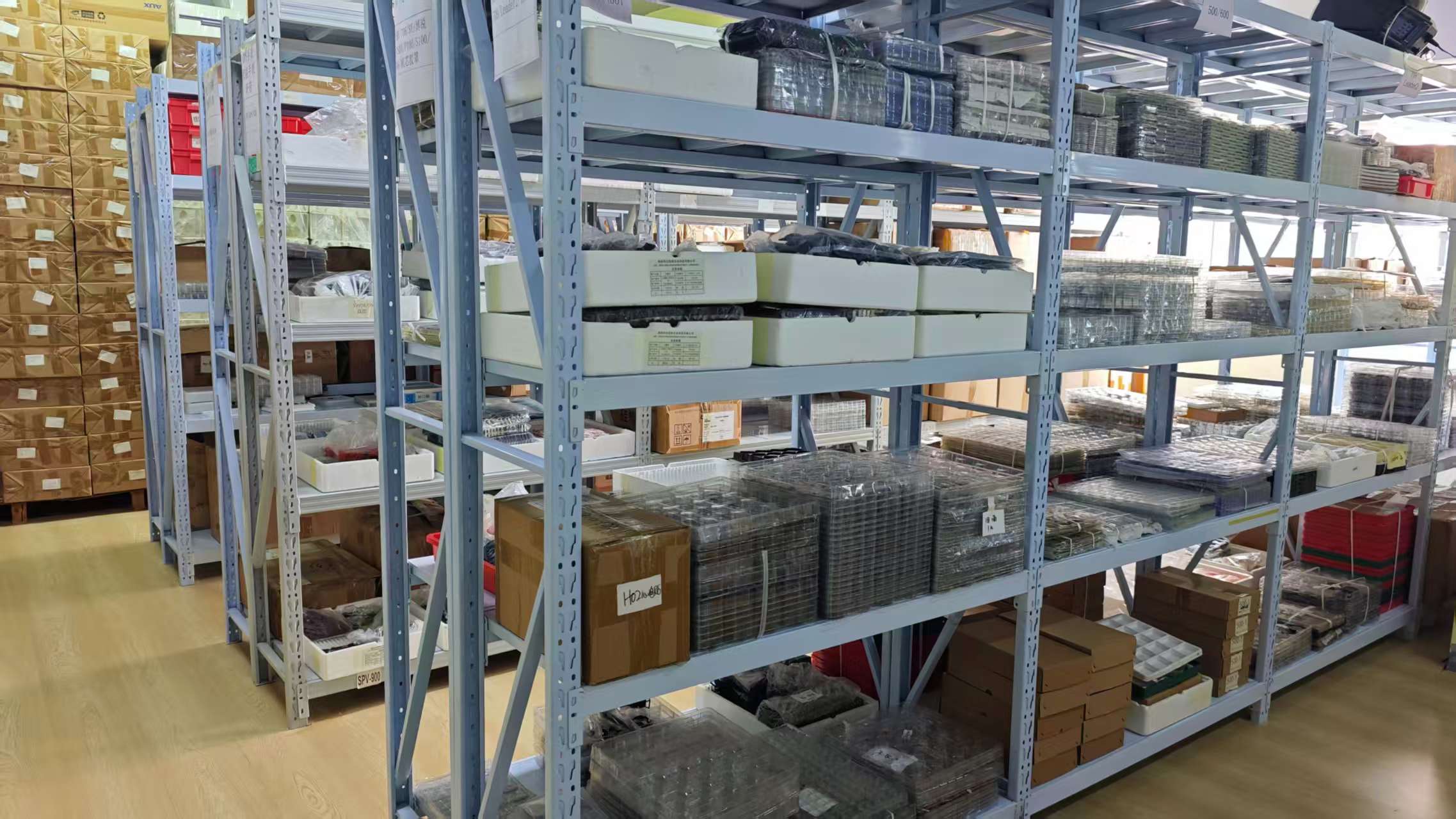
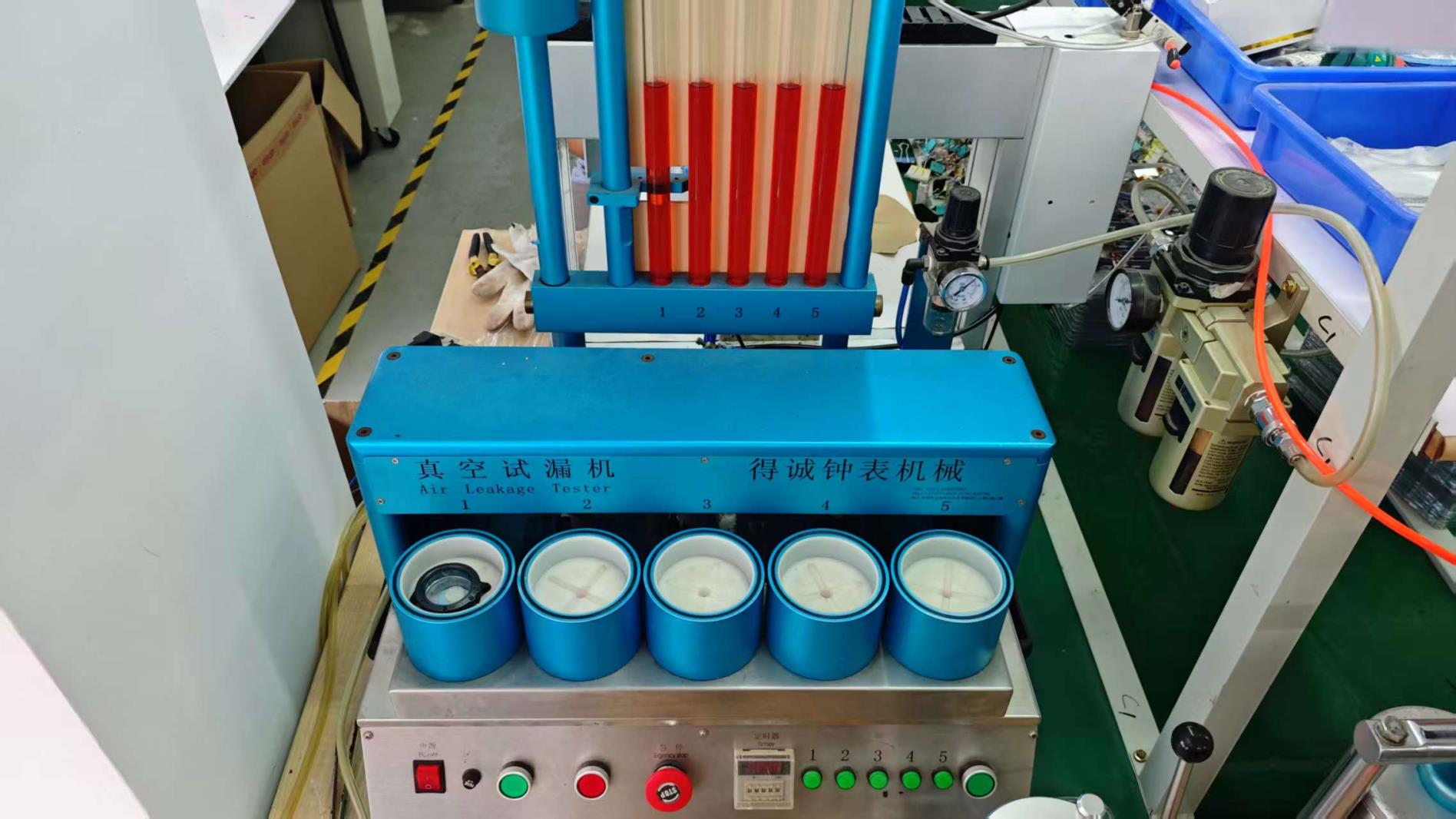
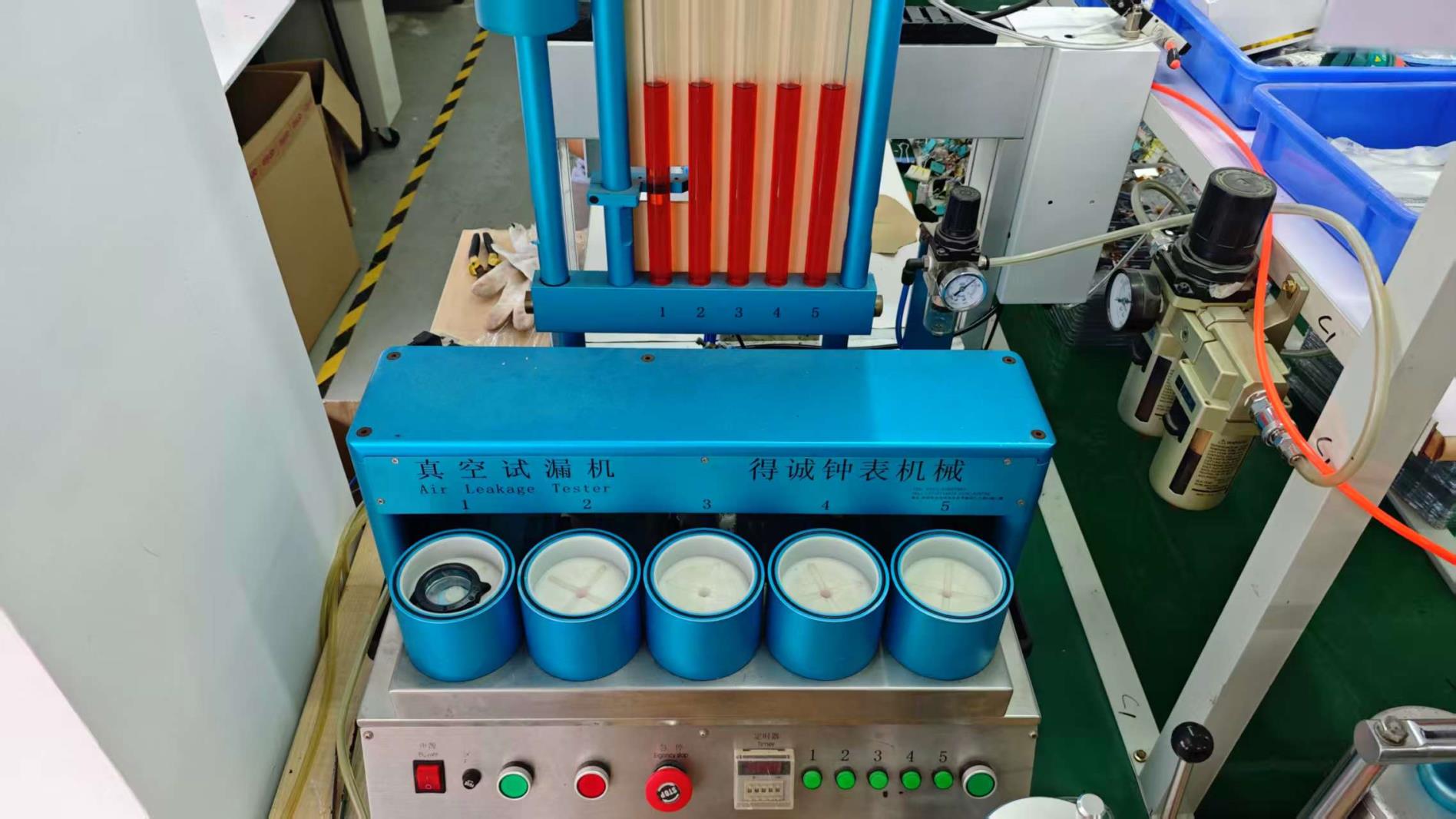
- SGS On-Site Assessment: Our facility, labor standards, and assembly procedures have been independently verified on-site by SGS Group.
- 100% Comprehensive Inspection: Every unit passes through automatic optical inspection (AOI), incoming raw material quality checks (IQC), in-process battery charge cycling, and positive/negative pressure waterproof chamber testing before final retail packaging.
- Intellectual Property & Original Tooling: We maintain 4 registered design patents, full proprietary chassis molds, and complete CE, FCC, RoHS, and German/French EPR compliance registrations.
- One-Year Comprehensive Warranty: We guarantee every smartwatch and fitness tracker with a 12-month factory-direct replacement and spare parts provision policy.
Frequently Asked Questions: Kobe & Japan Sourcing Guidance
Key commercial, technical, and regulatory answers compiled by our international trade engineering desk.
What are the minimum order quantities (MOQ) for custom OEM/ODM orders shipping to Kobe?
How do you guarantee 3ATM waterproofing on mass production lines?
Can your AMOLED smartwatches support Japanese font rendering (Kanji, Hiragana, Katakana)?
What technical documentation and support do you provide for SDK and API integration?
Are the heart rate, SpO2, and ECG sensors certified as medical devices in Japan?
What are the lead times and shipping terms for delivery into Port of Kobe or Kansai Airport (KIX)?
Which international payment currencies and trade terms do you support?
Accelerate Your Wearable Hardware Program in Kobe
Connect directly with our senior hardware engineers and international trade specialists to evaluate prototypes, discuss SDK integration, or receive an immediate OEM/ODM project quotation.