Featured Smart Wearable & Audio Telemetry Systems
Engineered on common sensor pipelines, open SDKs, and ruggedized casings to support comprehensive enterprise field mobility, telematics, and health monitoring.
Bluetooth Call Smart Glasses Architecture & Enterprise Integration in Central Oklahoma
An analytical examination of wearable voice endpoints, directional acoustics, and RF compliance tailored for commercial enterprise operations across Oklahoma City's transportation, energy, and defense clusters.
1. The Paradigm Shift: Hands-Free Voice Communications in Oklahoma Enterprise Fleets
The modern industrial operational landscape across Oklahoma City (OKC)—spanning the high-capacity logistics junctions of Interstate 35, Interstate 40, and Interstate 44 to the intensive energy exploration sites throughout the Anadarko Basin—demands communication interfaces that eliminate manual device interaction. Enterprise procurement executives and operations directors increasingly prioritize Bluetooth Call Smart Glasses over conventional handheld radios and single-ear wired headsets.
Handheld mobile devices present severe occupational safety hazards and regulatory liabilities, particularly under Federal Motor Carrier Safety Administration (FMCSA) and OSHA mobile-distraction protocols. Smart audio glasses integrate custom micro-acoustic transducers and low-power RF transceivers directly into the temples of ANSI-grade eye protection. This consolidation of PPE (personal protective equipment) with ultra-low-latency voice transmission enables logistics coordinators, maintenance technicians at Will Rogers World Airport, and oilfield pumpers to maintain situational awareness while preserving bi-directional communications with dispatch centers.
As a seasoned original equipment manufacturer (OEM) and exporter, our engineering facility in Shenzhen bridges the divide between cutting-edge consumer acoustic ergonomics and the rugged hardware resilience required by commercial enterprises in Oklahoma City. By combining Bluetooth 5.3 SoC architectures, dual-microphone beamforming algorithms, and open SDK environments, we supply B2B distributors and enterprise system integrators across the central United States with scalable voice wearable endpoints.
2. Acoustic Engineering: Dual-Mic Beamforming in Severe Plains Wind Environments
One of the primary engineering challenges faced by telematics hardware deployed in Oklahoma is the regional atmospheric environment. Oklahoma City experiences high mean wind velocities, frequently exceeding 20 to 30 mph on open plains, intermodal yards, and elevated construction rigs. Conventional omnidirectional microphones saturate in such turbulence, leading to complete degradation of speech intelligibility during Bluetooth cellular calls.
Our export-grade Bluetooth Call Smart Glasses utilize a specialized physical acoustic chamber paired with an environmental noise cancellation (ENC) DSP engine:
• Spatial Microphone Displacement: Two calibrated MEMS microphones are integrated along the temple chassis with an acoustic separation of 28mm. The primary forward-facing port captures direct voice resonance from the user's vocal tract, while the secondary ambient port measures external wind buffeting and environmental industrial noise.
• Adaptive Spectral Subtraction Algorithms: The embedded DSP runs real-time spectral subtraction and beamforming algorithms, attenuating ambient decibel levels by up to 35 dB while preserving human vocal fundamentals (300 Hz – 3.4 kHz). This ensures crystal-clear outbound voice fidelity for field dispatch calls without requiring the worker to shout.
• Open-Ear Micro-Speakers with Directional Sound Leakage Shielding: To retain environmental auditory perception (such as approaching forklifts, train horns, or emergency sirens), our eyewear employs open-ear directional acoustic cavities. Phase-canceling secondary acoustic relief holes minimize private conversation leakage to within 60 cm, safeguarding confidential enterprise communications.
| Feature Dimension | Standard Consumer Audio Eyewear | Enterprise-Grade Bluetooth Call Glasses (Our Factory) | Legacy UHF/VHF Walkie-Talkies |
|---|---|---|---|
| Acoustic Architecture | Single omni-mic, open sound leakage | Dual MEMS beamforming ENC + phase-canceling open-ear | Handheld microphone or boom headset |
| Wind Resistance Threshold | < 10 mph (severe clipping) | Up to 32 mph (aerodynamic acoustic baffle design) | Requires physical foam muff |
| OSHA / ANSI Compatibility | Rarely tested; brittle frames | ANSI Z87.1-2020 high-velocity impact compliant options | Separate PPE eyewear mandatory |
| Software Telemetry & SDK | Proprietary closed app | Open SDK / API for telematics & ERP dispatch sync | Analog or fixed digital DMR protocols |
| Water & Dust Ingress | IPX4 splash only | IP65 to IP68 ultrasonic sealed internal modules | IP54 to IP67 bulky chassis |
Industrial Deployment Across the Oklahoma City Metro & Regional Hubs
Tailoring hardware profiles to meet the stringent demands of Oklahoma's foundational industrial sectors.
Oil & Gas / Anadarko Basin Field Ops
Pumping unit inspectors, pipeline technicians, and drilling operators across Canadian and Grady counties utilize Bluetooth call glasses equipped with anti-fog polarized UV400 lenses. Hands-free voice dialling connects directly to SCADA telemetry control rooms during wellhead pressure adjustments without glove removal.
Aerospace & Defense Maintenance (MRO)
Positioned near Tinker Air Force Base and commercial aviation corridors, aircraft maintenance engineers deploy smart audio glasses for hands-free tech line communications. Mechanics inspect airframes while verifying assembly checklists and communicating real-time torque values with supervisory engineers via Bluetooth VoIP.
Intermodal Logistics & I-35/I-40 Freight
Freight handlers and long-haul drayage operators stationed at OKC cross-dock facilities leverage open-ear call glasses to process routing changes instantly. Elimination of in-ear earbuds ensures full compliance with commercial driving safety regulations while enabling uninterrupted fleet dispatch coordination.
Market Evolution & Regional Regulatory Compliance in the Central US
Navigating the intersection of FCC radio emissions, optical safety certifications, and wearable tech evolution.
Convergence of AI Voice Assistants and Wearable Telematics
The enterprise wearable landscape in Oklahoma City is accelerating toward AI voice agent integration. Traditional push-to-talk (PTT) systems are migrating toward conversational cloud LLMs and customized enterprise databases. Through our factory's Open SDK and BLE API architecture, Oklahoma software developers and systems integrators can map smart glasses touch-capacitive tap switches directly to proprietary cloud microservices.
A field technician servicing electrical substations in Edmond or Norman can trigger automated query logs with a single temple tap: "System status transformer unit seven." The smart glasses relay the audio stream via the worker's bonded cellular handset to the enterprise cloud, returning synthesized audio feedback directly into the technician's ears in less than 450 milliseconds. This hands-free workflow reduces downtime and documentation overhead by over 28% across monitored enterprise deployments.
Rigorous Import & Compliance Standards for US Distributors
Procuring overseas electronic hardware introduces compliance pitfalls if suppliers lack proper North American certifications. Our smart wearable manufacturing lines adhere strictly to regulatory testing standards necessary for seamless importation through US Customs and Border Protection (CBP) and expedited regional logistics into the Port of Entry and OKC freight terminals:
• FCC Part 15 Subpart C (Section 15.247): Complete intentional radiator certification for 2.4 GHz Bluetooth spectrum operations, verifying radiated spurious emissions and SAR (Specific Absorption Rate) safety levels for head-worn consumer and commercial devices.
• FDA 21 CFR 801.410 (Impact Resistance): Every optical lens batch shipped to the United States undergoes drop-ball impact testing (a 5/8-inch steel ball dropped from 50 inches) to verify shatter resistance, protecting workers against accidental physical impacts.
• Battery Safety & Transportation: Our lithium-polymer pouch cells (ranging from 110 mAh to 220 mAh) maintain strict UN38.3, UL 1642, and IEC 62133 certifications, enabling compliant cargo air transport via Will Rogers World Airport (OKC) or ocean intermodal forwarding through Gulf and West Coast ports.
Years Engineering (Est. 2010)
Pre-Shipment Function Testing
Verified Response Rate
Standard Bulk Production Turn
Why Oklahoma Distributors Partner Directly with Our Shenzhen Factory
Eliminating intermediaries to deliver high-yield electronics, bespoke firmware modifications, and dependable contract terms.
SGS On-Site Assessed Facility
Our manufacturing workshop has undergone independent on-site factory audits by SGS Group. We operate dedicated SMT surface-mount lines, automated gluing machinery, ultrasonic plastic welding equipment, and laser engraving units to guarantee micro-assembly precision.
Open SDK & Raw BLE API Access
Unlike consumer retail brands that lock hardware into walled software ecosystems, we provide enterprise clients with complete Bluetooth communication protocols, button mapping APIs, and telemetry streaming documentation for customized app development.
Comprehensive Environmental QA
Every batch of smart glasses and health monitors is subjected to multi-axis drop tests, thermal cycling (-20°C to +60°C), salt-spray corrosion tests for perspiration resistance, and pressure-vessel air leakage tests to maintain waterproof integrity.
Full OEM/ODM Private Labeling
From custom TR90 or acetate frame finishes and custom polarized/photochromic lens tints to silk-screened brand logos, custom Bluetooth pairing names, and retail-ready packaging with English documentation, we provide end-to-end turnkey delivery.
Cross-Platform Sensor Cohesion
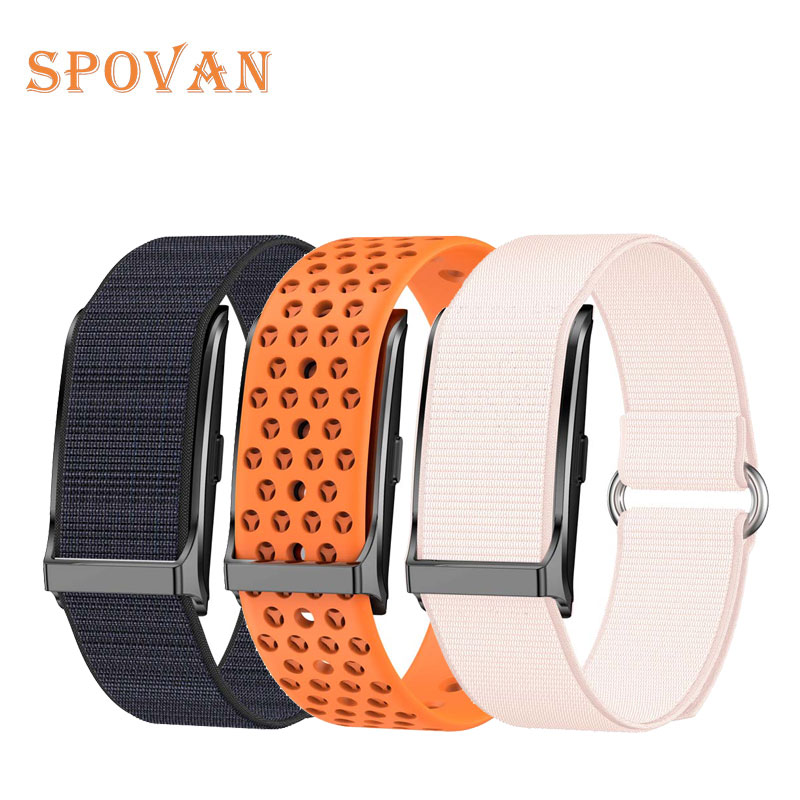
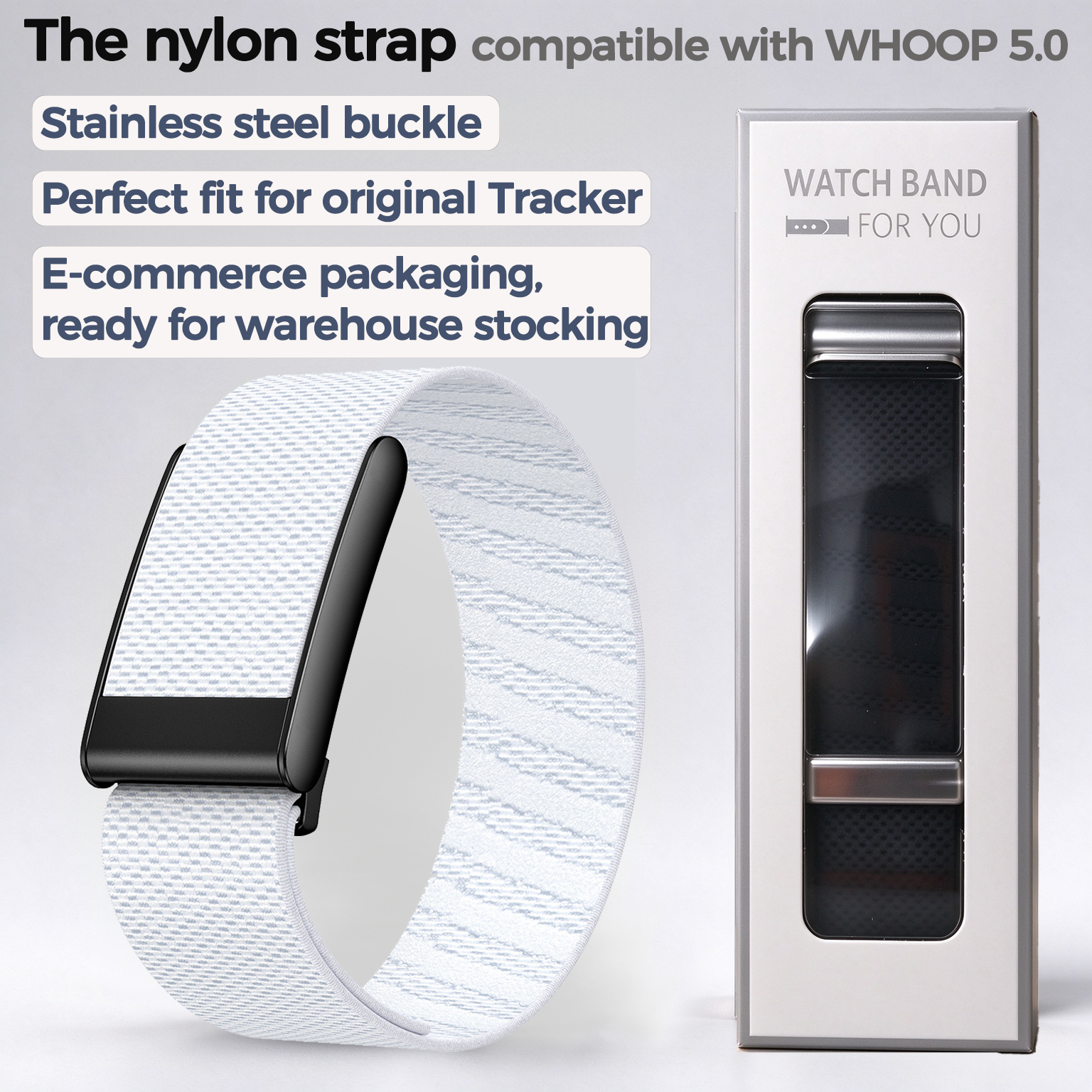
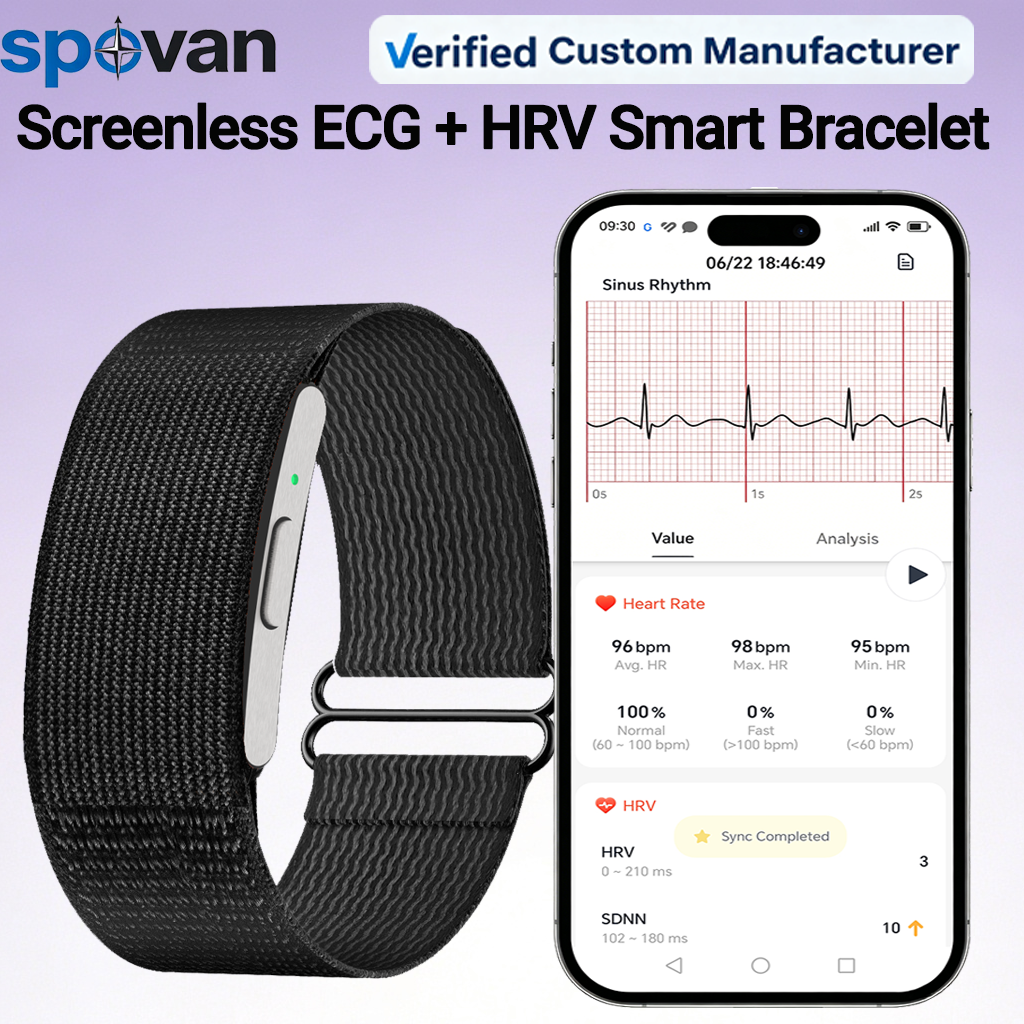
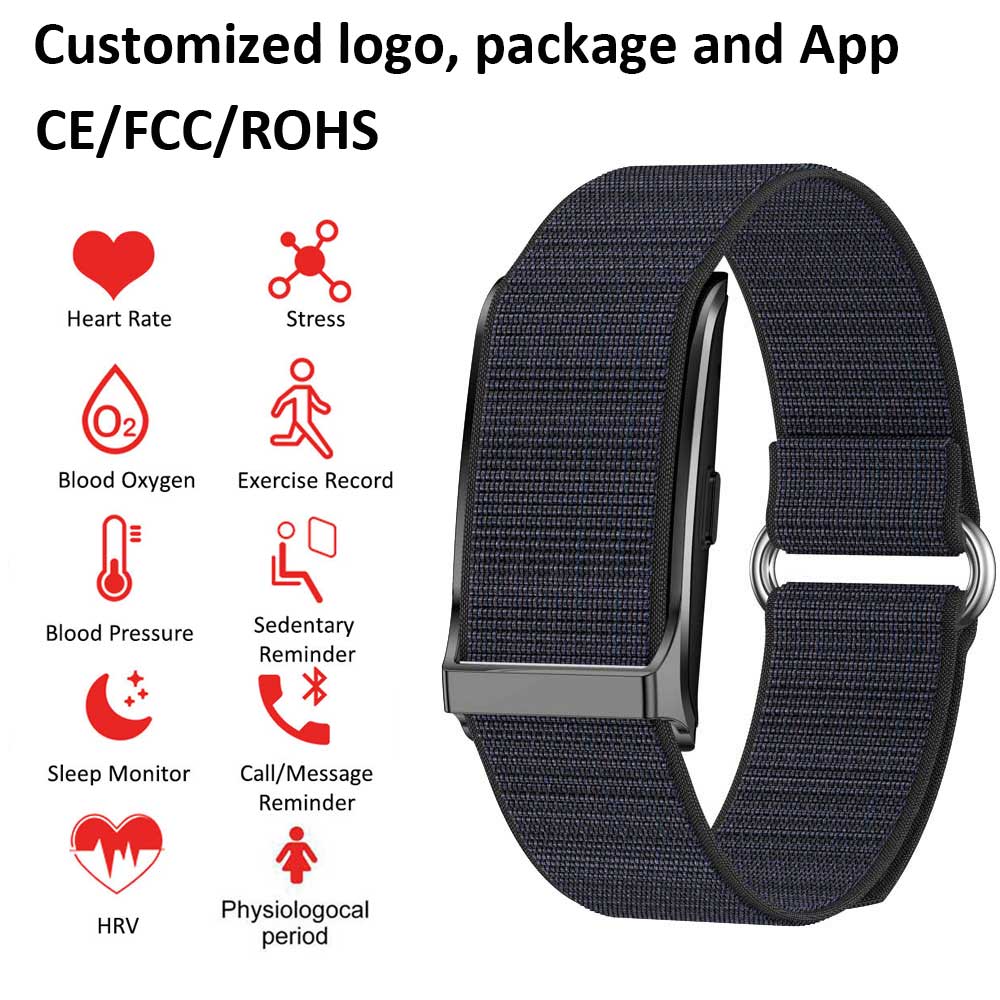
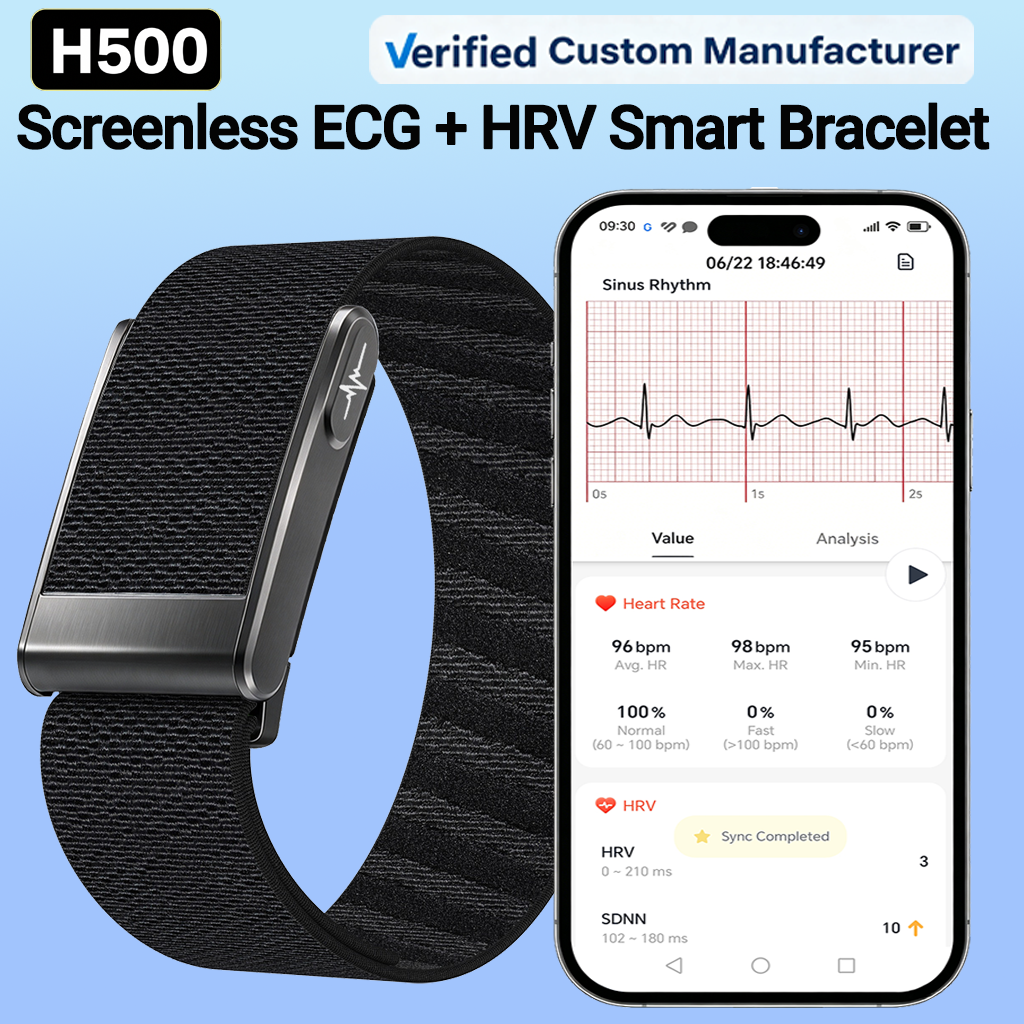
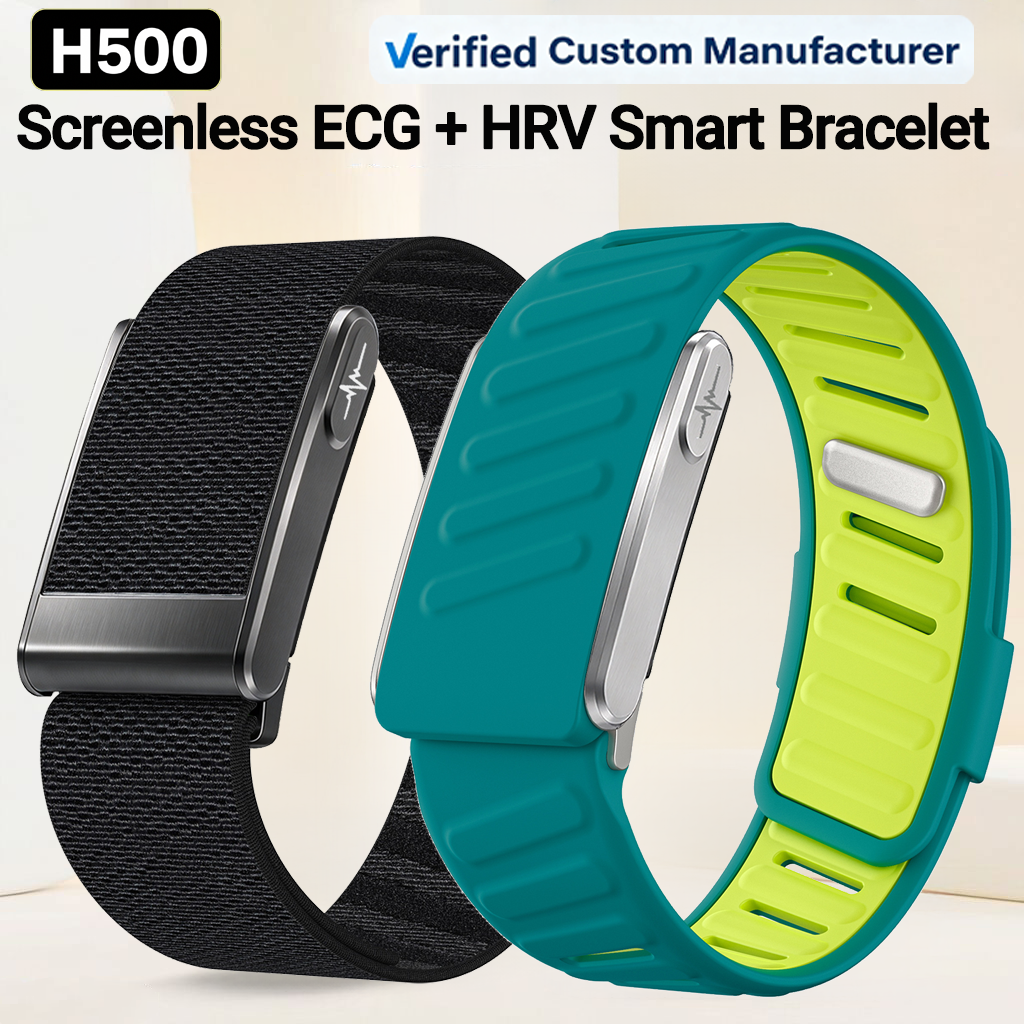
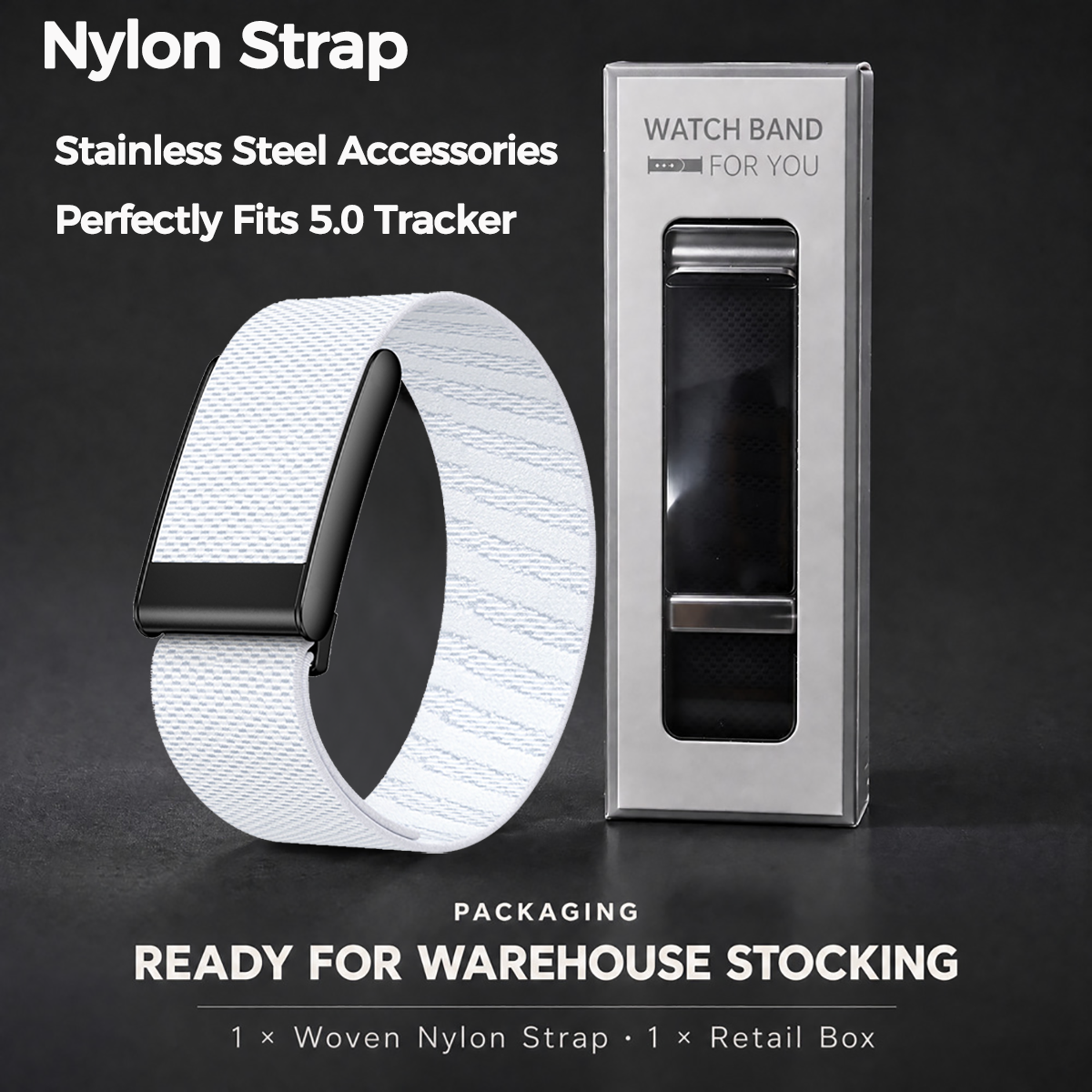
In addition to Bluetooth Call Smart Glasses, our catalog includes market-leading screenless smart bands, ECG/HRV wristbands, and GPS smartwatches. Enterprise clients in Oklahoma can source an entire suite of health and voice telemetry hardware from a single verified factory.
Flexible Commercial Terms & DDP
We support standard international commercial terms including FOB Shenzhen, CIF Houston/Dallas, and turnkey DDP straight to your warehouse dock in Oklahoma City. Payment support covers secure T/T, L/C, credit card, and Escrow in major commercial currencies.
Frequently Asked Questions for Oklahoma B2B Buyers
Direct answers addressing MOQ, lead times, regulatory documentation, and custom enterprise deployments.
What is the Minimum Order Quantity (MOQ) for custom-branded smart glasses shipped to Oklahoma City?
For ready-to-ship sample batches and engineering prototypes, our MOQ starts as low as 1 to 10 units to allow your technical evaluation team to test RF range, microphone beamforming, and lens clarity in your local environment. For custom OEM projects involving laser-marked corporate branding, custom BLE broadcast names (SSID), and bespoke retail packaging, our MOQ generally ranges from 100 to 500 units depending on the frame design and finish requested.
What are the typical shipping options, lead times, and customs procedures for deliveries into OKC?
Bulk production orders are typically manufactured within 25 to 35 business days following final golden sample approval. For rapid replenishment, priority air express (via FedEx, DHL, or UPS air freight) delivers to Will Rogers World Airport (OKC) or commercial addresses within 4 to 7 business days. For volume container shipments, air freight consolidations or ocean shipping into West Coast or Houston ports followed by rail/truck intermodal transport to Oklahoma City hubs takes approximately 20 to 28 days. We provide comprehensive export documentation including commercial invoices, packing lists, FCC declarations, and custom Harmonized Tariff Schedule (HTS) classifications.
How do your Bluetooth call smart glasses perform under extreme Oklahoma climate conditions?
Oklahoma experiences dramatic climatic fluctuations, ranging from intense summer heat exceeding 100°F (38°C) with intense UV exposure, to winter blizzards dropping below freezing. Our frames are molded from aerospace-grade TR90 memory polymer that resists thermal warpage and brittle fracturing. The internal lithium-polymer battery cells feature specialized battery protection ICs (PCM) rated for operating discharge profiles between -10°C and +55°C. Furthermore, UV400 lenses provide 99.9% filtration of UVA and UVB radiation, preserving field worker visual safety across intense sunlight environments.
Can our software engineering team integrate the glasses directly with our own fleet or VoIP app?
Yes. Our Bluetooth smart glasses utilize standard Bluetooth Core Specification (v5.0 to v5.3) profiles including Hands-Free Profile (HFP 1.7), Advanced Audio Distribution Profile (A2DP 1.3), and Audio/Video Remote Control Profile (AVRCP 1.6). In addition, we provide an open communication protocol and Bluetooth Low Energy (BLE) command matrix. This allows corporate software engineers to intercept physical temple touch events (single tap, double tap, long press) inside your proprietary Android or iOS app to trigger specific PTT (Push-To-Talk) dispatch channels, panic alarms, or workflow confirmation timestamps.
Do you accommodate prescription (Rx) optical lenses or safety-tint options?
Yes. The structural frame rims of our smart glasses are engineered with standard optical bevel grooves. Our factory can supply finished units with clear blue-light filtering lenses, UV400 polarized sunglass lenses, photochromic transitional lenses, or demo lenses that your corporate optical partner or optometrist in Oklahoma can easily swap with prescription prescription (Rx) progressive or single-vision lenses.
What warranty protection and quality verification measures are provided?
All wearable electronics exported from our facility include a comprehensive 1-year commercial manufacturer warranty. In accordance with ISO-aligned quality standards, our QA team enforces strict Incoming Quality Control (IQC), In-Process Quality Checks during SMT and automated gluing, 100% electro-acoustic sound pressure and frequency response testing, battery aging cycles, and pre-shipment Outgoing Quality Control (OQC). Replacement hardware or spare parts are dispatched swiftly should any component defect occur.
Request Enterprise Catalog & Technical Specifications
Connect with our senior technical sales team to receive our full 2025/2026 Smart Wearable OEM/ODM catalog, complete with wholesale pricing brackets, SDK documentation, and sample evaluation packages for Oklahoma City enterprises.