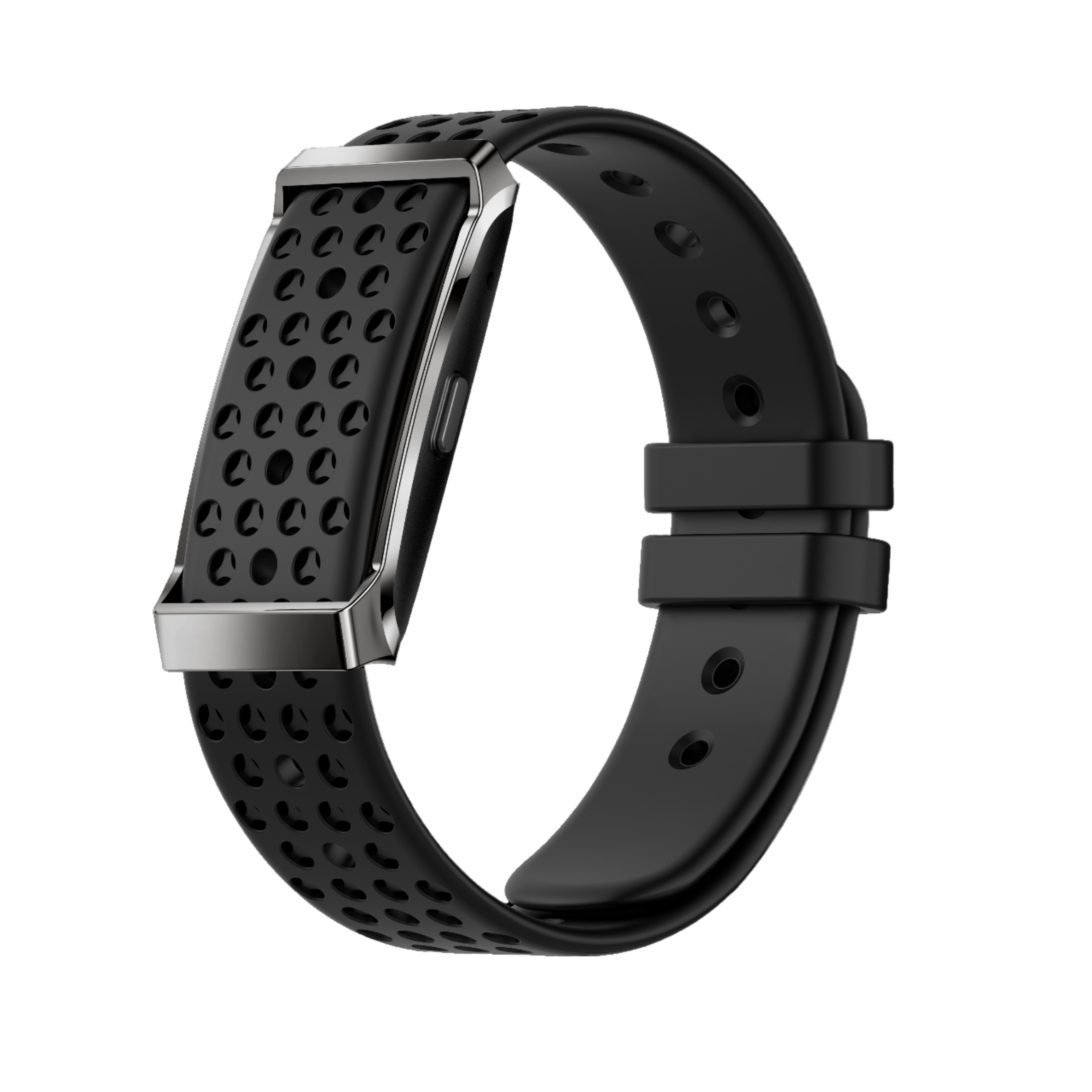
Precision Endurance Trackers & Screenless Running Wearables
Direct-from-factory smart wristbands, ECG performance trackers, and endurance accessories configured with open SDK/API for Southern California running systems.
ECG Analysis
Sleep Monitor
Low Latency
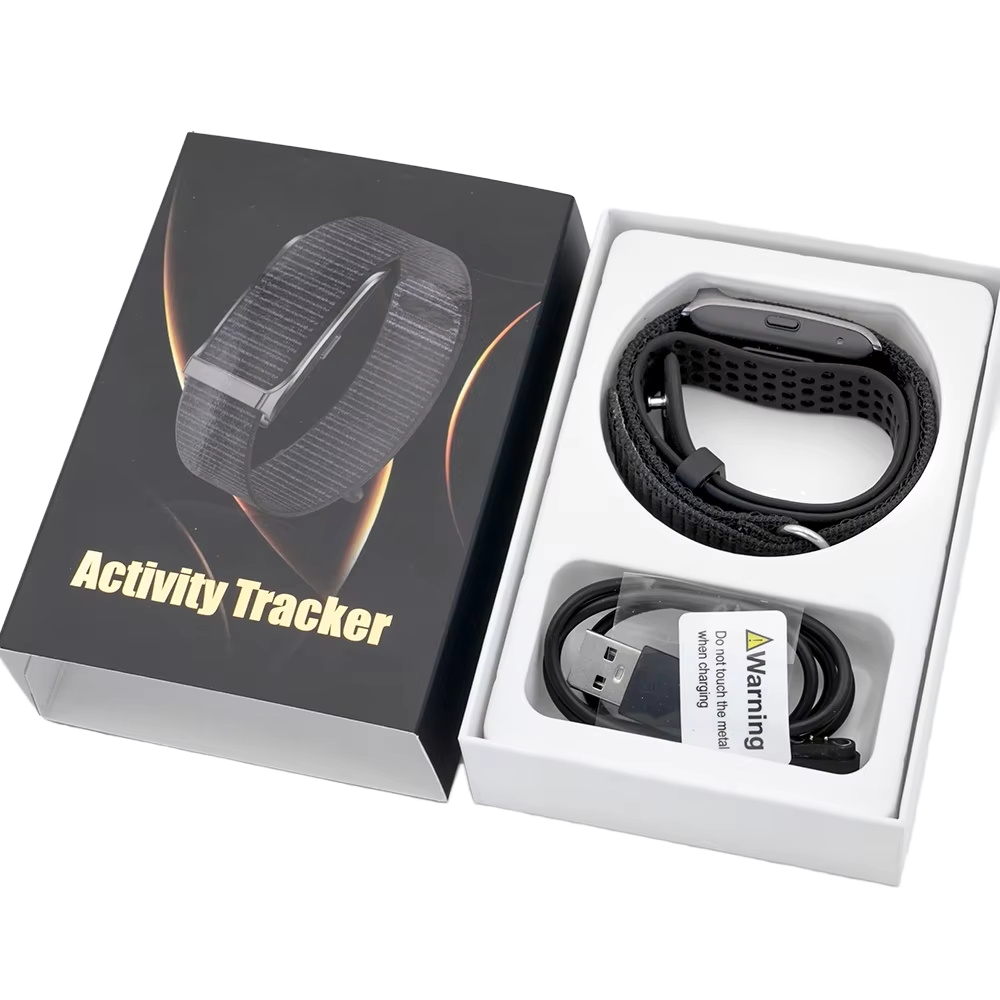
Spovan Screenless Smart Bracelet ECG HRV Fitness Tracker Without Screen IP68 Waterproof Heart Rate Sleep Monitor OEM ODM
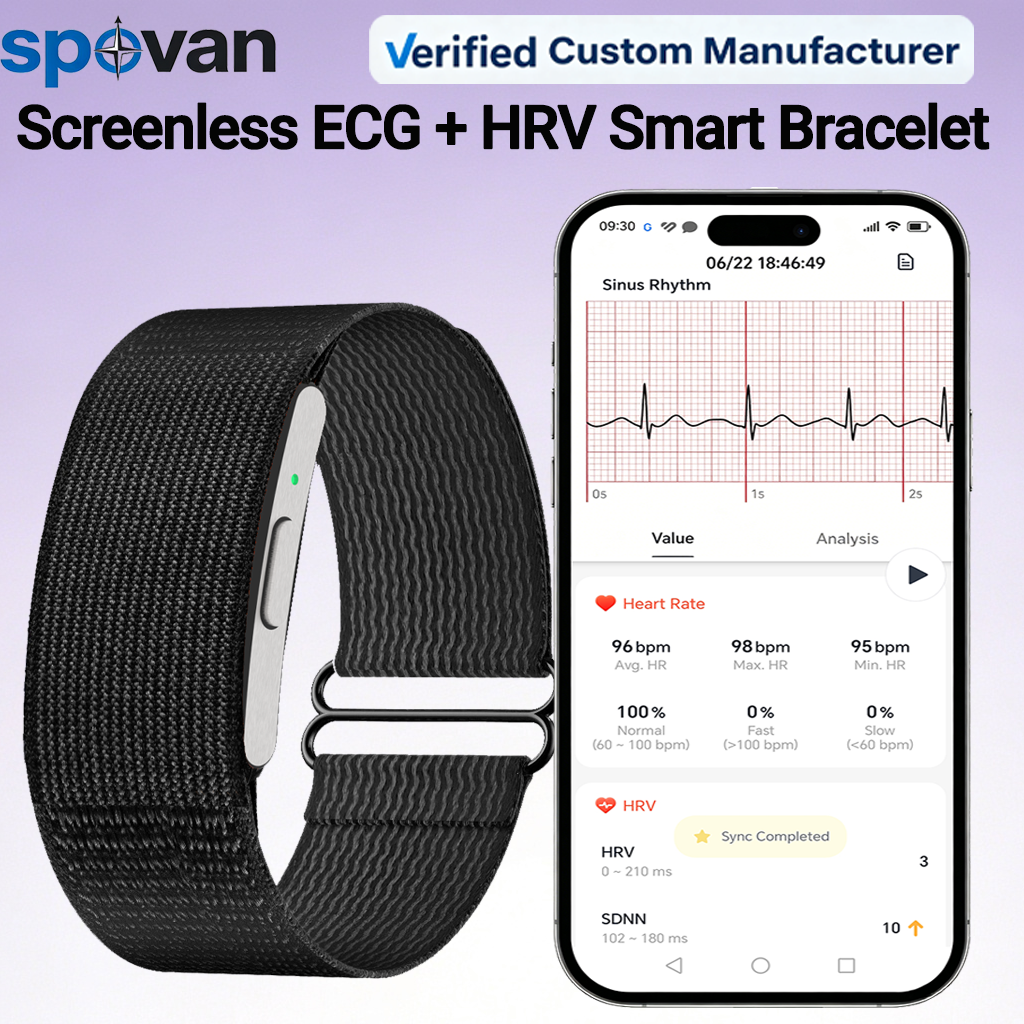
Open API
Step Algorithm
Custom Firmware
No Display ECG HRV Pedometer Health Monitor Fitness Band IP68 Waterproof Custom Smart Bracelet Fitness tracker with Open SDK
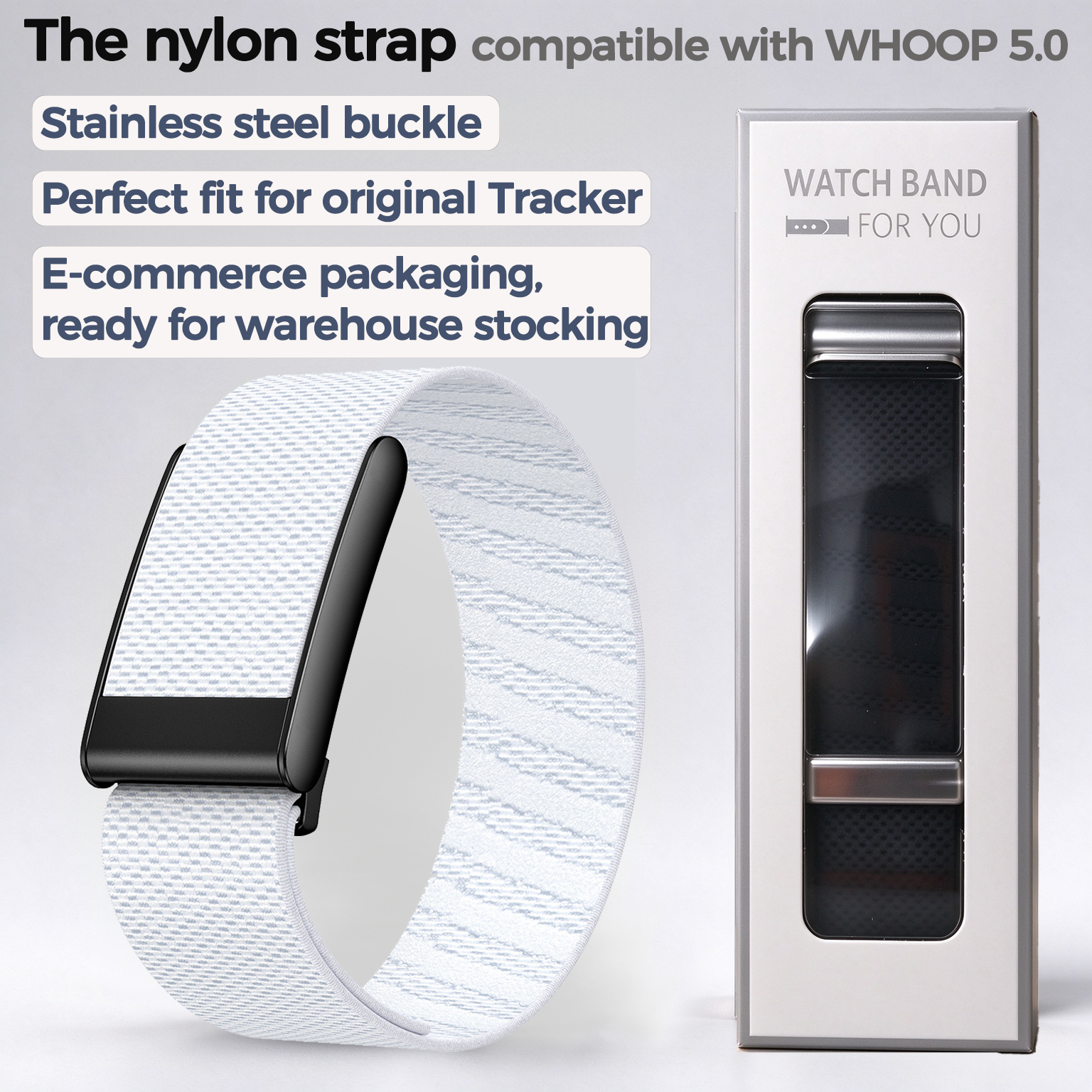
Hook & Loop
Sweat Evaporative
Rugged Weave
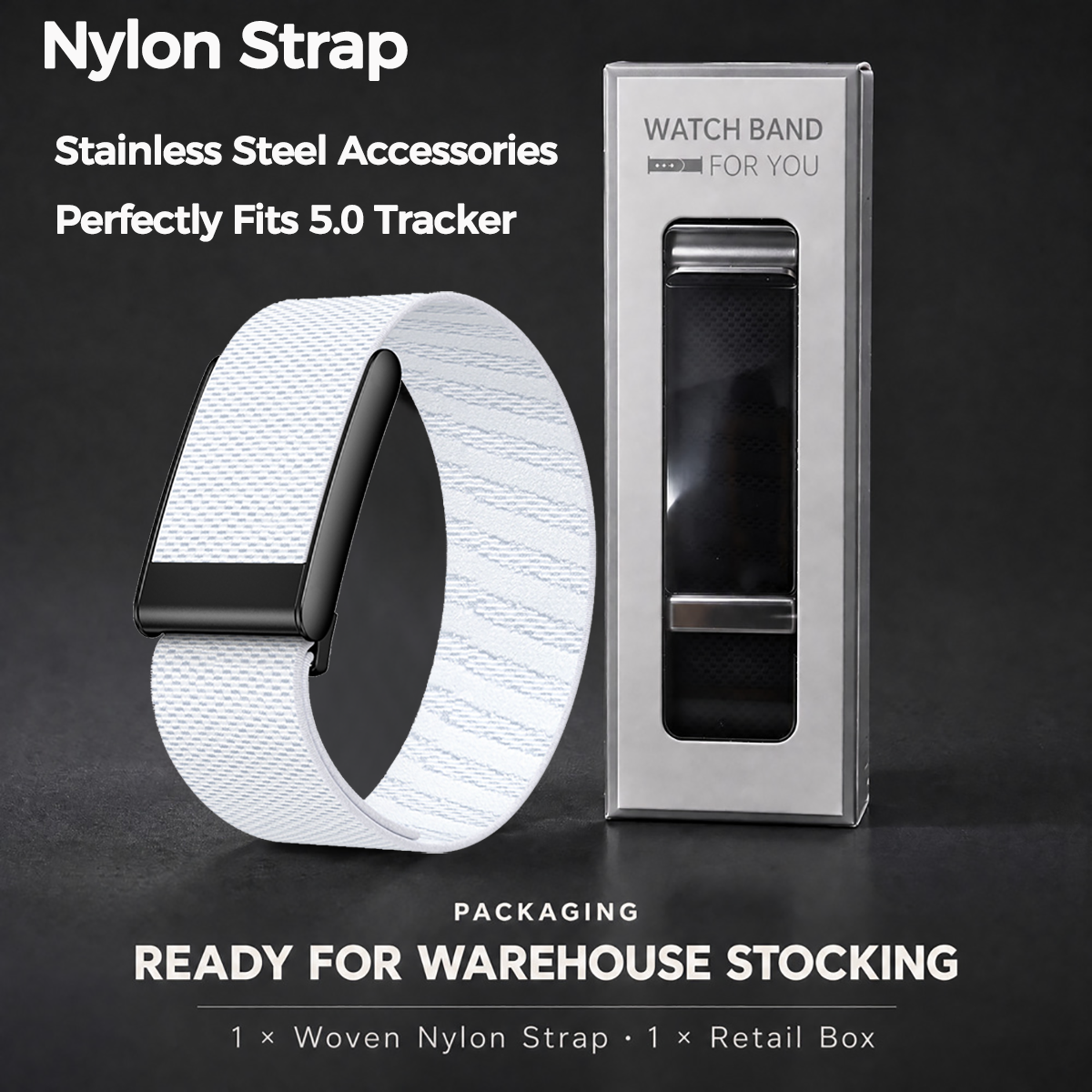
National Flag Pattern Nylon Smart Watch Band Replacement Wristband Strap for Whoop 5.0 MG Hook and Loop Sport Loop
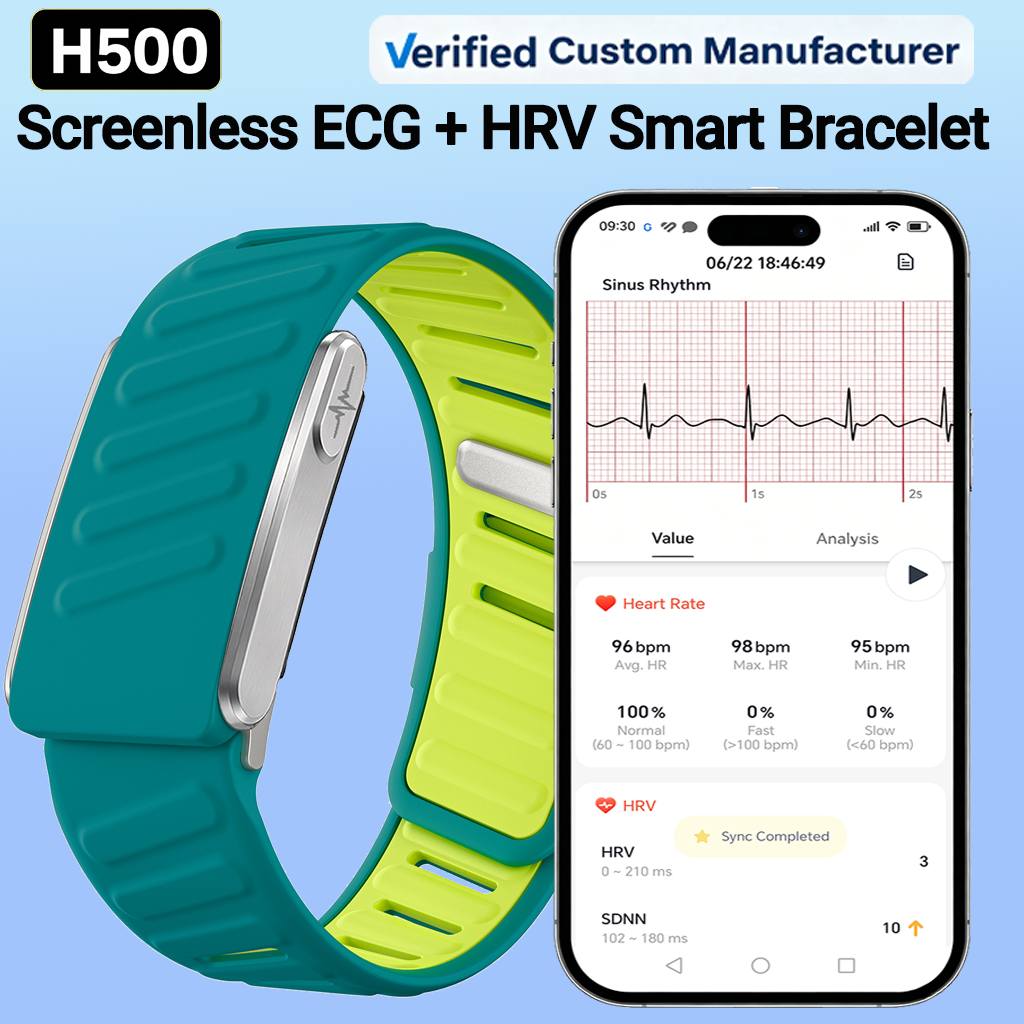
Training Load
HRV Recovery
Ergonomic Fit
ECG HRV Screenless Smart Band Wristband Health Tracker Fitness Monitor Recovery and Training Daily Wear OEM ODM Custom Service
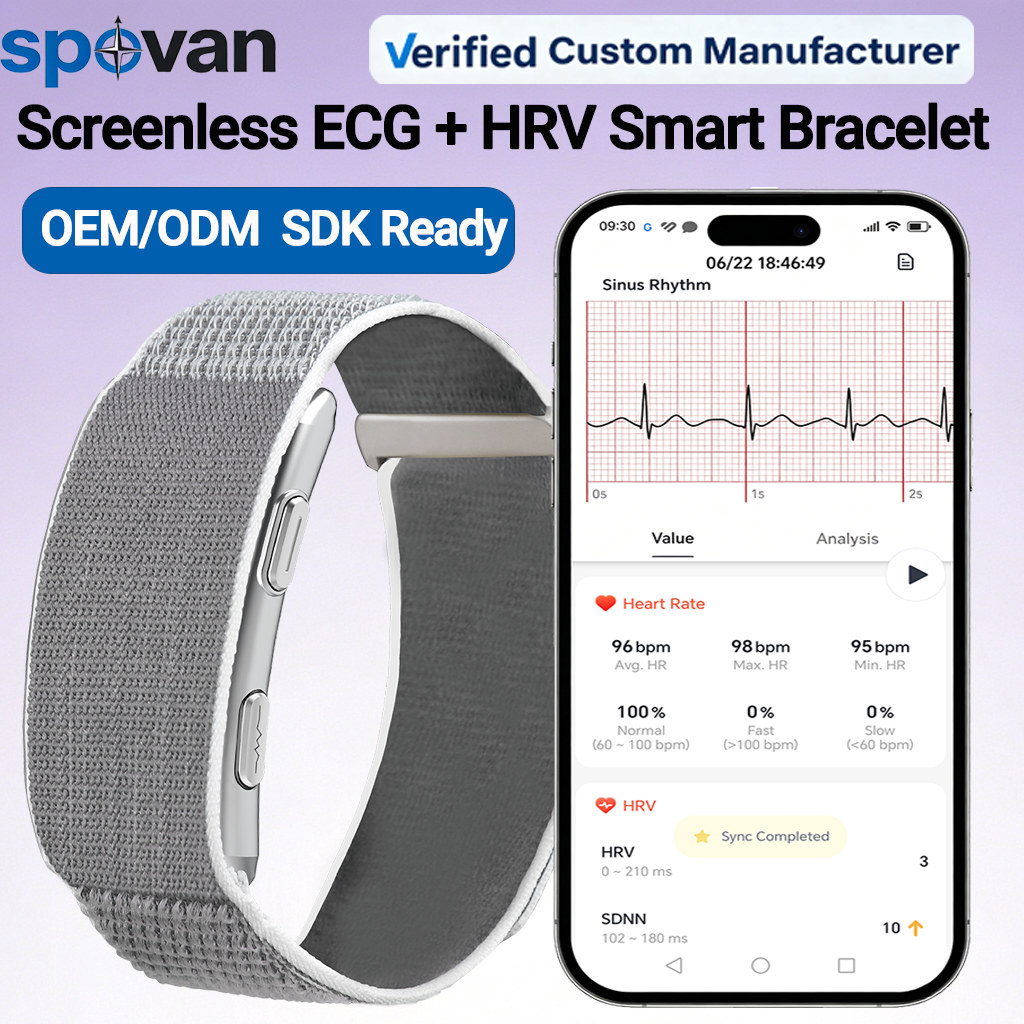
Zinc Alloy Bezel
Continuous PPG
SDK Integrated
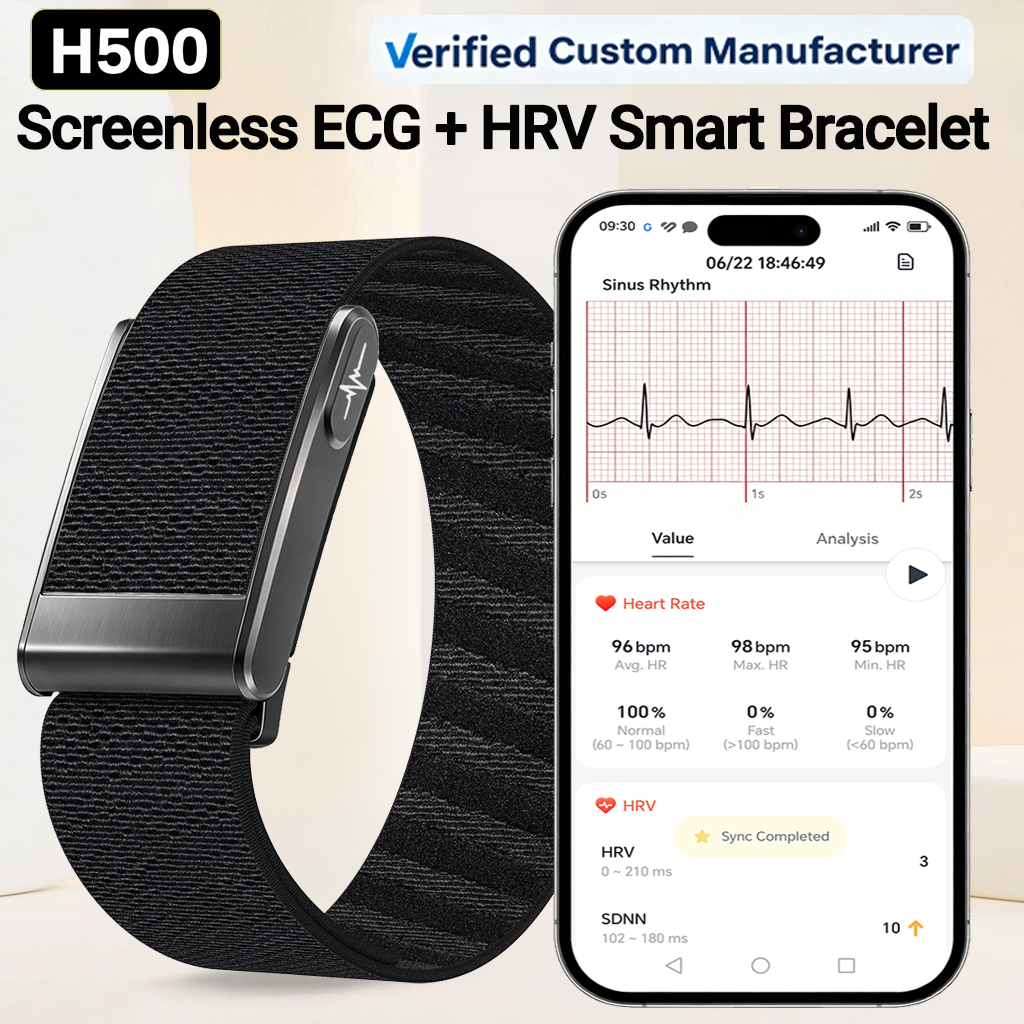
Screenless Metal ECG Smart Bracelet 24/7 Heart Rate Blood Oxygen Monitoring IP68 Waterproof Sports Health Tracking SDK Ready
Whitepaper: Engineering GPS Running Telemetry & Sourcing for Santa Ana Brands
The commercial landscape for athletic running electronics in Southern California is undergoing an intense structural transformation. Santa Ana, serving as a core economic and demographic anchor within Orange County, sits at the nexus of high-density road running communities, coastal endurance networks along Huntington Beach and Newport Beach, and technical trail-running corridors throughout Santiago Oaks and Irvine Regional Parks. For athletic gear distributors, performance running apparel lines, and digital sports wellness ventures based in Santa Ana, procuring running watches directly from high-tier manufacturing partners in Shenzhen is no longer solely about bill-of-materials (BOM) price compression. It is fundamentally an engineering mandate to control GNSS positioning precision, high-fidelity biometrics, battery energy density, and proprietary software ecosystem integration.
Strategic Takeaway: In high-intensity running corridors such as the Santa Ana River Trail (SART), conventional wristwear suffers catastrophic GNSS signal degradation from multipath reflection and urban-canopy RF interference. Modern procurement teams are bypassing commodity consumer electronics traders to partner directly with Shenzhen original equipment manufacturers (OEMs) capable of deploying dual-frequency GNSS receivers, customized patch antennas, and open SDK firmware hooks.
Architectural Demands: Multi-Satellite Positioning & TTFF Optimization
Endurance athletes operating in Orange County demand rapid Time to First Fix (TTFF) and strict track fidelity. When a marathon runner sets out from Downtown Santa Ana through the Pacific Electric Park trail towards the coastline, their tracking device transitions rapidly between concrete urban canyons, suburban foliage, and expansive coastal wetlands. Factory-level engineering addresses this dynamic through multi-constellation GNSS baseband receivers that concurrently poll GPS (USA), GLONASS (Russia), Galileo (European Union), and BeiDou (China).
By sourcing directly from certified manufacturing lines with dedicated in-house SMT (Surface Mount Technology) capabilities, Santa Ana brand owners can configure integrated RF front-ends that incorporate low-noise amplifiers (LNAs) and tuned ceramic patch antennas. This reduces drift along riverbank switchbacks, eliminates pace-lag artifacts during 400m interval splits, and ensures that telemetry matches the sub-meter precision expected by competitive runners.
| Architecture Tier | GNSS Chipset Configuration | Antenna Subsystem | Biometric Sensor Stack | Target Local Santa Ana Use-Case |
|---|---|---|---|---|
| Screenless Recovery | Assisted-GPS via Low-Energy BLE 5.3 Host Telemetry | Integrated FPC Loop | Dual-Wavelength PPG + Ti ECG Electrodes + 3-Axis Gyro | 24/7 Strain Tracking for Track Clubs & Youth Academies |
| Urban Road Runner | Dual-Band (L1 + L5) Concurrent Multi-GNSS Engine | 25x25mm Active Ceramic Patch | Continuous Optical HR (8-Channel) + SpO2 + Accelerometer | Santa Ana River Trail Tempo Runs & Half Marathon Prep |
| Ultra & Trail Master | Multi-GNSS + Dead Reckoning & Barometric Altimeter | Reinforced Circular Microstrip Array | Continuous ECG/HRV + PPG + Core Temp Sensor | Santiago Oaks & Santa Ana Mountains Technical Climbs |
Photoplethysmography (PPG) & Electrocardiogram (ECG) Precision in High-Sweat Environments
A frequent point of field failure in Southern California’s warmer interior microclimates—where Santa Ana's daytime temperatures routinely exceed 85°F accompanied by dry Santa Ana desert winds—is optical signal dropout caused by heavy perspiration and skin-sensor displacement. As perspiration accumulates, the refractive index at the skin-sensor boundary shifts, resulting in cadence-lock anomalies where the optical sensor mistakenly tracks running cadence rather than authentic heart rate.
Direct OEM collaboration allows the implementation of advanced multi-channel optical arrays paired with proprietary signal-cleaning algorithms (such as Discrete Wavelet Transform and Adaptive Kalman Filtering). By calibrating the green-to-infrared photodiode arrays and pairing them with micro-textured hypoallergenic silicone or moisture-wicking woven nylon straps (such as our 23mm anti-slip replacement architectures), Shenzhen Honsys Technology ensures reliable signal transmission even during grueling midday sessions across the Orange County running circuit.
Tuned Multi-Band GNSS
Equipped with optimized low-power GNSS chipsets supporting GPS, GLONASS, Galileo, and BeiDou. Advanced ephemeris data caching enables cold-start lock times under 15 seconds, preventing signal drop under heavy tree lines or dense overpasses along Santa Ana transit corridors.
Continuous ECG + HRV Engine
Industrial-grade micro-electrodes and multi-LED optical sensors capture high-fidelity cardiac electrical signals and pulse waves. Provides authentic Root Mean Square of Successive Differences (RMSSD) to deliver actionable muscular recovery and autonomic nervous system metrics.
Full-Stack Open SDK / API
Eliminate walled-garden constraints. Our hardware ships with native Android and iOS SDKs, enabling California sports clubs, collegiate cross-country programs, and telehealth innovators to pipeline raw sensor data directly into proprietary cloud servers via custom Bluetooth GATT profiles.
Targeted Use Scenarios Across the Santa Ana & Orange County Ecosystem
How customized athletic wearables manufactured in Shenzhen solve concrete operational and performance challenges throughout Southern California's endurance landscapes.
Urban Riverfront Running
The Santa Ana River Trail (SART) 20-Mile Pacing Runs
Athletes prepping for the Orange County Marathon or Surf City Marathon utilize the uninterrupted 30-mile paved trail spanning Santa Ana toward the Pacific ocean. Devices require continuous 1-second interval GNSS recording, auto-lap vibration cues, and extreme battery efficiency under full sunlight.
Dual GNSSAuto SplitGlare Resistance
Foothill Trail Athletics
Santiago Oaks & Irvine Regional Trail Elevation Monitoring
Santa Ana trail enthusiasts tackling steep canyon climbs demand barometric pressure telemetry coupled with high-sensitivity 3D accelerometers. Factory-calibrated barometric altimeters track vertical feet gained, metabolic work rate, and descent braking shocks.
BarometerAltimeterRugged Housing
Track & High School Athletics
Santa Ana High School & College District Athletic Teams
Coaches and physical education directors seeking team-wide biometric monitoring require lightweight, distraction-free screenless wristbands (like model DS10 and H59) that collect continuous heart rate and post-workout HRV recovery without distracting student-athletes during class.
Distraction-FreeTeam Fleet SyncLightweight
Corporate Wellness Hubs
Santa Ana Financial & Technology Enterprise Wellness
Corporations headquartered in the MacArthur Boulevard corridor and surrounding Irvine borders deploy branded screenless trackers to encourage healthy active living among knowledge workers, synchronizing step volume and stress levels via customized enterprise portal SDKs.
Enterprise CloudProprietary APICustom Logo
Specialty Endurance Retail
Downtown Santa Ana Boutique Running & Apparel Brands
Local performance streetwear lines and lifestyle run shops looking to launch their own private-label wearable ecosystem benefit from low sample MOQs, laser-engraved aluminum bezels, custom packaging, and custom-embroidered national/club flag loop straps.
Private LabelLow Sample MOQCustom Strap
Extreme Heat Conditioning
Santa Ana Wind Condition & Thermal Stress Monitoring
During autumn Santa Ana wind events, dry offshore air drops humidity below 10% while raising ground temperatures. Factory-tested thermal and galvanic skin sensors offer real-time hydration alerts and skin-temperature warnings to protect runners from heat exhaustion.
Thermal SensingHydration AlertsSweat Resistance
Santa Ana & Southern California Wearable Market Trends
The wearable tech landscape in Southern California is diverging sharply from generic consumer smartwatches. Industry data from athletic retail associations and OEM order books reveal three distinct macro shifts dominating the Orange County procurement pipeline:
1. The Shift to "Screenless" Biometric Telemetry (The Digital Detox Movement)
Competitive distance runners and wellness enthusiasts in Santa Ana are increasingly rejecting bulky, notification-heavy smartwatches during training runs. Screenless wristbands—such as the DS10, H59, and Spovan ECG models—have surged in market share. Athletes want their physiological metrics continuously gathered, analyzed for systemic recovery, and mapped via smartphone, without wrist-buzzing social media pings, calendar alerts, or battery-draining visual interfaces. This allows form factors to drop below 20 grams, while extending operational battery life between charges to 10–14 days.
2. Hardware-as-a-Platform via Open SDK Protocols
Historically, importing sports watches meant accepting the Chinese manufacturer's pre-packaged consumer app, frequently marred by poor translation and inaccessible cloud architectures. Forward-looking fitness technology companies in Santa Ana and neighboring Silicon Beach now demand Open SDK / API access. They buy raw, precision-machined sensor hardware from Shenzhen Honsys, bypass the stock app, and build proprietary iOS/Android user experiences directly connected to their private Amazon AWS or Google Cloud athlete portals.
3. Stringent Environmental Durability & Biocompatibility Standards
Runners operating along the Pacific coast battle high ambient salinity, fine sand particulate from coastal breezes, and corrosive sweat. Consumer-grade splash resistance (IP67) is no longer commercially viable. Sourcing managers now require IP68 ingress protection alongside 5ATM hydrodynamic pressure sealing verified by automated in-line pressure chambers during assembly. Furthermore, California Proposition 65 compliance regarding skin-contact nickel release in buckles and phthalate-free silicone compound formulations is a mandatory baseline for any brand importing into the Port of Long Beach or Port of Los Angeles.
Verified Manufacturing Power
Shenzhen Honsys: Precision at Industrial Scale
Founded in 2010, exporting since 2012. Our audited Shenzhen production lines deliver end-to-end reliability for North American procurement officers.
15+
Years Engineering
Dedicated smart wearable R&D and micro-electronic assembly in Shenzhen.
810+
Completed Orders
Verified international bulk shipments processed within the last 6 months alone.
99.76%
Response Rate
Rapid technical and commercial support directly from dedicated project engineers.
100%
In-Line Testing
Every device undergoes functional testing, optical calibration, and IP68 pressure seals.
Why Santa Ana Importers Partner with Shenzhen Honsys Technology
As an established manufacturing entity located in Shenzhen, China—the global epicenter of wearable consumer microelectronics—Shenzhen Honsys Technology Co., Ltd. bridges the gap between high-precision Chinese component supply chains and the demanding product expectations of American sports brands. Our industrial infrastructure provides concrete commercial safeguards:
SGS On-Site Audited
Our workshop and facilities are comprehensively assessed by the SGS Group on-site. Verified manufacturing facilities ensure strict labor, environmental, and electro-static discharge (ESD) quality management systems.
Comprehensive Certifications
Full international regulatory compliance: FCC (Title 47 CFR Part 15 Subpart C for USA), CE, RoHS, and German/French EPR registrations. Full Declarations of Conformity provided prior to container dispatch.
Streamlined Logistics to CA
Direct freight corridors from Shenzhen/Yantian and Hong Kong straight into the Port of Long Beach / Los Angeles. Standard ocean transit averages 14–18 days, with expedited 3–5 day air-DDP options for urgent product drops.
Robust Quality Control (IQC to Final Waterproof Testing)
Quality control is not an afterthought; it is an integrated engineering process. Raw battery cells undergo high-temperature aging tests to eliminate swelling. Micro-welding and high-precision dispensing machines ensure moisture barrier seals remain stable under repeated thermal cycling. Each screenless fitness band and ECG smartwatch undergoes high-pressure air leakage testing to guarantee IP68 ingress protection before ultrasonic cleaning, laser marking, and retail-ready gift-box packaging.
Every production batch is protected by an unconditional 1-Year Manufacturer Warranty, ensuring our Santa Ana partners receive full technical support, firmware updates, and replacement components as needed.
Procurement Intelligence
Frequently Asked Questions for California Buyers
Practical answers addressing regulatory compliance, custom firmware development, logistics, and quality assurance for Santa Ana commercial accounts.
What is the standard MOQ for branded OEM smart running watches and screenless bands?
For ready-to-ship catalog evaluation units and pilot market testing in Southern California, sample quantities can start from as few as 1 to 10 pieces. For custom private-label branding (laser-engraved logo on casing, customized buckle, and custom box artwork), MOQ generally begins at 100 to 500 units depending on the housing material. Deep ODM firmware, housing re-tooling, or custom sensor array projects are scheduled individually with dedicated project milestones.
Are the heart rate, ECG, and HRV sensors certified for medical diagnosis in the United States?
Our wearables are engineered and marketed specifically for general wellness, endurance training optimization, and athletic recovery reference. They are not cleared as FDA Class II medical devices and should not be marketed to diagnose, cure, or prevent disease. If your company plans to market a device in California as a clinical diagnostic tool, our engineering team can provide documentation, raw signal access, and hardware samples to support your FDA 510(k) pre-market notification process.
How do we integrate the wearable's data stream into our proprietary California run club or fitness app?
We provide full native SDK libraries (Objective-C/Swift for iOS, Java/Kotlin for Android) along with comprehensive API documentation and Bluetooth Low Energy (BLE) communication protocols. This allows your software engineers in Santa Ana or Irvine to extract real-time metrics—heart rate, HRV (RMSSD), SpO2, step frequency, and raw accelerometer streams—without routing athlete data through third-party servers, ensuring full compliance with California Consumer Privacy Act (CCPA) guidelines.
Do your watches and wristbands comply with California Proposition 65 and FCC regulations?
Yes. All materials utilized in our housings, electro-plated coatings, and straps—including food-grade silicone, breathable elastic nylon, and fluoroelastomers—comply with California Proposition 65 limits regarding lead, cadmium, and phthalates. Furthermore, our wireless modules comply with FCC Title 47 CFR Part 15 Subpart C regulations governing intentional radiators, ensuring smooth customs clearance through US Ports of Entry.
What is the standard shipping lead time and customs transit to Santa Ana, CA?
Standard bulk production takes approximately 25 to 35 business days following pre-production sample sign-off and deposit. For ocean freight entering through the Port of Long Beach or Port of Los Angeles (the primary gateways for Orange County), sailing transit from Shenzhen/Yantian is typically 14 to 18 days. For urgent sample drops or limited-run product lines, we offer DDP air express delivery taking 4 to 7 business days directly to your Santa Ana warehouse facility.
What payment terms and transaction methods are accepted for commercial purchase orders?
We accommodate standard global commercial trade terms including T/T (Wire Transfer), Irrevocable L/C at sight, PayPal, Western Union, Credit Card, and Alibaba Escrow Trade Assurance. Invoices can be cleared in nine major currencies, with USD being the preferred medium for North American accounts. Delivery terms include FOB Shenzhen, EXW, CFR, CIF, and full DDP (Delivered Duty Paid) to your Santa Ana commercial address.