Export-Grade Precision Biometric Watches & Screenless Bands
Direct-from-factory production lines serving Sapporo importers, corporate health platforms, and regional sports equipment brands with low power consumption and cold-resistant sensor platforms.
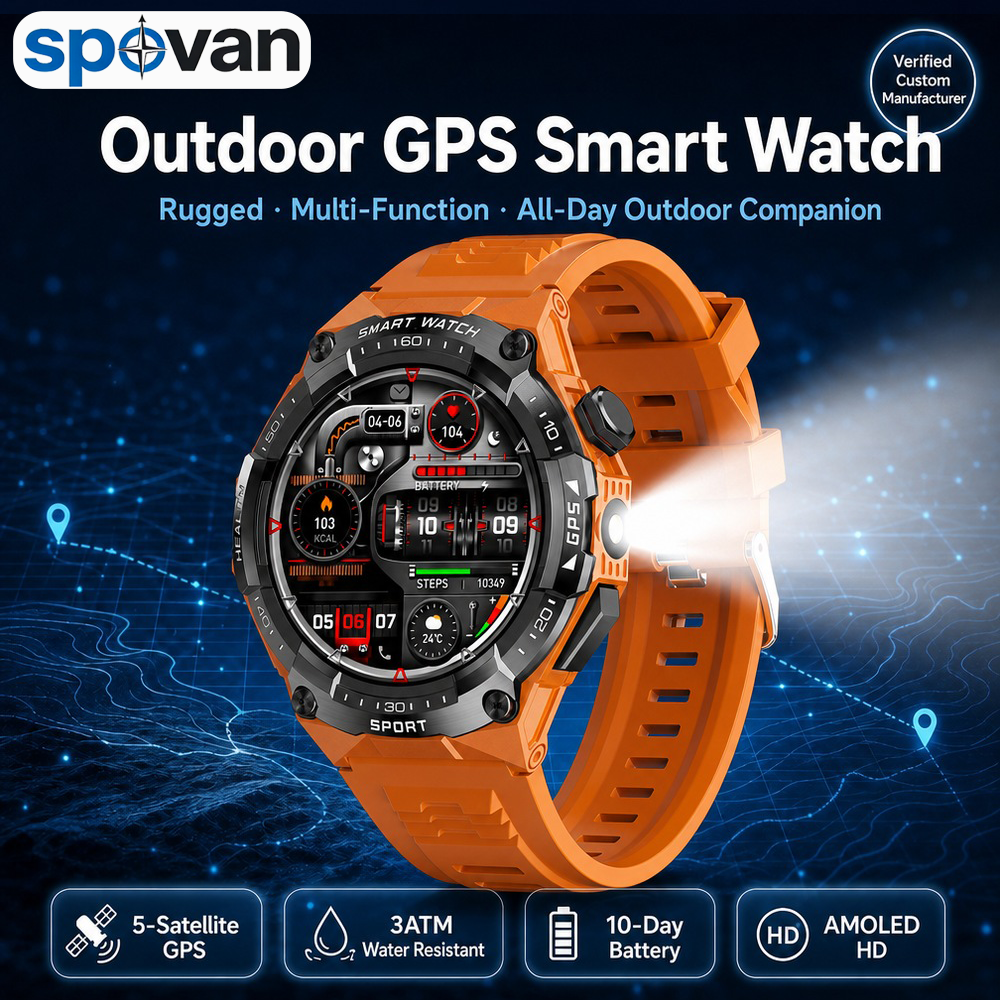
SPOVAN For Rugged GPS Smartwatch for Men Square IP68 3ATM Outdoor Sports Watch Compass Barometer OEM/ODM Custom LOGO Packaging
Get a Quote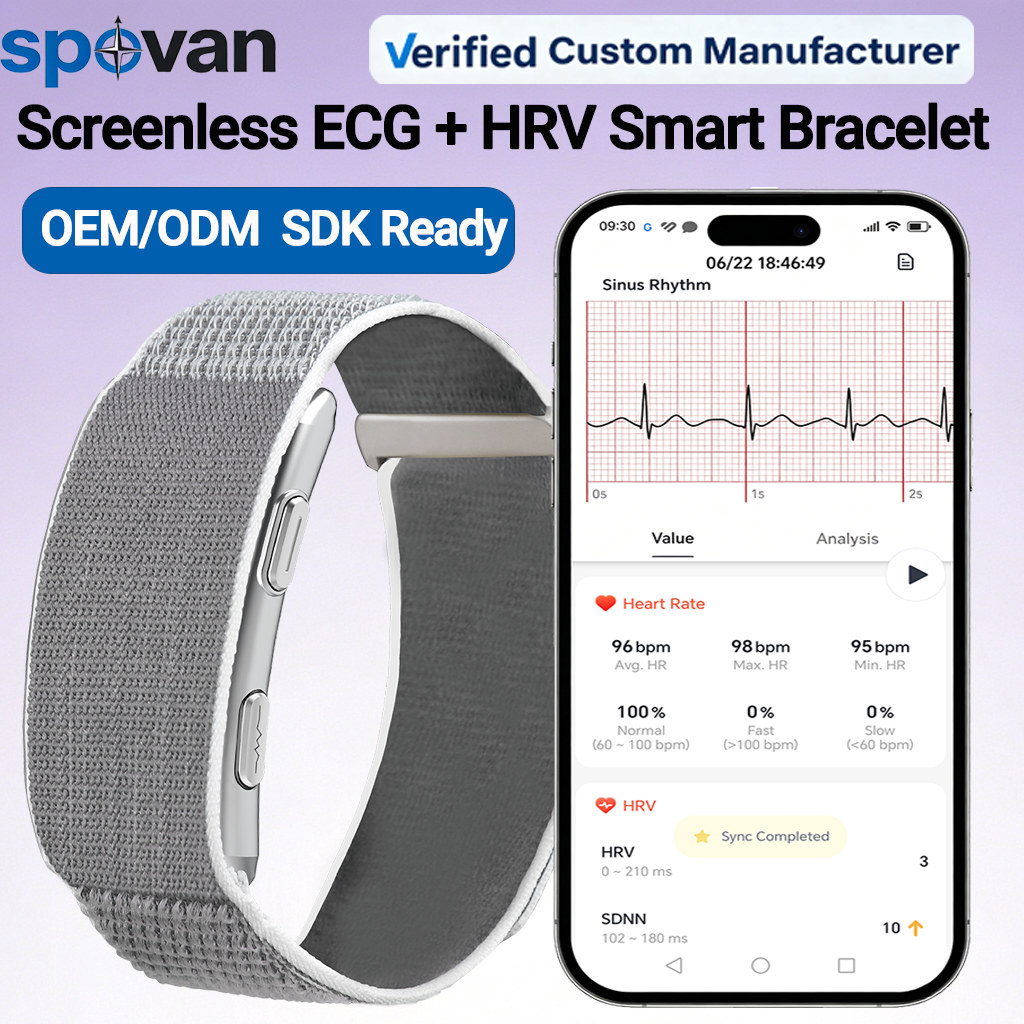
Screenless Metal ECG Smart Bracelet 24/7 Heart Rate Blood Oxygen Monitoring IP68 Waterproof Sports Health Tracking SDK Ready
Get a Quote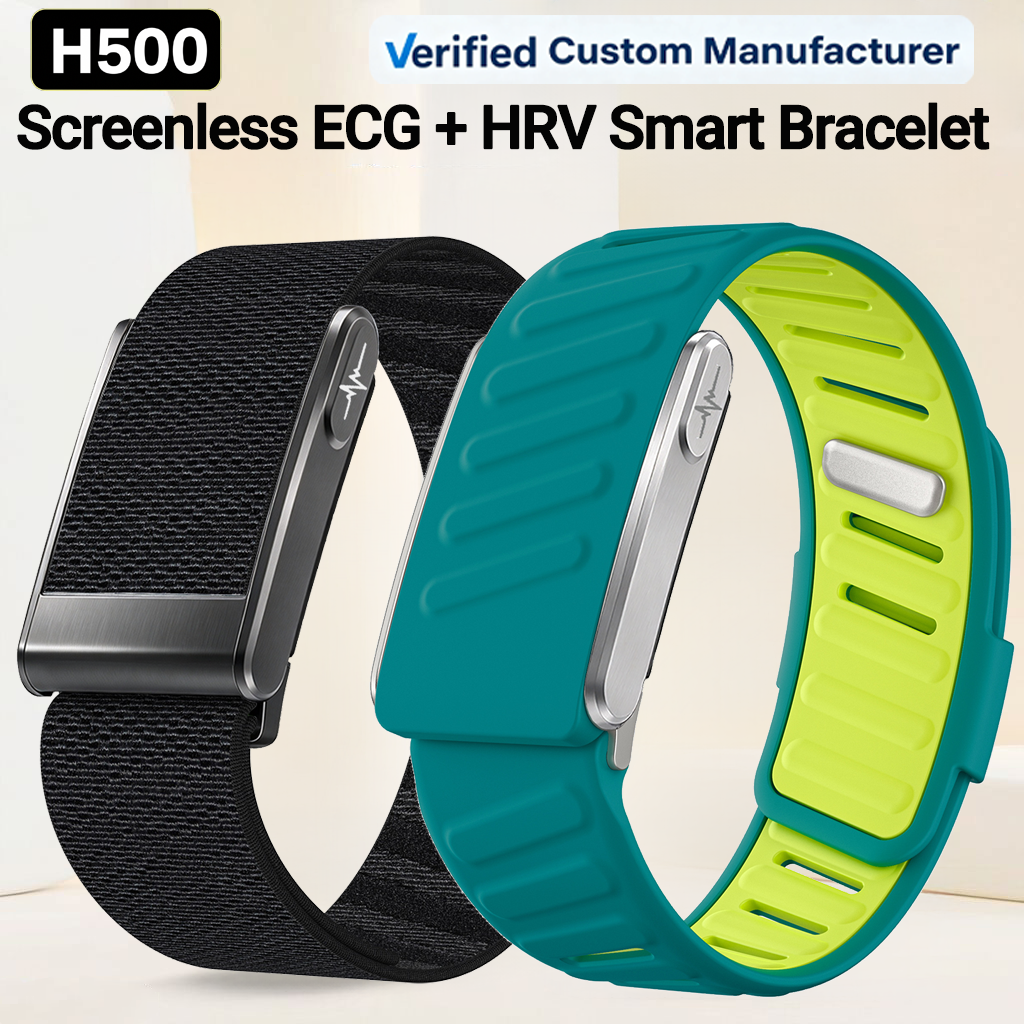
2026 IP68 Waterproof Android Smartwatch with Silicone/Nylon Band Accelerometer Alarm Clock SDK API Heart Rate & Fitness Tracker
Get a Quote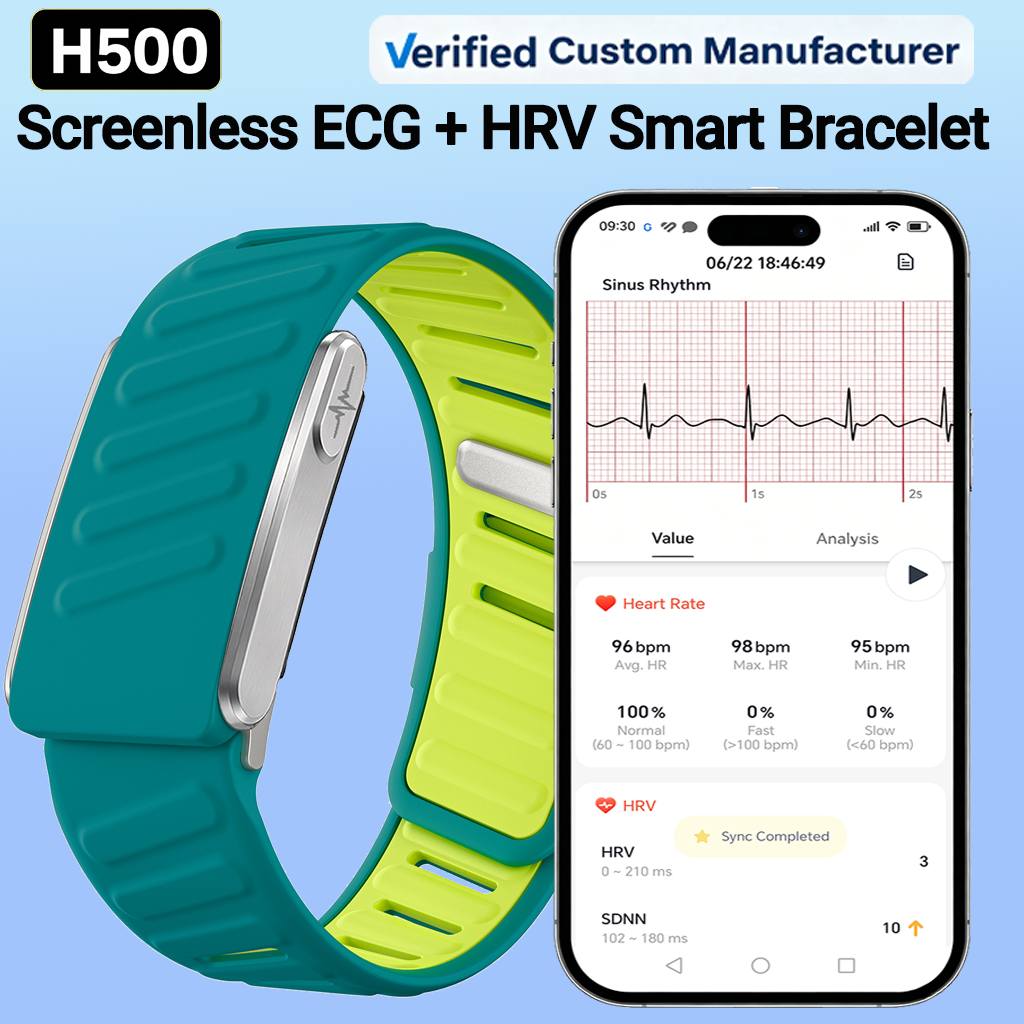
ECG HRV Screenless Smart Band Wristband Health Tracker Fitness Monitor Recovery and Training Daily Wear OEM ODM Custom Service
Get a Quote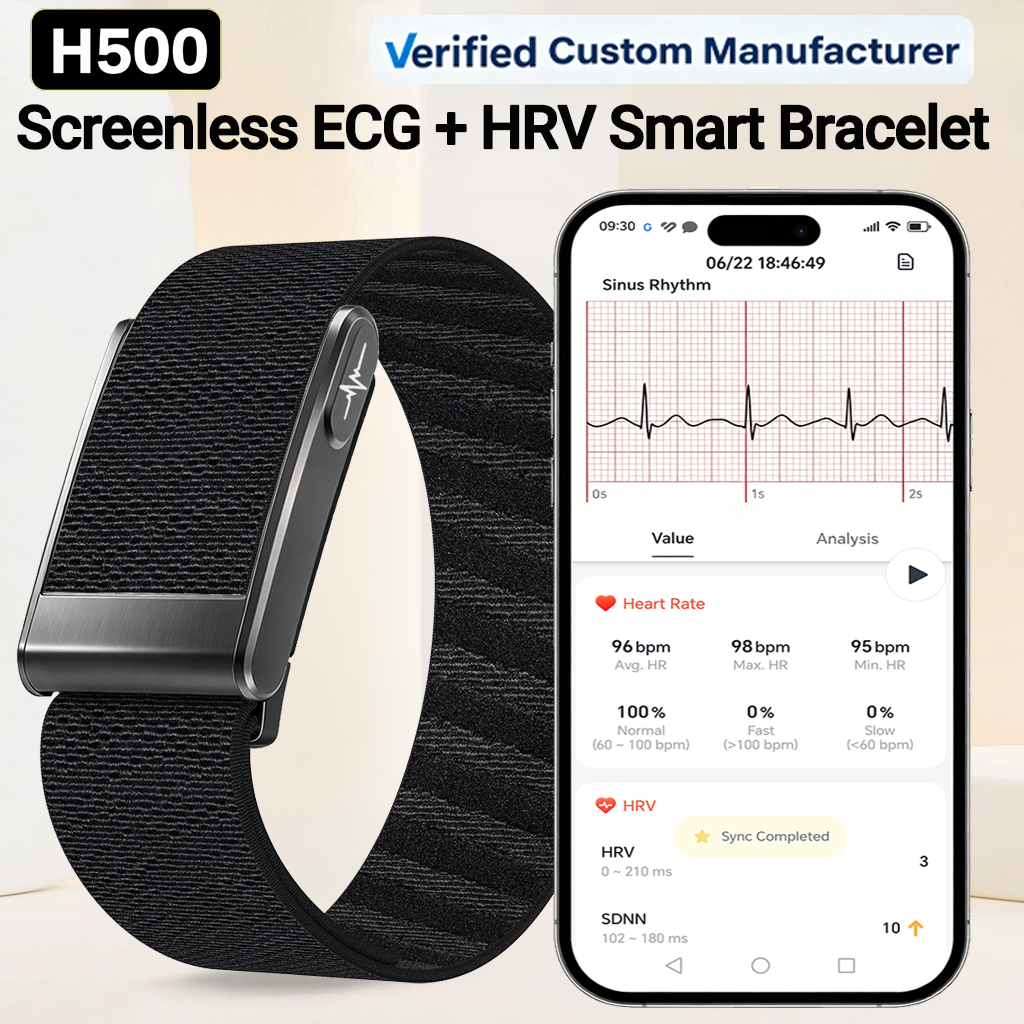
Spovan Screenless Smart Bracelet ECG HRV Fitness Tracker Without Screen IP68 Waterproof Heart Rate Sleep Monitor OEM ODM
Get a Quote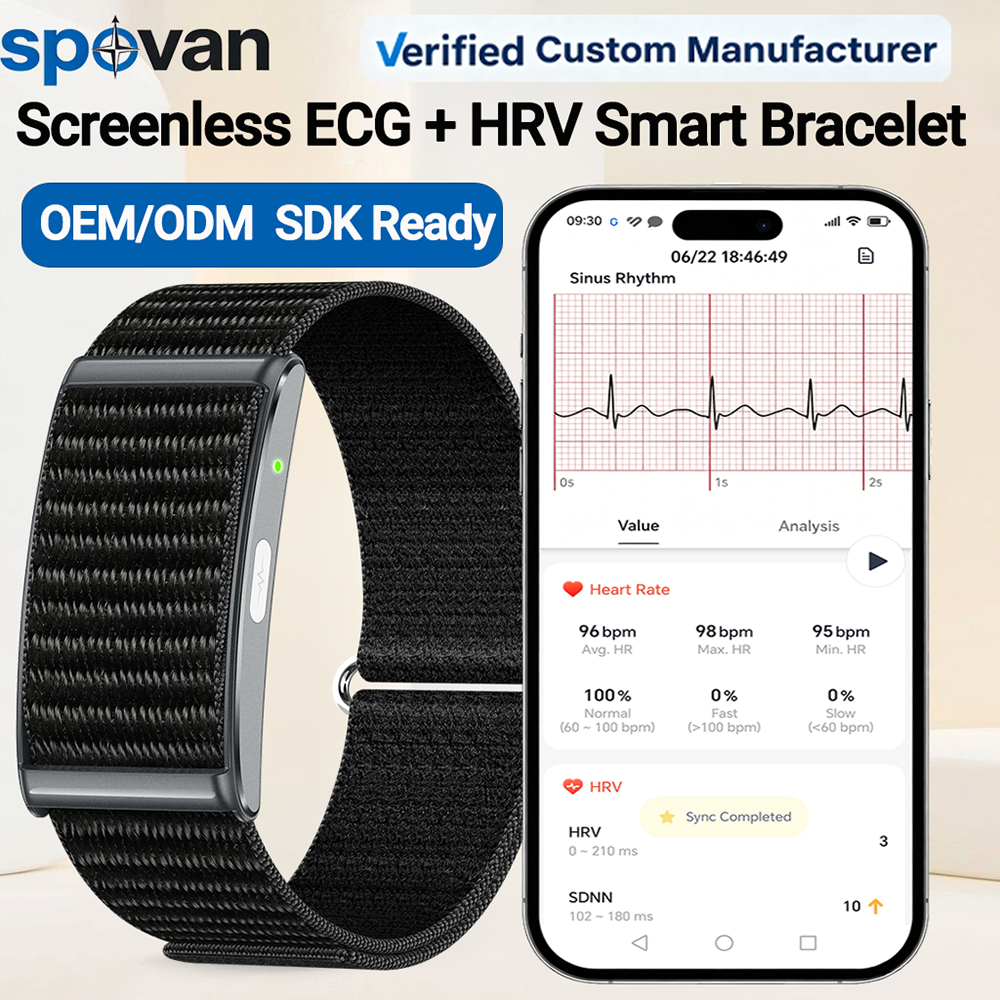
Custom Logo Android IP68 Waterproof Screenless ECG HRV Band Unisex Fitness & Activity Tracker Heart Rate Blood Oxygen SDK
Get a Quote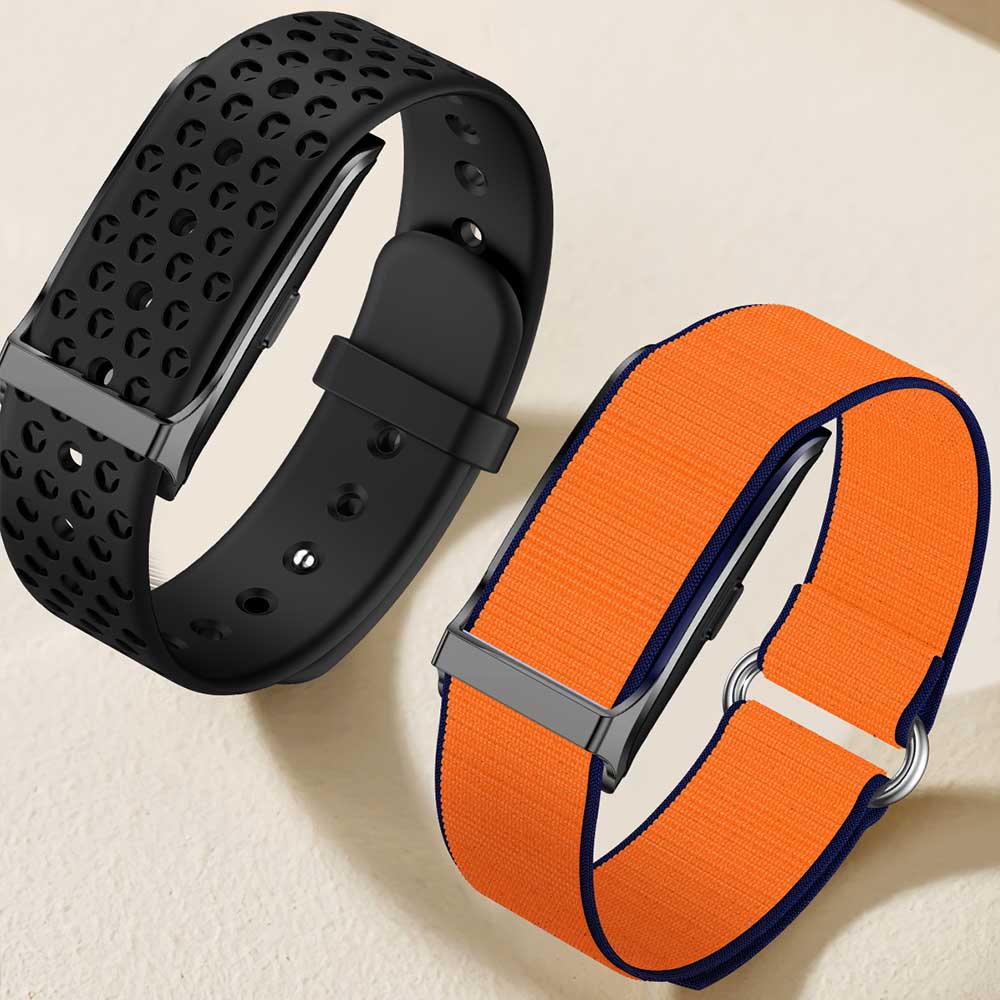
2025 Fashion Waterproof Health Tracking Comfortable Smart Bracelet for Men Women
Get a Quote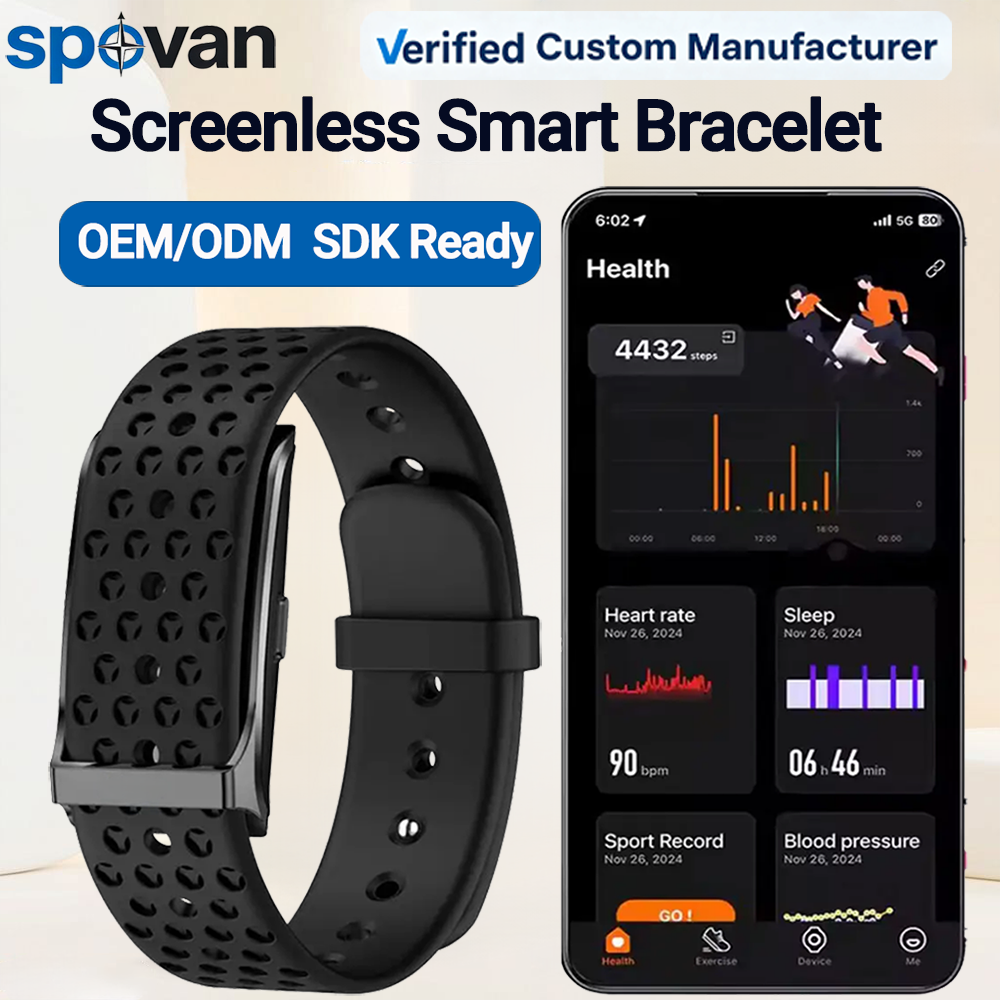
Health Tracker Pedometer Heart Rate Vibration Alert Sport Android IOS Compatible IP68 Waterproof No-screen Smart Bracelet Band
Get a QuoteVerified Production Metrics for Japanese Import Sourcing
Honsys backs every wholesale purchase with transparent manufacturing capacity, verified SGS on-site audits, and dedicated B2B trade execution.
Over 15 years specializing in wearable electronics and biomedical hardware assembly.
Fast communication turnaround aligned with Tokyo and Sapporo time zones (JST).
Every unit undergoes strict waterproof leakage and multi-point biometric functional testing.
Exporting compliant CE, FCC, RoHS, and TELEC-pre-tested solutions internationally since 2012.
Engineered for Hokkaido's Demanding Sub-Zero & Wellness Sectors
Wearable hardware designed to maintain optical PPG tracking integrity and battery output across rigorous cold-weather environments and structured healthcare settings.
Winter Sports & Alpine Expedition Tracking
Sapporo's premier ski resorts (Teine, Kokusai, Niseko corridor) demand wearable sensors that thrive in freezing climates. Our smartwatches feature low-temperature lithium-polymer cells that resist premature voltage drops at -15°C, ensuring continuous heart rate zone monitoring and barometer altitude logs for ski patrols, winter trail runners, and alpine athletes without sudden battery shutdown.
Senior Assisted Living & Telehealth Monitoring
With Hokkaido's extensive aging demographic, regional eldercare facilities and municipal nursing networks require unobtrusive health monitoring. Our screenless metal smart bracelets continuously track resting heart rate, Heart Rate Variability (HRV), and SpO2. These non-intrusive wristbands bypass complex touchscreens, automatically relaying vital anomaly alerts to regional care monitoring software via open Bluetooth Low Energy (BLE) APIs.
Cold-Chain Logistics & Sub-Zero Worker Safety
In Sapporo's vast food logistics and commercial cold-storage distribution hubs, prolonged cold exposure introduces cardiovascular strain. Deploying our IP68 vibration-alert bands provides logistics operators with real-time biometric telemetry. When heart rate spikes or body exhaustion patterns are identified, silent haptic alerts prompt workers to take mandatory warm-up intervals, mitigating occupational health risks.
Emerging Smart Wearable Market Trends Across Sapporo & Northern Japan
An executive overview of regulatory shifts, buyer behaviors, and technological developments driving B2B hardware distribution across Hokkaido.
1. Shift Toward "Screenless" Continuous Biometrics: In the Japanese domestic market, consumer fatigue from frequent notifications and small wrist displays has catalyzed high interest in screenless fitness bracelets. Sapporo wellness programs and private sports clinics increasingly favor lightweight bands focusing purely on precision HRV, sleep architecture analysis, and autonomic nervous system recovery without screen-related battery drain.
2. Cold-Resilient Battery Chemistry as a Purchasing Mandate: Standard consumer-grade smartwatches experience severe internal impedance hikes when ambient temperatures drop below freezing, leading to false low-battery shutdowns. Corporate procurement teams in Sapporo now evaluate supplier component BOMs specifically for high-rate electrolyte configurations and thermal insulation around the photoplethysmography (PPG) optic chamber to avoid peripheral vasoconstriction measurement errors.
3. Open Architecture and System Integration: Proprietary consumer ecosystems (e.g., Apple Health, Wear OS) present integration hurdles for Japanese enterprise software developers. Sapporo-based system integrators are actively partnering with Chinese direct-factory manufacturers like Honsys that provide comprehensive open SDKs, standard BLE GATT profiles, and raw PPG/ECG data streams for proprietary software integration.
Dual ECG+PPG Sensing
Combines optical blood volume monitoring with electrical myocardial voltage detection for comprehensive cardiovascular trend mapping.
Sub-Zero Operational Stability
Validated thermal endurance ensures consistent optical diode output and sensor accuracy during Hokkaido's sub-zero winter seasons.
Custom App White-Labeling
Complete Japanese localized UI development, brand logo silkscreening, customized gift packaging, and localized Japanese user manual printing.
Why Sapporo Importers Partner with Shenzhen Honsys Technology
Direct manufacturing transparency, institutional reliability, and robust engineering support tailored for high-standard Japanese consumer requirements.
Audited Quality System
Verified on-site by SGS Group. In-house IQC, automatic SMT soldering, ultrasonic welding, and adhesive curing ensure tight mechanical tolerances.
Complete SDK & API Stack
Direct access to Bluetooth protocol documentation and firmware engineers to assist your Hokkaido development teams in custom cloud integrations.
Predictable Lead Times
Sample turnaround within 3-5 days. Efficient mass production cycles averaging 30 days FOB Shenzhen / Hong Kong with seamless sea and air logistics to Japan.
Patent & Regulatory Shield
Supported by 4 design patents, proprietary tooling, and compliance documentation including CE, FCC, RoHS, and Japanese TELEC pre-compliance support.
Frequently Asked Questions by Japanese & Sapporo Importers
Clear, direct answers regarding customs, technical documentation, testing standards, and logistics workflows.