OEM / ODM Hardware Showcase
Curated Wearables Engineered for Jakarta Importers
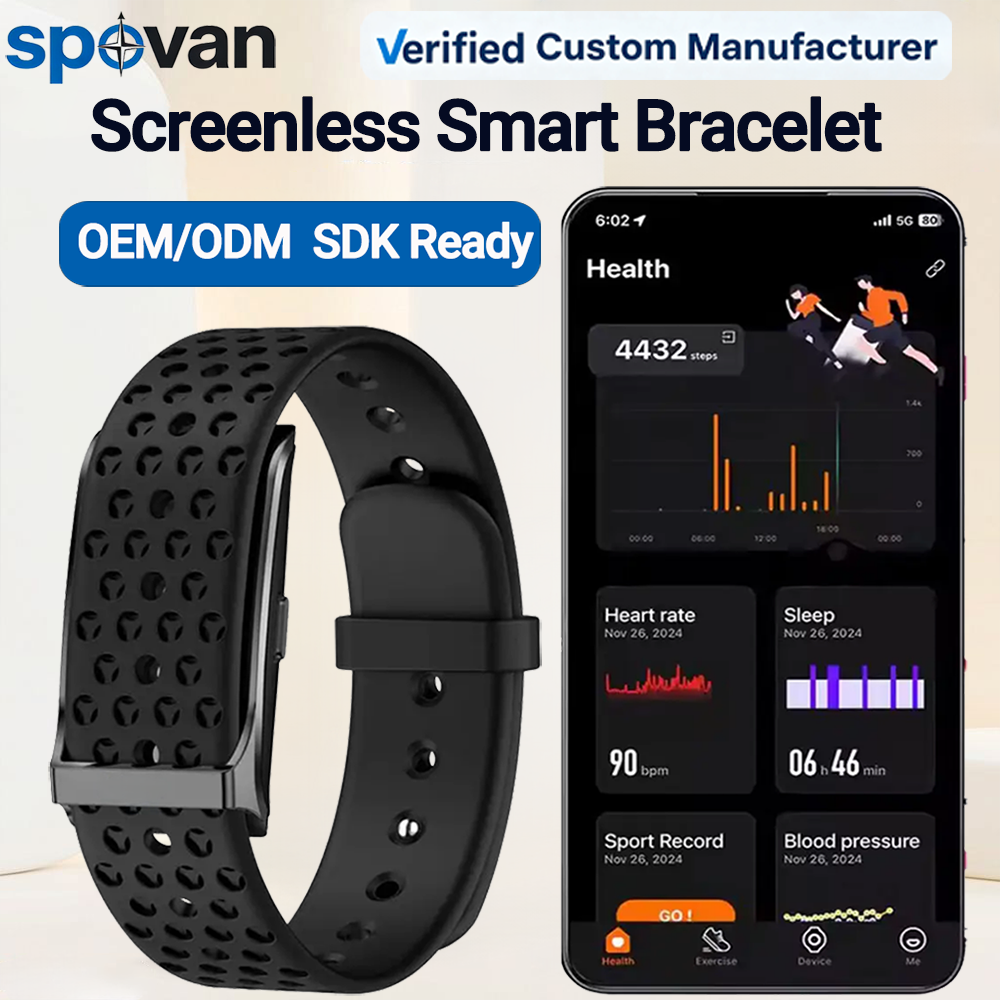
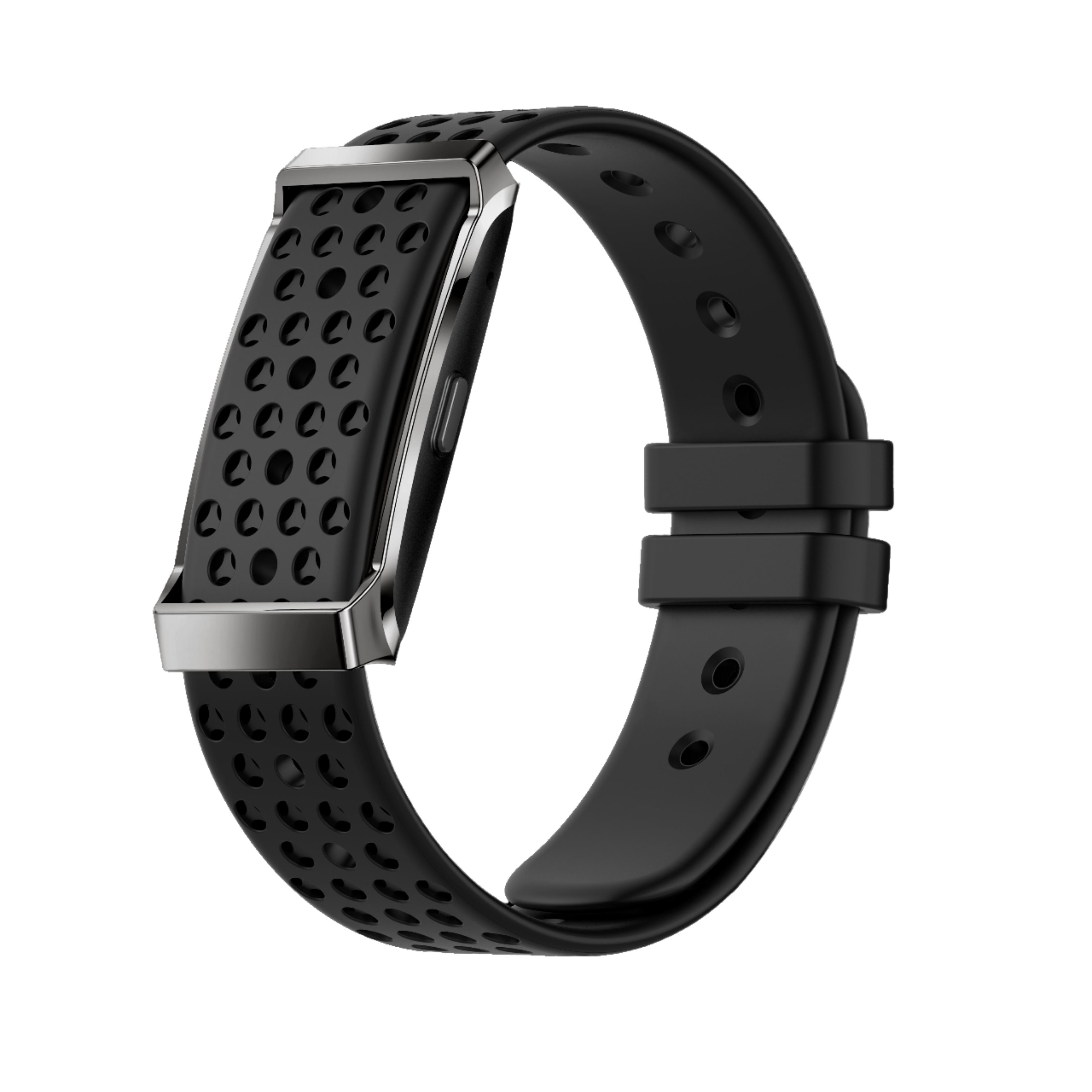
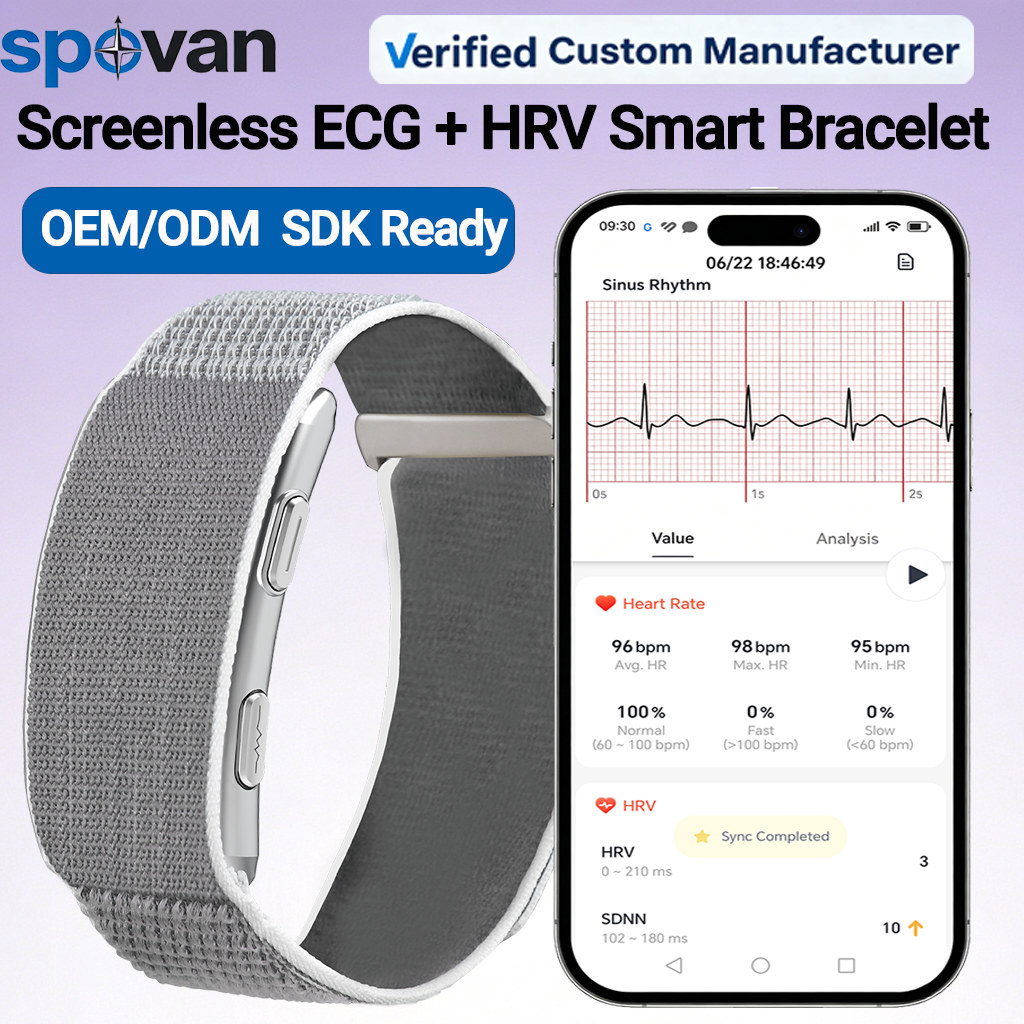
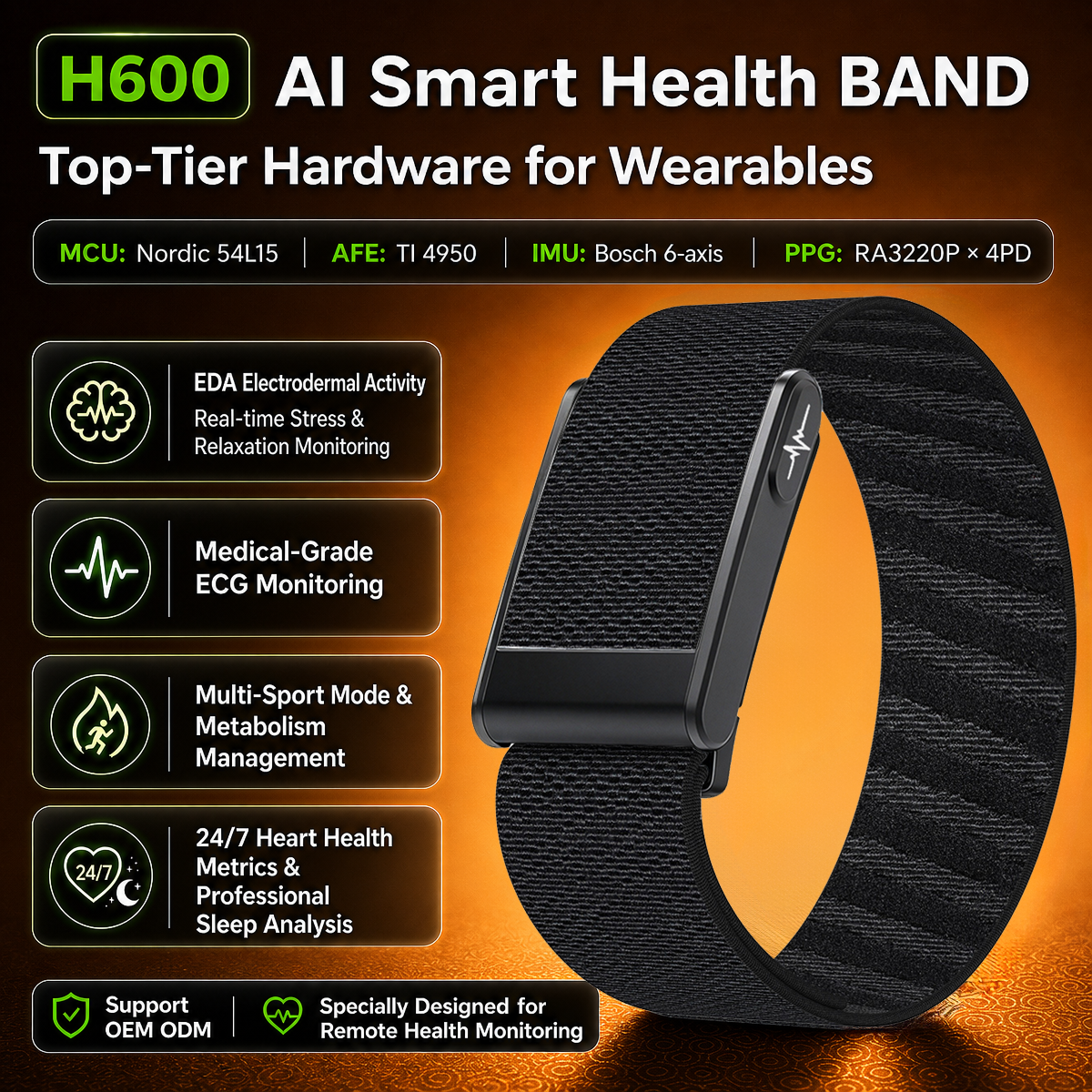
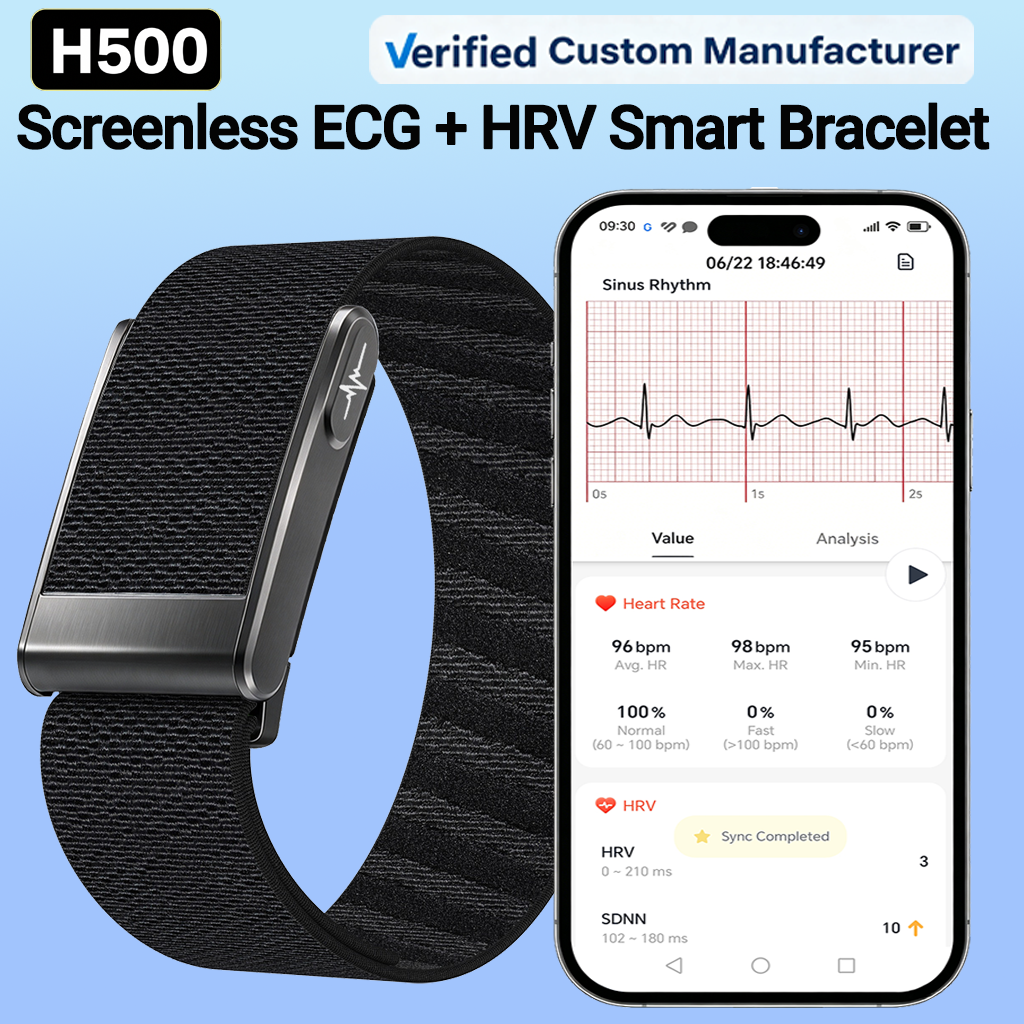
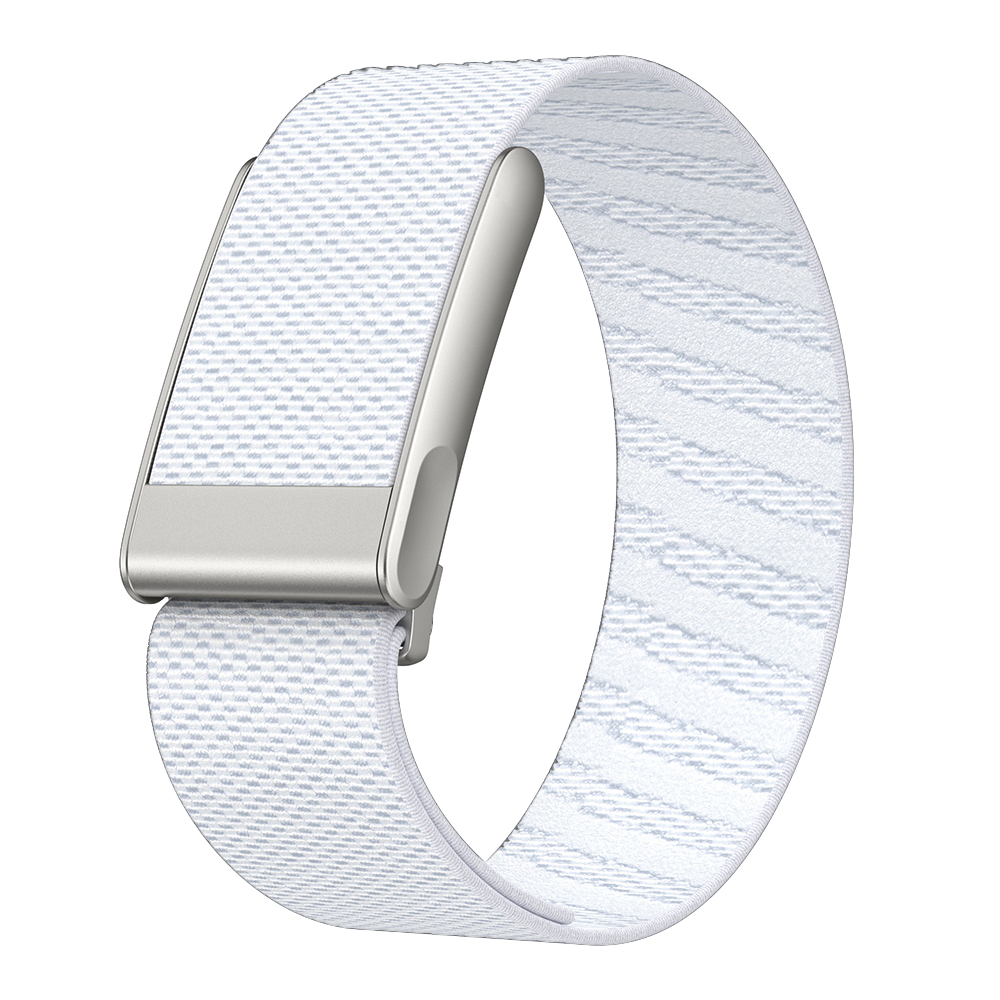
Direct from our Shenzhen ISO-standard assembly lines: robust, display-free activity trackers, medical-reference ECG bands, and ultra-breathable sweat-resistant straps designed for tropical urban climates.
15+
Years Manufacturing Heritage (Since 2010)
99.76%
Verified Inquiry Resolution Rate
100%
In-Line Air & Hydrostatic Leakage Testing
#1
Sales Ranking in Smart Bracelets Category
Technical Whitepaper: Sourcing Screenless Wearable Solutions for Greater Jakarta
The wearable technology landscape across Jabodetabek (Jakarta, Bogor, Depok, Tangerang, and Bekasi) is experiencing a seismic shift. As urban professionals, enterprise wellness departments, and health-tech developers contend with digital overstimulation, screen fatigue has altered consumer purchasing dynamics. The traditional smartwatch—frequently interrupted by social alerts and requiring daily charging cycles—is increasingly losing ground to minimal, high-autonomy hardware: the no-screen fitness tracker (screenless smart bracelet).
For B2B importers, e-commerce brand builders, and telematics innovators in Jakarta, sourcing directly from a proven Chinese original design manufacturer (ODM/OEM) like Shenzhen Honsys Technology Co., Ltd. provides clear unit economics, open architectural access via software development kits (SDKs), and customized hardware resilient to maritime Southeast Asian climates.
1. Jakarta Local Application Scenarios: Strategic Market Niches
Unlike mature Western markets where consumer smartwatches are often viewed as lifestyle luxury commodities, Jakarta's demand is shaped by high urban density, pervasive smartphone penetration, and distinct institutional health initiatives.
Corporate Wellness in Sudirman & Kuningan
Multinational companies and fintech institutions based in Jakarta's Central Business District are deploying screenless bands to manage executive stress and employee burnout. Display-free devices minimize screen disruption during high-stakes boardroom environments while continuous heart rate variability (HRV) algorithms quantify physiological strain without buzzing distractions.
Insurtech & Private Telehealth Integration
Indonesian private healthcare providers and health insurance underwriters increasingly utilize our open SDK and BLE APIs. By supplying insured policyholders with no-screen bands, insurers securely aggregate resting heart rate, peripheral oxygen saturation (SpO2), and sleep stage metrics directly into native Android and iOS healthcare apps to power preventative premium incentives.
Athletic & Hybrid Recovery Enthusiasts
From padel tennis tournaments in Senayan to marathon running clubs congregating at Gelora Bung Karno (GBK), fitness enthusiasts demand hardware focused purely on physiological recovery (Whoop-style ergonomics). The absence of a fragile glass screen prevents shattering during combat sports, functional CrossFit sessions, and outdoor endurance trails.
2. Emerging Market Trends Driving No-Screen Wearables in Indonesia
Procurement teams analyzing regional wearable movements in Southeast Asia must evaluate key demographic, environmental, and technological tailwinds:
Prolonged Battery Autonomy vs. Display Drain: The absence of an LCD or OLED panel enables no-screen trackers to deliver 7 to 14 days of continuous bio-monitoring on a single compact lithium-polymer cell (80mAh to 150mAh). For commuters navigating Jakarta’s lengthy transit times across KRL Commuterline and TransJakarta routes, eliminating daily charging anxiety is a massive conversion driver.
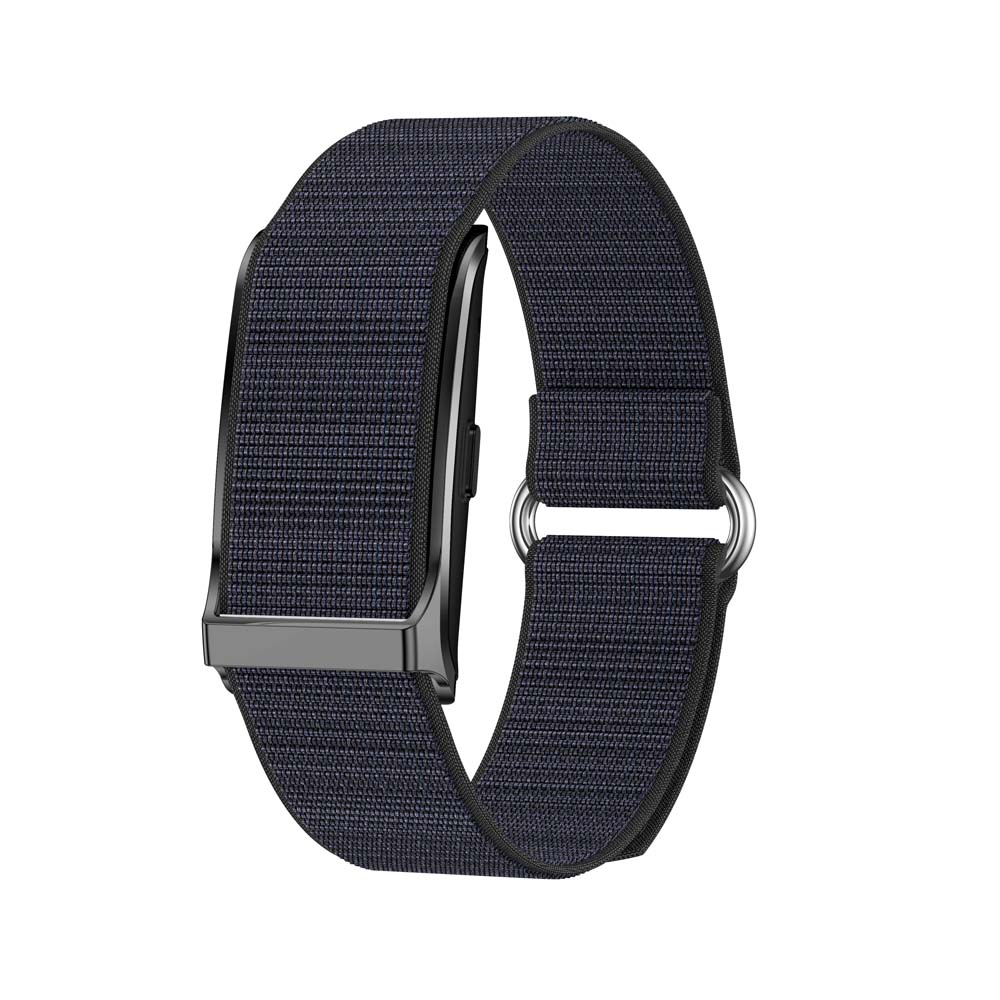
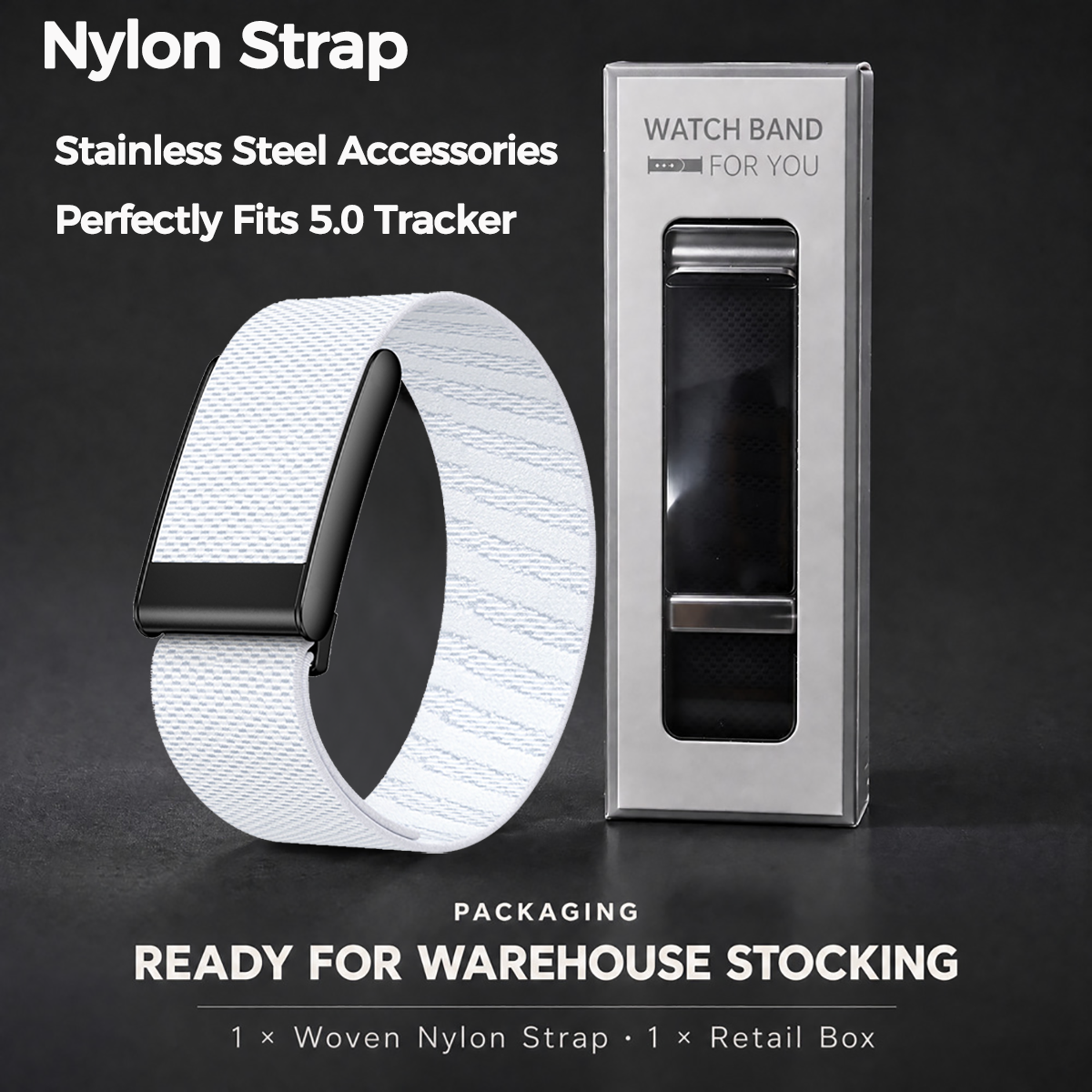
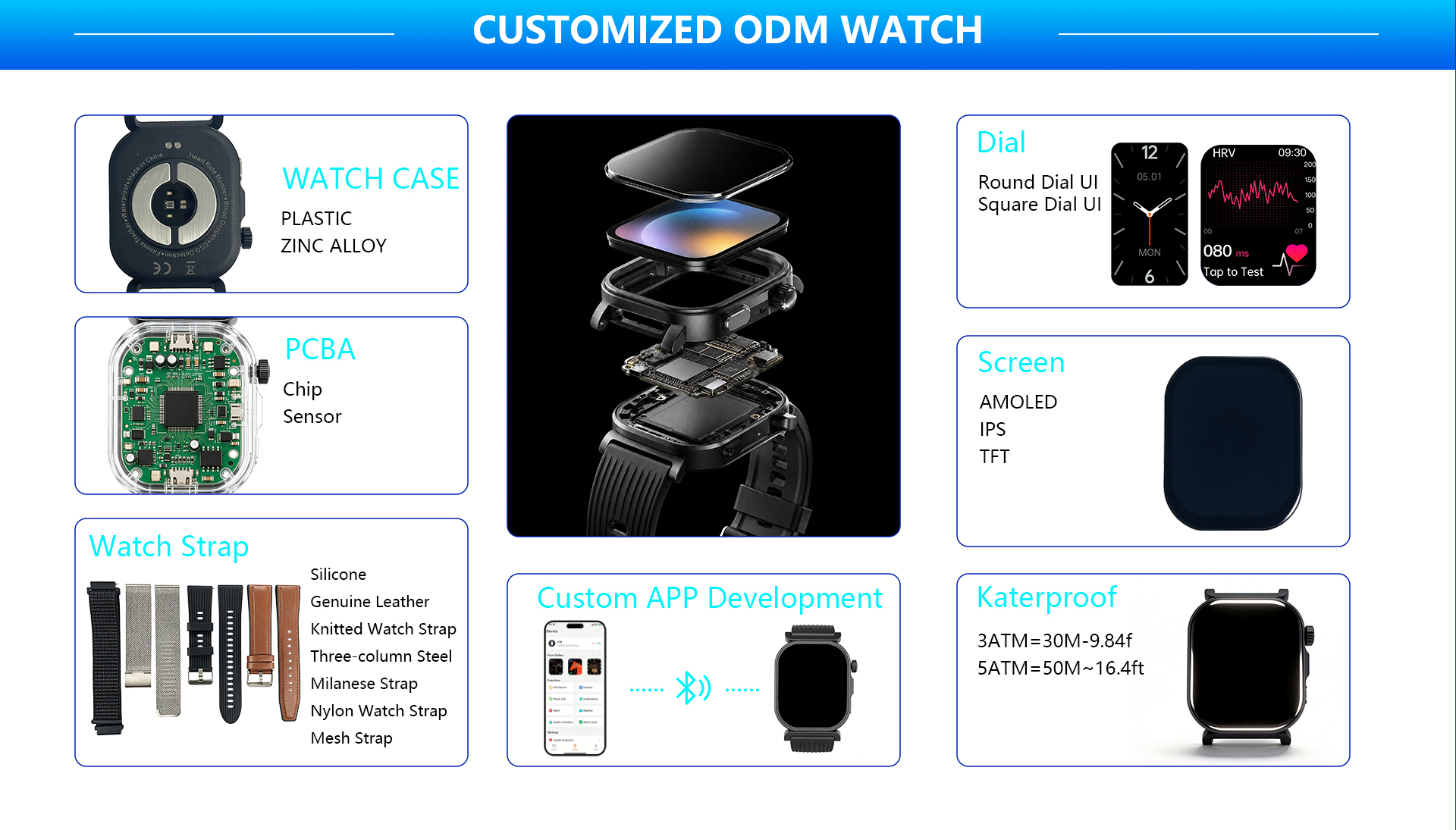
Monsoon Resistance and Tropical Hermetic Sealing: Jakarta averages 75% to 85% relative humidity alongside heavy tropical downpours during the wet season. Standard low-tier smartwatches frequently suffer from internal condensation and capacitive touchscreen failure under humid conditions. Honsys no-screen bracelets utilize structural ultrasonic welding, anti-corrosive zinc alloy housings, and medical-grade liquid silicone or breathable woven nylon straps, achieving authentic IP68 ingress protection certified via multi-stage air pressure and immersion leak testing.
Demand for Transparent, Unbundled Raw Sensor Data: Commercial fitness trackers from massive consumer brands lock biological telemetry behind proprietary subscription firewalls. Indonesian health enterprises and research entities in universities like Universitas Indonesia (UI) require direct raw photoplethysmography (PPG) and electrocardiogram (ECG) data access via Bluetooth Low Energy (BLE 5.0/5.2) without recurring consumer SaaS fees. Our factory's open architecture eliminates this barrier.
3. Comparison: Screenless Smart Bands vs. Standard Screened Smartwatches
For inventory managers deciding on SKU distribution for Tokopedia, Shopee Indonesia, or direct offline retail channels across Glodok and Mangga Dua, this technical matrix highlights critical performance differentiators:
| Evaluation Parameter | Honsys Screenless Smart Bracelet | Commercial Display Smartwatch |
|---|---|---|
| Battery Life Cycle | 7 – 15 days continuous 24/7 monitoring | 1 – 2 days (dependent on screen brightness) |
| Tropical Environmental Durability | Hermetically sealed casing; no fragile glass lens | High vulnerability to cracked screens & touch ghosting |
| Distraction Index | Zero visual alerts (silent haptic vibration alerts) | High frequency app notifications & screen illumination |
| Data Integration Scope | Open SDK / BLE API for custom app embedding | Closed proprietary software ecosystems |
| Form Factor & Comfort | Ultralight (18g – 28g); suitable for 24-hour sleep wear | Bulky (45g – 65g); intrusive during sleep staging |
| B2B Unit Production Cost | Highly cost-efficient bill of materials (BOM) | Higher BOM driven by high-res AMOLED displays |
4. Factory Capabilities & Engineering Edge: Shenzhen Honsys Technology
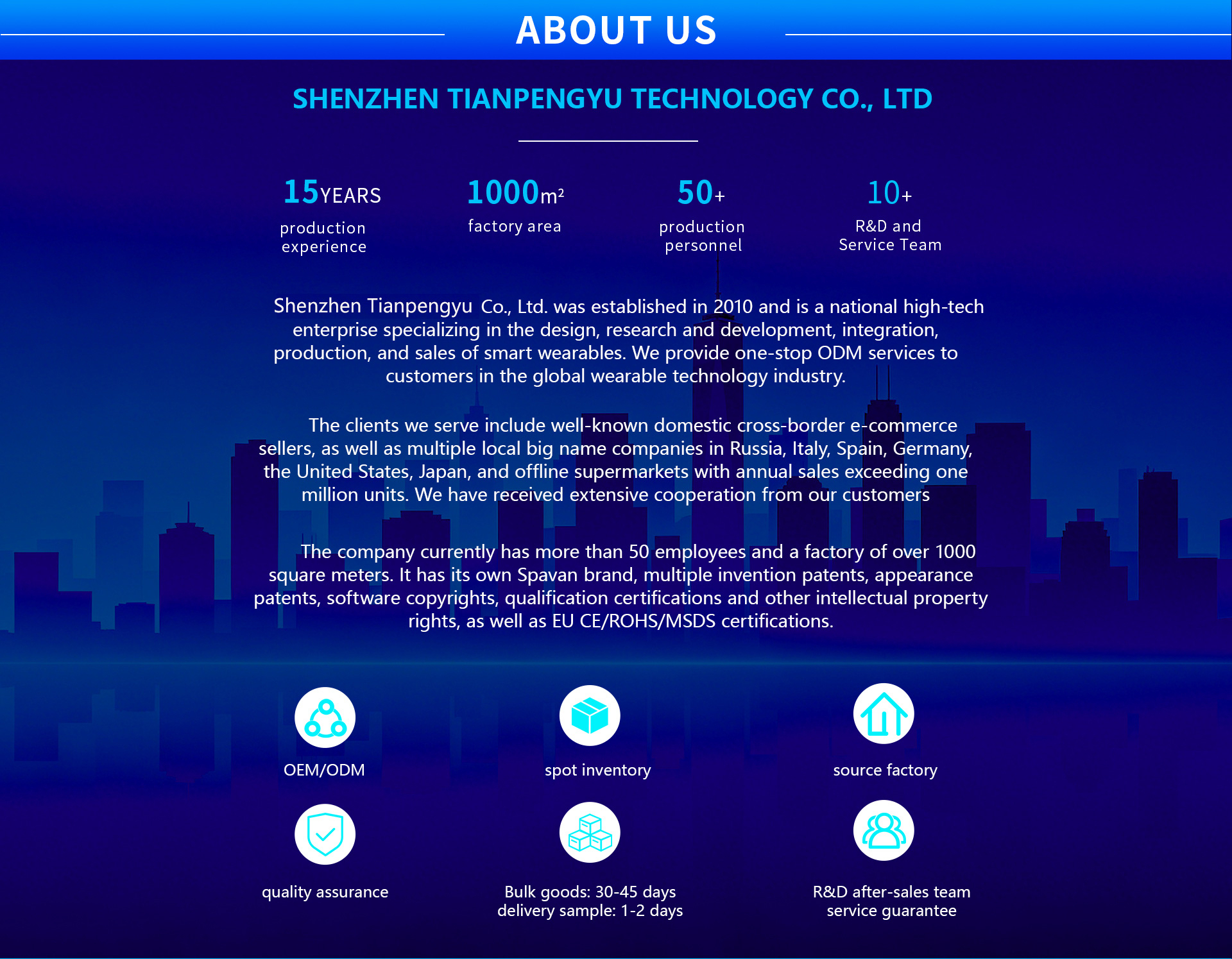
Operating out of Shenzhen's high-tech manufacturing corridor since 2010, Shenzhen Honsys Technology Co., Ltd. has refined end-to-end wearable hardware engineering. As a verified custom manufacturer assessed on-site by SGS Group, our facility bridges the gap between conceptual design and scalable mass production:
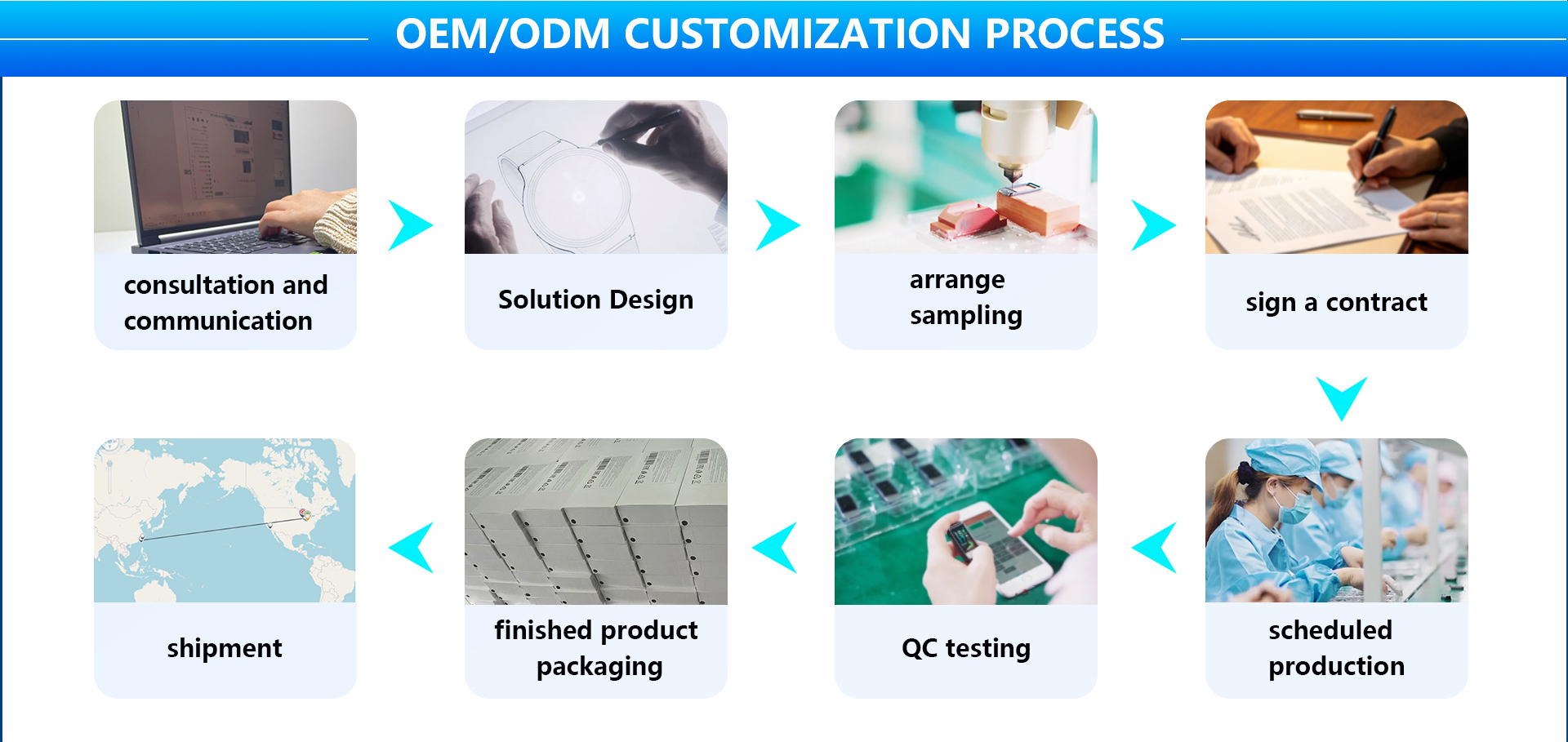
End-to-End Quality Architecture: From Surface Mount Technology (SMT) component placement to automated gluing and laser engraving, every no-screen smart tracker undergoes a rigorous 7-tier verification protocol: Incoming Quality Control (IQC) on raw sensor boards, in-line solder joint inspection, pneumatic watertight chamber testing (IP68 validation), cyclic battery aging tests, drop resilience checks, and final 100% pre-shipment functional audits.
Regulatory Compliance & Export Verification: Honsys hardware carries complete CE, FCC, and RoHS certifications, as well as European Accessibility Act (EAA) and German/French EPR registrations. For Indonesian customs clearance via Tanjung Priok port or Soekarno-Hatta air freight cargo, our export documentation specialists supply thorough Certificates of Origin, compliant product labeling, and transport safety certifications (UN38.3, MSDS) for lithium batteries.
5. Procurement FAQ: Sourcing Fitness Trackers for Jakarta Buyers
Clear, direct operational answers to simplify your supply chain integration with our Shenzhen headquarters:
What is the MOQ for branded custom projects in Indonesia?
For off-the-shelf catalog devices, evaluation samples are available from 1 to 10 units. For full OEM customization—including custom laser housing logos, pantone-matched nylon loop straps, customized packaging gift boxes, and localized firmware setup—our standard MOQ begins at 500 to 1,000 units depending on the model.
How does Honsys handle Indonesian SDPPI (Postel) certification?
Telecommunication and wireless Bluetooth devices imported commercially into Indonesia require SDPPI Type Approval. Honsys provides full RF testing documentation, CE/FCC laboratory test reports, schematic circuit diagrams, and technical product datasheets required by your local Indonesian accredited laboratory or import clearance broker.
Are developer SDKs provided in native Bahasa Indonesia?
Our complete Android and iOS SDK libraries provide universal developer API hooks in standard English documentation, handling Bluetooth transmission, raw biometric packet parsing, and device configuration. The front-end user interface of our companion white-label application can be fully translated into native Bahasa Indonesia for local retail deployment.
What are the freight transit times and incoterms to Jakarta?
We routinely execute shipments under FOB Shenzhen / Yantian / Hong Kong, CIF Tanjung Priok, or door-to-door DDP arrangements via regional freight forwarders. Maritime bulk shipments typically arrive at Jakarta's Port of Tanjung Priok in 10 to 14 days, while expedited air couriers (DHL, FedEx, specialized battery line cargo) deliver within 3 to 5 business days.