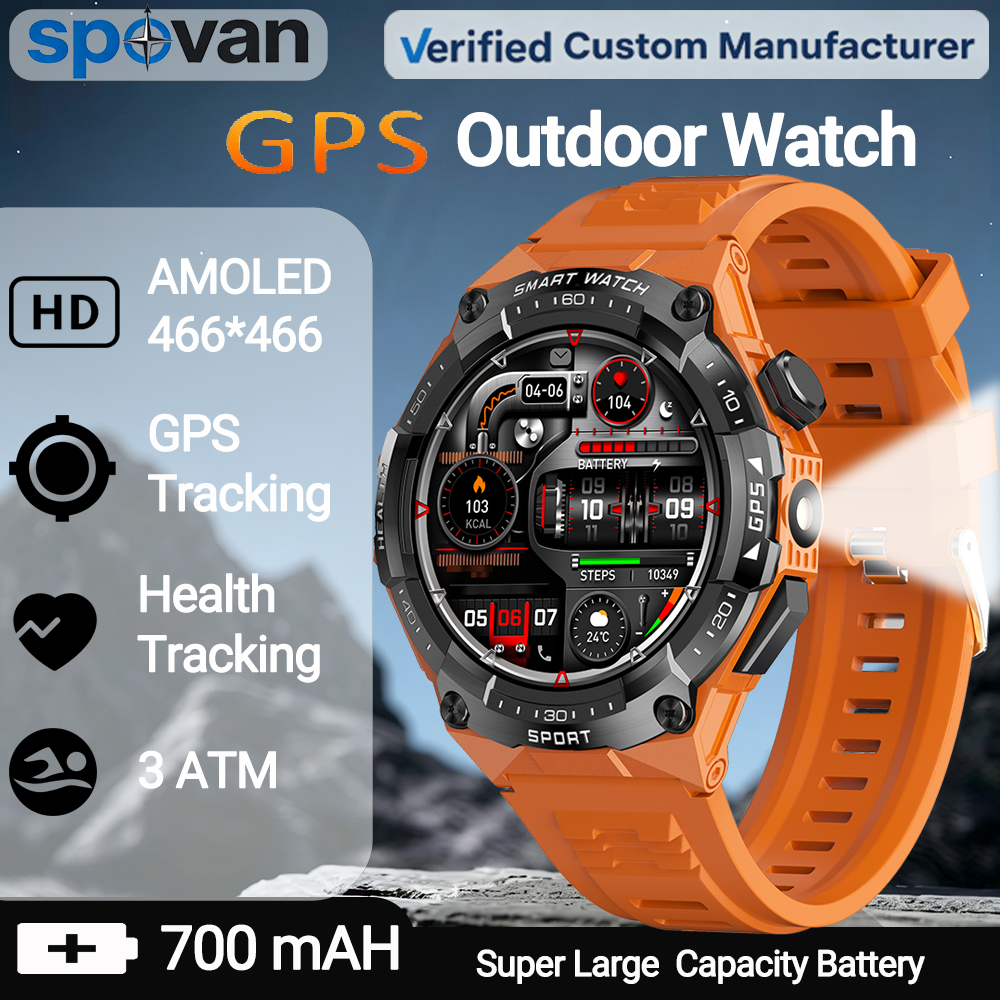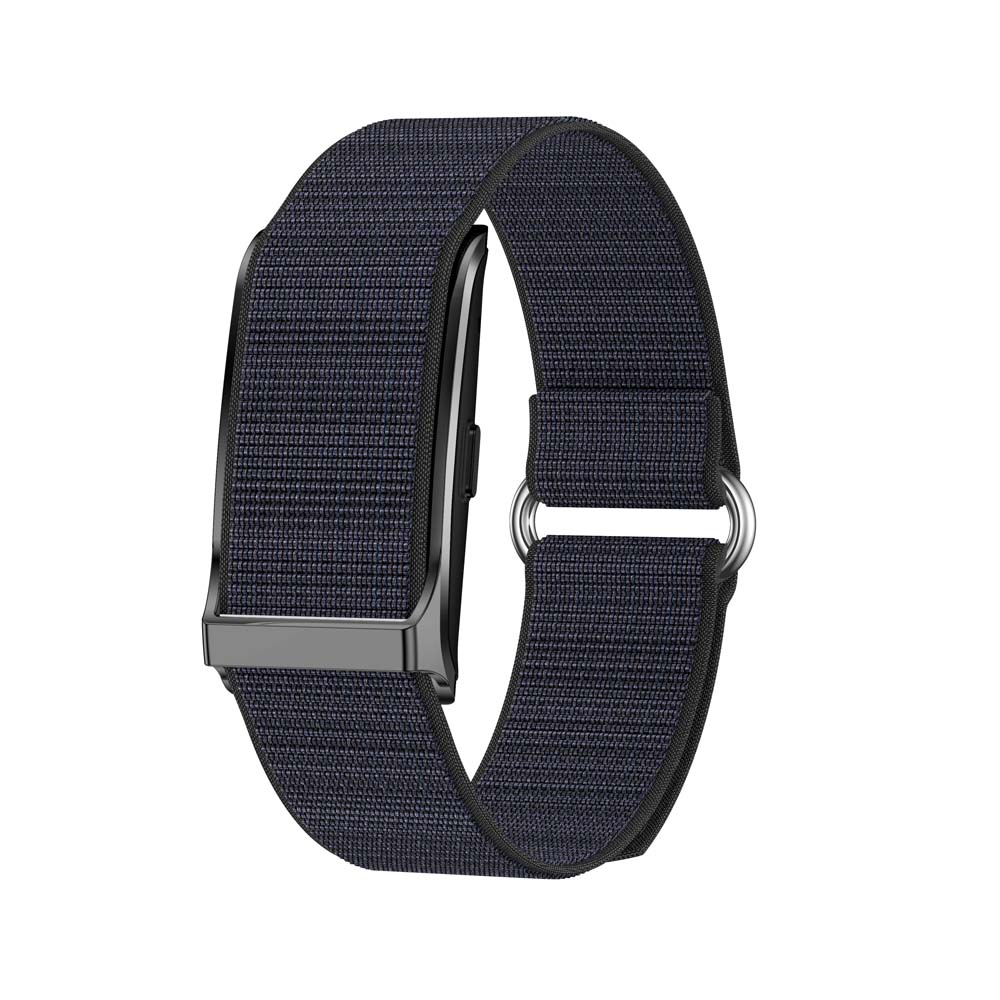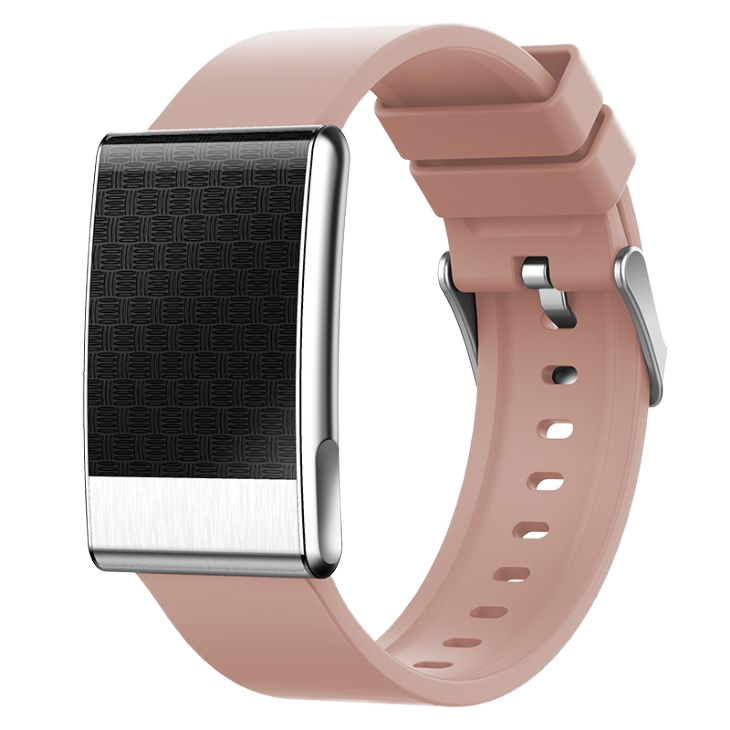
Direct OEM/ODM production matching coastal, rock, lake, and pelagic boat fishing requirements across Hokkaido, Tokyo Bay, and the Seto Inland Sea.
Japan presents unique hydrological, thermal, and meteorological demands. Our firmware architecture and mechanical tooling are specifically calibrated for the country's diverse fishing disciplines.
Anglers perched on treacherous rocky promontories experience violent sea spray and abrupt pressure drops that dictate safety windows. Our barometric sensors deliver micro-level pressure drop alerts, signaling approaching squalls before visible wave swells heighten.
Targeting yellowtail (Buri) and red sea bream (Madai) requires precise alignment with tidal flow rhythms (Shio-mawari). Our devices incorporate localized astronomical tide algorithms referencing Japanese Hydrographic Association tidal benchmarks.
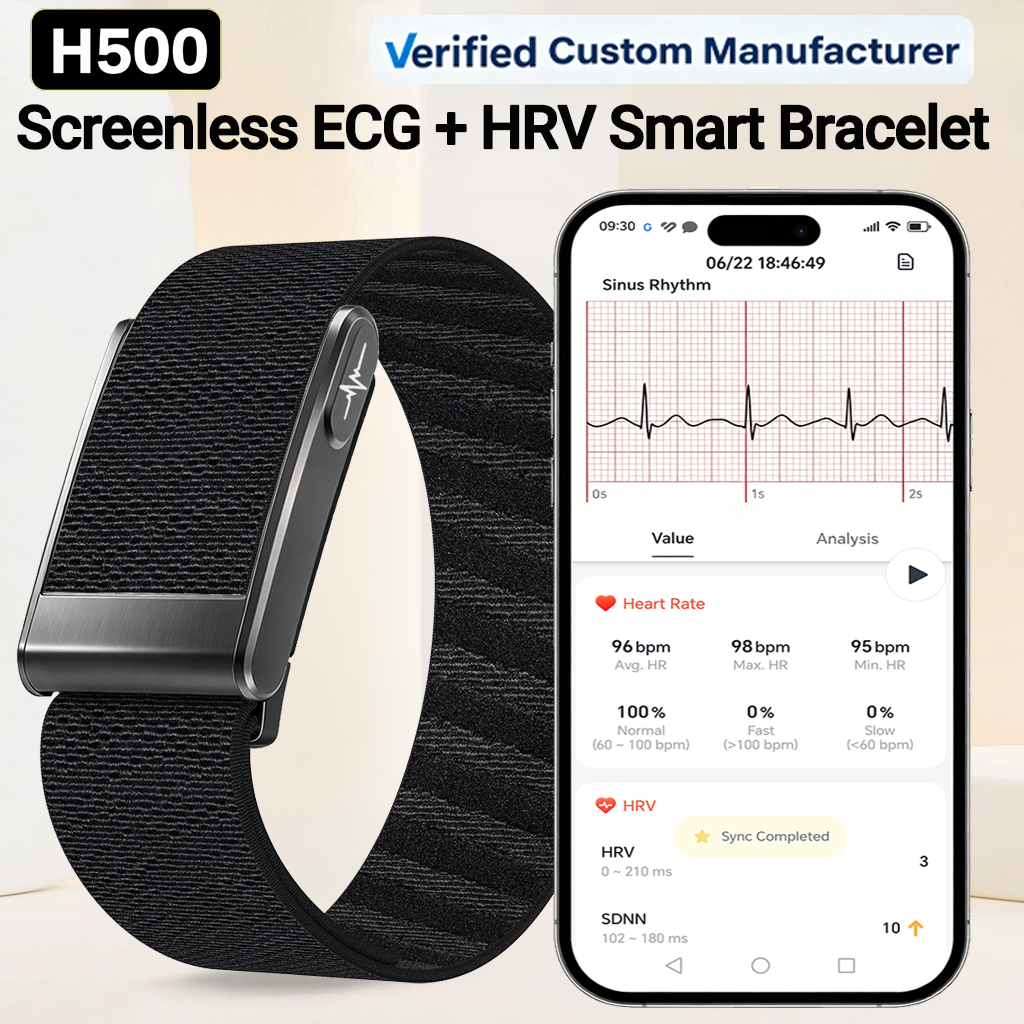
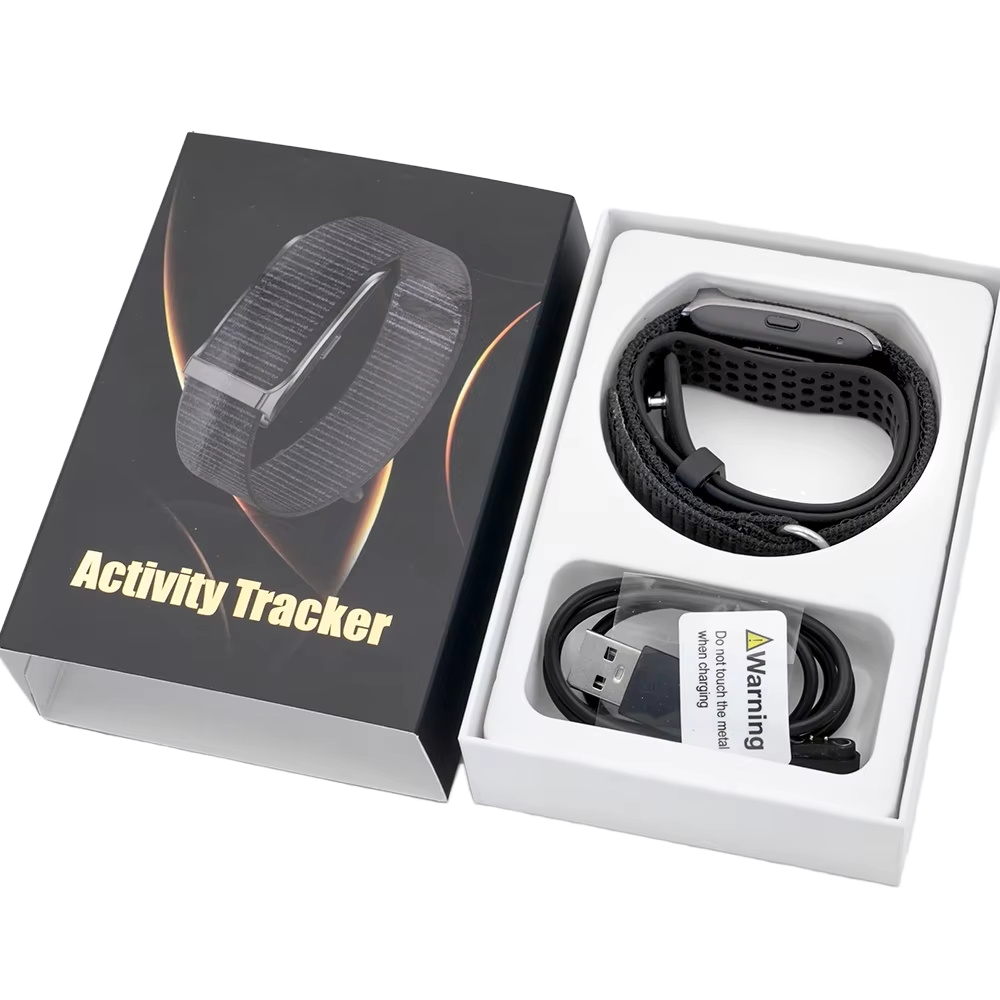
From wading through freezing mountain rivers in Nagano to navigating expansive weeds in Shiga, anglers need total unencumbered wrist mobility without line tangles. Our ultra-slim screenless trackers monitor biometric strain without rod-butt interference.
Key technological convergences driving procurement orders among leading Japanese outdoor gear distributors, fishing tackle brands, and marine safety organizations.
Generic consumer smartwatches suffer from fragile glass touchscreens that fail when operated with wet hands or neoprene fishing gloves. Japanese buyers increasingly require physical dual-crown navigators, sunlight-readable reflective TFT/AMOLED panels exceeding 1,000 nits, and dedicated physical kill-switch buttons for instant GPS point marking.
Japan’s steep mountain fjords and rocky shorelines frequently block horizontal GPS signals. Wearables serving the Japanese market require multi-GNSS architecture supporting the Quasi-Zenith Satellite System (QZSS). This guarantees rapid pinpoint fixes (<2.5m accuracy) when marking secret structure points or emergency shore anchor locations.
With an aging demographic among Japanese commercial and recreational fishermen, solo angling safety has become paramount. Leading domestic tackle brands are incorporating open-API wearables equipped with instant 6-axis fall/man-overboard detection algorithms, body temperature trend sensors, and automated cellular-bridge distress beacons.
| Feature / Component | Honsys Marine-Grade Fishing Spec | Standard Consumer Smartwatch | OEM Customization Scope |
|---|---|---|---|
| Waterproof Rigor | 5ATM / IP68 + Nitrogen Vacuum Chamber Checked | IP67 / Basic Splash Ingress | 100m Submersible Housing Options |
| Satellite Engine | GPS + GLONASS + Galileo + BeiDou + QZSS (Michibiki) | Single GPS L1 Band | Antenna Radiation Matching for Marine Radios |
| Display Visibility | Transflective Memory-in-Pixel / 1000+ Nit AMOLED | Standard LCD (300-450 Nits) | Polarized-Sunglasses Anti-Glare Coatings |
| Operating Temperature | -20°C to +55°C (Sub-Zero Hokkaido Ice Fishing) | 0°C to +35°C | Low-Internal-Resistance Battery Pack |
| SDK & App Integration | Open BLE SDK / Raw Data Stream Export | Closed Ecosystem / No Raw Access | Custom Tide App & Japanese UI Firmware |
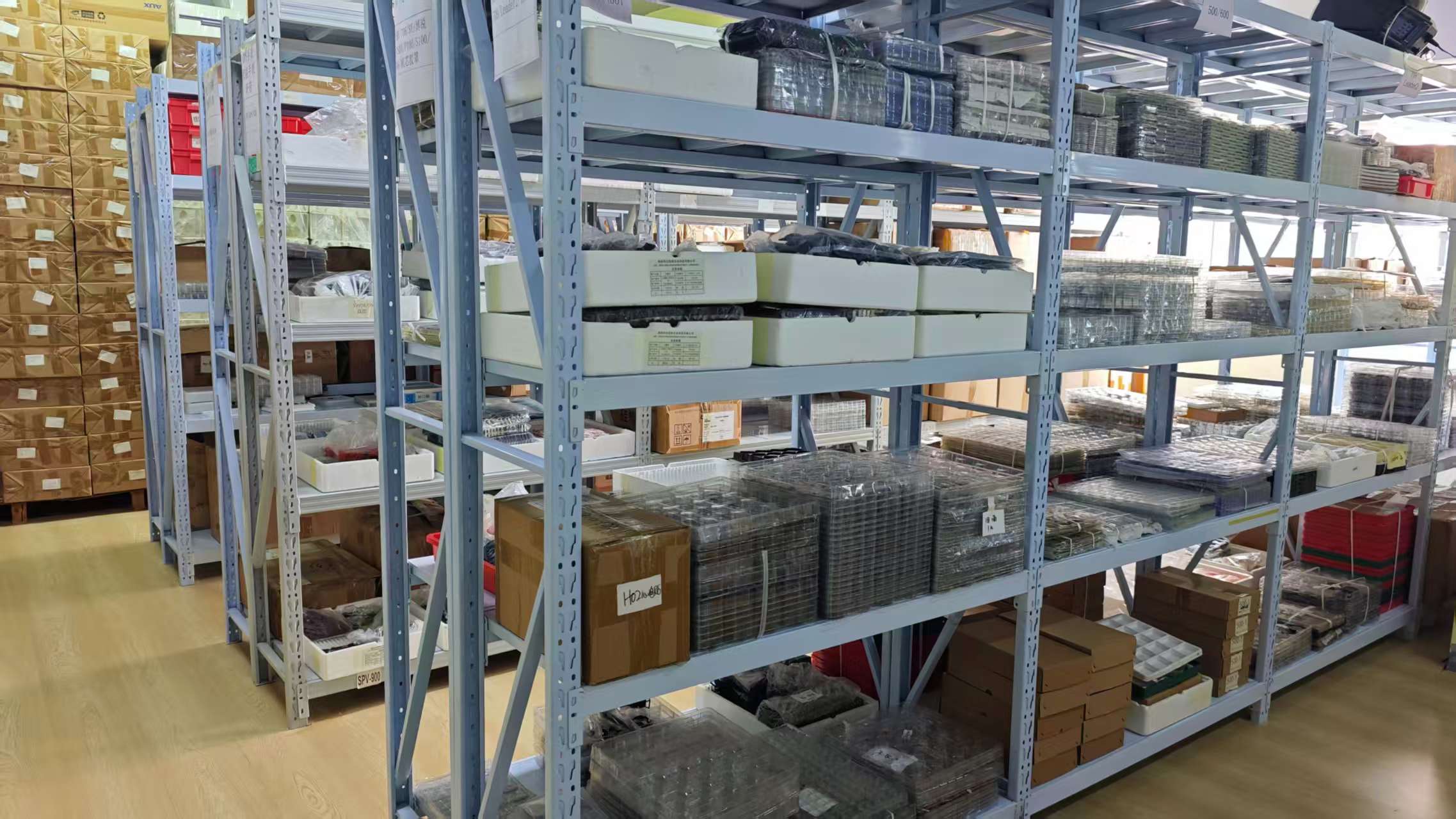
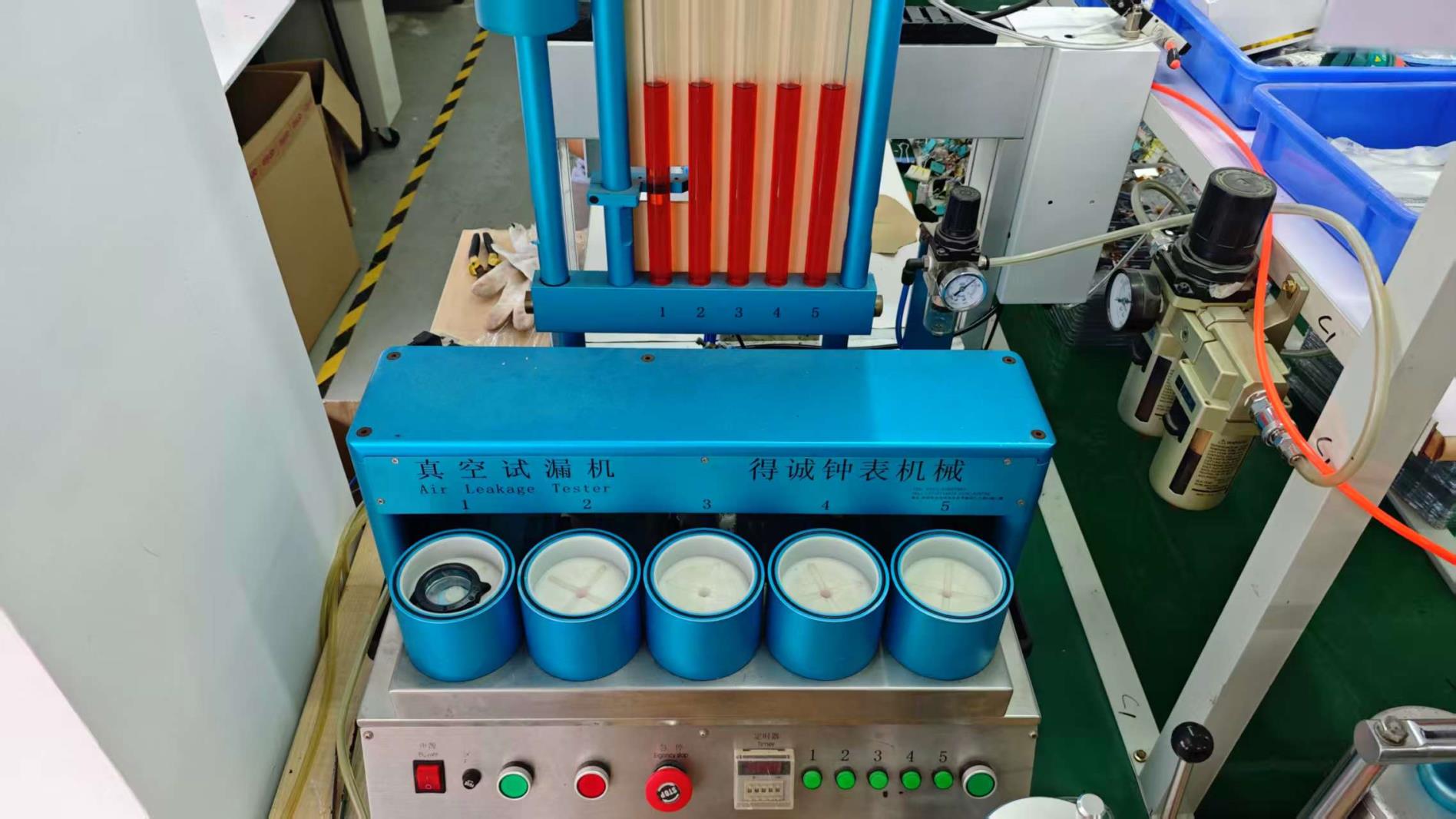
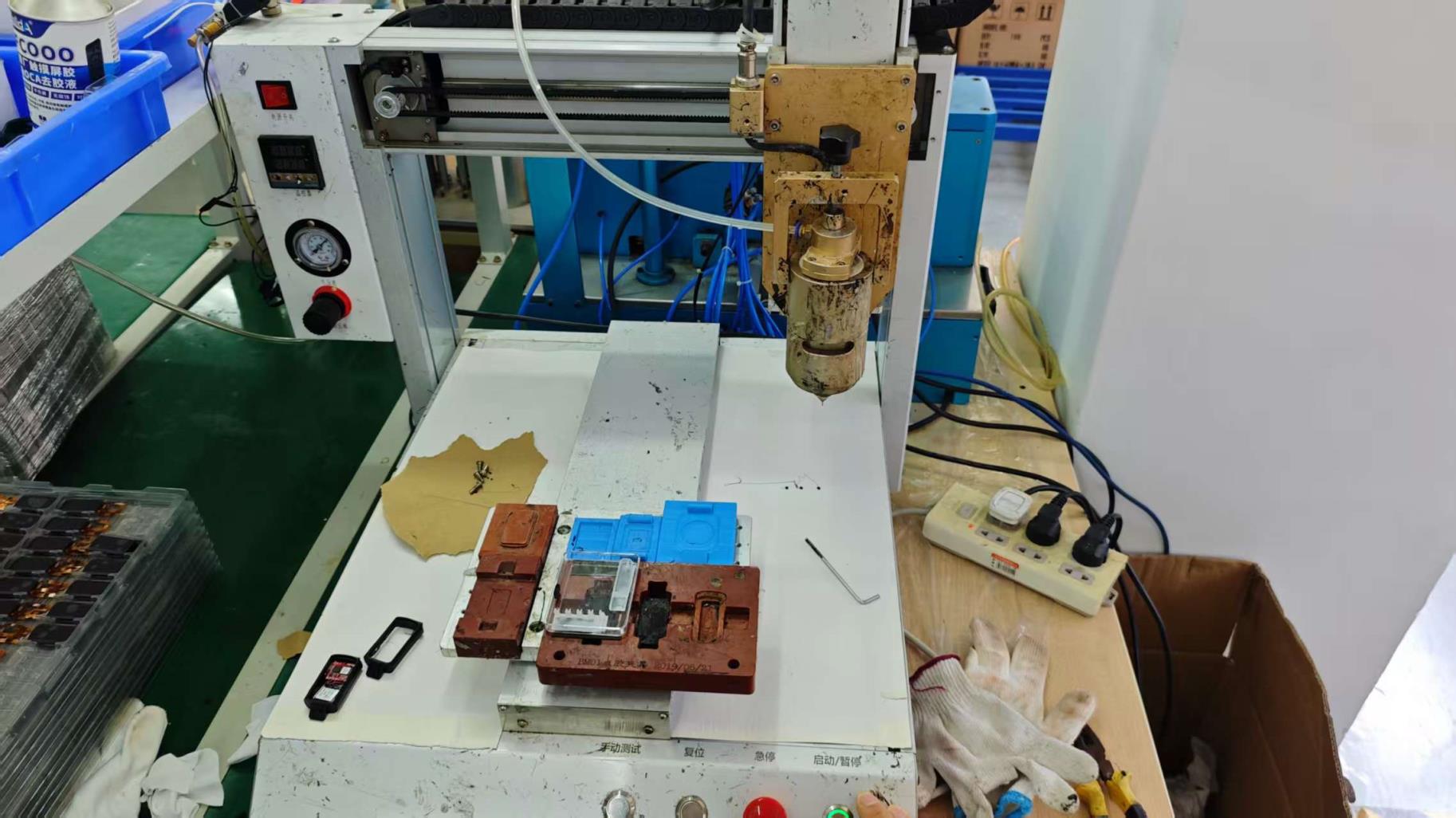
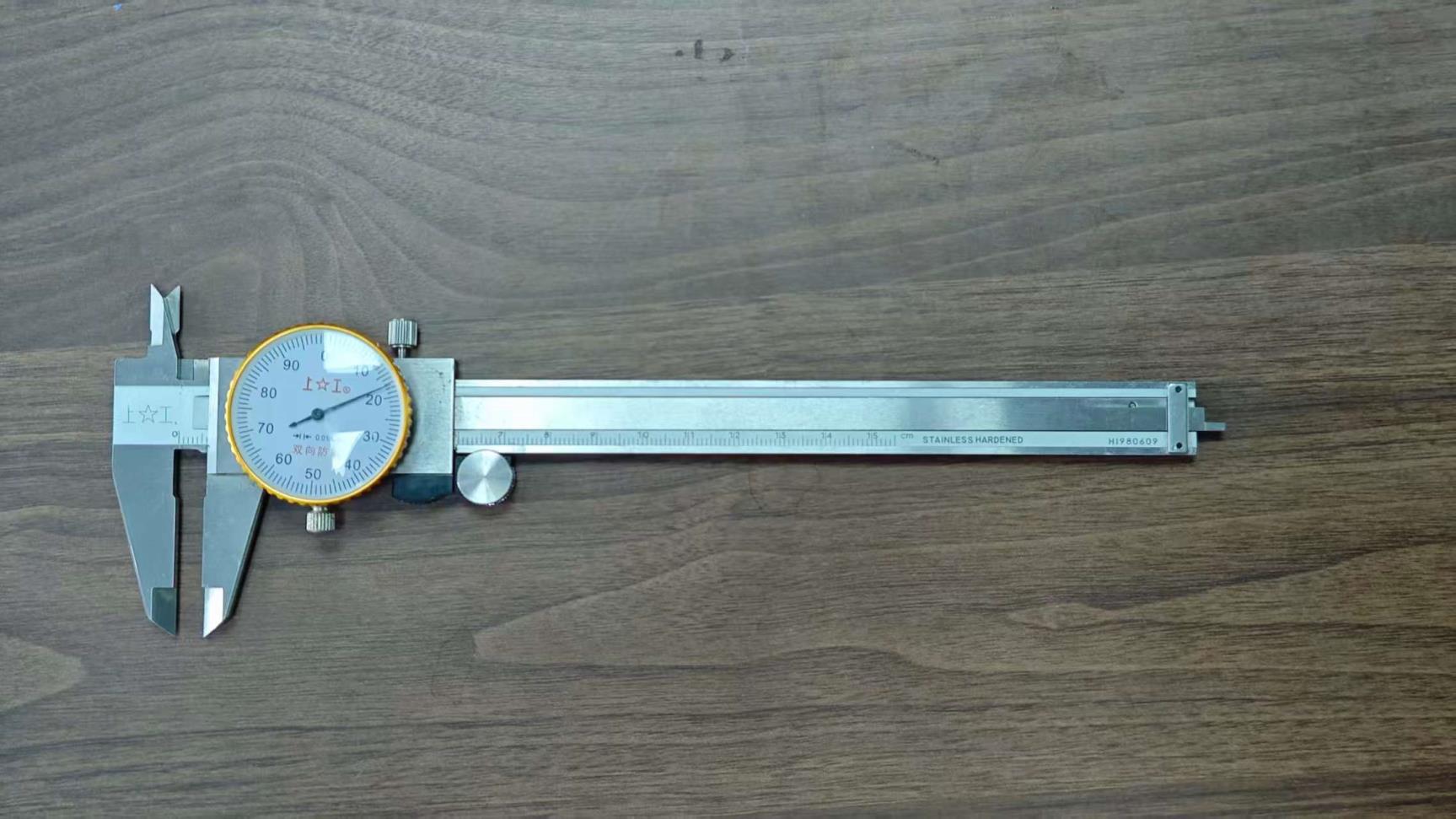
Founded in 2010 and exporting globally since 2012, Shenzhen Honsys Technology Co., Ltd. operates state-of-the-art SMT, ultrasonic welding, automatic dispensing, and multi-stage pressure test suites. We deliver the repeatability, cosmetic perfection, and documentation required by Japanese quality auditors.
Essential answers regarding compliance, QA benchmarks, TELEC certification, SDK integration, and commercial logistics.
Yes. For Japanese volume programs, we collaborate closely with accredited test laboratories (such as TELEC, DSP Research, or TÜV Rheinland Japan) to execute RF conducted emissions, spurious emissions, and frequency tolerance testing. We supply unshielded test samples running specialized carrier-frequency test firmware and provide complete schematic, PCB layout, and BOM documentation to expedite certification approval.
Marine environments require significantly higher durability than standard fitness wearables. We utilize 316L surgical-grade marine stainless steel or zinc-aluminum alloy with vacuum PVD protective plating for outer cases. Charging contacts are engineered using multi-layer gold plating (up to 3μ inch Au over nickel substrate) capable of passing rigorous 48-to-96 hour 5% neutral salt-spray chamber testing (NSS). Magnetic or wireless induction charging options are also available to completely seal the exterior casing.
Yes. Our firmware supports localized harmonic constituent tide tables. Instead of generic global approximations, we can pre-load or app-sync harmonic data covering major Japanese standard ports (Tokyo Bay, Osaka, Nagoya, Fukuoka, Hakodate, Kagoshima, etc.). High-precision barometric chips detect atmospheric pressure variations down to 0.05 hPa, feeding our onboard storm alert logic.
For standard baseline stock models requiring only custom laser-etched branding and customized Japanese packaging/manuals, MOQs begin at 100 to 500 units. For complete firmware GUI localization, custom boot screens, and app white-labeling, MOQs are typically 1,000 units. Standard mass production turnaround is approximately 30 working days following final golden sample approval, with shipping executed FOB Shenzhen, Yantian, or Hong Kong via air or expedited ocean freight to Tokyo/Yokohama/Osaka.
Absolutely. We provide complete BLE communication protocols, Android and iOS SDKs, and sample code libraries. This empowers your software team to stream raw PPG values, real-time heart rate variability (HRV), blood oxygen (SpO2), barometric tendencies, 6-axis accelerometer coordinates, and GNSS waypoints directly into your proprietary angler community app or boat navigation dashboard.