Engineered for Industrial Ingress Protection & Biometric Reliability
Explore production-ready IP68 smart wristbands and screenless telemetry nodes available for Madrid importers, European private labels, and healthcare system integrators.
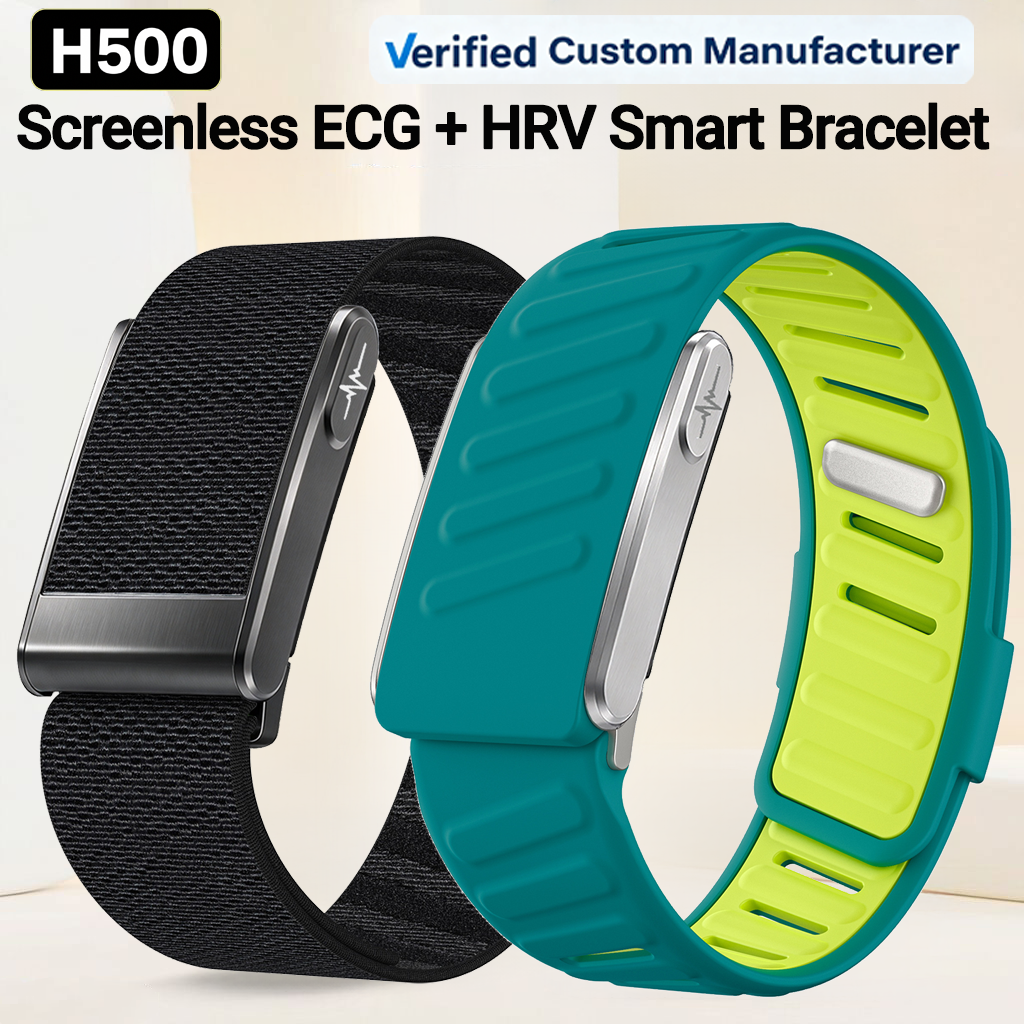
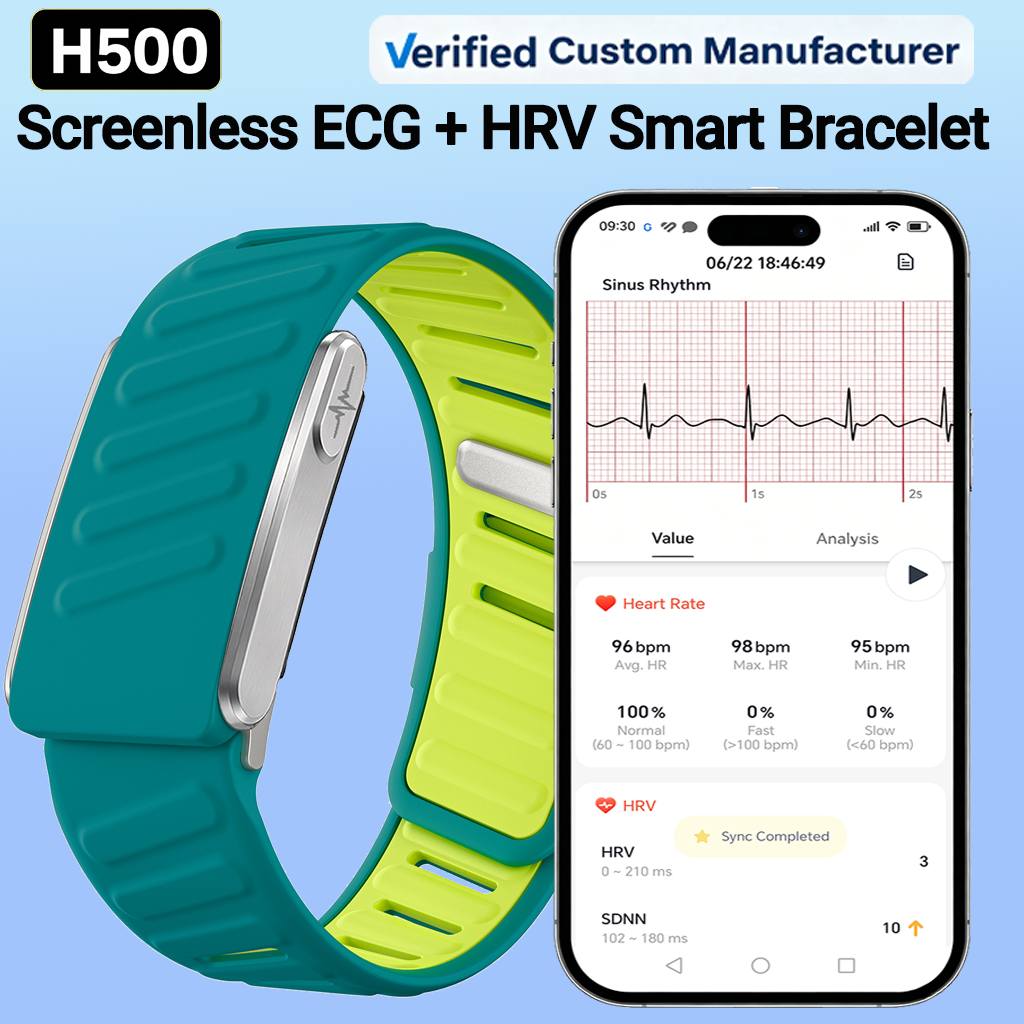
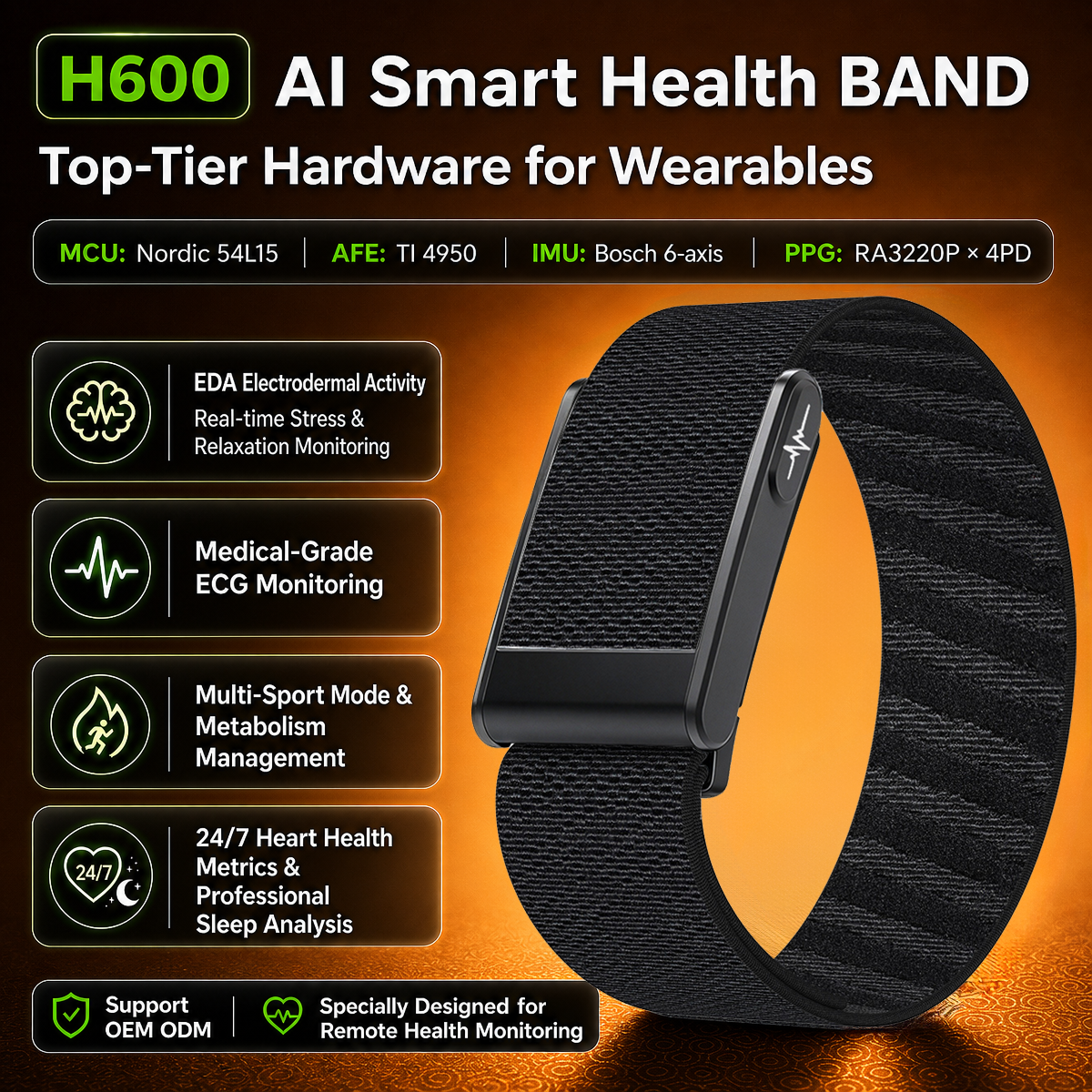
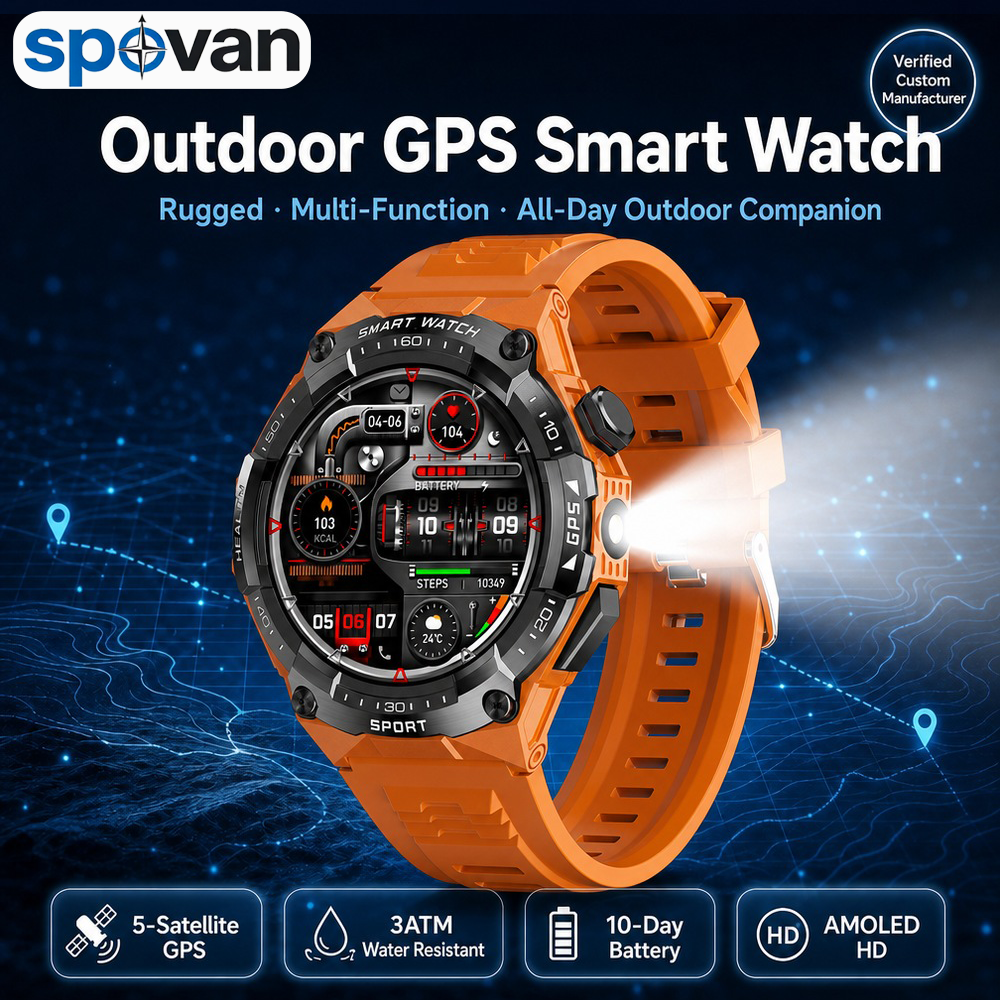
Localized Deployment Paradigms in the Community of Madrid
Madrid represents an intersection of clinical digitization, harsh continental mesoclimates, and logistics modernization, demanding rigorous engineering adaptations for wearable deployments.
Clinical Telehealth & SERMAS Pilot Integration
Within Madrid's autonomous healthcare architecture (SERMAS), continuous biometrics have moved beyond hospital confines into outpatient and decentralized clinical programs. Our IP68 screenless wristbands capture continuous ECG strips, HRV autonomic balance, and peripheral oxygen saturation (SpO2) without demanding patient intervention. The hermetic enclosure prevents moisture ingress during daily hygiene routines and hydrotherapy protocols, while open REST APIs and Bluetooth Low Energy (BLE 5.2/5.3) firmware pipe encrypted payload packets straight into local compliance platforms conforming to EU MDR Class I/IIa guidelines.
Industrial Logistics & Madrid-Sur Cold-Chain Warehousing
Across high-density intermodal logistics corridors—including Getafe, Pinto, and Coslada—workforce physiological tracking requires ruggedized physical enclosures. Handling industrial cold-storage distribution (−20°C) transitioning immediately into high-ambient Madrid summer loading docks (+42°C) causes rapid thermal condensation. Standard smartbands encounter adhesive failure and internal fogging. Honsys IP68 ultrasonic sealed structural casings and dual-compound fluoroelastomer gaskets eliminate micro-fissuring and fluid breach, protecting battery and sensor circuits under thermal shocks.
Municipal Worker Safety & Urban Sanitation Monitoring
Municipal sanitation crews, construction workers across the Madrid Nuevo Norte urban transformation, and street maintenance personnel face severe occupational heat stress during midsummer episodes. Deploying screenless bracelets featuring skin temperature arrays and photoplethysmography (PPG) algorithms provides predictive dehydration and heat-exhaustion telemetry. Built-in haptic actuators trigger discrete vibration warnings directly to the worker when heart rate variability drops below safety thresholds, preventing acute medical emergencies on site.
Emerging Trends Across the Spanish Smart Wearables Landscape
The wearable device landscape across Spain is undergoing a profound structural evolution. Transitioning away from consumer-grade novelty trackers toward validated remote health-sensing endpoints, Madrid-based enterprises and brands demand higher hardware reliability. Three distinct engineering and commercial dynamics dominate current procurement decisions:
1. The Ascendancy of Screenless Architecture ("Digital Detox" Systems): Wearer fatigue caused by notifications has driven a major pivot in enterprise wellness and clinical studies. By eliminating OLED/TFT displays, screenless wearables achieve power autonomy ranging from 14 to 30 days on a single lithium-polymer charge. In professional settings, this guarantees uninterruptible data continuity without continuous charging interruptions, elevating adherence rates across Spanish cohort studies by over 42% compared to standard smartwatches.
2. Ingress Reliability Under Continental Microclimates: Madrid's climate exhibits extreme relative humidity fluctuations—from bone-dry 15% summer heatwaves to protracted autumn precipitation. Standard consumer bands utilizing adhesive tape sealants degrade over repeated hot-water exposure and sweat exposure. True IP68 compliance according to EN 60529 standard requires robotic dispense of dual-cure structural epoxies and comprehensive vacuum-decay air pressure testing during mass production.
3. Strict European Privacy and GDPR/NIS2 Infrastructure: Spanish procurement directors strictly avoid closed-cloud ecosystem smartbands that transmit unencrypted telemetric records to indeterminate external cloud servers. The contemporary mandate centers on open SDK/API hardware architecture. Raw photoplethysmogram data, inter-beat intervals (IBI), and skin impedance metrics must flow directly through proprietary, localized client applications hosted on European Sovereign Cloud nodes without third-party leakages.
Why European Brands & Procurement Partners Rely on Honsys
Backing your brand with verifiable manufacturing credentials, comprehensive engineering transparency, and robust European regulatory compliance.
Full European Regulatory Alignment
Every batch leaving our facility is backed by fully documented CE, FCC, and RoHS certifications. We maintain registered EPR (Extended Producer Responsibility) packaging and battery compliance across key member states including Germany and France, ensuring streamlined customs clearance into Barajas Logistics Hub without procedural impoundments.
Full-Stack Firmware & Open SDK Customization
Unlike standard off-the-shelf consumer electronic trading companies, our in-house engineering team controls sensor board design, SMT placement, and embedded C firmware. We supply fully documented Android and iOS SDK libraries, allowing seamless raw biometrics extraction (ECG microvolts, PPG AC/DC curves, and step telemetry) straight into your company's proprietary app.
On-Site SGS Assessed Quality Protocols
Shenzhen Honsys Technology has been audited and authenticated on-site by SGS Group. Our multi-stage inspection regime incorporates incoming component IQC, automated hot-shrinking and gluing stations, computerized laser marking, pneumatic leakage pressure chambers, and final 100% pre-dispatch quality verification under our comprehensive 1-year product warranty.
Frequently Asked Questions by Madrid & EU Sourcing Directors
Direct technical and commercial clarifications addressing minimum order volumes, IP68 testing parameters, and hardware delivery terms.
How is IP68 waterproofing verified during factory mass production?
Each unit undergoes multi-stage pressure validation. Prior to final casing bonding, sub-assemblies undergo dry pneumatic vacuum-decay testing. Once sealed, units are subjected to static immersion chambers calibrated to simulated depths of 1.5 to 3 meters (up to 3ATM for select outdoor lines) according to IEC/EN 60529 benchmarks. Destructive water penetration samples are regularly tested via thermal immersion baths to ensure adhesive resilience under sudden water temperature shifts.
Can we integrate real-time biometrics into our own clinical or corporate platform?
Yes. We provide complete Native Android and iOS SDKs and REST APIs. You obtain direct access to data streams including raw ECG data points (millivolt resolution), PPG pulse signals, HRV R-R intervals, blood oxygen levels, and multi-axis accelerometer vectors. This enables Madrid-based software firms to retain full ownership over end-user UI and databases without relying on generic consumer cloud backends.
What are the lead times and shipping terms for bulk shipments into Madrid?
Standard bulk production runs average approximately 30 working days following sample approval and formal engineering sign-off. We operate standard incoterms including FOB Shenzhen/Yantian, CIF Valencia/Barcelona, or full DDP Madrid (via air freight into Adolfo Suárez Madrid-Barajas Airport, MAD), handling all customs filing, duty clearances, and local inland delivery directly to your distribution center.
What are the standard sample and private-label production MOQs?
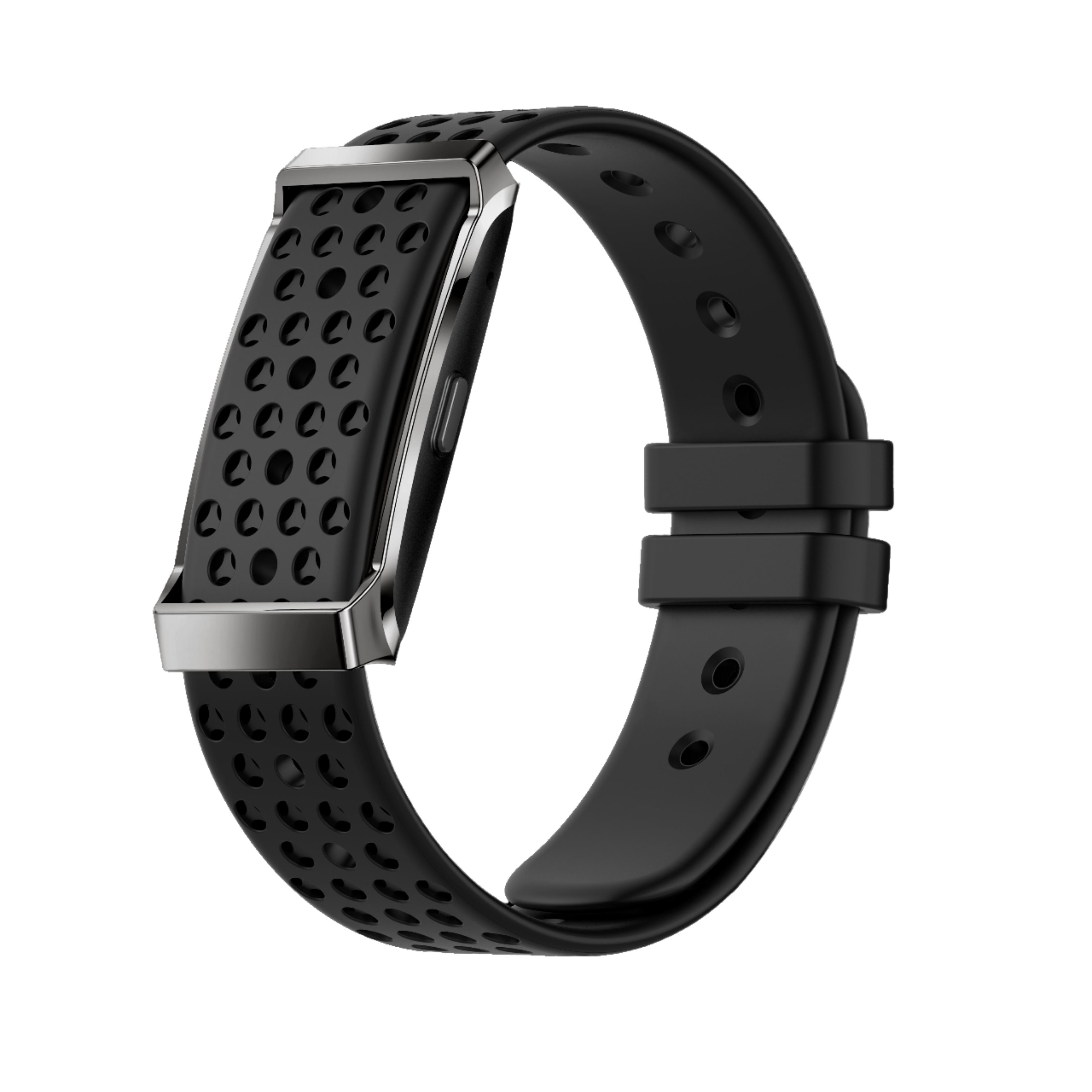
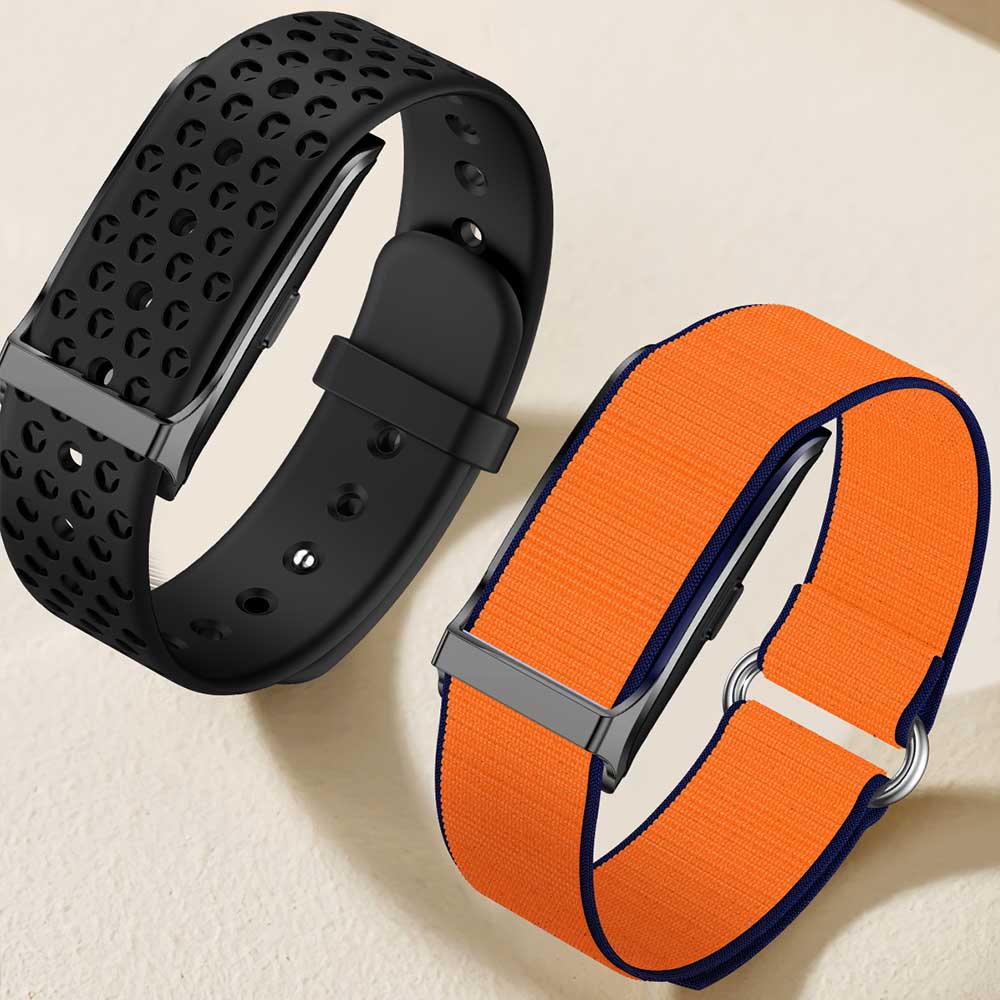
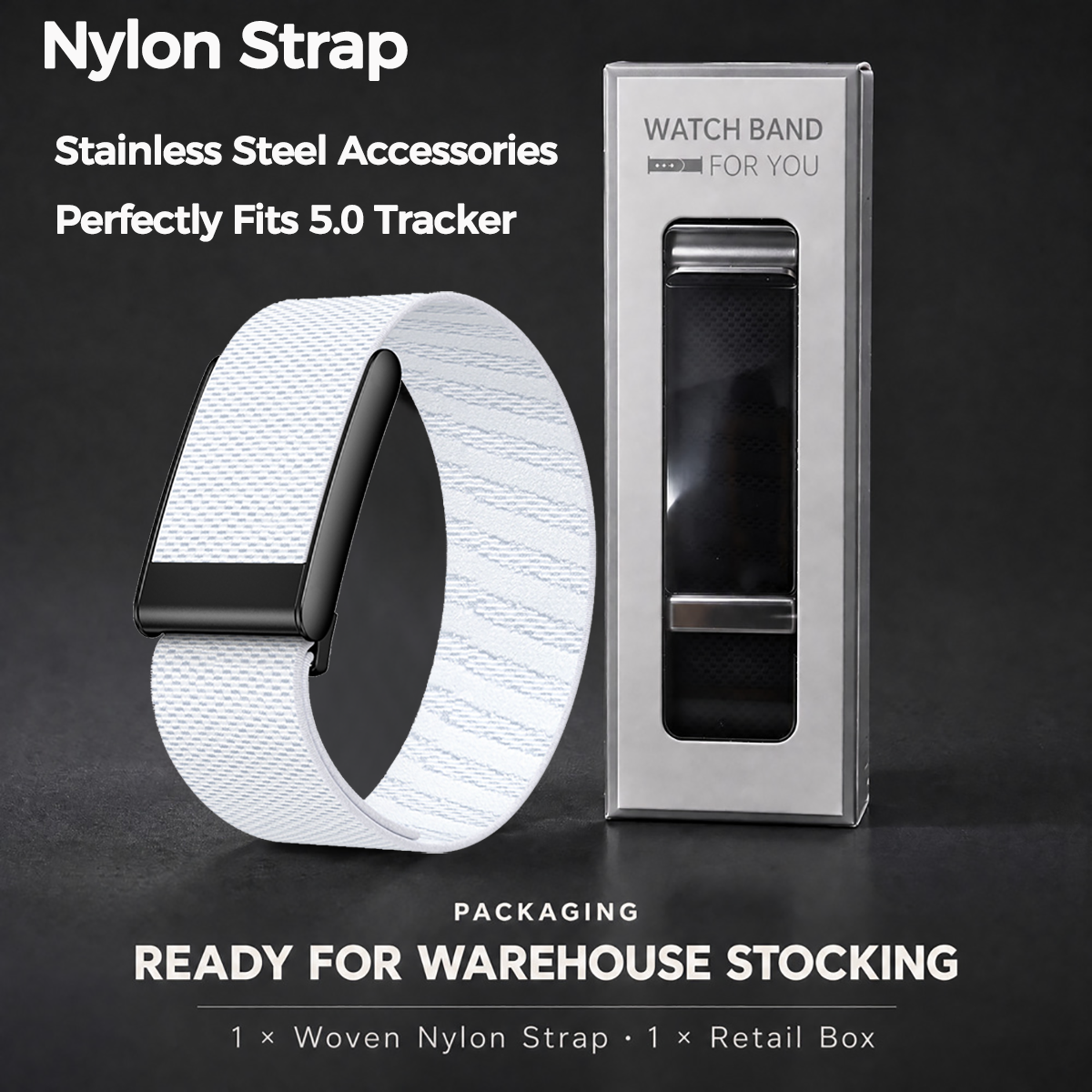
To accelerate proof-of-concept testing and institutional pilot evaluation, functional engineering samples are available starting from 1 to 5 units. For customized private-label manufacturing—including housing laser engraving, specialized silicone or breathable nylon band colors, bespoke gift box packaging, and custom Bluetooth broadcast IDs—our production minimums start as low as 500 to 1,000 units depending on the base chassis platform.
Are biometric telemetry readings intended for diagnostic medical utilization?
Our wearable products are engineered for continuous wellness tracking, athletic recovery, and enterprise health telemetry. While the onboard optical and electrical sensors (such as Goodix and Texas Instruments chipsets) provide exceptional accuracy, buyers aiming to market devices as certified Medical Devices within the EU must conduct relevant clinical trials and obtain targeted CE-MDR conformity assessment certifications in coordination with notified bodies.