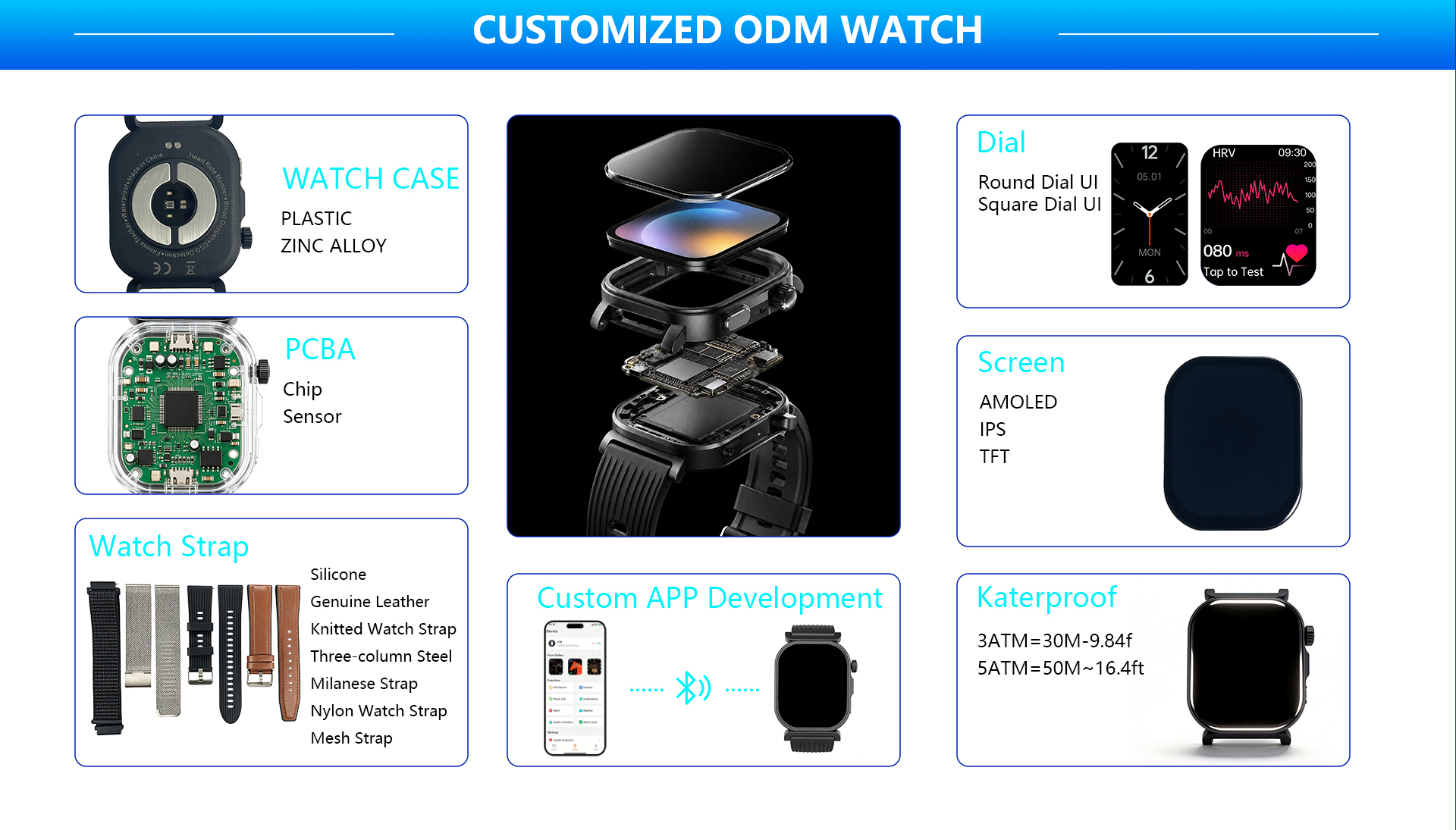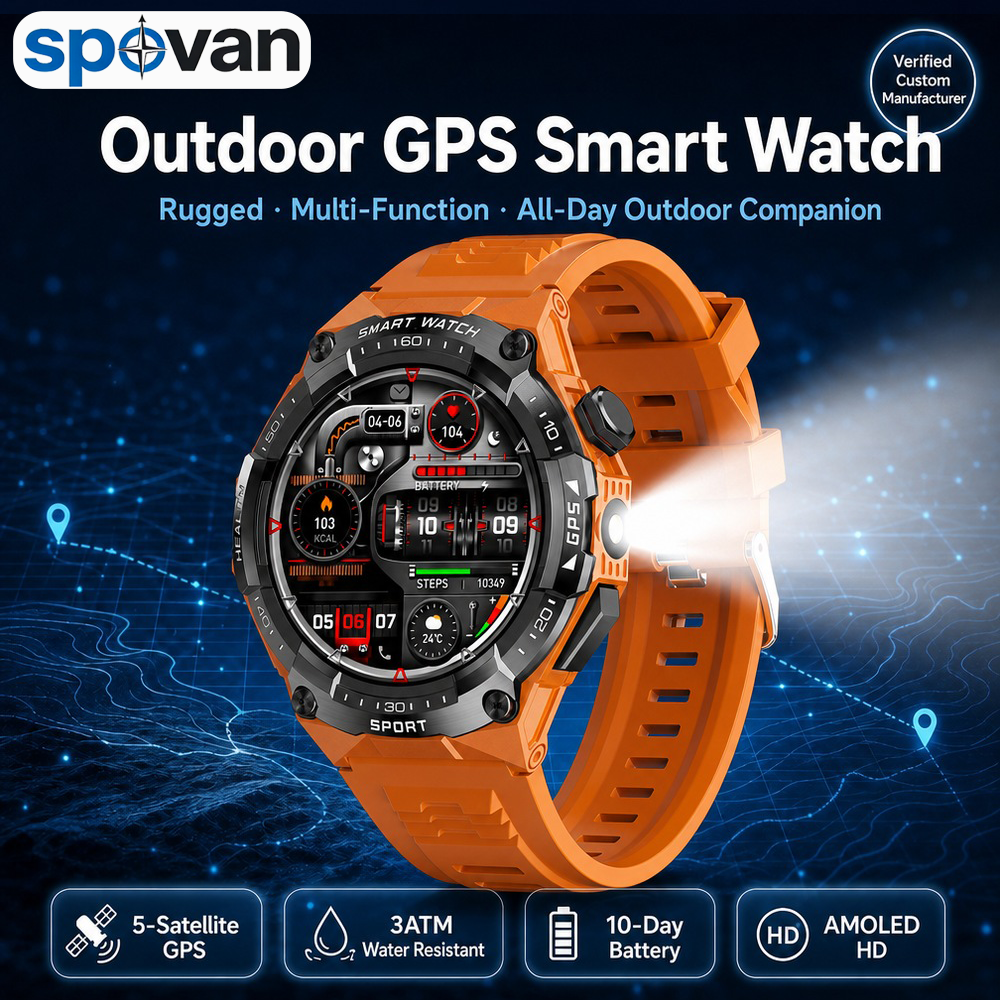
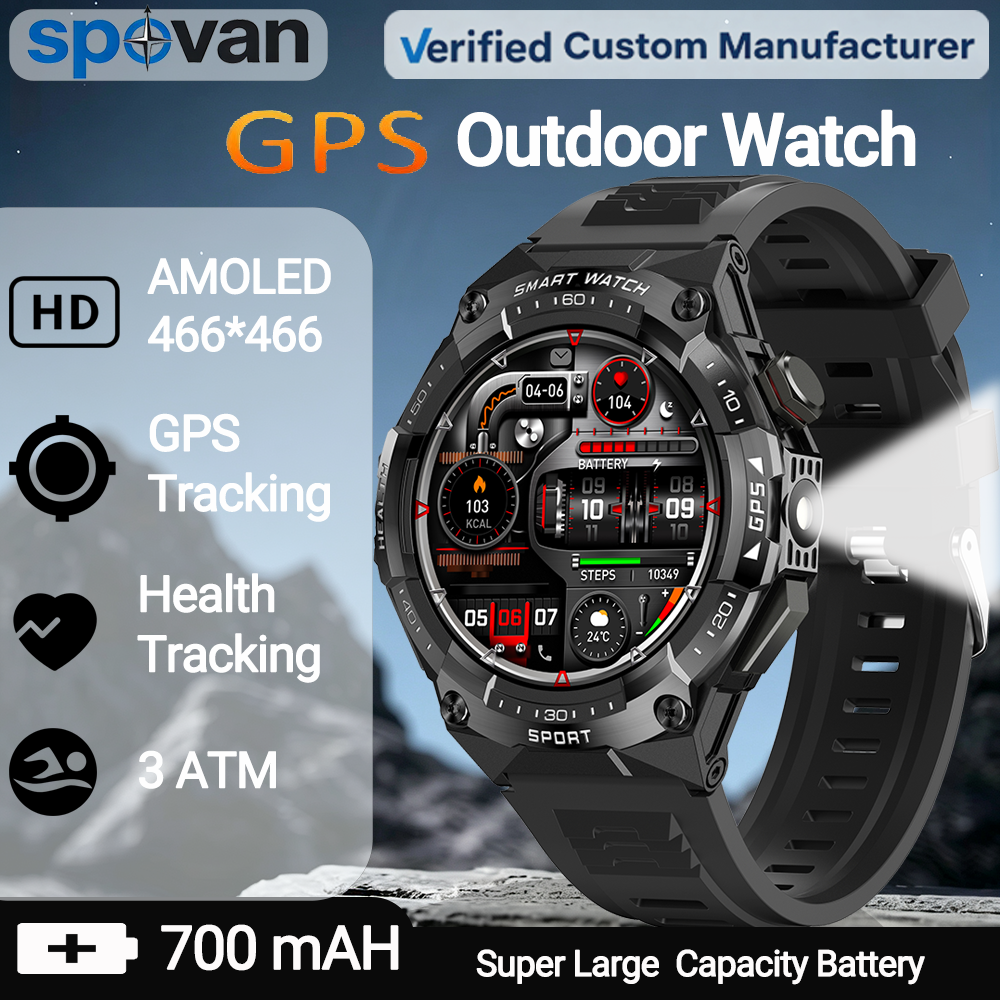
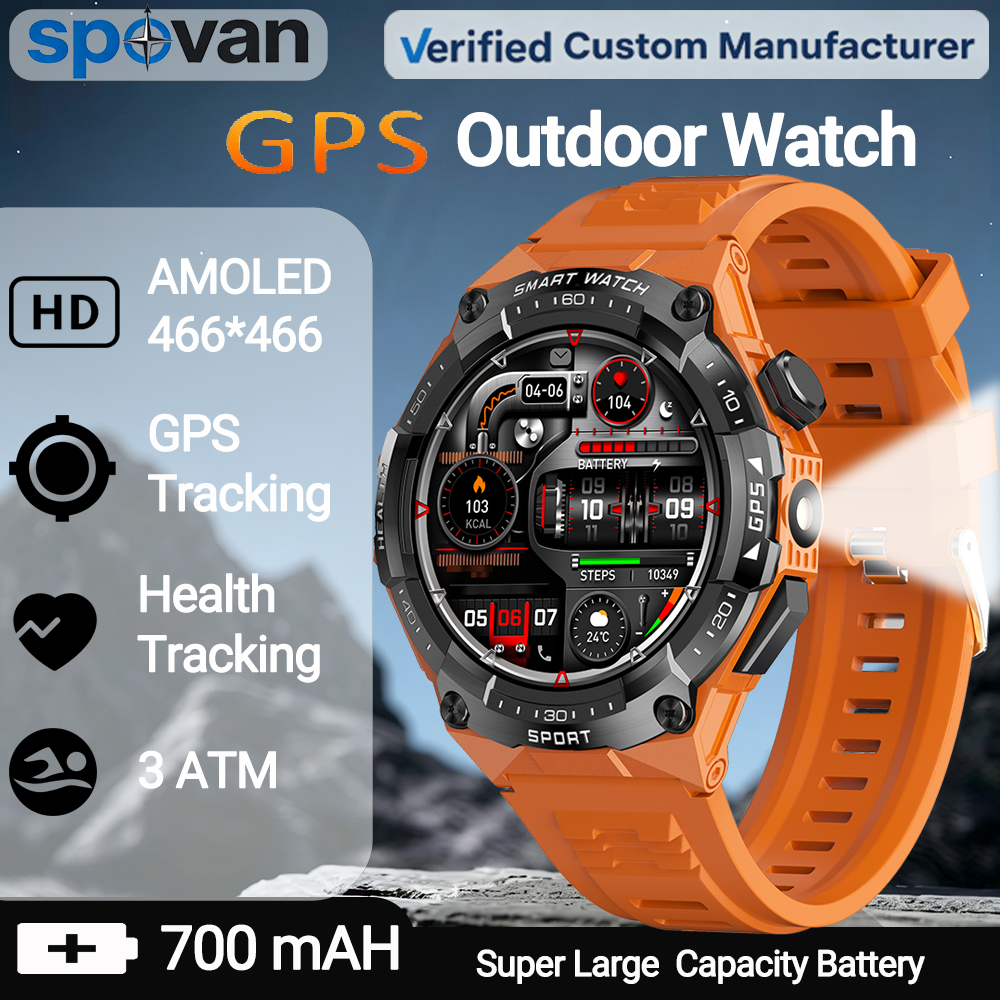
SPOVAN Rugged GPS Smartwatch Square IP68 3ATM Barometer Compass
GNSS Quad-Core
3ATM Rugged
Engineered in Shenzhen and verified by SGS, our product ecosystem bridges wearable health computing with advanced optical capture platforms for B2B deployment across the Cluj metropolitan ecosystem.
Cluj-Napoca has firmly cemented its reputation as Romania's primary innovation corridor and one of Central-Eastern Europe's premier software engineering nerve centers. From tech incubators bordering Babeș-Bolyai University and the Technical University of Cluj-Napoca (UTCN) to clinical research facilities at the Regional Institute of Oncology, the demand for unobtrusive, hands-free video recording smart glasses has evolved beyond amateur content capture into mission-critical computer vision (CV), digital documentation, and tele-mentoring applications. For Cluj-Napoca software labs and systems integrators, sourcing direct from an established China original design manufacturer (ODM) ensures precision sensor integration, hardware-level access to video feeds, and high thermal dissipation efficiency necessary for continuous runtime.
Standard consumer smart glasses routinely suffer from severe thermal throttling within 4 to 8 minutes of 1080p or 4K recording, inducing dropped frames and sensor desynchronization. In contrast, our Shenzhen manufacturing facility utilizes bespoke aluminum-alloy internal heat pipes nestled inside lightweight polyamide frames. This structural architecture directly wicks dissipation away from the CMOS image processor and temporal battery units toward micro-ventilated hinge assemblies. Consequently, system developers in Cluj can run native real-time computer vision inference models, video streaming pipelines, and Bluetooth audio duplex channels without experiencing frame degradation or housing surface temperatures exceeding IEC/EN 62368-1 consumer touch limits.
Furthermore, our open SDK/API framework provides low-level driver access for Android and Linux-based edge terminals. Rather than restricting enterprise clients to closed proprietary cloud infrastructure, our video recording smart eyewear transmits raw H.264/H.265 encoded streams directly via low-latency 5GHz Wi-Fi or Bluetooth 5.3 to local edge servers or on-premise clusters. This architecture directly addresses strict European Union General Data Protection Regulation (GDPR) mandates and Romanian Data Protection Authority (ANSPDCP) guidelines, ensuring that sensitive video streams captured inside industrial laboratories, clinical suites, or university campuses in Cluj never exit local subnet boundaries unless cryptographically signed.
Institutions like the Technical University of Cluj-Napoca (UTCN) leverage our open-API optical frames for training autonomous vision systems, spatial SLAM mapping, and human-in-the-loop gesture recognition without proprietary middleware friction.
Cluj-Napoca's medical clinics and university hospital networks utilize our ultra-lightweight, 1080p/4K 60fps first-person POV camera systems for recording surgical procedures, dental operations, and real-time remote specialist consultations.
Automotive components and electronics manufacturers within Tetarom Industrial Parks deploy hands-free video recording glasses for remote equipment inspection, expert tele-guidance, and standardized assembly audit compliance.
The Romanian wearable electronics landscape is experiencing a definitive shift from passive consumer lifestyle accessories toward domain-specific smart hardware. In Cluj-Napoca, software engineering consultancies frequently win international enterprise contracts requiring dedicated hardware integration. As a consequence, localized procurement teams are moving away from closed-ecosystem consumer brands in favor of Chinese ODM suppliers capable of customized firmware flashing, bespoke optical calibrations, and raw hardware interface licensing.
Another dominant trend is the convergence of first-person audio-visual hardware with on-device Large Multimodal Models (LMMs). With the proliferation of edge AI inferencing libraries, engineers in Cluj require smart glasses equipped with high signal-to-noise dual microphone arrays for spatial beamforming, matched with low-latency Wide-Dynamic-Range (WDR) camera modules. This enables local devices to capture clear imagery in variable Transylvanian ambient lighting while canceling industrial acoustic background noise. Shenzhen Honsys Technology supports this transition by offering modular hardware architecture, allowing clients to specify camera sensors, lens focal lengths, microphone ICs, and internal flash memory storage from 32GB to 256GB.
Founded in 2010 and exporting globally since 2012, Shenzhen Honsys Technology Co., Ltd. operates state-of-the-art SMT lines, automated optical alignment stations, and comprehensive environmental testing labs.
Our facility applies stringent Incoming Quality Control (IQC) on optical CMOS sensors and micro-battery cells, in-process automated gluing and high-precision soldering, followed by 100% individual functional optical and leakage tests before warehouse departure.
All wearable products carry comprehensive CE (RED), RoHS, and FCC compliance certificates, backed by full Declaration of Conformity dossiers and German/French EPR registrations. Our factory is assessed on-site by SGS Group for transparent compliance verification.
Leveraging streamlined dispatch channels from Shenzhen Bao'an and Hong Kong International hubs, we coordinate rapid DDP, CIF, or FOB air cargo directly into Cluj-Napoca International Airport (CLJ) or Henri Coandă International Airport (OTP) with complete customs clearing documentation.
Answers provided directly by our technical export engineers to streamline compliance, taxation, and customized hardware development.
Whether you require evaluation samples for a software integration project or full-scale OEM manufacturing for distribution across Romania, our technical export division is ready to assist.