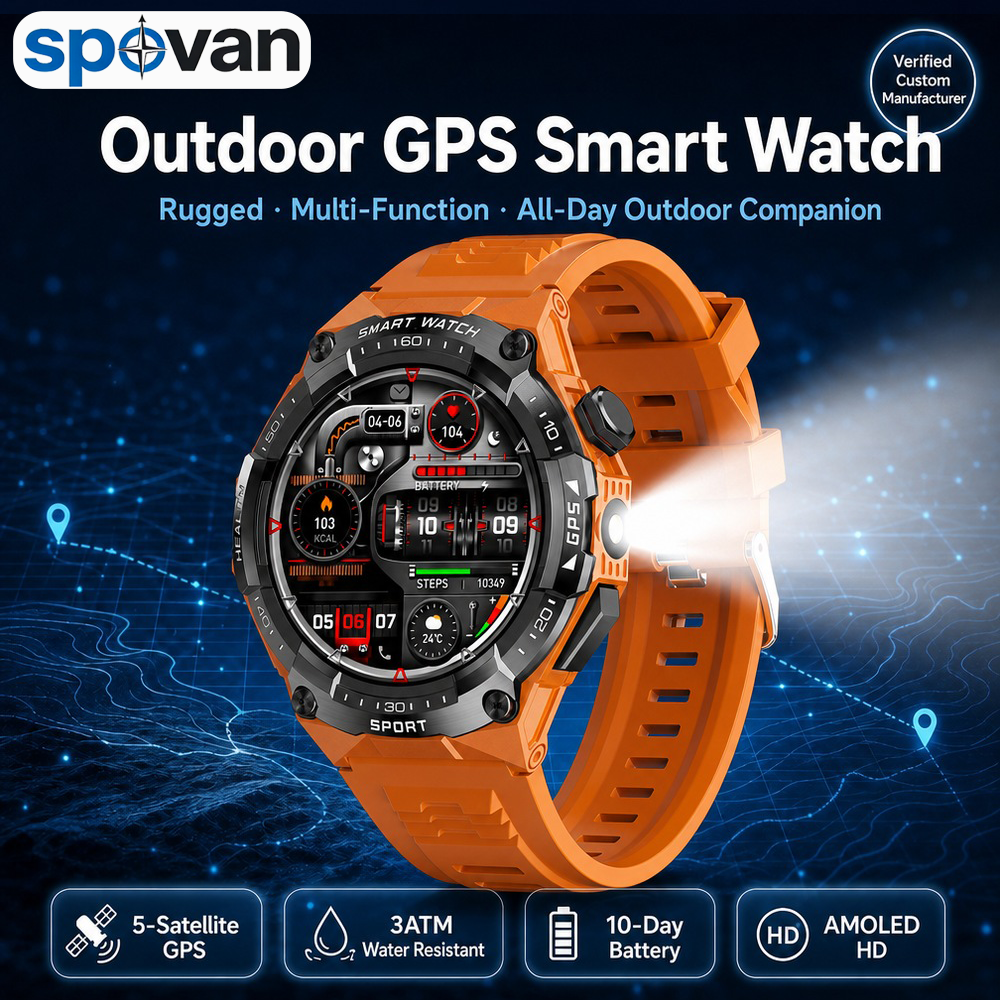
Rugged GPS & Sensor
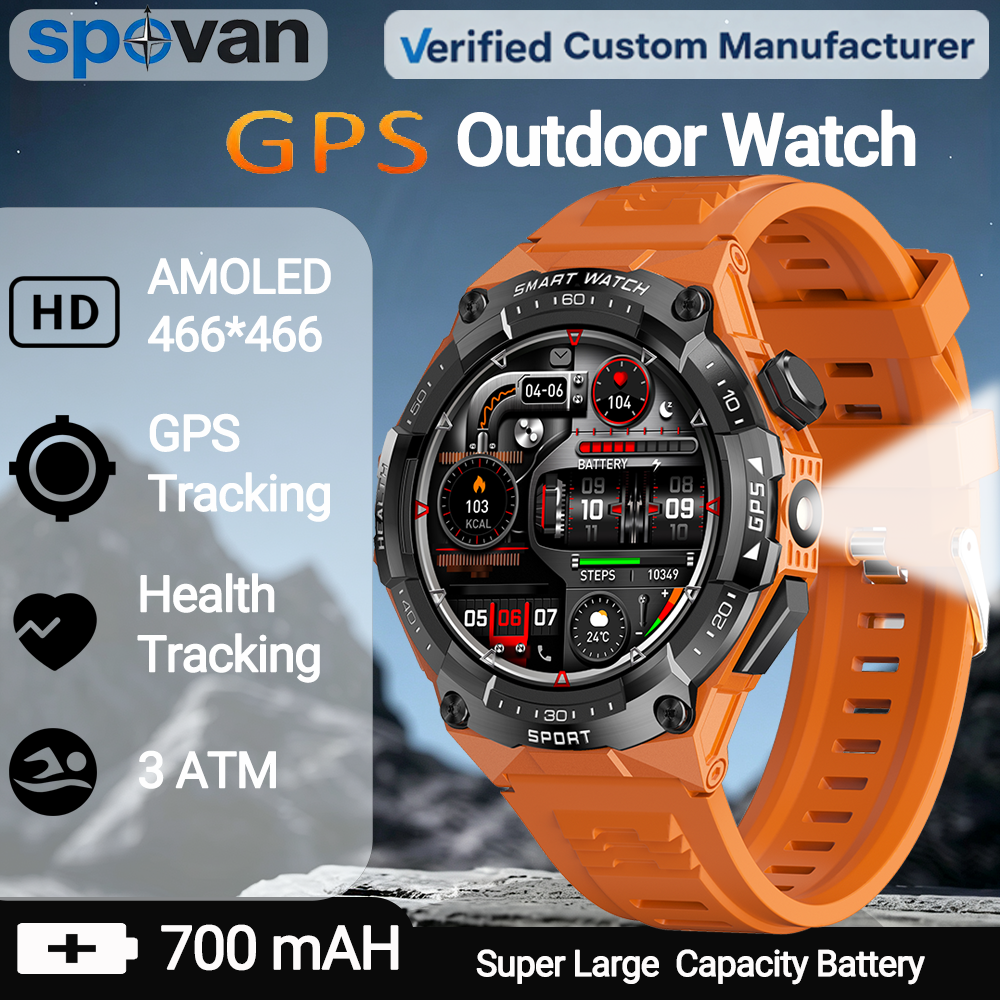
SPOVAN Rugged GPS Smartwatch Square IP68 3ATM Barometer OEM/ODM
Barometer/Altimeter
IP68 3ATM
Multi-GNSS
Engineered for high-altitude cardiovascular tracking, continuous ambulatory monitoring, and enterprise health-app synchronization across Mexico City (CDMX).
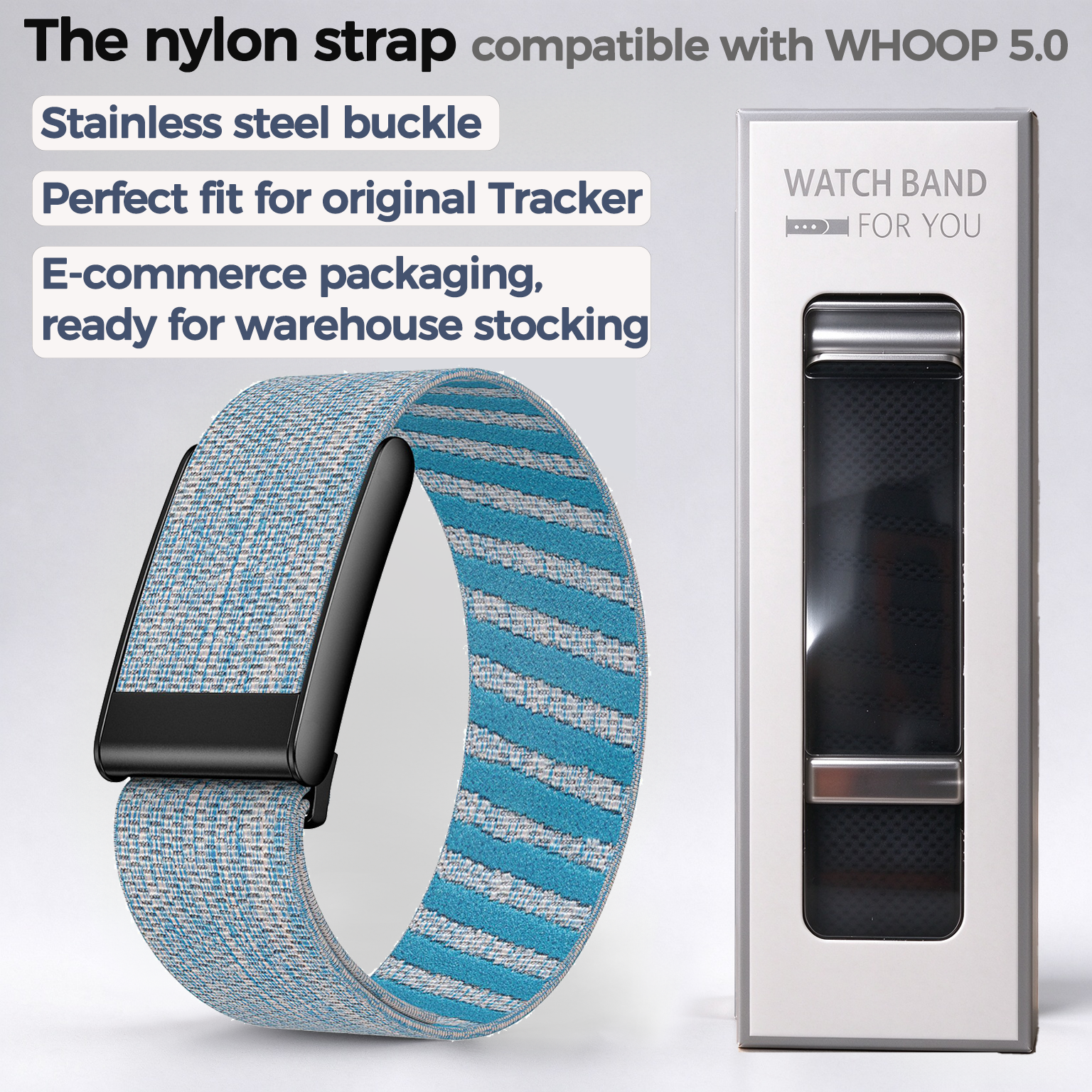
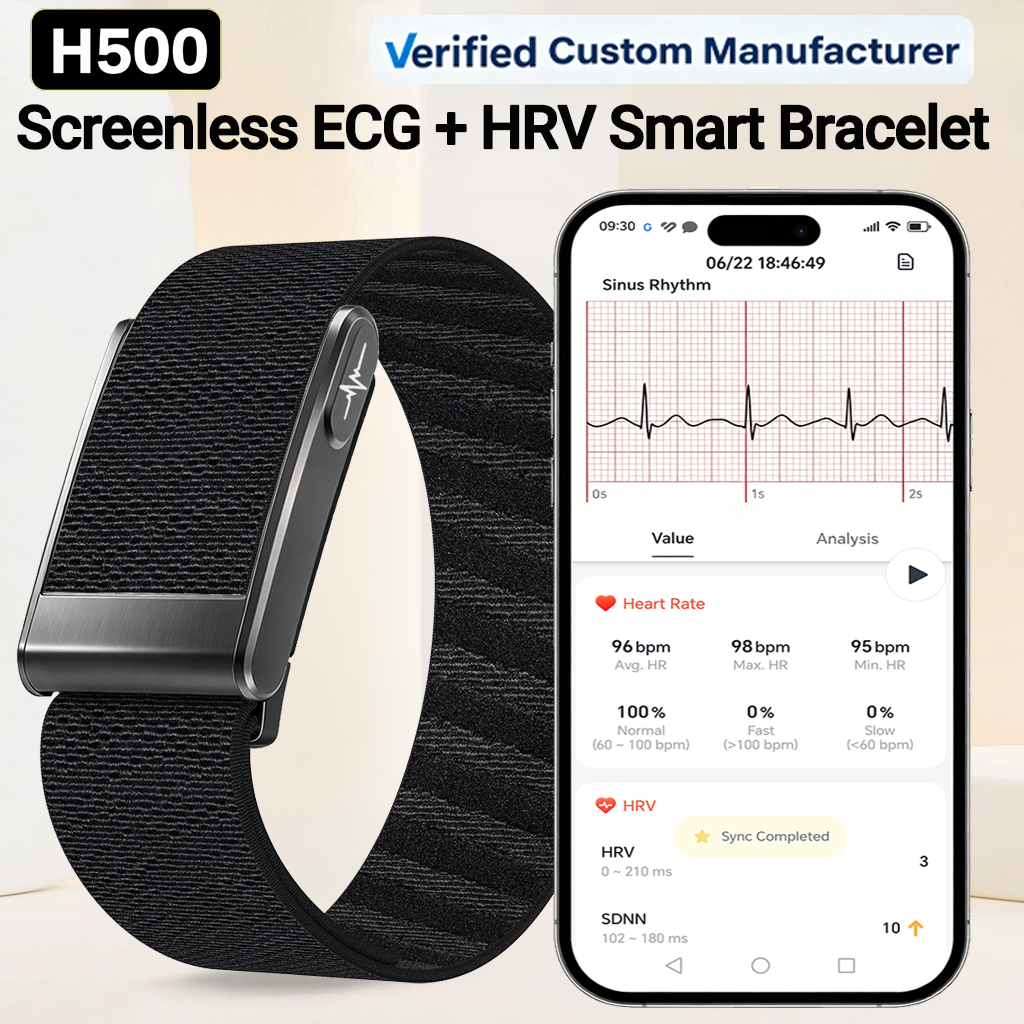
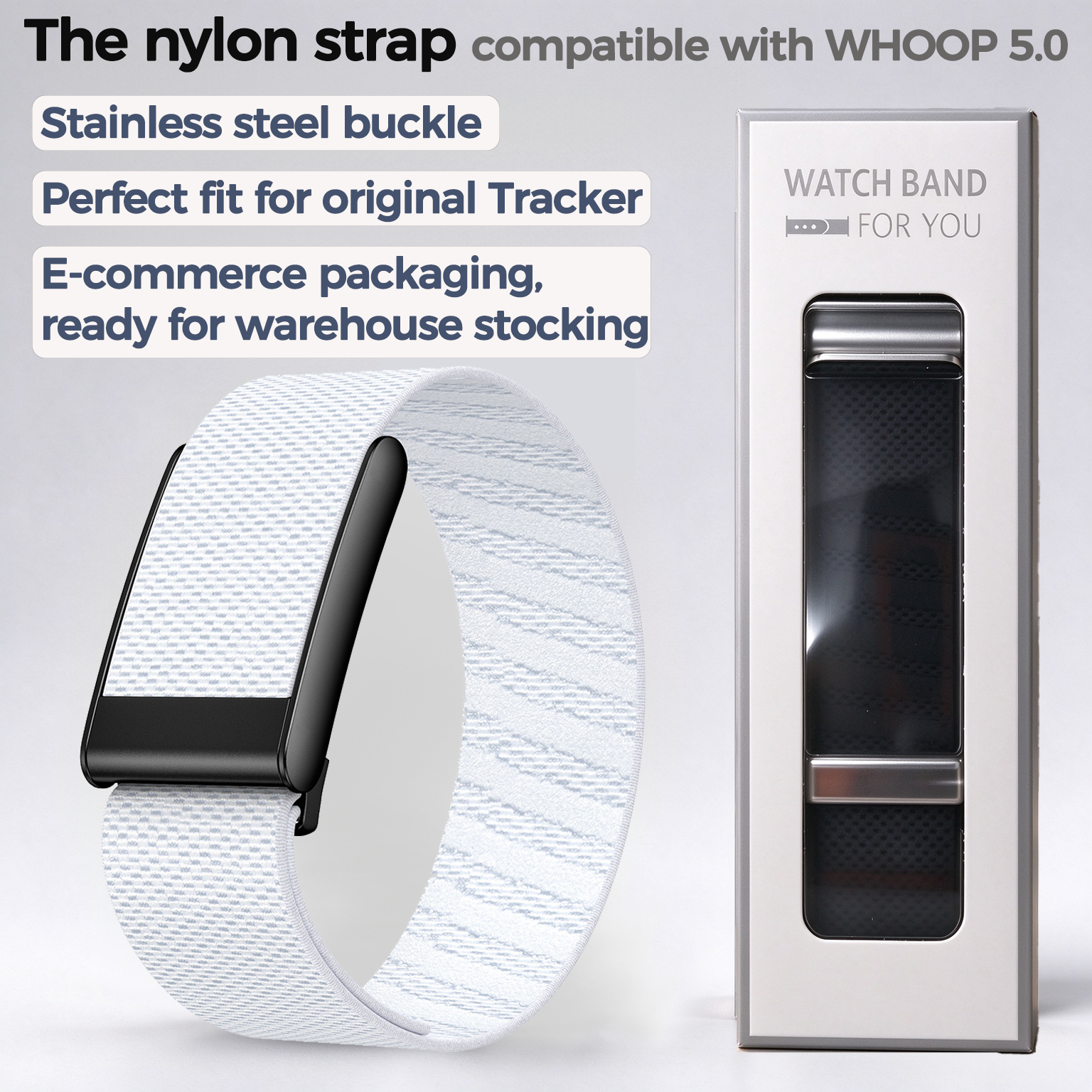
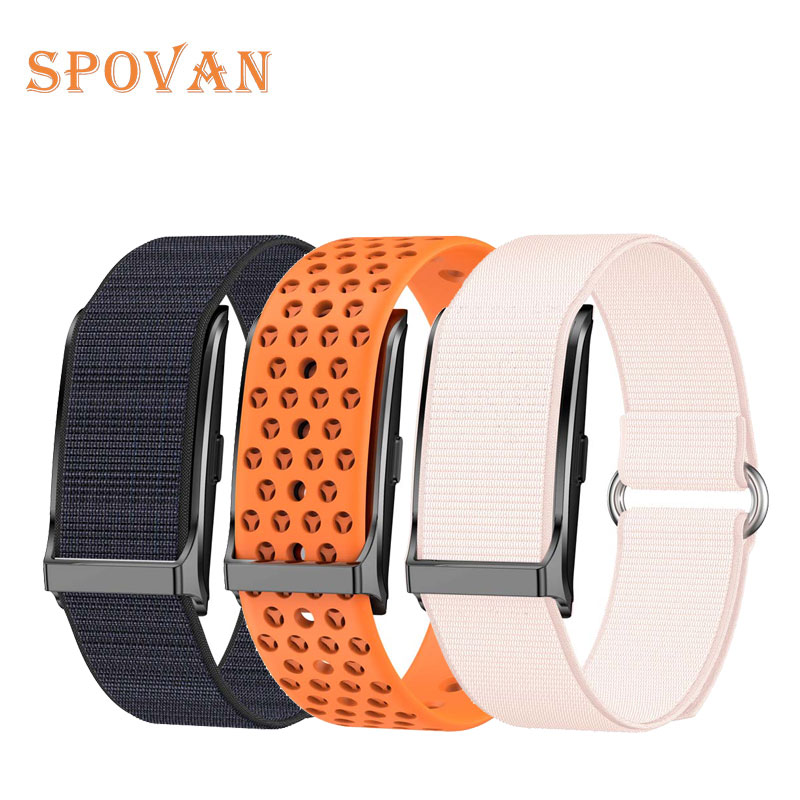
Deploying optical cardiovascular monitors in Mexico City requires navigating a unique intersection of environmental physiology and clinical epidemiology. Situated in the Valley of Mexico at an altitude of 2,240 meters (7,350 feet) above sea level, CDMX experiences lower atmospheric pressure (approx. 77 kPa vs. 101.3 kPa at sea level), resulting in reduced effective oxygen partial pressure ($FiO_2$). In response, the human cardiovascular system triggers compensatory mechanisms, including elevated basal sympathetic nervous tone, mild tachycardia, and peripheral vasoconstriction.
Shenzhen Honsys Technology has resolved these issues through dedicated multi-spectral optical channel arrays and firmware compensation routines. By integrating high-sensitivity dual-green (525nm) and infrared (940nm) emitters paired with low-noise transimpedance amplifiers, our wearable platforms detect faint hemodynamic pulsatile curves even during vasoconstrictive events triggered by diurnal temperature shifts in the high valley.
According to the National Health and Nutrition Survey (ENSANUT) conducted by Mexico's National Institute of Public Health (INSP), arterial hypertension affects more than 30.2% of the adult Mexican population, with urban concentrations in the Zona Metropolitana del Valle de México (ZMVM) exceeding 34% when accounting for undiagnosed pre-hypertension. The co-occurrence of metabolic syndrome, Type 2 diabetes mellitus, and prolonged urban commutes (often exceeding 2 hours across corridors like Insurgentes, Periférico, and the Mexico-Toluca highway) elevates cardiovascular event rates.
Public health institutions such as the Instituto Mexicano del Seguro Social (IMSS) and the Instituto de Seguridad y Servicios Sociales de los Trabajadores del Estado (ISSSTE), alongside private hospital conglomerates (e.g., Centro Médico ABC, Grupo Ángeles, Médica Sur), are pivoting toward proactive ambulatory screening models. Continuous blood pressure trending wearables bridge the diagnostic gap between occasional clinical sphygmomanometer readings and home white-coat hypertension episodes.
Tailored hardware architectures meeting the operational, technical, and regulatory requirements of Mexican enterprise ecosystems.
Financial and tech hubs face intense occupational stress. Custom screenless bands and smartwatches seamlessly feed de-identified cardiovascular metrics (HRV, continuous BP trends, arterial compliance indices) into enterprise wellness programs under NOM-035-STPS-2018 guidelines.
Mexican digital health providers integrate Honsys Open SDK (iOS/Android) directly into proprietary Spanish-language consultation apps. Encrypted Bluetooth packets stream raw PPG waveforms and calculated blood pressure trends into cloud EHR systems via HL7/FHIR protocols.
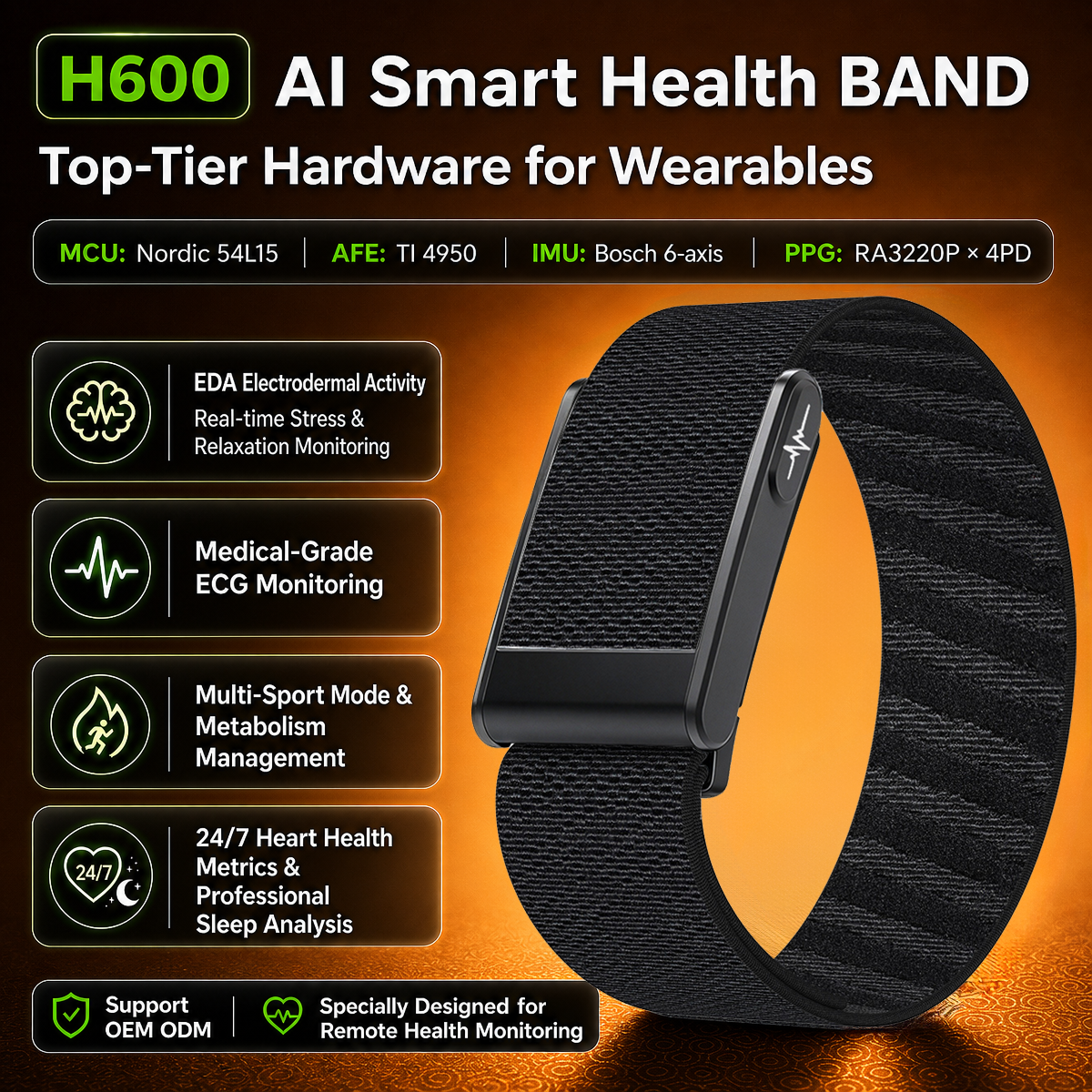
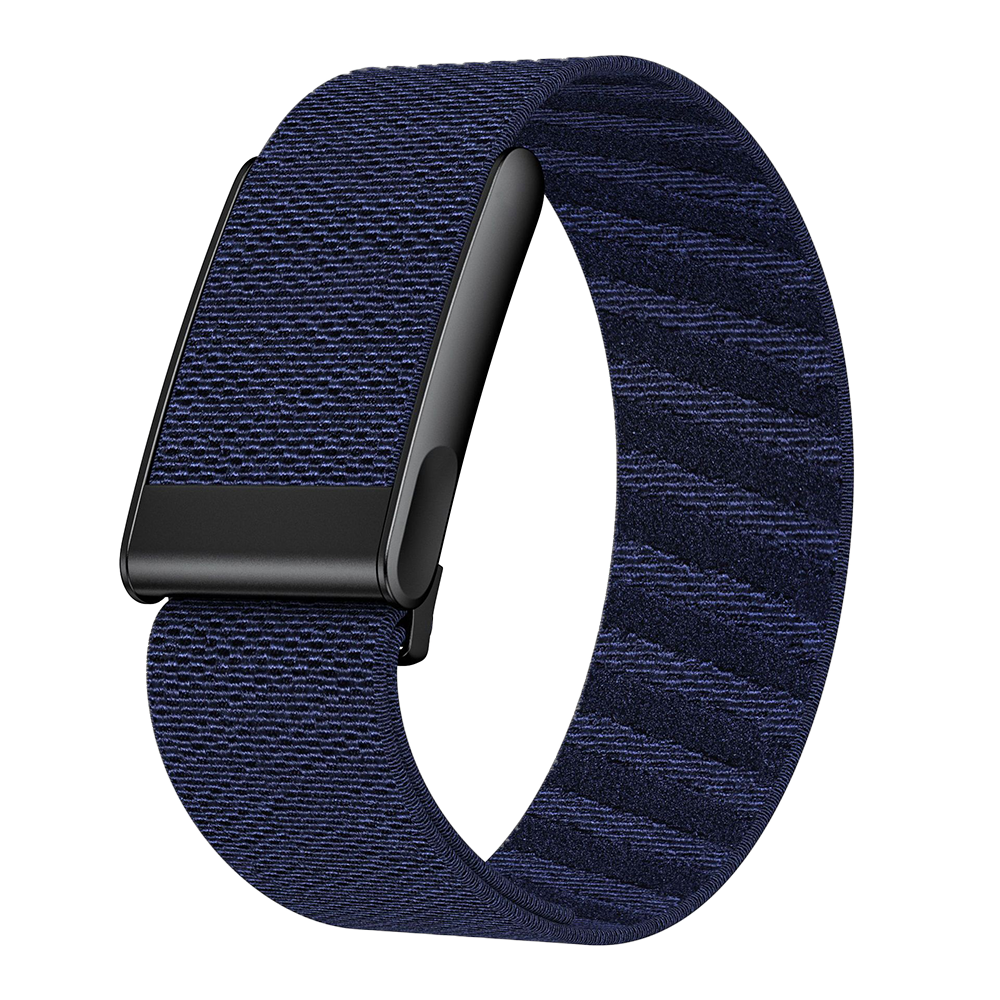
Private hospital networks across CDMX deploy our screenless ECG+PPG wristbands for high-compliance geriatric and post-operative cardiovascular patient follow-up. Long 7–14 day battery autonomy eliminates display distractions and minimizes patient non-compliance.
Operating in high-stress logistics hubs (Vallejo, Cuautitlán Izcalli, AICM Cargo Zone), field operators and transport drivers use rugged 3ATM wearables to monitor blood pressure spikes, heat-induced arrhythmia, and micro-sleep events in real time.
Critical market forces shaping digital health hardware procurement, regulatory compliance, and nearshoring opportunities.
Mexican consumers and institutions are moving past basic accelerometers. Sourcing demands focus heavily on continuous cardiovascular indicators: arterial stiffness estimations, nocturnal blood pressure dip analysis, and combined PPG+ECG rhythm verification to screen for subclinical atrial fibrillation.
With Mexico solidifying its role in North American high-tech supply chains, medical device brands in Mexico City require hardware manufacturers with agile OEM/ODM capabilities, transparent component traceability, and rapid air freight routing via AICM and AIFA international cargo terminals.
Mexican importers leverage dual-classification go-to-market strategies: importing baseline models as electronic lifestyle monitors (evading lengthy COFEPRIS sanitary registrations) while partnering with our R&D team to supply clinical technical files for Class II medical device approval trajectories.
Continuous non-invasive blood pressure (cNIBP) estimation without an inflatable arm cuff represents a monumental leap in user adherence. Our engineering framework employs Pulse Transit Time (PTT)—measuring the temporal delay between ventricular electrical contraction (R-peak on the single-lead ECG) and peripheral arterial blood volume expansion (detected by optical photoplethysmography at the radial or ulnar artery).
Using the Moens-Korteweg equation and Hughes' physiological relationship, blood pressure ($BP$) correlates directly with pulse wave velocity ($PWV$):
Where L is arterial path length, ρ is blood density, E_0 is the zero-pressure vessel elastic modulus, and γ is the arterial elasticity coefficient. Because high-altitude hypoxia in Mexico City influences resting arterial elasticity and vascular tone, Honsys firmware incorporates demographic and barometric correction coefficients ($C_{alt}$) directly within our open SDK compilation pipeline.
Standard green LED sensors (525nm) suffer from optical attenuation in populations with higher melanin concentrations (Fitzpatrick skin types III through V, prevalent across central and southern Mexico). When melanin absorbs green photons, the signal-to-noise ratio (SNR) plummets, causing pulse-wave clipping.
Honsys addresses this optical bias through three hardware adjustments:
Founded in 2010 and exporting globally since 2012, our facility blends medical engineering precision with agile Shenzhen consumer tech production.
Unlike closed-ecosystem consumer brands, Honsys provides full Bluetooth communication protocols, API documentation, and SDK wrappers for Android, iOS, Flutter, and React Native. Sync raw photoplethysmography curves and ECG vectors to private health clouds in Mexico.
Our manufacturing lines are audited and assessed on-site by SGS Group. Hardware conforms to CE, FCC, RoHS, and EU EPR standards, giving Mexican customs brokers (agentes aduanales) straightforward documentation for clearance without regulatory friction.
From custom silicone/nylon tooling and laser-etched zinc alloy bezels to Spanish-language packaging, firmware boot logos, and custom-tailored vibration alert frequencies for enterprise workflows, we deliver tailored brand solutions.
Every single IP68/3ATM waterproof housing undergoes automated pneumatic differential pressure chamber testing. We guarantee ingress protection against water, sweat, and micro-particles, vital for challenging urban and industrial environments.
Backed by Shenzhen's component ecosystem, our streamlined SMT lines, ultrasonic welding bays, and cleanroom assembly yield dependable ~30-day turnaround for volume orders, dispatched FOB Yantian, Shenzhen, or Hong Kong via express air cargo directly to AICM.
We stand behind our industrial quality with an uncompromising 12-month commercial warranty, comprehensive spare parts allocation, and bilingual engineering support available to assist your software engineering teams during app integration.
Clear, direct answers to common logistical, regulatory, and technical inquiries from buyers in Mexico City and across Latin America.
Smartwatches entering Mexico under HS Code 8517.62.99 typically fall under commercial safety and telecommunications regulations. Mexican importers registered in the Padrón de Importadores must comply with NOM-001-SCFI-2018 or NOM-019-SCFI-1998 (electrical safety), NOM-024-SCFI-2013 (commercial packaging and Spanish user manual labeling), and Instituto Federal de Telecomunicaciones (IFT-008 / NOM-208-SCFI-2016) radiofrequency certification for Bluetooth and Wi-Fi transceivers. Shenzhen Honsys Technology provides comprehensive laboratory test reports, CE RED documentation, FCC ID certificates, and schematic declarations to expedite your customs broker's NOM homologation process.
It depends on your commercial positioning. If marketed as non-diagnostic consumer wellness and fitness monitors (dispositivos de bienestar personal), they are exempt from COFEPRIS sanitary registration under general Mexican health regulations, provided marketing materials and Spanish manuals state: "Este producto no es un dispositivo médico y no sustituye el diagnóstico clínico profesional." However, if your company intends to distribute them as Class II medical diagnostic devices for formal hospital procurement (IMSS/ISSSTE), Honsys will support your team with ISO 9001/13485-aligned manufacturing quality documentation, biocompatibility test records, and sensor precision data files for your COFEPRIS regulatory submission.
Yes. We provide complete firmware and UI localization adapted specifically for Mexican Spanish (avoiding confusing regional Castilian idioms). This includes on-screen watch menus, push notifications, and companion smartphone applications. For enterprise clients building custom platforms, our open SDK allows complete front-end customization, letting your developers craft native Spanish interfaces while querying raw biometrics directly from the hardware.
For urgent and high-value orders, air cargo via DHL, FedEx, or dedicated air freight from Shenzhen (SZX) or Hong Kong (HKG) directly to Mexico City Benito Juárez International Airport (MEX / AICM) or Felipe Ángeles International Airport (NLU) takes approximately 4 to 7 business days. For bulk sea freight containers, goods depart from Yantian Port in Shenzhen to the Port of Manzanillo, Colima, with ocean transit taking 18 to 22 days, followed by 2 to 3 days intermodal rail or bonded truck transit directly to CDMX customs warehouses.
Evaluation samples are available starting from 1 to 10 units for testing and validation. For laser-etched logos on device bezels, custom boot screen animation logos, and personalized Spanish gift-box packaging, our standard MOQ starts at 500 to 1,000 units depending on the model. Fully customized tooling, casing geometries, or tailored sensor configurations are scoped individually with clear milestones.
We accept Telegraphic Transfer (T/T), Irrevocable Letters of Credit at Sight (L/C), PayPal (ideal for sampling), and Escrow trade assurance platforms. Standard commercial quotes are provided in USD, EUR, or CNY under FOB Shenzhen / Hong Kong, CIF Manzanillo, or DDP CDMX terms (where import duties, IVA, and customs clearance are coordinated door-to-door).
Partner directly with a seasoned Shenzhen hardware manufacturer. Request complete datasheets, sensor evaluation kits, and B2B pricing schedules for your market.