Medical Reference
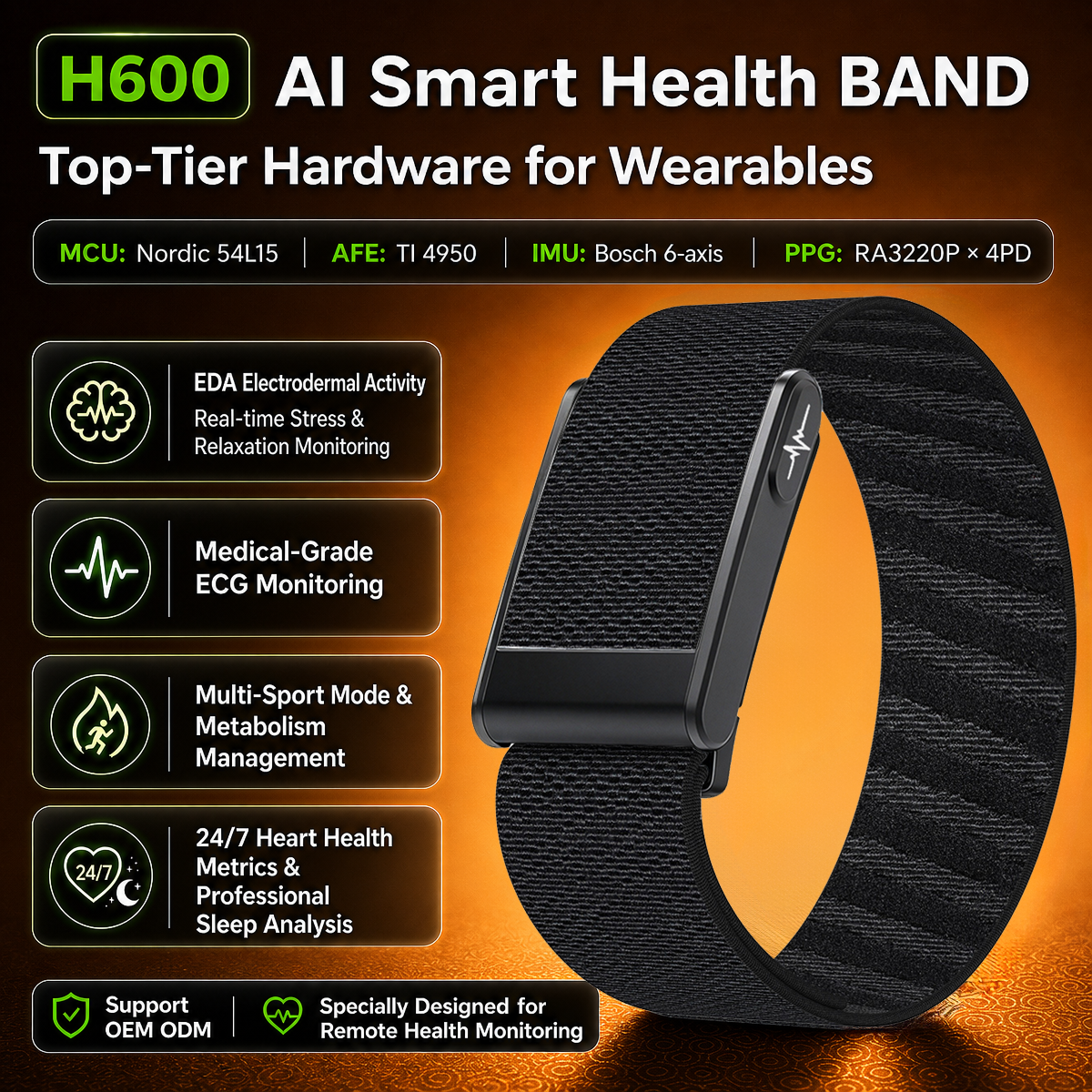
Deploy field-tested biometric monitoring wristbands, customizable nylon bands, and open SDK platforms engineered to withstand high humidity and tropical operating environments throughout Dili, Baucau, and rural municipal districts.
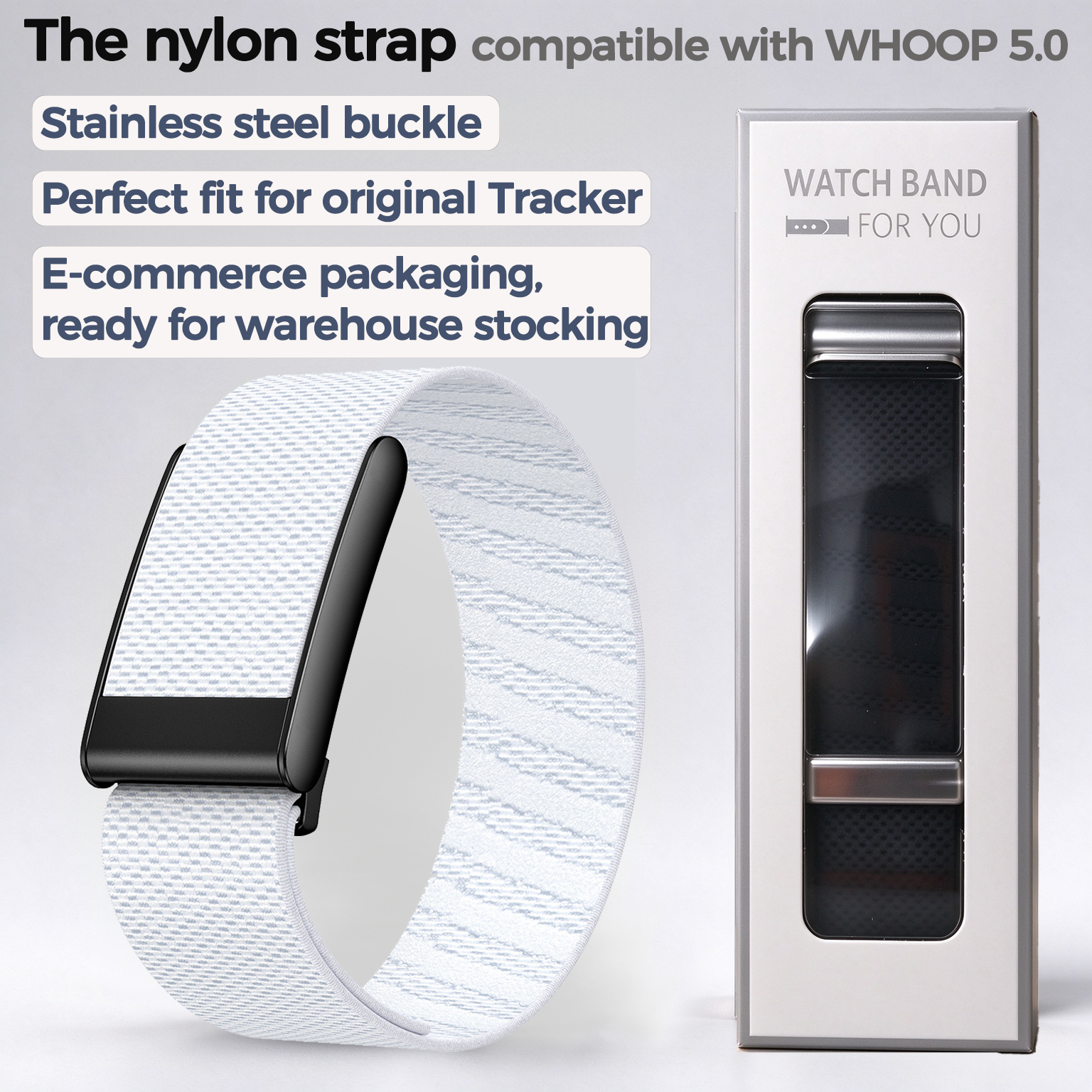
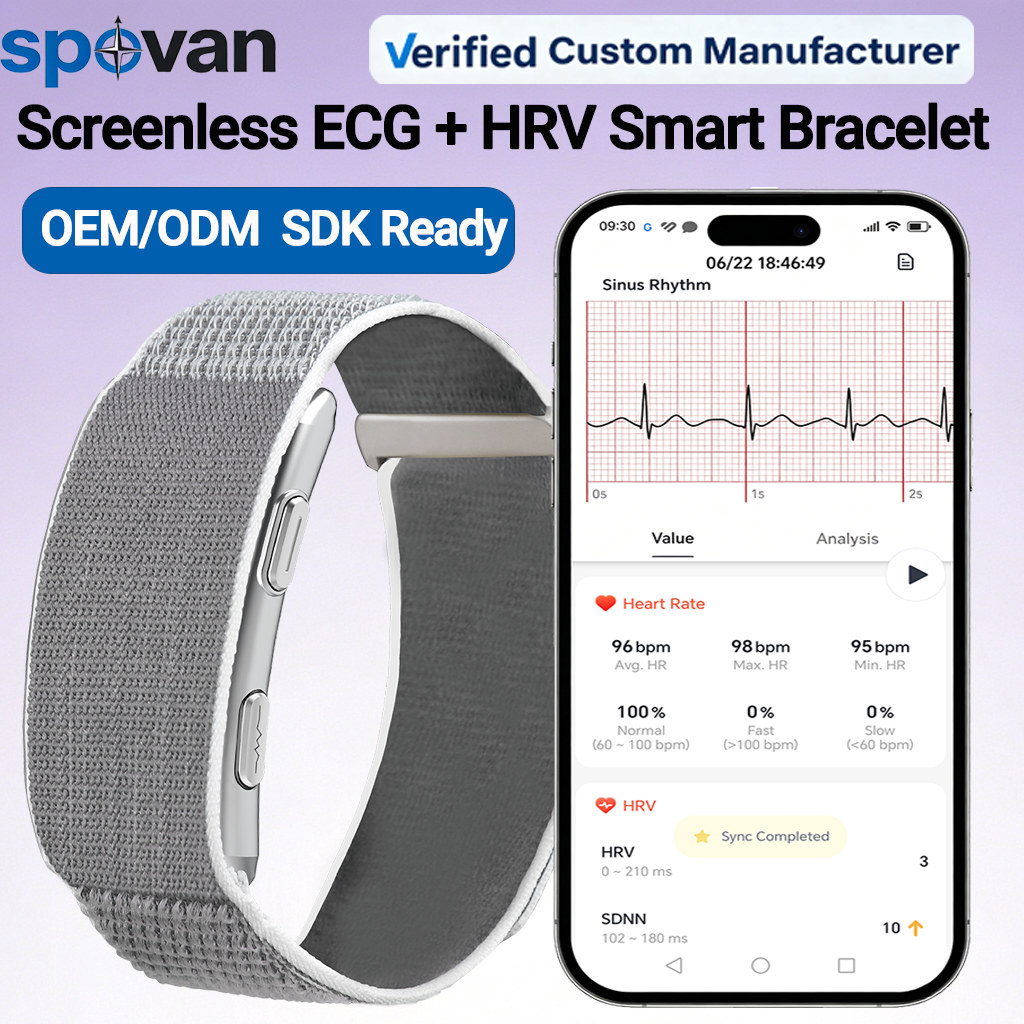
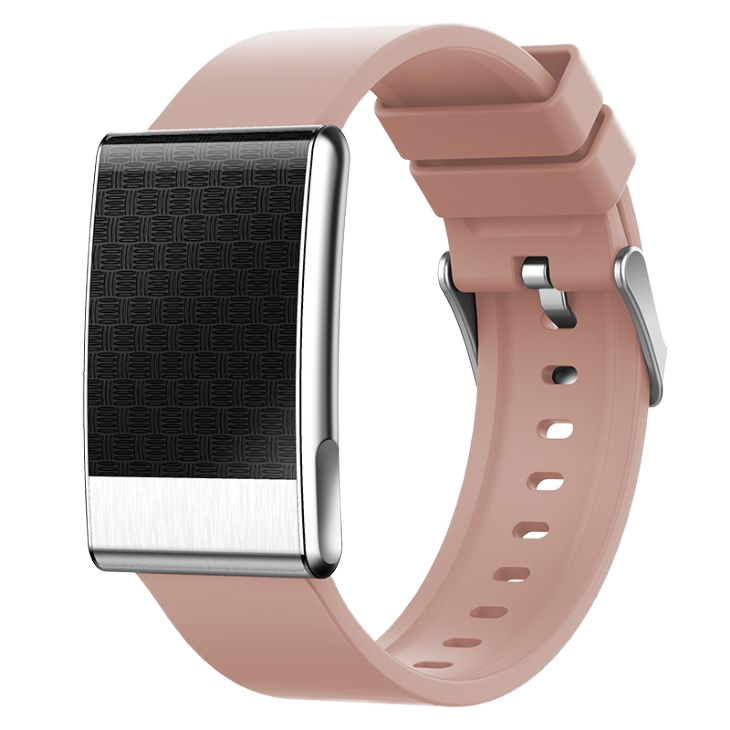
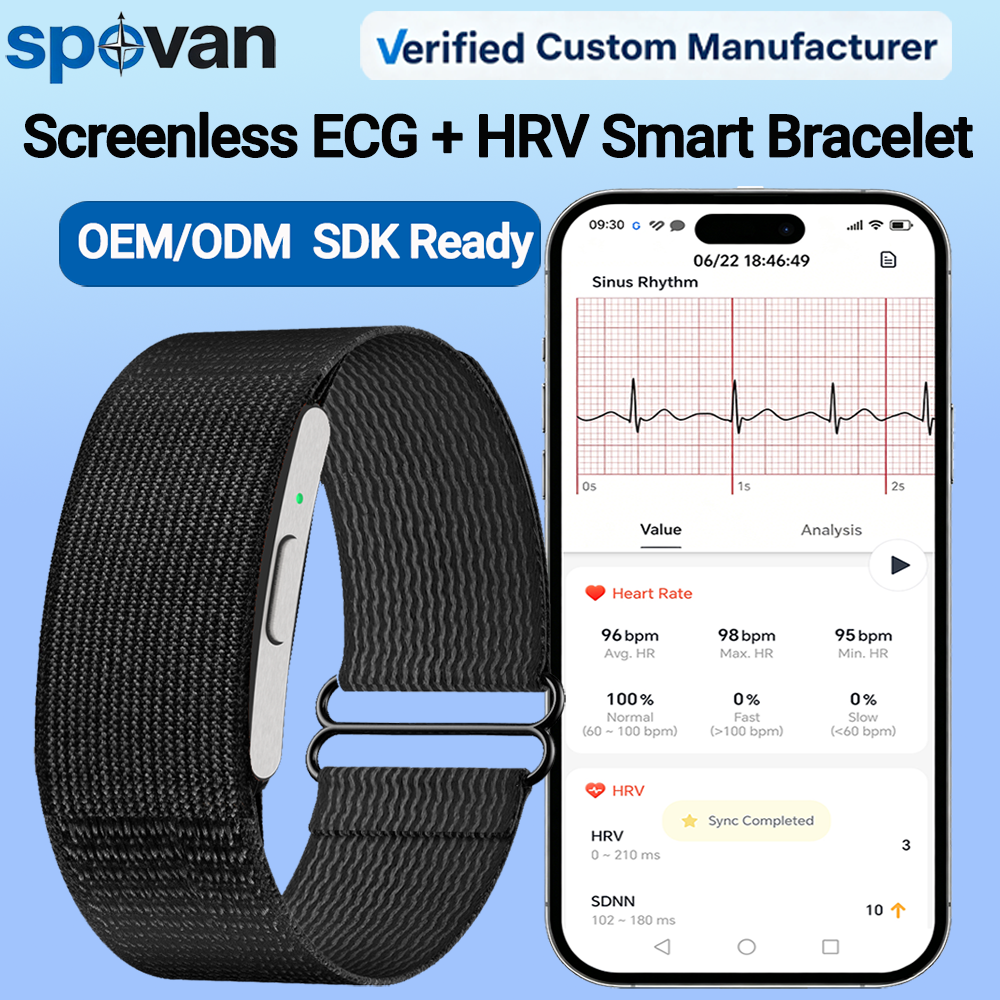
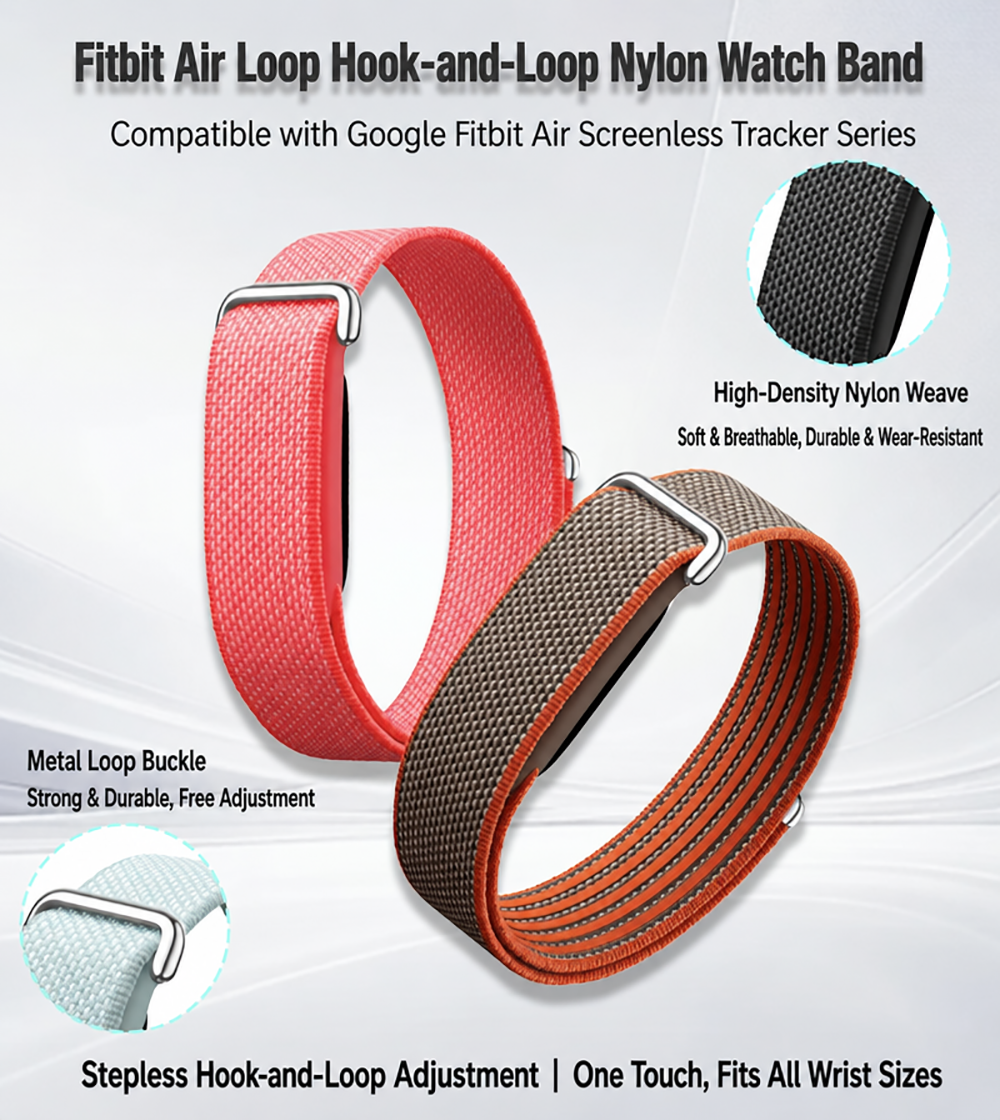
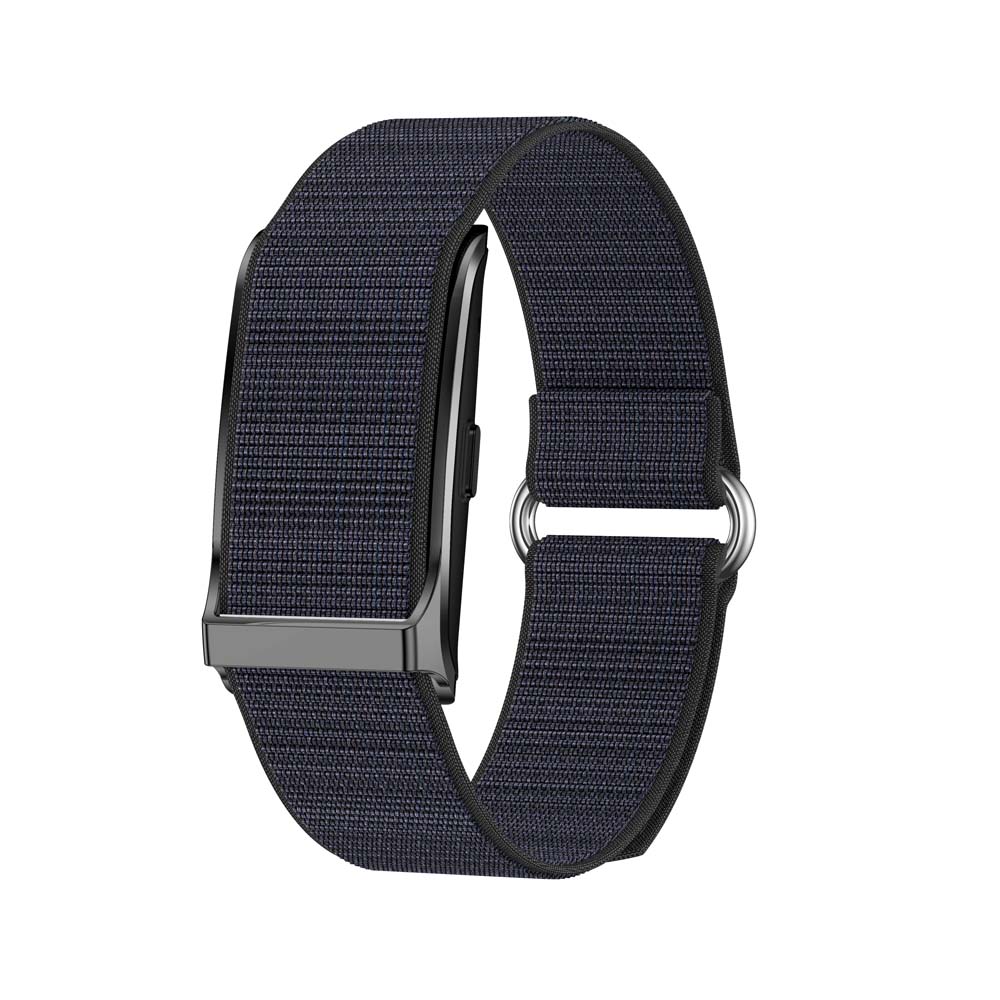
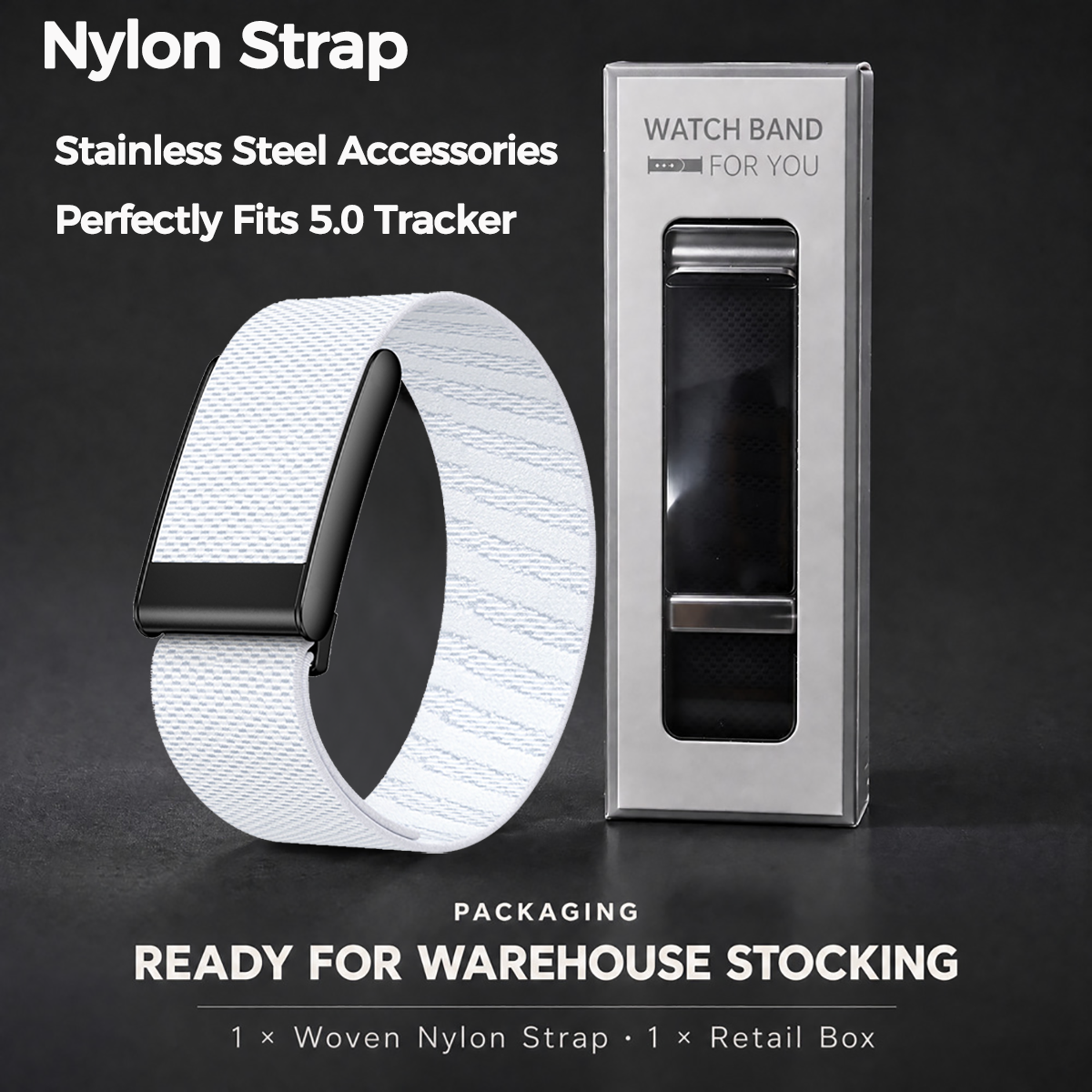
The Democratic Republic of Timor-Leste represents a distinctive geographical and demographic landscape for biometric healthcare delivery. Characterized by mountainous interior topography, dispersed rural populations across municipalities such as Ainaro, Ermera, Bobonaro, and the Special Administrative Region of Oecusse-Ambeno (RAEOA), healthcare administration faces persistent logistical challenges. Primary healthcare outreach programs, notably the Servisu Integrado Saúde Comunitária (SISCa), require reliable vital sign monitoring devices that function independently of constant grid electricity and high-bandwidth connectivity.
As health programs transition from purely episodic interventions to continuous physiological tracking, the demand for non-intrusive, durable, and cost-effective health bracelets has surged. Procurement directors, non-governmental organizations (NGOs), bilateral healthcare contractors, and municipal hospital procurement committees increasingly prioritize screenless health wristbands over consumer-grade smartwatches. The rationale is direct: consumer smartwatches with active color touchscreens suffer from high battery depletion (typically 24–48 hours), fragile glass displays susceptible to shattering in rigorous field environments, and cognitive distraction during clinical examinations.
Shenzhen Honsys Technology Co., Ltd. serves as an experienced manufacturing partner capable of fulfilling these demanding specifications. With continuous export operations since 2012, SGS on-site factory verification, and comprehensive ISO/CE/RoHS/FCC regulatory frameworks, we provide Timorese institutions with tailored OEM/ODM hardware architectures, open Bluetooth Low Energy (BLE 5.2/5.3) SDKs, and local-currency transaction compatibility via official United States Dollar (USD) settlement.
Community health workers visiting remote mountain sucos utilize screenless ECG/PPG bands to monitor high-risk hypertensive and cardiac patients. Data logs autonomously onto local flash memory and syncs instantly when the worker reconnects to Telemor or Timor Telecom 4G cellular nodes in sub-district centers.
Personnel operating at the Port of Tibar, Dili Harbor, and offshore facilities in the Timor Sea face intense heat, high salinity, and heavy physical strain. IP68 waterproof, sweat-resistant nylon bands track real-time cardiovascular exertion, skin temperature spikes, and dehydration-induced HRV collapse to prevent occupational heatstroke.
Hospitals such as Hospital Nacional Guido Valadares (HNGV) in Dili implement continuous vital bands in non-ICU recovery wards. By replacing manual spot-checking with 24/7 background telemetry via hospital BLE gateways, nursing stations track nocturnal oxygen desaturation and sudden arrhythmias with fewer staff burdens.
1. Subsea Fiber Optic Infrastructure Integration: With the operational integration of the Timor-Leste South Subsea Cable (TLSSC) connecting Dili directly to Darwin, Australia, national bandwidth latency has dramatically decreased. This digital leap allows local health networks to process high-resolution cloud tele-monitoring data streams, making open-API wearable integration viable for country-wide health portals.
2. Preventive Shift for Non-Communicable Diseases (NCDs): Cardiovascular disorders, diabetes, and hypertension represent a growing portion of morbidity across urban Dili and secondary towns like Maliana and Baucau. Health authorities are actively pivoting funding toward early detection. Continuous blood oxygen monitoring, nocturnal autonomic nerve analysis via HRV, and micro-temperature anomaly tracking provide predictive markers before acute clinical episodes occur.
3. Transition Toward Screenless Ergonomics: Wearable adoption historically suffered when fragile consumer devices broke in wet tropical climates. Importers are standardizing on shockproof zinc alloy or poly-carbonate unibody housings with ultrasonic gluing, eliminating the fragile touchscreen layer altogether. This design reduces field warranty claims by up to 84% compared to standard smartwatches.
| Evaluation Parameter | Honsys Screenless Health Band | Commercial Smartwatch (Consumer) | Clinical Multi-Parameter Holter |
|---|---|---|---|
| Battery Longevity (Continuous) | 10–21 Days (Low-power BLE architecture) | 1–2 Days (Screen drain bottleneck) | 24–72 Hours (High load / clinical tether) |
| Tropical Environmental Sealing | IP68 / 3ATM / Ultrasonically sealed resin | IP67 / Vulnerable speaker/mic grilles | Non-waterproof / Electrode adhesive peel |
| Data Telemetry Protocol | Open SDK / BLE 5.3 / Direct API / RESTful Cloud | Closed proprietary app (Google/Apple ecosystem) | Proprietary hospital workstation protocol |
| Strap Aeration & Skin Tolerance | High-density anti-chafing woven nylon loop | Silicone strap (prone to tropical dermatosis) | Medical tape (skin maceration risk) |
| Procurement & Replacement Cost | Low-to-Medium (Ideal for scale deployment) | High (High margin consumer retail) | Extreme ($1,500+ per unit capital asset) |
| Field Durability | High shock tolerance (No glass face) | Fragile (Display cracked upon impact) | Sensitive laboratory equipment |
Practical answers to logistical, technical, financial, and regulatory questions commonly raised by health organizations, importers, and procurement officers based in Dili.
Shenzhen Honsys Technology Co., Ltd. (operating since 2010 with export operations initiated in 2012) enforces rigorous production control standards across every phase of hardware design, SMT surface mounting, cleanroom gluing, ultrasonic welding, and final packaging. Our facility has undergone rigorous on-site operational assessment by SGS Group, confirming our enterprise status as a legitimate, authenticated wearable hardware manufacturer.
Connect directly with our engineering sales desk to receive technical datasheets, full RESTful SDK API documentation, FOB pricing tiers, and expedited evaluation samples delivered to Dili.