High-Precision HRV & ECG Smart Wristband Portfolio
Engineered for high-autonomy biometric tracking, continuous autonomic nervous system analysis, and seamless platform telemetry via open Android & iOS SDK integration.
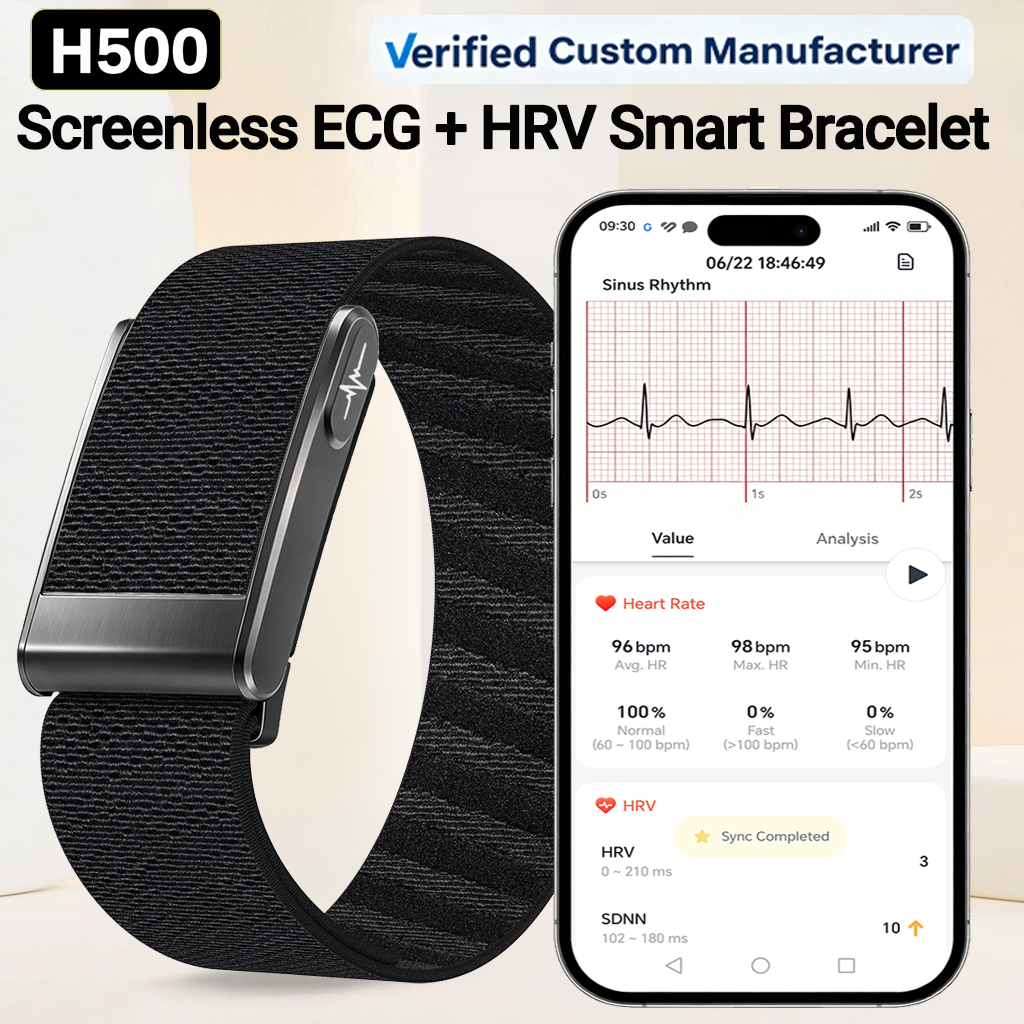
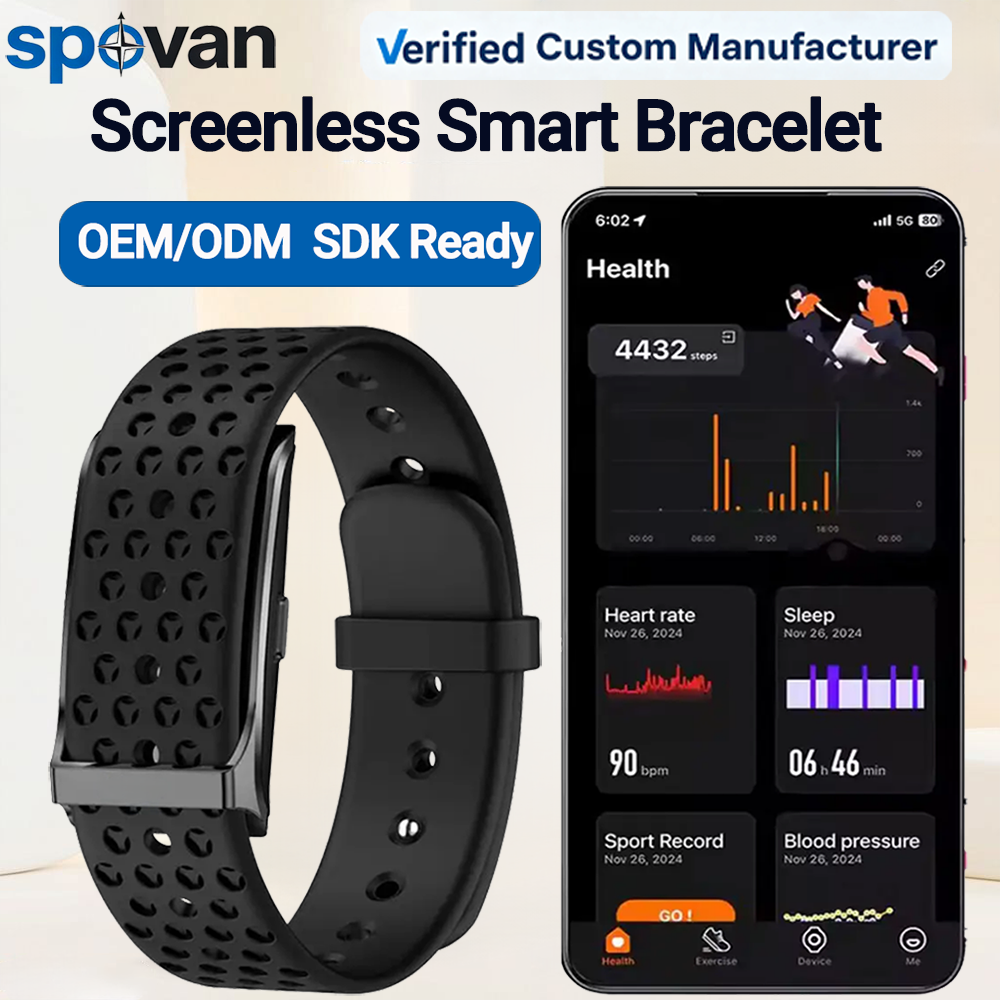
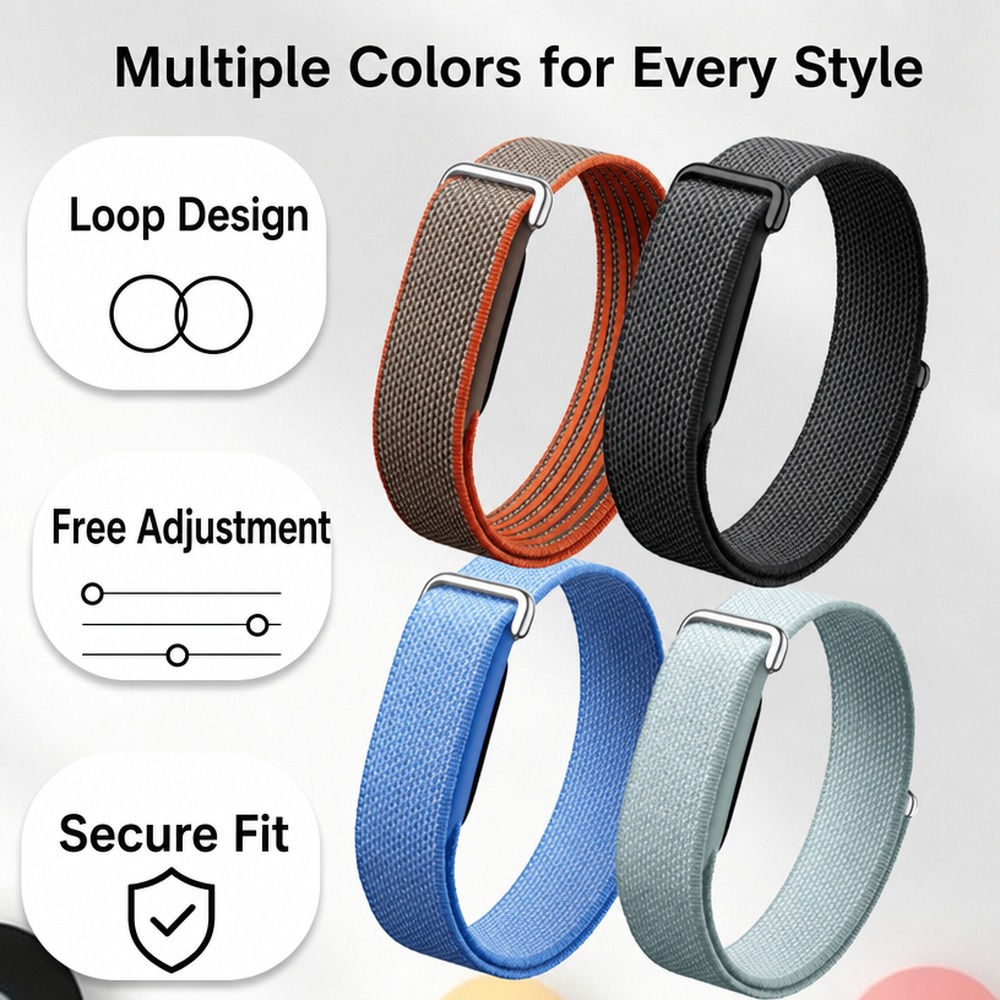
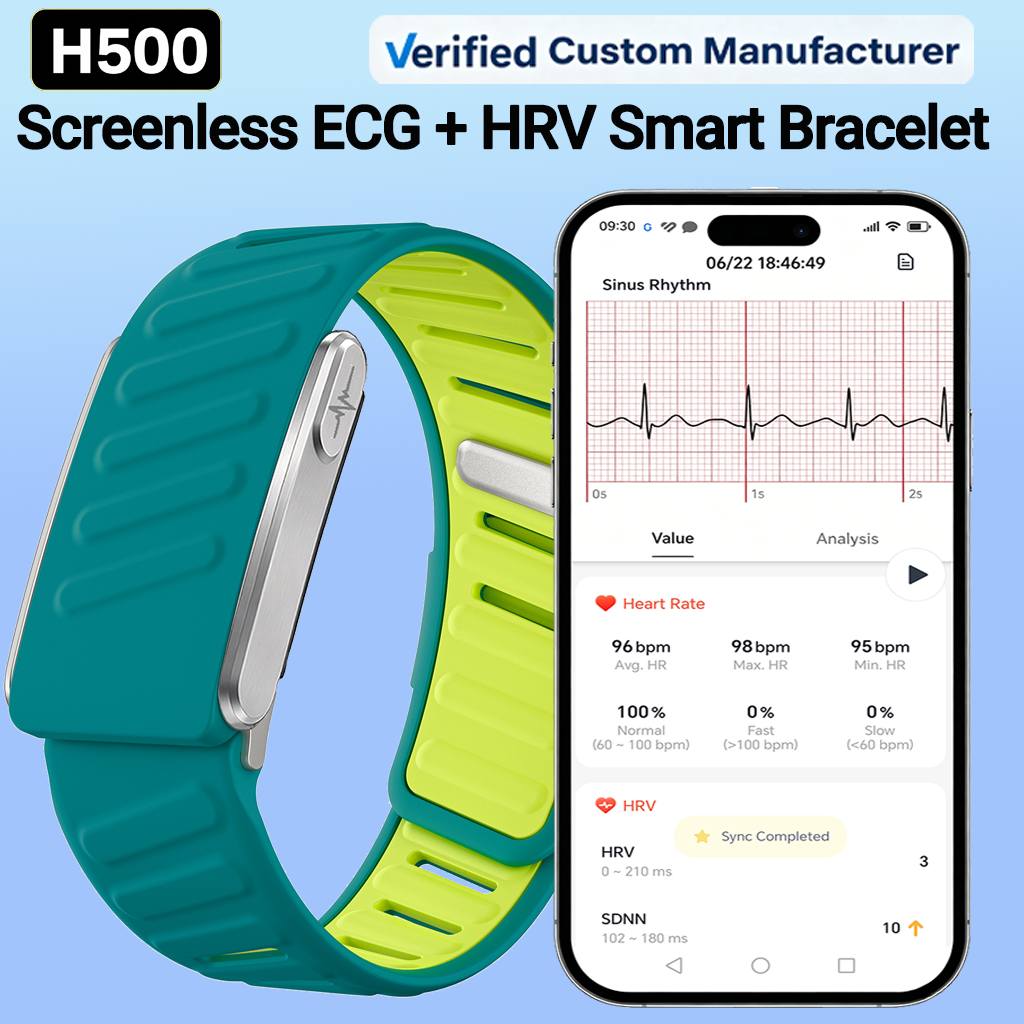
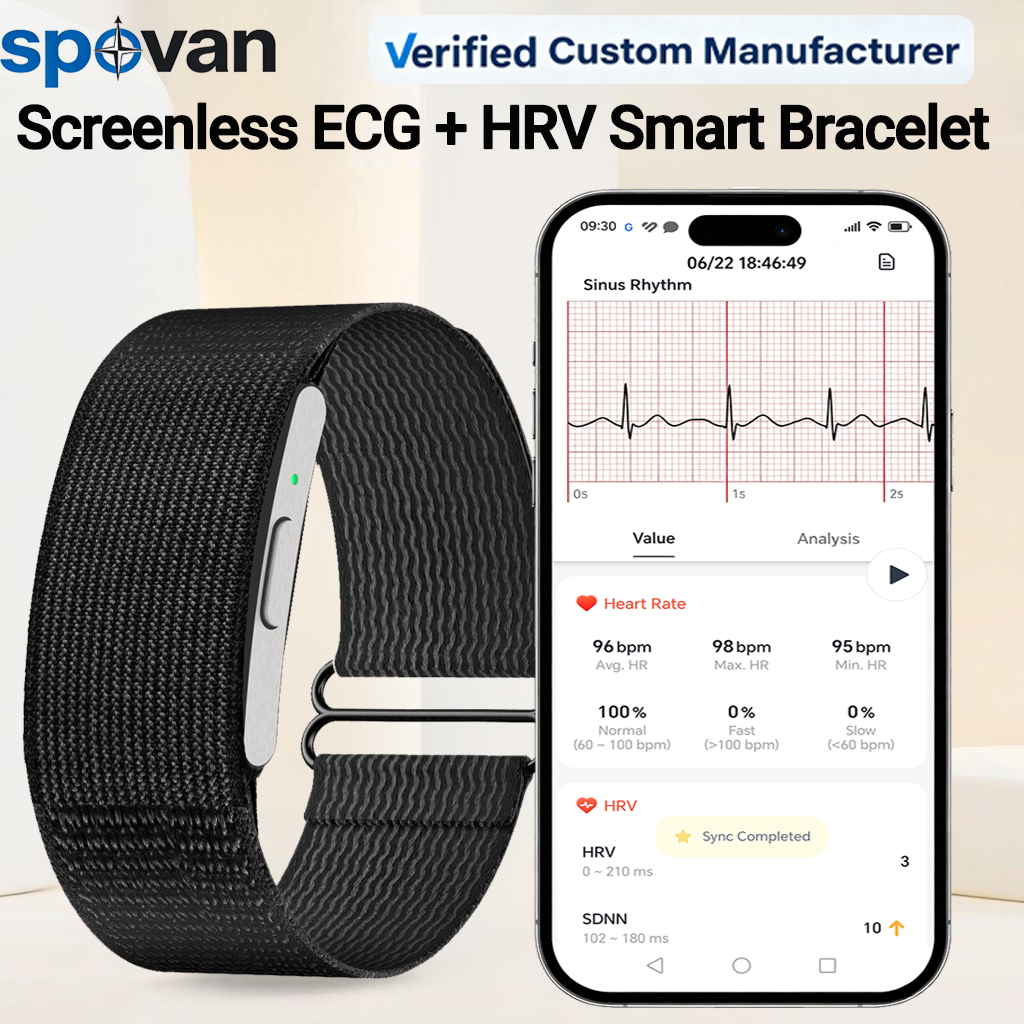
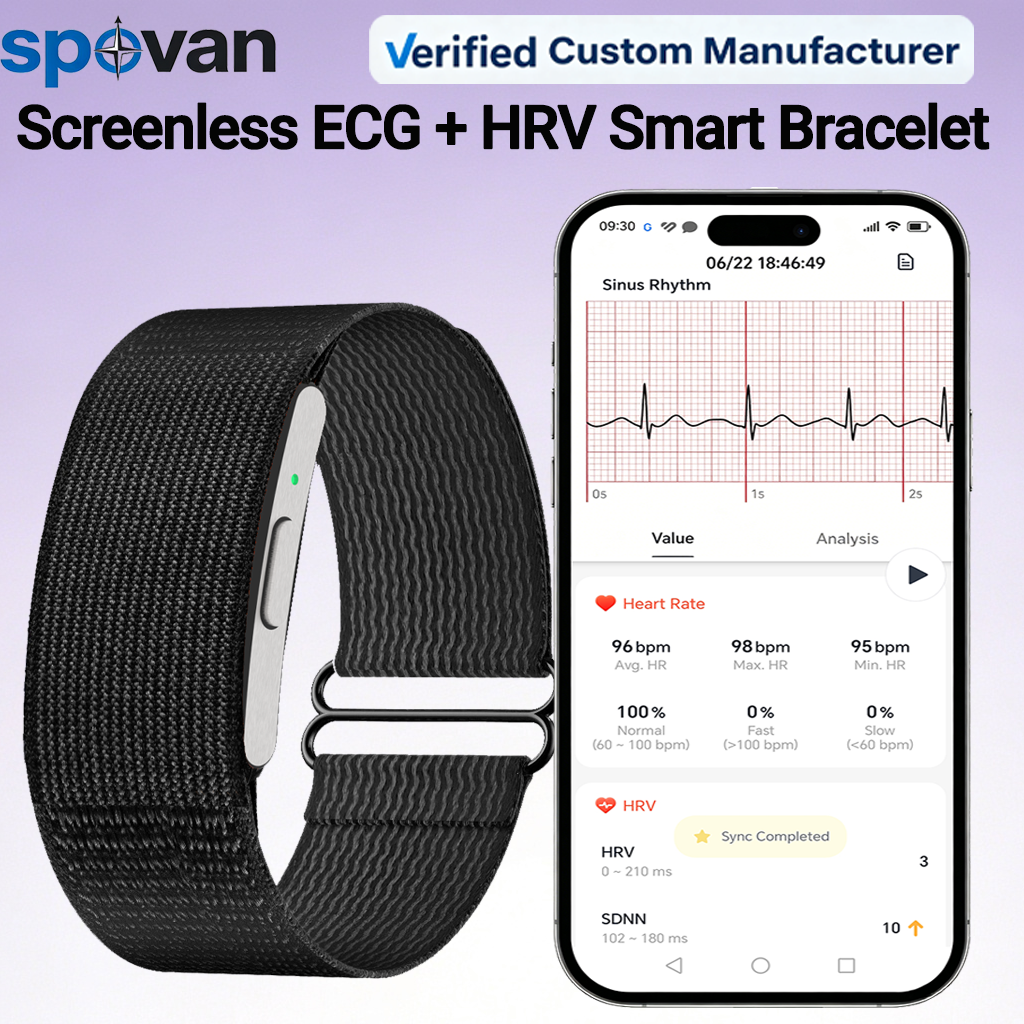
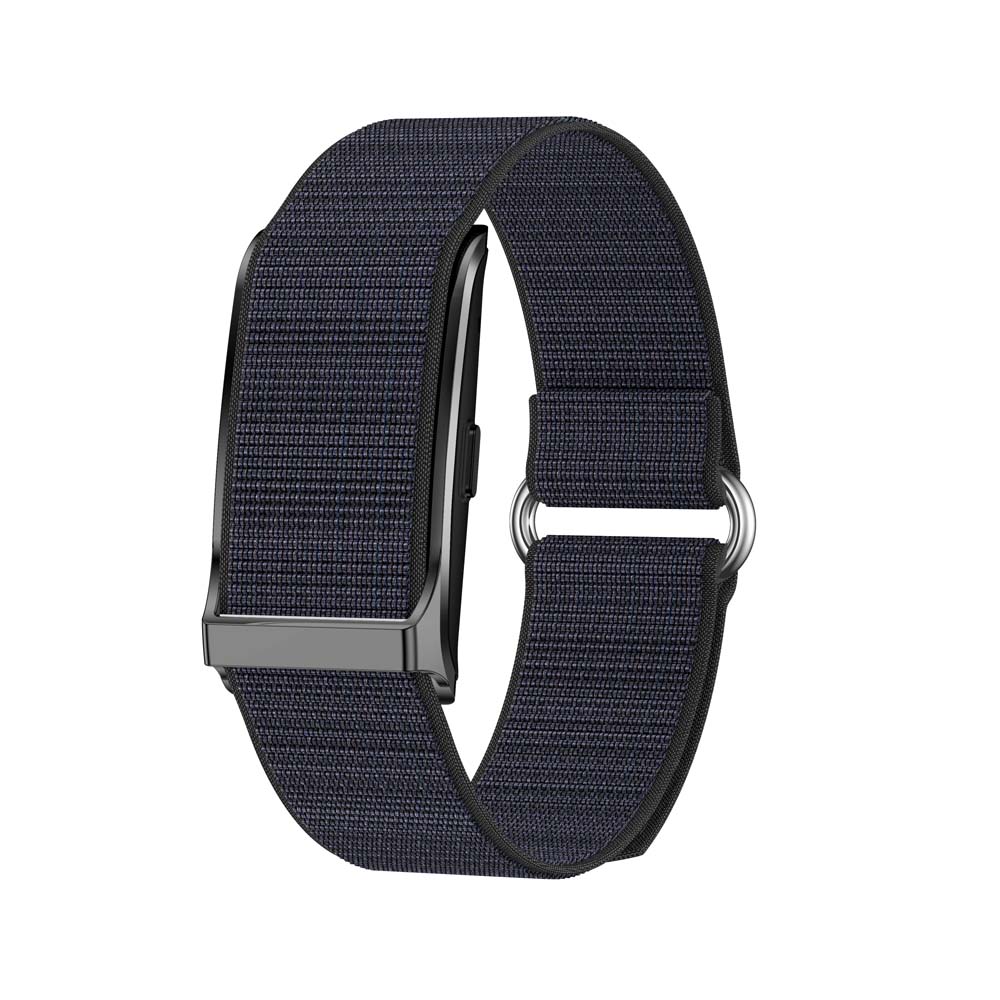
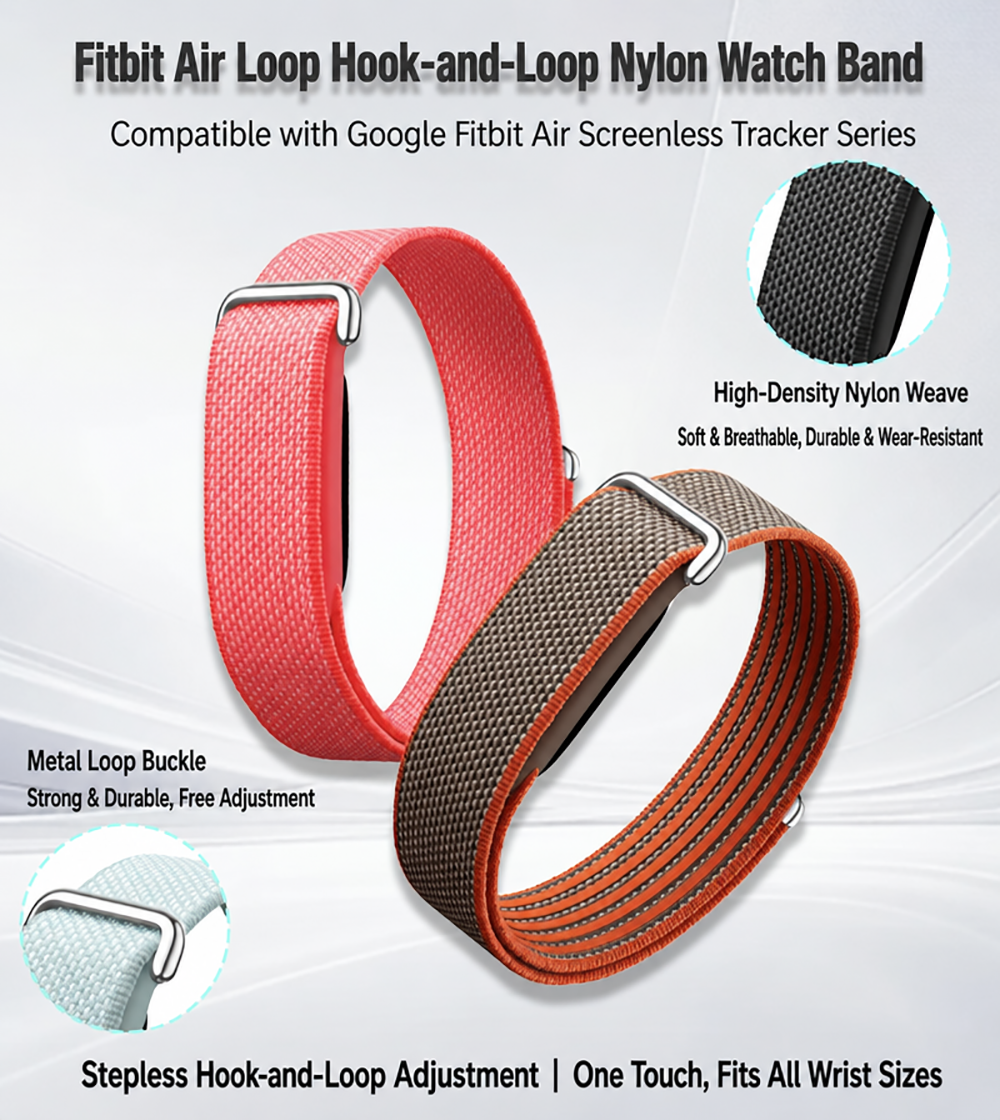
Dedicated smart wearable factory established in 2010.
Immediate bilingual sales engineering support for LATAM.
Automated IP68 vacuum leakage & optical calibration checks.
Full RMA protection, repair spares, and open SDK upkeep.
Physiological Mechanics of HRV & ECG Telemetry in Modern Wearables
Heart Rate Variability (HRV) has emerged as the definitive non-invasive biomarker for evaluating autonomic nervous system (ANS) equilibrium. Unlike conventional steady-state pulse monitoring, which merely counts ventricular contractions over a sixty-second epoch, HRV inspects the micro-fluctuations occurring in the interval between successive heartbeats—clinically documented as the R-R interval. A resilient, highly adaptive physiological state is characterized by elevated variability, reflecting swift parasympathetic (vagal tone) modulation via acetylcholine release. Conversely, attenuated HRV signifies acute sympathovagal imbalance, physiological exhaustion, systemic inflammation, or severe occupational distress.
For Mexican procurement directors, system integrators, and healthcare operators sourcing hardware from China, selecting the appropriate sensor architecture is critical. Standard consumer trackers predominantly utilize low-tier optical photoplethysmography (PPG) arrays operating at a meager 25Hz to 50Hz sample frequency. These sub-tier components are prone to motion artifact corruption and baseline wandering, rendering algorithmic calculations of rMSSD (Root Mean Square of Successive Differences) and SDNN (Standard Deviation of NN intervals) scientifically invalid. Our screenless smart bracelet and ECG smartwatch platforms utilize high-frequency multichannel dual-wavelength (Green 525nm and Infrared 850nm) PPG engines coupled with titanium-coated dry contact electrodes for Lead-I Electrocardiography (ECG). This dual-engine setup provides clinical-grade baseline capture directly from the wrist, ensuring that enterprise databases receive uncorrupted raw bio-signals.
Lead-I Dry Contact ECG
By capturing the true bio-electrical potential via physical contact electrodes across the wrist and counter-finger, our devices generate pristine P-QRS-T waveforms, enabling precise cardiac arrhythmia screening and R-peak alignment without bulky chest straps.
Autonomic Stress Indexing
Automated conversion of R-R interval series into frequency-domain components (LF, HF, and LF/HF ratio) computes empirical physical recovery and mental stress states, feeding actionable operational telemetry straight into organizational dashboards.
Zero-Screen Extended Autonomy
By eliminating high-drain capacitive AMOLED or TFT screens, our screenless form factor extends continuous 24/7 continuous telemetry runtime up to 10–14 days per single charge, eradicating the chronic compliance gap seen in daily-recharge alternatives.
Strategic Use Cases Driving HRV Wearable Adoption Across Mexico
From industrial border corridors in the north to public health networks in central Mexico, tailored biometric tracking addresses critical national compliance, safety, and performance challenges.
NOM-035 Stress Auditing
Under Mexico’s mandatory NOM-035-STPS-2018 regulation, corporate employers must identify and mitigate workplace psychosocial risk factors. Our HRV bands provide corporate HR programs with anonymized, objective biometric recovery analytics, replacing subjective questionnaires with verifiable autonomic stress trends.
Maquiladora Fatigue Telemetry
In heavy manufacturing and logistics clusters across Monterrey, Querétaro, and Ciudad Juárez, shift-worker fatigue leads to severe operational hazards. Screenless bands monitor real-time sleep architecture and recovery scores to prevent heavy machinery accidents before they manifest.
Remote Patient Telemonitoring
Private healthcare networks in Mexico City and Guadalajara deploy our open SDK smart bracelets for outpatient cardiovascular rehabilitation. Patients wear discrete waterproof trackers that push SpO2, resting pulse, and ECG strips directly to private hospital cloud infrastructures.
High-Altitude Conditioning
At high elevations in central Mexico (Toluca at 2,660m and CDMX at 2,240m), sports organizations and marathon training clubs leverage HRV rMSSD analytics to fine-tune athletic periodization, monitor hypobaric hypoxia adaptation, and avert catastrophic overtraining syndromes.
The Mexican Smart Wearable Landscape: Nearshoring, Healthcare & Open SDKs
The Latin American smart wearable sector is undergoing an unprecedented structural transition, with Mexico positioned at the epicentre. Catalyzed by the "nearshoring" wave, international industrial capital pouring into Mexican border states has driven an exponential focus on labor productivity, workplace wellness, and operational safety metrics. According to national health statistics, chronic metabolic illnesses—predominantly Type-2 diabetes and cardiovascular disease—remain pressing public health burdens across Mexico. This dynamic has impelled major health insurance consortiums (such as GNP, AXA México, and MetLife) to incentivize preventative biometric monitoring programs, rewarding policyholders who sustain optimal heart-health metrics with preferential actuarial premiums.
Furthermore, commercial buyers across Mexico are moving away from proprietary, "walled-garden" consumer ecosystems (such as Apple Watch or standard consumer bands) that lock data inside consumer apps. Enterprise B2B purchasers—ranging from fleet logistics operators in San Luis Potosí to pharmaceutical clinical research teams in Jalisco—demand unrestricted data sovereignty. They require open BLE (Bluetooth Low Energy) APIs and native SDK libraries (compatible with Kotlin, Swift, Flutter, and React Native) that allow bidirectional packet transmission straight into their proprietary cloud stacks. As an original engineering factory in Shenzhen, Honsys Technology bridges this critical technical gap by delivering fully customizable firmware, unbranded white-label hardware, and modular API documentation designed specifically for scalable software integration.
| Evaluation Parameter | Honsys Industrial HRV Bands | Off-the-Shelf Consumer Trackers | Enterprise Advantage for Mexican Importers |
|---|---|---|---|
| Raw Data Extraction | Open SDK / Native API (Full Bio-Stream) | Closed proprietary cloud / Walled garden | Zero recurring subscription fees; total data ownership. |
| Battery Longevity | 10 – 14 Days continuous telemetry | 18 – 36 Hours (constant daily recharge) | Dramatically higher compliance in workforce safety programs. |
| Regulatory Traceability | CE, FCC, RoHS, SGS Audited, NOM Ready | Varies / Predominantly domestic consumer | Expedited IFT clearance and customs valuation in Mexico. |
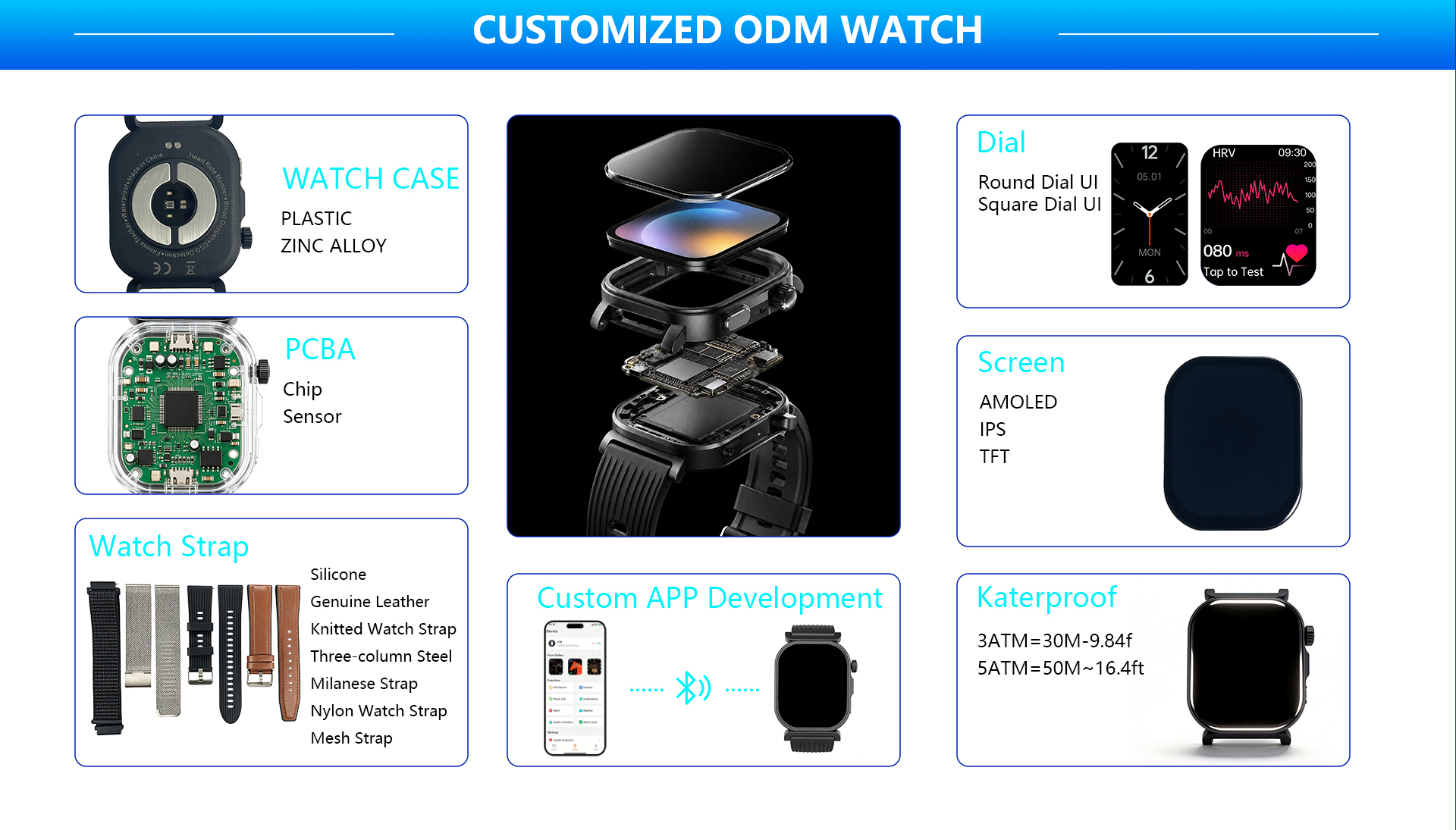
| Hardware Customization | Laser engraving, custom straps, OEM packaging | Standard retail packaging only | Enables local Mexican brands to launch proprietary hardware lines. |
| Biometric Array | Dual-wavelength PPG + Lead-I ECG contact | Single-wavelength green PPG only | Accurate R-R interval and rMSSD baseline derivation. |
Shenzhen Honsys Technology: Your Direct Manufacturing Ally
Founded in 2010 and exporting globally since 2012, Shenzhen Honsys Technology Co., Ltd. operates state-of-the-art SMT, cleanroom assembly, and hermetic sealing lines. Assessed on-site by SGS Group, we maintain 4 independent design patents, proprietary firmware stacks, and an unyielding commitment to 100% pre-shipment quality assurance.
Frequently Asked Questions by Mexican Importers & Procurement Teams
Clear, direct answers regarding regulatory compliance, customs clearance, software localization, and commercial supply chain terms.
What certifications are required to import HRV smartwatches into Mexico?
Smartwatches and Bluetooth fitness trackers entering Mexico are classified under HS Code 8517.62 (machines for the reception, conversion, and transmission of voice, images, or other data). To clear Mexican Customs (Aduanas), products must comply with NOM-001-SCFI-2018 or NOM-019-SCFI-1998 for electrical safety and IFT-008-SCFI-2015 (Federal Telecommunications Institute) for radio-frequency Bluetooth emissions. As a professional OEM factory, Honsys provides full test reports (CE, FCC, RoHS) and works directly with your local NOM certification laboratory (such as NYCE or ANCE) to provide sample units and schematic documentation necessary to obtain the corresponding Certificado de Homologación.
Are these HRV and ECG wearables classified as medical devices by COFEPRIS?
No. When imported as wellness trackers, sports recovery monitors, or employee safety wearables, they are categorized as consumer electronics for general wellness reference and do not require a medical device sanitary registration (Registro Sanitario) from COFEPRIS (Comisión Federal para la Protección contra Riesgos Sanitarios). However, if your business model explicitly markets the device to diagnose, cure, or mitigate pathological cardiac arrhythmias within clinical hospital settings, you will need to apply for a Class II medical registration. We provide complete hardware technical files to support such filings if required.
How does the open SDK and API integration work for custom Mexican app platforms?
We provide full, well-documented native Android (Java/Kotlin) and iOS (Objective-C/Swift) SDK libraries, alongside cross-platform wrappers for Flutter and React Native. The SDK exposes clean hooks to read raw and processed continuous metrics: real-time PPG pulse waveforms, Lead-I ECG raw voltage arrays, calculated rMSSD/SDNN, SpO2 percentages, skin temperature, 3-axis accelerometer movement, and categorized sleep stages. Mexican software engineering teams can bind device pairing and automated data syncing directly into local AWS, Azure, or private cloud backends without any intermediate third-party servers.
What are the standard Incoterms, transit times, and payment terms for shipments to Mexico?
We routinely support FOB Shenzhen, FOB Hong Kong, CIF Manzanillo / Veracruz, and DDP (Delivered Duty Paid) Mexico City / Guadalajara / Monterrey via air freight couriers (DHL, FedEx, UPS) and specialized maritime freight forwarders. Air shipments typically reach Mexican international airport hubs (AICM or GDL) within 5 to 8 business days after dispatch. Bulk ocean container freight to the Pacific Port of Manzanillo takes approximately 22 to 28 days transit. Standard payment terms for custom OEM/ODM production are 30% T/T deposit upon order confirmation and 70% balance prior to release, with Letter of Credit (L/C) options available for high-volume enterprise orders.
Can you localize the companion mobile application and physical packaging in Spanish?
Yes. We offer end-to-end Mexican Spanish localization. This encompasses professional UI string translations within the companion smartphone application (neutral Latin American Spanish), user instruction manuals compliant with NOM-024-SCFI-2013 (commercial information, instructions, and warranties for electronic products), custom retail gift boxes, and bespoke laser marking on device housings with your registered brand trademark.
What is the Minimum Order Quantity (MOQ) for custom OEM and white-label branding?
For standard evaluation units and software validation pilots, our sample MOQ starts at just 1 to 5 pieces. For laser-etched custom logos on the wristband buckle or housing, MOQ is typically 100 to 500 units. For fully customized Spanish retail packaging, customized firmware boot-logos, and bespoke BLE device broadcast names, our standard production run starts at 1,000 units. High-volume custom tooling projects (molds, unique strap ergonomics) are quoted on a project-by-project engineering basis.