Precision Telemetry Bands & Health Monitoring Wristwear
Engineered for global healthcare integrators, clinical study operators, remote patient monitoring (RPM) vendors, and premium digital wellness brands requiring validated optical sensors, open APIs, and certified durability.
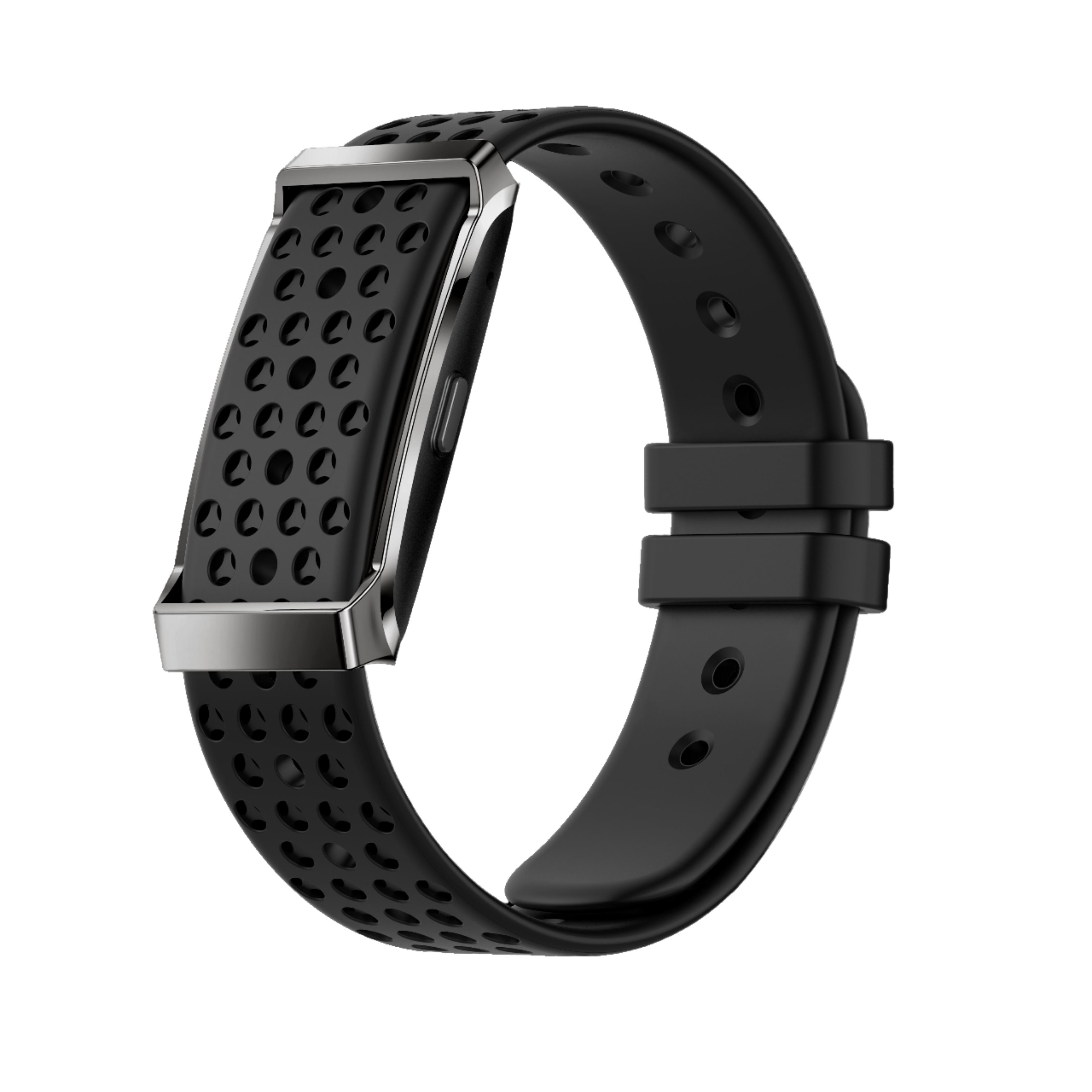
Shenzhen Waterproof OEM Screenless Heart Rate Blood Oxygen Sleep Activity Monitor Health Care Smart Bracelet & Smart Bangles
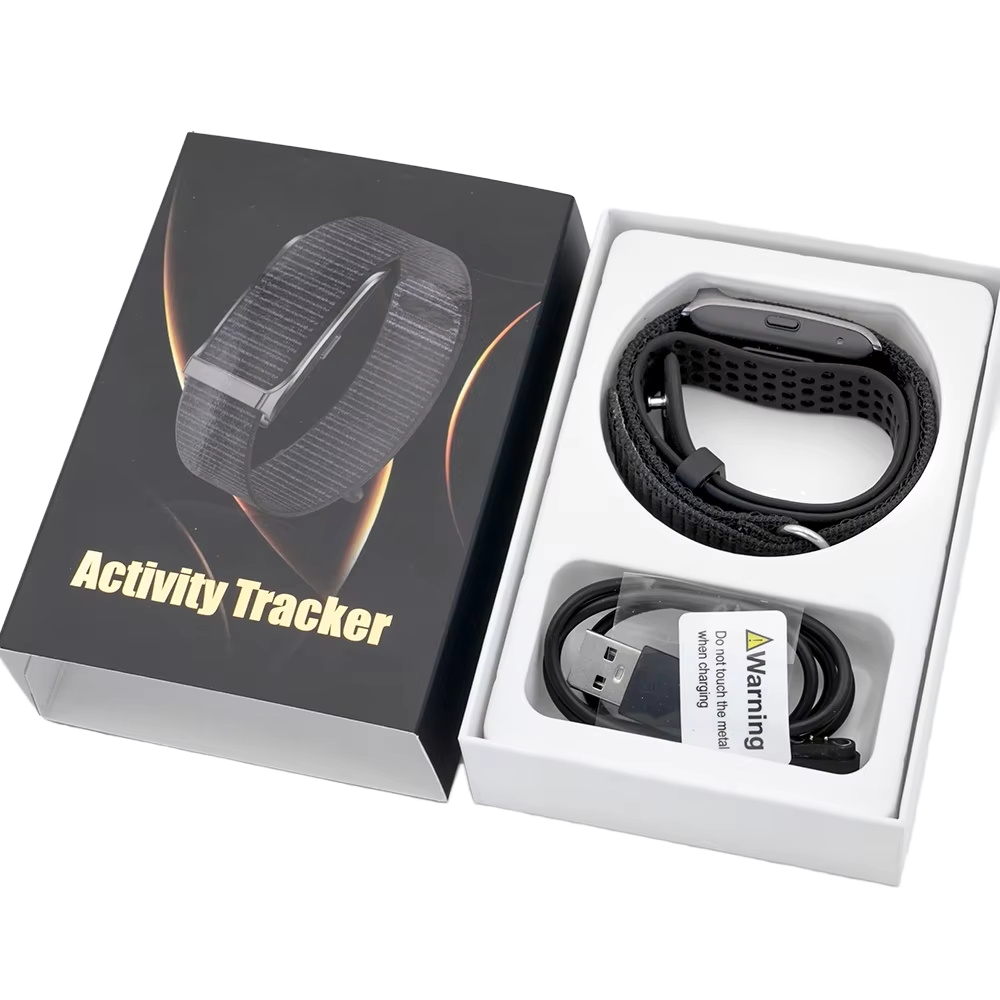
H59 Android Smart Health Wristband IP68 Waterproof Fitness Tracker Unisex Screenless Sports Heart Rate Monitor Smart Bracelet
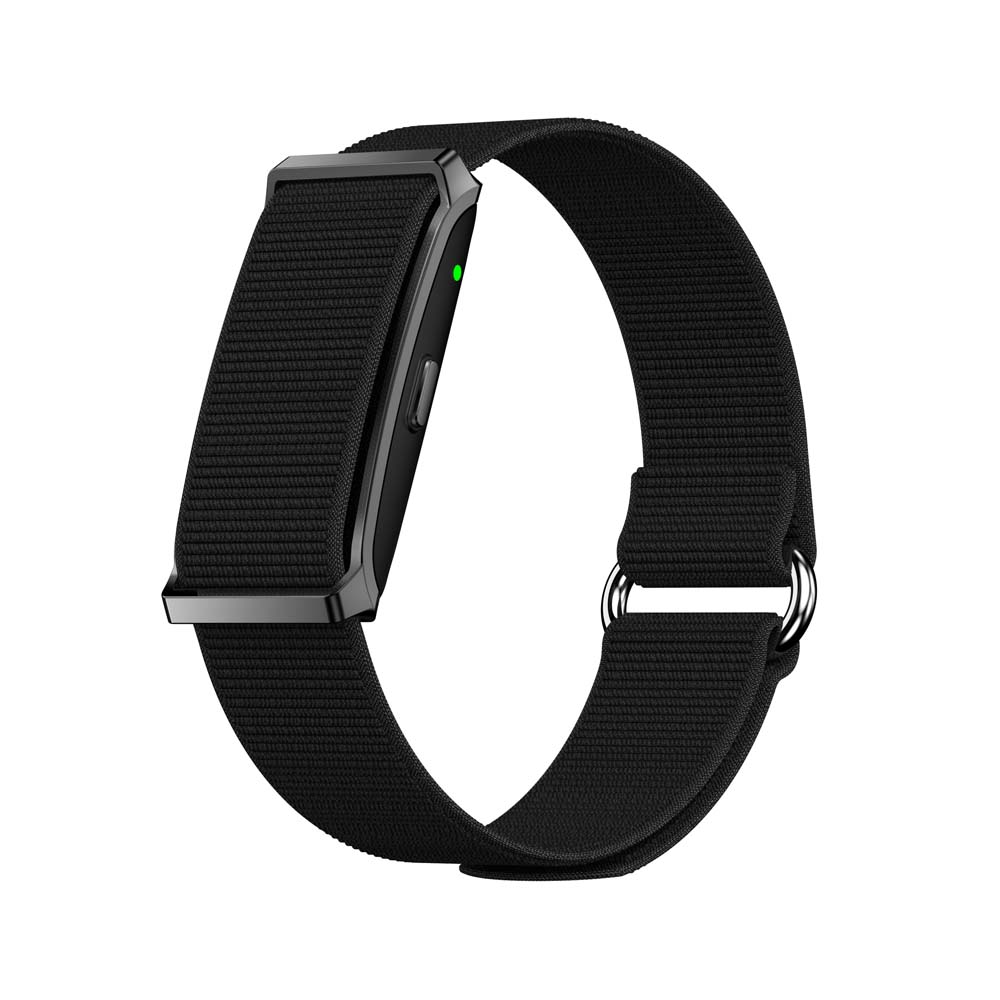
Wholesale Customized Men Women Waterproof Men Women OEM PPG Smart Bracelet With SDK
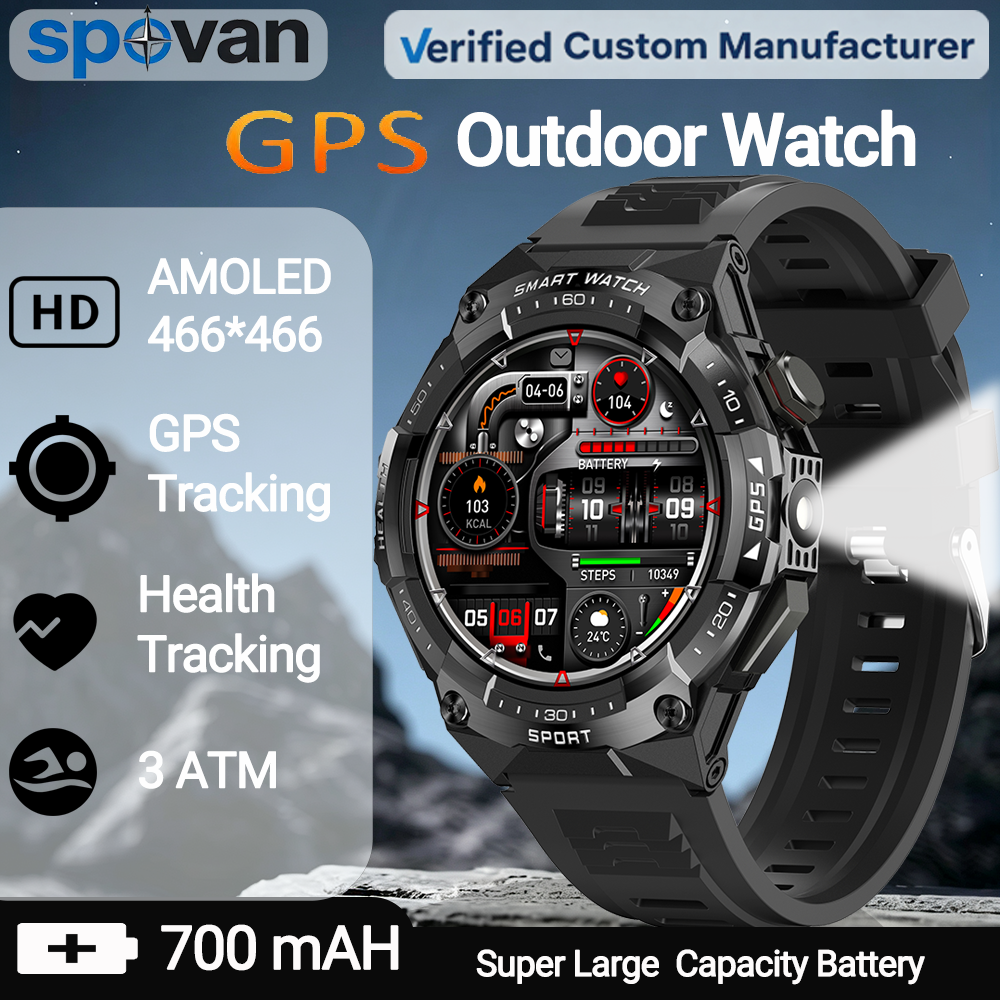
Wholesale GPS Smart Watch for Men Outdoor Waterproof 3 ATM OEM BT Call AMOLED SDK Available Sleep Tracker 5-10 Days Battery Life
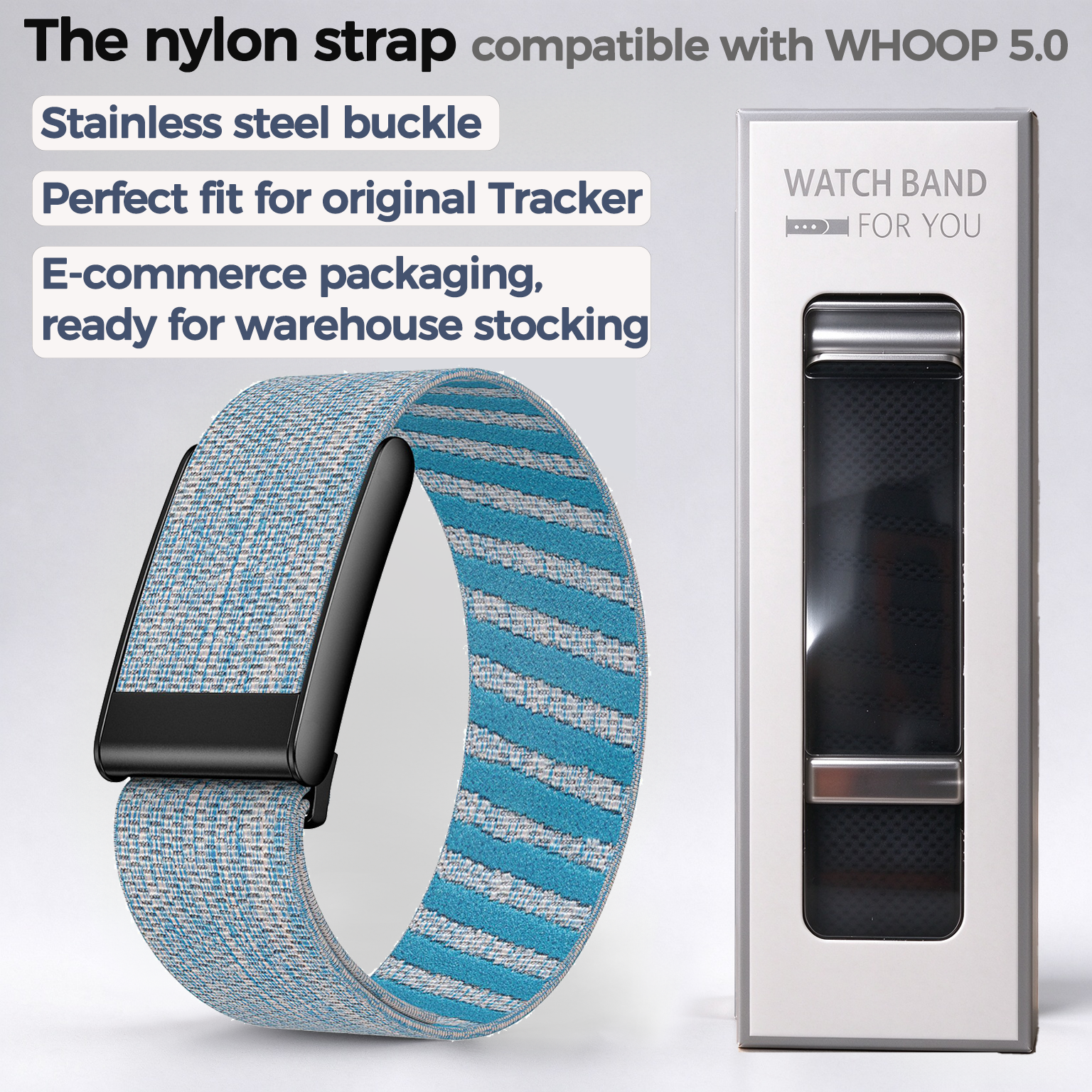
Adjustable Breathable Nylon Loop Strap for Whoop 5.0, Elastic Replacement Band, Sports Fitness Tracker Accessory, OEM ODM
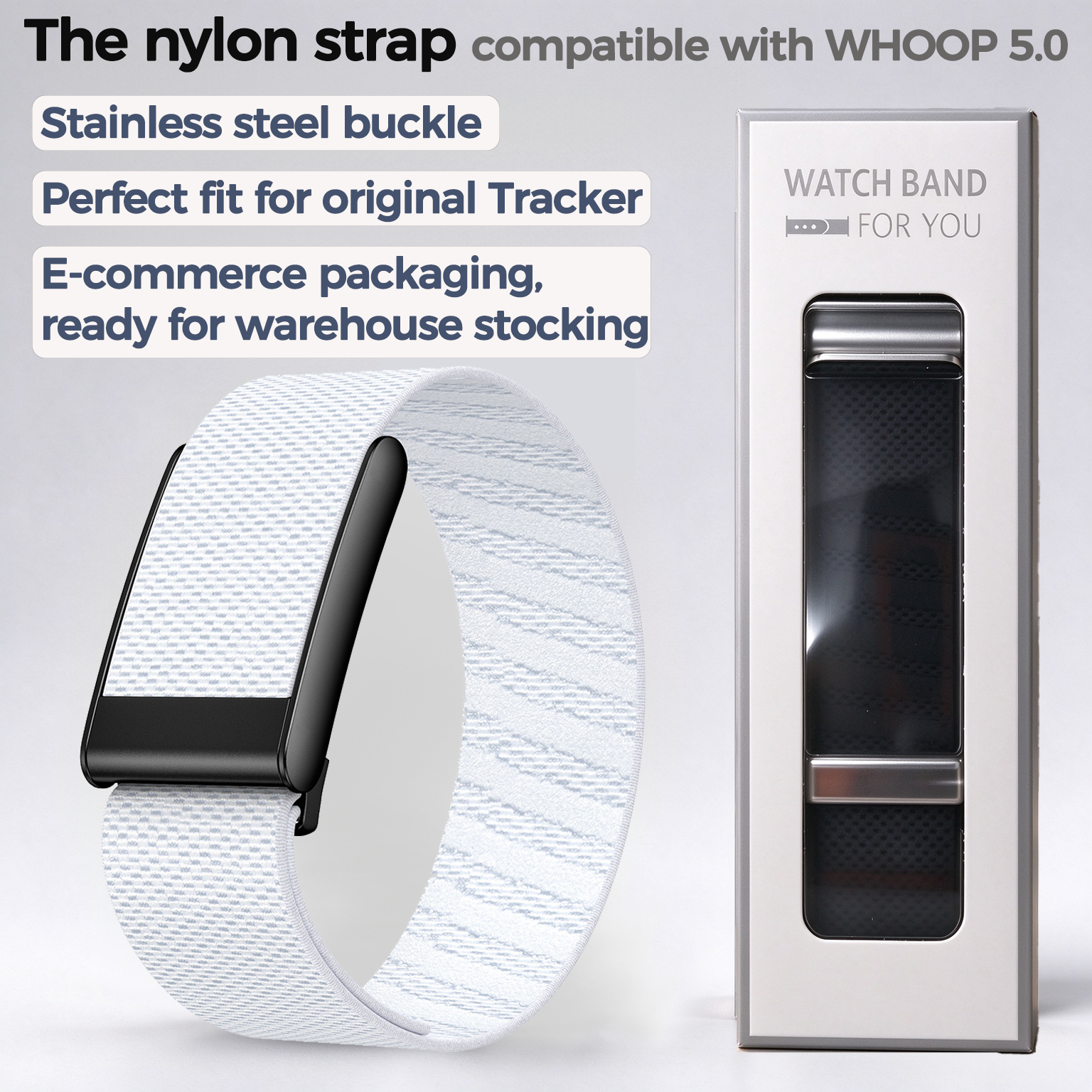
National Flag Pattern Nylon Smart Watch Band Replacement Wristband Strap for Whoop 5.0 MG Hook and Loop Sport Loop
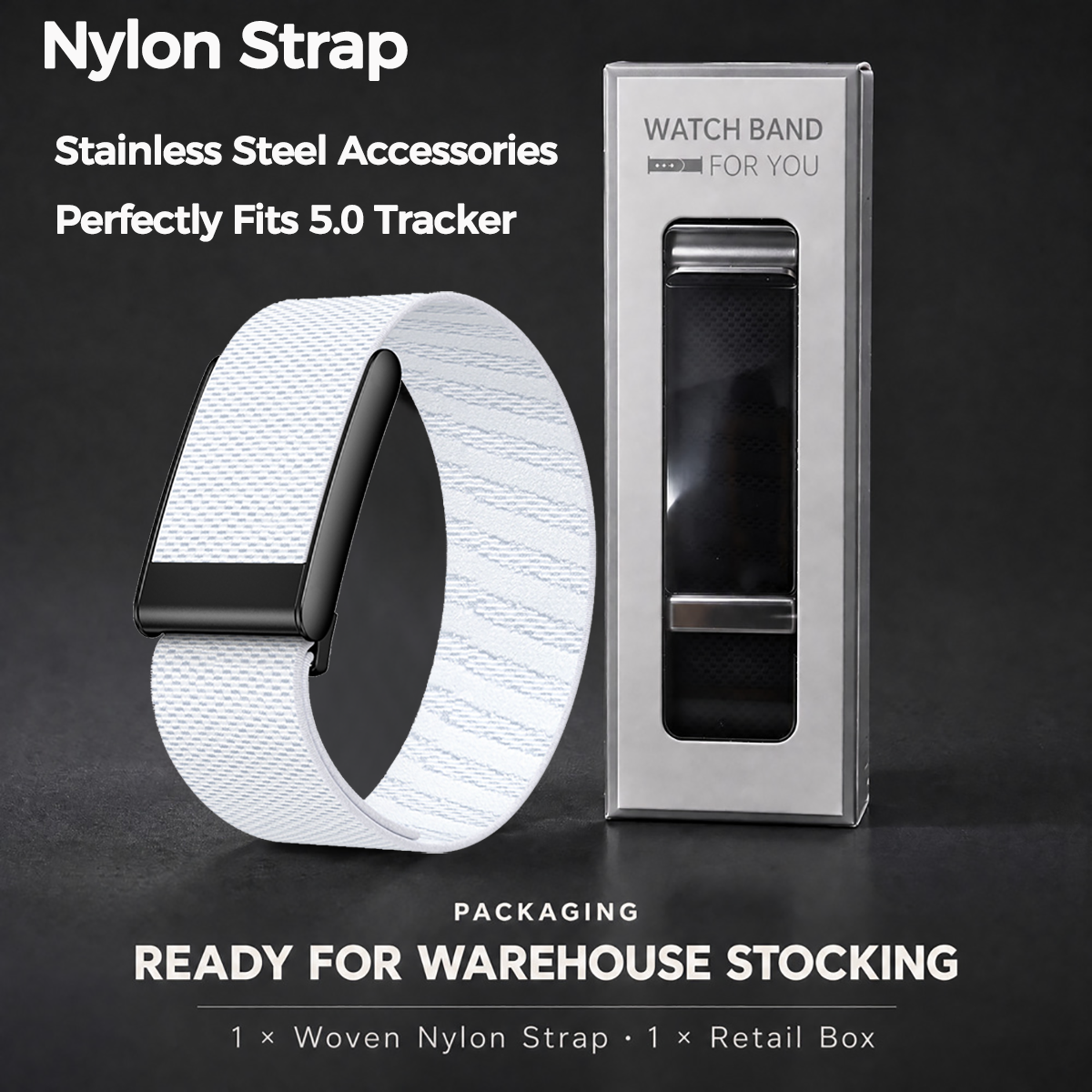
Sweat-Resistant Breathable Nylon 23mm Loop Strap Whoop 5.0 Adjustable Elastic Anti-Slip Replacement Band Fitness Tracker OEM ODM
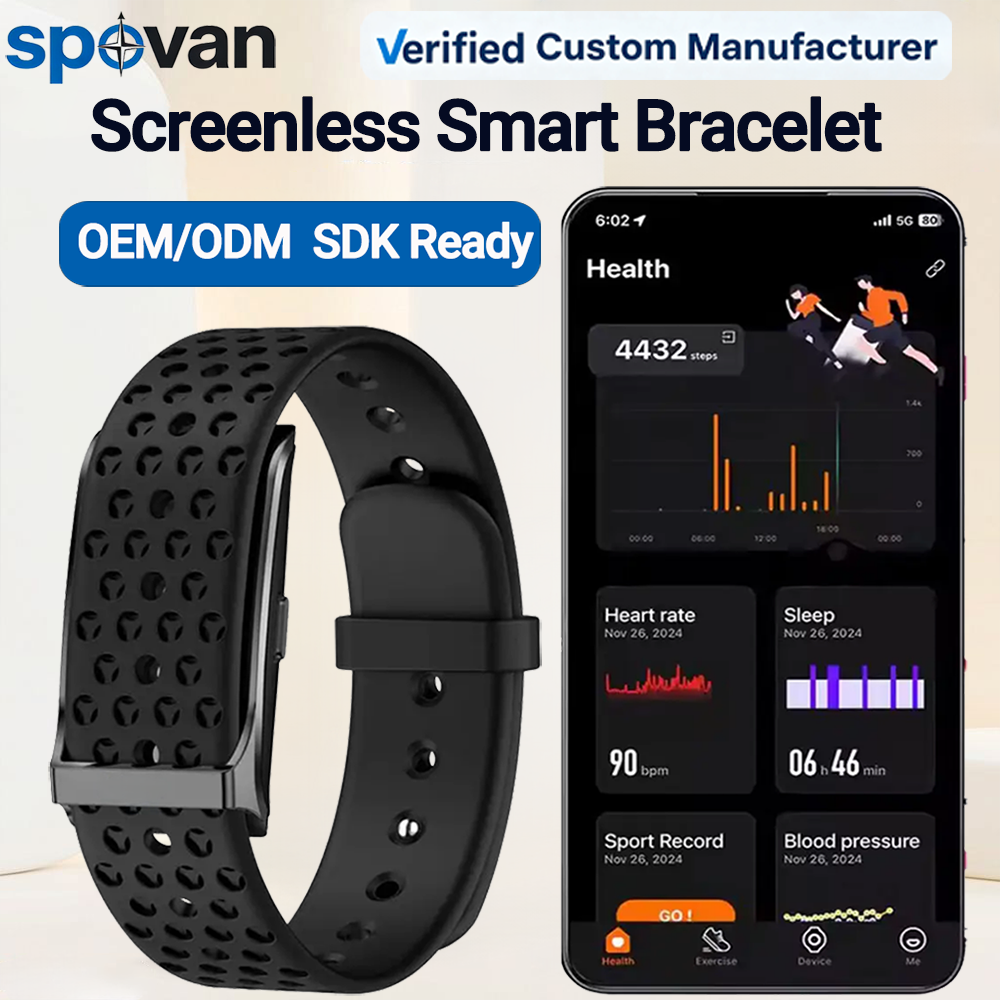
Health Tracker Pedometer Heart Rate Vibration Alert Sport Android IOS Compatible IP68 Waterproof No-screen Smart Bracelet Band
Verified Manufacturing Strength & Engineering Metrics
Operational data validated by third-party international testing authorities (SGS Group) and backed by over a decade of continuous precision wearable production in Shenzhen.
Pioneering digital biometric sensor architectures & RF firmware stacks.
Rapid SLA turnaround for corporate RFQ & technical integration inquiries.
Optical signal calibration, vacuum decay leak checks & current drop validation.
Independent auditing covering factory capacity, QA workflows, and ESG compliance.
Full CE Regulatory Dossier
We provide full Declaration of Conformity (DoC) frameworks covering the Radio Equipment Directive (RED 2014/53/EU), EMC (EN 301 489-1/-17), Low Voltage Directive (EN 62368-1), and RoHS 2.0 (2011/65/EU) lead-free mandates.
- German EPR (ElektroG, VerpackG) verified
- French ADEME registration compliant
- Certified non-toxic, skin-contact biocompatibility
Open SDK & Raw Data Pipe
Avoid vendor lock-in with closed consumer apps. Our engineering team provides transparent Bluetooth Low Energy (BLE) GATT profiles, raw ADC photoplethysmography streams, accelerometer FIFO access, and cloud webhook API references.
- Native iOS CoreBluetooth & Android BLE SDKs
- Millivolt-level ECG sample outputs (250Hz - 500Hz)
- Direct MQTT/HTTPS private server data routing
Industrial Cleanroom Assembly
Our Shenzhen factory executes multi-stage quality control: incoming optical sensor testing (IQC), automatic surface-mount component positioning, automated dispenser gluing, and atmospheric vacuum-leakage chambers.
- IP68 & 3ATM/5ATM pressure verification
- Automated optical inspection (AOI) for solder integrity
- 1-Year full replacement warranty for wholesale batches
Beyond Basic Step Counters: Clinical-Grade PPG & Micro-ECG Engineering
As consumer wearables converge with diagnostic telemetry, B2B procurement heads cannot compromise on baseline sensor physics. Consumer grade fitness bands often introduce unacceptable noise floors when subjects exhibit vasoconstriction, dark skin pigmentation, or motion artifacts during rigorous physical exertion.
Honsys addresses these signal degradation factors by employing multi-wavelength LED configurations (525nm green, 660nm red, and 940nm infrared) coupled with dual large-area silicon photodiode arrays. By continuously calculating the AC/DC perfusion index (PI) across alternating light spectrums, our algorithms filter motion-induced transient spikes before raw metrics reach higher-level application memory.
For cardiac rhythm assessment, our watches utilize dual-electrode bipolar architectures. By placing one dry-contact stainless steel or titanium electrode on the watch backplate in contact with the distal forearm, and a secondary sensing contact on the bezel or side push-button for the contralateral index finger, the analog front end (AFE) reconstructs standard Lead-I vector trajectories with high signal-to-noise ratios (SNR).
Multi-Spectrum Transimpedance Amplification
Dynamic ambient light cancellation up to 100dB, preventing saturated optical baselines under direct sunlight or fluorescent high-frequency flicker.
Dry Titanium & Stainless Bipolar Electrodes
Input impedance > 100 MΩ minimizes skin-contact resistance errors without conductive gels, capturing microvolt-level QRS complex morphology.
TinyML Real-Time Motion Suppression
Embedded 32-bit ARM Cortex-M4/M33 microcontrollers run lightweight convolutional models to subtract 3-axis accelerometer noise from optical cardiac curves.
Ultra-Low Power Firmware Scheduling
Asynchronous interrupt sleep modes achieve 5 to 25 days of continuous operational monitoring per single charge cycle across varying display types.
Emerging Procurement Trends in Health-Grade Wearables
A multi-year roadmap for procurement officers, medical distributors, and IoT brand executives structuring supplier contracts for the next generation of regulated biometric monitoring devices.
Screenless Form Factors for Clinical Compliance
Digital fatigue and battery-draining visual interfaces are pushing clinical trials and corporate longevity initiatives toward screenless wristbands. By removing displays, BOM costs shift directly toward medical-grade optical sensors and ultra-durable encapsulation, yielding 300% longer battery runtimes and higher patient adherence.
Cuffless Blood Pressure via Pulse Wave Velocity
Traditional pneumatic cuffs encounter severe compliance friction. Procurement demand is rapidly migrating toward optical Pulse Transit Time (PTT) and arterial Pulse Wave Velocity (PWV) algorithms. By pairing synchronized ECG R-wave detection with downstream radial PPG peak identification, watches compute arterial stiffness trends non-invasively.
Cybersecurity & EU Cyber Resilience Act (CRA)
Procuring in Europe now requires stringent adherence beyond radio emissions. Upcoming EU CRA and ETSI EN 303 645 standards demand secure bootloaders, hardware-level encryption keys (AES-128/256), signed over-the-air (OTA) firmware binaries, and documented vulnerability remediation protocols from factory suppliers.
Decoupled Ecosystems & Private Cloud APIS
Global pharmaceutical entities and healthcare insurers refuse to allow proprietary third-party servers to store customer bio-data. Sourcing contracts prioritize OEM partners that facilitate direct device-to-hospital cloud pipelines via customizable gateway firmware, zero cloud dependencies, and open BLE documentation.
Comprehensive Laboratory Testing & European Directives
Procurement teams must distinguish between unverified marketing declarations and legally binding laboratory conformity. Every production series manufactured by Honsys conforms to rigorous testing standards documented in third-party lab test reports.
CE RED
Directive 2014/53/EU RF compliance, EN 300 328 wideband transmission.
EMC Directive
EN 301 489 immunity against static discharge & high-frequency ambient waves.
EN 62368-1
Low voltage safety, thermal management, and lithium battery circuit protection.
RoHS 2.0
2011/65/EU lead, cadmium, mercury, and phthalate elimination in components.
IEC 60529
Hydrostatic pressure immersion testing; dust-tight and underwater hermeticity.
EPR Registered
WEEE, battery, and packaging registration across Germany and France.
Frequently Asked Questions on Sourcing Health Monitoring Watches
Engineered answers to the most critical technical, commercial, and regulatory queries encountered by procurement teams and technical product managers.
What is the explicit difference between a standard CE consumer mark and an EU Medical Device Regulation (MDR) certification?
Standard CE markings under the Radio Equipment Directive (RED 2014/53/EU), EMC, and LVD verify that the wearable operates safely regarding RF emissions, electrical shock, fire risk, and hazardous materials. If your brand intends to market the hardware explicitly for diagnostic, treatment, or clinical intervention claims (e.g., detecting atrial fibrillation or diagnosing chronic hypertension), the device must undergo conformity assessment under the EU Medical Device Regulation (MDR 2017/745) through a designated Notified Body. As an OEM/ODM factory, Honsys supplies CE RED certified hardware suitable for wellness and remote monitoring, while offering full technical documentation and clinical validation collaboration for buyers pursuing custom MDR approval.
How does your factory ensure raw sensor accuracy across diverse user demographics?
Optical accuracy relies upon wavelength selection, photodiode surface area, and transimpedance gain control. Standard factory calibration involves dark-chamber optical spectrum analysis and artificial skin phantom testing that simulates diverse melanin concentrations and reduced perfusion. Our firmware integrates dynamic LED drive currents, ramping up emitter intensity during low-amplitude return signals while maintaining photodiode saturation immunity. Furthermore, our dual-wavelength infrared-green sensor combinations enable the algorithm to benchmark blood volume pulses against deep subcutaneous scattering, significantly reducing error margins on darker skin tones.
What custom branding, firmware, and tooling options are supported under OEM/ODM contracts?
We provide full-spectrum tiered customization. At the lowest tier (MOQs typically starting from 500 to 1,000 units), we execute laser logo engraving on the chassis/buckle, customized startup boot-screens, bespoke packaging, and custom-colored silicone or woven nylon straps. For deeper software integration, we offer customized BLE GATT services, unique UUIDs, tailored vibration haptic patterns, and specialized firmware routines. For complete ODM requirements (MOQs from 3,000 to 5,000 units), our engineering division handles full industrial design, rapid 3D prototyping, structural CNC tooling, custom PCB layout (PCBA), and dedicated antenna tuning.
Can our development team access continuous raw photoplethysmography (PPG) and accelerometer data streams?
Yes. Unlike consumer ecosystem watch suppliers that lock biometric parameters behind restricted proprietary cloud walls, Honsys supplies a robust developer SDK and detailed Bluetooth protocol specification documents. Developers can configure the firmware to broadcast raw green/red/IR ADC values at customizable sampling rates (e.g., 25Hz to 200Hz) alongside 3-axis accelerometer FIFO buffer outputs. This enables healthcare AI research groups, university biomechanics departments, and enterprise telemetry platforms to apply their own proprietary neural networks directly to unfiltered wrist physiological data.
What are the standard mass production lead times and FOB shipping terms?
Evaluation samples and standard prototype inventory units typically ship within 3 to 7 working days. For bulk OEM production orders with customized logos and retail packaging, standard manufacturing turnaround spans 25 to 35 business days following final sample sign-off and deposit clearance. Shipments are typically routed FOB Shenzhen, FOB Yantian, or FOB Hong Kong. We support complete international incoterms including EXW, CIF, FCA, CIP, DDP, and DDU via air, ocean container, and global express air couriers (DHL, FedEx, UPS) with full UN38.3 lithium battery transportation clearance.
How does your factory execute in-line waterproof testing and guarantee IP68 or 3ATM/5ATM integrity?
Waterproof verification is not performed via random spot checks; we implement a two-stage 100% testing procedure across our assembly line. Before casing closure, internal sub-assemblies are examined for ultrasonic weld uniformity and automated gasket positioning. Once sealed, 100% of watch and band housings pass through high-precision differential pressure vacuum decay testing equipment. Units that exhibit microscopic barometric pressure loss over a set dwell time are automatically rejected, ensuring every finished unit meets its specified IP68 or multi-atmosphere depth rating before battery activation and final packaging.
What lithium battery safety protocols and certifications are applied to your health wristbands?
Wearable batteries reside directly against user skin, demanding strict thermal and electrochemical safeguards. We exclusively utilize pure cobalt lithium polymer cells with integrated Seiko or equivalent dual-MOS protection ICs that protect against overcharging, over-discharging, and internal short-circuits. All battery models undergo rigorous third-party verification to attain UN38.3 (transportation safety), MSDS, IEC 62133 (secondary lithium cell safety), and UL 1642 compliances. Furthermore, internal NTC thermistors continuously monitor cell temperature during charging, automatically terminating charging currents if thresholds exceed 45°C.
What warranty terms, failure rate thresholds, and post-shipment engineering support do you provide?
Every commercial wholesale shipment is backed by our comprehensive 12-month factory replacement warranty. Our certified in-line production defect rate historically remains below 0.3%. In the unlikely event of hardware failure during standard field use, defective units are credited or replaced within subsequent production batches. To assist your software development pipeline, our Shenzhen-based firmware and mobile app engineers offer continuous technical support via dedicated communication channels, addressing BLE connection handshakes, firmware OTA rollouts, and OS update compatibilities.
Why Global Health Brands Anchor Their Supply Chain in Honsys
Selecting an offshore manufacturing partner for CE certified health wearables is a high-stakes decision. Product recalls due to erratic sensor outputs, battery thermal failures, or incomplete European regulatory documentation can cripple an emerging health-tech brand or delay nationwide remote care rollouts.
Established in 2010 and exporting worldwide since 2012, Shenzhen Honsys Technology Co., Ltd. combines deep biomedical hardware engineering with the agility of Shenzhen's advanced electronics ecosystem. We maintain complete ownership over our firmware, PCBA designs, and assembly workflows, offering transparent pricing, predictable delivery schedules, and rigorous quality standards.
Whether you require rapid deployment of our best-selling screenless health bands, deep customization of an ECG + PPG smartwatch with an open SDK, or the co-development of next-generation sensor arrays, Honsys provides the scalable manufacturing foundation your business demands.
Direct Factory Procurement Advantages
- Zero Trading-Company Markups: Direct Shenzhen factory pricing.
- Flexible Low MOQs: Evaluation batches starting from 1 to 10 units.
- Dedicated Engineering Squad: Direct firmware & SDK communication.
- Complete Documentation Support: EU DoC, RoHS, UN38.3, and EPR files.
- Independent On-Site Assessment: Verified credentials by SGS Group.