Factory-Engineered Health Monitoring Wearables
Equipped with dual-wavelength photoplethysmography (PPG), micro-differential ECG electrodes, and continuous peripheral capillary oxygen tracking with raw sensor SDK telemetry.
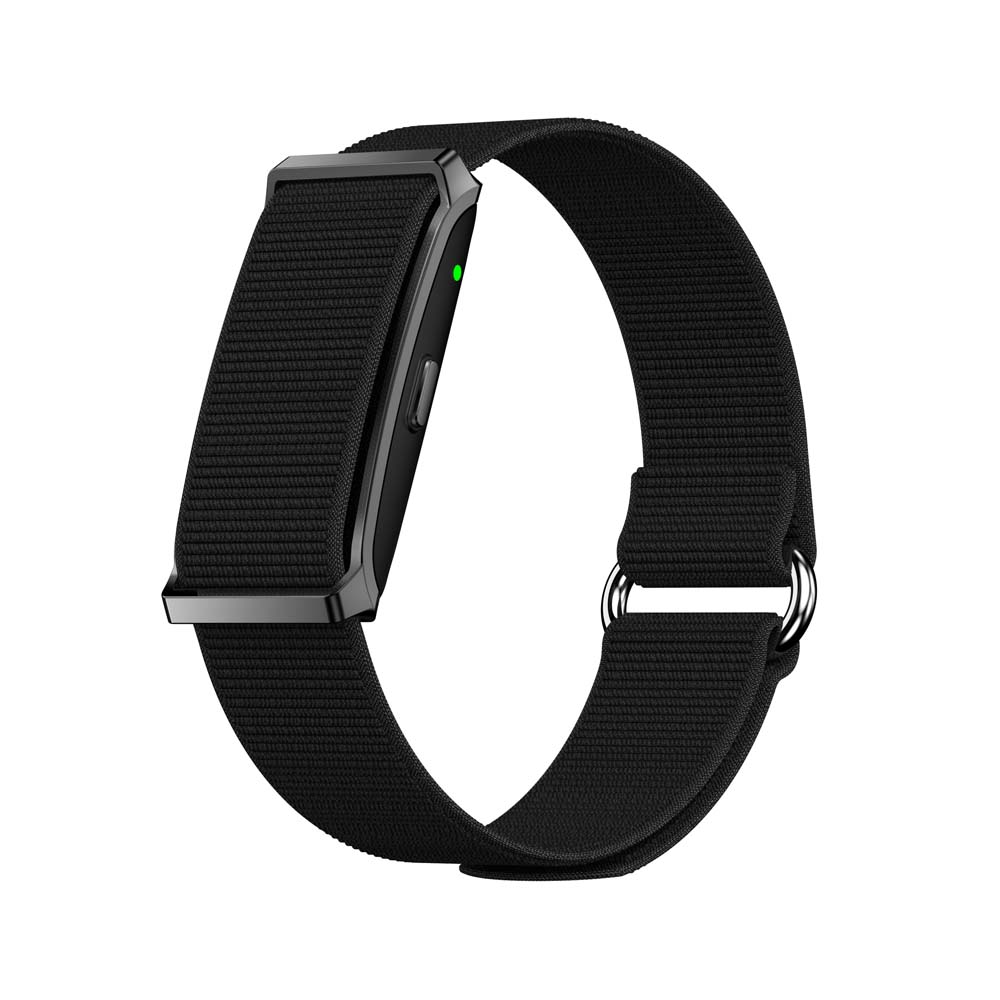
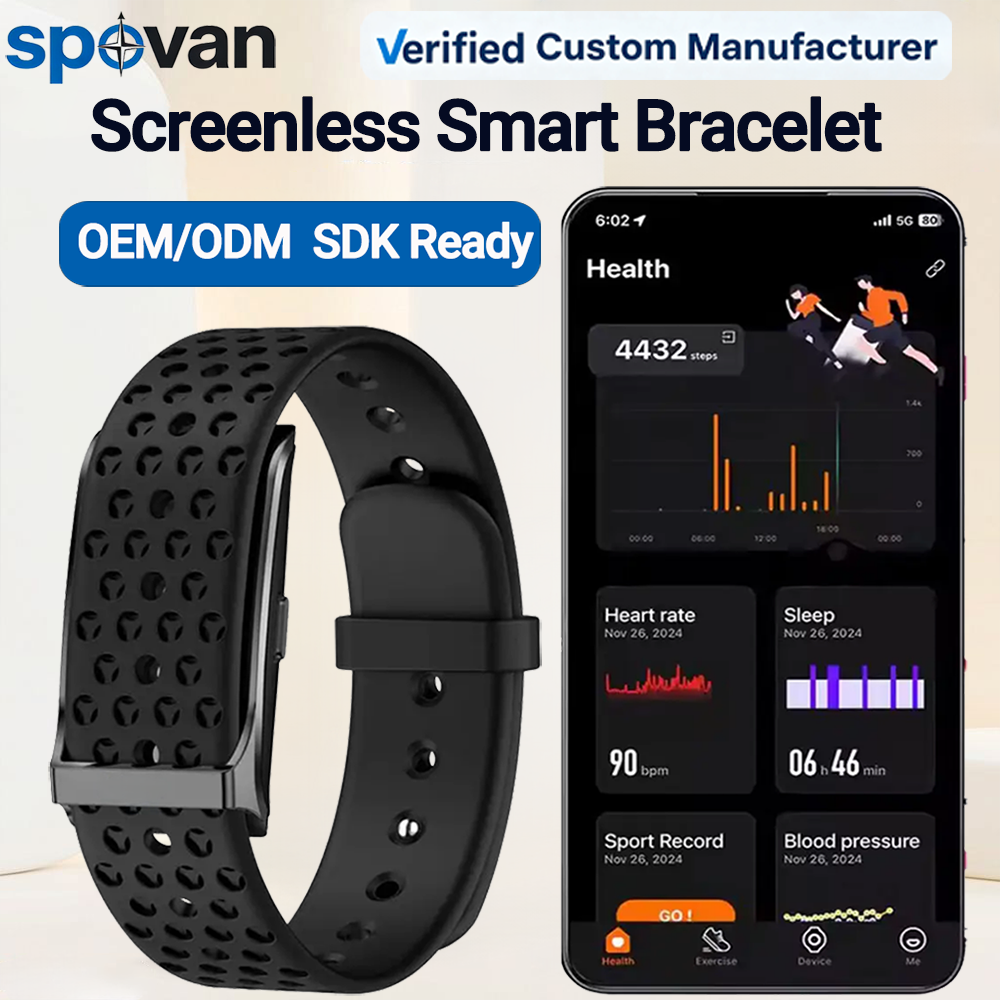
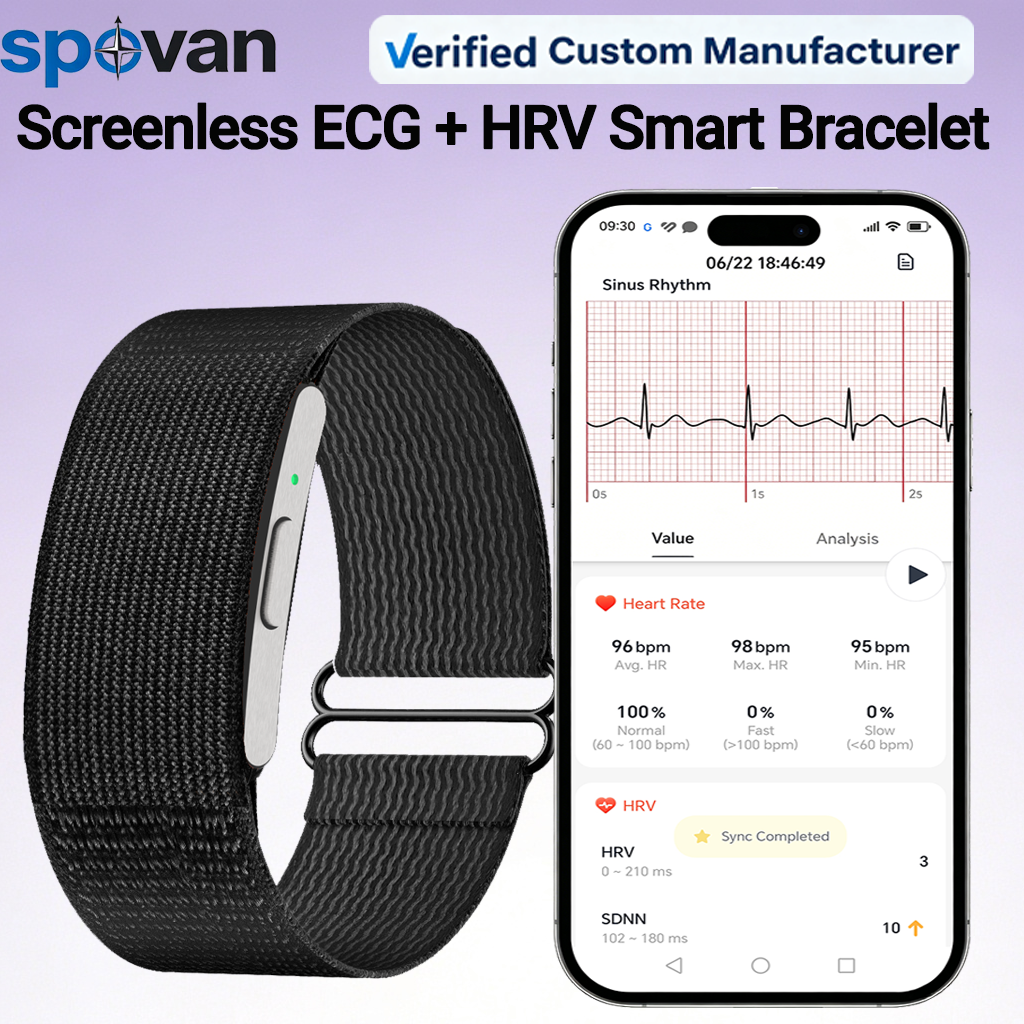
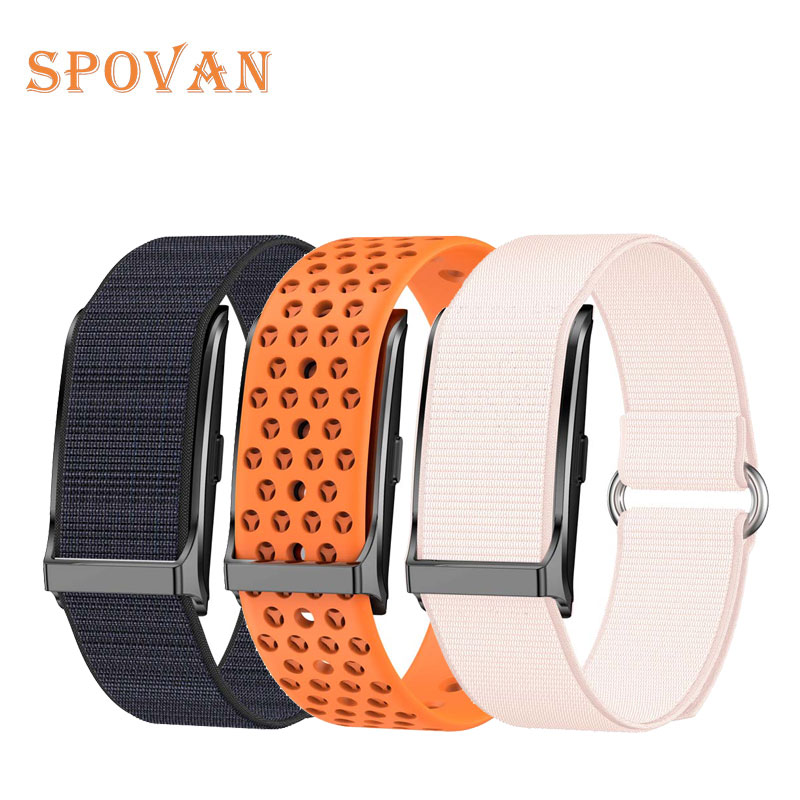
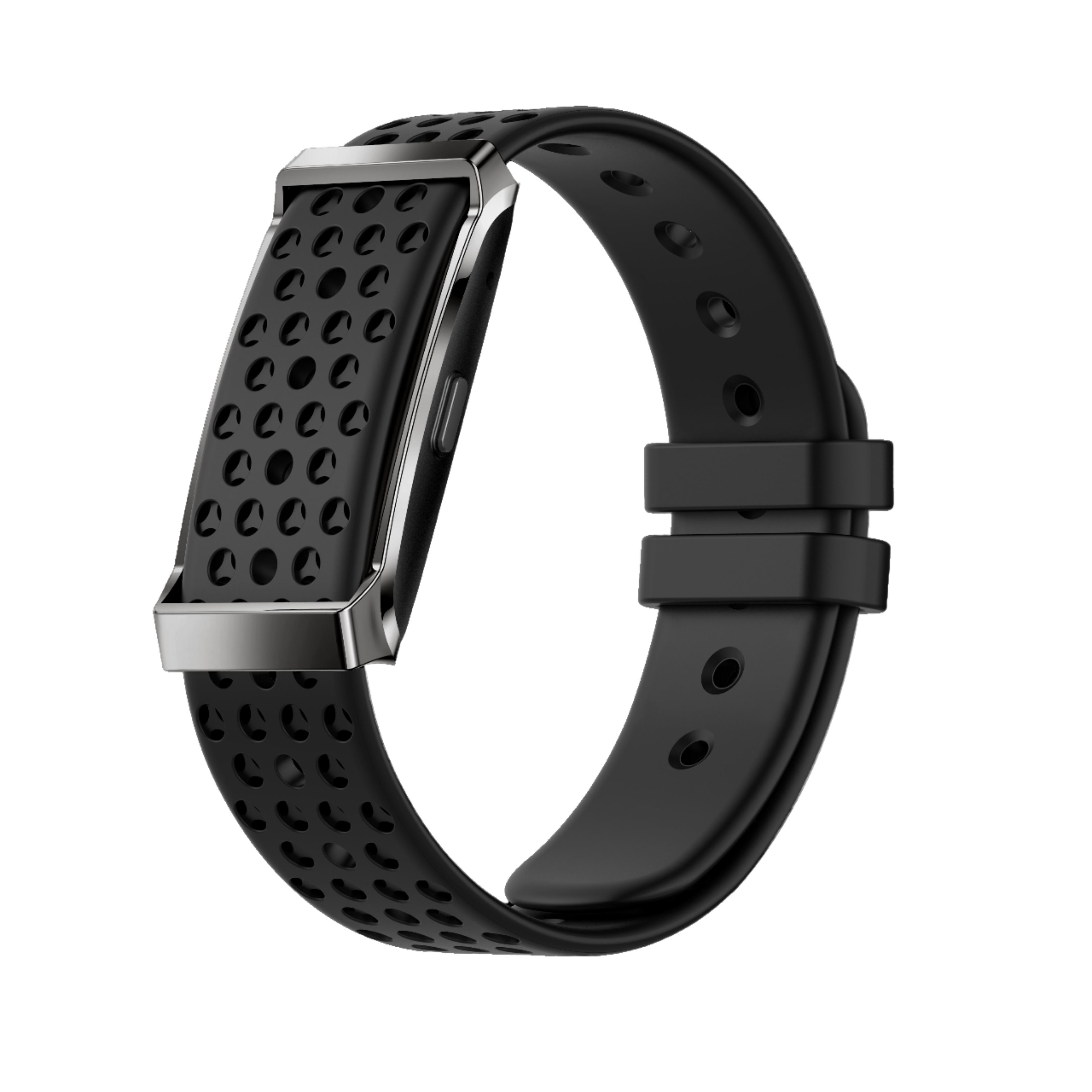
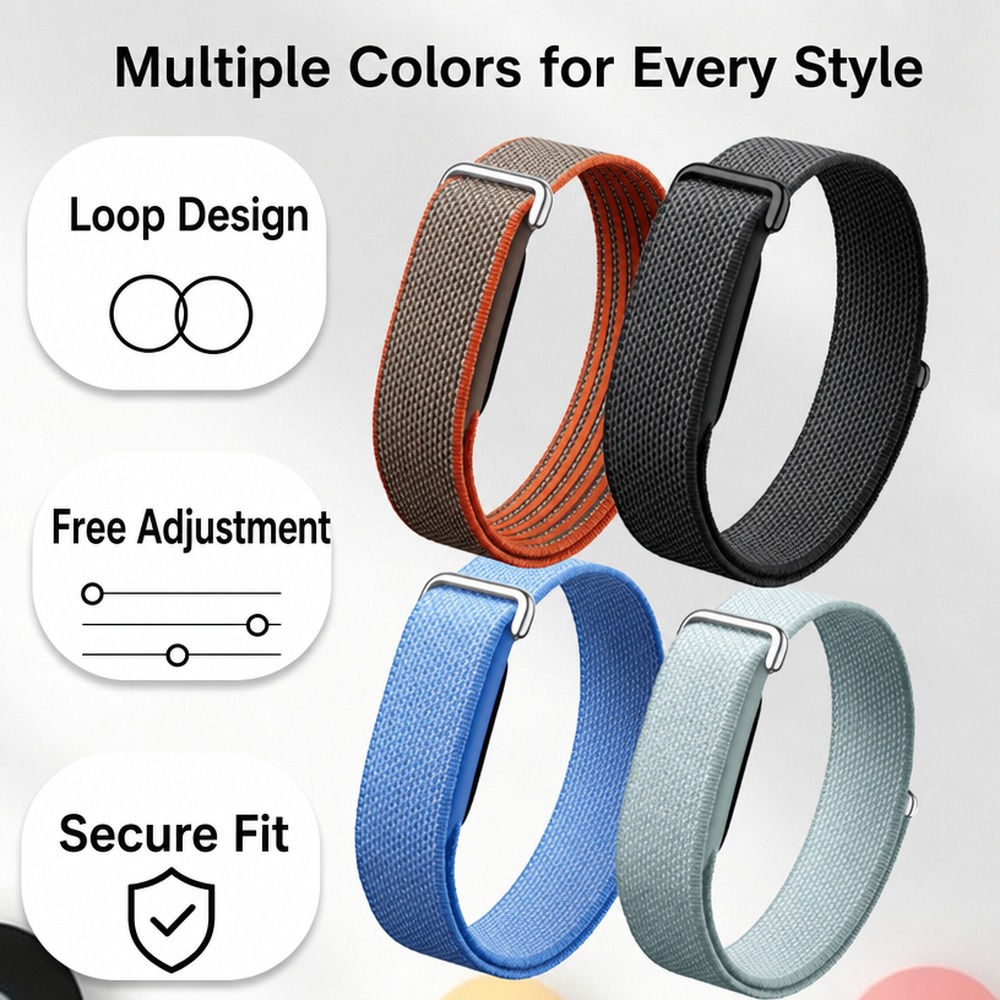
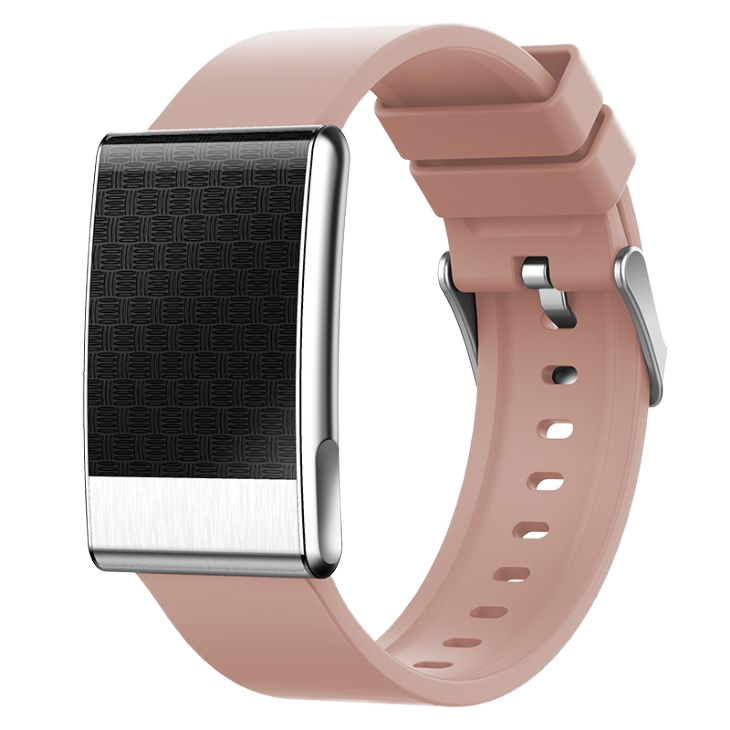
2025 CE ROHS Customized Logo Health Monitor Smart Bracelet Smart Watch Without Screen
Why Global Medical-Tech Brands Partner with Honsys
From initial algorithm tuning to final retail packaging, our Shenzhen engineering facility enforces zero-defect quality control across all biosensing product lines.
Full European Compliance Ecosystem
Every health tracking unit manufactured is certified under the CE Radio Equipment Directive (RED 2014/53/EU), RoHS Directive (2011/65/EU & 2015/863), and FCC Part 15C. We hold official EPR (Extended Producer Responsibility) credentials for Germany (LUCID) and France (ADEME), ensuring unhindered customs clearance across the EU internal market.
Open Hardware SDK & API Integration
Designed for digital health developers, telehealth platforms, and remote patient monitoring (RPM) institutions. We provide comprehensive Bluetooth Low Energy (BLE 5.0/5.3) protocol documentation, Android and iOS SDK libraries, and bridge code enabling direct ingestion of raw PPG, interbeat interval (IBI), and ECG waveform streams into your proprietary HIPAA/GDPR cloud.
SGS-Assessed Lean Manufacturing
Our workshop integrates surface mount technology (SMT), automated precise dispensing, high-frequency ultrasonic sealing, and computerized positive/negative air pressure chamber waterproofing benches. All units undergo 100% optical alignment, current draw analysis, and a 12-month manufacturer replacement warranty policy.
Biosensing Engineering: Advancing Wrist-Worn Physiological Precision
The transition of wrist-worn wearables from recreational step counters to dependable physiological monitoring equipment represents one of the most rigorous hardware transformations in modern personal electronics. As an established OEM/ODM developer, Shenzhen Honsys Technology Co., Ltd. addresses the fundamental biophysical hurdles inherent in optical photoplethysmography (PPG) and micro-signal electrocardiography (ECG) to deliver consistent, clinically actionable trend metrics.
Traditional single-green-wavelength sensors struggle with perfusion variation, epidermal melanin concentrations, and motion artifacts induced by wrist tendon flexure. Our 2025/2026 health watch architecture utilizes multi-spectral optical sensor arrays incorporating synchronized green (525nm), red (660nm), and infrared (940nm) emitters coupled with oversized multi-channel silicon photodiodes. Red and infrared reflectance ratio analysis (the ΔOD method) allows continuous determination of peripheral capillary oxygen saturation (SpO2), maintaining stability even in low-perfusion environments.
Simultaneously, our lead-I ECG modules utilize titanium or 316L medical-grade stainless steel dry electrodes strategically integrated into the bezel or case back. By capturing potential differences between both arms across the thoracic triangle, our low-noise analog front-ends (AFE) achieve a Common-Mode Rejection Ratio (CMRR) exceeding 90 dB. This permits precise derivation of Heart Rate Variability (HRV) metrics—specifically Root Mean Square of Successive Differences (rMSSD) and Standard Deviation of NN intervals (SDNN)—providing telehealth platforms with sensitive biomarkers for autonomic nervous system tone and physiological recovery.
Next-Generation Biosensing & Wearable Development Trends
Analyzing key structural shifts shaping the hardware requirements of commercial health wearables through 2030.
Edge AI & Adaptive Motion Cancellation
Next-generation devices run lightweight neural-network models directly on ultra-low-power microcontrollers (such as ARM Cortex-M33). By fusing 6-axis inertial measurement unit (IMU) data with raw optical plethysmogram feeds in real time, edge algorithms filter out motion artifacts caused by running or typing without needing heavy cloud compute.
Screenless "Digital Detox" Architectures
Enterprise health insurance programs and clinical trials increasingly favor screenless form factors. Removing battery-draining displays eliminates user cognitive distraction, extends continuous telemetry life from 48 hours to beyond 20 days per charge, and prevents intentional user tampering during longitudinal observational studies.
Multi-Constellation GNSS Integration
Modern outdoor fitness wristbands demand concurrent multi-satellite tracking across GPS (L1), GLONASS, Galileo, and BeiDou networks. Incorporating optimized ceramic patch antennas inside sealed, water-resistant enclosures guarantees sub-meter trajectory logging across dense urban canyons and dense tree canopy runs.
Global Sourcing & Procurement Shifts for Health Wearables
Critical guidance for overseas corporate buyers, brand owners, and medical supply distributors planning multi-year supply chains.
Heightened Regulatory Scrutiny & CE RED Article 3.3
The European Union has progressively enforced stricter cybersecurity and privacy compliance requirements under Article 3.3 of the Radio Equipment Directive (RED), in addition to mandatory battery circular economy guidelines and national Extended Producer Responsibility (EPR) reporting. B2B buyers must partner exclusively with manufacturers possessing established full technical construction files (TCF), test certificates from accredited laboratories, and supply-chain transparency down to raw cell chemistries.
Data Sovereignty & White-Label Cloud Ecosystems
Importers are abandoning consumer-grade third-party applications that store physiological data on unverified servers. Sourcing trends prioritize hardware suppliers offering open source SDKs, custom BLE GATT service definitions, and local gateway forwarding. This enables brands to route raw patient metrics directly into private European or North American cloud repositories compliant with GDPR, HIPAA, and ISO 27001 data residency regulations.
Comprehensive Biosensing Hardware Comparison Matrix
Architectural overview of primary wearable configurations produced in our Shenzhen facility.
| Wearable Category | Biometric Sensor Stack | Display / Interaction | Battery Life / Charging | Ingress Protection | Target Application / Deployment |
|---|---|---|---|---|---|
| Screenless Smart Band | PPG (Dual 525nm + 660/940nm), Lead-I Dry ECG, 3-Axis Accel | None (Vibration Motor & Bi-color Status LED) | 12–21 Days (Magnetic Pogo Pin) | IP68 (50m immersion tested) | Remote patient monitoring, digital detox, corporate wellness, health insurance telemetry |
| ECG + PPG Smartwatch | Titanium Bezel ECG, True SpO2 Array, Optical Heart Rate | 1.43"–1.96" AMOLED / TFT Touch Screen | 5–10 Days Typical Active Run | IP68 / 3ATM Structural Seal | Consumer health brands, cardiovascular wellness screening, retail e-commerce flagship models |
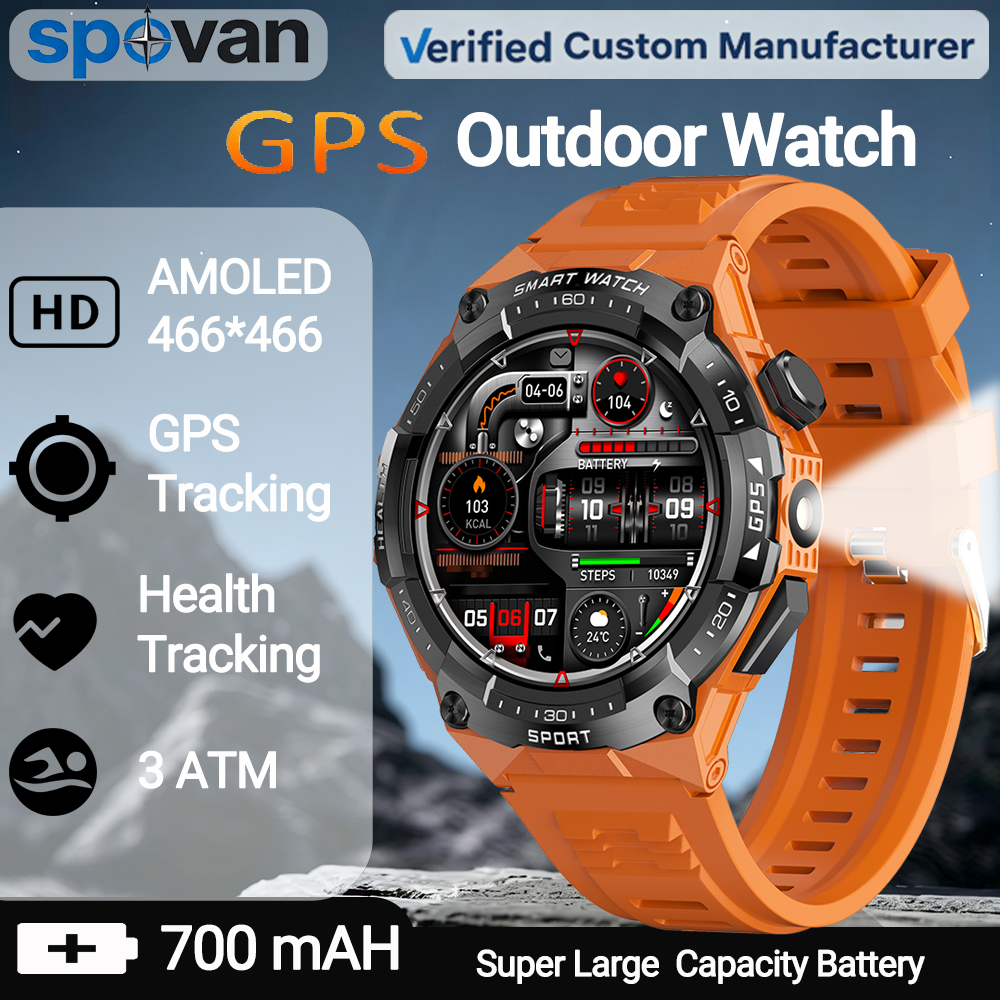
| Multi-Satellite GPS Watch | High-Dynamic Multi-GNSS, Continuous PPG, Barometric Altimeter | Transflective or High-Luminance AMOLED | 30 Hours (Continuous GNSS) / 14 Days | 3ATM / 5ATM Water Resistance | Outdoor adventure brands, trail navigation, endurance athletics, professional expedition gears |
| Next-Gen Micro Wearables | Micro-Optic Reflectance PPG, Skin Temperature NTC, G-Sensor | Form-Factor Micro Housing (Ring / Glasses Frame) | 3–5 Days (Compact Fast Charging) | Sweatproof / 5ATM Nanocoating | Lifestyle discreet sleep tracking, executive recovery analytics, hands-free audio computing |
Frequently Asked Sourcing & Manufacturing Questions
Direct responses from our engineering and international trade compliance teams for technical buyers.
What specific CE test directives and standards apply to your health tracking watches?
Our smartwatches and screenless bracelets comply fully with the European Union Radio Equipment Directive (RED 2014/53/EU). Test reports generated by accredited notified testing bodies cover:
• RF Radio Spectrum: EN 300 328 V2.2.2 (Wideband transmission systems operating in 2.4 GHz ISM band).
• Electromagnetic Compatibility (EMC): EN 301 489-1 V2.2.3 and EN 301 489-17 V3.2.4.
• Safety & Electrical: EN 62368-1:2014+A11:2017 (Audio/video, information and communication technology equipment).
• Human RF Exposure / Health: EN 62479:2010 and EN 50663:2017 assessment.
Additionally, all models adhere to RoHS Directive 2011/65/EU and amendment (EU) 2015/863 for hazardous substance limitations, with Declarations of Conformity (DoC) furnished upon sampling.
How is SDK access provided, and can we stream raw photodiode and ECG voltage data?
Yes. For clients developing proprietary healthcare platforms or specialized algorithms, our firmware team can provide customized firmware builds alongside comprehensive Android (Java/Kotlin) and iOS (Objective-C/Swift) SDK libraries. The SDK allows developers to bypass standard filtered health summaries and directly access raw micro-voltage ECG waveforms (sampled at 250 Hz or 512 Hz) as well as unfiltered dual-wavelength optical photodiode ADC values.
What is your Minimum Order Quantity (MOQ) for custom branding, firmware, and packaging?
We accommodate evaluation and pilot batches starting from 1 to 10 units for baseline functional samples. For laser-etched custom logos on cases or metal clasps, MOQ is typically 100 to 500 units. Full OEM custom retail packaging, custom silicone/nylon strap pantones, custom device firmware boot screens, and dedicated Bluetooth broadcast naming generally begin at 1,000 units. Full custom ID tooling and mechanical molding are quoted on a turnkey NRE project basis.
How are water-resistance ratings verified in your Shenzhen assembly facility?
Every single sealed casing undergoes non-destructive pneumatic pressure chamber testing on our factory floor. Using high-precision air leakage testing equipment, we submit each assembled chassis to calibrated positive and negative differential pressure simulating 1 ATM (IP68) up to 3 ATM / 5 ATM depth equivalents. Units that fail the minute threshold of air displacement are rejected immediately prior to final electronic functional testing.
What are the accepted trade terms, payment currencies, and warranty guarantees?
We support multiple incoterms including FOB Yantian/Shenzhen/Hong Kong, EXW, CFR, CIF, CIP, DDP, and DDU. We transact in major global currencies including USD, EUR, GBP, AUD, CAD, CHF, and JPY via Wire Transfer (T/T), Letter of Credit (L/C), PayPal, or secure Trade Assurance escrow. All finished smart wearables carry a 1-year manufacturer hardware warranty, supported by replacement components or direct product swaps for factory defects.
Are the biometric readings intended for medical diagnostic claims in the EU?
Unless expressly cleared through specific MDR (Medical Device Regulation 2017/745) clinical verification protocols, standard commercial models are marketed for personal wellness, fitness monitoring, and early trend warning. They are not medical diagnostic devices per se. For enterprise clients seeking to register final solutions under EU MDR Class IIa, we assist by supplying design files, raw sensor data sheets, and component traceability matrices.
Request Technical Datasheets & OEM Quotation
Discuss your target markets, sensor requirements, open SDK integrations, or custom branding timelines with our bilingual senior hardware engineering team today.