Screenless Tracker
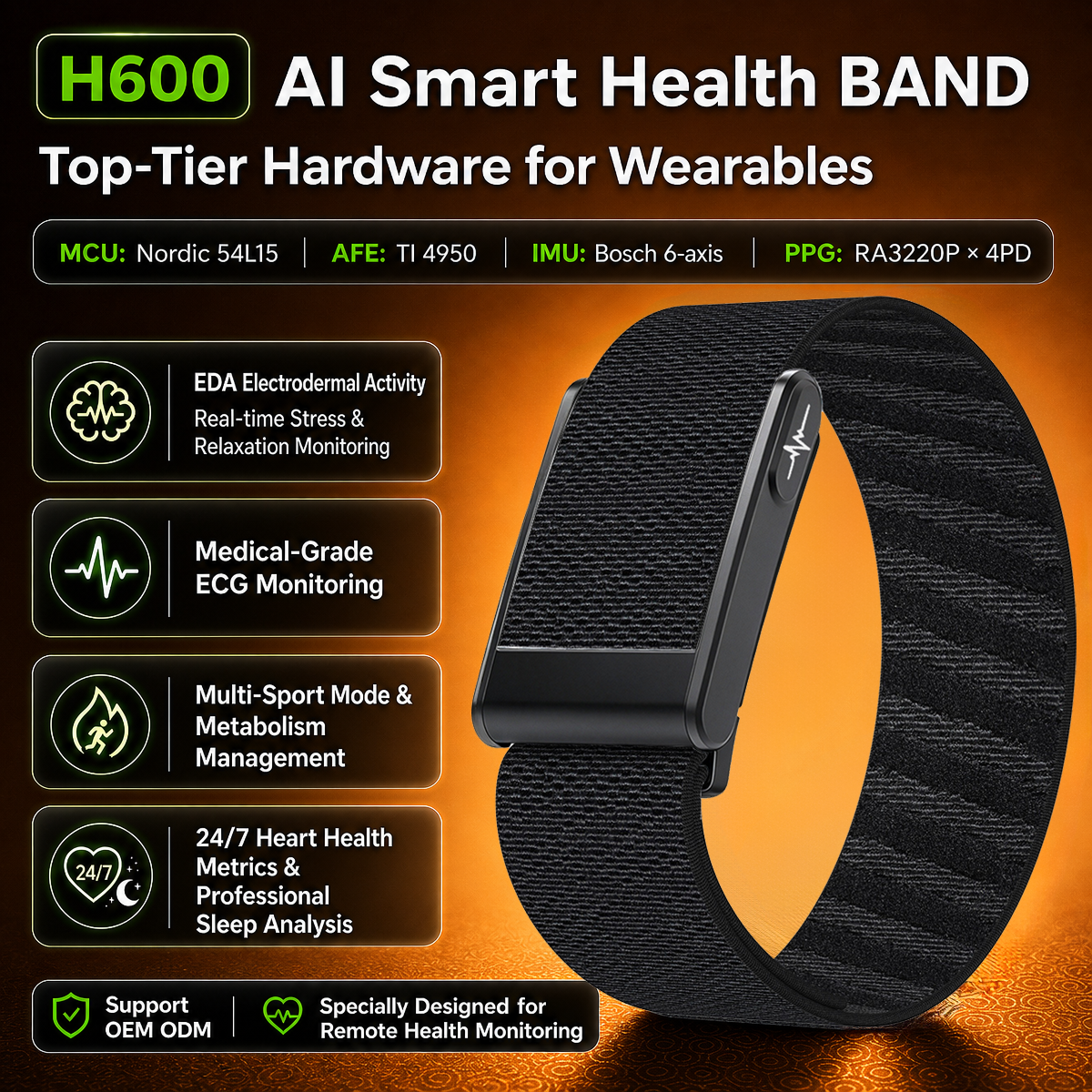
ECG HRV Sensor Screenless Smart Wristband Health Tracker Fitness Bracelet Wearable Sports Daily Monitor OEM ODM Custom Factory
ECG + HRV
Screenless
IP68
Explore our cutting-edge bio-telemetry fitness bands, screenless wellness trackers, and wearable accessories engineered in Shenzhen for international health-tech brands, enterprise platforms, and volume distributors.
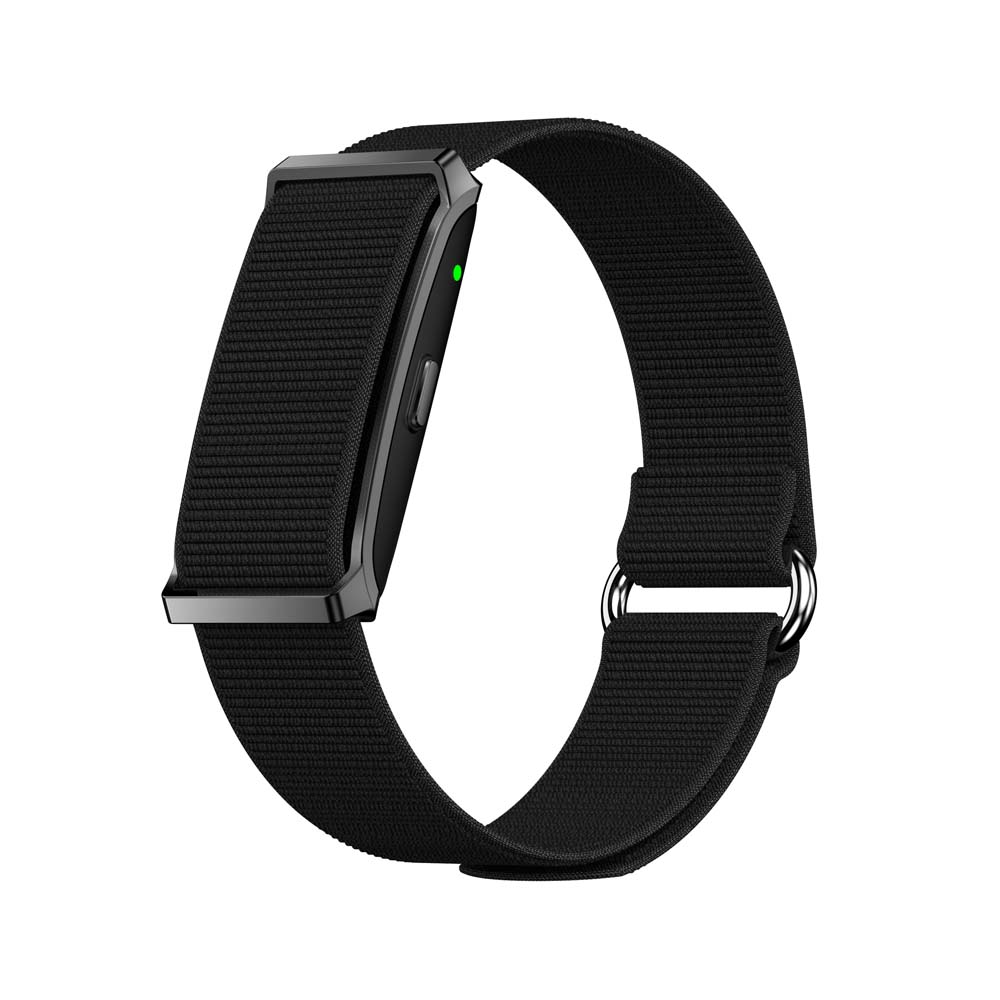
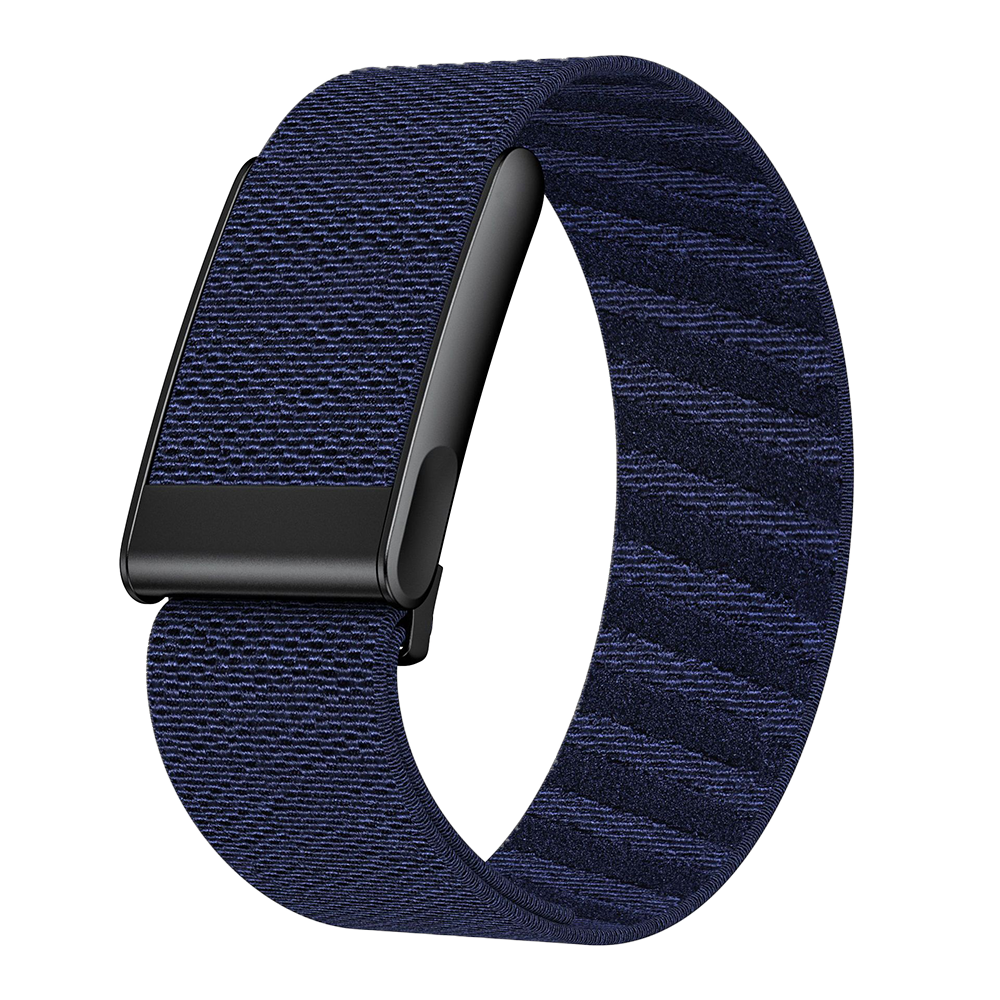
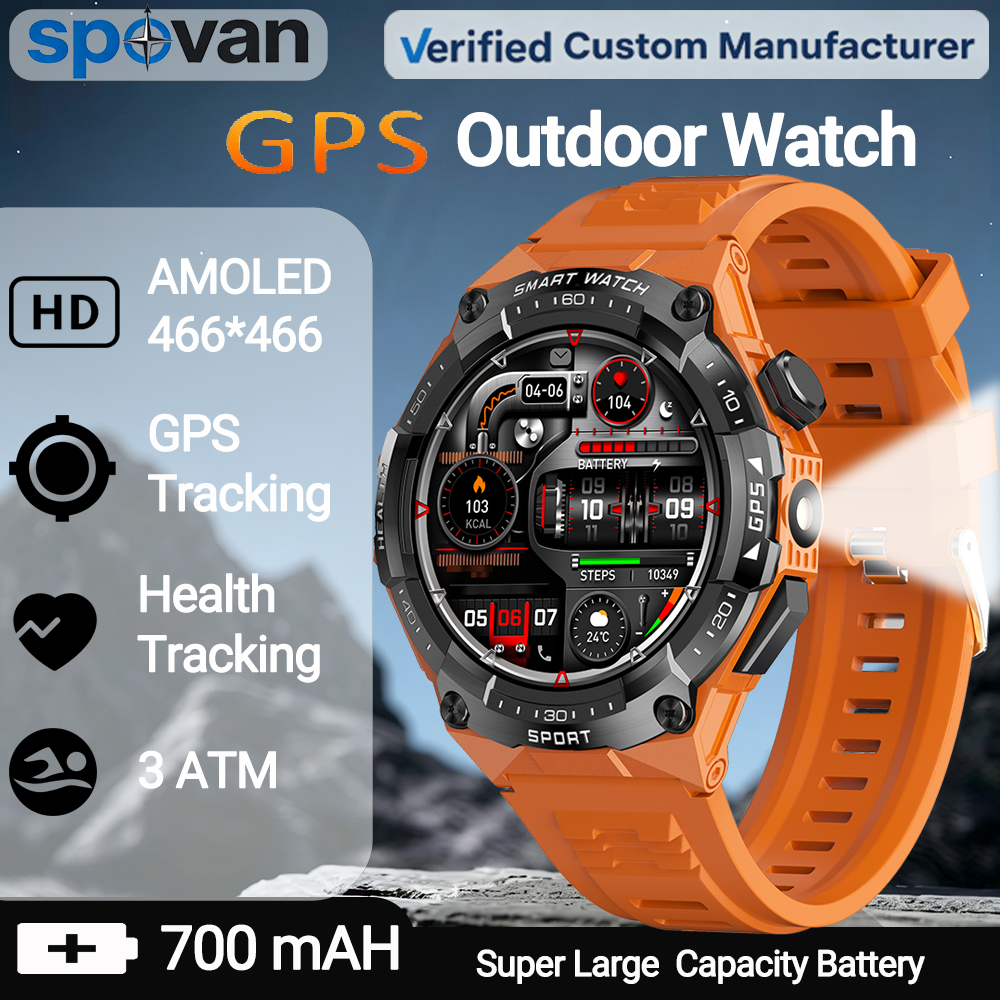
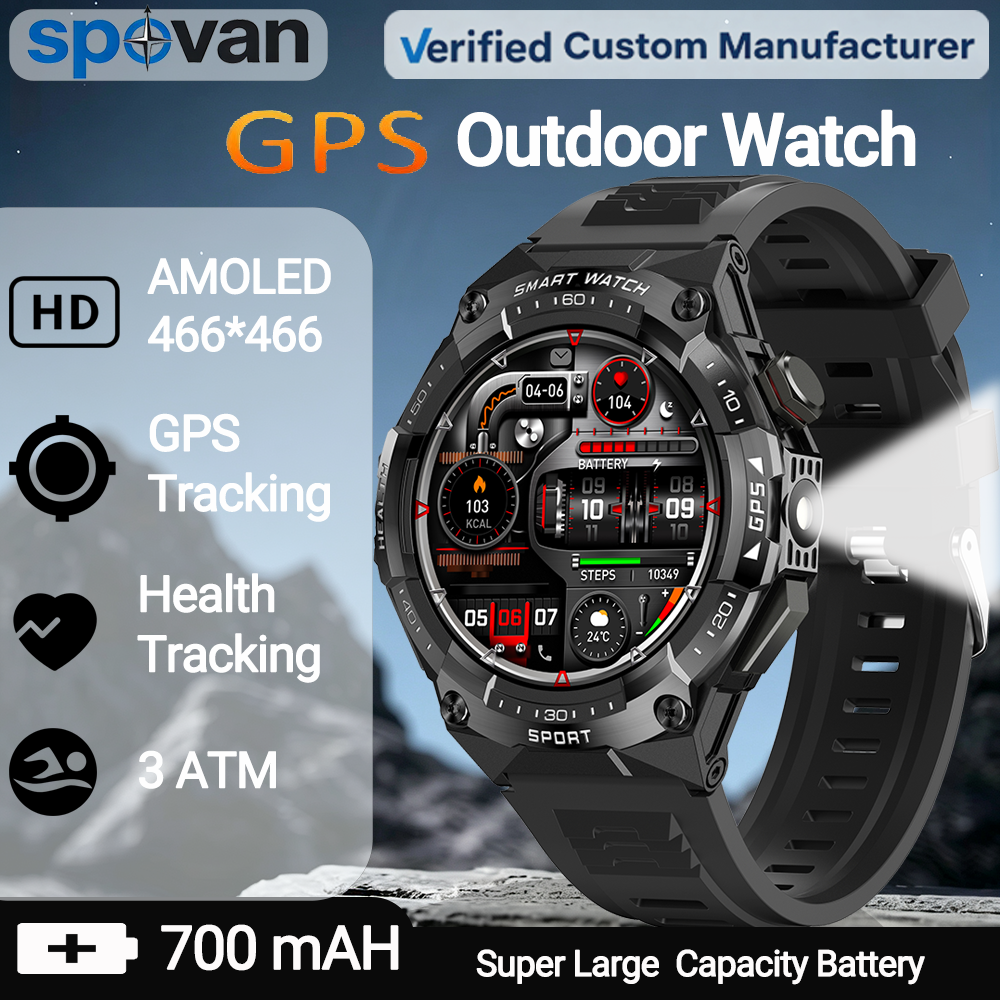
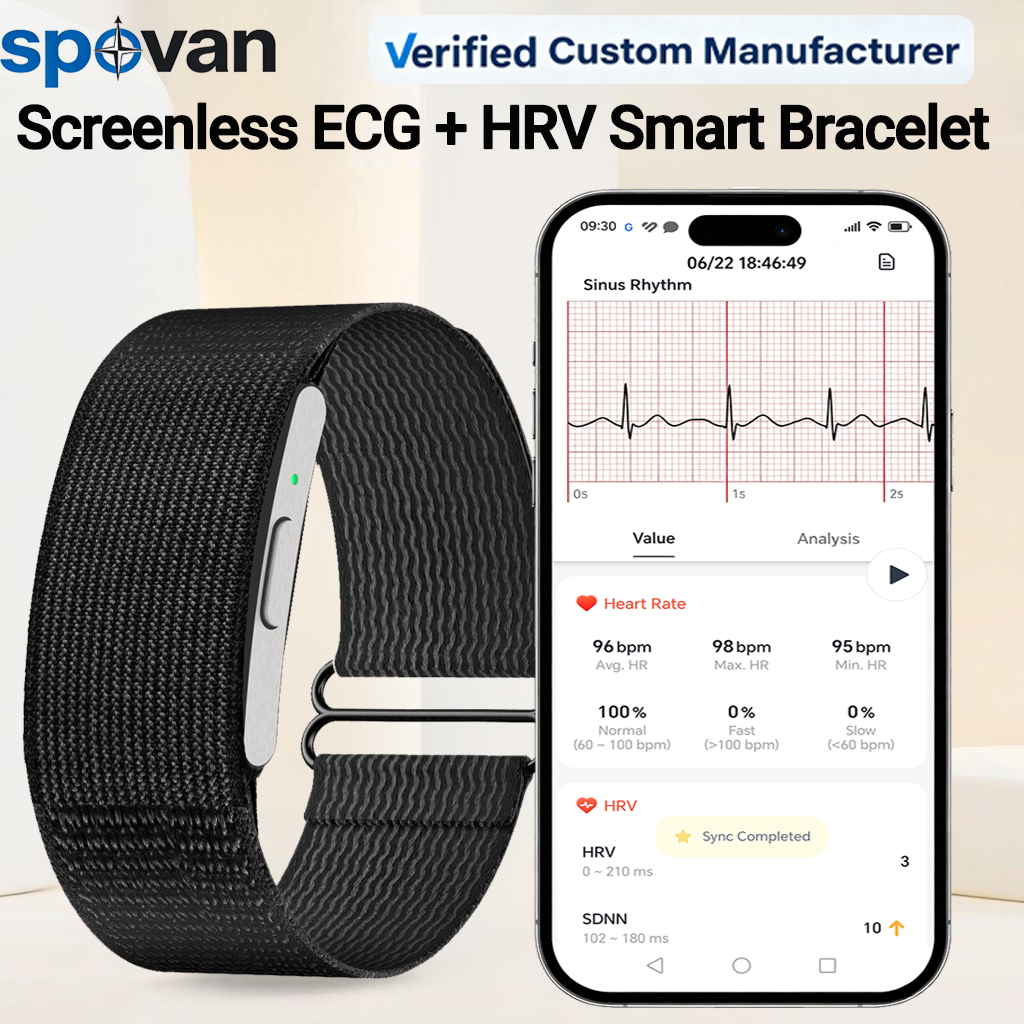
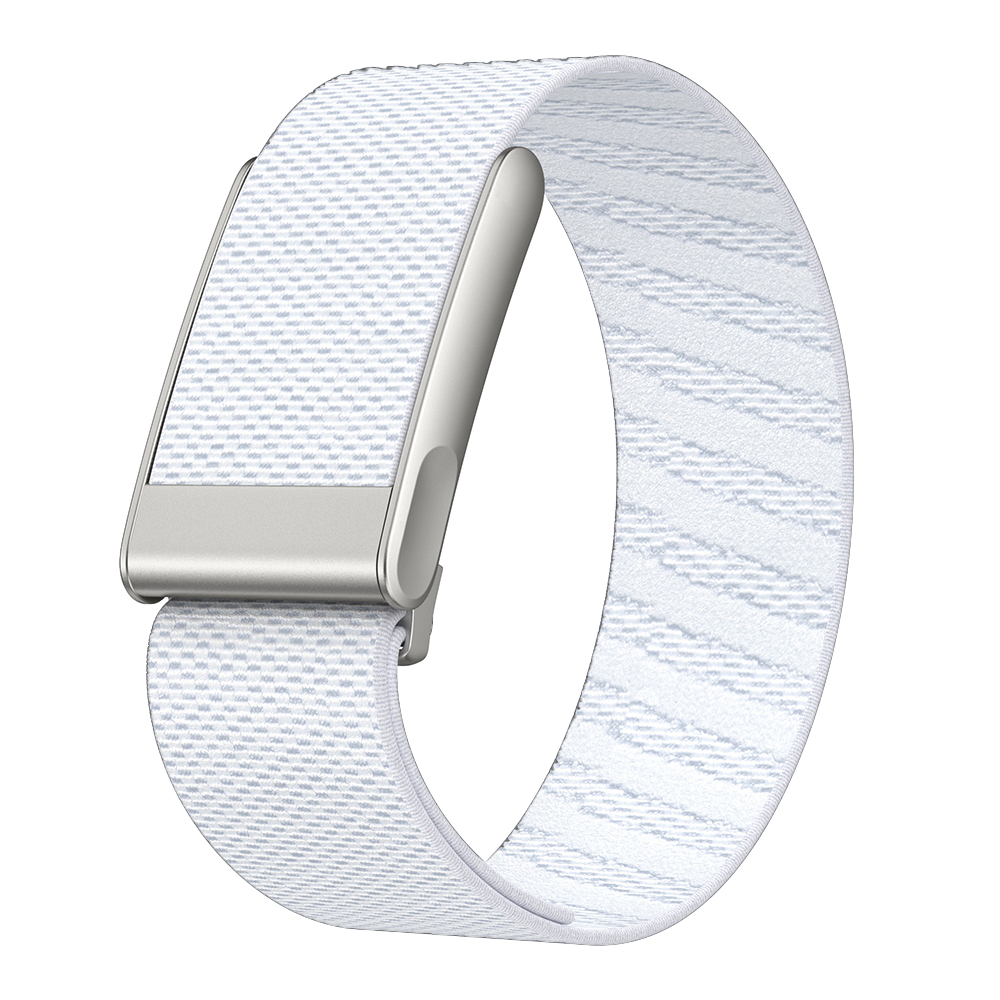
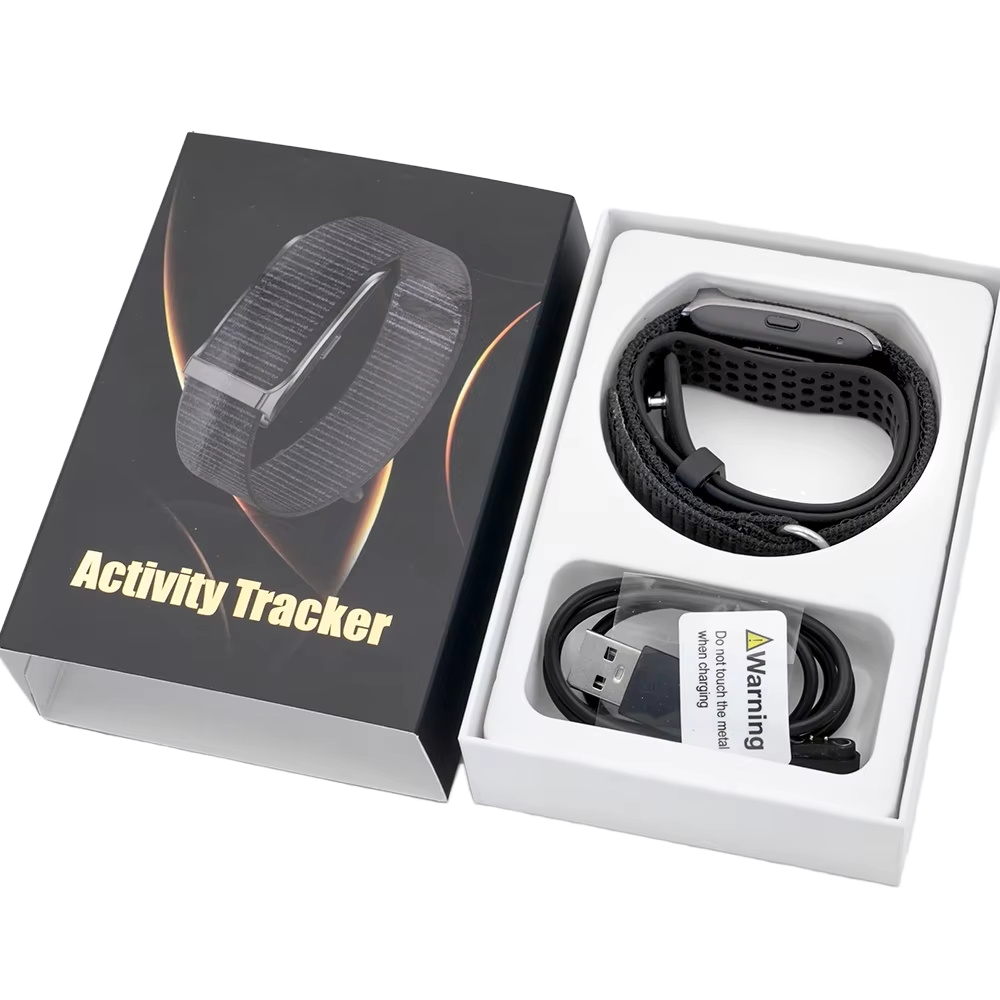
The global wearable landscape has graduated from vanity step-counting to medical-adjacent bio-signal intelligence. Global procurement directors and brand managers must evaluate Chinese original design manufacturers (ODMs) through a multi-dimensional framework encompassing sensor physics, edge computing algorithms, firmware escrow, and telemetry security.
Traditional fitness bands with single-wavelength optical sensors are no longer competitive in North American and European tier-one retail channels. Enterprise buyers are shifting purchase orders toward multi-channel photoplethysmography (PPG) arrays paired with dry titanium electrodes for electrocardiography (ECG) and autonomic nervous system monitoring (HRV).
Consumers increasingly demand wearable devices that harvest round-the-clock biometrics without the distraction, battery penalty, and cosmetic intrusiveness of interactive OLED/TFT displays. By removing the display module, our Shenzhen manufacturing facility achieves 14-to-28 days of continuous battery endurance, exceptional water-tightness (IP68/5ATM), and zero notification fatigue.
Corporate wellness platforms, health insurers, and clinical research organizations are discarding closed consumer clouds. Leading buyers require white-labeled wearables capable of outputting raw photodiode streams, R-R intervals, and 3-axis accelerometer data via open native SDKs (iOS/Android) and Web Bluetooth APIs directly into their proprietary HIPAA and GDPR-compliant cloud servers.
A rigorous engineering benchmark detailing core hardware configurations, computational loads, typical bill of materials (BOM) impacts, and target commercial applications.
| Architecture Type | Bio-Signal Modalities | Microcontroller / SoC | Power Draw & Battery | Target Sourcing Sector | API / SDK Readiness |
|---|---|---|---|---|---|
| Screenless ECG+HRV Band | Dual-lead dry electrode ECG, dual-wavelength PPG, 3-axis IMU, skin temp | Nordic Semi nRF52840 / Dialog DA14695 with ARM Cortex-M4F | 120–180 mAh Li-Po; 14–21 days continuous background sensing | Remote Patient Monitoring (RPM), Digital Detox Brands, Recovery SaaS | Raw photodiode waveform & millisecond R-R interval export via BLE 5.3 |
| Enterprise PPG Smart Bracelet | Multi-LED green/red/IR PPG, continuous SpO2, sleep cycle tracking | Realtek RTL8762D / Goodix Low-Power Biosensing Engine | 90–140 mAh; 7–10 days with continuous optical polling | Corporate Wellness, Longevity Centers, High-Volume E-Commerce | Standard JSON BLE packets for HR, HRV, sleep stage scoring |
| Multi-GNSS Outdoor Watch | Dual-band multi-constellation GPS/GLONASS/Galileo, altimeter, optical HR | Ambiq Apollo4 Plus ultra-low power SoC with 2.5D GPU | 350–500 mAh; 40 hours continuous GPS active, 15 days standby | Rugged Adventure, Trail Running, Military/Tactical Supply | Fit and GPX coordinate stream, localized BLE workout synchronization |
| AI Optical & Audio Eyewear | Spatial audio mics, 8MP image capture, real-time voice translation engine | Qualcomm Snapdragon Wear / Actions Dual-Core DSP | 2x 110 mAh temple cells; 6–8 hours active call/translation streaming | Executive Gifting, Travel Tech Brands, Enterprise Field Assistance | Audio DSP control, remote camera shutter trigger, Wi-Fi raw buffer dump |
Established in 2010 with direct export operations since 2012, Shenzhen Honsys Technology operates as an audited OEM/ODM manufacturer specializing in screenless smart bracelets, ECG/PPG/HRV wristbands, outdoor GPS wearables, smart rings, and AI vision glasses.
Continuous hardware R&D and precision manufacturing in Shenzhen
Verified procurement volume tracked across international B2B channels
Dedicated bilingual engineering sales team providing 24/7 RFQ turnaround
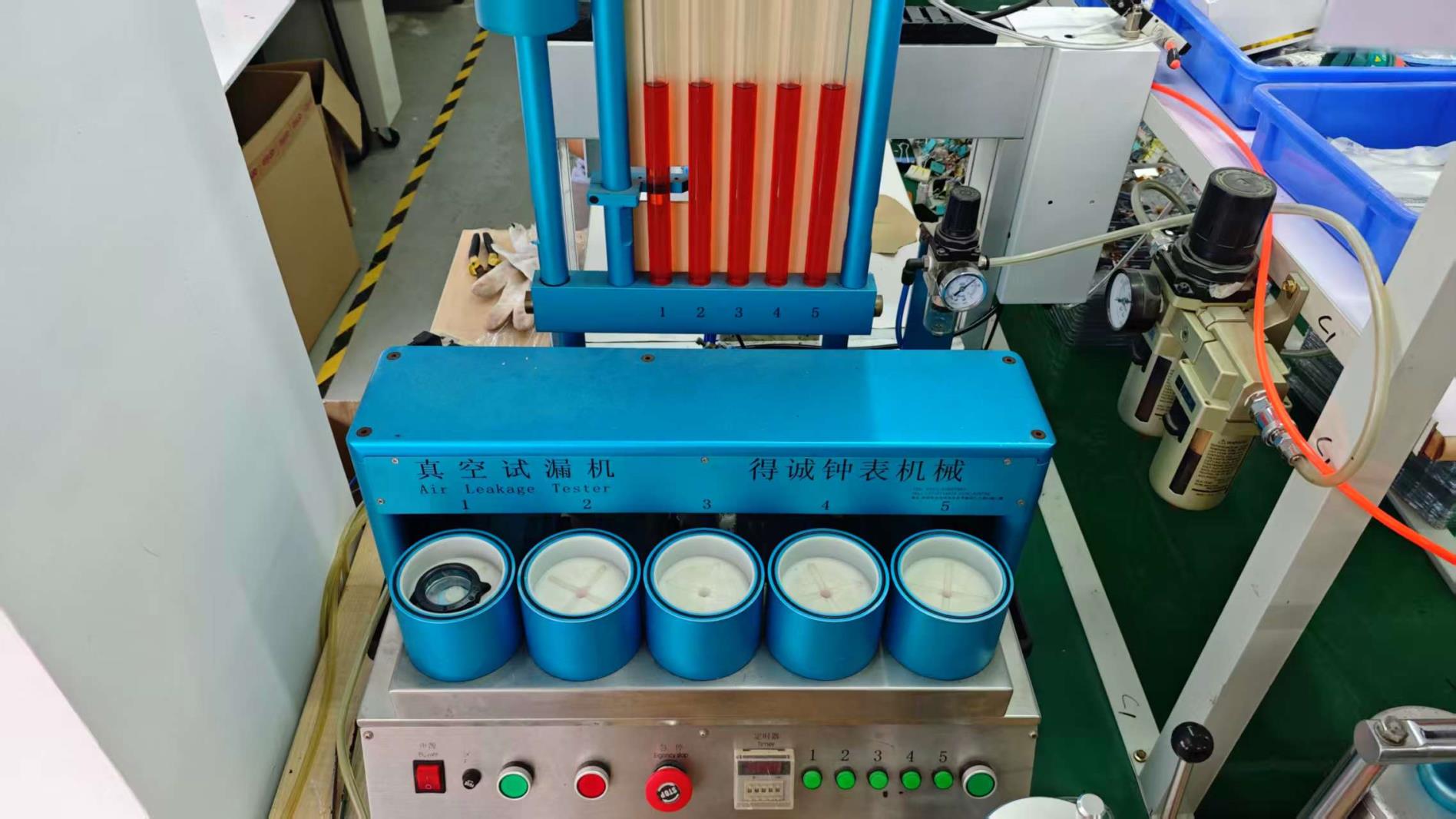
Every unit undergoes acoustic, pneumatic leakage, and functional verification
Strategic hardware procurement requires forward-looking roadmaps. Integrating these 4 macro-technological trends will ensure your hardware line avoids early obsolescence and meets consumer expectations through 2030.
On-device tinyML networks running on low-power ARM Cortex-M33 microcontrollers enable real-time detection of atrial fibrillation (AFib), peripheral artery elasticity trends, and sleep apnea onset without relaying unencrypted raw biometric telemetry to third-party cloud servers.
Next-generation prototypes are pairing ultra-low voltage PMICs with thermoelectric generators (TEGs) that leverage human-to-ambient thermal gradients alongside indoor solar photovoltaic micro-cells, drastically extending battery intervals toward indefinite operation.
In response to stringent EU NIS2 directives and US FDA pre-market cybersecurity standards, future wearables integrate embedded Secure Elements (eSE) and PUF (Physically Unclonable Function) chips to cryptographically sign all outbound biometric telemetry packets.
Tier-one consumer brands increasingly demand casings cast from 100% recycled aerospace-grade aluminum or bio-based polyamides, coupled with hypoallergenic fluoroelastomer or OEKO-TEX certified recycled elastic woven loops that comply with evolving global right-to-repair frameworks.
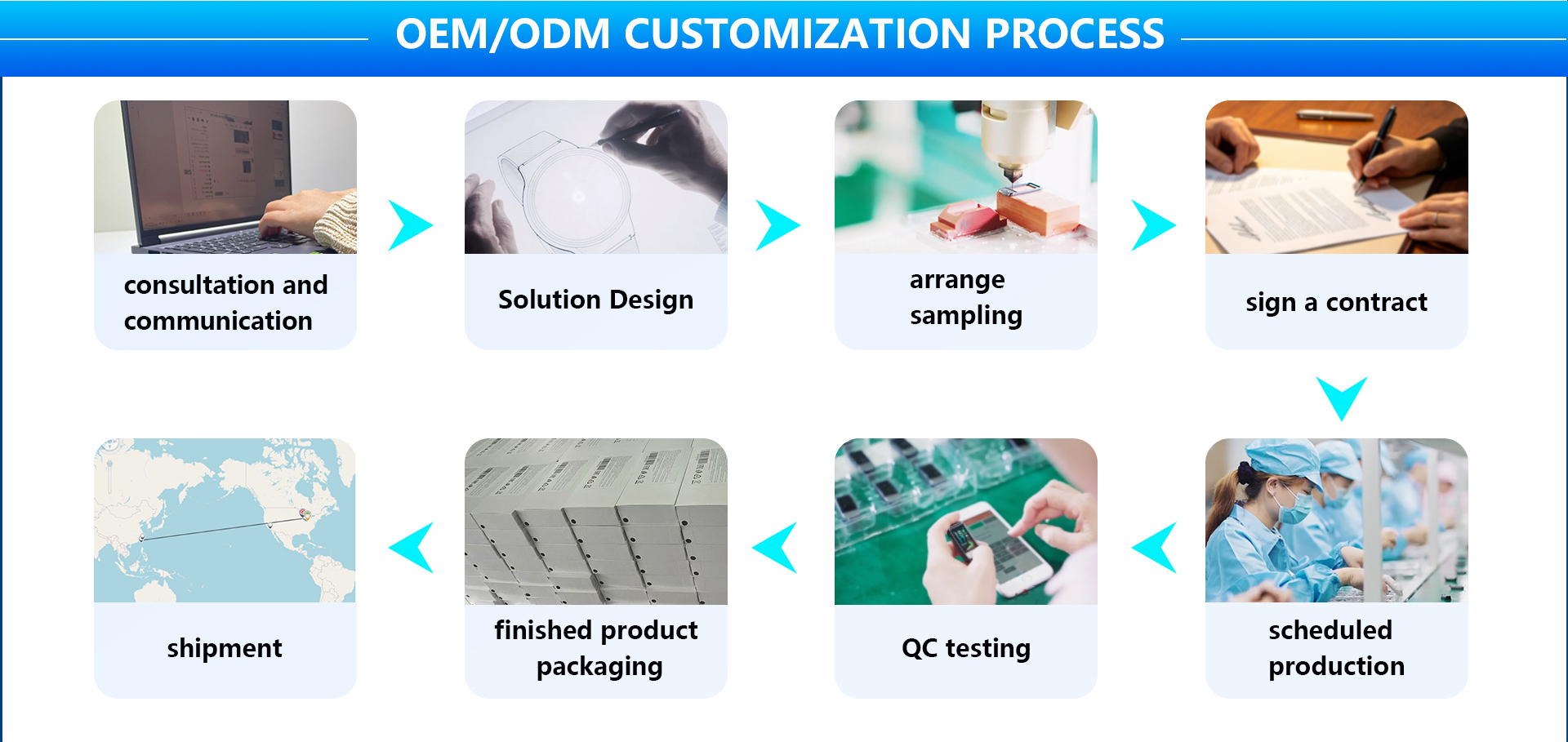
Every custom fitness band manufactured at Honsys Technology follows a structured gate-review quality management system, maintaining traceability from incoming electronic component lots to final FOB container loading.
Engineering review of PCB layouts, component clearances, antenna impedance simulation (2.4GHz BLE), and custom sensor optical cavity alignment.
CNC functional housing mockups, rapid SLA tooling, soft silicone overmolding trials, and preliminary BLE RF chamber radiation pattern verification.
Bootloader customization, brand splash screens, sensor polling frequency tuning, custom BLE UUIDs, and tailored SDK/API endpoints integration.
Incoming inspection of ICs, high-capacity cobalt lithium batteries (UN38.3 validated), optical photodiodes, and biometric skin-contact biocompatibility testing.
High-precision surface mount soldering, automated visual optical inspection (AOI), automated dispensing of structural waterproofing adhesives, and ultrasonic casing bonding.
100% inline differential pressure decay leak testing, verifying submersion ratings at 3ATM/5ATM equivalent pressures prior to module potting.
72-hour automated charge/discharge cycling, optical sensor calibration under synthetic blood pulsatile rigs, and continuous high-temperature stress screening.
Anti-static retail gift box packaging, laser etching of custom serial numbers/EAN barcodes, drop-test certification, and consolidated FOB export dispatch.
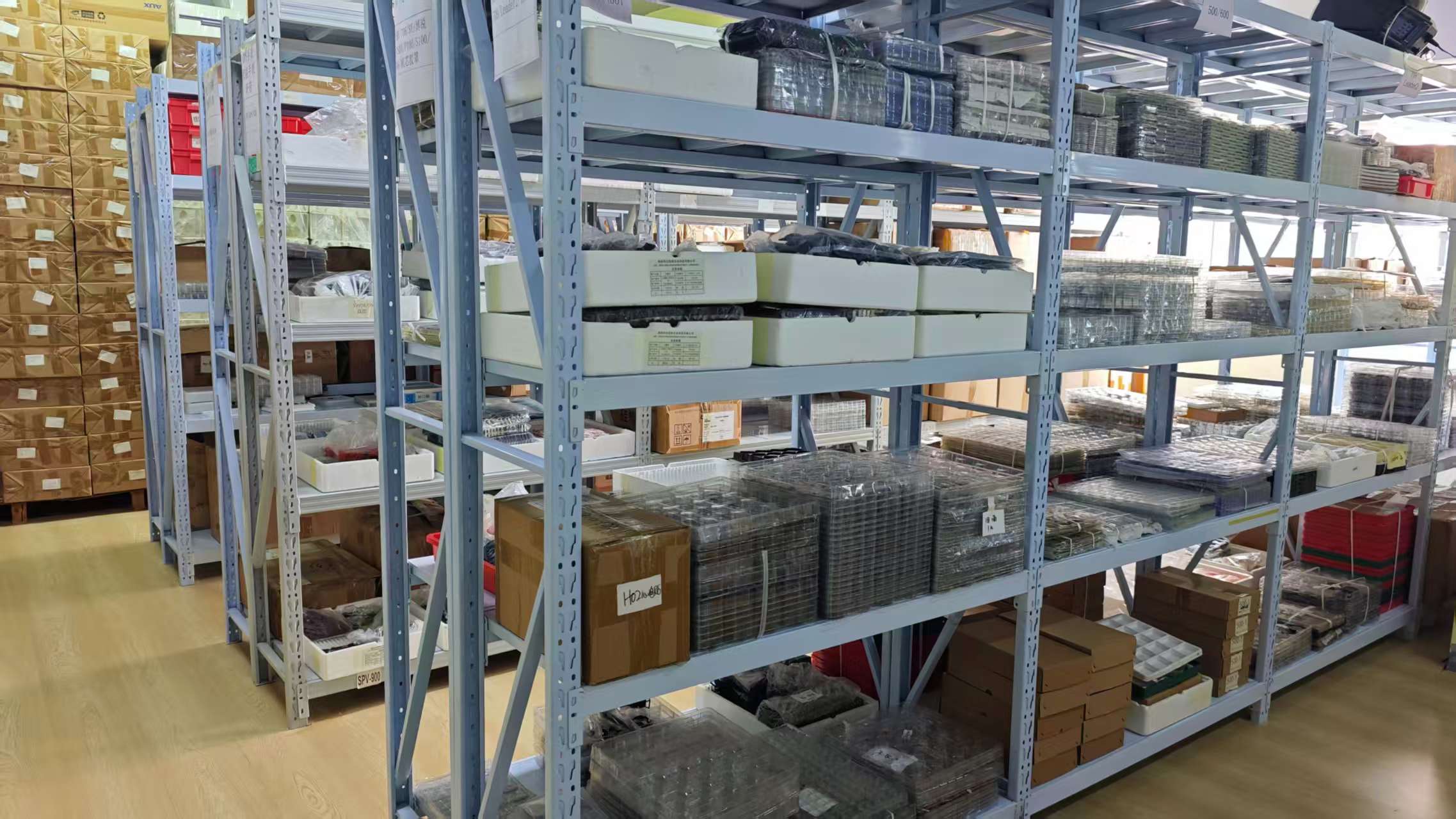
Transparency is foundational to our enterprise partnerships. Review actual photographic records of our manufacturing floors, automated testing benches, and cleanroom packaging facilities in Shenzhen.
Clear, direct answers prepared by senior hardware and firmware engineers to address critical commercial, technological, and logistical considerations before issuing a Request for Quotation (RFQ).
For existing off-the-shelf industrial platforms, sample orders for functional evaluation start from 1 to 10 units. Private-label customization (laser-etched logo on the zinc-alloy housing, silkscreened strap, custom bootloader icon, and localized retail gift boxes) typically carries an MOQ of 500 to 1,000 units. For fully customized Joint Development Manufacturing (JDM)—involving custom plastic/alloy injection tooling, tailored optical sensor layouts, and proprietary firmware codebases—the typical production MOQ starts at 3,000 to 5,000 units with non-recurring engineering (NRE) tool amortization schedules available.
Unlike consumer-locked devices, our screenless health bracelets and selected ECG smartwatches offer comprehensive, well-documented Native iOS (Objective-C/Swift) and Android (Java/Kotlin) SDKs alongside Flutter and React Native bridges. We provide complete communication protocol documentation detailing BLE service UUIDs, characteristic descriptors, command frame formats, and checksum algorithms. Enterprise clients receive sample source code and demo apps allowing direct extraction of real-time photoplethysmography (PPG) waveforms, R-R intervals for Heart Rate Variability (HRV), raw 3-axis accelerometer registers, and filtered physiological values without routing through any proprietary intermediary servers.
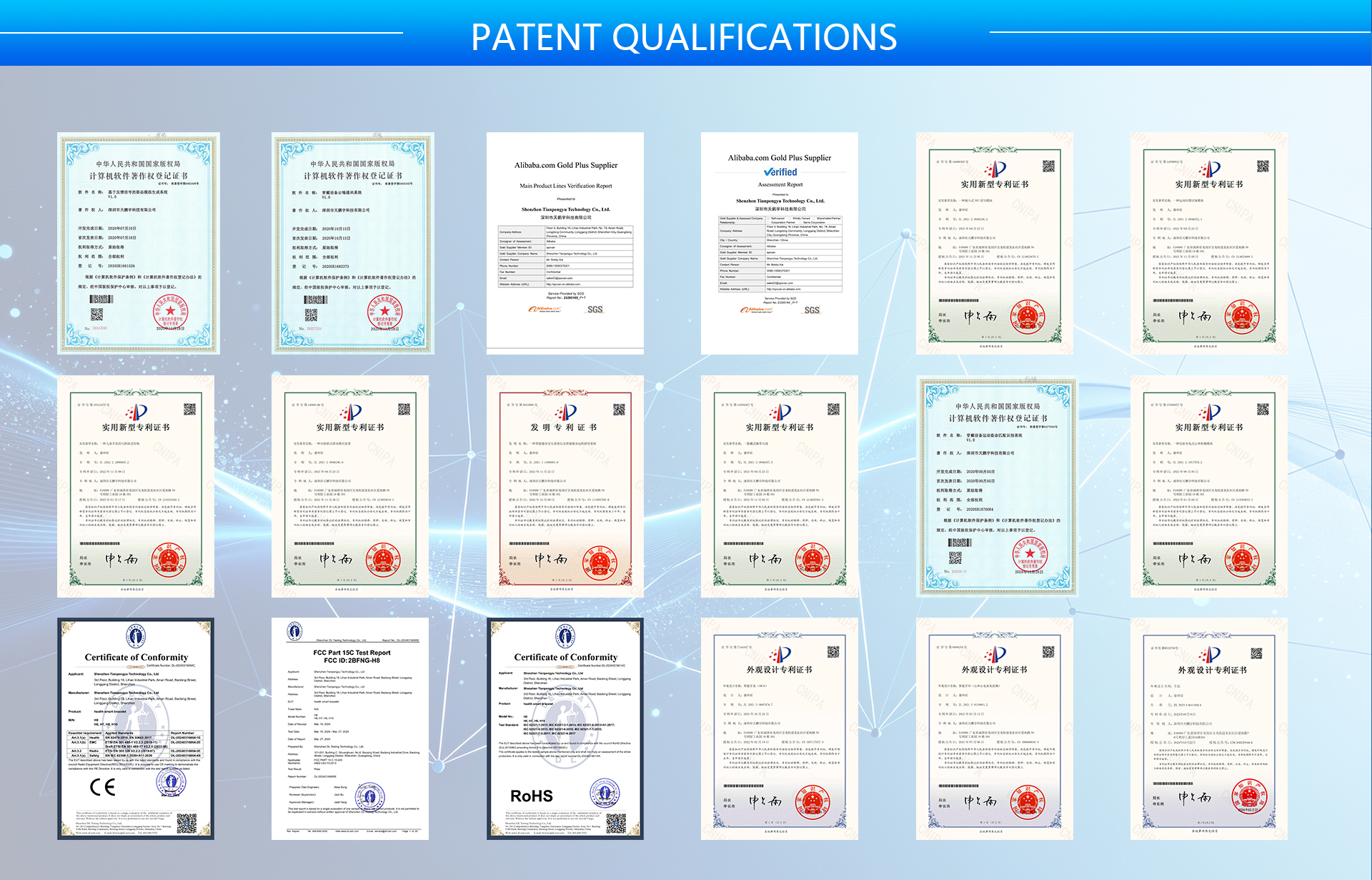
All production models comply with FCC Part 15C (Radio Frequency Devices) for the United States, CE-RED (Radio Equipment Directive 2014/53/EU) for the European Economic Area, and RoHS 2.0 (Directive 2011/65/EU and amendment 2015/863) restricting hazardous substances in electronics. Furthermore, we maintain active Extended Producer Responsibility (EPR) compliance registrations in Germany (LUCID register) and France (ADEME) covering electrical/electronic equipment (WEEE) and packaging waste. Complete Declarations of Conformity (DoC), technical construction files, and material safety data sheets (MSDS) are provided to ensure seamless clearance at European and North American customs ports.
Water-resistance is not evaluated merely via destructive batch sampling. Every single sealed enclosure (100% of finished units) undergoes dry pneumatic leak testing using high-sensitivity differential pressure decay instruments. The tester applies an equivalent negative and positive barometric load corresponding to 3ATM (30 meters) or IP68 depth ratings to detect microscopic air pressure drops through gaskets, sonic welds, or optical window seals. Any chassis exhibiting a leakage rate greater than 0.05 Pa/sec is automatically rejected prior to battery and circuit module potting, guaranteeing real-world sweatproof and swim-proof integrity.
Air and ocean shipments of smart wearables containing internal lithium polymer cells require strict regulatory adherence. All our battery cells hold independent UN38.3 test summaries (covering altitude simulation, thermal cycling, vibration, shock, external short circuit, impact, overcharge, and forced discharge), certified MSDS reports, and official Identification and Classification Reports for Air and Sea Transport of Goods issued by accredited institutes (such as DGM or Pony Testing). Products are packaged strictly conforming to Section II of IATA Packing Instructions 967 (lithium ion batteries contained in equipment), permitting unrestricted commercial air cargo transit worldwide.
Standard lead times for bulk production repeat orders range from 25 to 35 business days following formal pre-production golden sample sign-off and receipt of deposit. Standard shipping ports of origin include Yantian, Shekou (Shenzhen), and Hong Kong. We support an extensive array of commercial Incoterms based on buyer preference, including FOB (Free on Board), EXW (Ex Works), CIF (Cost, Insurance & Freight), and complete DDP (Delivered Duty Paid) door-to-door air freight service with cleared customs and import tariffs handled on the client's behalf.
Our standard wearable platforms are engineered, manufactured, and marketed as consumer wellness and athletic performance monitoring devices. While their optical signal-to-noise ratio (SNR) and ECG lead configurations achieve high correlation coefficients (>95% Pearson correlation compared against Holter monitors in static conditions), they are not pre-certified as Class II medical devices by default. Brand owners who intend to commercialize these trackers for diagnostic, therapeutic, or clinical reimbursement purposes (such as US FDA 510(k) or EU MDR Annex IX) must execute localized clinical trials; our engineering team assists with hardware design history files (DHF), technical documentation, and firmware stabilization throughout the submission process.
Partner directly with Shenzhen Honsys Technology Co., Ltd. Consult with our senior hardware architects, request an SDK documentation bundle, or order evaluation engineering samples for your brand's next generation of smart fitness trackers.