Engineering Excellence in Chinese Smart Biometric Wearables
Global consumer health electronics and MedTech brands rely on specialized direct-from-source manufacturers in China for scalable microelectronics integration, algorithmic accuracy, and certified turnkey OEM/ODM production.
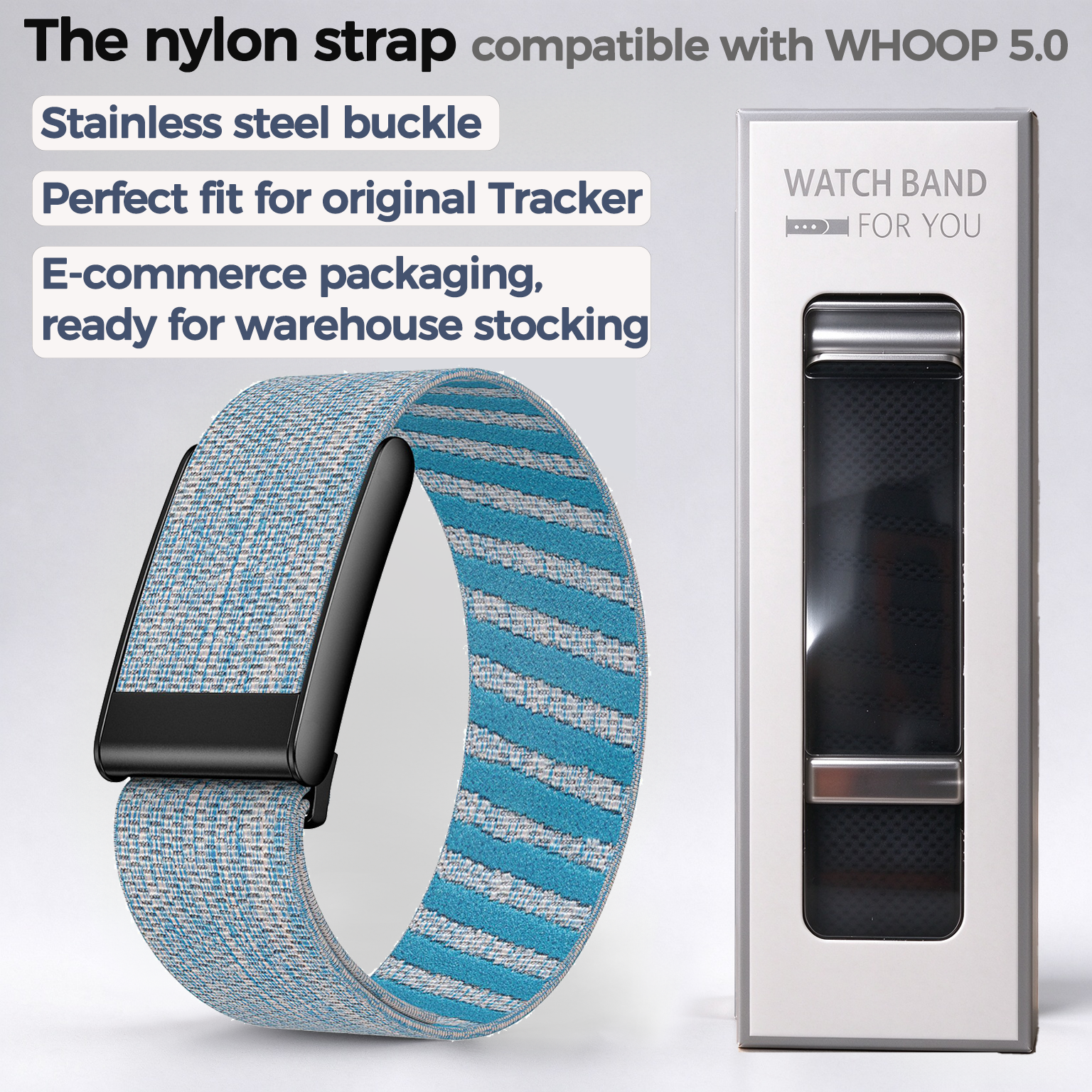
Adjustable Breathable Nylon Loop Strap for Whoop 5.0, Elastic Replacement Band
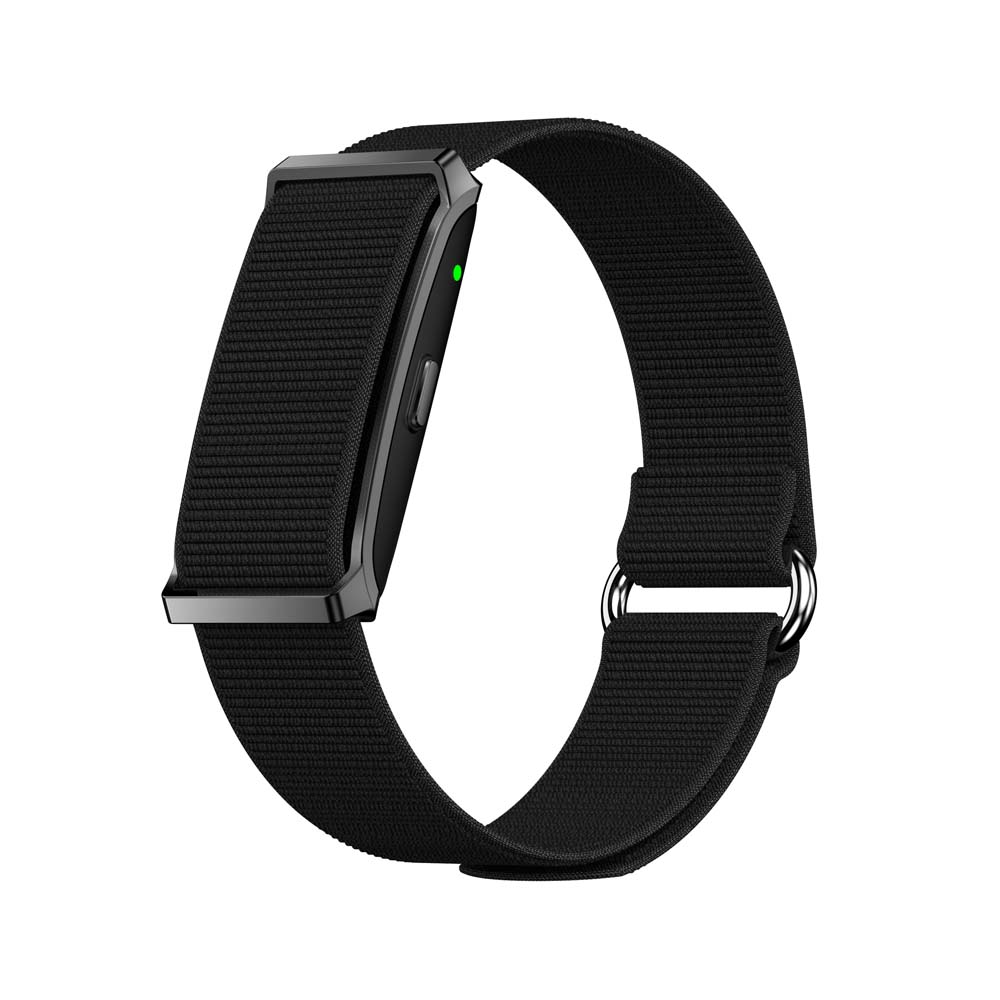
Wholesale Customized Waterproof PPG Smart Bracelet With SDK
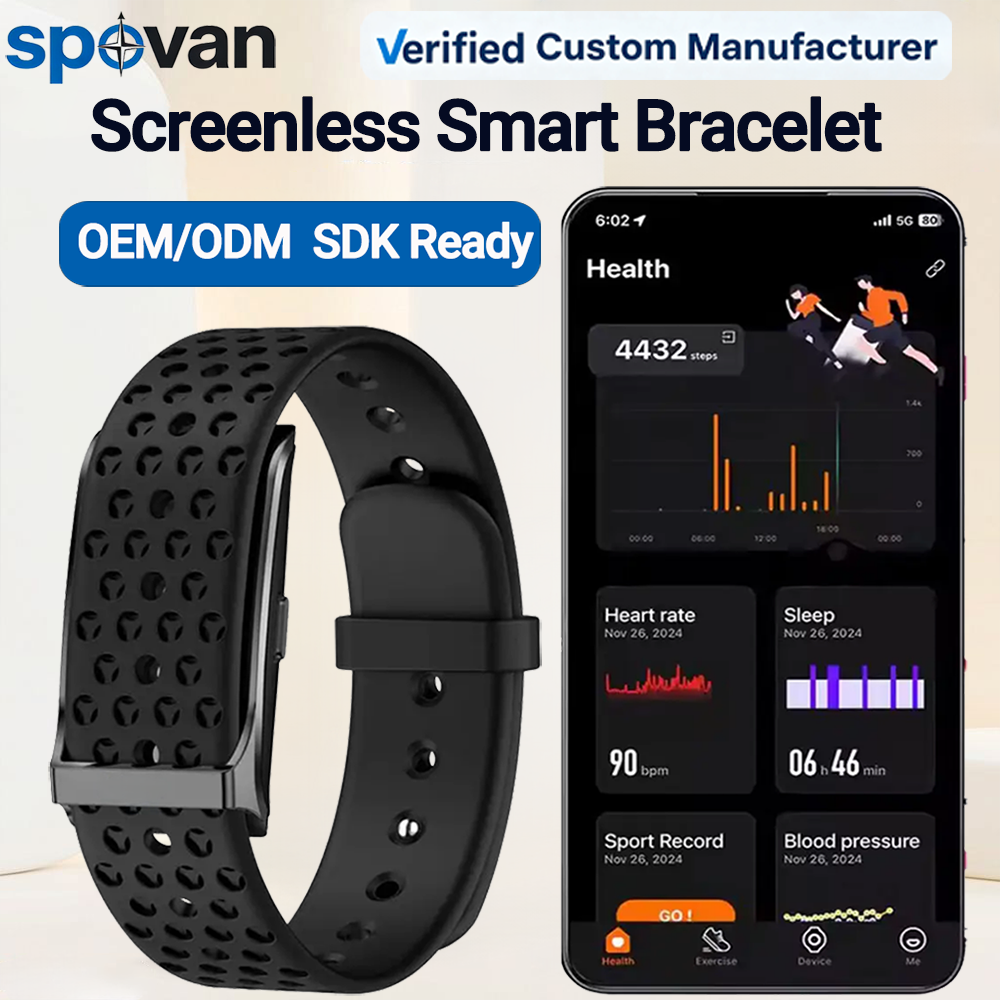
Health Tracker Pedometer Heart Rate Vibration Alert IP68 No-screen Band
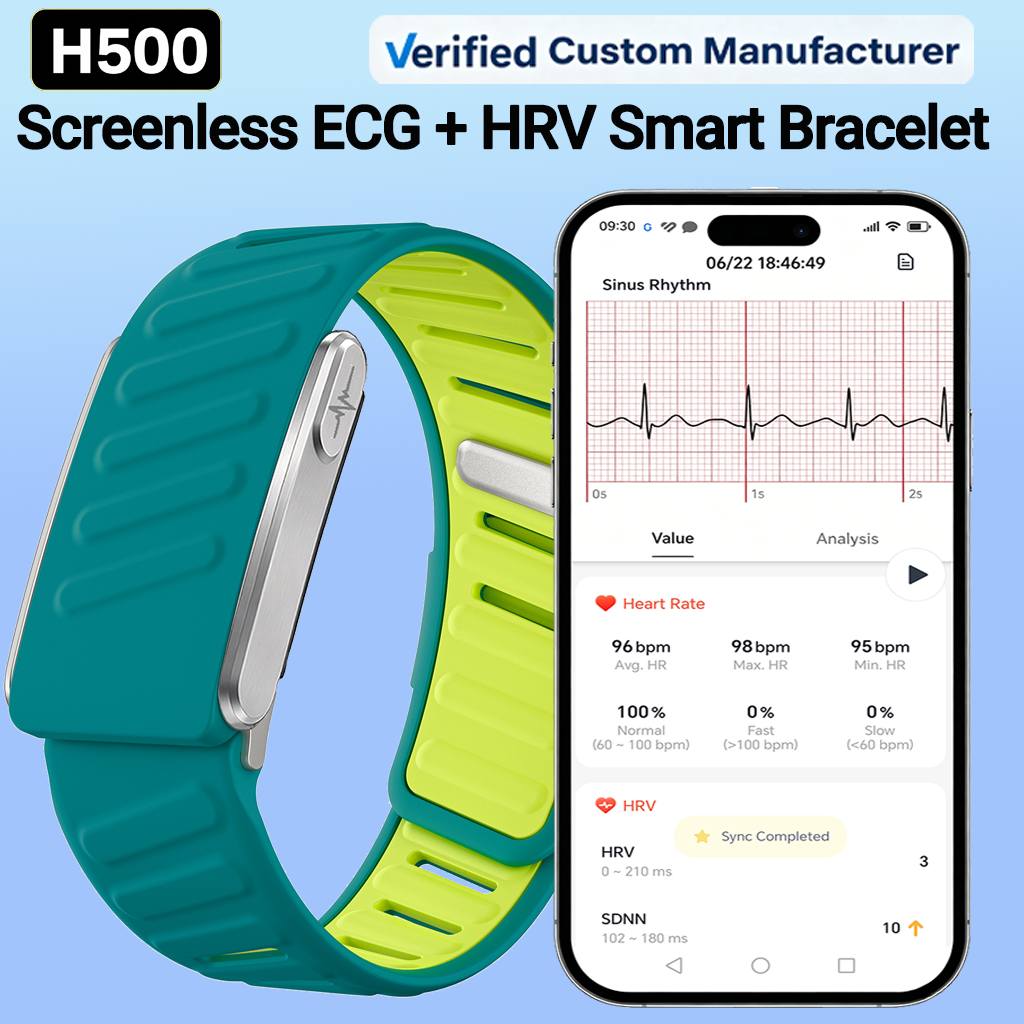
ECG HRV Screenless Smart Band Wristband Health Tracker Recovery Monitor
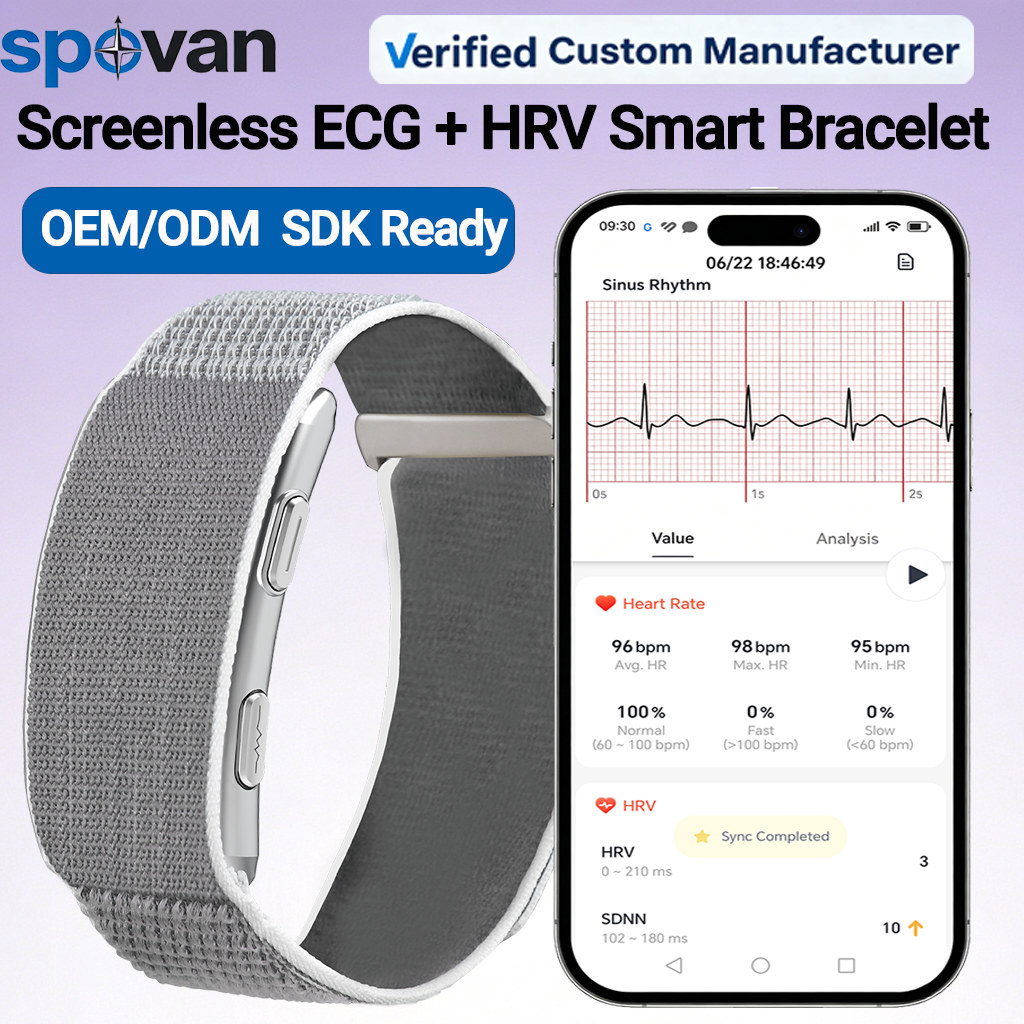
Screenless Metal ECG Smart Bracelet 24/7 HR Blood Oxygen Monitoring IP68
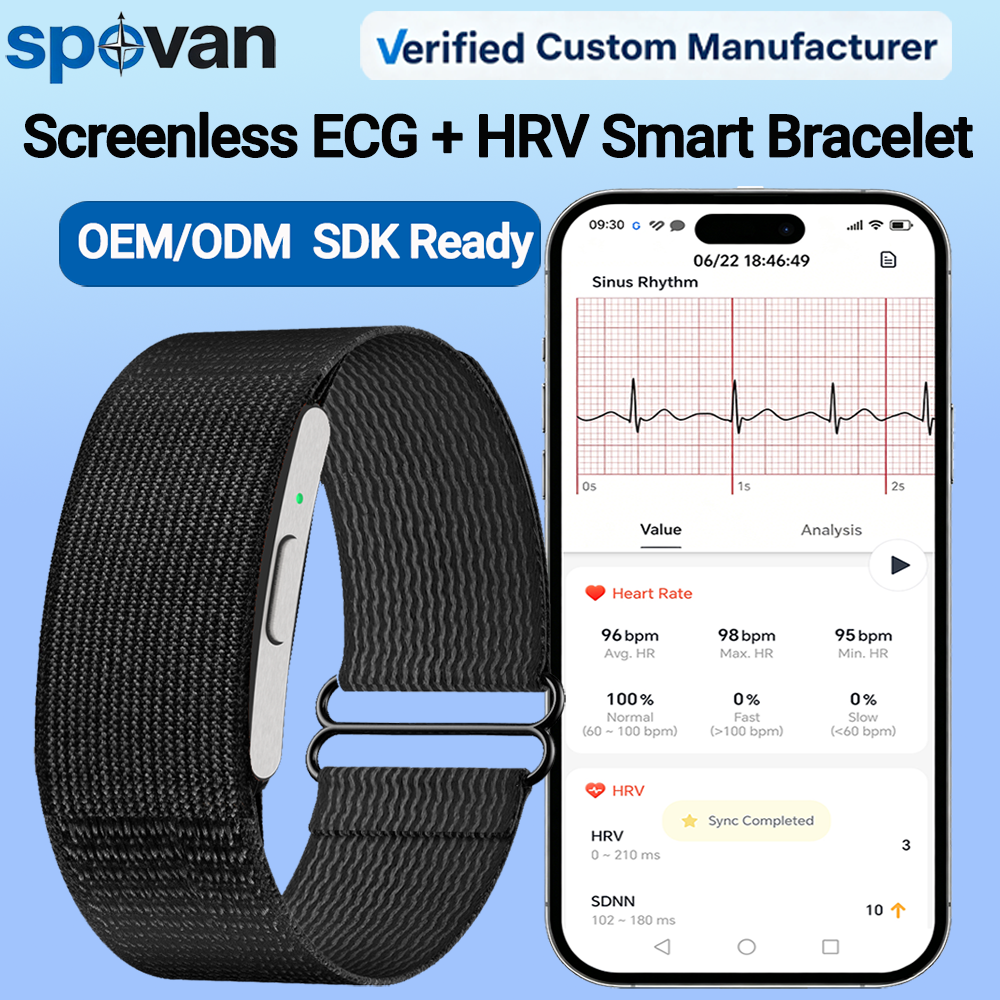
Screenless Smart Bracelet ECG+PPG HRV Sleep Monitor Open SDK API
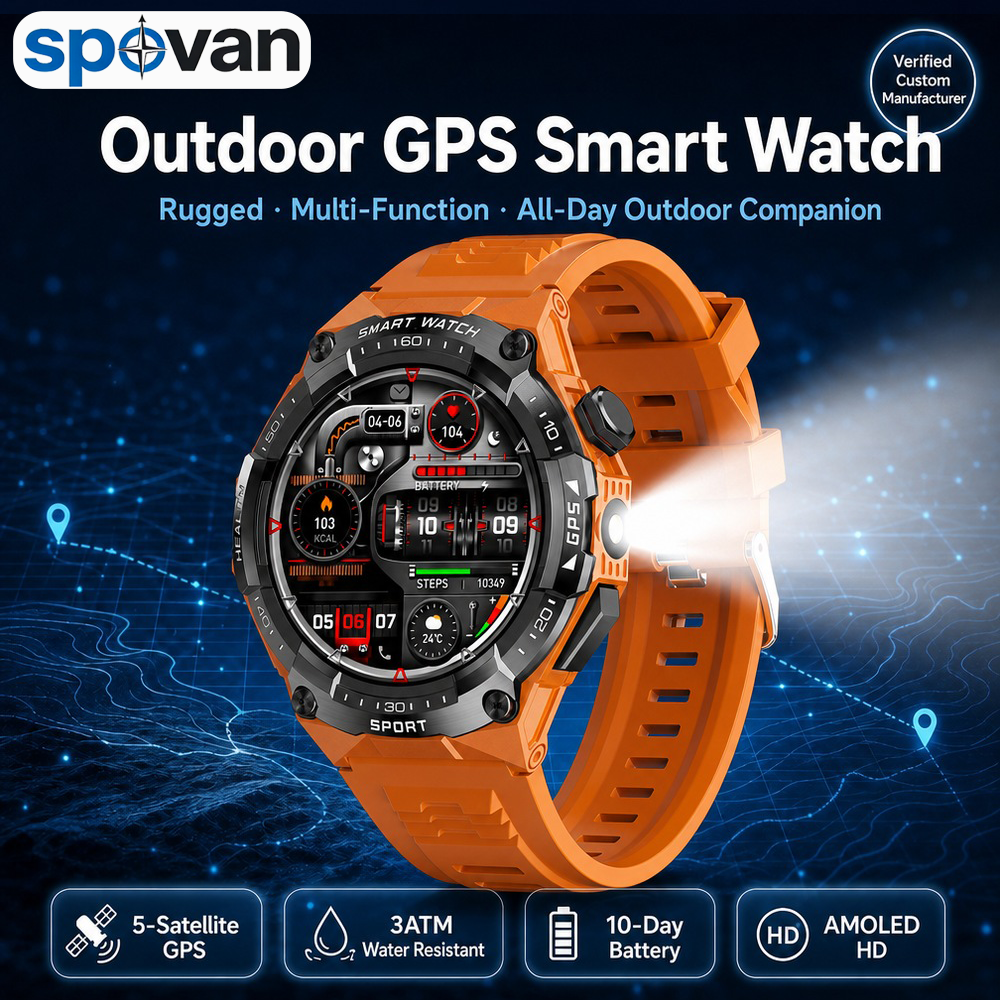
SPOVAN Rugged GPS Smartwatch Square IP68 3ATM Outdoor Sports Watch
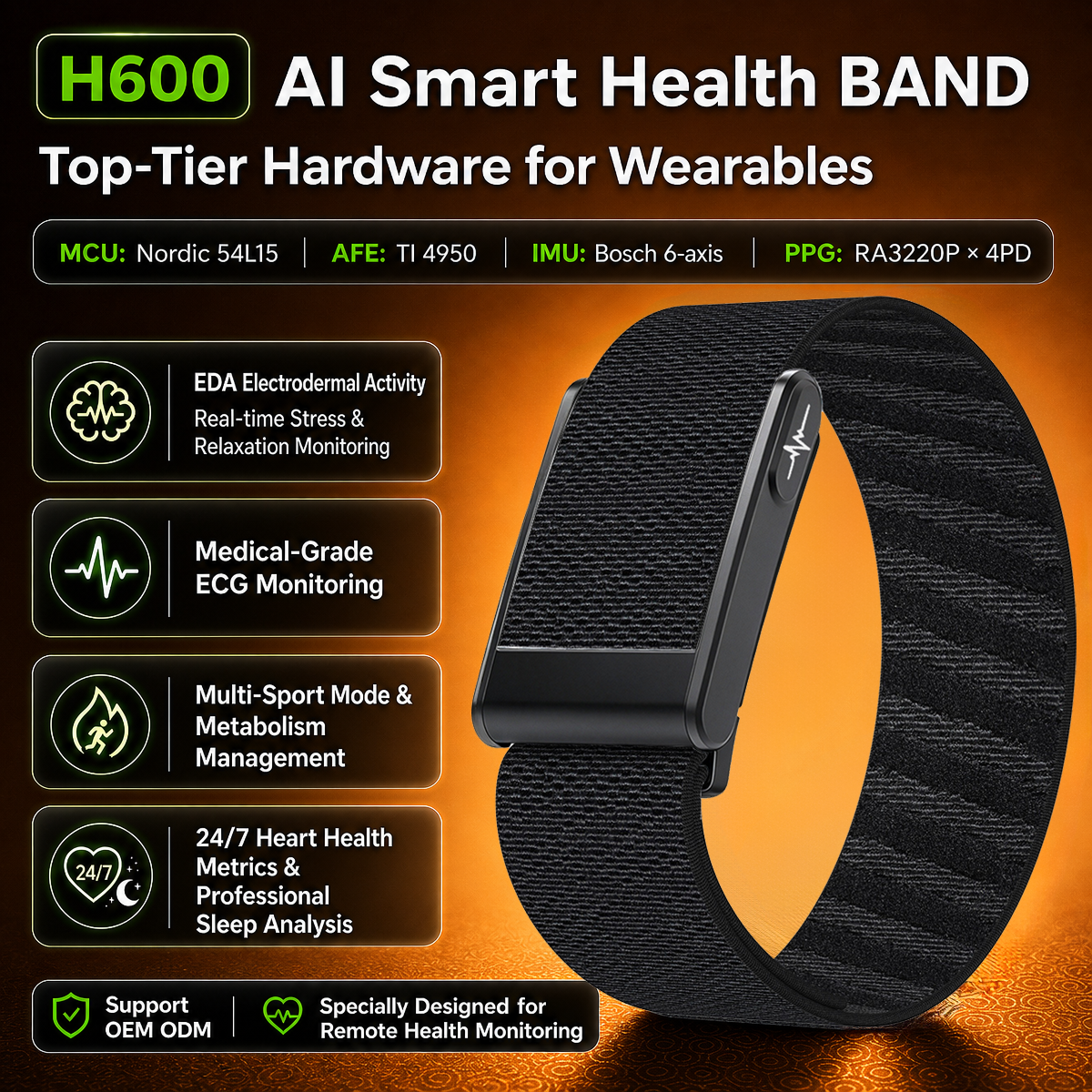
ECG HRV Sensor Screenless Smart Wristband Wearable Sports Daily Monitor
1. The Evolution of Chinese Health Bracelet Manufacturing: Shift Toward High-Fidelity Biometrics
Over the past decade, the global wearable market has shifted from basic step-counting pedometers to sophisticated clinical-reference biometric monitoring devices. Within this technological shift, Shenzhen has solidified its role not merely as an assembly base, but as the world's primary innovation cluster for physiological sensor miniaturization, high-density Surface-Mount Technology (SMT), and low-power embedded firmware engineering.
As international health-tech enterprises, digital health insurance providers, and fitness platform brands seek out direct manufacturing partnerships, the core evaluation criteria have evolved. Leading Original Equipment Manufacturers (OEM) and Original Design Manufacturers (ODM) are no longer judged solely on unit production costs; instead, engineering directors assess sensor Analog Front-End (AFE) precision, motion artifact cancellation algorithms, power management efficiency, and the availability of open Software Development Kits (SDKs) and Application Programming Interfaces (APIs).
Strategic Engineering Takeaway: Modern procurement contracts increasingly prioritize "Screenless Continuous Biometric Engines." By eliminating active display panels, manufacturers achieve three critical engineering objectives: reducing optical distraction for digital detox users, expanding volumetric battery density to support 7 to 30 days of continuous operation, and isolating sensitive Photoplethysmography (PPG) and Electrocardiography (ECG) sensor traces from high-frequency display EMI noise.
2. Architecture Comparison: Evaluating Medical-Grade Sensing vs. Consumer-Grade Modules
When selecting a Chinese health bracelet manufacturer, procurement engineers must evaluate the hardware pipeline utilized inside the wristband enclosure. A reliable health tracker relies on a balanced synergy between the optical AFE, the micro-controller unit (MCU), the mechanical acoustic/light seal, and the skin-contact electrode array.
| Subsystem Component | Entry-Level Consumer Specification | High-Precision OEM/ODM Specification | Direct Impact on Data Integrity |
|---|---|---|---|
| Optical Sensor (PPG) | Single green LED (525nm), single photodiode channel | Multi-wavelength (Green 525nm, Red 660nm, IR 940nm) dual PD matrix | Essential for accurate peripheral oxygen saturation (SpO2) and dark-skin perfusion indexing. |
| Electrocardiogram (ECG) | Dry-contact single electrode with basic hardware filtering | Medical-grade 316L stainless steel or titanium dry electrodes with active differential AFE | Enables clean P-Q-R-S-T wave extraction and clinical-grade Heart Rate Variability (HRV RMSSD) metrics. |
| Microcontroller (MCU) | Generic 32-bit Cortex-M0 with constrained RAM | Nordic Semiconductor nRF52840 / Ambiq Apollo4 low-power BLE 5.3 SoCs | Accommodates on-device edge-computing neural nets for motion artifact filtering without cloud latency. |
| Ingress Protection | IP65 splash-proof adhesive assembly | IP68 & 3ATM/5ATM ultrasonic welding + automated silicone gasket sealing | Guarantees hermetic sealing under hot-water expansion and deep underwater hydrostatic pressure. |
| SDK & Data Pipeline | Closed proprietary cloud with high-level summaries | Open BLE UUIDs, local raw photoplethysmogram output, and JSON cloud webhook integration | Permits health platforms and corporate wellness developers to ingest raw sensor streams into proprietary AI models. |
3. Macro Procurement Trends in the Smart Health Bracelet Sector (2025–2030)
Procurement teams navigating the modern supply chain face multiple market disruptions. Companies must align their requests for quotation (RFQs) with several dominant industry trends:
1. Digital Detox & Form Factor Diversification
Consumers are experiencing notification fatigue. Screenless bracelets and smart rings provide 24/7 passive biometric surveillance without visual interruptions, establishing themselves as the preferred choice for athletic recovery and sleep therapy.
2. Open SDK & Platform Autonomy
Enterprise buyers avoid suppliers locking data into closed ecosystems. Modern OEM sourcing requires low-level Bluetooth GATT architectures that stream clean R-R intervals, raw SpO2 curves, and actigraphy directly into client cloud systems.
3. International Regulatory Compliance
Sourcing programs must align with strict international safety and environmental directives, including FCC Part 15 (USA), CE RED (Europe), RoHS, REACH, and EPR packaging registries in key markets such as Germany and France.
4. Factory Capabilities & Engineering Quality Assurance Systems
Shenzhen Honsys Technology Co., Ltd. (established in 2010 and actively exporting to Western Europe, North America, and the Asia-Pacific region since 2012) operates dedicated production lines focused specifically on high-reliability wearable architectures. The production infrastructure integrates stringent Quality Control (QC) frameworks at every production gate:
Incoming Quality Control (IQC): Every batch of lithium polymer pouch cells undergoes cycle aging, swelling capacity analysis, and short-circuit protection IC validation. Optical sensor chips and Bluetooth microcontrollers are inspected for solderability and electrical tolerance before automated pick-and-place placement.
In-Process Surface Mount Technology (SMT) & Automated Assembly: Multi-layer high-density interconnect (HDI) PCBs are populated using precision SMT lines, followed by automated optical inspection (AOI) to eliminate bridging, cold solder joints, or misalignment on microscopic sensor contacts. Internal enclosures utilize robotic gluing and ultrasonic welding systems to ensure consistent mechanical bond strength.
100% In-Line Leakage Testing: Because health bracelets are subjected to continuous sweat exposure, handwashing, and swimming, every water-resistant unit is subjected to pneumatic air-pressure differential decay testing. Finished production samples from each lot undergo heated submerged hydrostatic pressure chamber verification to confirm IP68 and 3ATM compliance.
End-to-End OEM/ODM Customization Pipeline: Beyond off-the-shelf catalog units, our engineering division offers industrial tooling design, CNC zinc-alloy chassis fabrication, tailored silicone/elastic nylon strap manufacturing, custom boot-screen and BLE device broadcast naming, and full native iOS/Android SDK wrappers (Objective-C/Swift, Java/Kotlin, Flutter, React Native).
Frequently Asked Questions for B2B Wearable Buyers
Critical operational, regulatory, and technical considerations answered by our senior hardware engineering and export trade teams.
What are the typical Minimum Order Quantities (MOQ) for custom OEM/ODM projects?
How does the open SDK and API workflow function for proprietary health platforms?
What certifications and test reports accompany volume health bracelet shipments?
How do screenless health trackers compare to full-screen smartwatches in algorithmic accuracy?
What is the standard production lead time and international trade delivery terms?
Are the onboard ECG, PPG, and blood oxygen readings intended for clinical diagnosis?
What quality control mechanisms prevent water ingress in IP68 and 3ATM bracelets?
Ready to Engineer Your Custom Smart Health Bracelet Program?
Directly consult with our Shenzhen engineering specialists to evaluate sensor selection, request SDK integration kits, or receive a formal turnkey manufacturing quote within 24 hours.
Inquire Now