Precision Hardware Portfolio
Core OEM/ODM Smart Wearable Deployments
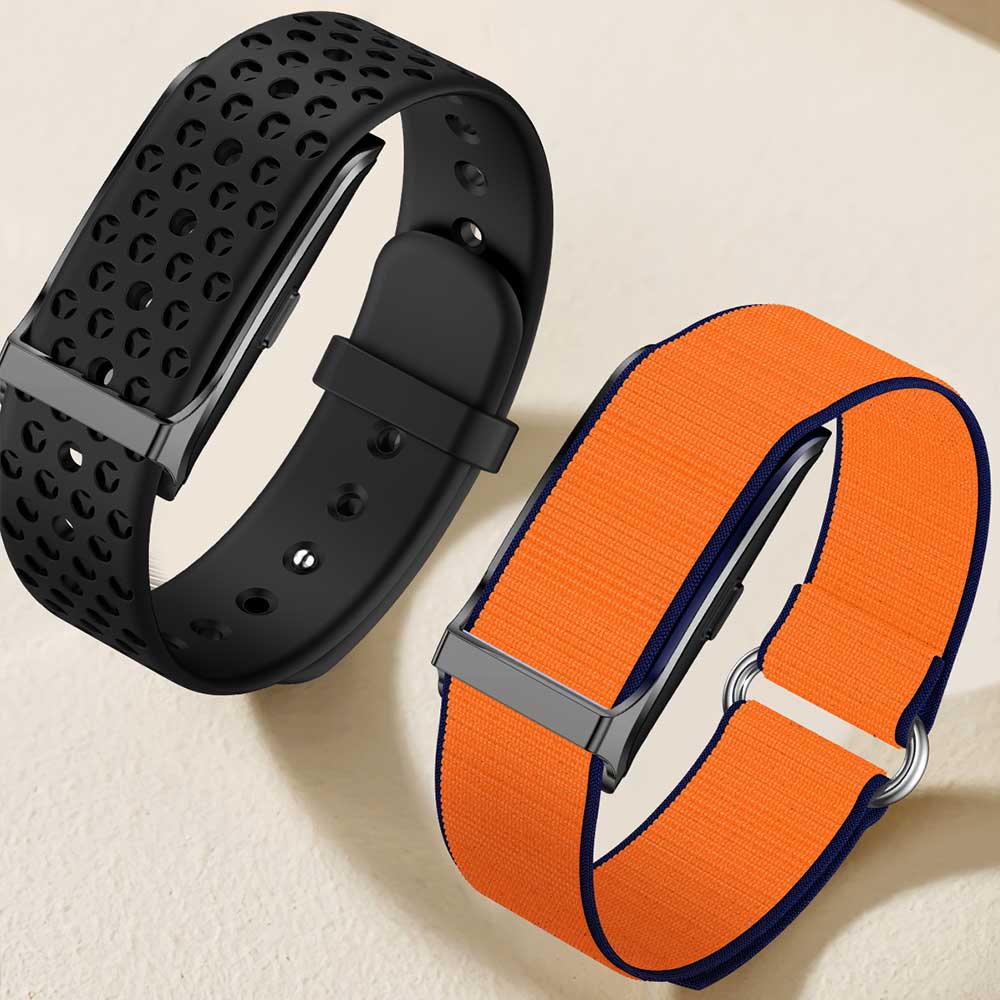
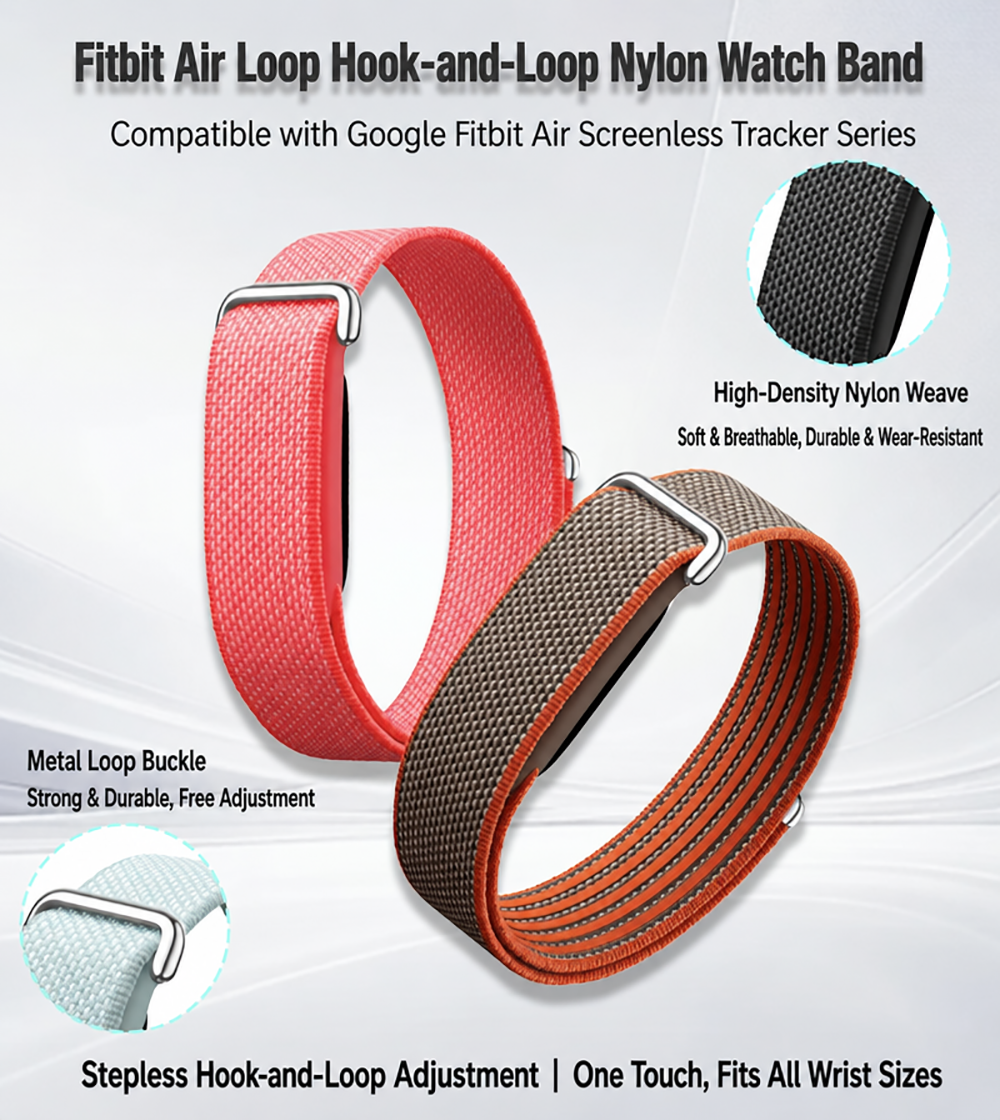
Engineered for health-tech startups, sports equipment brands, and digital-health ecosystems requiring robust mechanical engineering, high sensor density, and direct API cloud integrations.
Manufacturing Rigor
Why Global Wearable Brands Source Through Honsys
Shenzhen Honsys Technology Co., Ltd. (established in 2010, exporting since 2012) bridges the gap between high-volume consumer electronics and high-precision biometric data acquisition.
Independent SGS On-Site Audit
Our manufacturing lines, SMT integration, hot-shrink wrapping stations, and quality control systems are fully audited and validated on-site by the SGS Group.
Full-Stack SDK/API Architecture
Eliminate walled gardens. We provide native iOS and Android SDKs alongside RESTful Bluetooth APIs, granting enterprise applications raw telemetry from ECG, PPG, and accelerometer modules.
100% Hermetic Pressure Testing
Every IP68 and 3ATM certified wearable undergoes pressurized air leakage chamber testing, laser measurement verification, and ultrasonic weld checks before batch packing.
Intellectual Property & Compliance
Backed by 4 active design patents and established trademarks. Certified with FCC, CE, RoHS, and fully compliant with German and French EPR regulations for smooth customs clearance.
Verified Factory Throughput
Measurable Engineering Capacity for OEM Sourcing
Objective operational data collected via verified international export audits and continuous Alibaba B2B platform assessments.
15+
Years in Wearable R&D
Continuous Shenzhen engineering since 2010; focused specifically on biometric micro-electronics.
99.76%
Procurement Response Rate
Rapid RFQ turnaround times, BOM cost breakdowns, and feasibility analyses delivered within 12 hours.
9,762+
Units of Top Band / 180 Days
Demonstrated high production stability on screenless continuous-monitoring product lines.
~30 Days
Bulk Delivery Lead Time
From validated pre-production Golden Sample to FOB Yantian/Shenzhen/Hong Kong outbound clearance.
Procurement Whitepaper
Next-Gen Wearable Sourcing & Technology Trends (2025–2030)
Strategic intelligence for supply chain directors, category managers, and hardware architects navigating sensor modularity, raw API integration, and shifting regulatory demands.
01
Decoupling Displays: The Rapid Surge of 'Screenless' Digital-Detox Wearables
Enterprise health programs, remote clinical trials, and corporate wellness initiatives are systematically pivoting from distraction-heavy LCD/AMOLED screens toward screenless wristbands (such as Whoop-adjacent form factors) and smart rings. Screenless form factors drastically reduce battery consumption (yielding 7 to 15 days of continuous operation), eliminate user display manipulation, and redirect focus toward continuous, passive health tracking (HRV, raw PPG, skin temperature, and sleep fragmentation). For overseas importers, screenless hardware lowers unit bill of materials (BOM), significantly reduces return rates caused by cracked front glass, and maximizes gross margins when combined with SaaS cloud subscriptions.
02
Raw Telemetry Demands: Open BLE SDKs Displacing Closed Ecosystems
Modern B2B buyers no longer accept locked, consumer-grade applications that isolate critical biological data. Sourcing requirements now mandate unlocked Bluetooth Low Energy (BLE) APIs, firmware source code hooks, and cross-platform mobile SDKs (React Native, Flutter, native Swift/Kotlin). This enables insurance providers, elite athletics federations, and remote patient monitoring (RPM) platforms to stream micro-volt ECG waveforms, interbeat intervals (IBI), and pulse transit times directly into HIPAA/GDPR-compliant cloud infrastructures without third-party vendor lock-in.
03
Multi-Constellation GNSS and AMOLED in Rugged Outdoor Segments
In consumer sports categories, standard GPS single-frequency antennas are being phased out in favor of multi-constellation GNSS (GPS, GLONASS, Galileo, BeiDou) modules optimized for dense urban canyons and deep forest canopies. Concurrently, power-efficient AMOLED displays featuring ambient light adaptive PWM dimming are replacing traditional TFT screens, maintaining 3ATM/5ATM waterproof integrity via sophisticated liquid silicone rubber (LSR) double-injection tooling.
04
Stringent Global Traceability: EPR Compliance and Carbon Audits
Procuring digital hardware out of China requires deep diligence regarding environmental compliance. European market penetration strictly requires verified Extended Producer Responsibility (EPR) registrations across Germany (WEEE, Packaging, Battery) and France (ADEME), accompanied by comprehensive RoHS self-declarations and CE RED (Radio Equipment Directive) test certificates issued by ISO/IEC 17025 accredited laboratories.
Hardware Engineering Guide
Architectural Comparison for Bulk Sourcing
Select the optimal technical baseline matching your market channel, unit price thresholds, and computational requirements.
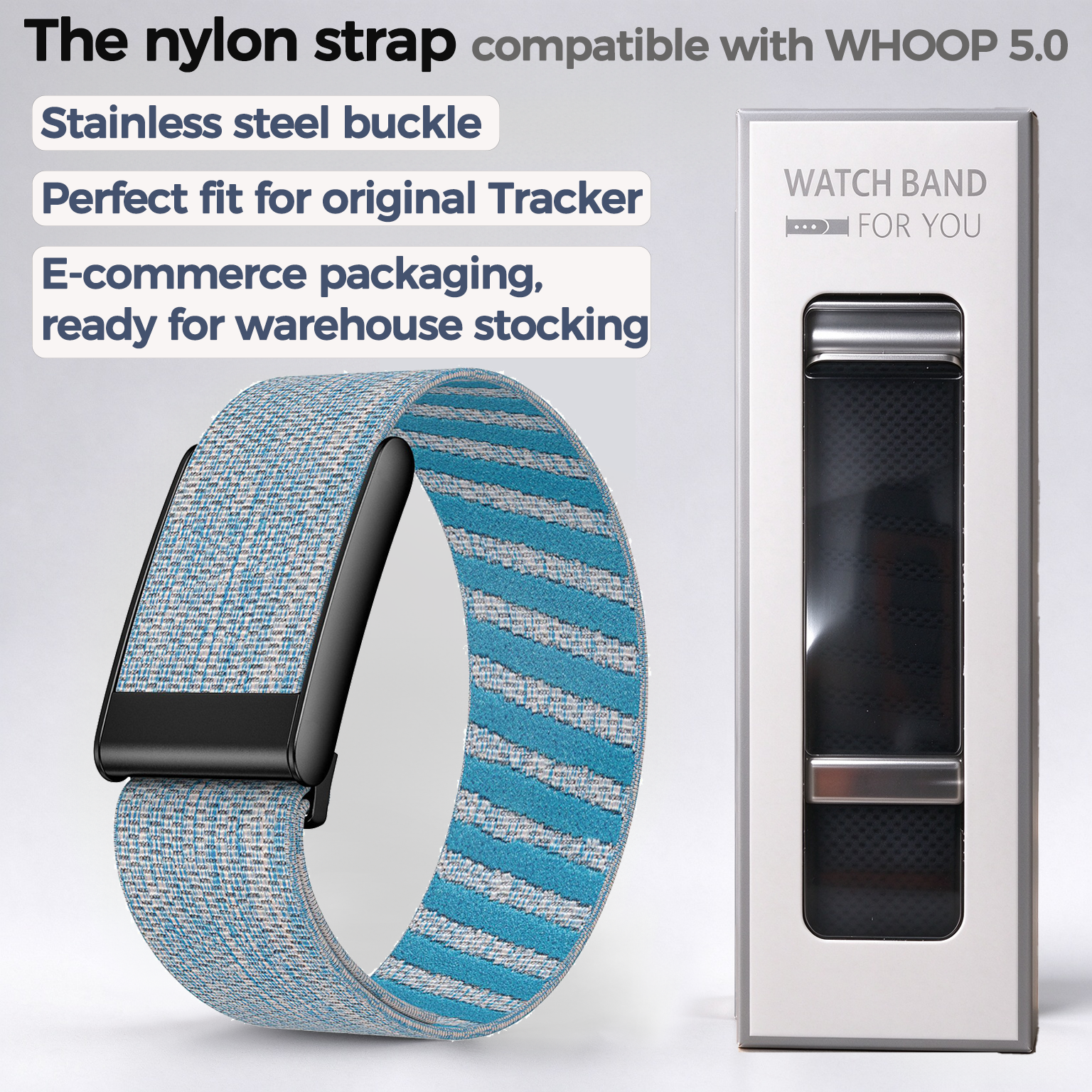
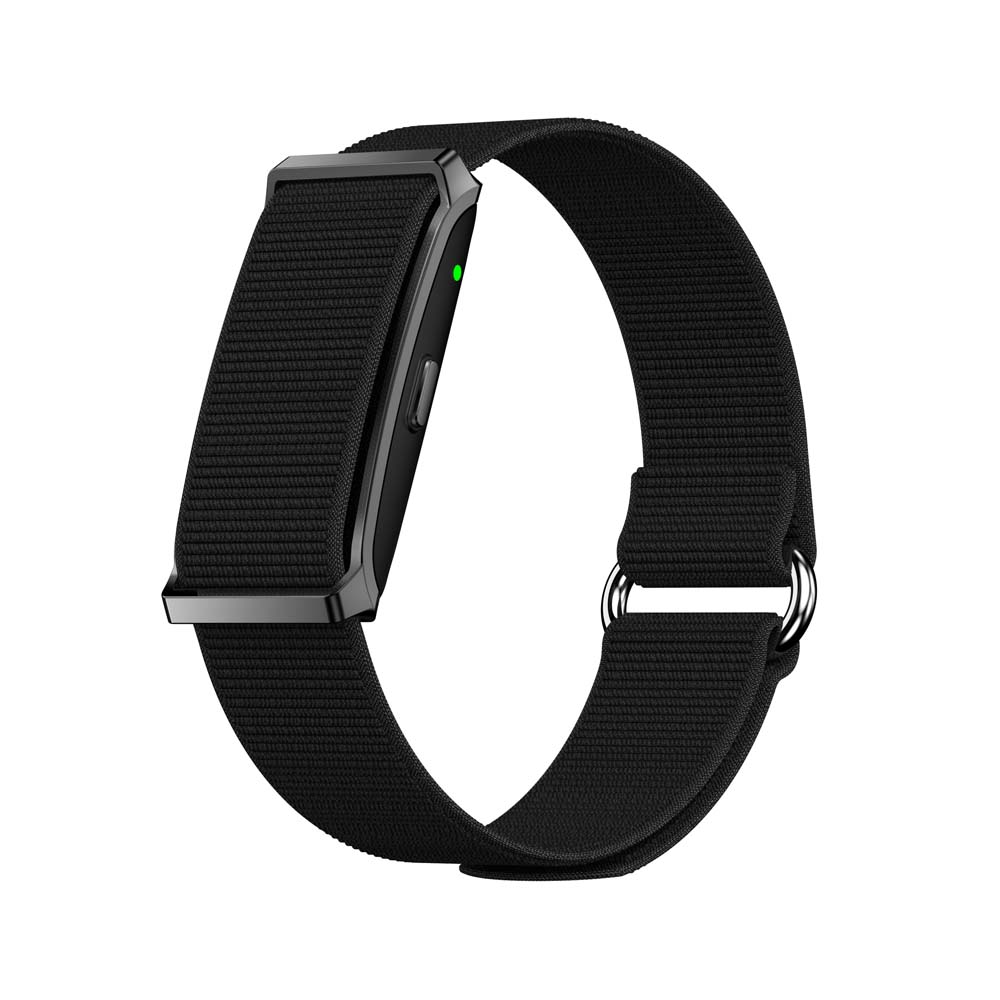
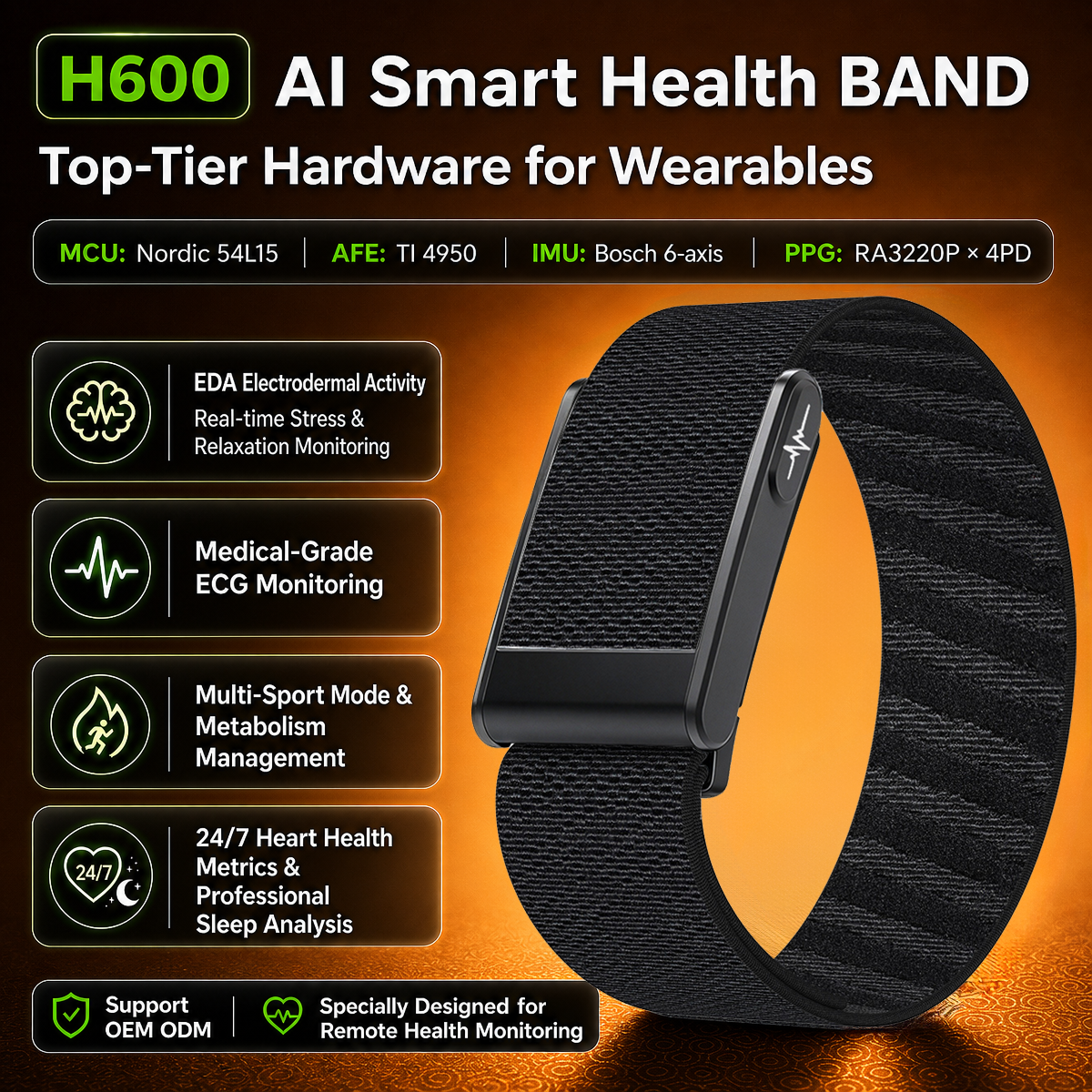
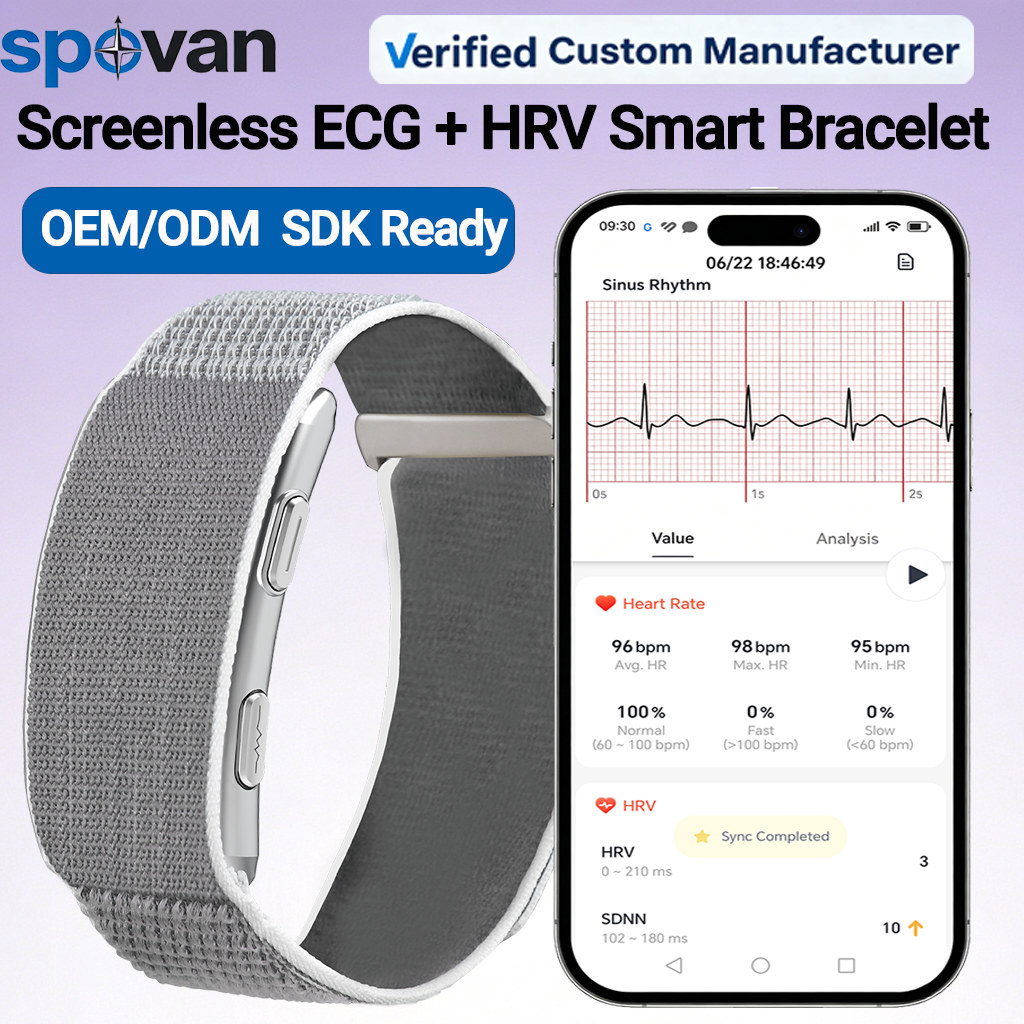
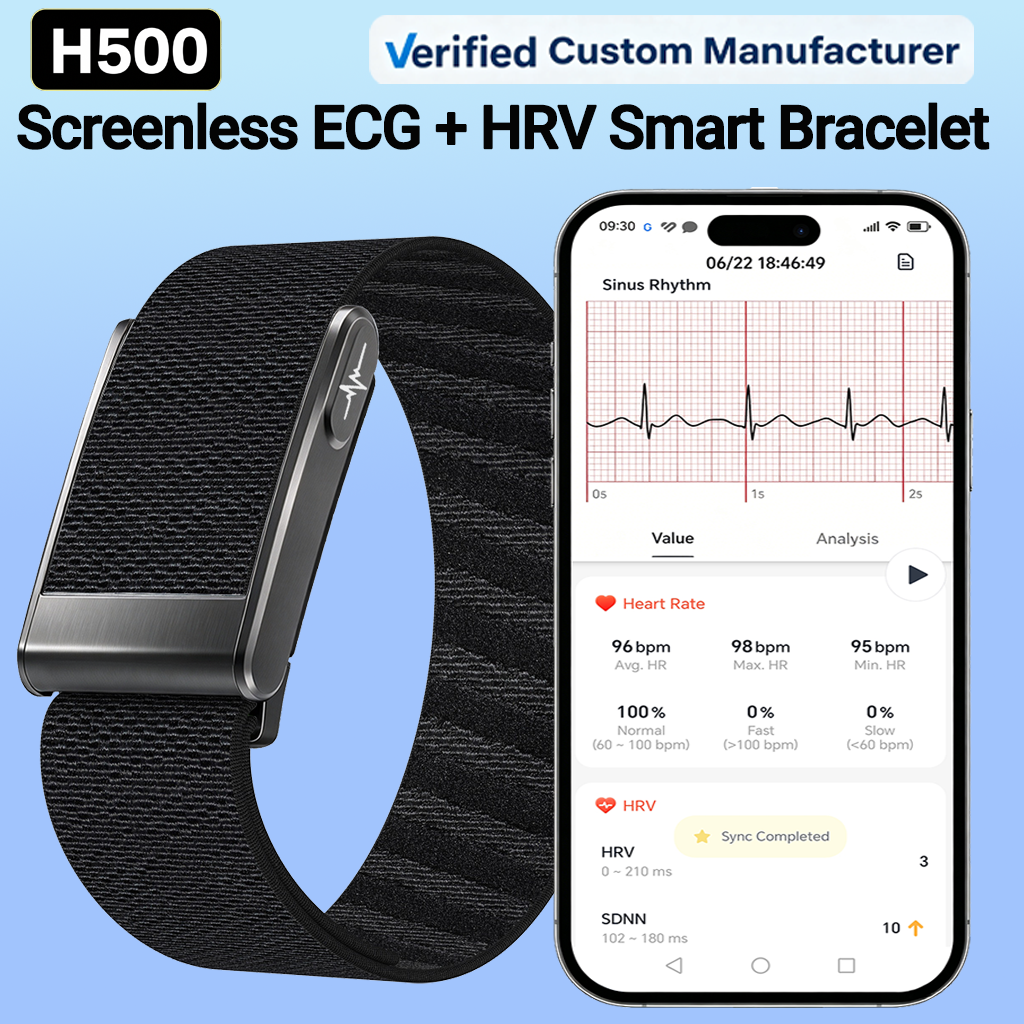
Screenless Biometric Band
Primary Driver: Passive continuous monitoring, recovery & strain metrics.
Key Sensors: Multi-wavelength PPG, ECG contact plates, 6-axis IMU, galvanic skin response.
Battery Autonomy: 7–14 days (continuous background polling).
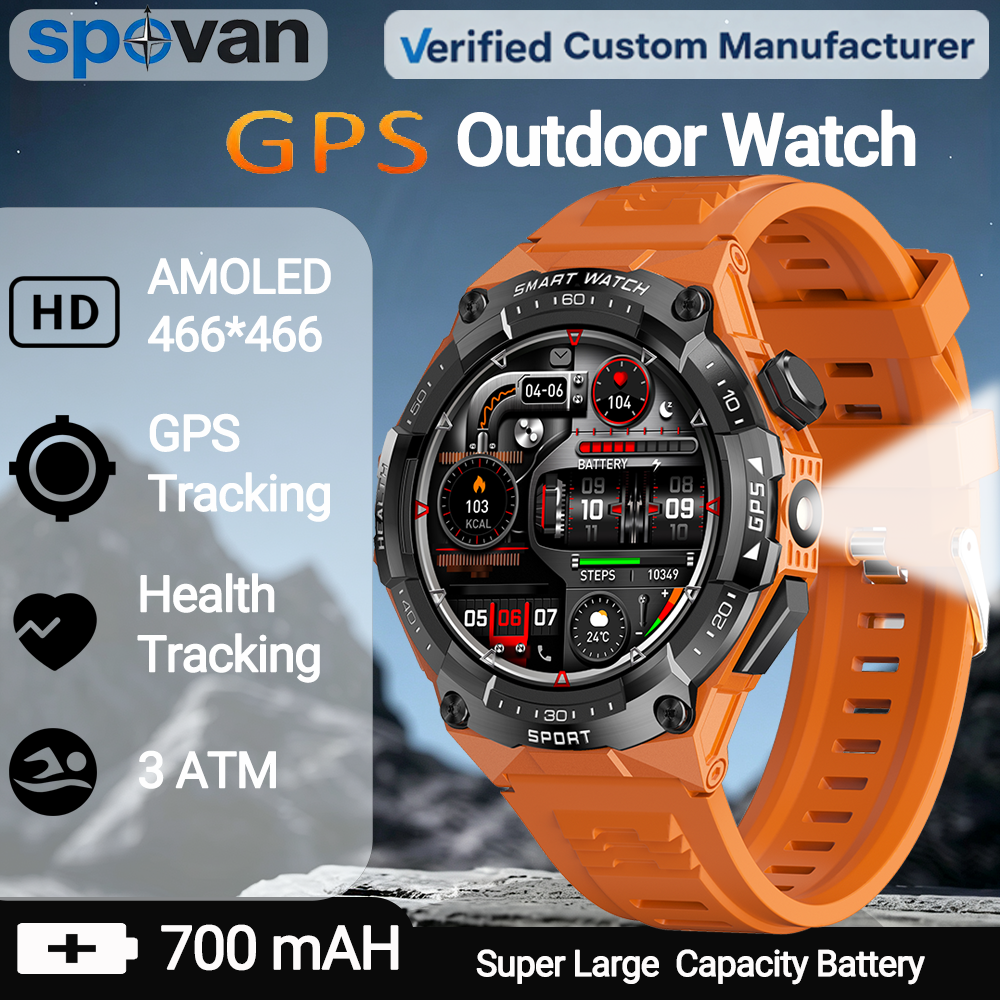
Rugged GPS Smartwatch
Primary Driver: Active outdoor sports, waypoint logging, high-visibility UI.
Key Sensors: All-in-one GNSS chipset, optical dynamic HR, barometric altimeter.
Battery Autonomy: 5–10 days smart mode / 24 hrs continuous GPS tracking.
AMOLED ECG Wristwatch
Primary Driver: Executive lifestyle, cardiovascular screening trends, everyday communication.
Key Sensors: Lead-I single-channel ECG dry electrode, SpO2 red+infrared, BT calling audio codec.
Battery Autonomy: 3–7 days normal operation.
Procurement Inquiries
Frequently Asked Sourcing & Manufacturing Questions
Authoritative operational answers compiled directly by Honsys factory sales directors, senior firmware engineers, and compliance leads.
What is the standard Minimum Order Quantity (MOQ) for custom OEM/ODM production runs?
For evaluation, pilot batch testing, and app integration feasibility trials, standard inventory samples range from 1 to 10 units. Custom private label runs featuring custom housing pad printing, customized boot logo screens, and bespoke gift box packaging typically start at an MOQ of 500 to 1,000 units. Comprehensive ODM tooling projects requiring structural plastic tooling, bespoke mainboard PCB layouts, and customized Bluetooth firmware libraries are quoted based on non-recurring engineering (NRE) investment parameters.
How does Honsys support open SDK/API integration for proprietary third-party applications?
Unlike consumer lifestyle manufacturers that encrypt communication payloads, our screenless health bands and custom smartwatches support comprehensive Bluetooth GATT communication protocols. We provide fully documented SDKs for iOS and Android, sample codebase demos, and direct access to raw PPG optical photoplethysmogram data, raw HRV interbeat intervals, and accelerometer outputs, enabling frictionless sync with your proprietary health cloud, telehealth portal, or corporate ERP.
What testing and Quality Assurance (QA) protocols are executed prior to outbound export?
Honsys executes a strict multi-tier quality gate. Raw components and integrated circuits pass rigorous Incoming Quality Control (IQC). During SMT and sub-assembly, automated optical inspection and automated soldering ensure joint fidelity. Fully cased units undergo pressurized chamber waterproof testing to guarantee IP68 and 3ATM thresholds. Prior to bulk packing, every unit undergoes 100% functional testing, battery charge-discharge cycle burn-in, and RF signal strength calibration. All shipments carry a standardized 1-year factory warranty.
Are ECG and SpO2 sensor outputs considered medical-grade diagnostics?
Our hardware solutions are manufactured as precision digital wellness and sports performance monitoring instruments. The physiological metrics (HRV, ECG trend analysis, SpO2, and estimated blood pressure trajectories) provide reference-grade monitoring. If an enterprise client plans to commercialize the device as a Class II medical device (such as under FDA 510(k) or EU MDR protocols), Honsys provides complete factory documentation, technical design files, and circuit schematics to support client-driven clinical trials and national certification.
What are the standard international trade incoterms, payment terms, and delivery schedules?
We support multiple trade terms including FOB (Shenzhen, Yantian, Hong Kong), EXW, CFR, CIF, and full DDP delivery options via international courier or sea freight. Payment mechanisms include T/T, Irrevocable L/C at sight, PayPal, Western Union, and secure escrow accounts. Mass production runs are typically completed and cleared within 30 to 35 calendar days following client Golden Sample approval and deposit clearance.