Precision OEM/ODM Biometric Wristwear Platforms
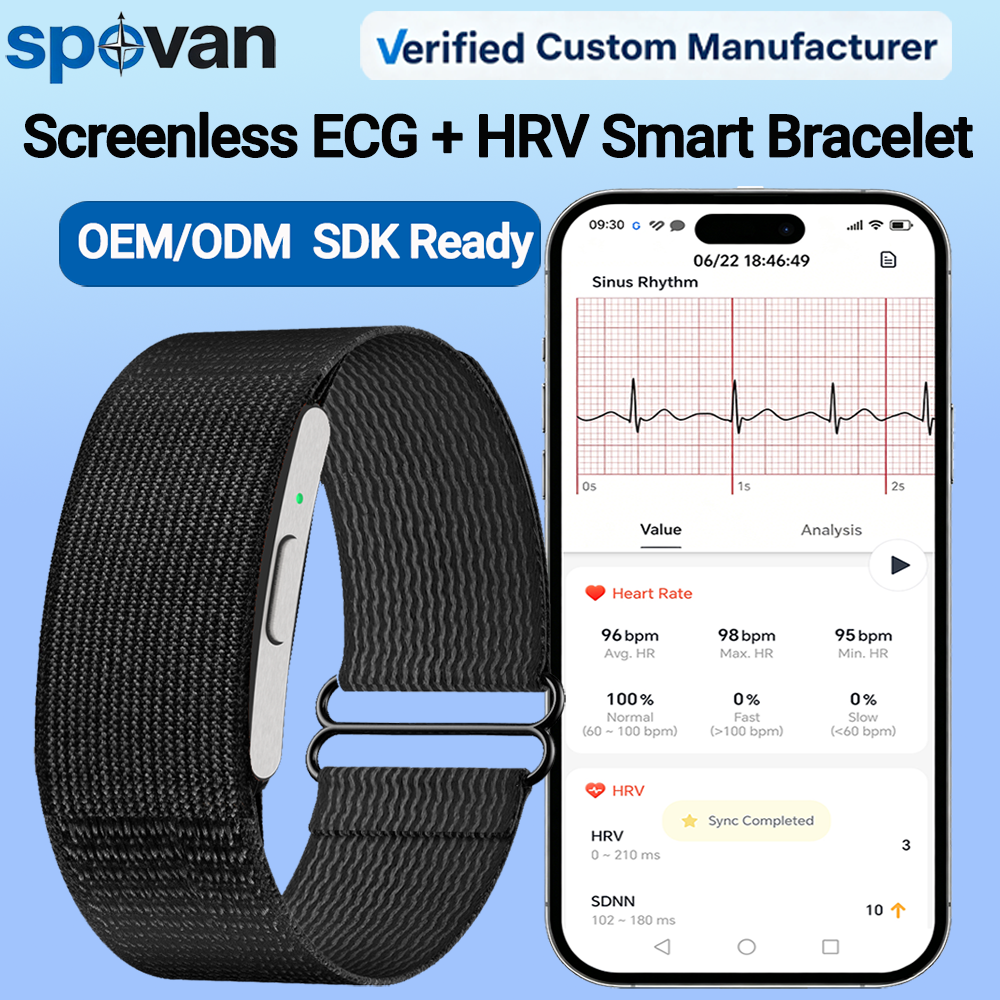
Engineered with proprietary multi-wavelength photoplethysmography (PPG) arrays, medical-grade dual-lead ECG chips, and fully unlocked SDK/APIs for rapid custom mobile deployment.
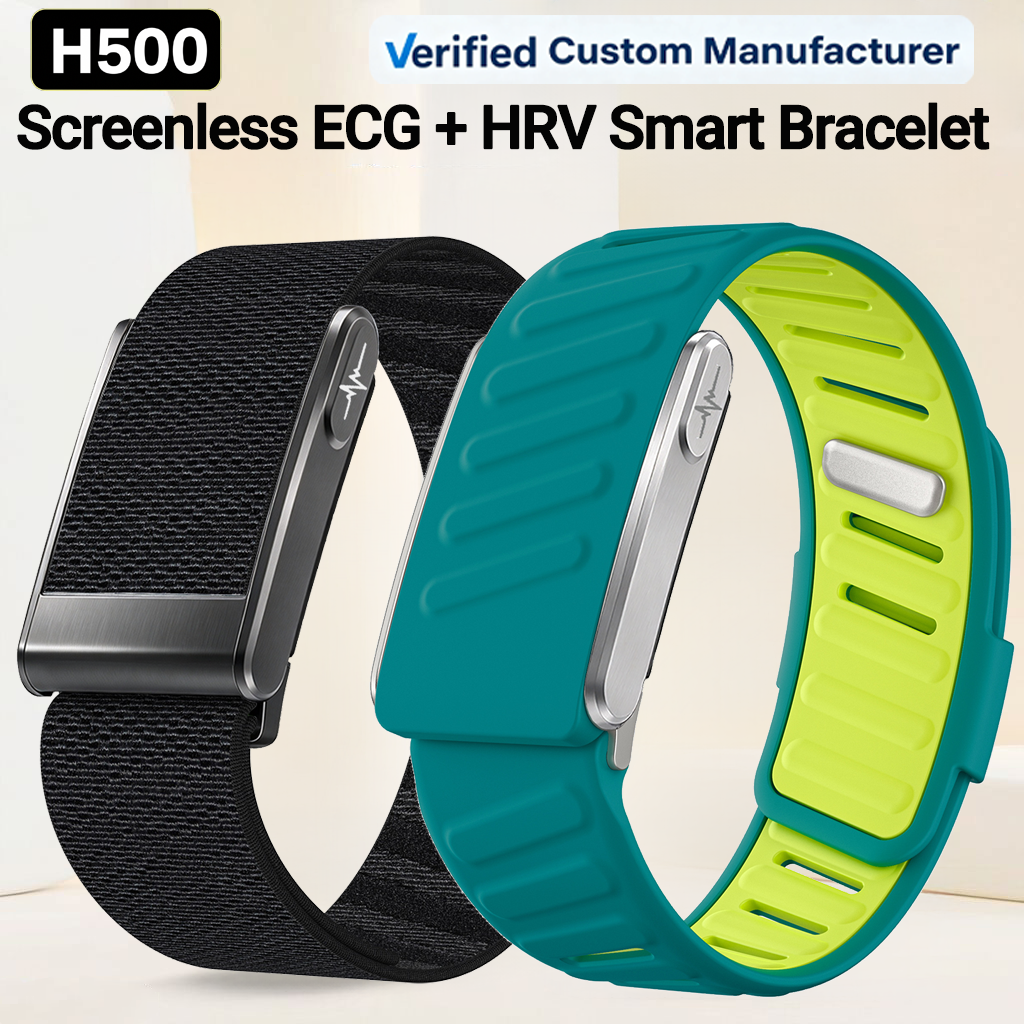
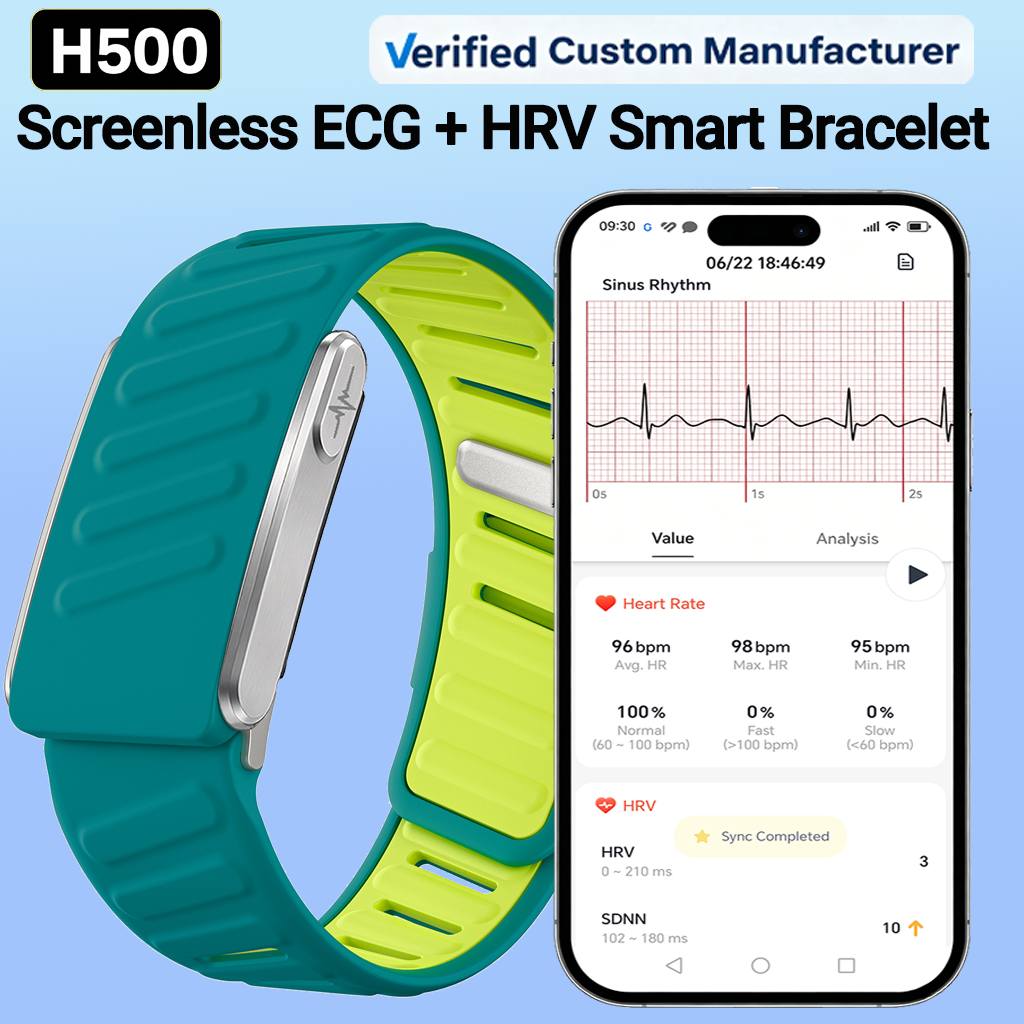
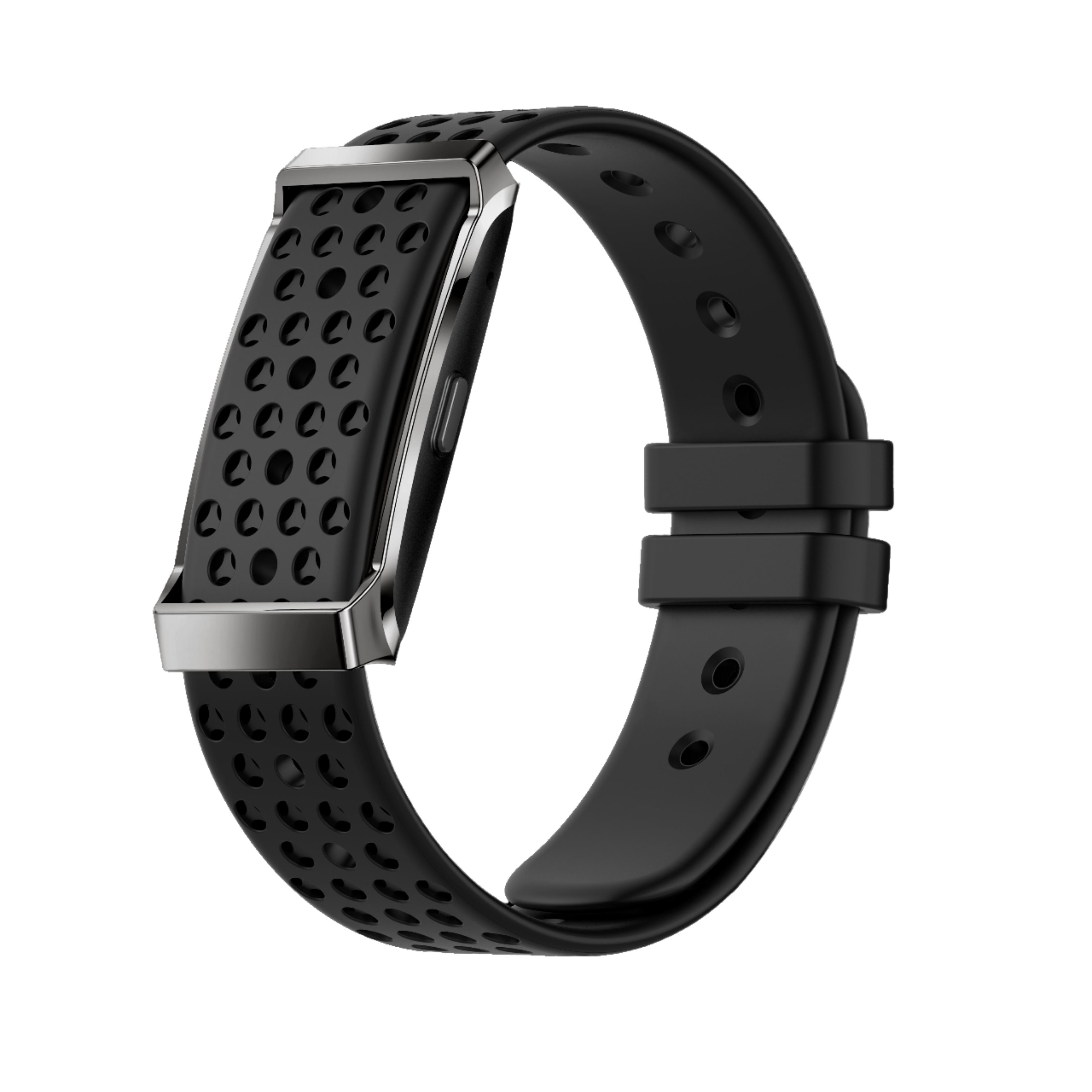
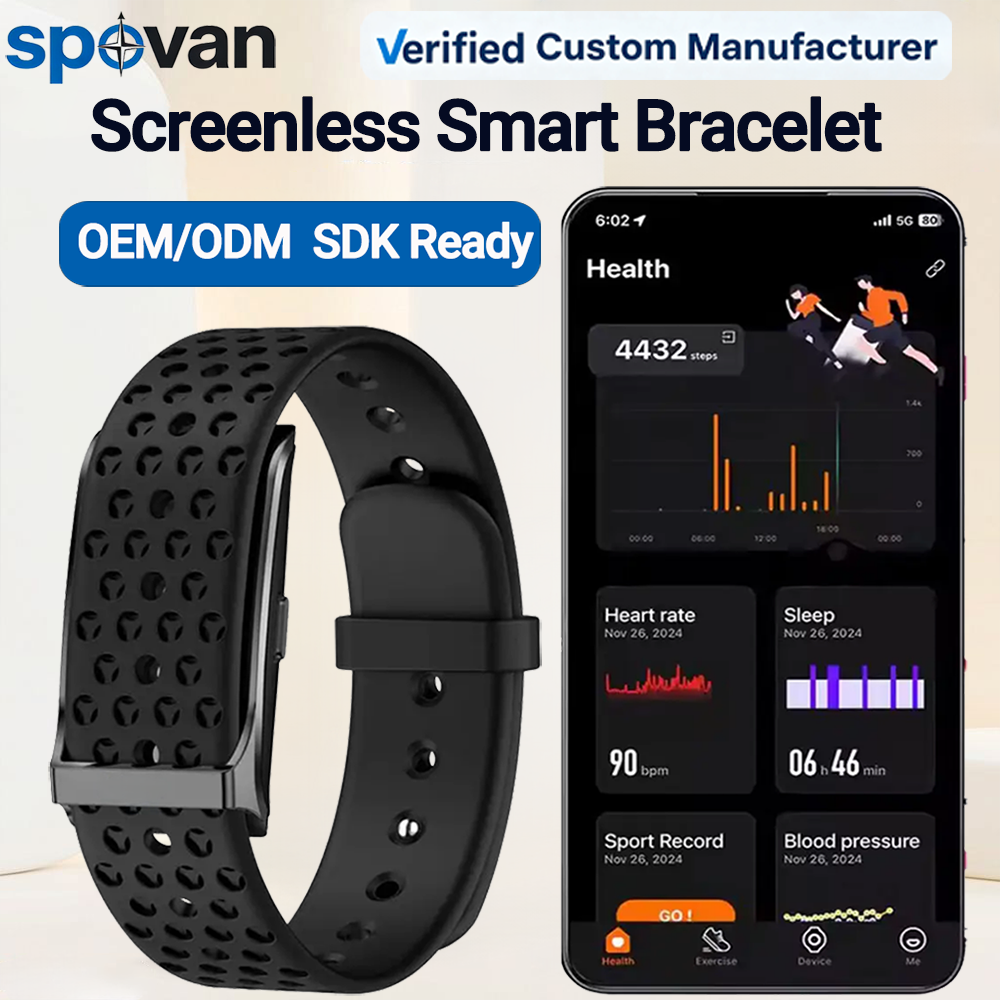
Next-Generation Physiological Sensing: Market & Algorithmic Evolution
The transition from consumer-tier pedometers to preventative health platforms requires deeper sensor convergence, high-density optical arrays, and robust motion artifact cancellation at the hardware level.
Dual-Wavelength PPG vs. Multi-Channel Arrays
Traditional single-channel green LEDs (525nm) suffer substantial baseline drift during high-intensity interval workouts. Advanced OEM manufacturing integrates multi-spectral optical paths combining green, red (660nm), and infrared (940nm) emitters with quad photodiode detectors.
This optical diversity captures peripheral capillary oxygen saturation (SpO2) and vascular volume variations simultaneously, filtering peripheral venous blood pulsations to extract clean arterial photoplethysmograms even during vigorous arm movements.
- Signal-to-Noise Ratio (SNR) enhancement > 18 dB
- Dynamic optical DC path self-calibration
- Melanin-compensated automatic LED gain drive
ECG + PPG Synchronous Pulse Transit Time (PTT)
Integrating lead-I dry titanium electrodes directly into the bezel and case back enables true single-lead clinical electrocardiogram acquisition. When fused with instantaneous PPG pulses, the onboard MCU calculates precise Pulse Transit Time (PTT).
This hemodynamic indicator allows continuous cuffless blood pressure trend monitoring and arterial stiffness estimation without patient disruption, serving as a primary differentiator for cardiovascular monitoring devices.
- Sampling rates up to 512 Hz for R-peak timing
- Microvolt-level input impedance biopotential front-ends
- On-chip active baseline drift suppression
Edge AI Motion Artifact Cancellation
Raw optical signals are profoundly susceptible to kinetic disruption. Modern firmware pipelines implement embedded multi-layer Kalman filters coupled with edge neural networks running directly on ARM Cortex-M33 microcontrollers.
By correlating optical signals with synchronous 6-axis inertial measurement unit (IMU) telemetry, acceleration artifacts are removed before heart rate metrics, RMSSD, and frequency-domain HRV (LF/HF ratios) are derived.
- Low computational footprint under 0.8 MIPS per calculation
- Accurate cadence-lock elimination during running/cycling
- Real-time autonomic nervous balance assessment
| Architecture Level | Sensor Configuration | Sample Rate / Bandwidth | Primary Physiological Biomarkers | B2B Target Application |
|---|---|---|---|---|
| Screenless Recovery Band | Dual-channel PPG + 6-Axis IMU | 25 Hz continuous, 100 Hz sport | Resting HR, RMSSD HRV, Sleep Staging, Daily Strain | Athletic coaching, enterprise wellness, digital detox |
| ECG Hybrid Smartwatch | Multi-LED PPG + Dry Contact ECG Front-End | PPG: 50 Hz | ECG: 512 Hz | Arrhythmia detection, PTT Blood Pressure, HRV, SpO2 | Telehealth portals, clinical pilot studies, longevity tech |
| Outdoor Multi-GNSS Watch | High-SNR PPG Array + Barometer + Multi-Band GNSS | 100 Hz dynamic tracking | VO2 Max, EPOC, Lactate Threshold, Altitude SpO2 | Endurance sports brands, tactical military programs |
| Smart Micro-Ring Platform | Ultra-miniature reflective PPG + NTC Thermistor | 10 Hz pulse sampling | Basal temperature shifts, sleep debt, respiratory rate | Luxury lifestyle jewelry, fertility & recovery tracking |
Future Procurement Trends: OEM/ODM Sourcing Forecast (2025–2028)
Enterprise procurement requires balancing Bill of Materials (BOM) cost with firmware modularity, regulatory defensibility, and scalable white-label SDK deployment.
Shift to Screenless Architecture
Procurement heads are reallocating budget from high-cost AMOLED panels to long-standby screenless bands. By eliminating displays, power budgets drop by 85%, extending battery runtimes from 36 hours to 10–14 days between charges.
This dramatically improves cohort compliance in clinical trials, remote patient monitoring (RPM), and corporate wellness programs where daily charging introduces user friction and data gaps.
Open SDK / Raw Biometric Feeds
Buyers increasingly reject "black box" consumer algorithms. Modern enterprise procurement mandates fully documented Bluetooth Low Energy (BLE) GATT profiles, native iOS/Android SDKs, and REST/WebSocket API endpoints.
Access to raw photoplethysmogram waveforms, inter-beat intervals (IBI), and raw accelerometer vectors lets telehealth platforms execute custom diagnostic models within their HIPAA/GDPR-compliant cloud stacks.
Biocompatibility & ESG Scrutiny
Global regulatory enforcement under EU MDR and US FDA demands stringent material certifications. Supply chain audits now examine case back resins, laser weld integrity, and strap biocompatibility.
Factory-level ISO 10993 cytotoxicity, sensitization, and skin irritation compliance have shifted from optional benefits to mandatory B2B import criteria across Western European and North American markets.
Modular Tooling & Agile NPI
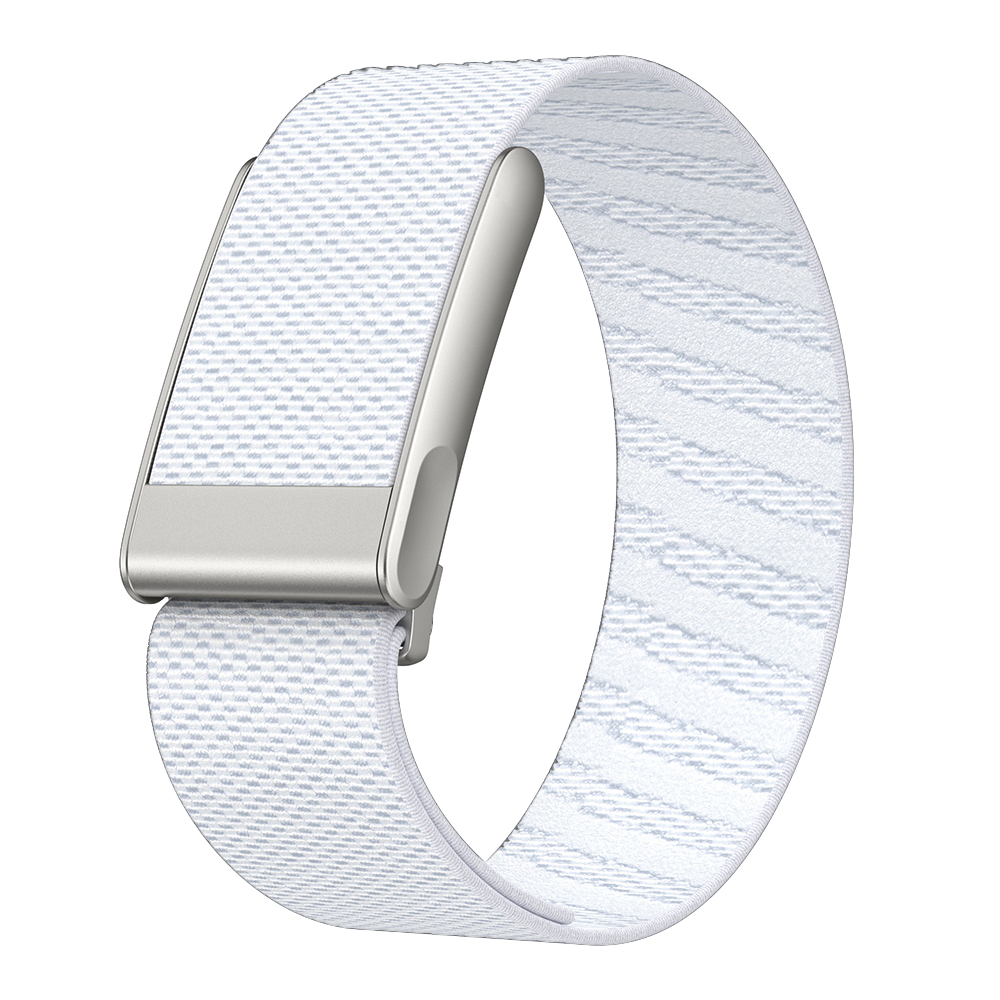
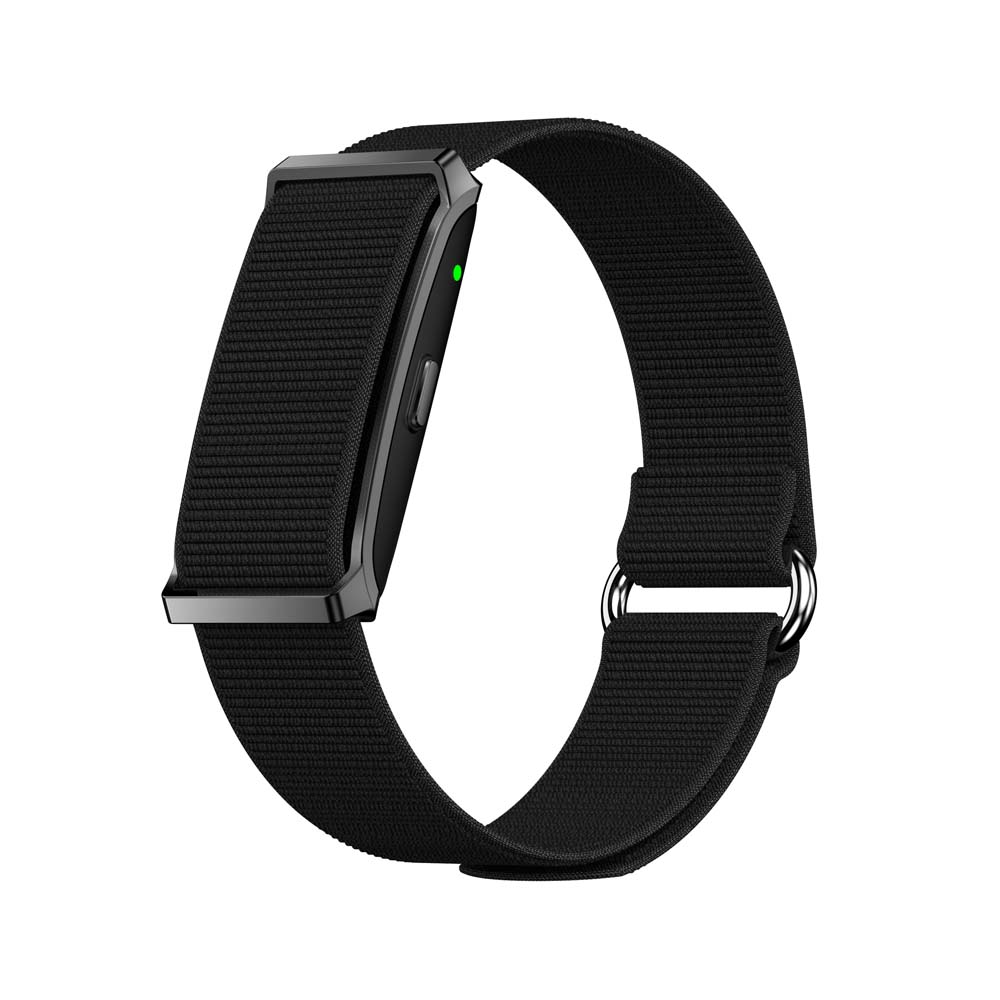
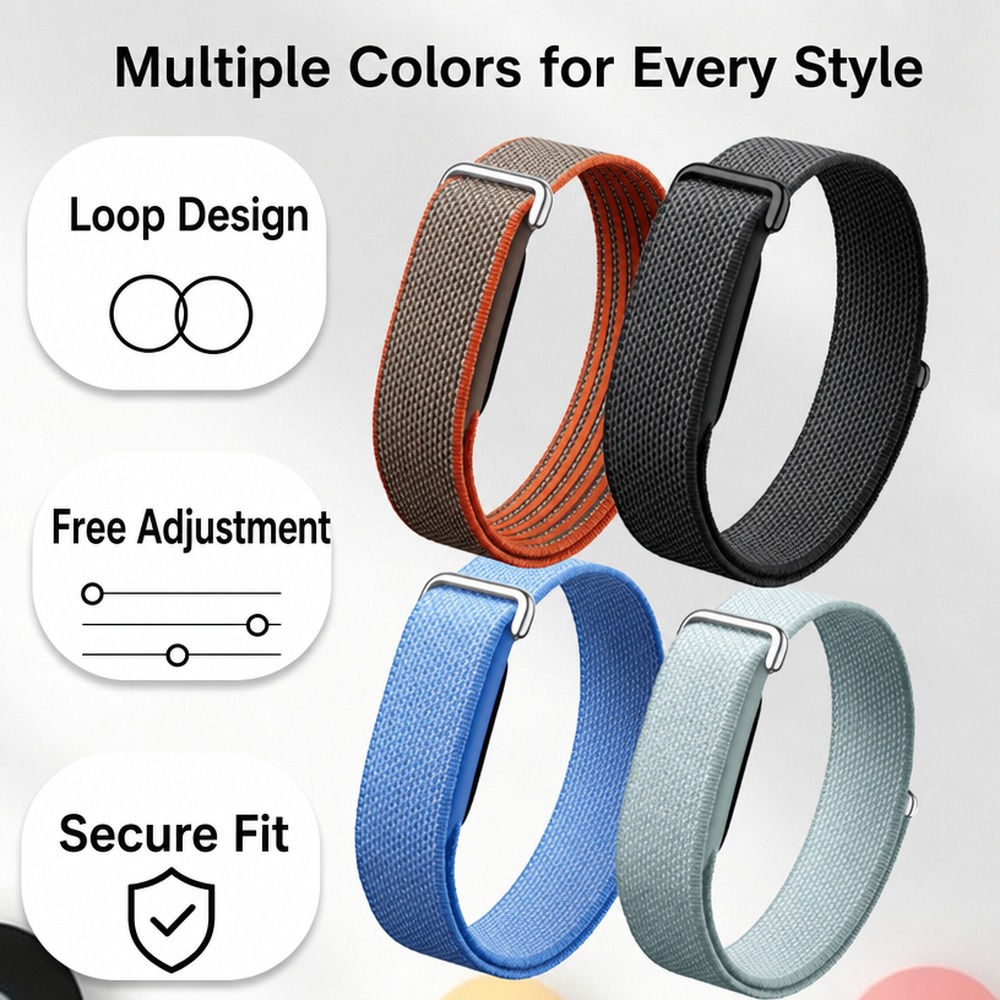
To hedge against market volatility, importers rely on modular tooling ecosystems. Standardized internal PCBA platforms can be packaged within diverse exterior casings—from zinc-alloy smartwatches to ultralight nylon bands.
This modular New Product Introduction (NPI) methodology reduces non-recurring engineering (NRE) costs by 60% and shortens pilot-to-mass-production cycles from twelve months to under 90 days.
Precision Engineering Infrastructure & Rigorous Quality Assurance
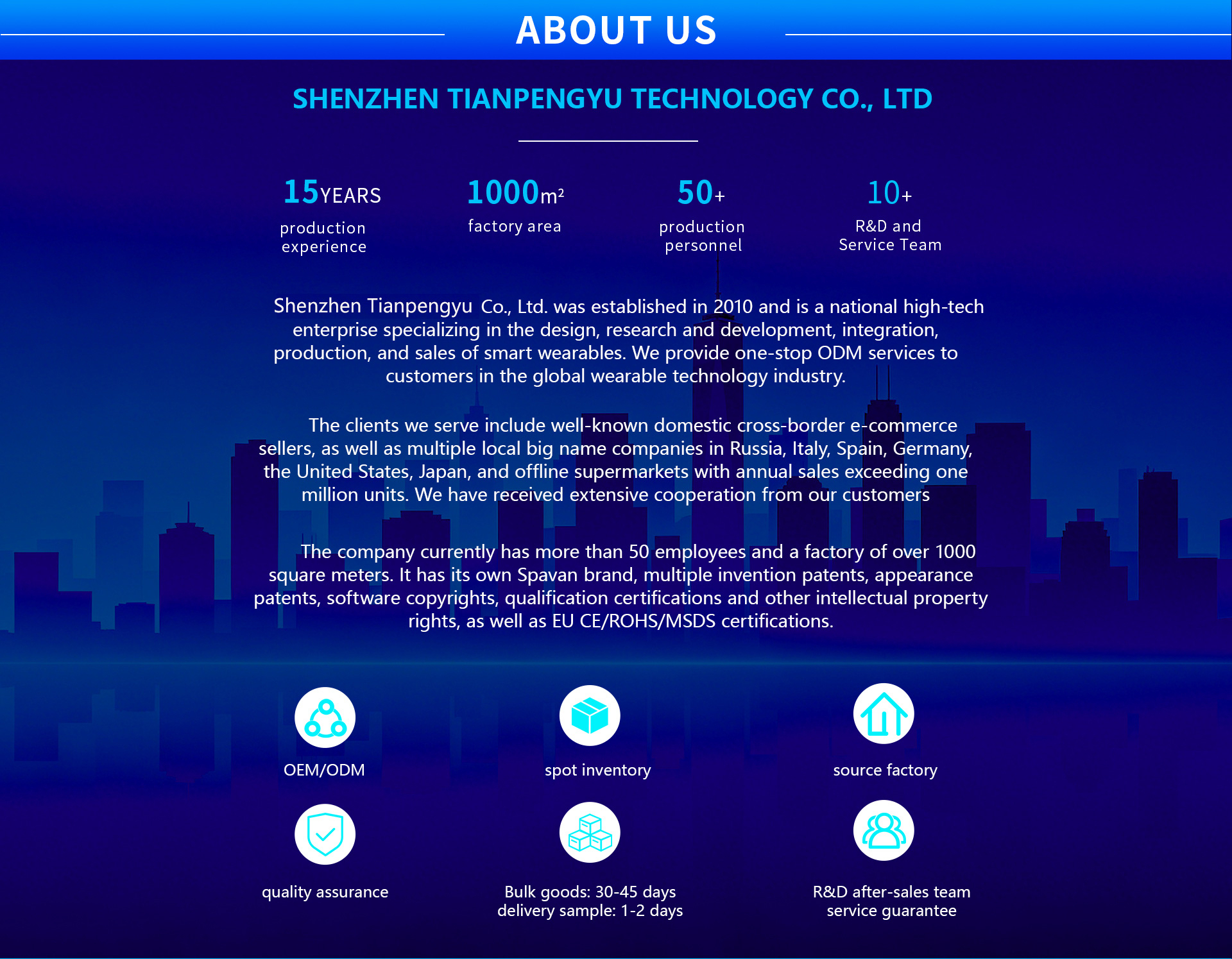
Shenzhen Honsys Technology Co., Ltd. combines fifteen years of dedicated wearable engineering with an audited Shenzhen supply chain, serving global distributors, medical brands, and tech innovators.
End-to-End Control from SMT Soldering to Submersion Stress Testing
Founded in 2010 and exporting globally since 2012, our facility features high-speed Surface Mount Technology (SMT) lines, clean-room sensor encapsulation, and automated laser marking. Every biometric device undergoes rigorous validation across its entire assembly cycle.
We enforce Incoming Quality Control (IQC) across all raw silicon, batteries, and optical lenses. Our production lines integrate continuous in-process optical calibration, 100% pneumatic vacuum leakage checks for genuine IP68 waterproof ratings, and automated radio frequency (RF) testing to verify BLE antenna range.
- SGS Audited Facility: Independently inspected manufacturing capacity and trade authenticity.
- 100% Pre-Shipment Inspection: Functional electrical tests, battery discharge cycling, and cosmetic inspection.
- Comprehensive Regulatory Readiness: Full technical files supporting CE, FCC, RoHS, and German/French EPR registrations.
- Rapid Bulk Execution: Typical 30-day turnaround on high-volume production with FOB Shenzhen, Yantian, or Hong Kong dispatch.
Frequently Asked Questions for B2B Importers & Engineers
Detailed technical, commercial, and regulatory guidance compiled by our senior applications engineering team to streamline your sourcing approvals.
What are your Minimum Order Quantity (MOQ) tiers for custom OEM/ODM projects?
Our MOQ structure is designed to support scalable brand growth. For off-the-shelf catalog configurations and evaluation prototypes, samples are available from 1 to 10 units. For private-label logo laser engraving, tailored packaging, and custom strap pantones, our standard OEM threshold begins at 500 to 1,000 units, depending on the model.
For deep ODM projects requiring unique injection tooling molds, bespoke PCB layout redesigns, or specialized biopotential front-ends, MOQ thresholds typically start at 3,000 to 5,000 units amortized across production stages.
How is your SDK/API structured, and can we stream raw biometric waveforms?
We provide comprehensive Native Android (Java/Kotlin) and iOS (Objective-C/Swift) SDK libraries, complete with sample code, protocol buffer definitions, and complete BLE communication documentation. On our screenless bands and dedicated ECG smartwatches, firmware can be configured in two output modes:
1) Aggregated Mode: The onboard microcontroller calculates filtered heart rate, SpO2, sleep staging intervals, and HRV metrics locally, conserving BLE transmission bandwidth and host battery life.
2) Raw Streaming Mode: The device streams raw green/red/infrared PPG ADC values and raw 3-axis/6-axis accelerometer vectors directly over BLE at up to 100 Hz. For clinical pilot projects and custom enterprise health models, this raw biometric data can be ingested directly into your proprietary algorithm engine.
What certifications and regulatory documentation accompany mass shipments?
Our devices are fully tested and certified under CE (RED, LVD, EMC) for the European Union, FCC (Part 15C) for the United States, and RoHS 2.0 (Directive 2011/65/EU) for hazardous substance restrictions. We also provide Extended Producer Responsibility (EPR) registration documentation for Germany (LUCID) and France (ADEME).
Declarations of Conformity (DoC) and certified UN38.3 lithium battery transport test reports (including MSDS and 1.2m drop verification) are provided with every export container to ensure frictionless customs clearance worldwide.
What is your IP68 waterproofing verification process during assembly?
Unlike factories relying on batch statistical testing, we implement 100% in-line pneumatic vacuum decay testing across every sealed enclosure. Housings are tested in multi-cavity pressure chambers before and after final ultrasonic or adhesive sealing.
Units undergo differential pressure evaluation equivalent to 3 ATM (30 meters) to confirm gasket seal integrity and port water resistance. Devices specified for athletic swimming also undergo random thermal shock water-immersion tests (cycling between 40°C and 4°C water baths) to ensure durability against seal expansion and contraction.
Are your ECG and optical PPG readings classified as medical-grade?
Our standard wearable platforms are engineered as clinical-grade wellness and physical fitness monitors. The analog front-ends (AFEs) utilize high-precision medical-grade ICs (such as Goodix, TI, or Silicon Labs biopotential chips) that meet medical instrumentation signal fidelity standards.
However, end-market classification as a Class II (FDA) or Class IIa (EU MDR) medical diagnostic device depends on your software claims, cloud platform validation, and specific 510(k) or CE mark submissions. We provide our B2B partners with technical documentation, schematics, and sensor validation datasets to support their independent medical regulatory submissions.
What standard lead times and Incoterms apply to volume orders?
Initial pre-production samples and firmware golden samples typically ship within 5 to 7 business days. Mass production runs for established models require approximately 25 to 30 days following sample sign-off and deposit receipt.
Our primary dispatch ports are FOB Shenzhen (Yantian/Shekou) or FOB Hong Kong. We also accommodate EXW, CFR, CIF, CIP, FCA, and DDP air/sea arrangements depending on your international logistics requirements. We support multiple trade currencies including USD, EUR, GBP, AUD, and CAD via flexible payment instruments (T/T, L/C, D/P, PayPal, Escrow).
How do you safeguard proprietary Intellectual Property (IP) and client design files?
We routinely execute formal Bilateral Non-Disclosure Agreements (NDAs) before reviewing technical specification documents, industrial design files, or API requirements. Custom injection tooling and proprietary firmware code developed under ODM contracts remain the exclusive intellectual property of the purchasing client.
Our assembly facilities run isolated production shifts for proprietary models, and client firmware binaries are flashed via secure automated stations without developer-level exposed file access.