Precision Telemetric & Wearable Health Platforms
Explore our export-ready sensor platforms featuring open SDK architecture, medical-grade optical photoplethysmography (PPG), and ruggedized Nordic cold-weather casing.
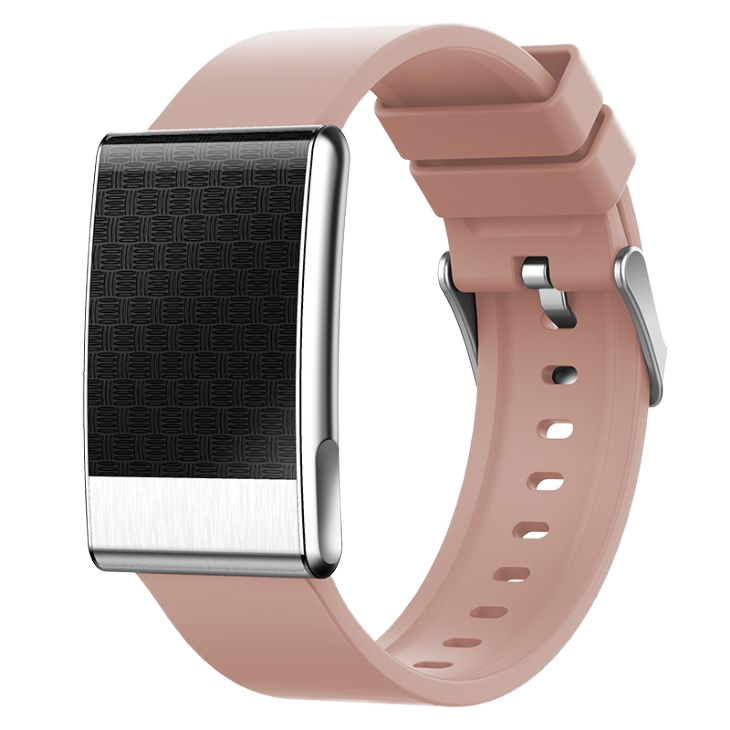
Screenless Smart Health Bracelet ECG Heart Rate Monitor SpO2 Sleep Tracker IP68
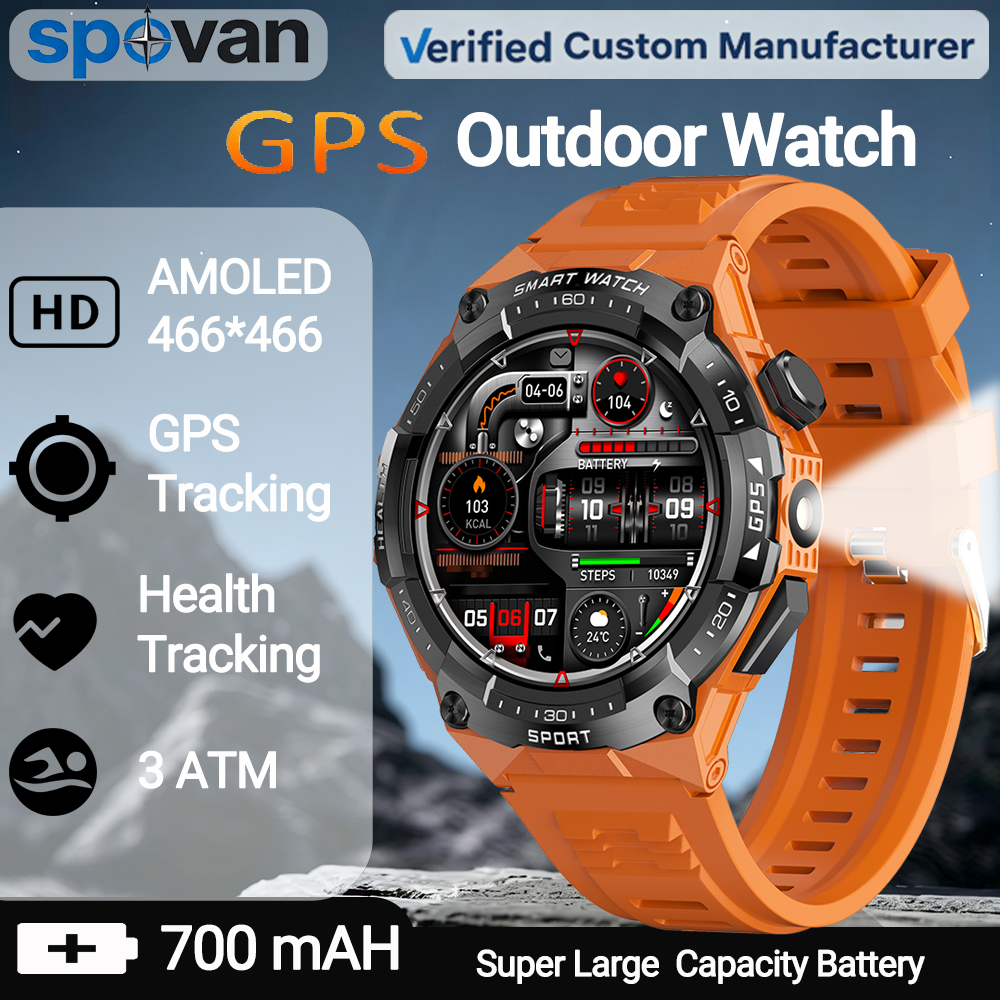
Multi-Satellite GPS Hiking Watch 3ATM Waterproof Outdoor Smartwatch AMOLED
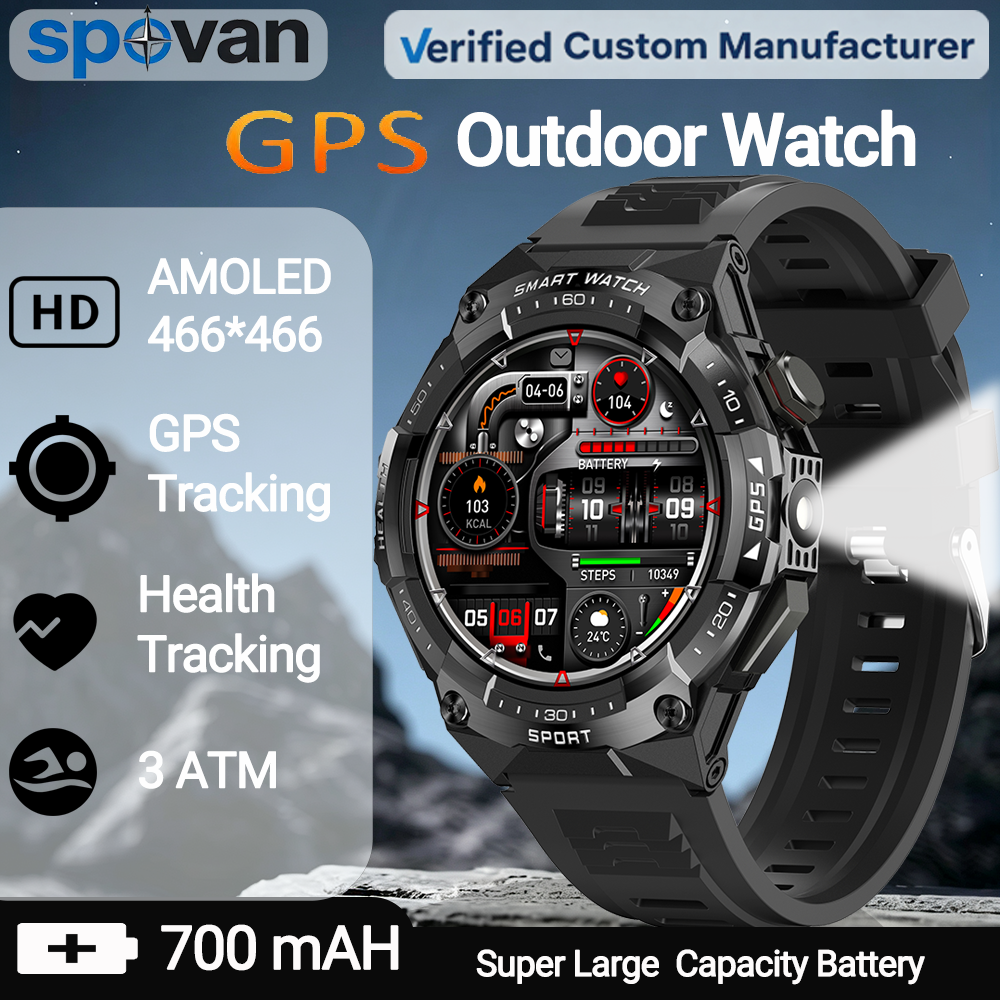
Wholesale GPS Smart Watch Outdoor Waterproof 3 ATM OEM BT Call AMOLED
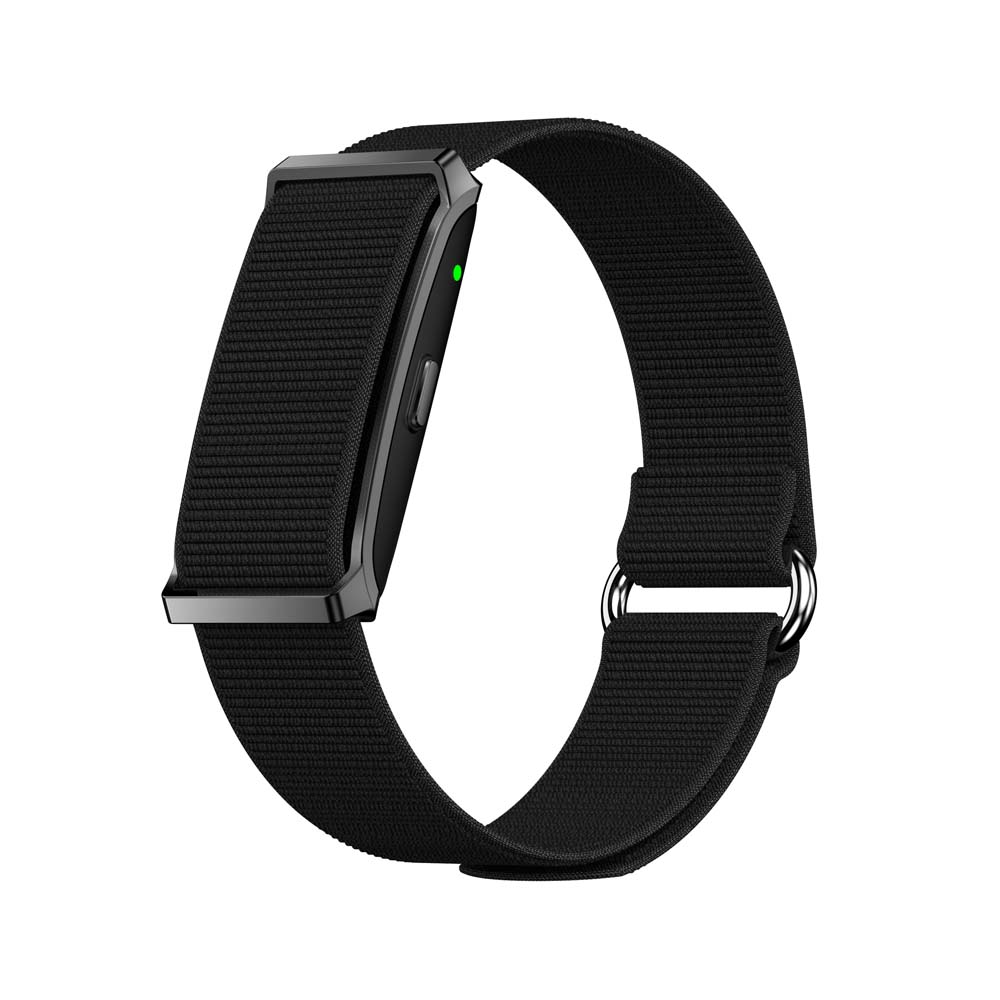
Wholesale Customized Waterproof OEM PPG Smart Bracelet With Open SDK
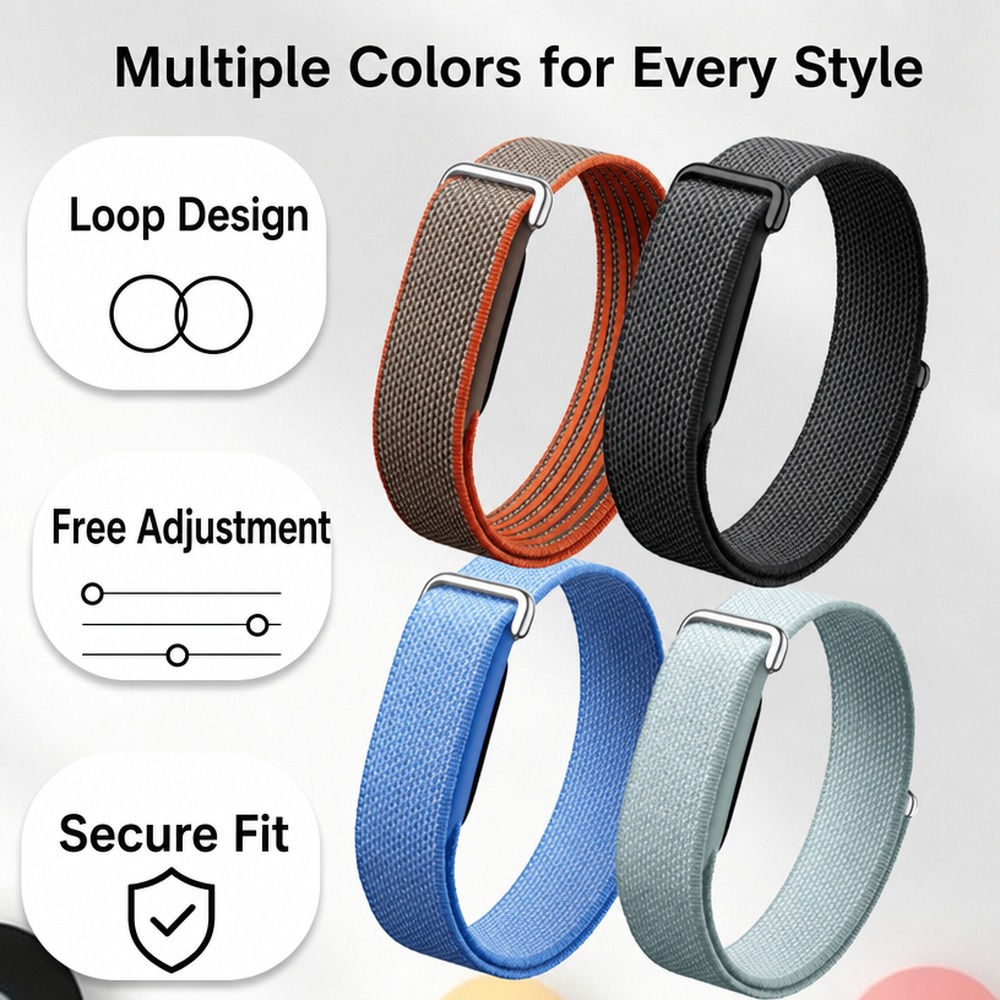
Nylon Sport Hume Replacement Strap Breathable Starlight Hook & Loop
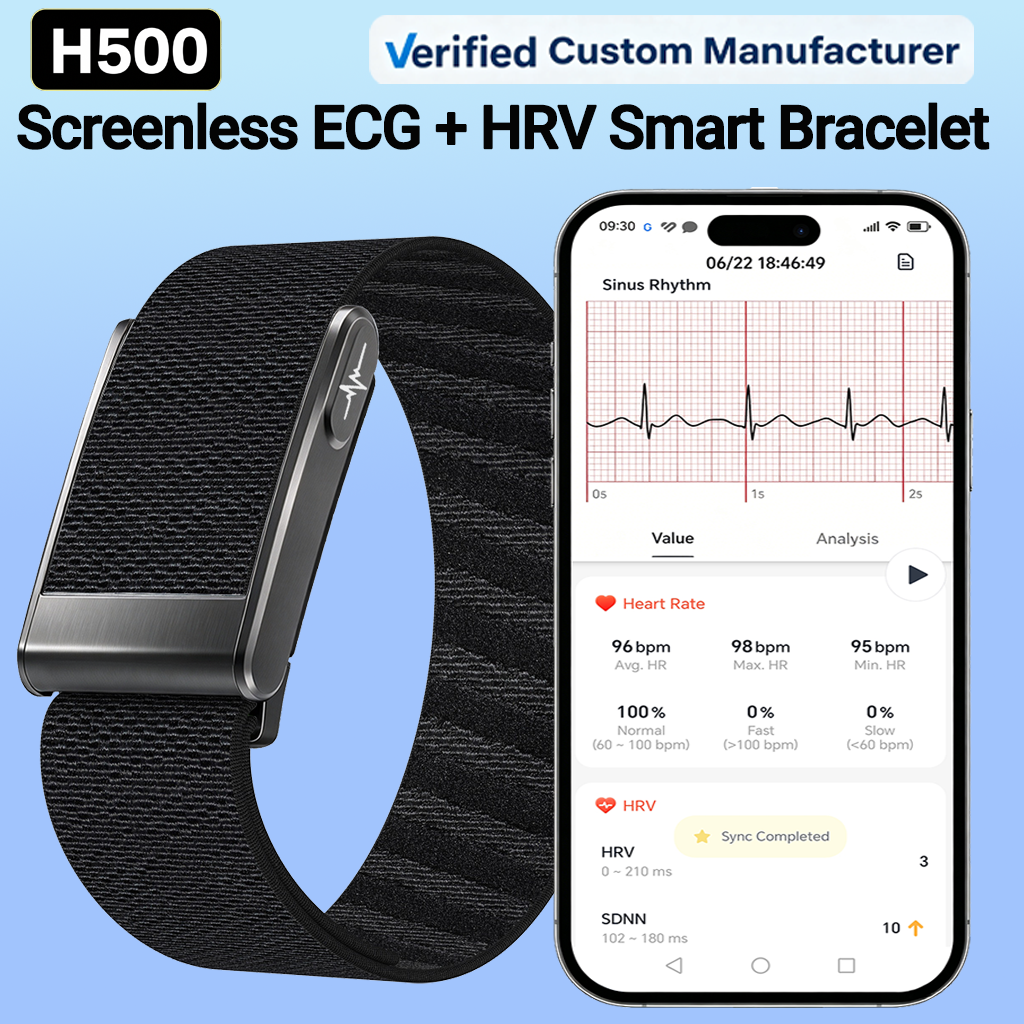
ECG HRV Smart Band Screenless Health Tracker Factory OEM ODM Service
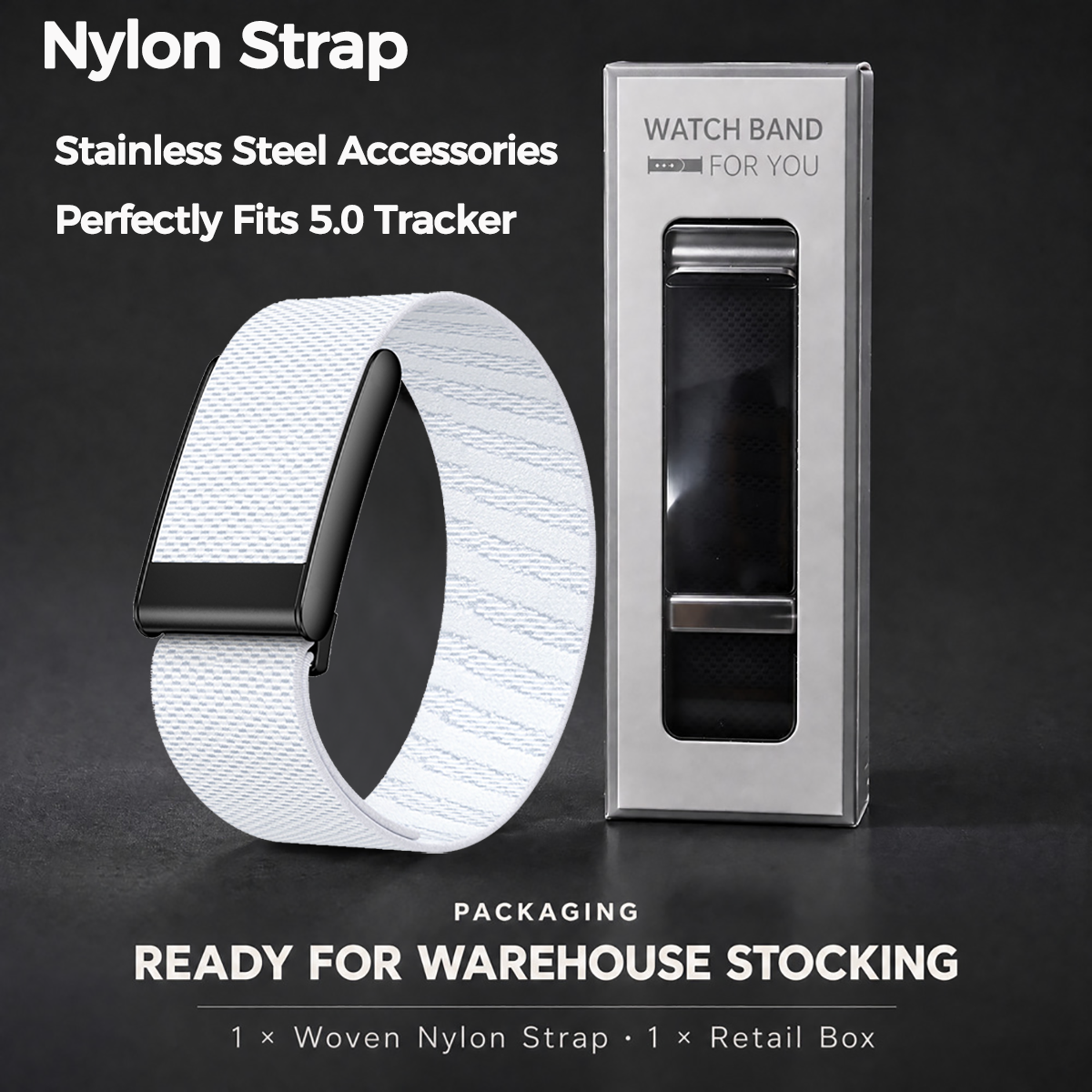
Sweat-Resistant Breathable Nylon 23mm Loop Strap Elastic Anti-Slip Band
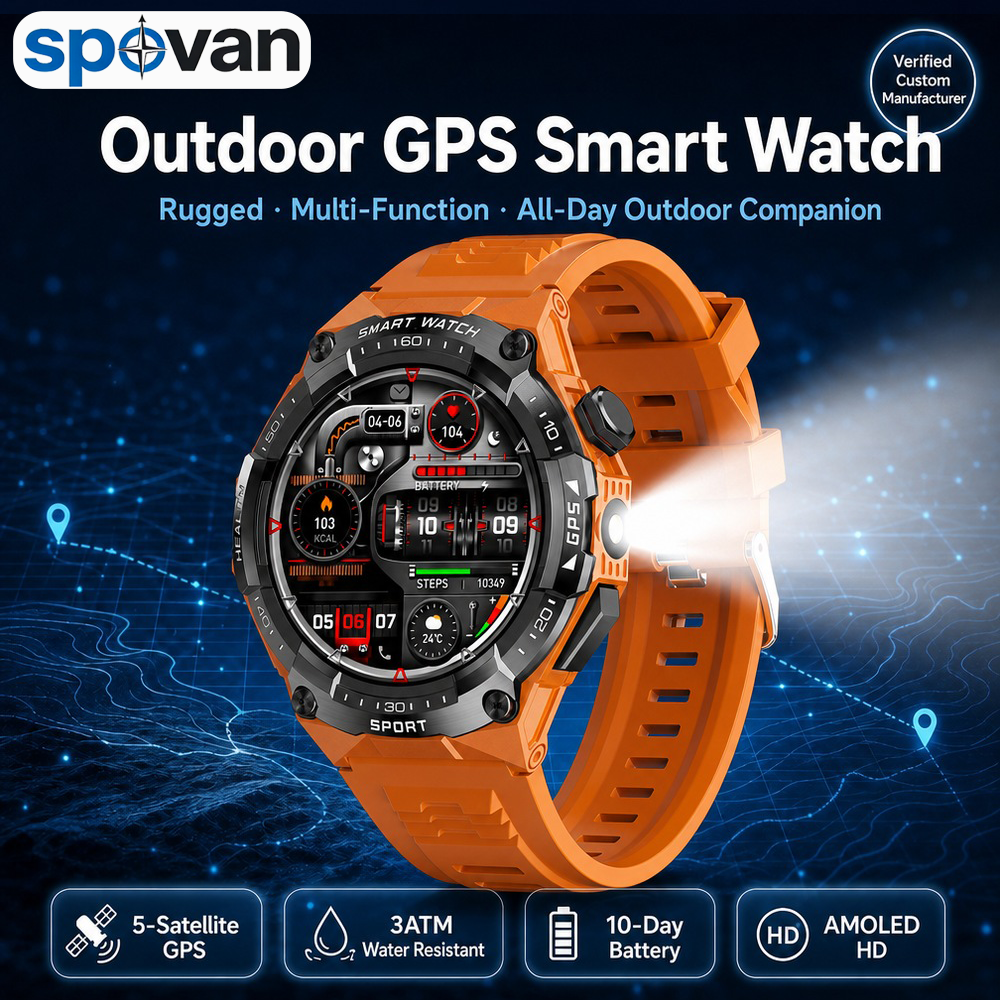
SPOVAN Rugged GPS Smartwatch Square IP68 3ATM Barometer Altimeter
High-Precision Blood Oxygen Telemetry for Gothenburg’s Health & Industrial Sectors
As the epicenter of Scandinavian medical engineering, home to the internationally recognized Sahlgrenska University Hospital, the AstraZeneca BioVentureHub, and the burgeoning GoCo Health Innovation City in Mölndal, the Gothenburg metropolitan area represents one of Europe's most exacting markets for digital health solutions. Sourcing medical and wellness wearables in Sweden requires moving beyond generic commercial trackers. Nordic procurers demand documented photoplethysmography (PPG) accuracy, strict compliance with European health telemetry standards, and seamless interoperability with municipal cloud platforms.
Shenzhen Honsys Technology Co., Ltd. serves as an end-to-end original equipment manufacturer (OEM) and original design manufacturer (ODM), bridging state-of-the-art Chinese hardware assembly with European technological benchmarks. For procurement managers, chief technology officers, and health startup directors across Västra Götaland, our custom blood oxygen (SpO2) and electrocardiogram (ECG) bracelets resolve the systemic trade-off between proprietary hardware lock-in and high manufacturing costs.
True Zero Data Siloing
Direct raw data access via comprehensive Bluetooth Low Energy (BLE 5.2/5.3) SDKs, allowing Gothenburg tech firms to integrate physiological telemetry straight into regional databases without unauthorized third-party cloud routing.
GDPR & IMY Compliance
Engineered to honor the stringent data governance mandated by the Swedish Integritetsskyddsmyndigheten (IMY). Hardware endpoints encrypt all biometric packets with on-chip AES-128/256 cryptography before transmission.
Low-Perfusion Sub-Zero Optics
Equipped with dual-wavelength LED arrays calibrated for low peripheral perfusion caused by Gothenburg's coastal sub-zero winter temperatures, preventing signal dropout and skewed oxygen saturation readings.
The Architectural Need for Screenless Form Factors in Professional Health Tech
A notable procurement trend across Sweden and the wider European Union is the strategic pivot toward screenless smart health bands. While display-rich consumer smartwatches attract casual retail buyers, professional telehealth programs, decentralized clinical trials (DCTs), and corporate wellbeing operators in Gothenburg encounter substantial friction with display-equipped devices: battery depletion within 24 to 48 hours, constant distraction from notifications, optical display shattering in industrial settings, and accidental touchscreen disengagement by elderly patients.
Our OEM screenless bracelets eliminate the liquid crystal or OLED display completely. By allocating internal real estate exclusively to high-capacity lithium-polymer cells, multi-channel analog front-ends (AFE), and dedicated red (660 nm) and infrared (940 nm) optical sensors, our screenless architecture achieves continuous, uninterrupted SpO2 and HRV monitoring for 10 to 20 days on a single charge. This frictionless experience ensures patient adherence rates exceeding 94% across longitudinal clinical studies.
Optical Photoplethysmography (PPG) & Biometric Signal Calibration
Measuring peripheral blood oxygen saturation non-invasively through wrist tissue presents formidable biomechanical hurdles. Unlike fingertip pulse oximeters that utilize transmissive photoplethysmography—transmitting light completely through thin, translucent tissue—wrist-worn wearables must rely entirely on reflective photoplethysmography. Light emitted from micro-LEDs must penetrate cutaneous layers, bounce off arterioles, and return to adjacent silicon photodiodes.
| Hardware Parameter | Standard Consumer Fitness Band | Honsys Medical-Tier OEM Architecture | Benefit to Gothenburg Procurers |
|---|---|---|---|
| Optical Emitters | Single Green LED (525 nm) | Dual-Wavelength Red (660 nm) + Infrared (940 nm) + Green (525 nm) | Calculates genuine differential absorption ratios (R-curve) for precise SpO2 calculation under the Beer-Lambert law. |
| Analog Front-End (AFE) | Integrated generic microcontroller 10-bit ADC | Dedicated Low-Noise 24-bit Biomedical AFE with Programmable Gain | Resolves low amplitude optical pulsatile signals even in individuals with high subcutaneous tissue or severe peripheral vasoconstriction. |
| Motion Artifact Cancellation | Basic 3-Axis threshold filtering | 6-Axis IMU Sensor Fusion with Adaptive Recursive Kalman Filtering | Separates biological pulsatile signals from physical arm movements during cycling, running, or maritime industrial work. |
| Sub-Zero Thermal Curve | Uncalibrated; drops 40% battery at <0°C | Solid-State Low-Temp Electrolyte Battery (-20°C to +60°C rated) | Maintains stable internal impedance during winter operations across Gothenburg and Swedish archipelago environments. |
| SDK Integration Horizon | Closed consumer ecosystem (Google/Apple lock-in) | Native C/BLE GATT Profiles, Android & iOS Native SDK, Web-Bluetooth API | Zero proprietary middleware; Gothenburg developers bind raw hexadecimal sensor packets straight to proprietary hospital servers. |
Overcoming the Nordic Vasoconstriction Barrier
Gothenburg’s maritime climate, characterized by freezing damp winds and extended periods of cold weather from November through April, induces physiological vasoconstriction in human extremities. As blood vessels in the wrist constrict to preserve core body temperature, the peripheral perfusion index (PI) can fall dramatically below 0.2%. Conventional wearable optical sensors fail in these conditions, returning false hypoxia alerts (SpO2 readings dropping artificially below 90%) or failing to detect a pulse wave entirely.
Our OEM blood oxygen bracelets solve this challenge through dynamic optical current modulation. The custom firmware continuously interrogates the photodiode input signal; if the detected perfusion index falls, the microcontroller dynamically elevates the drive current of the 660 nm and 940 nm emitters in microsecond pulses, penetrating deeper into the microvascular bed without burning excessive battery power or causing thermal discomfort to the skin.
Production Performance Backed by Verifiable Audits
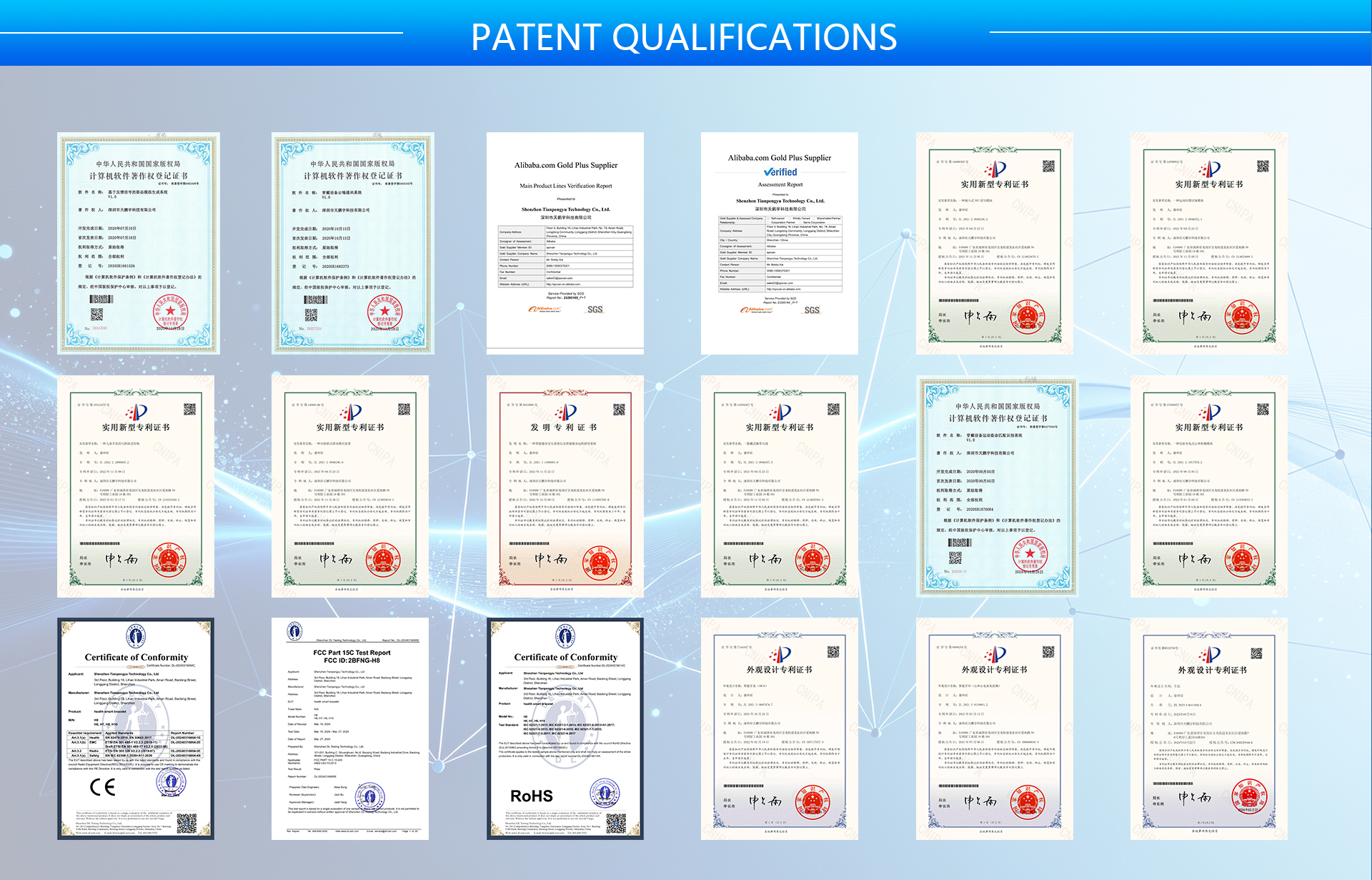
Our Shenzhen manufacturing facilities operate under third-party verification by SGS Group, delivering scalable OEM/ODM delivery to international borders since 2012.
Continuous smart wearable engineering and hardware assembly since our establishment in 2010.
Units of our flagship screenless health bracelet exported over the past 180-day audit cycle.
Fast communication turnaround maintained across all international B2B buyer inquiries.
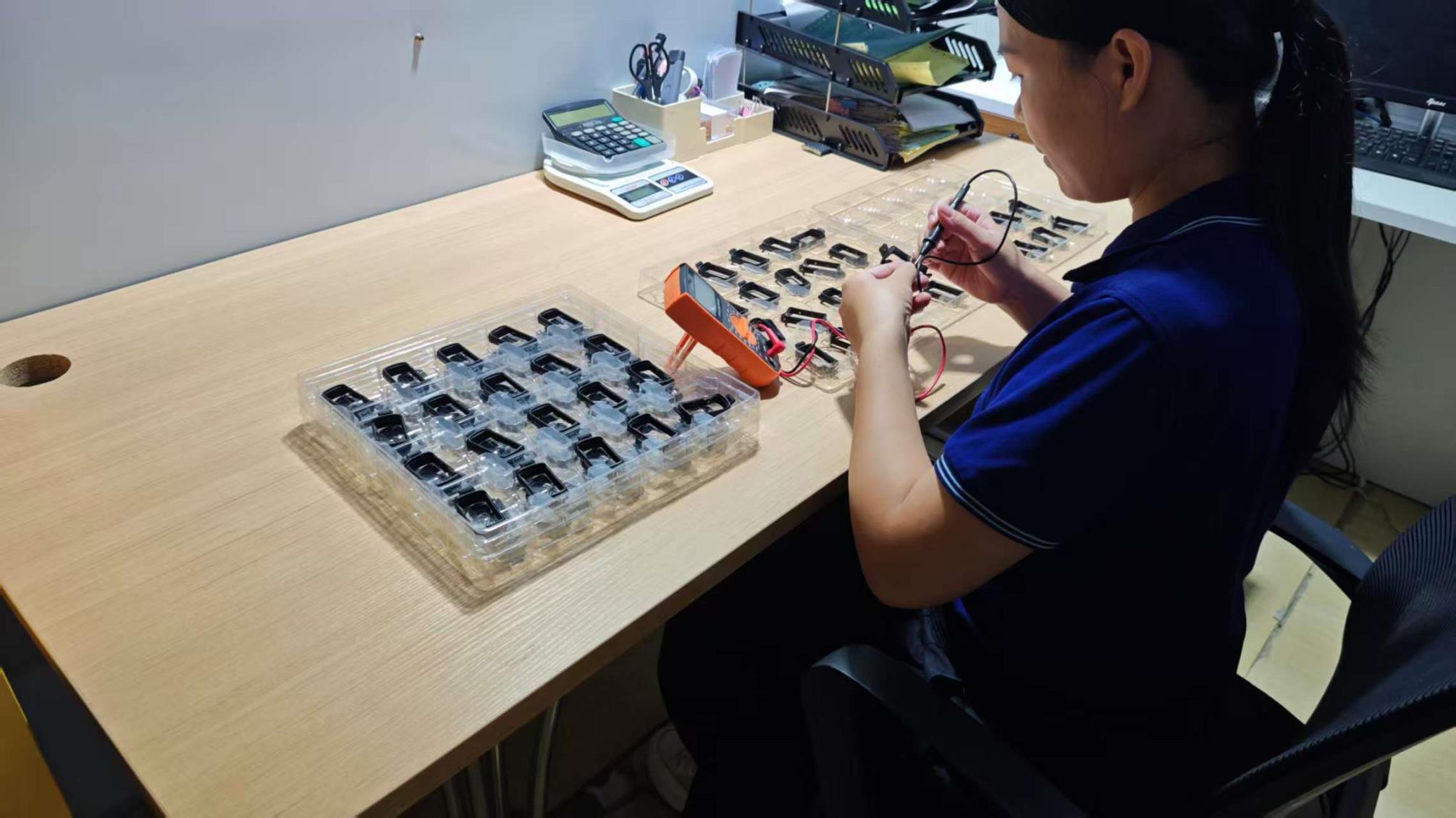
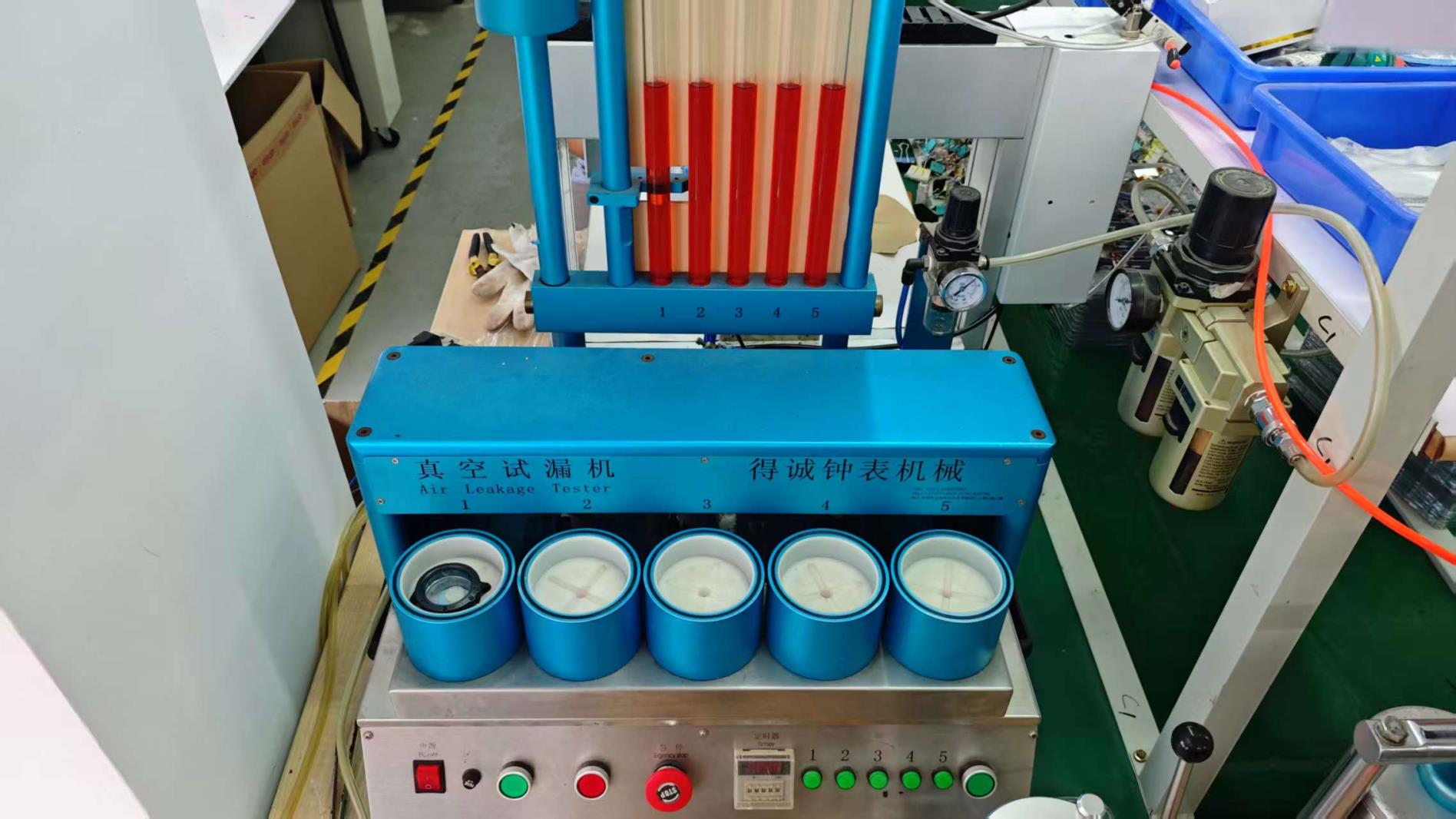
Every unit undergoes acoustic, waterproof pressure-leakage, and optical photometric verification.
Tailored Application Scenarios Across the Gothenburg Metropolitan Area
Gothenburg is uniquely positioned in Northern Europe: a bustling international shipping port intertwined with cutting-edge academic medicine and high-tech automotive innovation. Sourcing blood oxygen bracelets for this diverse commercial terrain requires custom firmware tailoring suited to explicit use cases.
1. Decentralized Clinical Trials (DCT) & Academic Medicine
Collaborative research groups at the Sahlgrenska Academy and local biopharma hubs require objective, continuous physiological recording. By stripping away interactive screens, our OEM bracelets prevent behavioral study contamination (where patients alter behavior upon observing elevated heart rates or dropping oxygen values). Raw photodiode telemetry is time-stamped and exported via SDK for direct statistical analysis in MATLAB, Python, or proprietary clinical trial management platforms.
2. Municipal Elder Care (Äldreomsorg) & Assisted Living
Municipal care administrators throughout Region Västra Götaland confront mounting demographic pressure. Our screenless SpO2 bands provide passive, zero-maintenance telecare. With 14-day battery reserves, seniors do not need to manage complicated daily charging rituals or navigate complex touchscreen menus. The wristbands quietly monitor nocturnal oxygen desaturation indices (ODI) to detect early onset sleep apnea, chronic obstructive pulmonary disease (COPD) deterioration, or cardiac arrhythmias, alerting nursing staff via local BLE beacon gateways.
3. Maritime Logistics & Port of Gothenburg Safety
As the largest maritime port in the Nordic countries, handling over 30% of Sweden’s foreign trade, port stevedores, heavy crane operators, and chemical terminal specialists operate under challenging meteorological conditions. Custom-branded OEM health bands monitor real-time heart rate variability (HRV) and peripheral oxygenation to track physiological strain and acute fatigue during night shifts, preventing hazardous operational accidents before they manifest.
4. Automotive Ergonomics & In-Cabin Telematics
Positioned alongside the Lindholmen automotive innovation cluster, our engineering team collaborates with suppliers exploring human-centric vehicle interfaces. Biometric wristbands tracking real-time SpO2 and cognitive stress indicators provide the data foundation for active safety interventions, notifying vehicle assistance systems if a driver’s physiological vigilance drops dangerously due to fatigue or hypoxia.
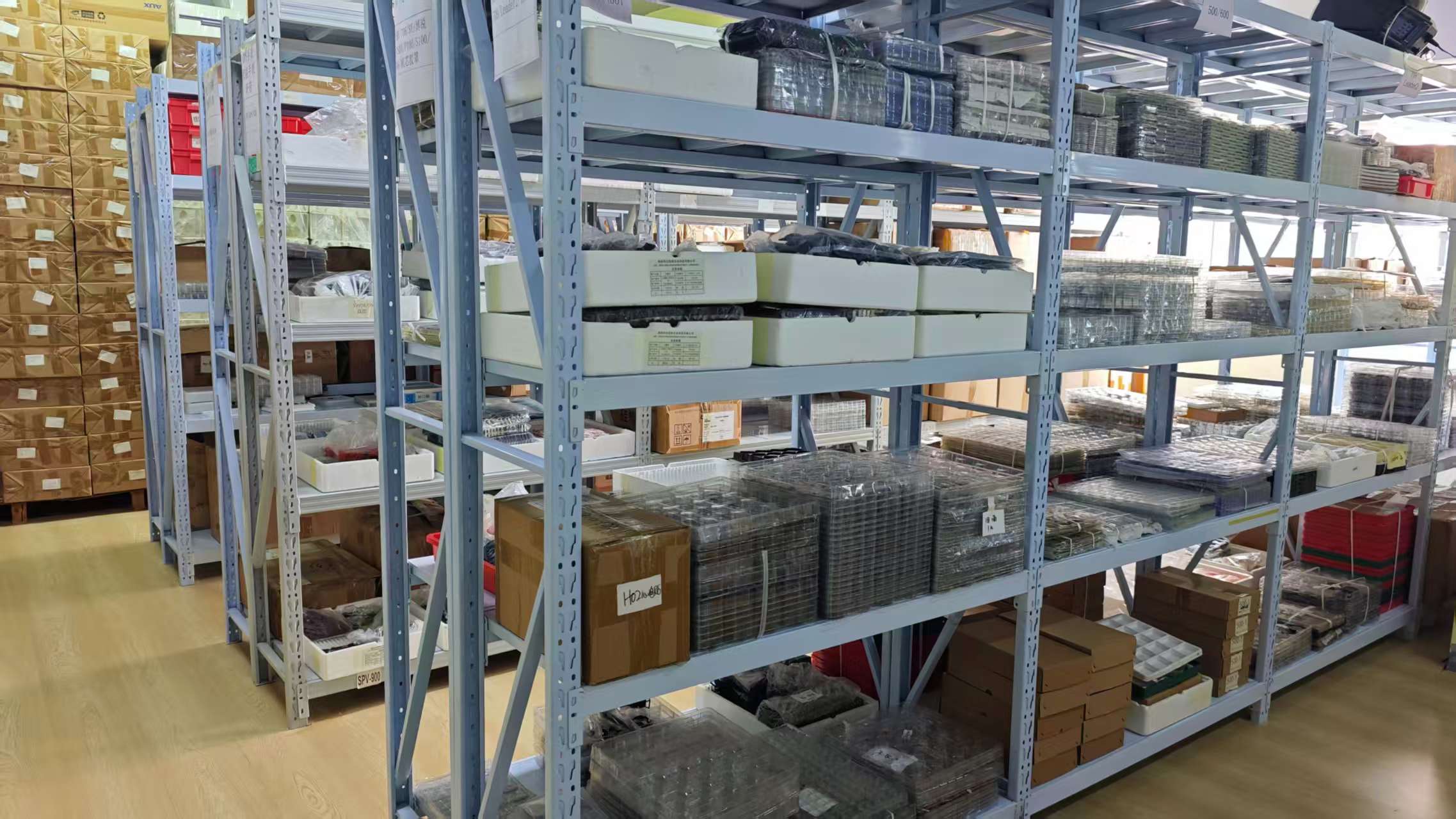
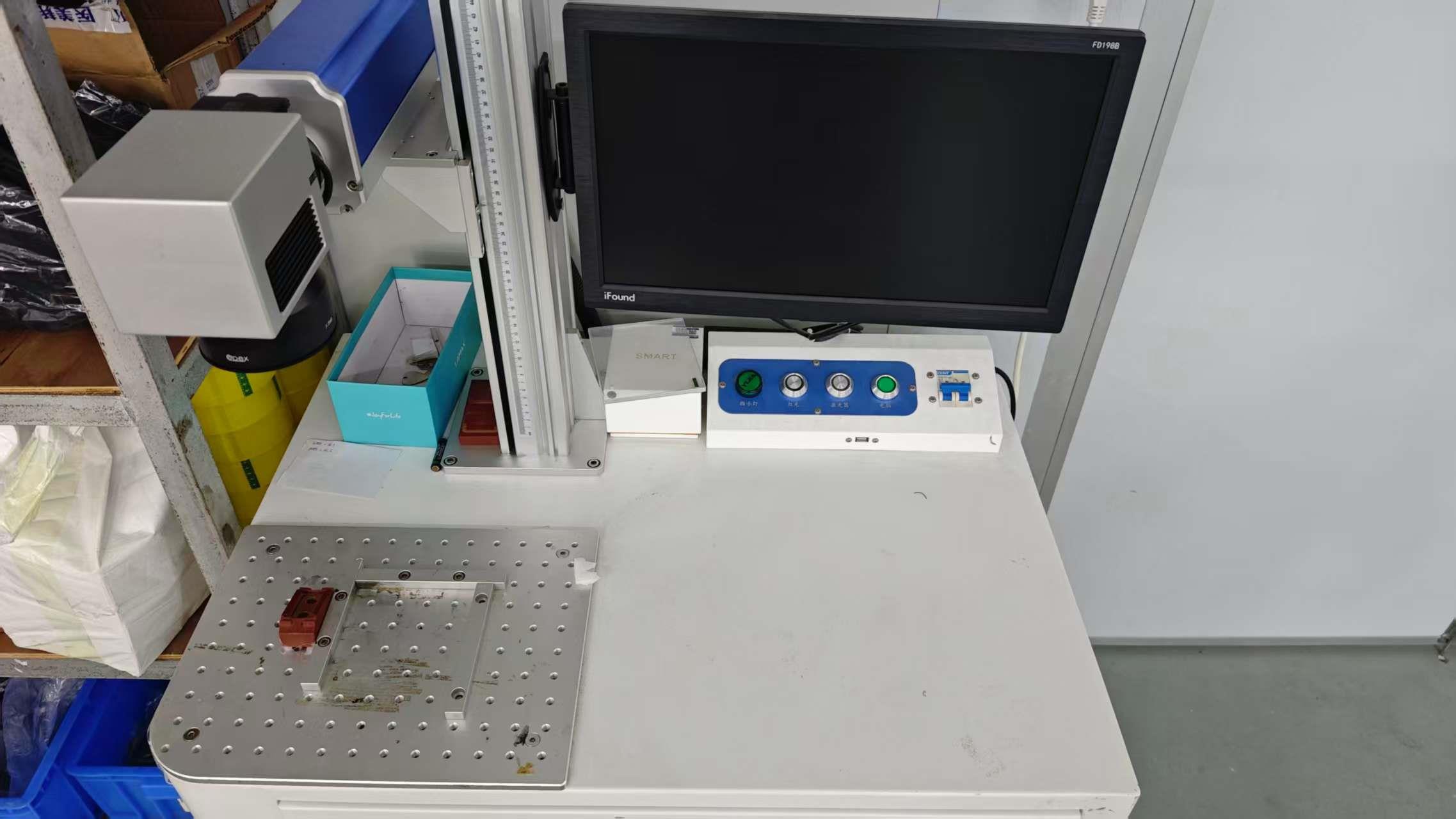
State-of-the-Art Cleanroom Manufacturing
Inside Shenzhen Honsys Technology’s ISO-aligned manufacturing workshops.
Navigating EU MDR, GDPR, and Sustainable Nordic Procurement
Swedish business procurement operates under some of the world's most progressive standards for environmental stewardship, consumer data integrity, and product certification. Sourcing smart bracelets into Gothenburg requires systematic adherence to European Union directives.
1. The Boundary Between Wellness Gadgets & EU MDR 2017/745
A vital consideration for Gothenburg buyers is categorizing the wearable under Regulation (EU) 2017/745 (EU MDR). If a device is marketed with explicit claims to diagnose, manage, or treat specific medical pathologies (such as nocturnal paroxysmal atrial fibrillation or acute hypoxemia), it falls under Class IIa medical device surveillance, demanding notified body clinical audits. However, if designated for general physiological tracking, stress analysis, athlete conditioning, or corporate health indexing, it operates under the standard consumer electronics framework: the Radio Equipment Directive (RED 2014/53/EU), RoHS (2011/65/EU), and REACH (EC 1907/2006).
Shenzhen Honsys provides full technical construction files (TCF), CE Declarations of Conformity, battery UN38.3 transport certifications, and material safety data sheets (MSDS). For Swedish clients seeking eventual Class IIa accreditation, our hardware engineers deliver full hardware-level documentation, raw schematic transparency, and firmware source locks to accelerate their notified body filings.
2. Biocompatibility and Environmental Mandates (WEEE / EPR)
The Swedish market displays zero tolerance for dermatological irritants. Our replacement straps utilize medical-grade, post-cure silicone or non-occlusive braided nylon that complies strictly with ISO 10993 cytotoxicity and skin irritation standards, alongside total nickel-release compliance (EN 1811) across metallic charging contacts and bezels. Furthermore, we maintain active Extended Producer Responsibility (EPR) reporting architectures, facilitating smooth compliance with Swedish recycling guidelines (Naturvårdsverket).
Why Gothenburg Brand Owners Partner With Honsys
Procuring custom hardware from Shenzhen without sacrificing Scandinavian design expectations requires a manufacturing partner with proven export pedigree. Shenzhen Honsys Technology Co., Ltd. has specialized exclusively in precision wearable architectures since 2010.
SGS Assessed & Verified
Our facility, production capacity, cleanroom conditions, and trade compliance have undergone rigorous on-site verification by SGS Group, providing peace of mind for European procurement auditors.
Full OEM/ODM Versatility
From custom tooling of silicone wrist bands to laser-etched Nordic branding, custom boot-loaders, and localized Swedish language companion applications, we manage the entire value chain under one roof.
Fast Logistics into Sweden
Efficient shipping directly to Gothenburg-Landvetter Airport (GOT) via express air freight (3-5 business days) or sea container consolidation straight to the Port of Gothenburg (Skandiahamnen).
Frequently Asked Questions by Gothenburg Sourcing Teams
In-depth technical and logistical answers compiled from our daily conversations with Scandinavian enterprise buyers.
What are the minimum order quantities (MOQ) for custom OEM blood oxygen bracelets? ↓
For standard evaluation samples and prototype trials, we support low-barrier initial orders starting from 1 to 10 units. For custom branding (laser-engraved company logos on housing backplates, custom strap colors, and personalized retail boxes), our standard MOQ starts at 500 to 1,000 units. Deep ODM architectural customizations (involving custom plastic injection molds, proprietary PCB layouts, or custom sensor optical geometries) typically carry an MOQ of 2,000 to 3,000 units.
Do your smart bracelets provide an open BLE SDK and raw sensor data stream? ↓
Yes. Unlike consumer electronics vendors who restrict physiological data behind proprietary closed clouds and recurring paywalls, Honsys provides comprehensive open SDK and API documentation for iOS, Android, and embedded BLE gateways. Gothenburg software developers receive direct access to raw PPG photodiode voltage levels, green/red/IR reflective absorption values, inter-beat intervals (RR-intervals for HRV), and 3-axis accelerometer outputs, enabling frictionless integration into Swedish private cloud infrastructures.
How does Honsys ensure cold-weather battery stability in Nordic winter climates? ↓
Standard lithium-ion pouch cells suffer rapid voltage degradation and premature shutoff when temperatures plummet below 0°C. For our Nordic-bound shipments, we configure high-density lithium-polymer chemistry with custom low-temperature electrolyte additives. These cells maintain internal impedance below 120 mΩ at -20°C, ensuring that your field workers in Gothenburg or Swedish outdoor enthusiasts experience consistent runtime without sudden brownouts.
What certifications accompany shipments delivered into Sweden and the European Union? ↓
Every commercial batch is accompanied by comprehensive CE certification under the Radio Equipment Directive (RED 2014/53/EU), RoHS 2.0 (2011/65/EU) lead/cadmium/mercury-free verification, FCC compliance, and complete UN38.3 + MSDS safety dossiers for air and sea transport. Furthermore, all materials contacting the skin undergo REACH Annex XVII testing for polycyclic aromatic hydrocarbons (PAHs) and total nickel release.
What is the typical production lead time and logistics turnaround to Gothenburg? ↓
Standard samples ship within 3 to 5 business days. Once pre-production samples and packaging artwork receive formal sign-off, bulk production requires approximately 25 to 30 business days. High-priority consignments are routed via direct air freight into Gothenburg-Landvetter Airport (GOT) within 4 to 6 transit days. Volume sea container consignments ship FOB Yantian/Shenzhen/Hong Kong straight to the Port of Gothenburg with an ocean transit time of roughly 30 to 35 days.
Are Honsys pulse oximeter bracelets certified as medical devices in the EU? ↓
Honsys products are factory-calibrated for high-precision wellness, general fitness indexing, and telemetric research reference. They are not delivered out-of-the-box as certified Class IIa medical devices under EU MDR 2017/745 unless explicit notified body registration has been arranged by the buyer. However, our hardware architecture, signal-to-noise ratio, and optical accuracy provide the exact clinical-grade hardware foundation Swedish MedTech companies require to seek independent notified body clearance.