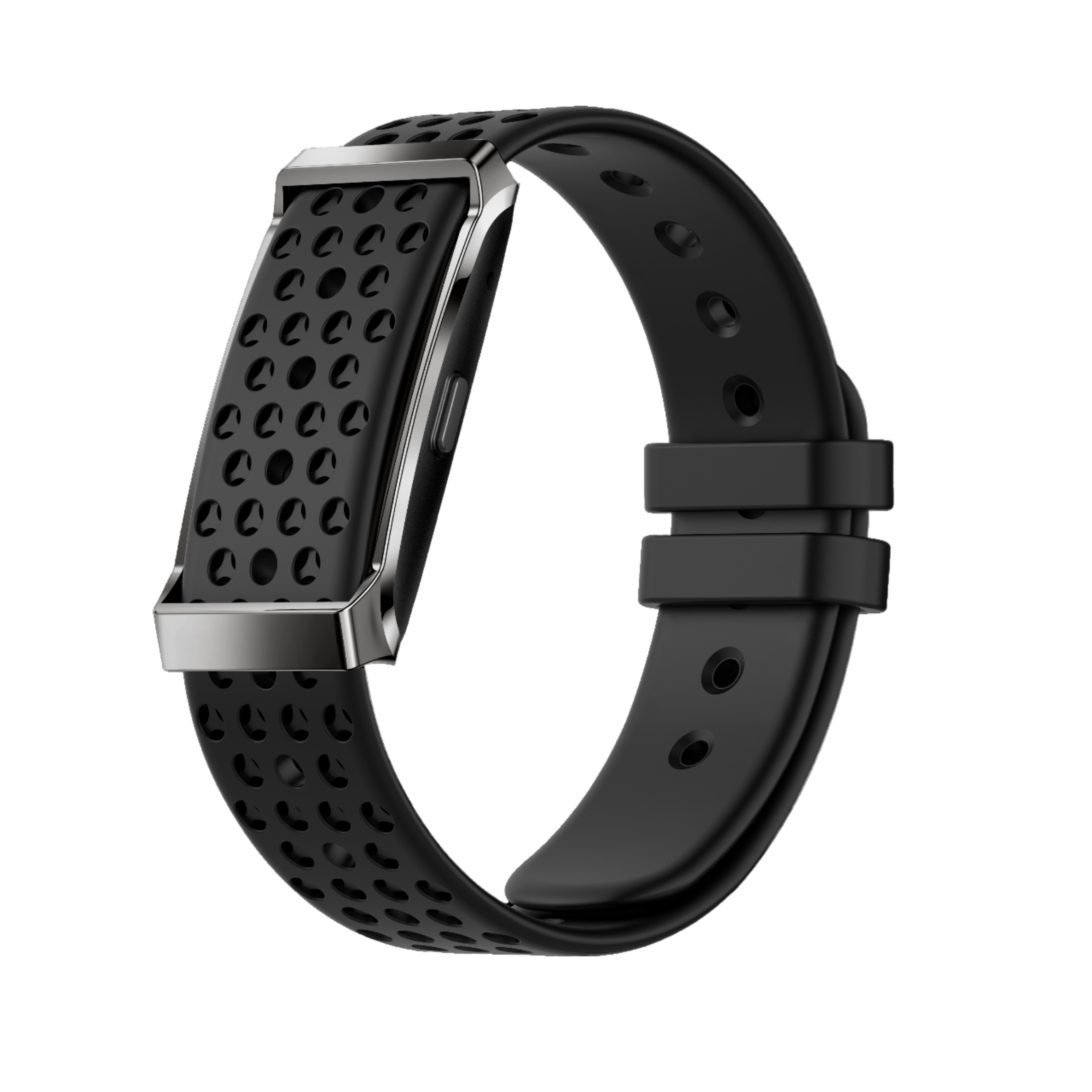
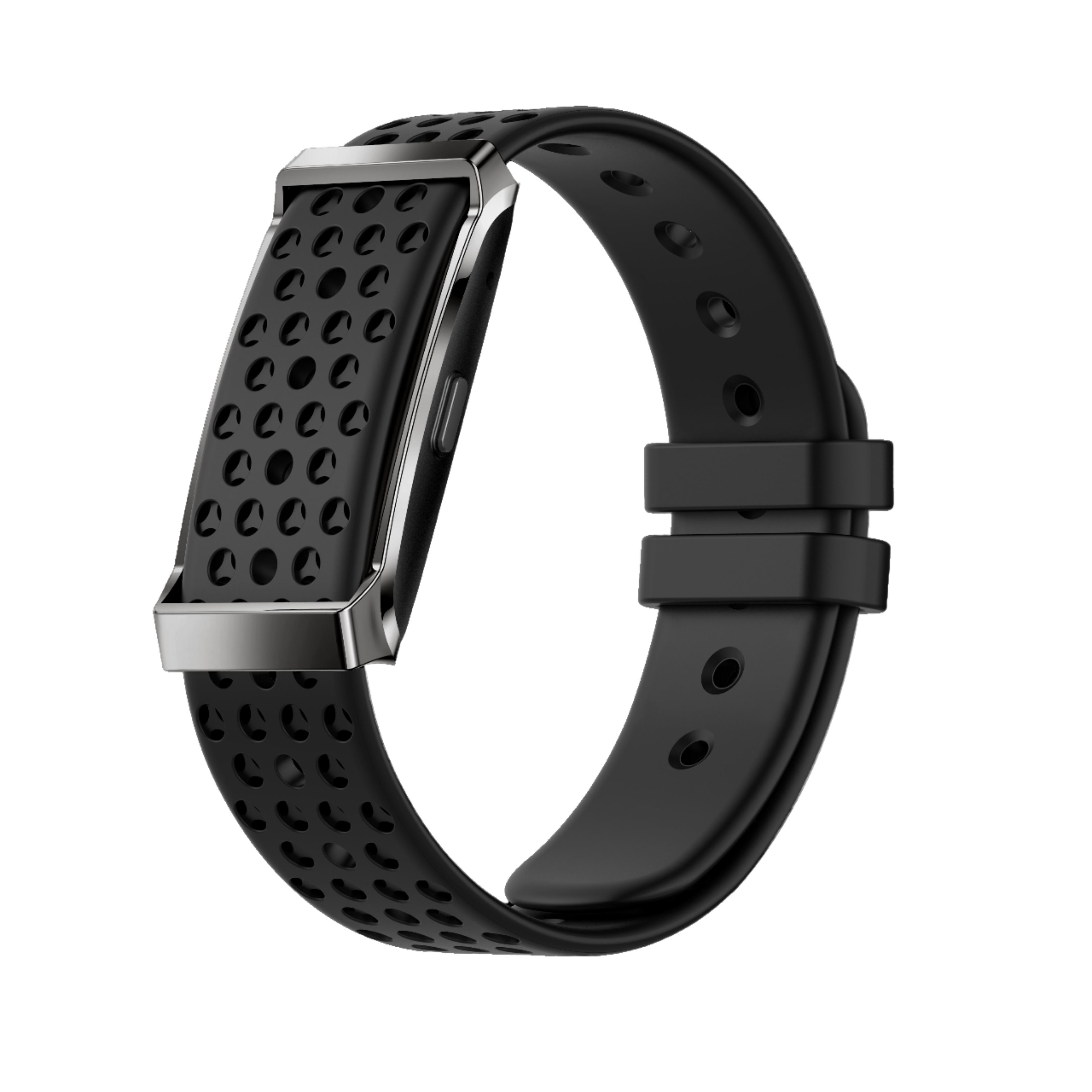
Enterprise Product Portfolio
High-Accuracy ECG & PPG Wearable Hardware for Direct Procurement
Engineered for medical research, digital wellness platforms, and consumer tele-monitoring. Ready for OEM/ODM private labeling, open Bluetooth SDK/API protocol binding, and ruggedized environmental operation.
Technical Architecture & Whitepaper
Engineering Multi-Spectral PPG & Electrocardiogram Biosensing for Developing Markets
A rigorous examination of continuous non-invasive physiological monitoring, signal fidelity under motion, and cross-platform architecture deployed in remote clinical and municipal environments.
Photoplethysmography (PPG) vs. Electrocardiography (ECG): The Dual-Path Sensing Paradigm
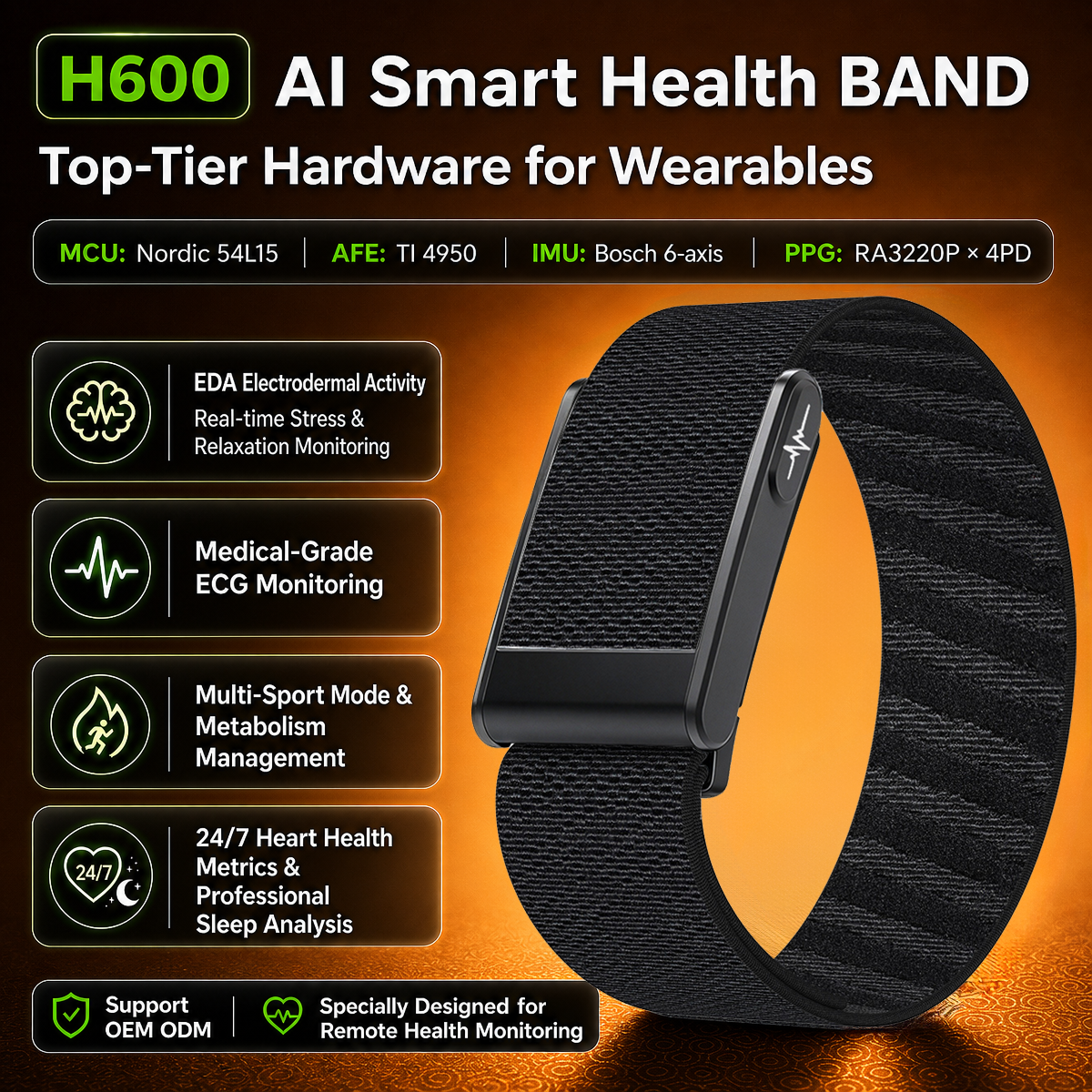
Continuous cardiovascular telemetry in modern wearable architecture hinges on two fundamentally complementary sensor methodologies: optical reflection and biopotential detection. Photoplethysmography (PPG) operates by projecting calibrated light wavelengths—primarily green (525 nm) for superficial capillary perfusion and infrared (940 nm) / red (660 nm) for deep arterial oxygen saturation analysis—through cutaneous and subcutaneous vascular beds. The volumetric pulsation of microvascular blood alters the photodiode light absorption coefficient. This optical backscatter is converted via transimpedance amplifiers into raw photoplethysmographic waveforms, enabling continuous estimation of heart rate, heart rate variability (HRV), peripheral capillary oxygen saturation (SpO2), and arterial stiffness trends.
Conversely, integrated Electrocardiography (ECG) records the genuine bio-electric potential generated by the depolarization and repolarization of myocardial muscle tissue during each cardiac cycle. Utilizing dry-contact micro-textured titanium or stainless steel 316L electrodes integrated into the casing bezel and bottom plate, our devices register a Lead-I equivalent bipolar voltage differential across the user's wrists. While optical PPG excels at unobtrusive 24/7 background tracking of circulatory trends, it remains vulnerable to micro-motion artifacts, peripheral vasoconstriction caused by cold or shock, and varying melanin optical absorption densities. The on-demand ECG electrode array bypasses subcutaneous light scattering, delivering true QRS-complex fidelity, PR interval measurements, and baseline heart rhythm diagnostic reference that optical methods cannot isolate independently.
Information Gain: The Clinical Edge of Synchronized ECG + Multi-Spectral PPG
By fusing dual-wavelength optical PPG with single-lead dry-electrode ECG, our smart wearable architecture executes real-time Pulse Transit Time (PTT) calculations. PTT evaluates the microsecond velocity differential between the electrical ventricular ejection peak (ECG R-wave) and the subsequent peripheral pulse wave arrival at the wrist (PPG systolic peak). This metric provides an algorithmic, cuffless estimator of acute arterial blood pressure fluctuations—a critical biomarker for hypertensive screening programs in resource-limited municipalities like Maliana.
Bio-Signal Processing, Motion Artifact Filtering, and Low-Power Edge Computing
In municipal settings where physical labor, unpaved terrain transport, and tropical climate conditions are daily realities, wearable physiological sensors must maintain signal integrity despite severe mechanical vibration. Our hardware integrates dedicated ultra-low-power Analog Front End (AFE) processors (such as Nordic Semiconductor BLE SoC platforms combined with multi-channel biomedical optical sensors). Raw sensor outputs undergo multi-stage on-chip digital signal processing before transmission:
Adaptive Kalman Filtering
Correlates 6-axis triaxial accelerometer and gyroscope data directly against optical photodiode noise to subtract dynamic motion artifacts generated during walking, riding, or manual labor.
Micro-Power Edge ECG Synthesis
512 Hz high-rate biopotential sampling with hardware 50Hz/60Hz notch filtering eliminates electromagnetic ambient hum from local power grids and generator fluctuations.
Dynamic LED Current Regulation
Self-adjusting photodiode drive current optimizes signal-to-noise ratios (SNR) across broad skin phototypes, minimizing battery drain while preventing optical signal saturation.
Open Bluetooth Low Energy (BLE 5.3) SDK Architecture & Telehealth Interoperability
Enterprise procurement requires total data sovereignty. Unlike consumer closed-loop ecosystem brands that lock physiological telemetry behind proprietary consumer servers, our hardware framework provides comprehensive, unencrypted Bluetooth GATT profiles, complete Android/iOS software development kits (SDKs), and standardized REST API payloads. This open architectural philosophy allows municipal health agencies, private clinics, and field-station NGOs across Bobonaro to ingest uncompressed raw CSV data—interbeat intervals (IBI), RR tachograms, raw ECG microvolts, and photodiode counts—directly into localized Electronic Health Record (EHR) systems without recurring licensing fees.
Verified Factory Capabilities
Shenzhen Honsys Technology Co., Ltd. Supply Metrics
Audited manufacturing standards, verified trade stability, and certified quality control for global and regional importers.
2010
Established
Over 15 years specialized in bio-sensor R&D and hardware manufacturing.
2012
Exporting Since
Supplying global importers across 12+ international trade territories.
100%
Quality Checked
In-line automated SMT, IP68 vacuum leakage testing, and biometric calibration.
30 Days
Lead Time
Standard volume fulfillment FOB Yantian, Shenzhen, or Hong Kong hub.
Contextual Adaptation
Localized Wearable Applications in the Maliana & Bobonaro Ecosystem
Analyzing how robust physiological hardware directly addresses regional infrastructure realities, climatic challenges, and socioeconomic dynamics in western Timor-Leste.
Decentralized Tele-Triage in Rural Health Outposts (CHCs & SISCa)
Maliana serves as the administrative, medical, and commercial epicenter of the Bobonaro municipality. However, outlying administrative posts such as Atabae, Balibo, Bobonaro, Cailaco, and Lolotoe feature isolated mountain villages where access to cardiologists is non-existent. Residents historically travel multiple hours over rugged roads to reach the Maliana Referral Hospital or make the strenuous 140-kilometer transit east to Dili’s Hospital Nacional Guido Valadares (HNGV).
Deploying our screenless ECG+PPG bracelets or continuous AMOLED smartwatches enables community healthcare workers (Servisu Integrado Saude Comunitaria - SISCa) to perform rapid, field-side cardiovascular screenings. During monthly mobile clinical visits, workers can record a 30-second dry-contact ECG reading, assess continuous peripheral pulse oxygenation (vital for respiratory screening in dust-prone agricultural communities), and monitor blood pressure trends. The lightweight, water-sealed form factor protects against dust and rain, allowing clinical data to be captured offline on a field tablet and subsequently synchronized to municipal central health databases whenever cellular data connectivity is re-established in Maliana town.
Cross-Border Logistics & Transport Fleets
Situated within striking distance of the Batugade and Mota'ain border corridors connecting Timor-Leste with Indonesian West Timor (Atambua), commercial haulage drivers endure extreme heat and fatigue. Screenless wristbands measure HRV stress index and heart rate spikes, alerting operators to severe drowsiness and physical exhaustion before accidents occur on winding mountain routes.
Agricultural Heat-Stress & Field Monitoring
The fertile Nunura plain surrounding Maliana is Timor-Leste's primary rice production basket. Manual agricultural laborers face prolonged exposure to equatorial UV radiation and high tropical humidity. Continuous SpO2, skin temperature tracking, and waterproof IP68 sealing ensure workers can wear bands during paddy cultivation without water-ingress failures or heatstroke vulnerability.
Community Senior & Chronic Care Outreach
Non-communicable diseases (NCDs), particularly hypertension and ischemic heart disease, are increasingly prevalent among mature adults in urbanizing Maliana neighborhoods. Deploying screenless bands with ultra-long standby (up to 20 days) minimizes recharge frequency in zones with occasional grid outages, providing family members and remote caregivers with peace of mind.
Emerging Market Trajectory
Maliana & Timor-Leste Wearable Technology Growth Trends (2025–2030)
Key technological, regulatory, and demographic catalysts shaping hardware adoption across regional municipal hubs.
1. The Shift Toward Screenless 'Passive Health Monitoring' Form Factors
In developing regional centers like Maliana, smart devices with vibrant touchscreens frequently experience high casualty rates due to screen shatter from active manual routines, high ambient sunlight glare washing out low-cost LCDs, and frequent charging fatigue. Consequently, corporate wellness programs, NGO-sponsored maternal/geriatric monitoring pilots, and health insurance developers are actively pivoting toward screenless smart bracelets (such as our DS10 and OEM health bangles). By removing the power-hungry display, these devices achieve extraordinary structural durability, featherlight weight, and up to 15–25 days of operating life on a single USB magnetic charge. Data is viewed deliberately on a smartphone, eliminating digital notifications while capturing vital biometrics uninterrupted.
2. Expansion of 4G/LTE Infrastructure and Telemor/Timor Telecom Penetration
The aggressive expansion of mobile telecommunications infrastructure across Bobonaro municipality—spearheaded by operators like Telemor and Timor Telecom—has elevated 4G smartphone adoption in Maliana. This connectivity leap allows wearable physiological monitors to bridge the historical gap between home observation and professional medical review. Bluetooth Low Energy 5.0+ enables frictionless background telemetry synchronization to companion Android and iOS applications even on affordable entry-level smartphones popular across western Timor-Leste.
3. Transition to Tropical-Resistant, Biocompatible Materials
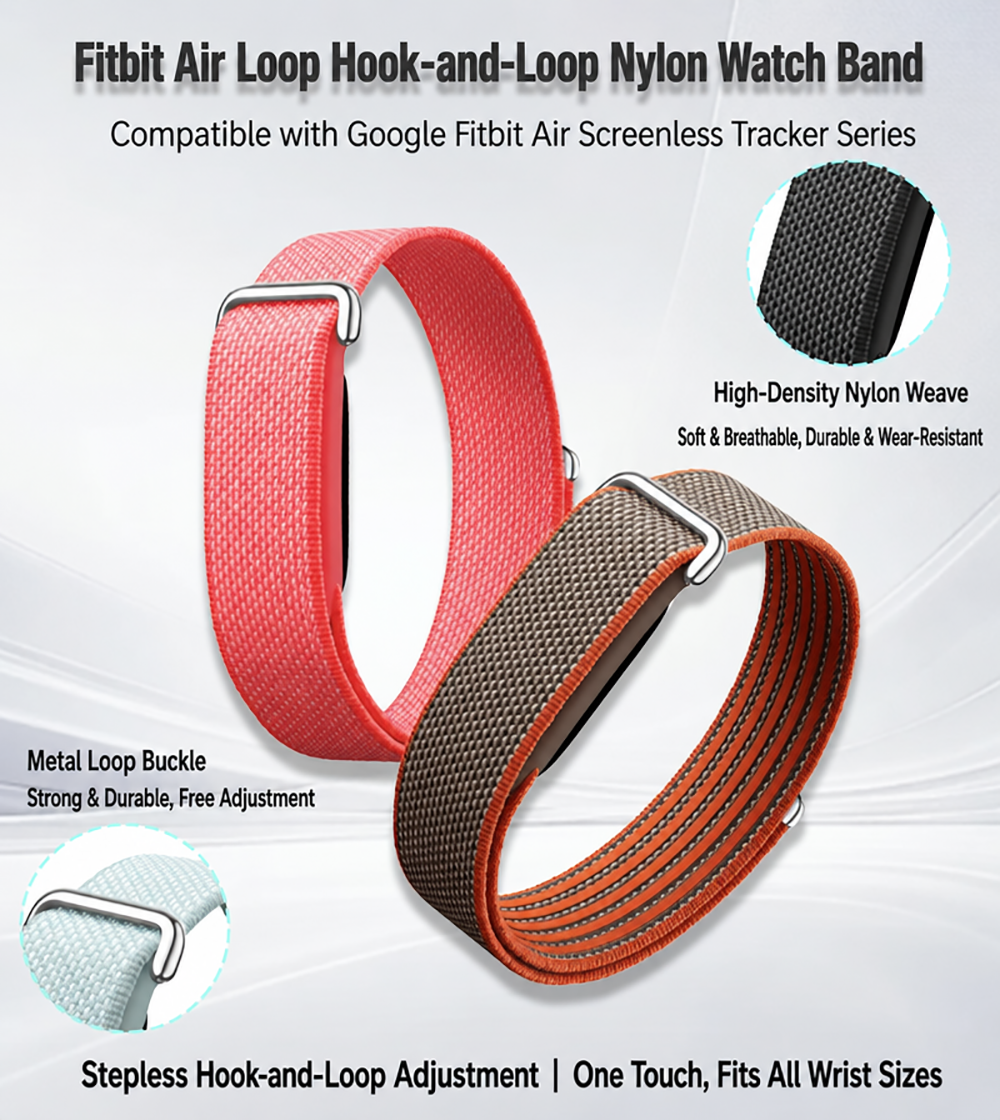
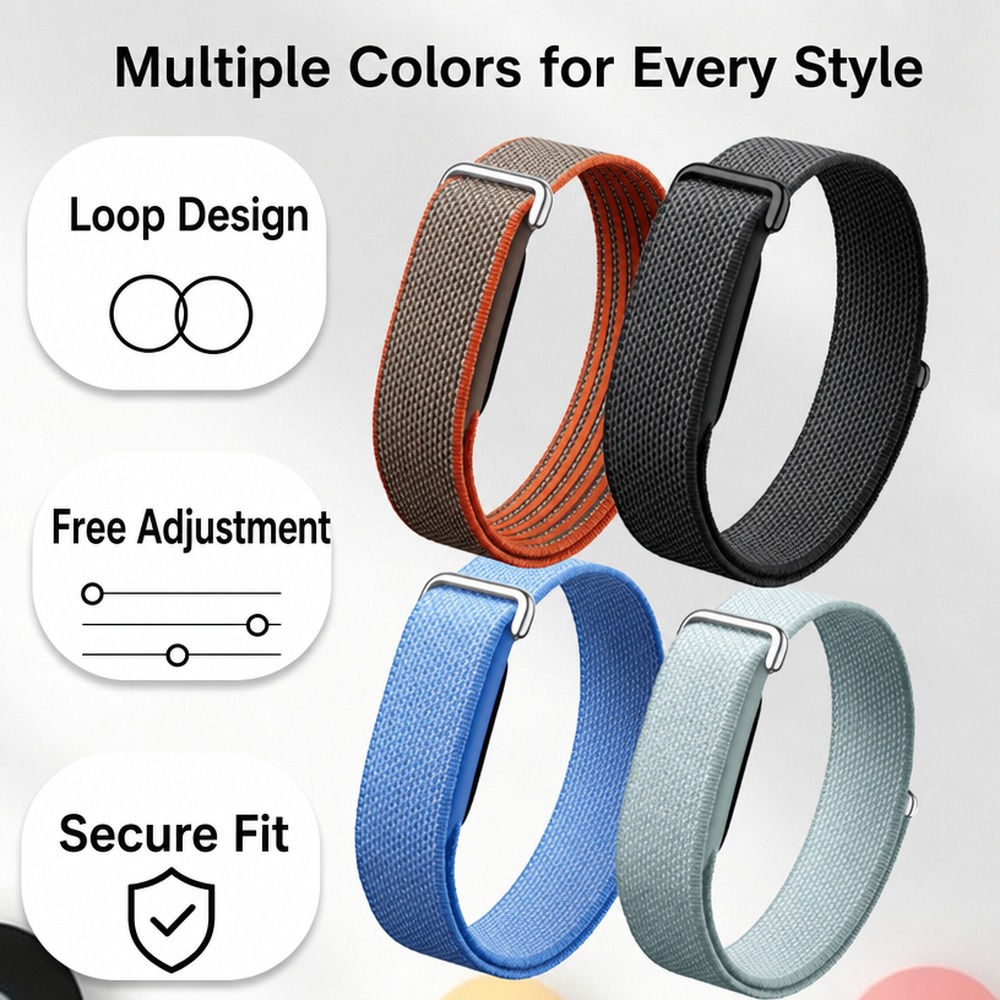
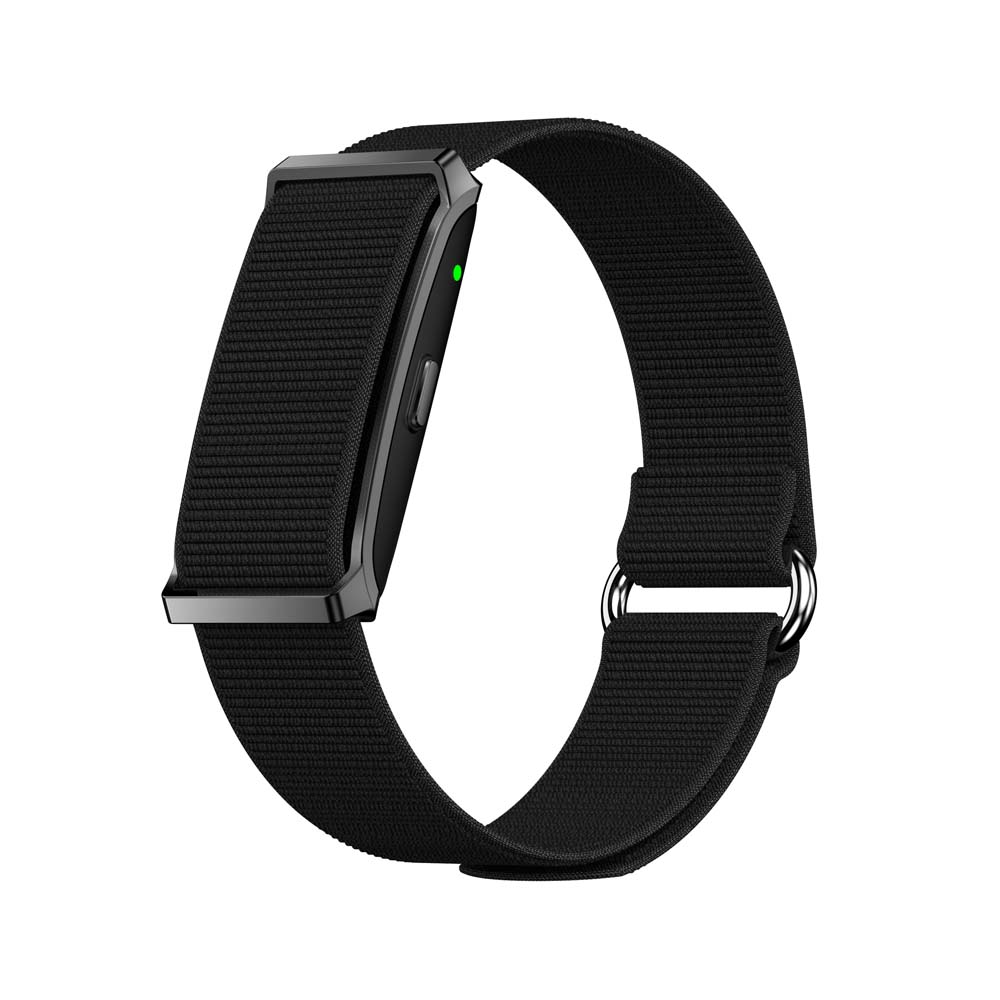
A persistent point of failure for consumer wearables imported into Southeast Asian and Pacific equatorial zones is strap degradation and galvanic contact corrosion. High relative humidity (often exceeding 85% during the monsoon season), salt-air exposure, and profuse perspiration degrade low-grade silicone straps and corrode brass charging pins. Current market demand in Maliana firmly favors breathable, woven nylon loop bands (featuring hook-and-loop adjustments that maintain constant sensor contact against the wrist) and magnetic Pogo-pin charging housings coated in 24K gold flash or medical-grade 316L stainless steel to eradicate skin dermatitis and contact oxidation.
| Wearable Platform | Display Technology | Biosensor Modality | Ingress Protection | Typical Battery Life | Ideal Procurement Channel |
|---|---|---|---|---|---|
| Screenless ECG/PPG Band | None (App-Synced BLE) | Lead-I ECG, Dual-LED PPG, SpO2 | IP68 (Hermetic Seal) | 15 to 25 Days | Telehealth NGOs, Clinical Research, Long-Term Care |
| Continuous Health Smartwatch | 1.47" to 2.0" TFT / AMOLED | PPG Pulse, Blood Pressure Trend, HRV | IP68 / 3ATM | 7 to 12 Days | Consumer Electronics Retail, Enterprise Wellness |
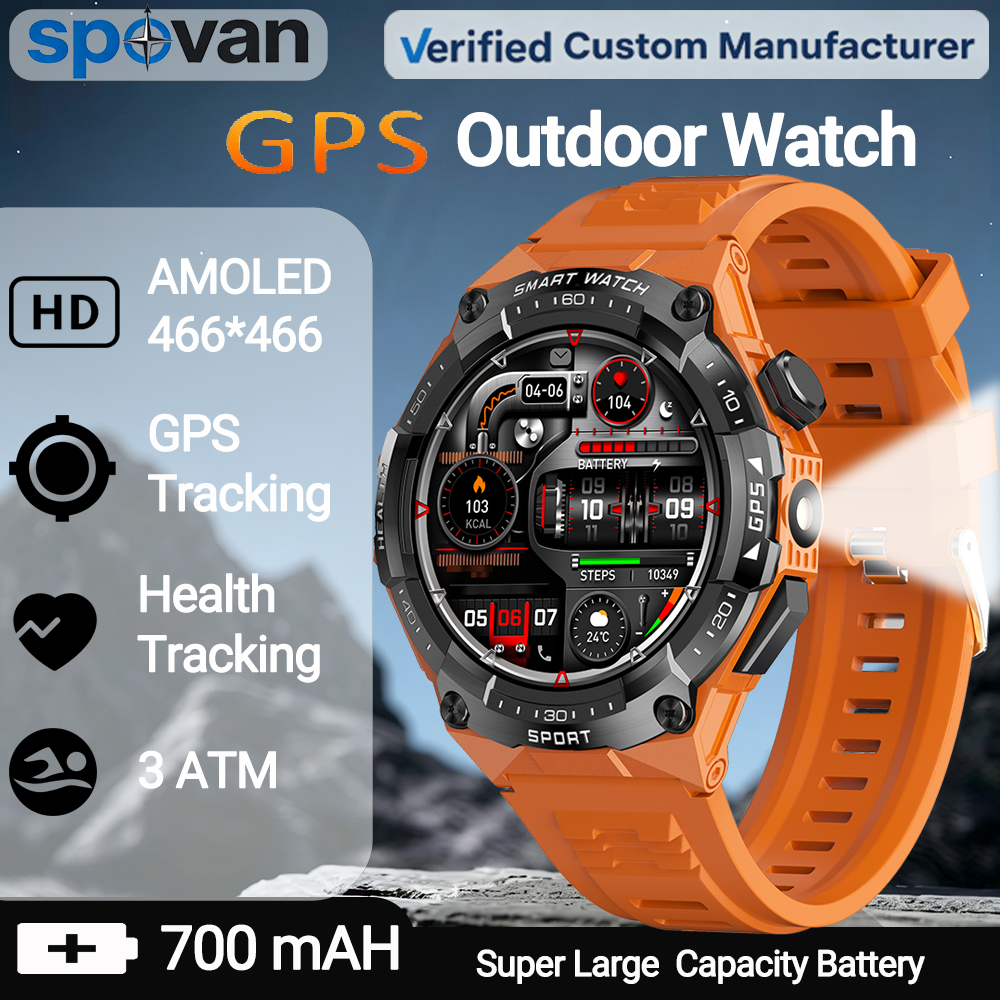
| Rugged Multi-GNSS Outdoor Watch | Sunlight-Readable Transflective | GPS/GLONASS/Galileo, Compass, HR | 3ATM / 5ATM Rugged | 10 to 18 Days (GPS off) | Agriculture Surveying, Border Patrol, Field Science |
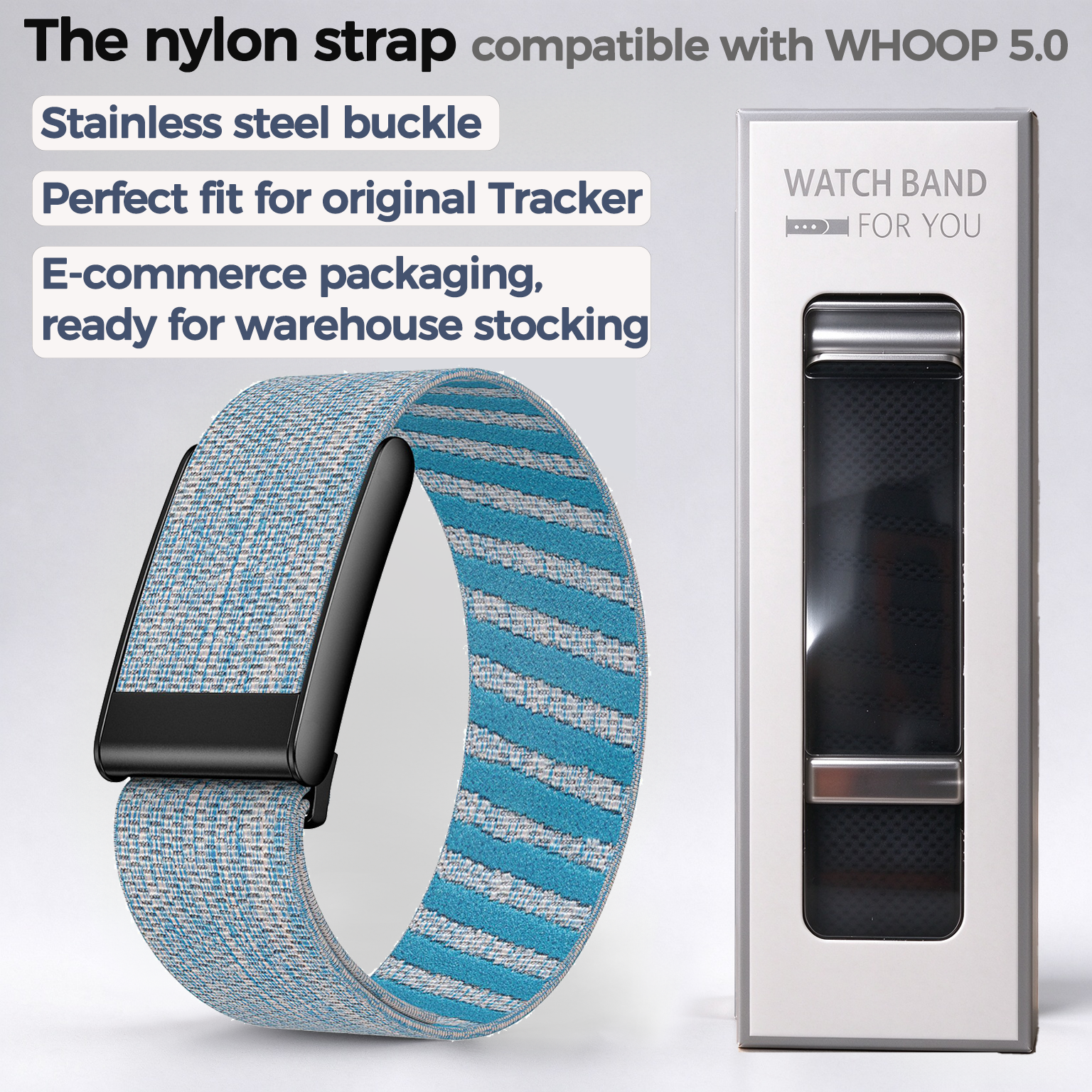
| Breathable Elastic Sensor Loops | Passive Ergonomic Strap | Maintains Skin-Sensor Optical Coupling | Washable / Quick-Dry | Passive (No Power) | High-Humidity Field Kits, Medical Accessory Wholesale |
Why Partner With Honsys
Shenzhen Manufacturing Precision Built for Global & Regional Importers
Combining end-to-end hardware customization, rigorous quality management, and international compliance documentation.
SGS On-Site Audited
Manufacturing facility and SMT production workflows independently verified on-site by SGS Group for technical capability and export integrity.
100% In-Line Inspection
Every single wearable undergoes multi-point optical test calibration, current leakage checks, and automated air-pressure seal testing prior to shipping.
Open SDK & API Provision
Unrestricted access to hardware communication protocols, BLE communication libraries, and demo code for bespoke software architecture integration.
Comprehensive Compliance
Fully compliant with FCC (US), CE-RED (Europe), RoHS, and EPR registrations (Germany & France) for hassle-free customs clearance.
Full-Spectrum OEM / ODM Engineering Support
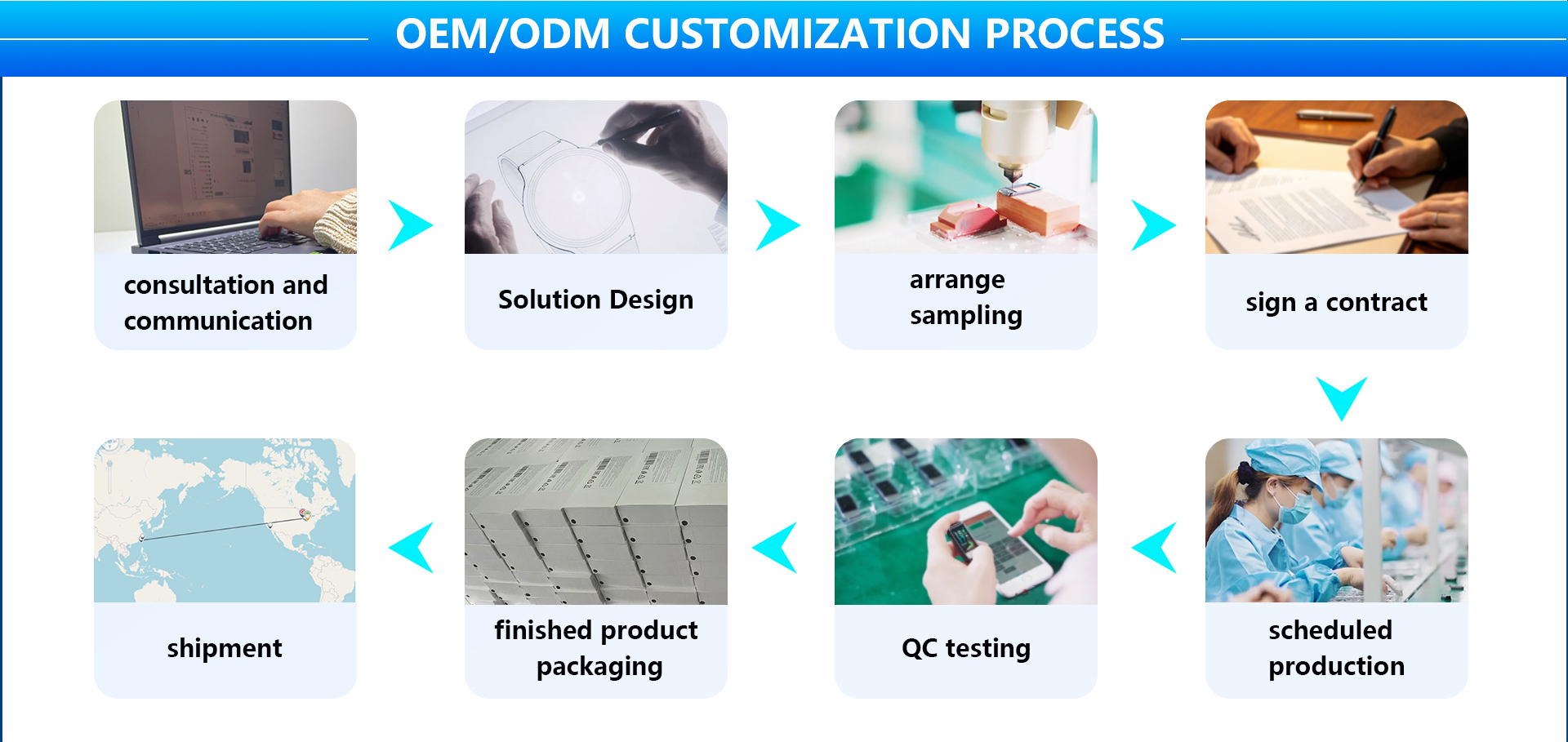
Shenzhen Honsys Technology Co., Ltd. provides comprehensive engineering and manufacturing solutions tailored to the operational demands of importers and brand distributors serving Timor-Leste:
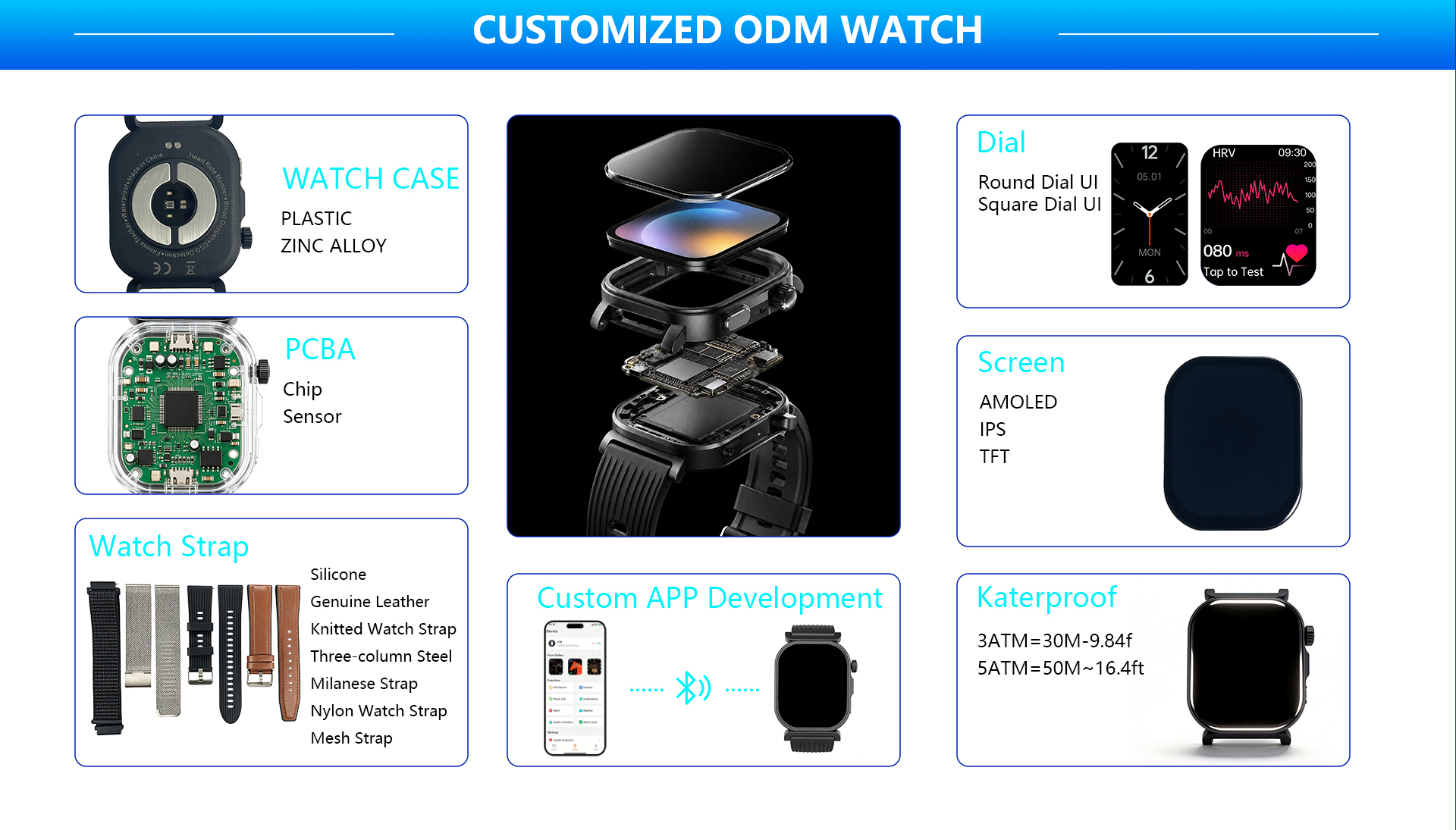
- Laser Marking & Branding: Precision laser etching of organizational logos, medical program insignias, or municipal brand marks directly onto zinc-alloy or polymer chassis.
- Firmware Customization: Tailoring of firmware algorithms, step length baselines, heart rate alert thresholds, and language localizations (English, Portuguese, Indonesian, or custom Tetum UI strings).
- Retail & Bulk Packaging: Customizable retail packaging designed to withstand tropical air freight and humid sea-transit containers, complete with multi-lingual user manuals and sterile seal options.
- 1-Year Warranty Protection: Complete replacement warranty on non-human defects backed by our Shenzhen engineering support depot.
Procurement & Commercial FAQ
Frequently Asked Questions by Importers Serving Maliana & Timor-Leste
Clear, direct answers regarding logistics, regulatory import terms, device endurance, and software deployment.
What are the shipping routes, lead times, and customs clearance procedures for Maliana?
Orders destined for the Maliana market typically dispatch from our Shenzhen manufacturing center via air express (DHL/FedEx) or consolidated ocean freight via Hong Kong / Yantian port directly to Dili (Tibar Bay Port or Presidente Nicolau Lobato International Airport). From Dili, bonded inland road freight transfers goods west along the northern corridor through Tibar and Liquiçá to Maliana, typically taking 1 to 2 business days under standard conditions.
Our trade team assists buyers with complete commercial documentation, including Commercial Invoices, Packing Lists, Certificates of Origin, and CE/FCC Declarations of Conformity required by the Timor-Leste Customs Authority (Autoridade Aduaneira). Standard mass production lead times are approximately 25 to 30 business days following sample approval.
Which currencies and international commercial payment terms do you support?
Because the United States Dollar (USD) is the official legal tender of Timor-Leste, transacting with our factory is exceptionally seamless. We invoice directly in USD, eliminating currency exchange volatility for local buyers. We accept international telegraphic transfer (T/T), confirmed irrevocable Letters of Credit (L/C), PayPal, and secure Escrow. Delivery terms include standard FOB Shenzhen/Yantian, CIF Dili, or door-to-door DDP (Delivered Duty Paid) via select freight forwarders.
How do the ECG and PPG sensors endure Maliana’s high humidity and dusty agricultural terrain?
Our devices feature true IP68 hermetic sealing, achieved through automated gluing machines and precision ultrasonic case welding. Every production unit undergoes automated air-leak vacuum testing. Dry-contact ECG electrodes are fabricated from surgical-grade stainless steel (316L) or titanium alloy, preventing oxidation from sweat or rain. The optical PPG window utilizes scratch-resistant, anti-reflective optical glass to resist micro-abrasions from fine airborne dust particles typical of agricultural environments in the Nunura basin.
Can we connect the smartwatch raw data stream to our proprietary clinic or NGO database?
Yes. We provide complete, unencrypted Bluetooth Low Energy (BLE) communication protocols, open SDKs for Android and iOS, and API documentation upon contract signing. This allows local health organizations or private software developers to ingest raw PPG pulse waveforms, continuous SpO2 readings, and 512Hz ECG biopotential vectors directly into local SQL or cloud databases without relying on third-party public cloud servers.
What are the Minimum Order Quantities (MOQ) for trial orders versus custom branding?
To support emerging digital health initiatives and local distributors in Maliana, we support sample evaluation orders starting from just 1 to 10 units for ready-to-ship models. For custom laser-etched logos, branded packaging boxes, and custom app boot screens, our standard production MOQ begins at 500 to 1,000 units depending on the specific casing configuration.
Are the physiological readings considered medical diagnostic grade?
Our wearable products are manufactured and calibrated as high-precision digital health and wellness monitors. While our sensor hardware delivers clinical-grade signal-to-noise ratios, they are intended for health screening, research reference, and lifestyle triage. Importers wishing to market the devices as certified Class II medical diagnostic apparatus within Timor-Leste or international jurisdictions must coordinate with local regulatory bodies, such as the Ministry of Health (Ministério da Saúde), for localized medical certification.
Initiate Your Smart Wearable Sourcing Program for Maliana
Whether you are establishing a decentralized cardiovascular screening program, expanding consumer technology distribution along the western border corridor, or requiring robust OEM/ODM production with open SDK support, Shenzhen Honsys Technology is your direct factory partner.