High-Reliability Marine & Maritime Smart Wearable Lineup
Engineered for high humidity, saltwater exposure, continuous biometric monitoring, and long-range oceanic operations across Sihanoukville ports, offshore trawlers, and aquaculture facilities.
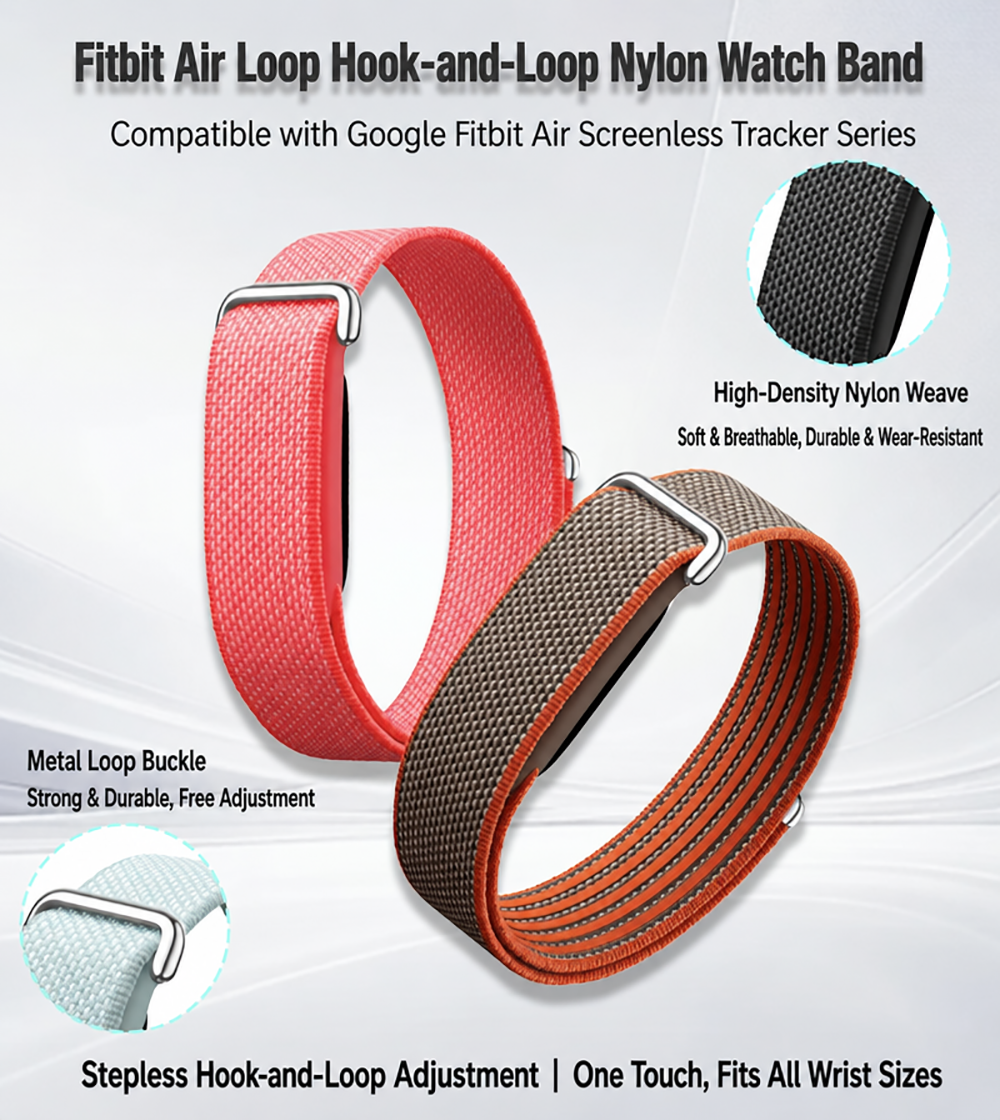
Nylon Sport Hume Band Replacement Strap Google Air Adjustable Wrist Band Women Men Breathable Fitness Tracker Starlight Sea
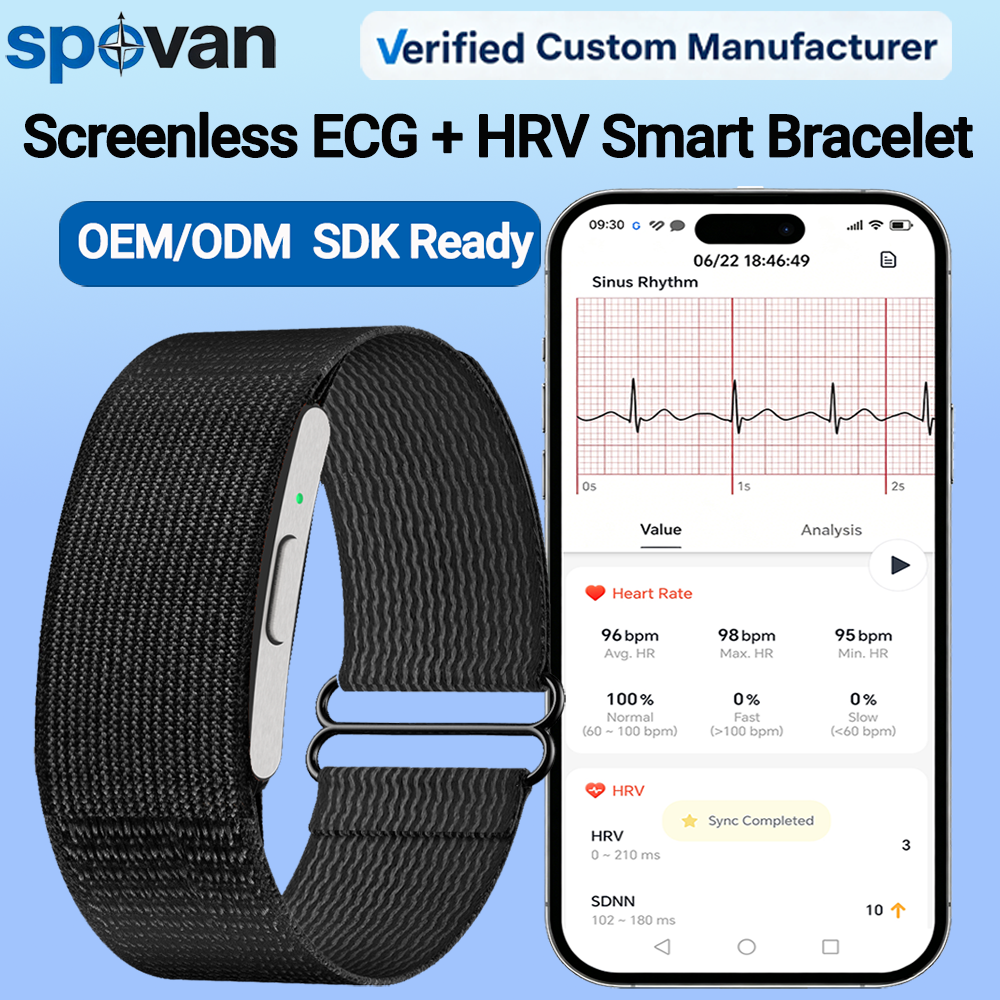
Screenless Smart Bracelet ECG+PPG HRV Sleep Health Monitor Open SDK API for OEM ODM Professional No-screen Fitness Band
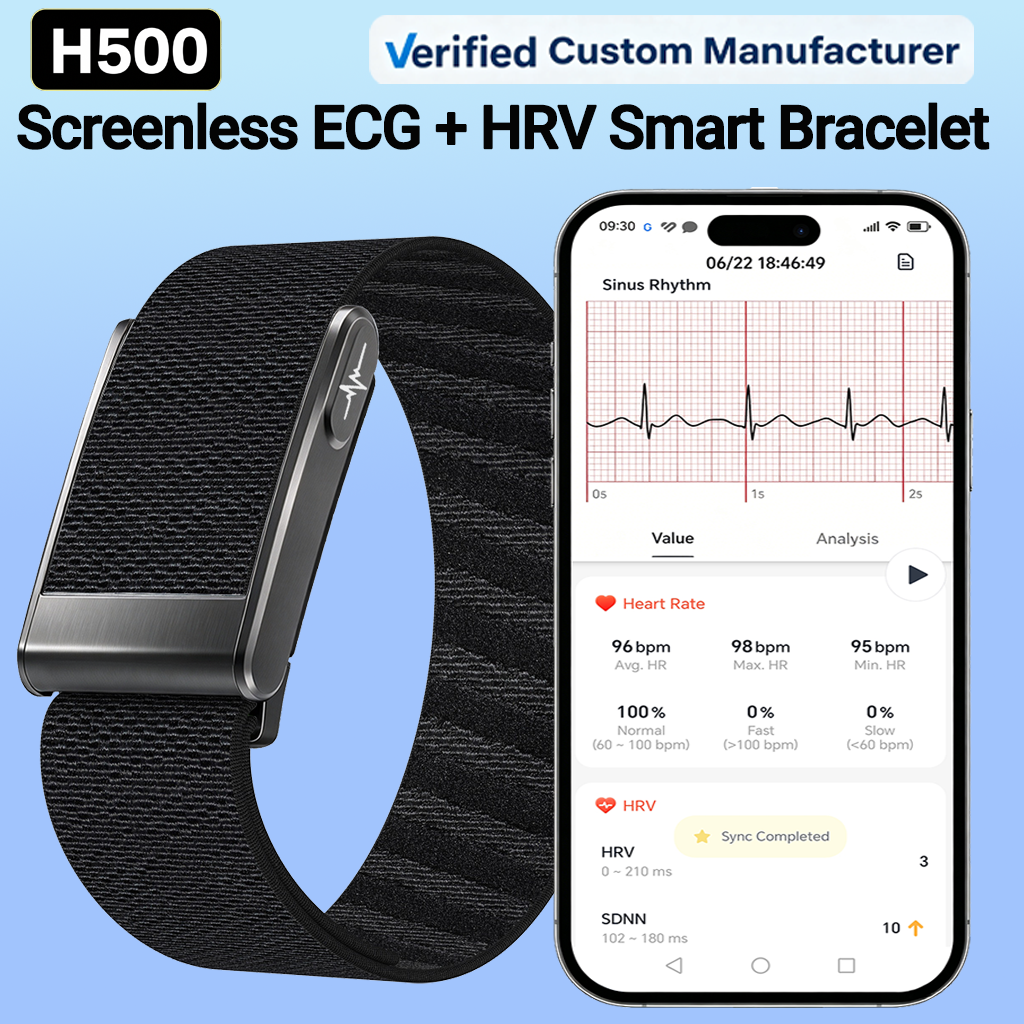
ECG HRV Smart Band Screenless Health Tracker Fitness Wristband Heart Rate Monitor Bracelet Factory OEM ODM Customized Service
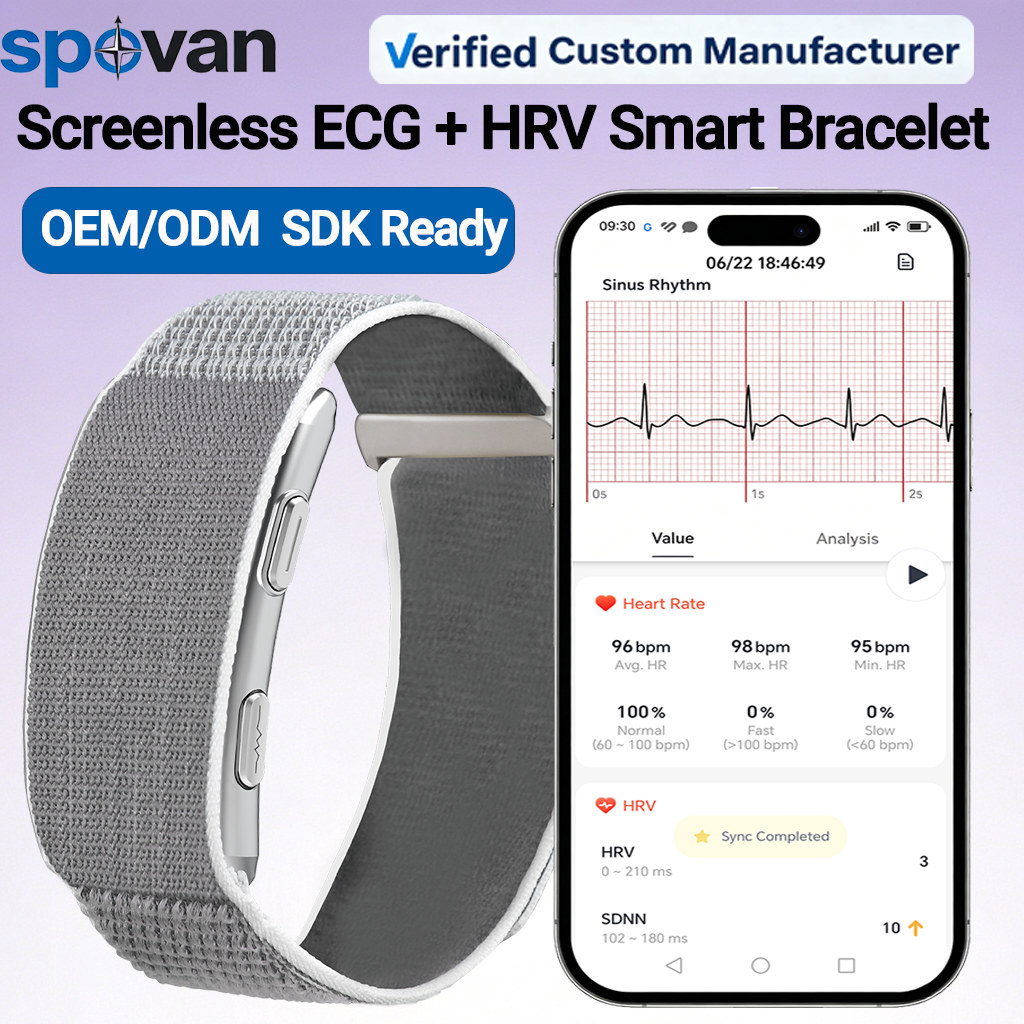
Screenless Metal ECG Smart Bracelet 24/7 Heart Rate Blood Oxygen Monitoring IP68 Waterproof Sports Health Tracking SDK Ready
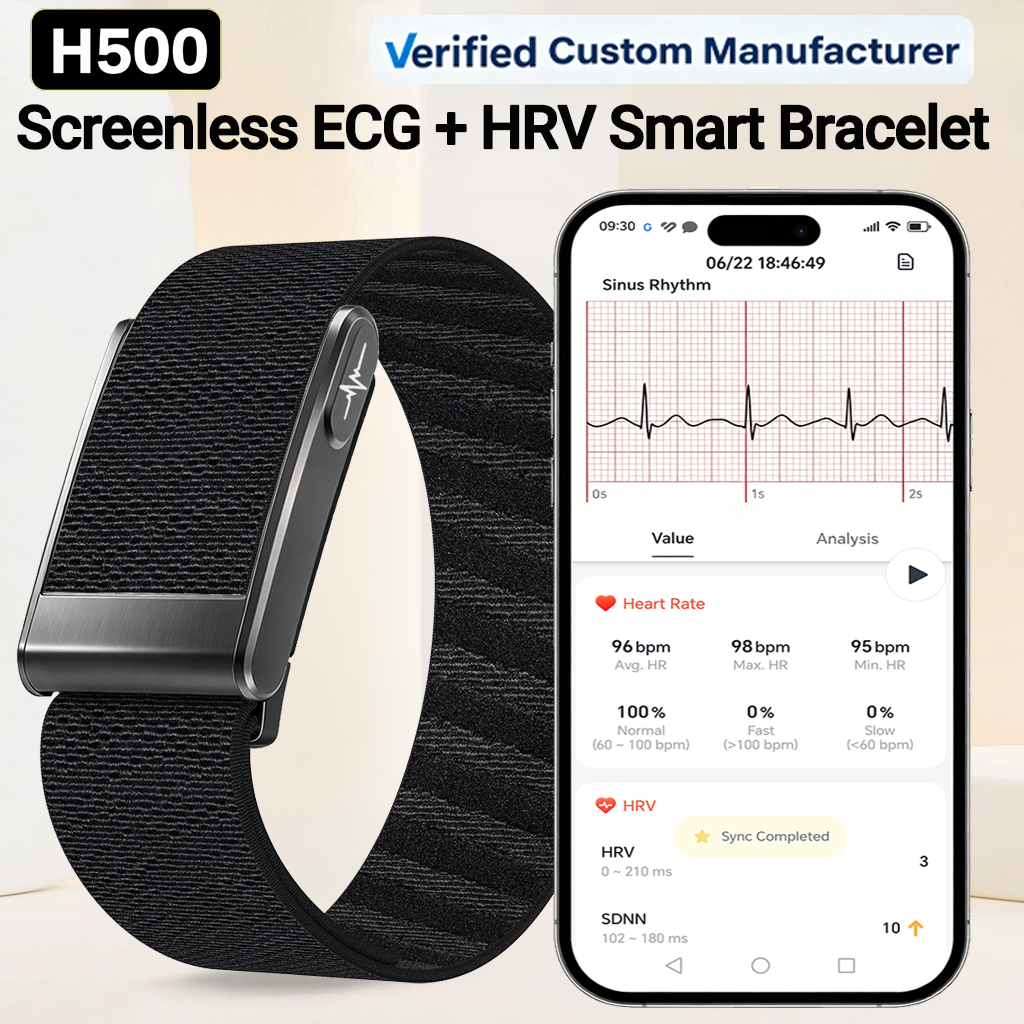
Spovan Screenless Smart Bracelet ECG HRV Fitness Tracker Without Screen IP68 Waterproof Heart Rate Sleep Monitor OEM ODM
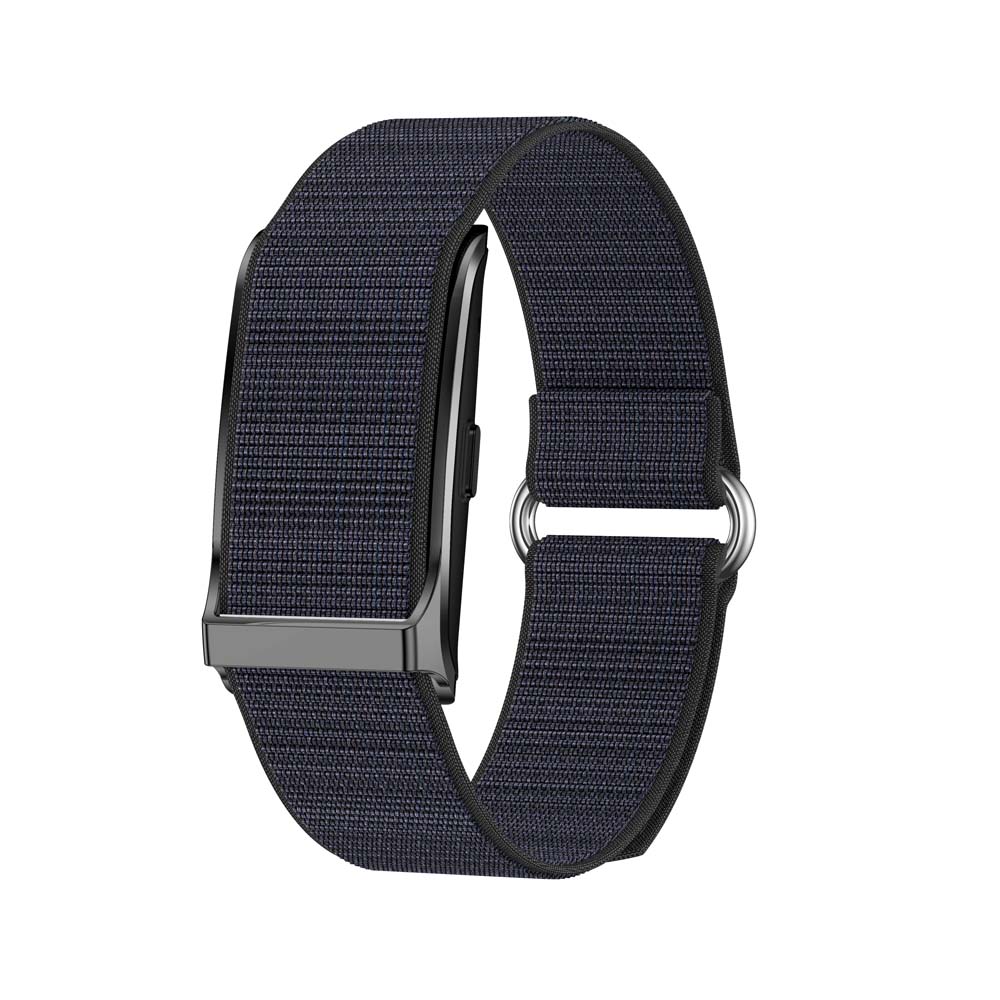
Wholesale Fashion Waterproof Fitness Tracker HRV Intelligent Screenless Smart Band for Men Women
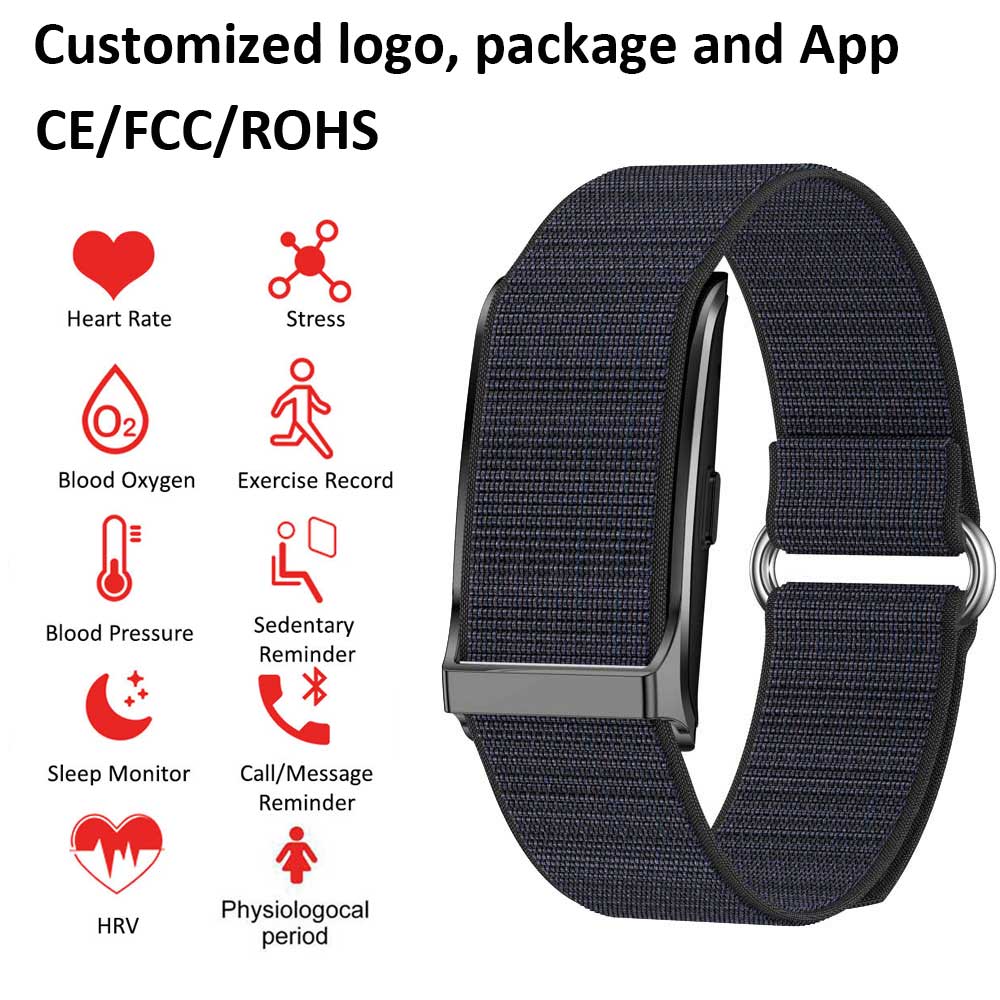
Wholesale Customized Heart Rate Blood Pressure Fitness Tracker Sport Reloj Inteligente Smart Bracelet With SDK API
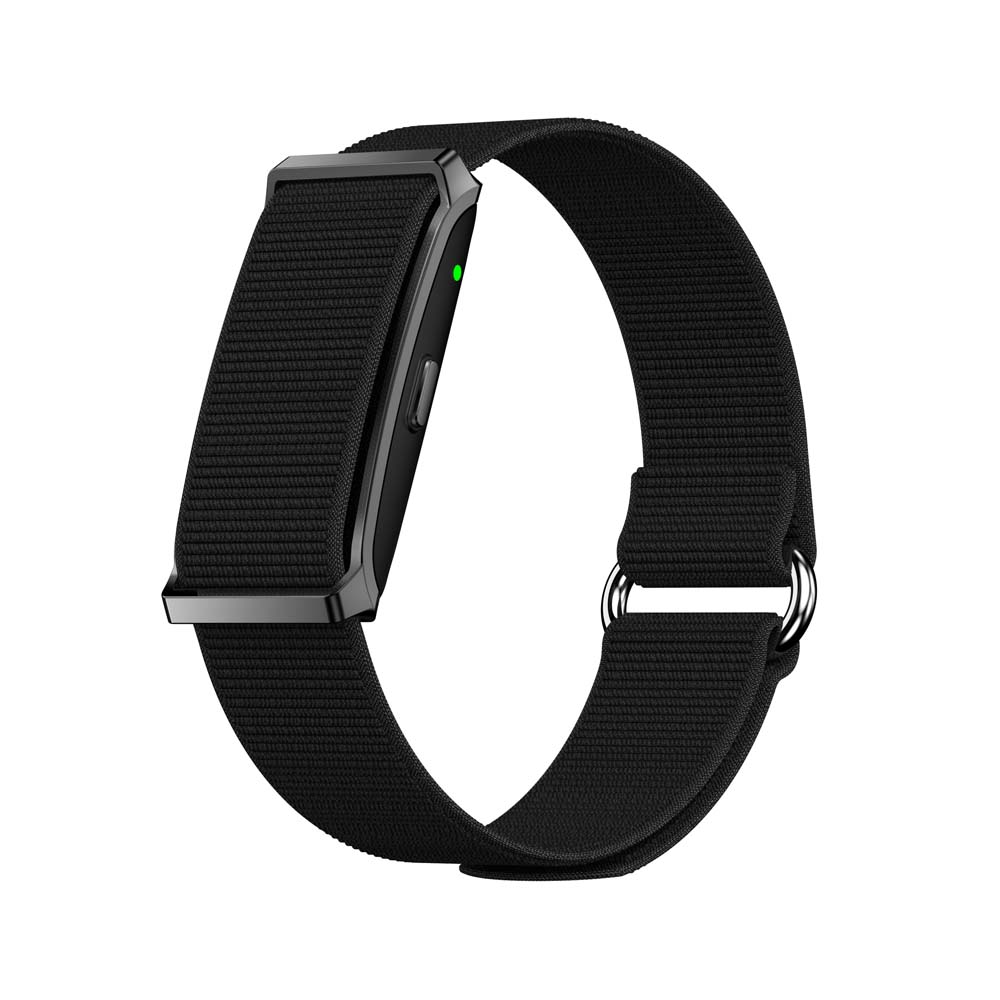
Wholesale Customized Men Women Waterproof Men Women OEM PPG Smart Bracelet With SDK
1. Executive Summary & Maritime Dynamics in the Sihanoukville Coastal Corridor
As Cambodia’s premier deep-water maritime gateway, Sihanoukville (Preah Sihanouk Province) has rapidly transformed from a conventional fishing anchorage into a strategic hub for maritime trade, industrial deep-sea aquaculture, commercial trawler fleets, and high-end marine ecotourism. Flanked by the Gulf of Thailand, the port cluster handles more than 70% of Cambodia's container throughput while simultaneously supporting an artisanal and commercial fishing fleet of over 4,500 licensed and semi-autonomous motorized marine vessels. The harsh environmental profile of this tropical corridor—characterized by seawater salinities ranging between 31 and 33 PSU, ambient sea-surface temperatures surpassing 30°C, extreme monsoonal humidity (RH > 88%), and relentless solar ultraviolet irradiance—imposes punishing demands on wearable microelectronics.
Historically, commercial fishermen, deep-sea longliners, and sports fishing operators operating around Koh Rong, Koh Rong Sanloem, and the Koh Sdach archipelago relied on rudimentary handheld VHF transceivers, standalone chartplotters, or non-waterproof consumer electronics. This lack of robust personal telemetry led to elevated occupational hazards, including unmonitored crew heat-strain incidents, cardiovascular fatigue during multi-day offshore trawling, and delayed responses to man-overboard (MOB) occurrences. To bridge this critical technological divide, Shenzhen Honsys Technology Co., Ltd. has developed an OEM/ODM portfolio of specialized fishing smartwatches, no-screen telemetry bracelets, and connected sensor suites designed specifically to survive saline corrosion, mechanical shock from deck equipment, and prolonged ocean submersion.
By pairing high-grade hermetic sealing techniques, such as silicone-gasket injection molding and ultrasonic acoustic welding, with low-power Bluetooth Low Energy (BLE 5.2/5.3) transceivers and open SDK/API software layers, our factory supplies Sihanoukville fleet managers, logistics operators, and regional distributors with custom-engineered telematics devices. These units interface directly with shipboard IoT gateways, satellite transponders, and mobile operating platforms, creating an unprecedented safety and productivity infrastructure for Cambodia's blue economy.
2. Localized Maritime Application Scenarios in Preah Sihanouk Waters
Deploying smart wearable devices in Sihanoukville requires solving domain-specific operational challenges across four distinct marine sectors: commercial trawl fisheries, coastal mariculture, marine logistics at the Sihanoukville Autonomous Port (PAS), and charter sports angling.
Commercial Trawlers & Deep-Sea Fleets
Crews operating multi-day sweeps across the outer continental shelf face severe heat-stress, sleep deprivation, and physical strain when handling heavy trawl nets and hydraulic winches. Screenless ECG and PPG bands continuously track HRV and heart rate, firing discreet haptic vibration alerts to warn crew chiefs when deckhands cross physiological exhaustion thresholds, significantly reducing on-board accidents.
Coastal Mariculture & Cage Farming
Around Stung Hav and Steung Hav Bay, cage farmers tending sea bass, grouper, and mud crab work immersed in brackish and hyper-saline water for extended shifts. With IP68 waterproofing and 316L stainless or titanium electrode contacts, our wearables maintain pristine diagnostic accuracy without experiencing galvanic electrode corrosion or contact degradation.
PAS Port Logistics & Stevedoring
Stevedores, crane operators, and terminal handlers at the Sihanoukville Autonomous Port navigate intense 24/7 operating cycles. Screenless telemetry bands collect continuous motion, thermal, and cardiovascular trends, streaming data to localized occupational health dashboards via edge Bluetooth access points installed across shipping berths.
Technical Integration with Vessel AIS and Satellite Transponders
One of the most transformative implementations in the Sihanoukville maritime domain is the pairing of smart wearables with shipboard automated identification systems (AIS) and Iridium satellite communication modems. When a crew member wearing our open-SDK smart bracelet falls overboard, the abrupt loss of localized Bluetooth RSSI signal or an abrupt change in multi-axis accelerometer and barometric sensors triggers a high-priority "MOB Alert" on the bridge chartplotter. This micro-telemetry setup operates autonomously without requiring costly proprietary satcom hardware on each individual worker, giving Sihanoukville fleet owners an affordable, life-saving technological edge.
3. Emerging Trends in Sihanoukville's Maritime & Smart Wearable Sector
Driven by Cambodia's National Strategic Development Plan, maritime modernization initiatives, and increasing investments in sustainable fishing under regional ASEAN pacts, the market for connected marine hardware in Sihanoukville is experiencing an irreversible paradigm shift.
Shift from Consumer to Rugged Marine Spec
Local electronics merchants and maritime supply houses in Sihanoukville are systematically phasing out fragile domestic consumer bands. The demand is pivoting toward corrosion-resistant zinc alloys, fluoroelastomer and fast-drying marine nylon straps, and IP68 hermetically sealed enclosures capable of withstanding 50-meter hydrostatic pressure loads.
Adoption of Decentralized Health Telemetry
Large-scale fishing cooperatives and cold-storage processors along Mittapheap and Prey Nob are adopting cloud-integrated biometric dashboards. Fleet owners utilize our open SDK and RESTful APIs to ingest onboard biometric data upon docking, standardizing workplace wellness audits and satisfying stringent seafood export compliance frameworks.
Growth of Digital Charter & Sport Angling
Sihanoukville's burgeoning sport-fishing tourism sector—catering to international anglers hunting billfish, Spanish mackerel, and giant trevally—is fueling sales of GPS-enabled smartwatches. Anglers demand localized barometric pressure logging, lunar tide predictions, and biometric effort quantification integrated into stylish wristwear.
Regulatory Catalysts & Sustainable Fishery Modernization
With Cambodia’s Fisheries Administration (FiA) reinforcing measures against Illegal, Unreported, and Unregulated (IUU) fishing, commercial vessel operators are modernizing their fleets with certified digital tools. Maritime insurers are also exploring tiered policy discounts for vessel operators who mandate wearable safety monitoring devices among crews, establishing an inevitable growth runway for certified smart wearable suppliers over the next decade.
Why Sihanoukville Importers Partner with Shenzhen Honsys Technology
Combining 15 years of tier-one electronics engineering in Shenzhen with dedicated overseas export experience since 2012, Shenzhen Honsys Technology Co., Ltd. provides Cambodian marine enterprises with reliable, direct-from-source procurement advantages.
Uncompromising Quality Control for Coastal & Marine Wearables
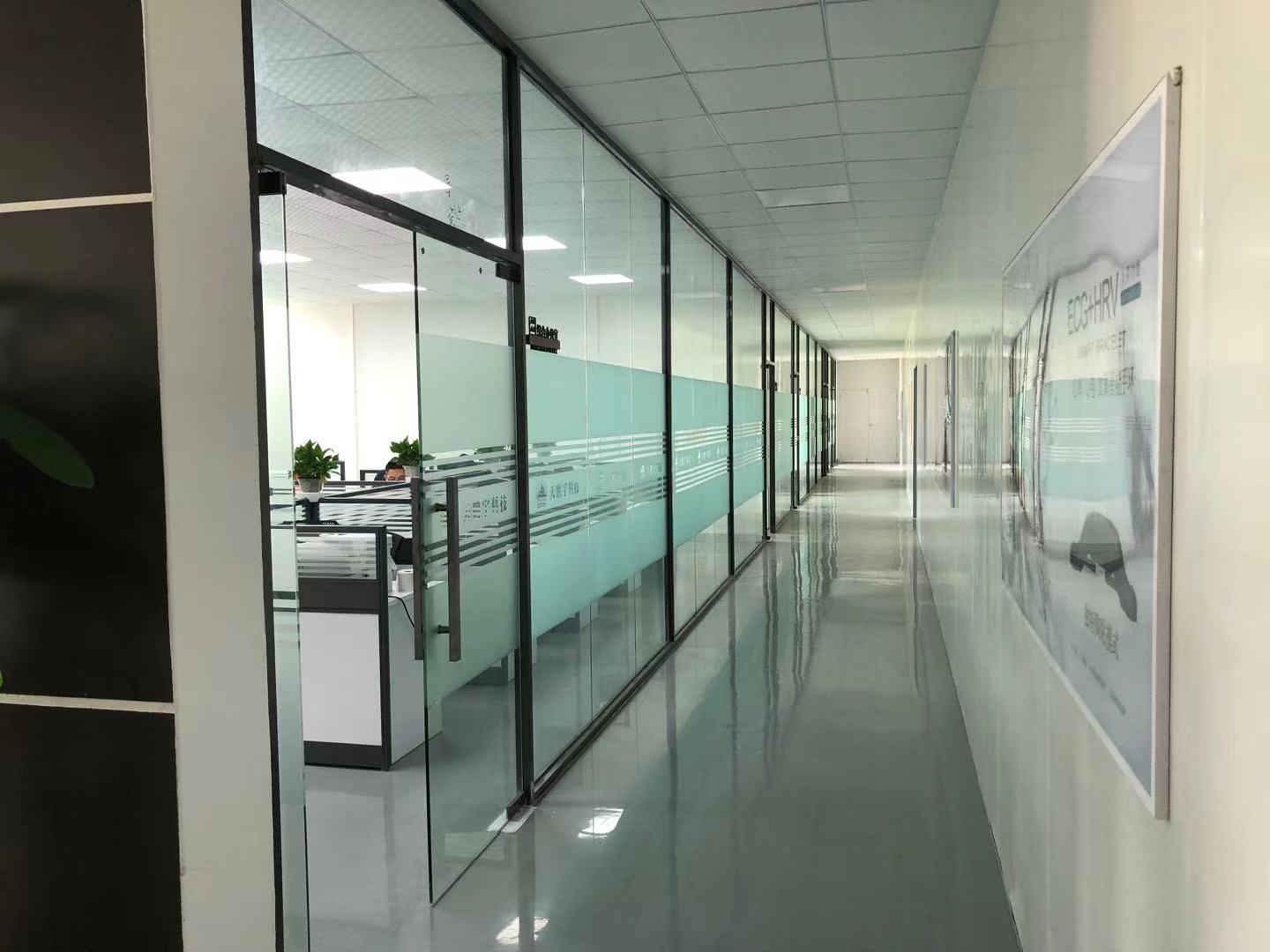
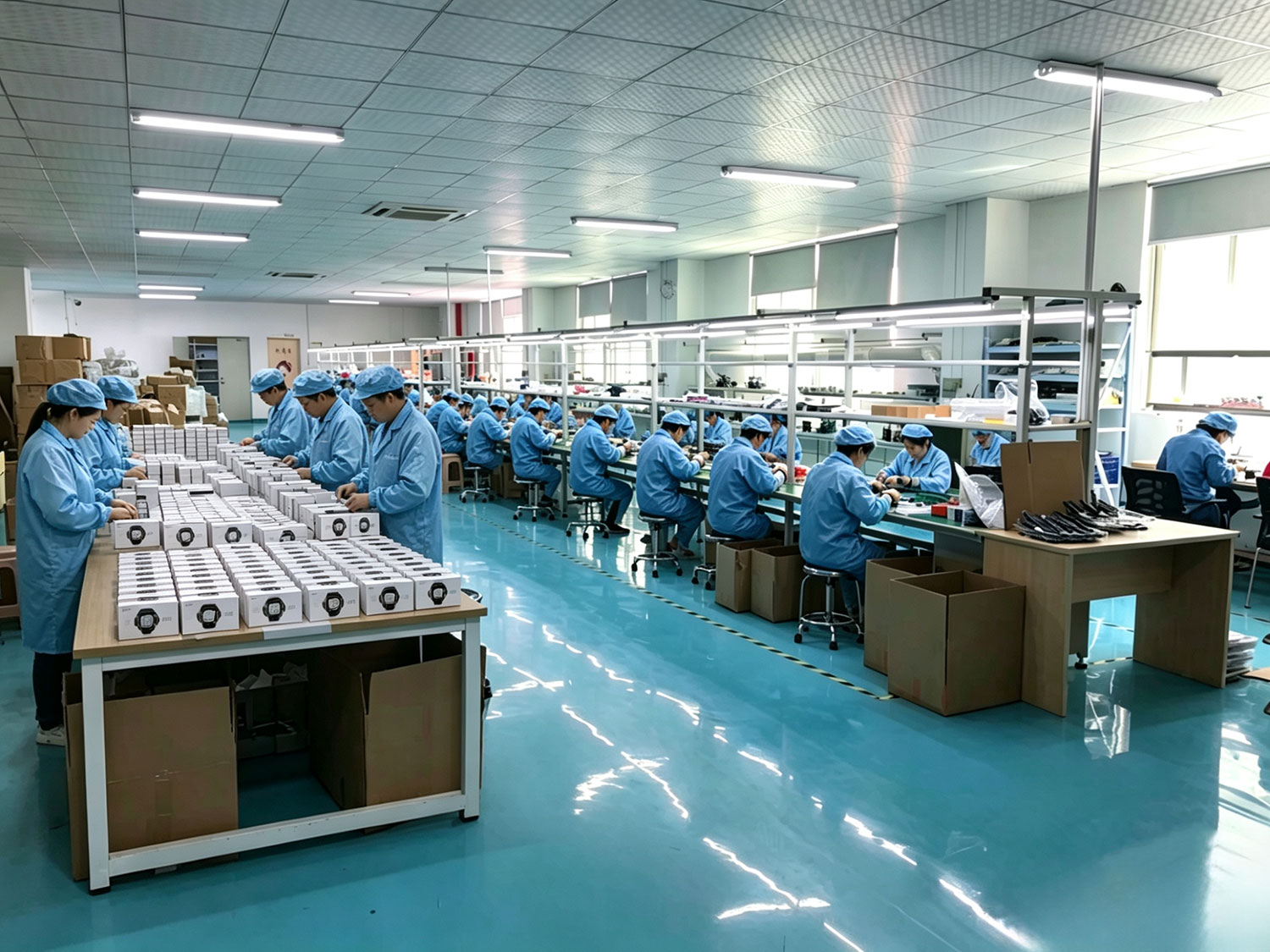
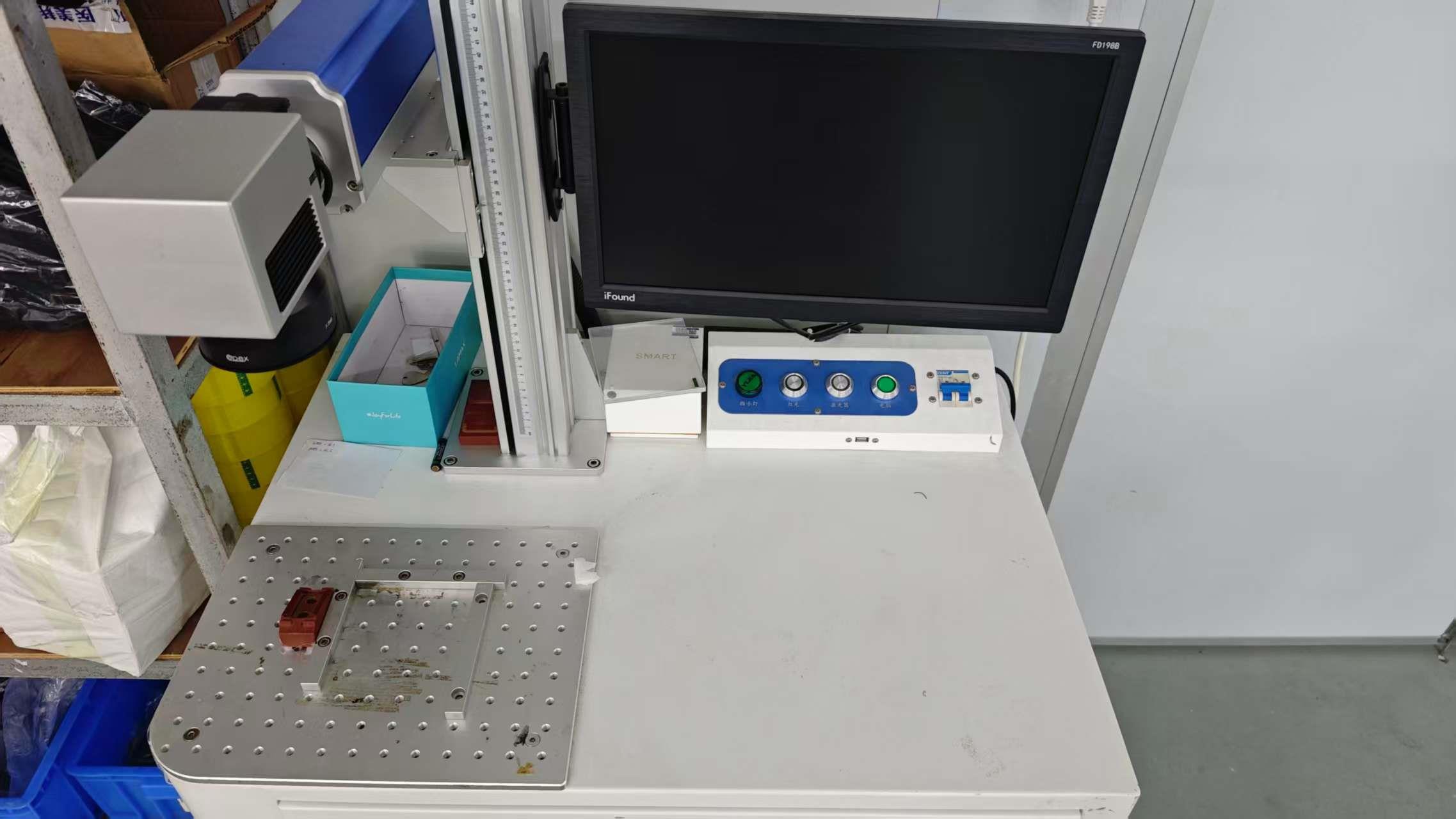
Operating from Shenzhen—the world’s leading hub for wearable technology—Honsys maintains strict quality assurance across every stage of development, from raw component qualification through automated surface mount technology (SMT) and final ultrasonic sealing.
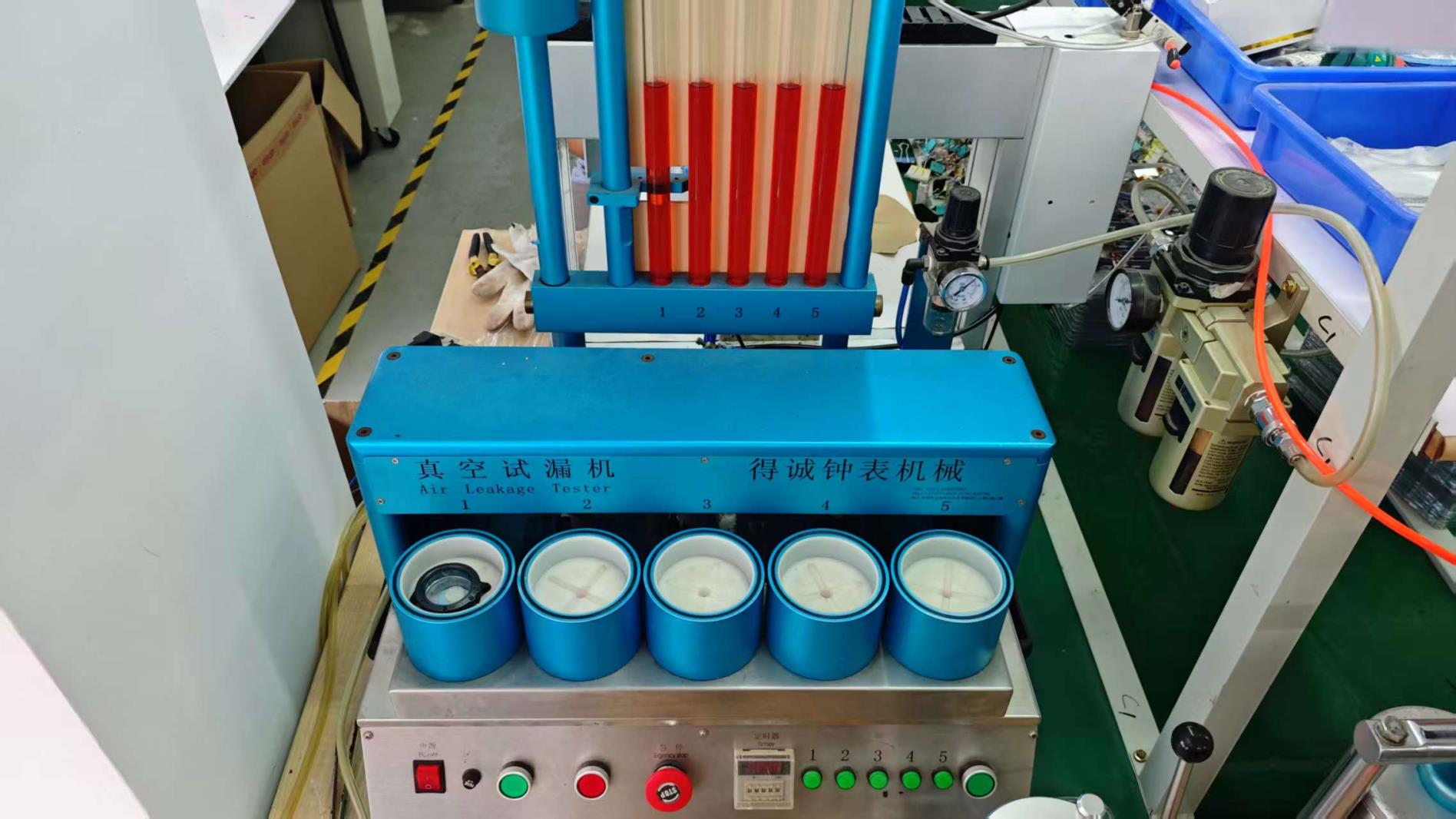
- 100% In-Line Pressure Leakage Testing: Every waterproof chassis undergoes high-pressure air and immersion vacuum chambers, guaranteeing real-world IP68 and 3ATM/5ATM integrity.
- Independent SGS On-Site Verification: Our facilities, cleanrooms, and testing benches have been independently assessed on-site by SGS Group, giving corporate buyers verified accountability.
- Complete Regulatory Compliance: Certified with FCC, CE, and RoHS standards, accompanied by official Declarations of Conformity and European EPR registrations.
- Open Architecture SDK & API Integration: We deliver direct access to Bluetooth raw data packets, enabling local software developers to integrate heart rate, SpO2, and acceleration directly into custom Khmer/English fleet apps.
- Rapid Turnaround & Flexible Logistics: Standard bulk runs dispatch within approximately 30 days via FOB Yantian, Shenzhen, or Hong Kong, with rapid multimodal transit options into Sihanoukville Port.
Frequently Asked Questions for B2B Sourcing in Sihanoukville
Key operational and commercial answers prepared by our sales engineering team to assist fleet managers, marine electronics retailers, and logistics purchasing directors.
How do Honsys smart bracelets prevent saltwater corrosion during long offshore fishing expeditions?
Seawater corrosion occurs primarily at metal charging pins and sensor contacts. Honsys prevents electrolytic oxidation by using medical-grade SUS316L stainless steel or titanium alloy electrode surfaces, coated with anti-corrosive vacuum PVD (Physical Vapor Deposition) gold or rhodium layers. Furthermore, internal electronic modules are treated with hydrophobic nanocoating, and our chassis enclosures utilize hermetic silicone O-rings with ultrasonic sealing, preventing saline intrusion even when subjected to thermal cycling and prolonged marine immersion.
Can your smart devices sync biometrics when fishing vessels travel beyond 4G/5G mobile tower range?
Yes. Our screenless smart bands and ECG smartwatches incorporate onboard non-volatile flash memory capable of caching up to 14–30 days of continuous physiological telemetry (heart rate, HRV, SpO2, sleep staging, and activity records). When a vessel returns to Sihanoukville harbor, or connects with a localized shipboard Bluetooth hub, data automatically offloads via high-speed BLE to the ship's terminal or syncs directly to the cloud once cellular connectivity re-engages.
What are the minimum order quantities (MOQ) and lead times for shipping to Sihanoukville?
For standard in-stock production platforms, sample evaluations start from 1 to 10 units to allow hands-on technical testing. Full custom OEM/ODM orders (including custom silkscreen branding, specialized wristband pigments, localized multilingual packaging, and customized firmware boot screens) generally start at 500 to 1,000 units depending on the model. Standard production cycle is approximately 30 days after sample sign-off, with direct maritime container or express air freight readily coordinated into Sihanoukville Autonomous Port or Phnom Penh International Airport.
Do you provide software development kits (SDK) and APIs for local Cambodian software integrators?
Yes. We provide complete, fully documented Android and iOS mobile SDKs along with RESTful cloud APIs. We furnish raw Bluetooth data communication protocols, cryptographic handshake guidelines, and sample code in Java, Kotlin, Swift, and Flutter. Local developers can quickly integrate biometric streams directly into bespoke maritime safety portals, industrial intranet platforms, or custom crew management applications without third-party cloud lock-in.
Are the heart rate, ECG, and blood oxygen readings suitable for medical diagnostic claims in Cambodia?
Our smart wristbands and watches are engineered as professional wellness, fitness, and occupational monitoring devices. While they utilize advanced optical PPG sensors and precision ECG contact electrodes capable of highlighting physiological anomalies, heart-rate variability trends, and hypoxic warning states, they are not intended to replace certified hospital diagnostic equipment. Buyers intending to market devices under official medical device categories in ASEAN jurisdictions must seek specialized clearance with relevant health ministries.
Which payment terms and international currency settlements are supported?
We support a broad spectrum of commercial settlement terms tailored to international trade: Telegraphic Transfer (T/T), Letter of Credit (L/C at sight), D/P, PayPal, Western Union, Credit Card, and Escrow. Multi-currency settlements are fully supported in USD, EUR, GBP, JPY, CAD, AUD, HKD, and CNY, enabling frictionless transactions for Cambodian companies and transnational trading syndicates.
Build Your Brand with an Industry-Leading Wearable Manufacturer
Whether you manage commercial fishing trawlers across the Gulf of Thailand, run maritime logistics at Sihanoukville Port, or operate a marine retail chain in Cambodia, partner with an established Shenzhen factory delivering world-class engineering, open SDK integration, and dependable OEM/ODM delivery.
Get a Quote