Featured Smart Bracelets & Wearable Biometric Platforms
Explore 8 precision-engineered wrist wearable architectures ready for custom branding, tailored firmware compilation, raw telemetry integration, and prompt sample evaluation in Silicon Valley.
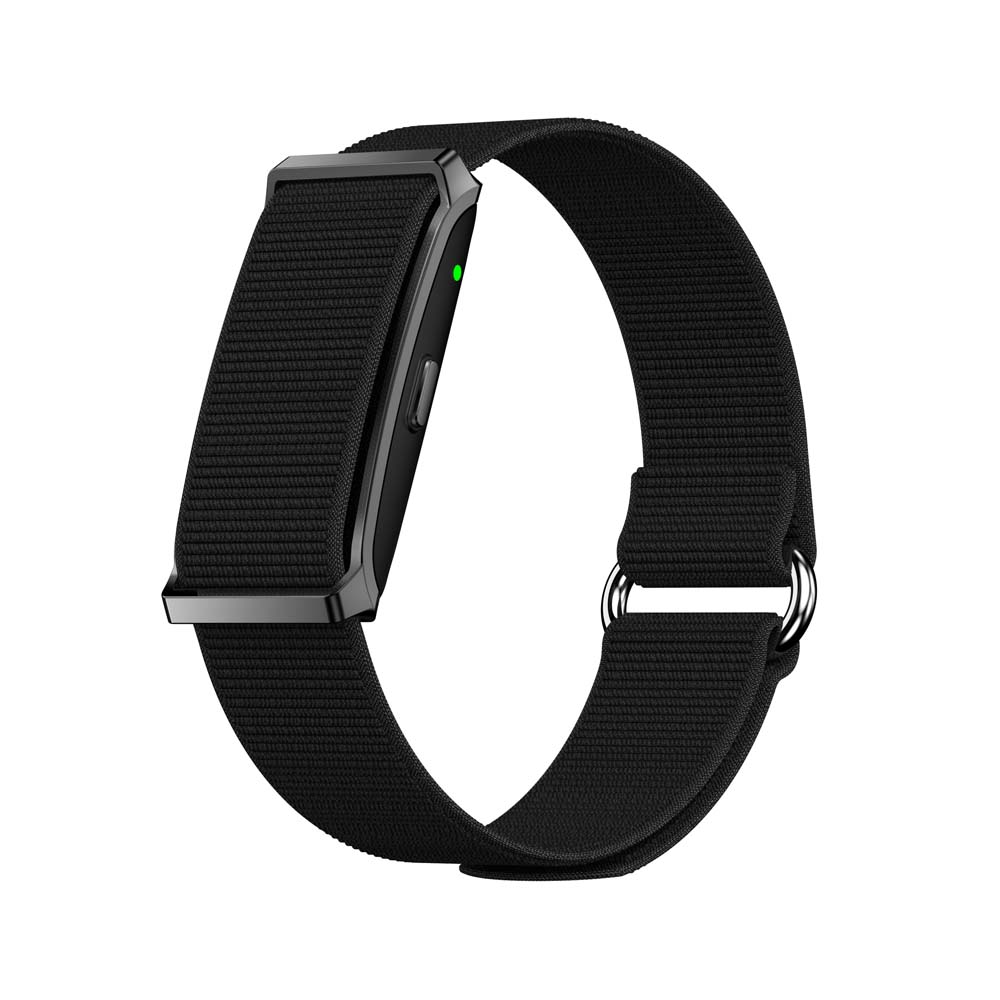
Wholesale Customized Waterproof OEM PPG Smart Bracelet With SDK
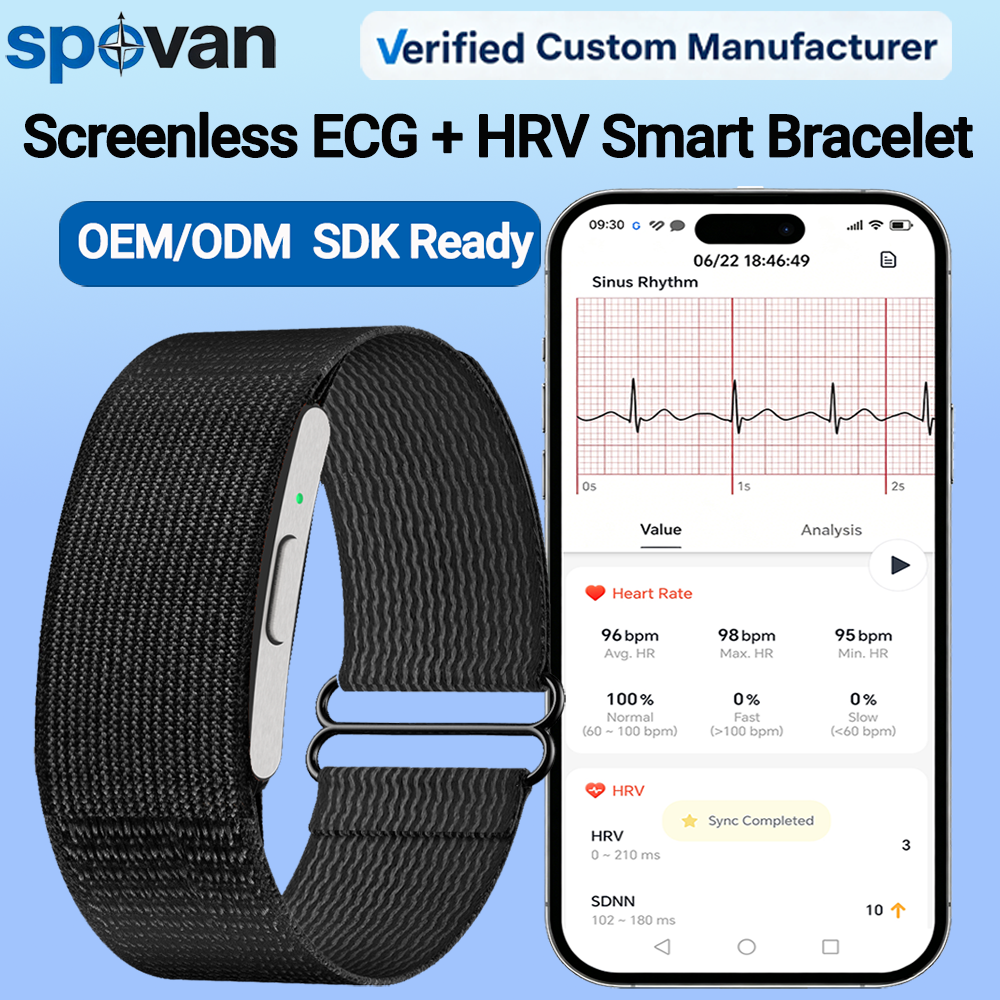
Screenless Smart Bracelet ECG+PPG HRV Sleep Health Monitor Open SDK API
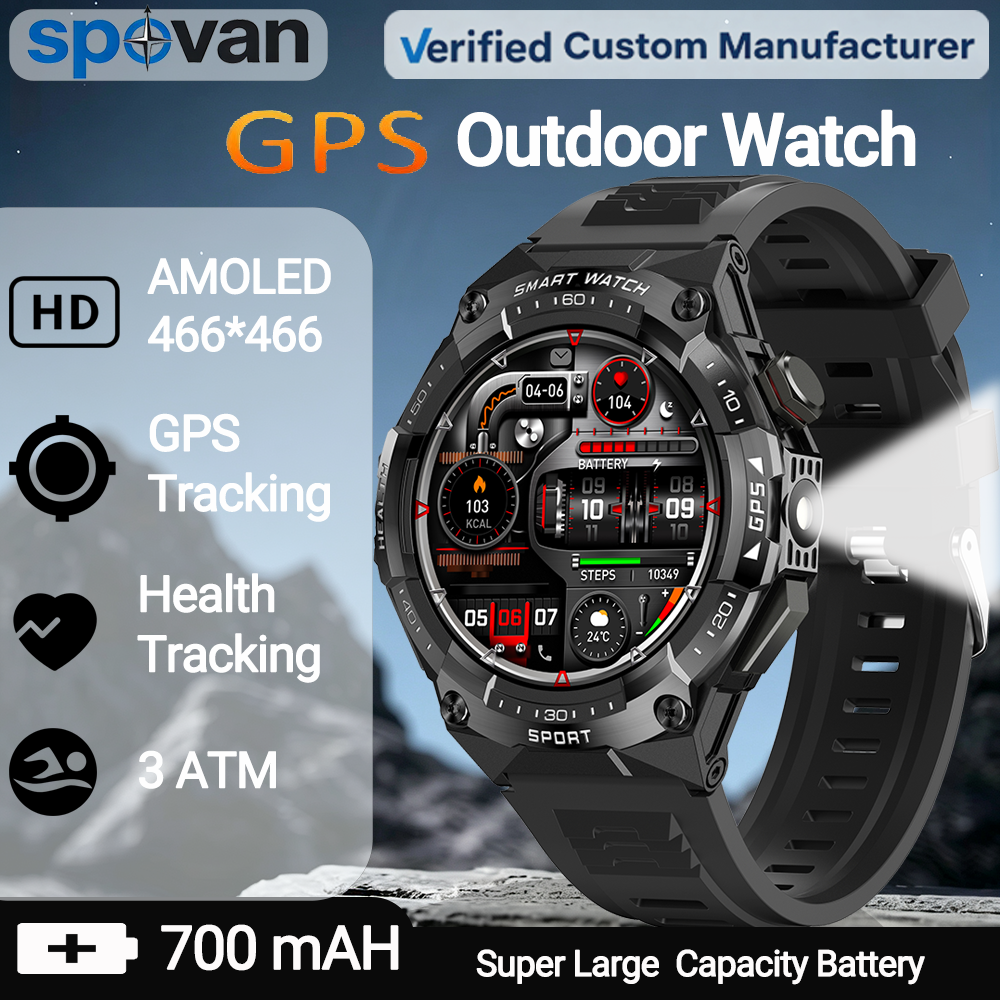
Wholesale GPS Smart Watch Outdoor Waterproof 3 ATM AMOLED 10-Day Battery
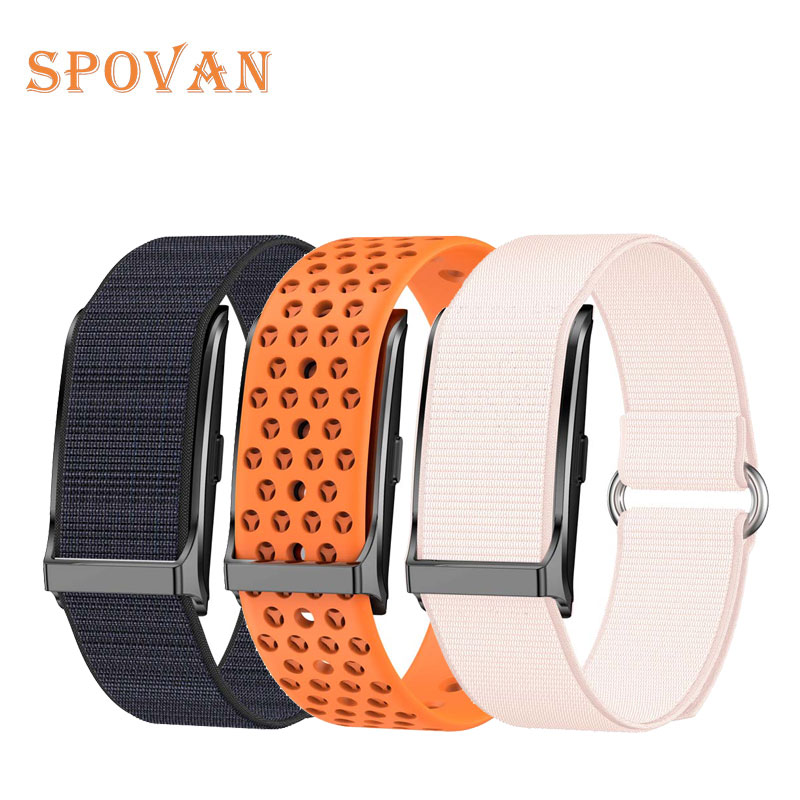
CE RoHS Customized Logo Health Monitor Smart Bracelet Without Screen
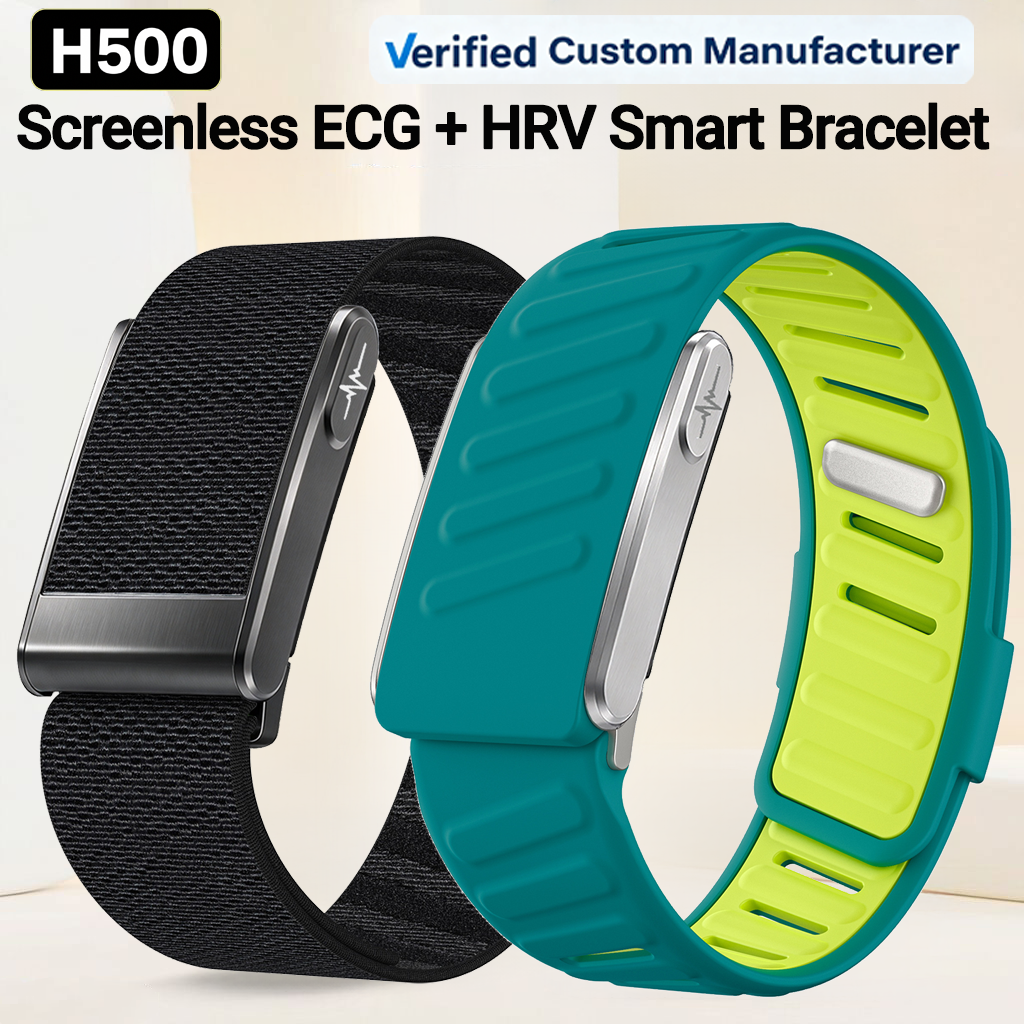
IP68 Waterproof Smartwatch Silicone/Nylon Band SDK API Heart Rate Tracker
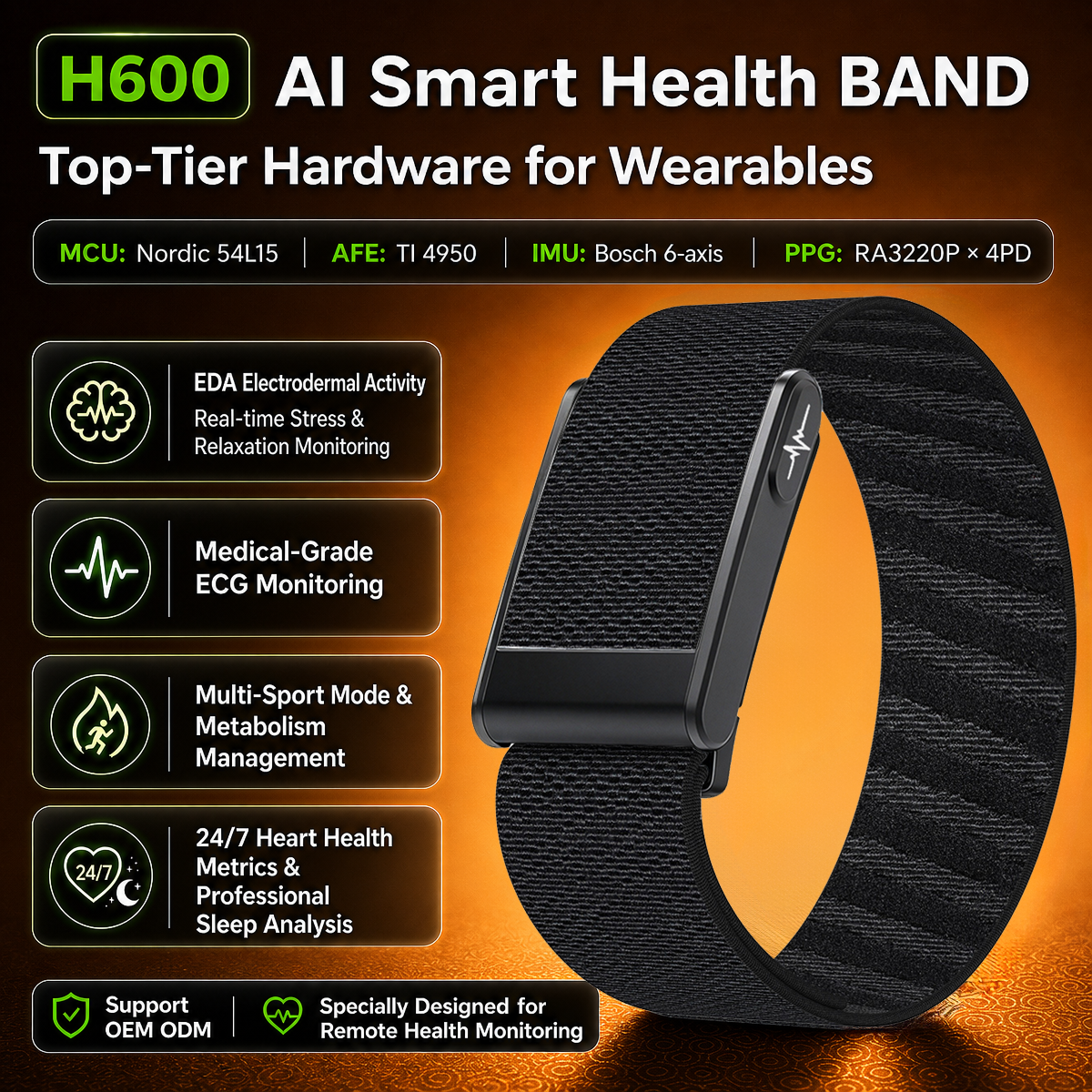
ECG HRV Sensor Screenless Smart Wristband Health Tracker Sports Daily Monitor
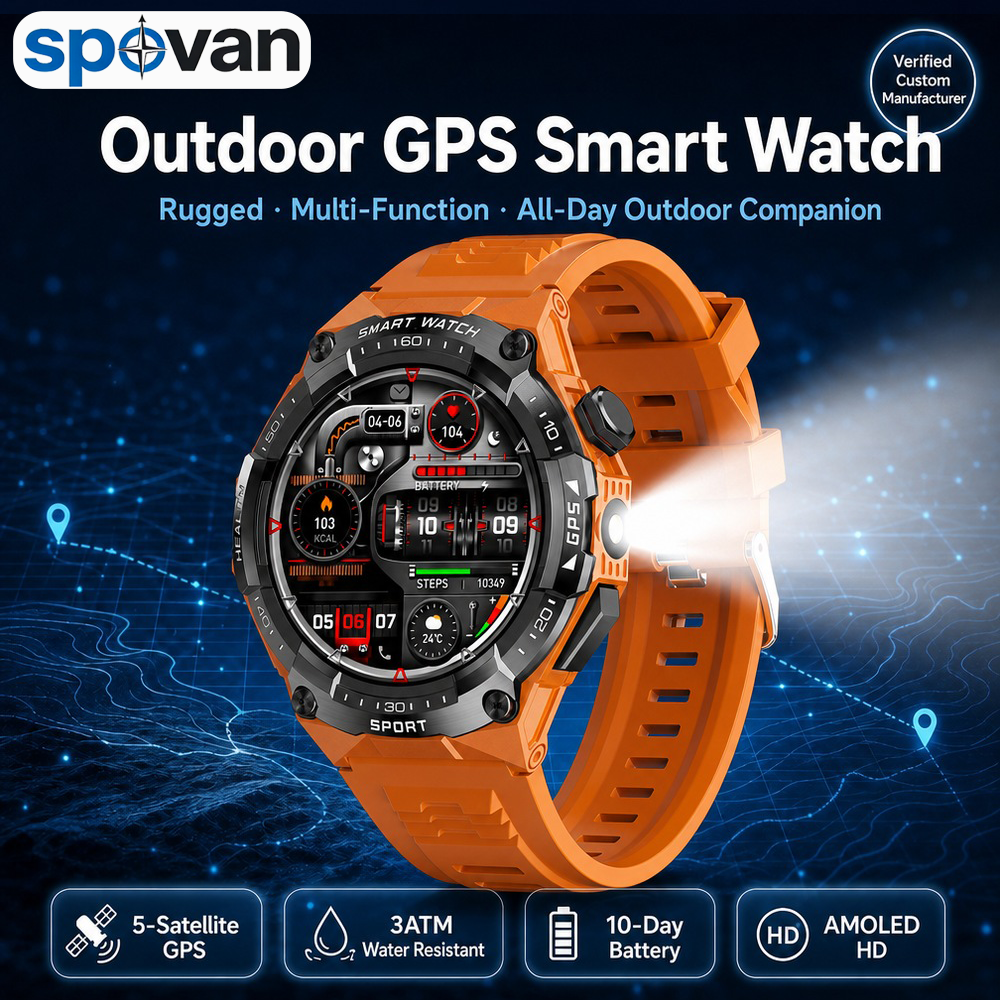
SPOVAN Rugged GPS Smartwatch Square IP68 3ATM Barometer Altimeter
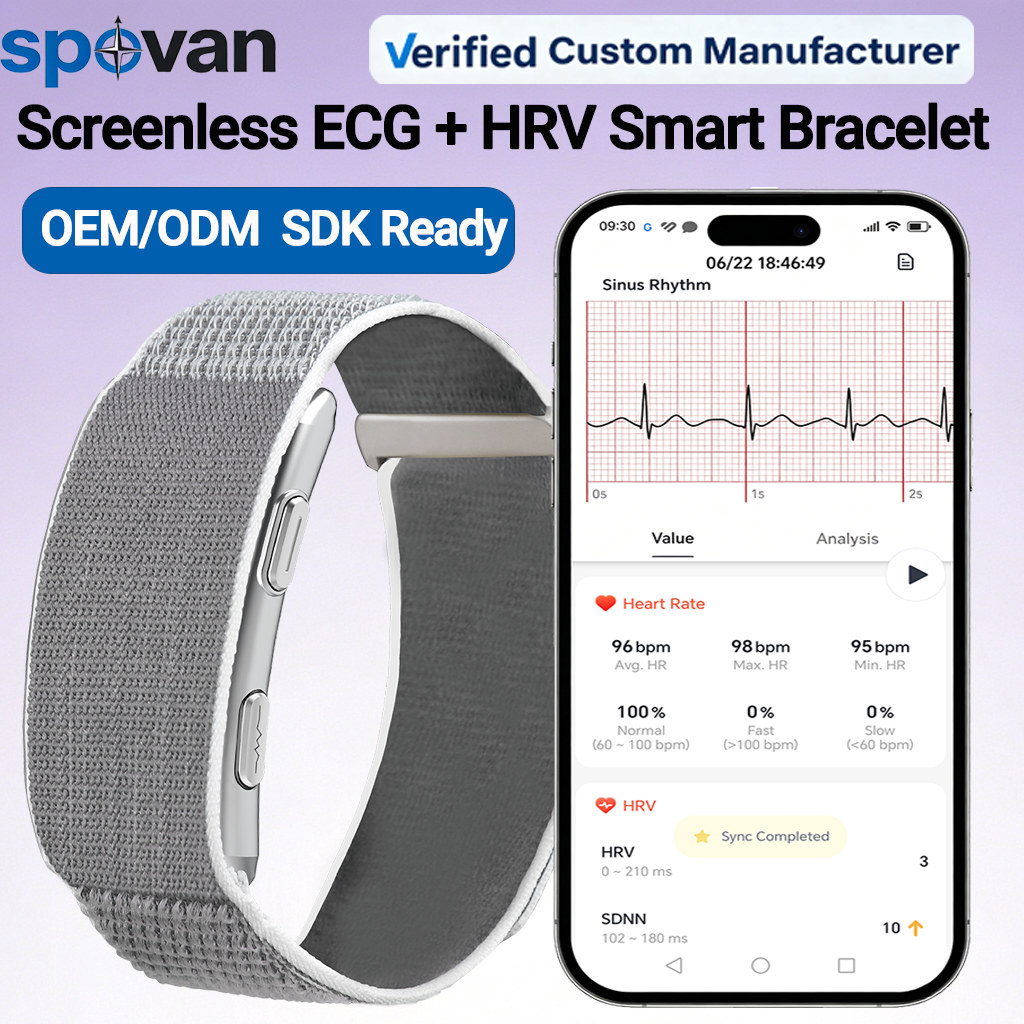
Screenless Metal ECG Smart Bracelet 24/7 Heart Rate Blood Oxygen IP68
Engineering Next-Gen Wrist Biometrics: The Silicon Valley Supply Chain Blueprint
An analytical overview for engineering directors, procurement officers, and health-tech founders in Santa Clara, Sunnyvale, San Jose, and the broader San Francisco Bay Area.
1. The Paradigm Shift: From Consumer Gadgets to Enterprise Biometric Nodes
Santa Clara sits at the epicenter of computing innovation, where consumer health tech converges with algorithmic data science, enterprise SaaS, and preventative medicine. In recent years, corporate procurement strategies across Santa Clara County have diverged sharply from off-the-shelf consumer fitness trackers. Technology enterprises, research universities, and digital therapeutics innovators are no longer searching for closed, walled-garden devices that trap biometric telemetry behind proprietary consumer interfaces.
Instead, enterprise buyers demand fitness bracelets with an open SDK/API framework capable of outputting high-fidelity raw signals—photoplethysmography (PPG) waveforms, electrocardiogram (ECG) voltage differentials, inter-beat intervals (IBI), and tri-axial micro-electro-mechanical (MEMS) accelerometer data. By deploying wristband devices engineered directly by verified manufacturing facilities like Shenzhen Honsys Technology Co., Ltd. (operating since 2010), Santa Clara organizations retain complete sovereignty over proprietary machine learning models, cloud ingestion architectures, and regulatory compliance standards.
2. Micro-Architecture: Sensor Fusion and Power Optimization in Wearable Hardware
High-integrity data collection begins at the silicon level. In fitness bands engineered for Silicon Valley deployments, Honsys incorporates energy-efficient ARM Cortex-M4F and Nordic Semiconductor BLE 5.3/5.4 system-on-chip (SoC) microcontrollers. The biometric sensor array combines multi-wavelength optical emitters (525nm green for continuous heart rate; 660nm red and 940nm infrared for pulse oximetry) with custom biopotential front-ends:
Dual-Frequency PPG Engine
Adaptive ambient light cancellation suppresses movement artifacts during dynamic exercises, enabling true 24/7 baseline physiological measurement.
Single-Lead ECG Front-End
Aviation-grade zinc alloy or titanium electrode rings conduct sub-millivolt cardiac potentials directly into high common-mode rejection ratio (CMRR) instrumentation amplifiers.
Screenless Power Budgeting
Eliminating high-draw AMOLED display panels stretches 130–180mAh lithium-polymer cells to deliver 15 to 30 days of unhindered continuous telemetry logging.
3. Comparative Platform Analysis for Santa Clara Enterprise Procurement
Selecting the ideal wearable form factor depends on data density requirements, user compliance incentives, and clinical objectives. The technical specifications below highlight key design parameters across Honsys’ manufacturing lines:
| Wearable Platform | Primary Biometric Sensors | Battery Life (Active Continuous) | Data Pipeline Protocol | Target Application In Silicon Valley |
|---|---|---|---|---|
| Screenless ECG/PPG Band | Titanium Electrodes, Dual-LED PPG, 3-Axis G-Sensor | 14–21 Days (24/7 background sampling) | Standard Bluetooth Low Energy GATT Services + Custom Binary Payload | Digital Therapeutics, Decentralized Clinical Trials, Chronic Stress Research |
| PPG Waterproof Smart Band | Continuous PPG (Optical Green), Skin Temp Sensor | 7–12 Days (continuous HR/SpO2) | Encrypted BLE 5.0, Android/iOS Native SDK Wrappers | Enterprise Corporate Wellness, Health Insurance Incentive Programs |
| ECG Touchscreen Smartwatch | ECG Lead-I, Dual PPG, 1.47"–2.0" TFT/AMOLED | 5–8 Days (daily screen interactions enabled) | Bidirectional Bluetooth, Cloud REST Sync via App | Consumer Fitness Brand Licensing, Telehealth Remote Patient Monitoring |
| Multi-Satellite Rugged GPS Watch | GPS/GLONASS/Galileo/BeiDou, Compass, Barometer | 36 Hours (Continuous GPS tracking), 10 Days (Smart Mode) | High-speed BLE 5.3 + USB Magnetic Dock | Industrial Lone-Worker Safety, Outdoor Athletic Performance Programs |
Santa Clara Enterprise & Research Application Scenarios
How Silicon Valley hardware incubators, clinical teams, and corporate organizations utilize our OEM/ODM fitness bracelet platforms.
Corporate Wellness in Tech Parks
Major employers along Great America Parkway and Augustine Drive deploy screenless fitness bands to promote employee well-being without introducing message notifications or workplace distraction.
Decentralized Clinical Trials (DCT)
Biomedical startups collaborating with Bay Area academic medical centers utilize our validated ECG and HRV telemetry bands for objective participant monitoring with guaranteed data integrity.
Remote Patient Monitoring (RPM)
Telehealth software platforms integrate our open Bluetooth APIs to automatically push blood oxygen, resting heart rate, and hypnograms to clinician dashboards via HIPAA-compliant mobile clients.
Industrial Workforce Safety
Advanced logistics hubs and semiconductor fab facilities in the South Bay use our ruggedized IP68 wristbands to track thermal strain, physical fatigue, and irregular physiological spikes in real time.
Wearable Procurement Trends in Santa Clara: 2025–2030
Strategic shifts observed among Northern California hardware purchasers, product engineers, and OEM brand builders.
1. The Rise of "Invisible Biometrics" & Screenless Aesthetic Adoption
Consumer screen fatigue has created a booming market for minimalistic, distraction-free wearable trackers. Santa Clara product managers increasingly specify hardware architectures without bright displays. A screenless band sits comfortably on the wrist 24 hours a day, recording nocturnal heart rate variability (rMSSD, SDNN), deep and REM sleep stages, and micro-awakenings without distracting the wearer with blue light emissions. This shift has elevated screenless smart bracelets into a top-performing category for our manufacturing facility.
2. Edge AI & Anomaly Detection in Firmware
Rather than streaming heavy raw data packets continuously over Bluetooth—which quickly depletes battery reserves—Silicon Valley firmware engineers increasingly require embedded edge filtering. Honsys provides configurable firmware that processes peak-to-peak intervals on-device, only awakening Bluetooth radios to transmit parsed metrics or trigger high-priority haptic vibration alerts when tachycardic or bradycardic thresholds are crossed.
3. Stricter Supply Chain Compliance: FCC, RoHS, and California Prop 65
Distributing wearables in California requires rigorous regulatory discipline. Sourcing teams in Santa Clara look beyond basic production capacity to verify that device enclosures use biocompatible medical-grade silicone, fluoroelastomer, or 316L surgical stainless steel compliant with California Proposition 65 (free from heavy metals and phthalates). All electronics must carry authentic FCC IDs for unrestricted North American deployment, alongside CE and RoHS certifications for global export.
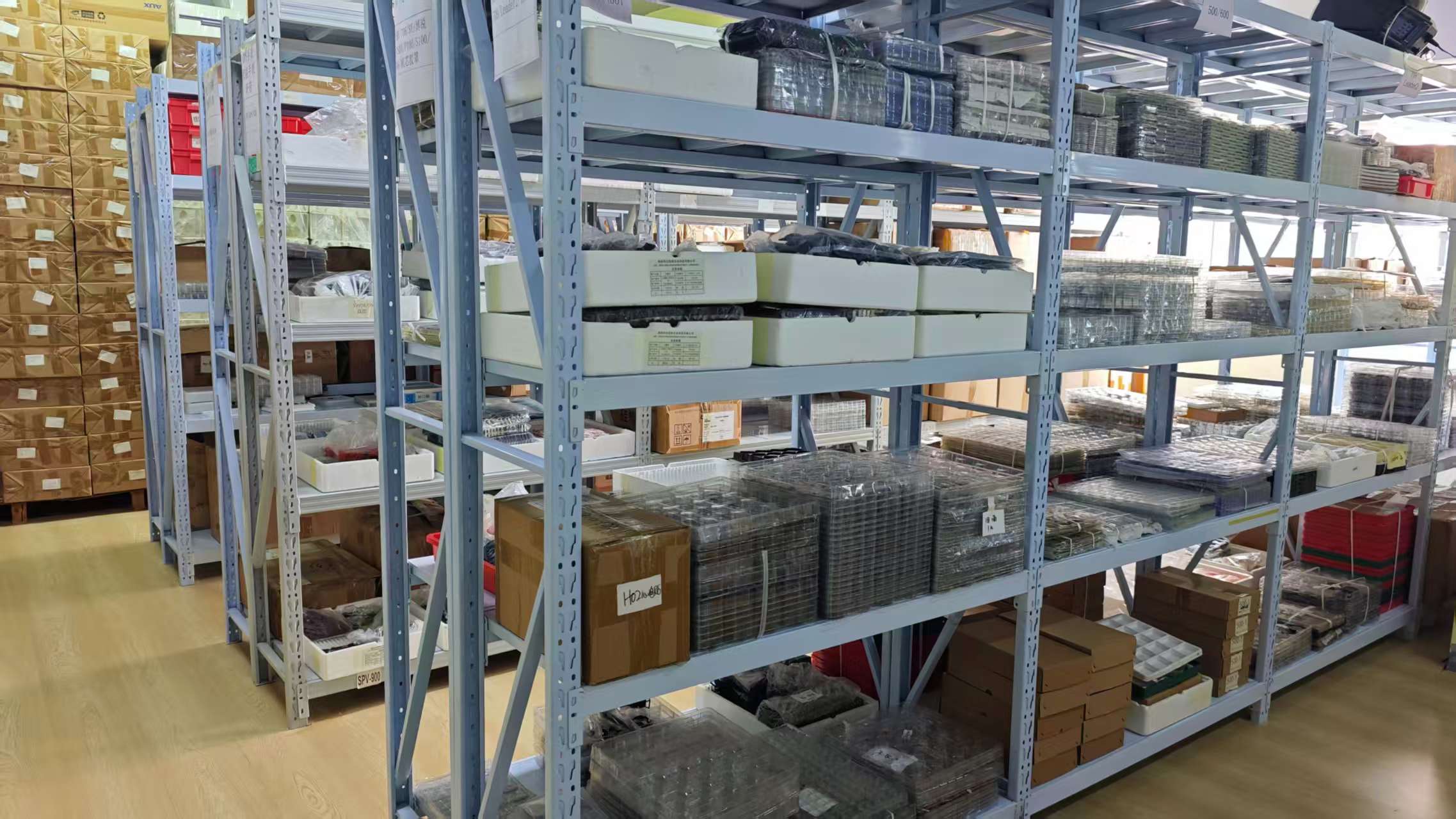
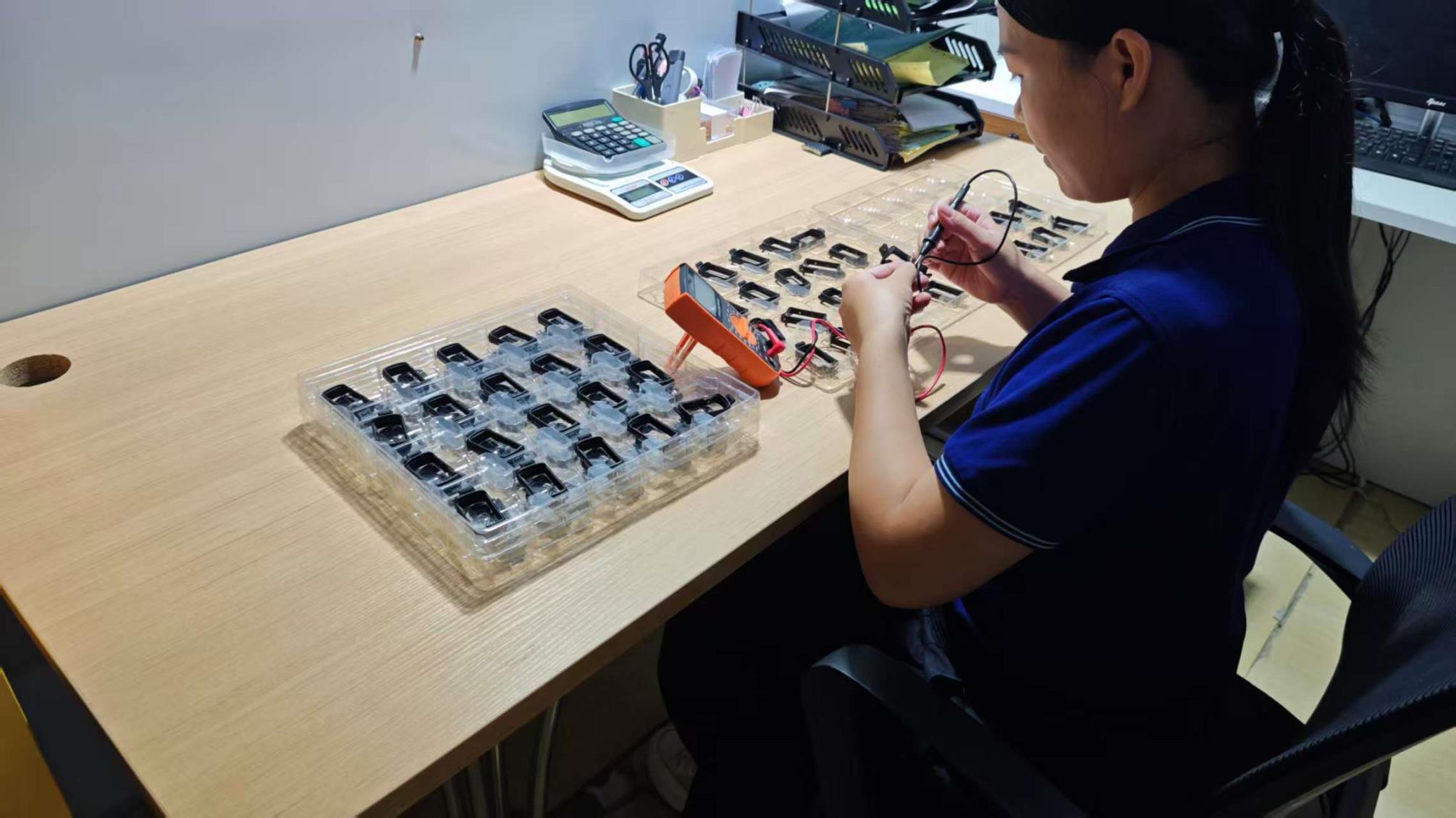
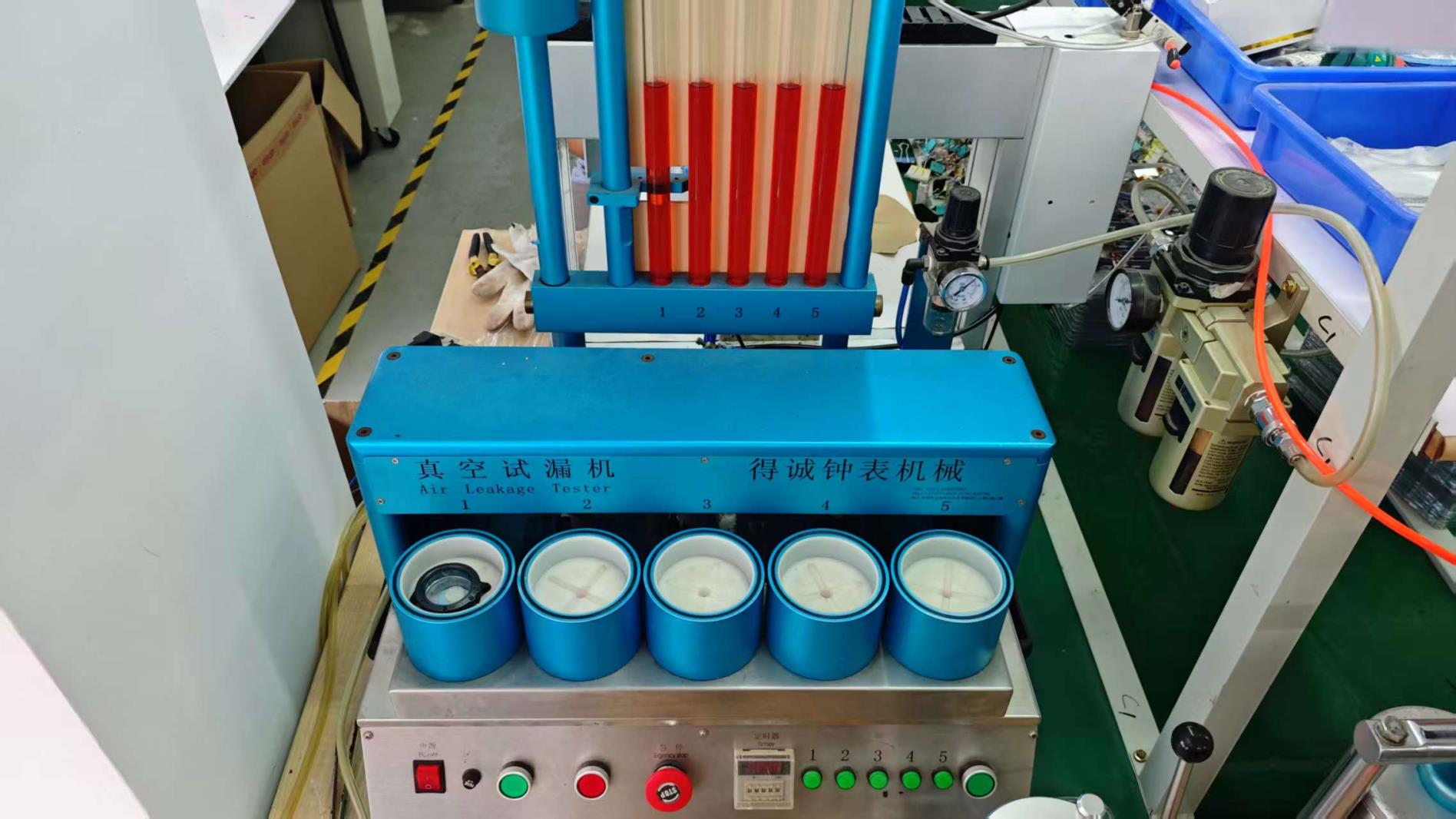
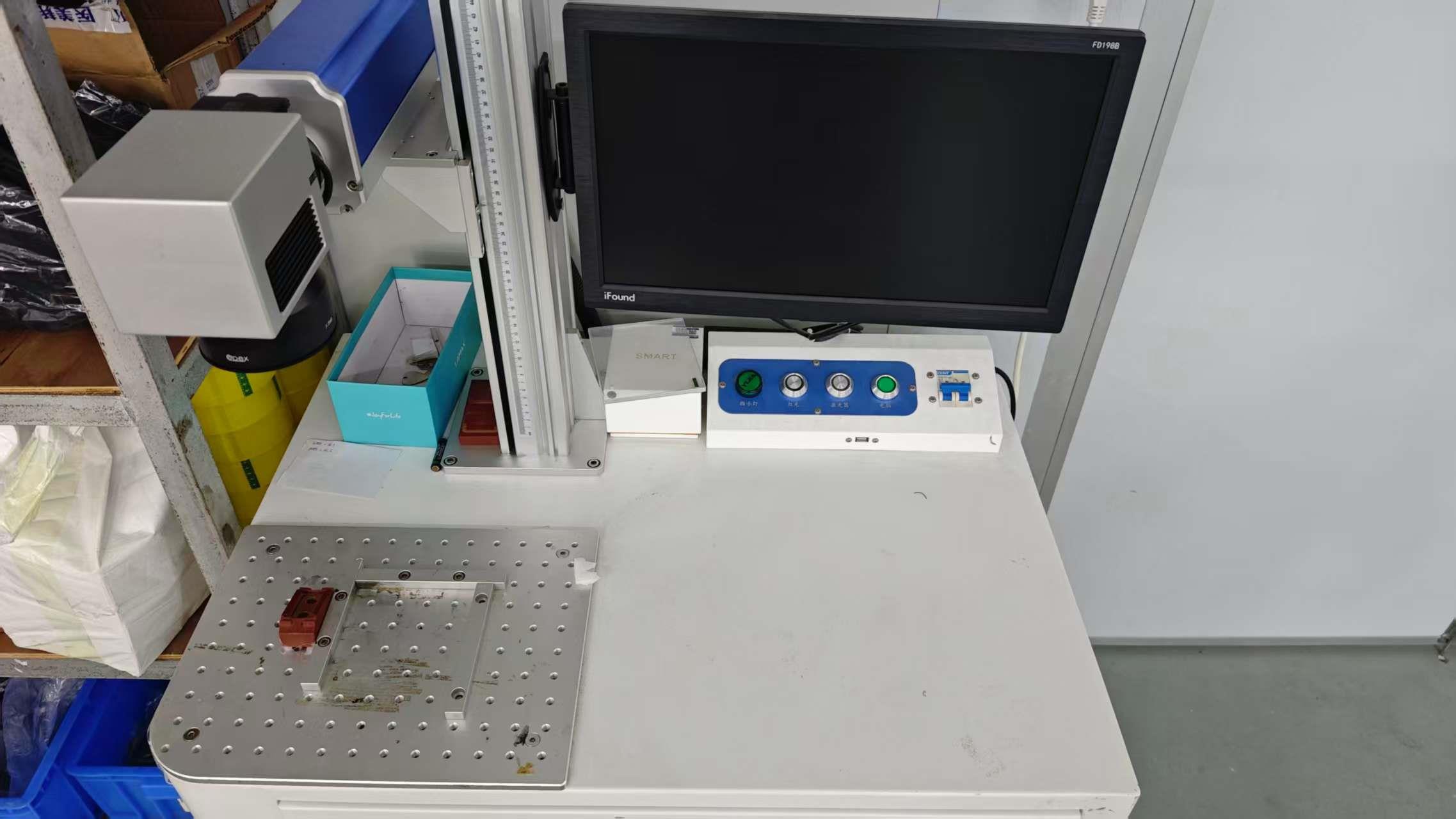
Shenzhen Honsys Technology: Industrial Precision You Can Audit
Established in 2010, exporting smart wearables since 2012, and verified on-site by SGS Group.
Years Engineering Wearables
Inquiry Response Rate
In-Line Pressure Tested
Smart Bracelet Supplier
Frequently Asked Questions: Sourcing Smart Bracelets in Santa Clara
Clear, definitive answers to questions commonly raised by Northern California supply chain executives, product leads, and import managers.