OEM/ODM GPS Smartwatches & Biometric Systems
Engineered for high interference metropolitan zones and industrial waterfronts, delivering raw sub-second positional accuracy and medical-grade vital metric acquisition.
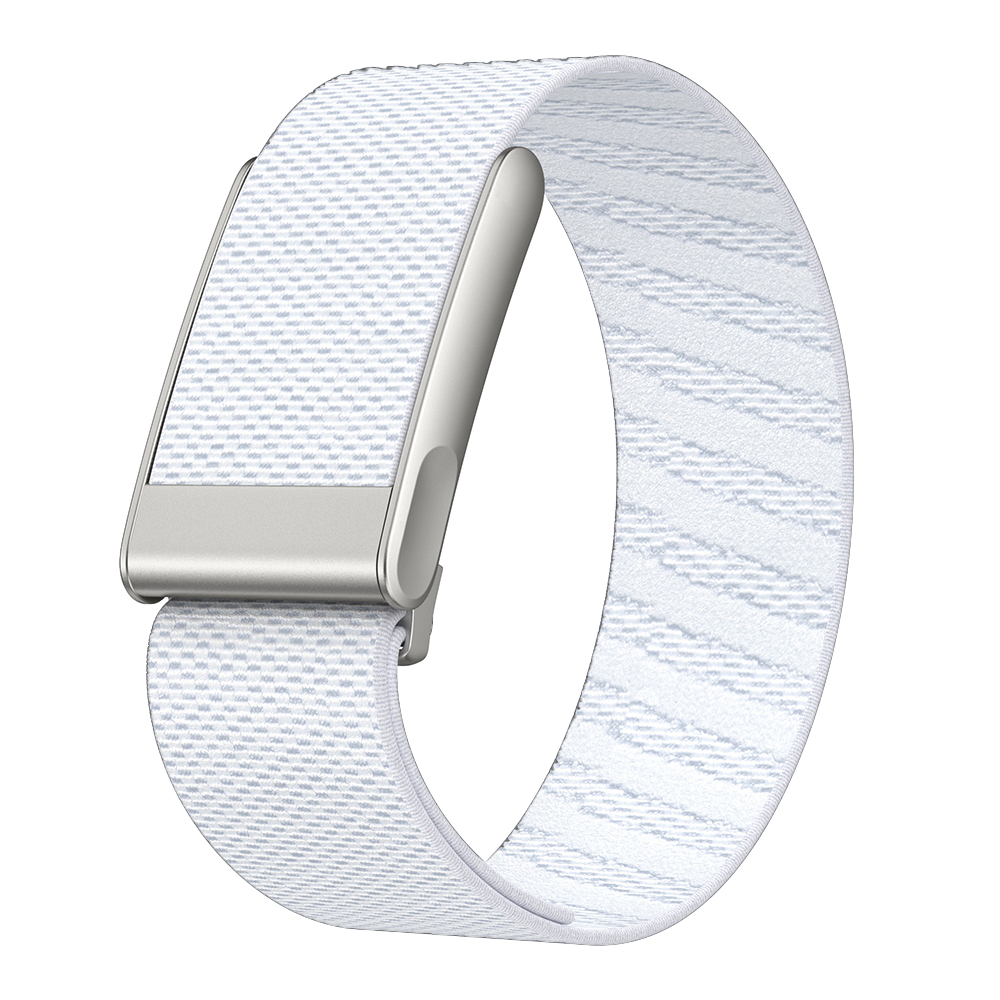
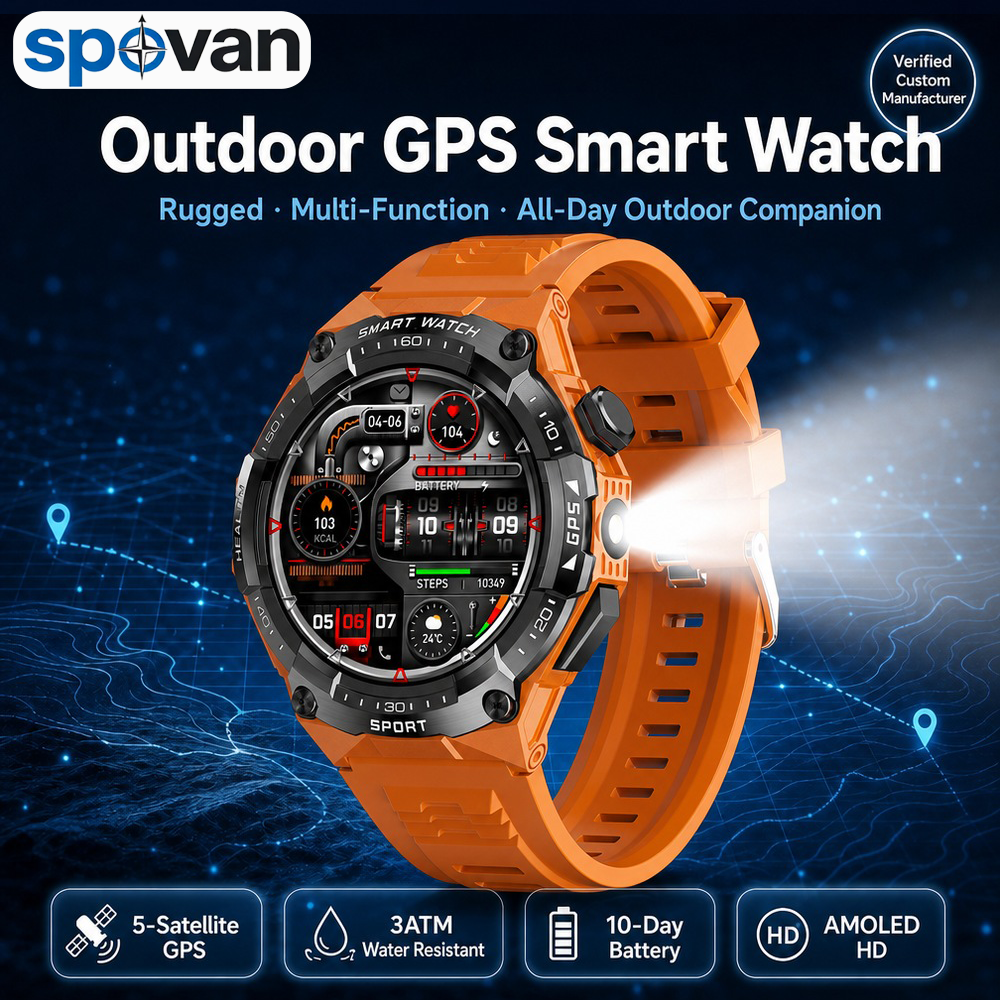
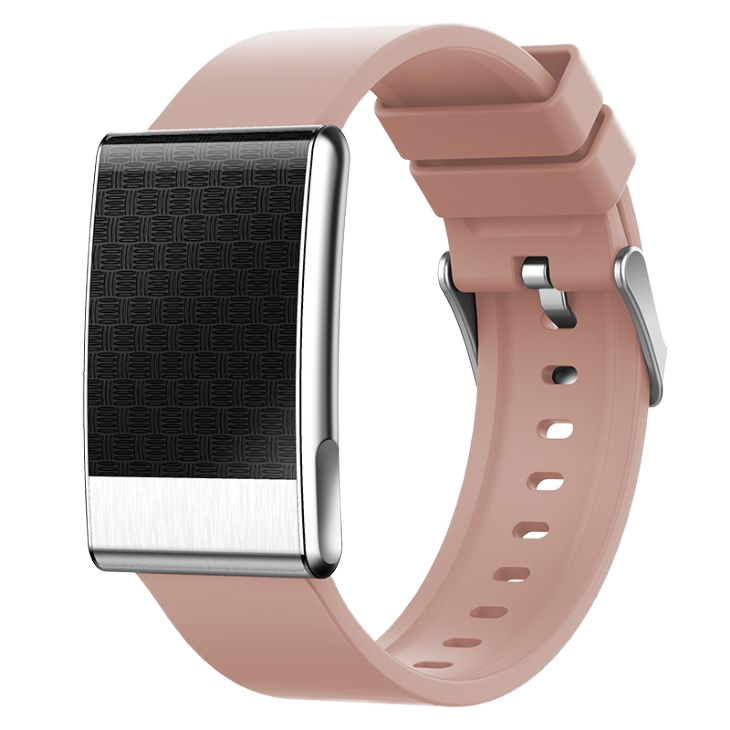
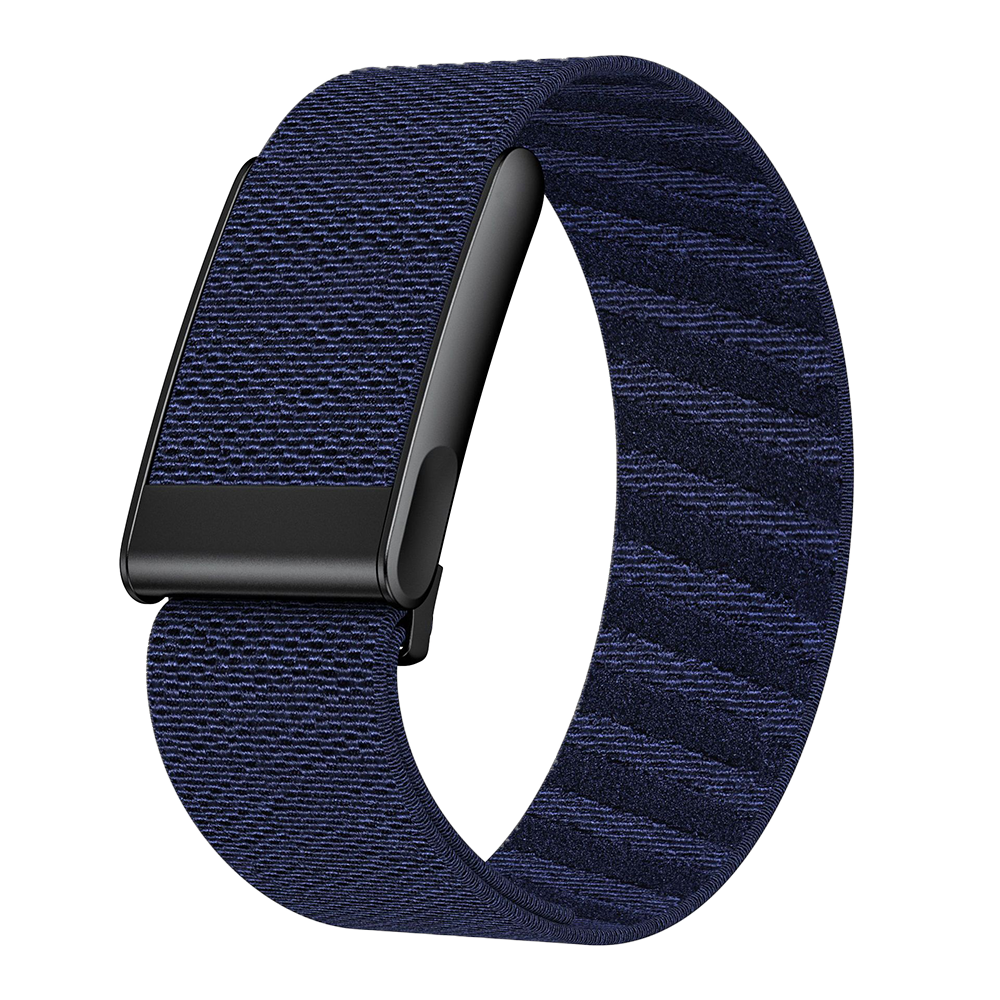
High-Integrity GPS Telemetry in Kawasaki's Urban-Industrial Fabric
Overcoming heavy multi-path satellite interference across Kanagawa Prefecture’s industrial zones and metropolitan high-density hubs through multi-constellation fusion.
QZSS Michibiki & Multi-GNSS Synchronization
Kawasaki’s proximity to Tokyo’s high-rise corridors creates severe signal refraction. Our GPS platforms implement simultaneous tracking across GPS, GLONASS, Galileo, BeiDou, and critically, the Japanese Quasi-Zenith Satellite System (QZSS Michibiki). With zenith-angle satellite reception, positional drift along the Tama River and Musashi-Kosugi canyon zones is suppressed from ±12m down to sub-1.8m tolerances.
Decoupled Biosensing via Open SDK Architecture
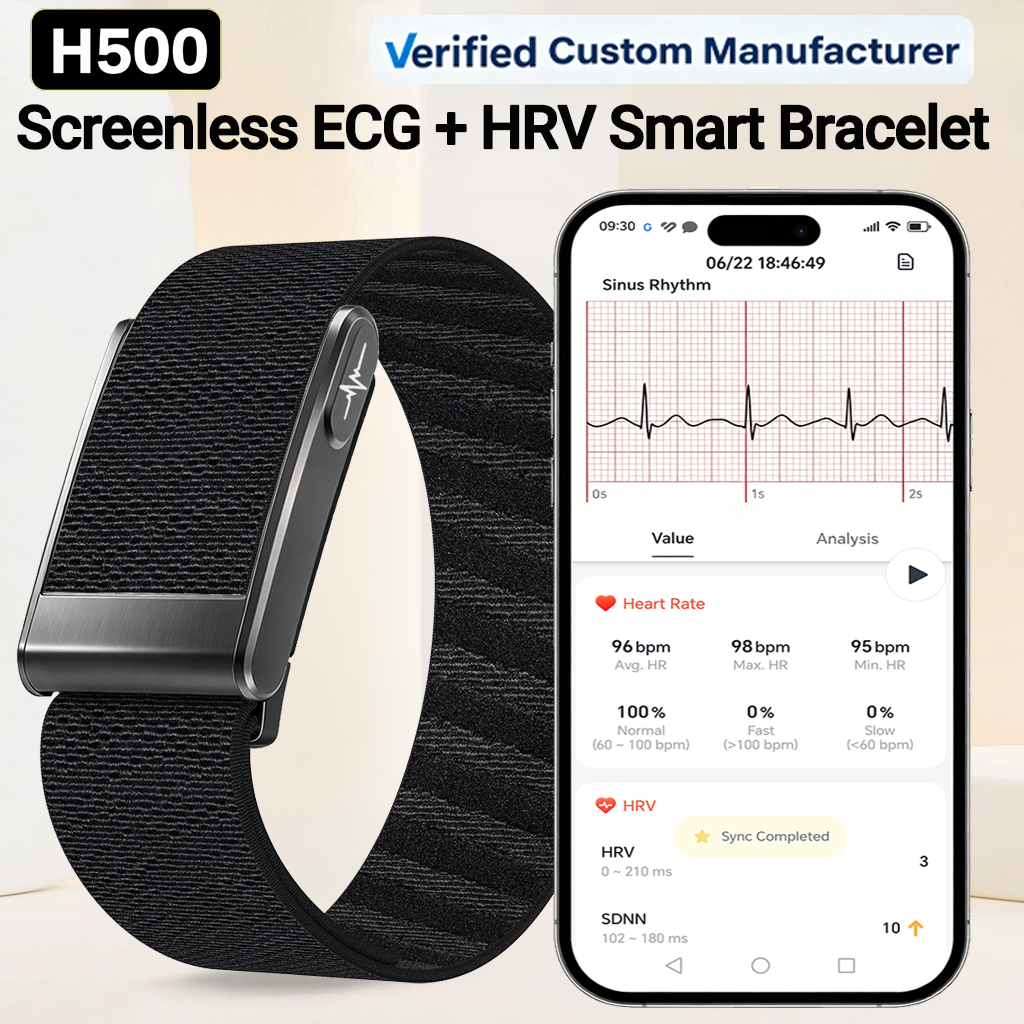
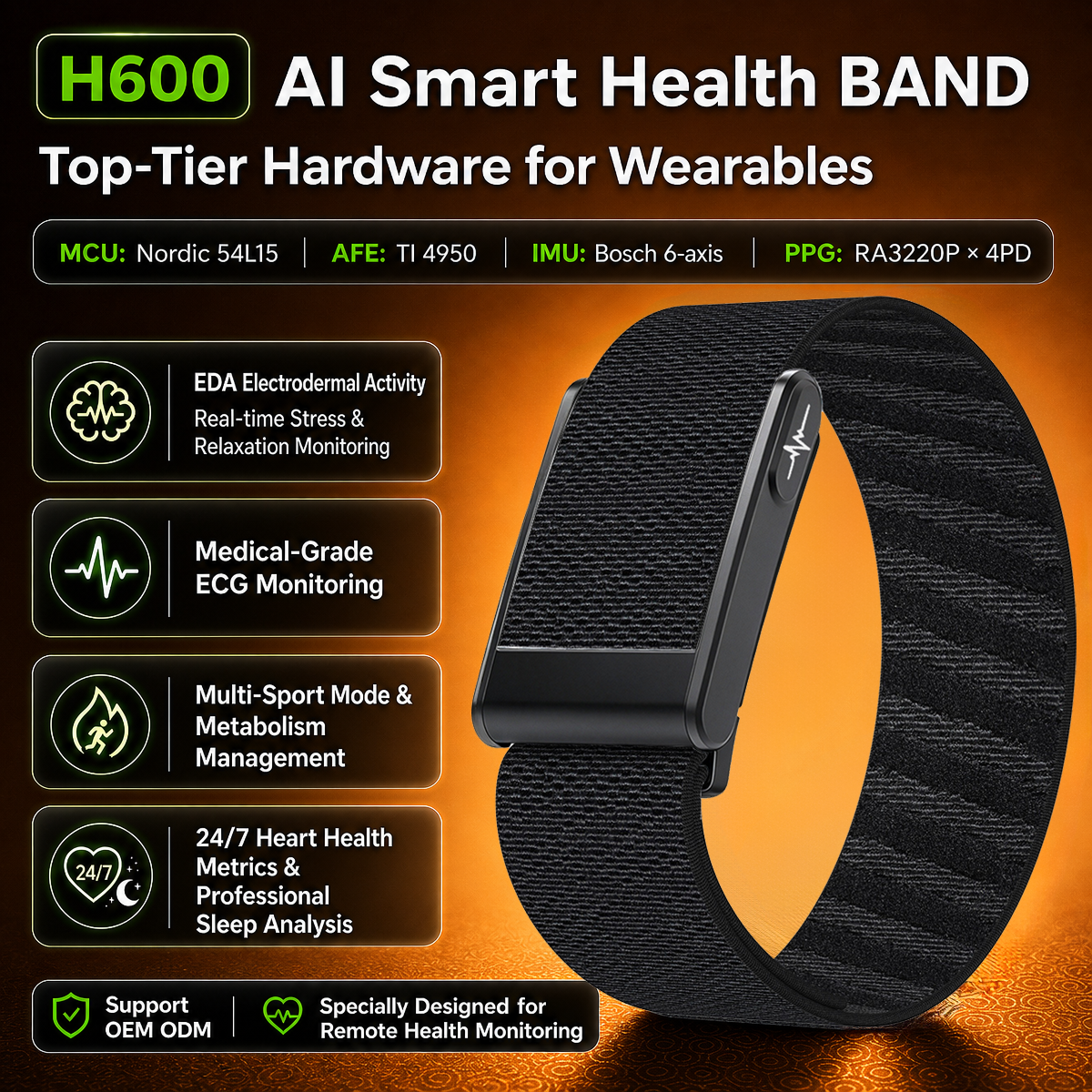
Corporate wellbeing platforms and enterprise athletic institutions across Kawasaki require sovereign data pipelines. Unlike closed consumer ecosystems, our wristbands deliver raw ECG (microvolt waveforms), dual-wavelength PPG photoplethysmography, and time-domain HRV metrics directly over Bluetooth Low Energy 5.3 via our Android/iOS Open SDK & Cloud REST APIs, bypass third-party servers entirely.
3ATM/IP68 Structural Hermetic Sealing
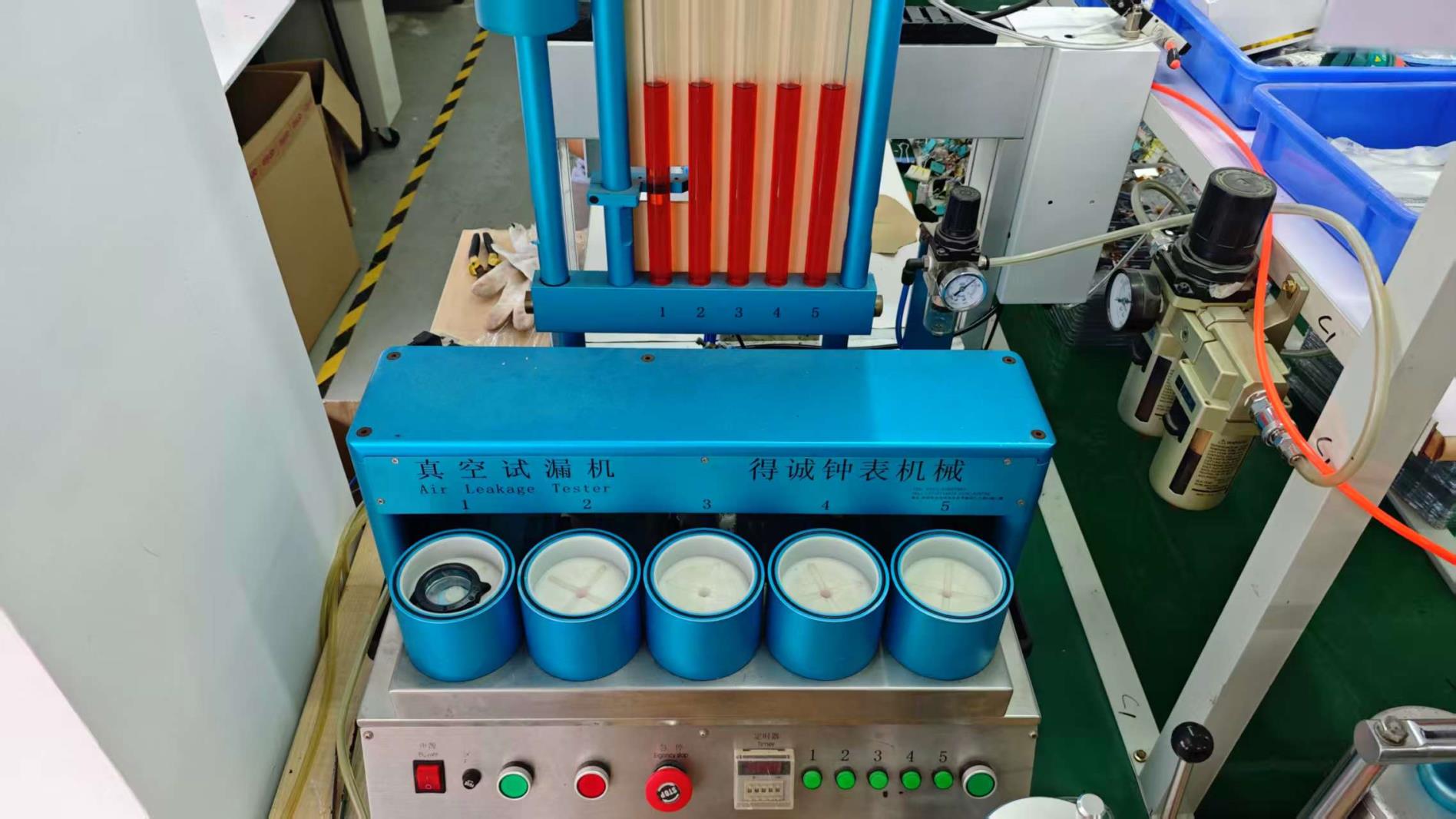
The humid coastal environment of the Keihin Industrial Zone demands robust corrosion resistance. Each chassis utilizes structural zinc-alloy housing coupled with custom fluororubber/silicone seals. Automated pneumatic high-pressure leakage chambers ensure absolute fluid isolation during marine operations in Tokyo Bay or heavy precipitation endurance events.
Localized Applications Across Kawasaki & Greater Kanagawa
From high-performance aquatic training to industrial worker heat-stress mitigation along the Keihin coastal corridor.
Keihin Coastal Industrial Safety
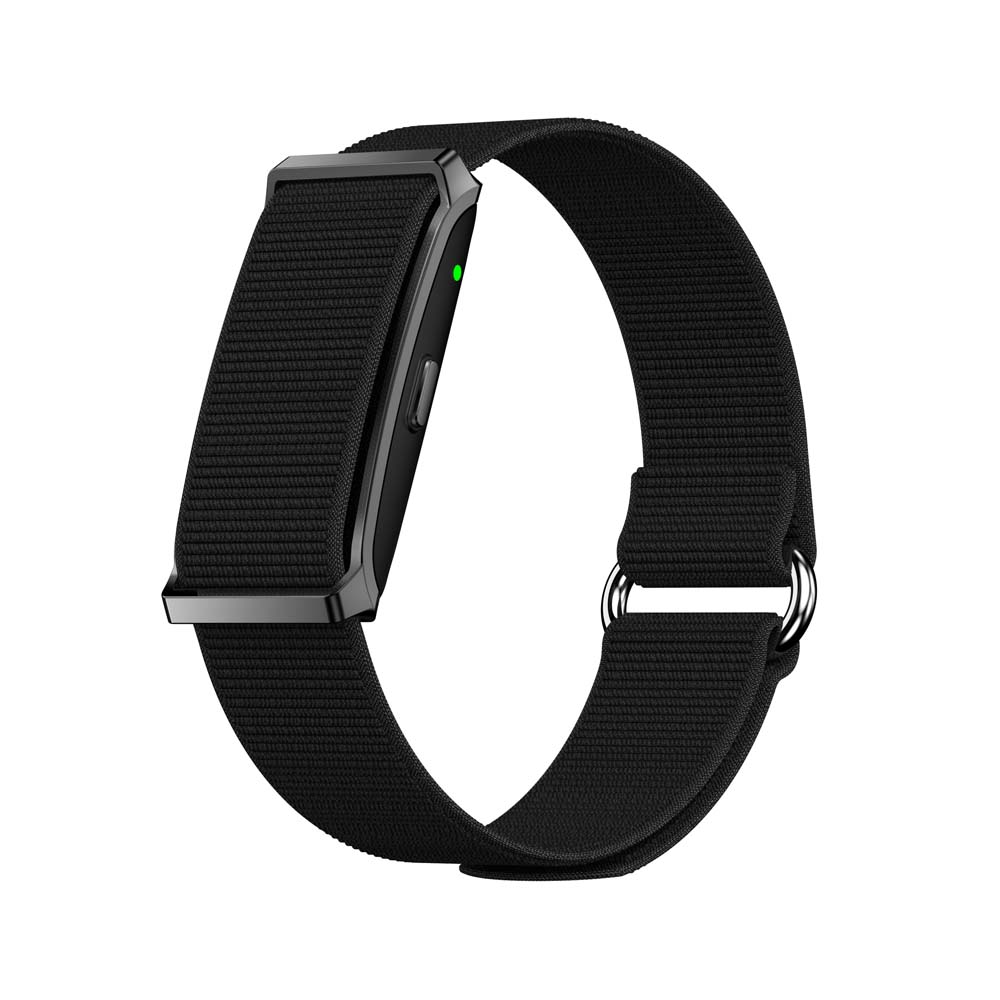
Equipping logistics personnel and chemical manufacturing operators with screenless ECG/PPG trackers to monitor real-time core fatigue, acute HRV stress shifts, and heat vulnerability without screen-based operational hazards.
Tama River Marathon & Triathlons
Delivering high-refresh (5Hz) dual-satellite track logging, cadence estimation, and continuous lactate threshold heart-rate zone telemetry for amateur and competitive road runners between Kawasaki Ward and Setagaya.
Marine Recreation on Tokyo Bay
Utilizing high-contrast sunlight-readable AMOLED displays and anti-reflective sapphire-coated lenses for Kawasaki port sailors, windsurfers, and paddle sport teams requiring real-time barometric tracking and tidal metrics.
Corporate Wellness in High-Tech R&D
Enabling technology research centers across Saiwai Ward to issue screenless "digital-detox" sleep and recovery bands to combat burnout, improving deep-sleep delta cycles and occupational productivity.
Macro Wearable Sourcing Trends Across Japan (2026–2030)
Procurement paradigms are shifting from generic smartwatches toward purpose-engineered micro-telemetry nodes.
The Pivot to Screenless Wearables
Japanese consumer and corporate buyers increasingly reject display-laden wearables due to screen fatigue, notification overwhelm, and fragile battery lives. Screenless fitness trackers now claim record wholesale allocations. Removing displays reduces energy demands by up to 74%, extending single-charge autonomy to 10–14 days while enabling ultra-lightweight form factors under 22 grams.
Strict Japanese MIC & VCCI Compliance
Entering the Japanese wearable ecosystem requires rigorous adherence to the Ministry of Internal Affairs and Communications (MIC/Telec) standards for RF transmissions. Exporters must eliminate spurious 2.4GHz harmonics and ensure crystal-oscillator stability across rapid seasonal thermal gradients between Kanagawa winters and humid summers.
Hybrid Telehealth & Corporate Subsidies
Under Japan's METI "Kenko Keiei" (Health & Productivity Management) certification incentives, major corporations are procuring mass quantities of continuous biosensors. Enterprise buyers require robust factory APIs capable of feeding corporate wellness software while upholding strict Act on the Protection of Personal Information (APPI) protocols.
Shenzhen Honsys: Precision Hardware & Verification Assets
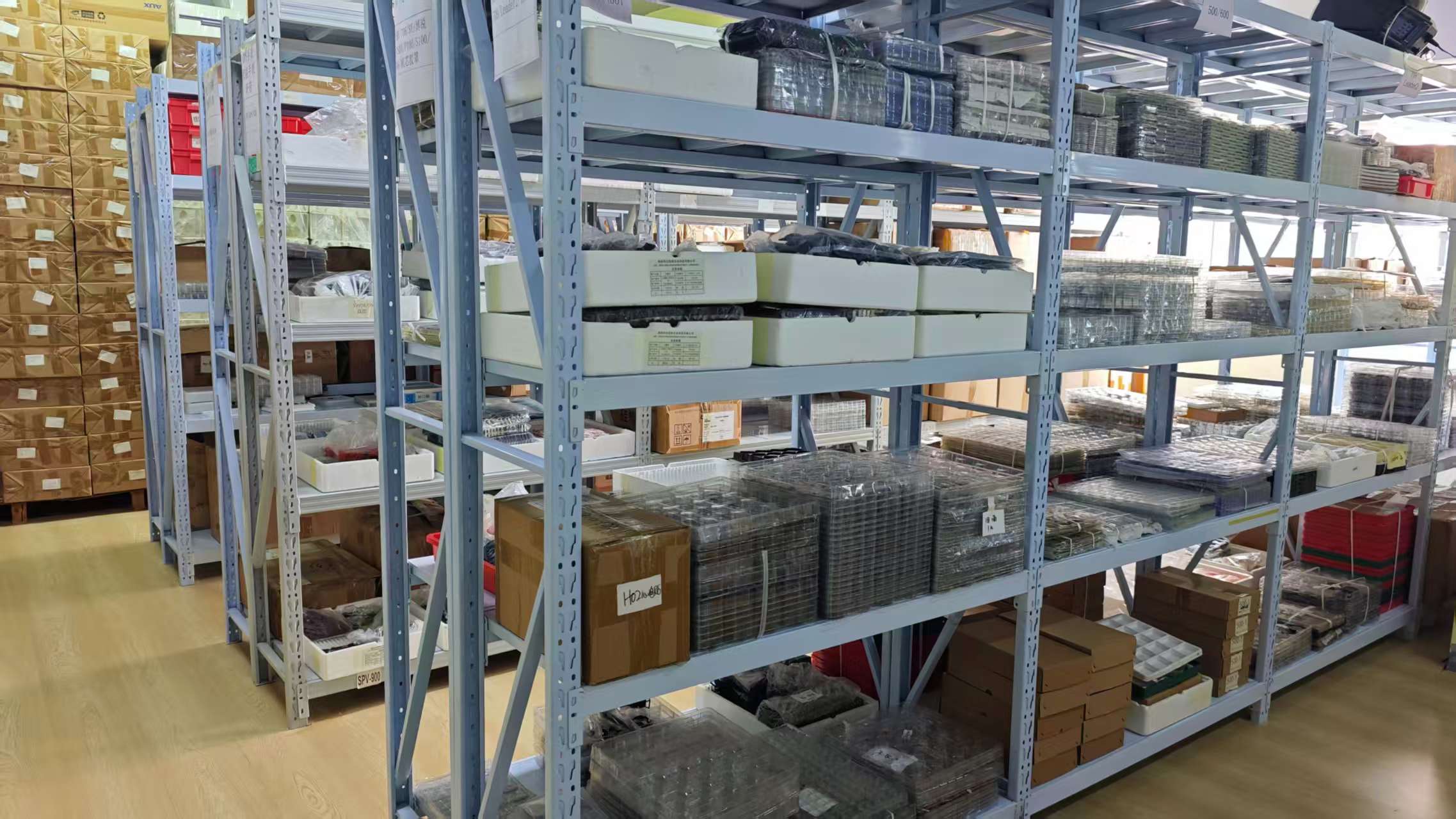
A specialized wearable hardware exporter combining automated SMT production, ISO-certified cleanrooms, and comprehensive testing infrastructure.
15+ Years Industrial Heritage
Established in 2010 with direct exports initiating in 2012, Shenzhen Honsys Technology Co., Ltd. operates state-of-the-art facilities assessed on-site by SGS Group. With over 810+ completed orders in recent six-month audits and a 4.6/5 buyer rating, we serve leading brands throughout Europe, the Americas, and East Asia.
Modular SDK & Firmware Sovereignty
We eliminate platform lock-in. Our dedicated firmware engineers supply native C-level SDK packages, iOS Swift wrappers, and Android Kotlin bindings. Brand partners can freely integrate bi-directional sensor triggers, customize onboard algorithmic thresholds, or customize bespoke boot-up GUIs and dial architectures.
100% In-Line Pressure & Environmental QC
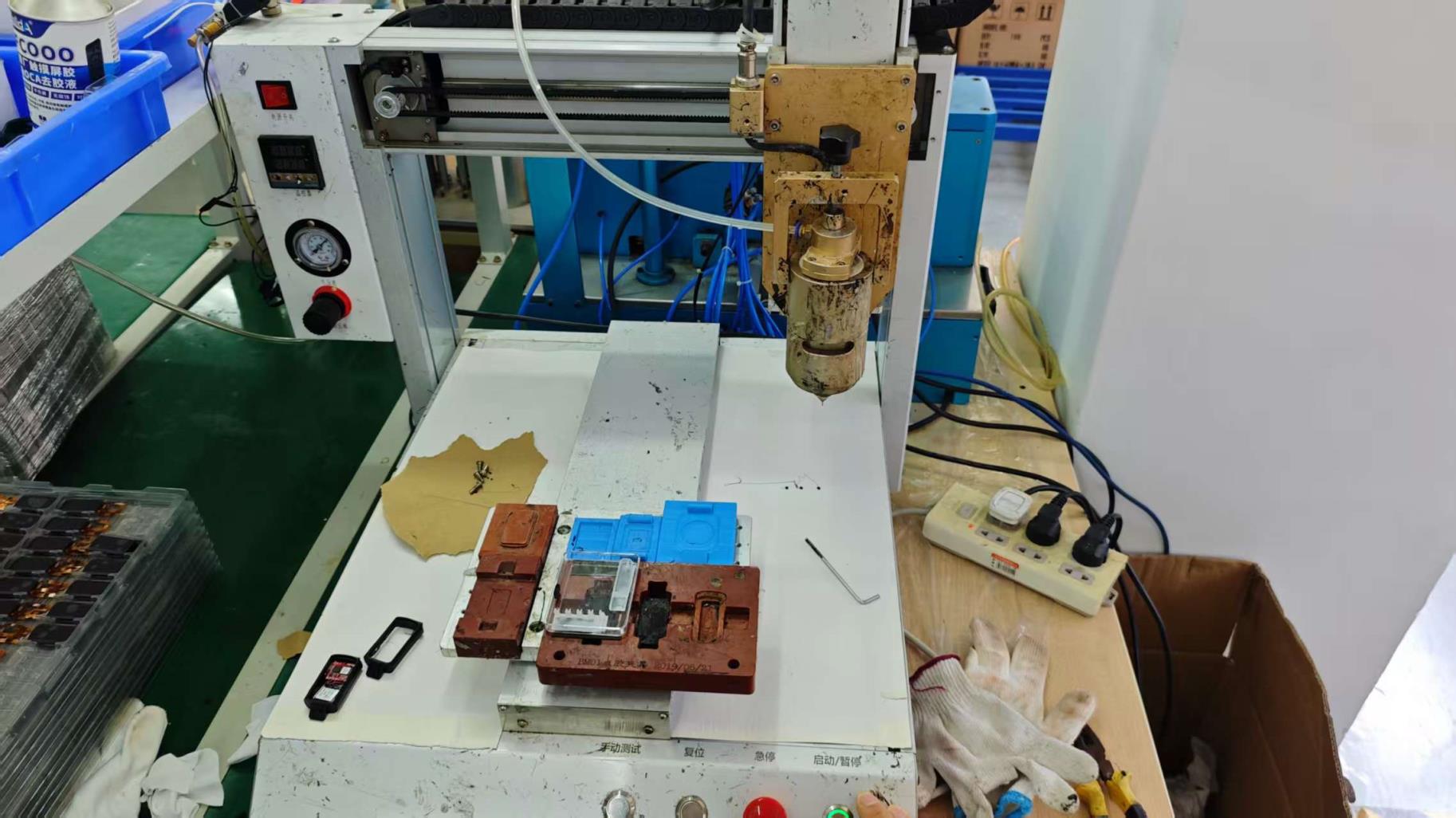
Every single waterproof assembly passes automated vacuum leak detection and multi-atmosphere water immersion testing prior to final casing closure. Our production floor integrates hot shrinking, automated glue dispensing, precise spot-welding, and microscopic vernier dimensional inspections for zero-defect shipments.
Frequently Asked Questions by Japanese Importers
Essential guidance on certifications, software interoperability, lead times, and logistical delivery channels.
What are the minimum order quantities (MOQ) for custom brand labeling for Japan-bound shipments? ▼
Ready-to-ship verification samples are accessible starting from 1 to 10 units to allow comprehensive physical benchmarking and software testing. For custom private labeling—including laser-engraved casing logos, localized Japanese packaging, custom user manuals, and customized app/firmware GUIs—MOQs typically begin at 500 to 1,000 units depending on the specific chassis architecture.
Do your GPS modules natively support the Japanese QZSS (Michibiki) constellation? ▼
Yes. Our latest multi-GNSS tracking chipsets feature multi-band reception that concurrently queries GPS L1/L5, GLONASS, Galileo, BeiDou, and Japan’s Quasi-Zenith Satellite System (QZSS). This architecture guarantees minimal urban canyon degradation in central Kawasaki, providing continuous position locks even among high-density commercial skyscrapers.
How does Honsys handle Japanese wireless certification (TELEC / MIC Mark)? ▼
While our wearable platforms maintain standard international FCC, CE, and RoHS certifications, we routinely support Japanese clients in obtaining TELEC / MIC (Radio Act Article 38-24) certification. We furnish complete RF circuit schematics, unmodulated carrier test firmware, bill of materials (BOM), and antenna gain reports directly to designated test laboratories (e.g., TELEC or TÜV Rheinland Japan) to accelerate certification timelines.
What data outputs are exposed through your Open SDK and REST APIs? ▼
Our SDK provides native access to raw photoplethysmography (PPG) waveform values, calibrated ECG millivolt logs, instantaneous R-to-R intervals for Heart Rate Variability (HRV) analysis, continuous SpO2 readings, and tri-axis accelerometer telemetry. Data packets can be routed directly to your proprietary cloud application without connecting to external Chinese or third-party servers, ensuring compliance with Japan's APPI regulations.
What are the lead times and shipping routes to Kawasaki Port or Haneda Airport? ▼
Standard bulk production takes approximately 30 working days from golden sample approval and payment confirmation. Shipments can be arranged via FOB Shenzhen / Yantian / Hong Kong, or direct DDP/CIF via ocean freight into the Port of Kawasaki / Yokohama (5–7 days sailing time) or expedited air freight via Tokyo Haneda Airport (HND, 24–48 hours transit).
What environmental and waterproof verification measures are performed on-site? ▼
100% of our sports smartwatches and screenless bracelets undergo multi-stage testing: high-precision automated air-differential leakage verification, salt-spray corrosion resistance tests for coastal resilience, thermal shock cycles (-20°C to +60°C), and dimensional calipration. Every unit carries a 1-year factory warranty backed by prompt technical support.
Initiate Your Wearable Hardware Program for Kawasaki
Partner with an established OEM/ODM manufacturer possessing verified supply chain integrity, multi-GNSS engineering expertise, and robust open software ecosystems.