Engineering Military Smartwatches for Ulaanbaatar’s Extreme Climate
A technical treatise on cold-weather battery kinetics, satellite telemetry across the steppes, and high-precision tactical health monitoring.
Procuring military-grade smart wearables for deployment across Mongolia—specifically originating from the administrative and logistics hub of Ulaanbaatar—presents environmental engineering challenges distinct from typical consumer wearable rollouts. Ulaanbaatar ranks among the world's coldest national capitals, with winter temperatures routinely plunging below -30°C to -45°C. At these sub-zero extremes, commercial smartwatch designs experience rapid electrochemical failure, LCD glass crystallization, and structural embrittlement of polyurethane housings.
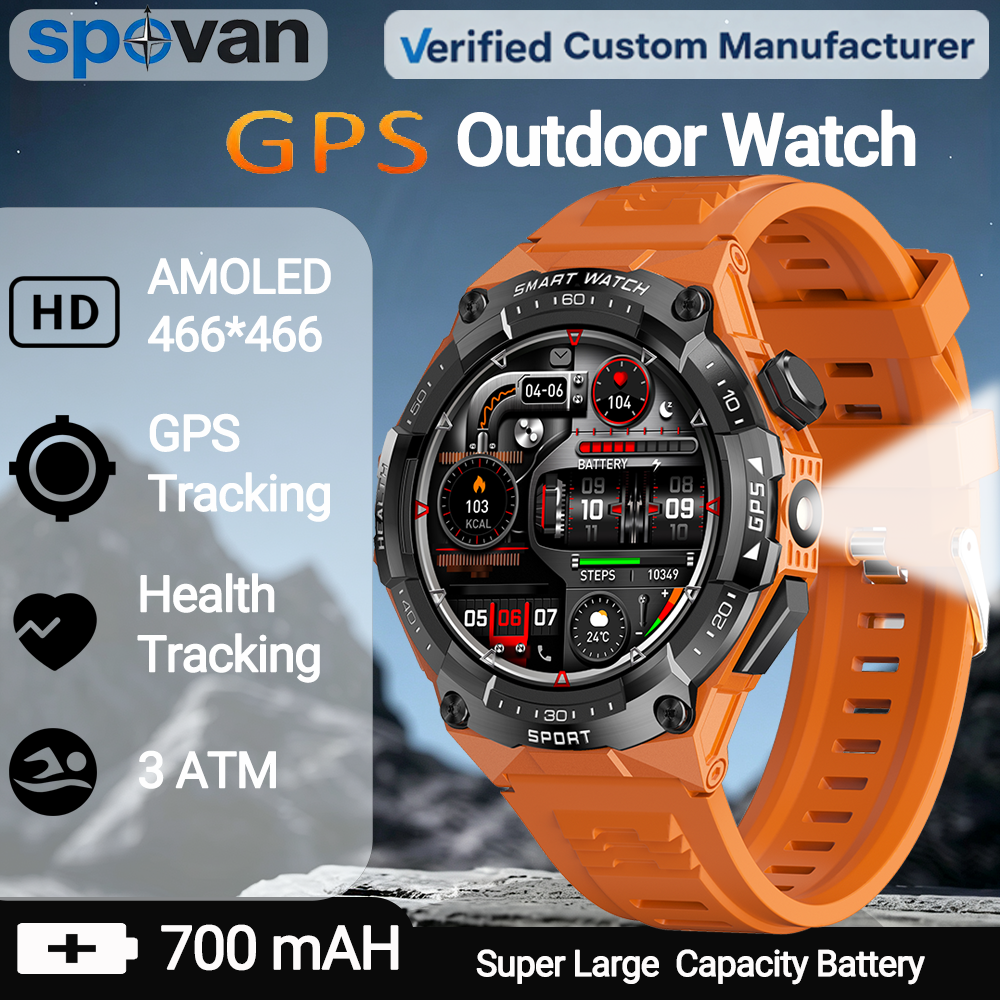
Shenzhen Honsys Technology Co., Ltd. resolves these operational failure modes through bespoke hardware architecture. By utilizing low-temperature lithium-polymer cells treated with advanced electrolyte additives, high-conductivity zinc-alloy chassis, and low-power capacitive AMOLED or screenless telemetry sensors, our tactical smartwatches maintain continuous operation across extreme thermal swings, from blistering summer arid conditions in the Gobi to sub-arctic blizzards in the northern taiga.
Key Engineering Takeaway for Sourcing Directors: When deploying tactical wearables in Central Asian territories, continuous telemetry is constrained not by sensor accuracy, but by battery passivation and satellite link reliability under ionization layer disruptions. Our military platforms incorporate quad-constellation GNSS (GPS, GLONASS, Galileo, BeiDou) and proprietary cold-start battery temperature management circuits.
In standard consumer-grade smartwatches, sub-zero ambient exposure slows internal ion mobility between the anode and cathode, causing internal impedance to spike within minutes. This drop triggers the low-voltage cutoff threshold of the power management integrated circuit (PMIC), leading to sudden device shutdowns even when nominal charge registers above 60%. Honsys counters this through MIL-STD-810H environmental chamber testing, implementing specialized high-density prismatic cells that sustain reliable current output at -35°C without compromising cycle life.
Multi-GNSS Positioning in Uninhabited Steppes & Mining Belts
Mongolia’s vast expanse demands uninterrupted geolocation coordinates outside terrestrial cellular repeater grids. Relying on an isolated GPS constellation often leads to multi-path degradation or prolonged Time-To-First-Fix (TTFF) in rugged mountainous terrains such as the Khentii or Altai ranges. Honsys tactical wearables integrate ephemeris prediction caching and parallel multi-frequency GNSS engines, processing concurrent satellite signals across GPS (USA), GLONASS (Russian Federation, optimal for high northern latitudes), BeiDou (China, dense regional orbital coverage), and Galileo (EU).
Mongolian Armed Forces & Border Defense
Tactical reconnaissance units operating along perimeter zones require screenless telemetry or stealth-mode tactical watches that emit zero accidental photonic signatures while monitoring real-time soldier core stress, SpO2, and hypothermia early-warning biomarkers.
Mining Consortia & Oyu Tolgoi Supply Routes
Heavy mining logistics operators navigating the southern steppe corridors rely on rugged 3ATM/IP68 wrist units equipped with automated fall detection, ambient dust ingress protection, and fleet-wide worker fatigue analytics via open API pipelines.
Nomadic Telehealth & Winterization Aid
Governmental healthcare providers coordinating out of Ulaanbaatar deploy lightweight ECG and PPG physiological monitors to remote herder communities, tracking cardiac anomalies and blood oxygen degradation without requiring daily recharge cycles.
Procurement Trends Across Mongolia’s Strategic Tech Sector
Over the past four fiscal quarters, procurement inquiries from Ulaanbaatar-based government contractors, private security organizations, and industrial mining operations have shifted dramatically away from unbranded consumer fitness trackers. The operational imperative is defined by three accelerating industry trends:
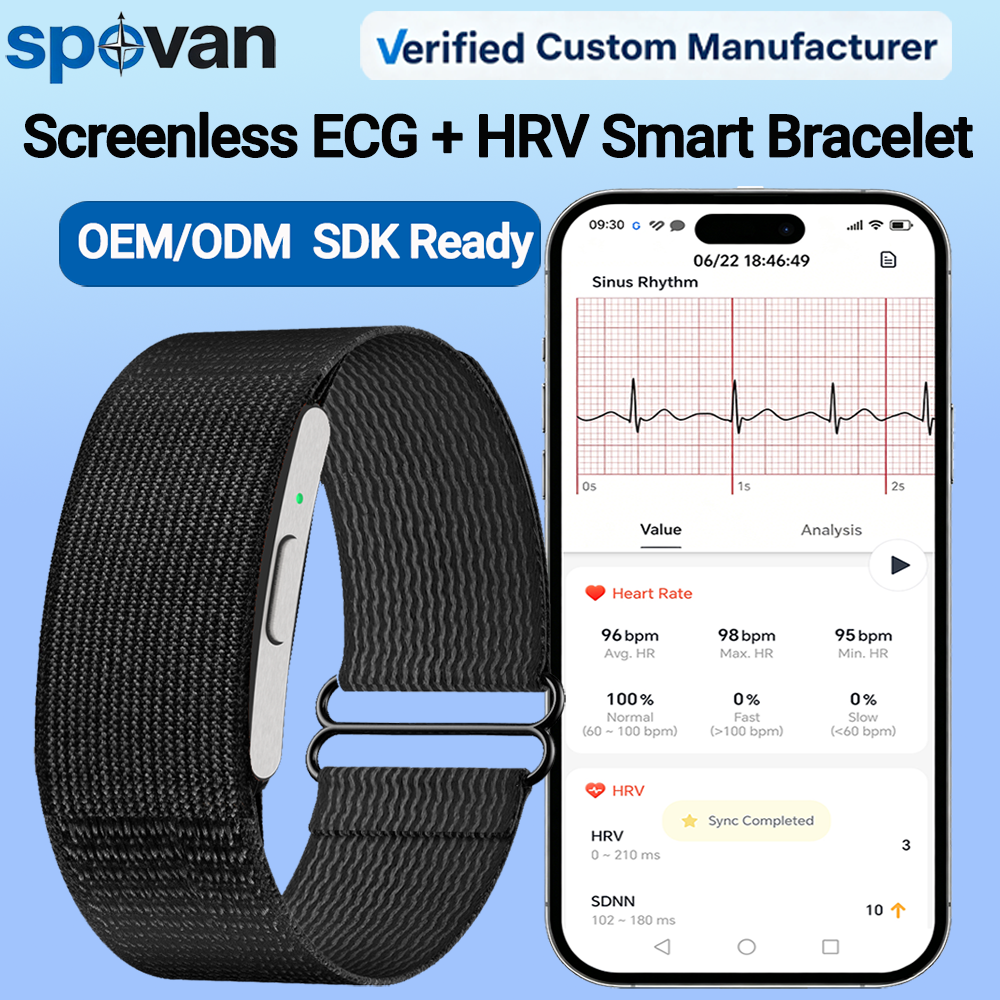
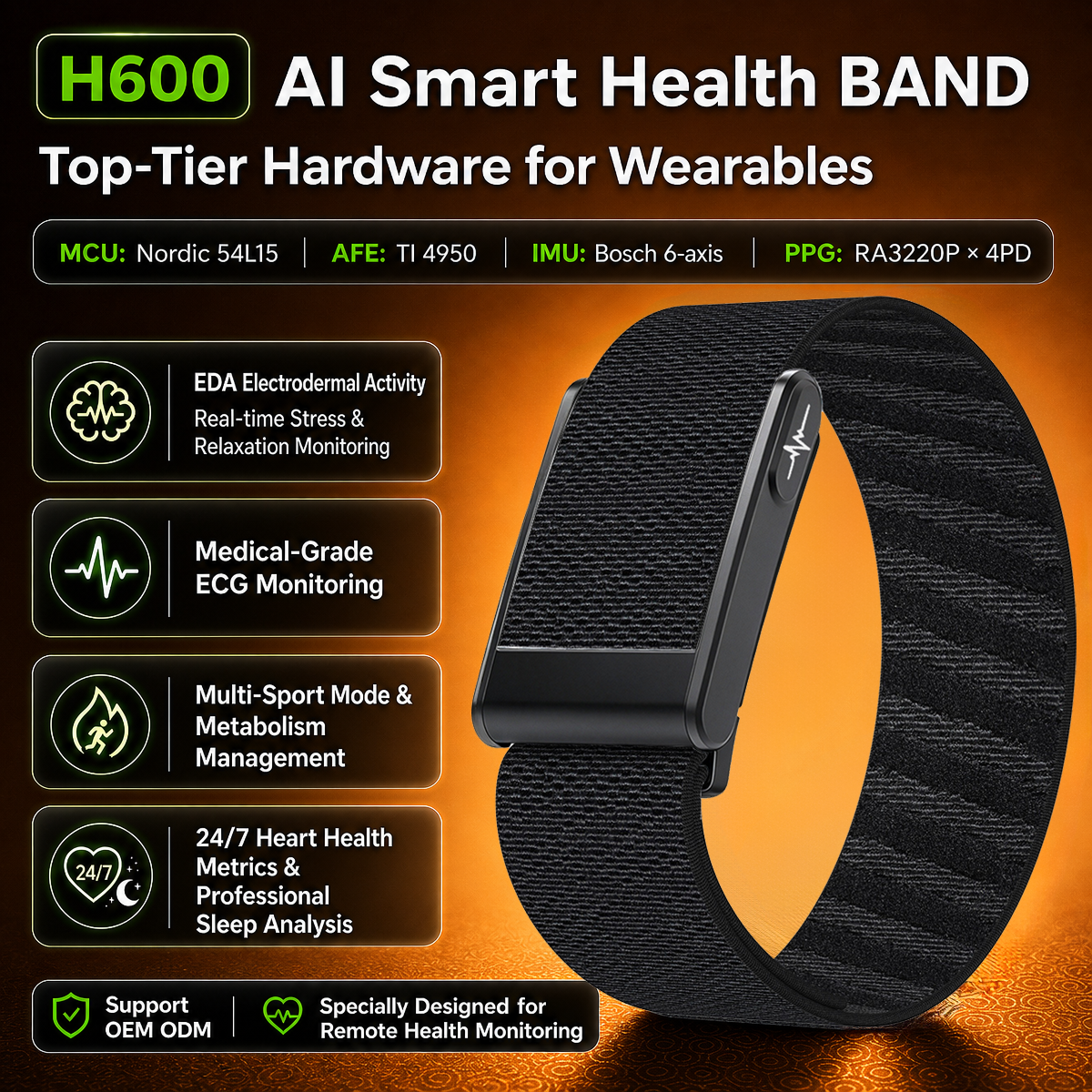
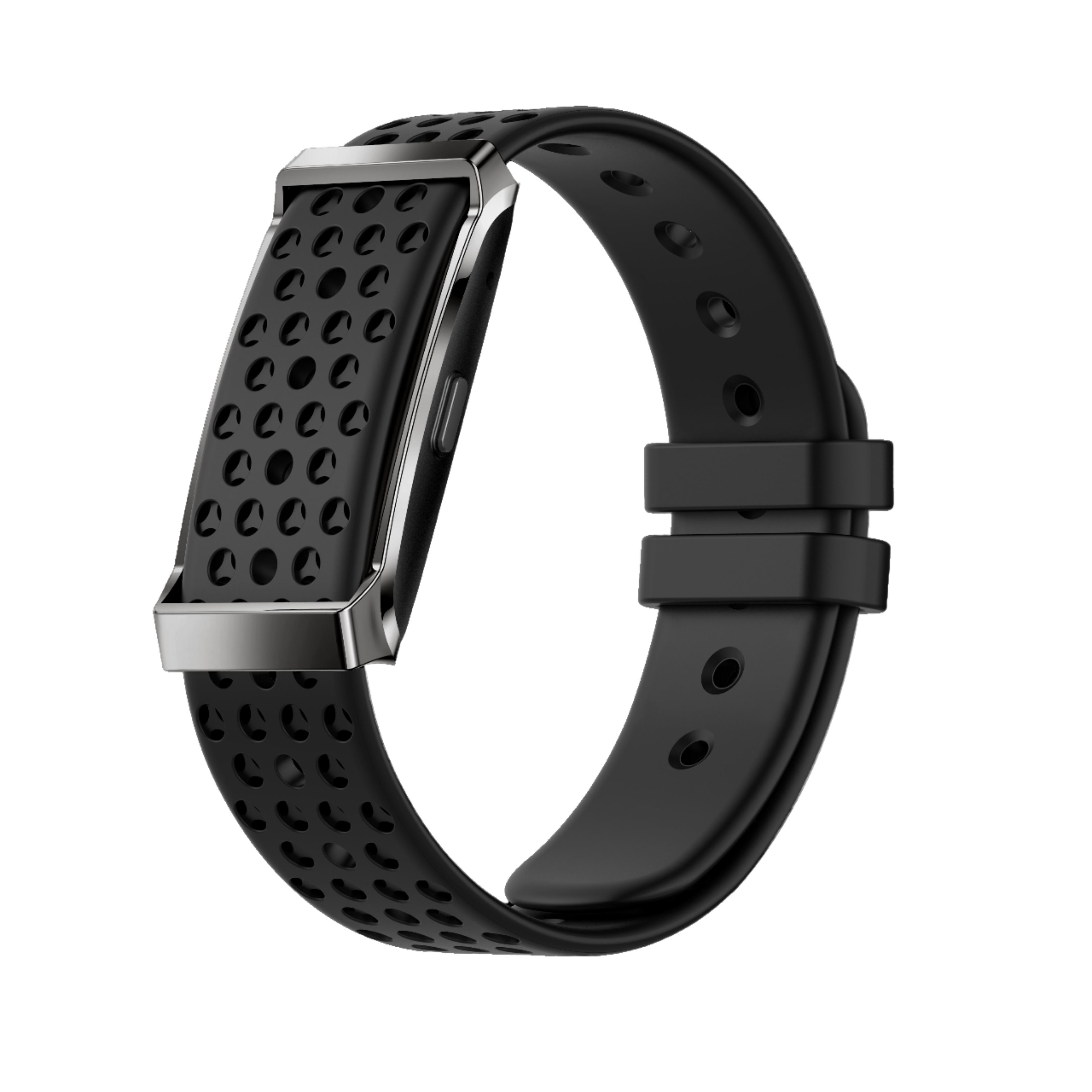
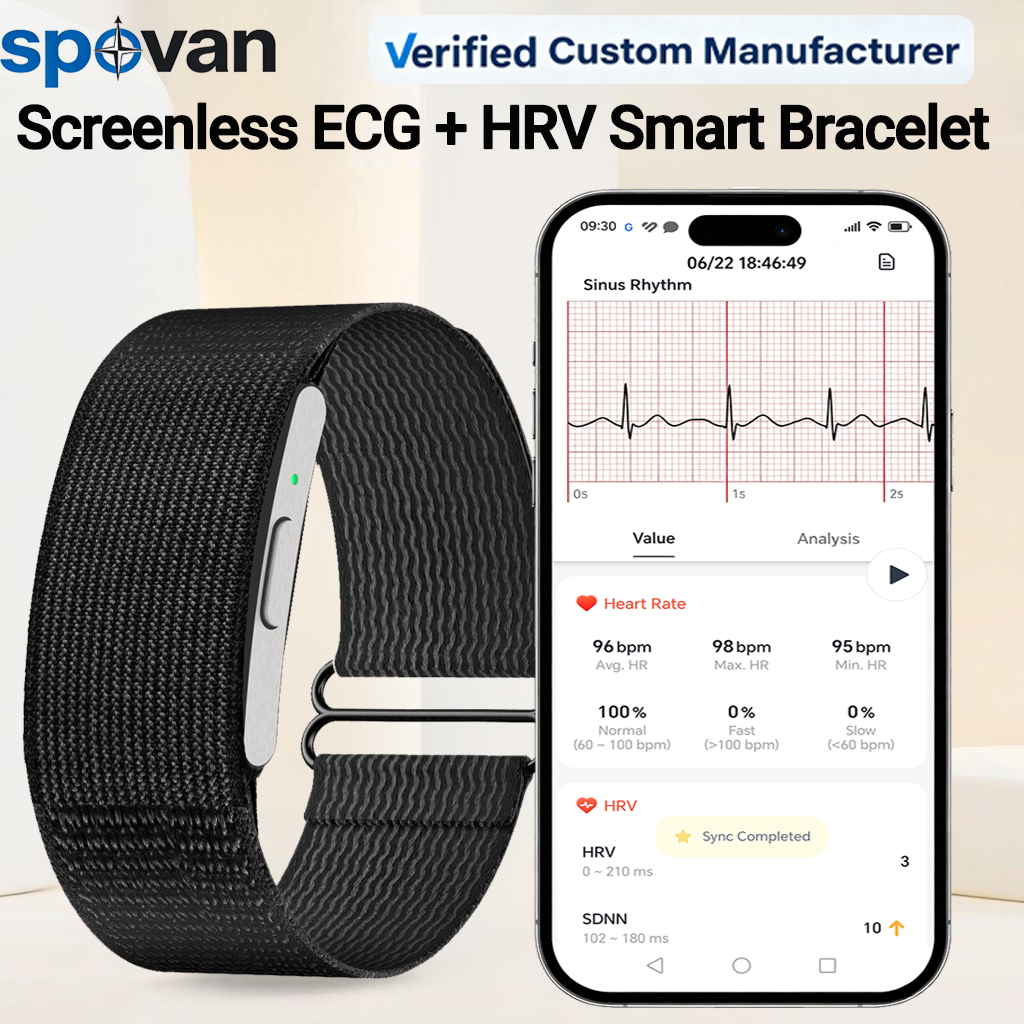
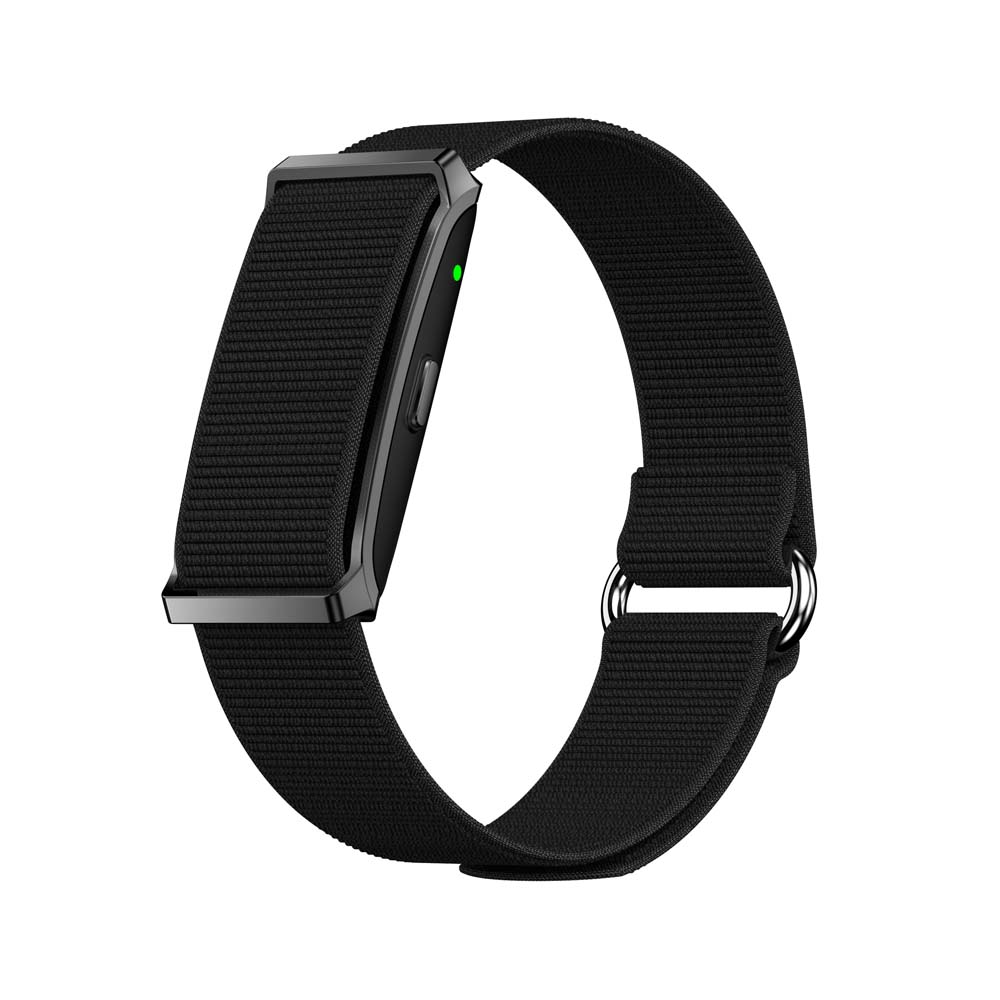
1. Shift to "Zero-Distraction" Screenless Biometrics: In tactical and industrial fields, screens present operational liabilities—they can shatter upon blunt impact, betray positions via night-vision reflective glare, and drain vital power reserves. Enterprise purchasers increasingly demand screenless wrist monitors (such as our DS10 and Vigor series) that silently record ECG, HRV, and sleep recovery metrics while transmitting encrypted raw data packets to private cloud servers.
2. Protocol Integration via Open SDK and API Architecture: Government and corporate entities reject closed cloud ecosystems that hold biometric telemetry in third-party servers outside regional compliance boundaries. Sourcing mandates now demand open API/SDK capabilities, allowing developers in Ulaanbaatar to route vital signs directly into domestic healthcare intranets or proprietary defense management consoles.
3. Consolidation with Direct Shenzhen Tier-1 Manufacturers: Sourcing managers are bypassing regional trading middlemen in favor of direct relationships with certified manufacturing facilities. Dealing straight with an ISO-aligned, SGS-audited factory ensures transparent bill-of-materials (BOM) verification, custom laser housing serialization, and customized firmware builds with native Mongolian language strings.
Verified OEM / ODM Authority
Enterprise Manufacturing Strengths & Compliance
Engineered and manufactured in Shenzhen since 2010. Our facilities combine high-precision SMT, automated potting, and 100% pneumatic waterproof leak testing.
15+
Years Engineering Smart Devices
810+
Verified 6-Month Orders
$300K+
Verified Half-Year Volume
9,762
Units of Top Band Sold
99.76%
Inquiry Response Rate
12+
Global Export Hubs
4
Proprietary Design Patents
4.6/5
Verified Buyer Satisfaction
100% Waterproof Leak Testing
Every military smartwatch undergoes positive and negative pressure chamber checks before packaging.
Full SDK & Raw Data Access
Direct low-level Bluetooth API access for custom military, healthcare, and enterprise ERP integration.
International Compliance
Full CE, FCC, RoHS certifications and documented German and French EPR environmental clearances.
~30-Day Turnaround
Expedited mass production lead times with FOB delivery via Shenzhen, Yantian, or direct air cargo hubs.
Buyer Knowledge Base
Frequently Asked Questions: Sourcing for Ulaanbaatar
Specific inquiries addressed by our senior technical directors regarding international logistics, low-temperature resilience, and software customization.
How do your smartwatches guarantee reliable battery performance in Ulaanbaatar's extreme winter temperatures?
Standard consumer smartwatches use standard liquid electrolyte lithium cells that freeze and fail at -20°C. For units bound for Central Asian and sub-arctic environments, we specify specialized low-temperature electrolyte blends and ceramic separators. Combined with dynamic firmware power throttling and tight internal heat distribution channels, our tactical watches remain operable down to -35°C without erratic shut-offs.
Can our technical team integrate your smartwatches directly into our internal telemetry platform?
Yes. We offer fully open Native Android and iOS SDKs and RESTful API endpoints for our screenless smart bands and selected military smartwatches. Your development team receives direct documentation for GATT Bluetooth services, enabling real-time extraction of raw photoplethysmography (PPG), electrocardiogram (ECG), SpO2, and step counts directly into private enterprise databases, bypassing third-party public clouds.
What are the minimum order quantities (MOQ) and production lead times for custom branded orders?
For functional evaluation and field piloting, sample units across ready-to-ship models can be ordered starting from 1 to 10 pieces. Customized private-label production—including laser engraving of municipal crests or corporate logos, customized Mongolian-language boot screens, and custom-molded packaging—typically starts at 500 to 1,000 units with a production lead time of approximately 30 working days.
What logistics routes and export documentation are utilized for deliveries into Mongolia?
We provide comprehensive logistics support under Incoterms including FOB Shenzhen, CIF Ulaanbaatar, FCA, and DDP via international courier or dedicated air and cross-border rail freight. Every shipment comes complete with UN38.3 lithium battery air transport safety certifications, Material Safety Data Sheets (MSDS), and CE/FCC Declarations of Conformity for rapid customs clearance at Chinggis Khaan International Airport (UBN).
Are the ECG and health monitoring readings certified as medical diagnostic tools?
Our smart devices provide clinical-grade biometric trends for fitness, occupational wellness, and early physiological stress detection. They are engineered for wellness and tactical reference and are not classified as medical diagnostics. Clients intending to deploy our hardware for hospital-grade telemetry can collaborate with our firmware engineers to fulfill regional medical certification protocols.
Connect with a Shenzhen Honsys sales engineer to review custom SDK documentation, cold-weather test reports, and volume pricing schedules for the Ulaanbaatar market.