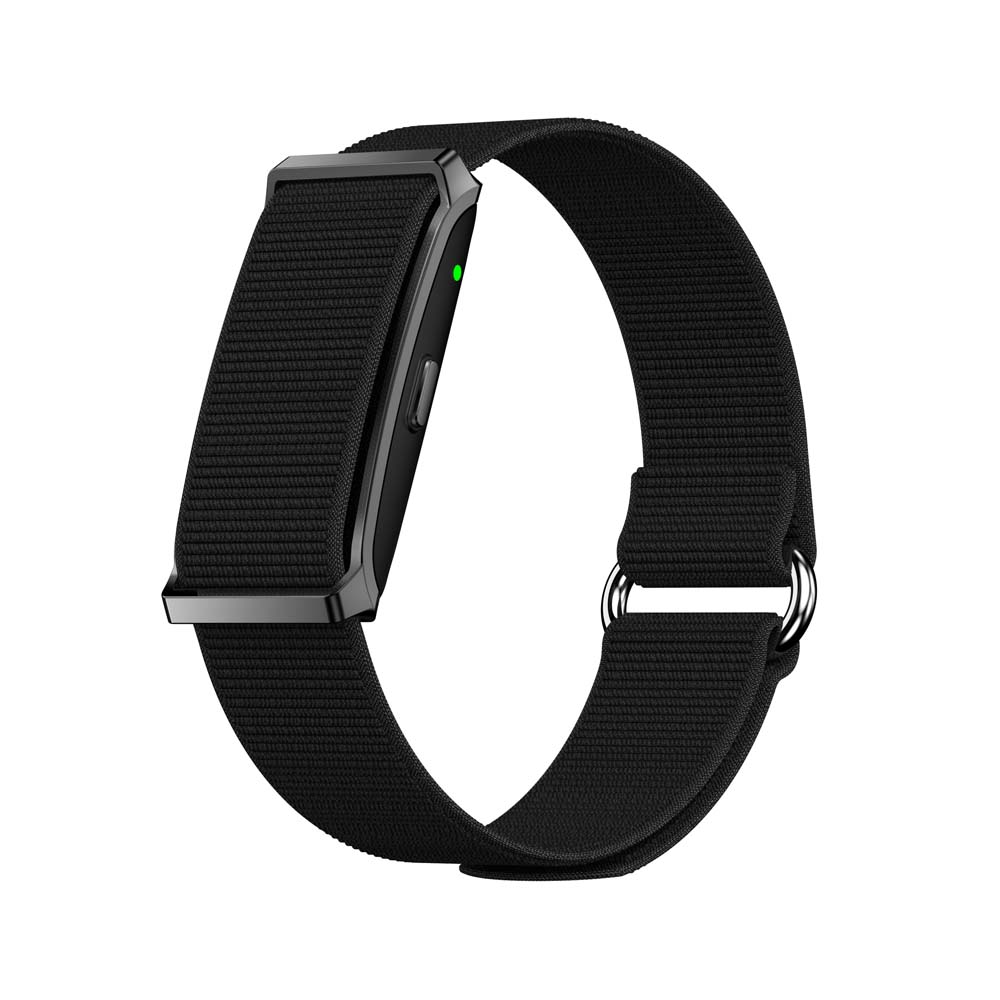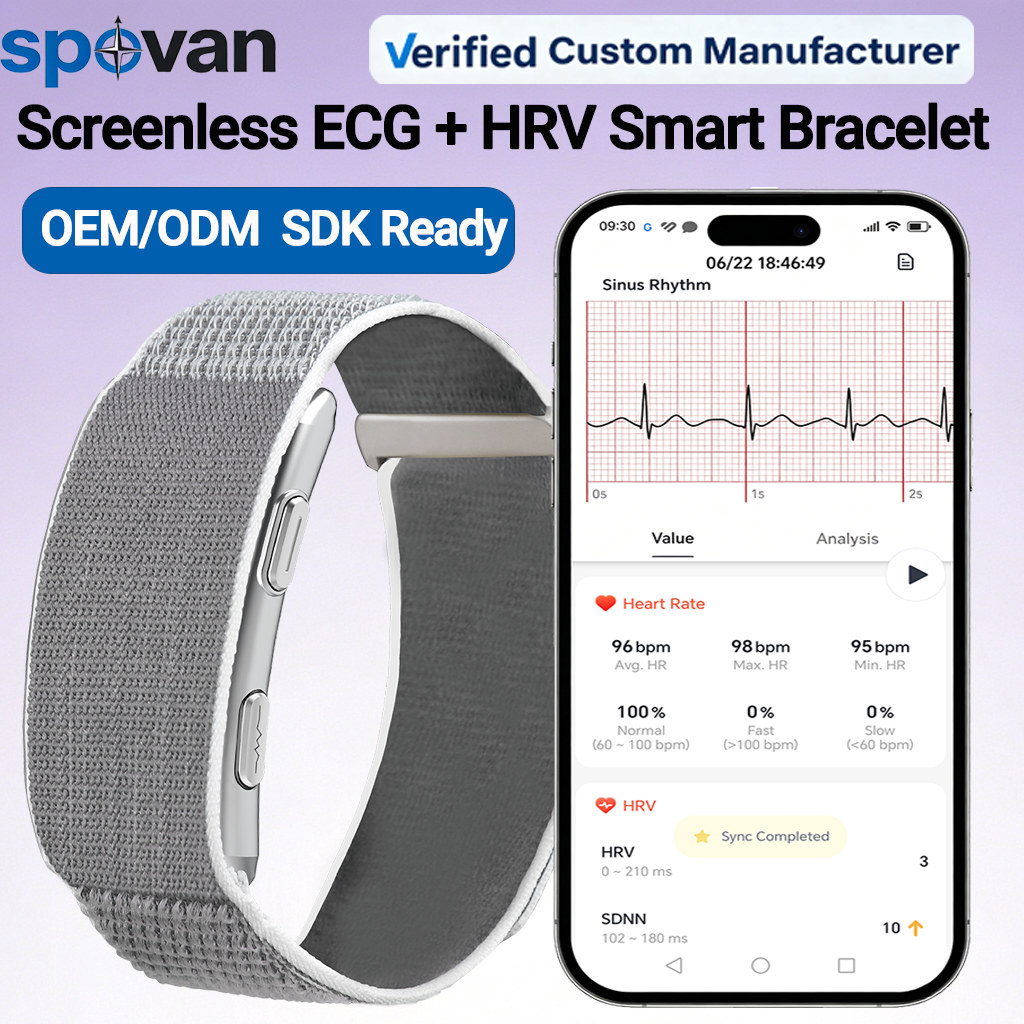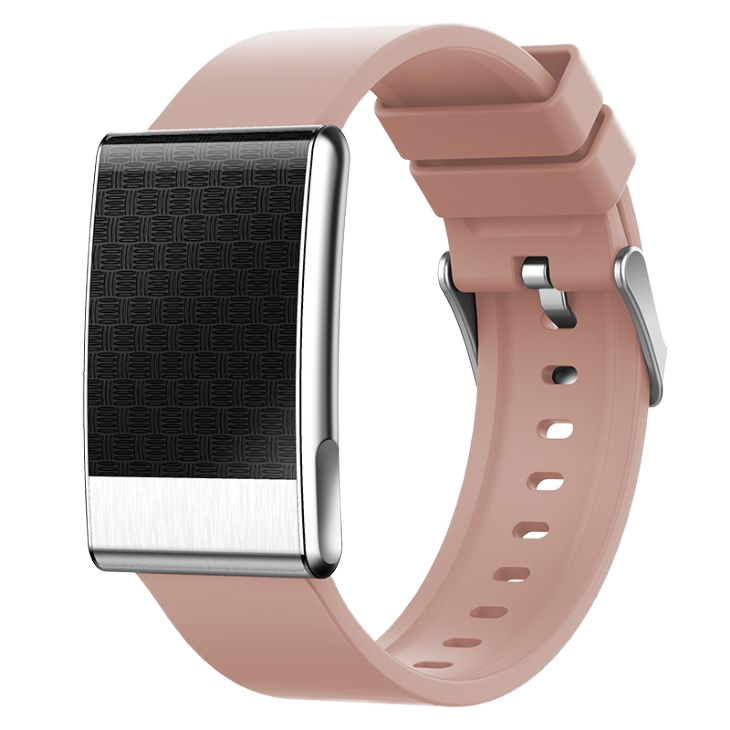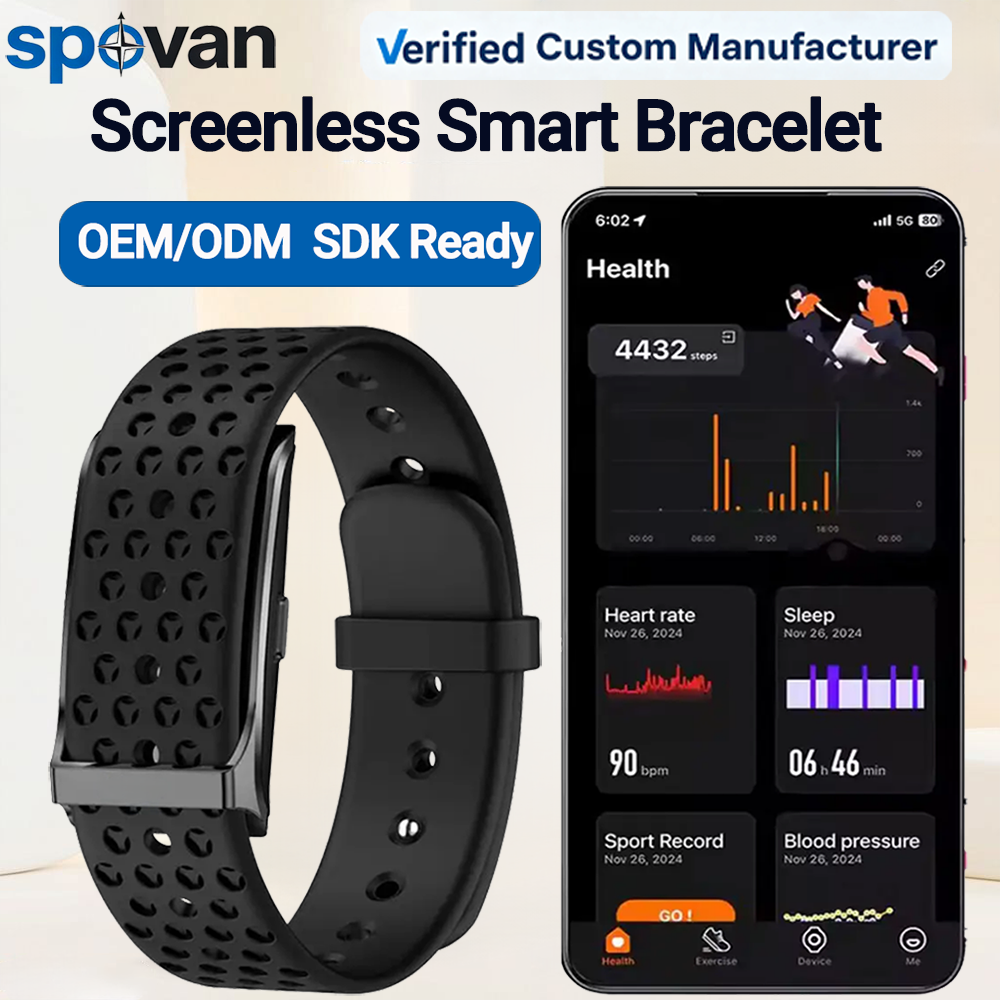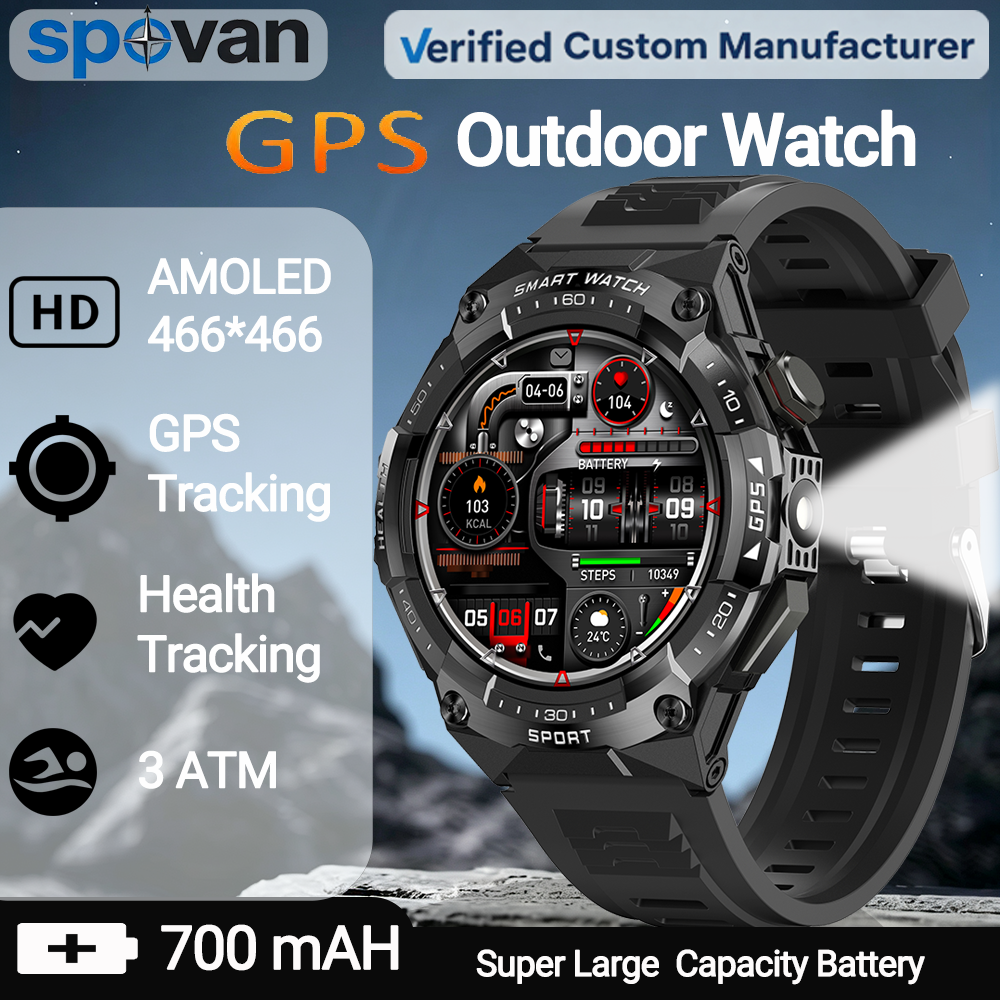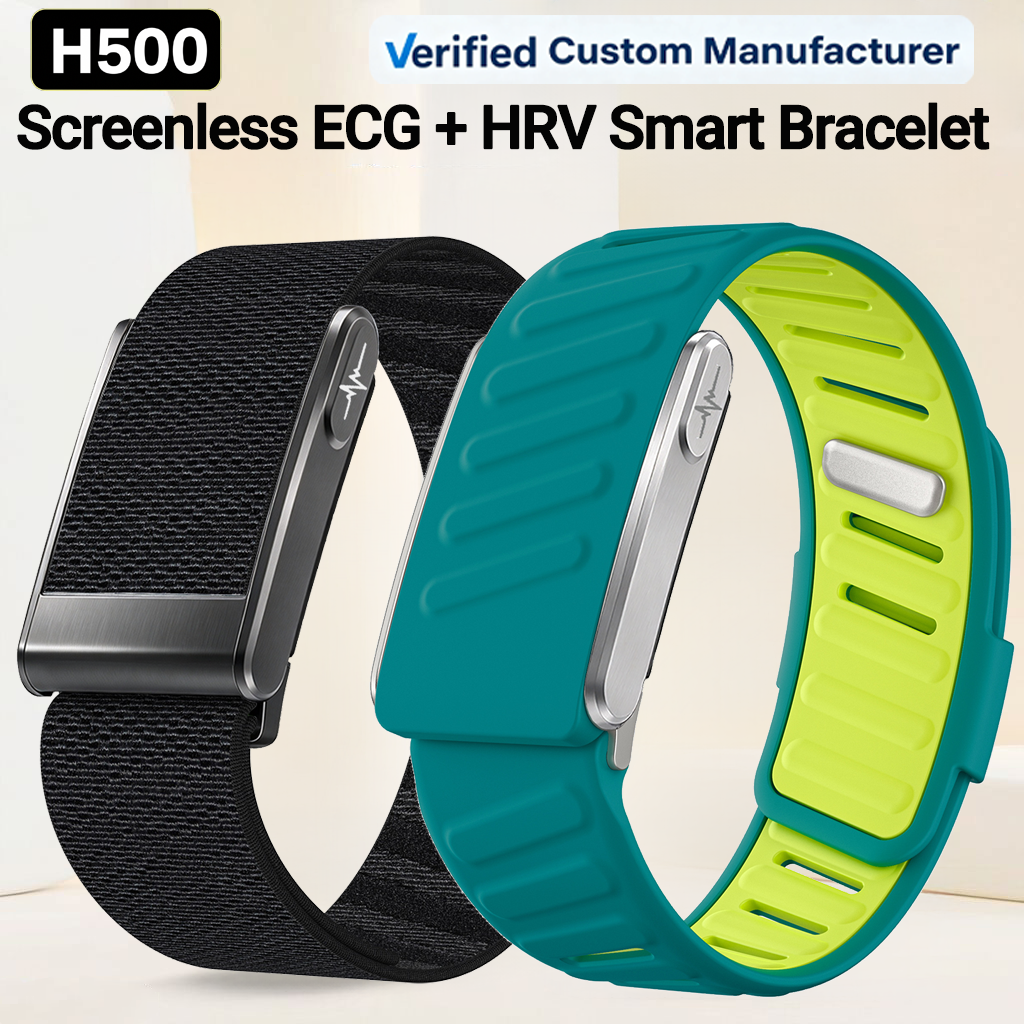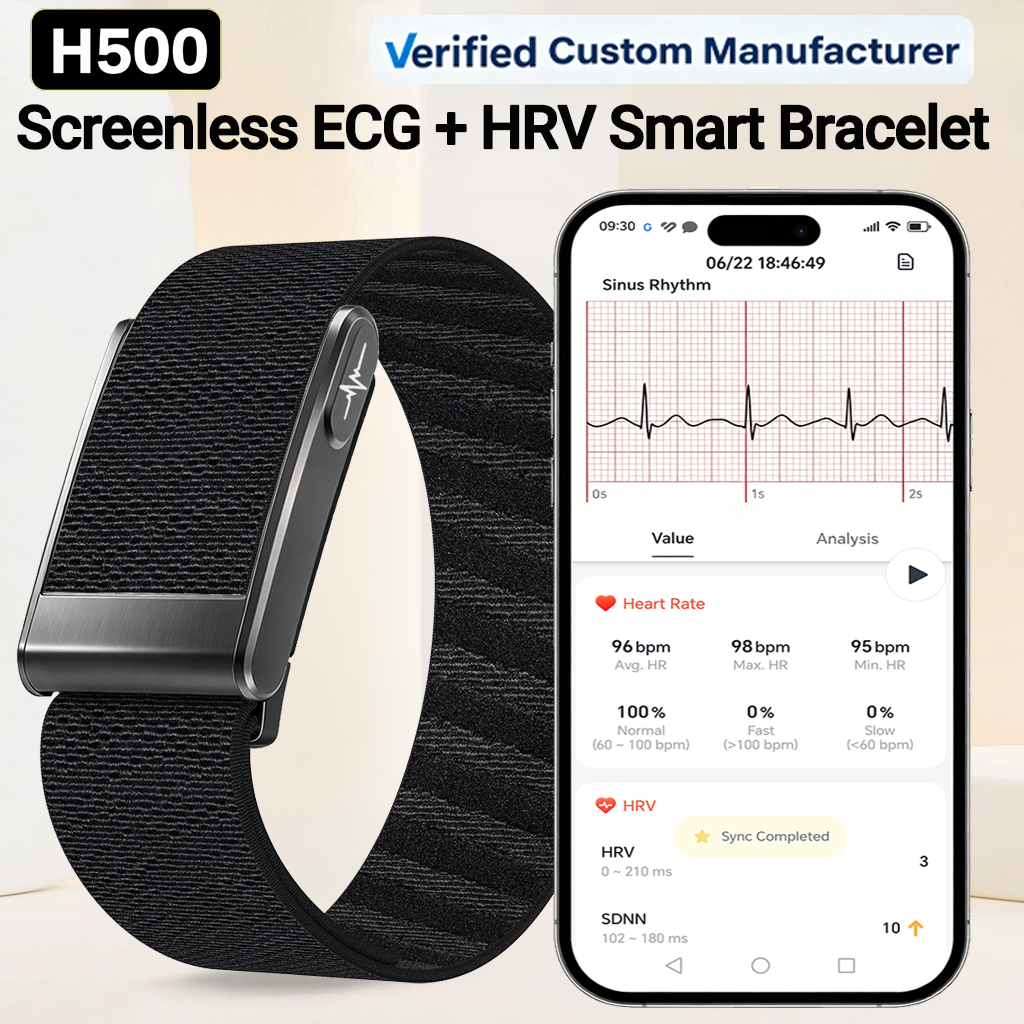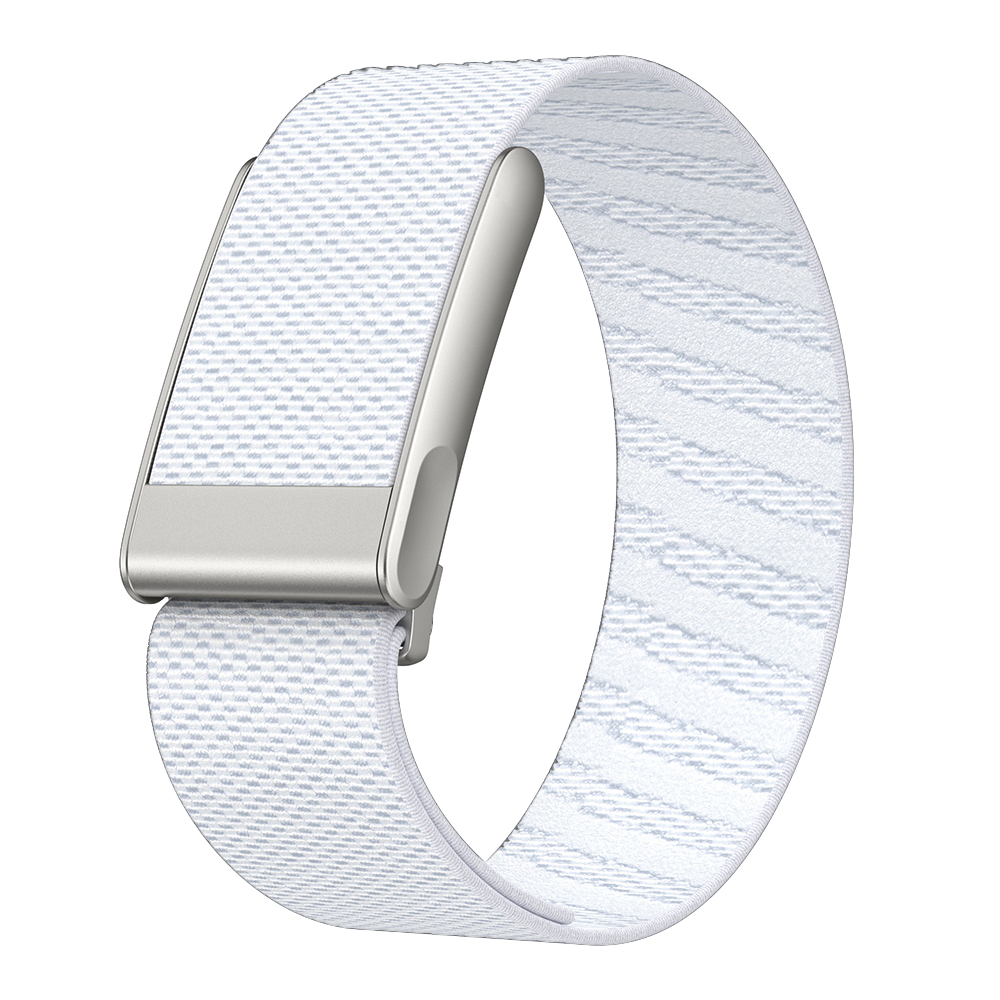
Engineered for industrial workforce monitoring, clinical trial references, and fitness wellness programs in Japan. Powered by multi-wavelength PPG sensors, open SDK/APIs, and IP68 sealed ergonomics.
How our Shenzhen manufacturing line achieves laboratory-grade signal stability in real-world Japanese manufacturing and logistical settings.
Unlike basic consumer fitness bands relying on single-green LEDs, our PPG wristbands integrate dual 525nm green lights for dynamic aerobic monitoring, plus paired 660nm red and 940nm infrared emitters for accurate peripheral capillary oxygen saturation (SpO2) measurements across differing skin tones and ambient lighting.
Heart Rate Variability (HRV) requires microsecond-level sampling consistency. Our onboard DSP filters raw PPG photodiode voltages using advanced discrete wavelets, calculating SDNN, RMSSD, and autonomic nervous system balance without transferring massive uncompressed waveforms across Bluetooth LE channels.
By omitting active display panels on our screenless smart bracelet lines, power consumption drops by over 78%. This enables uninterrupted 24/7 PPG biological telemetry for up to 14–20 days on a single charge while avoiding workplace visual distractions on Japanese factory assembly floors.
Nagoya and the greater Aichi manufacturing hub (covering Toyota City, Kariya, Komaki, and Yokkaichi) represent the highest industrial shipment volume in Japan. Here is how our PPG smart devices solve critical field challenges.
Nagoya hosts the premier automotive supply chain in Asia. In high-precision assembly halls, workers wear screenless PPG bracelets underneath anti-static uniforms. The device tracks sudden spikes in heart rate or drops in HRV, warning supervisory safety systems of physical exhaustion or micro-sleep onset before errors occur on critical stamping or welding benches.
As Japan's largest maritime port by total cargo volume, 24-hour stevedoring and heavy container handling require vigilant heat stress management. During humid Chubu summer seasons, PPG sensors cross-reference pulse rates and ambient telemetry to provide haptic vibration warnings to heavy equipment operators, protecting against heat stroke (Netchusho).
Aichi Prefecture continues to invest heavily in home-based remote elder care. Our screenless PPG and ECG wristbands offer seamless elder telemetry: no dials to fiddle with, no touchscreens to accidentally trigger, and automatic data uploading via our Bluetooth-to-Gateway protocols directly into regional cloud clinics and senior living facilities.
Market realities steering enterprise procurement officers, system integrators, and electronics trading firms in Central Japan.
| Strategic Trend | Technical Driver | Japanese Market Impact | Honsys Engineering Response |
|---|---|---|---|
| Health Management Certification | METI (Ministry of Economy, Trade & Industry) "Kenko Keiei" accreditation push | Enterprises receive tax incentives for deploying verifiable staff wellness tracking | Batch SDK output compatible with custom Japanese HR data governance servers |
| Rise of Screenless Wearables | Workplace safety & IP protection (cleanrooms, no cameras, zero digital distraction) | Automotive tier-1 plants banning screens on shop floors | 100% no-screen, high-durability zinc alloy / polycarbonate biosensors with encrypted BLE |
| Edge AI Biosignal Processing | Privacy compliance (APPI Act on Protection of Personal Information) | Local processing mandatory without sending raw user waveforms to overseas clouds | On-chip PPG/ECG feature extraction: delivers processed indices (HR, SpO2, HRV) locally |
| Multi-Sensor Fusion | Simultaneous optical PPG, 3-axis accelerometer, and skin thermistor readings | Precise metabolic burn and core temperature correlation for field workers | Custom firmware calibration for simultaneous multi-channel telemetry streams |
Operating from Shenzhen with audited electronics assembly lines, we bridge high-volume Chinese manufacturing scale with strict Japanese quality expectations.
15+
810+
100%
99.76%
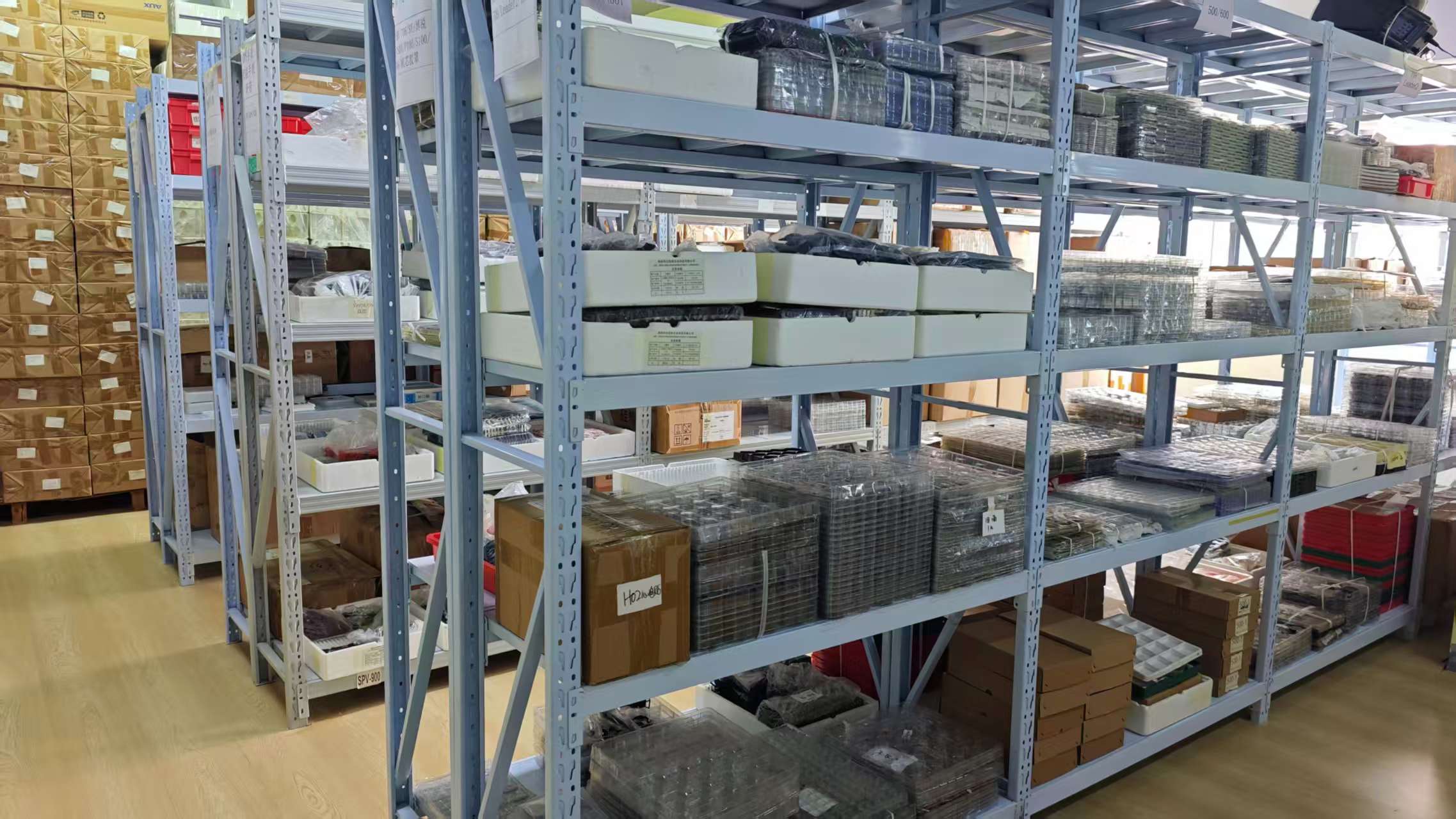
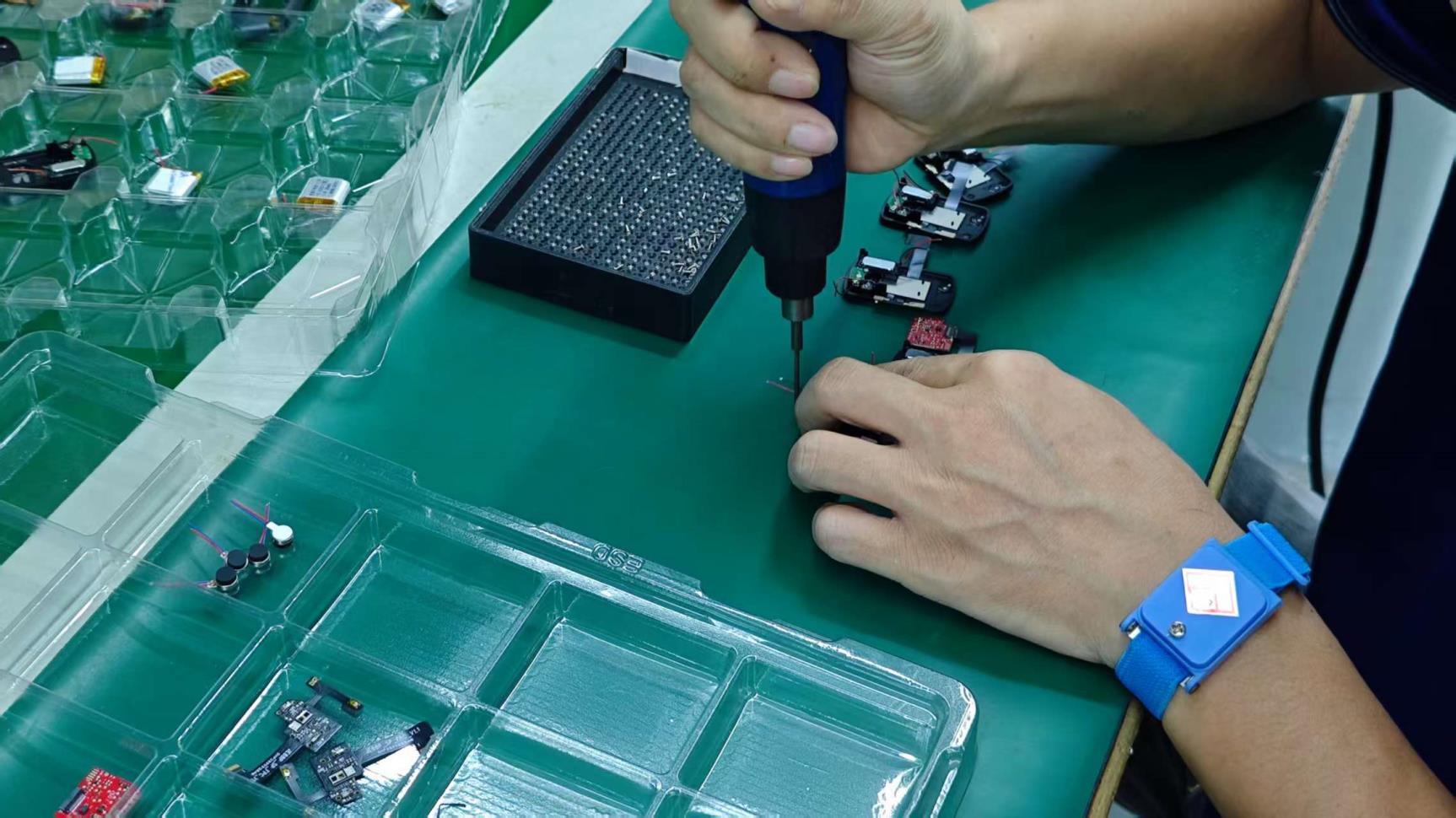
Independent verification by SGS Group confirms our production facilities, cleanroom assembly standards, automated SMT soldering, and comprehensive inventory management meet Tier-1 export standards.
We do not lock your hardware into proprietary closed servers. We provide native Android, iOS, and Bluetooth Low Energy protocol documentation so Nagoya software developers can link directly to internal cloud platforms.
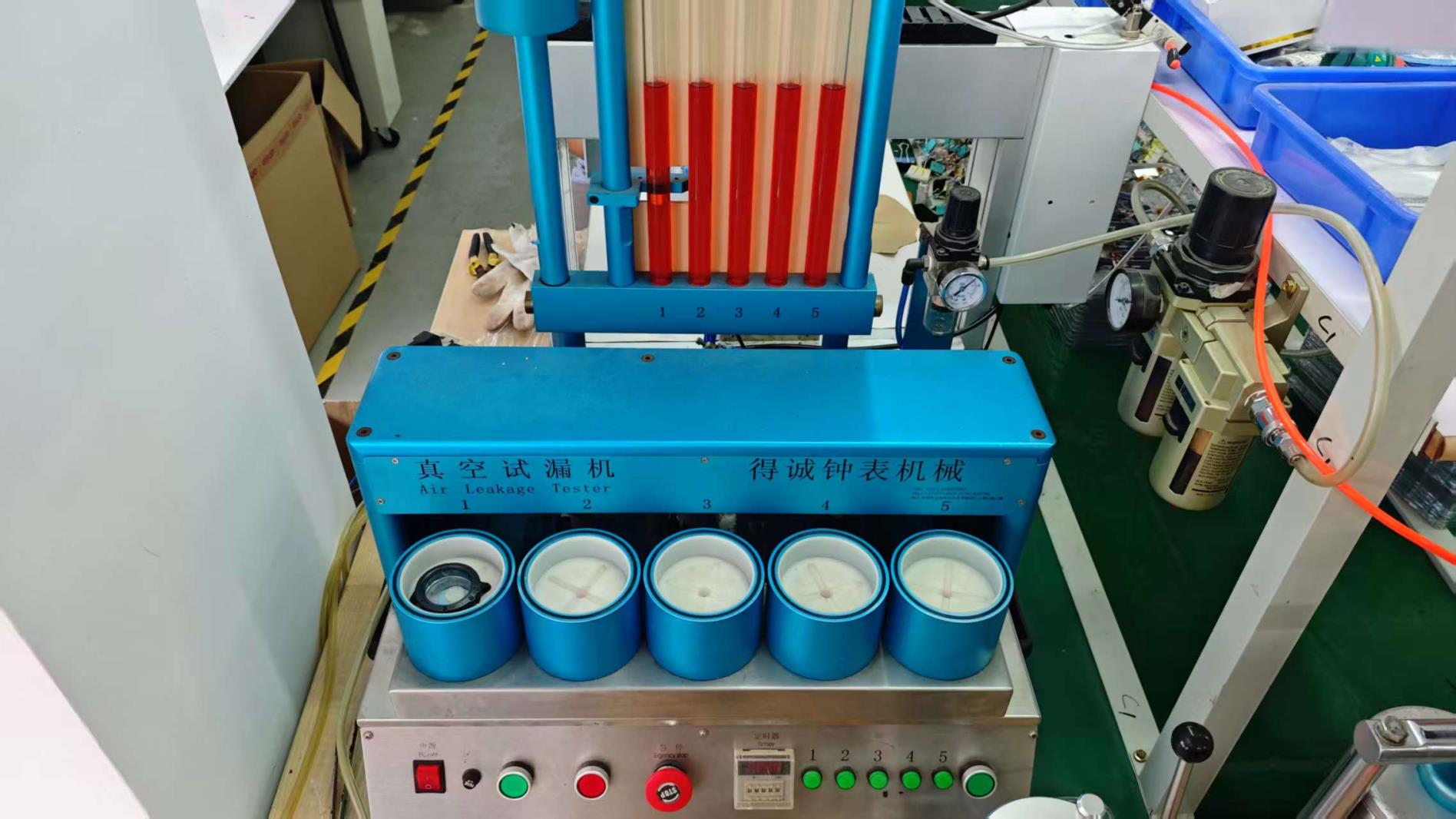
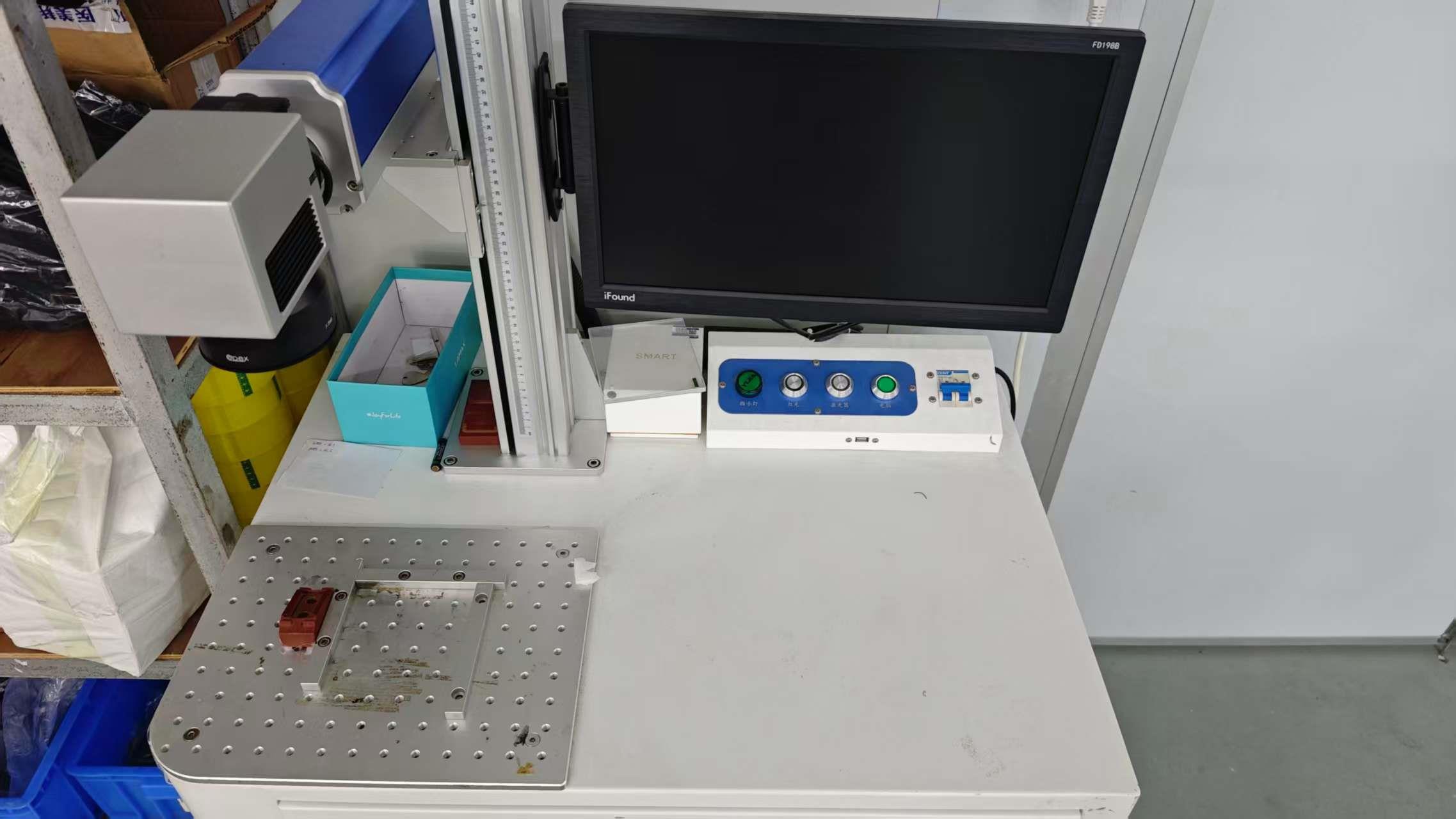
Every batch undergoes incoming IQC, sealed IP68 vacuum chamber pressure leakage checking, laser mark engraving, and dynamic vibration testing, backed by rapid technical replacement guarantees.
Addressing engineering specifications, regulatory compliance, logistics to Chubu Centrair, and custom SDK integrations.
For large-scale deployments across Japan, radio transmission devices must comply with the Radio Act (TELEC / MIC certification). We supply pre-certified BLE RF module options (such as Nordic Semiconductor series) or facilitate third-party laboratory testing by providing schematics, RF test firmwares, and attenuator access ports to ensure fast certification grant for our OEM partners.
Yes. Depending on your licensing tier and firmware requirement, our open SDK can provide either calculated health indices (heart rate BPM, blood oxygen SpO2 %, HRV intervals, and sleep stages) or stream raw photoplethysmography ADC counts and 3-axis accelerometer values over Bluetooth LE for proprietary algorithmic analysis.
From our Shenzhen factory, air freight via Shenzhen Bao'an (SZX) or Hong Kong (HKG) direct to Chubu Centrair International Airport (NGO) takes roughly 2 to 4 working days including customs processing. For sea freight container shipments departing Yantian Port to the Port of Nagoya, maritime transit averages 5 to 7 days, providing one of the most reliable and cost-effective bulk supply lanes in East Asia.
We maintain an agile procurement policy. Evaluation sample units and ready-to-ship models can be ordered starting from 1 to 10 pieces. Customized laser-engraved housing logos or custom strap colors generally start at 100 to 500 units. Bespoke Japanese user manuals, retail box art, and tailored firmware boot screens typically require a 1,000-unit project volume.
Standard models are exported as general wellness, fitness, and workforce occupational health monitoring hardware; they are not intended as diagnostic medical devices. However, if your company is pursuing PMDA class II medical device approval in Japan, we provide comprehensive design history documentation, ISO 13485-aligned cleanroom manufacturing capability, and full electrical safety declarations to assist your regulatory filings.
Our screenless bracelets have no optical camera components, no microphone arrays, no interactive displays, and no external USB mass storage ports. Data transmission can be locked strictly to encrypted Bluetooth BLE pairings with authorized local enterprise gateways, eliminating security risks, camera espionage threats, and shop-floor mobile distractions.
Request evaluation samples, comprehensive SDK interface documentation, or discuss tailored OEM mass-production schedules directly with our senior hardware engineers.
Contact Us