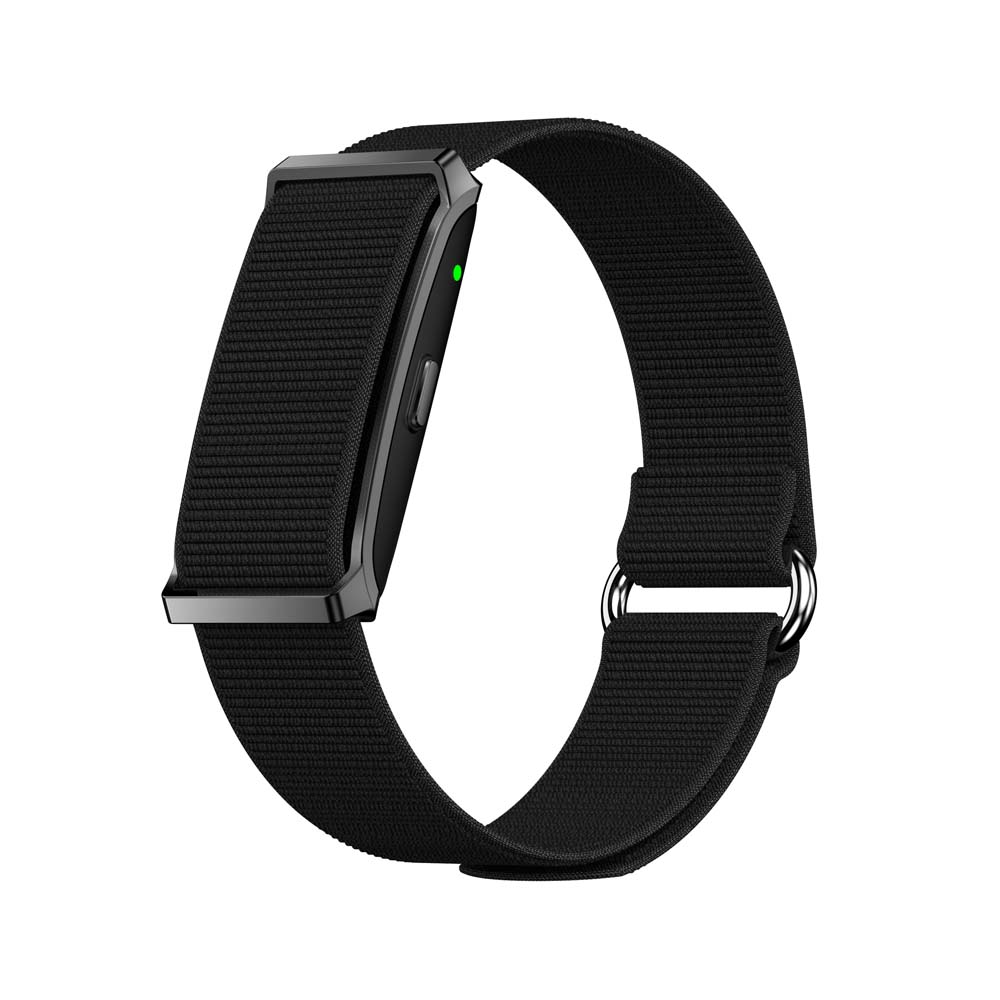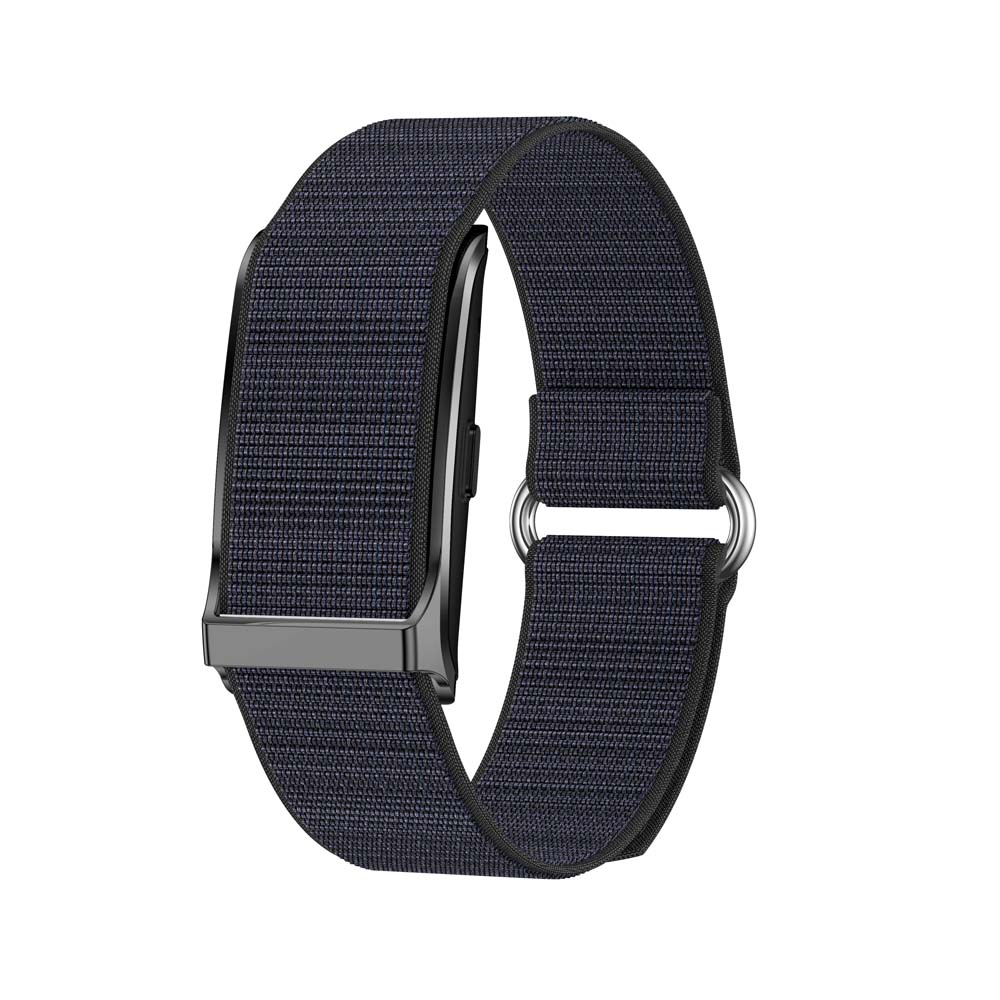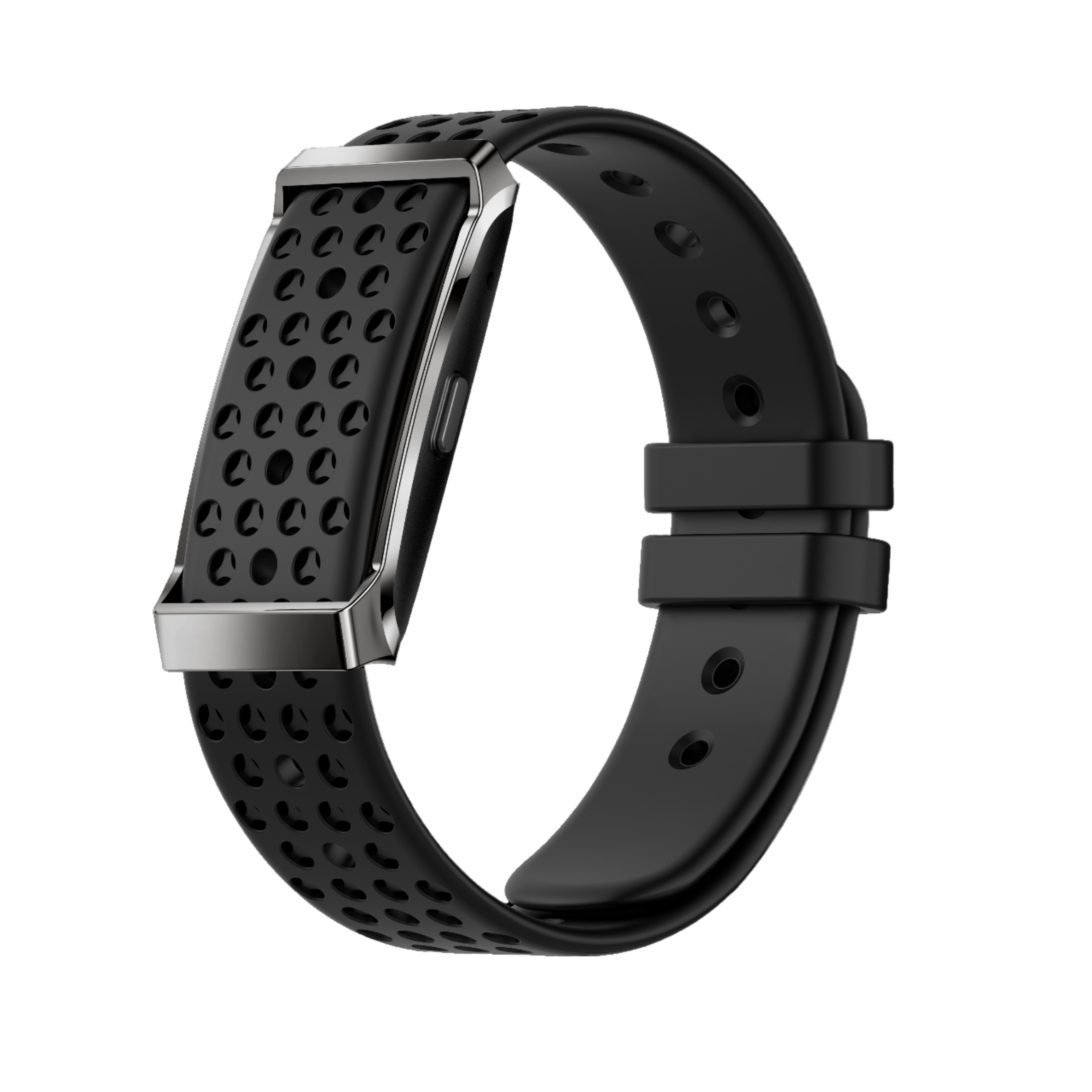
Direct supply line from Shenzhen Honsys Technology to Odesa regional medical providers, enterprise wellness platforms, and consumer fitness distributors.
In modern remote patient monitoring (RPM) and preventative cardiac surveillance, sensor reliability dictates operational viability. Our health monitoring architectures bridge laboratory-grade electrophysiological diagnostics with low-power wearable form factors. As the maritime center and key commercial gateway of southern Ukraine, Odesa faces distinct operating conditions: municipal medical centers, regional sanitariums across the Black Sea littoral, and municipal port logistics operators require durable biometric equipment capable of uninterrupted tracking across low-bandwidth environments.
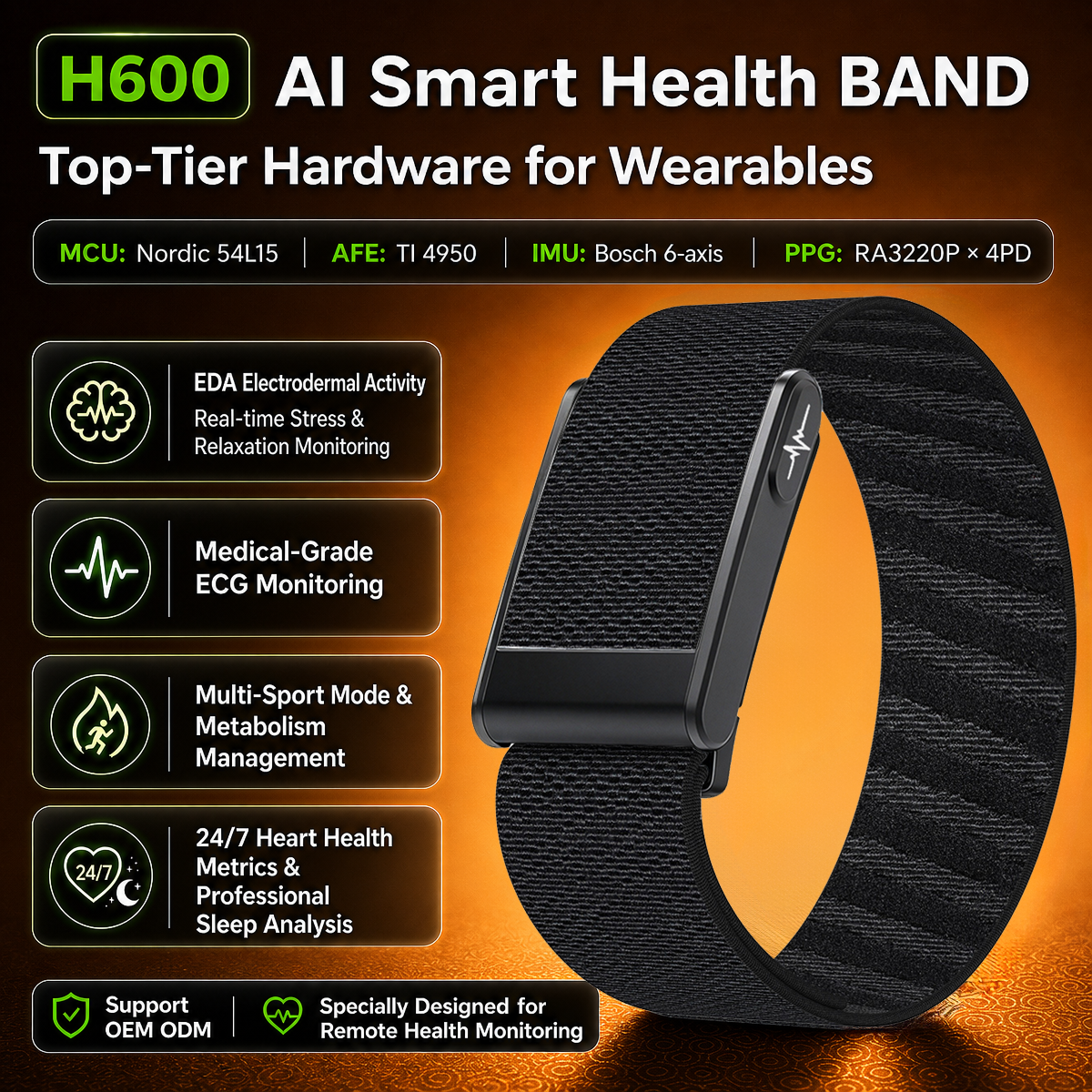
The core sensor cluster integrated within our screenless bands and smartwatches combines photoplethysmography (PPG) optical sensor arrays with dry-contact micro-electrocardiogram (ECG) electrodes. Unlike entry-level consumer trackers that utilize uncalibrated green light (525 nm) reflective diodes, our biometric hardware employs multi-wavelength optical engines spanning 660 nm (red) and 940 nm (infrared) absorption channels. This dual-band configuration ensures accurate arterial peripheral oxygen saturation (SpO2) readings across variable skin temperatures, ambient Black Sea coastal humidity, and dynamic physical exertion.
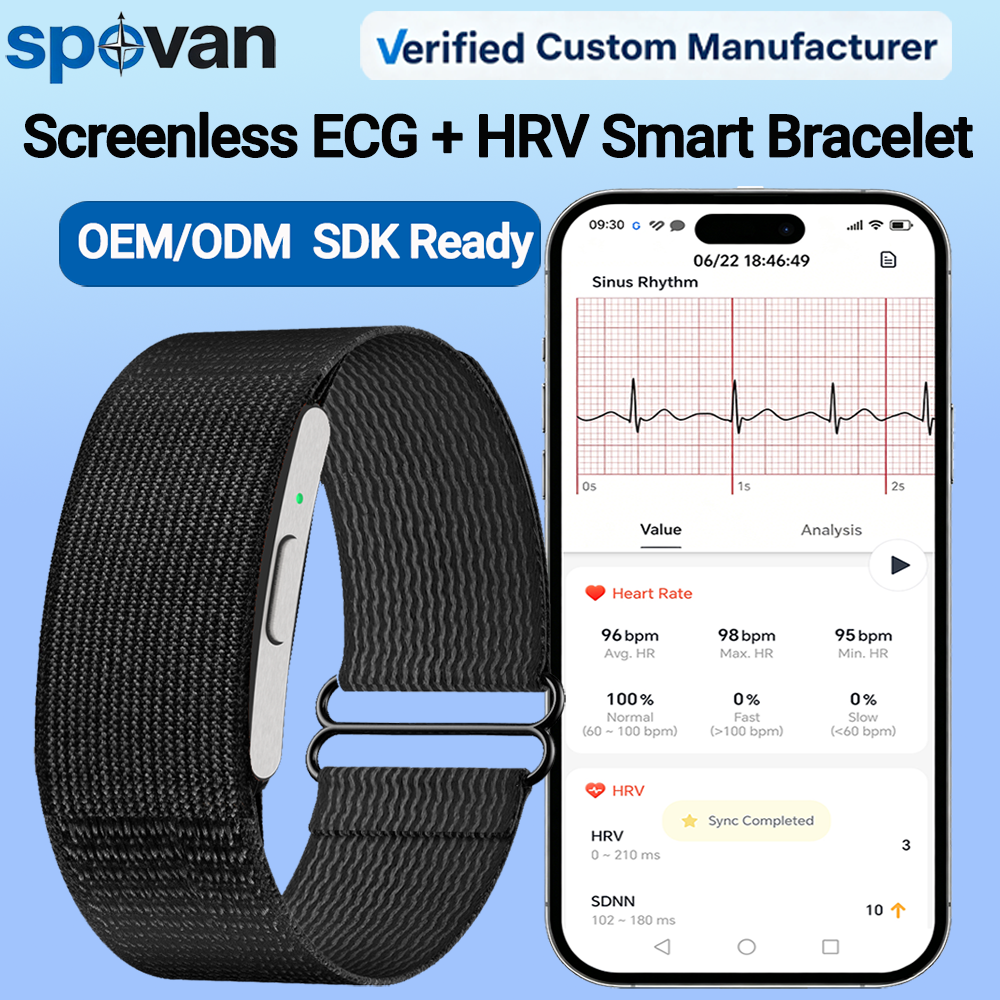
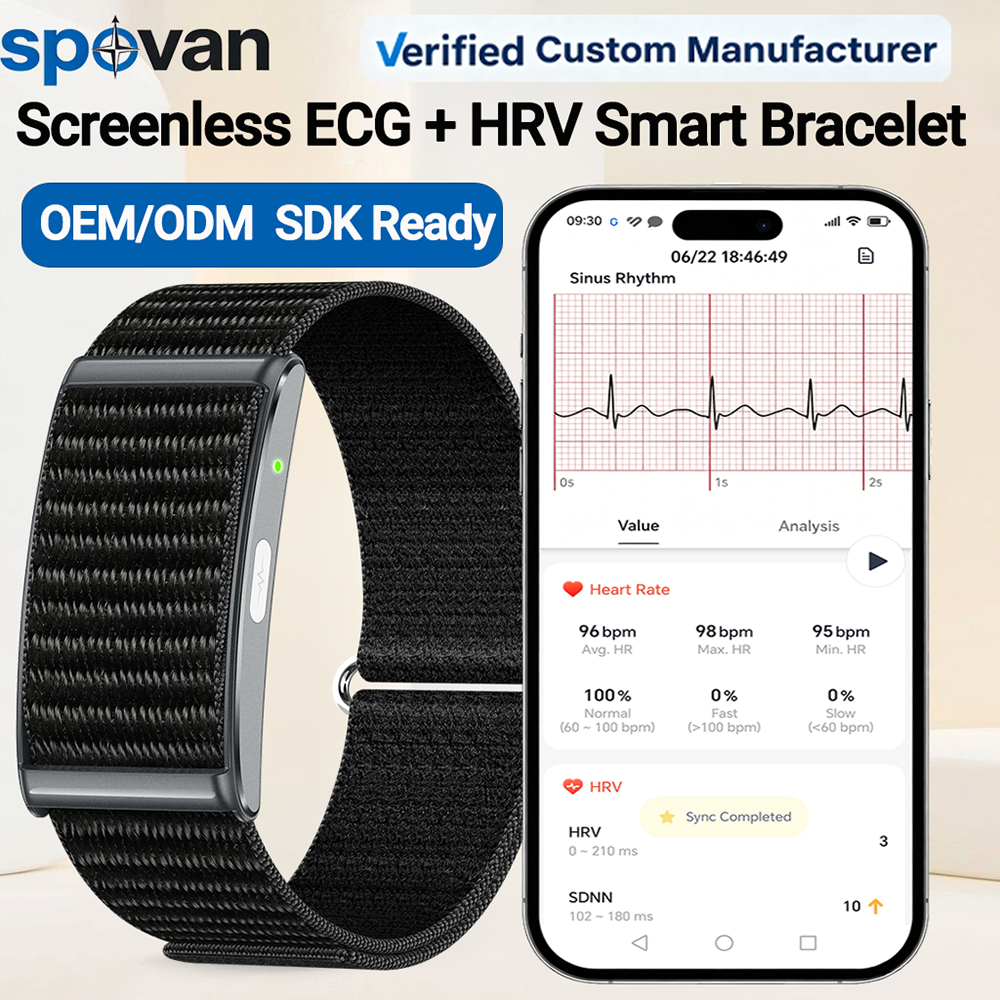
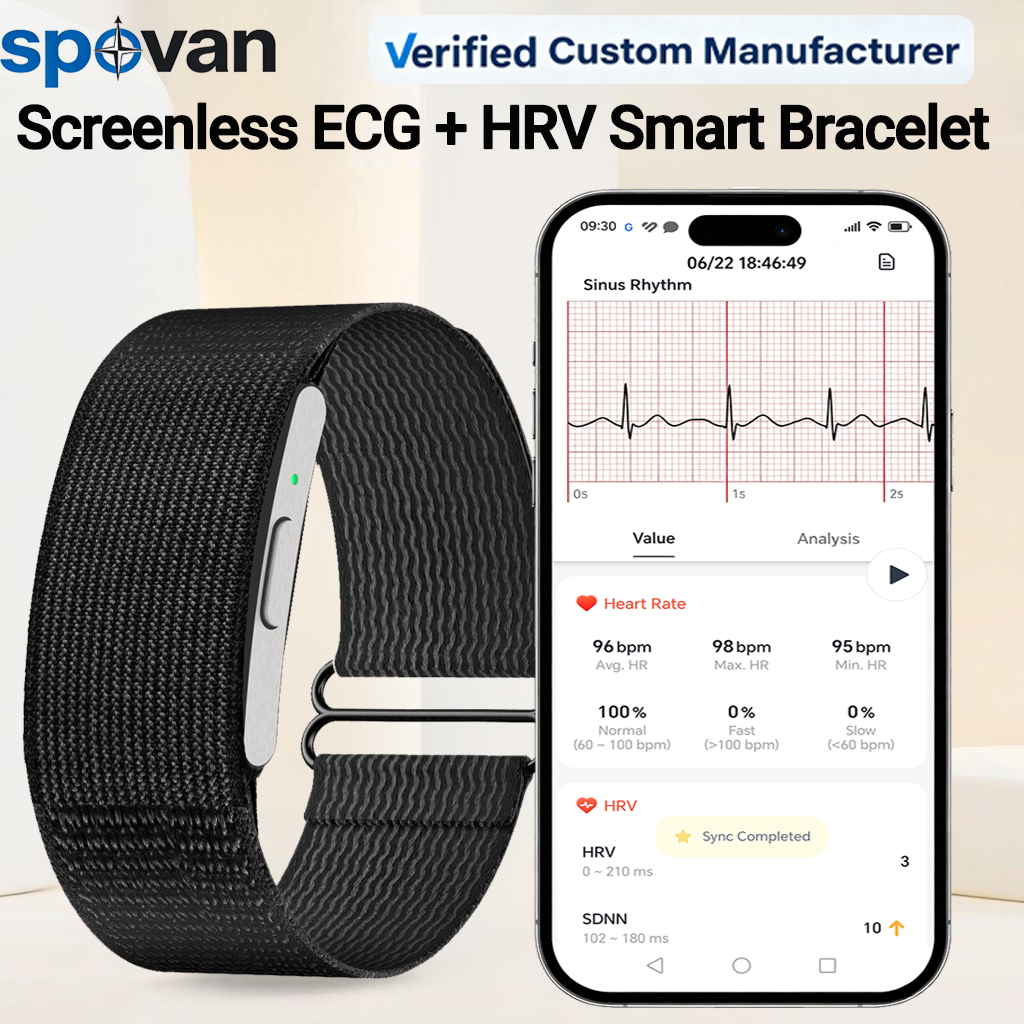
Features ultra-high input impedance instrumentation amplifiers (>100 MΩ) combined with hardware-level common-mode rejection ratios (CMRR >80 dB). Cancels baseline wander and 50 Hz/60 Hz electrical grid noise across clinical and domestic environments in Odesa Oblast.
Extracts millisecond-accurate R-to-R interval variance to derive vital autonomic nervous system indicators, including SDNN, RMSSD, and frequency-domain LF/HF ratios. Provides actionable stress telemetry and autonomic balance reporting via our open SDK.
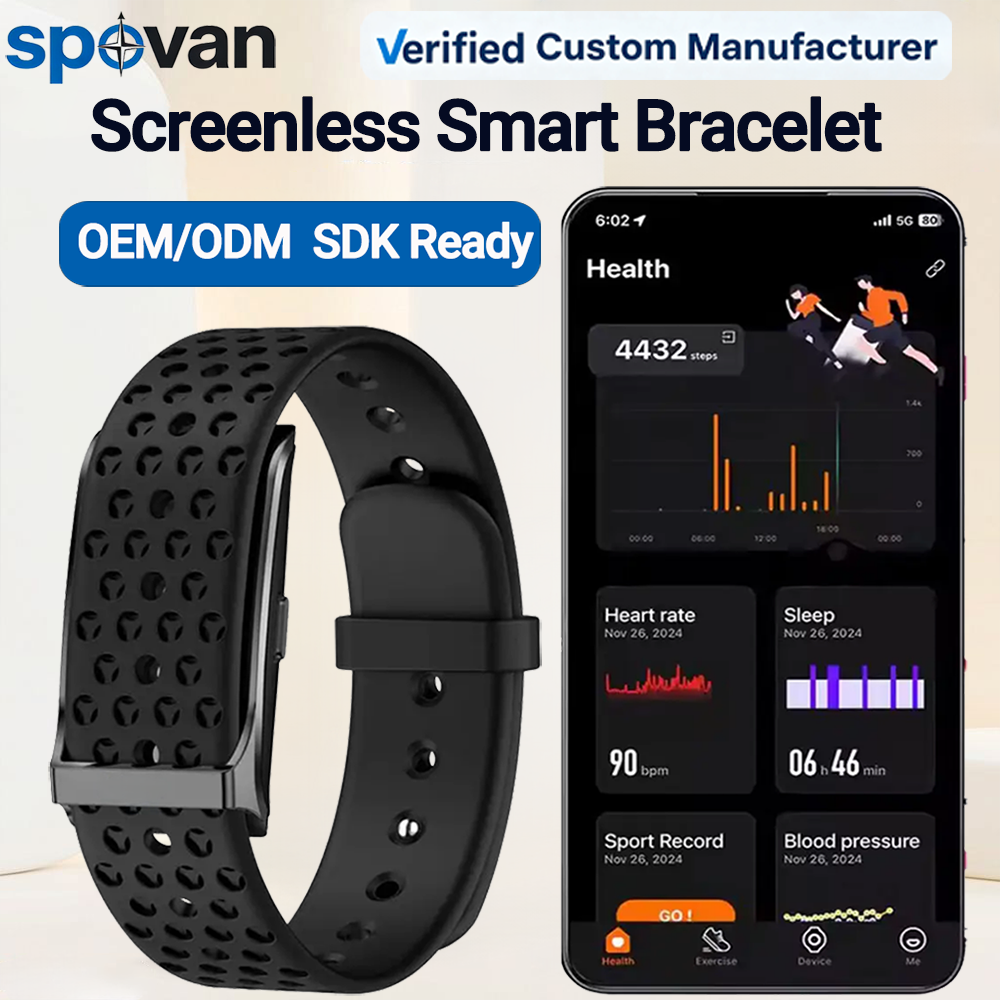
Engineered for constrained network environments. Onboard flash microcontrollers cache up to 30 days of offline raw biometrics, synchronizing automatically via encrypted Bluetooth Low Energy 5.2 payloads when internet connectivity resumes.
Procurement departments and health informatics architects in Odesa operate in a dynamic infrastructure landscape. Wearable systems must serve dual roles: high-throughput clinical tracking in metropolitan trauma and cardiological facilities, and passive, uninterrupted health monitoring across suburban and maritime maritime transport clusters. Below are the verified primary application vectors for our smart health series across the regional market.
Seafarers, stevedores, and port operations teams at the Commercial Sea Port of Odesa and Chornomorsk require robust occupational health safeguards. Our IP68 screenless smart bracelets act as unobtrusive fatigue and cardiac strain monitors. Resistant to saline fog corrosion, they continuously capture arrhythmia risks, heat exhaustion indicators, and sleep recovery cycles without disruptive screen emissions or mechanical vulnerabilities.
Hospitals and clinics throughout Odesa Oblast utilize our open SDK/API wearables to extend cardiac rehabilitation beyond clinic walls. Recovering post-infarction patients wear ultra-lightweight bands that transmit R-to-R metrics directly to localized hospital information systems (HIS), notifying on-call cardiologists of anomalous sinus tachycardias or hypoxemic events in real time.
The sanatoriums and wellness resorts distributed across Arcadia, Fontan, and Kuyalnik rely on automated health telemetry to manage large outpatient numbers. Integrated pedometers, sedentary alerts, and automated nocturnal SpO2 screening provide early warning diagnostics for sleep apnea, respiratory distress, and cardiac arrhythmia with zero technical hurdles for senior citizens.
Operational personnel exposed to acute stress require continuous biometric triage. The DS10 and custom zinc-alloy series deliver tamper-proof physical architectures with long battery endurance (7 to 20 days per charge cycle), enabling commanders to observe metabolic exhaustion, acute stress indexes, and physical trauma indicators under intermittent network access.
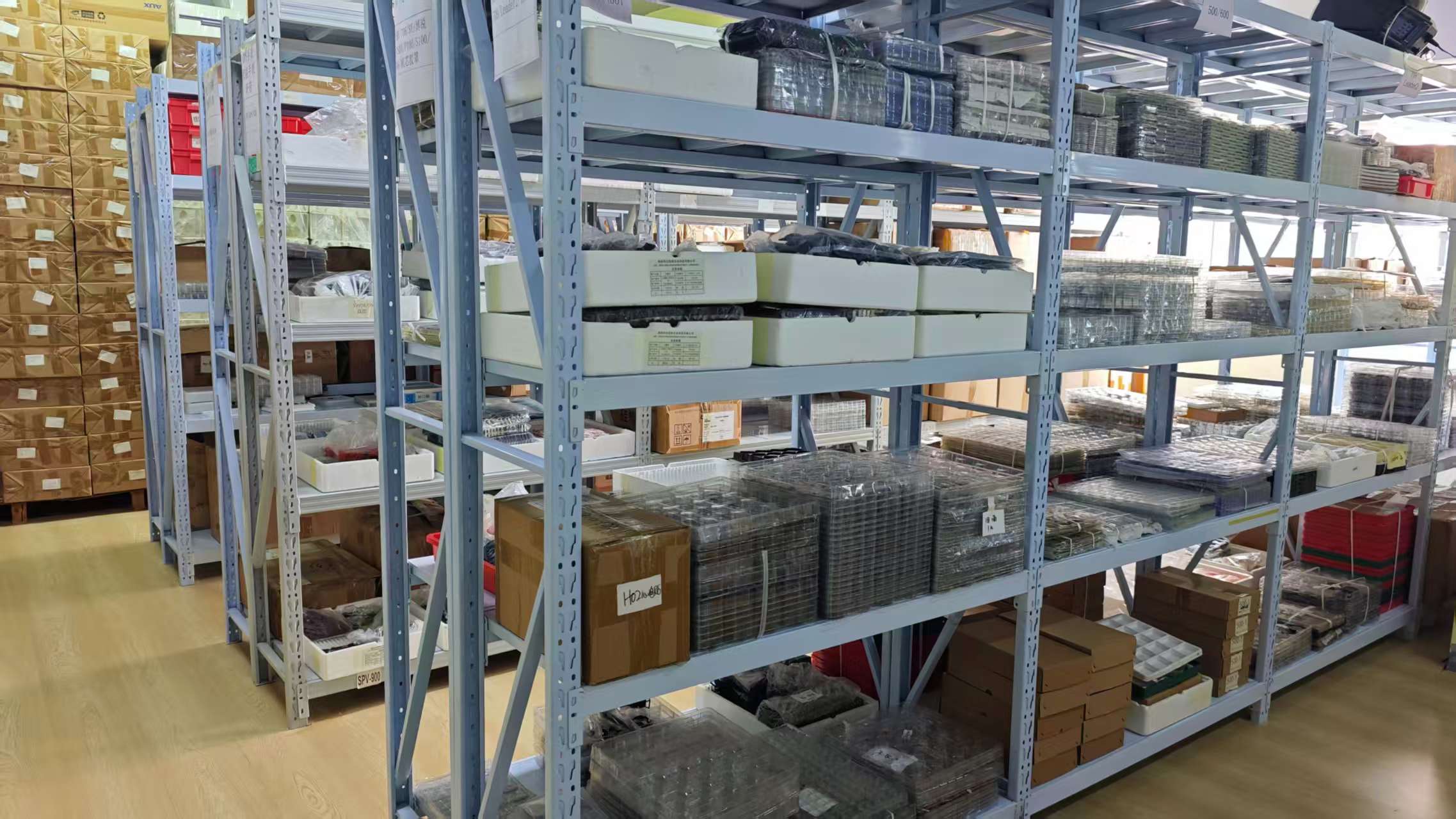
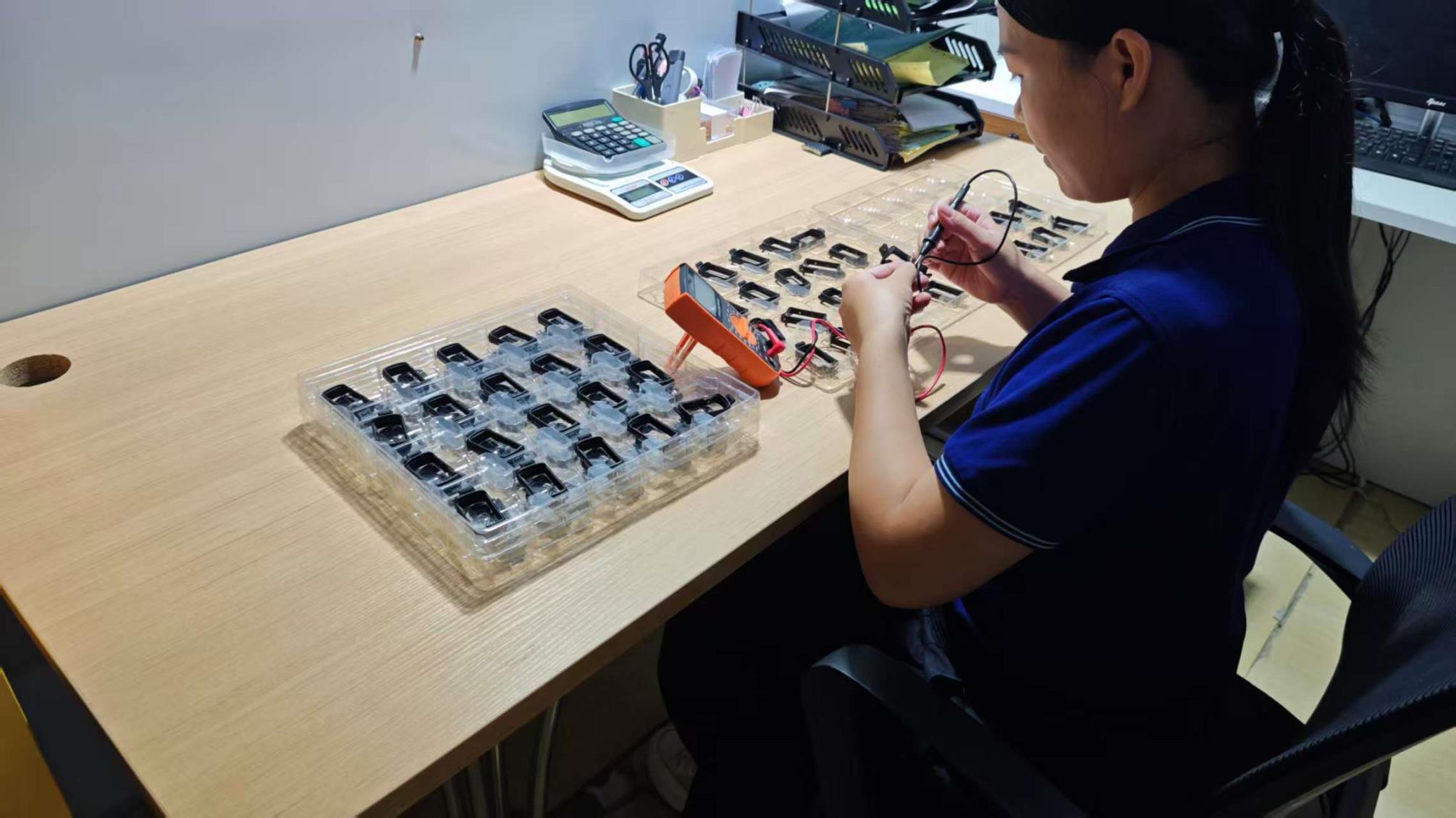
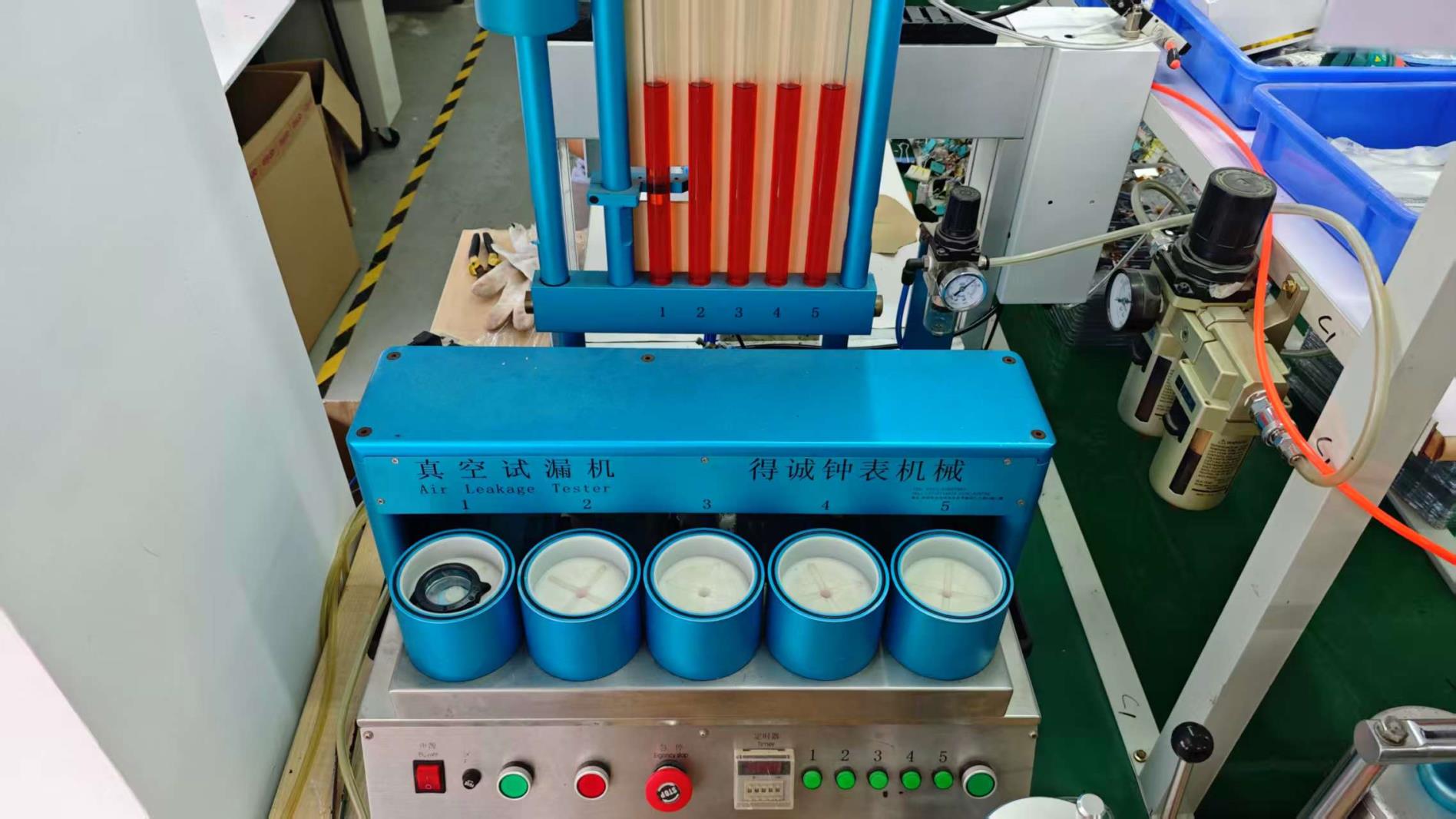
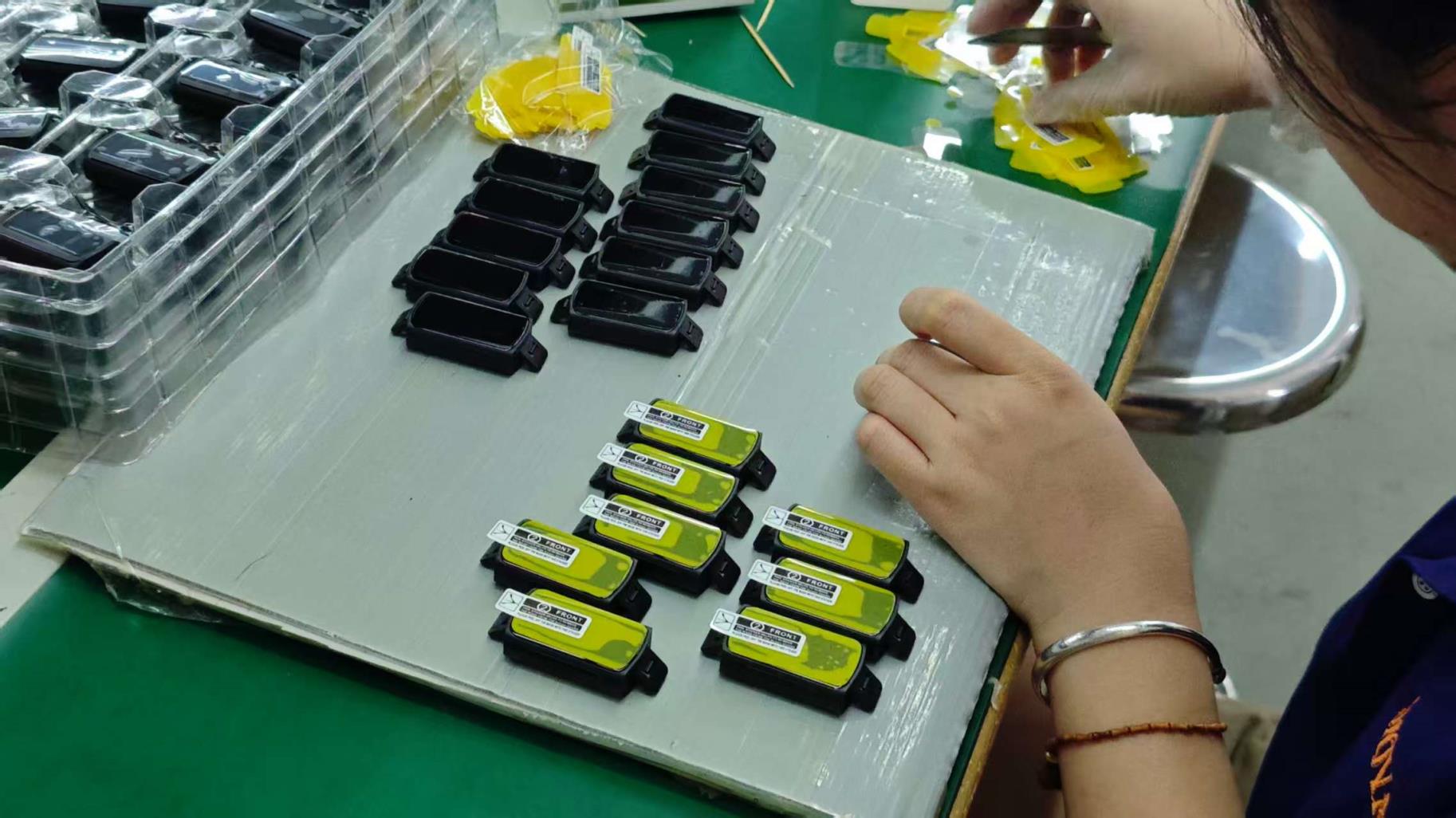
Founded in 2010 and exporting globally since 2012, Shenzhen Honsys Technology operates state-of-the-art SMT production lines, class-10,000 cleanroom assembly cells, and specialized optoelectronic testing facilities. Our engineering department specializes in end-to-end hardware development, embedded firmware compilation, and seamless cloud middleware connectivity.
Consult directly with Shenzhen Honsys Technology engineers. Request comprehensive product catalogs, sample evaluation kits, detailed SDK documentation, and volume FOB/CIF quotations tailored to your distribution requirements.
Get Catalog