Precision Telemetry & Continuous Heart Rate Monitoring Series
Pre-engineered hardware platforms equipped with multi-spectral PPG, clinical ECG front-ends, open SDK/APIs, and extreme environmental ingress protection.
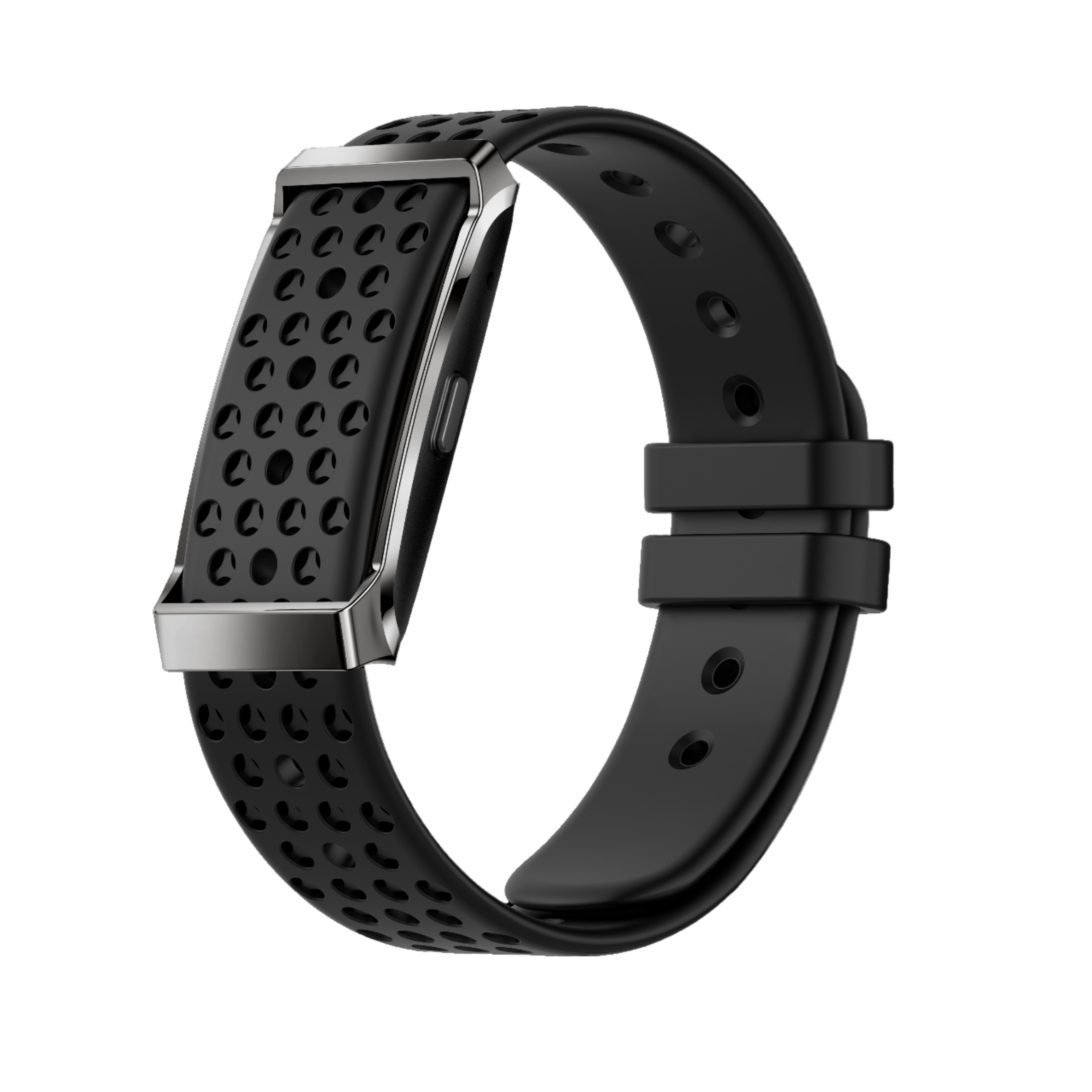
DS10 Android IOS Smart Wristband No-Screen Fitness Tracker Heart Rate SpO2 Monitor IP68 Waterproof
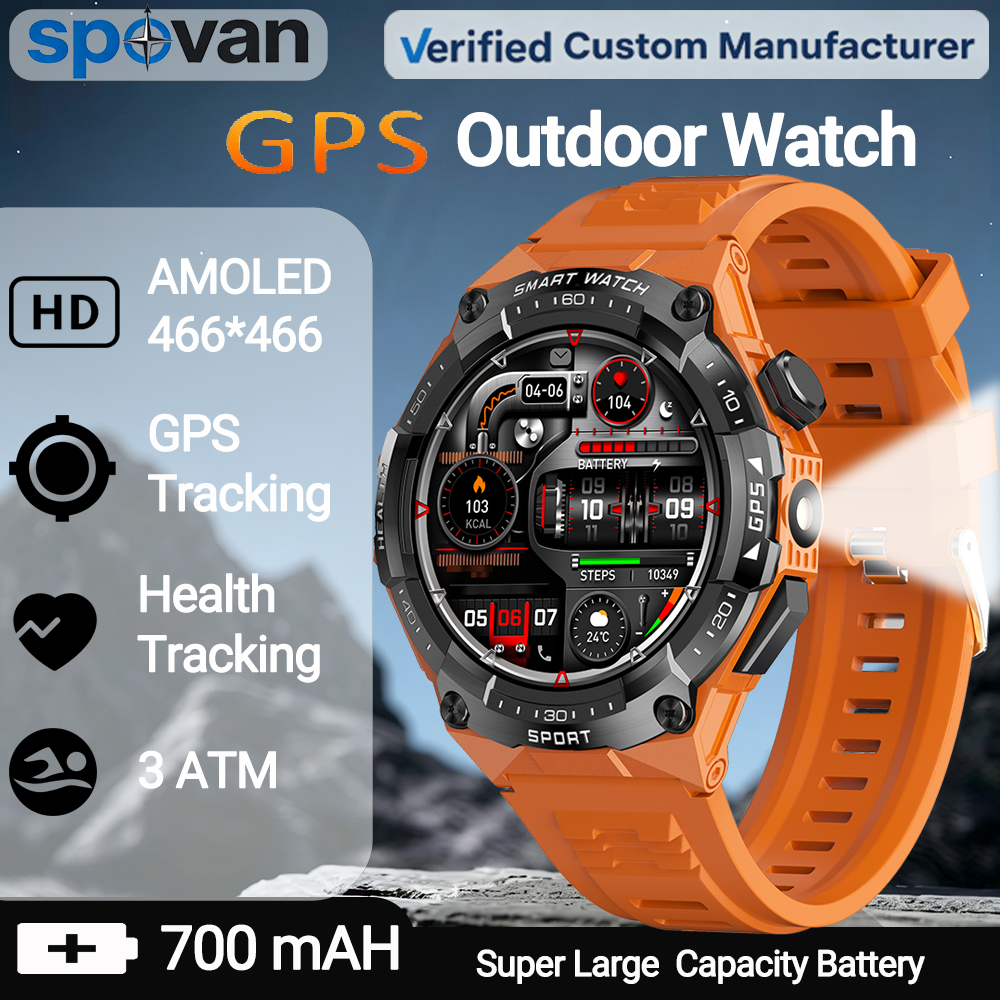
Multi-Satellite GPS Hiking Watch 3ATM Waterproof Outdoor Smartwatch AMOLED Altimeter Barometer GLONASS
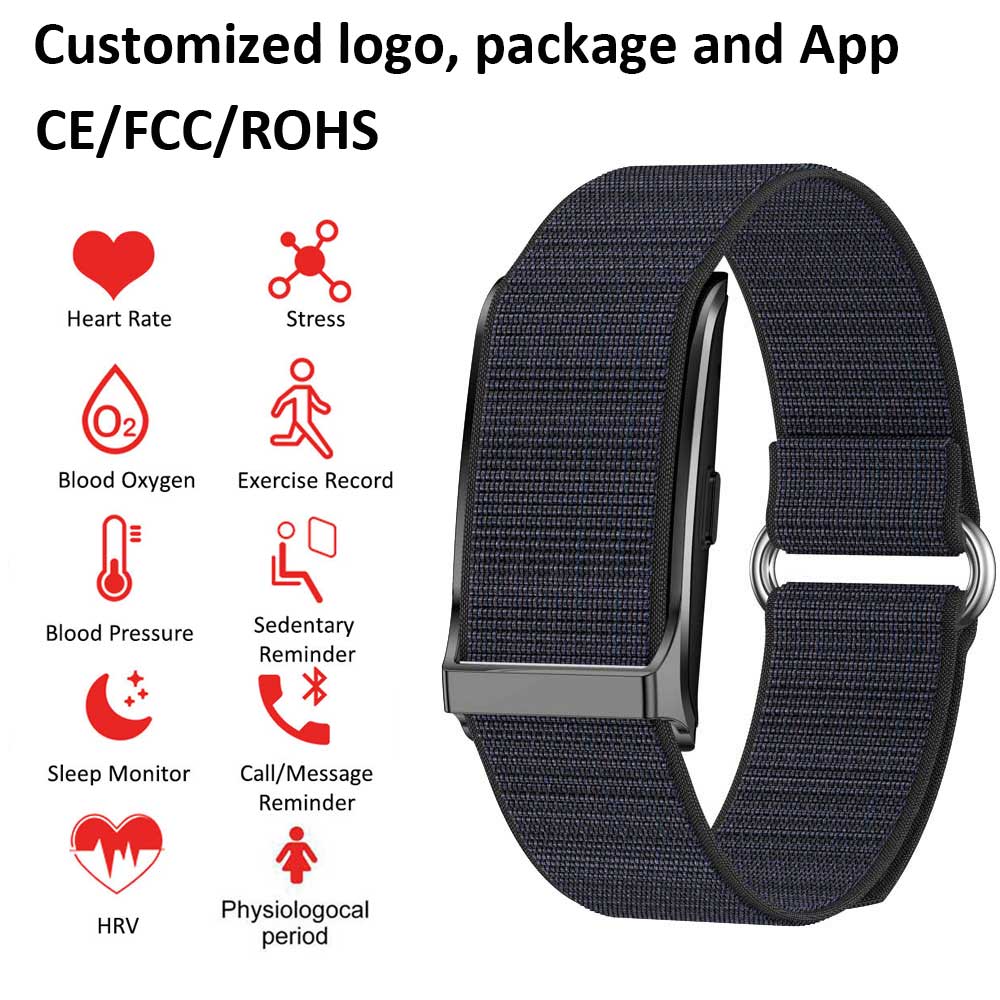
Wholesale Customized Heart Rate Blood Pressure Fitness Tracker Reloj Smart Bracelet With SDK API
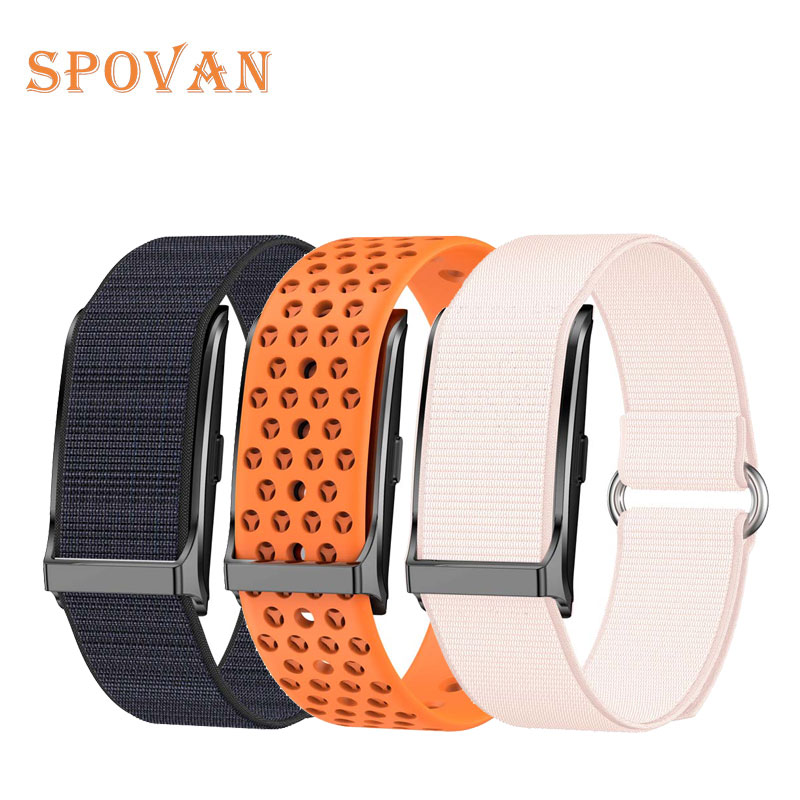
2025 CE ROHS Customized Logo Health Monitor Smart Bracelet Smart Watch Without Screen
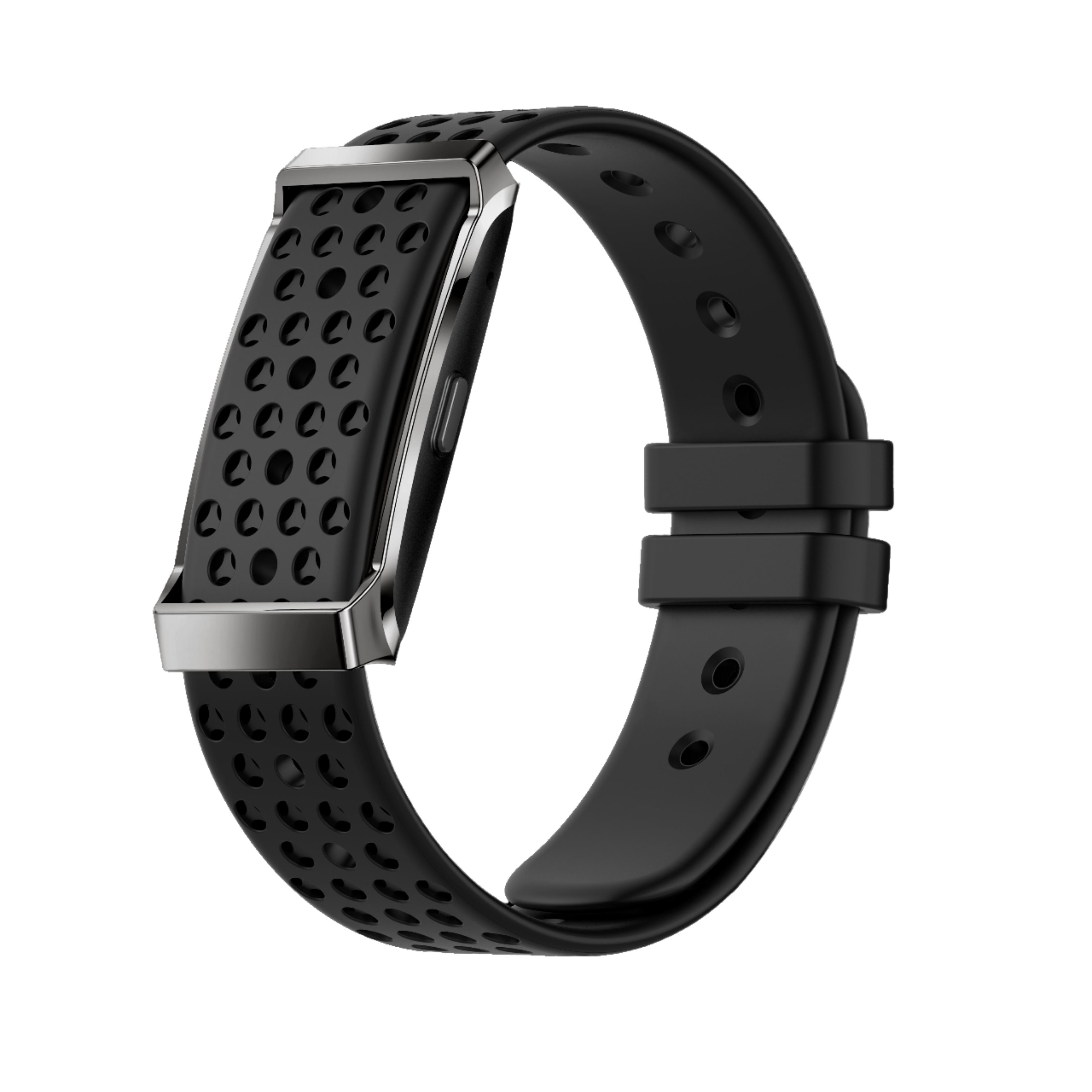
Shenzhen Waterproof OEM Screenless Heart Rate Blood Oxygen Sleep Activity Monitor Smart Bangle
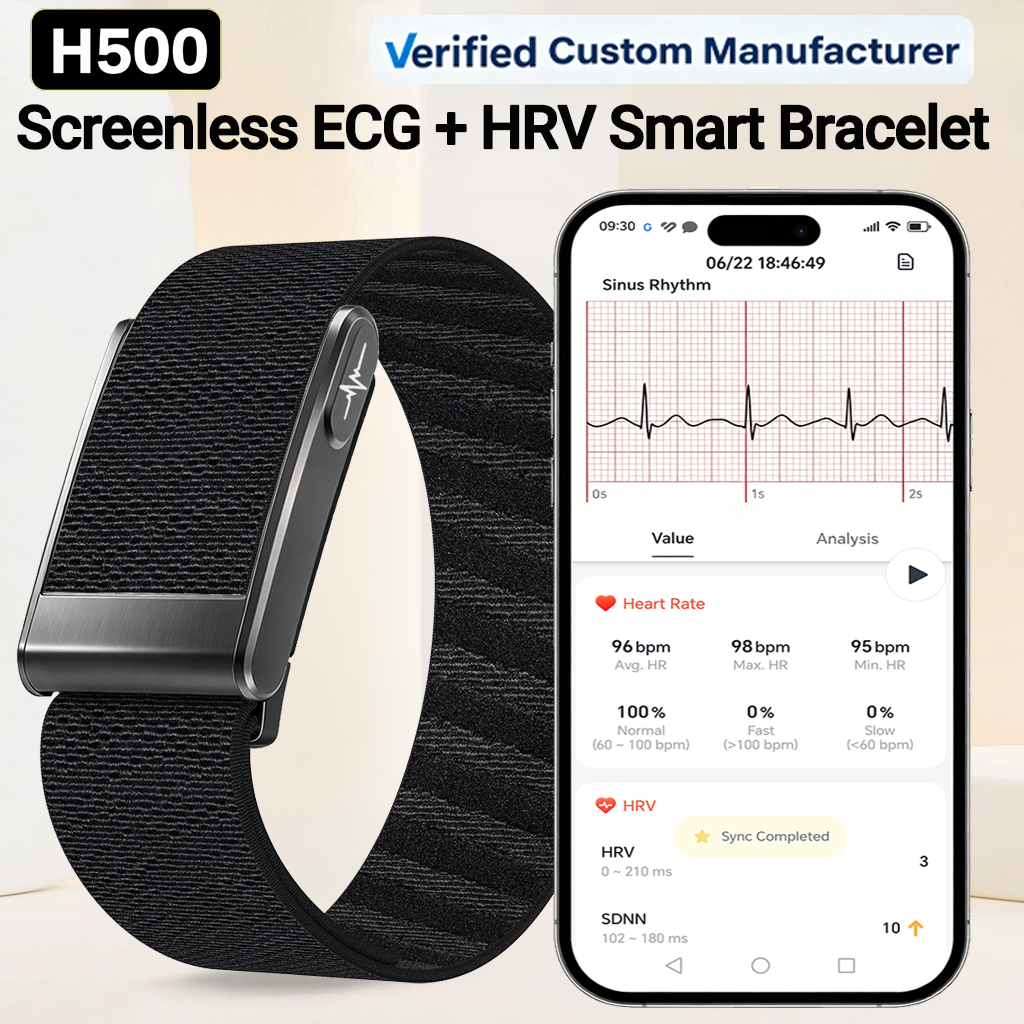
Spovan Screenless Smart Bracelet ECG HRV Fitness Tracker IP68 Waterproof Sleep Monitor OEM ODM
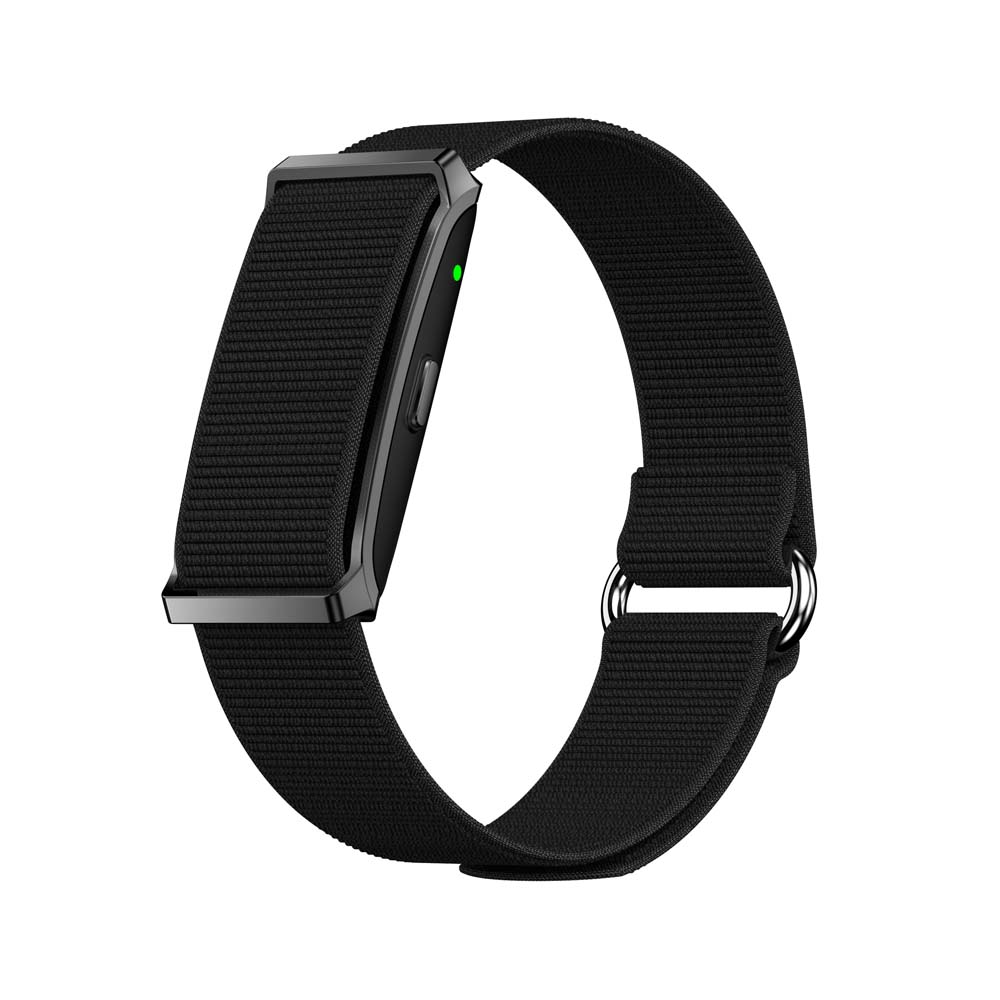
Wholesale Customized Men Women Waterproof OEM PPG Smart Bracelet With SDK Platform Support
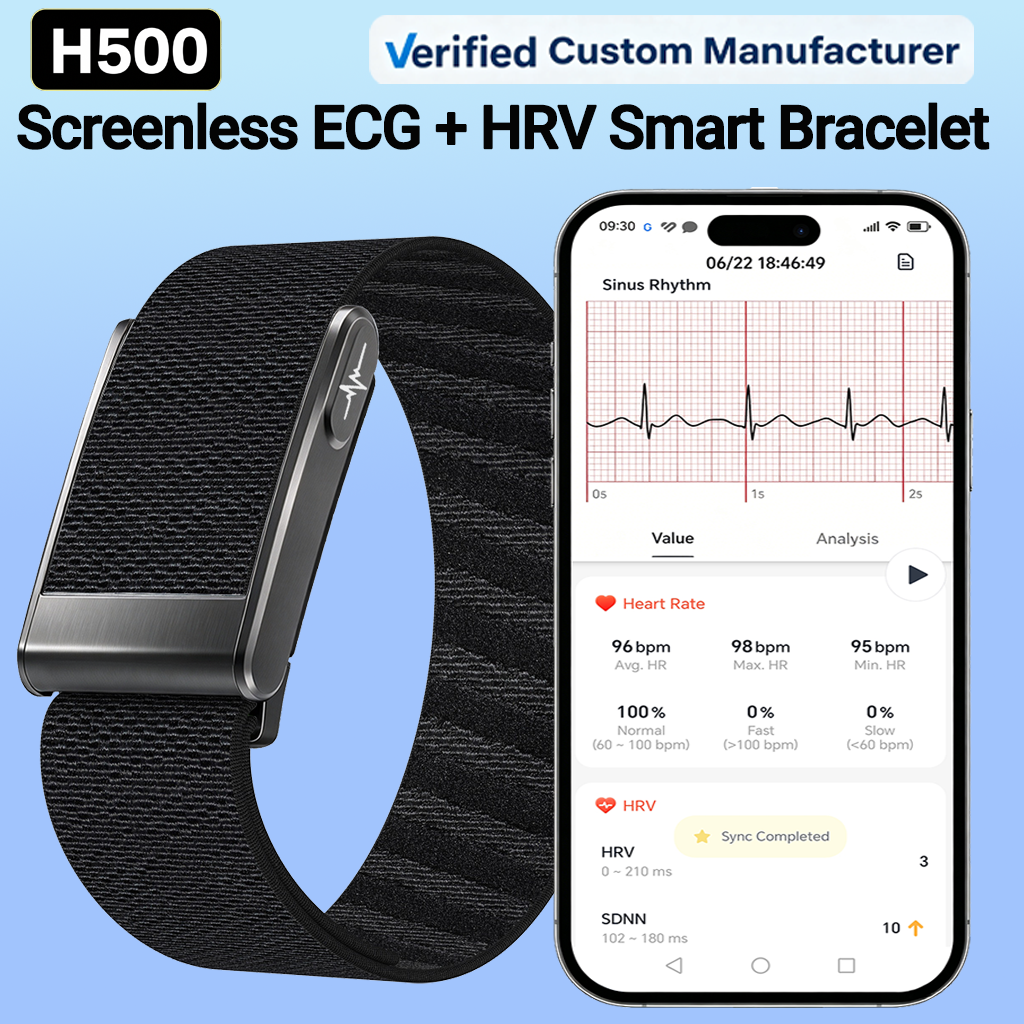
ECG HRV Smart Band Screenless Health Tracker Fitness Wristband Heart Rate Monitor Factory OEM ODM
Localization Context: Deploying Biometric Telemetry in St. John’s & Atlantic Canada
A rigorous examination of physiological monitoring challenges under maritime sub-arctic environments, localized regulatory frameworks, and specialized industrial operational needs.
1. Environmental Stress Factors: The Avalon Peninsula Macroclimate
Deploying commercial and industrial-grade heart rate monitoring hardware in St. John’s, Newfoundland and Labrador, introduces extreme mechanical and optical hurdles rarely addressed by standard consumer-grade wearables. The maritime sub-arctic environment of the Avalon Peninsula is characterized by persistent high-salinity marine aerosols, chronic atmospheric humidity often exceeding 90%, cyclic freeze-thaw events, and sub-zero operational demands spanning from November through April.
Standard photoplethysmography (PPG) optical sensors operate by illuminating human microvascular tissue and calculating perfusion variances via light attenuation. However, when deployed in coastal Atlantic conditions, three physical failure modes commonly emerge: optical refraction anomalies caused by condensing moisture beneath optical sensor crystal windows; vasoconstriction-induced low perfusion states in wearers exposed to sub-zero winds (e.g., -10°C ambient temperatures along the Signal Hill corridors or offshore Grand Banks supply zones); and accelerated galvanic corrosion on charging pins exposed to ocean spray.
Shenzhen Honsys addresses these structural variables at the component level. Our hardware utilizes high-output dual-wavelength green (525nm) and infrared (940nm) emitters coupled with active ambient-light cancellation algorithms and dynamic gain control (AGC). When skin perfusion decreases due to peripheral vasoconstriction, our sensor algorithms dynamically alter LED pulse current (up to 50mA) and exposure integration time, maintaining signal-to-noise ratios (SNR > 45dB) required for reliable telemetry. Furthermore, optical assemblies undergo anti-fog vacuum hydrophobic vaporization, eliminating internal lens condensation across abrupt temperature transitions.
Medical-Grade Dual PPG/ECG
Combining non-invasive bio-impedance, micro-potential ECG differential input amplifiers, and multi-channel PPG arrays to deliver continuous cardiac telemetry, arrhythmia event flags, and HRV spectral metrics (LF/HF ratios).
Sub-Zero Battery Chemistry
Engineered with high-density pure cobalt polymer lithium cells combined with custom low-temperature electrolyte blends, preserving >82% effective capacity discharge at -20°C ambient exposure for continuous winter duty.
IP68 Hermetic Sealing
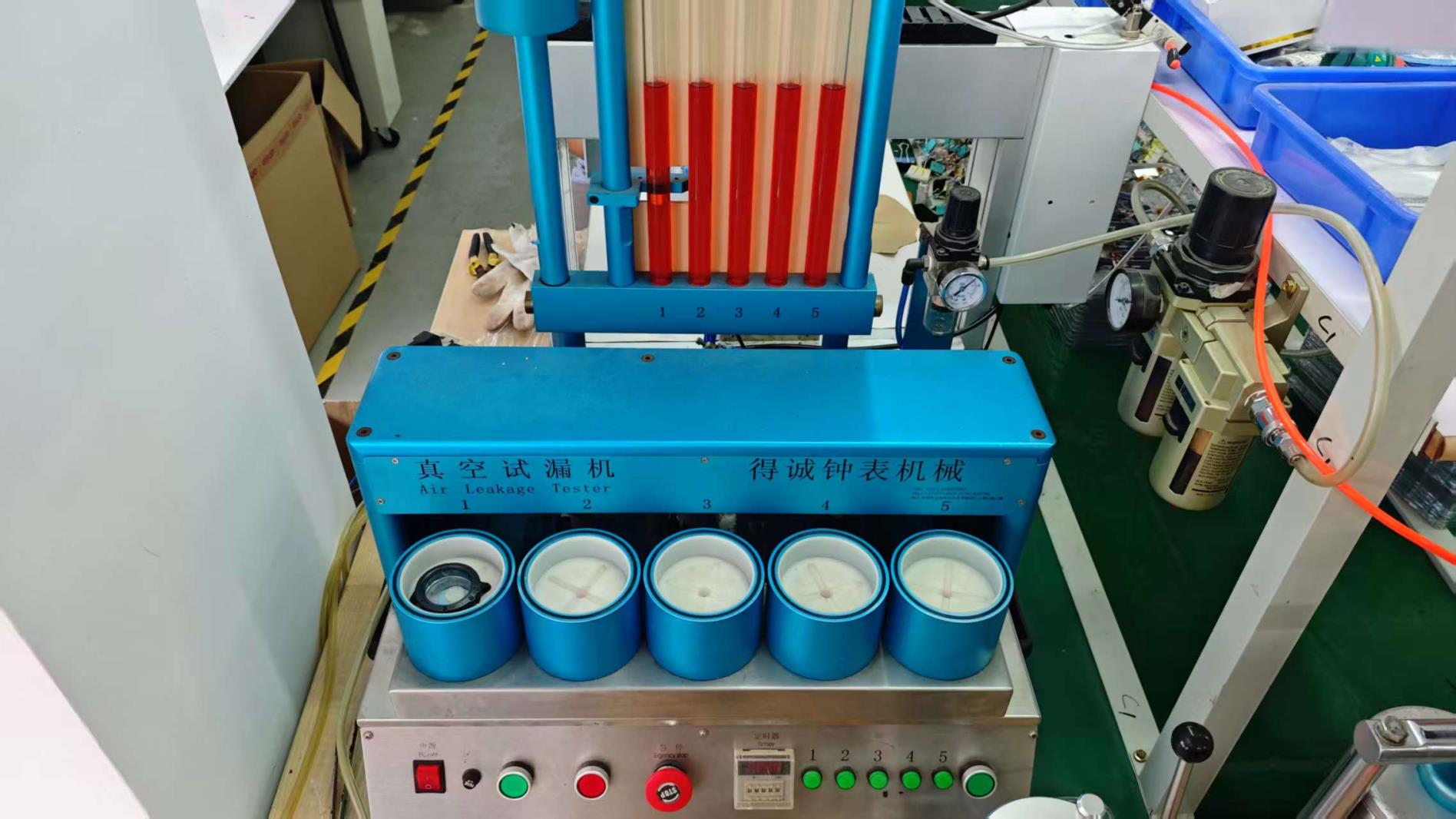
Constructed with dual-molded thermoplastic polyurethanes (TPU) and high-precision ultrasonic adhesive bonding, tested via automated 100% pneumatic positive and negative pressure decay testers to resist salt-fog erosion.
2. Key Localized Use Cases in St. John’s & Rural Newfoundland
A. Offshore Marine Operations & Arctic Logistics: For personnel operating out of the Port of St. John's serving offshore platforms (such as Hebron and Hibernia) or commercial fishing fleets in the North Atlantic, physical exhaustion, hypothermia, and silent cardiac strain represent immediate occupational hazards. Screenless smart bracelets (e.g., our DS10 and Vigor series) offer non-intrusive 24/7 cardiac workload tracking without displaying disruptive notifications that compromise focus during deck operations. The absence of a screen maximizes casing rigidity, limits glass fracture risks, and extends single-charge endurance to 14–25 days.
B. Decentralized Rural Telehealth (Eastern Health & Memorial University Research Collaborations): The geographic dispersion of Newfoundland’s population creates chronic logistical barriers to clinical access. B2B importers, digital health providers, and academic health initiatives connected with Memorial University of Newfoundland (MUN) are deploying connected wristbands to monitor elderly patients experiencing cardiovascular conditions. Leveraging our open SDK and raw PPG/ECG output arrays, provincial telehealth software platforms can ingest heart rate variability (HRV), pulse wave velocity (PWV) trends, and blood oxygen saturation (SpO2) directly into HIPAA/PIPEDA-compliant provincial clinical databases via local Bluetooth hub gateways.
C. Outdoor Tourism, Cold-Weather Endurance, and Search-and-Rescue (SAR): The rugged terrain surrounding the East Coast Trail and Gros Morne requires multi-satellite GNSS positioning paired with autonomous heart rate zone alerts. Our AMOLED multi-satellite outdoor smartwatches combine GPS, GLONASS, Galileo, and BeiDou tracking with real-time barometric altimeters and optical heart rate alerts, alerting search-and-rescue teams or trail runners when cardiac zones exceed physiological lactic thresholds.
Hardware Platform Selection Matrix for Canadian B2B Importers
Direct technical mapping between biometric architecture, battery endurance, data pipeline sovereignty, and target procurement verticals.
| Hardware Architecture | Primary Biometric Array | Ingress / Temperature Rating | Data Interface & Firmware | Target Procurement Use Case |
|---|---|---|---|---|
| Screenless Precision Band (DS10 / DS05 Series) | Dual PPG (Green/IR) + Accelerometer (3-Axis Bosch) | IP68 Hermetic / -20°C to +55°C | Raw BLE Telemetry, Open SDK (Android/iOS) | Industrial Fatigue Tracking, Remote Telehealth, Digital Detox Brands |
| Clinical ECG Hybrid Watch (ET571 / Spovan Series) | Single-lead Micro-potential ECG + Dual PPG + NTC Temp | IP68 Sealing / -15°C to +50°C | Lorenz Plot Cloud API, Custom UI, Secure Storage | Senior Care Facilities, Telehealth Programs, Private-Label Wellness |
| Rugged Multi-GNSS Outdoor Watch (3ATM Series) | PPG Dynamic Optical + Barometric Altimeter + Compass | 3ATM Waterproof / -25°C to +60°C | Multi-Constellation Track Sync, Custom Watch Faces | Maritime Marine Crews, East Coast Trail Guides, Cold-Weather SAR |
| Biometric Smart Rings & Vision Frames | Miniature Reflection PPG + Skin Conductance Sensor | IP68 (Rings) / IPX4 (Glasses) | RESTful API, BLE 5.3 Low-Latency Pipe | Executive Sleep Analytics, Audio-Enabled Remote Field Inspection |
3. Macro Sourcing Trends Shaping Wearable Procurement in Atlantic Canada
The wearable procurement environment in Newfoundland and Labrador is migrating rapidly away from generic off-the-shelf consumer electronic brands toward specialized, white-label, programmable hardware platforms. Key strategic drivers include:
Data Sovereignty and Enterprise Cloud Integration: Canadian privacy legislation (PIPEDA) mandates strict controls over the routing and hosting of biometric data. Mainstream consumer smartwatches force users through proprietary, closed overseas cloud architectures that prevent direct EHR (Electronic Health Record) integration. Procurement directors in St. John’s are increasingly specifying "Hardware-as-a-Pipe" models. Shenzhen Honsys supports this movement by providing completely open Bluetooth low energy (BLE) protocols and native development kits (SDKs), allowing Canadian healthcare networks to stream heart rate, RR-intervals, and raw photoplethysmogram waveforms directly to domestic Amazon Web Services (AWS) Montreal cloud instances without passing through third-party intermediary servers.
The Ascendance of Screenless "Distraction-Free" Form Factors: Screenless activity trackers represent the fastest-growing OEM category for corporate wellness and institutional deployments. Without the computational overhead, high luminescence drain, and notification interruptions of color displays, screenless devices achieve runtimes of two to four weeks on a miniature 110mAh lithium cell. This delivers significantly higher long-term patient compliance in chronic cardiac disease surveillance studies, where elderly or non-technical wearers frequently abandon devices requiring daily charging.
Rigid Ingress Quality Over Cosmetic Miniaturization: While metropolitan consumer markets often prioritize razor-thin chassis profiles, maritime Atlantic buyers prioritize structural impact tolerance, salt-mist corrosion resistance, and verified IP68 or 3ATM ratings. Shenzhen Honsys employs strict mechanical tolerances, using reinforced polycarbonate cases, CNC-machined zinc alloys, and surgical-grade 316L stainless steel or titanium electrode contact points that eliminate oxidation risks in high-humidity North Atlantic environments.
Shenzhen Honsys Technology: Your Direct OEM/ODM Engineering Partner
Bridging Chinese precision hardware fabrication with stringent North American quality and regulatory expectations.
Rigorous In-House Quality Assurance
Every single production unit is subjected to functional biometric diagnostic testing, radio-frequency calibration, and automated underwater air-pressure decay testing to guarantee total moisture sealing before packing.
Open Firmware & Full SDK/API Stack
We eliminate proprietary vendor lock-in. We furnish comprehensive documentation, sample Android/iOS codebases, and BLE GATT profile maps, empowering your internal engineering team to build custom experiences.
Comprehensive OEM Customization
From custom silicone and fluororubber strap formulations to pad-printed brand logos, customized GUI firmware languages, personalized laser engraving, and custom-designed retail packaging ready for distribution.
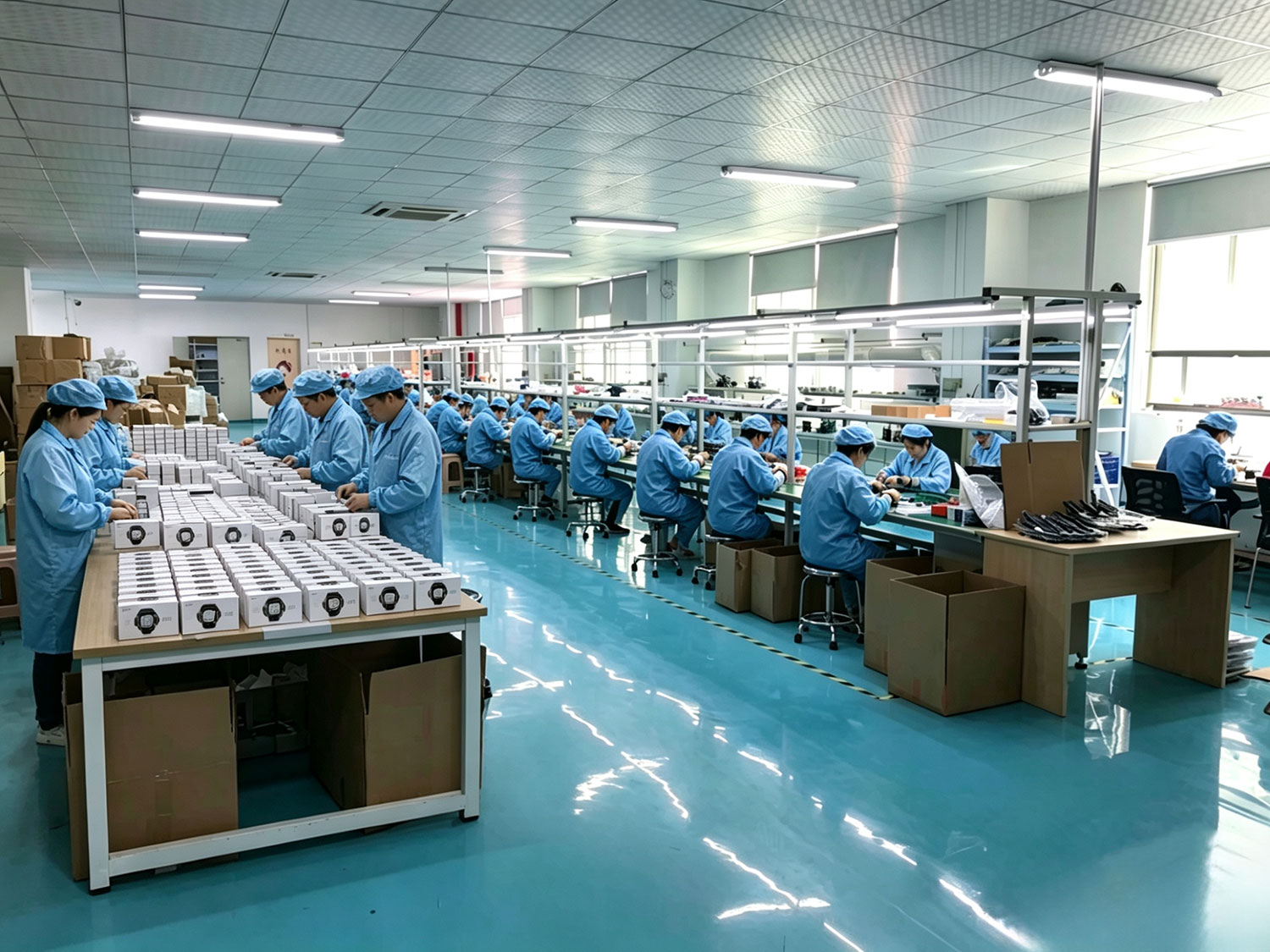
Industrial Fabrication & Quality Control Workflow
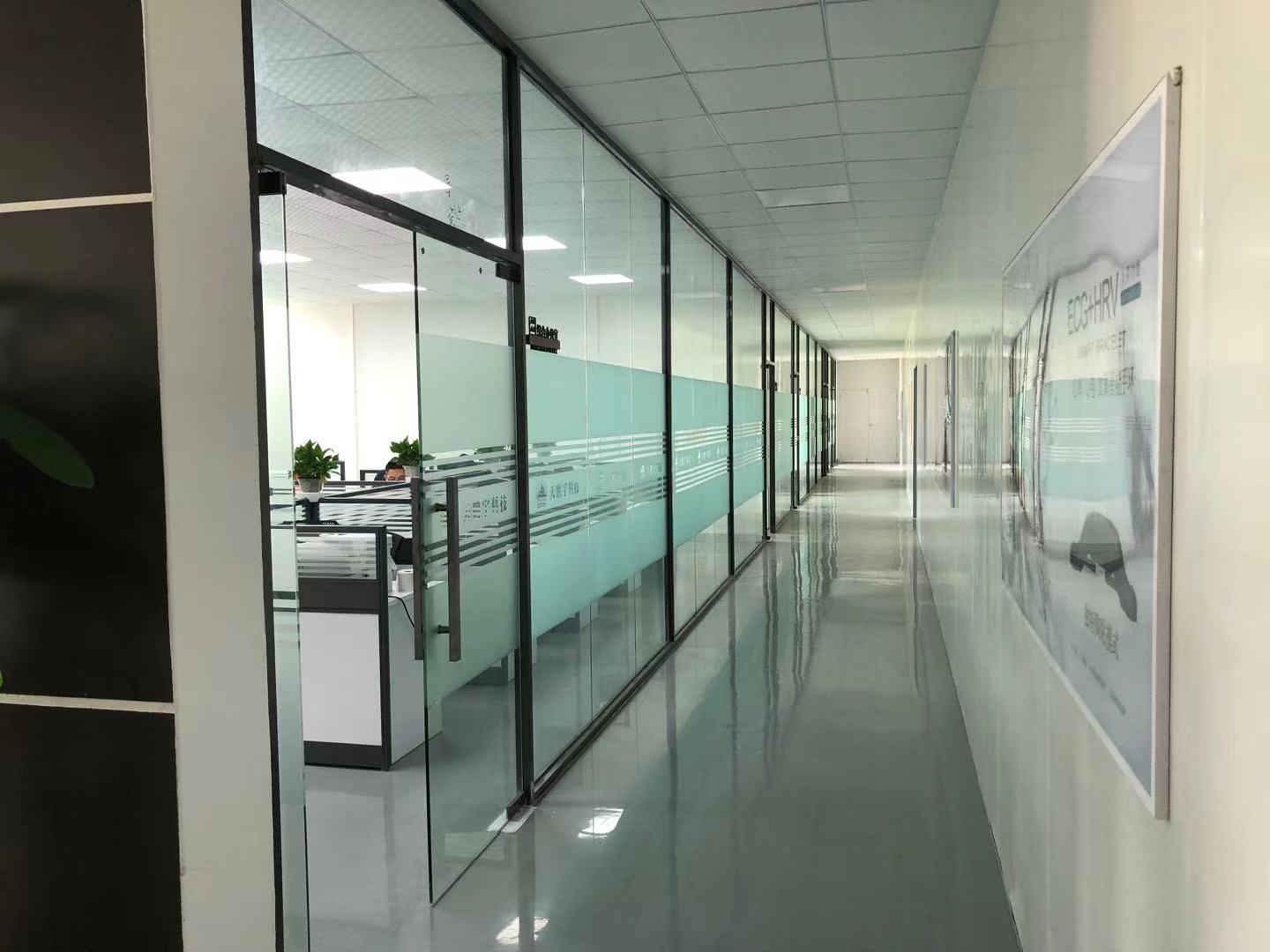
Operating from Shenzhen, China's hardware engineering core, Honsys deploys surface-mount technology (SMT), automated hot-melt gluing, laser engraving, and precision dimensional verification to maintain zero-defect standards for international brand partners.
Frequently Asked Questions for St. John’s & Canadian Buyers
Direct answers covering trade regulations, compliance, cold-weather physics, and integration mechanics.